News
Motorists don’t trust ‘black box’ tech to prove if they are safe drivers or not
Majority of drivers would only choose such a policy in order to save money, rather than improve safety
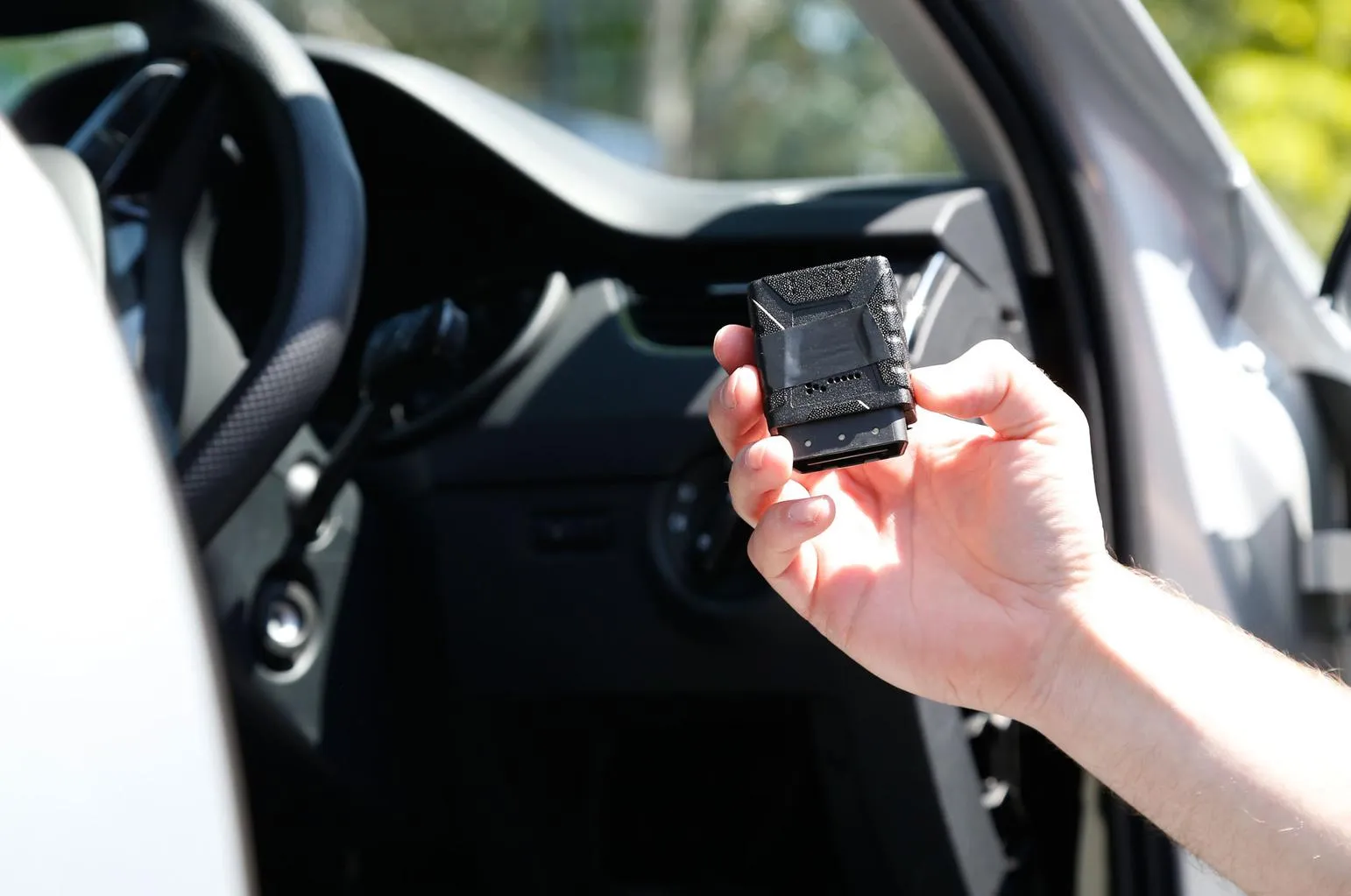
Nearly seven in 10 drivers don’t trust ‘black box’ technology to lower their insurance premiums by proving they are a better driver, according to research by Whatcar.com.
advertisement
scroll for more
Telematics-based insurance policies monitor driving standards by accessing the data produced by a car either by fitting an electronic device inside the car or via a smartphone app. The policies are increasingly being aimed at young, new drivers, with insurance firms rewarding good driving with policy discounts.
However, while improving road safety is the main aim of the new policies, Whatcar.com’s study found the only reason the vast majority of drivers (89%) would use telematics insurance is to save cash, while fewer than two in five (39%) would choose to use it at all.
As well as fearing the ‘Big Brother’ element of having their driving constantly monitored, 67% of motorists said they wouldn’t trust a telematics device to prove they were a good driver.

Steve Huntingford
Updated: 11 May 2016
Car reviews
MG S5 EV
Xpeng G9L
Cupra Terramar
View all new car reviews
Paul O’Dowd, head of sales for telematics provider In-Car Cleverness, said mistrust in telematics-based insurance policies may be justified because insurance companies predominantly use hard-wired telematics systems that rely solely on GPS-based data, as opposed to on-board diagnostics (OBD) systems which take data directly from the car.
advertisement
scroll for more
The scoring systems used also don’t take into account advanced driving methods, as well as other pertinent factors like weather and road conditions, meaning the results can be inaccurate.
He said: “The GPS-based systems that many insurance companies currently use are flawed. The scoring mechanisms do not take into account scenarios that keep a driver safe in the event of a near miss, or advanced driving methods. If all insurers used OBD telematics devices, which capture data readings directly from the vehicle, false data would be significantly reduced.”
Whatcar.com’s editorial director, Jim Holder, said: “Black boxes do encourage safer driving up to a point, but it is also fair to say that it’s often the safest young drivers who choose to have telematics in their car – they would be safe drivers anyway.
“And, while it works to save money for some drivers, it’s important to remember that premiums can go up as well as down based on feedback from the telematics.”
advertisement
scroll for more
A study of the telematics insurance products currently on the market is provided in the current issue of What Car? magazine, which is on sale now, as well as an assessment of the technology.
While savings on insurance premiums can be made, especially by new drivers, the study also found that some drivers – such as more experienced drivers with a full no-claims bonus – will almost certainly be better off with a conventional insurance policy.
Click here to read the full feature
News and advice
News
New Lamborghini Temerario Spyder adds drop-top thrills to V8-powered sports car
Sponsored
The most reliable 7-seaters - and and the least
Best of
The 10 cheapest new cars you can buy - reviewed and rated
News
Deal of the Day: Buy a Hyundai i20 from £175 per month
News
New Volkswagen ID Polo GTI Clubsport Concept previews spicy 362bhp electric hot hatch
News