Advice
The UK law on dogs in cars: fines, rules and restraints explained
Driving with your dog isn’t just about comfort – it’s the law. Here’s what you must do to avoid fines, and keep you and your dog safe
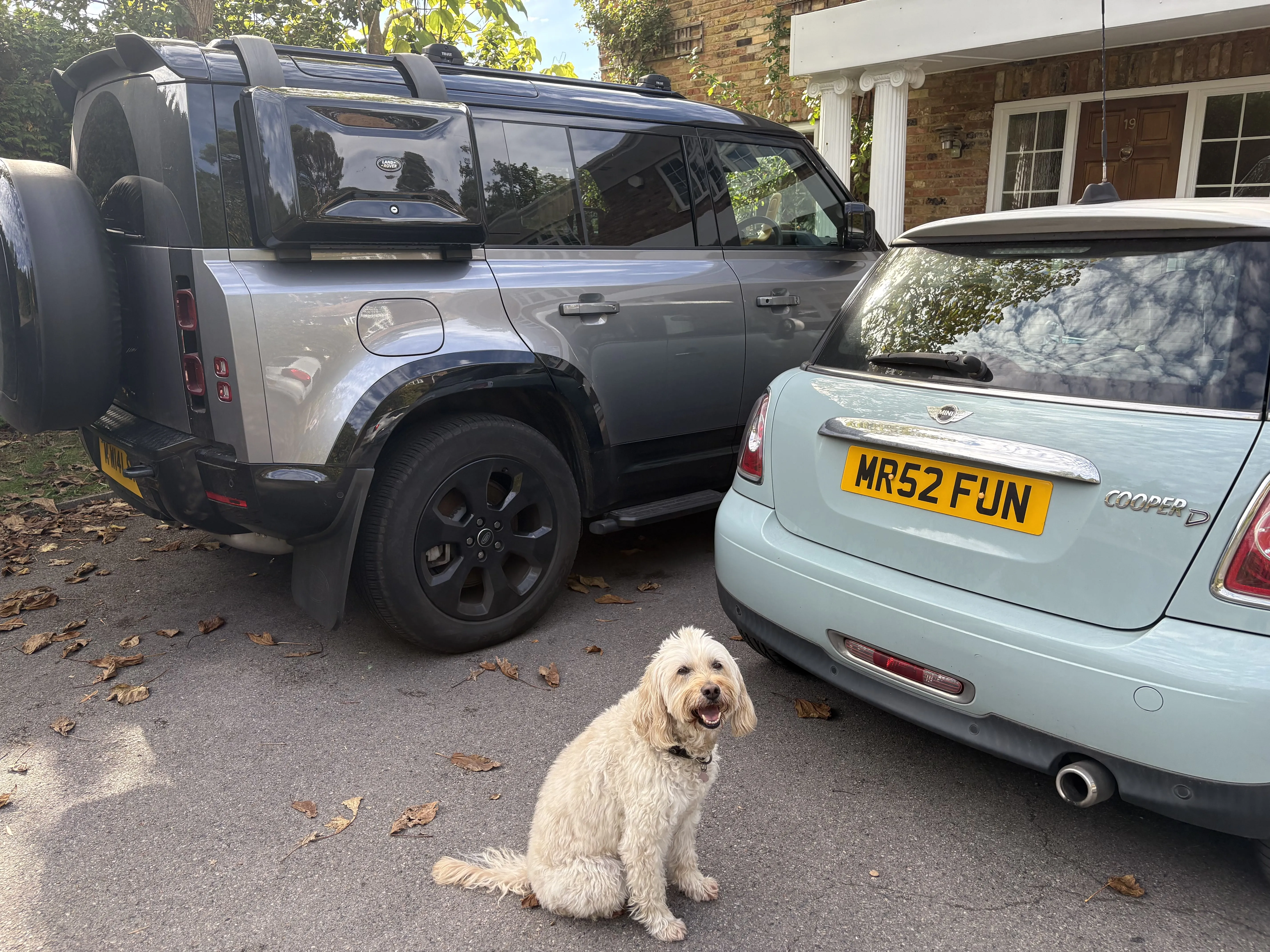
You can legally drive with a dog in your car in the UK, but under Highway Code Rule 57, your dog must be suitably restrained.
advertisement
scroll for more
If your dog is loose and distracts you, you can face a fine of up to £5000 and receive up to nine penalty points for careless driving. An unrestrained pet could also invalidate your car insurance.
For recommendations on the best vehicles for your pets, check out our guide to the best cars for dog owners.
What does the law actually say (Highway Code Rule 57)?
Rule 57 of the Highway Code states: “When in a vehicle make sure dogs or other animals are suitably restrained so they cannot distract you while you are driving or injure you, or themselves, if you stop quickly.”
There is no specific standalone offence for driving with an unrestrained pet. However, the police could stop you and charge you with driving without due care and attention if your dog distracts you or interferes with your control of the vehicle.

Charlotte Walsh
Updated: 6 October 2026
Car reviews
Volkswagen ID Cross
Porsche 718 Boxster Electric Prototype
Mercedes GLA Electric
View all new car reviews
What are the fines and penalties for having an unrestrained dog in your car?
Penalties can escalate depending on the severity of the distraction:
advertisement
scroll for more
- On-the-spot fine: You can receive a standard £100 fixed penalty notice and three penalty points on your licence
- Court prosecution: If taken to court for careless driving, the fine can rise up to £5000 alongside nine penalty points or a driving ban
Additionally, if you’re involved in an accident while your dog is unrestrained, your insurer may refuse to pay out for damages. A voided policy can lead to significantly higher car insurance premiums in the future, too.
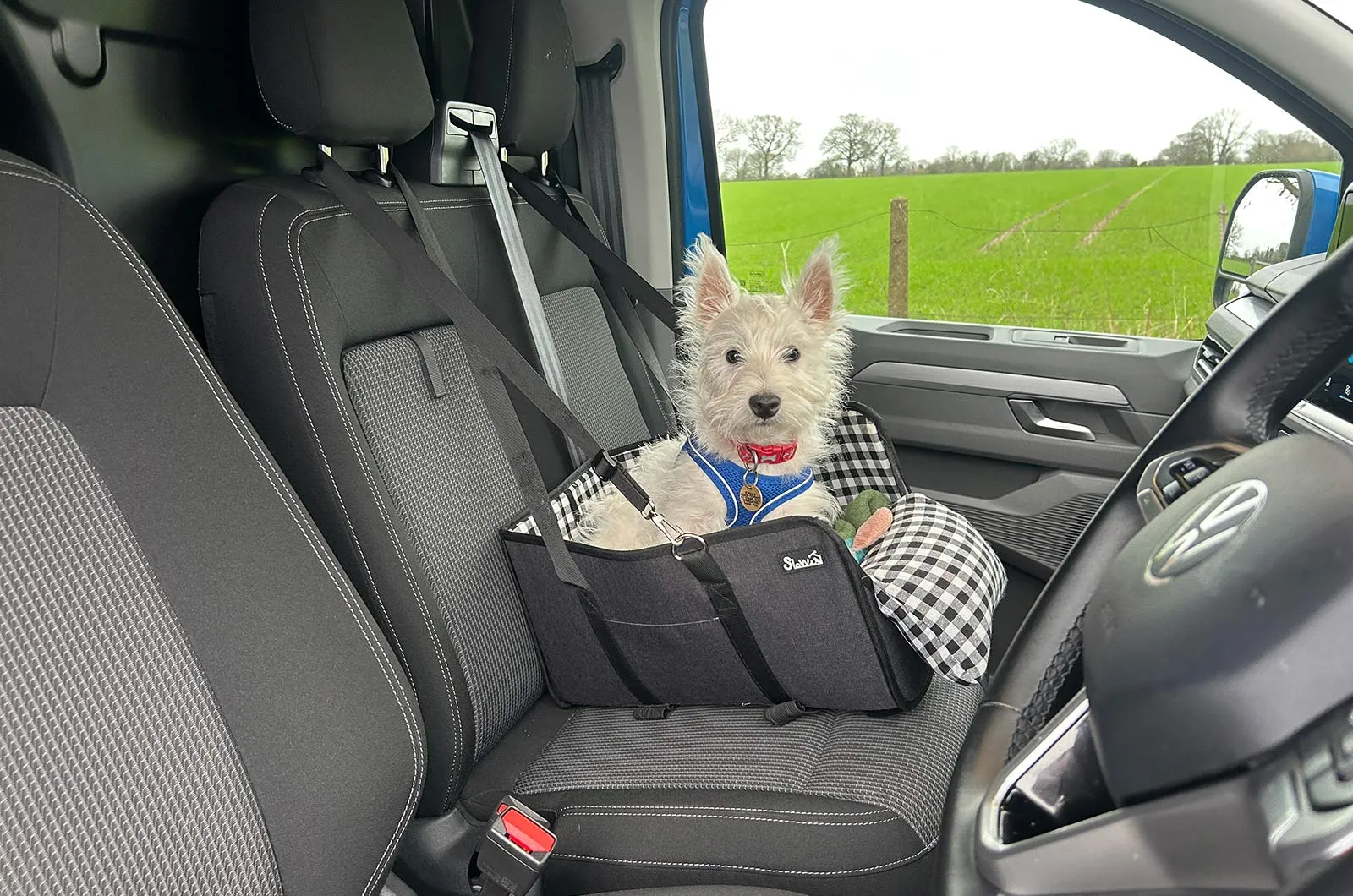
How to safely restrain a dog in a car
To comply with the UK dog in car law, you should use one of the following safe restraint options:
- Dog seat belt harness: Affordable and easy to use, harnesses attach directly to standard seat belt buckles. You should ensure it attaches to a chest harness rather than a neck collar
- Dog crate or cage: Keeps your pet secure in the boot or back seat. They offer excellent protection in a crash, although they take up significant boot space
advertisement
scroll for more
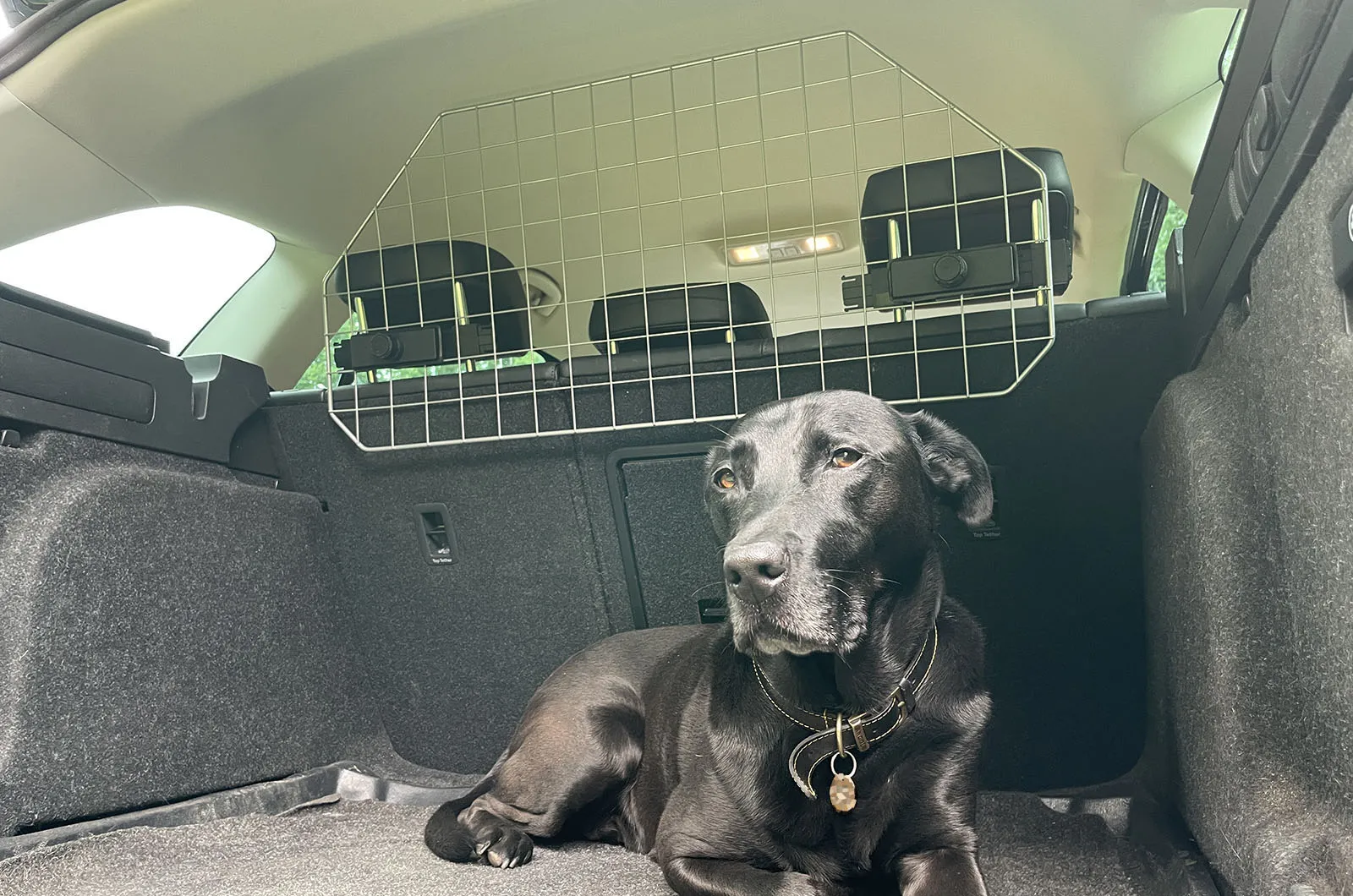
- Dog guard: A metal mesh grid separating the boot space from the passenger compartment is great for larger dogs
- Pet carrier: Ideal for smaller dogs which should be secured with a seat belt or placed securely in the footwell behind the front seats
Read our full guide on the best dog guards for more detailed restraint options.
Can a dog travel in the front seat of a car?
Yes, it is legally permitted for a dog to sit in the front passenger seat, provided they are suitably restrained with a harness attached to the seat belt.
However, if your dog sits in the front seat, you should move the seat as far back as possible and disable the passenger airbag. An inflating airbag can cause severe injury to a pet in an impact – something to be aware of if your dog insists on being a passenger princess.
To disable your car’s airbag, you’ll need to insert your car’s key into the physical deactivation switch, which is usually located in the dashboard or inside the glovebox. Don’t forget to reactivate it afterwards to ensure human passengers are protected.
advertisement
scroll for more
Leaving a dog in a hot car and the Animal Welfare Act
Leaving a dog in a hot car can quickly become fatal. Under the Animal Welfare Act 2006, owners have a legal duty of care to protect their pets from pain, suffering, injury, or disease.
If a dog experiences heatstroke or distress because it was left in a warm car, you could be prosecuted for animal cruelty. Penalties include unlimited fines, a prison sentence of up to five years, and a ban from owning pets.
Modern vehicle manufacturers cater to pet owners with dedicated features and practical accessories. For example, the Tesla Model Y includes 'Dog Mode', a system that maintains climate control while parked to keep pets cool and comfortable during short periods. Additionally, practical accessories like Skoda’s pet packs – which feature boot liners and guards – allow drivers the option to further enhance their vehicle's suitability for travelling with pets.
Frequently Asked Questions
Do I need to stop for my dog on a long journey?
advertisement
scroll for more
Yes. On long trips, you should stop every two to three hours to allow your dog to stretch, drink water, and go to the toilet. Never leave your dog unattended in the car during breaks.
Can my dog stick its head out of the car window?
No, this should be avoided, regardless of the puppy-eyed pleas. A dog leaning out of a window can distract the driver, risk injury from passing debris, or potentially fall out. It also contravenes The Highway Code Rule 57, meaning you could face stiff penalties. Keep windows closed or opened only slightly for ventilation.
Can a dog sit on my lap while driving?
No. Allowing a dog to sit on your lap while driving is extremely dangerous and directly violates Highway Code Rule 57. It prevents full control of the vehicle and will result in fines and points for careless driving.
Read more: Best cars for dog owners
For all the latest reviews, advice and new car deals, sign up to the What Car? newsletter here
News and advice
News

What Car? Reader Award: vote for the most exciting new car of 2027
Best of
The best new car PCP deals
News
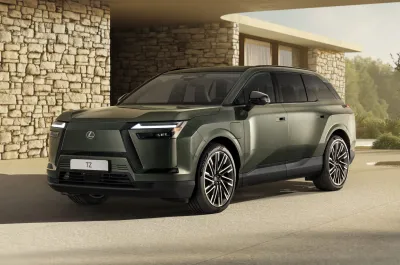
2027 Lexus TZ is premium six-seat electric SUV for £75k
News
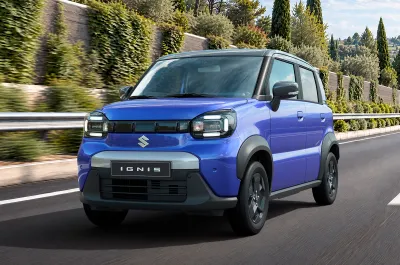
New Suzuki Ignis EV to return as all-electric Renault Twingo rival
What Car? Promotion
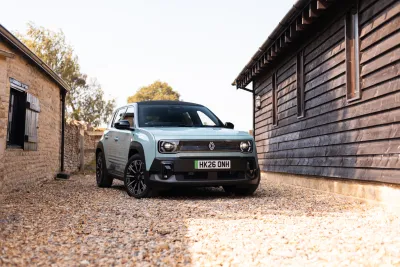
Why Renault 4 is the antidote to the dull company car
News