News
UK Government could water down electric car sales targets this week
EV sales targets are set to be scaled back following the Government’s review into its legislation
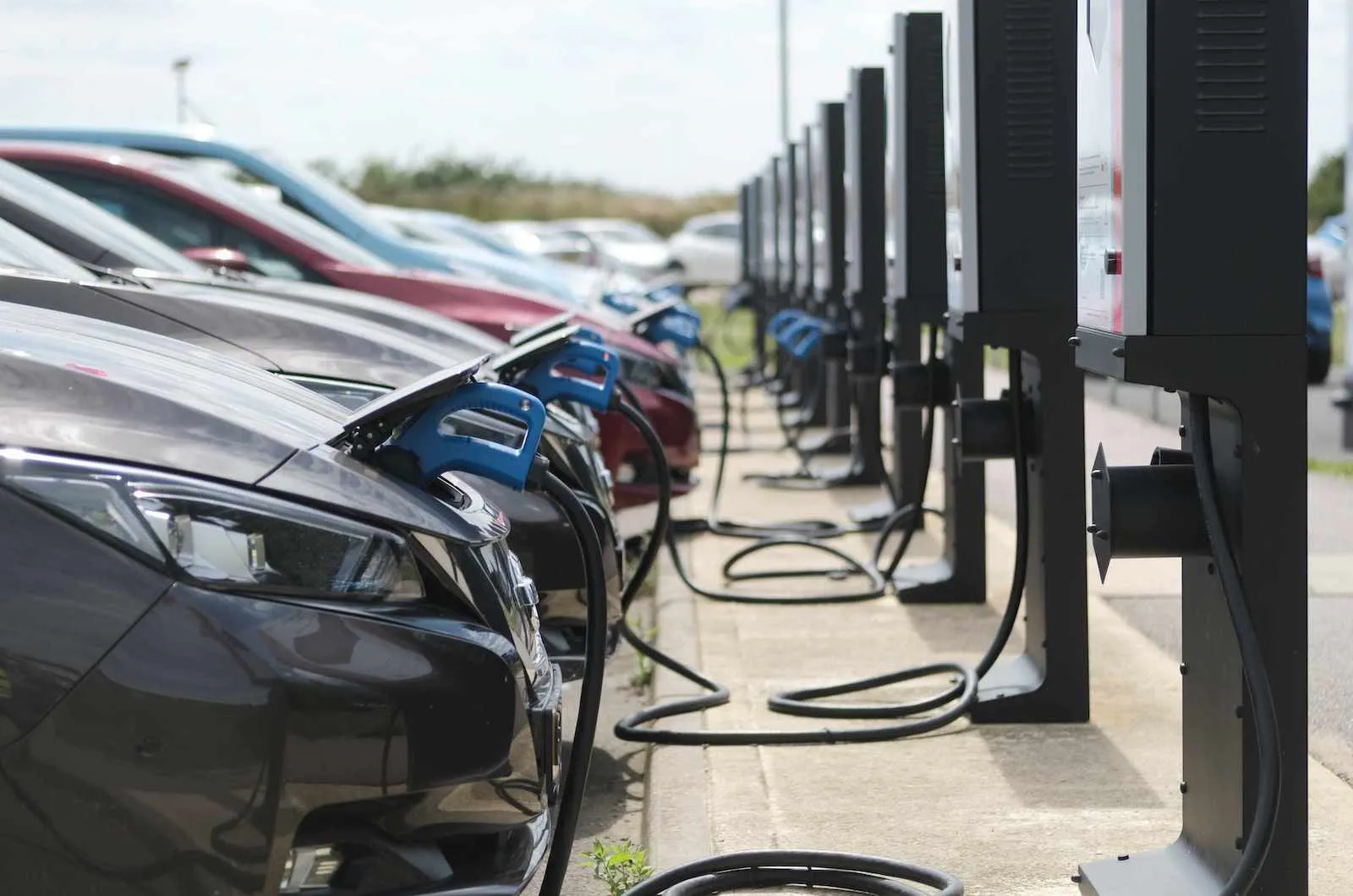
The Government is reportedly preparing to ease its electric vehicle (EV) sales mandate this week, as manufacturers continue to fall behind current targets.
advertisement
scroll for more
Reports from the BBC and the Guardian suggest that first secretary of state Louise Haigh will announce a revised version of the Zero-Emission Vehicle (ZEV) Mandate later this week, featuring reduced EV sales targets that better reflect real-world demand.
Under the current legislation, 80% of all new car sales should be electric by the end of 2030, but it has been suggested by government insiders that Haigh will reduce this target to as little as 60%. It’s also expected that flexibilities for manufacturers will be extended until 2034, such as where they can avoid fines for missing targets by selling more hybrid cars, or making up for lower EV sales by selling more in the future.
However, when asked about the reports, Prime Minister Andy Burnham dismissed them as “speculation”, stating: “No decision has been made at this point.” Reports indicate that Burnham has recused himself from the issue due to his wife Marie-France van Heel’s links to Manchester-based EV charging firm Be.EV.

Eleanor Cooper
Updated: 10 November 2026
Car reviews
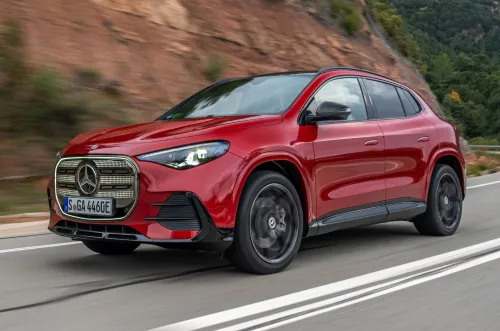
Mercedes GLA Electric
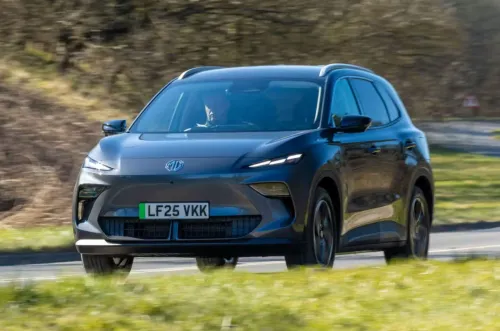
MG S5 EV
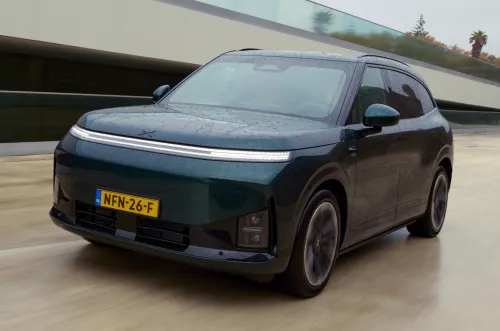
Xpeng G9L
View all new car reviews
advertisement
scroll for more
Currently, EVs account for 26.6% of the UK’s new car market, according to data from the Society of Motor Manufacturers and Traders (SMMT). Sales have shot up over the last few months, with 500,000 electric cars leaving showrooms between January and November this year – 30% more than last year.
However, the SMMT predicts the gap between the ZEV Mandate target and actual sales is only set to widen. It estimates EV market share will increase only to 27.2% by the end of 2026, to 32% by the end of 2027, and then to just 37.5% in 2028 – lagging significantly behind the 52% target for that year. It’s worth noting that these targets do not take into account the flexibilities manufacturers are allowed to mitigate shortfalls.
Earlier this year, the Government launched a review into the ZEV Mandate, with the aim of consulting with car manufacturers, the wider automotive industry and consumers on whether it should reduce the proportion of EV sales that vehicle manufacturers need to produce between 2027 and 2035, when a ban on petrol and diesel cars will be implemented. It is expected to announce the results of this review by the end of the year.
advertisement
scroll for more
Any reduction of the targets would likely be welcomed by the automotive industry, but would be seen by some as a lack of commitment to environmental issues and the wider EV movement.
When the mandate review was announced in August, Iain Coucher, chair of EV charging association ChargeUK, said: “Any weakening threatens billions in charging investment and thus the wider opportunity from electrification. The most extreme options in this consultation threaten to entirely upend the UK’s reindustrialisation plans.”
SMMT Chief Executive Mike Hawes emphasised the importance of the review last week, highlighting that the gap between supply and demand is not expected to close any time soon.
“Almost one in three new cars registered in October was electric – great progress in the transition, but one that comes at enormous cost,” he said. “The industry and government are spending billions to help drivers switch, but that support cannot be sustained indefinitely with the gap to mandated targets set to more than double by 2028, just as a new EV-only tax is introduced.
advertisement
scroll for more
“Higher targets may force supply, but they do not create demand. The ZEV Mandate review must deliver substantive reform effective immediately to ensure we have a healthy market and an attractive pitch to investors.”
According to the Guardian, the review proposed five main options, involving reduction targets being reduced by anywhere between 70% and 50%, or remaining unchanged with extended flexibilities. The issue has reportedly divided the Labour cabinet, with business secretary Jonathan Reynolds calling for the steepest 50% cut, transport secretary Heidi Alexander campaigning for 60% and energy secretary Miatta Fahnbulleh (as well as her predecessor Ed Miliband) arguing for it to remain at 80%.
For all the latest reviews, advice and new car deals, sign up to the What Car? newsletter here
Read more: ZEV mandate: 33% of new cars must be electric this year >>
Industry news
Electric car news and features
News and advice
News
New Subaru E-Outback off-roader to arrive next year with 325-mile range for £50k
Feature
Renault 4 long-term test
News
New Lamborghini Temerario Spyder adds drop-top thrills to V8-powered sports car
Sponsored

The most reliable 7-seaters - and and the least
Best of
The 10 cheapest new cars you can buy - reviewed and rated
News