News
Autumn Budget 2026: fuel tax discount remains; more pay-per-mile plans revealed
This year's Autumn Budget introduces a number of measures affecting motorists. We explain what this means for you

The Government has extended the 5p discount on fuel duty until 1 July 2027, it has announced today (28 October), in an attempt to address the impact of high petrol and diesel prices on motorists.
advertisement
scroll for more
Announced by Chancellor John Healey as part of the 2026 Autumn Budget, the fuel duty cut was originally set to stay in place until 31 December this year. The extension comes at a time when motorists are already being hit hard by high fuel prices as a result of the conflict in the Middle East. In fact, fuel prices are at their highest point since 2022, with the average price of diesel having exceeded a record £2 per litre earlier this month, as reported by the RAC.
It also confirmed it will extend the current 0% VAT rate on domestic electricity until 1 July 2027, which is good news for EV owners who charge their car at home. Additionally, it announced an 'eVED Connect' service, which will help drivers use their car's data to pay for the upcoming pay-per-mile tax being introduced for electric and hybrid cars.

Eleanor Cooper
Updated: 28 October 2026
Car reviews
Iveco eJolly
Hyundai Ioniq 3
Volkswagen T-Roc
View all new car reviews
The Government had already announced several plans ahead of the Budget. These include making permanent the 55p per mile tax-free rate for business drivers on their first 10,000 miles annually, as well as increasing the rate for additional miles from 25p to 35p.
advertisement
scroll for more
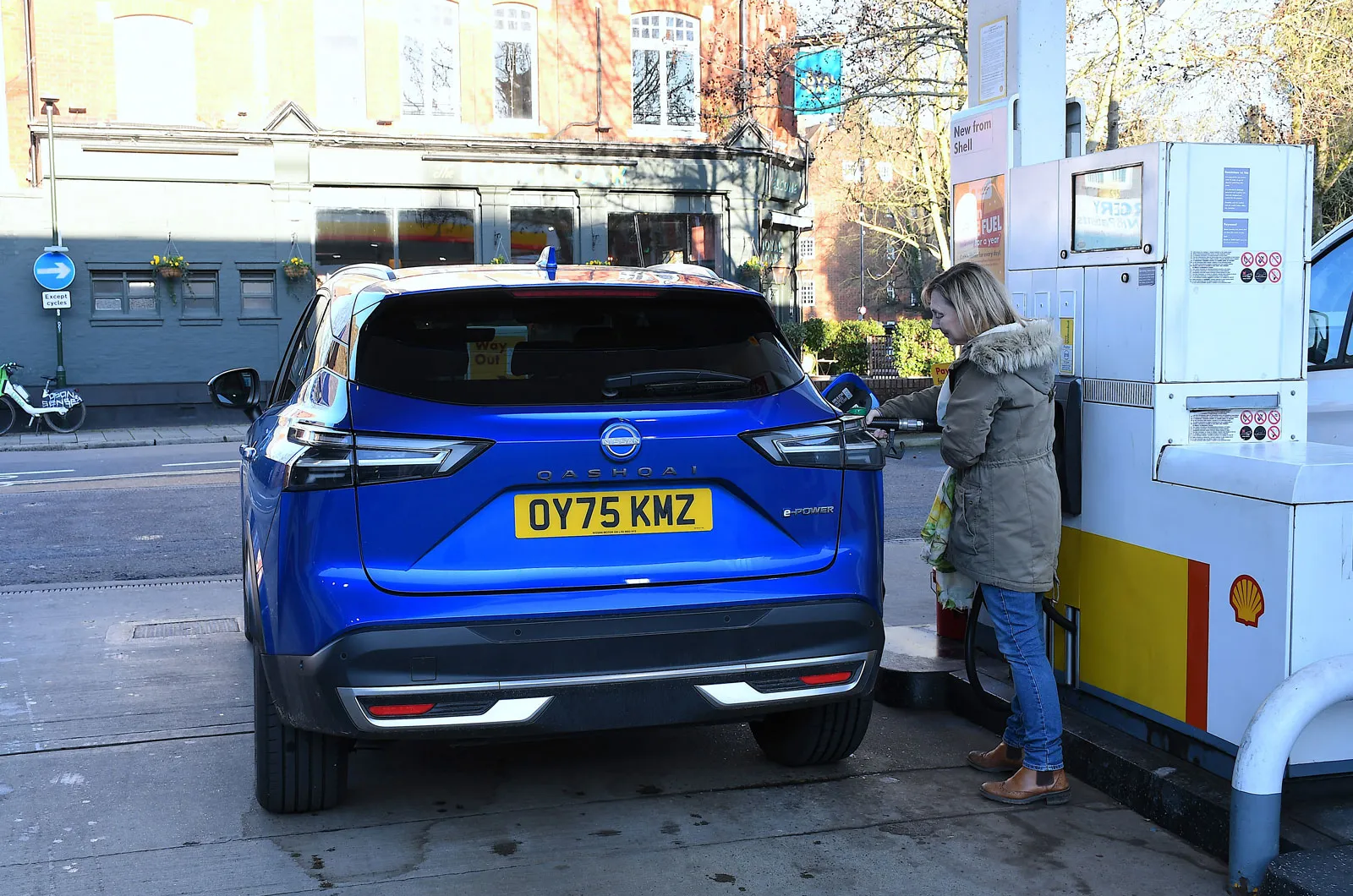
Mileage rate increase
Earlier this year, the Government raised the amount employers can reimburse their employees tax-free for using their own vehicle for work from 45p per mile to 55p per mile. The new rate had originally been due to end in April 2027, but the Government announced on Monday that it would be made permanent. This applies to the first 10,000 business miles driven each year.
It also announced that the rate for additional miles beyond the first 10,000 would rise from 25p to 35p from 6 April 2027.
These changes were brought in to tackle the rising cost of motoring, and are expected to benefit around three million people.
Fuel duty freeze
Having already been extended once this year, the Government has once again prolonged the 5p cut to fuel duty in an attempt to address the current extortionately-high petrol and diesel prices, especially since they are expected to continue to rise well into 2027. This cut was originally due to end on 31 December this year, and fuel duty was set to rise in line with inflation in March next year. However, the 5p cut will now remain in place until July.
advertisement
scroll for more
Recent RAC research found that just 13% of motorists would solely prefer fuel duty to remain at its current rate. On the other hand, one in three drivers (34%) would prefer the Government to cut VAT on fuel to tackle the high prices, with fuel duty remaining frozen. Meanwhile 29% would have preferred a further cut to fuel duty beyond the 5p.
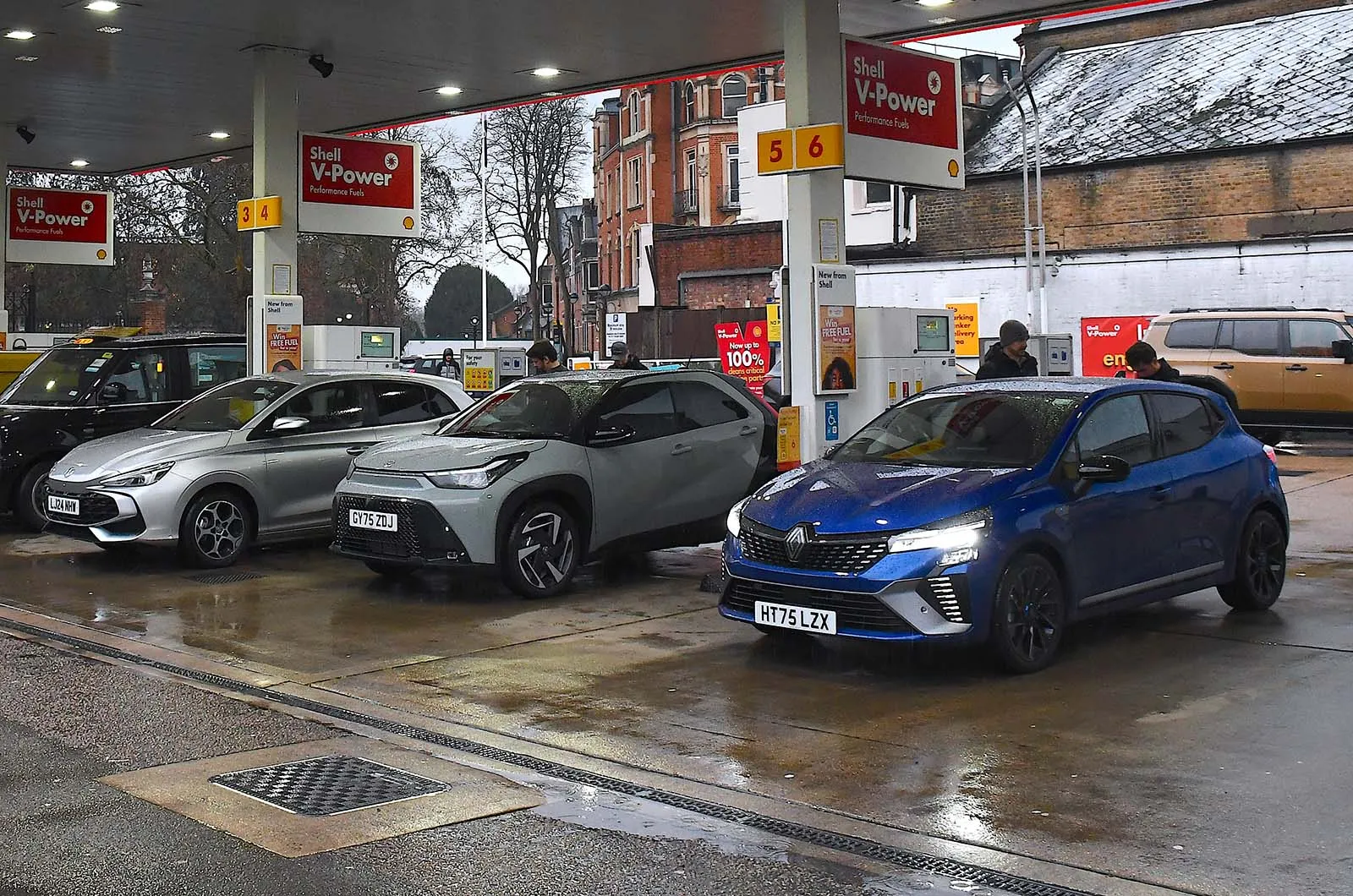
The RAC says a VAT cut to fuel would particularly benefit diesel drivers, since the amount of VAT charged rises and falls with the price of the fuel. It estimates reducing VAT by 2.5% to 17.5% would equal around a £2 saving per fill-up for unleaded customers, and £2.30 for diesel drivers. A 15% rate would equal savings of approximately £4 for petrol and £4.60 for diesel, while a 10% rate would reduce the cost by £7.90 and £9.10 respectively.
VAT cuts to domestic electricity and public EV charging
The Chancellor confirmed that the current 0% VAT rate on domestic electricity will be extended until July next year. This comes as good news for electric car owners who can charge their car at home, because it means they will not have to pay VAT on the electricity they use to charge their car during this time.
advertisement
scroll for more
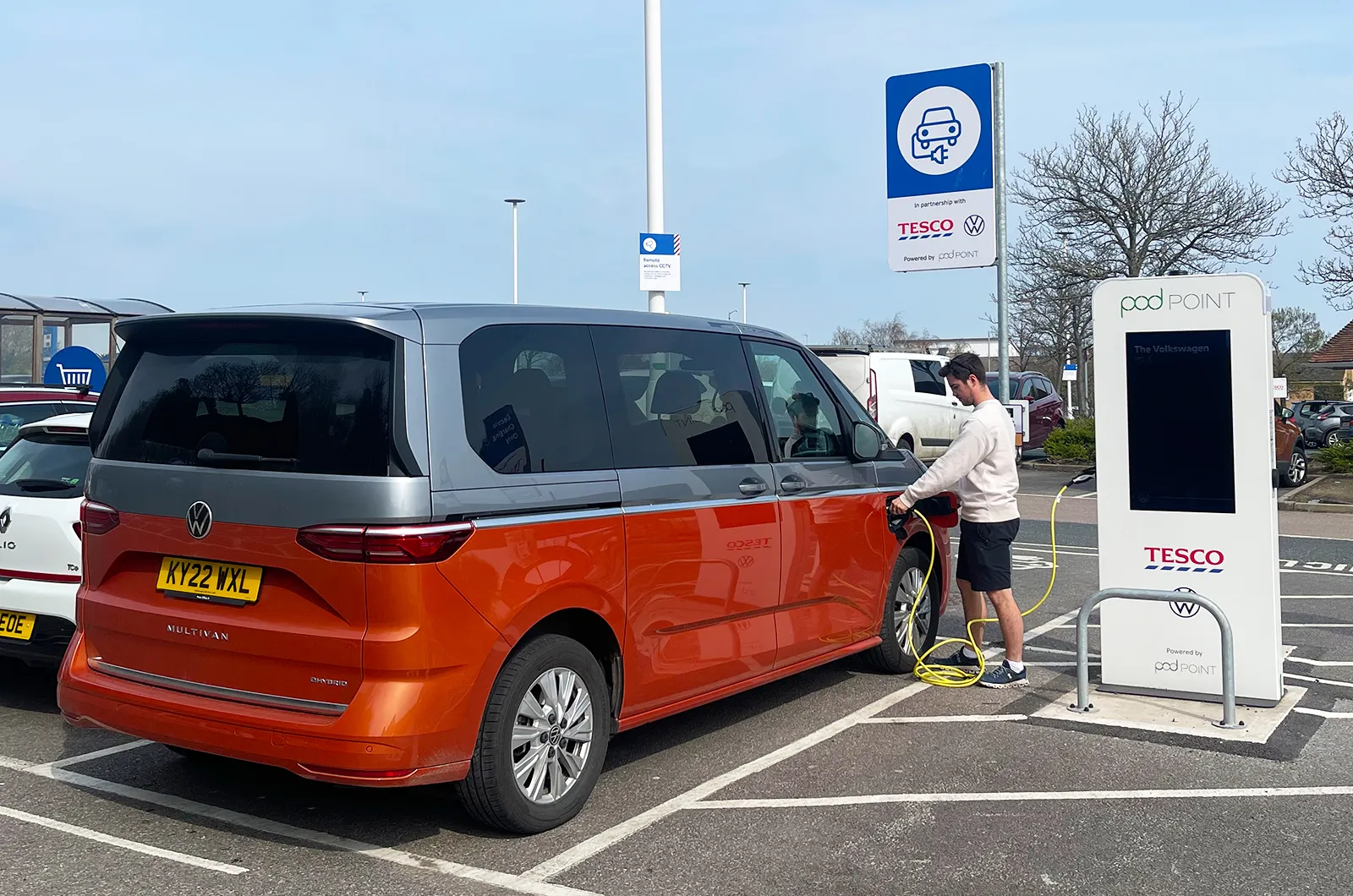
The Government also announced it will dedicate £100 million over the next two years to reducing the cost of public EV charging – though exactly how this money will be spent has not yet been clarified. It will come into effect in spring next year, and is expected to save EV drivers without home chargers around £150 per year. Additionally, the Government will put together a taskforce to explore the opportunity for drivers to use their home electricity tariff at local, lower-powered public charge points.
Indeed, the cost gap between home charging and public charging has long been an issue that has turned many drivers off making the switch to an EV. This is partially due to the mismatch in VAT charged on home electricity versus at a public charging station; the domestic VAT rate for electricity is generally 5% (currently reduced to 0% until 1 July 2027), but it’s 20% on the public EV network. However, the Government confirmed it will publish legislation next month clarifying that public charging will remain subject to the 20% VAT rate.
advertisement
scroll for more
This means drivers who cannot install home EV charging solutions are disproportionately affected by high public charging costs. The RAC estimates around 9.6 million (35%) British households do not have access to off-street parking, leaving them to rely on the public charging network. As part of its EV manifesto, What Car? has been calling on the government to cut the VAT rate of public EV charging to match the domestic electricity rate.
eVED Connect – 'opt-in' service for electric and hybrid car drivers
As announced in last year's Budget, EV and plug-in hybrid drivers will be hit with a new tax called eVED from April 2028, designed to make up for anticipated losses in fuel duty revenue as more people go electric and buy less petrol and diesel. Today, the Government announced it will launch several measures to supplement the introduction of the tax.
The first will be a mileage estimation tool designed to support motorists by helping them gauge how many miles they drive per year, and therefore how much tax they should pay.
advertisement
scroll for more
There will also be an 'opt-in' system that will allow motorists to connect their cars to a service called 'eVED Connect' instead of having to report their mileage manually. They could also use this data to estimate their mileage for the next upcoming year.
Finally, the Government will develop a refund model by 2030, which will streamline the refund process when a driver overestimates their mileage or sells their car. It says it is working closely with the industry and motoring representative groups to develop these projects.
ZEV Mandate review
Before the end of 2026, the Government will publish the UK's response to the ZEV Mandate review it announced earlier this year. The review will inform any changes to the current legislation from 2027.
The mandate currently requires 33% of all new car sales to be fully electric by the end of this year. These targets could be scaled back depending on feedback from car manufacturers, the wider automotive industry and consumers.
For all the latest reviews, advice and new car deals, sign up to the What Car? newsletter here
advertisement
scroll for more
Read more: Fuel duty frozen until at least the end of 2026 >>
Industry news
News and advice
Feature
Best tyres 2026: the safest tyres reviewed and rated
Feature
BMW iX3 long-term test
News

Dacia Sandero and Sandero Stepway gain new full hybrid power
News
New Fiat Topolino Dolcevita adds open-top thrills to urban quadricycle
Best of
Best seven-seat SUVs 2026 tried & tested – plus the one to avoid
News