Feature
20 years of Qashqai: the model that started the family crossover revolution
Launched in 2006, the Qashqai changed the most popular family car from a hatchback to an SUV
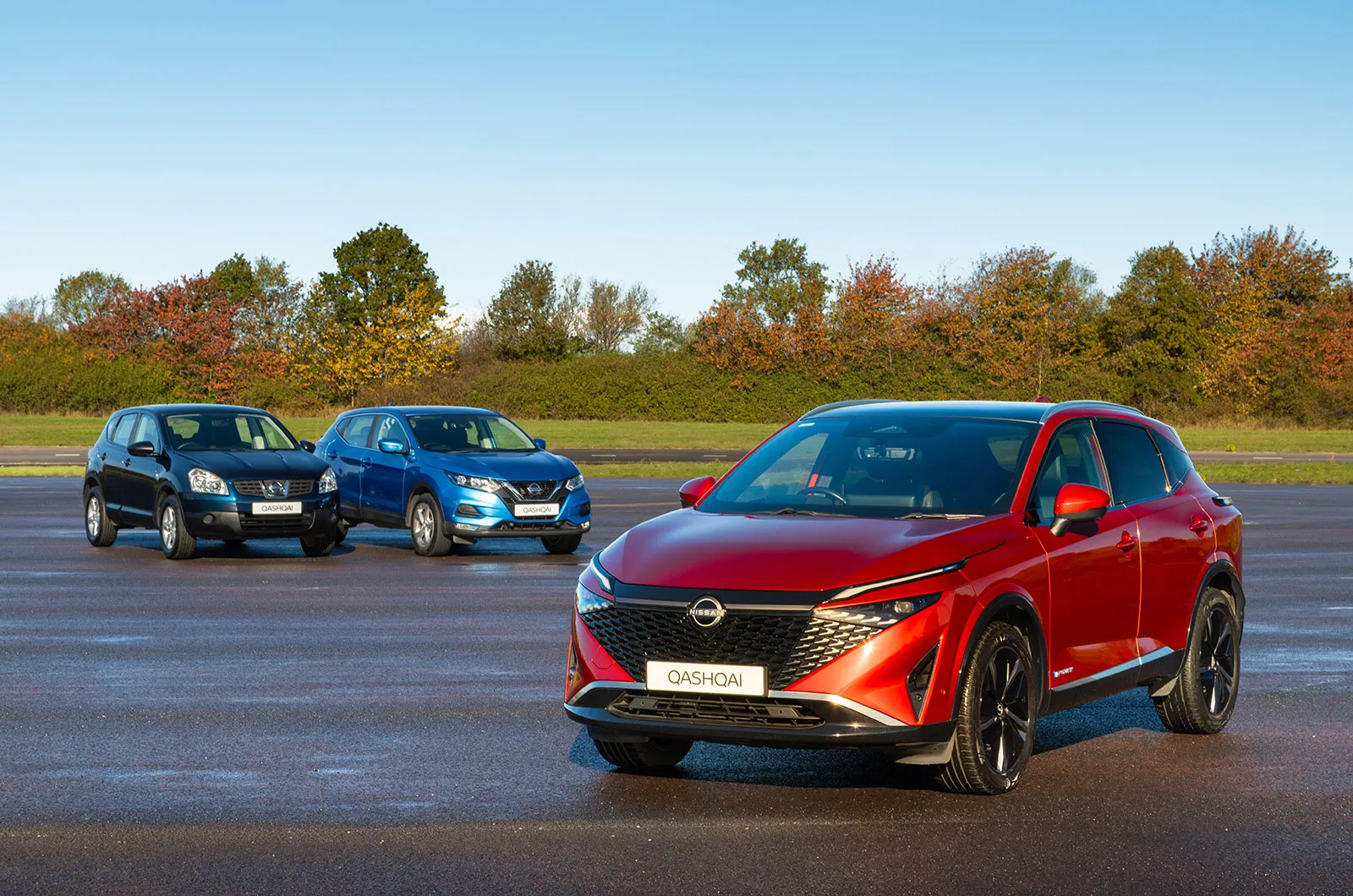
The Nissan Qashqai wasn’t the first family SUV, but it is heralded as the model that made this car class hugely popular because it kick-started a trend for people to switch out of hatchbacks into rugged, practical SUVs they could use every day.
advertisement
scroll for more
When the tall, slightly bulbous-looking car was unveiled at the Paris Motor Show in 2006, the world’s press were widely unconvinced that it would catch on. The Qashqai’s strangely spelled and difficult to pronounce name didn’t help, either.
However, the original Nissan Qashqai was a massive success with car buyers. More than 164,000 were built at the Sunderland plant in 2007, its first full year of production, and over the past 20 years nearly 4.6 million have been sold globally – with 880,000 finding homes in the UK alone.
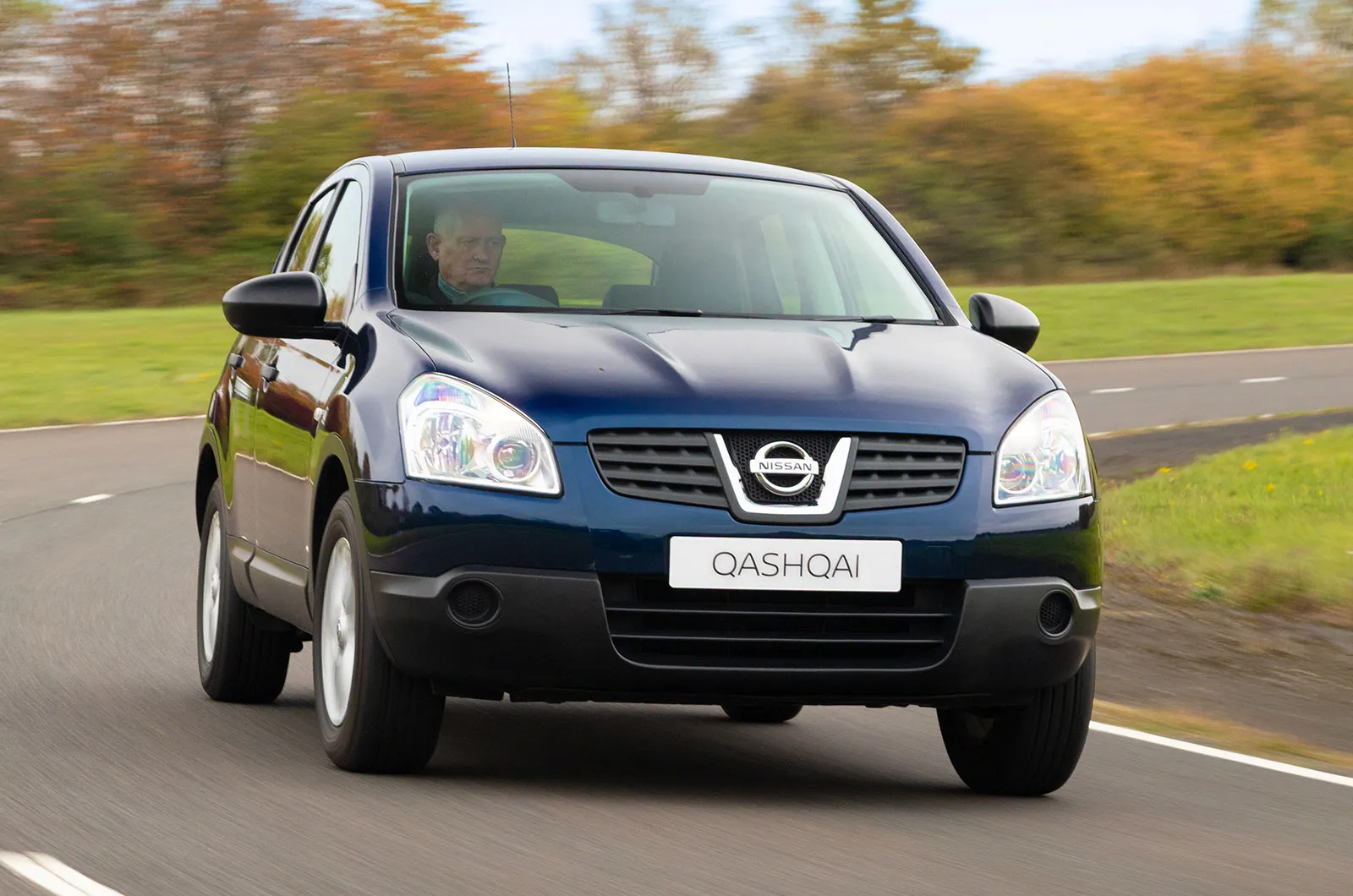
The Qashqai was successful because it blended the high driving position of an SUV with hatchback-like driving manners and compact dimensions similar to that of a Ford Focus. Although it was tall, like a traditional SUV, most models weren’t four-wheel drive, so it was lighter, easier to drive and more fuel efficient. It was as affordable as many of its family car rivals, too.

Claire Evans
Updated: 12 November 2026
Car reviews
Volkswagen Golf
Volkswagen Golf GTE
Volkswagen Golf GTI
View all new car reviews
advertisement
scroll for more
Strangely, the Qashqai was born out of failure, as Matt Weaver, corporate executive for global design at Nissan, explained: “We’d all spent a long time working on the new Almera hatchback, and pretty much developed the whole car by 2002 when, on Friday 13th December, Nissan head office decided to cancel it because it wasn’t going to be profitable enough.
“This was the first time Nissan had cancelled a new model, and it was a major disappointment because we’d all poured our hearts and souls into that project. So the teams from research and development, product planning, market intelligence and design all got together and tried to think of what we could do differently.
“We needed to change the rules. We were playing against the big guys, and as a little car maker we couldn’t play to their rules," he added.
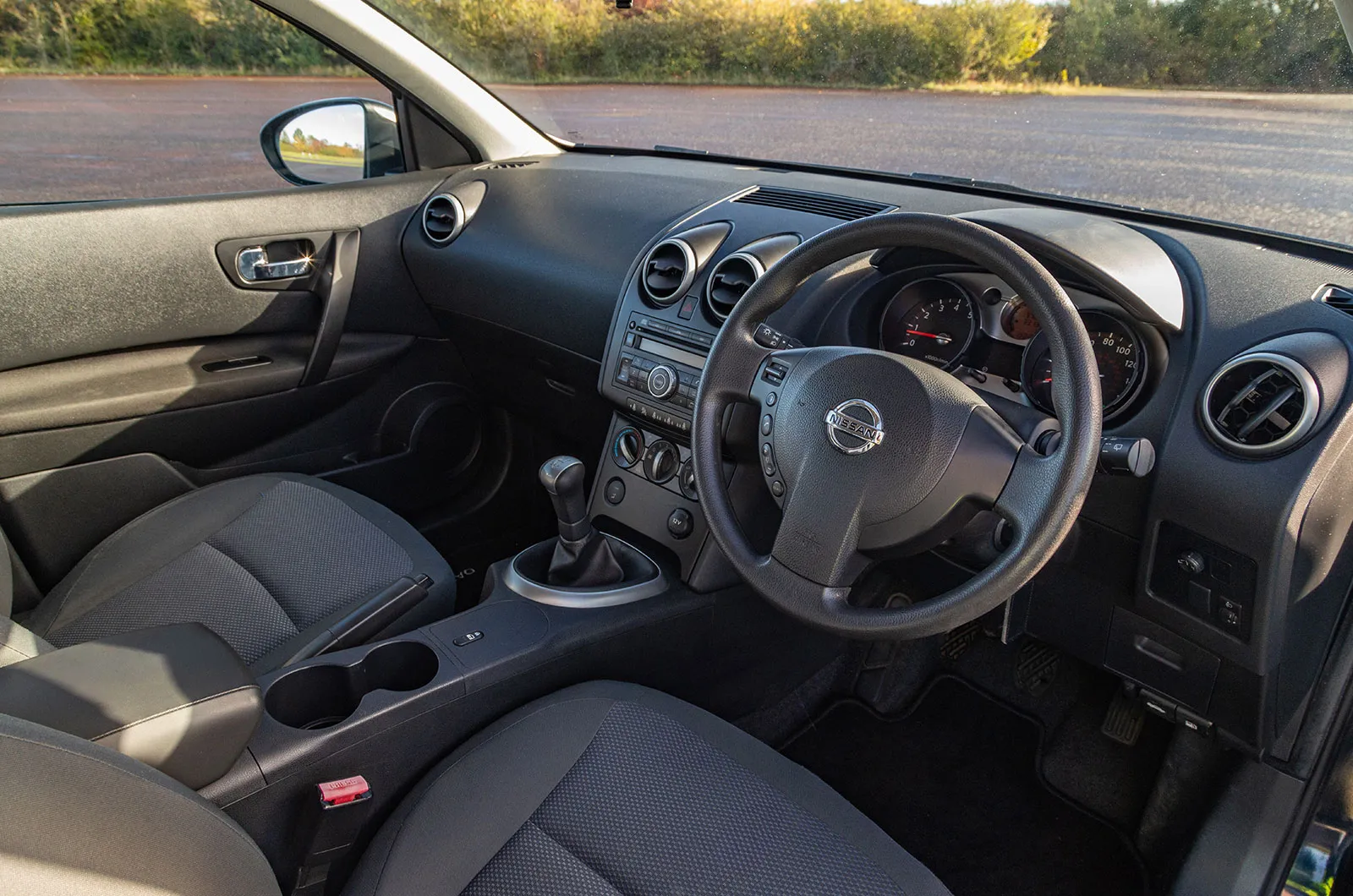
Nissan had already launched the Murano SUV in the USA and was known for building SUVs there, but in Europe the vehicles had rather more negative connotations, so they decided to build a vehicle with some of the features of SUVs – but without the drawbacks. They also decided to aim for a car that would cost around the same as the Volkswagen Golf, which was then one of the best-selling cars in Europe.
advertisement
scroll for more
Instead of the aggressive styling of a traditional SUV, the aim was to make the car approachable, so it had softly rounded body panels. In a nod to the SUV, it had cladding around the bottom of the bodywork to give it a raised-up feel, and the ride height was up to 20mm taller than that of a hatchback.
One point of contention was that only the highest spec versions of the Qashqai came with four-wheel drive. The media criticised the car for this, calling it a faux-4x4, but Nissan’s research revealed most drivers rarely used the four-wheel drive capability on their cars. This was borne out in the Qashqai’s sales stats, indeed these four-wheel drive versions only accounted for 10% of all Qashqai sales.
Another contentious point was the name, which wasn’t embraced by the media or Matt Weaver, who recalled: “I was the first person in Europe to see the Qashqai name on a technical drawing supplied by Japan in 2004. I thought, well, this is spelled wrong because there’s no ‘u’ after the ‘q’, so I sent the drawing back to Japan. I was very swiftly informed that it was correct, and is the name for a group of semi-nomadic tribes from southern Iran, and it was chosen to give the impression that the car was an ‘urban nomad’ for drivers who wanted to embrace an adventurous lifestyle in the city.”
advertisement
scroll for more
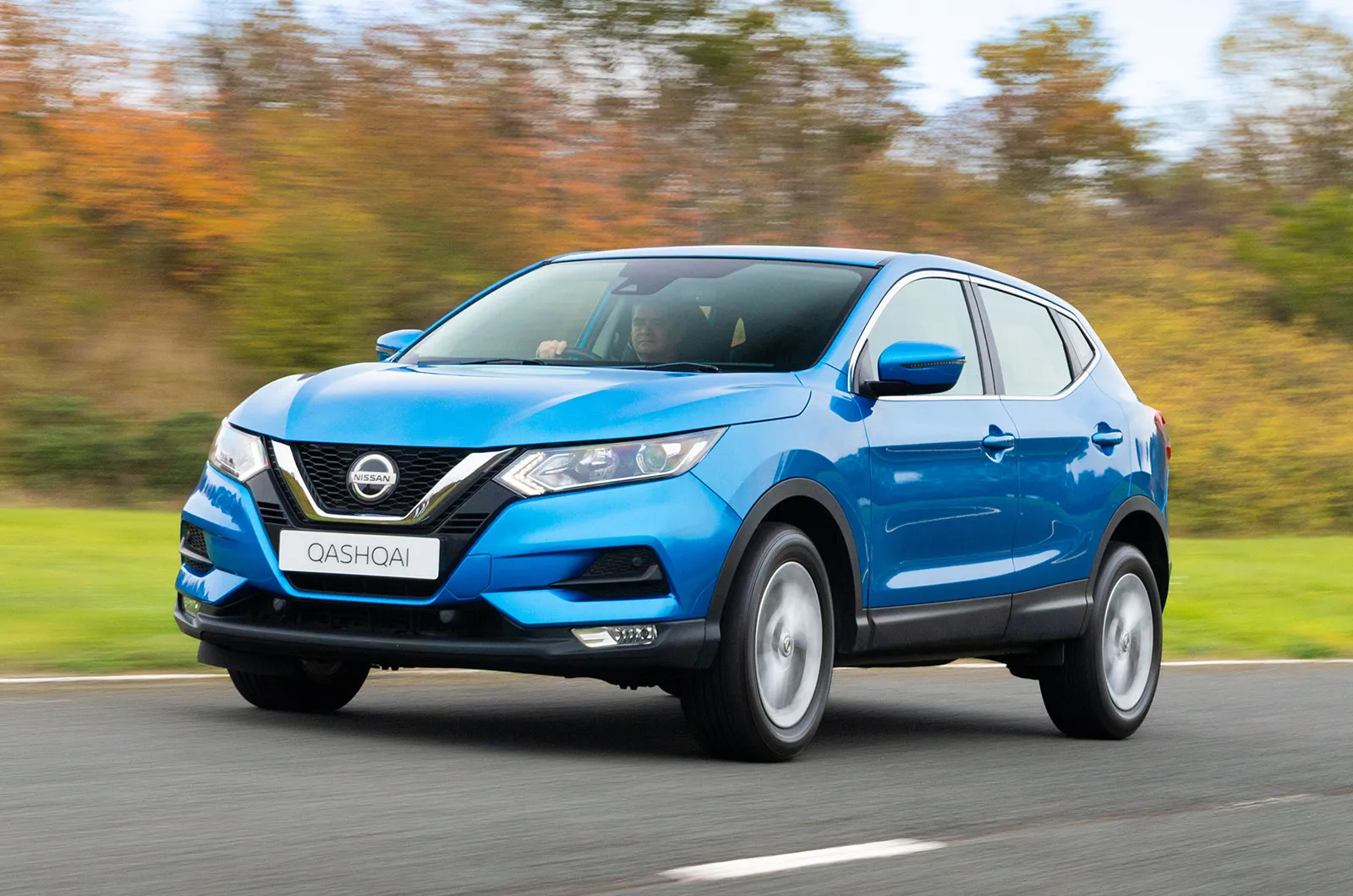
In many ways, the Qashqai was also a big gamble for Nissan – if it hadn’t caught on, it could have brought the company to its knees. While the earliest Qashqai was popular, it didn’t reach truly stellar sales figures till the facelifted version arrived in 2010. More than 200,000 cars a year were produced in 2010 and 2011, and the model took the Sunderland plant’s volume to a record high of 510,000 vehicles in 2012, of which 310,000 were Qashqais.
To build on that success, Nissan launched the second-generation Qashqai in 2013. It built on the qualities of the original. What Car? thought it provided such a good combination of low costs, refinement, space and safety that it was crowned our Car of the Year in 2014.
Developed on UK roads like the first Qashqai, this version struck a good balance between ride comfort and handling. The body didn’t lean too much in corners and there was lots of grip, but it wasn’t crashy over potholes.
advertisement
scroll for more
A good choice of engines was available, with particularly good economy from post-2018 facelifted versions. The 1.5-litre diesel achieved real-world economy of more than 50mpg, and the lower-powered of the two 1.3-litre petrols could do more than 40mpg.
The second generation Qashqai suffered from reliability issues for many years, and it has been a frequent sight at the bottom of the family SUV chart in the annual What Car? Reliability Survey.
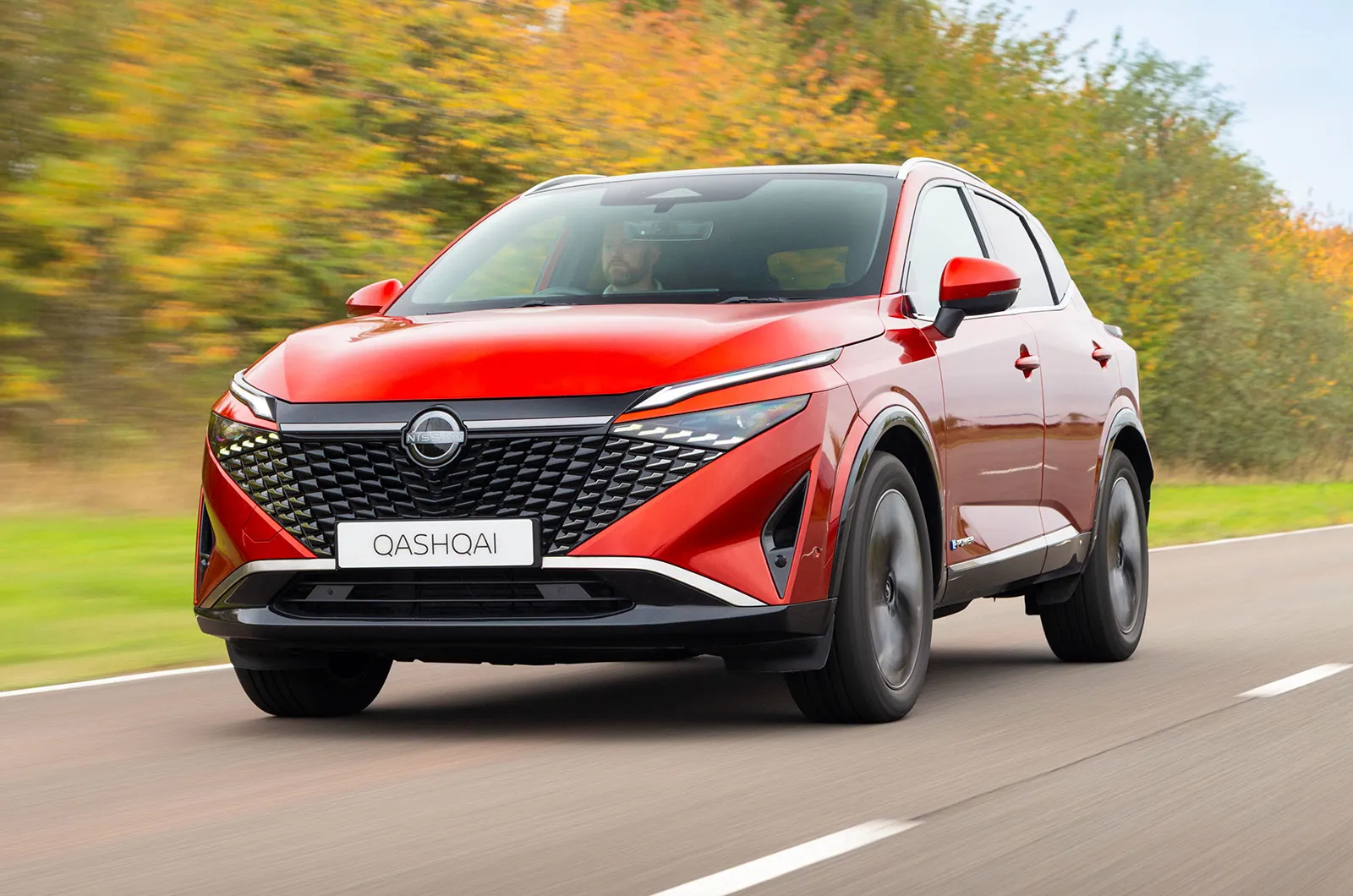
However, the latest, third-generation Qashqai appears to be proving more robust. Launched in 2021, it’s bigger than previous versions and brought in lots of useful new technology, including hybrid and mild hybrid engines.
One of these is the e-Power, which has a 1.5-litre petrol engine that only powers a generator and doesn’t ever drive the car. It drives like an electric car – it’s swift and has immediate acceleration – and it’s impressively economical; it can do up to 60mpg.
advertisement
scroll for more
The Qashqai story is set to continue in the coming years, in its fourth-generation – a model that’s also likely to be the first pure-electric version.
Read more: Best family SUVs
For all the latest reviews, advice and new car deals, sign up to the What Car? newsletter here
Industry news
News and advice
News
Complete the What Car? EV charging survey
News
New Geely Monjaro plug-in hybrid SUV to arrive in 2027 with 105-mile EV range
Best of
Best GT cars: the grand tourers to buy in 2026 - plus the one to avoid
News
Cupra Born long-term test
Best of
Best automatic cars 2026 – the best autos to buy right now
What Car? Promotion