Feature
Most reliable BMWs - and the ones to avoid
In our annual Reliability Survey, we ask readers to rate the dependability of cars aged up to five years old. Here are most and least reliable BMW models
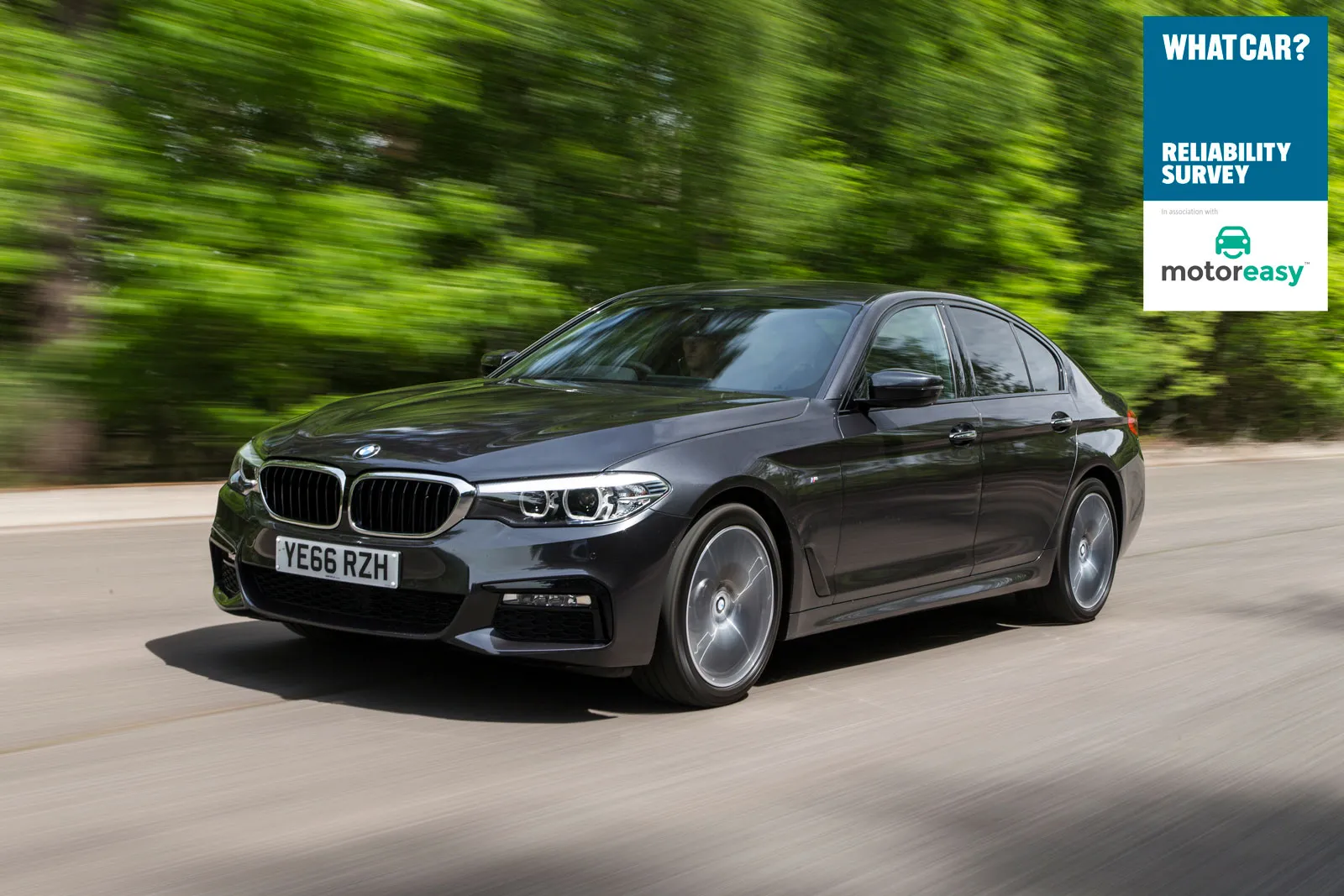
Focussing on sporty performance, precise handling and well-appointed interiors, BMW aims to offer models that live up to its Ultimate Driving Machine tagline, by being fun and engaging to drive.
advertisement
scroll for more
The brand also punches well above its weight when it comes to reliability, ranking in the top 10 best brands each year in the What Car? Reliability Survey. It does better than its main rivals - Audi and Mercedes were joint 22nd out of 30 brands last year.
Not all of its models are bulletproof though, the iX luxury electric SUV and iX1 small electric SUV both have low reliability ratings. However, the 3 Series and 4 Series Coupe and 4 Series Convertible score exceptionally well.
Here we're looking at reliability data for BMW models aged up to five years old. Reliability information for older models is in our most reliable used cars feature.
Worried about your car's reliability? Browse breakdown cover and used-car warranties tailored to your model through our trusted partners today. Visit My What Car? to learn more.

Claire Evans
Updated: 26 July 2026
Car reviews
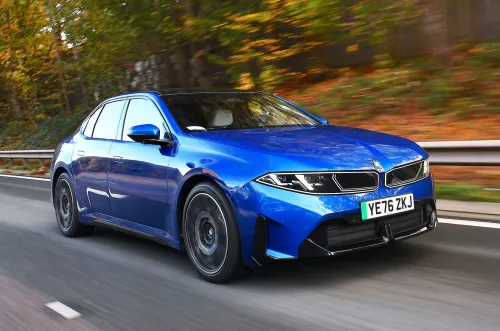
BMW i3
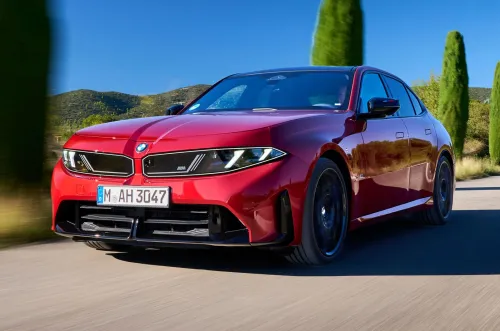
BMW 3 Series
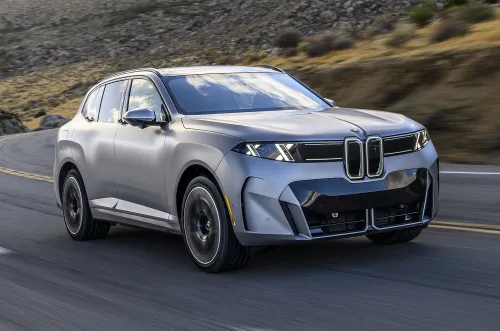
BMW iX5
View all new car reviews
The What Car? Reliability Survey is live, tell us about your car now
Most reliable BMW models
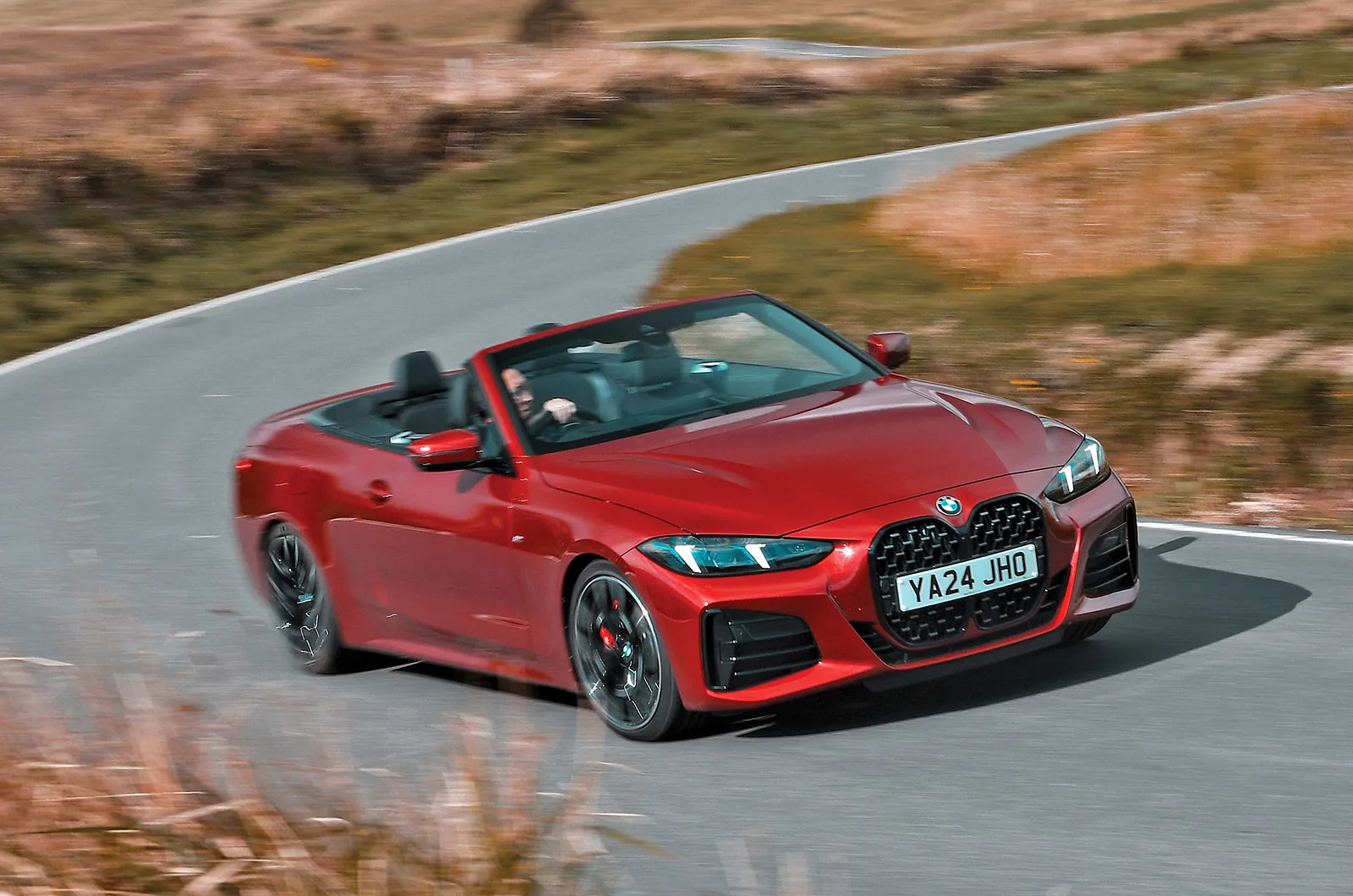
1. BMW 4 Series Coupe / Convertible (2021-present)
advertisement
scroll for more
Reliability rating 98.5%
Most common faults: Non-engine electrical systems 6%, bodywork 2%, steering 2%
Average repair cost: 100% £0
Typical time off road: 40% less than a day, 60% one day to a week
The BMW 4 Series Coupe is a more svelte version of the 3 Series saloon that rivals the Audi A5 and Mercedes-Benz C-Class Coupé. It comes as a coupe and convertible, both of which have only two doors, a wider rear end and sharper looks than their saloon sibling. However, they are still pretty practical, come pretty well equipped and are good to drive.
Whether you're after the coupe or convertible, you're likely to get a very dependable motor. Owners report few flaws and none have had to contribute towards repairing unexpected faults.
Only 8% of cars reported on in our survey had any problems, and the bodywork, non-engine electrical systems and steering system were the main culprits. However, these issues didn’t prevent any cars from being driven. Forty percent of defects were remedied in a day or less and the remaining 60% were sorted out in less than a week, with BMW covering all the costs.
advertisement
scroll for more
BMW 4 Series Coupe review, 4 Series Convertible review
2. BMW 3 Series petrol (2019-present)
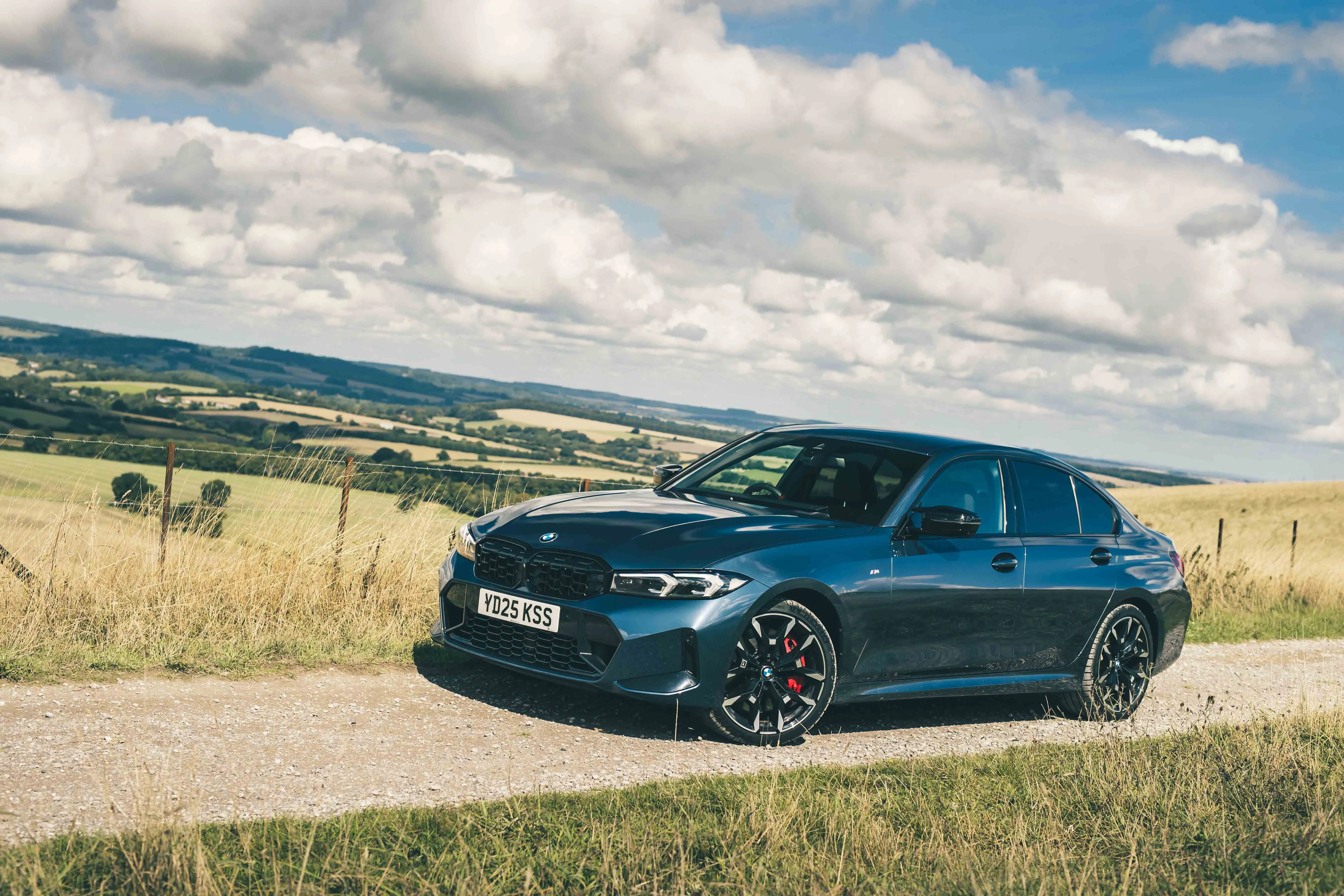
Reliability rating 98.0%
Most common faults: 12-volt battery 1%, engine 1%, engine electrics 1%, interior trim 1%, non-engine electrics 1%, suspension 1%
Average repair cost: 100% £0
Typical time off road: 43% one day to a week, 43% more than a week, 14% one day or less
The 3 Series is the archetypal executive express, but its popularity hasn't resulted in its magic formula being watered down. It's a sporty rear-wheel-drive car that's great to drive and loaded with all the latest tech.
If you’re after a reliable 3 Series, we’d recommend sticking with a petrol model because they’re the least likely to go wrong. Only 6% of petrol cars had issues, compared with 26% of plug-in hybrid (PHEVs) and 27% of diesels.
All conventional petrol 3 Series models were also fixed for free, while the car maker covered the costs for only 75% of 330e PHEVs and 80% of diesel models. Only the speed of repairs was worse for petrol models; while 30% of diesels and 31% of 330es were back on the road in a day or less, only 14% of petrol cars were fixed this quickly.
advertisement
scroll for more
3. BMW i3 (2013-2022)
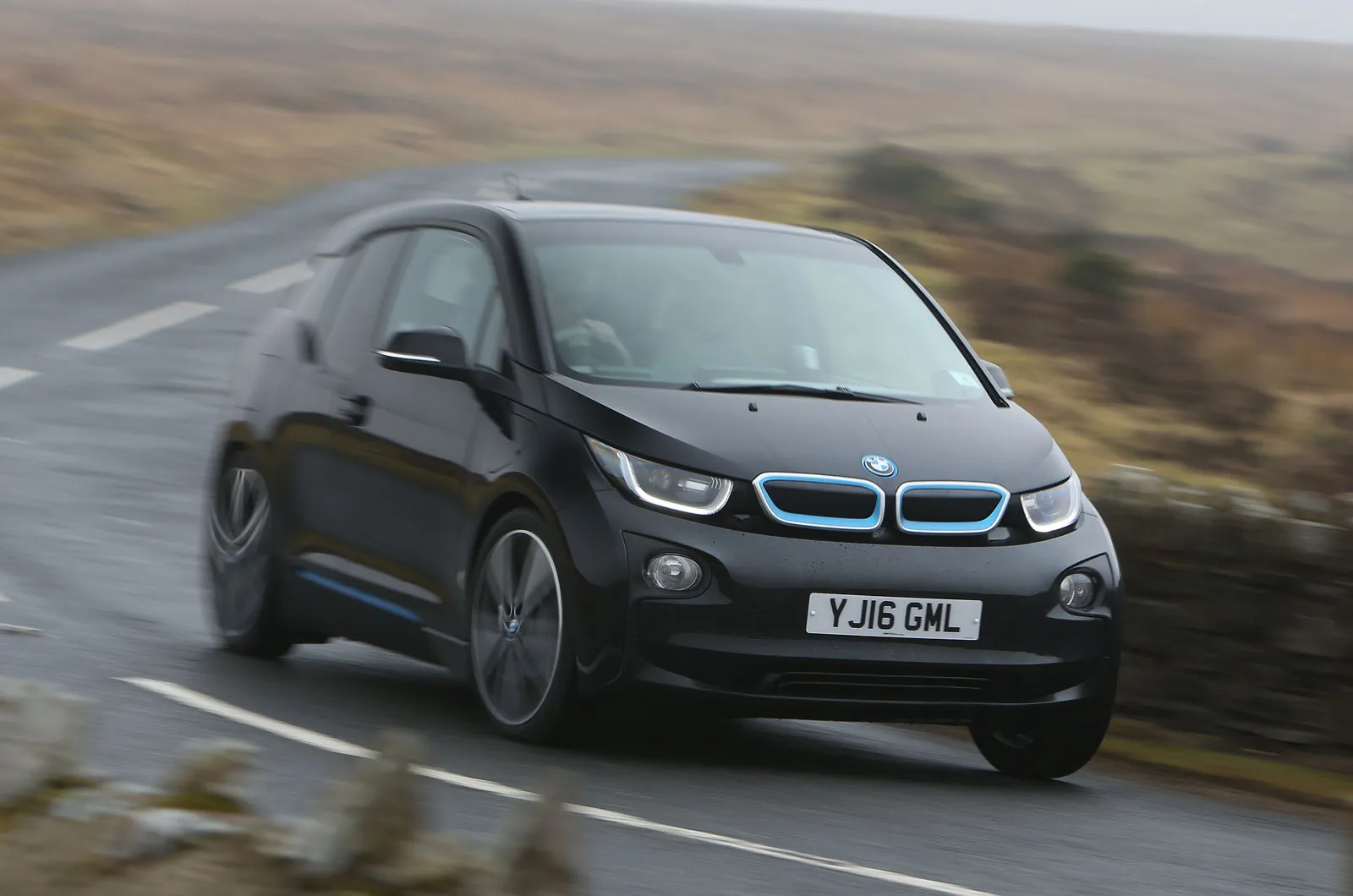
Reliability rating 97.4%
Most common faults: Motor electrics 4%, steering 4%, suspension 4%
Average repair cost: 100% £0
Typical time off road: 50% more than a week, 25% one day to a week, 25% one day or less
The i3 may no longer be on sale, but it’s still a great option if you’re after a dependable small EV. In spite of its advancing years, it still looks modern, and it has a high quality interior that's well kitted out. It comes as a pure electric model and a range-extender. The EV's range is low compared with newer alternatives, and, although the range extender reduces concerns somewhat, it only adds around 80 miles to the total mileage.
Our data is only for the pure electric i3. Its fault rate of just 11% beats not only the Nissan Leaf family hatchback but also tops that of the i3’s pricier BMW i4 stablemate.
It’s also great news for i3 owners that BMW covered the cost of all remedial work, eliminating the worry of unexpected repair bills. The only negative is that getting cars fixed can be slow. Owners told us that half of their faulty i3s spent more than a week in the workshop for repairs; in contrast, only 12% of Leafs were out of action for this long.
advertisement
scroll for more
4. BMW 1 Series (2019-present)
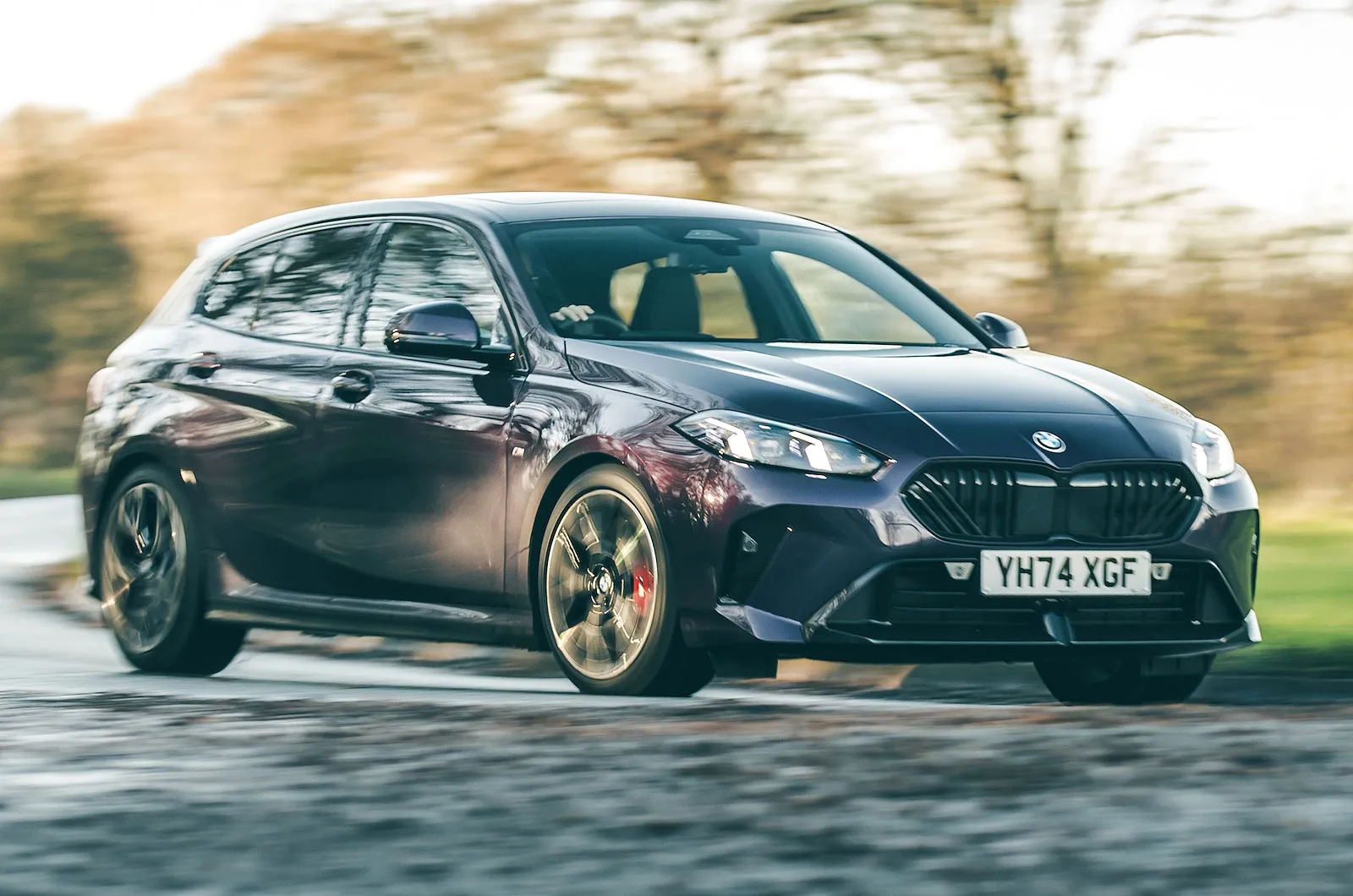
Reliability rating 97.2%
Most common faults: Bodywork 3%, brakes 3%, non-engine electrics 3%
Average repair cost: 91% £0, 9% £51-£100
Typical time off road: 50% one day to a week, 40% a day or less
The third-generation of the 1 Series is a more practical family car proposition than before, with a front-wheel-drive layout (with the option of four-wheel drive for certain variants), and a choice of two mild hybrid petrol engines. It still retains the punchy performance and plush interior of its predecessors, and their strong levels of durability.
Only 9% of the 1 Series examples in our survey went wrong, and 95% of them could still be driven. Troubles were split evenly between the bodywork, brakes and electrical systems, and BMW took care of most of the necessary remedial work. While 40% were back on the road within 24 hours, half of cars took up to a week to put right.
advertisement
scroll for more
5. BMW i4 (2021-present)
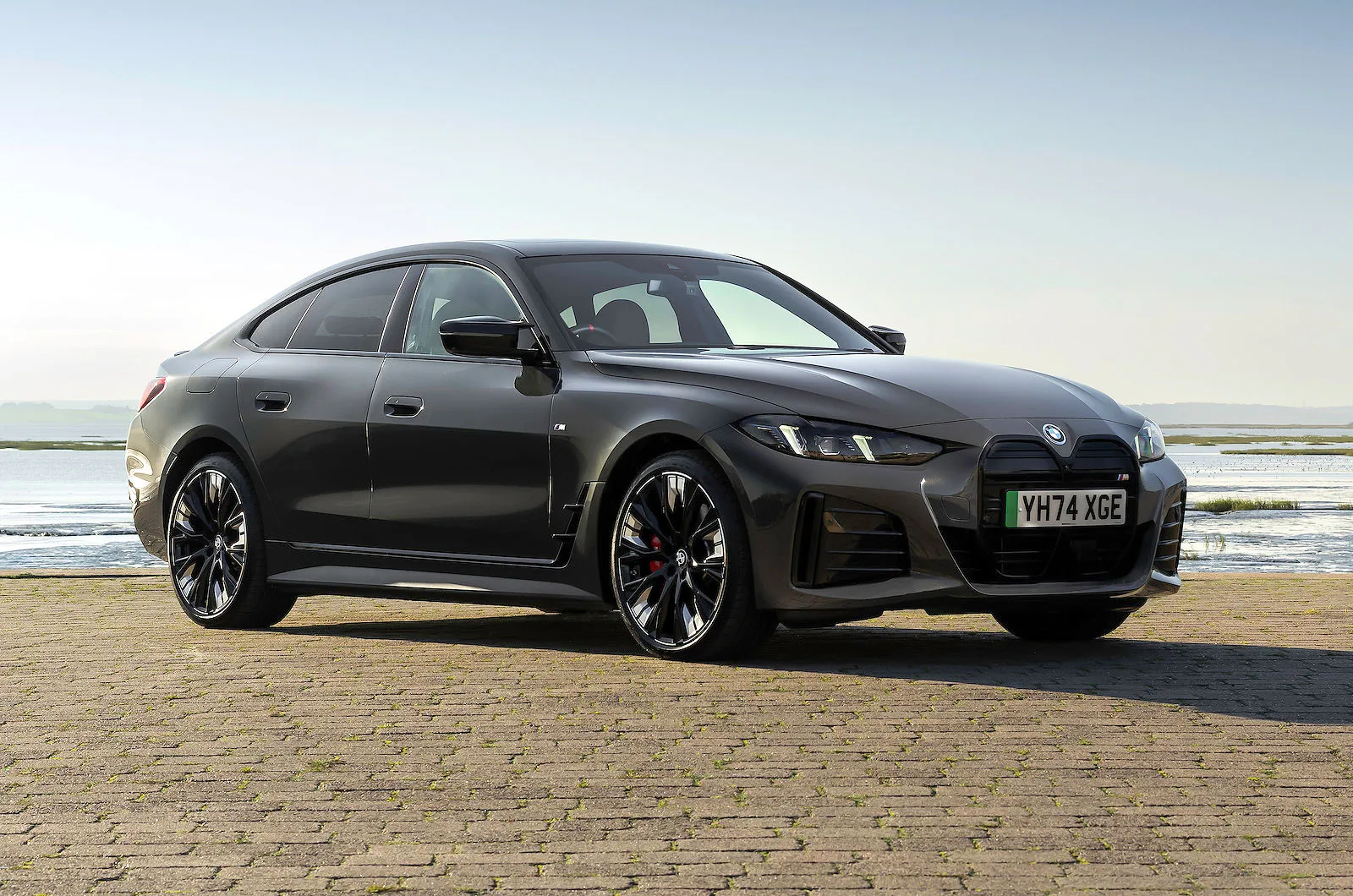
Reliability rating 96.8%
Most common faults: Bodywork 5%, EV battery pack 3%, brakes 2%, motor electrics 2%, non-motor electrics 2%, sat-nav/infotainment system 2%
Average repair cost: 100% £0
Typical time off road: 67% one day or less, 25% more than a week
The i4 is a fully electric version of the 4 Series Gran Coupé. It’s proving robust so far - it's the second highest scoring EV in our survey, behind the BMW i3, and only 16% of the cars in our survey suffered any defects.
Minor bodywork glitches were the most common complaint, followed by problems with the EV battery and niggles with electrical systems, including the infotainment. Owners told us that 83% of cars with problems could still be driven, with 67% of these fixed in a day or less. Only 25% spent more than a week in the dealership, and BMW paid for the necessary work in all cases.
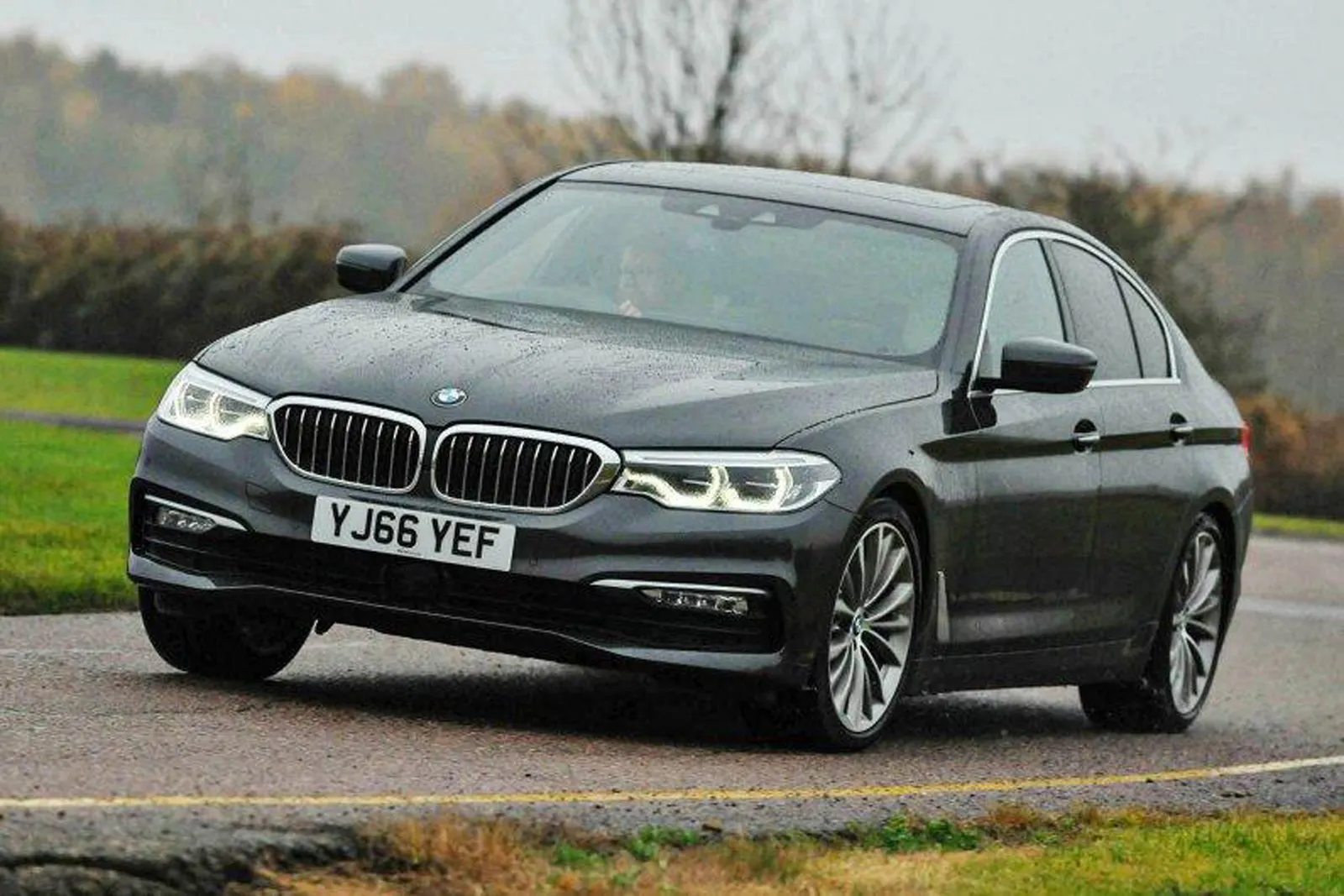
6. BMW 5 Series petrol / PHEV (2017-2023)
advertisement
scroll for more
Reliability rating 96.3%
Most common faults: Suspension 7%, non-engine electrics 3%, sat-nav/infotainment system 3%, steering 3%
Average repair cost: 67% £0, 33% £201-£300
Typical time off road: 80% one day to a week, 20% more than a week
The seventh-generation 5 Series is one of the best used luxury cars you can buy. In fact, it was so good when it was launched in 2017 that we crowned it What Car? Car of the Year. It provides a superb combination of driving prowess, comfort and economy, and has possibly the best-sorted interior of any executive model.
The petrol 5 Series is looking a lot more durable than its diesel siblings. Only 14% of petrol 5s had any issues, compared with 33% of diesels. While many of the problem areas were the same between both fuel types, diesel cars also had troubles with engine electrics and their exhaust systems.
Petrol car problems were sorted out swiftly - four out of five cars were put right in less than a week. It's a shame that BMW only covered the cost of two-thirds of bills, though.
advertisement
scroll for more
=7. BMW X5 petrol / PHEV (2018-present)
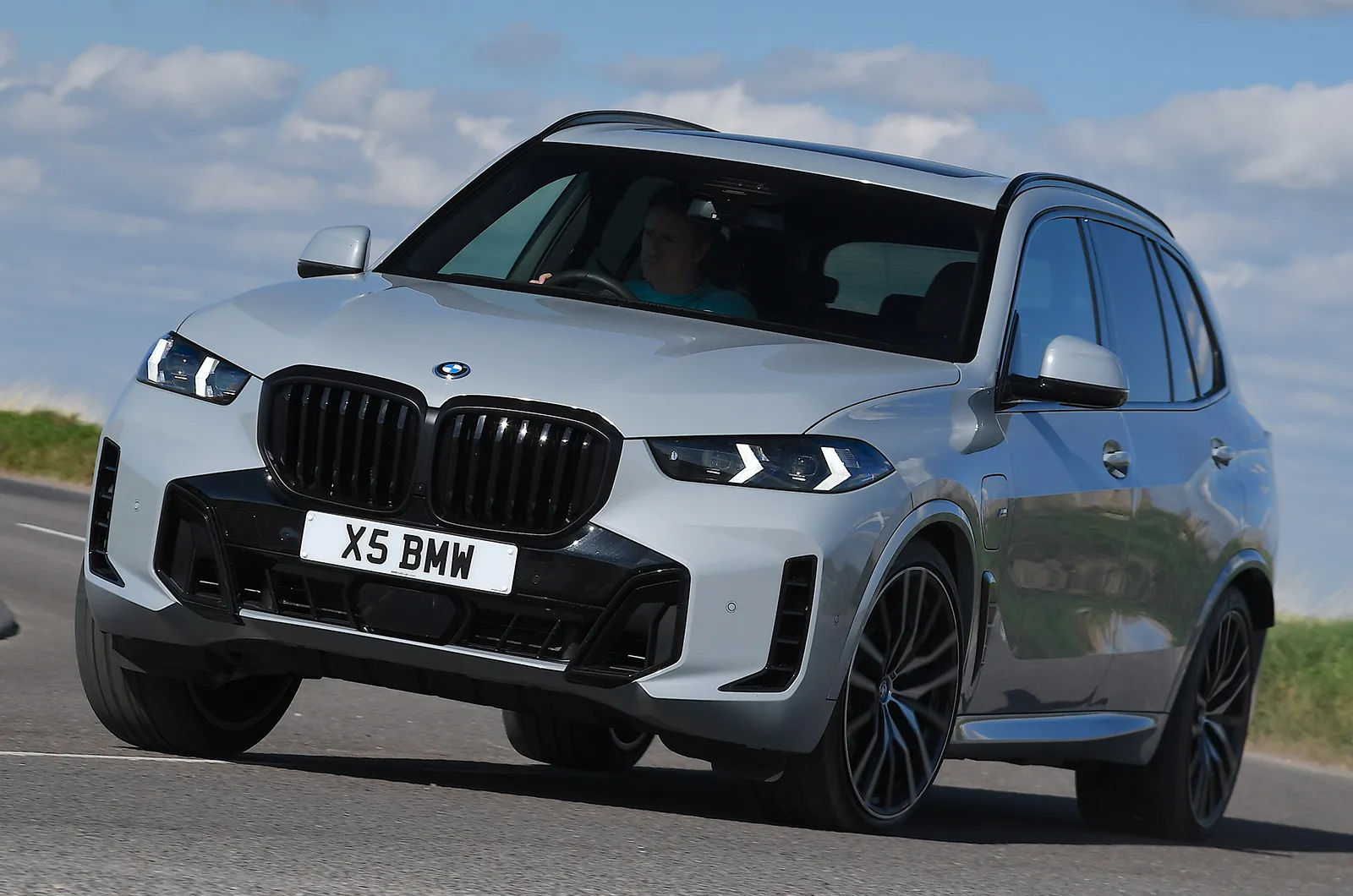
Reliability rating 96.2%
Most common faults: Gearbox 7%, bodywork 3%, engine 3%, exhaust 3%
Average repair cost: 100% £0
Typical time off road: 57% a day or less, 29% one day to a week
The original BMW X5 started the trend for sports SUVs when it went on sale in 1999. Instead of the traditional rugged traits of a 4x4, it had decent on-road handling and ride comfort and a luxurious interior. The fourth-generation version continues that theme, with great road manners and a hushed, smooth ride.
If you want a hassle-free X5 ownership experience, we'd recommend picking a petrol or plug-in hybrid (PHEV) model. Examples with these types of engine suffer half the faults of diesel models, and their defects tend to be dealt with more quickly. Fourteen percent of petrol and PHEV X5s went wrong, compared with 40% of diesels, and 57% were repaired in a day or less; only 11% of diesels were.
Problem areas for petrol-engined X5s include the bodywork, engine and gearbox. No X5 owners were troubled by repair bills, though, because BMW covered 100% of repairs for petrol, diesel and PHEV models.
advertisement
scroll for more
=7. BMW X1 (2015-2022)
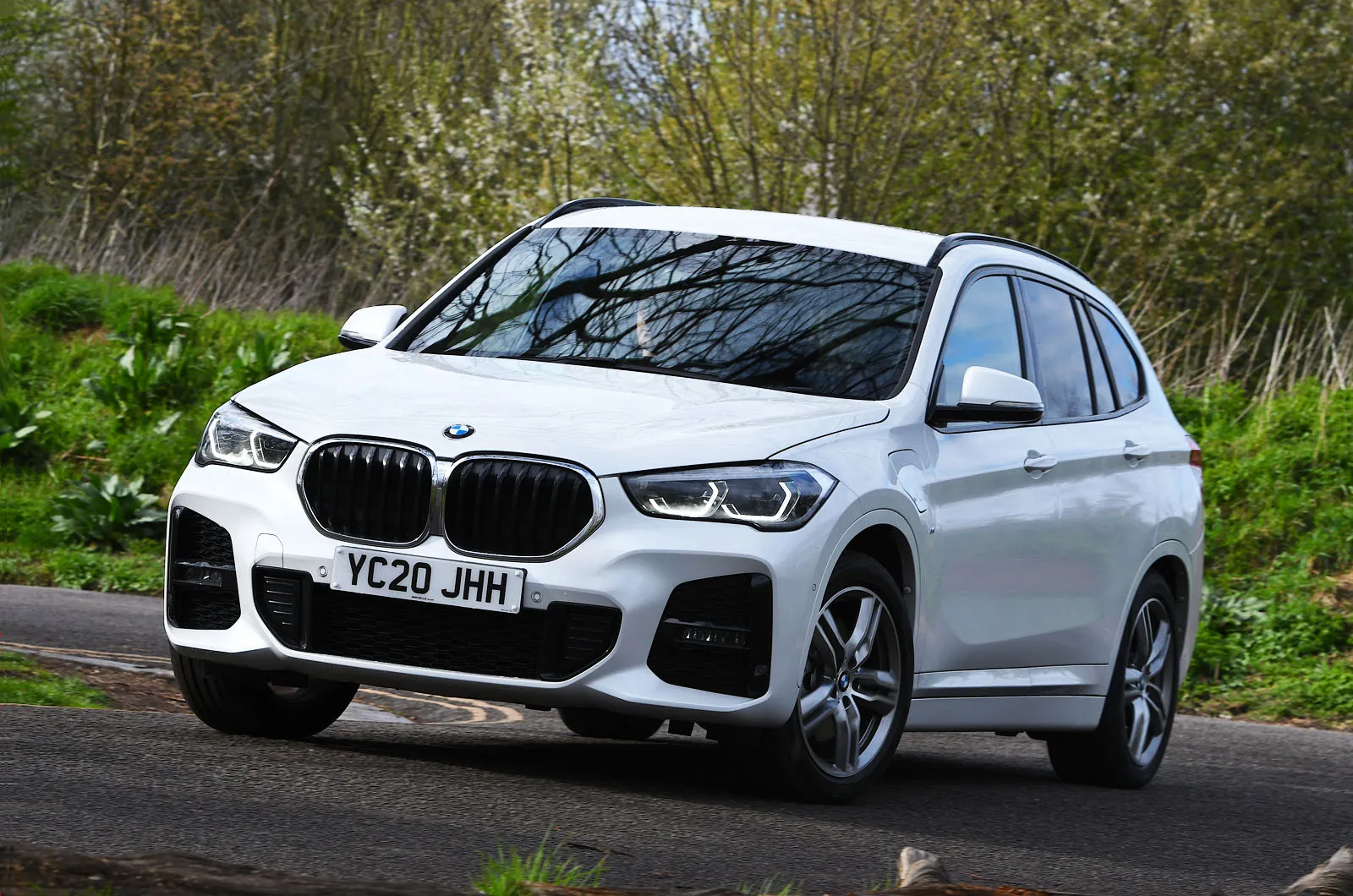
Reliability rating 96.2%
Most common faults: Hybrid battery pack 3%, engine 3%, exhaust 3%, sat-nav/infotainment 3%
Average repair cost: 100% £0
Typical time off road: 80% more than a week, 20% a day or less
While the first-generation 2008-2015 BMW X1 was a popular choice, it wasn't a particularly good car to drive or to own. This second-generation version is a more rounded proposition that has fine handling, a spacious interior and a roomy boot. You don't need to spend too much to get a good X1 - the entry-level 2.0-litre sDrive18d is responsive enough and SE trim provides all the kit most people will want.
It has an exemplary reliability record, too. Only 9% of the examples reported on went wrong, with issues split evenly between the plug-in hybrid battery pack, engine exhaust and infotainment system.
BMW took care of all repair bills and the only thing owners had to worry about was the length of time it took to get things put right - more than a week in most instances.
advertisement
scroll for more
9. BMW iX3 (2021-present)
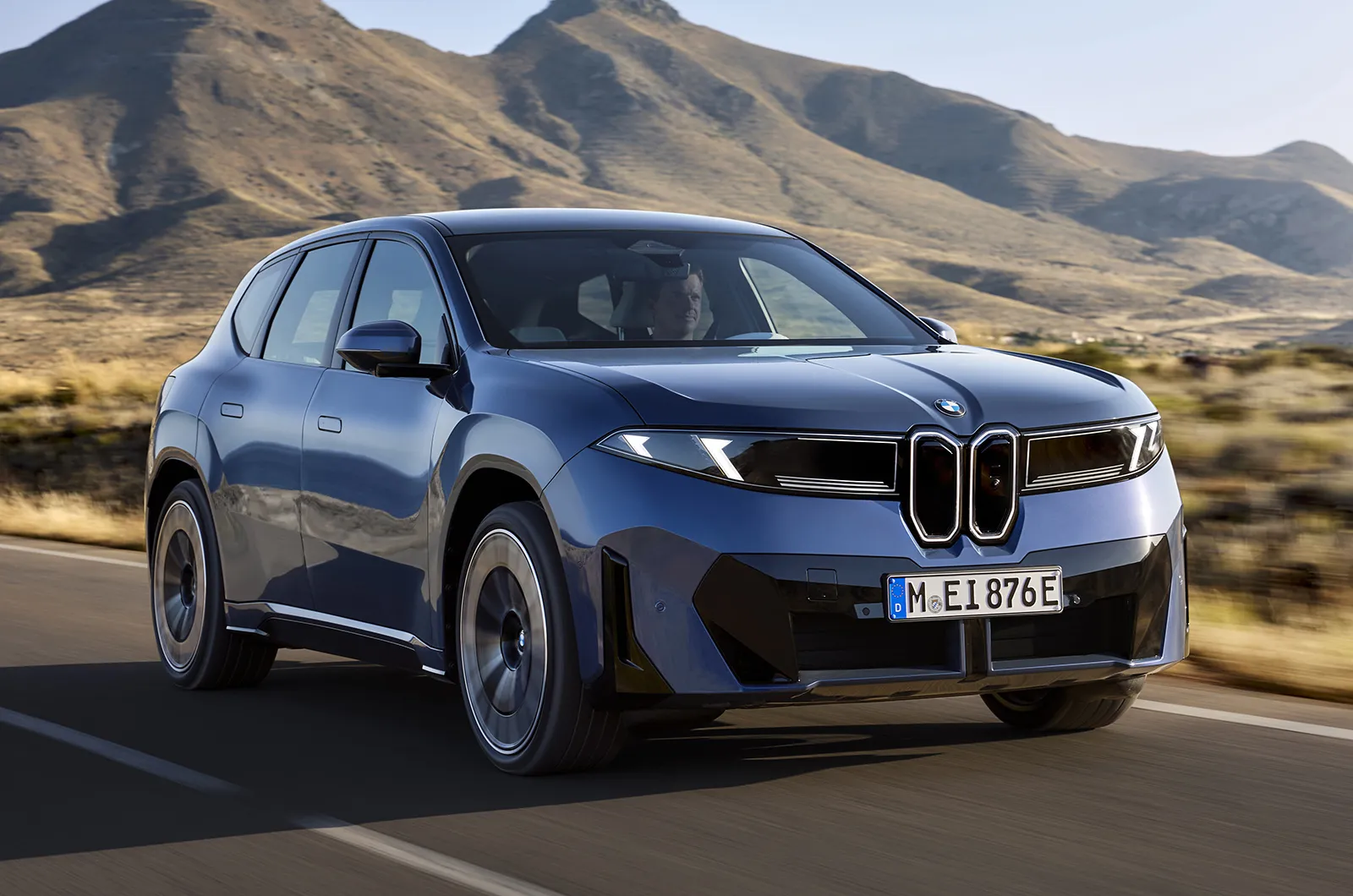
Reliability rating 95.5%
Most common faults: Air-con 6%, battery pack 4%, motor electrics 4%, non-motor electrics 4%
Average repair cost: 100% £0
Typical time off road: 83% one day to a week
The first-generation iX3 is a pure electric version of BMW's X3 family SUV. That means it shares that model's practicality, classy interior and good handling, and it doesn't have the outlandish looks of some pure electric SUVs. However, it's only available with 74.3kWh (usable) capacity battery, giving it an official range of up to 288 miles. While that's similar to the Model Y RWD and Volvo XC40 Recharge Twin, those cars are also available with bigger battery options that offer an longer range.
The iX3 is proving pretty reliable, though. Although 19% of the cars we were told about went wrong, 73% of them could still be driven and 83% were in and out of the garage within 24 hours. To ease the strain on owners further, BMW paid for all remedial work to be done. Most issues were related to the electrics, ranging from air-con systems to the electric motor.
advertisement
scroll for more
10. BMW 2 Series Active Tourer (2014-2021)
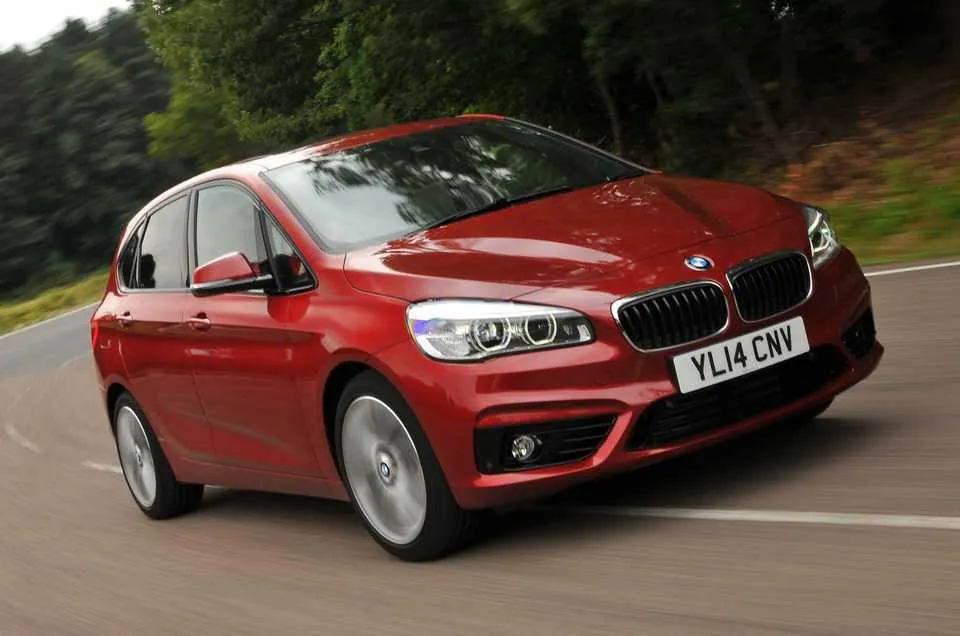
Reliability rating 94.9%
Most common faults: Brakes 4%, gearbox 4%, non-engine electrics 4%, air-con 2%, engine electrics 2%, exhaust 2%
Average repair cost: 100% £0
Typical time off road: 46% more than a week, 36% one day to a week
It may be an MPV, but the BMW 2 Series is good to drive and comes with a choice of petrol engines that have mild-hybrid assistance or plug-in hybrid (PHEV) systems. There are two PHEV options: the 242bhp 225e and the 322bhp 230e. Both have four-wheel drive and feel quick, with the most powerful version sprinting from 0-62mph in just 5.5 seconds. Impressively, both can also travel for around 50 miles on electric power alone, although you're not likely to achieve this in real-world driving.
The 2 Series Active Tourer isn't as robust as other BMW models, but its 19% fault rate is acceptable. No single area looks too problematic - faults are split between a number of components, from the brakes to air-con. Although getting things put right can be slow, BMW covered the cost of all remedial work.
advertisement
scroll for more
Used BMW 2 Series Active Tourer review
New 2 Series Active Tourer deals
Most unreliable BMW models
1. BMW iX (2021-present)
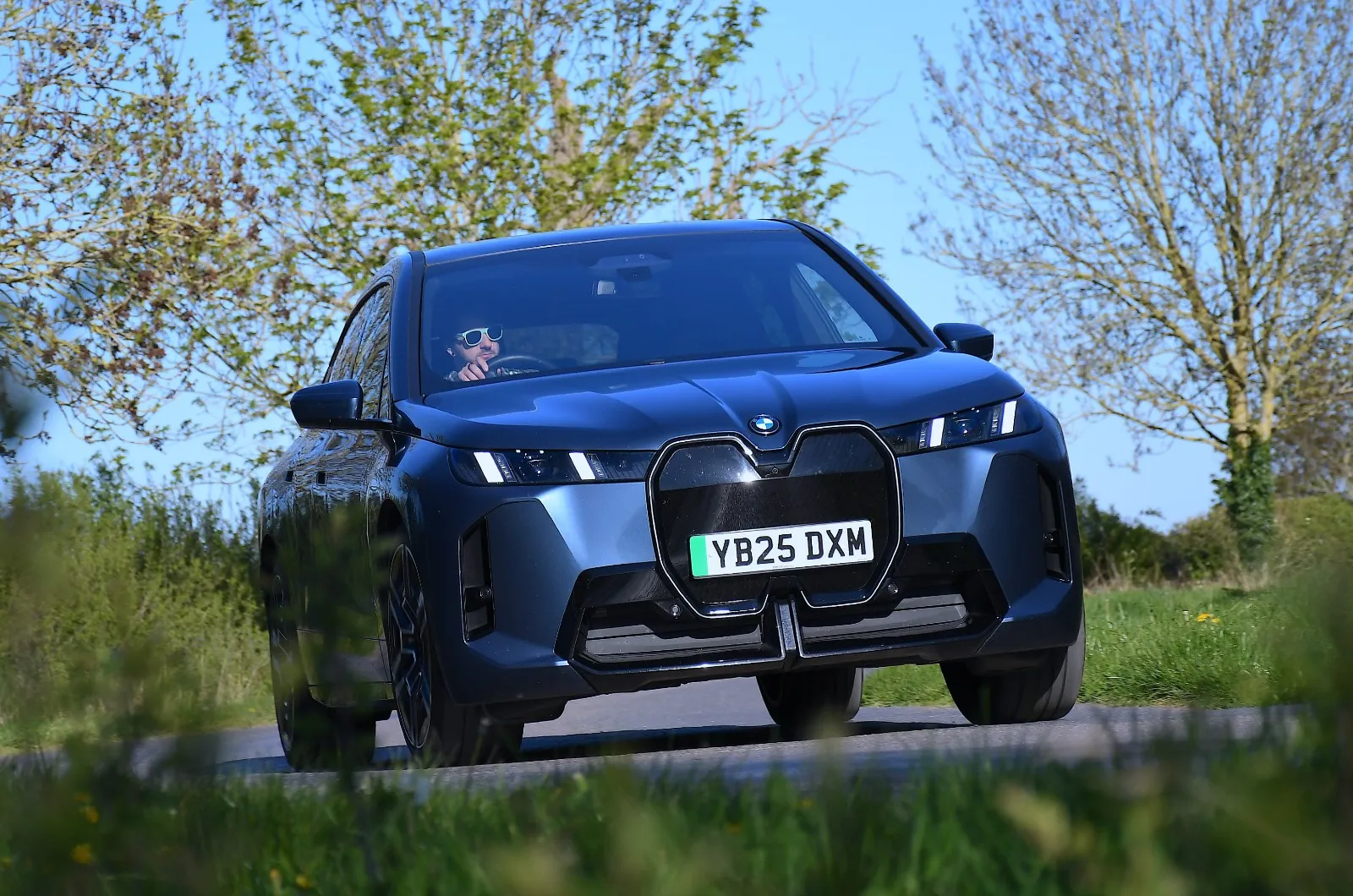
Reliability rating 81.0%
Most common faults: Battery pack 10%, electric motor 10%, sat-nav/infotainment system 10%, steering 10%, interior trim 7%, bodywork 3%, brakes 3%, motor electrics 3%, charging system 3%, non-motor electrics 3%, suspension 3%
Average repair cost: 100% £0
Typical time off road: 43% more than a week, 38% one day to a week
The high-tech iX differs from some of BMW’s smaller electric models in that it was designed from the ground up as a dedicated electric vehicle. It's a big, luxurious electric SUV that’s very quick and extremely quiet. The most recent versions of the entry-level xDrive45 have a 94.8kWh (usable capacity) battery, providing an official range of up to 374 miles, which is only a few miles less than the Mercedes EQE SUV 350+.
The iX doesn't top the charts when it comes to reliability, though. Faults made 62% of the examples we were told about undriveable, and some owners told us that BMW’s dealers were slow to address problems. Among owners of faulty iXs, 43% told us that their cars were out of action for more than a week, whereas only 19% said that the faults were put right in a day or less. At least BMW did take care of all the associated costs, though.
advertisement
scroll for more
2. BMW iX1 (2022-present)
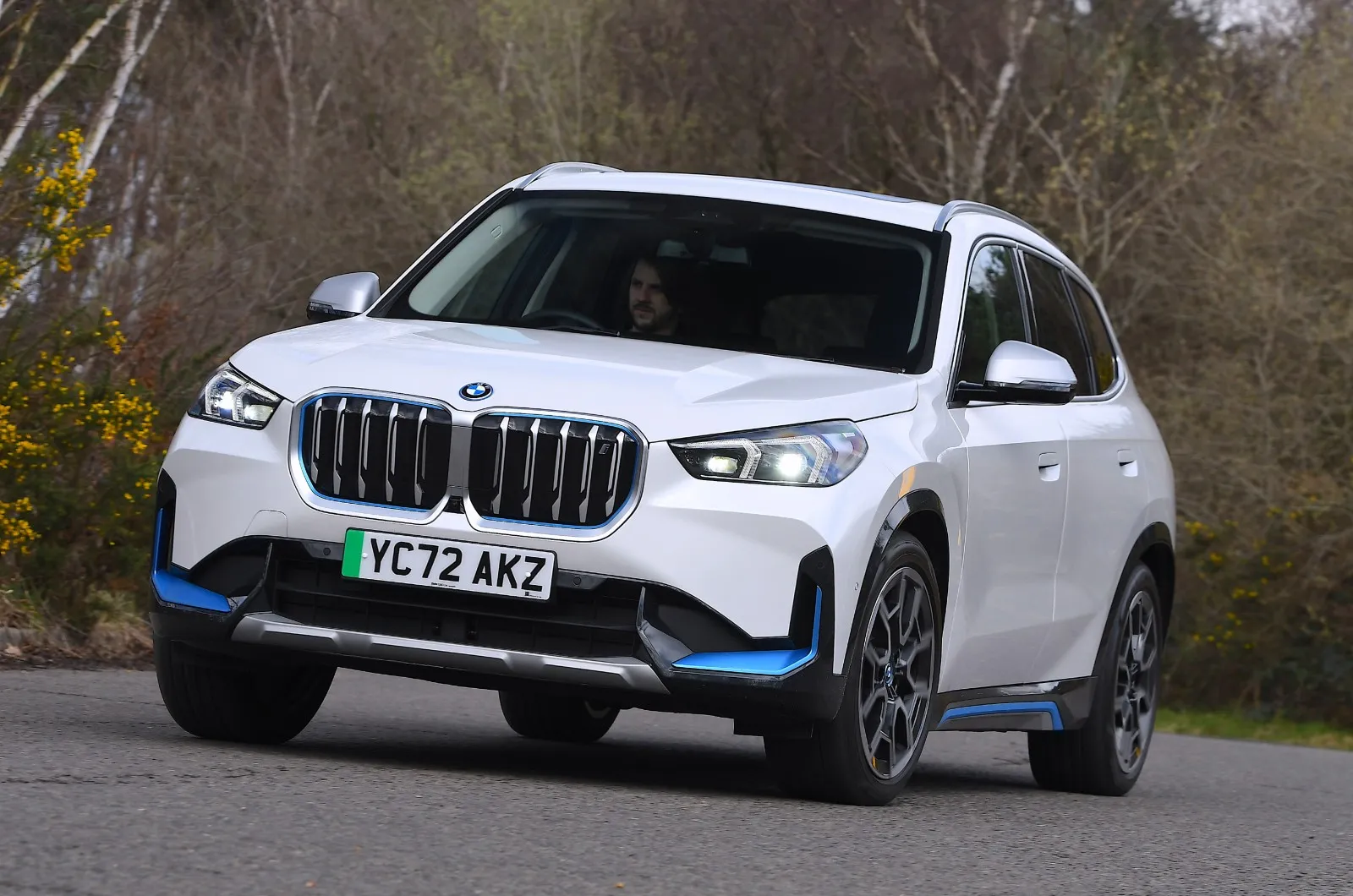
Reliability rating 86.8%
Most common faults: Sat-nav/infotainment system 13%, 12-volt battery 6%, charging system 6%, electric motor 6%
Average repair cost: 100% £0
Typical time off road: 63% more than a week, 25% one day or less
If you think the iX1 has an uncanny resemblance to the conventionally powered BMW X1, you wouldn't be far wrong. Park them side-by-side and the two models do look almost identical, aside from the EV's closed-off grille and blue trim highlights. That's because the iX1 is a variant of the X1. That's no bad thing, because that means it has great performance and an intuitive infotainment system. However, it's let down by a firm ride and so-so range between charges.
The iX1s fault rate of 19% is reasonably low, but two-thirds of faulty cars couldn't be driven, and nearly two-thirds took more than a week to fix, adding to the inconvenience factor for owners. At least BMW paid for all the necessary repairs, though.
advertisement
scroll for more
3. BMW X5 diesel (2018-present)
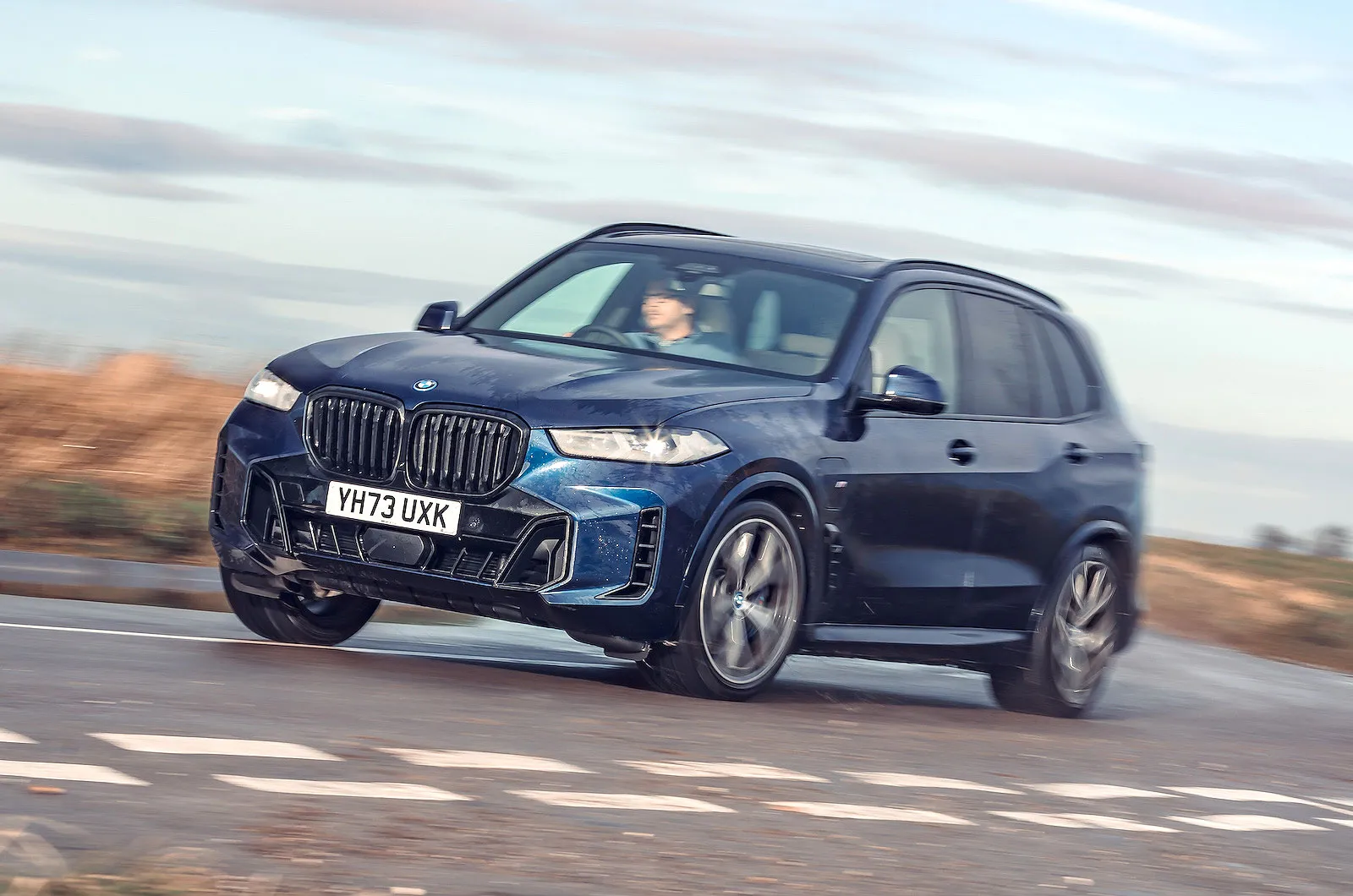
Reliability rating 87.2%
Most common faults: Bodywork 16%, exhaust 16%, engine 8%, engine electrics 4%, interior trim 4%
Average repair cost: 100% £0
Typical time off road: 39% one day to a week, 50% more than a week
Now in its fourth generation, the X5 is still one of the best luxury SUVs to drive, and it comes in a frugal PHEV version that's officially capable of doing 62 miles on pure electric power. Diesel options are still available, but they are proving far more problematic than the petrol and PHEV ones.
Forty percent of the X5 diesel owners who reported on their cars in our survey said there had been a problem - petrol and PHEV examples only went wrong in 16% of instances. The good news is that only 5% of faulty cars were rendered undriveable by their issues, and BMW covered the cost of all remedial work. Not such good news is that only 11% were fixed in 24 hours or less - just over a third took up to a week and half took more than seven days.
advertisement
scroll for more
Reliability of BMW models aged up to five years old
**BMW****94.60%**1BMW 4 Series Coupe / Convertible (2021-present)98.5%2BMW 3 Series petrol (2019-present)98.0%32013-2022 BMW i397.4%4BMW 1 Series (2019-present)97.2%5BMW i4 (2021-present)96.8%62017-2023 BMW 5 Series petrol / PHEV96.3%=7BMW X5 petrol (2018-present)96.2%=72015-2022 BMW X196.2%9BMW iX3 (2021-present)95.5%102014-2021 BMW 2 Series Active Tourer94.9%11BMW 3 Series diesel (2019-present)94.0%12BMW 2 Series Coupe (2021-present)93.3%132018-2024 BMW X3 diesel 93.1%142017-2023 BMW 5 Series Series diesel92.9%15BMW X1 (2022-present)92.6%162018-2024 BMW X3 petrol89.6%17BMW 3 Series PHEV (2019-present)87.6%18BMW X5 diesel (2018-present)87.2%19BMW iX1 (2022-present)86.8%20BMW iX (2021-present)81.0%
To read the reliability data for other car classes follow these links:
Most and least reliable cars overall
Most reliable car brands
Most reliable family cars
Most reliable executive cars
Most reliable luxury cars
Most reliable small SUVs
Most reliable family SUVs
Most reliable large SUVs
Most reliable seven-seaters
Most reliable electric cars
Most reliable electric SUVs
Most reliable sports cars
Most reliable diesel cars
Most reliable petrol cars
Most reliable hybrid cars
advertisement
scroll for more
How the research was carried out
To compile the What Car? Reliability Survey, conducted in association with MotorEasy, we asked thousands of car owners to give us the lowdown on how reliable their car had been over the previous 24 months.
First we asked them to tell us if the car had suffered a fault, and, if so, how much each problem had cost to put right and how long it had kept the car off the road. The responses for these two factors were weighted and added up for each make and model, enabling us to create a unique reliability rating for each.
The latest What Car? Reliability Survey contains responses from 29,967 people, giving us enough data to report on 199 models aged up to five years old from 31 different car brands.
About the report author
Claire Evans has been a motoring journalist for more than 30 years, working on consumer issues for a great deal of that time. After a stint as the advice columnist for Carweek magazine in the 1990s, she also spent six years working on motoring content for Which?. It is here she oversaw the running of the charity's annual used car reliability survey.
advertisement
scroll for more
Claire launched the What Car? Reliability Survey in 2017, and since then has helped thousands of buyers choose the most reliable new cars and SUVs, as well as the most dependable used cars.
Read more: Most and least reliable family SUVs >>
News and advice
News
New TVR Griffith sports car built at Lotus factory set to mark brand’s revival
News
Deal of the Day: Buy a Fiat Grande Panda Hybrid from £181 per month
News
New Volkswagen Golf GTI 1976 brings back manual gearbox
What Car? Promotion
6 reasons to be excited for Renault Twingo E-Tech electric
Sponsored
Renault Scenic: 5 things that make it an ideal company car for families
News