Bugatti Chiron review
The Bugatti Chiron is unmatched for performance and price, but there are more rewarding and engaging sports cars.


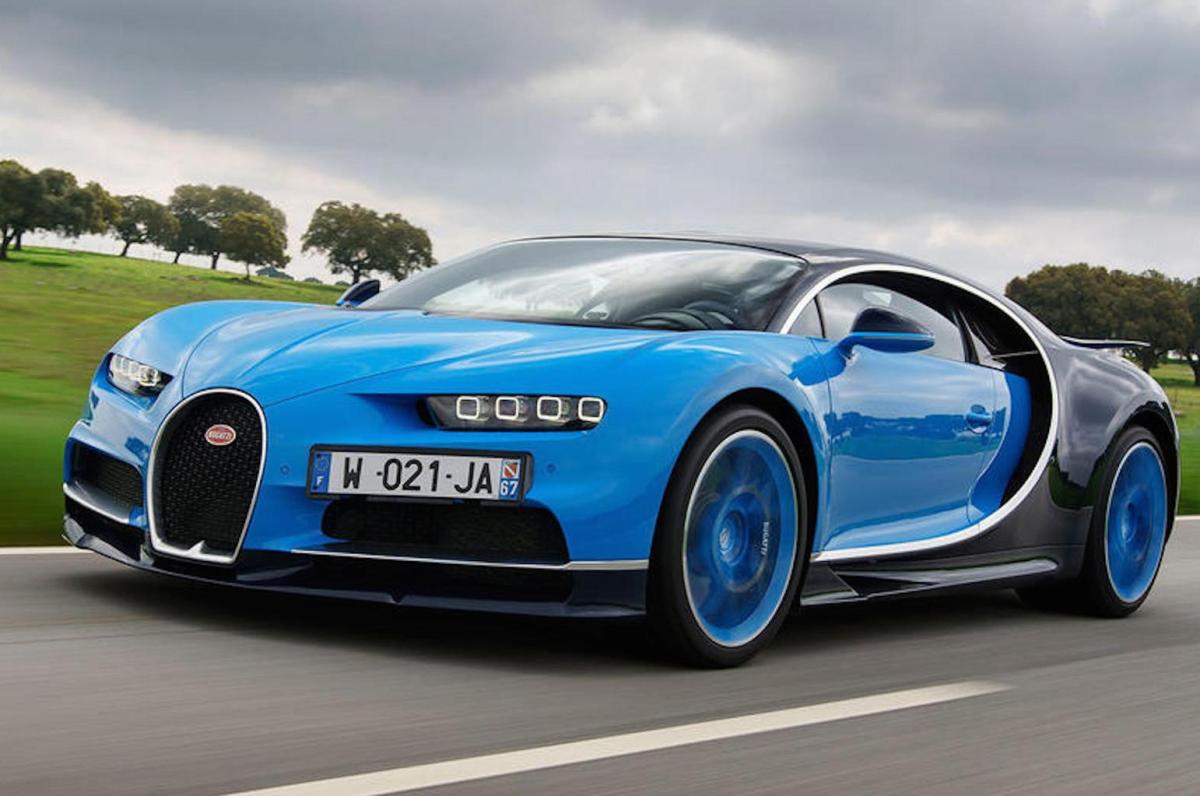
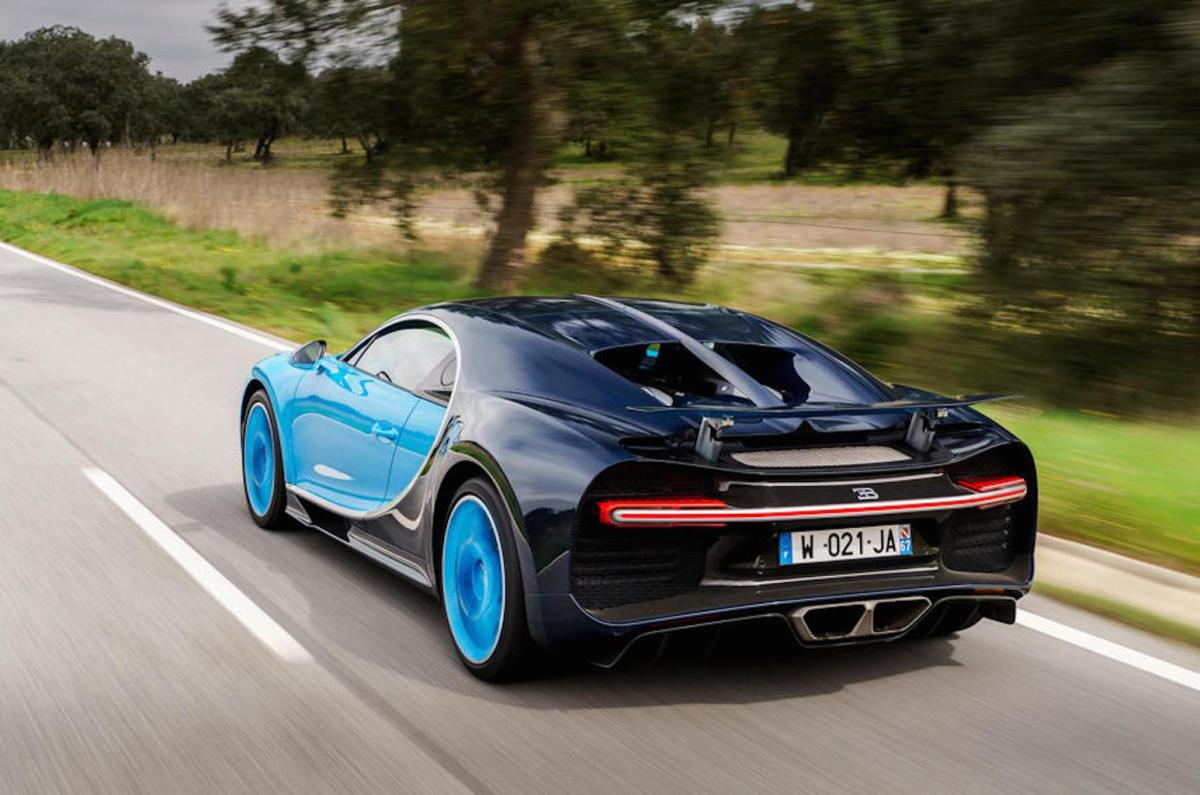
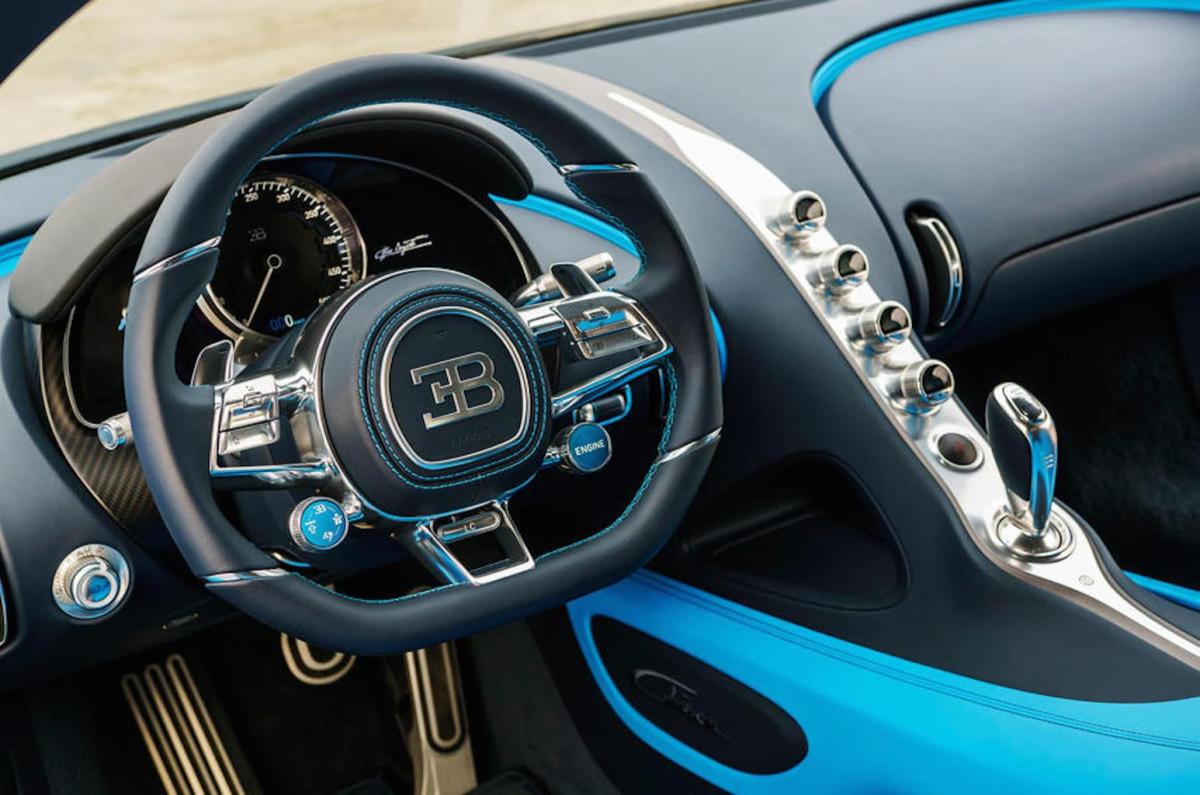
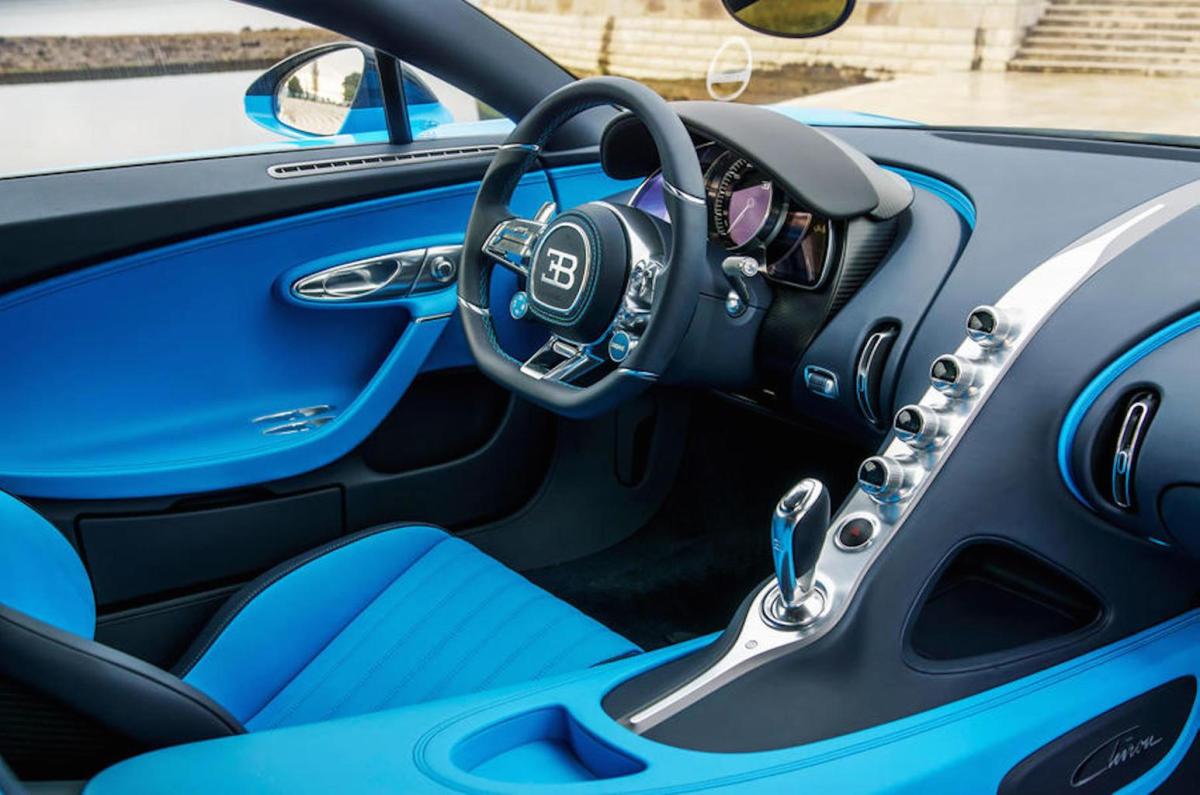

- Bugatti Chiron
- Bugatti Chiron
- Bugatti Chiron
- Bugatti Chiron
- Bugatti Chiron
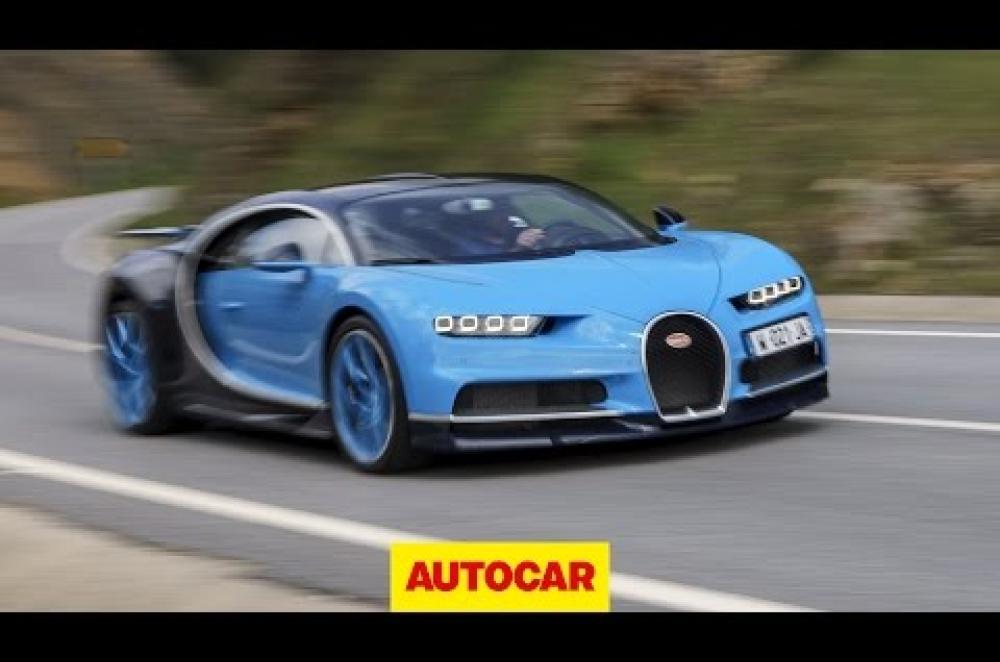
- Bugatti Chiron Review | Bugatti’s new 261mph hypercar tested | Autocar

Introduction
The Bugatti Chiron has a very clear brief: to be the world’s fastest, most exclusive, most expensive production car.
Bugatti is part of the Volkswagen group and Bugatti sits at the top of the VW group pyramid. If you imagine that Skoda is at the bottom - purveyors of great value, ‘simply clever’ family cars with untellable practicality and enviable costs of ownership - well, the Chiron is the opposite of that.
It’s a carbonfibre two-seater, with an engine in its middle, behind the cabin. There’s an ultra-strong passenger cell, plus carbonfibre bodywork cladding the top of it.
It may not surprise you to learn that there’s only one engine and transmission option. It might surprise you to find that it’s an 8.0-litre W16 petrol engine with four turbochargers, which drive through a seven-speed dual-clutch gearbox to all four wheels, albeit with a bias towards rear-wheel drive.
Even in the realm of hypercars, the Chiron is quite fast, as its predecessor, the Veyron, was, when that was introduced in 2005 and became the world’s fastest production car. The Chiron’s acceleration and top speed is similarly, today, beyond the realms of its competitors: it can go from 0-62mph in 2.5sec, and is electronically limited to 261mph.
It arrived on sale at a time when it had few direct competitors. Koenigsegg and Pagani sell the cars closest to it: the Ferrari LaFerrari, Porsche 918 Spyder and McLaren P1 were all off-sale at the time of the Chiron’s arrival.
What’s new
- May 2024: Final Chiron built
- June 2021: Chiron Super Sport has 1578bhp; electronically limited to 217mph
- March 2020: Chiron Pur Sport is 50kg lighter (now 1945kg), has more downforce, retuned suspension. Limited to 60 units
- March 2018: Chiron Sport has revised suspension, 18kg weight reduction
- March 2017: First three Chirons delivered
- March 2016: Chiron debuts at Geneva motor show with 1479bhp 8.0-litre W16 engine, seven-speed dual-clutch transmission. Does 0-62mph in 2.5 seconds, 261mph top speed. Production limited to 500


Pros
- Amazing performance
- Beautifully appointed interior
- Strong residual values
Cons
- Unenviable economy and emissions
- High cabin noise levels
- Width on the road
Performance & drive
What it's like to drive, and how quiet it is
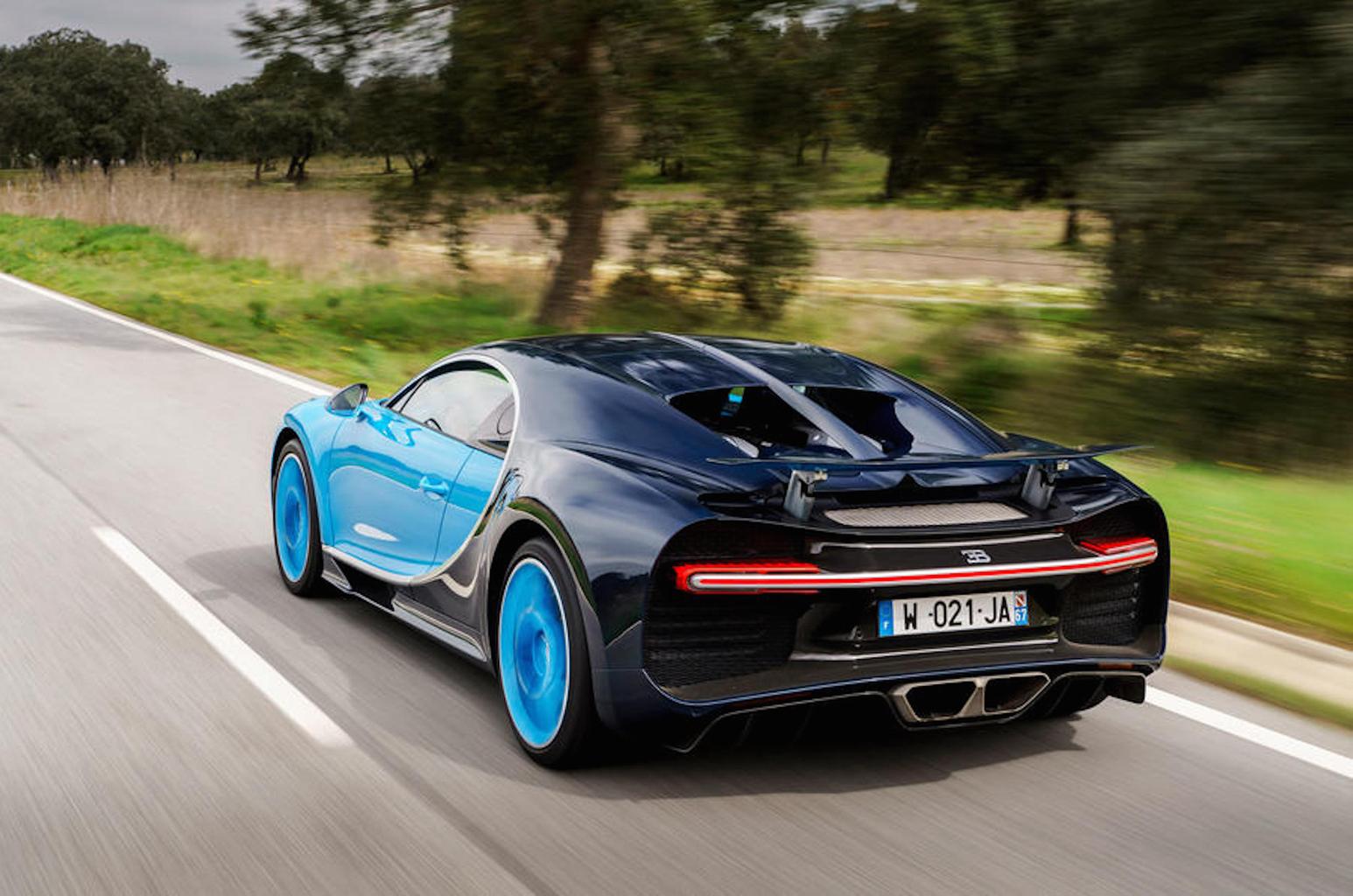
The Chiron experience is dominated by its engine. Even at low speeds, the 8.0-litre W16 engine whooshes and growls and threatens, although because Bugatti applies VW-group standards to the Chiron, it’s actually impeccably behaved. The step-off from rest is smooth, control weights are good, and the gearbox, if left in D, shifts up at low revs and makes the Chiron a relatively relaxing car to drive.
Its ride quality is reasonable. There are several different drive modes; one that maintains a good enough ride quality – though it feels firmer to us than, say, a McLaren P1 or a Ferrari 488 GTB – and two more that lower the body and stiffen the suspension for either higher-speed motorway work, or if you want to exploit the handling. Not only are those modes stiffer, they’re a touch lower, which risk grounding the Bugatti’s nose on speed bumps and the like.
Its steering is at its most pleasing in this normal mode too, with good weighting, pleasant self-centring and a natural, easy feel. And body control is good whichever mode you put the Chiron in. Yes, it’s at its tightest in the ‘Handling’ mode, but we never found it wanting regardless of the set-up.
Because of its kerbweight the Chiron feels less agile than a McLaren P1, or even a Porsche 918 Spyder, but in a straight line there’s no doubt that it is faster than both. Despite some trickery with the turbochargers – two are disabled at low revs and accelerator inputs in an attempt to reduce turbo lag – there is a delay between you asking for power and you getting it. But we promise you’ll never be disappointed by the amount you get when it eventually arrives, and you’ll ask it to stop arriving long before it does.
Interior
The interior layout, fit and finish
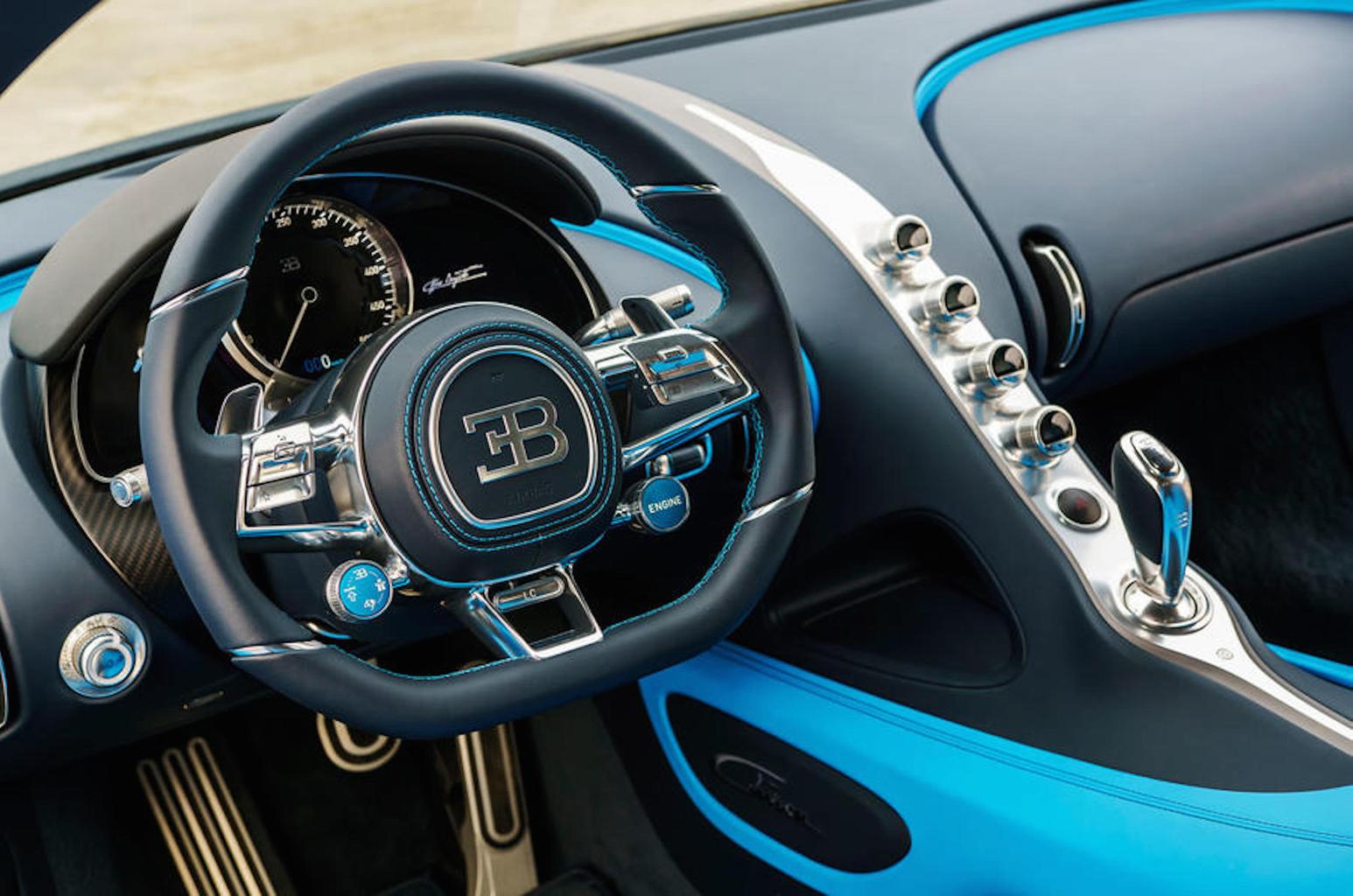
Bugatti prides itself on the fact that the Chiron is, ergonomically, as sound as almost any other VW-group product, so it should be no surprise to find that it’s relatively easy to get in and out of. There are conventional doors, not scissor or dihedral ones like you’d find on some rivals.
And once you’re inside you’ll realise that the driving (or passenger seating) position is good, too. The seats are electrically adjustable and although they’re not wide, they’re perfectly supportive. The steering wheel adjusts for reach and rake through a large range and the dials behind it are clear analogue ones; Bugatti has resisted the VW-group trend towards digital dials, because it likes to think that, in 50 years time, when the Chiron is at a car show and kids are peering through the window to see ‘what it’ll do, mister’, they’ll read that it has a 500kph, or 300mph, speedometer.
Visibility from inside is less impressive. The Chiron is a wide car, at more than 2.0-metres, and it’s hard to see the extremities. Visibility rearwards isn’t helped by the installation of a large light bar, the largest in the industry, that apparently basks the interior in a warming glow, and certainly enhances a two-seat ‘cockpit’ feel, but also obstructs the rear view.
Surfaces are finished in excellent quality leather or aluminium – there’s an absence of plastics, and where a material looks like a certain material, you can be that it is that material. But because weight reduction is at a premium, the leather isn’t mounted onto soft foamy surfaces, thus leaving the Chiron quite loud.
When it comes to infotainment, there is a stereo system and a trip computer only. Sound quality is good but the hi-fi requires input from a mobile device. That saves Bugatti fitting a screen that could look too cheap in a £2.5m car and says that apparently owners prefer it that way.
Passenger & boot space
How it copes with people and clutter
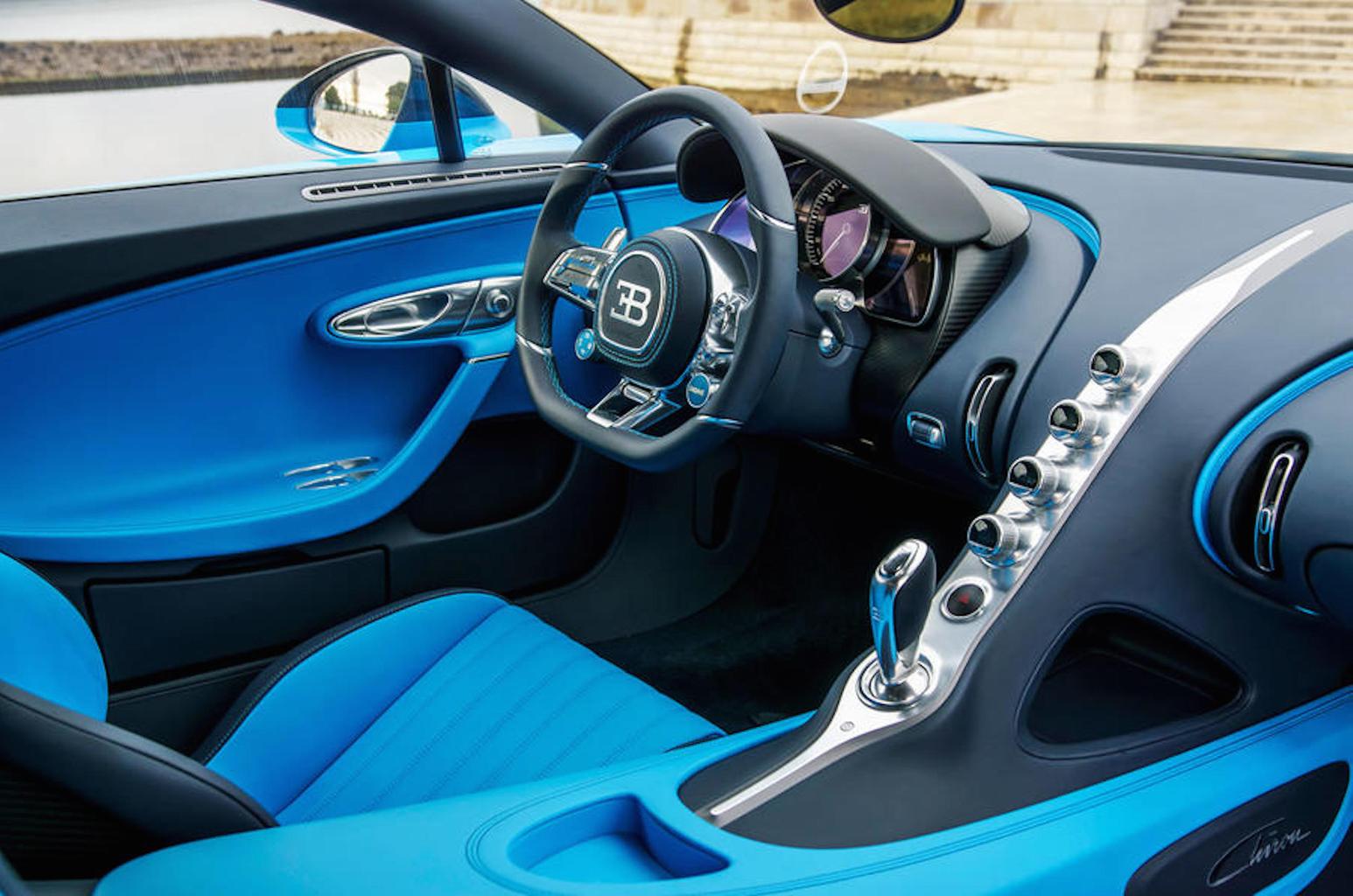
There’s precious little room in the Chiron’s cabin. There are small exposed door pockets, plus a lidded compartment in each door, but the centre console is thin so, save for a deck for a smartphone, there’s precious little space on there. There is a small glovebox and, unless you’re a tall driver, you’d find space behind the seats to squash a coat, but that’s about it.
Still, the Chiron does get a run on most hypercars, which have a bonnet area filled with radiators or electric motors. Bugatti has found room for luggage hold under the Chiron’s hood that can hold a 44-litre overnight bag, and offers bespoke luggage to fit, by packaging a radiator at an angle beneath it.
Buying & owning
Everyday costs, plus how reliable and safe it is
Only 500 Chirons will be available, initially at a cost of around £2.5m apiece, but as production continues, don’t be surprised if more expensive variants are added.
That is, it will not have escaped your notice, quite a lot; hence most buyers will have a Chiron as part of a collection – alongside 41 other cars, on average, with most owners likely to only drive them for around 800 miles a year. So as a used car, not too much personalisation and a low mileage would be an advantage. Stick to those rules, though, and the Chiron should retain a strong residual value.
Bugattis tend not to register in most satisfaction or reliability surveys, but the company has a strong relationship with most customers.
Almost all sign up to have their car share its data with the factory, so Bugatti can advise if, say, the engine oil needs changing or even if the tyre pressures are low; and can download software updates to the car remotely, given the owner’s permission. The data link is also an effective anti-theft device, because if the ignition is on, Bugatti will know where the car is, anywhere in the world.
The Chiron hasn’t been EuroNCAP tested and isn’t likely to be. Save for ABS and stability control, there are no active driver aids. But if you push the brake and throttle at the same time – as some drivers do on a race track – the throttle disengages; a VW-group policy to prevent accidental acceleration that extends to even the fastest, most extreme car it makes.
For all the latest reviews, advice and new car deals, sign up to the What Car? newsletter here