Volvo ES90 review
The ES90 is an all-electric large executive car that’s officially capable of more than 400 miles on a charge


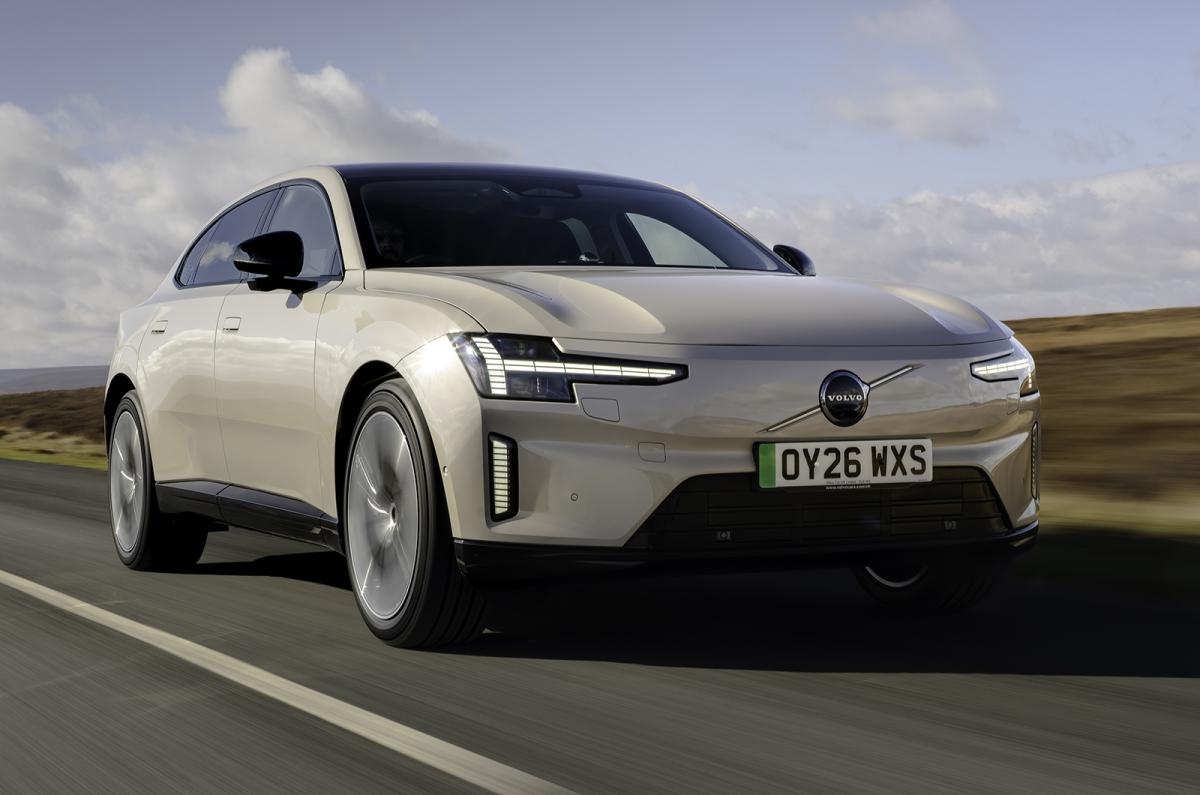
- Volvo ES90 driving front right
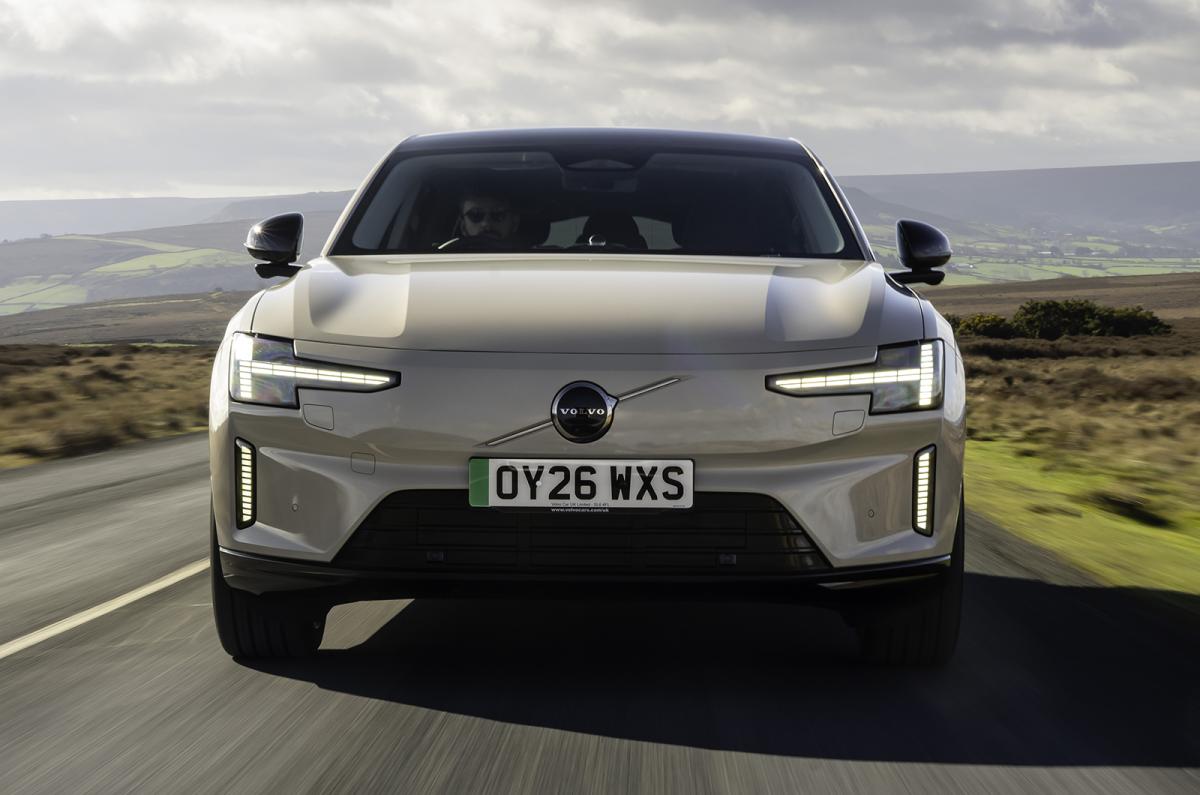
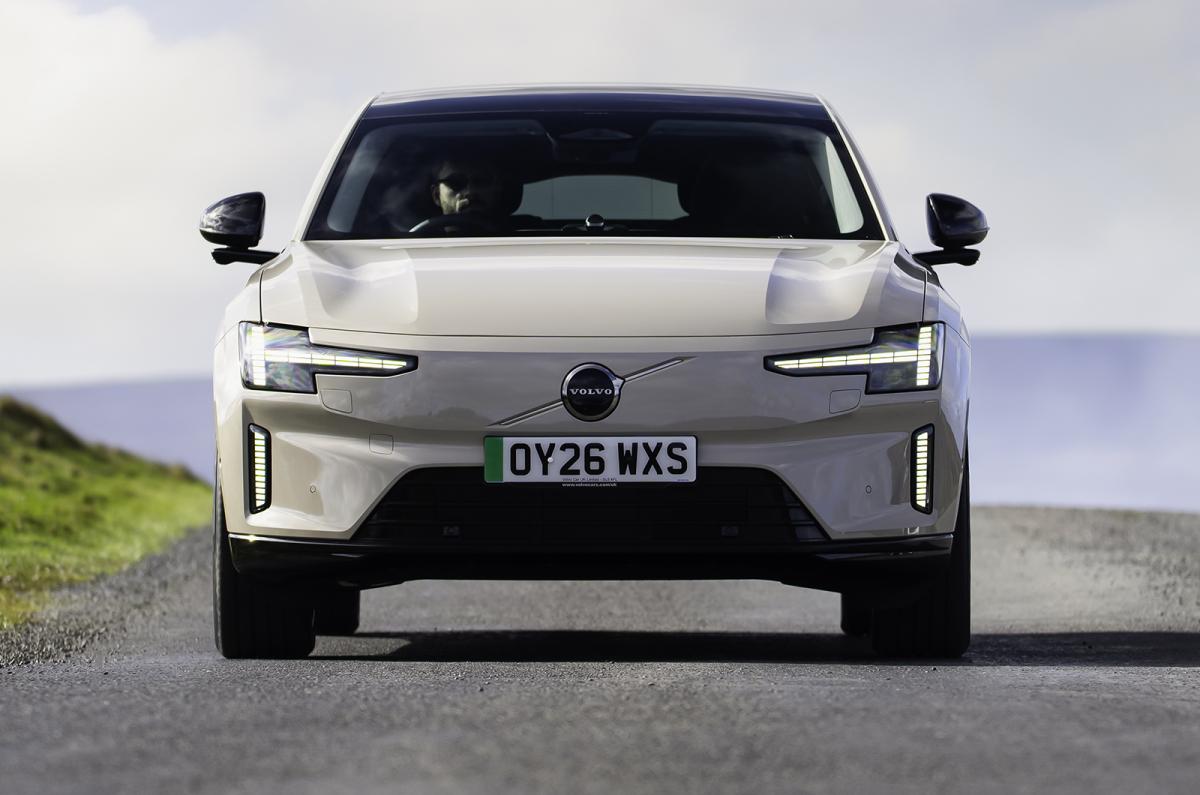
- Volvo ES90 driving front
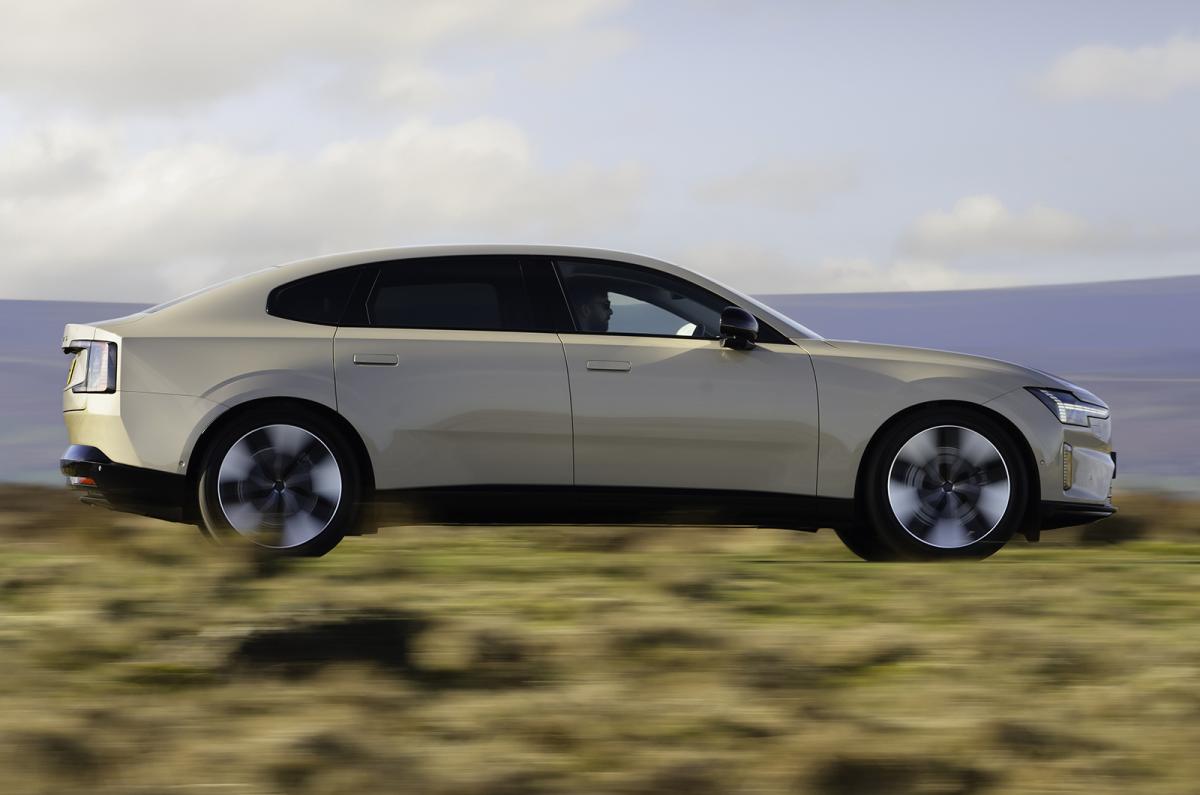
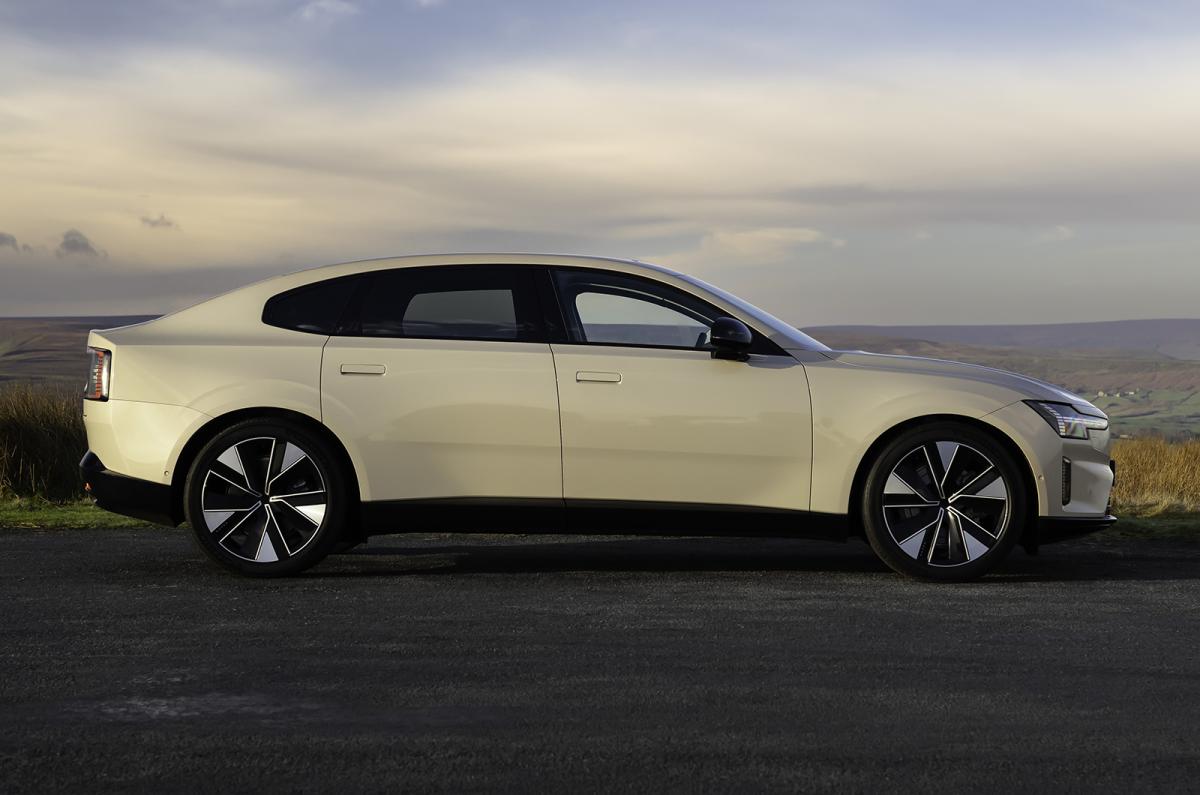
- Volvo ES90 driving side
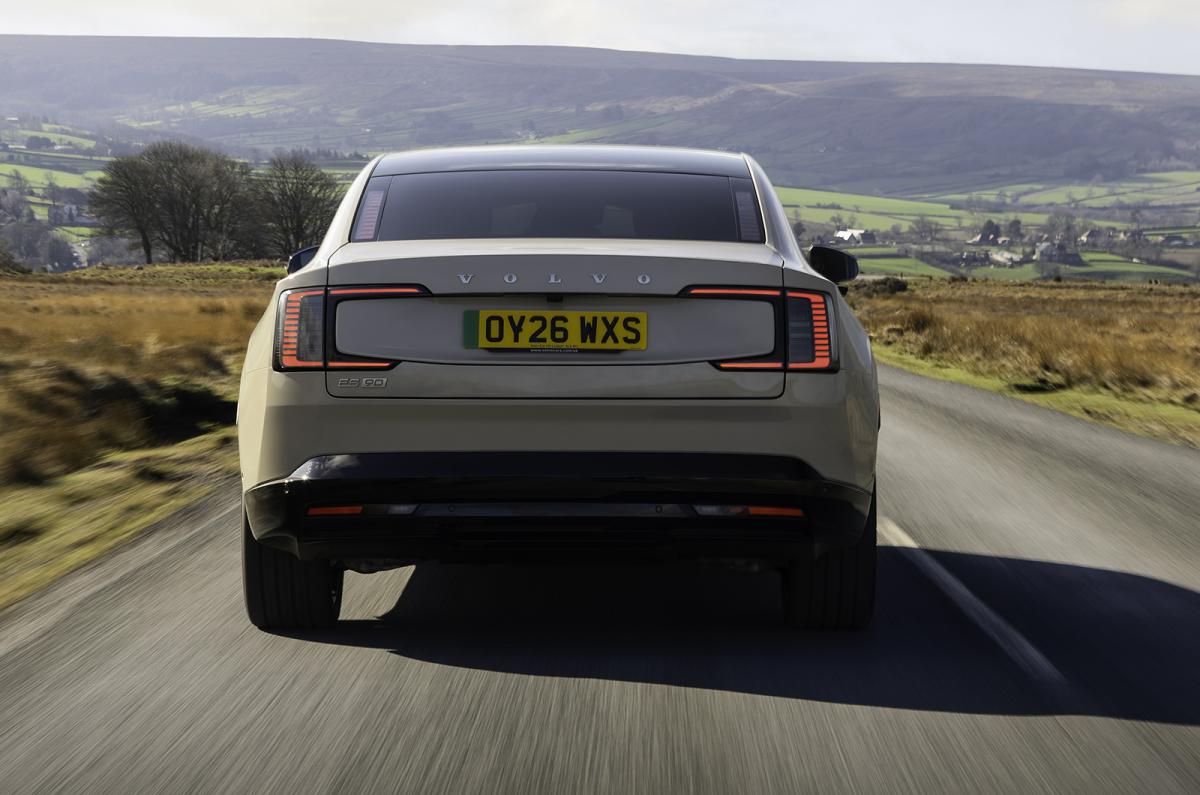
- Volvo ES90 driving rear
- Volvo ES90 static front
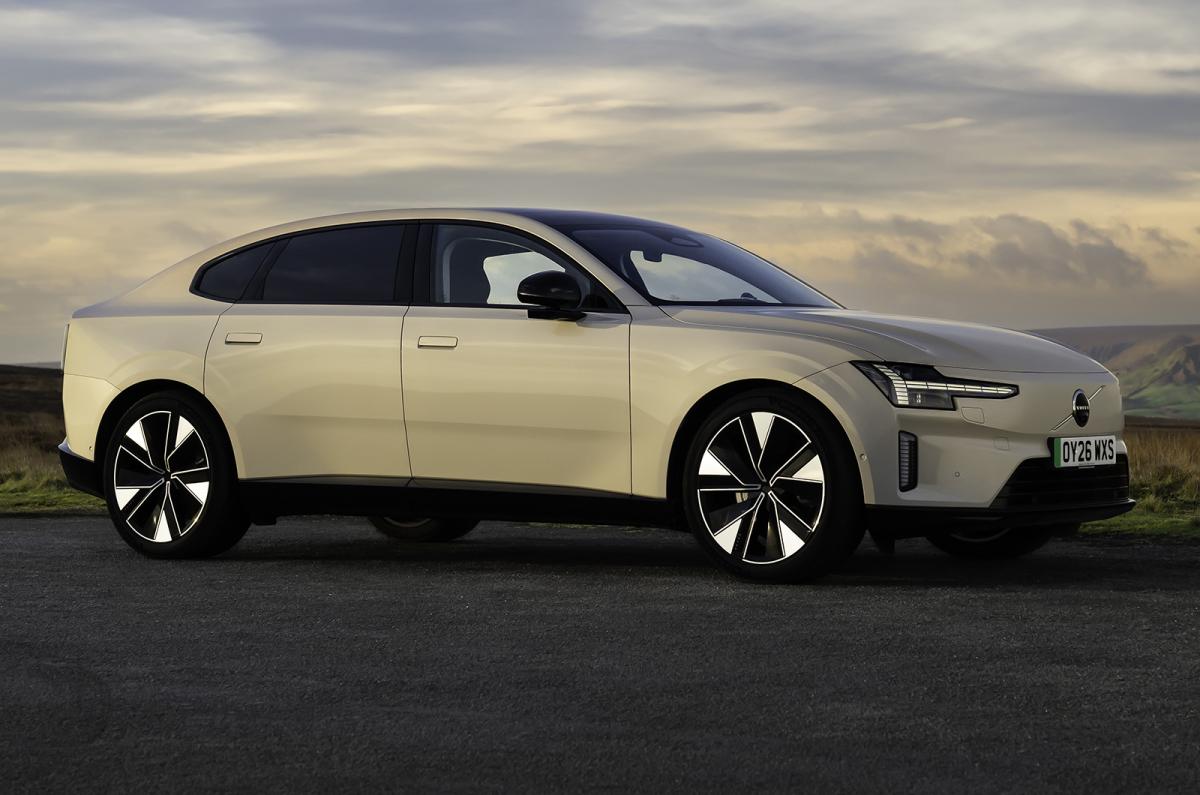
- Volvo ES90 static front right
- Volvo ES90 static side
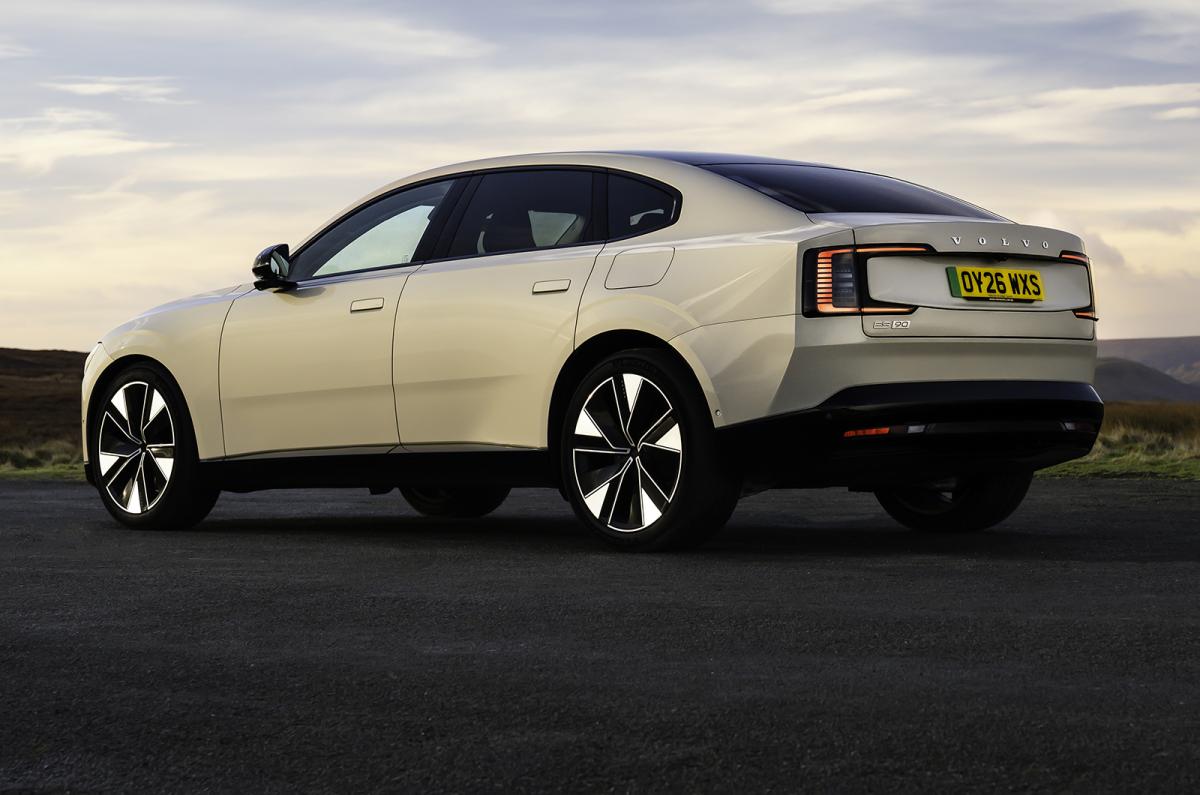
- Volvo ES90 static rear left
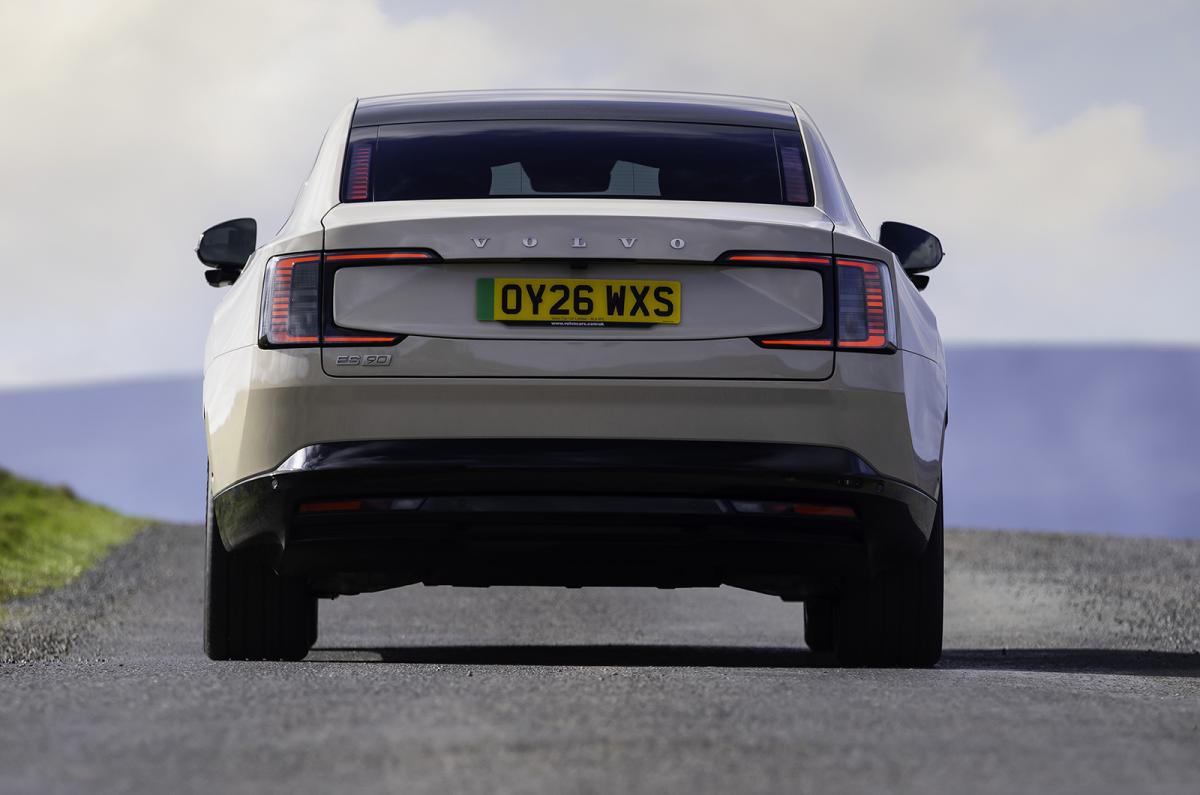
- Volvo ES90 static rear
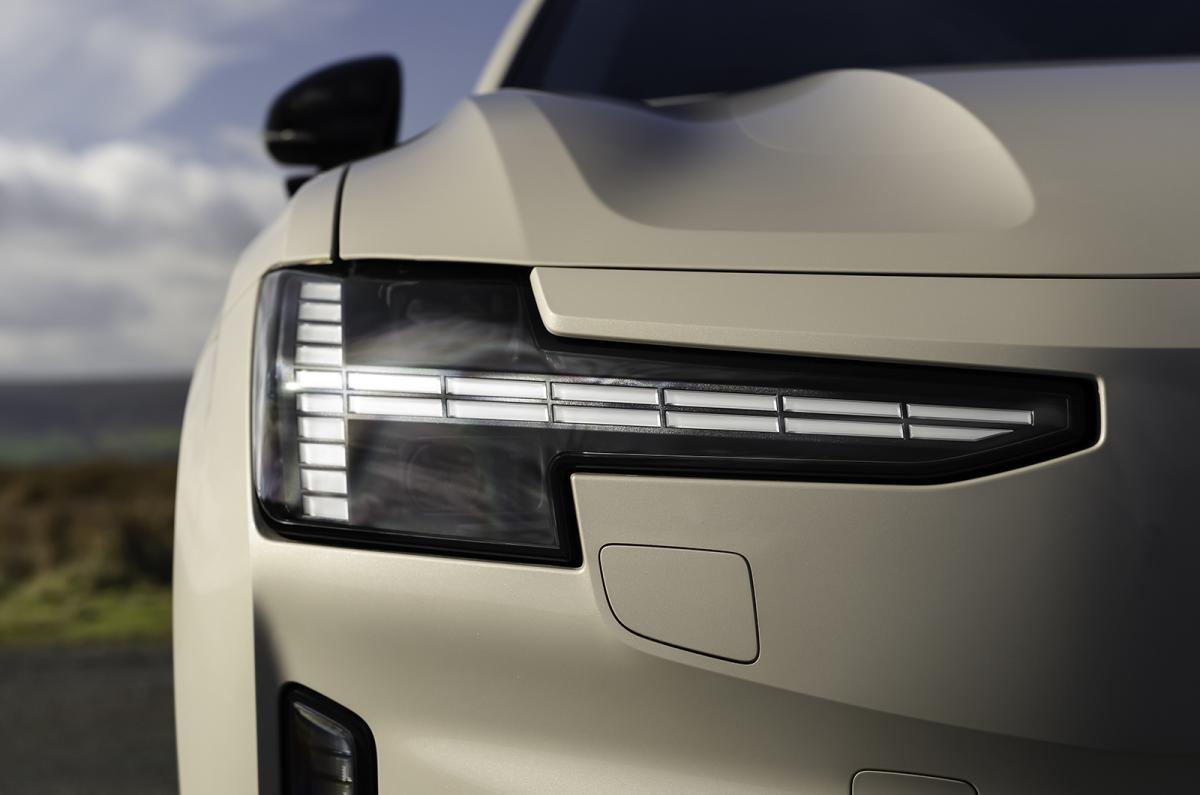
- Volvo ES90 headlight detail
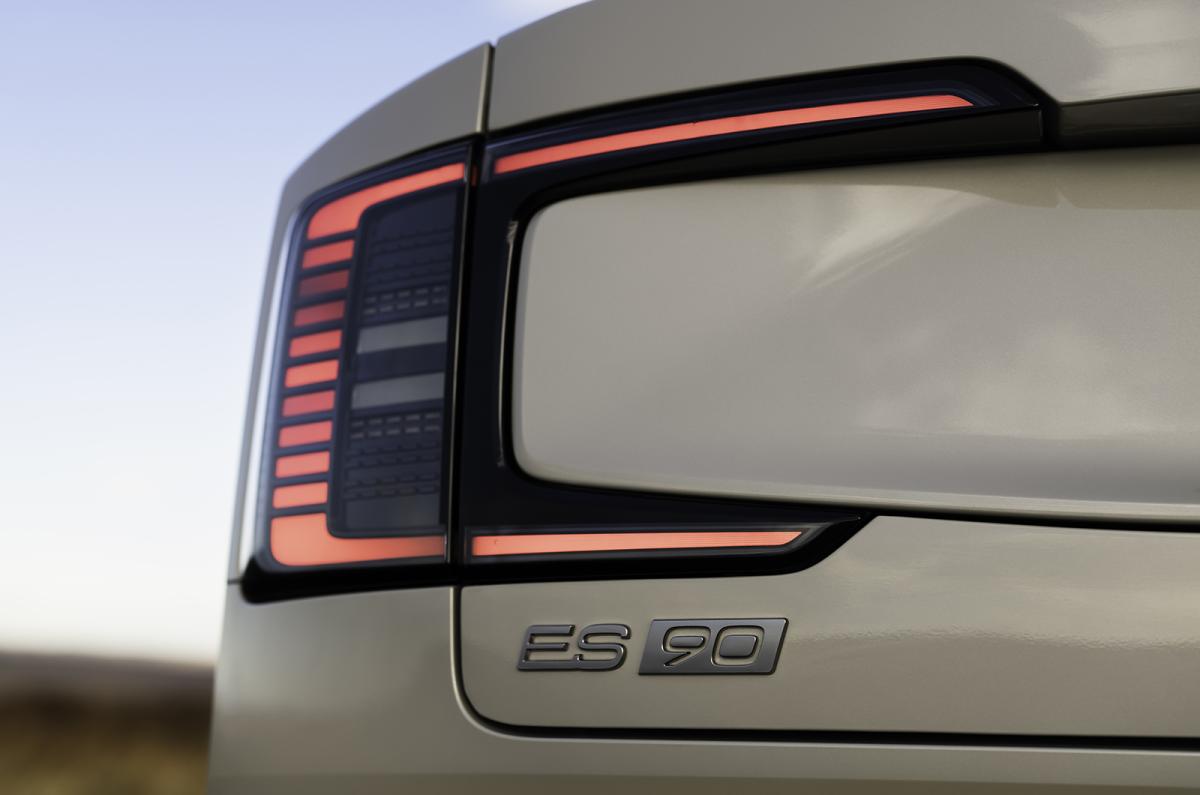
- Volvo ES90 rear light detail
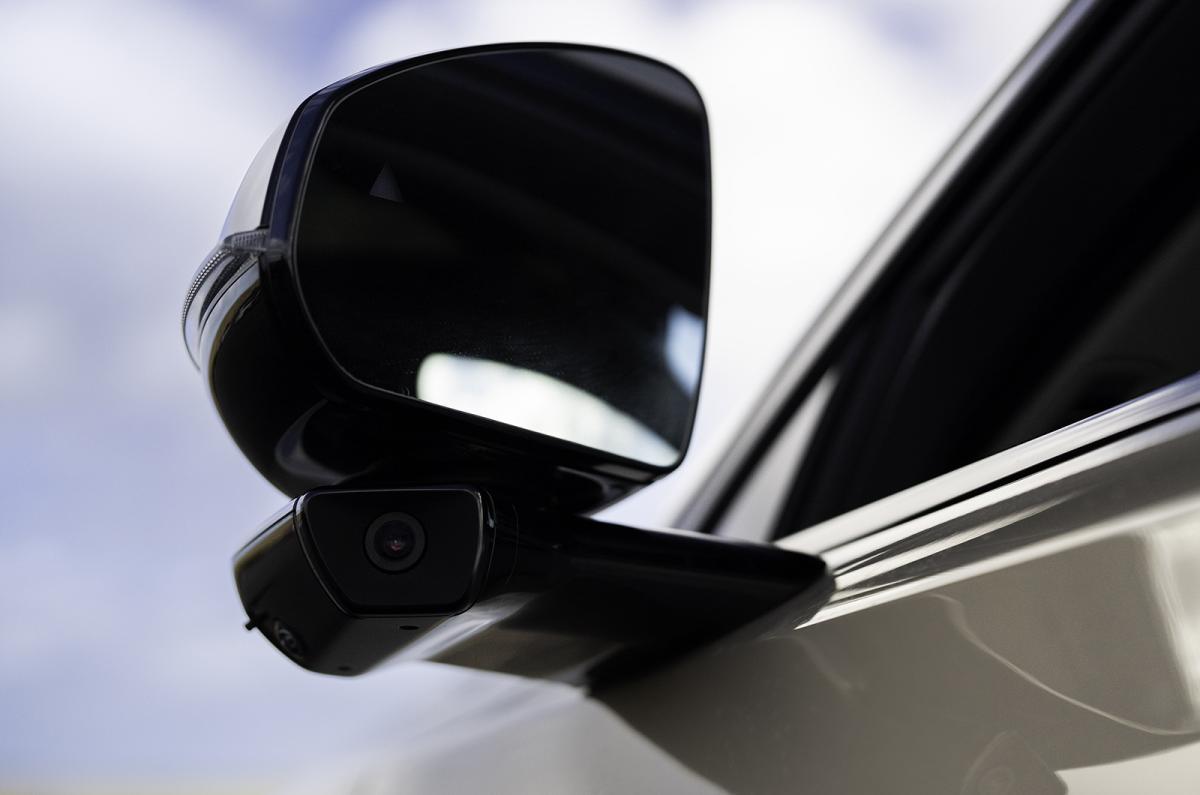
- Volvo ES90 camera detail
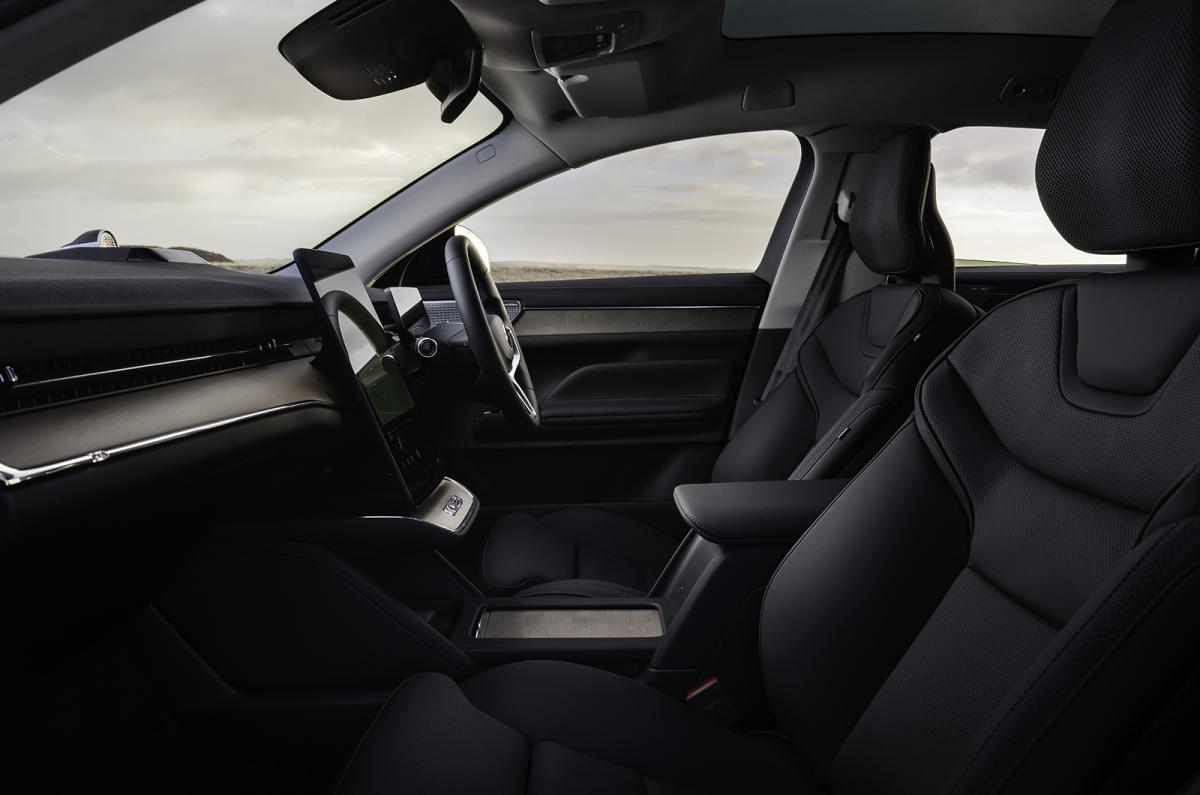
- Volvo ES90 front seats
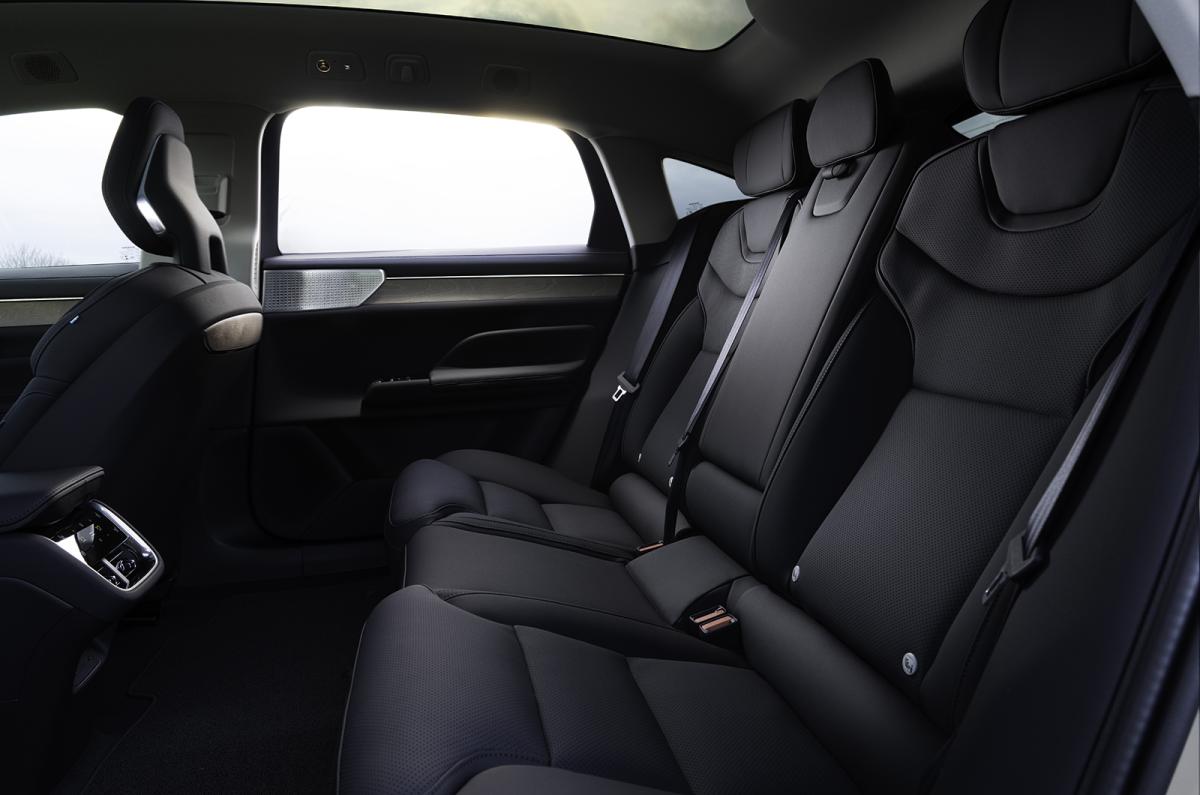
- Volvo ES90 rear seats
- Volvo ES90 interior detail
- Volvo ES90 climate control detail
- Volvo ES90 driving rear right
- Volvo ES90 over-shoulder
- Volvo ES90 boot
- Volvo ES90 driver's display

Introduction
“Superhero fatigue” is often talked about in film and TV: it suggests that the popular genre has become oversaturated, leaving audiences tired and demanding some variety. If you feel a similar way about Volvo’s electric car line-up, then you’ll be glad the new Volvo ES90 exists, if only to break the mould.
You see, it’s not an SUV – unlike every other EV the brand sells in the UK. Sure, it may share underpinnings with the Volvo EX90, but the ES90 is an executive car and a rival to the Audi A6 e-tron, BMW i5 and Mercedes EQE.
To compete, the ES90 needs to be serenely quiet and comfortable on the move. Its interior will have to feel as luxurious as it looks, too.
What’s new?
- July 2026: UK deliveries arrive for the ES90
- September 2025: production of new ES90 luxury EV saloon gets under way. The ES90 is said to have one of the lowest carbon footprints of any Volvo to date
- February 2025: details of new ES90 pure EV revealed, including a range of more than 400 miles and the ability to add 188 miles of range in 10 minutes through its 800-volt electrical hardware


Pros
- Classy interior
- Punchy performance
- Lots of standard equipment
Cons
- Subpar boot space
- Flawed visibility
- Awkward seating position in the back
Performance & drive
What it's like to drive, and how quiet it is
Strengths
- Plenty of performance
- Super-fast charging
- Every version has a 400-mile-plus official range
Weaknesses
- Slightly choppy ride at times
- The BMW i5 is a sharper handler
How fast is it and which motor is best?
So far, we’ve tested the Volvo ES90 in its Single Motor Extended Range form, which is a somewhat confusing name, considering there is no Single Motor Standard Range. Nevertheless, it’s rear-wheel drive and, with 328bhp, capable of 0-62mph in 6.6sec. It feels quick, although it gradually builds up speed, rather than delivering its power in one big lump. You can expect similar acceleration from the entry-level Audi A6 e-tron, BMW i5 and Mercedes EQE.
The ES90 Twin Motor has four-wheel drive and delivers 450bhp, while the Twin Motor Performance pushes that up to 671bhp. The latter is the quickest with a 0-62mph time of 4.0sec, which, again, is about on par with its competitors. We’ll tell you more about these Twin Motor versions as and when we drive them.
Is it agile and is the ride comfortable?
The ES90 handles competently, with good grip and respectable composure on twisty roads. However, if agility is what you’re after, the i5 is a better bet, with tighter body control and being keener to turn in to corners. While the ES90’s steering responds quickly enough, it feels relatively light and a bit vague, which doesn’t inspire as much confidence during high speed cornering.
The ES90 is more about comfort, and it rides calmly at motorway speeds, especially on air suspension – a standard feature of Ultra trim and an optional extra on entry-level Plus.
The air suspension is also more compliant on country roads and this helps it flow better than the standard setup, which can occasionally trip up over harsh ridges. However, around town, the ES90 can thump a little over patchy surfaces on either setup – especially on the big 22in wheel option.
Over undulating sections of road, the laid-back air suspension isn’t as tied down over big crests as the i5, or even the standard setup. Fortunately, it’s not as floaty as a Mercedes EQE, and this sensation can be reduced by selecting the suspension’s firm setting.
Is it quiet and how easy is it to drive smoothly?
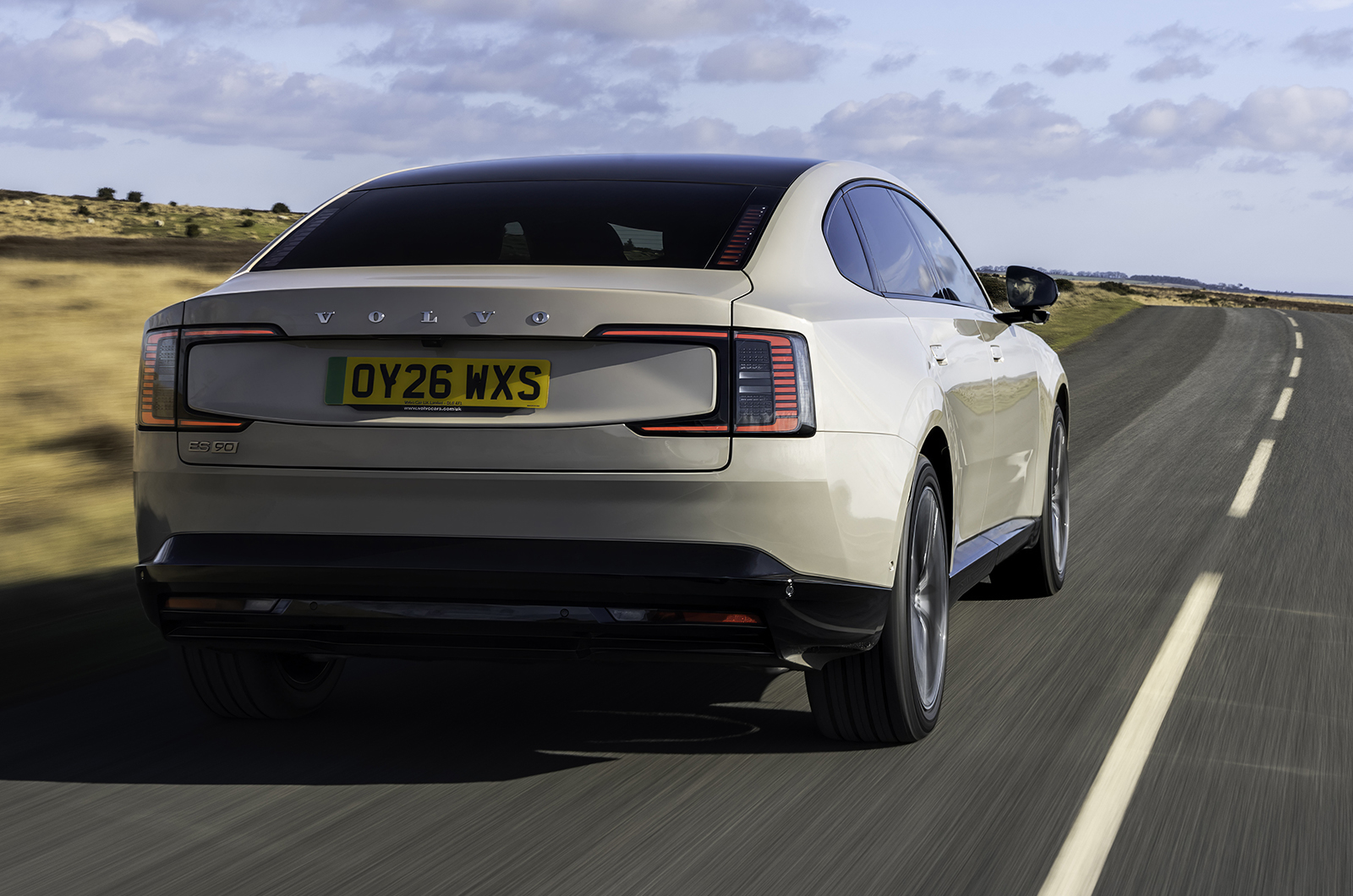
Put simply, yes, and on both counts. There’s hardly any wind noise, even at motorway speeds, no electric motor whine and only slightly more road noise than in the hushed i5. Our only complaint goes back to the thumping we talked about on bigger wheels.
The brake pedal responds predictably to help you shed speed smoothly, while regenerative braking allows you to recoup some electrical energy as the car slows down. You can select a strong one-pedal drive mode, which will begin to slow the car down to a stop as soon as you release the accelerator pedal. That’s handy for stop-start traffic. You can switch it off completely and coast, or use Auto mode, which judges how much braking force is needed – based on how close you are to the vehicle in front, for example.
What’s the range and efficiency like, and how quickly can it charge?
With an 88kWh (usable capacity) battery, even the entry-level single motor ES90 can officially travel around 400 miles on a full charge. The Twin Motor cars get a bigger 102kWh battery: increasing the official range to around 425 miles.
Those figures are pretty impressive, beating all versions of the i5 and matching the EQE 350+. However, the A6 e-tron Sport Performance is even better, with an incredible 464 mile range.
Maximum charging speed is where the ES90 jumps back in the lead. The Single Motor version can charge at a peak rate of 310kW – the Twin Motor cars 350kW – which is faster than the Audi A6 e-tron (up to 270kW), BMW i5 (up to 205kW) and Mercedes EQE (up to 170kW). If you can find a fast-enough charger, then you’ll go from 10-80% charge in around 22 minutes.
“I’d like a few more settings for the regenerative braking. For instance, the i5 has high, medium and low.” – Oliver Young, Reviewer
Tips & Advice
Interior
The interior layout, fit and finish
Strengths
- Interior looks and feels plush
- Feels robust
- Clever Google-enhanced infotainment
Weaknesses
- Frustrating reliance on the central touchscreen
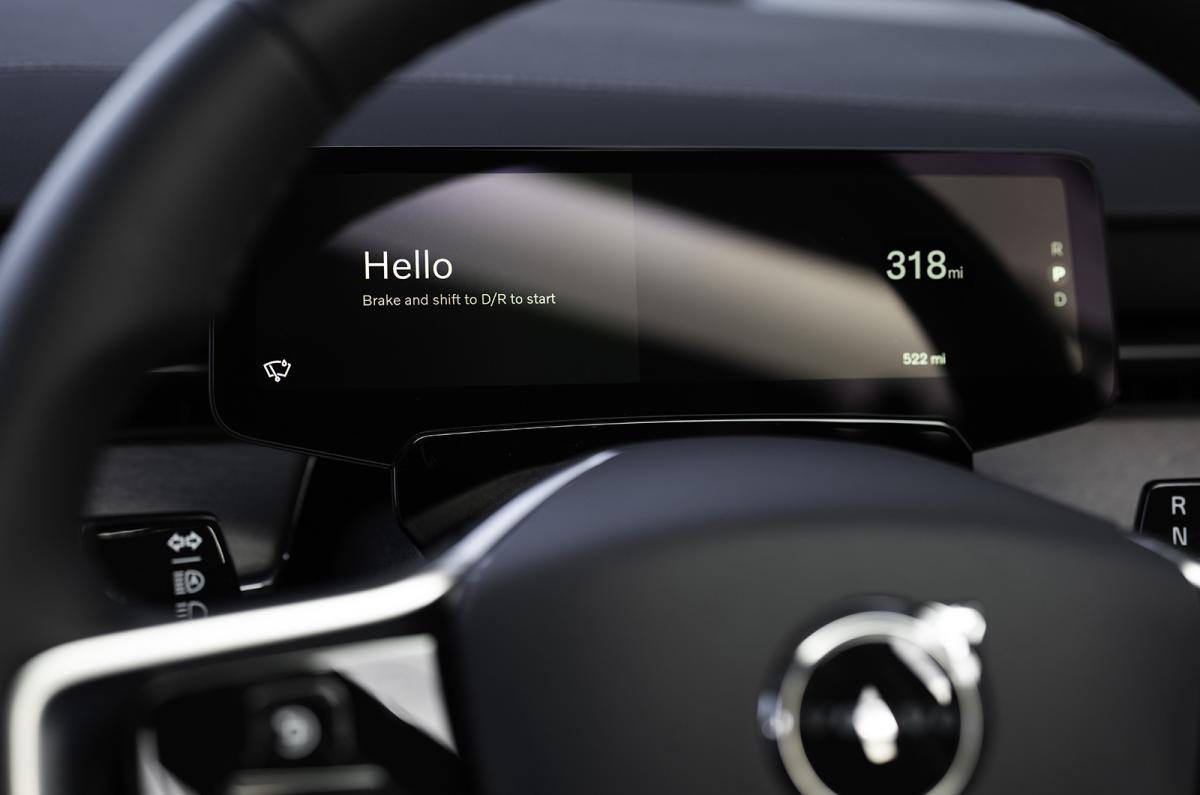
- Digital driver’s display is on the small side
- Subpar rear visibility
What does the interior look like and is it well made?
Volvo likes its interiors to look clean, classy and minimalistic, and the Volvo ES90 is no exception. It’s a grown-up space that might remind you of a high-end spa.
It feels as good as it looks, too. With plenty of soft-touch materials, (even lower down in the interior, such as on the door bins) it feels classier than the Audi A6 e-tron. Everything feels well screwed together, more so than the surprisingly flimsy interior of the Mercedes EQE.
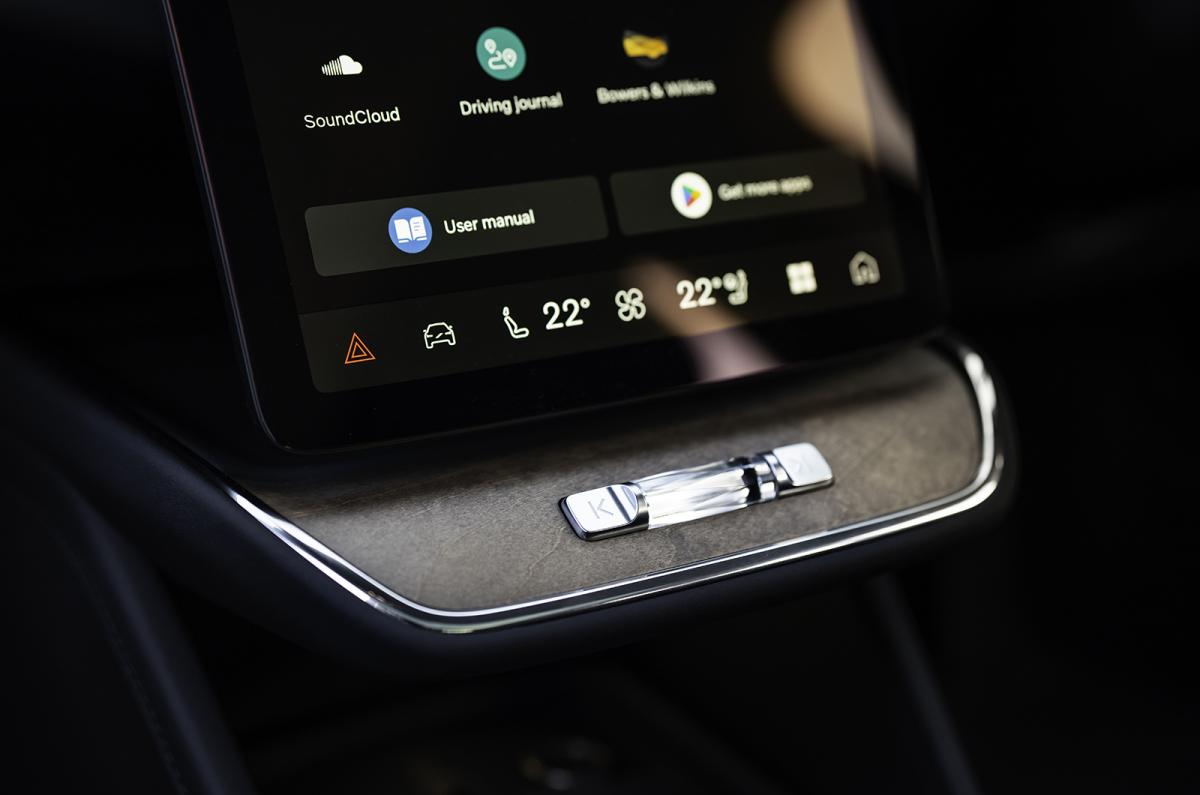
The only bits you could maybe call flimsy are the steering wheel buttons, because they’re housed within two thin slabs of plastic, and the crystal-looking volume scroller, which has some minor play in it.
Is the driving position comfortable and is it easy to see out?
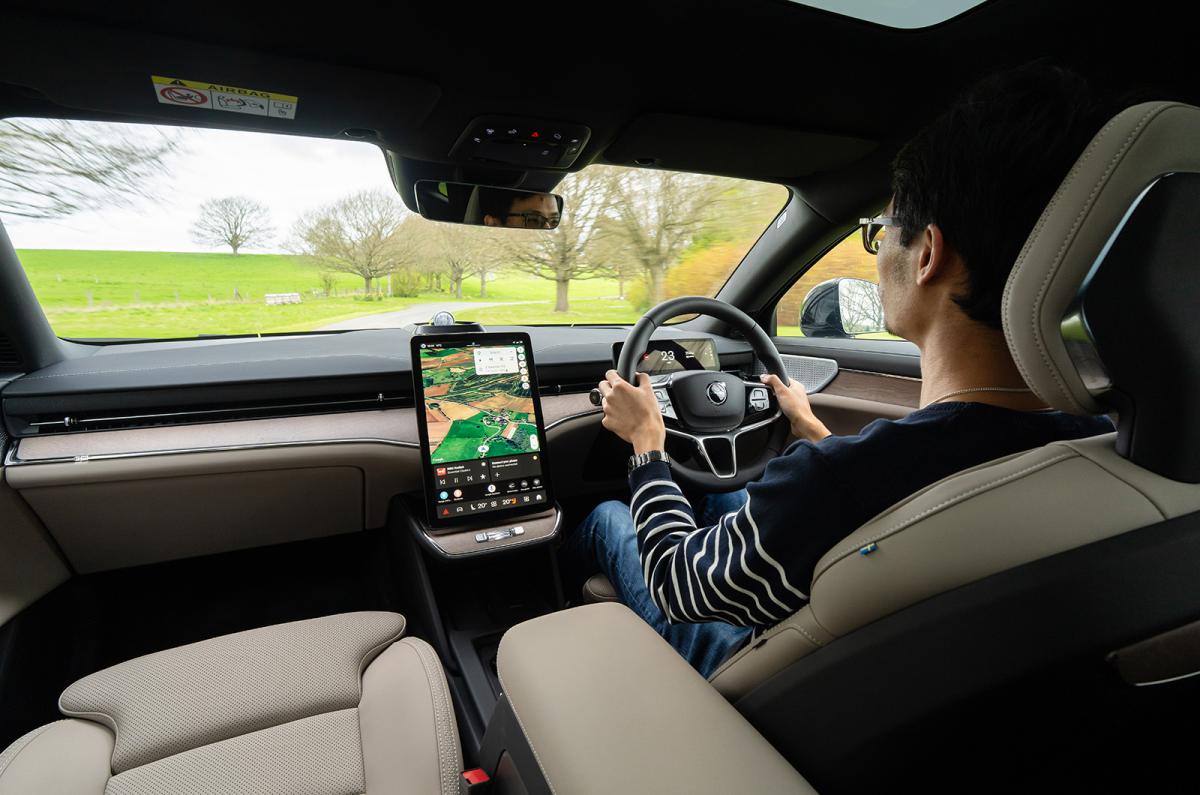
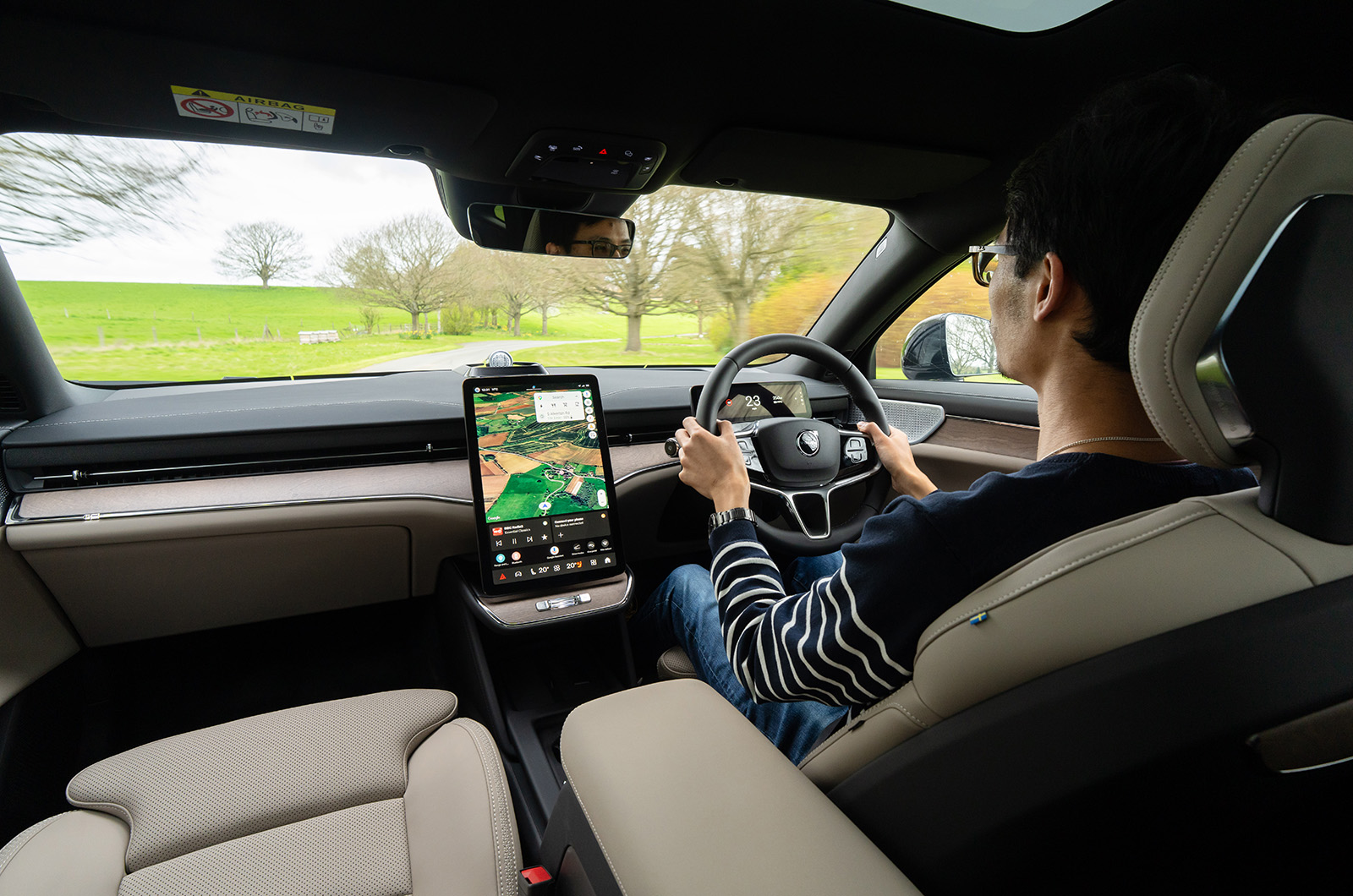
The driving position is comfortable and highly adjustable – the driver’s seat has electric four-way lumbar support and you can extend the seat base for better under-thigh support. You sit noticeably higher up than you do in most executive cars, and that’s because the battery is housed under the floor. This could divide opinion and come as a surprise if you’ve ever owned a Volvo S90, for instance.
On the plus side, sitting higher means a grander view of the road ahead. The view directly to your side and over your shoulder isn’t bad either.
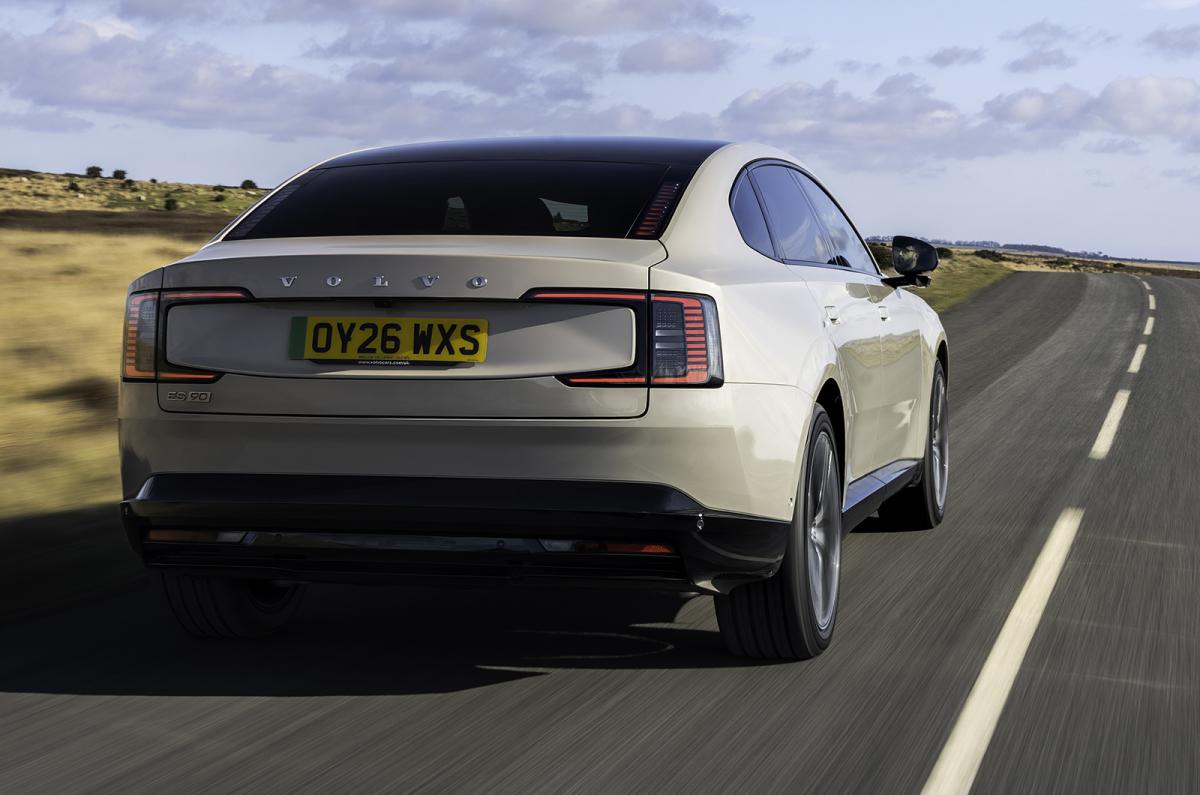
What is bad is your view out at roundabouts, because the chunky front pillars can get in the way. The view out the back is even worse. The rear window is awfully slim and near-enough blocked out by the rear headrests. At least there are plenty of parking aids to help compensate, with front and rear parking sensors and a 360-degree view camera.
Is the dashboard and infotainment system easy to use?
Almost everything is controlled through a central, portrait touchscreen. It’s of a good size, at 14.5in, and commonly used controls – such as the climate functions – are always on display. It also gets Google Maps, Google Assistant and other apps handily built in. Finding different features via the menus can still take some getting used to, though, and not everything is a seamless process.
For instance, adjusting the front seats is done via seat-mounted, physical controls. However, you have to use the touchscreen for some of the extra seat functions you gain on Ultra trim. This can be extra frustrating if someone else is trying to use the screen at the same time.
Adjusting the steering wheel is also a faff – you have to find it in a sub-menu on the touchscreen and then use the steering wheel controls to adjust it, which can time out too soon and means you have to start again.
“I tried adjusting my seat controls while my passenger put on some music. We kept clashing because you can’t do both at once.” – Oliver Young, Reviewer
Tips & Advice
Passenger & boot space
How it copes with people and clutter
Strengths
- Good front-seat space
- Decent storage up front
- Plenty of rear leg space
Weaknesses
- Rivals have larger boots
- Front boot is small and awkwardly shaped
- Awkward seating position in the back
How much space does it have for people?
Up front, the Volvo ES90 feels airy, even if you’re on the taller side. And if you’re quite stocky, it’s wide enough to mean you won’t be rubbing shoulders with your front passenger. There’s plenty of leg room, too.
On the other hand, the rear seats are a bit of a mixed bag. You see, there’s a huge amount of leg room, so much so that you’d need to be a giant to struggle. Head room is less generous but still good, and it’s handy that you can electrically recline the backrest on Ultra trim to boost comfort.
The main issue is that, because you sit so close to the floor, your knees are forced upwards and there's no room to tuck your feet under the front seats.
How much room does it have for luggage?
Up front in the ES90, there are a few good storage spaces for your bits and/or bobs, including a bit behind the central screen and a big area under it for perhaps your phone and wallet. There’s also a sizable well under the central armrest.
There’s also a central armrest for rear-seat passengers (if you fold the middle seat down). Mind you, there’s little in the way of storage inside it. You also don’t get pockets on the back of the front seats. As standard, the rear seats fold in a practical 40/20/40 split, just like in Audi A6 e-tron, BMW i5 and Mercedes EQE, but there aren’t any levers in the boot to release them remotely.
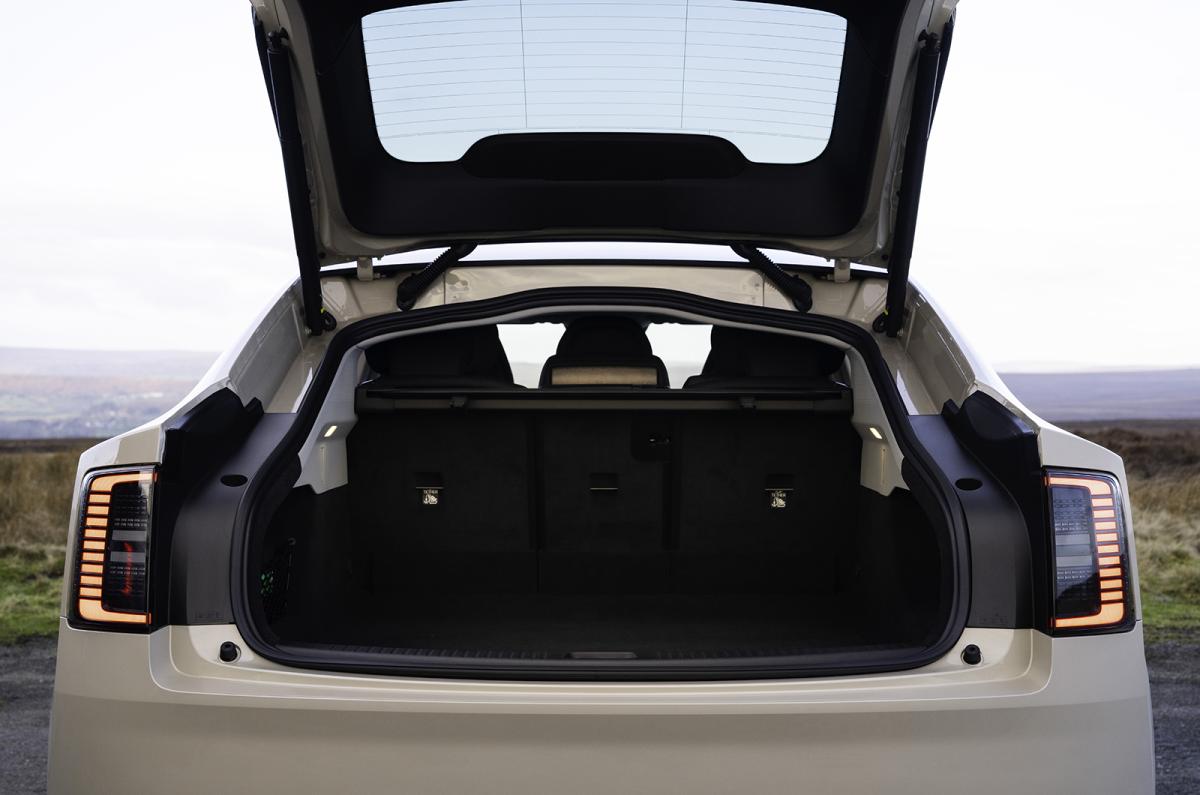
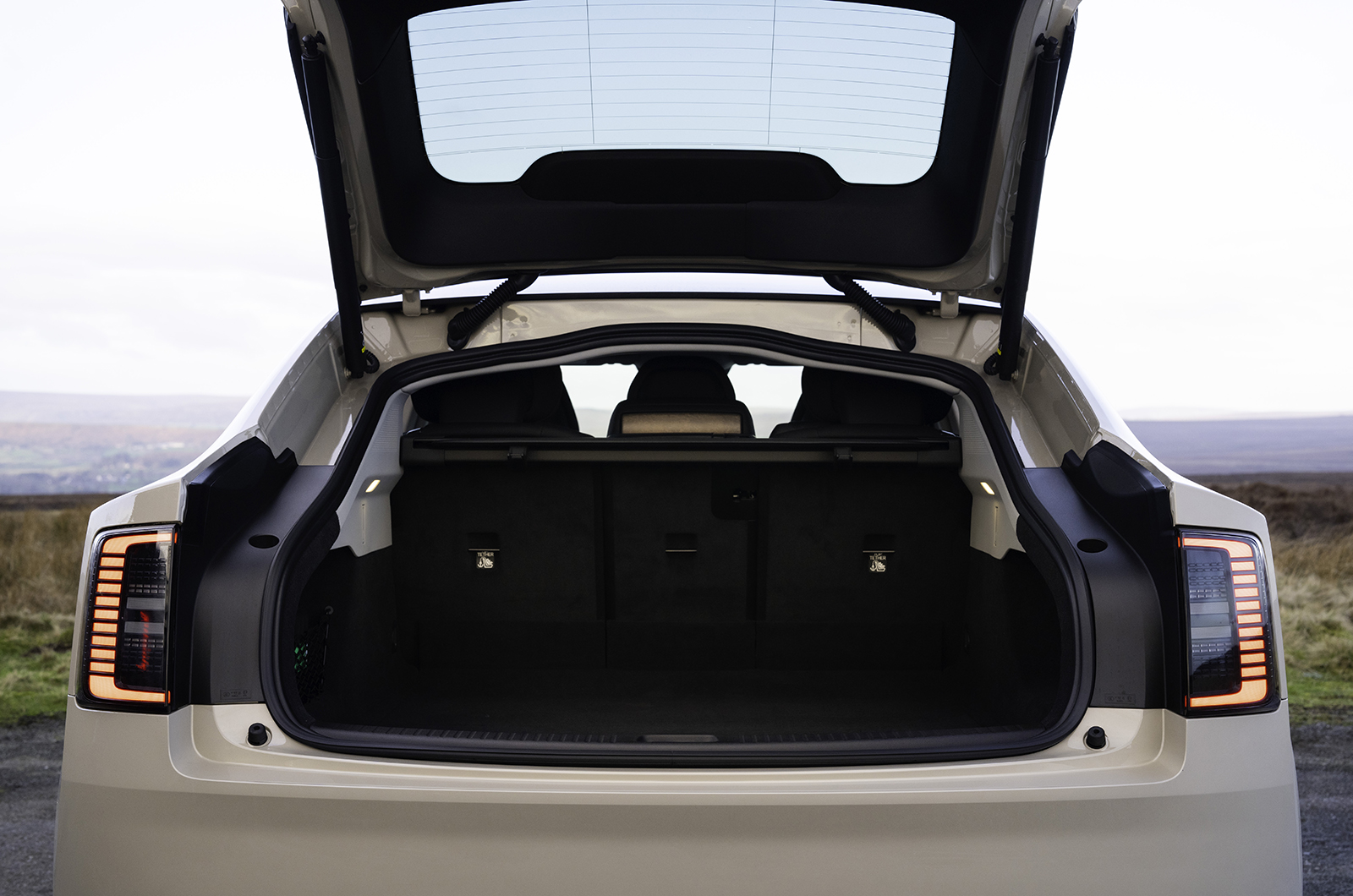
With a load capacity of 424 litres, the ES90’s boot will cater for a buggy or set of golf clubs, but it remains surprisingly snug for an executive car of the ES90’s size. The A6 e-tron (502 litres), i5 (490 litres) and EQE (430 litres) all give you more space. At least its large hatchback opening is more useful than the saloon boot of the i5.
The ES90’s boot is also quite shallow and there’s no height-adjustable boot floor, just some underfloor storage for the charging cable. You can store the cable in the front boot (or “frunk”) instead, but it’s more of a squeeze. The frunk has a volume of only 22 litres and it’s an awkwardly-shaped space.
By comparison, the A6 e-tron has a 27-litre front boot that can accommodate the cable more easily.
“You sit so low in the back it almost felt like I was sitting on a tree stump at first. I had to find ways of stretching out to get comfortable.” – Lawrence Cheung, New cars editor
Buying & owning
Everyday costs, plus how reliable and safe it is
Strengths
- Very well equipped as standard
- Lots of safety and security kit
- Bangin’ 25-speaker sound system available
Weaknesses
- Pricier than some rivals
- Warranty is nothing special
- Volvo’s so-so reliability record
How much does it cost and what equipment do you get?
Looking at their starting list prices, the Volvo ES90 costs more than an Audi A6 e-tron and is similar to the BMW i5 and Mercedes EQE.
Our favourite executive car, the Tesla Model 3, is much more affordable – plus it can still hold its own against the ES90 when it comes to performance, range and practicality.
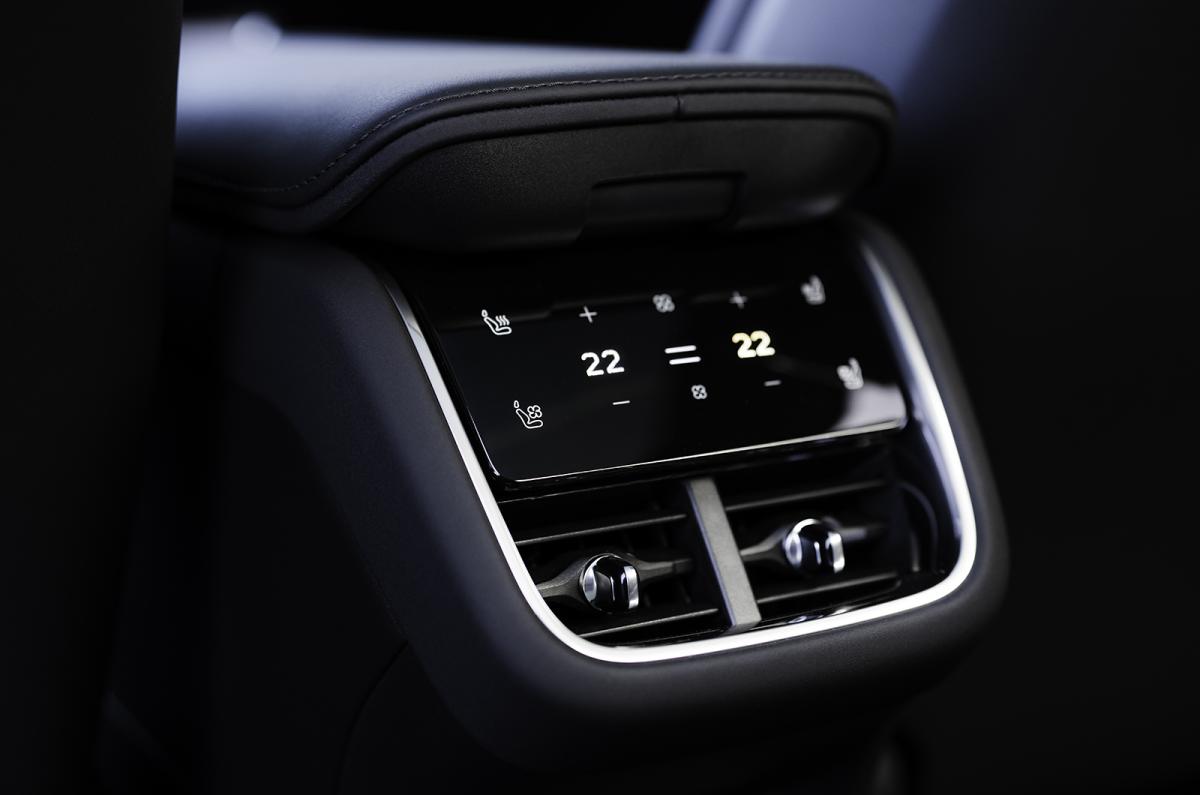
The ES90 gets a lot of luxuries as standard, though, with entry-level Plus getting four-zone climate control, heated front and rear (outer) seats, a heated steering wheel and a 14-speaker Bose sound system. We’d stick with this trim – what more could you want?
Well, if you said an electrochromatic sunroof (it turns from clear to opaque and vice versa with the press of a button), a mega 25-speaker Bowers & Wilkins sound system and standard-fit air suspension, then you’ll have to look at range-topping Ultra trim.
The upgrade is worth considering but not a must-have in our view. It’s also worth noting that you’ll need to opt for Ultra if you want one of the Twin Motor variants.
Is it reliable, and how long is the warranty?
Time will tell if the Volvo ES90 is reliable – it was certainly too new to feature in our 2025 What Car? Reliability Survey. In that survey, Volvo as a brand placed 21st out of 31 car makers featured. That’s above Audi and Mercedes (not BMW), but is still so-so overall.
Every ES90 comes with a three-year or 60,000-mile warranty, which is near-enough what you get with Audi, BMW and Mercedes. Some manufacturers will give you coverage for far longer: Lexus gives you up to 10 years or 100,000 miles.
How safe is it, and is it easy to steal?
Volvo goes big on safety and, as such, fits the ES90 with lots of active and passive safety equipment. It’s still worth mentioning that the ES90 has yet to be tested by crash safety experts EuroNCAP, though.
There are plenty of security measures to stop thieves, like an alarm that can send a notification to your phone if it’s set off.
“I wish the 25-speaker sound system could be added to Plus trim as an optional extra, just like with the air suspension.” – Oliver Young, Reviewer
Buy it if
- You prefer a cushy ride to agile handling
- You have reliable 350kW chargers around you
- You want a plush interior
Don’t buy it if
- You want a big boot
- You want a low driving position
- You need to cater for tall rear occupants
For all the latest reviews, advice and new car deals, sign up to the What Car? newsletter here
Tips & Advice
FAQs
About the writer