Used Land Rover Discovery 2004-2016 reliability review
The Land Rover Discovery is a comfortable, refined and extremely practical SUV, but high running costs and a poor reliability record let it down











See used cars for sale
7-seater
Luxury SUV
Jump to:
What's the used Land Rover Discovery like?
Ownership cost
Our recommendations
Alternatives
Reliability

George Hill
Updated: 3 June 2026
How we test cars
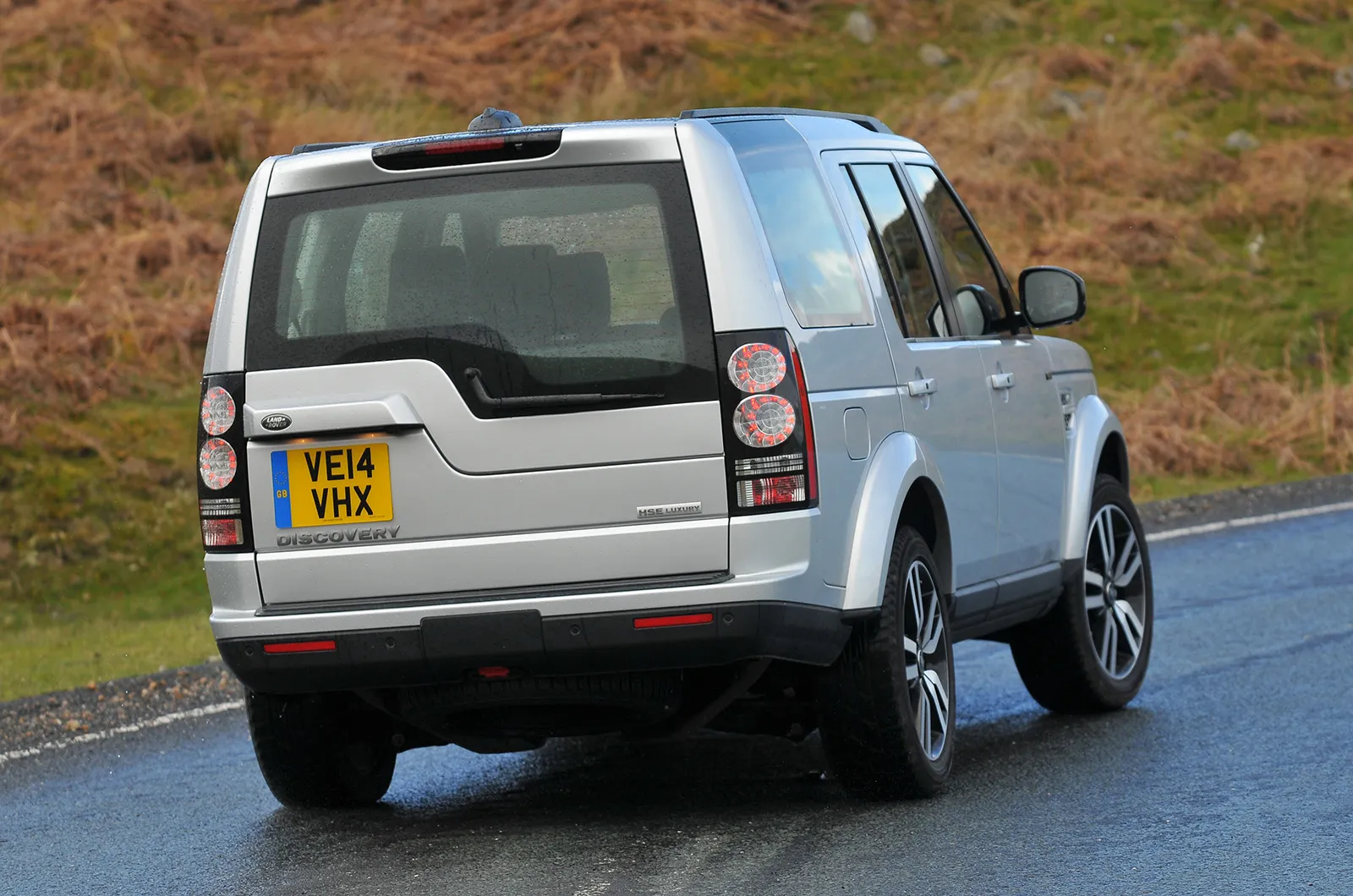
What should I look for in a used Land Rover Discovery?
When viewing a used car, always follow our used car buying checklist.
See used cars for sale
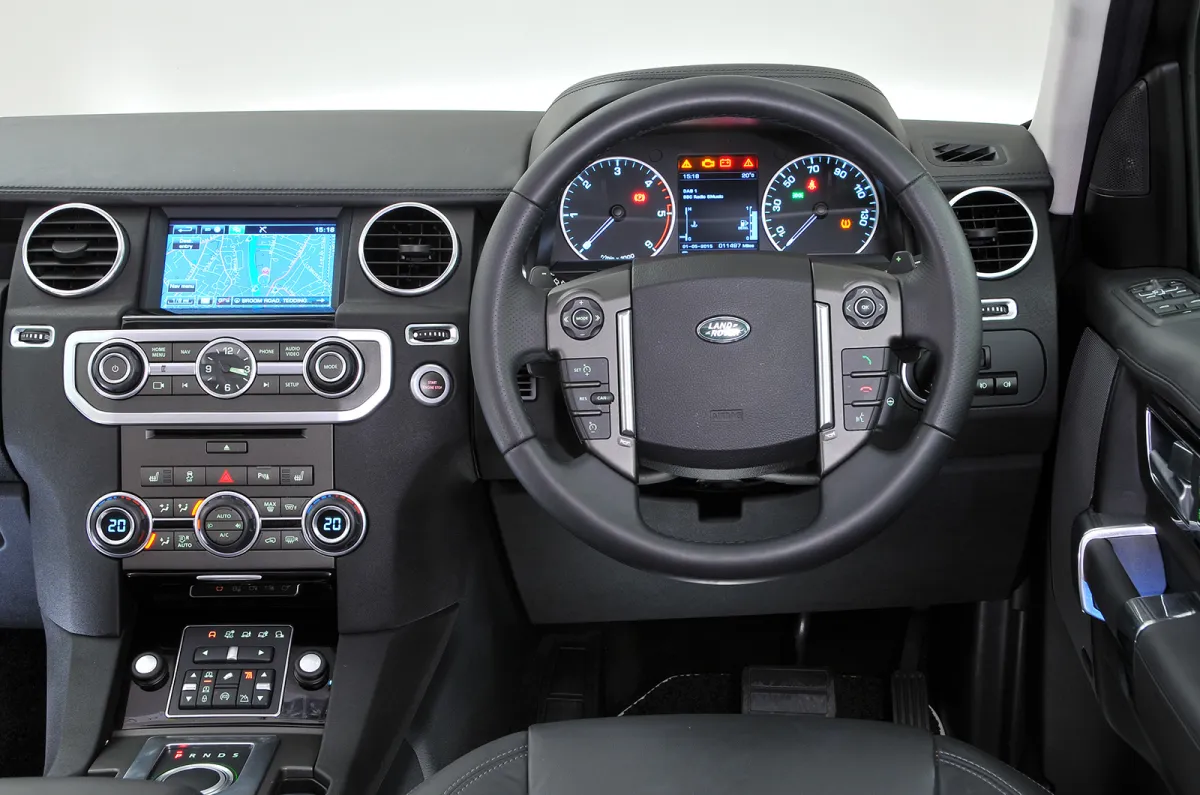
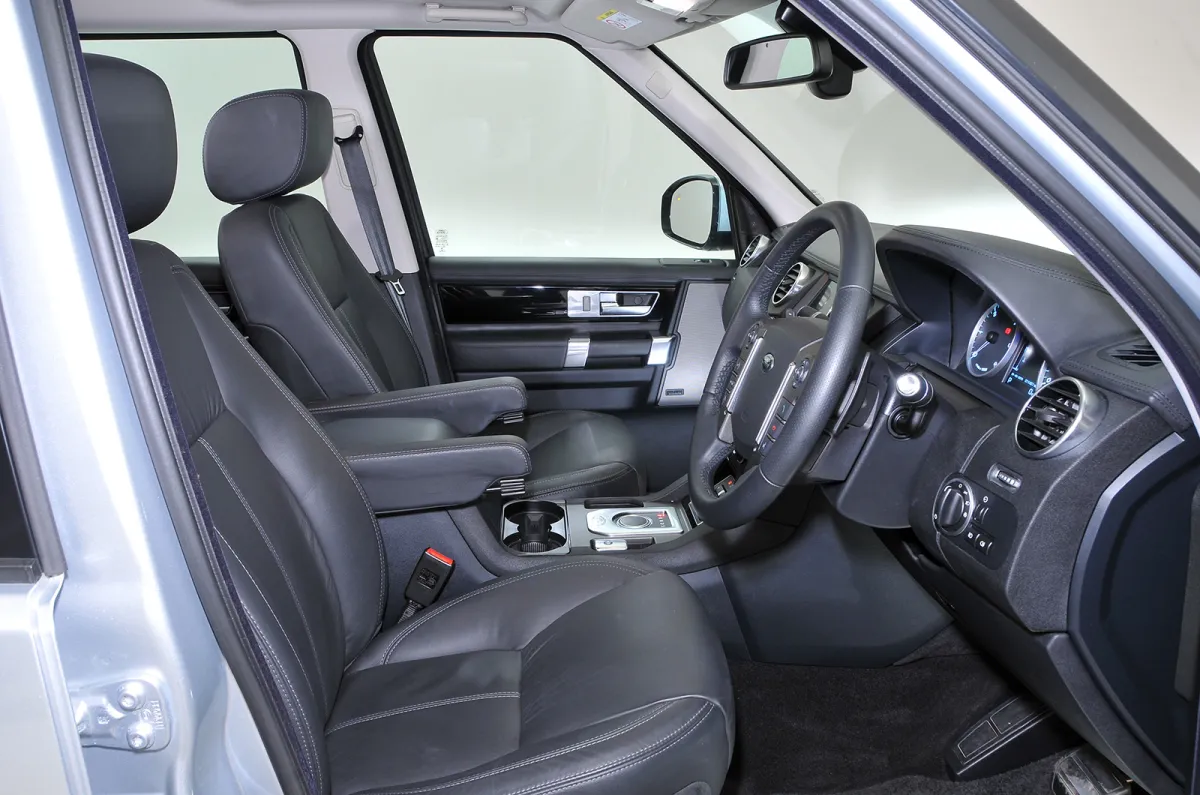
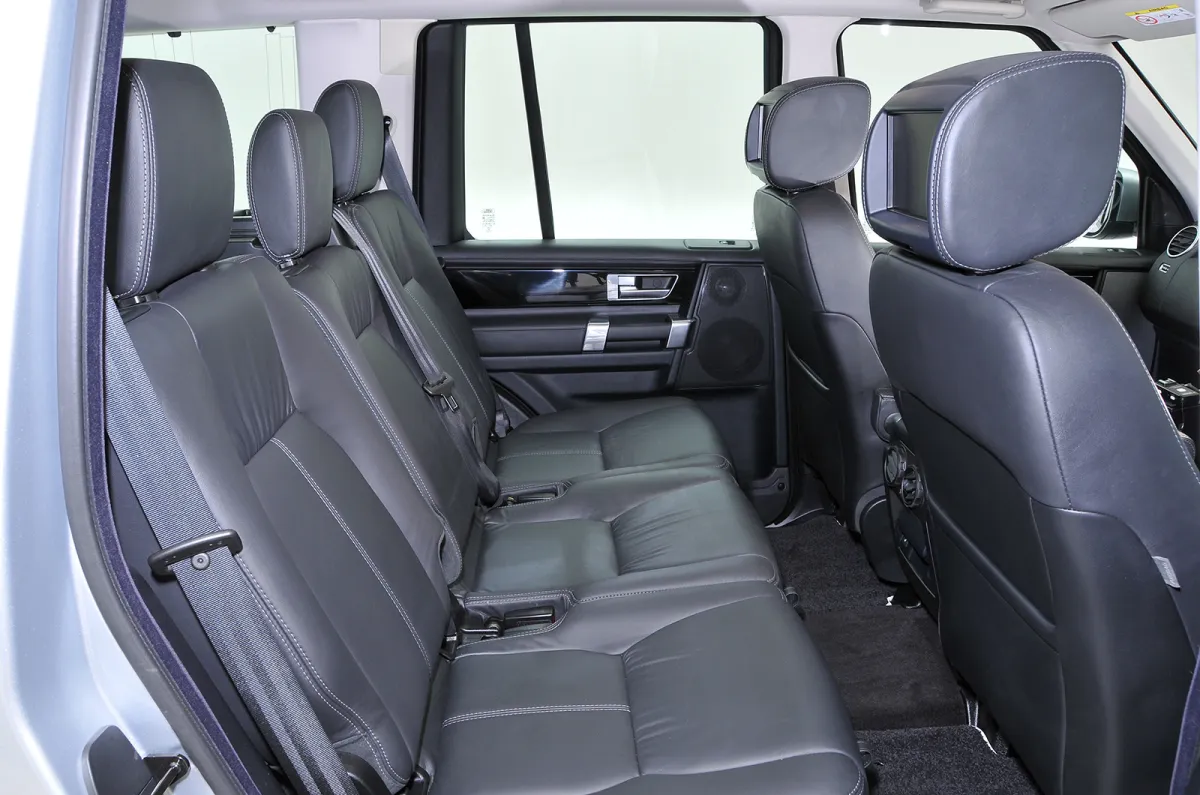
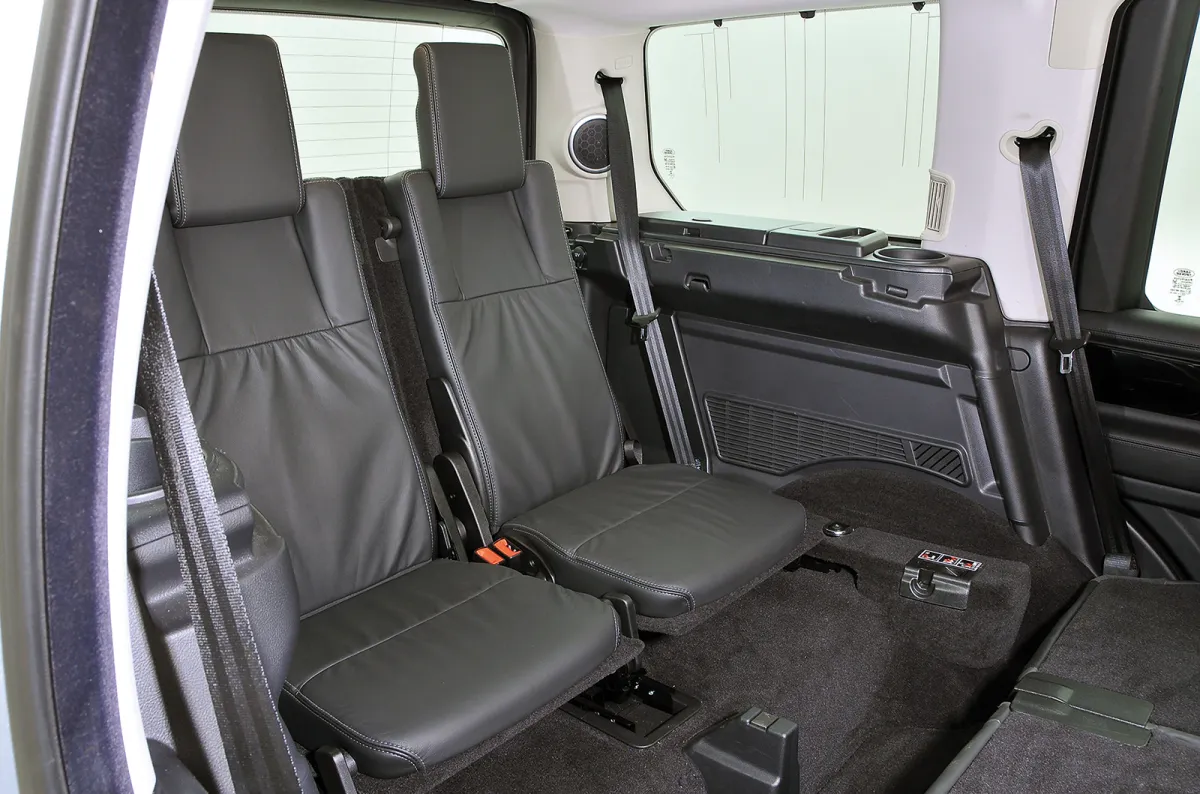
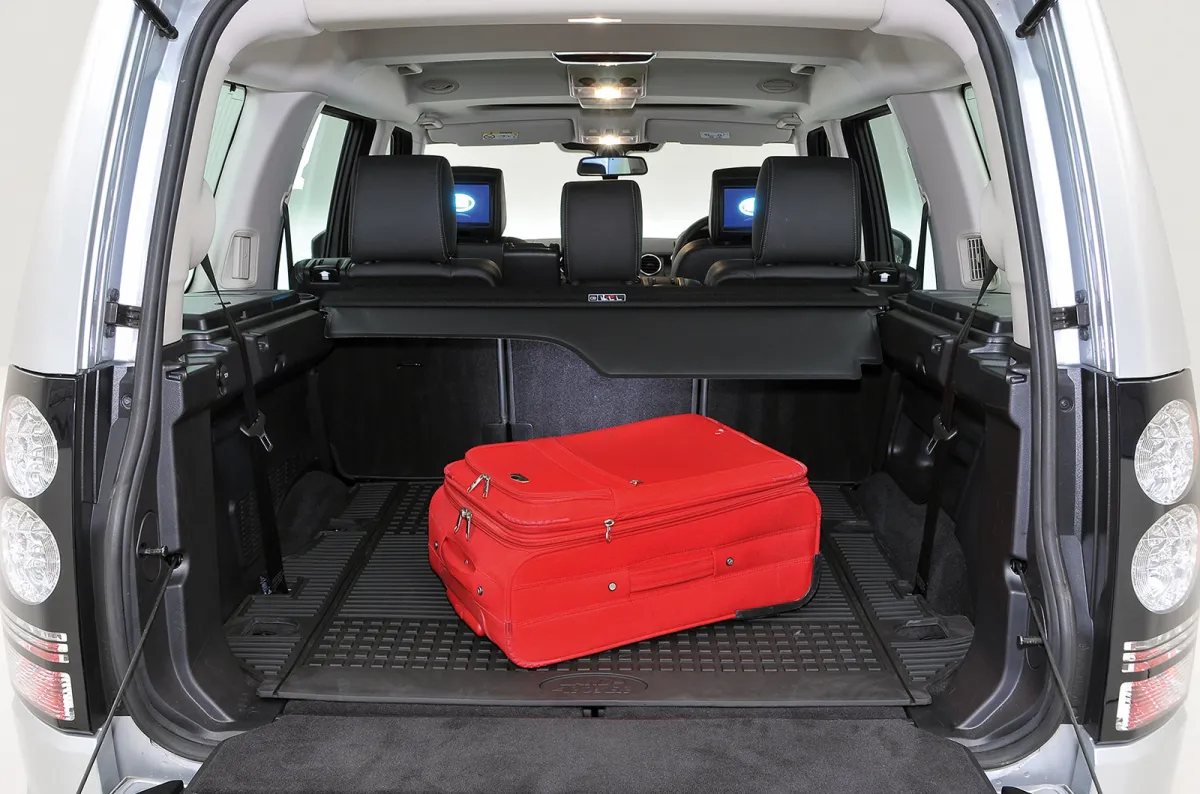
It’s worth starting with a close inspection of the exterior and interior, because both can reveal how a Discovery has been used. Look for kerbed wheels, scuffed bumpers, dents and general cosmetic damage that might suggest heavy urban use or careless driving. Inside, check for worn seat bolsters, damaged trim, and heavy wear in the boot area, particularly if the vehicle has been used for dogs, outdoor gear or family duties. Lifting the boot floor is worthwhile to assess how well it’s been looked after.
Next, inspect the underside of the vehicle for signs of off-road use or impact damage. Discos are frequently used off the beaten track, so look for dented sills, scraped suspension components and any damage to underbody protection. While they are built to handle rough terrain, hard use without care can lead to costly repairs later on.
advertisment
scroll for more
Air suspension is a known weak point on both Discovery 3 and 4 models. The system – including the compressor, air struts and height sensors – can fail with age, leading to uneven ride height or the vehicle dropping overnight. It’s also worth noting that electrical and software gremlins are not uncommon, particularly on earlier cars, and can affect everything from cruise control and infotainment systems to the diesel pre-heater and electronic parking brake.
With both the 2.7-litre and 3.0-litre V6 diesel engines, be aware of potential crankshaft issues. In rare cases, crankshaft fatigue can lead to sudden and catastrophic failure. While not a common fault, it is serious enough that a strong service history (with evidence of regular oil changes) and a quiet, smooth-running engine should be essential when viewing a car. Both engines also use cambelts rather than timing chains, so ensure there is clear evidence of replacement at the correct intervals, typically every seven years or 100,000 miles.
advertisment
scroll for more
Finally, there are a few additional areas to watch. EGR valves and intake systems can suffer from carbon build-up, especially on cars used for short journeys, while diesel particulate filters may struggle to regenerate properly under similar conditions. The ZF automatic gearbox is generally strong but benefits from regular fluid changes, despite being marketed as “sealed for life.” Also check carefully for corrosion on the chassis and rear subframe, and for water ingress in the boot, often caused by blocked sunroof drains or tailgate wiring issues.
What are the most common problems with a used Land Rover Discovery?

During its long life, the Discovery has been subject to quite a few recalls, making it important to check if any of these are relevant to the model you’re buying. If so, make sure the work has actually been carried out.
The biggest recall, involving 77,262 Discoverys and Range Rover Sports, affected diesels built between October 2005 and June 2009, when it was found that oil could enter the brake booster or brake vacuum pump, which led to reduced braking performance and increased stopping distances.
advertisment
scroll for more
Is a used Land Rover Discovery reliable?
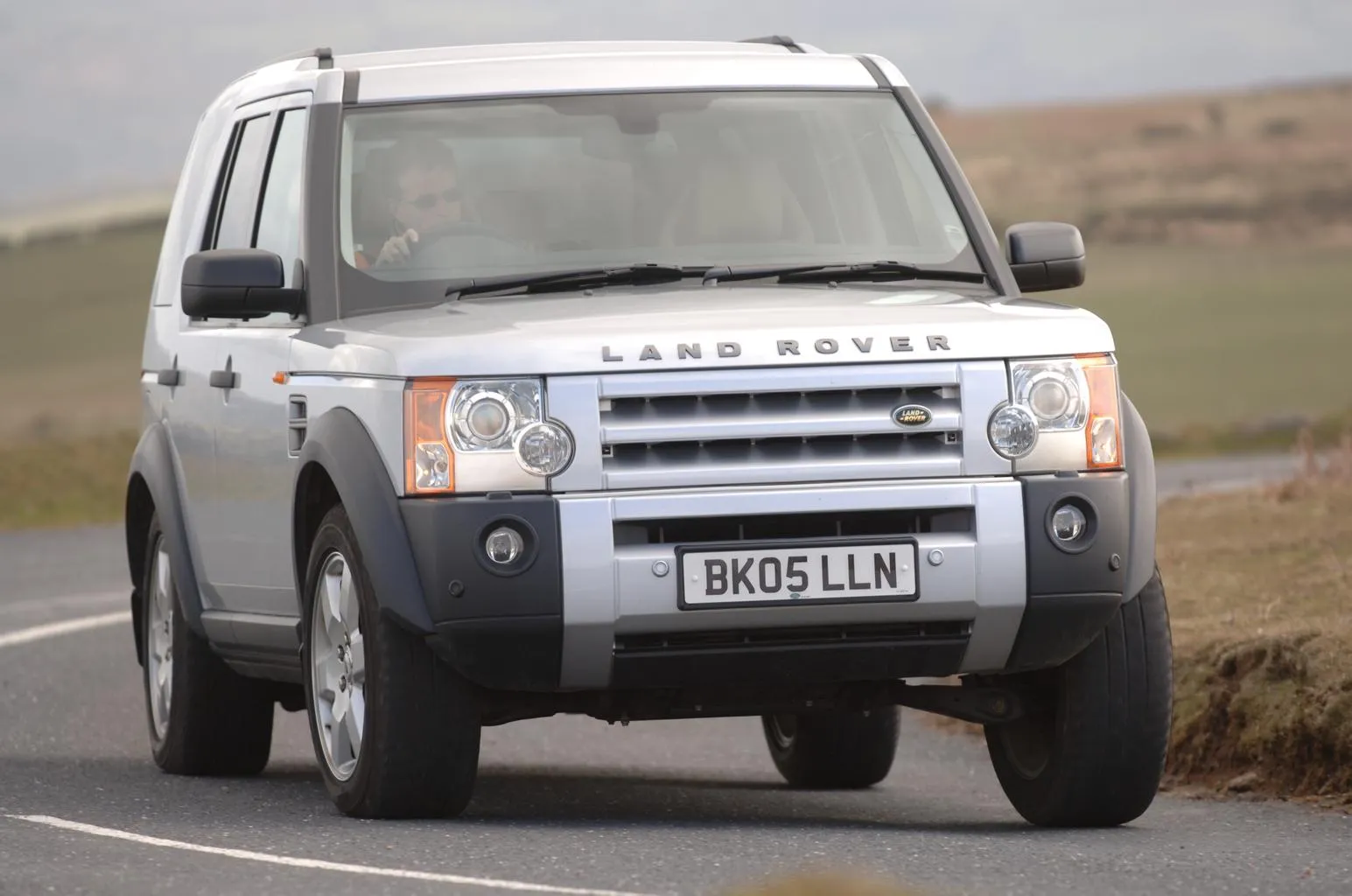
Unfortunately, we didn't get enough responses for the Discovery 3 or Discovery 4 to feature in the latest What Car? Reliability Survey. While neither car has scored particularly well in previous surveys, the large number of examples listed for sale with close to 200,000 miles on the clock suggests they are generally robust and capable of covering high mileages, but only if they are maintained properly.
As a brand, Land Rover scored near the bottom of the reliability rankings in our most recent survey. It finished in 26th place out of 30 manufacturers, with a score of 90.4%. That places it above Jaguar, but below BMW, Lexus, Porsche and Volvo.
Used Land Rover Discovery: the owners' view
As part of our annual reliability survey, owners highlighted that owning a 2004-2016 Discovery is a mixed bag, dominated by persistent faults and costly repairs. Both petrol and diesel models frequently suffer from complex electrical issues, suspension failures and engine warning lights. Owners repeatedly noted that fixing these faults can be an expensive headache, with many repairs running into thousands of pounds.
advertisment
scroll for more
The trend continues with the brand's dealer network. While a few owners praised individual dealerships for a friendly reception, the overall consensus points to a frustrating service experience. Readers complained about long waiting times for parts, diagnostic errors and a general failure to fix complex reliability issues on the first visit. Unfortunate noises from the chassis or drivetrain often require multiple dealer trips to resolve, making dealer service a significant pain point for these otherwise capable off-roaders.
Tips & Advice
Don’t miss a recall
If your car is to be recalled, you should arrange the work to be carried out quickly. Sign up to our recall alerts to ensure you’ll not miss a thing
Check for outstanding recalls
Many cars are recalled so that faults can be put right. Recall work shouldn’t cost you a penny, and they’ll make your car safer or more mechanically robust. Checking if your car has been recalled is easy
Ensure you have breakdown cover
Thousands of What Car? readers deliver their verdict on the best breakdown companies helping you to choose the best cover
Make sure you have warranty cover
New cars usually have warranties that last between three and seven years that can help cover the cost of mechanical faults. But this protection can last longer with an extended warranty
Used cars available now
In partnership with
Land Rover Discovery
2.5 TD5 GS Station Wagon 5dr (7 Seats)
£1,750
Land Rover Discovery
2.5 TD5 GS Station Wagon 5dr (7 Seats)
£2,999
Land Rover Discovery
2.5 TD5 ES Station Wagon 5dr (7 Seats)
£4,999
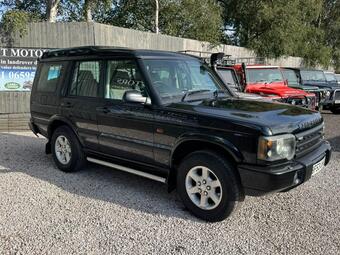
Land Rover Discovery
2.5 TD5 S Station Wagon 5dr (7 Seats)
£5,495
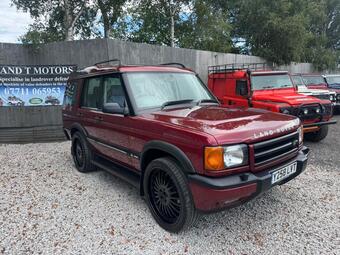
Land Rover Discovery
2.5 TD5 XS Station Wagon 5dr (5 Seats)
£5,495

Land Rover Discovery
2.5 TD5 Landmark Station Wagon 5dr (7 Seats)
£5,495
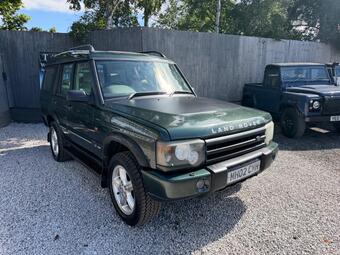
Land Rover Discovery
2.5 TD5 ES Station Wagon 5dr (5 Seats)
£5,495
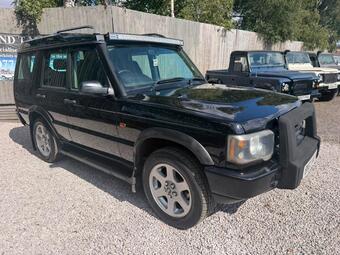
Land Rover Discovery
2.5 TD5 GS Station Wagon 5dr (7 Seats)
£5,495
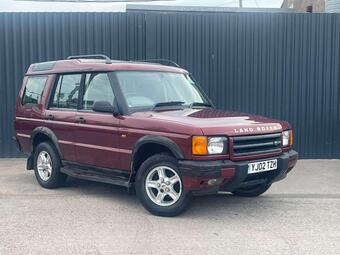
Land Rover DISCOVERY
2.5 TD5 GS Station Wagon 5dr (7 Seats)
£5,900
See all available cars
About the writer

Name: George Hill
Title: Used car writer
Follow George Hill on
George Hill first joined the What Car? team as a staff writer in 2021, before becoming a used car writer in 2024 and a reviewer in 2026. In his current role he writes new car reviews for What Car? magazine and whatcar.com.
If you follow What Car? on social media, you might see him presenting the odd video on new cars too.
News & Advice
Best of

Best 7-seat cars 2026 – and the ones to avoid
Whether you want a part-time seven-seater or one to carry lots of people every day, this run-down of the best seven-seat cars will help you pick the right model for your family
Sat Sep 5 2026
Sponsored

Best used luxury SUVs
A luxury SUV can make you feel like a millionaire, but if you follow the advice of this top 10 you won’t need a lottery win to afford one
Mon Jun 29 2026
Sponsored

Most reliable Land Rovers - and the unreliable ones to avoid
In our annual Reliability Survey, we ask readers to rate the dependability of cars aged up to five years old. Here are most and least reliable Land Rovers
Sun Jun 21 2026
Sponsored

What Car? Reliability Survey: Most and least reliable 7-seaters
In our annual Reliability Survey, we ask readers to rate the dependability of cars aged up to five years old. Here we list the most and least reliable 7-seaters in the UK
Mon Jun 1 2026
See all latest advice