
Used Land Rover Discovery 2004-2016 review
The Land Rover Discovery is a comfortable, refined and extremely practical SUV, but high running costs and a poor reliability record let it down








See used cars for sale
7-seater
Luxury SUV
Jump to:
What's the used Land Rover Discovery like?
Ownership cost
Our recommendations
Alternatives
Reliability

George Hill
Updated: 3 June 2026
How we test cars
What's the used Land Rover Discovery like?
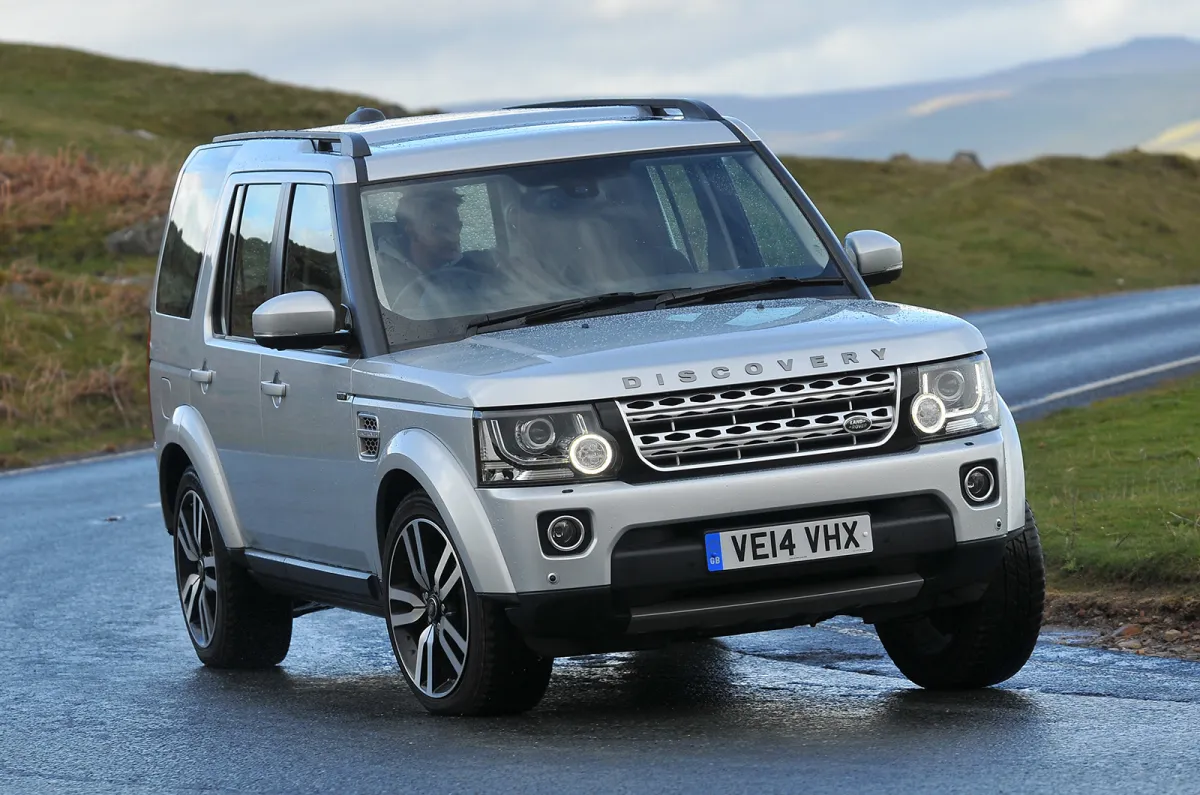
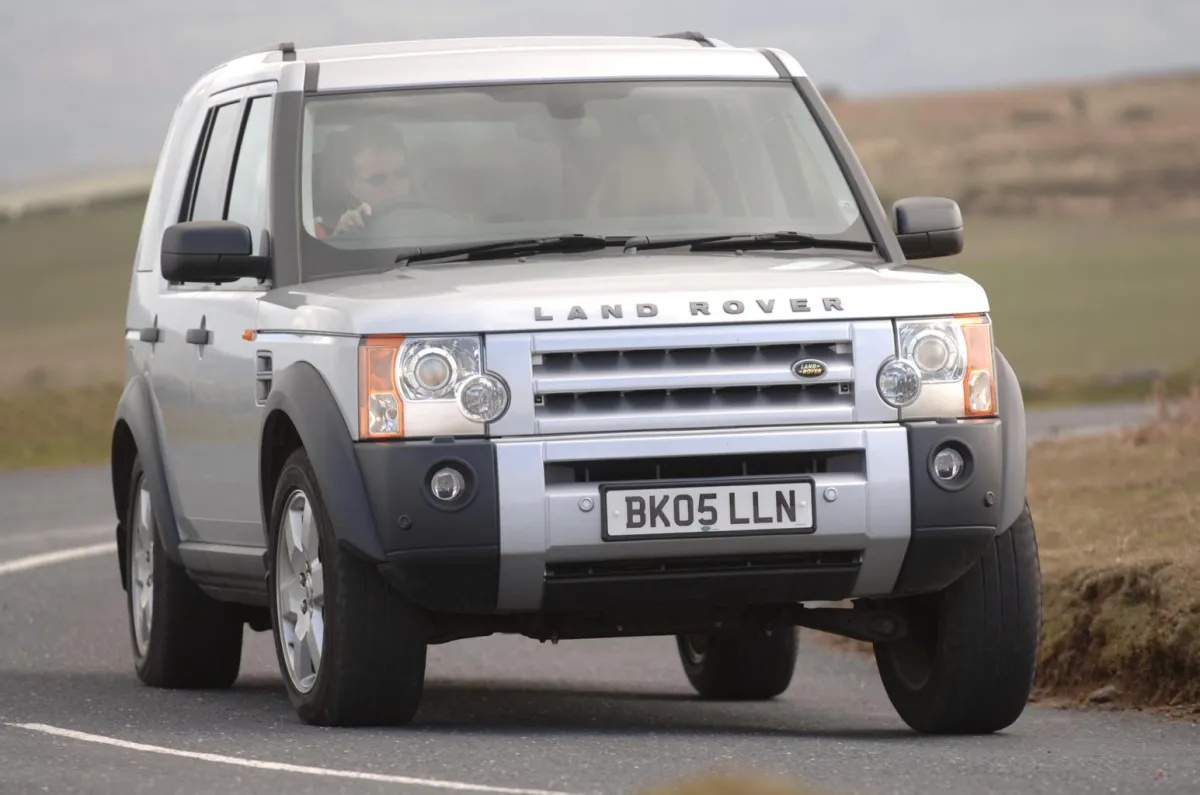
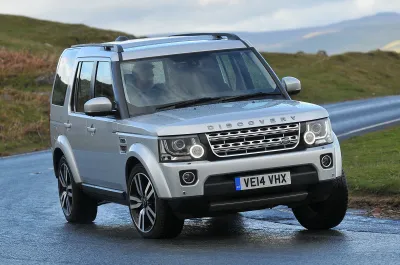
Square-sided, plush and purposeful, the Land Rover Discovery of this generation – covering the Discovery 3 and Discovery 4 – stand aside from most modern Land Rover products. Even the fifth-generation Discovery, launched to much ballyhoo in 2017, is softer and more rounded than this one, and not without some controversial styling touches of its own.
When the Discovery 3 arrived in 2004, it represented a major leap forward from its predecessor. It introduced a bold new design, a range of new engines and a host of clever off-road technologies, transforming the Discovery into a far more sophisticated SUV. We were so impressed by it that we named it our Car of the Year in 2005.
Overview
Bursting with old-school charm, the 2004-2016 Land Rover Discovery remains an attractive used SUV, combining comfort, refinement and exceptional practicality. With seven seats, impressive towing capability and genuine off-road ability, it still makes a compelling alternative to rivals such as the Audi Q7 and Volvo XC90. However, high running costs and a poor reliability record significantly dent its appeal, preventing it from earning a higher score, especially when compared with newer and more dependable alternatives.
Pros
- Comfortable ride
- Space for seven adults
- Superb off-road ability
Cons
- High fuel consumption
- 2.7-litre diesel feels underpowered
- Quite cumbersome in bends
Used cars available now
In partnership with
Land Rover Discovery
2.5 TD5 GS Station Wagon 5dr (7 Seats)
£1,750
Land Rover Discovery
2.5 TD5 ES Station Wagon 5dr (7 Seats)
£4,999
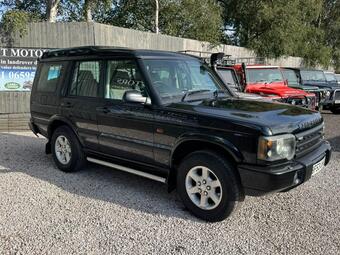
Land Rover Discovery
2.5 TD5 S Station Wagon 5dr (7 Seats)
£5,495
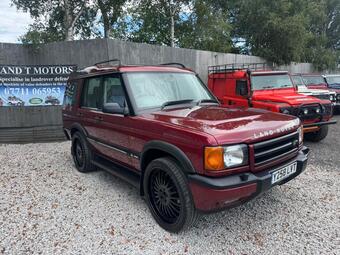
Land Rover Discovery
2.5 TD5 XS Station Wagon 5dr (5 Seats)
£5,495
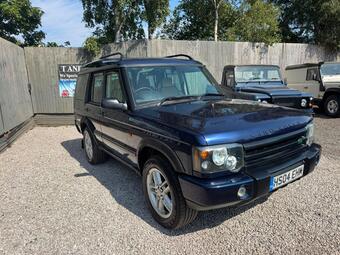
Land Rover Discovery
2.5 TD5 Landmark Station Wagon 5dr (7 Seats)
£5,495
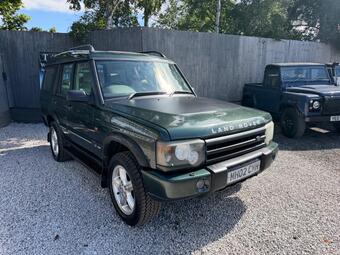
Land Rover Discovery
2.5 TD5 ES Station Wagon 5dr (5 Seats)
£5,495
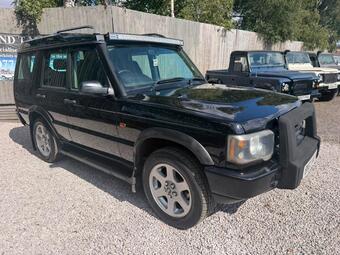
Land Rover Discovery
2.5 TD5 GS Station Wagon 5dr (7 Seats)
£5,495
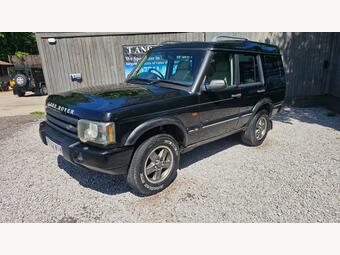
Land Rover Discovery
2.5 TD5 GS Station Wagon 5dr (5 Seats)
£5,495
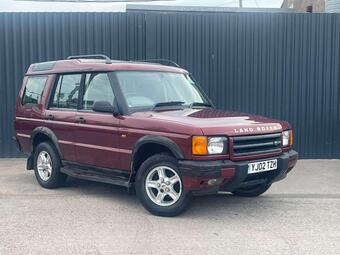
Land Rover DISCOVERY
2.5 TD5 GS Station Wagon 5dr (7 Seats)
£5,800
See all available cars
See used cars for sale
Land Rover continued to refine and evolve the formula throughout the car's 12-year lifespan, as noted by the heavily revised Discovery 4 in 2009. Production finally came to an end in 2016.
Engines and performance: The Discovery of this era has several engine options, so we’ll kick things off with the Discovery 3. The entry-level engine is a 188bhp 2.7-litre V6 diesel, known as the TDV6. It delivers a smooth and refined driving experience, but it isn’t exactly quick by modern standards; 0-62mph takes 11.7sec. It can be paired with a manual or automatic gearbox, both with six speeds.
advertisment
scroll for more
If you want more power, there's a 295bhp 4.4-litre V8 petrol engine, which gives the car a big boost in performance, with 0-62mph taking 9.1sec. It does, however, up the fuel consumption considerably. It wasn't a popular choice when new and, as a result, it's a rare find on the classifieds.
When the Discovery 4 arrived in 2009, a 3.0-litre V6 diesel engine replaced the 2.7-litre unit. The entry-level 208bhp version delivered 0-62mph in 10.9sec, while a more powerful 241bhp option could do the same sprint in 9.6sec. It was only available with a six-speed automatic gearbox, but this was replaced by a smoother, more responsive eight-speed unit in 2012. The upper engine also saw a boost in power (to 252bhp) and a name change to SDV6 in the same year.
In 2014, Land Rover gave the Discovery 4 a facelift. It was offered exclusively with the 252bhp 3.0-litre diesel engine, which gained stop-start technology to improve fuel efficiency. Prior to a launch in September 2015, the engine was updated to meet Euro 6 emissions standards, making it the only diesel-powered Discovery 4 suitable for drivers living in a Clean Air Zone (CAZ) or Ultra Low Emission Zone (ULEZ).
advertisment
scroll for more
Ride and handling: Despite tipping the scales at nearly three tonnes, the Discovery’s suspension does an impressive job of controlling its considerable mass. Large undulations and smaller imperfections alike are absorbed with remarkable composure, while motorway refinement is excellent, aided in no small part by the vehicle’s substantial weight and long-legged cruising ability.
That size and weight inevitably affect agility, however. The Discovery is at its best as a relaxed, comfortable cruiser rather than a vehicle to be hurried along a twisty rural road.
Permanent four-wheel drive provides reassuring traction in all conditions, while a range of sophisticated electronic systems helps make off-roading remarkably straightforward. Most Discovery models are equipped with standard four-corner air suspension, although entry-level Discovery 3 variants make do with conventional coil springs.
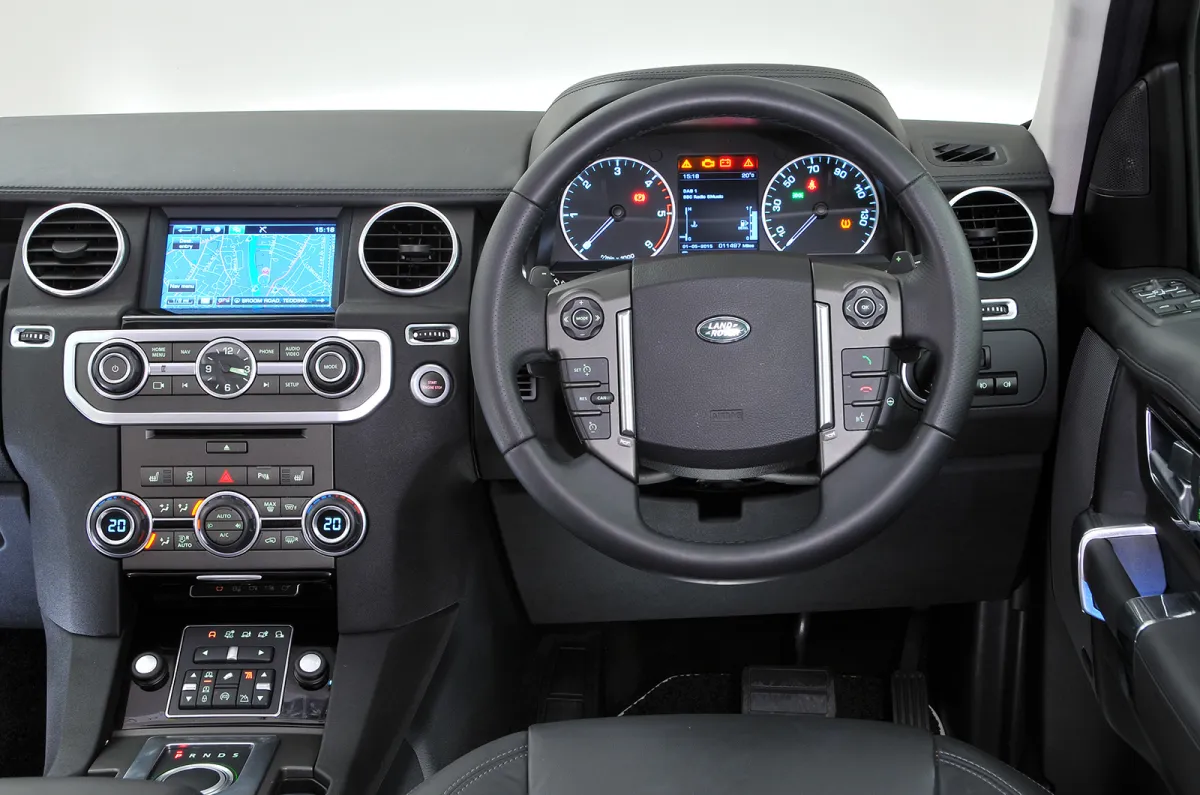
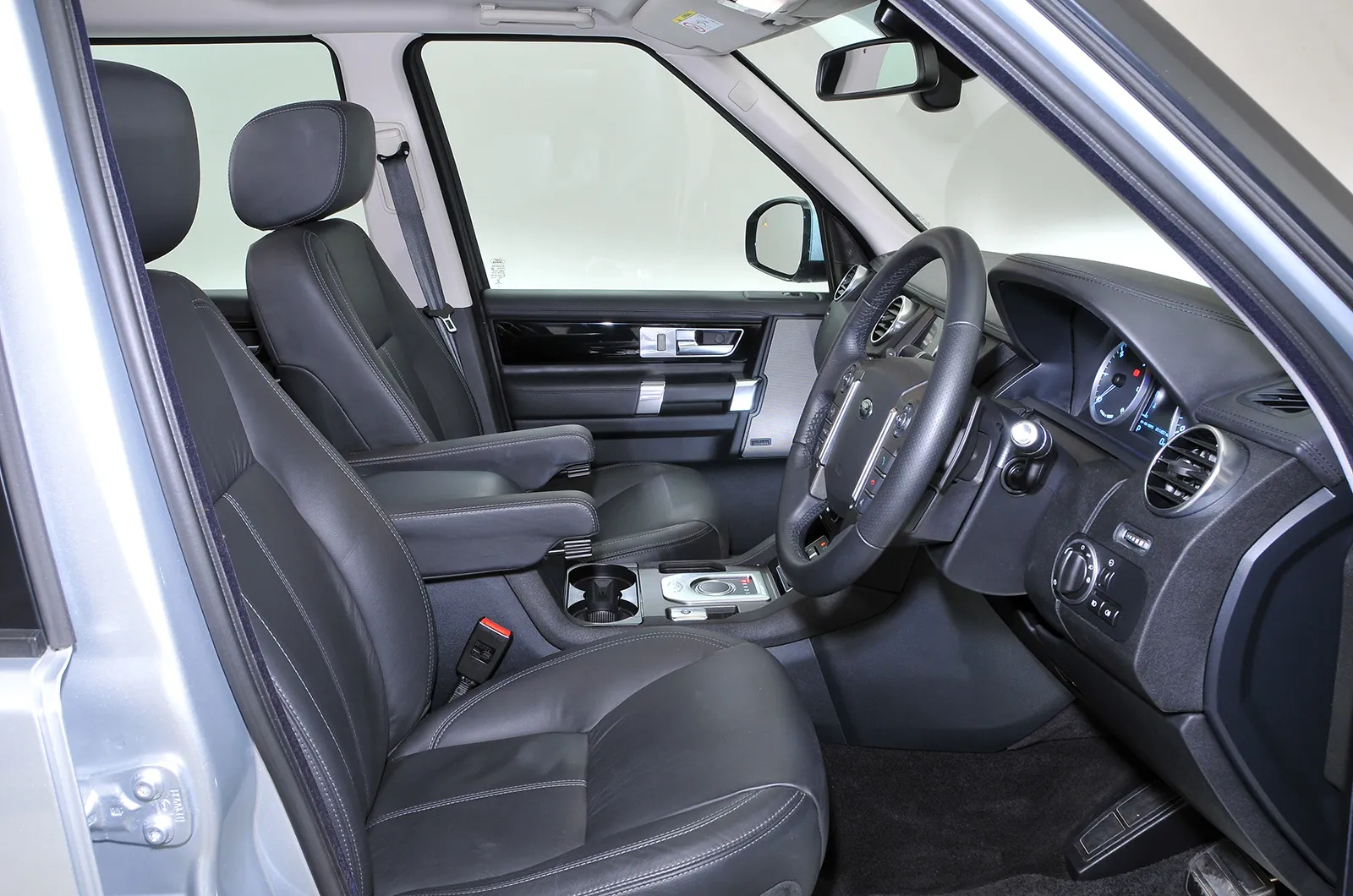
Interior and practicality: In the Discovery 3, there are hard, durable plastics among lots of soft-touch materials, giving the car a classy but hard-wearing feel. The centre console looks a bit dated and cluttered by modern standards, with a sea of buttons on the dashboard for the media controls. The touchscreen infotainment system shows the sat-nav and off-road system, but again, it's very dated. On lower trim models, there's a storage area in place of the touchscreen.
advertisment
scroll for more
The interior of the Discovery 4 is a big improvement on the Discovery 3's, with a redesigned centre console and dashboard. The quality of the materials were significantly improved, too, with more leather and soft-touch materials, lending it a more premium feel. It also came with a new touchscreen infotainment system that noticeably betters the system in the Disco 3, but it's still very old-school by modern standards.
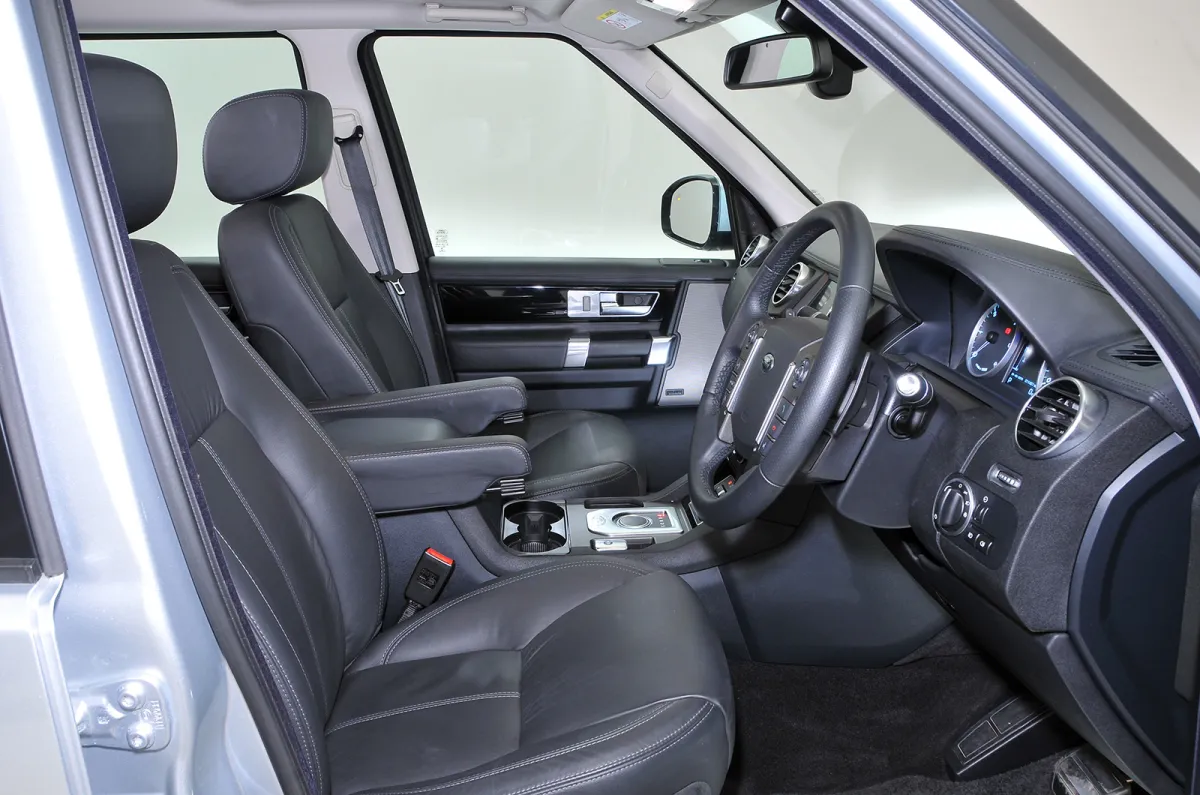
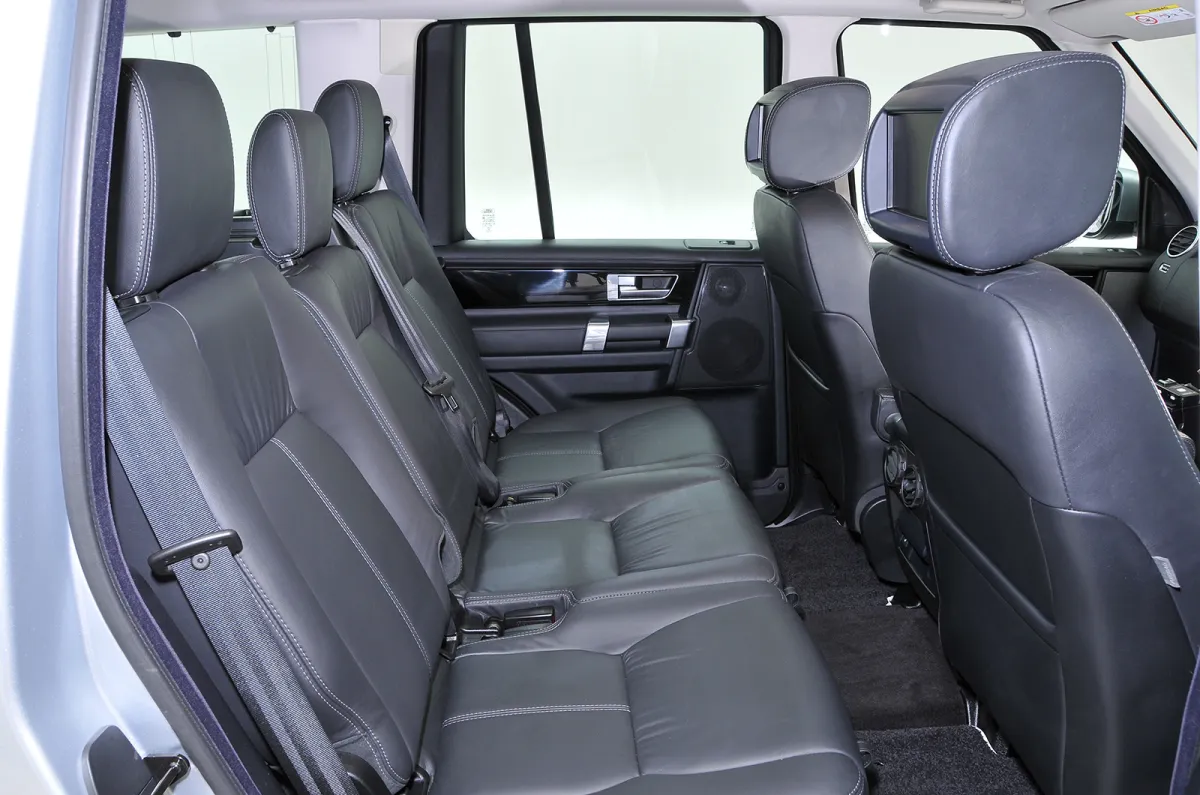
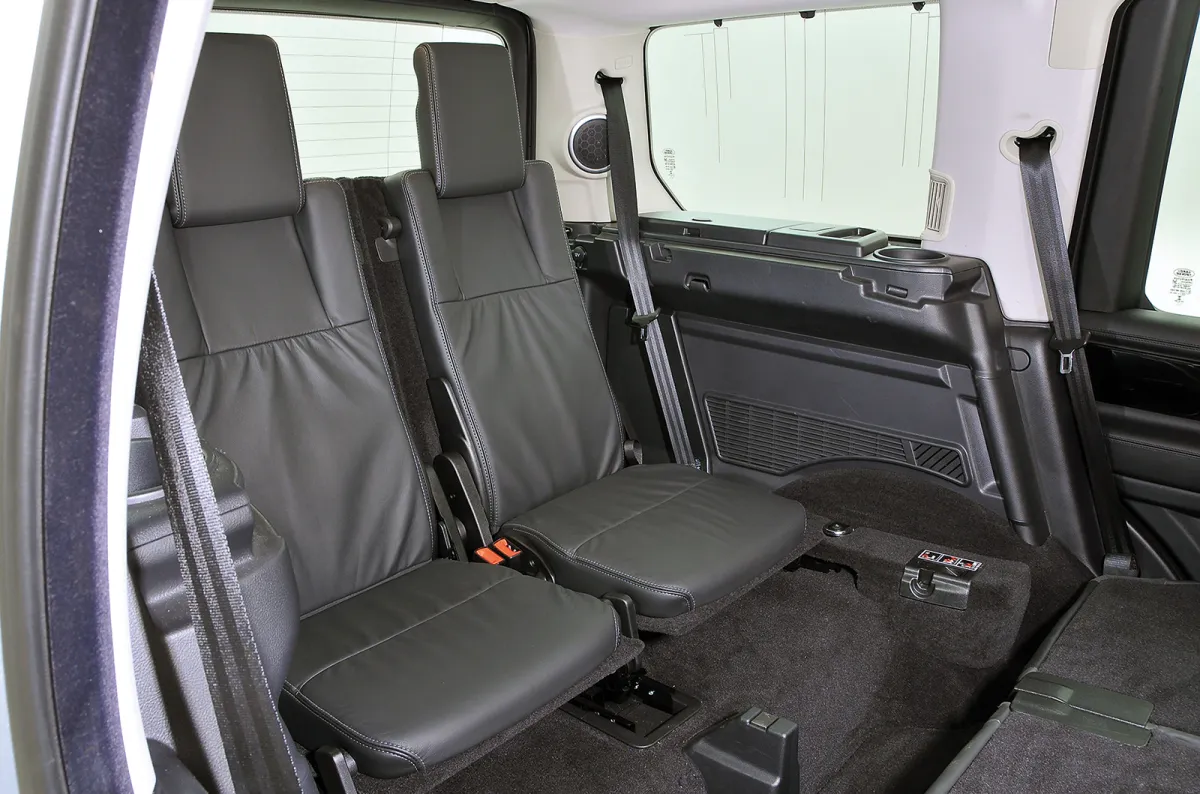
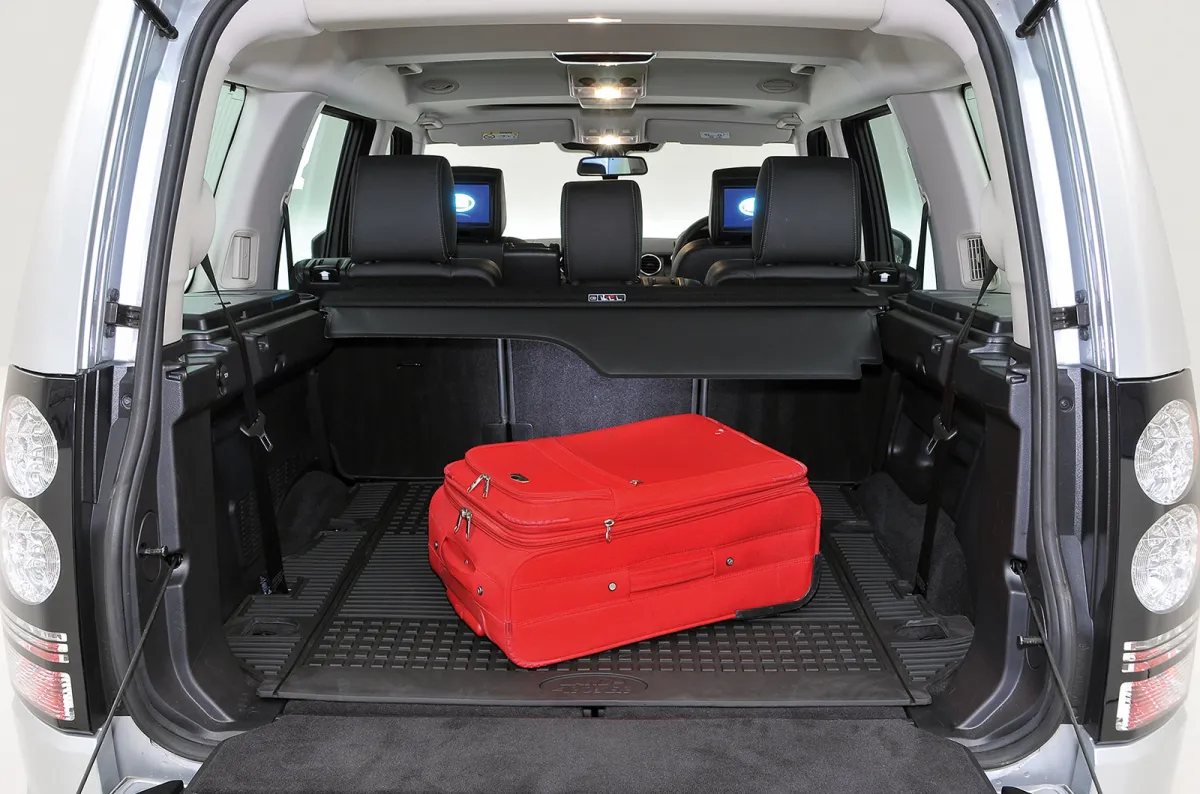
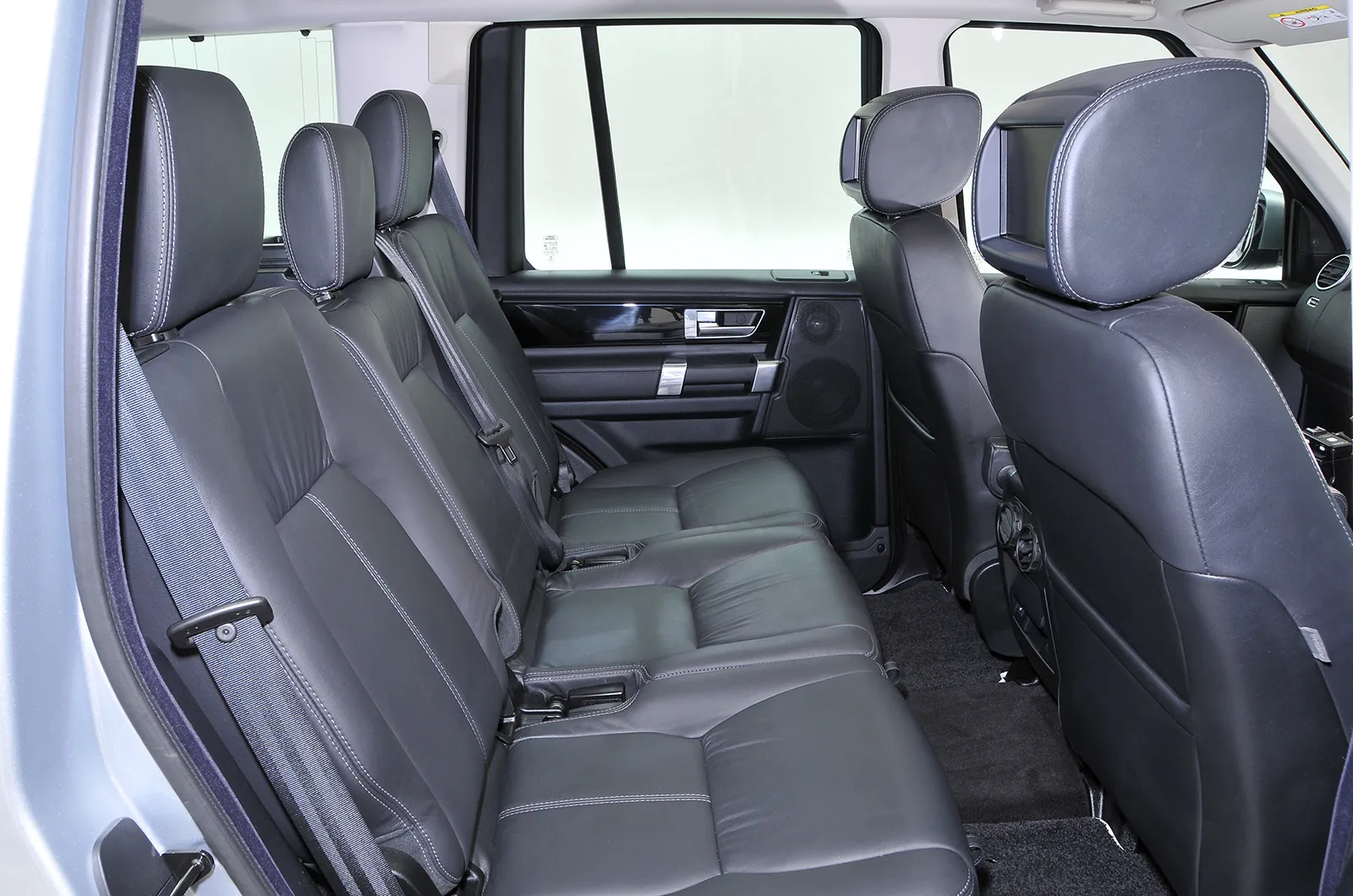
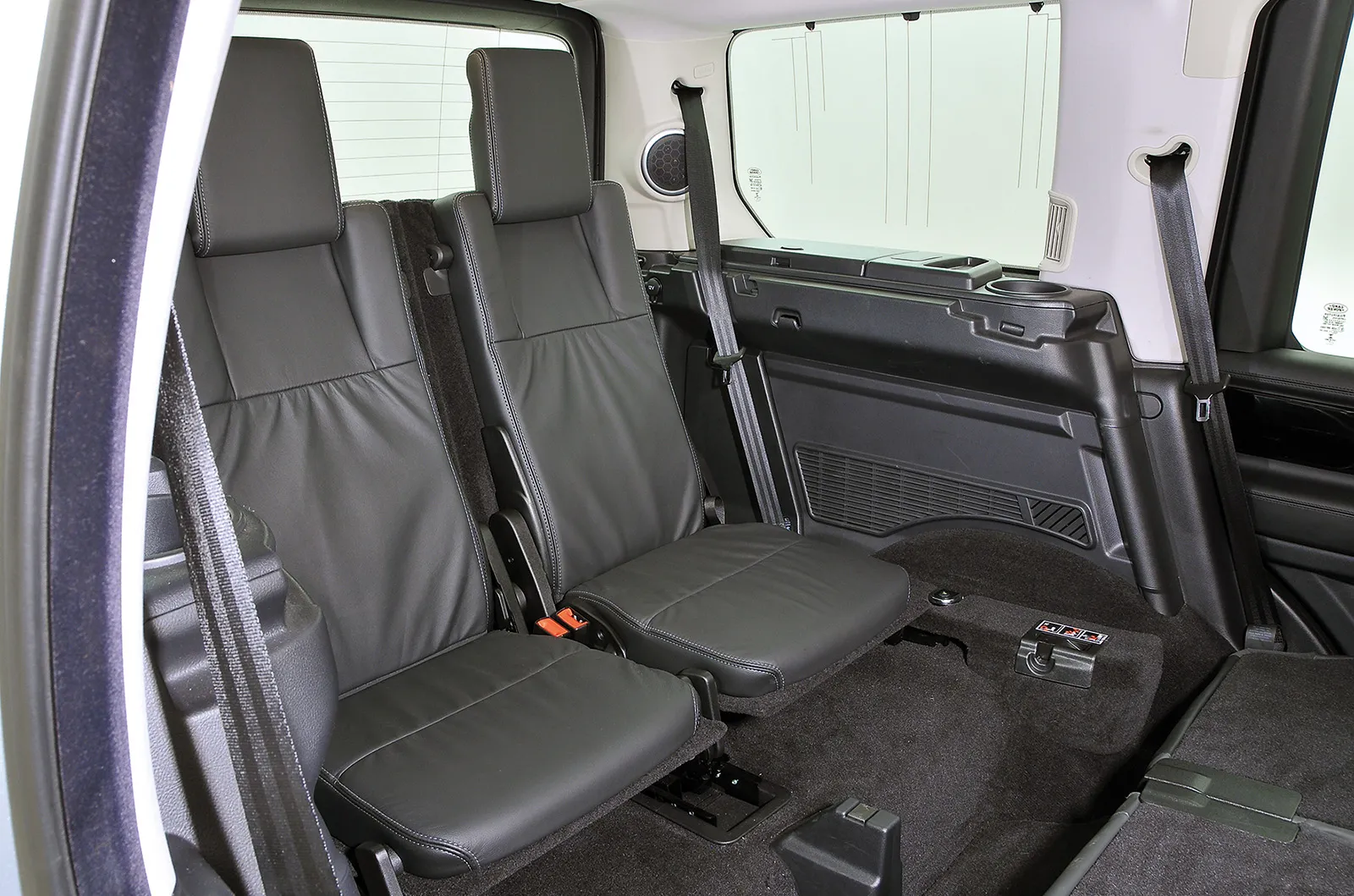
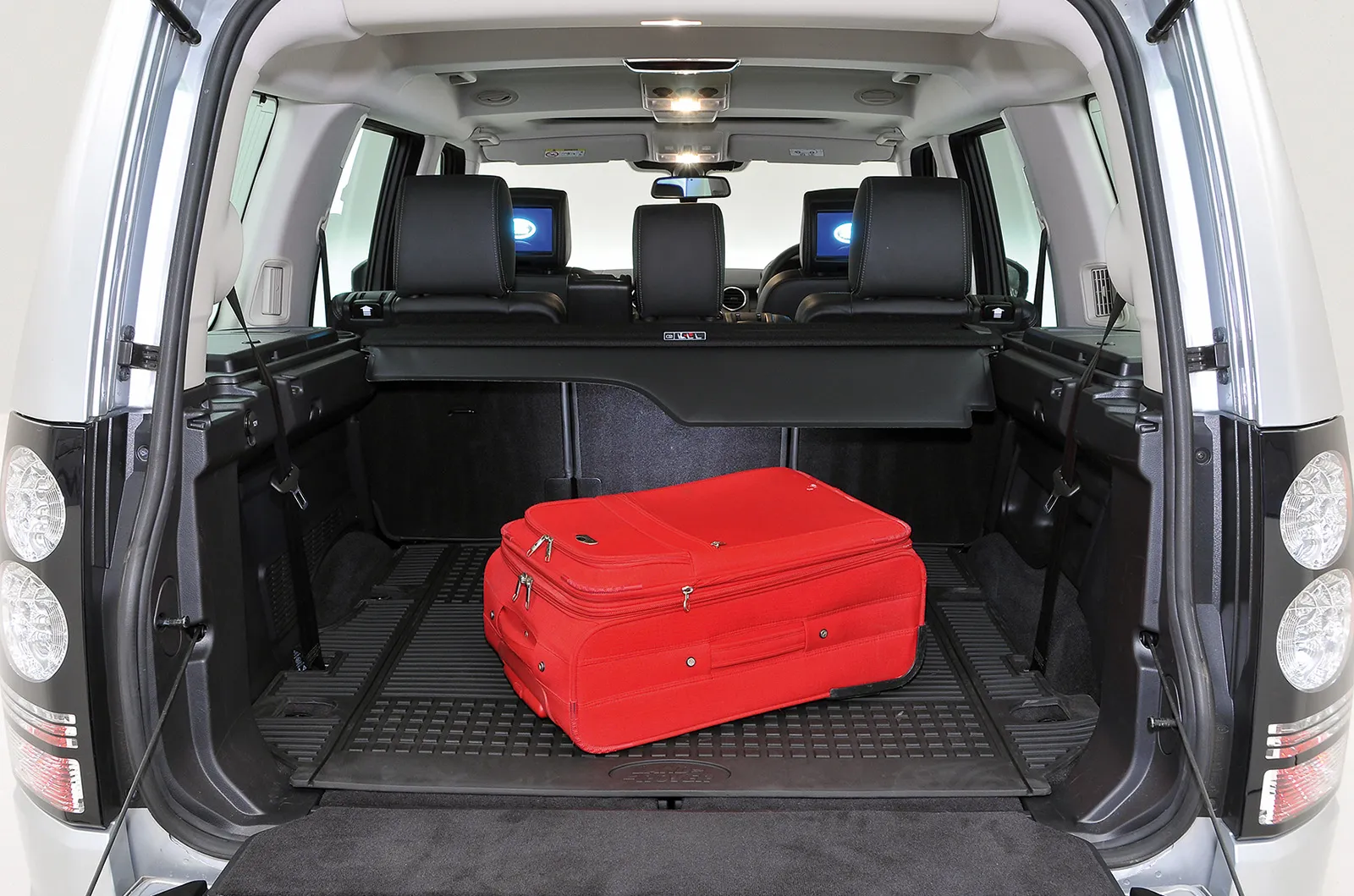
No matter the version you choose, the driving position places you high up and offers a great view of the road. The interior itself is absolutely vast, too, with room for seven adults (some lesser versions only have five seats). If you want to prioritise luggage over passenger space, the second and third-row seats lie completely flat when folded away, creating an almost van-like space. The boot is accessed via a split tailgate.
Trims and equipment: Trim levels for the Discovery 3 span S, GS, SE, XS and HSE. The entry-level S is quite utilitarian, offering 17in alloy wheels, cloth upholstery, manual air conditioning and a basic CD audio system. Most S variants were five-seaters, too. Meanwhile, top-spec HSE includes 19in alloys, leather upholstery, three sunroofs, a touchscreen infotainment system, a Harman Kardon sound system and xenon headlights.
advertisment
scroll for more
On the Discovery 4, the trim levels include GS, XS, HSE and HSE Luxury. Like the Disco 3, the entry-level model is quite basic (with cloth upholstery offered as standard), but it does have air suspension, keyless go and seven seats. Top-spec HSE Luxury is far more luxurious, gaining leather upholstery, electrically adjustable memory seats, a reversing camera, a Harman Kardon stereo and rear-seat entertainment.
With the Discovery 4 facelift, the trims consist of GS, XS, SE, SE Tech, HSE and HSE Luxury. The latter two were replaced by Graphite and Landmark editions towards the end of the car's production run.
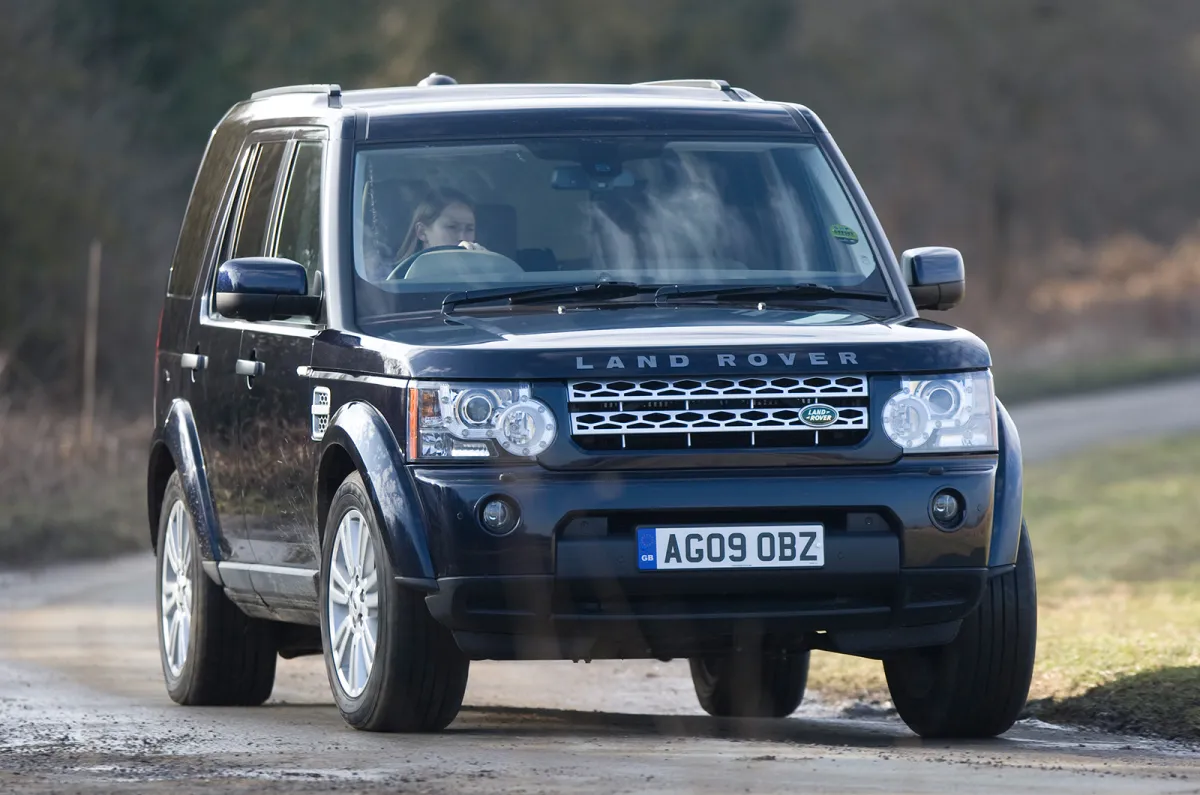
Facelifts: As mentioned previously, there were big changes when the Discovery 4 launched in 2009, which itself was a heavy facelift of the Discovery 3. While the body shape remains similar, the Discovery 4 saw the addition of a new grille, headlight and taillight design, along with significantly upgraded engines, a more luxurious interior and tweaked suspension for better handling.
advertisment
scroll for more
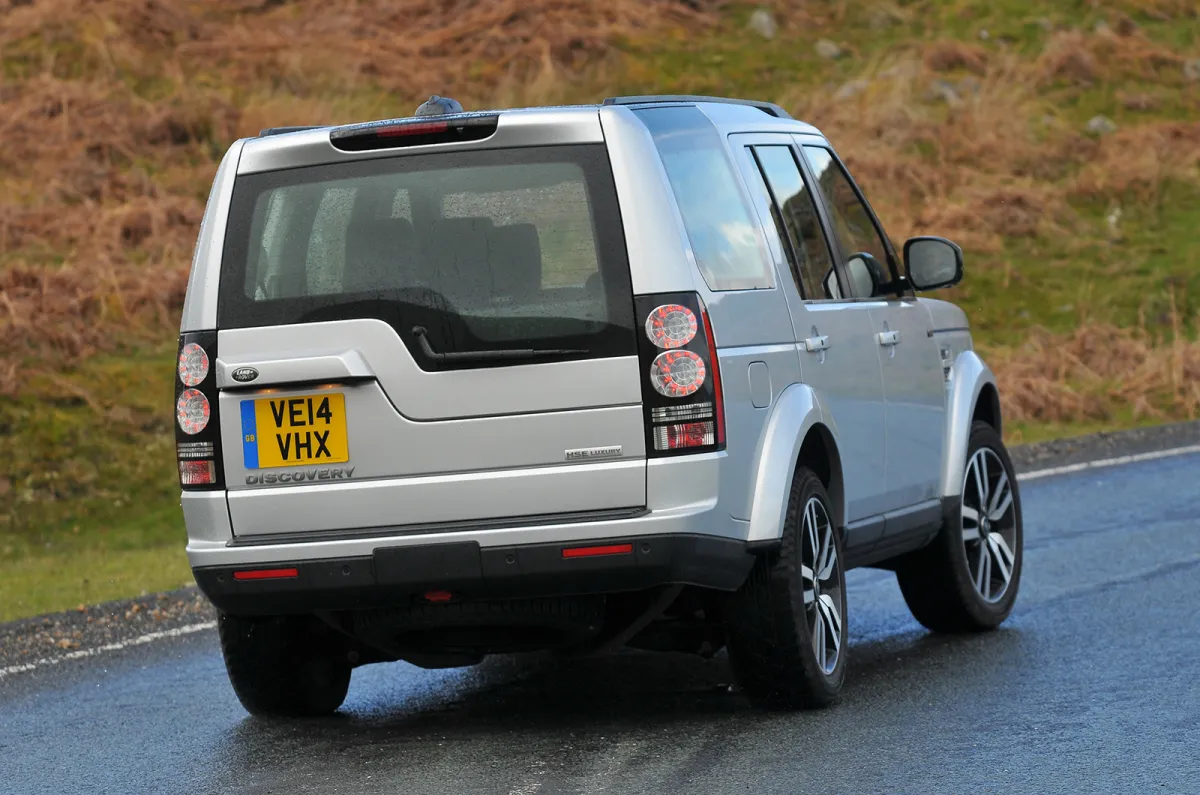
The 2014 facelift brought a number of subtle updates to the Discovery 4, including a redesigned grille, headlights, taillights and wing mirrors. The Land Rover bonnet lettering was replaced by Discovery badging, while the "4" designation was dropped from the tailgate. New technology included DAB radio and an upgraded navigation system with off-road guidance, while safety features such as wade-sensing and blind-spot monitoring were also made available.
All the latest deals, offers and much more from the What Car? team. Don't miss out.
See our full privacy notice for more details.
CAPTCHA
This question is for testing whether or not you are a human visitor and to prevent automated spam submissions.
"When I was younger, my parents had a Discovery 3 as the family car and, although I was only eight when they bought it, I still remember how impressive it was. After a landslide closed the main road to my school, my mum regularly took it green laning to get around the disruption – something I can't imagine a Volvo XC90 would have managed quite so effortlessly." – George Hill, Used Cars Writer
If you're interested in buying a used Land Rover Discovery, or any of the other cars mentioned here, check out our used car classified site here.
advertisment
scroll for more
Tips & Advice
How to test drive a car
There’s no substitute for a test drive in a new car. Take it on a variety of roads and surfaces to ensure it measures up.
Make sure you’re insured for the test drive
Short-term car insurance – also called test-drive insurance – will ensure you’re legal when you’re shopping for your next car
Will the car fit your needs?
As part of the test drive, fill the car with regularly-carried luggage, and make sure the family can get comfy before you buy
Ownership cost
What used Land Rover Discovery will I get for my budget?
Used Discovery 3 prices typically start from around £2000, but this will get you a car with almost 200,000 miles on the clock, usually in a basic spec and in poor condition. Cars in a higher spec and with a full service history typically cost upwards of £6000.
For a Discovery 4, prices start from around £4000, but this will get you an early high-mileage car, again with almost 200,000 miles on it. For a car with less miles, but still around 100,000, look to spend at least £6000. Cars below the 100,000-mile mark cost upwards of £9000.
Facelift Discovery 4s – introduced in 2014 – carry the highest premium. Prices for these start from around £7000 for cars with almost 200,000 miles on the clock. Cars with around 100,000 miles cost upwards of £9000, as do Euro 6 cars from September 2015, which are CAZ and ULEZ compliant. If you want a car with less than 100,000 miles on it, have a budget of at least £12,000.
advertisment
scroll for more
How much does cost to run a Land Rover Discovery?
MPG
The bad news is that running costs are hefty. The diesels will only nudge just over 30mpg with gentle driving, while the V8 will struggle to better 20mpg. That’s the price you pay for the Discovery’s 2.7-tonne weight and four-wheel drive.
Road tax
Road tax for all Discovery models is based on CO₂ emissions, so expect large bills here. At the time of writing, cars registered before tax changes in 2006 attract a maximum annual fee of £445, making them particularly appealing to buyers. Models registered after this date fall into a more expensive tax band, with costs of up to £790.
The introduction of the more efficient 3.0-litre diesel engine in 2009 helped reduce emissions, meaning most Discovery 4 models attract a slightly lower annual tax bill of £760. However, facelifted versions benefited from further CO₂ reductions, with most falling into the £445-per-year tax bracket.
advertisment
scroll for more
Insurance
The Discovery won't cost as much to insure as newer Land Rover models, but due to the high cost of parts, it's still expensive. The Discovery 4 – with its keyless-entry system – is often targeted by thieves, too.
Servicing
Don't expect low maintenance costs. Even when serviced by an independent garage or Land Rover specialist, the Discovery can be expensive to maintain, with replacement parts often carrying a premium.
Reliability
According to real-world owner reviews from our annual What Car? Reliability Survey, the 2004-2016 Discovery is a highly capable off-roader but a mixed bag to own. All models frequently suffer from complex electrical issues, suspension failures and engine warning lights that often lead to expensive repair bills. Frustrations extend to the dealer network, where owners report long waits for parts, diagnostic errors and multiple visits to fix drivetrain noises.
To find out more about used Land Rover Discovery 3 and 4 reliability, head to our dedicated reliability page.
advertisment
scroll for more
Tips & Advice
Organise your motoring life
Whether you need to keep tabs on your insurance renewal, sort breakdown cover, or book a service, My What Car? has you covered
Never miss a motoring date
Remembering to arrange insurance, book a service or buy breakdown cover can be a pain. Fortunately, My What Car? is here to help
Protect your investment
GAP insurance allows you to get the full price for your car if it’s stolen or written off, but only a quarter of Brits buy it
Reduce your car finance bills
Refinancing your car effectively means taking out one loan to pay off another, which could help reduce your monthly payments, or reduce your finance term
What is hire purchase?
Hire purchase allows you to make monthly payments to buy your next car – although these will be higher than with a PCP
What is PCP finance?
Low monthly payments are key to the appeal of Personal Contract Purchase (PCP) agreements. But are there downsides?
Our recommendations
Which used Land Rover Discovery should I buy?
Engine
If you're after an early Discovery 3, the diesel is a lot more frugal than the V8, so it's our engine of choice in that car. However, we'd actually steer you towards the Discovery 4 overall. There are more of them on the classifieds and it's a lot more polished, with a better interior and stronger performance. We'd recommend going for the higher-powered 241bhp or 252bhp diesel engine, badged SDV6, with the eight-speed automatic gearbox.
Specification
The entry-level S and GS models are fairly basic, whereas HSE versions add a lot more equipment for only a modest price increase over lower-spec cars. As a result, it’s our recommended choice. If you can find one at the right price, the HSE Luxury is also worth considering.
Our favourite used Land Rover Discovery: 3.0 SDV6 HSE
Tips & Advice
Which smartphone integration should I have?
Apple CarPlay and Android Auto are fantastic – and free – technologies. Here we show you the benefits, drawbacks and best apps
Avoid ULEZ and clean-air zone fines
If you regularly drive into a clean air zone, you’ll want to ensure your next car is compliant to avoid costly fines
Alternatives
What alternatives should I consider to a used Land Rover Discovery?
Like the Discovery, the Volvo XC90 is a practical, seven-seat SUV that can play the comfortable long-distance cruiser. It doesn’t have the off-road ability or refinement of the Discovery, but there are lots of XC90s on the used market for very tempting prices.
advertisment
scroll for more
If you need a big seven-seater, the Audi Q7 could be worth a look. It has better on-road driving manners than the Discovery, as well as a range of smooth, punchy petrol and diesel engines. Reliability isn't great, though, and running costs are expensive.
The BMW X5 has a different take on the luxury SUV formula. It’s more of a driver's car, with precise steering and agile handling, making it a better car for hustling down a twisty road. However, it isn’t as practical as the Disco, because you couldn’t specify it with seven seats until the second-generation version arrived in 2006. Even then, the third-row seats were both optional and tiny.
The Lexus RX is also worth considering, despite not being as spacious as the Discovery. It’s available as a petrol-electric hybrid, which should help to lower your fuel bills. It also has a very good reliability record and a generous list of standard equipment.
For all the latest reviews, advice and new car deals, sign up to the What Car? newsletter here
How reliable is the land-rover Discovery ?
Reliability rating: 35.1%
land-rover Discovery
Read reliability
Used cars available now
In partnership with
Land Rover Discovery
2.5 TD5 GS Station Wagon 5dr (7 Seats)
£1,750
Land Rover Discovery
2.5 TD5 ES Station Wagon 5dr (7 Seats)
£4,999
Land Rover Discovery
2.5 TD5 S Station Wagon 5dr (7 Seats)
£5,495
Land Rover Discovery
2.5 TD5 XS Station Wagon 5dr (5 Seats)
£5,495
Land Rover Discovery
2.5 TD5 Landmark Station Wagon 5dr (7 Seats)
£5,495
Land Rover Discovery
2.5 TD5 ES Station Wagon 5dr (5 Seats)
£5,495
Land Rover Discovery
2.5 TD5 GS Station Wagon 5dr (7 Seats)
£5,495
Land Rover Discovery
2.5 TD5 GS Station Wagon 5dr (5 Seats)
£5,495
Land Rover DISCOVERY
2.5 TD5 GS Station Wagon 5dr (7 Seats)
£5,800
See all available cars
About the writer

Name: George Hill
Title: Used car writer
Follow George Hill on
George Hill first joined the What Car? team as a staff writer in 2021, before becoming a used car writer in 2024 and a reviewer in 2026. In his current role he writes new car reviews for What Car? magazine and whatcar.com.
If you follow What Car? on social media, you might see him presenting the odd video on new cars too.
News and advice
Best of

Best 7-seat cars 2026 – and the ones to avoid
Whether you want a part-time seven-seater or one to carry lots of people every day, this run-down of the best seven-seat cars will help you pick the right model for your family
Sat Sep 5 2026
Sponsored
Best used luxury SUVs
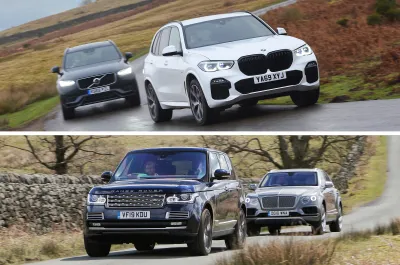
A luxury SUV can make you feel like a millionaire, but if you follow the advice of this top 10 you won’t need a lottery win to afford one
Mon Jun 29 2026
Sponsored
Most reliable Land Rovers - and the unreliable ones to avoid
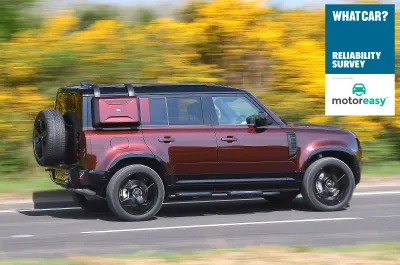
In our annual Reliability Survey, we ask readers to rate the dependability of cars aged up to five years old. Here are most and least reliable Land Rovers
Sun Jun 21 2026
Sponsored

What Car? Reliability Survey: Most and least reliable 7-seaters
In our annual Reliability Survey, we ask readers to rate the dependability of cars aged up to five years old. Here we list the most and least reliable 7-seaters in the UK
Mon Jun 1 2026
See all latest advice