Company car insurance: complete guide for 2026
If you’re running a company car, your employer will usually provide the insurance, because the firm should have a policy that covers all the vehicles in its fleet. Better still, that policy will cover you for both business and private mileage.
Having said that, it’s always wise to double-check with your company’s fleet manager so you know that that's definitely the case, and the car you're driving is fully insured. After all, you don’t want to find out that your firm has a different policy after you've been involved in a crash.
Read more: Best company cars
Of course, there's a lot more to company car insurance than just hunting down the best premium each year, giving the insurer details and forgetting about it.
So, here's our guide to the various rules, regulations, categories and pitfalls of fleet car insurance, driving your own car for work and more...
What is company car insurance?
Company car insurance is pretty self explanatory: it's insurance coverage for your business vehicle. This can also be known as business car insurance or commercial car insurance.


In essence, company car insurance is exactly the same as private insurance, with the only difference being that it covers your business vehicle, and not a private one. It also covers your business vehicle when you’re doing private mileage. You also need to have business car insurance if you’re using your own vehicle for business trips.
Insurance differences:
- Company car insurance: Cover for employer-provided vehicles used for business
- Business car insurance: Broader term covering any vehicle used for work purposes
- Commercial vehicle insurance: Typically refers to vans, trucks and larger work vehicles
Who needs company car insurance?
Business owners using vehicles for work
Insurance is mandatory for everyone, and if you’re using either your own vehicle for business use or using a company-provided car, you need to have business car insurance or company car insurance, whichever is applicable. You must be covered on every journey, be it visiting clients, transporting goods, or driving between work sites.
Employers providing company cars to staff
If you’re an employer that provides company cars for your employees, you need to make sure that they are adequately covered by insurance.
This is when it’s best to shop around and compare options, because you needn’t have each car on a separate policy. Now, you can have one policy that covers all of the vehicles and drivers on your fleet.
Employees driving company vehicles
A commercial car insurance policy will typically cover employees who are driving in the course of their work, but if you’re one of those employees it always makes sense to confirm what the policy covers, and if there are any exemptions or restrictions.
Self-employed professionals and sole traders
If you work for yourself, you need to make sure that you and your vehicle are covered by business car insurance. A personal policy will not cover you when driving as business or commercial vehicle.
What does company car insurance cover?
There are three main levels of cover available in the UK, whether you’re looking for business car insurance of private insurance. The lowest is 'third party', the mid-level cover is 'third party, fire & theft', and the top level of cover is 'fully comprehensive'.
Third party only
Third party cover is the bare minimum you must have. This policy covers damage to other people and their property but the repair costs for your own vehicle will have to come out of your pocket.
Third party fire and theft
Third party, fire and theft also covers damage to other vehicles, but will also pay out if your own vehicle is damaged by fire or if it is stolen.
Fully comprehensive
This is the highest (and most expensive) level of cover, and will pay out for not only the damage to another vehicle, but will also pay for the repairs to your own vehicle, regardless of fault.
Public liability protection
Public liability insurance typically is not included in standard company-car, business-car or commercial vehicle insurance, but instead can be added at an extra cost.
Such a policy protects against third-party injury or property damage claims arising from business use, and while it can be used by a tradesperson, it's more commonly waived in the case of tax insurance or minibus insurance.
Uninsured and underinsured motorist cover
Again, this is often an extra-cost addition to your policy, but will pay out if you happen to be involved in an accident with an uninsured driver.
|
Cover Level |
Your Vehicle |
Other Vehicles/Property |
Fire & Theft |
|
Third Party Only |
✗ |
✓ |
✗ |
|
Third Party Fire & Theft |
✗ |
✓ |
✓ |
|
Fully Comprehensive |
✓ |
✓ |
✓ |
What doesn't company car insurance cover?
When you get your company car insurance policy in place, you might think you’re covered for all eventualities. You’re not.
Personal belongings inside the vehicle
Any working equipment, tools and other personal items that you’ve left in the car will not be covered by the policy. You’ll need to arrange separate cover for those.
Mechanical breakdown and wear
Insurance does not cover breakdowns or mechanical failures. That’s what breakdown cover is for – and you’ll need to sort that separately.
Driving outside policy terms
There are some scenarios where your company car insurance would not cover you. These include if you...
- Let an unauthorised driver take the wheel
- Take the car abroad without agreeing all the necessary permissions
- Drive outside the use stated in the policy
Intentional damage or fraud
If you deliberately damage your car or attempt to make a fraudulent claim, you won’t be covered, and you’re likely to find it difficult to get insurance cover thereafter.
Types of vehicles covered by business car insurance
As we’ve said, there’s company car insurance, business-car insurance or commercial-vehicle insurance, and the type of policy you require depends on the type of vehicles you’re operating.
Company cars and saloons
You just need standard company-car insurance. This will cover all types of cars that are used for business purposes – be it a small car or an executive saloon.
Electric and hybrid company cars
Electric cars and hybrid cars might tend to be covered under a company-car insurance policy, but policy providers are increasingly expanding EV-specific policies, so this is worth investigating.
Vans and light commercial vehicles
Vans and light commercial vehicles (LCVs) tend to be the type of vehicles that can carry a driver and a passenger, with a load area set aside for work equipment and tools, so there are no extra seats. These require specific commercial motor insurance, not a car policy.
Pick-up trucks
Since April 6, 2025, double-cab pick-up trucks have been classified by HMRC as cars, and must be insured under a company-car policy. However, single-cab pick-ups are classified as commercial vehicles, so must be insured as such.
Types of commercial vehicle insurance policies
When it comes to commercial-vehicle insurance, there is no one-size-fits-all policy. Indeed, your cover can be tailored to suit your business.
Any driver policies
If you have a number of staff who drive for business, your insurance policy can be refined to cover any driver with permission to use the vehicle.
Named driver policies
However, if you have an eye on costs, you can reduce the price of your insurance cover by simply naming a few drivers covered on the policy. This reduces the risk for the insurer, and therefore the cost.
Fleet insurance for multiple vehicles
Fleet insurance is exactly what it suggests – it’s an overall policy that covers all of the cars or LCVs operated by your business. This can be quite cost-effective if you have a larger fleet.
How much does business vehicle insurance cost
Company-car insurance costs are dependent on a number of factors, in exactly the same way as private insurance costs are. However, a policy to cover your business vehicles will typically cost more than a private policy because risks tend to be higher. Business vehicles tend to cover more mileage than private ones too, and also tend to be driven during the day, when roads are busier and risks are increased.
At What Car?, we always recommend that you shop around, whether that be for the best car price, breakdown cover price or insurance premiums – only then can you compare different policies against each other as well as working out what’s the best value. Things to check for include:
- Vehicle type and value
- Level of cover selected
- Driver details and claims history
- Type of business use
- Annual mileage
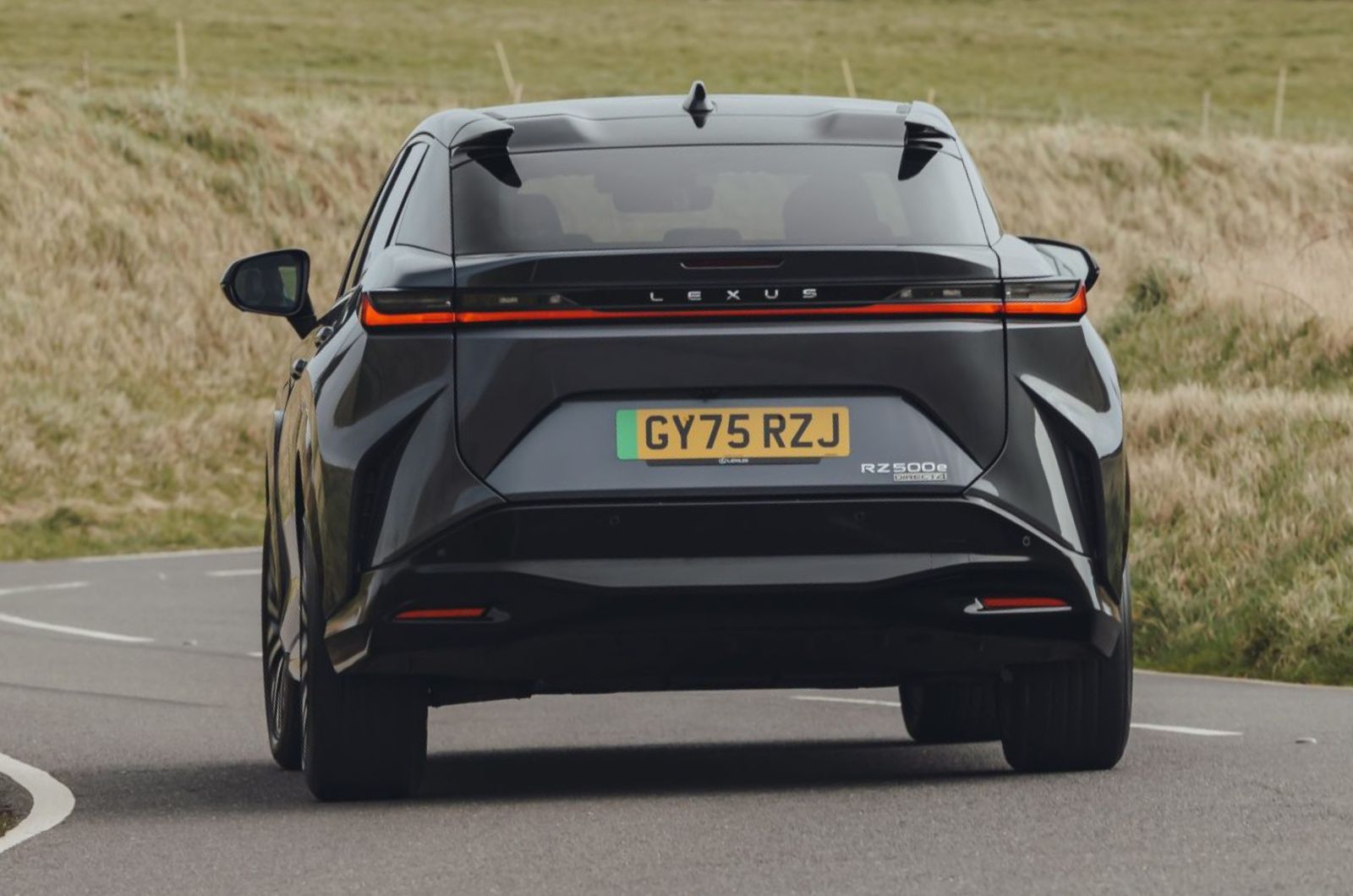
What affects commercial auto insurance rates
Vehicle type and insurance group
Why do some cars cost more than others to insure? Well, all vehicles, be it company cars or commercial vehicles, are placed in insurance groups according to how much they might cost to repair, how common they are, and the type of driving they tend to be used for. That’s why a BMW 7-Series will cost a lot more to insure than a Ford Puma. So, if you want to keep down your insurance costs, choose vehicles in lower insurance groups.
Driver age and claims history
If you have certain drivers as named drivers on your fleet-car insurance policy, the driving history of those drivers will have a direct effect on the premium you must pay for them. In short, if you’re a driver with a clean driving record, no speeding points and who has never had an accident, you’ll be charged a lot less than someone who’s had a couple of speeding fines and who has been involved in the odd shunt.
Business use class
There are usually three levels of business-car insurance, which are defined as Class 1, Class 2 and Class 3, dependent on the vehicles covered, the drivers and the type of business use the vehicle is required for. Obviously, the higher the classification, the higher the premium.
Annual mileage and location
As with any insurance policy, the greater the mileage you need to do each year, the greater the risk, and therefore the premium. Certain postcodes can also be classed as ‘higher-risk’, so they draw more expensive premiums.
How to get cheaper company car insurance
If you’re worried about the cost of your business’s annual insurance premium, there are ways to reduce it.
Choose cars in lower insurance groups
There’s one easy way to reduce your insurance premium; put cars on your choice list that reside in lower insurance groups. What Car?’s reviews can tell you all you need about insurance-friendly models.
Increase your voluntary excess
Increase the voluntary excess. If you demonstrate to your insurance company that you’ll be willing to pay a greater share of any claim, then your premium will go down.
Add approved security features
A tracker will help reduce the cost of insurance because not only does it allow you to keep track of how the car is being driven, but it will also help police find the car if it has been stolen. Keeping the car in secure parking overnight can also help to cut premiums.
Build a business no-claims bonus
Some insurers offer no-claims discounts for business policies, so the longer your drivers manage to go without making a claim, the lower the premium will become.
Compare commercial auto insurance quotes
Knowledge is power, so make sure you shop around when looking for a new policy. That way you can compare policy features and costs.
Company car insurance vs personal car insurance
The comparison table below lays out clearly the pros and cons of each policy type.
|
Feature |
Personal Car Insurance |
Company Car Insurance |
|
Primary use |
Social, domestic, commuting |
Business activities |
|
Who arranges it |
Individual driver |
Employer or business owner |
|
Typical cost |
Lower |
Higher |
|
Mileage allowance |
Usually lower |
Usually higher |
|
Multiple drivers |
Limited |
Often included |
|
Business use |
Not covered |
Core purpose |
If you start to use your car for business purposes, you need to change from personal to business insurance right away. If you have an incident and don’t have the right cover, your insurer will likely refuse to pay out.
How to choose the right business auto insurance policy
When choosing the right insurance policy, you need to consider all of your business needs very carefully.
Assess your usage: Work out exactly how the vehicle will be used, what sort of mileage it will cover, and the people who will drive it
Check policy extras: Try to get your insurer to add breakdown cover, courtesy car provision, and legal expenses
Review excess levels: Having a higher excess will lower your premium, but remember you don’t want to pay too much in the event of an accident
Verify driver restrictions: Make sure all necessary drivers are covered under the policy, and that no one is driving the car who shouldn’t be
While assessing company cars and insurance, check out What Car?’s in-depth reviews, which will help you to balance running costs, including insurance, with practicality and value.
For all the latest reviews, advice and new car deals, sign up to the What Car? newsletter here