News
Buy now to beat rise in road tax rates
Most people will pay more in tax if they wait until after 6 April 2020 to buy a new car – but those planning to go electric don't have to rush

The majority of people thinking of buying a new car will be better off if they do so before 6 April 2020, due to planned changes in the way vehicle excise duty (VED) is calculated.
advertisement
scroll for more
From that date, VED – commonly known as road tax – on new cars will be based on the amount of CO2 a model emits when tested under a new Worldwide Harmonised Light Vehicle Test Procedure (WLTP), instead of under the current test regulations, which are far less stringent.
As a result, the official CO2 figures for more than half of all models are expected to rise by 10% to 20%, even though their emissions won't really be any different from the current levels.
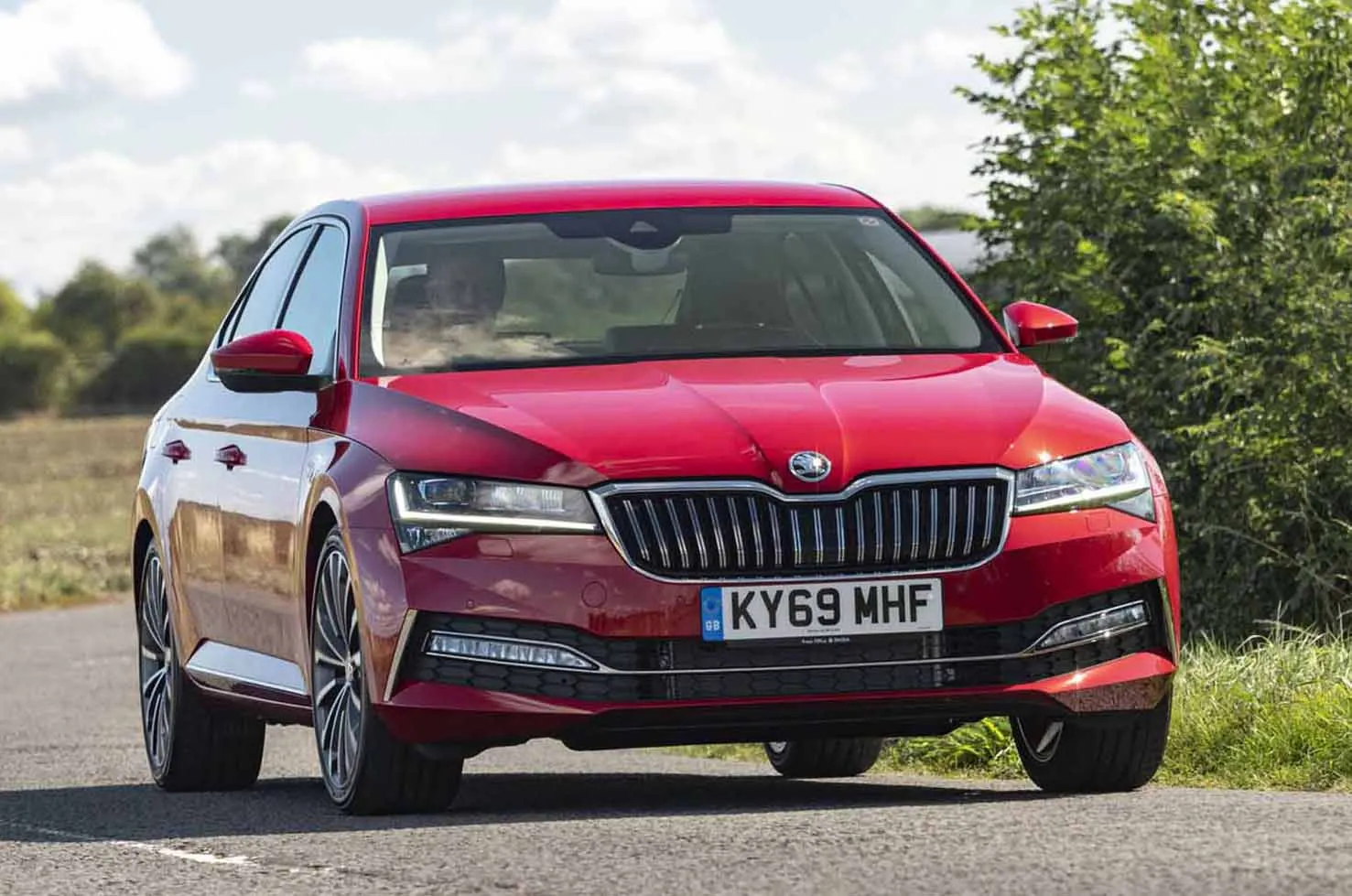
For example, the Skoda Superb 2.0 TDI (above), one of our favourite executive cars, emits 103g/km of CO2 under the outgoing test procedure, but will have an official CO2 figure of 135g/km from 6 April. This means it will rise two tax bands.
On the other hand, fully electric cars will continue to be exempt from road tax. And as the Chancellor, Rishi Sunak, announced in his March budget, these are no longer subject to the Expensive Car Supplement, which adds up to £1600 in tax over five years on cars costing more than £40,000.

Steve Huntingford
Updated: 11 March 2020
Car reviews
Skoda Superb Estate
Skoda Superb
View all new car reviews
advertisement
scroll for more
First year car tax rates
CO2 emissions (g/km) Petrol Diesel Alternative fuel 0 £0 £0 £0 1-50 £10 £25 £0 51-75 £25 £110 £15 76-90 £110 £130 £100 91-100 £130 £150 £120 101-110 £150 £170 £140 111-130 £170 £210 £160 131-150 £210 £530 £200 151-170 £530 £855 £520 171-190 £855 £1280 £845 191-225 £1280 £1815 £845 226-255 £1815 £2135 £1805 More than 255 £2135 £2135 £2125
After the first year, petrol and diesel cars attract a flat rate of £145, while hybrids are charged at £135 and electric cars continue to be exempt. However, owners of petrols, diesels and hybrids costing more than £40,000 also have to pay the £320 Expensive Car Supplement from years two to six.
For all the latest reviews, advice and new car deals, sign up to the What Car? newsletter here
Save on your next new car with What Car? >>
How will company car drivers be affected? >>
Buying a new car
News and advice
News

Kia PV5 Cargo and Chassis to be eligible for Plug-in Van Grant
Sponsored
The 10 fastest-depreciating electric cars
News

New Lotus hybrid supercar to arrive in 2028 powered by 671bhp V8 engine
News
Peugeot 208 and 2008 gain new mid-spec Envy trim for £23k
Feature
20 years of Qashqai: the model that started the family crossover revolution
Feature