Feature
In partnership with Renault
Petrol, diesel, hybrid, plug-in hybrid or electric – which is the cheapest to own?
We compare hybrid and electric models with petrol and diesel ones to find out which fuel type makes most sense
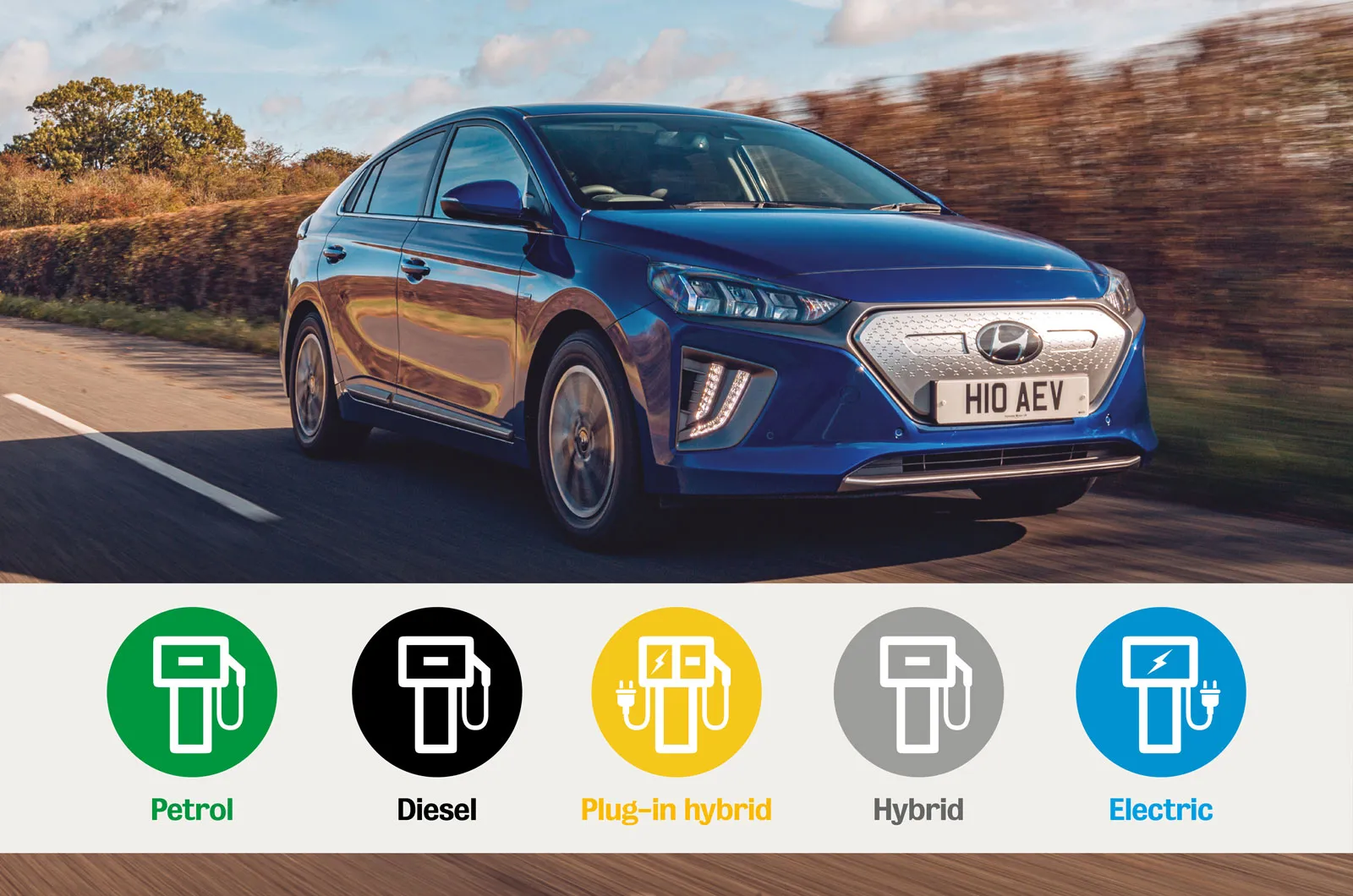
There are plenty of compelling reasons why we should park up our conventional petrol and diesel cars and get behind the wheel of a hybrid car, a plug-in hybrid (PHEV) or an electric car instead.
advertisement
scroll for more
Reduced CO2 and harmful exhaust emissions are major incentives for people to stop driving older, more polluting vehicles in urban areas, and cheaper running costs from using electricity are another big appeal.
Overall ownership costs are also an important consideration. A growing number of new models are available with a choice of fuel types – from petrol through to electric – so you need to crunch the numbers for each version to find out whether picking a greener model will save money or put a hole in your finances.
The biggest expense of buying a new car is depreciation and this should be your number one concern, especially if you’re considering an expensive pure-electric model. You can save money by buying via our online New Car Deals service at or below our Target Price and we’ve based our sums on these figures rather than the cars’ list prices.

Claire Evans
Updated: 24 November 2021
Car reviews
Volkswagen Golf
Volkswagen Golf GTE
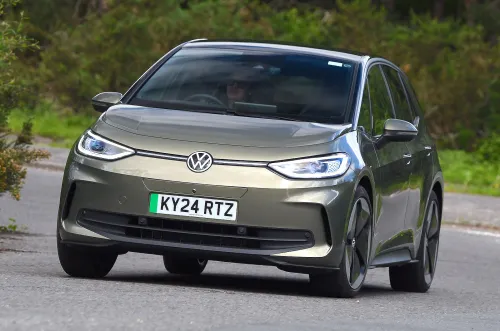
Volkswagen ID 3
View all new car reviews
Higher purchase prices tend to translate into pricier car insurance premiums, so this is another concern for anyone considering trading into a greener model.
advertisement
scroll for more
Electric vehicles (EVs) should, in theory, need less maintenance than conventional cars, but there’s quite a disparity when it comes to servicing costs. Some EVs have minimal servicing bills while others can easily outstrip petrol and diesel models. If you’re on a tight monthly budget, it’s worth investigating this expense up front.
As long as you're set up for cheap home charging or have access to a free charger at work (we’ve based our calculations on a 20p per kWh electricity cost), you’ll be quids in compared with car owners who have to make regular trips to fuel stations, where petrol and diesel prices are skyrocketing.
It will be a combination of all these factors that determines which is the most affordable fuel option for you. Here, we’ve rounded up the data on some of our top-rated models in five popular car classes to reveal which are the cheapest to own over three years and 36,000 miles.
Family cars
As well as developing electrified models, car makers have been working on the eco-credentials of their conventional models. Mild-hybrid systems that reduce emissions and improve fuel economy have been added to many petrol and diesel cars.
advertisement
scroll for more
These variants can be pricier to buy, though, negating any savings. That's demonstrated by comparing the VW ID.3 (below) with the VW Golf.
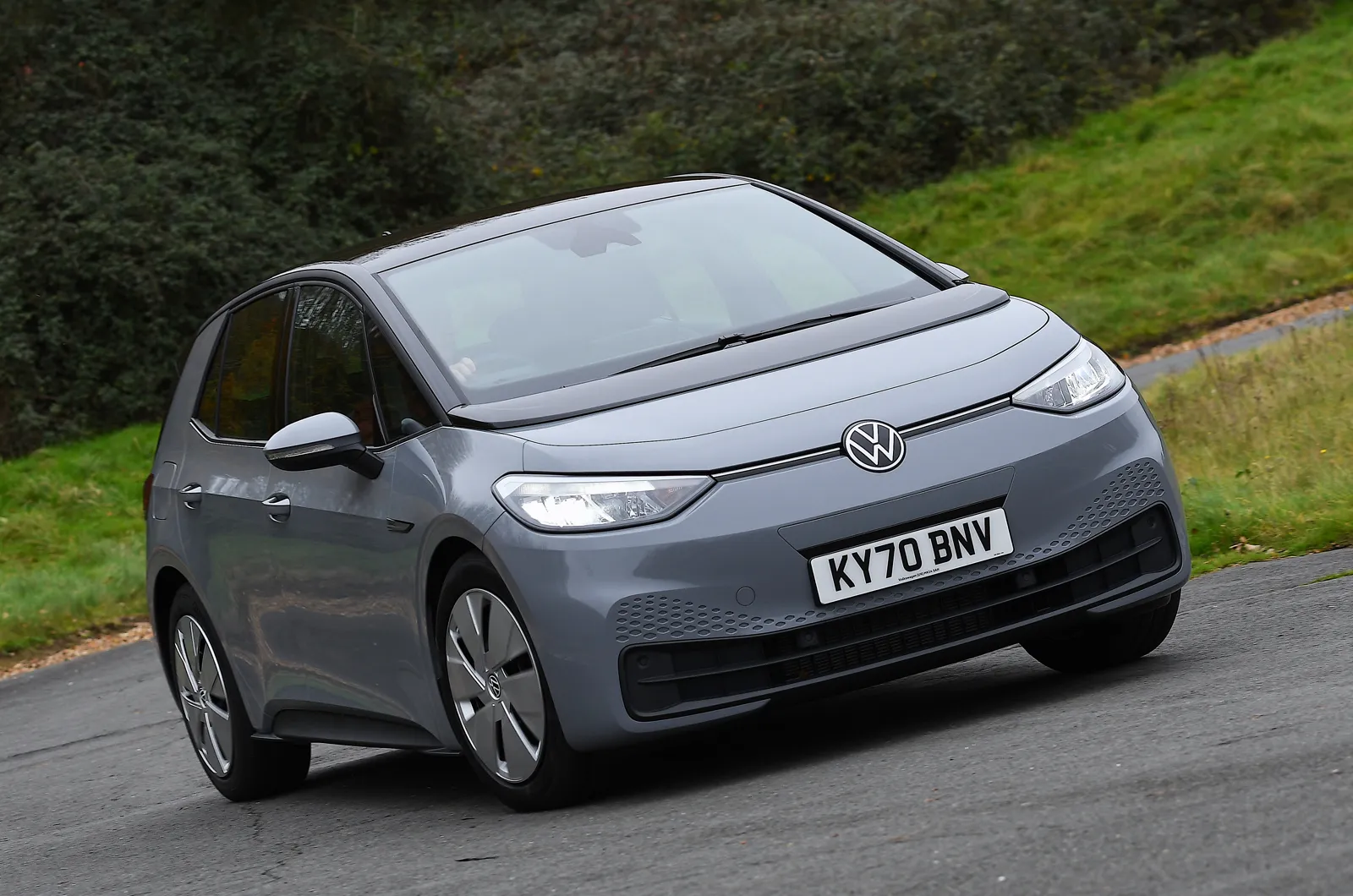
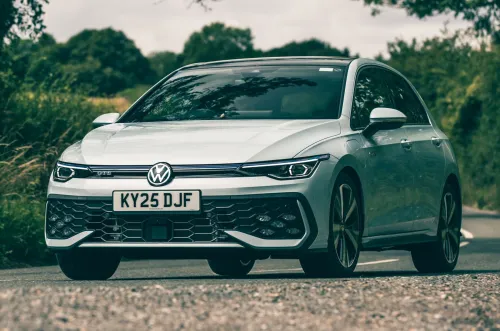
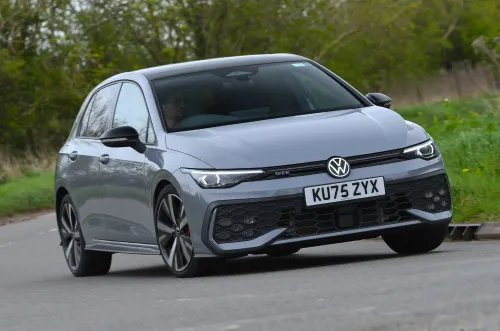
The mild-hybrid Golf 1.5 eTSI petrol costs £2422 more to buy than the regular petrol version, and that makes it £2138 pricier to run for three years. The regular 1.5 petrol is the cheapest of all the Golf models to own, while the plug-in hybrid costs by far the most to buy and is the most expensive to insure and service.
No Golf is as affordable to own as the electric-only ID.3 which costs about £5500 more to buy than the regular petrol Golf, but will save you more than £1000 in the long run because it holds its value well and costs far less in 'fuel' and car tax.
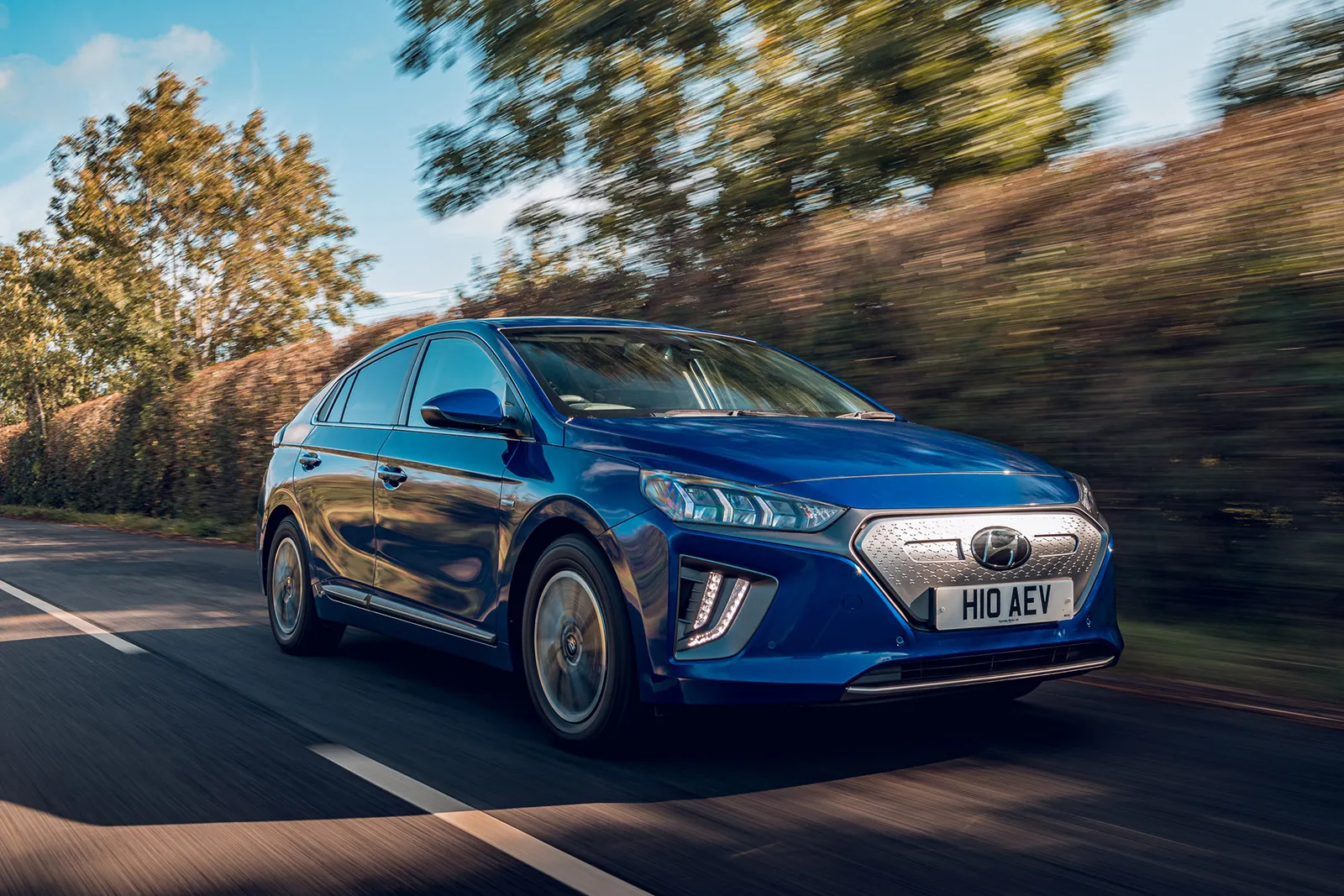
If you’re considering a Hyundai Ioniq as your family car instead, the electric version is your best option. However, the difference between that and the hybrid model over three years is only around £360, so the hybrid still makes good sense for anyone not ready to make the leap to a full EV. The plug-in hybrid is quite a bit pricier.
advertisement
scroll for more
Make and modelList priceTarget PriceDepreciationIns, servicing and VEDFuelTotal 3yr costVolkswagen ID.3 58kWh Electric£32,255*£31,545*£12,195£2839£1582£16,616Volkswagen Golf 1.5 TSI£24,470£23,467£10,917£2544£4317£17,778Volkswagen Golf 2.0 TDI£25,485£24,439£12,364£2533£2990£17,887Volkswagen Golf 1.5 eTSI£27,000£25,889£12,839£2760£4317£19,916Volkswagen Golf GTE£36,700£36,700£18,075£3813£2340£24,228Hyundai Ioniq Electric£33,050*£31,997*£15,322£2025£1429£18,776Hyundai Ioniq Hybrid£25,945£24,499£12,999£2606£3534£19,139Hybudai Ioniq PHEV£30,450£28,736£16,561£2555£1775£20,891
Next: small and family SUVs >>
Page 1 of 3
Real MPG
Owning and running your car
Electric cars
News and advice
Sponsored
What Car? Reliability Survey: Most and least reliable executive cars
Feature
Polestar 4 long-term test
Sponsored
Best-selling vans in the UK: Electric van sales rise but still miss official targets
News
Deal of the Day: Lease a Leapmotor C10 Hybrid from £186 per month
Best of
Best-selling cars 2026: new car market grows in October
News