Audi E-tron GT long-term test
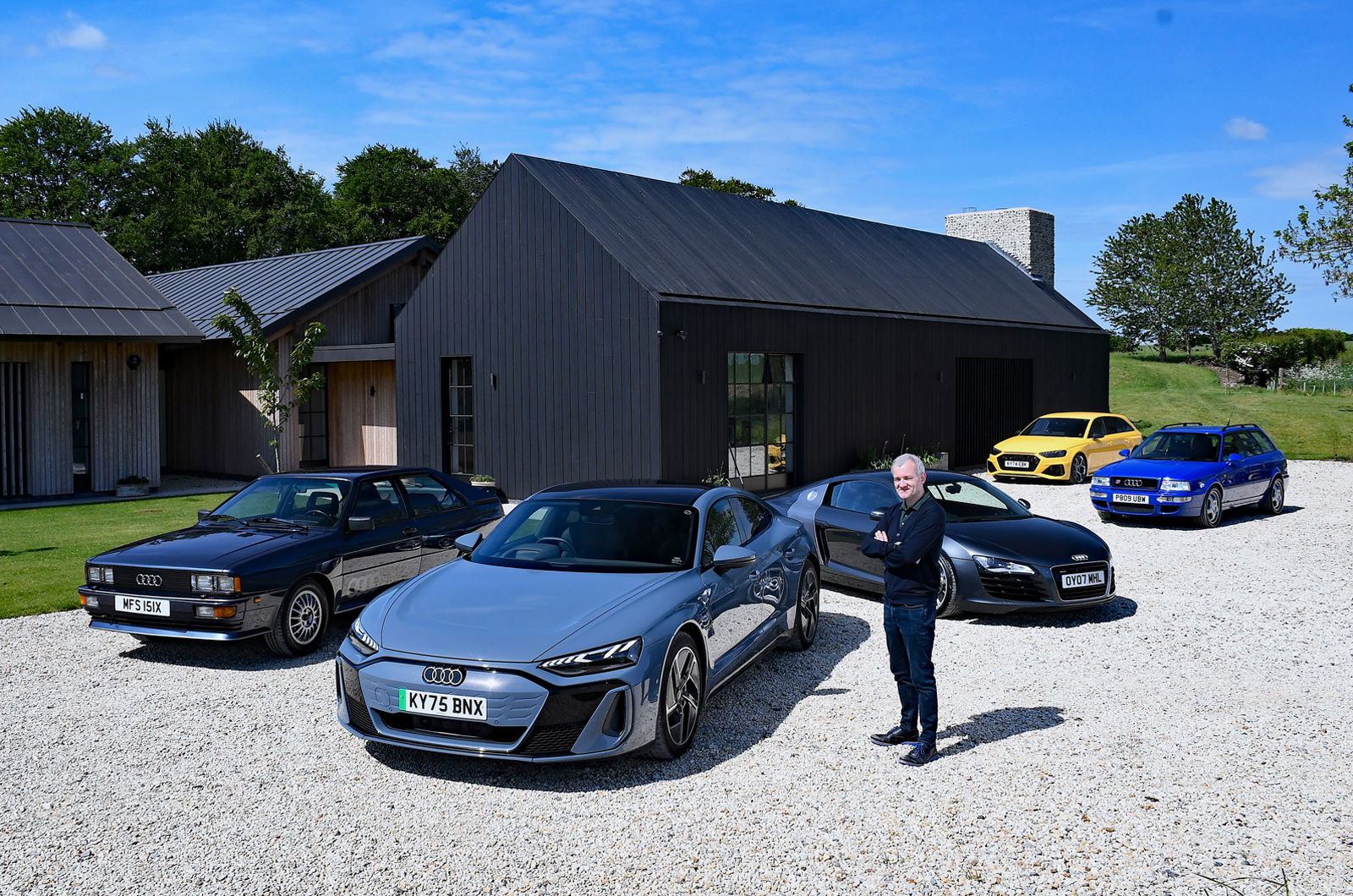
The car Audi E-tron GT quattro Run by Steve Huntingford, editor
Why it’s here To see if Audi's electric performance car can also be a good everyday car
Needs to Combine the thrilling drive you’d expect with a level of comfort and usability you might not
Mileage 5208 List price £88,605 Best price £69,995 Price as tested £92,700 Test range 310-334 miles Official range 383 miles Private price now £60,300 Dealer price now £62,471 Running costs (excluding depreciation) £224 (charging)
16 May – Final charge to the finish line
“Mummy! Daddy! Where’s my…?”
Yes, my daughter is constantly losing things, which generally turn out to be right in front of her. But this isn’t down to a problem with her eyesight; it’s simply because she doesn’t look properly.
In fact, in this respect, she’s a lot like… well, me. And that brings me on to the Audi E-tron GT which I’ve been living with for the past six months.


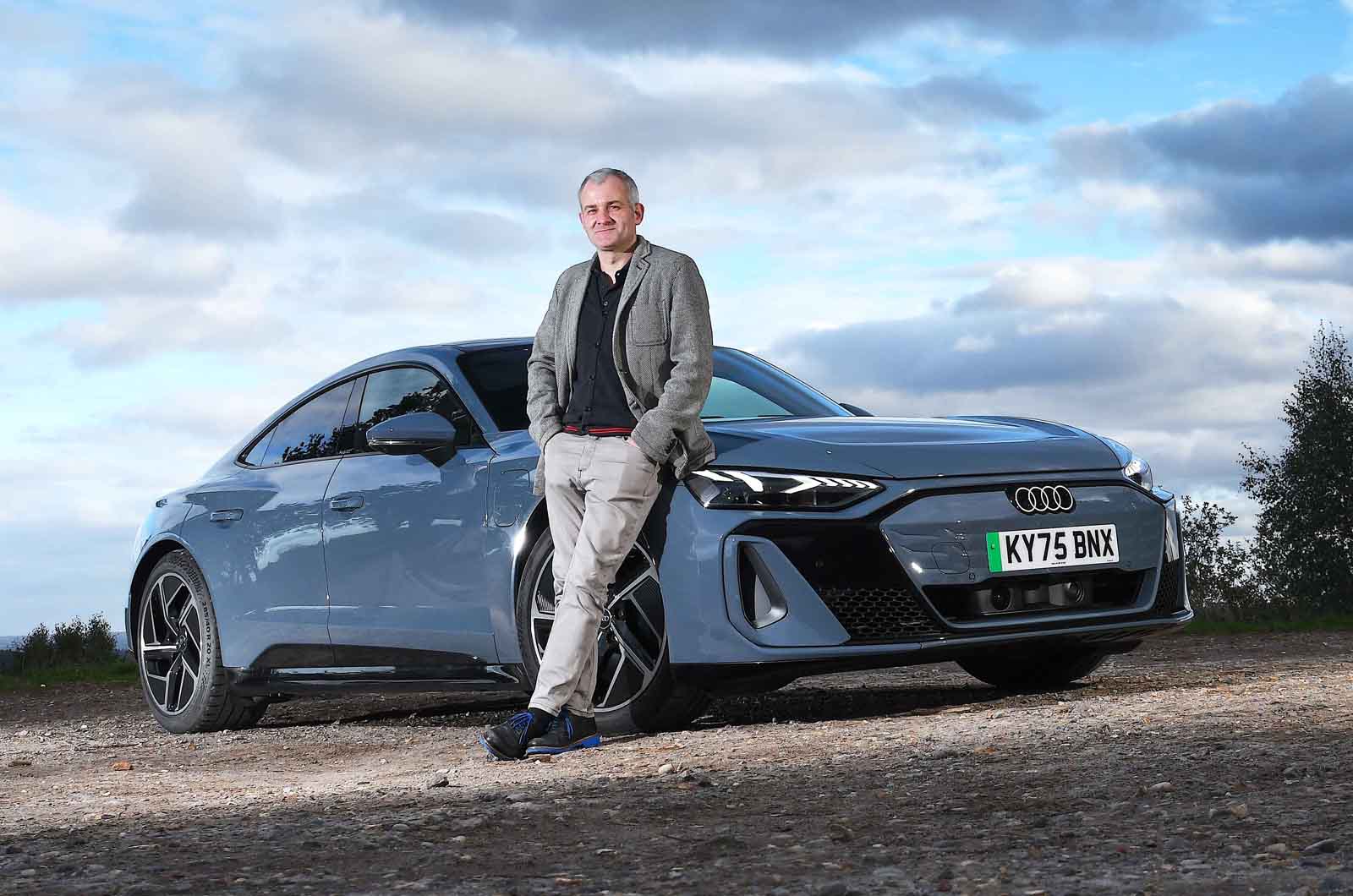
You see, we all inherit traits from our parents. However, as I get set to wave goodbye to this electric performance car and reflect on my time with it, I realise that the thing that’s surprised me most is how much it reminds me of the best fast Audis in history.
Obviously, like them, it’s rapid (even the entry-level quattro version that I went for can blast from 0-62mph in just 4.2sec), but then so are a lot of electric cars. No, instead, the area in which I feel the E-tron GT most shows its lineage is in how remarkably easy it is to live with.
The original Audi Quattro, for example, was spacious and civilised enough to be your only vehicle, despite its reputation as a revolutionary, rally-bred performance machine.
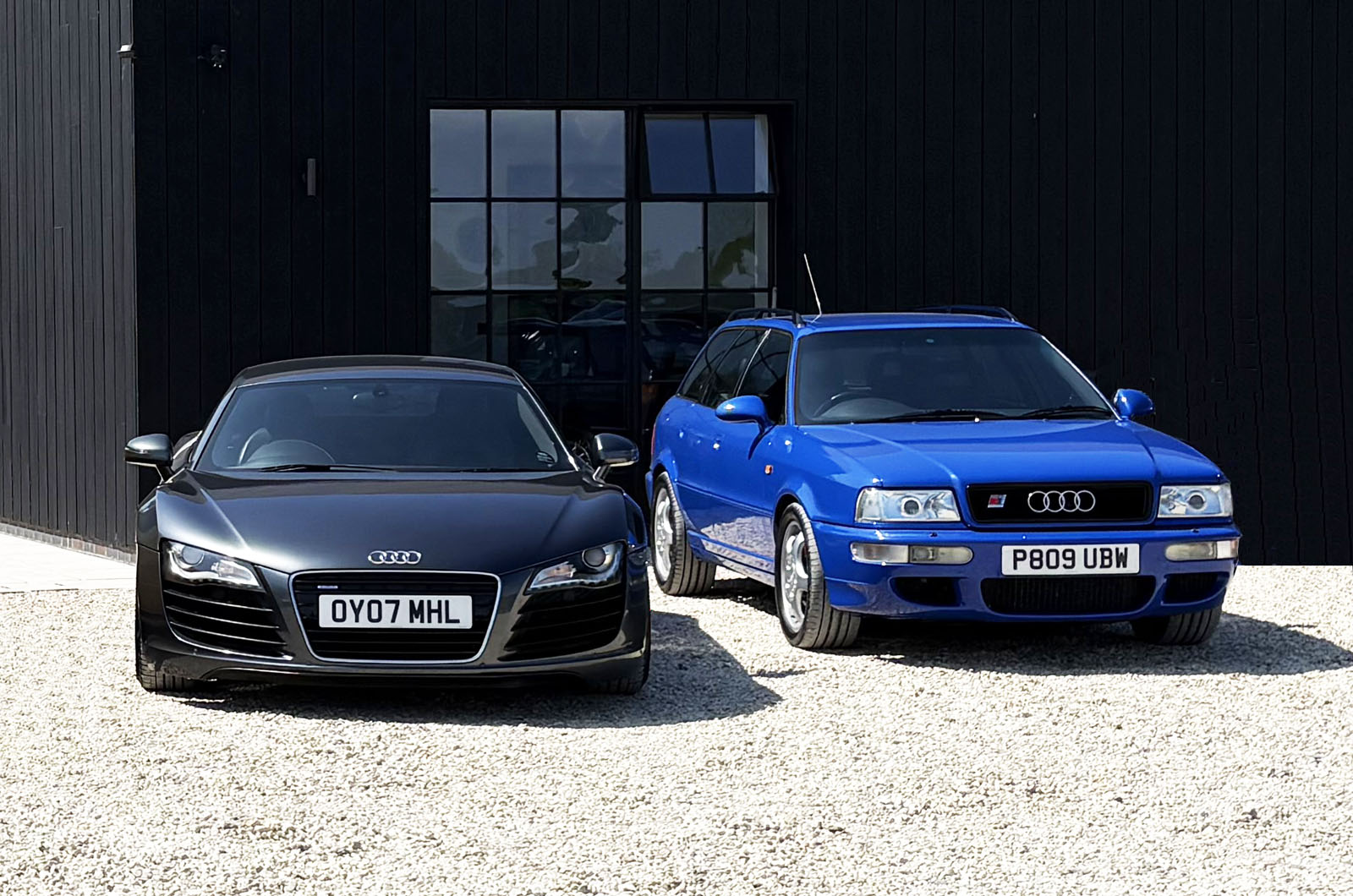
Audi invented the fast estate with the RS2 Avant (above right), and in so doing blended one of the most practical car bodystyles with outrageous pace.
And even the two-seater R8 (above left) was successfully engineered to be an everyday supercar, combining mid-engined dynamics with the usability and comfort of a mainstream Audi of its era.
As great as all those models are, though, the E-tron GT feels like a worthy successor, because it’s engaging and poised on a challenging road, yet brilliant at soaking up poor road surfaces at all speeds; I’ve driven luxury saloons that are less comfortable.
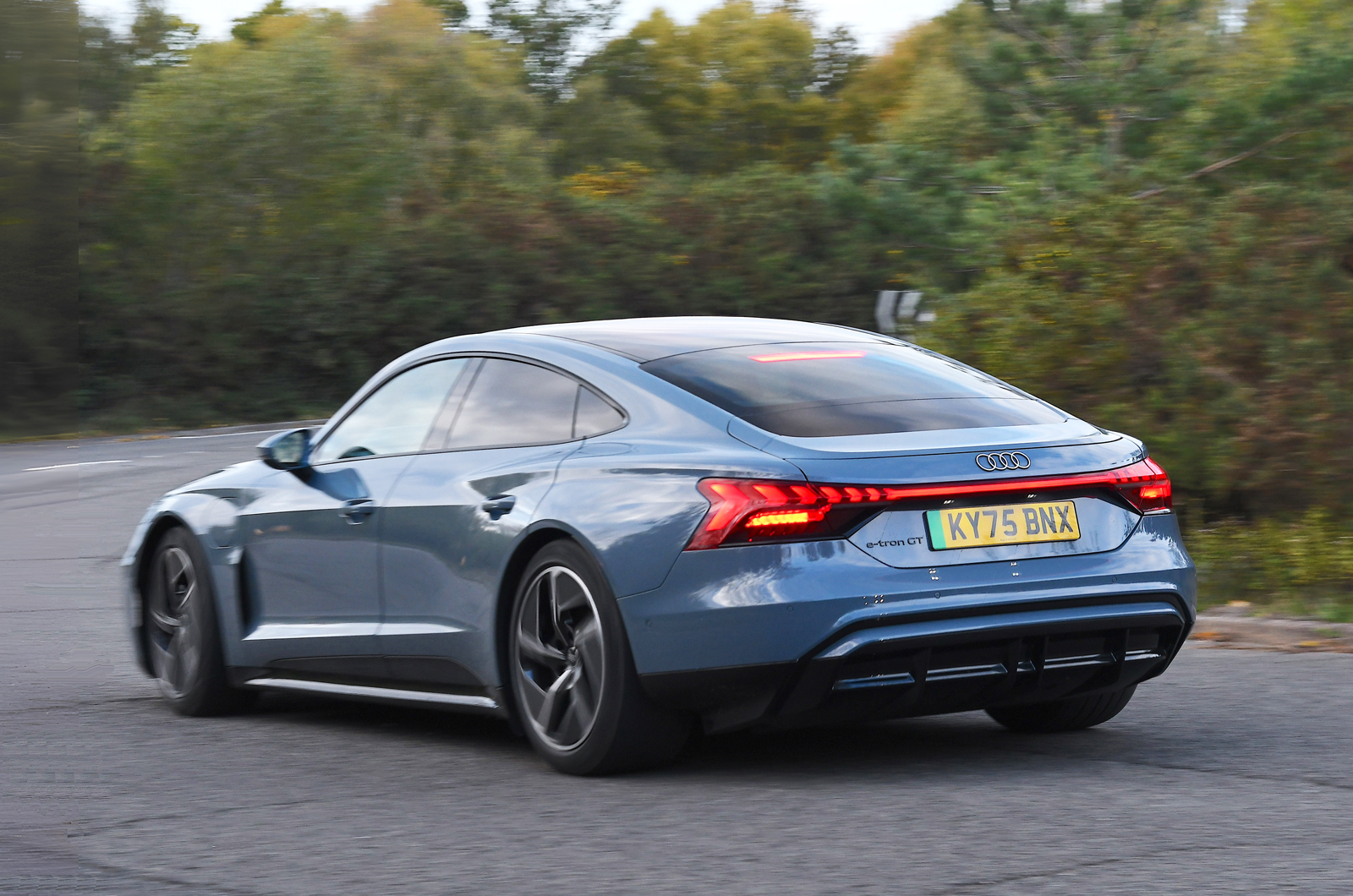
In addition, I found the feelsome brake pedal just as welcome in stop-start traffic as it was when I was using it to shed big velocities, because it allowed me to be smooth without even thinking about it.
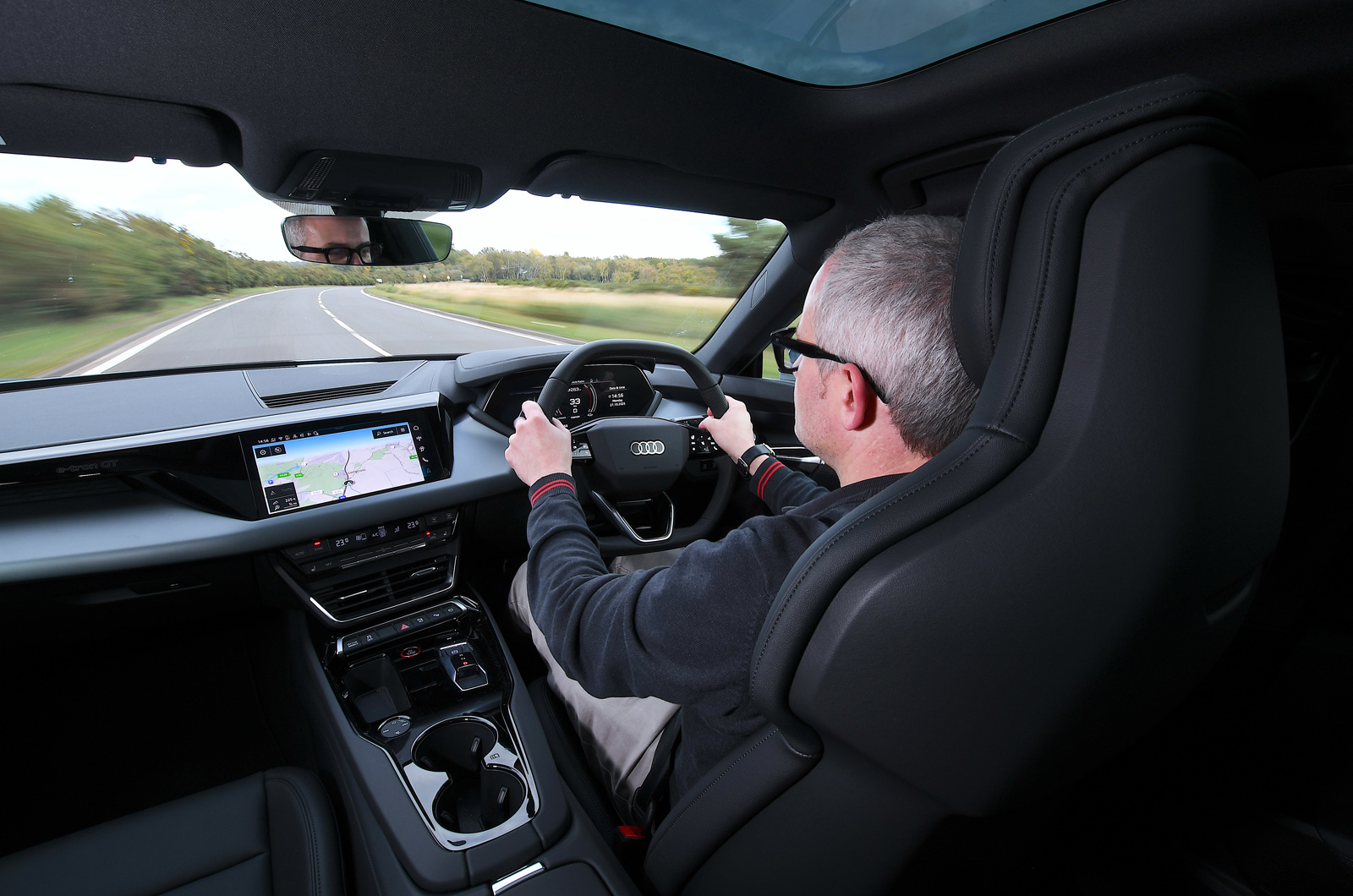
Plus, the precise, sweetly weighted steering that inspires such confidence in bends also made life easy when I was negotiating the tight turns (and avoiding the high kerbs) of What Car?’s multi-storey car park.
Then there was the range my E-tron GT delivered. Even in the depths of winter, I never saw less than 300 miles on the range readout when the battery was fully charged. And, if anything, that readout erred on the side of caution; I’d frequently get to the end of a long journey with more miles to spare than the car had predicted I’d have after I first punched my destination into its sat-nav.
This is in sharp contrast to many other electric cars I’ve tested, which seem to lose a couple of miles of range for every motorway mile you cover.
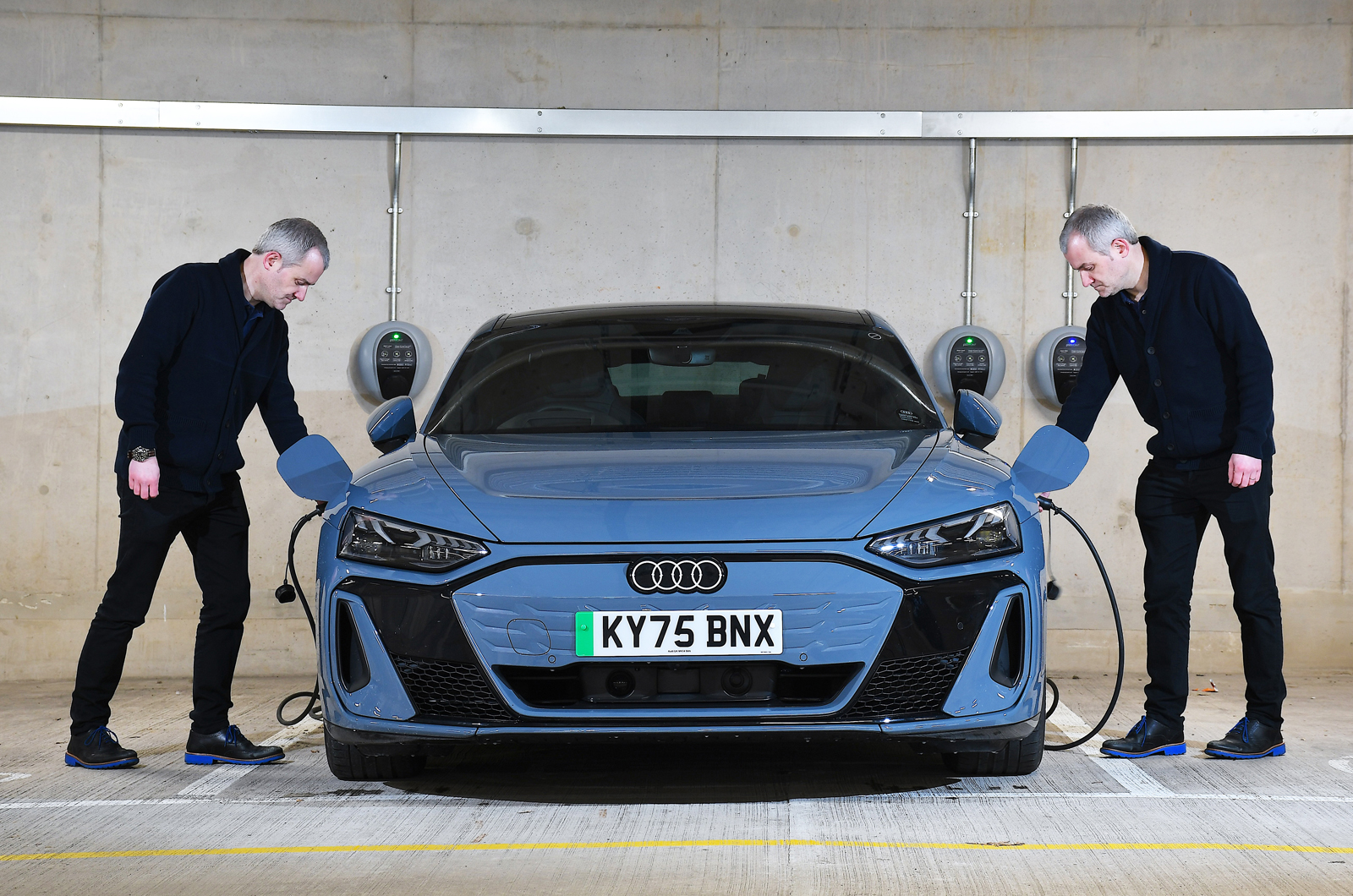
Meanwhile, when it was eventually time to plug in, I appreciated the fact that the E-tron GT has a charging port on each front wing (instead of a single port like most electric cars), because this meant I could park nose or tail into a space (whichever was most convenient) and still not have to risk draping a cable over the paintwork.
Not that there isn’t room for improvement. Yes, the port on the right side of the car is compatible with both DC rapid chargers (of the sort found at motorway services) and the slower, AC chargers that allowed me to top-up the battery more cheaply over the course of a day at work (or overnight at home). However, the port on the left side is AC only.
I was a bit disappointed with the interior quality, too, because there’s a lot of shiny ‘piano black’ plastic that seems better suited to a £30k hatchback than a £90k performance car, while the trim around the central infotainment screen quickly came loose on one side.
And although I personally found the driver’s seat comfortable, it's worth noting that when What Car?'s sub-editor Chris Haining borrowed my car for a couple of weeks, he found the lack of lumbar adjustment left him with twinges in his back.
On the other hand, Chris and I both love the E-tron GT’s physical switches for things like the air conditioning, heated seats and drive modes. Not only are these far more user-friendly than the touchscreen-based equivalents found in many modern cars, but they’re beautifully damped and engage with a satisfying click.
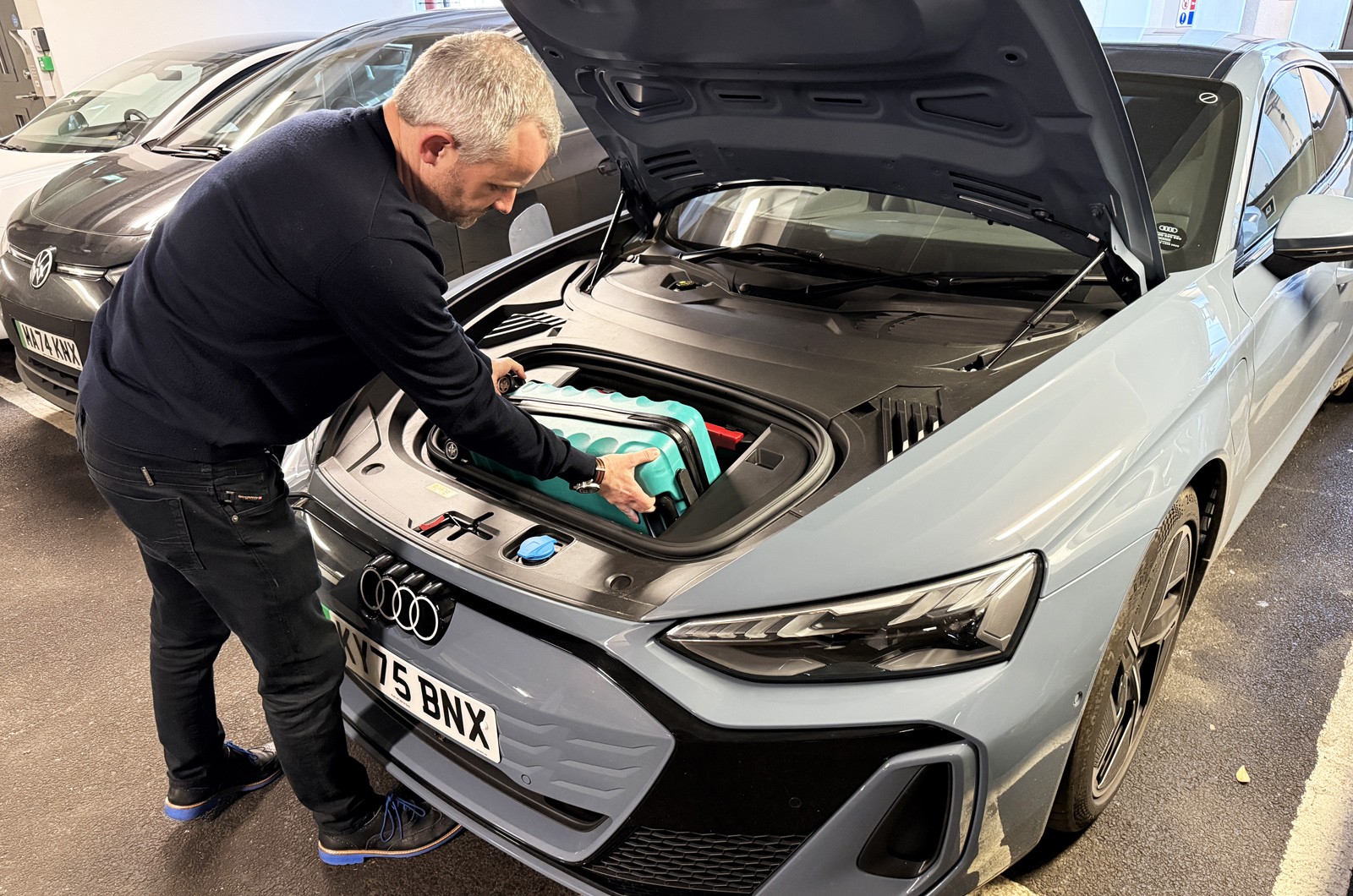
Finally, the E-tron GT’s sleek exterior styling doesn’t come at the expense of practicality; my wife and daughter – plus the family dog – had plenty of room in the back, while the car’s two boots (one at either end) easily swallowed all the luggage we needed on weekends away.
So, yes, the traits that the E-tron GT has inherited from the best fast Audis in history ensure it's great to drive and great to live with. And as a result it will be greatly missed.
Meet the ancestors in our family photo
Audi Quattro (1980-1991)
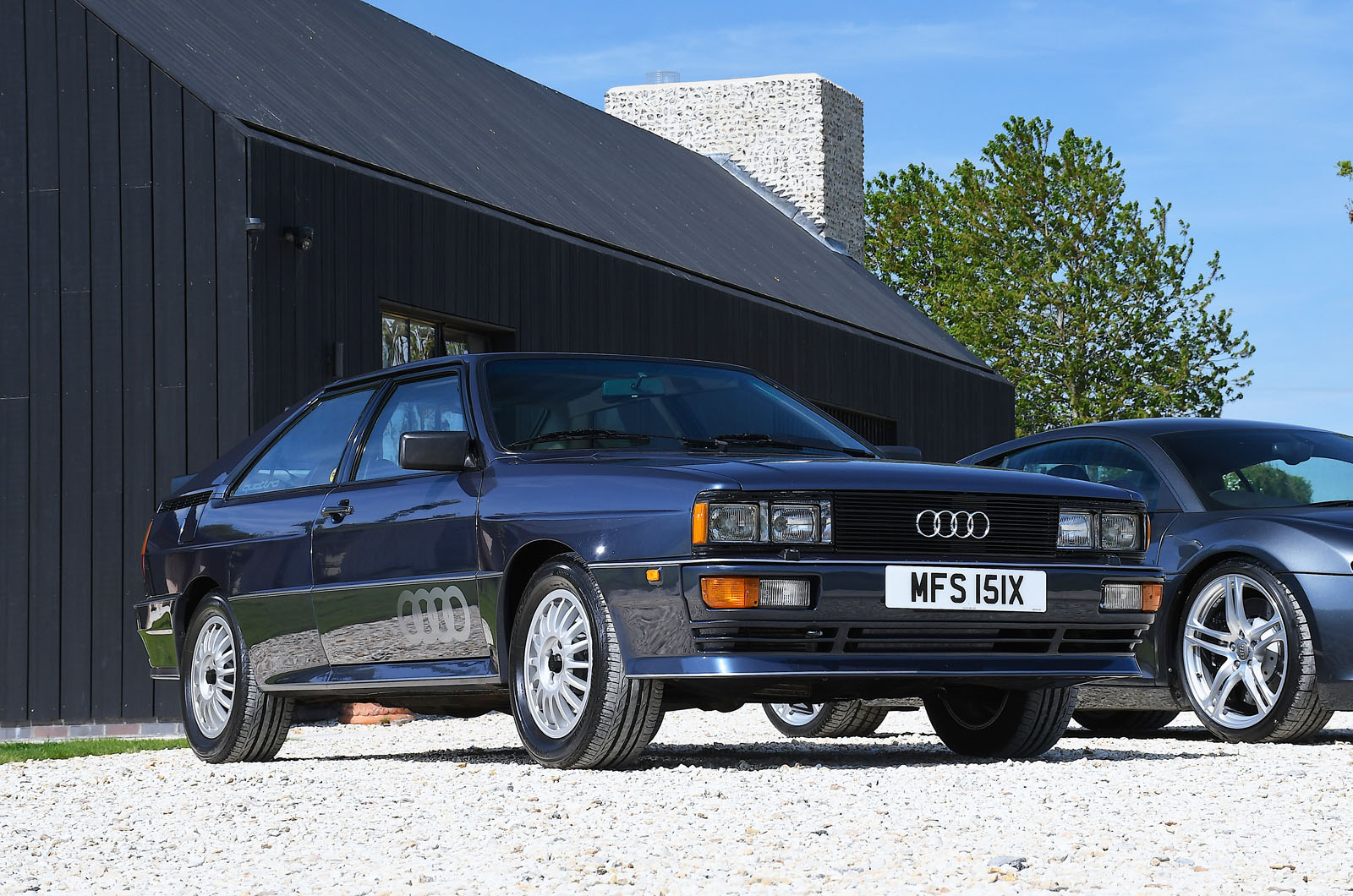
Number sold 11,452
The Audi Quattro is undoubtedly an icon, thanks to its success in rallying and its starring role in Ashes to Ashes, but its story starts in an unlikely place: the Volkswagen Iltis military vehicle.
After an Audi engineer noted how crushingly effective this was at dealing with slippery conditions, work began on putting its four-wheel drive system into a road car. And the resulting model could match or even outperform many Ferraris and Porsches of the era, thanks to its immense traction and 200bhp turbocharged five-cylinder engine.
It wasn’t perfect; early 10v versions (like the one in our pictures) feel nose heavy when turning into bends at speed, while the turbocharger takes a while to wake up. However, these shortcomings were addressed over time, with the help of upgraded suspension and tyres, and (eventually) a new 20v engine with a smoother power delivery.
Audi RS2 Avant (1994-1995)
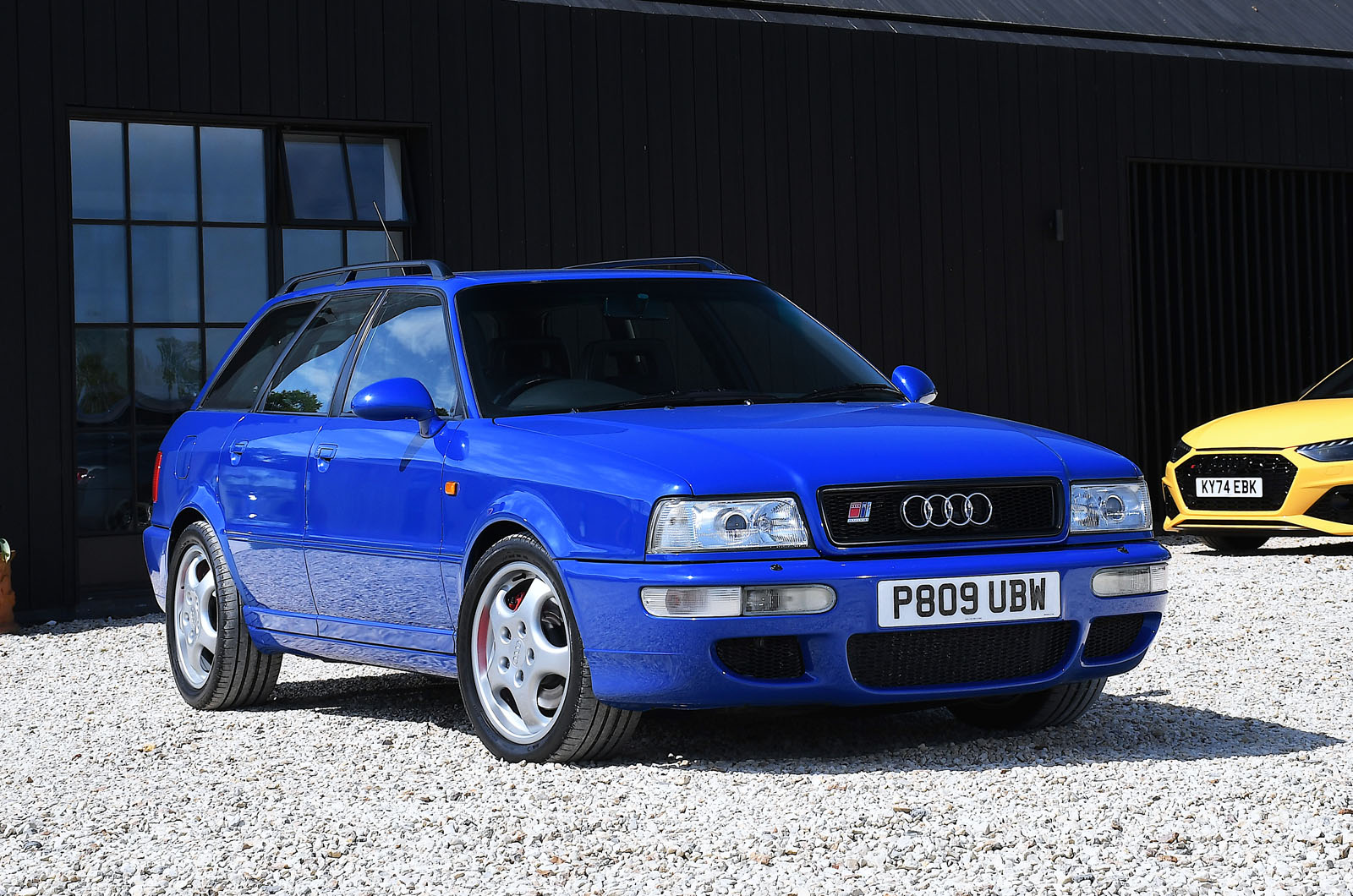
Number sold 2891
Developed in collaboration with Porsche, the RS2 Avant was based on the estate version of the Audi 80, but featured a 311bhp turbocharged five-cylinder engine, wheels and brakes from the Porsche 968 Clubsport, and (naturally) quattro four-wheel drive.
It was also crazy-fast by the standards of the day, accelerating from 0-30mph in 1.5sec and 0-62mph in 5.4sec, before topping out at 163mph.
As with the Quattro, it takes time to adjust to the amount of turbo lag the engine exhibits, but the RS2 can genuinely pin you back in your seat when it comes on boost. And while the steering is pretty numb, there’s huge grip and the car feels more balanced than the Quattro 10v through bends.
Audi R8 Mk1 (2007-2015)
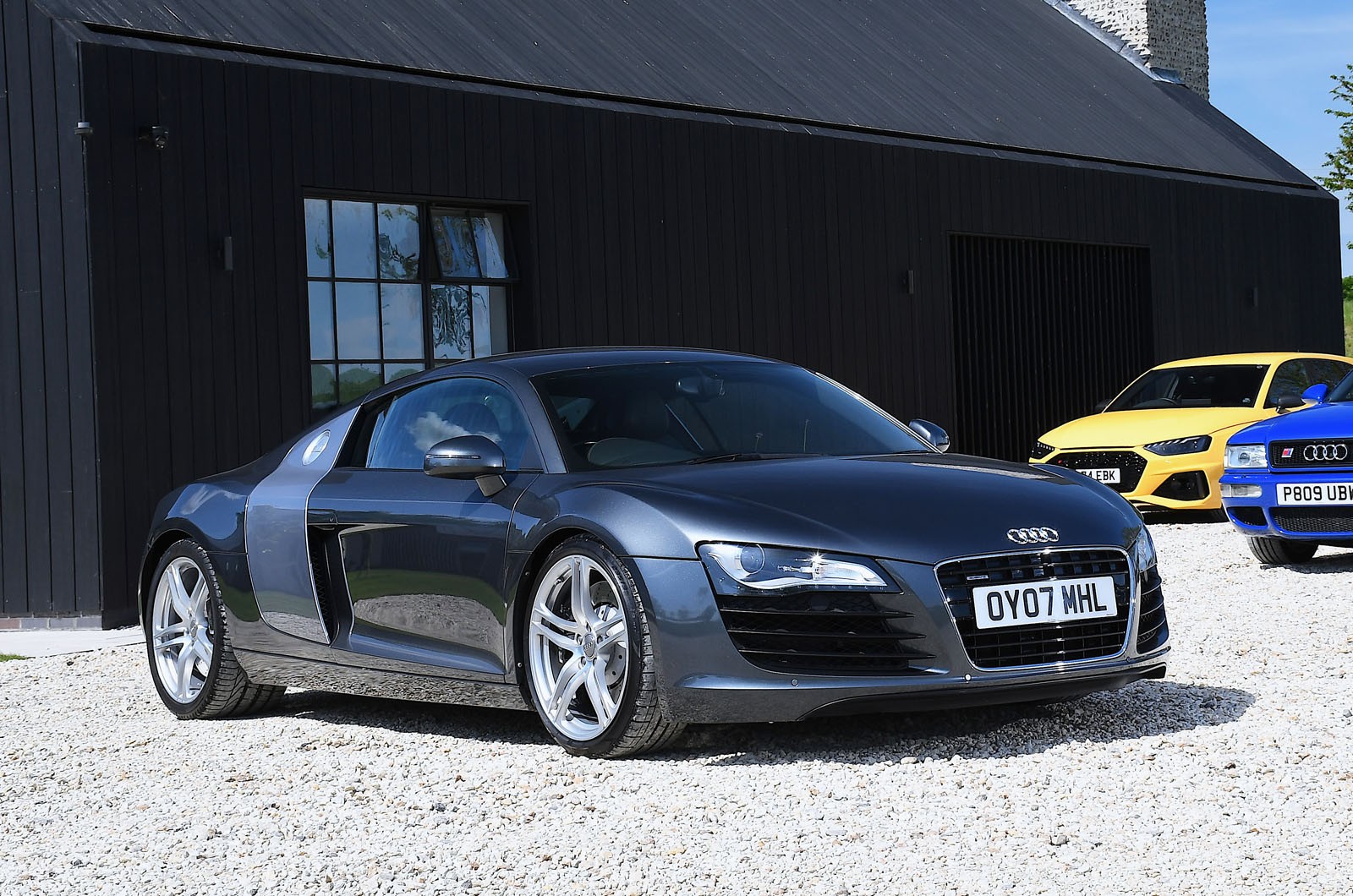
Number sold 27,000 (approx)
The R8 is unashamedly a supercar, with a lightweight two-seat body, a mid-mounted 424bhp V8 or 523bhp V10 engine, and the sort of performance once reserved for Ferraris and Lamborghinis.
Indeed, under the skin, Audi used the Lamborghini Gallardo as a starting point, but it actually improved on that car, creating something that was more comfortable and luxurious, yet every bit as thrilling to drive.
Both manual and automatic versions were offered, with the former's shift action taking a bit of getting used to, due to its open metal gate. But once you do, it makes every gearchange feel like an event, so adds to the sense that you’re driving something properly special.
Audi RS4 Avant B9 (2018-2025)
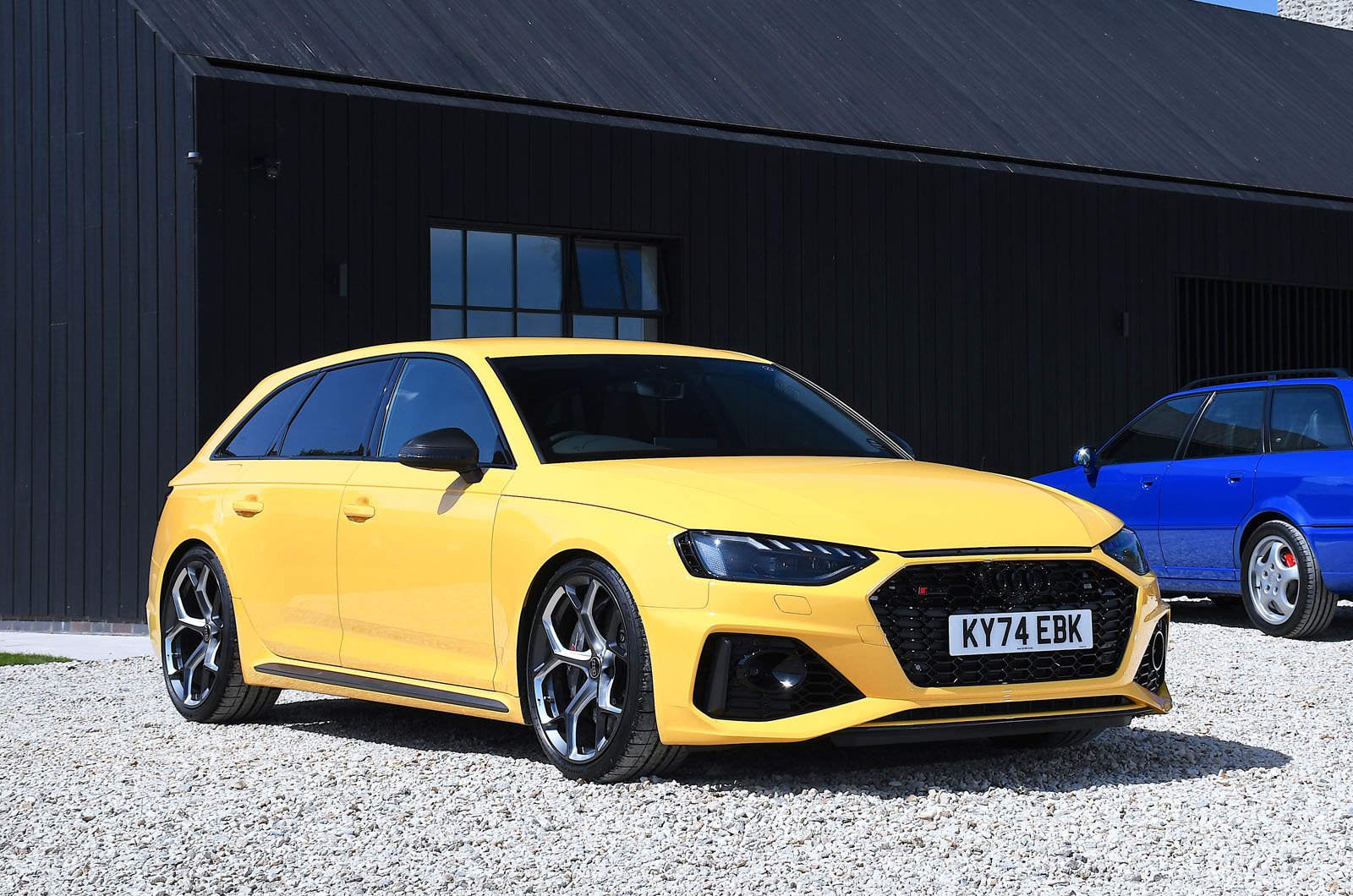
Number sold 5600 (approx)
While the second and third-generation versions of the RS4 were powered by V8s, the most recent car reverted to a V6 (as used in the original). But don’t let this put you off: it still howls and parps in true performance car style, and with 444bhp, it’ll take you from 0-62mph in just 4.1sec.
A bigger consideration if you’re thinking of buying a fourth-generation RS4, is whether you stick with the standard suspension or look for a car with Dynamic Ride Control, because the former set-up gives the RS4 Avant good body control, but makes the ride very stiff.
The latter, meanwhile, is more forgiving yet more floaty. Plus, it brings a Dynamic Steering system that helps you get around tighter turns more easily, but reduces feedback and driver confidence.
For all the latest reviews, advice and new car deals, sign up to the What Car? newsletter here
Read more on our long-term Audi E-tron GT >>
Read about more long-term test cars >>
Buy a new car with What Car?
Like the sound of the Audi E-tron GT?
If so, check out our New Car Deals pages to see how much you could save on an Audi E-tron GT.
We’ve got the biggest selection of discounted new cars available in the UK.