First cars to tackle stricter Euro NCAP safety tests awarded five-star ratings
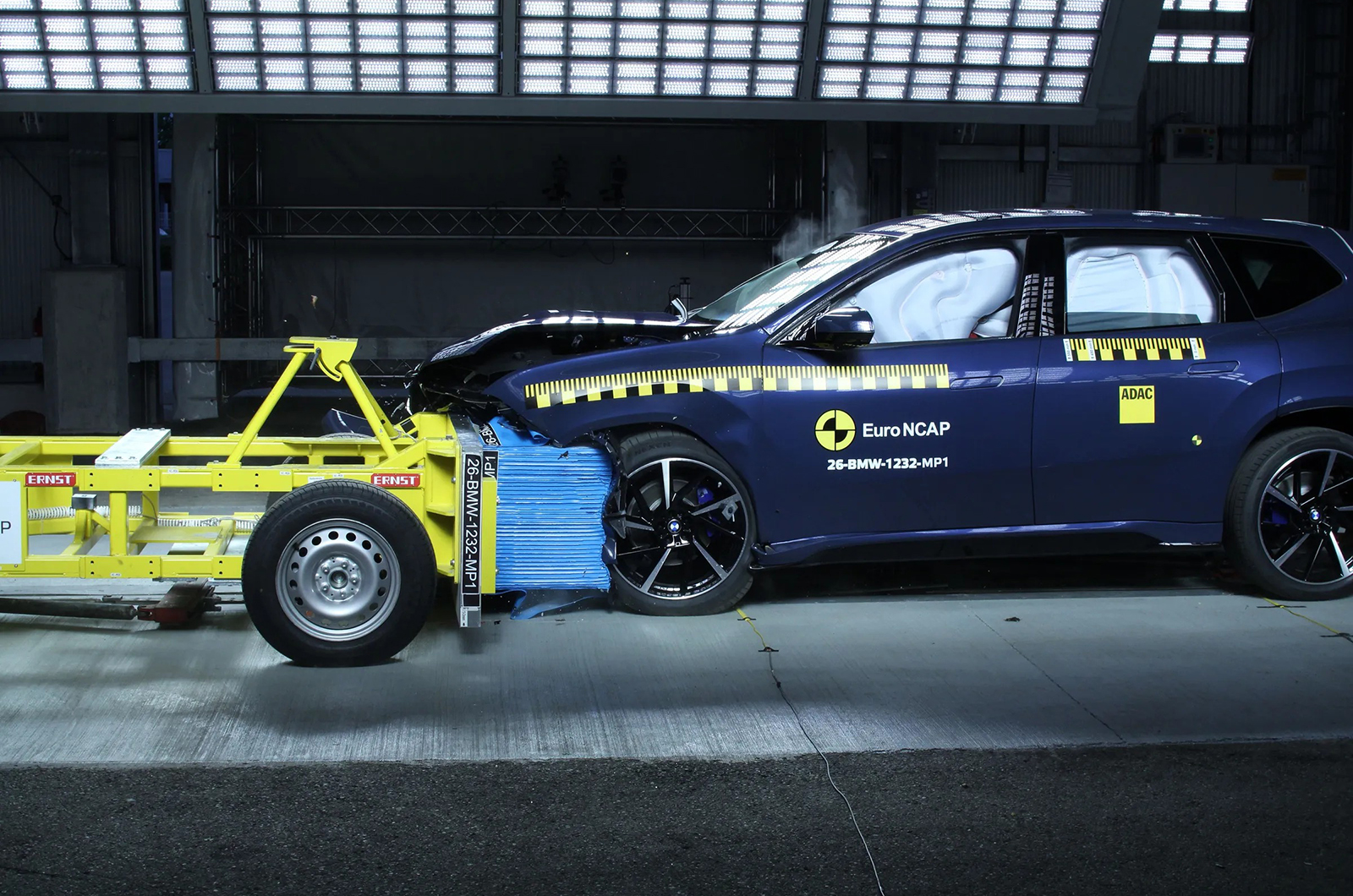
When it comes to safety, good is never enough, which is why Euro NCAP continually raises the standards to ensure cars become ever safer. The latest measures to be introduced by the automotive safety organisation mark the most significant changes since Euro NCAP was founded 30 years ago.
Under the latest test procedures, cars are assessed in four new test areas, which Euro NCAP describes as the different ‘stages of safety’: safe driving, crash avoidance, crash protection and post crash.
In addition to measuring how each car protects its occupants in a physical collision, these areas allow Euro NCAP to check its ability to spot potential risks and what steps are taken to prevent or lessen the impact of a collision.
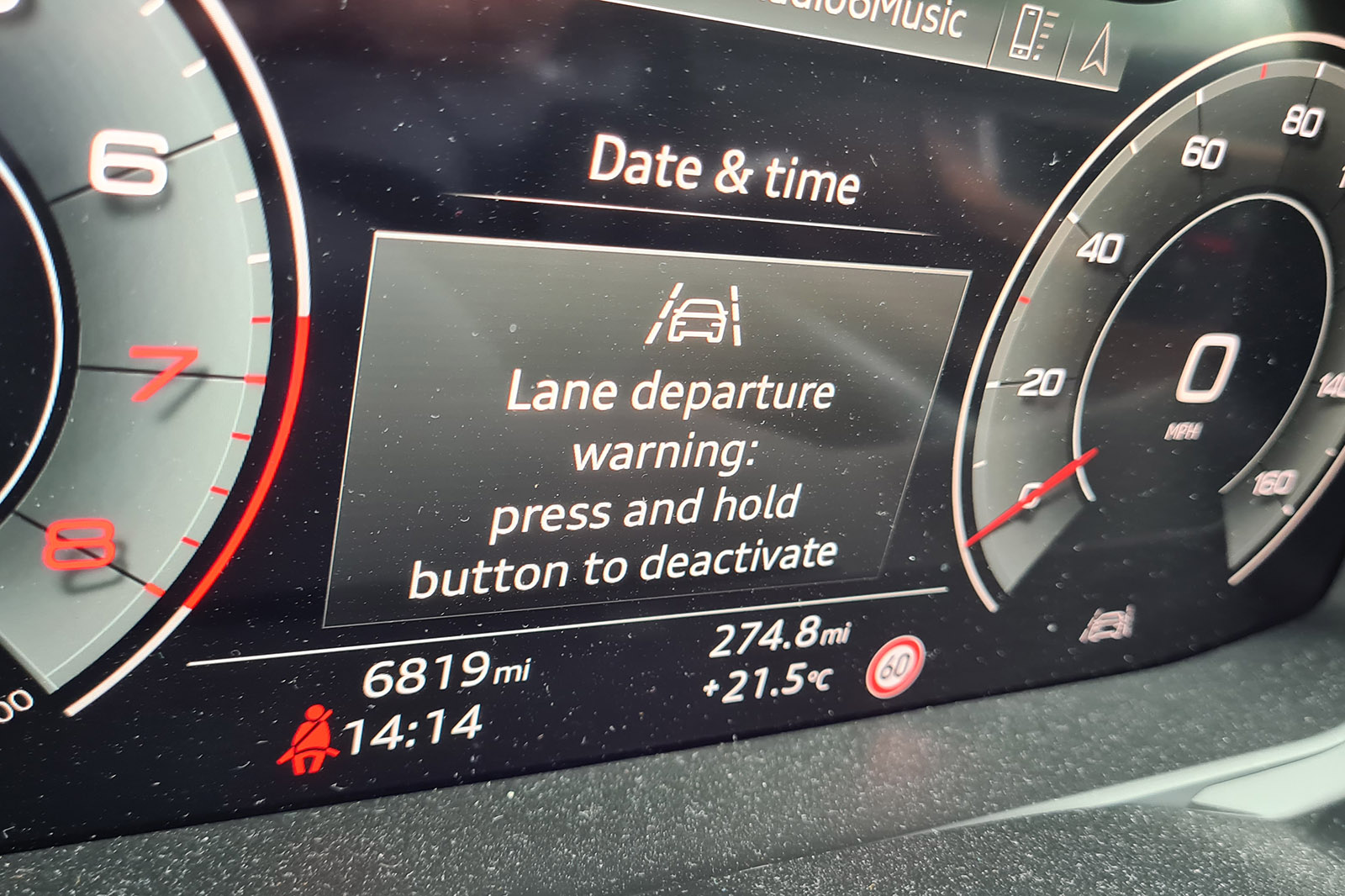
What’s more, the latest Euro NCAP safety protocol also includes an on-road test of at least 1243 miles (2000km) to assess how capable each car is at detecting speed limits, and the effectiveness of the warnings it gives drivers who exceed it.


Cars assessed in 2026 will need a score of at least 60% to gain a five-star rating in each test area. However, this figure will rise to 70% in 2027, and 80% in 2028.
The first new cars to be assessed under Euro NCAP’s latest test procedure were the BMW iX3 and Zeekr 7GT, with both cars receiving a maximum overall rating of five stars.
Our reigning Car of the Year, the iX3 was praised chiefly for its post crash score of 95%. A significant factor in the car achieving this score was its ability to isolate the battery to reduce the risk of a fire and extend the electrically-operated door handles upon impact.
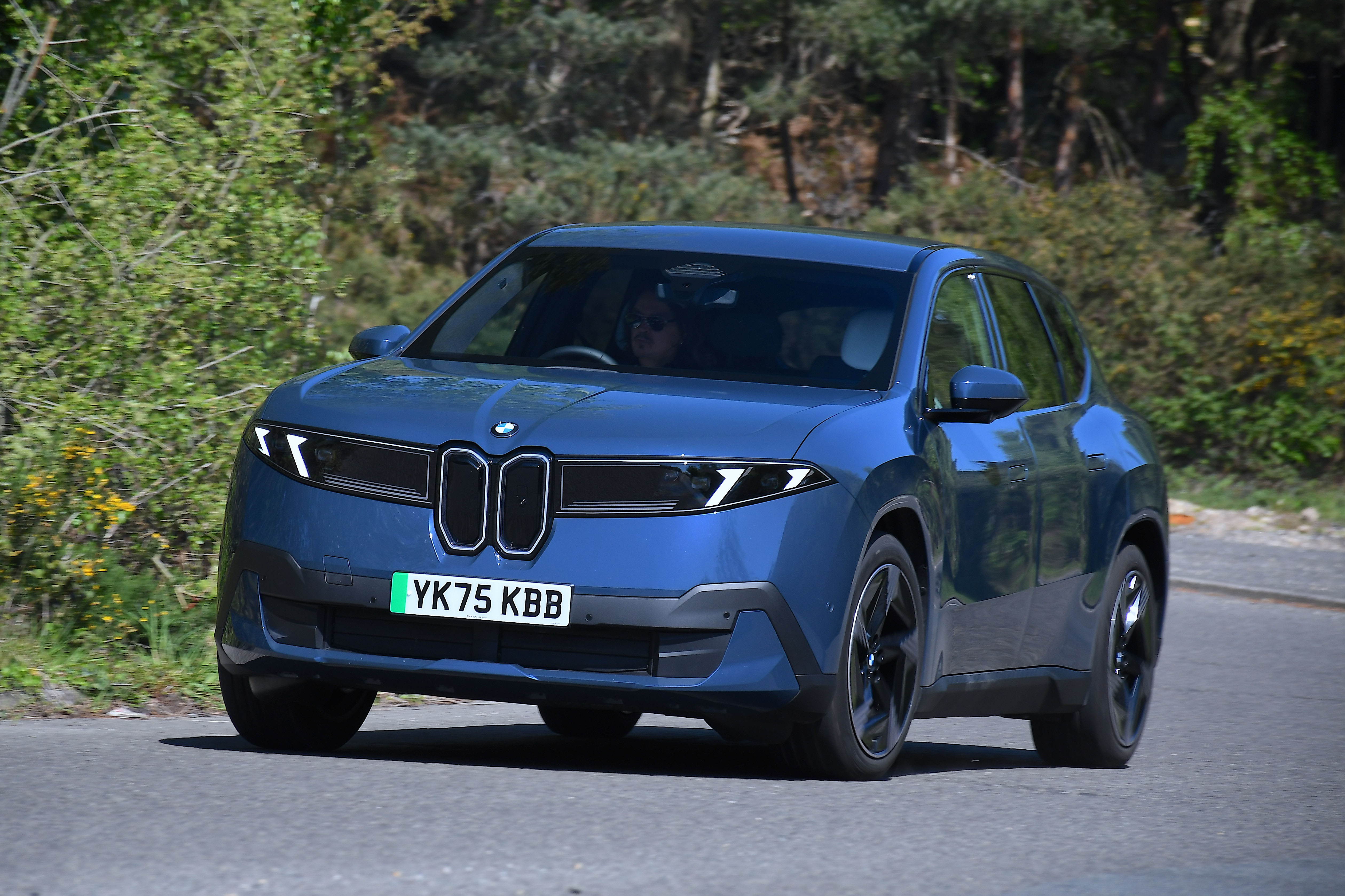
Other areas in which the iX3 scored well included its autonomous emergency braking (AEB) system, which proved particularly effective in spotting pedestrians and cyclists, and other road users at junctions. Euro NCAP also highlighted the iX3’s lane departure warning system was effective without being obtrusive.
During the speed limit assistance test, the iX3 correctly identified 86% of changes; accounting for 97% of the 1243-mile journey.
Nevertheless, there was still room for improvement, with Euro NCAP ruling the iX3 only offered moderate protection to the driver’s torso during the full width test. The iX3’s ‘Safe Driving’ score was also penalised by a lack of some of the latest advanced cabin monitoring systems, including improper seatbelt use.
The Zeekr 7GT – a Chinese electric estate car set to launch in the UK later in 2026 – also gained a 95% score for post crash safety; isolating the battery and ensuring all doors are unlocked after a collision so that emergency services can access the vehicle.
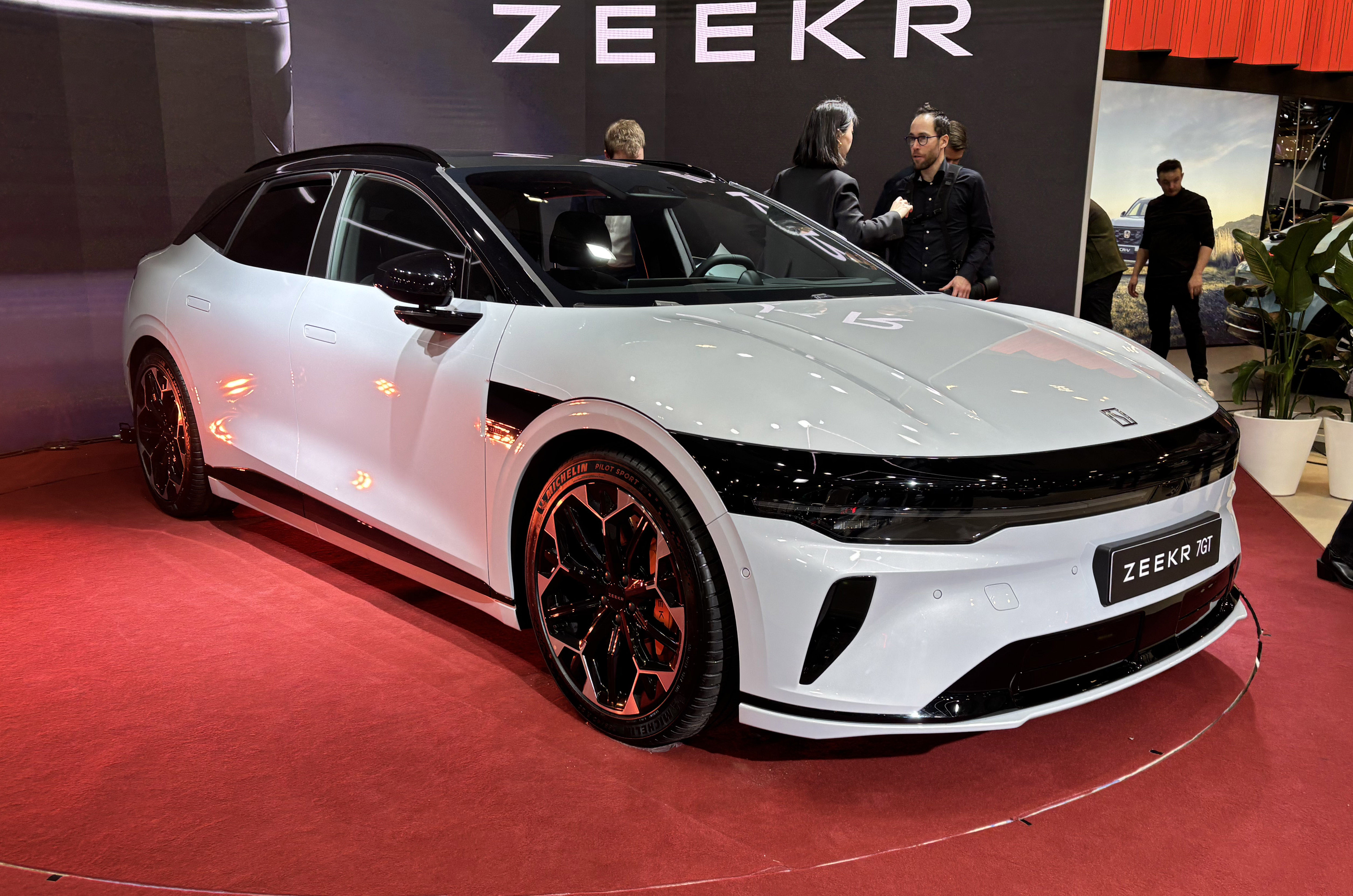
What’s more, the 7GT gained a 93% score for crash protection, and full marks during the far-side occupant, side mobile barrier and side pole tests. Also impressive were the 7GT’s active safety assist systems, with Euro NCAP singling out for praise its ability to spot high-risk scenarios when reversing and at junctions, and warn occupants against opening their doors near passing cyclists to prevent ‘dooring’.
Over a distance of 1243 miles, the 7GT correctly identified 79% of speed limit signs, meaning the correct figure was displayed for 89% of the overall journey.
However, Euro NCAP criticised the high number of the 7GT’s functions – including climate controls and driving settings – operated through the touchscreen rather than physical buttons, making them more distracting to use on the move.
Read more: Driver monitoring systems rated >>
For all the latest reviews, advice and new car deals, sign up to the What Car? newsletter here