
Used Nissan Qashqai+2 2008 - 2013 reliability review
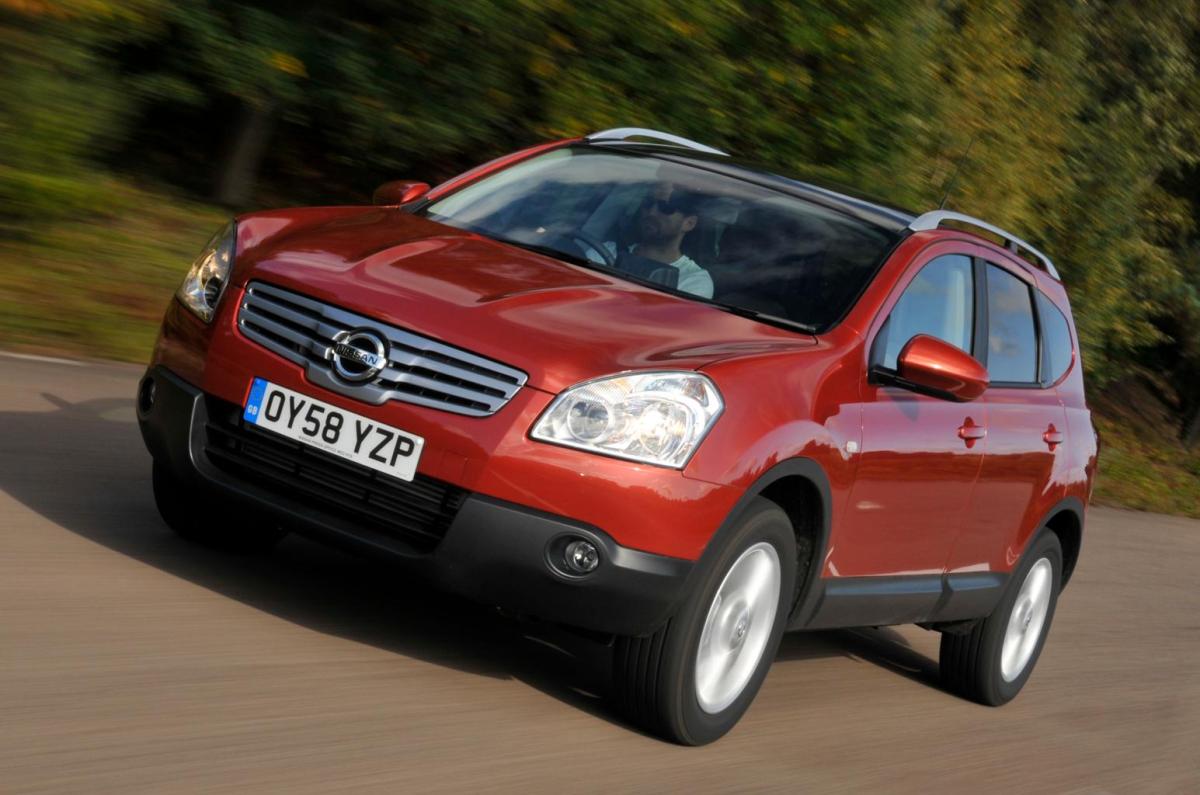
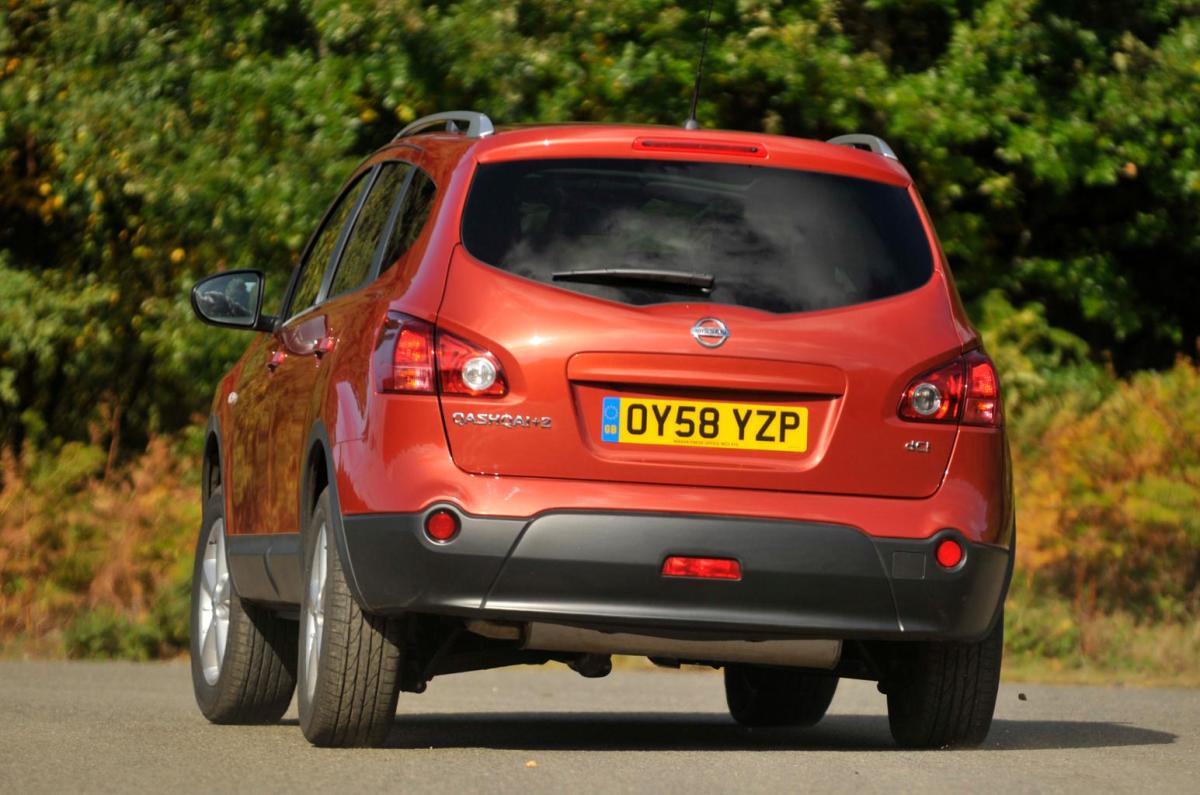
The Nissan Qashqai was a game-changer for the entire car industry, but while the +2 version is more practical, it’s no substitute for an MPV.


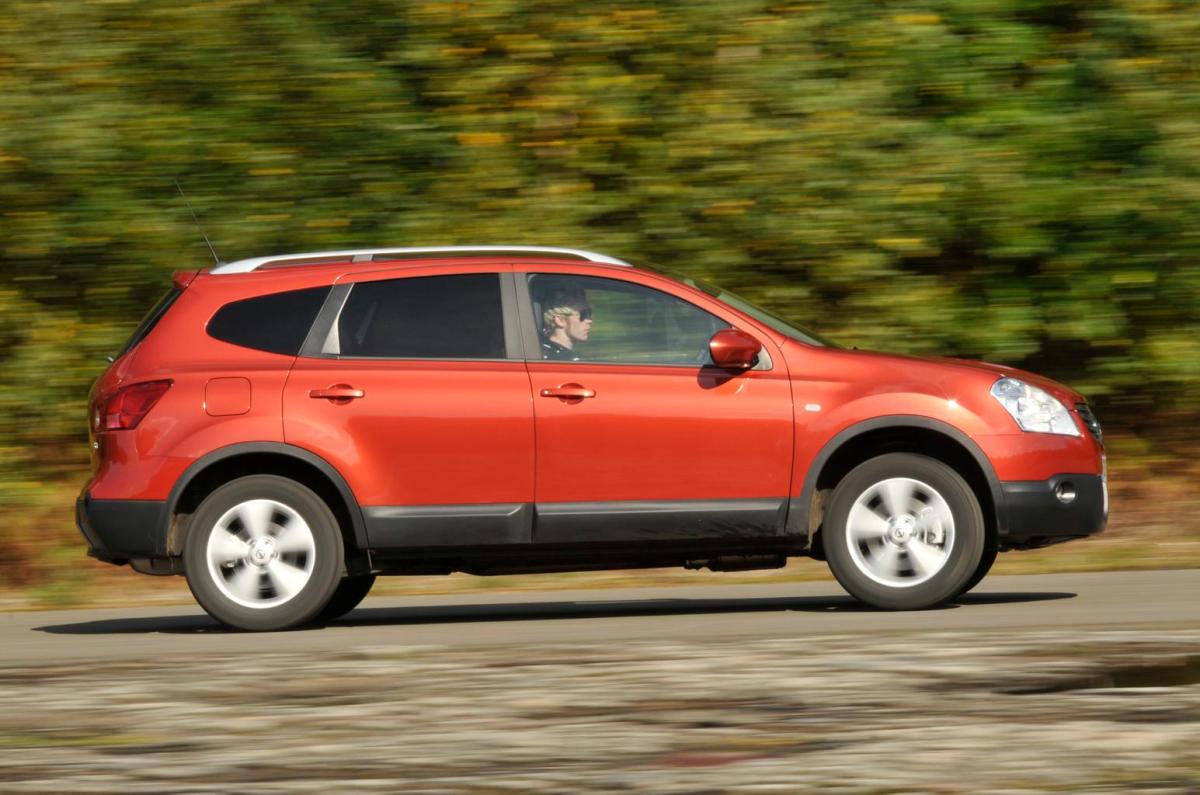
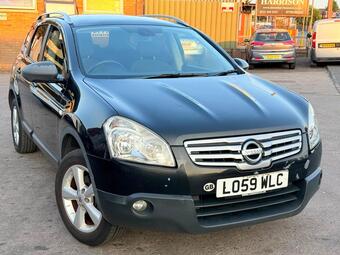
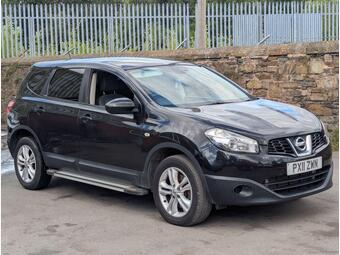
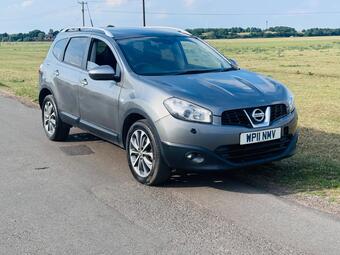
- Nissan Qashqai+2 (08 - 13)
- Nissan Qashqai+2 (08 - 13)
- Nissan Qashqai+2 (08 - 13)
- Nissan Qashqai+2 (08 - 13)
- Nissan Qashqai+2 (08 - 13)
- Nissan Qashqai+2 (08 - 13)
- Nissan Qashqai+2 (08 - 13)
- Nissan Qashqai+2 (08 - 13)
- Nissan Qashqai+2 (08 - 13)
- Nissan Qashqai+2 (08 - 13)

What should I look for in a used Nissan Qashqai+2?
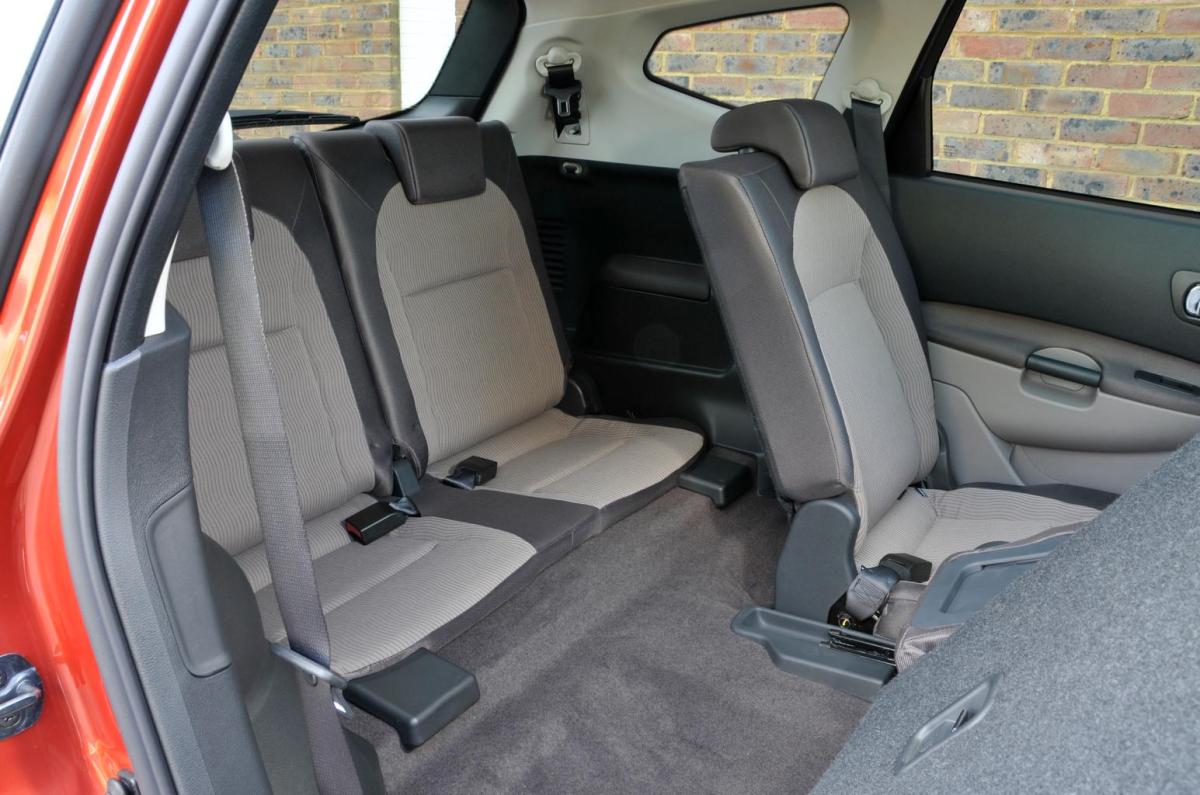
It’s not unusual to find a Nissan Qashqai+2 in which the third row seats have never been used, so small are they. Most owners bought the +2 for the extra boot space and rear seat legroom that it offers, not the extra seats.
The door locking mechanism can be troublesome, so make sure that all four doors and the boot hatch unlock when you use the key-fob. It’s usually the driver's door that fails.
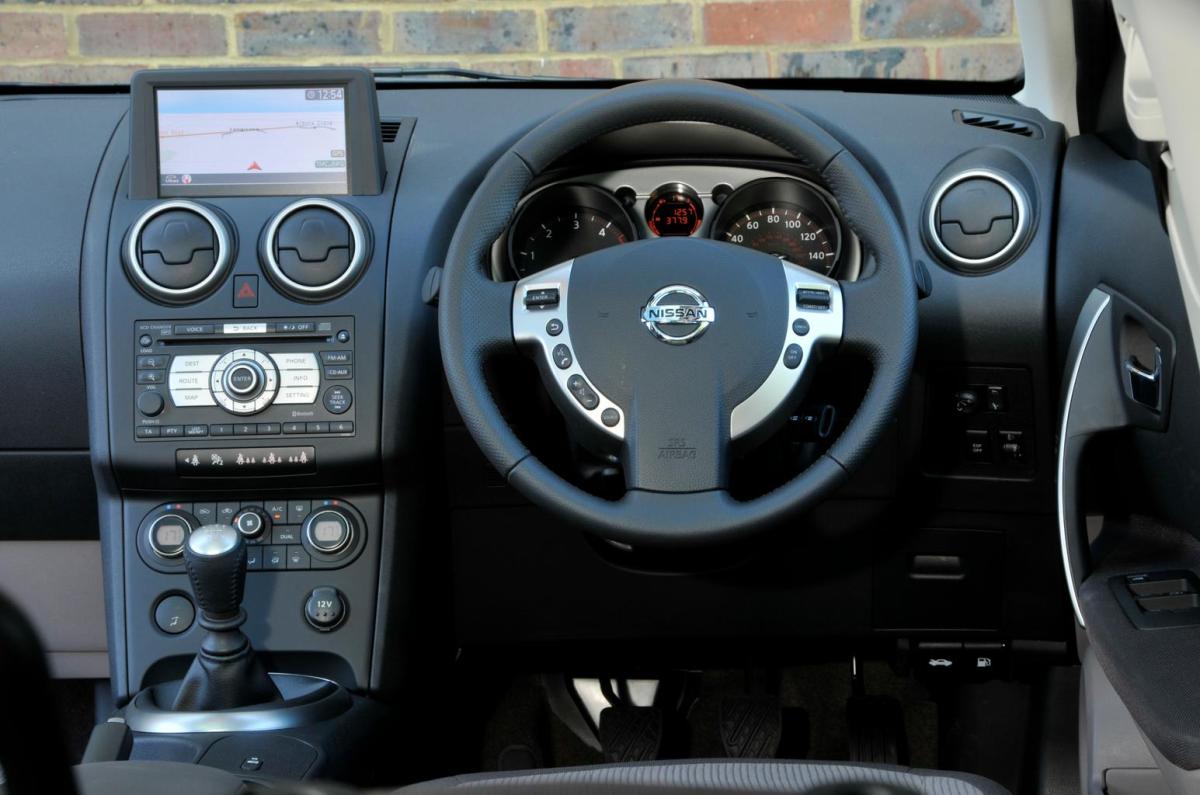
The interior plastics also feel a bit cheap, so check around the cabin carefully for scratches, knocks and scuffs. Almost all Qashqai+2s will have been family cars, so expect to find some wear and tear.
Is a used Nissan Qashqai+2 reliable?
The Nissan Qashqai is generally quite reliable, but there have been a few reported issues. If the car feels loose and unstable on the road, it probably has worn or even broken suspension dampers, and many Qashqais will have had their shocks replaced under warranty.
A sluggish or unresponsive diesel engine means that the turbocharger or the exhaust gas recirculation valve (or possibly both) has failed and will need replacing. Blue or black smoke on start-up is an indication that the turbo has gone.
An engine that surges, or feels like it’s revving harder than you intend it to is usually just an engine management issue and can be cured relatively cheaply with a software update.
According to data from CAP, the Qashqai+2 is better than the class average when it comes to brake calipers and brake fluid, but not brake discs. It’s worse than average for bulbs, but better for cambelt changes, pollen filters and wiper blades.
Tips & Advice
Used cars available now

About the writer
