The best diesel cars
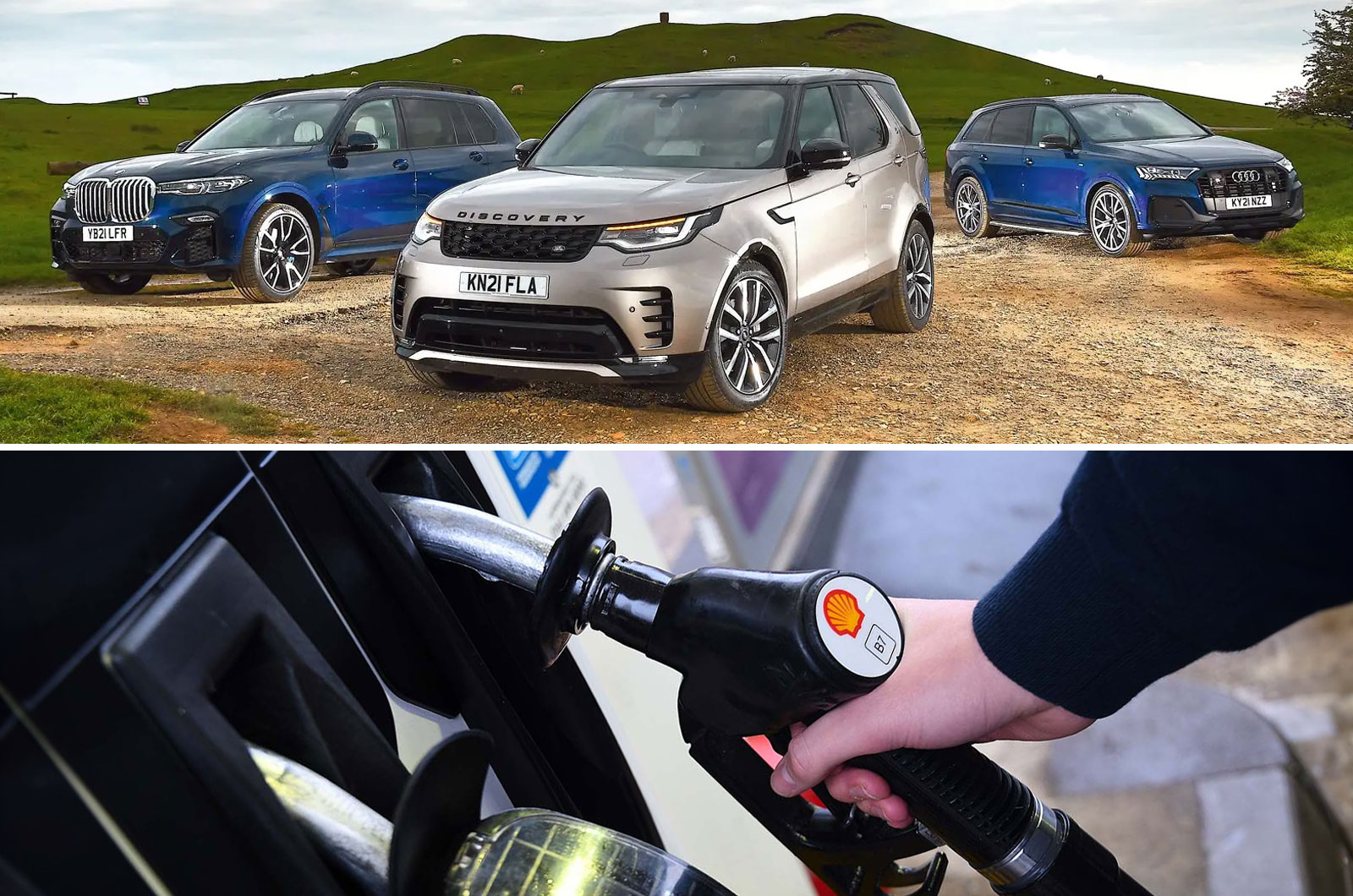
It used to be the case that diesel was king in some car markets – especially if you regularly drove big mileages or needed to haul heavy loads. And while it's true that the lion's share of commercial vehicle sales still go to diesel, the market for diesel passenger cars has shrunk dramatically in recent years. Indeed, the latest industry figures suggest that sales for diesel cars are down by 28.2% YoY so far in 2025, and diesel cars have accounted for just 4% of the total car market this year.
For some drivers, though, diesel still makes a lot of sense – engines fuelled by diesel can return exceptionally high fuel economy, while the durability of diesel engines means that some can last a lifetime, provided they're given the right amount of maintenance. In this story, then, we'll be looking at the 10 best diesel-powered cars you can buy.
As always, our expert team of road testers have spent hundreds of hours behind wheel of every diesel-engined car on the market. We've driven them over thousands of miles both on public roads, and back-to-back against key rivals at our private test track. And just like we do with any new car, we've assessed these diesel-engined models in all of the areas which matter to car buyers – from performance to practicality, and from refinement to running costs.
Below we've ranked the 10 best diesel-engined cars you can buy. And if any of them take your fancy, you can follow the links through to read more about each of them in our in-depth reviews. Plus, you can see the latest deals available with our free New Car Deals service. And if you're thinking about choosing diesel power for your next car, then we've also answered some of the most common diesel car questions at the bottom of this page.
The What Car? Reliability Survey is live, tell us about your car now
Our pick: 3.0 40i MHT M Sport Auto xDrive Euro 6 (s/s) 5dr


Strengths
- Supremely quiet and comfortable
- Incredibly spacious and practical
- Fabulous interior quality
Weaknesses
- There are cheaper alternatives
- Looks won’t be to all tastes
- No plug-in hybrid or electric option
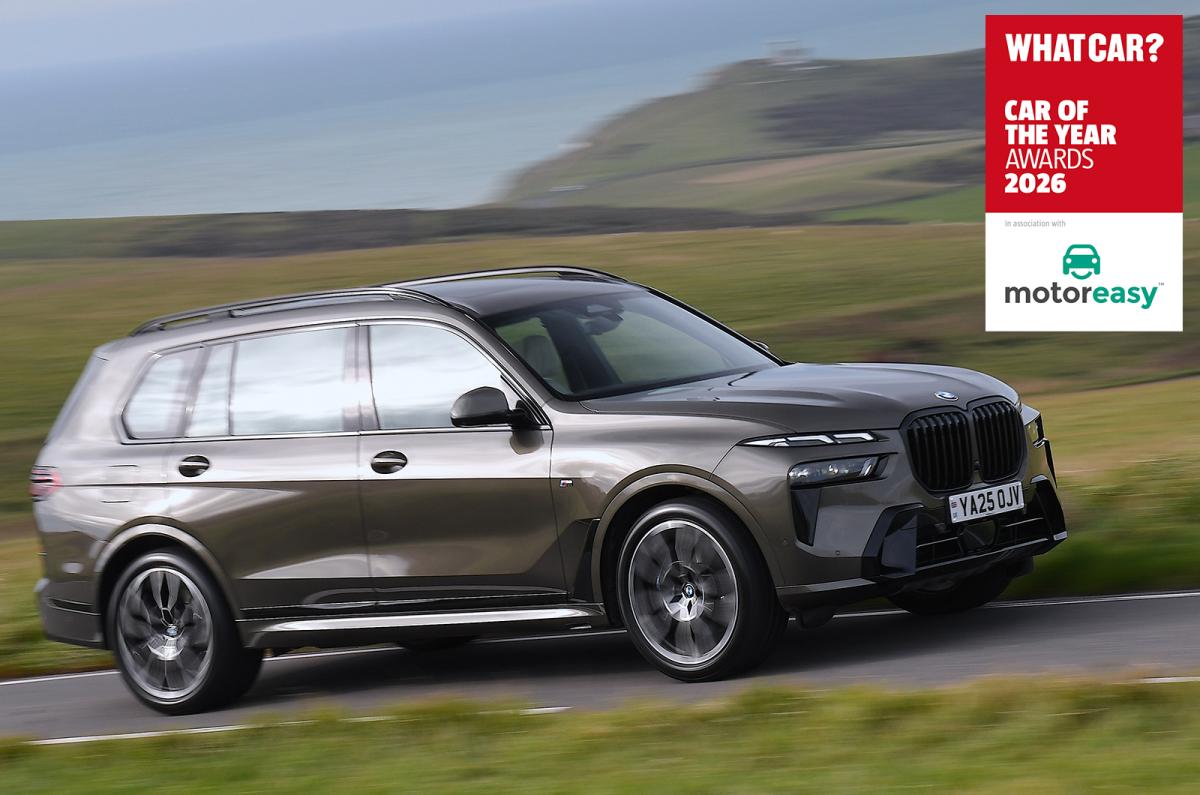
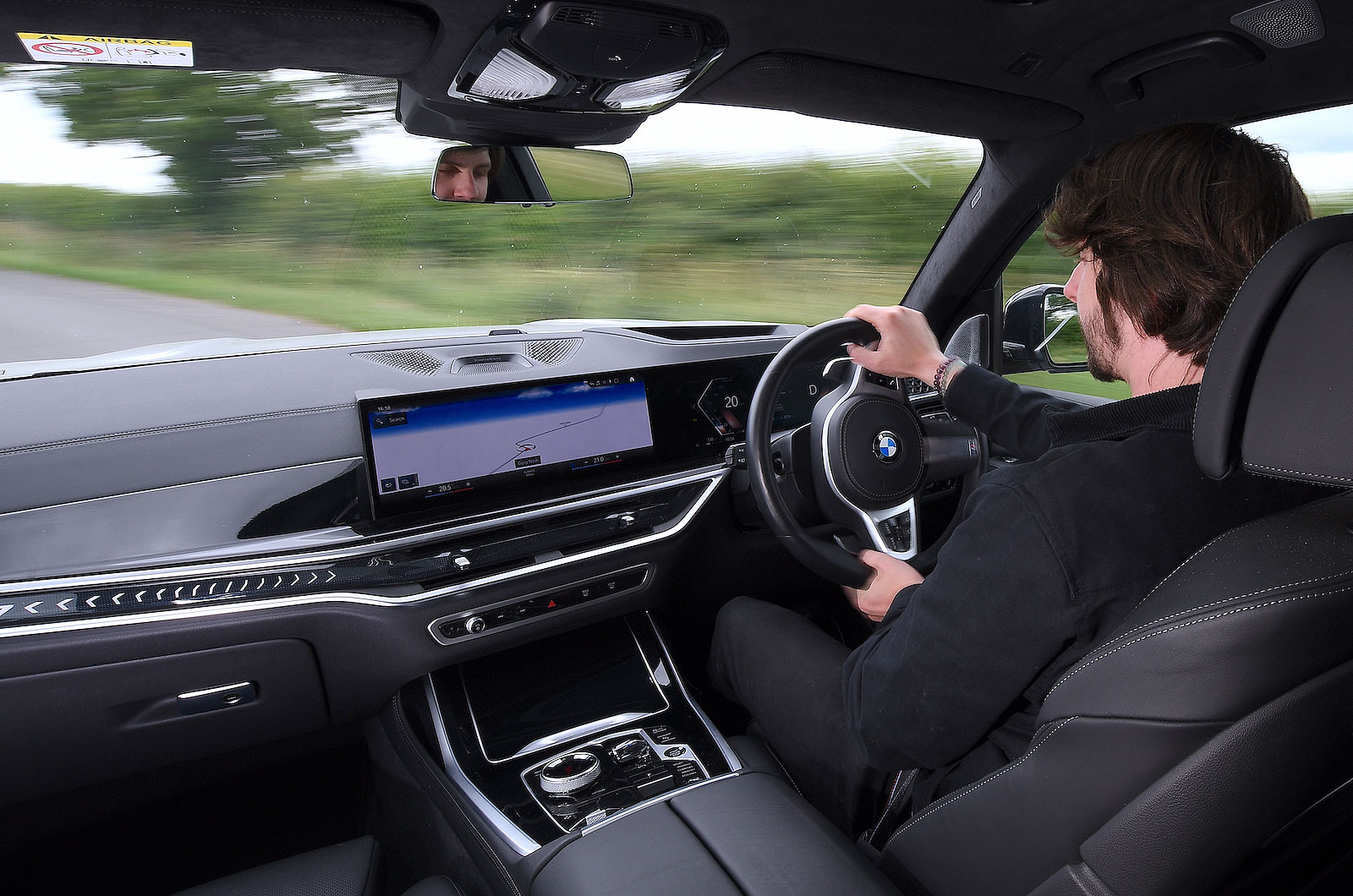
The X7 is a big SUV in every sense, whether you're talking about the space it offers for passengers and luggage, the presence of seeing one in your rear-view mirror, or just the car's footprint.
Although you can have your X7 with petrol power, and indeed the cheapest xDrive40i is the variant which we think will suit most buyers, there is also the option of the xDrive40d diesel. And if you plan on towing or covering big miles, it's a great choice. With 347bhp, this six-cylinder diesel engine can haul the X7 up to 62mph in 5.9 seconds – that's faster than the Mercedes GLS 450d or Range Rover D350.
Elsewhere, the X7's standard-fit air suspension helps it to glide over most lumps and bumps in the road, and while this big and heavy car isn't going to feel as nimble as a Porsche Cayenne to drive, it's still surprisingly agile, with sweet and accurate steering and well-contained body roll. That's especially true if you opt for active anti-roll bars, which come as standard on range-topping models.
“Despite being fairly tall, I found that I got comfortable in the X7's third-row seats quickly. Access to the third row was also good, thanks to the X7's wide rear door openings.” – Will Nightingale, Reviews Editor
Read our full BMW X7 review


What is What Car? best price?
The What Car? best price shows you the cheapest way to buy your new car, whether it's by choosing an in-stock car through our partner Autotrader or placing a factory order.
Available now from: £77,490
RRP from: £93,280
About our price indicator
What Car? indicative Personal lease example (subject to status)
3.0 40d MHT Excellence SUV 5dr Diesel Hybrid Auto xDrive Euro 6 (s/s) (352 ps)
| Expected annual mileage | 5000 |
| Term months | 48 |
| Deposit months | 12 |
| Monthly payment | £1,118.30 |
| Initial payment | £13,419.60 |
Step-by-step
Leasing works a bit like a long-term rental. You drive it, but you don’t own it.
- Choose your car, pick your terms and apply for lease credit online
- Pay monthly rental payments for your chosen term length
- Drive it, enjoy it, then give it back at the end
What you get
When you lease with Autotrader you get all of this:
- Full manufacturer’s warranty
- Road tax and roadside assistance included
- No admin fees
- Free returns within 30 days*

- Lower total monthly cost than PCP/HP
- No balloon payments
- Road tax included
Our pick: 2.0 TFSI S line S Tronic quattro Euro 6 (s/s) 5dr
Strengths
- Punchy engines
- Confidence-inspiring handling
- Comfy ride, especially on optional air suspension
Weaknesses
- Interior quality is nothing special
- Some rivals come with more kit as standard...
- ... and offer even more rear leg room
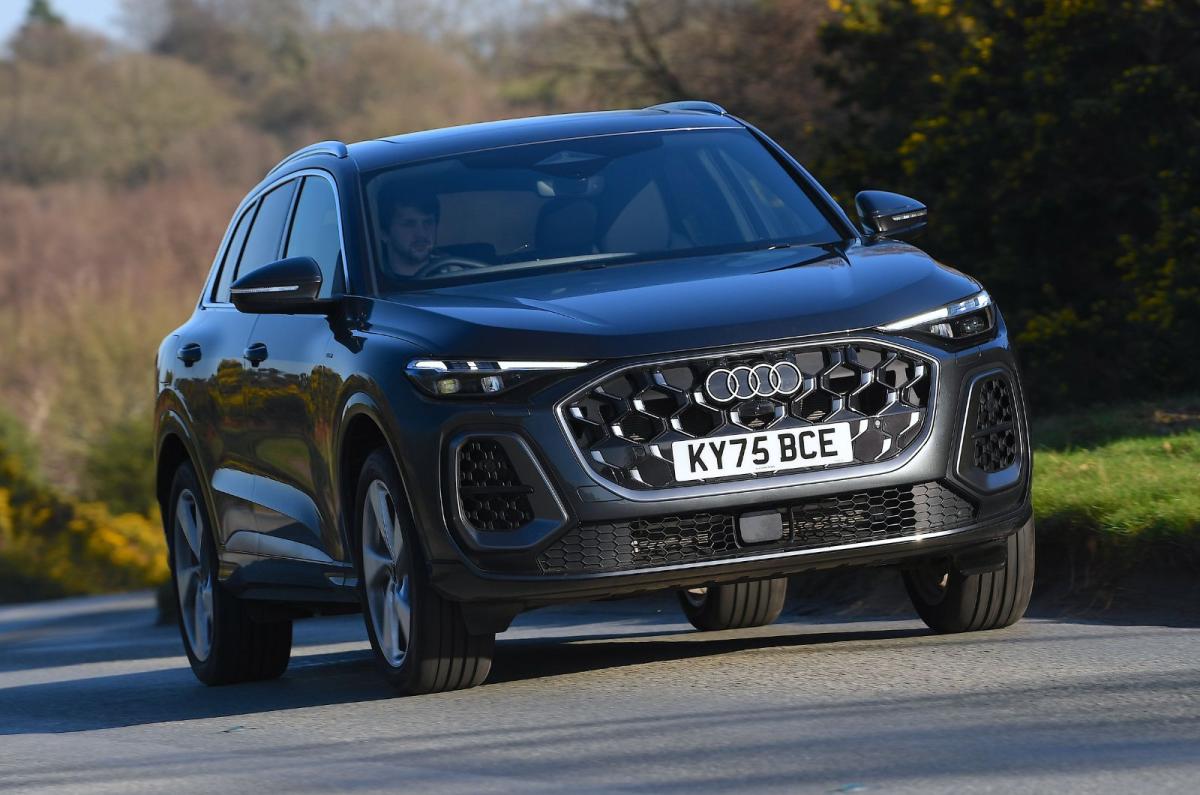
The Audi Q5's engine line-up is refreshingly simple, because whether you choose petrol or diesel power, you'll be getting a 2.0-litre engine with 201bhp and four-wheel drive. In our hands, the TDI diesel managed to hit 60mph in 6.9 seconds, which out-paces the rival BMW X3 20d and Mazda CX-60 3.3D.
The TDI feels eager to set off from low revs, and it has enough muscle throughout the rev range to feel flexible and effortless. It should also be the better option if you're planning on towing, since the Q5 can officially haul up to 2400kg – the equivalent of a large caravan. And going for the diesel engine should boost your fuel economy, with the TDI returning 43.8mpg in our hands. Mind you, some rivals can return upwards of 50mpg.
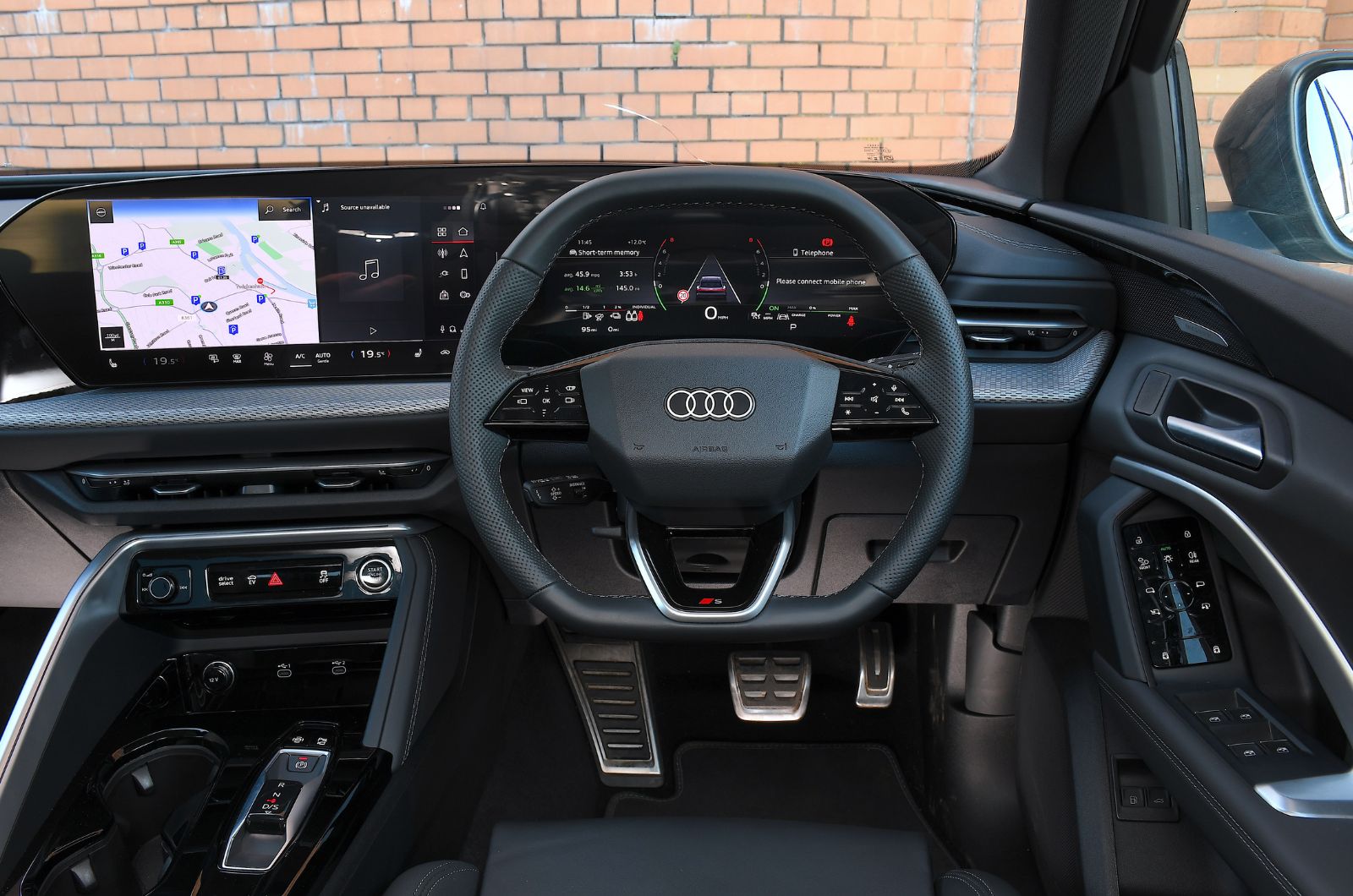
It's a shame that the interior of the latest Audi Q5 is no longer the show-stopper that it once was. Don't get us wrong, it's still a nice place to spend time, with soft-touch materials on most of the surfaces you touch regularly, but there are also a few too many hard plastics for our liking. And while Audi's touchscreen infotainment system looks swish, we miss the ease of use of physical climate controls.
“If I were choosing a Q5, I might be tempted by S line or Edition 1 trim, which gets you sliding rear seats – allowing you to prioritise either rear leg room or boot space, according to your needs.” – Doug Revolta, Head of Video
Read our full Audi Q5 review
What is What Car? best price?
The What Car? best price shows you the cheapest way to buy your new car, whether it's by choosing an in-stock car through our partner Autotrader or placing a factory order.
Available now from: £45,999
RRP from: £52,360
About our price indicator
What Car? indicative Personal lease example (subject to status)
2.0 TFSI Sport SUV 5dr Petrol S Tronic quattro Euro 6 (s/s) (204 ps)
| Expected annual mileage | 5000 |
| Term months | 60 |
| Deposit months | 12 |
| Monthly payment | £590.35 |
| Initial payment | £7,084.20 |
Step-by-step
Leasing works a bit like a long-term rental. You drive it, but you don’t own it.
- Choose your car, pick your terms and apply for lease credit online
- Pay monthly rental payments for your chosen term length
- Drive it, enjoy it, then give it back at the end
What you get
When you lease with Autotrader you get all of this:
- Full manufacturer’s warranty
- Road tax and roadside assistance included
- No admin fees
- Free returns within 30 days*
- Lower total monthly cost than PCP/HP
- No balloon payments
- Road tax included
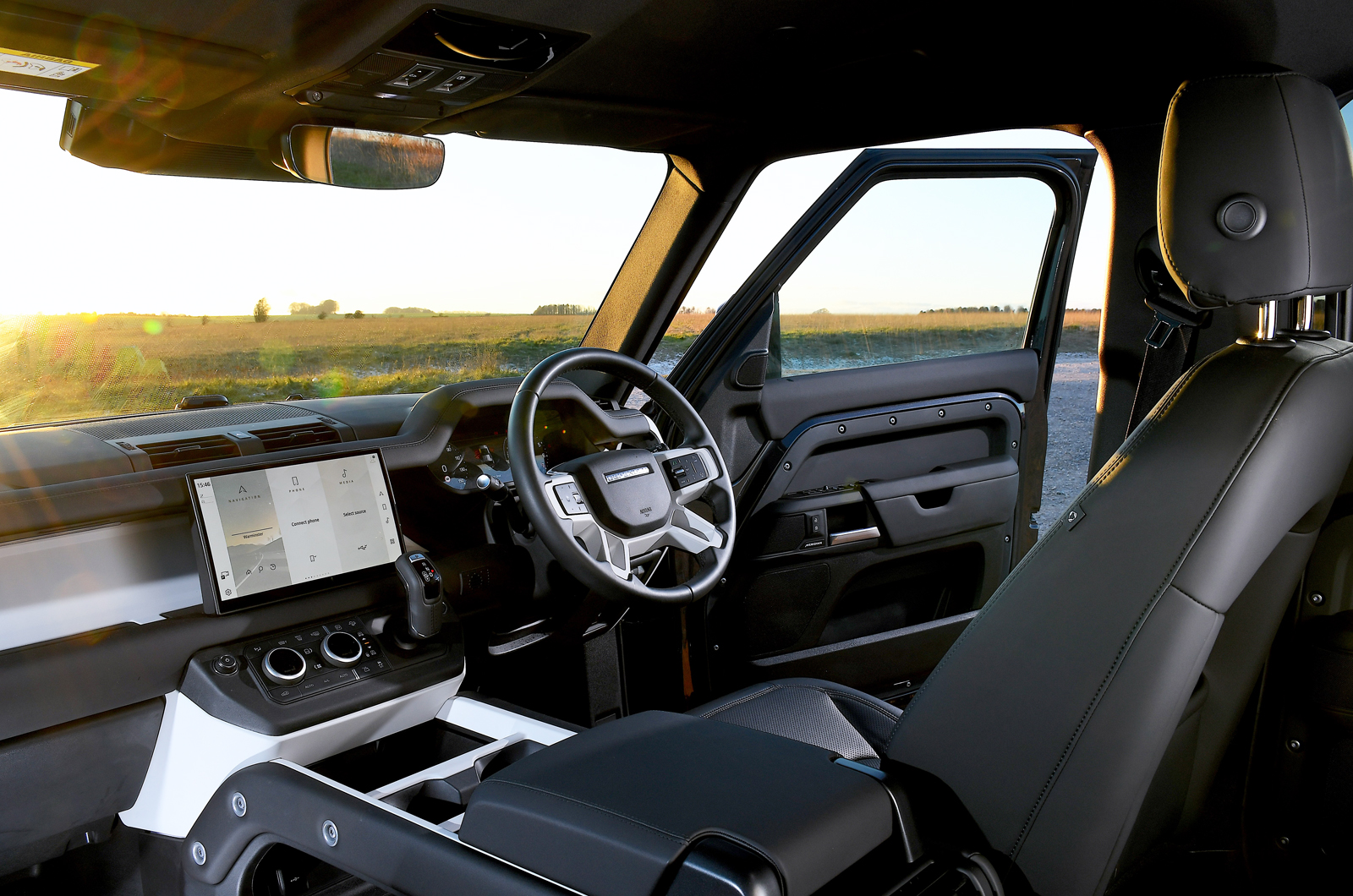
Our pick: 3.0 D250 MHEV S Auto 4WD Euro 6 (s/s) 5dr
Strengths
- Diesels are smooth and grunty
- Solid and quirky-looking interior
- Comfortable – if you add air suspension
Weaknesses
- Defender 90’s compromised practicality
- There are more agile SUVs
- P300e PHEV’s electric range isn’t great
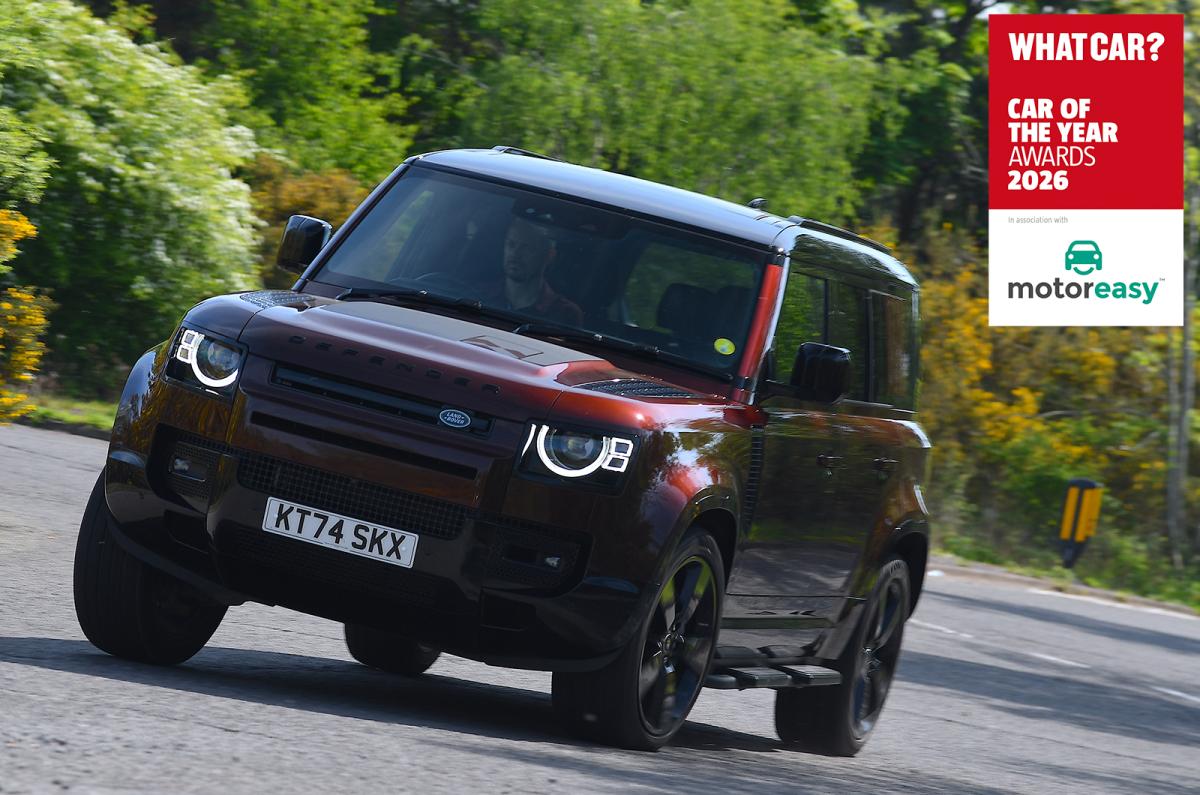
We suspect that most Land Rover Defender owners will eschew the petrol and plug-in hybrid options and go straight for diesel power – and that seems fitting giving the car's status as a workhorse of famers, builders and tradespeople.
There are two diesel engines to choose from, with the entry-level D250 getting 246bhp, and the D350 above it getting 345bhp. The latter makes progress feel absolutely effortless, with the 0-60mph sprint covered in about 6.0 seconds, but it costs a fair bit more to buy. For that reason, the cheaper D250 is our pick. At least both diesels benefit from mild hybrid assistance to help maximise your fuel economy – and you'll need that assistance, since the D350 returned less than 29mpg in our tests, and while the D250 is more economical, the difference is marginal.
The Defender's boxy proportions may be terrible for aerodynamics, but they're wonderful for passenger space and sure enough anyone on the rear bench will have plenty of room to stretch out – whether you've gone for the 90, the 110 or the enormous 130 versions of the Defender.
“I've tried the third seat which you can option for the front of your Defender, and it's tight, with a high-set and narrow seat base. That said, if you need to carry six people, it's useful in a pinch.” – Lawrence Cheung, New Cars Editor
Read our full Land Rover Defender review
What is What Car? best price?
The What Car? best price shows you the cheapest way to buy your new car, whether it's by choosing an in-stock car through our partner Autotrader or placing a factory order.
Available now from: £63,655
RRP from: £62,915
About our price indicator
What Car? indicative Personal lease example (subject to status)
3.0 D350 MHEV S SUV 5dr Diesel Auto 4WD Euro 6 (s/s) (350 ps)
| Expected annual mileage | 5000 |
| Term months | 48 |
| Deposit months | 12 |
| Monthly payment | £758.49 |
| Initial payment | £9,101.88 |
Step-by-step
Leasing works a bit like a long-term rental. You drive it, but you don’t own it.
- Choose your car, pick your terms and apply for lease credit online
- Pay monthly rental payments for your chosen term length
- Drive it, enjoy it, then give it back at the end
What you get
When you lease with Autotrader you get all of this:
- Full manufacturer’s warranty
- Road tax and roadside assistance included
- No admin fees
- Free returns within 30 days*
- Lower total monthly cost than PCP/HP
- No balloon payments
- Road tax included
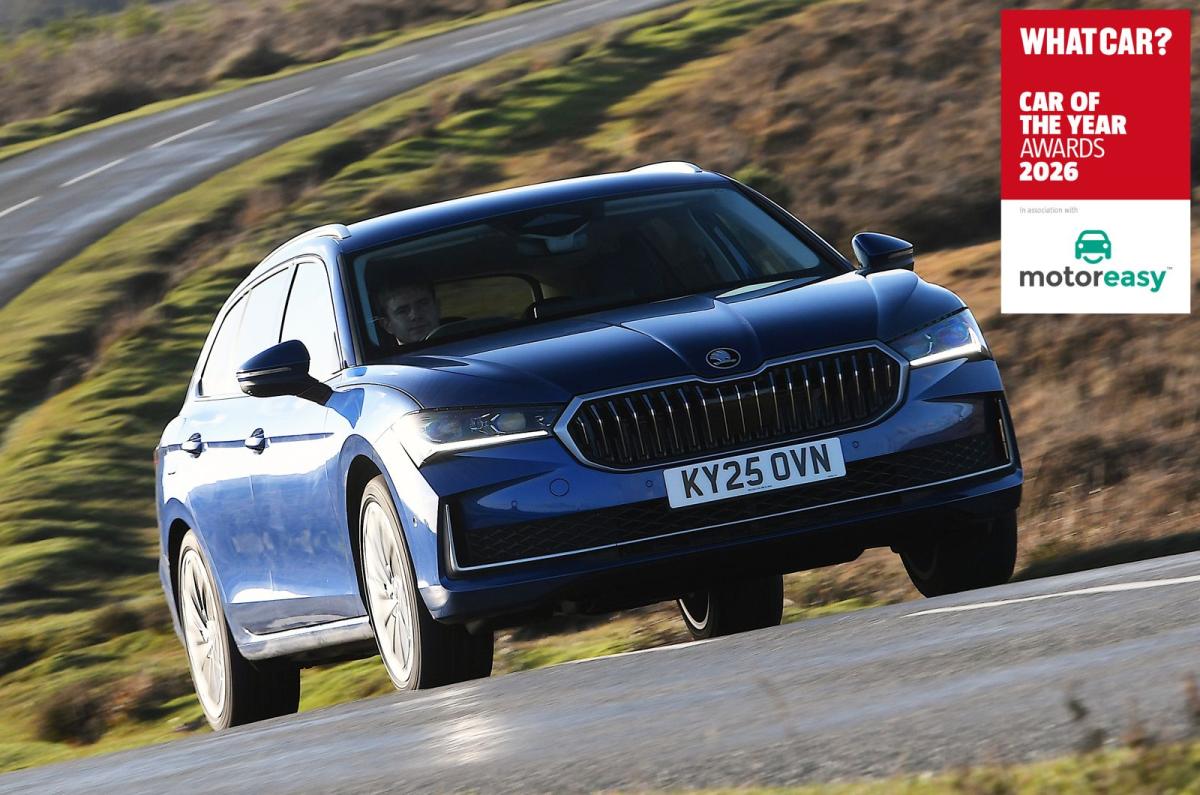
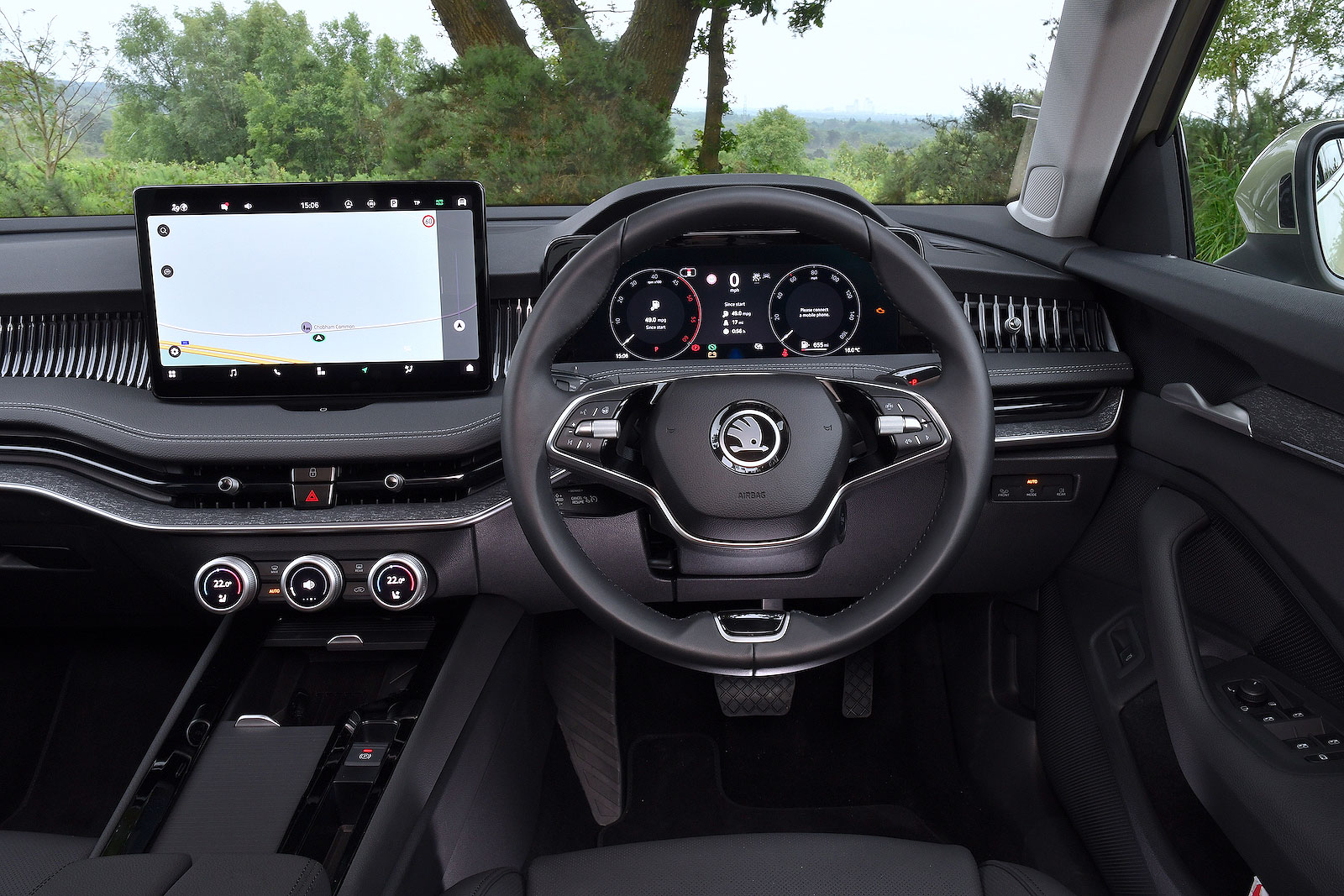
Our pick: 1.5 TSI e-TEC MHEV SE Technology DSG Euro 6 (s/s) 5dr
Strengths
- Hugely spacious boot and interior
- Comfortable on adaptive (DCC) suspension
- Well equipped and priced – PHEV makes a cheap company car
Weaknesses
- Grabby brakes on the PHEV
- Interior quality not the best in places
- 3 Series Touring is more fun to drive
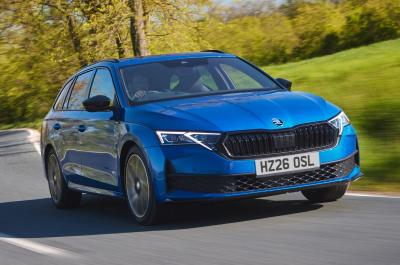
It would be easy to argue that, in most respects, the Skoda Superb Estate is all the car you'd ever need.
It's certainly spacious for anything that you might wish to carry. Indeed, with 690 litres of storage space available on non-plug-in hybrid versions of the Superb, you should have no trouble carrying a family's load of holiday suitcases – or the result of an afternoon spent in Sweden's best-known furniture shop.
But how to haul of your shopping home? Well, while you can have your Superb Estate with petrol or plug-in hybrid power, it's the 2.0-litre diesel which makes the most sense for high-mileage drivers. It's a bit noisier than the equivalent petrol engine, but has no trouble in hauling a heavy car up to motorway speeds.
And while we're yet to run the latest Superb through our real-world fuel economy tests, the previous model fitted with this engine was the most efficient car of its kind.
“It took me a moment to locate the Superb's gear selector, since it's now behind the steering wheel on a column rather than on the centre console. Still, this decision has freed up even more storage space for odds and ends in a car which was already huge.” – Steve Huntingford, Editor
Read our full Skoda Superb Estate review
What is What Car? best price?
The What Car? best price shows you the cheapest way to buy your new car, whether it's by choosing an in-stock car through our partner Autotrader or placing a factory order.
Available now from: £35,495
RRP from: £38,135
About our price indicator
What Car? indicative Personal lease example (subject to status)
2.0 TDI SE L Estate 5dr Diesel DSG Euro 6 (s/s) (150 ps)
| Expected annual mileage | 5000 |
| Term months | 24 |
| Deposit months | 12 |
| Monthly payment | £286.63 |
| Initial payment | £3,439.56 |
Step-by-step
Leasing works a bit like a long-term rental. You drive it, but you don’t own it.
- Choose your car, pick your terms and apply for lease credit online
- Pay monthly rental payments for your chosen term length
- Drive it, enjoy it, then give it back at the end
What you get
When you lease with Autotrader you get all of this:
- Full manufacturer’s warranty
- Road tax and roadside assistance included
- No admin fees
- Free returns within 30 days*
- Lower total monthly cost than PCP/HP
- No balloon payments
- Road tax included
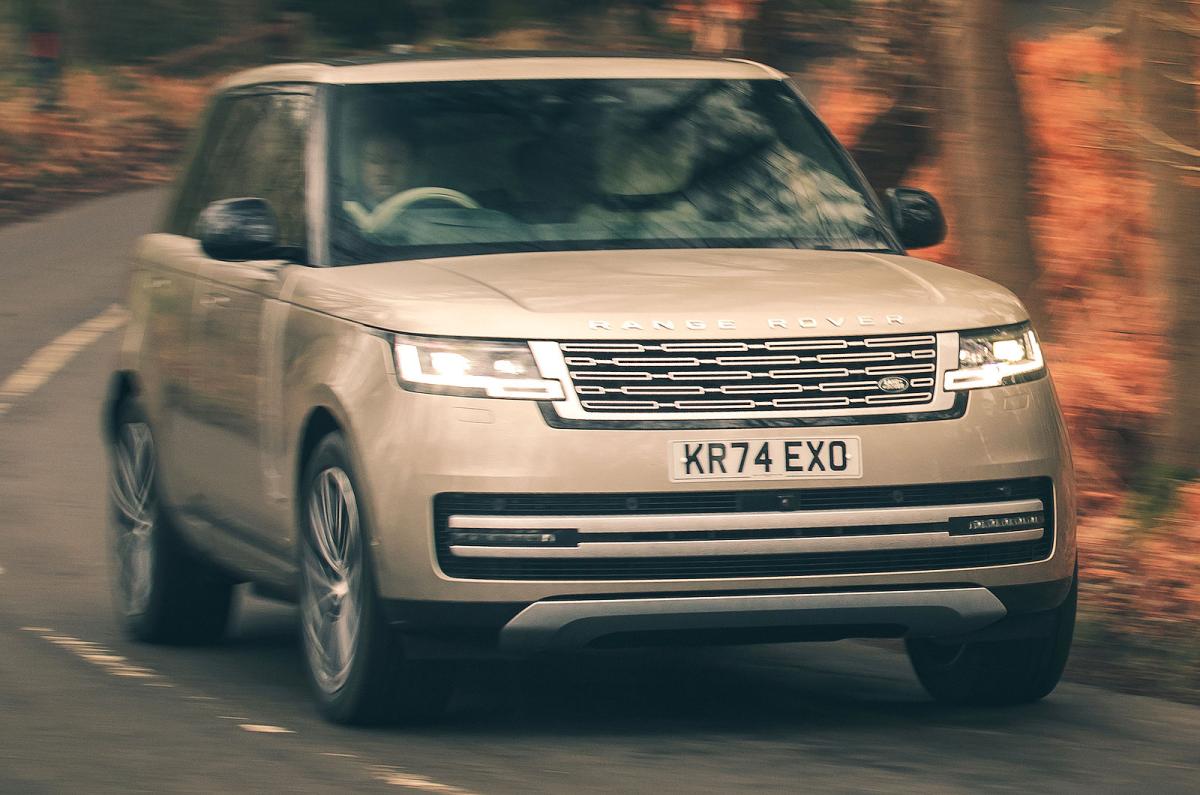
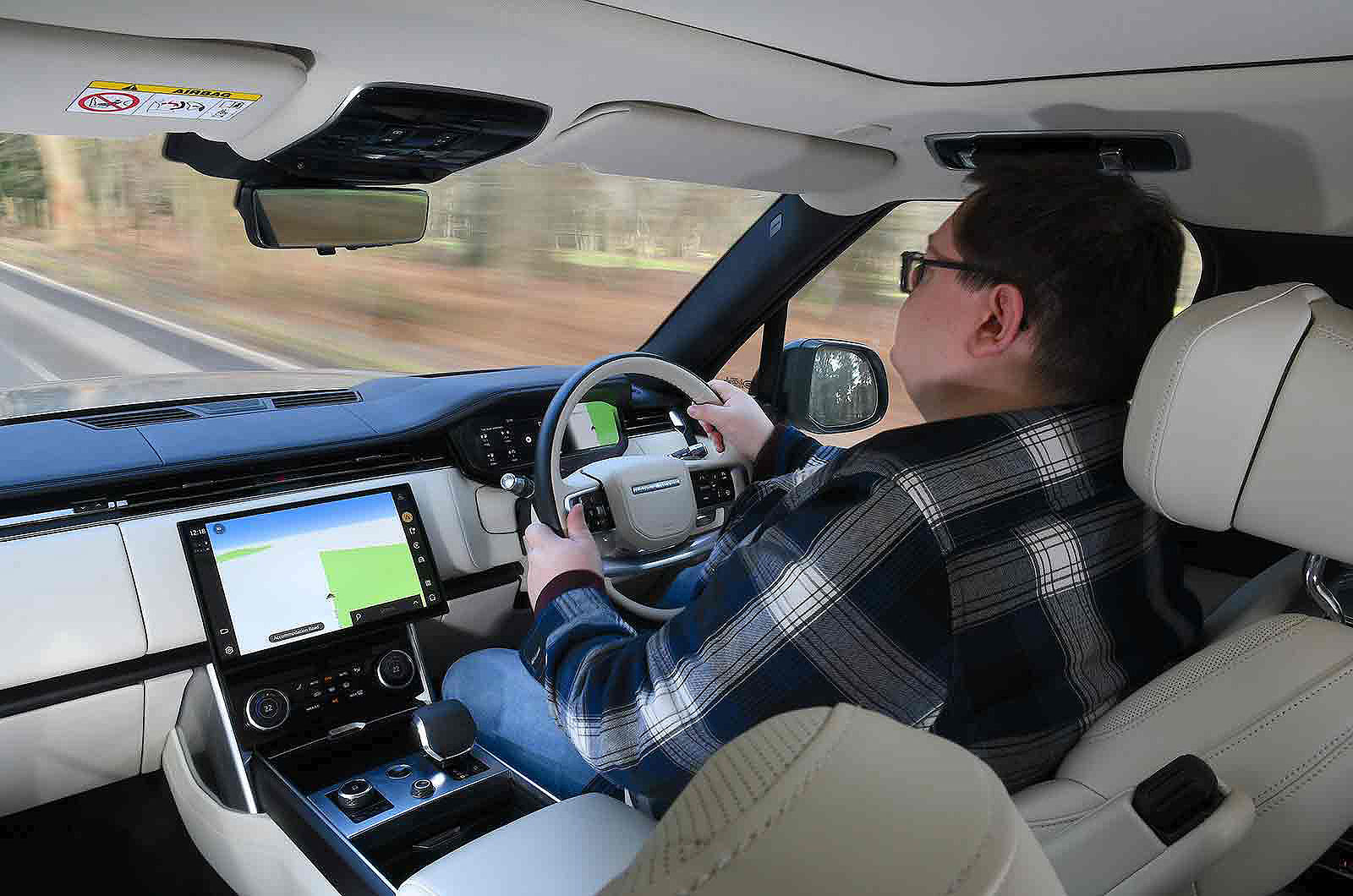
Our pick: 3.0 D300 MHEV SE Auto 4WD Euro 6 (s/s) 5dr
Strengths
- Fabulous driving position
- Fantastic off-road ability
- Useful seven-seat versatility
Weaknesses
- Very expensive
- Reliability is a concern
- More physical controls for the infotainment would be preferable
The Range Rover's entry-level D300 diesel enigne is our recommended choice, and with 296bhp it's anything but slow – indeed, it can get you up to 62mph in a brisk 6.6 seconds. And while you can pay more for the more powerful D350 diesel engine, it's only slightly faster, so we wouldn't bother.
As you'd hope from an expensive luxury SUV, the Range Rover does a brilliant job of isolating you from the outside world. For one thing, its ride is as soft as your bedroom pillow, allowing you to glide over lumps and bumps. It's also incredibly capable, whether you're covering big miles on the motorway or travelling as the crow flies off-road to your destination.
You can have your Range Rover with five or seven seats, and if you go for the latter, the rearmost seats fold flat into the boot floor so you can fill it full of luggage instead. We managed to fit 10 carry-on suitcases into the boot of the Range Rover – and if you end up going for a plug-in hybrid model, there's no space penalty.
“I love the feeling of sitting in the Range Rover, because few cars this side of a large van place you as high up – it means you have incredible visibility, not only around the car but also over other traffic.” – George Hill, Used Cars Writer
Read our full Range Rover review
What is What Car? best price?
The What Car? best price shows you the cheapest way to buy your new car, whether it's by choosing an in-stock car through our partner Autotrader or placing a factory order.
Available now from: £99,995
RRP from: £107,530
About our price indicator
What Car? indicative Personal lease example (subject to status)
3.0 D300 MHEV Westminster Edition SUV 5dr Diesel Auto 4WD Euro 6 (s/s) (300 ps)
| Expected annual mileage | 5000 |
| Term months | 48 |
| Deposit months | 12 |
| Monthly payment | £1,330.95 |
| Initial payment | £15,971.40 |
Step-by-step
Leasing works a bit like a long-term rental. You drive it, but you don’t own it.
- Choose your car, pick your terms and apply for lease credit online
- Pay monthly rental payments for your chosen term length
- Drive it, enjoy it, then give it back at the end
What you get
When you lease with Autotrader you get all of this:
- Full manufacturer’s warranty
- Road tax and roadside assistance included
- No admin fees
- Free returns within 30 days*
- Lower total monthly cost than PCP/HP
- No balloon payments
- Road tax included
Strengths
- Fantastic plug-in hybrid version
- Great to drive
- The PHEV's good electric range
Weaknesses
- You can't have seven seats with the PHEV version
- Third-row seating costs extra in the non-PHEV versions
- There are more spacious and practical rivals
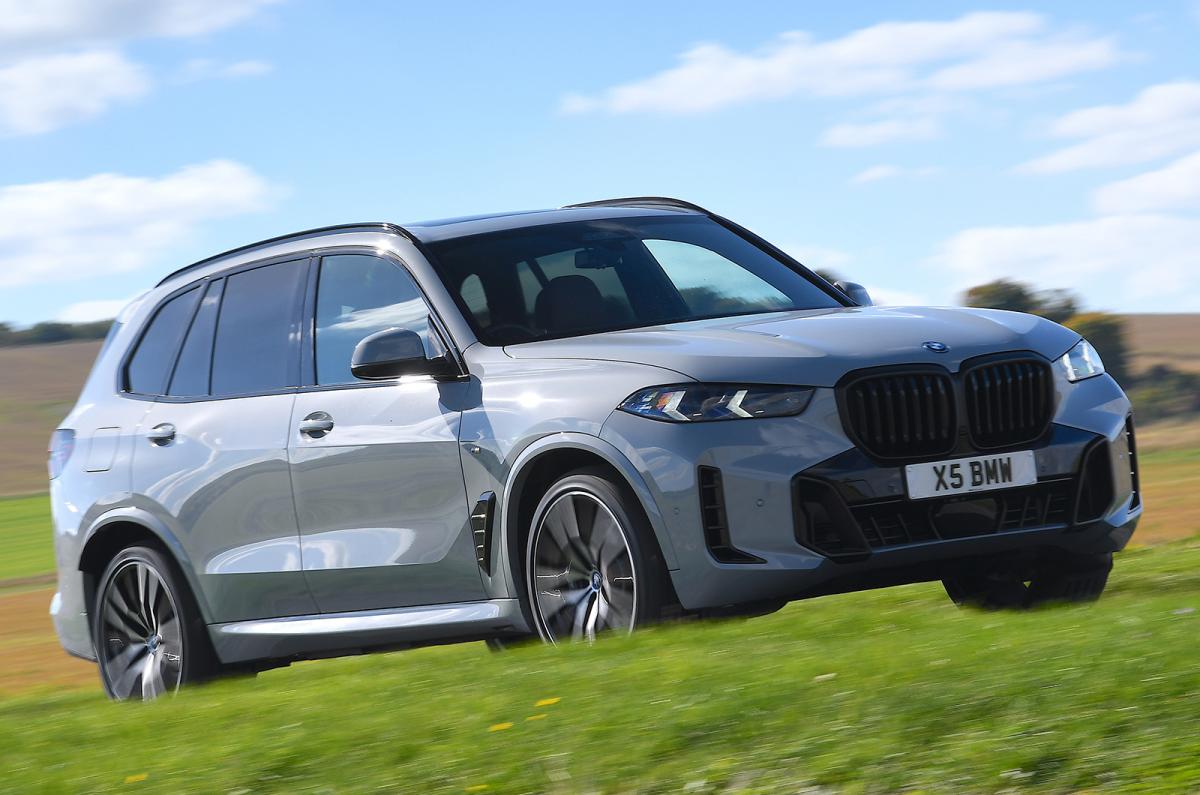
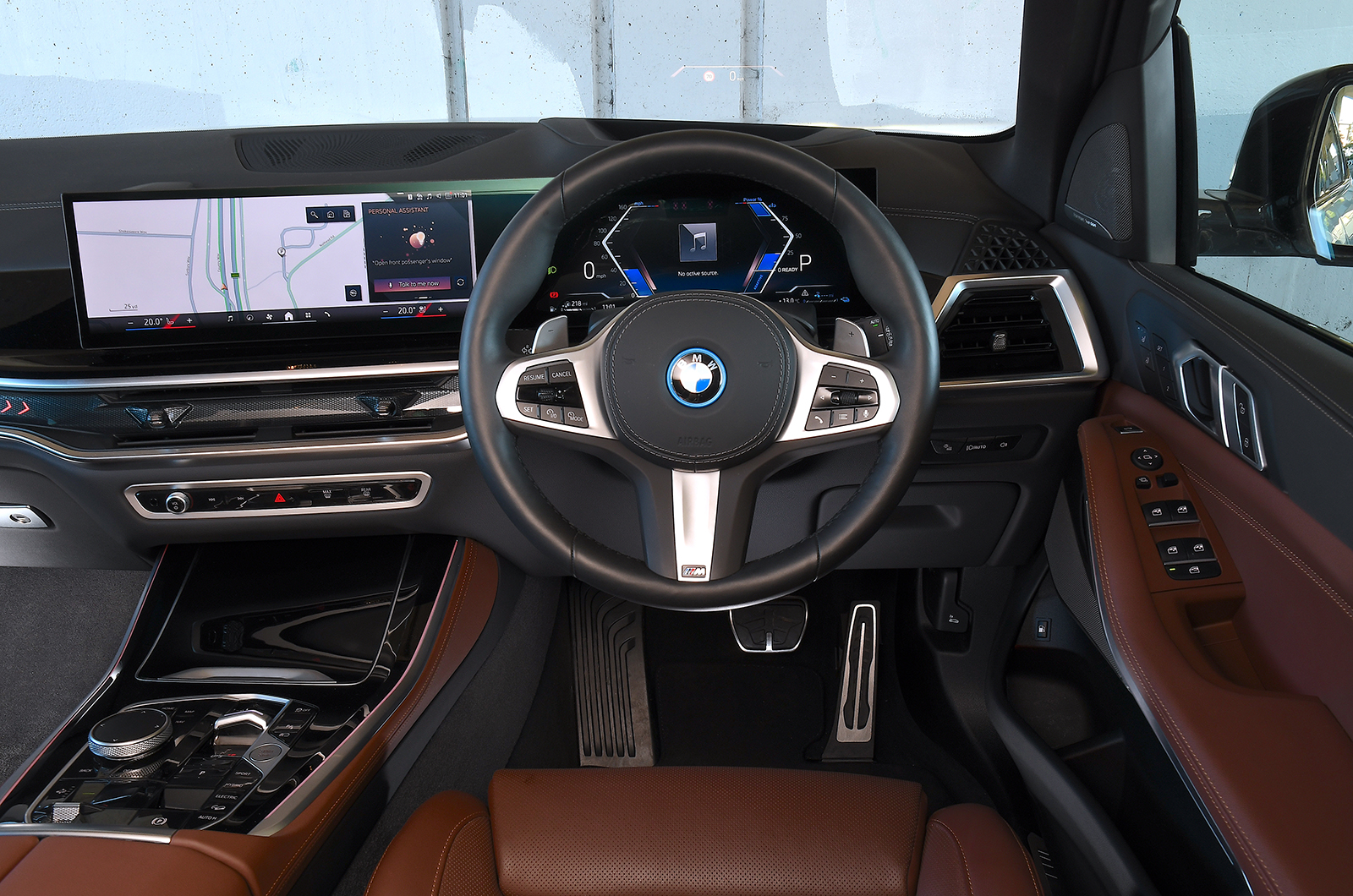
The diesel engine we recommend in the BMW X5 is also the entry-level choice, but with 294bhp coming from this 3.0-litre six-cylinder unit, it doesn't feel bargain basement in any respect. Indeed, it can cover the 0-62mph sprint in 6.1 seconds. That low-down pulling power makes this X5 ideal for towing.
If you want even more punch, then the xDrive40d reduces the sprint time to just 5.5 seconds, thanks to a power boost to 347bhp – but since this also pushes the price up, we reckon most buyers will find the cheaper option better suited to their needs.
Inside, the X5 gives you a commanding view over the road ahead, and there's lots of adjustment both in the seat and steering wheel to help you get comfy. It's a shame that the latest X5's infotainment system has ditched the physical controller which used to make it so easy to operate, but at least BMW's setup is quick to respond and mostly easy to navigate.
“While you might be tempted to order your X5 as a seven-seater, I'd issue a word of caution: the third-row seats aren't as spacious as they are in some rivals, and are best reserved for smaller passengers since they don't offer much leg room.” – Oliver Young, Reviewer
Read our full BMW X5 review
Strengths
- Smooth and powerful engines
- Pillowy ride in Sport and S line trims
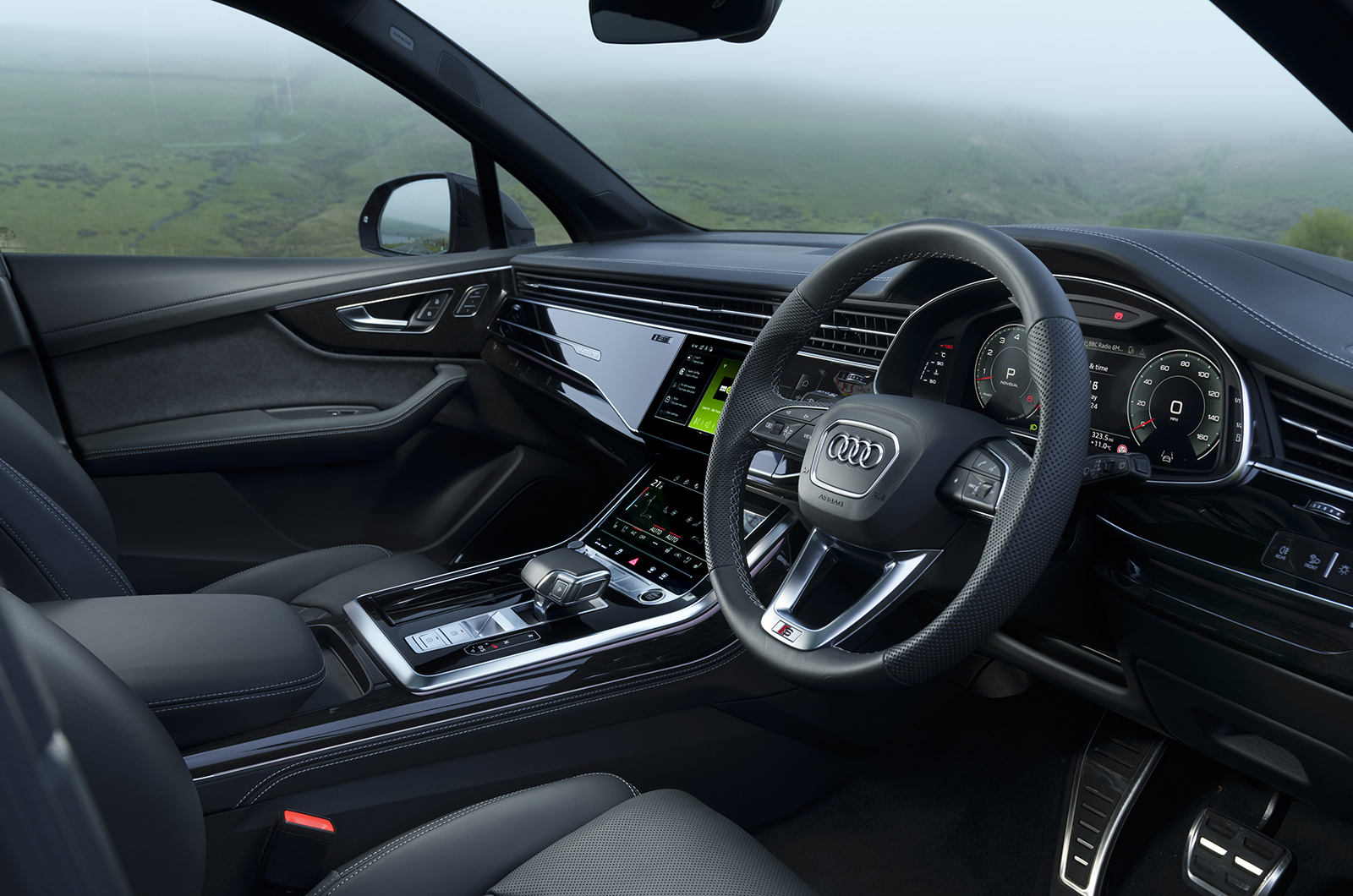
- Superb interior quality
Weaknesses
- Lack of physical buttons for infotainment system
- Third-row space is better in the BMW X7
- Some safety equipment optional
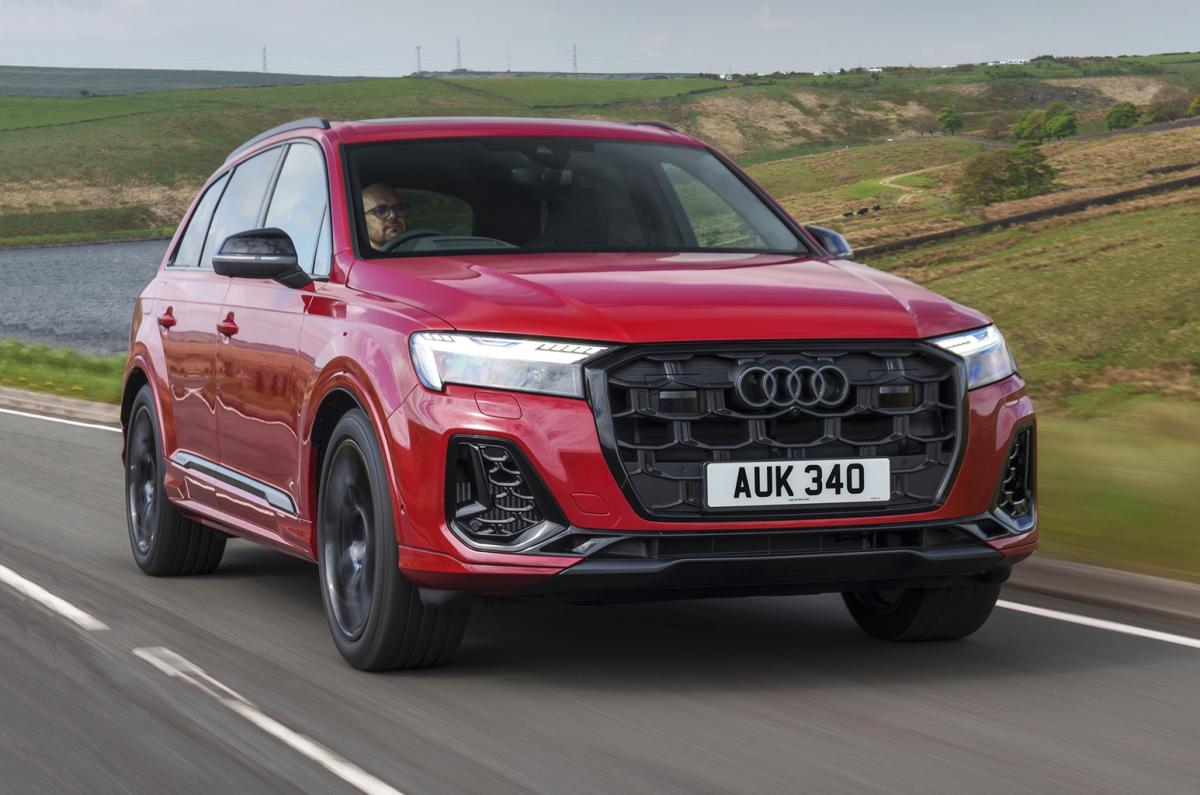
There are two 3.0-litre V6 diesel engines on offer in the Q7. The entry-level 45 TDI has 228bhp, while the 50 TDI ups power to 282bhp. The latter managed the 0-60mph sprint in 6.2sec in our hands, and feels punchier than the lesser option, so is our pick.
You get air suspension as standard on the Q7, but it's worth going for at least a Sport version of the car, because these – as well as the pricier S line models – deliver the plushest rides of all. In fact, in these trims, the Q7 is far comfier than even the Land Rover Discovery or Volvo XC90.
Inside, there's plenty of adjustment in the Q7's driver's seat and steering wheel to help you get comfy, and you'll be surrounded by the kind of premium, soft-touch materials which you'd expect at this price point. Speaking of price, you'll pay more for a diesel Q7 than you would for an XC90, but sizeable discounts helps to keep the big Audi competitive.
“I like having the latest safety tech on my cars, so I'd opt for the Q7's optional City Assist pack, which brings useful aids like blind-spot monitoring.” – Stuart Milne, Digital Editor
Read our full Audi Q7 review
Our pick: 3.3 e-SKYACTIV D MHEV Exclusive-Line Auto 4WD Euro 6 (s/s) 5dr
Strengths
- Smart, well-laid out interior
- Plentiful tech is easy to use
- Smooth, grunty diesel engine
Weaknesses
- Seven-seat rivals are more spacious and practical
- PHEV is noisy and hesitant
- Rivals are more comfortable
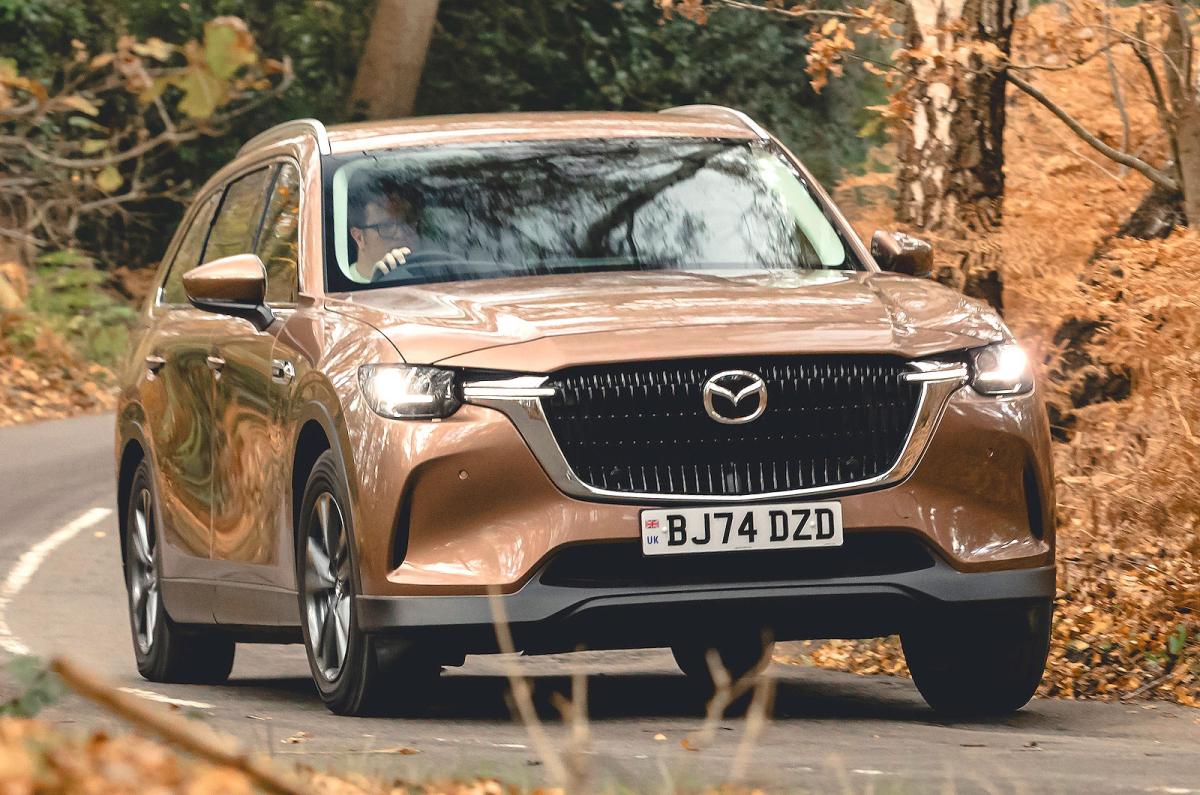
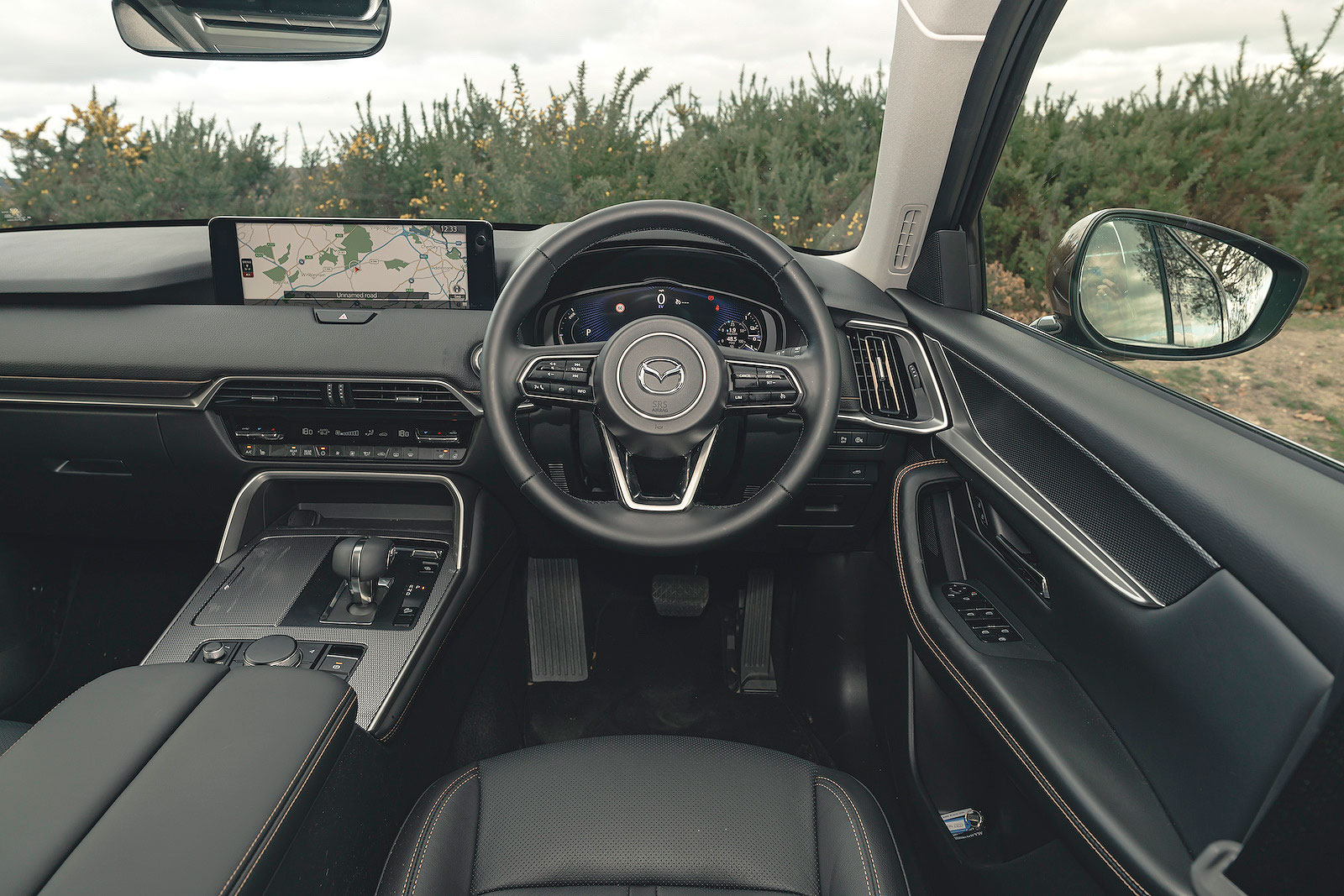
The CX-80 is the largest and most luxurious model Mazda makes, and in most respects it feels worthy of its headlining status. Its interior is smartly appointed, for example, with crisp digital displays and plenty of technology at your fingertips. And although rivals such as the Hyundai Santa Fe offer more storage for your odds and ends, even if you put all seven seats to use, there's still enough space in the boot for a couple of holiday suitcases.
You have the same option of plug-in hybrid or diesel power that you get with the smaller Mazda CX-60, and the 3.3-litre diesel option certainly offers the low-down grunt you'd expect. With 251bhp, it can sprint up to 62mph in 8.4 seconds – and it feels every bit as rapid as that time would suggest, even if you're also hauling heavy loads.
The diesel engine is more responsive than the plug-in hybrid option, being quicker to give you a splurge of power when you put your foot down, which can be useful when overtaking.
“Unlike in some SUV rivals, ordering your CX-80 with its optional panoramic sunroof doesn't encroach on your headroom too much. If I was getting a CX-80, this is something I'd go for since I appreciate an airy interior.” – Claire Evans, Consumer Editor
Read our full Mazda CX-80 review
What is What Car? best price?
The What Car? best price shows you the cheapest way to buy your new car, whether it's by choosing an in-stock car through our partner Autotrader or placing a factory order.
Available now from: £37,635
RRP from: £50,085
About our price indicator
What Car? indicative Personal lease example (subject to status)
2.5 e-SKYACTIV 17.8kWh Exclusive-Line SUV 5dr Petrol Plug-in Hybrid Auto 4WD Euro 6 (327 ps)
| Expected annual mileage | 5000 |
| Term months | 60 |
| Deposit months | 12 |
| Monthly payment | £556.98 |
| Initial payment | £6,683.76 |
Step-by-step
Leasing works a bit like a long-term rental. You drive it, but you don’t own it.
- Choose your car, pick your terms and apply for lease credit online
- Pay monthly rental payments for your chosen term length
- Drive it, enjoy it, then give it back at the end
What you get
When you lease with Autotrader you get all of this:
- Full manufacturer’s warranty
- Road tax and roadside assistance included
- No admin fees
- Free returns within 30 days*
- Lower total monthly cost than PCP/HP
- No balloon payments
- Road tax included
Strengths
- Lots of passenger space
- Comfortable motorway ride
- Lengthy equipment list
Weaknesses
- Terrible reliability record
- Optional third-row seats are very cramped
- Rivals are sharper to drive
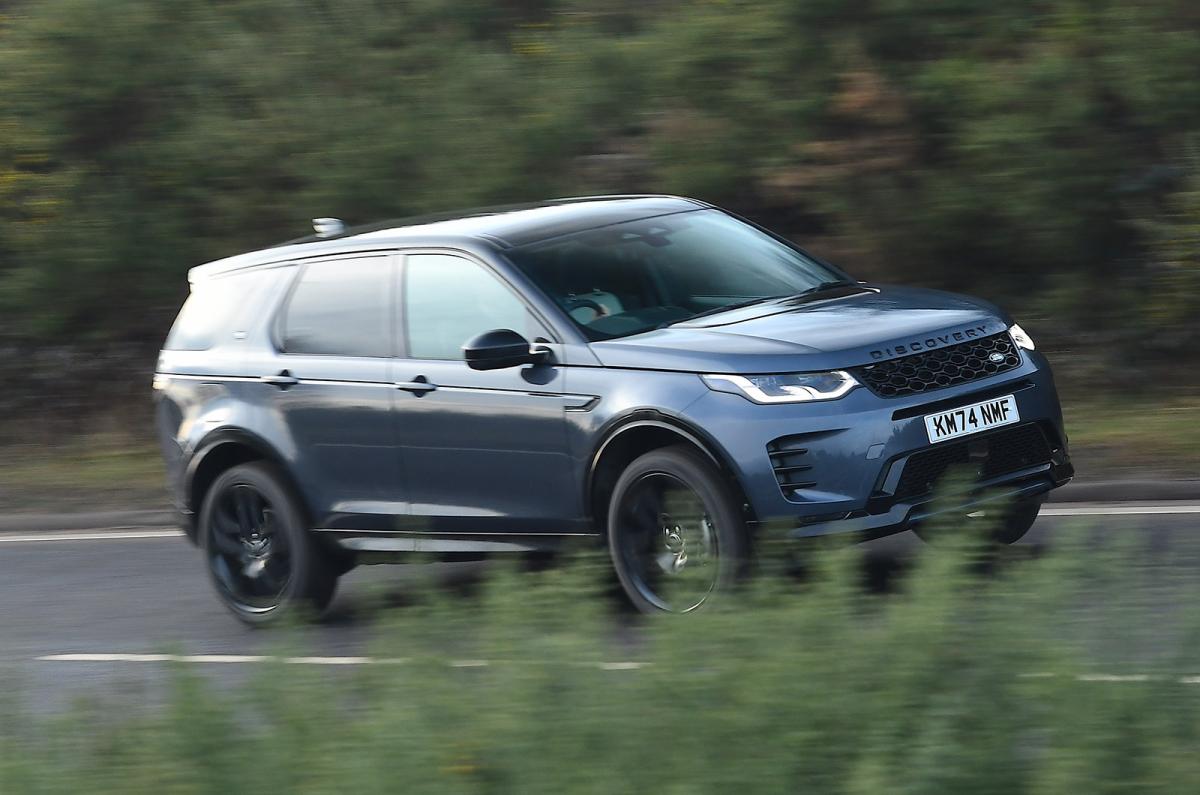
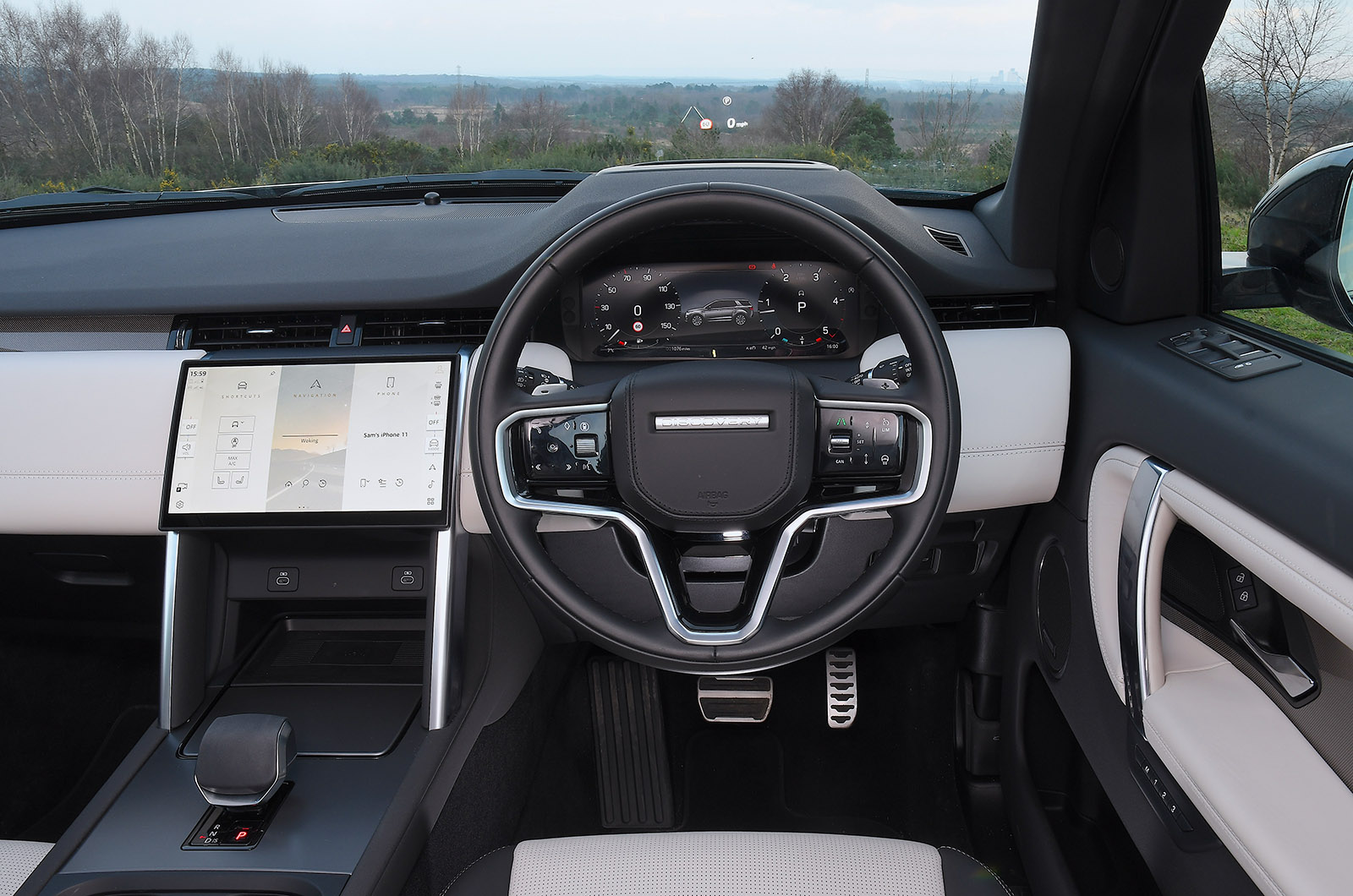
You can have your diesel-powered Land Rover Discovery Sport in multiple flavours, with the entry-level choice being the 161bhp D165. While this is likely to feel a bit underpowered, especially if you carry heavy loads regularly, that's not something you can say about the D200.
In fact, this 2.0-litre D200 diesel is our recommended choice if you're wanting something which drinks from the black pump. It offers effortless performance and can tow up to 2500kg. It also gets mild-hybrid technology to help keep your fuel bills in check, and can officially return up to 42mpg.
The driving position in the Discovery Sport is mostly sound, despite a relatively narrow driver's seat. And while the latest infotainment setup lacks some of the usability of earlier models since it's lost physical controls, at least the graphics are crisp.
While more expensive to buy than some mass-market SUVs such as the Peugeot 5008 and Kia Sorento, the Land Rover Discovery Sport is priced more competitively against its premium SUV rivals.
“I don't find the Discovery Sport is the kind of car to really hustle along a country road. Instead, it's the kind of car which is more geared towards comfort than agility. And in any case, its on-road handling is more than made up for by its off-road ability.” – Dan Jones, Senior Reviewer
Read our full Land Rover Discovery Sport review
What is What Car? best price?
The What Car? best price shows you the cheapest way to buy your new car, whether it's by choosing an in-stock car through our partner Autotrader or placing a factory order.
Available now from: £45,067
RRP from: £45,520
About our price indicator
What Car? indicative Personal lease example (subject to status)
2.0 D200 MHEV Dynamic S SUV 5dr Diesel Auto 4WD Euro 6 (s/s) (204 ps)
| Expected annual mileage | 5000 |
| Term months | 60 |
| Deposit months | 12 |
| Monthly payment | £662.36 |
| Initial payment | £7,948.32 |
Step-by-step
Leasing works a bit like a long-term rental. You drive it, but you don’t own it.
- Choose your car, pick your terms and apply for lease credit online
- Pay monthly rental payments for your chosen term length
- Drive it, enjoy it, then give it back at the end
What you get
When you lease with Autotrader you get all of this:
- Full manufacturer’s warranty
- Road tax and roadside assistance included
- No admin fees
- Free returns within 30 days*
- Lower total monthly cost than PCP/HP
- No balloon payments
- Road tax included
Strengths
- One of the more spacious seven seaters at this price
- A massive boot
- Well equipped
Weaknesses
- Priced above mainstream rivals
- Hybrid engine isn't as fuel efficient as a Honda CR-V's
- Interior quality not as good as similarly priced premium rivals
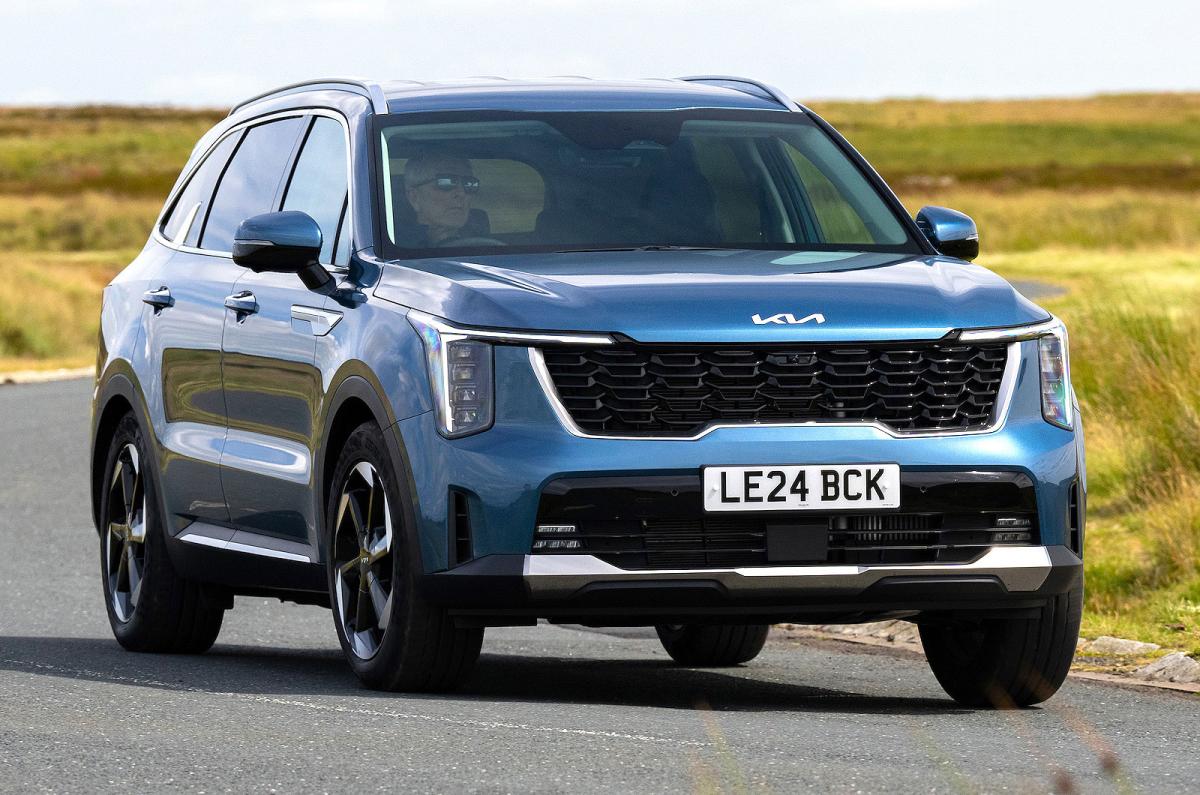
While you can have your Sorento with both hybrid and plug-in hybrid power, it's the 2.2-litre diesel which is the one to go for if you'll be towing – it can officially pull up to 2500kg, which is the equivalent of a large caravan. Indeed, the Sorento is consistently a top performer at our Tow Car Awards, where its low-down torque helps you get up to speed effortlessly.
In terms of fuel economy, the Sorento's diesel engine officially returns 43mpg, which is only slightly better than the hybrid version manages.
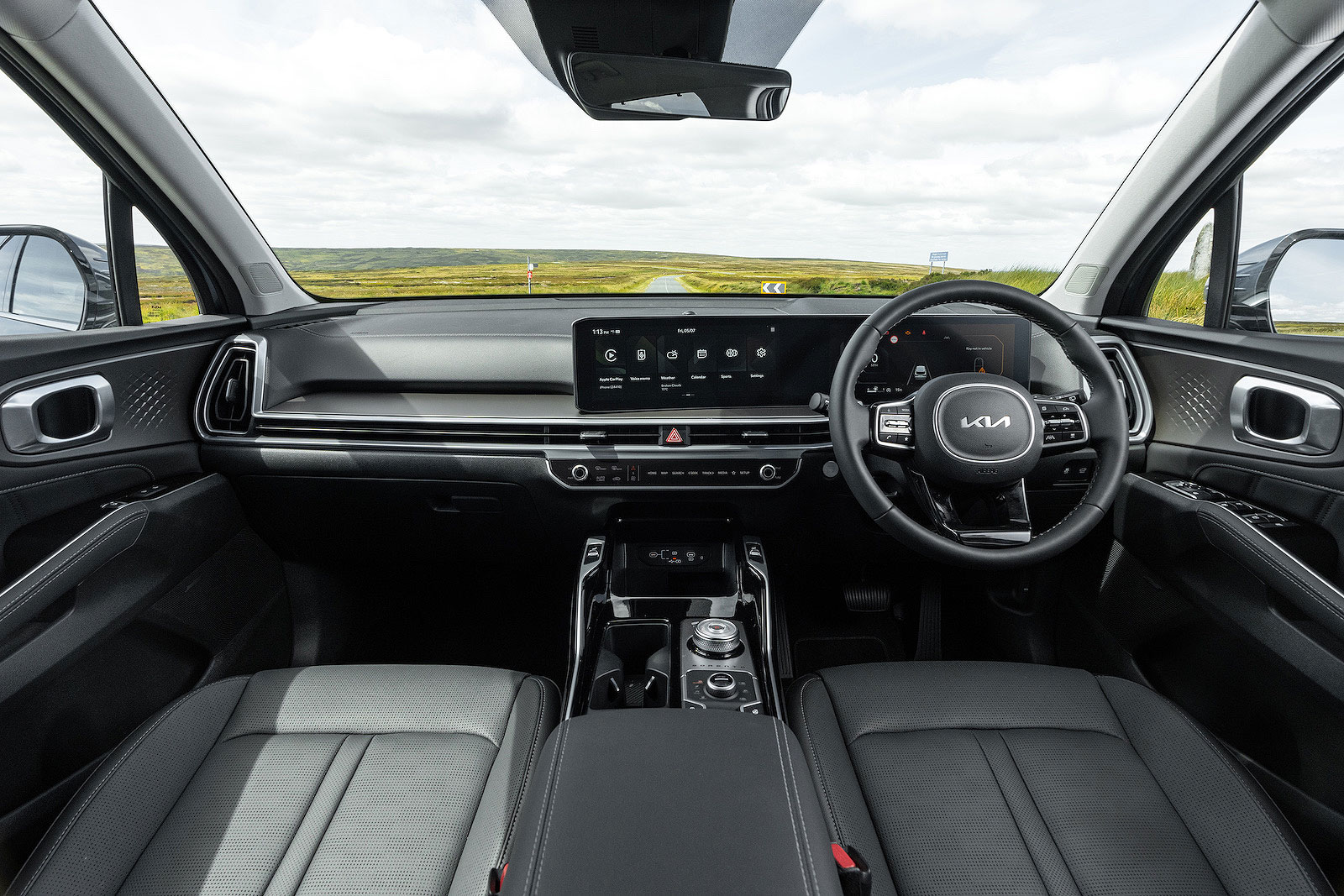
All Sorentos come with seven seats as standard, and anyone relegated to the third row will find that they have more room to stretch out than in the Land Rover Discovery Sport or Skoda Kodiaq. The Sorento's width also means that sitting three adults across the second row is easier than in some rivals.
As a driver, the Sorento gives you a lofty driving position which gives you a great view out over the car – and other traffic. And to help you park, every Sorento comes with front and rear parking sensors, and a rear-view camera.
"If, like me, you always seem to have devices to charge on long journeys, then you'll appreciate that the Sorento has a total of six USB charging ports spread across its three rows of seats.” – Darren Moss, Deputy Editor
Read our full Kia Sorento review
For all the latest reviews, advice and new car deals, sign up to the What Car? newsletter here
What is What Car? best price?
The What Car? best price shows you the cheapest way to buy your new car, whether it's by choosing an in-stock car through our partner Autotrader or placing a factory order.
Available now from: £46,550
RRP from: £43,725
About our price indicator
What Car? indicative Personal lease example (subject to status)
1.6 h T-GDi Pure SUV 5dr Petrol Hybrid Auto AWD Euro 6 (s/s) (235 bhp)
| Expected annual mileage | 5000 |
| Term months | 60 |
| Deposit months | 12 |
| Monthly payment | £482.09 |
| Initial payment | £5,785.08 |
Step-by-step
Leasing works a bit like a long-term rental. You drive it, but you don’t own it.
- Choose your car, pick your terms and apply for lease credit online
- Pay monthly rental payments for your chosen term length
- Drive it, enjoy it, then give it back at the end
What you get
When you lease with Autotrader you get all of this:
- Full manufacturer’s warranty
- Road tax and roadside assistance included
- No admin fees
- Free returns within 30 days*
- Lower total monthly cost than PCP/HP
- No balloon payments
- Road tax included