Used BMW 3 Series 2005 - 2012 reliability review
It was introduced more than a decade ago, but this BMW 3 Series remains a hugely desirable car because it's excellent to drive, well-made and has useful interior space.

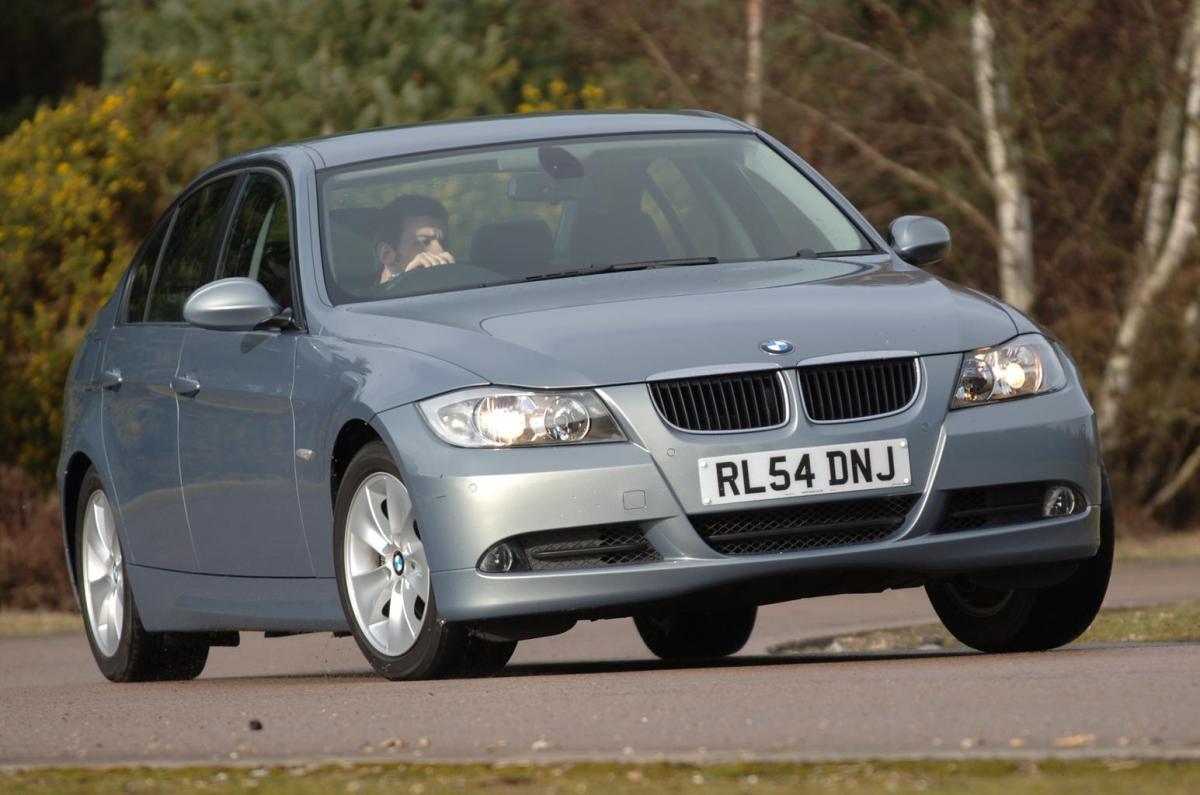
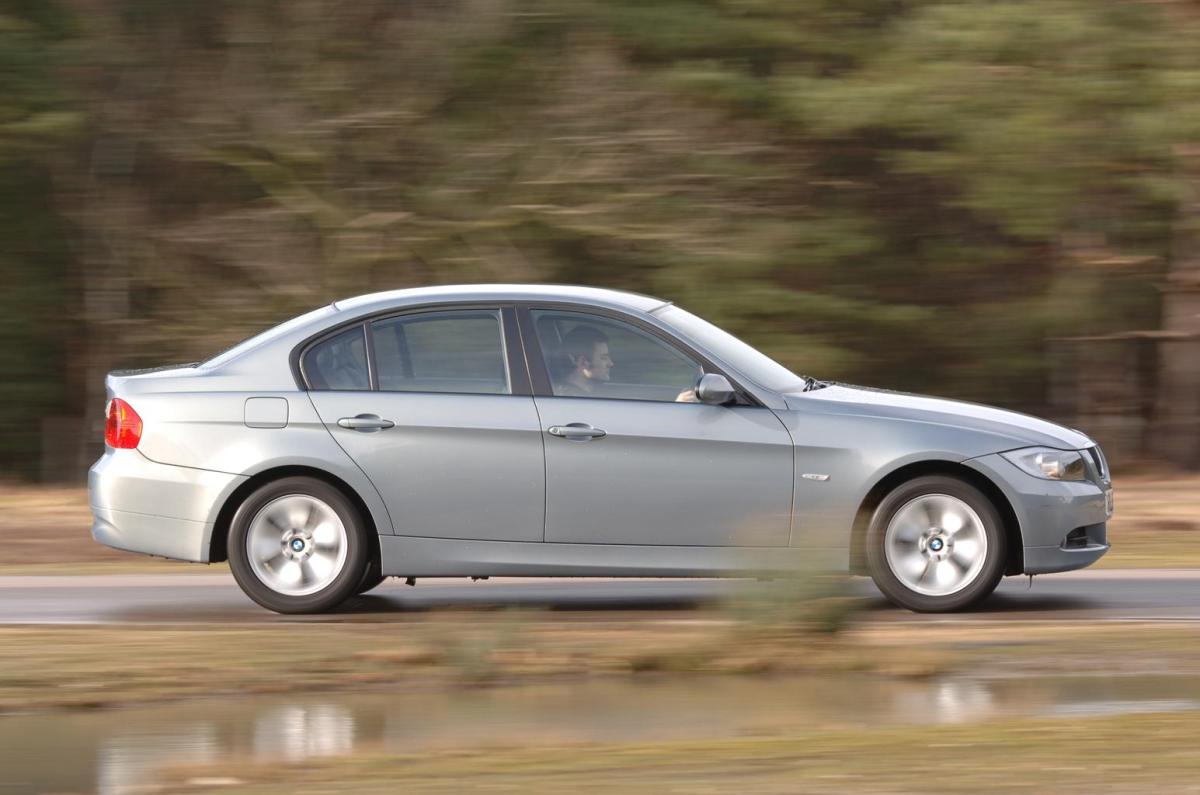
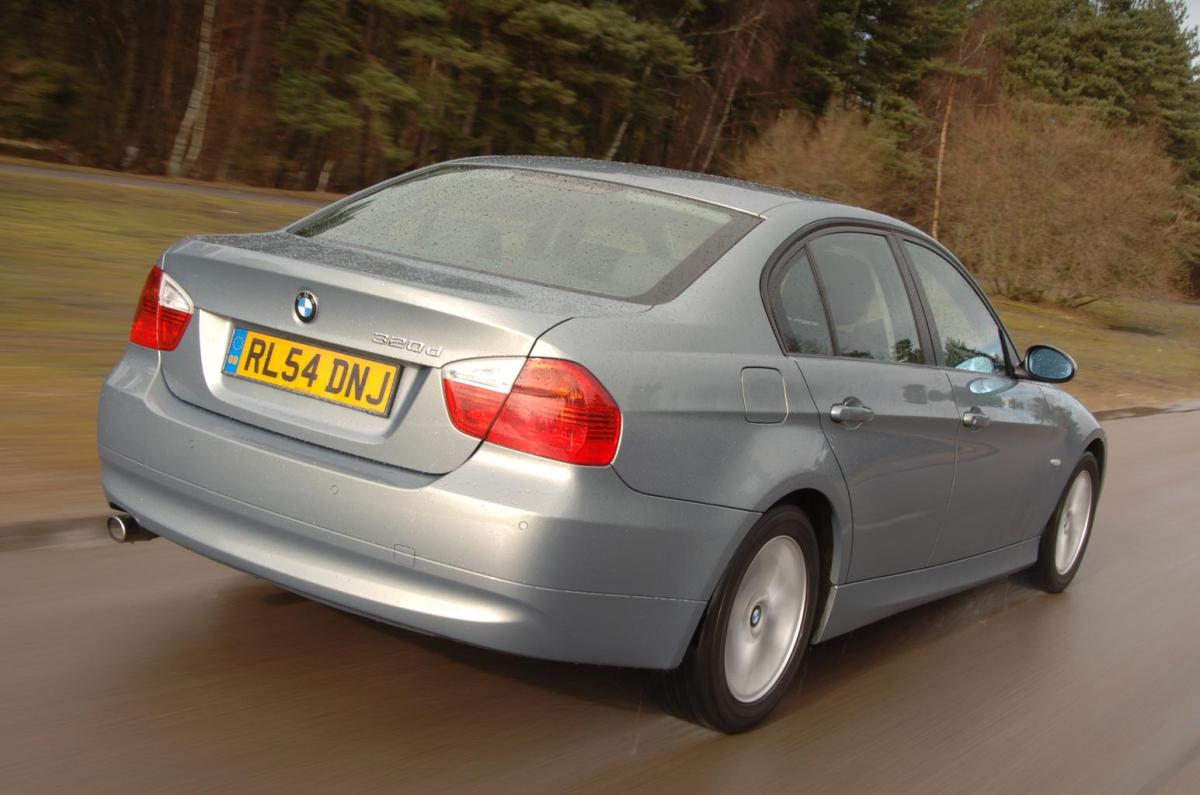
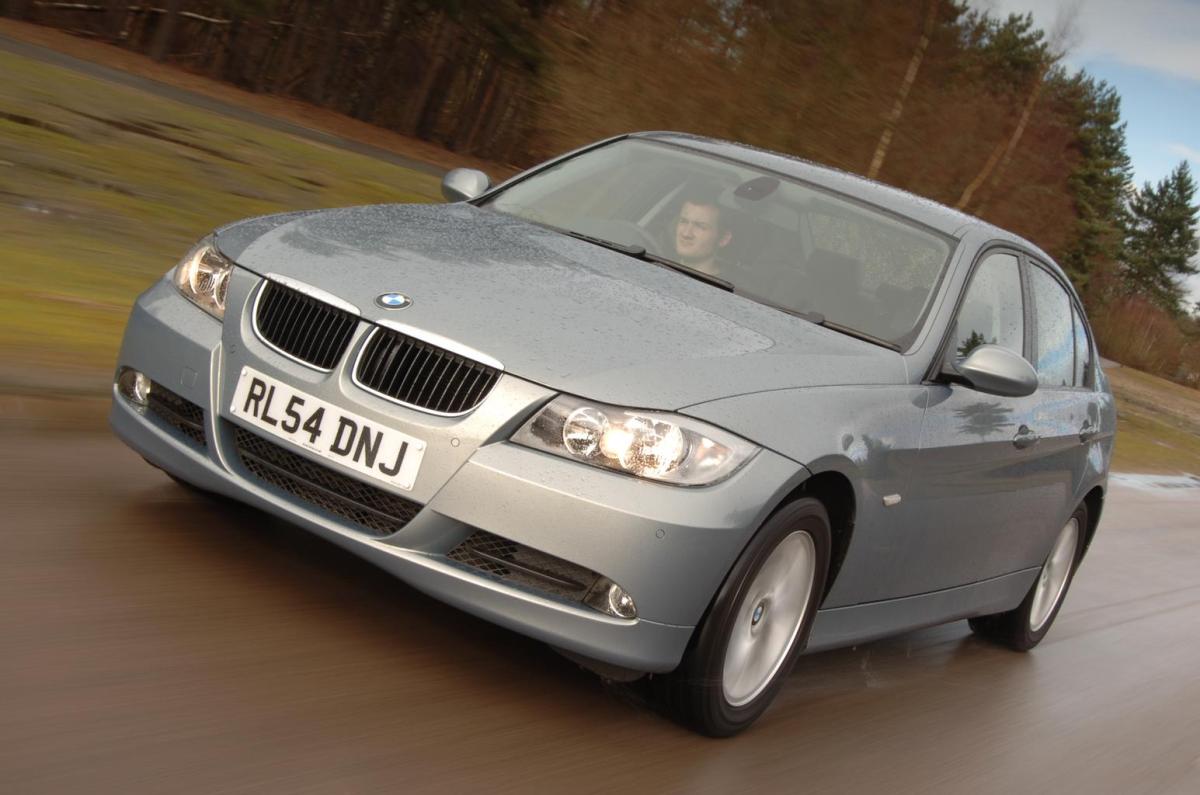
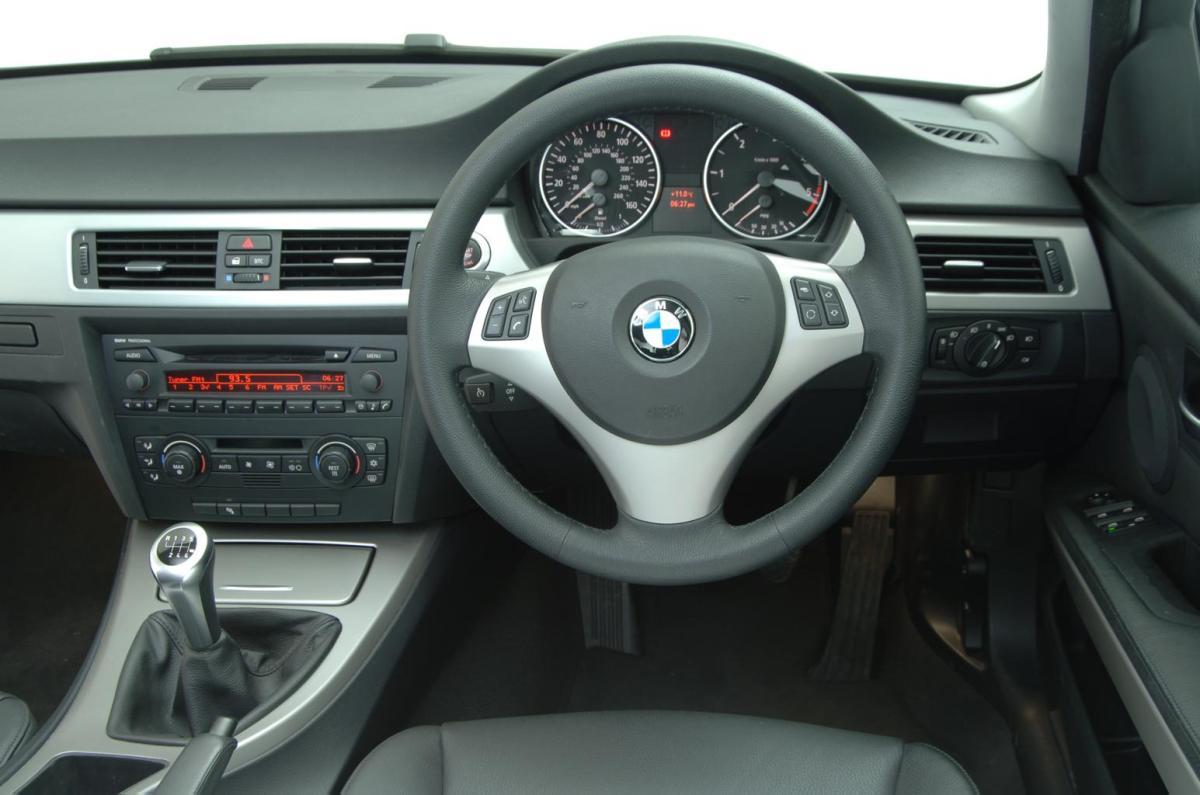
- BMW 3 Series (05 - 12)
- BMW 3 Series (05 - 12)
- BMW 3 Series (05 - 12)
- BMW 3 Series (05 - 12)
- BMW 3 Series (05 - 12)
- BMW 3 Series (05 - 12)
- BMW 3 Series (05 - 12)
- BMW 3 Series (05 - 12)
- BMW 3 Series (05 - 12)
- BMW 3 Series (05 - 12)

What should I look for in a used BMW 3 Series?
One issue that plagued this generation of 3 Series all through its life was the rather firm ride on its run-flat tyres. It’s an issue that caused many owners to switch to conventional tyres, but that’s not a good plan, because there’s no space for a spare and you therefore have to deactivate the tyre pressure monitor. A better option is to swap for later-specification Bridgestone or Dunlop run-flat tyres, which had a more compliant sidewall.
Electrical issues are fairly common (hardly surprisingly as the 3 Series was becoming more complex at this time), so check that the slot-in key for the ignition goes in and out cleanly. Some owners would just yank the key out without pushing to release it first, damaging the ignition system.
Is a used BMW 3 Series reliable?
While the BMW 3 Series is generally very well built, there are a few issues to watch out for. Turbochargers on the diesel engines can blow their seals, while small items such as the windscreen wiper motor and the door handles can be troublesome.
Slow-moving iDrive infotainment systems are also something to be wary of, while the anti-roll bar bushes wear out eventually on all cars. The 3 Series is also quite heavy on its brake discs.
Data from CAP Derwent, a scheme which pools repair information from some of the UK’s biggest vehicle leasing firms, shows that the 3 Series is lighter than average on brake pads, light bulbs, fuel filters and wiper blades, but comparatively hard on pollen filters and brake fluid.
Used cars available now




About the writer