Volkswagen T-Cross long-term test
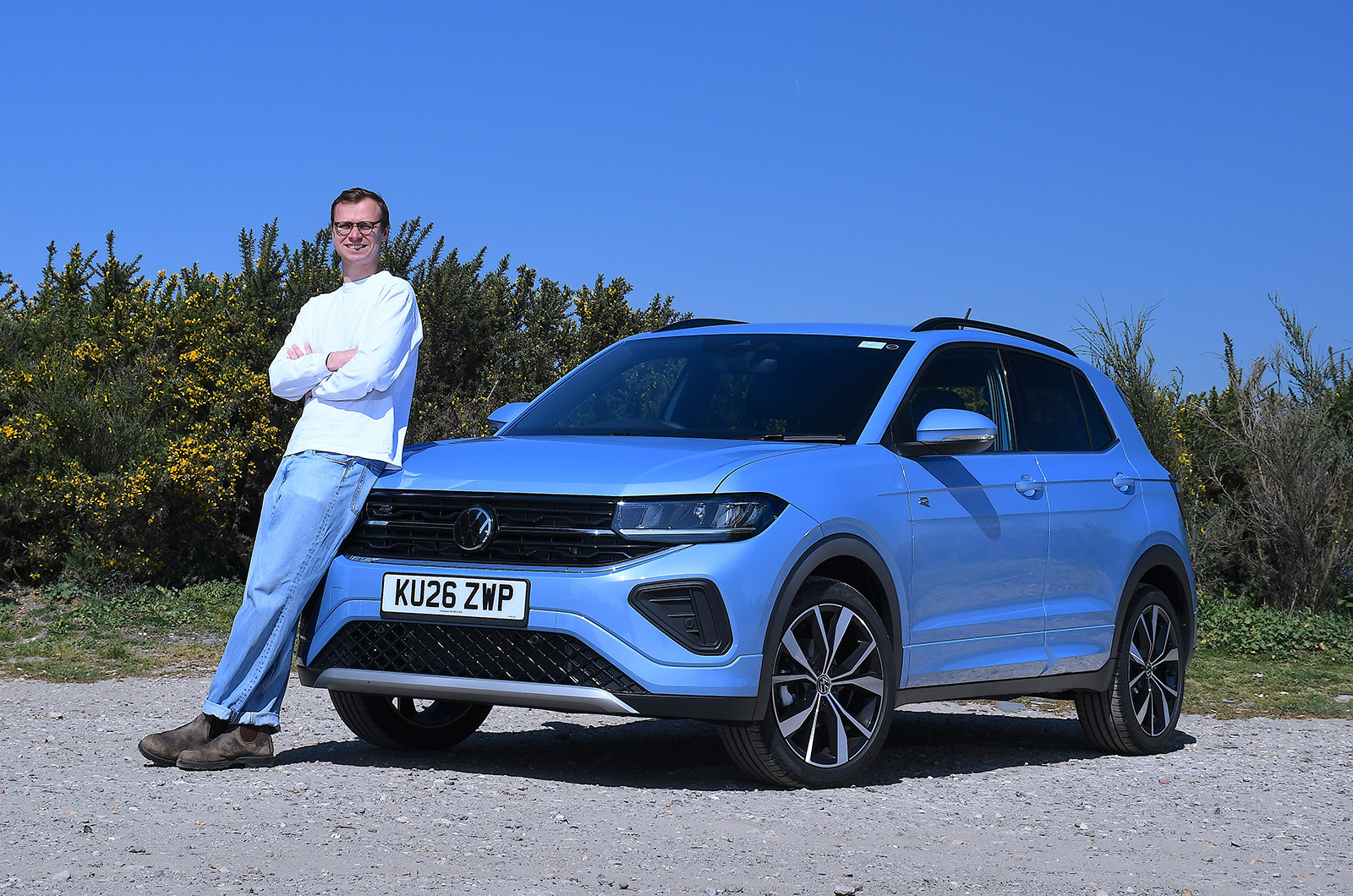
The car Volkswagen T-Cross 1.0 TSI 115 DSG R-Line Run by George Hill, Used Cars Writer
Why it’s here To find out whether Volkswagen’s baby SUV is a capable daily driver and a worthy small sibling to the excellent T-Roc
Needs to Be easy to live with in the city, while being spacious, practical and comfortable on weekend trips away. Good fuel economy is essential, too
Miles covered 1782 List price £32,100 Target Price £31,990 Price as tested £33,310 Official economy 49.4mpg Test economy 42.4mpg
23 June 2026 – The older the better
These days, there’s a tendency to assume that newer automatically means better, especially when it comes to technology. But in the case of my Volkswagen T-Cross, I’m finding the opposite to be true in a number of key areas.
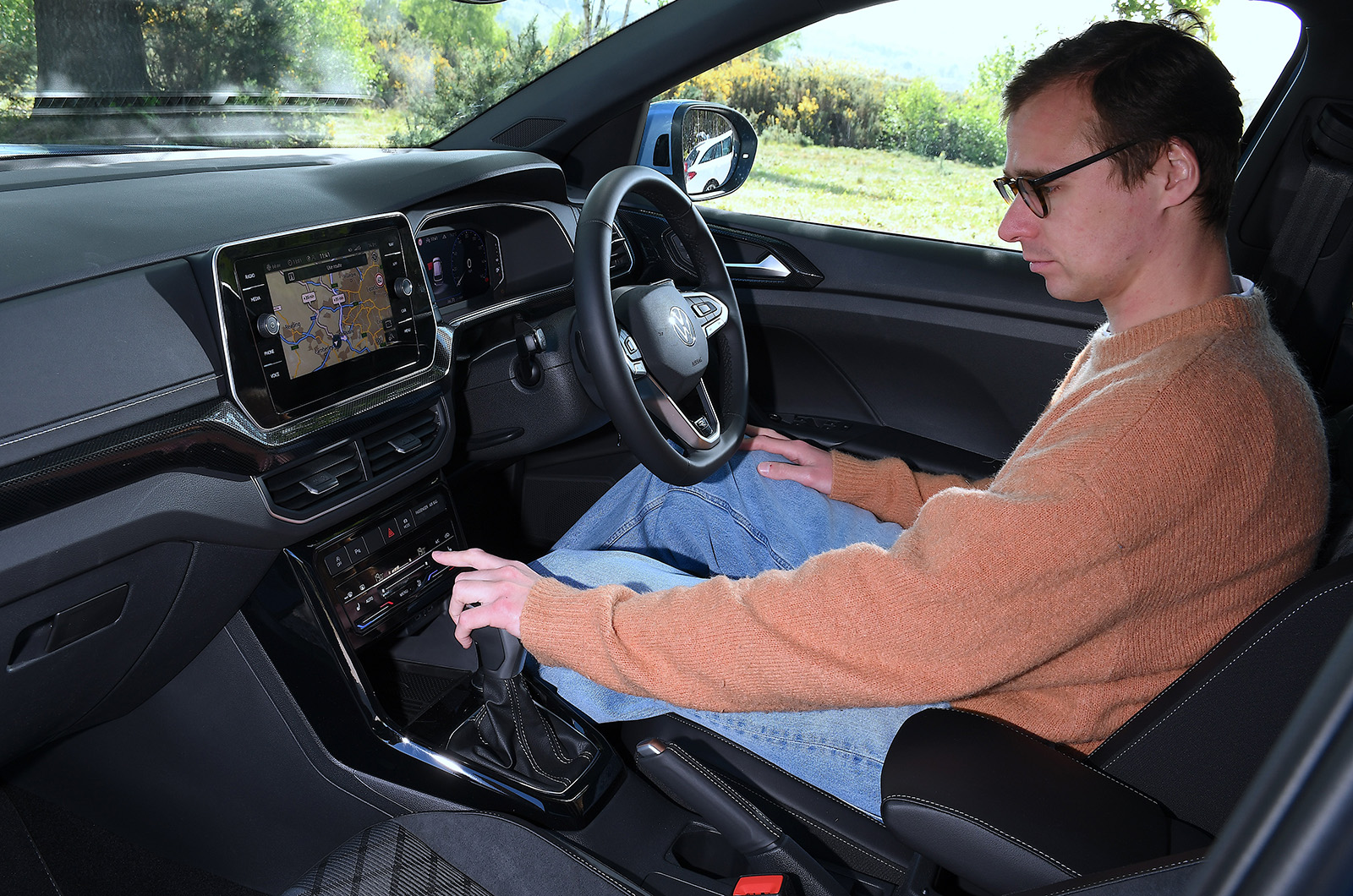
The first is the infotainment system, because it’s refreshingly simple and old-school in the way that it operates. Sure, the 8.0in screen is small by modern standards and the graphics are a bit grainy, but the system itself is very easy to use. The icons on the home menu are big and easy to tap while driving, plus there are useful shortcut buttons and big dials for volume and tuning on either side of the screen. I’m actually glad I didn’t specify the upgraded system with the larger 9.2in screen for £920, because it replaces the physical dials with touch-sensitive buttons which I’d find harder to use.


The next area is the key, because it’s an old-style switchblade. This is great, because there’s no need to chuck a keyless fob into a cupholder or worry about where you’ve left it. Instead, you get in, put the key into the slot and turn on the car. It’s a simple start-up procedure and the key is always where you’ve left it: in the ignition.
Another item I’m enjoying is the large gearlever for the seven-speed automatic gearbox. It’s chunky and within easy reach, making quick manoeuvres and parking a doddle. It’s certainly easier to use than the fiddly rocker switch you get in the rival Peugeot 2008.
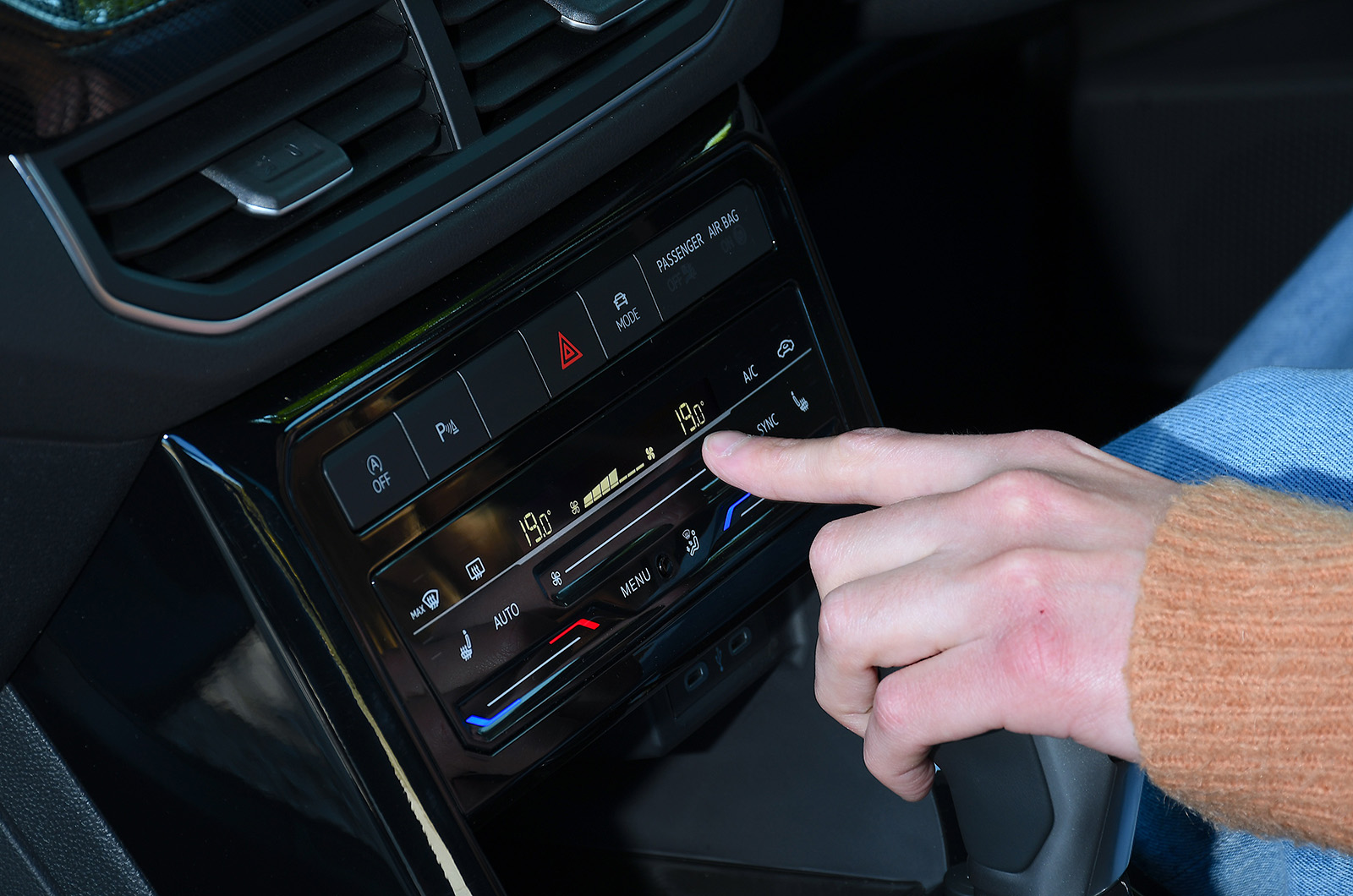
One of the areas where my T-Cross has gone all modern is with its climate controls – and the results haven’t impressed me. These are operated via touch-sensitive buttons and sliders, which don’t always respond when you touch them. While I do appreciate the dedicated panel for these (unlike the screen-based controls in the Ford Puma), I’d much prefer to have the physical buttons and dials you get in lower Life and Style trims with the T-Cross. Those would help minimise distraction while driving, too.
So, while newer technology often promises progress, my T-Cross shows that it doesn’t necessarily. The infotainment system, switchblade key and gear selector all prove that simpler solutions – even if they are a bit old-school – can still be very effective.
For all the latest reviews, advice and new car deals, sign up to the What Car? newsletter here
Read more about our long-term Volkswagen T-Cross >>
Read about more long-term test cars >>
Buy a new car with What Car?
Like the sound of the Volkswagen T-Cross?
If so, check out our New Car Deals pages to see how much you could save on a new Volkswagen.
We’ve got the biggest selection of discounted new cars available in the UK.