News
What Car? Reader Award: vote for the most exciting new car of 2027
Our annual Reader Award goes to the upcoming model that people are most excited about, and this year's voting is now open

Will it be an SUV, an executive car or a hatchback that you're most excited about seeing in 2027? Well, the What Car? Reader Award, in association with Driftrock, will give us the answer, because it's decided by a public vote.
advertisement
scroll for more
That vote is now open, and will close in two weeks' time, at 9am on Friday 27 November. You can vote using our dedicated voting form, and you can find out more about the cars shortlisted for the award below. These draw from a wide variety of car classes, budgets and power options, and all are due to go on sale in the UK before the end of 2027.
The winner of the What Car? Reader Award, as well as our second and third-place cars, will be revealed as part of our annual Car of the Year Awards ceremony on Thursday 21 January 2027.
Last year's What Car? Reader Award was won by the Volvo EX60.
Cars in this list are presented alphabetically.
What Car? Reader Award 2027 contenders
Dacia Striker

Darren Moss
Updated: 13 November 2026
Car reviews
Audi A2 e-tron
Honda HR-V
Kia EV3
View all new car reviews
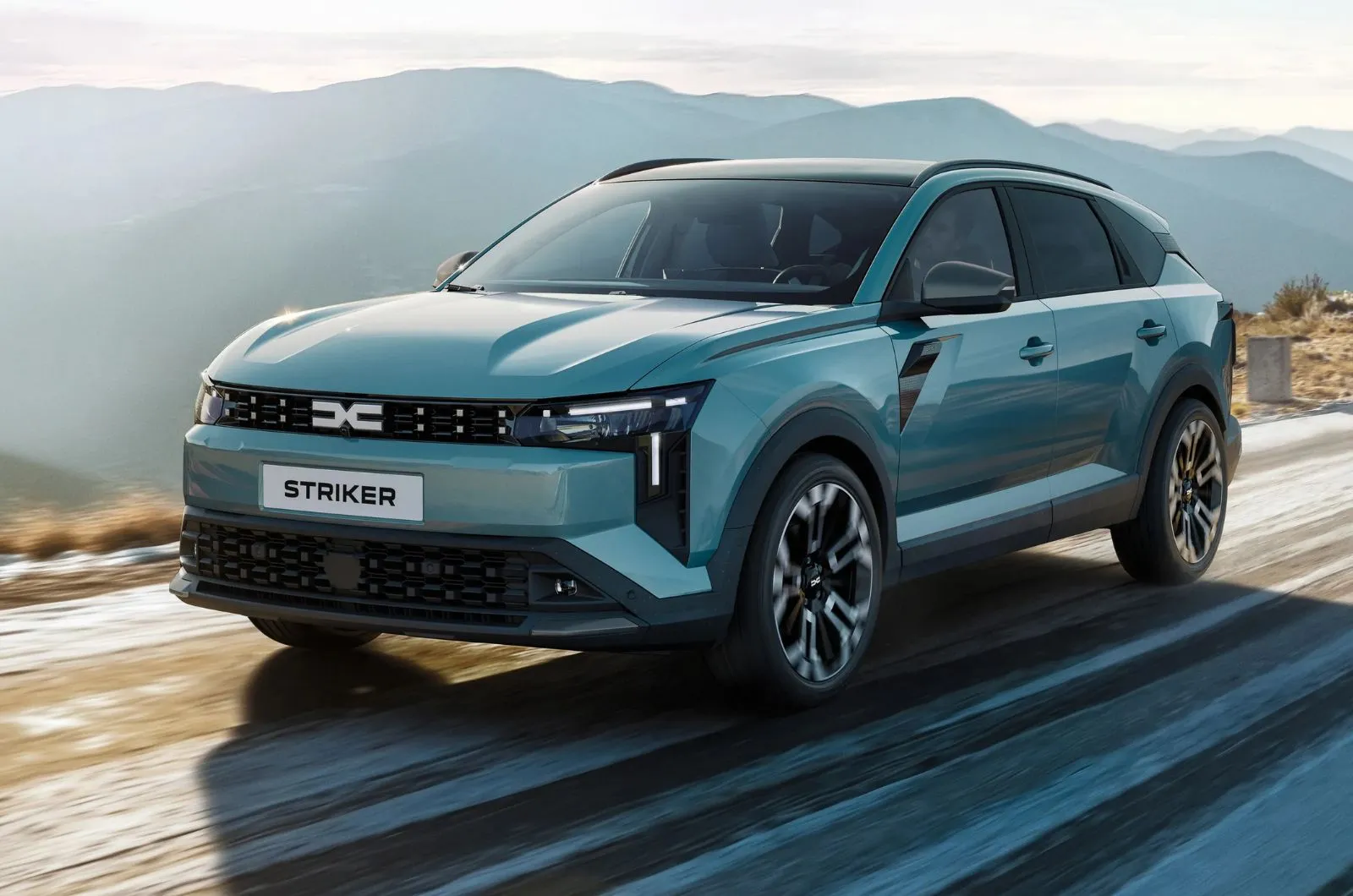
Think of the new Dacia Striker as being like a halfway house between a conventional family car and an estate car. It's longer than the current Dacia Bigster, but thanks to a lower roofline isn't as tall as the Dacia Jogger MPV.
A full hybrid setup is available from launch, mixing a 1.8-litre petrol engine with a small electric motor, allowing the striker to drive for short distances on electric power alone. There will also be a version with a smaller 1.2-litre engine and four-wheel drive.
advertisement
scroll for more
While prices have yet to be announced, Dacia is targetting around £25,000, which would make the Striker very competitive next to key rivals including the Citroën C5 Aircross and MG HS.
Find out more about the Dacia Striker
Fiat Grizzly
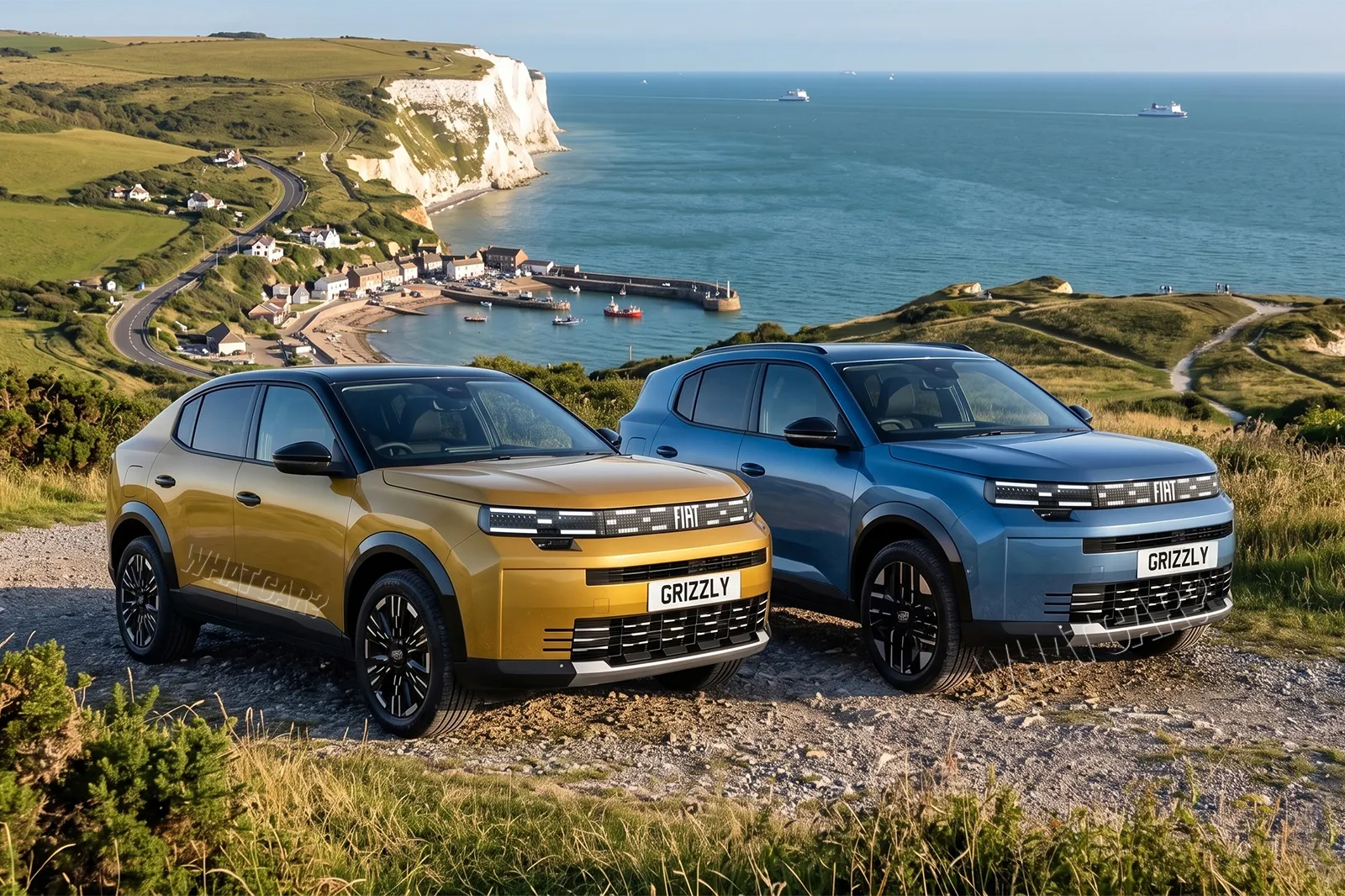
Fiat is moving upmarket with its largest SUV to date, the Grizzly. Destined to rival both conventional SUVs such as the Dacia Duster and Skoda Kamiq, as well as more svelte coupé-styled models such as the Peugeot 408, the Grizzly is expected to be based on the same underpinnings as the smaller Fiat Grande Panda.
Power options are likely to include pure petrol, hybrid and fully electric variants, with entry-level versions getting the same 1.2-litre petrol engine with mild hybrid assistance which already features in the Grande Panda. Electric models, meahwhile, are expected to borrow their 44kWh and 54kWh batteries from the closely related Vauxhall Frontera Electric. That car offers a maximum range of 245 miles between charges.
advertisement
scroll for more
While pricing has yet to be revealed, given the Grizzly's competitors, we'd expect them to start at around £22,000.
Find out more about the Fiat Grizzly
Hyundai Bayon
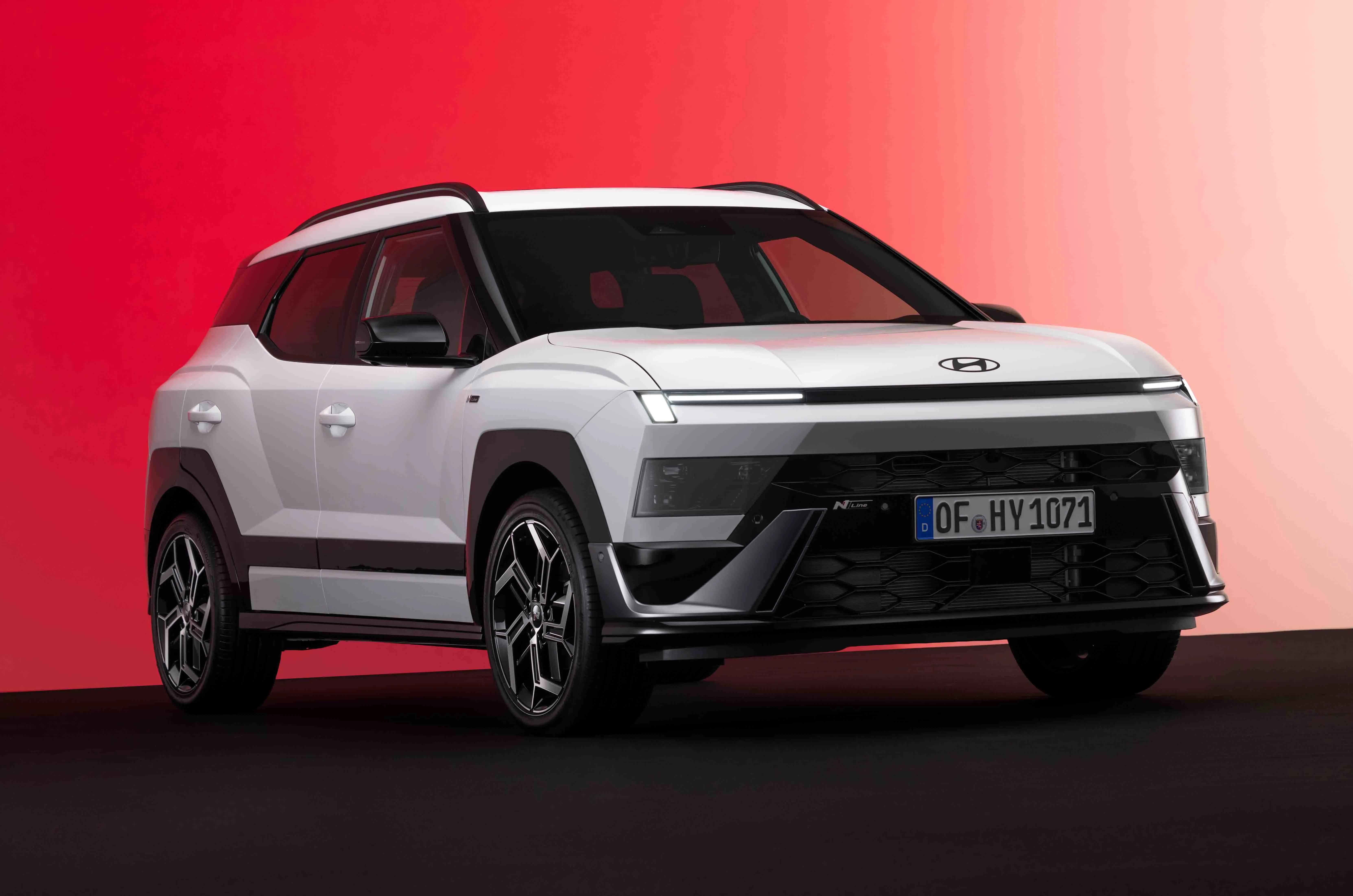
Hyundai's smallest SUV is getting a significant makeover next year to better bring it into line with its larger SUV siblings. That means more angles, more lines and a bluffer front end inspired both by the Hyundai Ioniq 3 and the next-generation Hyundai Tucson. And to go with its new look, the Bayon is also getting more space, because it's marginally longer and wider than the car it replaces.
There will only be one engine option available at launch – a 1.0-litre petrol with either 89bhp or 114bhp. And while the former of those choices might sound a little weedy, our experience in the current Bayon suggests that it should be perfectly peppy enough for everyday driving. A full hybrid will join the line-up soon after launch, offering green-minded buyers a way to cut their running costs.
Pricing wise, we're expecting the Bayon to be pitched as a direct rival to big-selling small SUVs like the Ford Puma and Renault Captur, so a starting price of close to £25,000 is likely.
advertisement
scroll for more
Find out more about the Hyundai Bayon
Jaguar Type 01
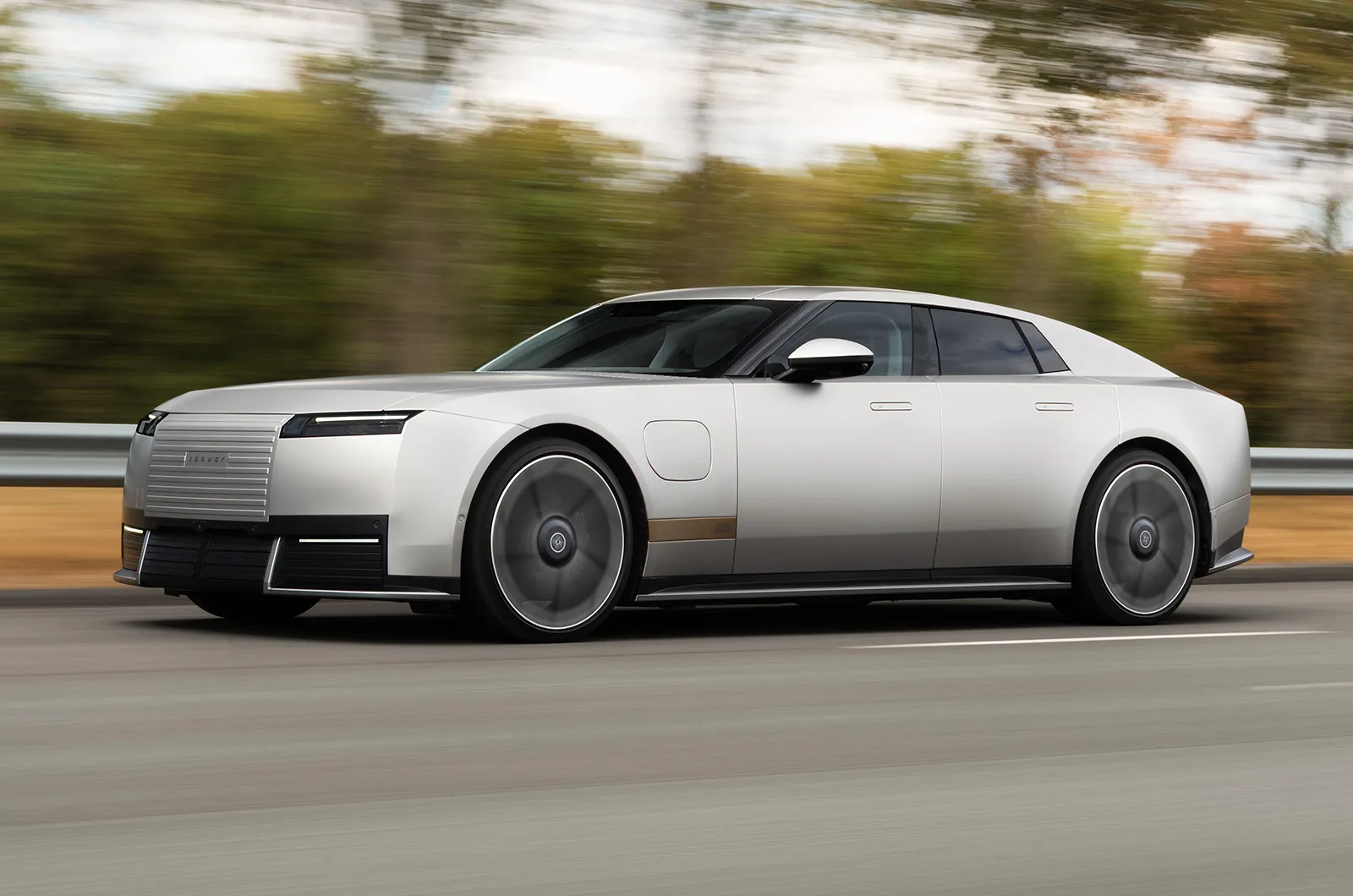
The reinvention of Jaguar begins with this: the Type 01. It's a low-slung electric grand tourer designed to bridge the gap between premium brands such as Audi and Lexus, and hyper-luxury marques like Bentley and Rolls-Royce. And with a price tag of £125,000, it will be the most expensive Jaguar every made.
It's also the longest car Jaguar has ever made, measuring 5.2 metres. But despite that bulk, every Type 01 should be quick, because every car will feature three electric motors delivering their power to all four wheels. Indeed, with a total system output of 1016bhp, the Type 01 can spring to 62mph in 3.2 seconds. For context, that's quicker than any version of the Mercedes EQS can manage, but some versions of the Porsche Taycan are faster still.
We've already sat inside a pre-production version of the Type 01 and were impressed at the quality of materials used throughout. The Type 01 features a relatively small 7.0in infotainment screen, and contrary to what's used in most rivals, you operate it with your thumb from behind the screen rather than prodding it directly.
advertisement
scroll for more
Find out more about the Jaguar Type 01
Nissan Juke EV
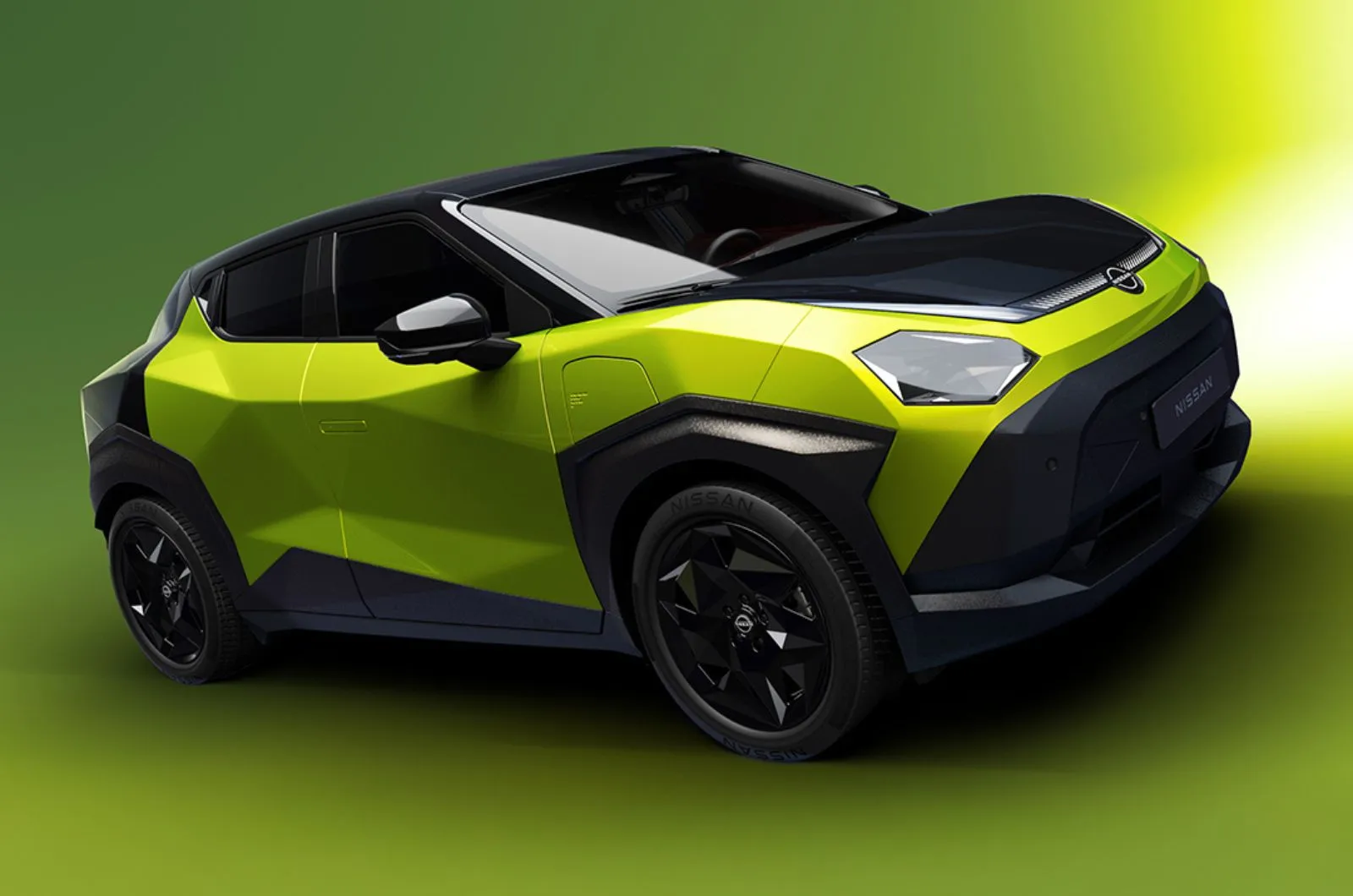
Given its popularity, replacing the Nissan Juke must have seemed like a daunting task – even more so when you consider that any new version would have to be electric. Still, Nissan ripped off the plaster by showing its smallest SUV in concept form back in 2023, and its radical styling isn't expected to change much on the road to production.
Based on the same underpinnings used by the larger Nissan Leaf, the new Juke is likely to receive two battery options: 52kWh and 74kWh. In the Leaf, those batteries deliver ranges of 270 miles and 375 miles respectively, but in the Juke those numbers could improve because it's a smaller car. In any case, expect a range which is competitive with those of the best small electric SUVs.
Its new underpinnings should also liberate more space inside the Juke, which would address one of our key criticisms of the current car.
Despite the launch of the new Juke, the current car will be sold alongside it for a time, meaning buyers will be able to choose between petrol, hybrid and fully electric power within the Juke line-up.
advertisement
scroll for more
Find out more about the Nissan Juke EV
Mercedes GLE
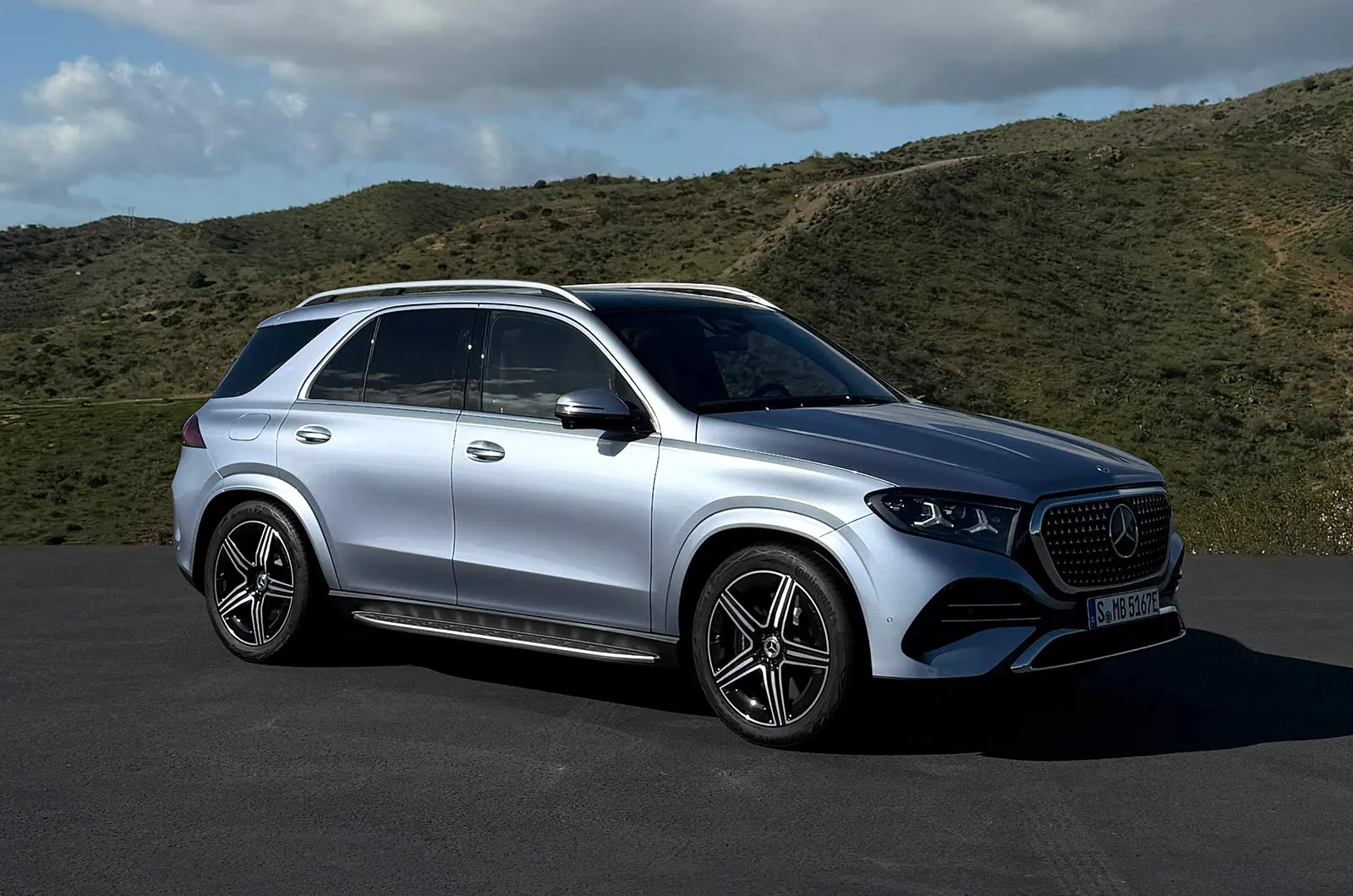
The Mercedes GLE has long been a staple among premium SUVs, but the newest version is upping the ante with bold new looks and a huge technology upgrade. For one thing, its front lights can now project animations onto the road ahead to warn you, and other road users, about potential hazards. And while we've become used to seeing big screens inside Mercedes cars, the trio of screens which stretch across the full width of the GLE takes things up a notch.
Those screens run the latest version of Mercedes' operating software, which brings together AI capabilities and cloud computing. In short, your car should be smarter than ever before, and should know where you are in relation to other Mercedes models. Other neat features include the ability to use your phone as a digital key, and a camera which sees 'through' your bonnet to help you on rougher terrain.
Drivers will be able to choose between petrol and diesel power from a line-up of 3.0-litre engines. There's also a plug-in hybrid version which can officially travel for up to 66 miles on electricity alone.
advertisement
scroll for more
Find out more about the Mercedes GLE
MG 2
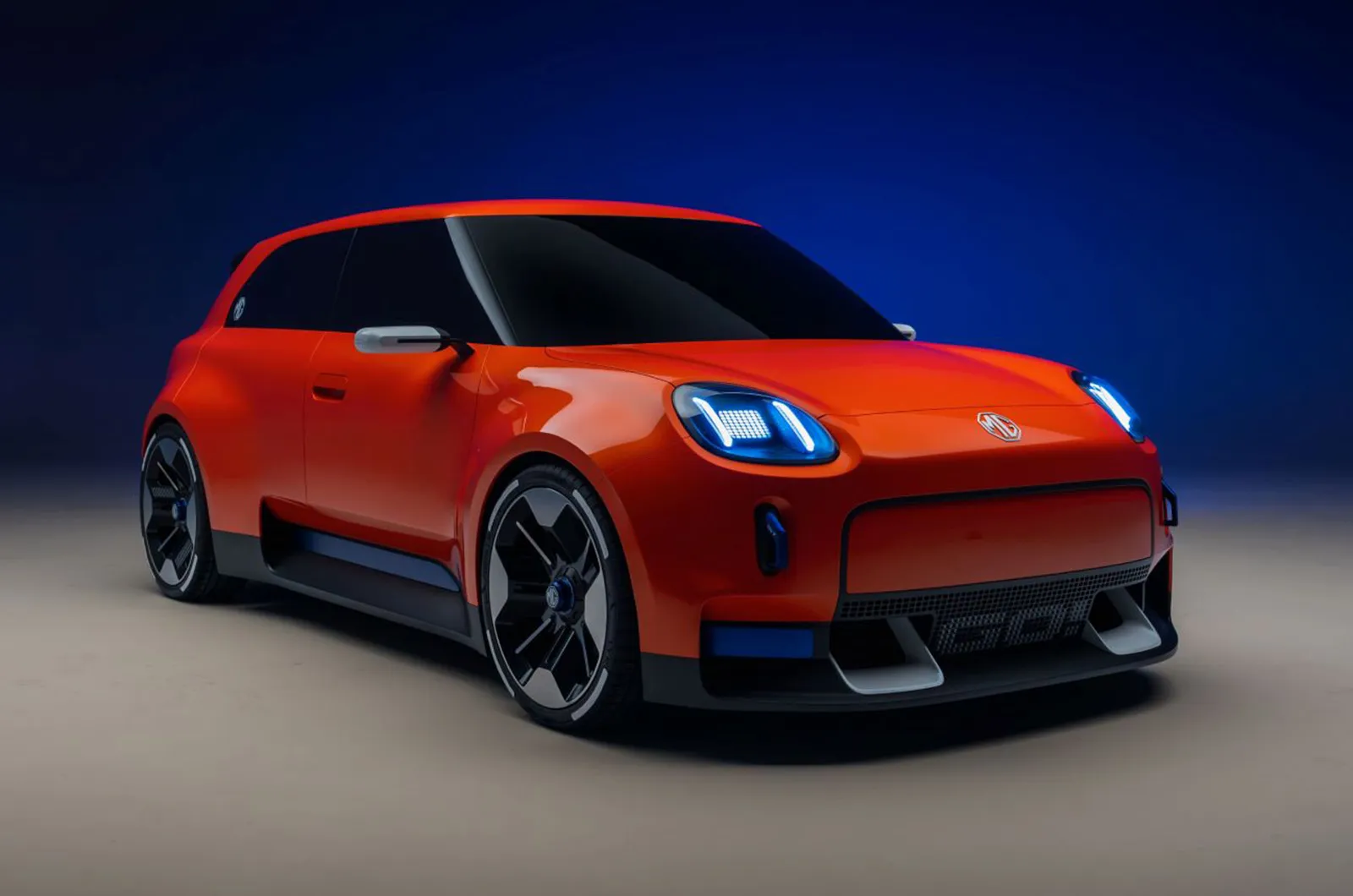
Given the success of the Renault 5 – a former What Car? Car of the Year winner – it's no surprise to see other manufacturers trying to cash in on the demand for small, retro-styled electric cars. And the latest example comes from MG, which previewed its own new small EV with the MG Go concept car at this year's Goodwood Festival of Speed.
Some of the concept's more extreme elements, such as its large front and rear spoilers and MG logos which you interact with to gain access to the rear seats rather than using door handles, are likely to be removed for production. But the car's overall cheeky look and bold colour palette should remain.
While MG has yet to reveal any technical details about the Go, any production version will need to be capable of going toe to toe with rivals including the R5 and Cupra Raval. In practical terms, that means a sub-8.0 second 0-62mph sprint time, and a range of at least 250 miles between charges.
advertisement
scroll for more
Find out more about the MG 2
Omoda 4
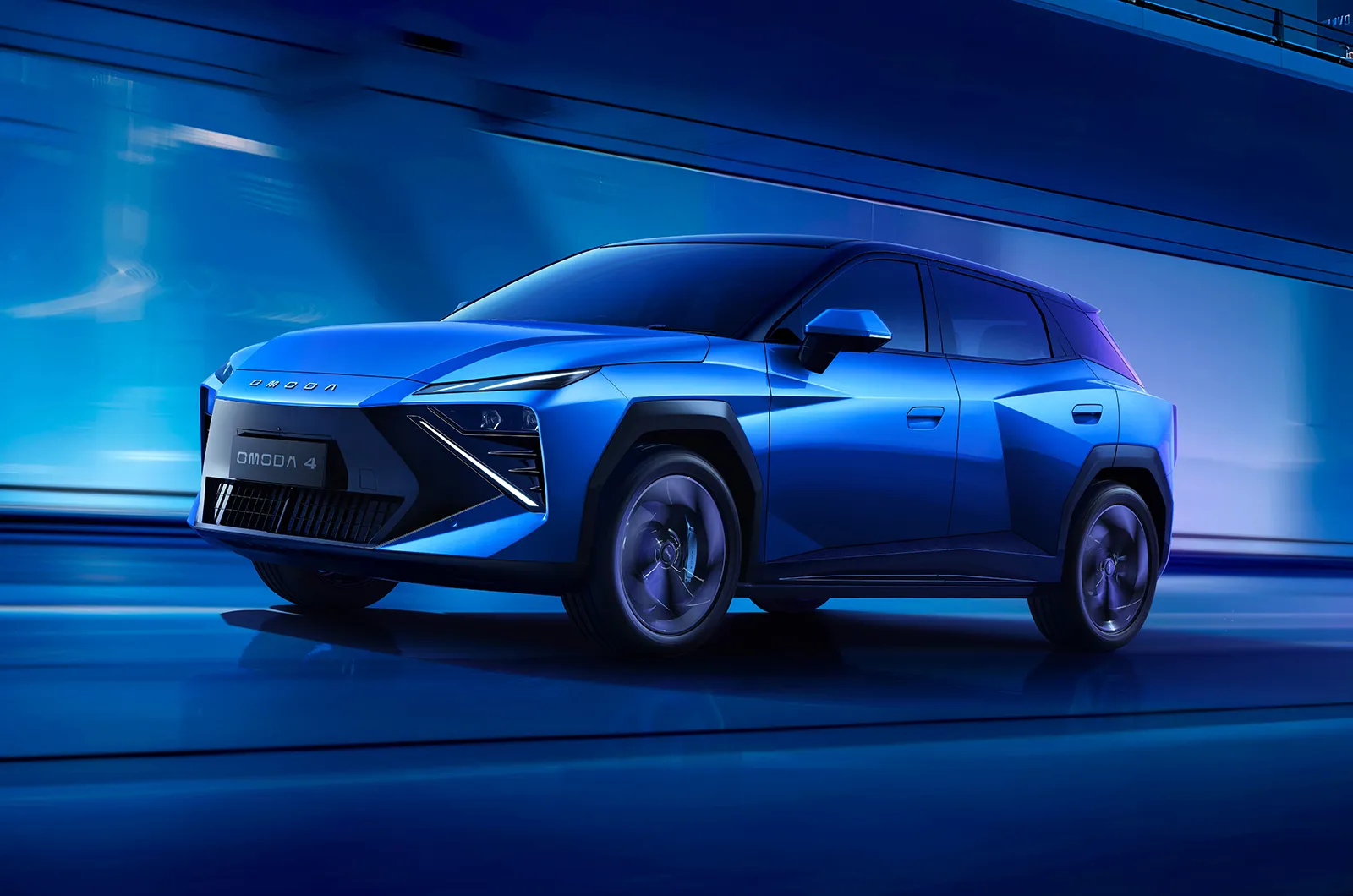
Omoda is making a big bet with the new 4, because it's being pitched into competition among some of the best-selling small SUVs, including the Ford Puma, Nissan Juke and Renault Captur. To make as big of a splash as possible, then, the 4 has been given striking looks and what's expected to be a very tempting price tag.
Although an electric version is on the way, at launch the Omoda 4 will only be available as a full hybrid. The setup consists of a 1.5-litre petrol engine paired with a small battery and electric motor. We've already tested this arrangement in the larger Omoda 5, where we were impressed with how much shove the car had from low speeds.
Elsewhere, the Omoda 4 offers a high-tech interior including an AI-powered infotainment system. It includes the ability to replicate the voice of your loved ones – so they can read you directions from the sat-nav, for example – plus you can dock a Nintendo Switch games console to it and play its games on the screen.
advertisement
scroll for more
Find out more about the Omoda 4
Porsche Cayman Electric
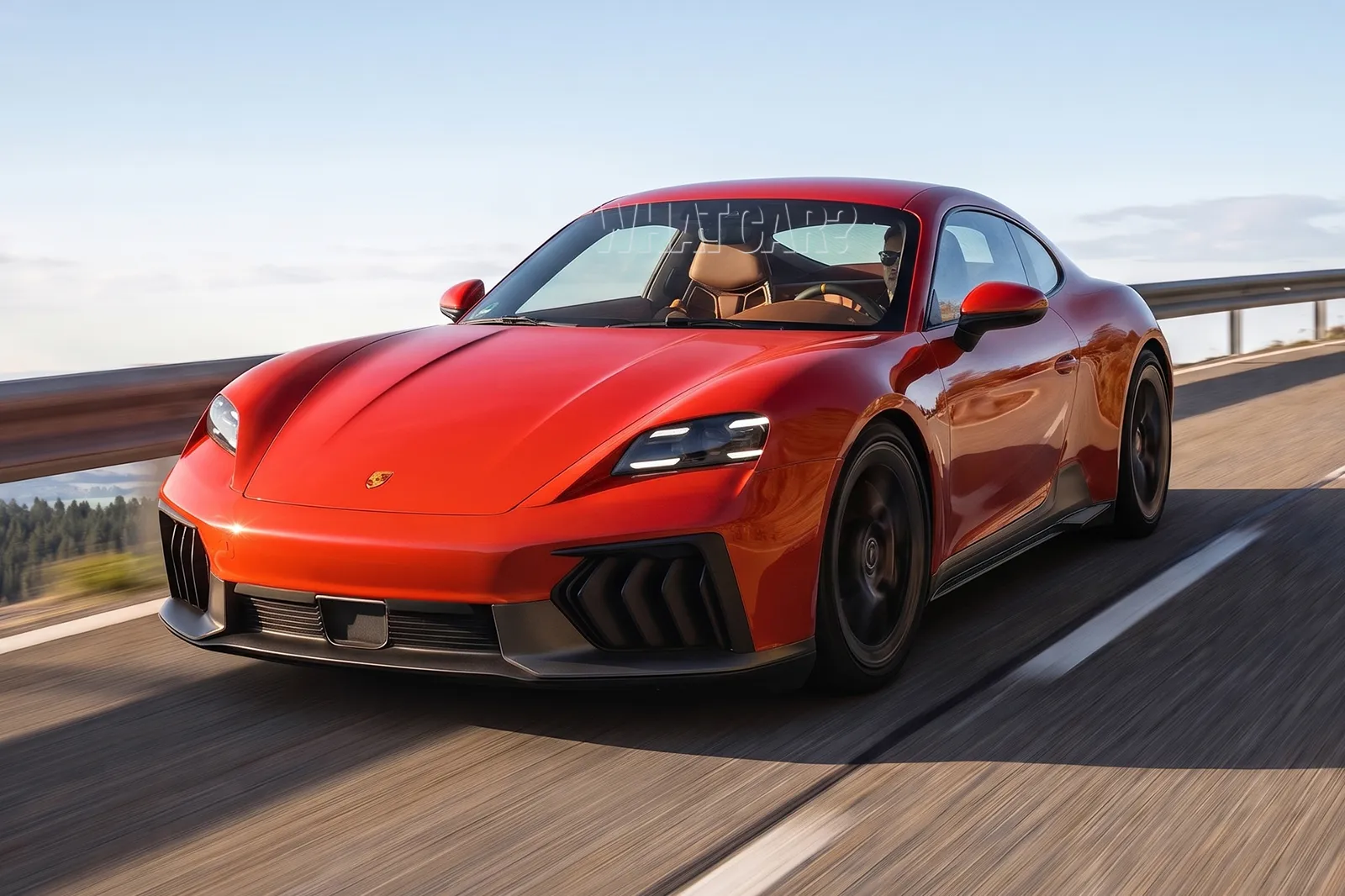
For a while at least, the future of the Porsche Cayman sports car hung in the balance as its maker tried to decide between continuing with petrol power or switching to electricity. That decision has now been made, which means that for the first time both the Cayman and its open-top Boxster sibling will launch next year as EVs.
Dubbed the 983 Cayman, the new car is expected to receive two electric motors and four-wheel drive from the outset. And although Porsche is remaining tight-lipped over any technical details, even entry-level models should eclipse the 496bhp offered by the current Cayman in GT4 RS form. That move is partly to counter the increased weight which comes from hauling around a battery, but should also make for sprightly performance.
Despite the move to electric power, the Cayman should still recognisably be a member of the Porsche family, with a full-width light bar at the rear, rounded four-point headlights at the front, and a swooping roofline reminiscent of the Porsche 911 sports car. Inside, we're expecting to see a big influence from Porsche's most recent models including the Cayenne Electric and Taycan, meaning a completely digital instrument cluster and fewer buttons than in the current Cayman.
advertisement
scroll for more
Range Rover GT
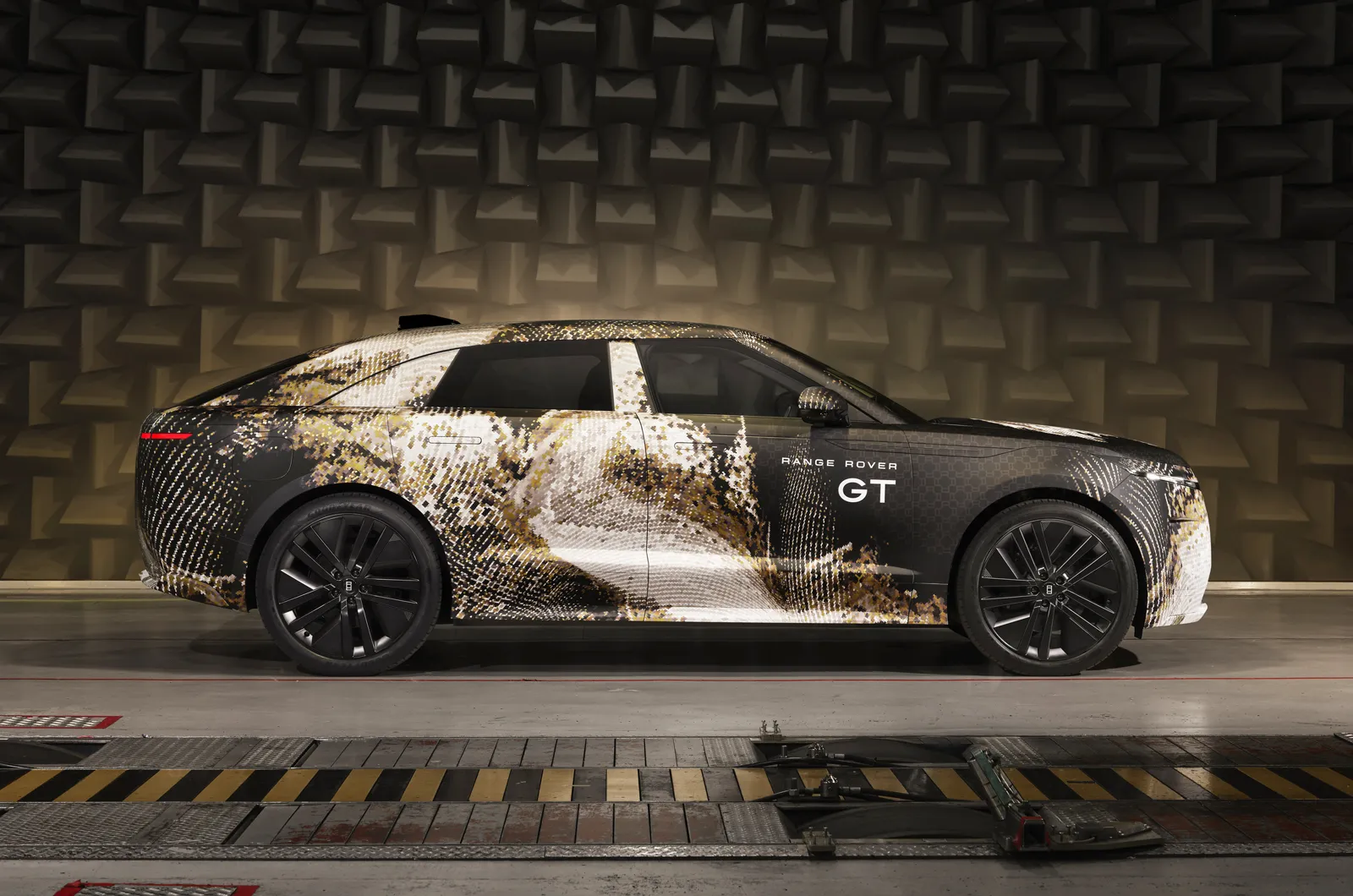
Previously known as the Road Rover, the new Range Rover GT will put a bigger focus on on-road comfort as opposed to the off-road prowess offered by its larger Range Rover Sport and Range Rover siblings.
Indeed, the new car is intended to be more of a grand tourer, with a lower and sleeker profile than any Range Rover before it. Technical details are currently scarce, but the GT is expected to launch with twin electric motors offering four-wheel drive, and a range which comes close to matching the 378 miles offered by the Range Rover Sport Electric.
A closer look inside the GT reveals that almost everything will be controlled through its large central touchscreen. There's also a high-set digital instrument panel, and a bridge-like centre console which leaves a large storage area beneath the armrest. While the car we've seen so far is a four-seater, conventional five-seat versions of the GT are expected to be offered.
Find out more about the Range Rover GT
advertisement
scroll for more
Smart #2
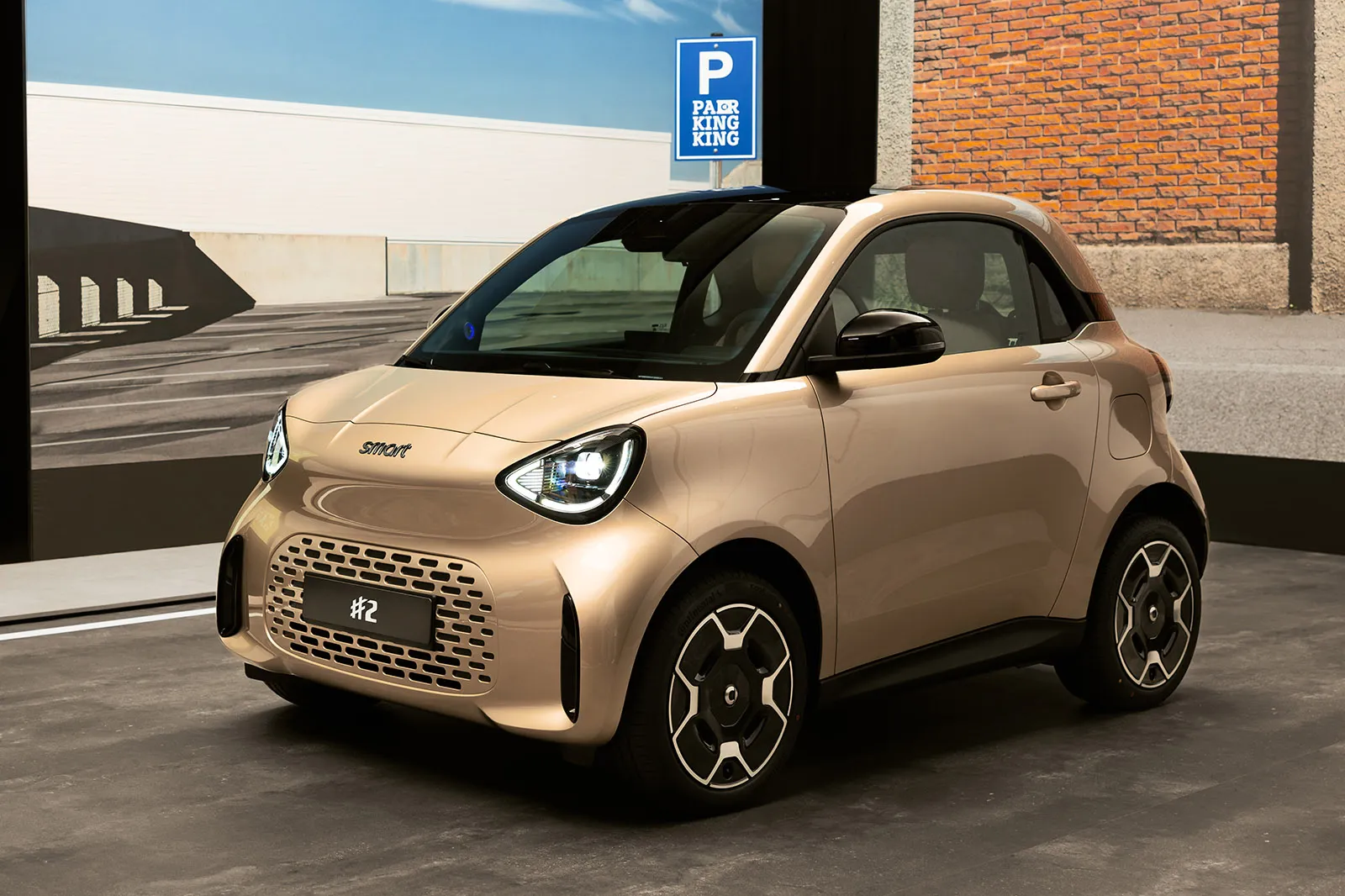
Smart started out making tiny city cars, so in many ways the #2 is the brand returning to its roots. And having built a solid reputation with the well-received #1, #3 and #5 already, our hopes are high for the brand's smallest model.
Like the original Smart ForTwo, the #2 will be a two-seater. It's a full metre shorter than the rival Renault Twingo, and its turning circle of just 6.95 metres is more than a metre tighter than that of a London black cab. In short, it should be a doddle to thread along city streets and to park.
Inside, you'll find a 10.1in infotainment screen angled towards the driver, with most driving information displayed on an 8.1in digital instrument panel.
With a projected official range of 180 miles, longer trips in the #2 will include several charging stops, but it helps that its 65kW peak charging rate is competitive with what else you'll find for similar money. Speaking of which, the #2's estimated starting price of £19,995, the newest Smart will face competition from small EVs including the Honda Super N and BYD Dolphin Surf, as well as the aforementioned Twingo.
advertisement
scroll for more
Find out more about the Smart #2
Toyota Land Cruiser EV
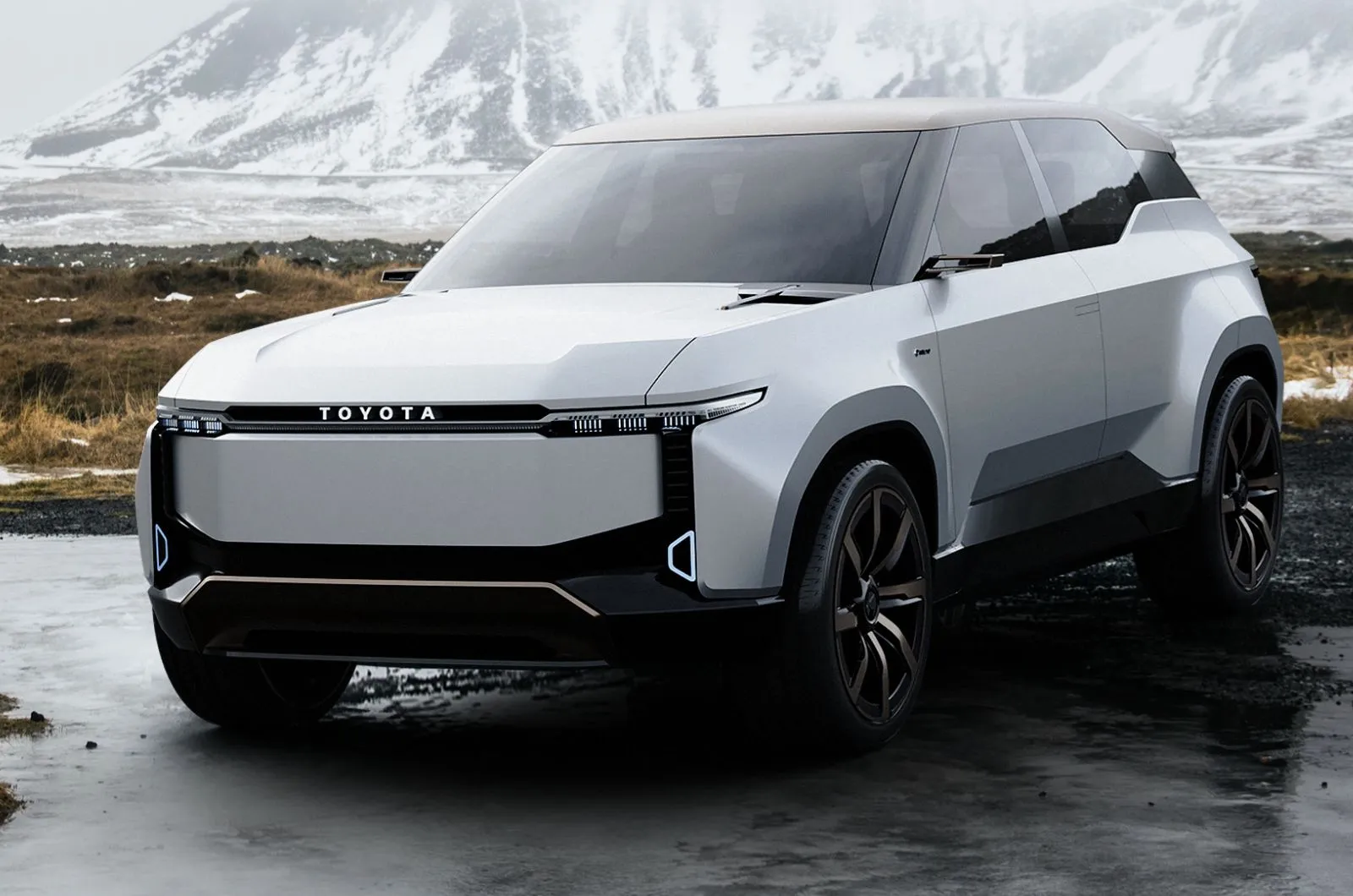
It's coming up to 75 years since the first iteration of the iconic Toyota Land Cruiser went on sale, and that moment is being celebrated with the launch of an all-new, electric version.
Expected to be sold alongside the existing Land Cruiser, which gets mild hybrid power, the new Land Cruiser EV will aim to offer the off-road prowess with which the car is most closely associated while also bringing a usable electric range. The car's closest rival is the Mercedes G580, which, while being a lot more expensive, is officially capable of covering 293 miles between charges.
Like the current Lexus RZ, the Land Cruiser EV is expected to benefit from a steer-by-wire system which eliminates any physical connection between the front wheels and the steering wheel, allowing for a yoke-like steering wheel design. Such a system could be especially well suited to off-road driving, since the steering response can be a lot faster than with traditional setups.
advertisement
scroll for more
Find out more about the Toyota Land Cruiser EV
Volkswagen ID Tiguan
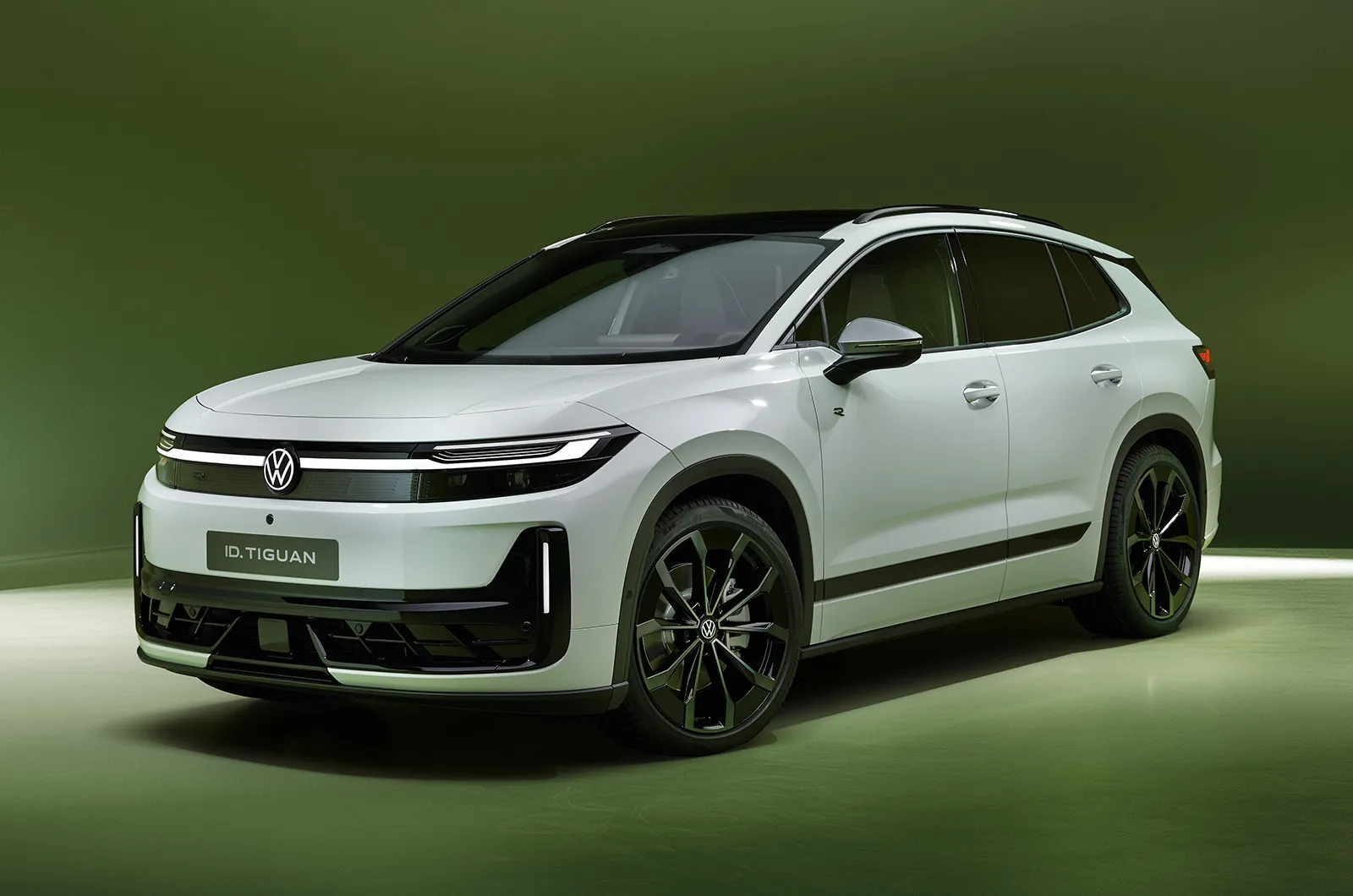
It shows the importance Volkswagen is placing on this replacement for the ID 4 that it's taking the name of one of the brand's best-selling models. But then again, the ID Tiguan has had the proverbial book thrown at it, with up to 295bhp available, the option of four-wheel drive and a range of up to 372 miles depending on which version you choose.
We've already been for a drive in a late-stage prototype version of the ID Tiguan, and we were impressed with its comfortable ride and composed handling. We also reckon that, thanks to its large boot and frunk, the ID Tiguan should be plenty practical enough for the needs of most families.
Volkswagen is expected to price the ID Tiguan at around £38,000, at which point it's in a prime position to compete against electric family SUV rivals including the Citroën ë-C5 Aircross and Smart #5.
Find out more about the Volkswagen ID Tiguan
advertisement
scroll for more
For all the latest reviews, advice and new car deals, sign up to the What Car? newsletter here
Have your say by casting your vote now >>
Industry news
News and advice
Sponsored
The 10 fastest-depreciating electric cars
News
Complete the What Car? EV charging survey
News
Deal of the Day: Lease a BMW iX2 from £294 per month
Best of
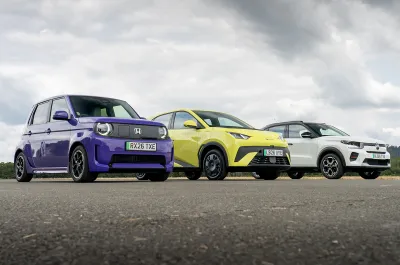
Cheapest electric cars: the UK's 10 most affordable EVs ranked
News

What Car? Reader Award: vote for the most exciting new car of 2027
News