Range Rover Sport Electric review
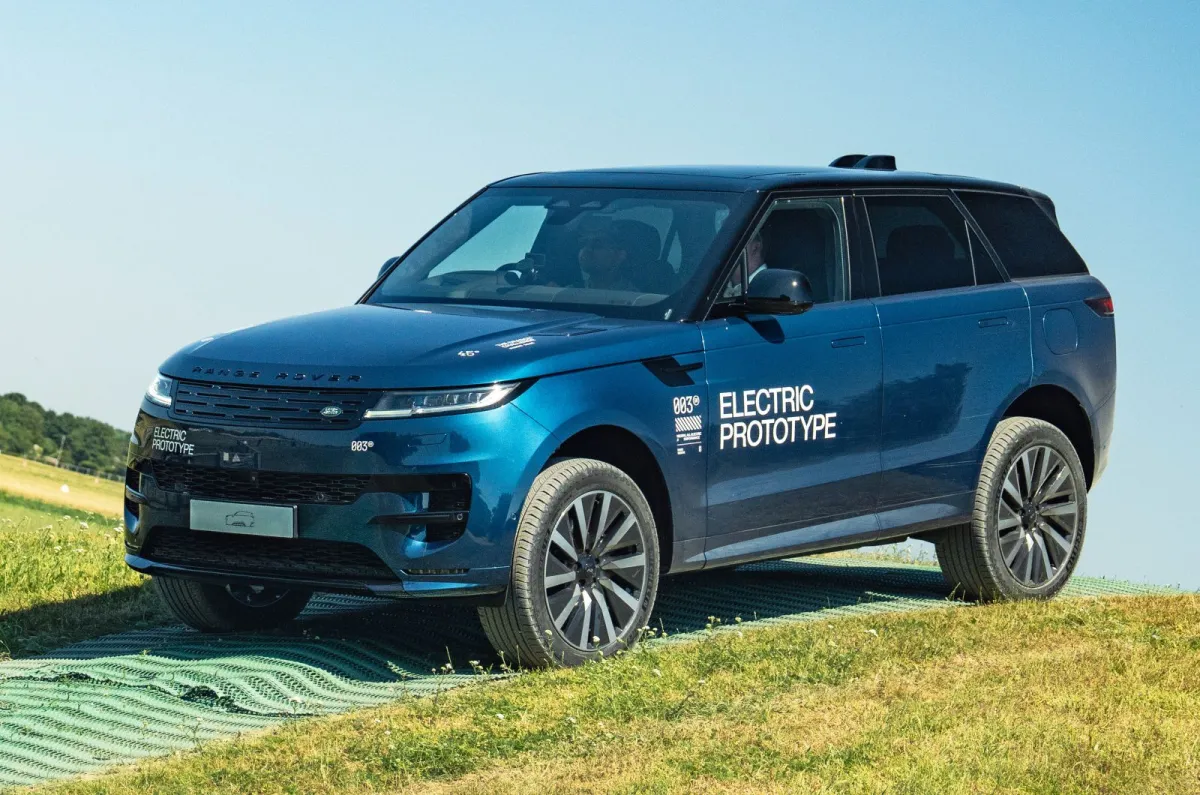
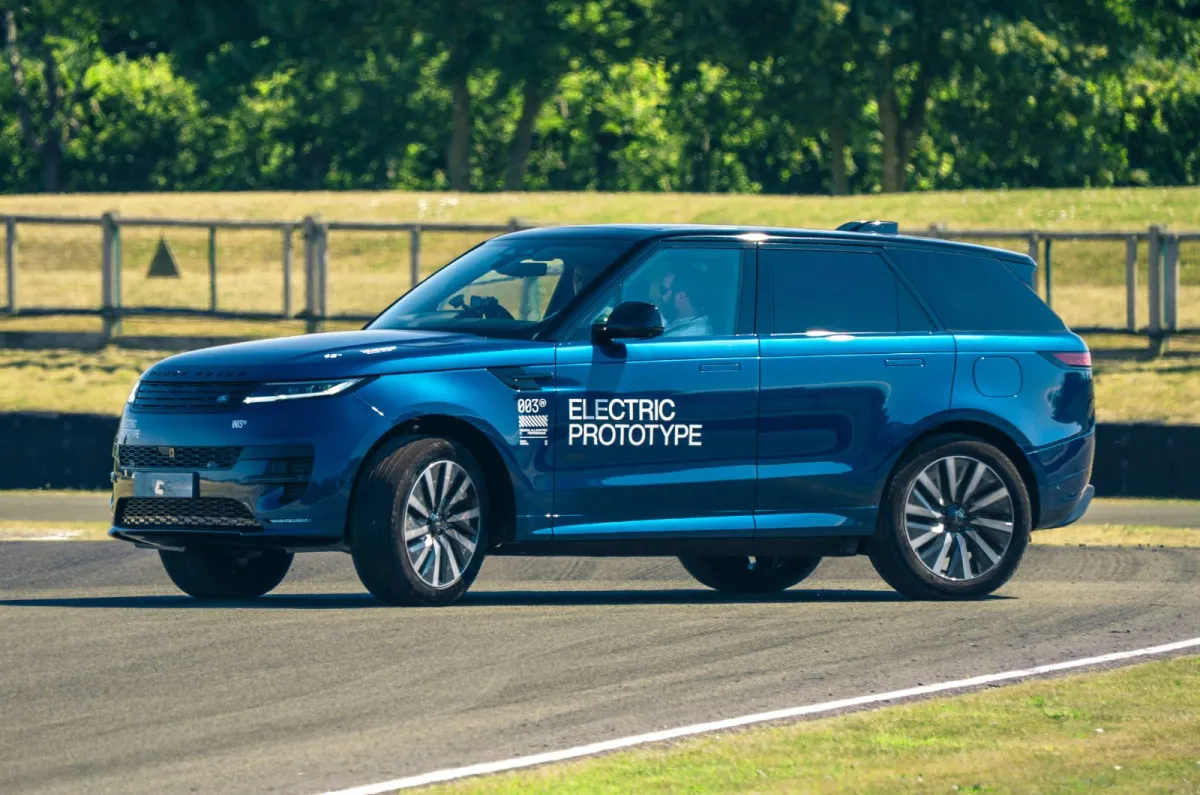
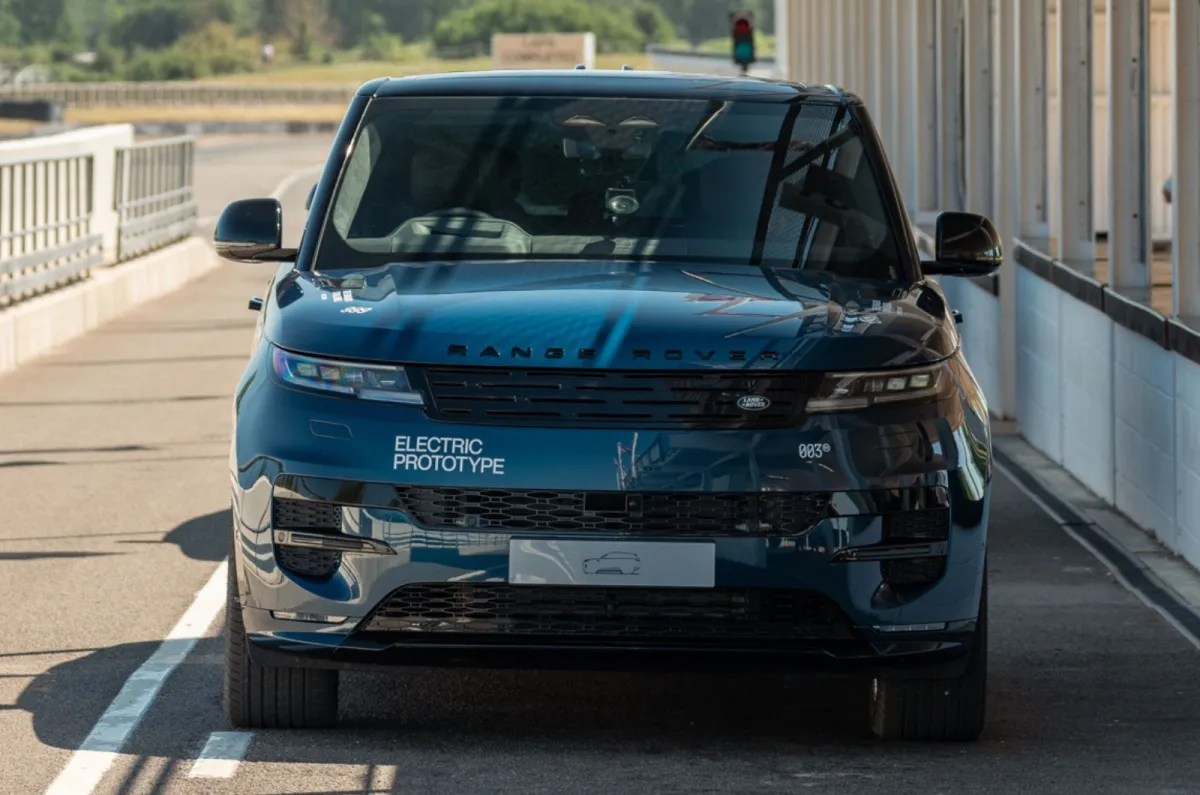
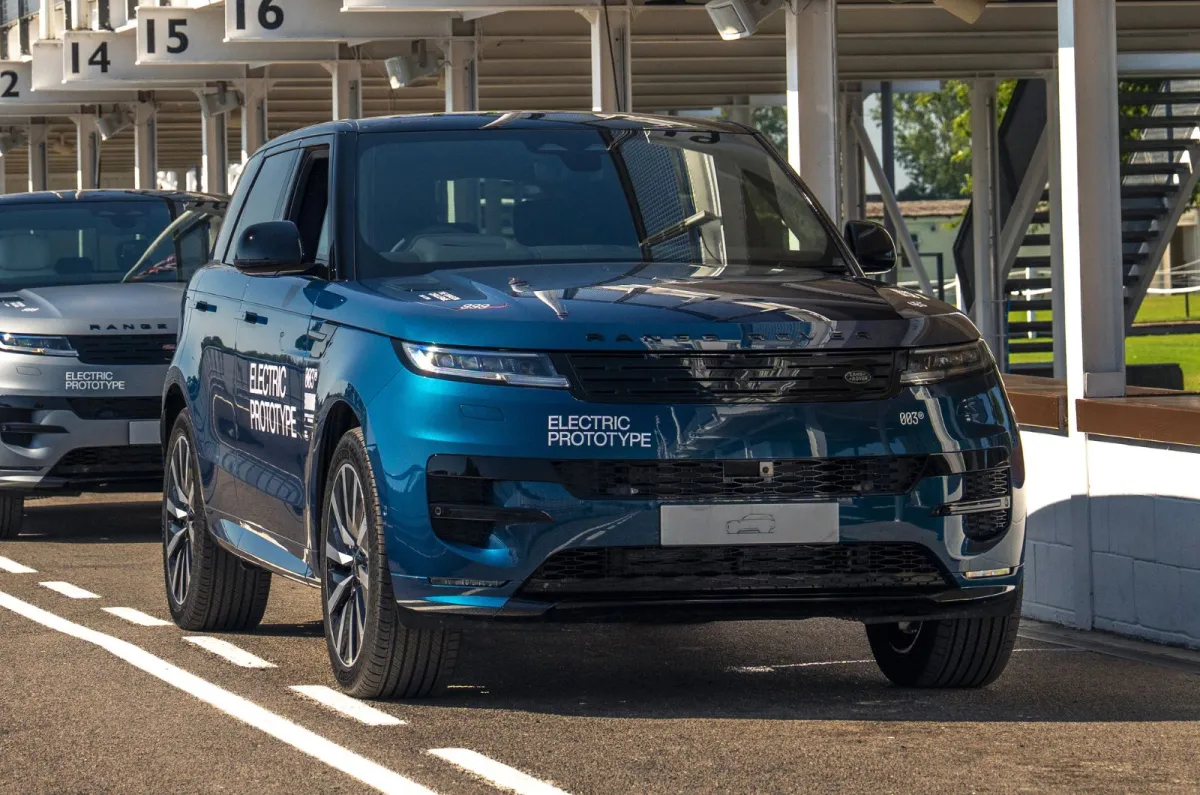
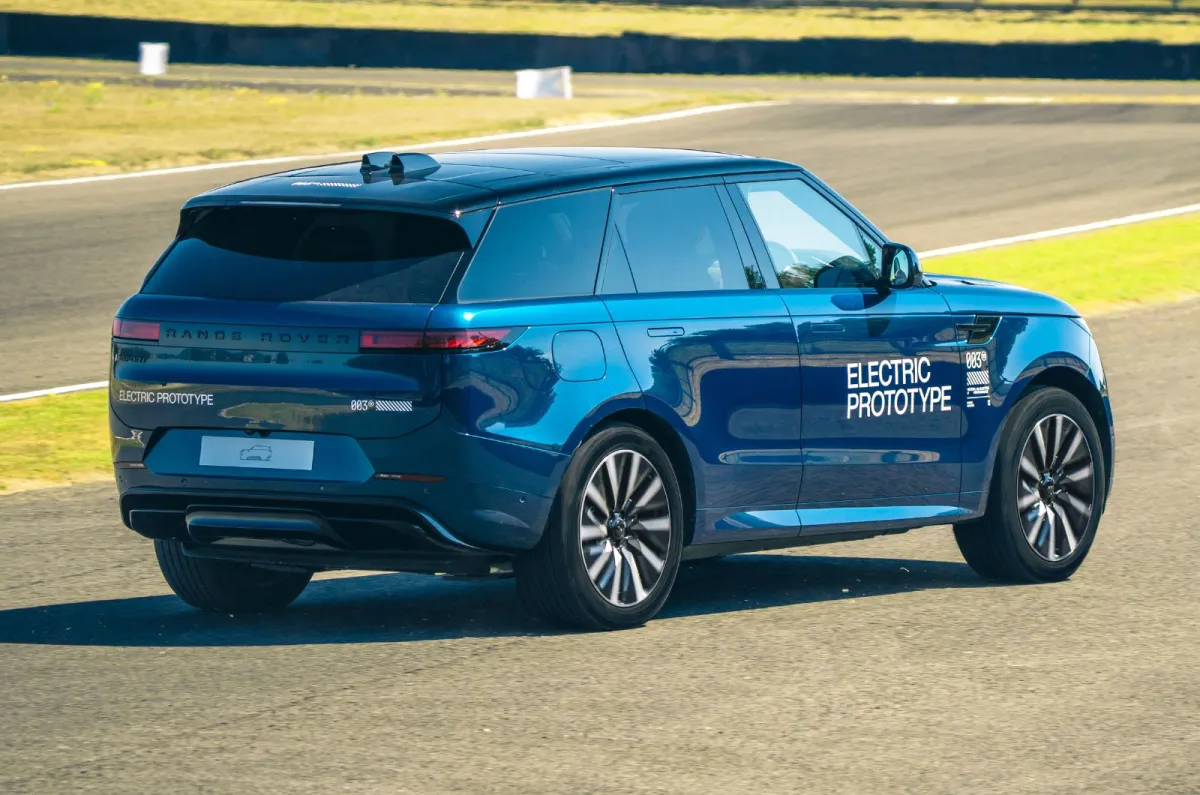
Ahead of the launch of the new Range Rover Sport Electric, we’ve driven a late prototype to see if it lives up to its combustion-engined counterparts, both on and off-road
RRP £77,620
- New
- Used








New car deals
Best price from £73,169
What is What Car? best price?
The What Car? best price shows you the cheapest way to buy your new car, whether it's by choosing an in-stock car through our partner Autotrader or placing a factory order.
Available now from: £73,169
RRP from: £77,620
Available now
From £73,169
Leasing deals
From £877
About our price indicator
What Car? indicative Personal lease example (subject to status)
Range Rover Sport Electric
Expected annual mileage 5000 Term months 48 Deposit months 12 Monthly payment £876.90 Initial payment £10,522.80
Step-by-step
Leasing works a bit like a long-term rental. You drive it, but you don’t own it.
- Choose your car, pick your terms and apply for lease credit online
- Pay monthly rental payments for your chosen term length
- Drive it, enjoy it, then give it back at the end
What you get
When you lease with Autotrader you get all of this:
- Full manufacturer’s warranty
- Road tax and roadside assistance included
- Free returns within 30 days*
Excess mileage charges and return conditions apply. Subject to availability and credit status. 18+ T&Cs apply.
In partnership with
£10,768 total upfront (£10,523 initial rental plus £245 processing fee) | 5000 miles | 48 months
- Lower total monthly cost than PCP/HP
- No balloon payments
- Road tax included
Power
296 bhp
Efficiency
38.8 mpg
Figures for 3.0 D300 MHEV Dynamic SE Auto 4WD Euro 6 (s/s) 5dr
Large Electric
Luxury SUV
New cars
Jump to:
Introduction
Performance & drive
Interior
Passenger & boot space
Buying & owning

Steve Huntingford
Updated: 29 September 2026
How we test cars
As the old saying goes, you wait ages for an electric Range Rover, then two come along at once. Okay, it might be buses in the traditional telling. However, it was December 2023 that an electric variant of the full-sized Range Rover was first announced. And now it turns out that when it does eventually go on sale (at the end of this year), it will be in tandem with this Range Rover Sport Electric.
Both cars have two motors that combine to produce up to 542bhp. And both draw their power from a 118.5kWh (usable capacity) battery, which should deliver more than 330 miles of range in real-world use. But while the Range Rover and Range Rover Sport feel dynamically similar to each other when equipped with an engine, the engineers wanted to give the Sport Electric a more distinct and focused character.
New car deals
Best price from £73,169
What is What Car? best price?
The What Car? best price shows you the cheapest way to buy your new car, whether it's by choosing an in-stock car through our partner Autotrader or placing a factory order.
Available now from: £73,169
RRP from: £77,620
Available now
From £73,169
Leasing deals
From £877
About our price indicator
What Car? indicative Personal lease example (subject to status)
Range Rover Sport Electric
Expected annual mileage 5000 Term months 48 Deposit months 12 Monthly payment £876.90 Initial payment £10,522.80
Step-by-step
Leasing works a bit like a long-term rental. You drive it, but you don’t own it.
- Choose your car, pick your terms and apply for lease credit online
- Pay monthly rental payments for your chosen term length
- Drive it, enjoy it, then give it back at the end
What you get
When you lease with Autotrader you get all of this:
- Full manufacturer’s warranty
- Road tax and roadside assistance included
- Free returns within 30 days*
Excess mileage charges and return conditions apply. Subject to availability and credit status. 18+ T&Cs apply.
In partnership with
£10,768 total upfront (£10,523 initial rental plus £245 processing fee) | 5000 miles | 48 months
- Lower total monthly cost than PCP/HP
- No balloon payments
- Road tax included
So, have they succeeded? And how does it compare with rivals such as the BMW iX and Porsche Cayenne Electric? Well, to find out, we accepted an invitation to try a late prototype.
advertisment
scroll for more
Verdict
In many respects, this is the best Range Rover Sport yet, thanks to its excellent ride and handling balance, and superb refinement. Plus, you get the usual luxurious interior and commanding driving position. It’s just a shame it’s so expensive.
What's new?
- September 2026: We have our longest drive yet in the Range Rover Sport Electric, at Land Rover’s test track in Gaydon
- July 2026: The Sport Electric is confirmed at the Goodwood Festival of Speed, and we briefly drive it in prototype form
Best buy

3.0 D300 MHEV Dynamic SE SUV 5dr Diesel Auto 4WD Euro 6 (s/s) (300 ps) review
RRP £90,060
Pros
- A pleasure to drive
- Luxurious yet practical inside
- Trademark off-road ability is still present
Cons
- High purchase price
- Rivals are even faster
- Porsche Cayenne Electric has a longer range
What's new?
- September 2026: We have our longest drive yet in the Range Rover Sport Electric, at Land Rover’s test track in Gaydon
- July 2026: The Sport Electric is confirmed at the Goodwood Festival of Speed, and we briefly drive it in prototype form
Best buy
3.0 D300 MHEV Dynamic SE SUV 5dr Diesel Auto 4WD Euro 6 (s/s) (300 ps) review
RRP £90,060
Trims available
Dynamic SE
Includes everything in the well-equipped SE package then adds some styling touches.
Autobiography
This all-singing, all-dancing trim gets a host of upgraded interior materials as well as things like digital headlights, massaging front seats and 22in alloys, but the price jumps significantly from the lower trims.
SE
SE builds on S trim with a few extra bells and whistles, including 21in alloys, fine-grain leather seats, 20-way electric heated memory front seats, heated rear seats and a panoramic roof. Those extras are welcome but it's our pick primarily because it's the least expensive trim you can have with the excellent D300 diesel engine.
New car deals
Available now
Leasing deals
Performance & drive
What it's like to drive, and how quiet it is
Strengths
- Disguises its size and weight well
- Impressively refined
- Still as capable off-road as you’d expect
Weaknesses
- Steering is unnecessarily heavy in Dynamic mode
- While the range is good, it’s not class leading
How fast is it and which motor is best?
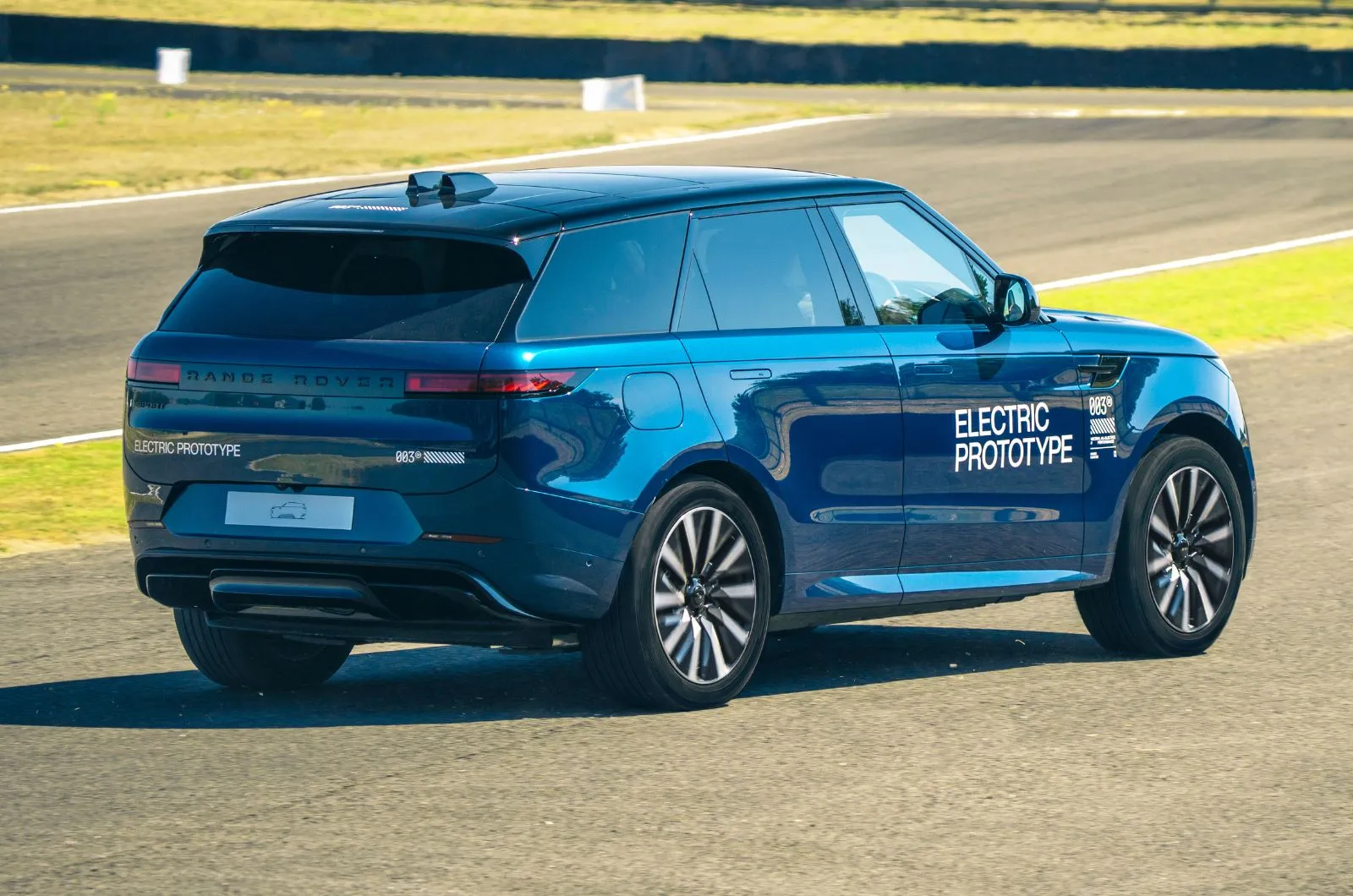
At launch, every Range Rover Sport Electric will have the same dual-motor set-up, although the exact amount of power on tap depends on the driving mode you’ve selected.
advertisment
scroll for more
The car is at its most sedate in Eco mode, where there’s 276bhp available and you have to push the accelerator pedal quite a long way before you get much of a response. However, switching to Comfort brings 493bhp and a big step up in performance, while Dynamic unleashes the full 542bhp.
True, it’s still slower than the rival BMW iX M70 xDrive and Porsche Cayenne S Electric – let alone the Turbo version of the latter. But, make no mistake, as long as you keep it out of Eco, the Sport Electric feels properly quick.
0-62mphTop speedRange Rover Sport Electric4.5sec124mphBMW iX M70 xDrive3.8sec155mphPorsche Cayenne S Electric3.8sec155mph
Is it agile and is the ride comfortable?
The Sport Electric comes with lots of clever tech to aid both comfort and agility. For instance, there’s adjustable air suspension, as well as four-wheel steering that gives this near-five-foot-long SUV an impressively tight turning circle. However, perhaps the biggest surprise is how much more controlled it is than the Range Rover Electric.
advertisment
scroll for more
Put your foot down in that model and the nose of the car rises quite dramatically, whereas the Sport remains far more level. This is the case even when you have it in its standard on-road driving mode, while switching to Dynamic makes it feel still more tied down, without ruining ride comfort.
In addition, the Sport responds quicker to steering inputs, making it feel far more eager to turn in to corners. Plus, active anti-roll bars are standard on the Sport Electric (but not available on the Range Rover Electric) to help it resist body lean.
Our one complaint is that the Sport's steering is unnecessarily heavy when it's in Dynamic mode, so we'd recommend programming the car's customisable Individual mode to combine Dynamic suspension with standard steering.
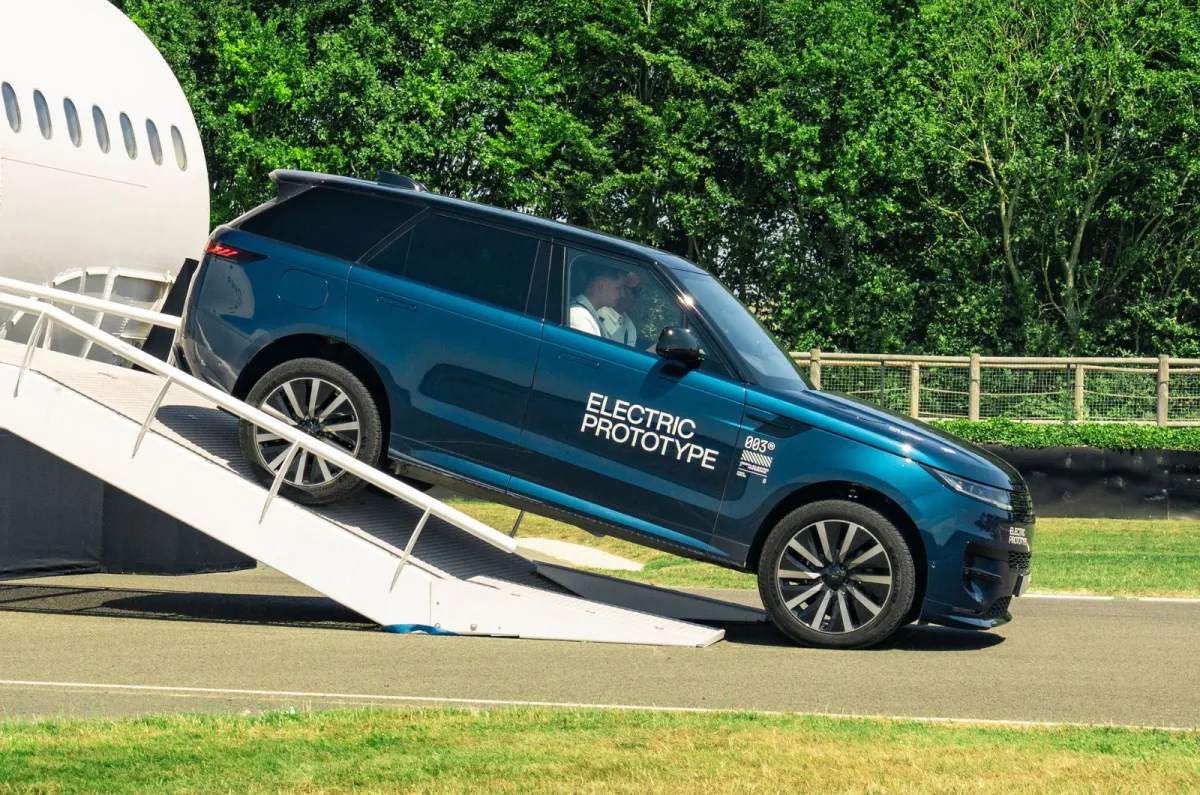
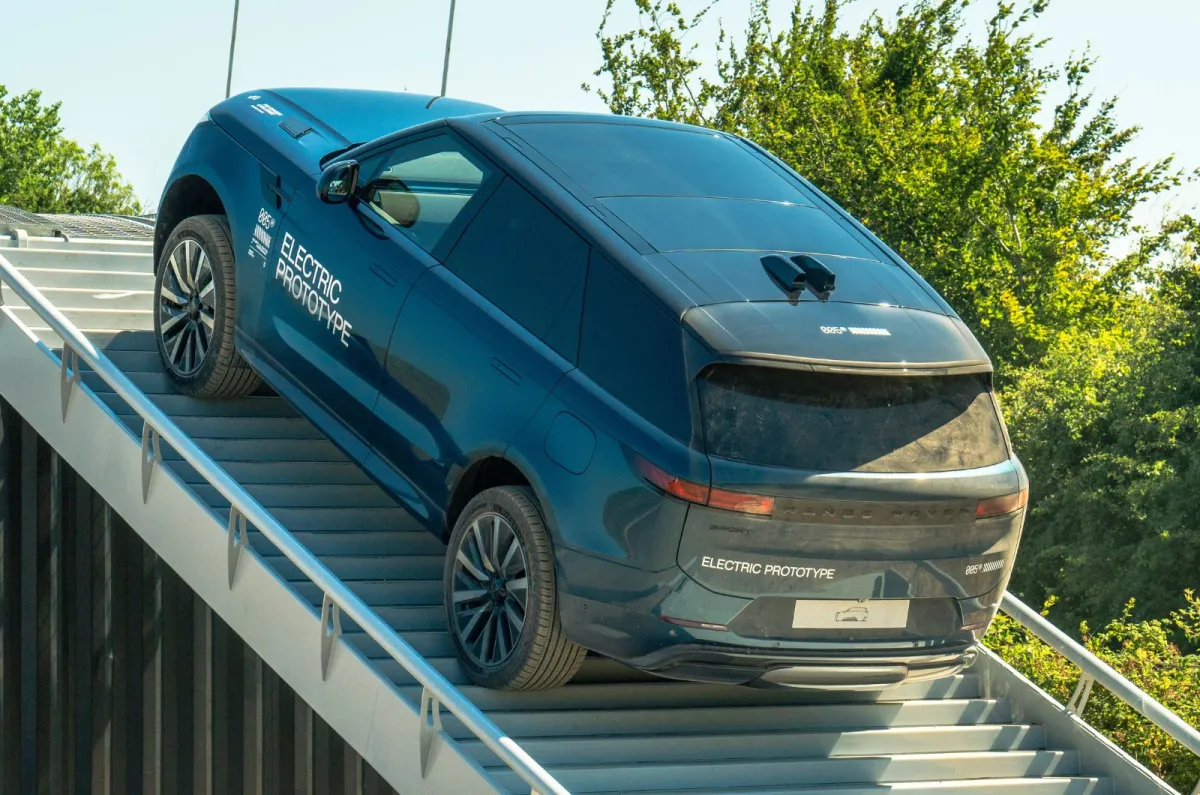
As for go-anywhere ability, ground clearance is slightly reduced compared with a petrol or diesel Range Rover Sport (due to the location of the battery, low in the car, and the shielding to protect it). However, it can still wade through up to 900mm of water and climb 45-degree inclines, aided by four-wheel drive, all-terrain tyres and Land Rover’s usual off-road driving modes.
advertisment
scroll for more
Is it quiet and how easy is it to drive smoothly?
As is the norm with electric cars, the Sport Electric slows down through a mixture of regular brakes and regenerative braking, where lifting off the accelerator puts some energy back into the battery, with the side effect that you slow quicker than you otherwise would.
Unlike a lot of electric cars, though, the Sport manages to blend the two forms of braking together almost seamlessly, which helps to inspire confidence and makes it easy to come to a smooth stop.
A subtle artificial ‘engine’ sound plays through the speakers to give you a sense of how fast you’re going, but unwanted noises are kept to a minimum; there’s barely any road noise, while wind noise is limited to a gentle flutter from around the door mirrors at high speed.
All the latest deals, offers and much more from the What Car? team. Don't miss out.
See our full privacy notice for more details.
CAPTCHA
This question is for testing whether or not you are a human visitor and to prevent automated spam submissions.
What’s the range and efficiency like, and how quickly can it charge?
Land Rover estimates that the Sport Electric is capable of travelling up to 333 miles between charges in real-world conditions. However, because few other manufacturers quote real-world ranges, we need to look at the figure obtained in the official Government test to see how the Sport’s stamina compares with rivals.
advertisment
scroll for more
Here, its 378-mile total eclipses that of the BMW iX M70 xDrive. But, on the other hand, every version of the Porsche Cayenne Electric can go farther – even the ballistically-fast Turbo model.
Likewise, the Sport treads the middle ground when it comes to the time it takes to charge, although that still means up to 136 miles of range can be added in 10 minutes if you can find an 800V public charger (comparatively rare in the UK) or up to 98 miles via a 400V unit.
Official range10-80% charge timeRange Rover Sport Electric378 miles22 minsBMW iX M70 xDrive365 miles35 minsPorsche Cayenne S Electric403 miles16 mins
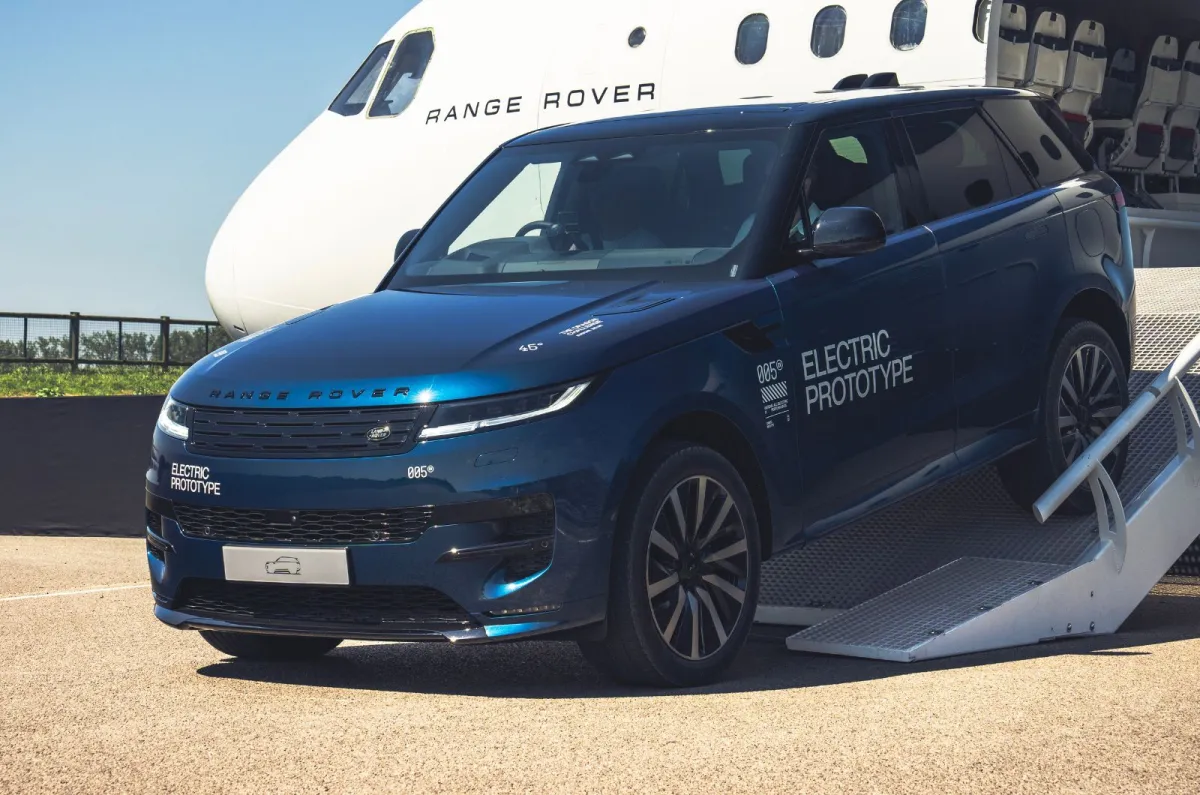
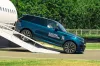
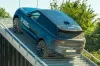
The Sport Electric’s vast array of sensors really help when off-roading; I used it to tackle everything from a set of stairs to a hole in the side of an aircraft without ever worrying about making an expensive mistake.
Dan Jones, Senior Reviewer
Tips & Advice
How to test drive a car
There’s no substitute for a test drive in a new car. Take it on a variety of roads and surfaces to ensure it measures up.
Charging an EV at home
You can charge your EV from a three-pin socket, but a home EV charger is faster and more convenient. Here are the best
Do I need to use public EV chargers?
Charging at home is almost always cheaper, but if you need a quick top-up, we have revealed the best charging networks
Interior
The interior layout, fit and finish
Strengths
- Commanding driving position
- Crisp, responsive infotainment screen
- Feels luxurious
Weaknesses
- Very few buttons, which compromises usability
What does the interior look like and is it well made?
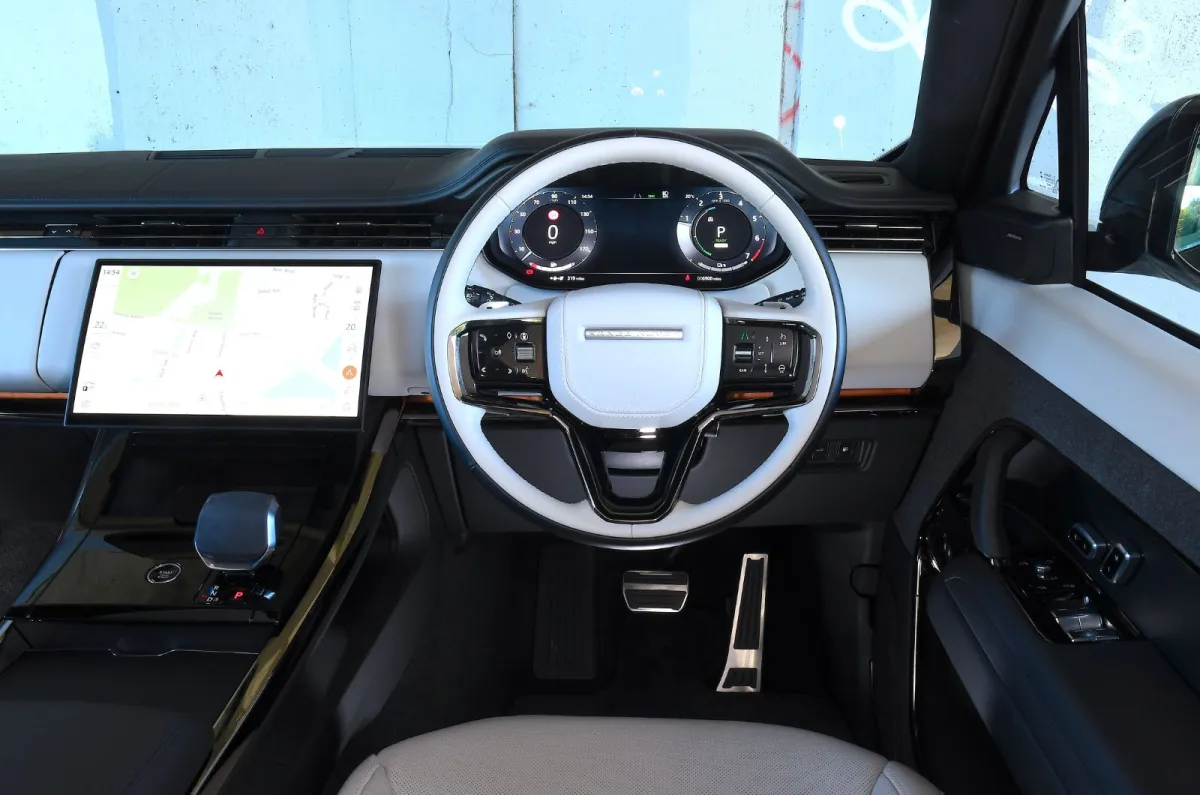
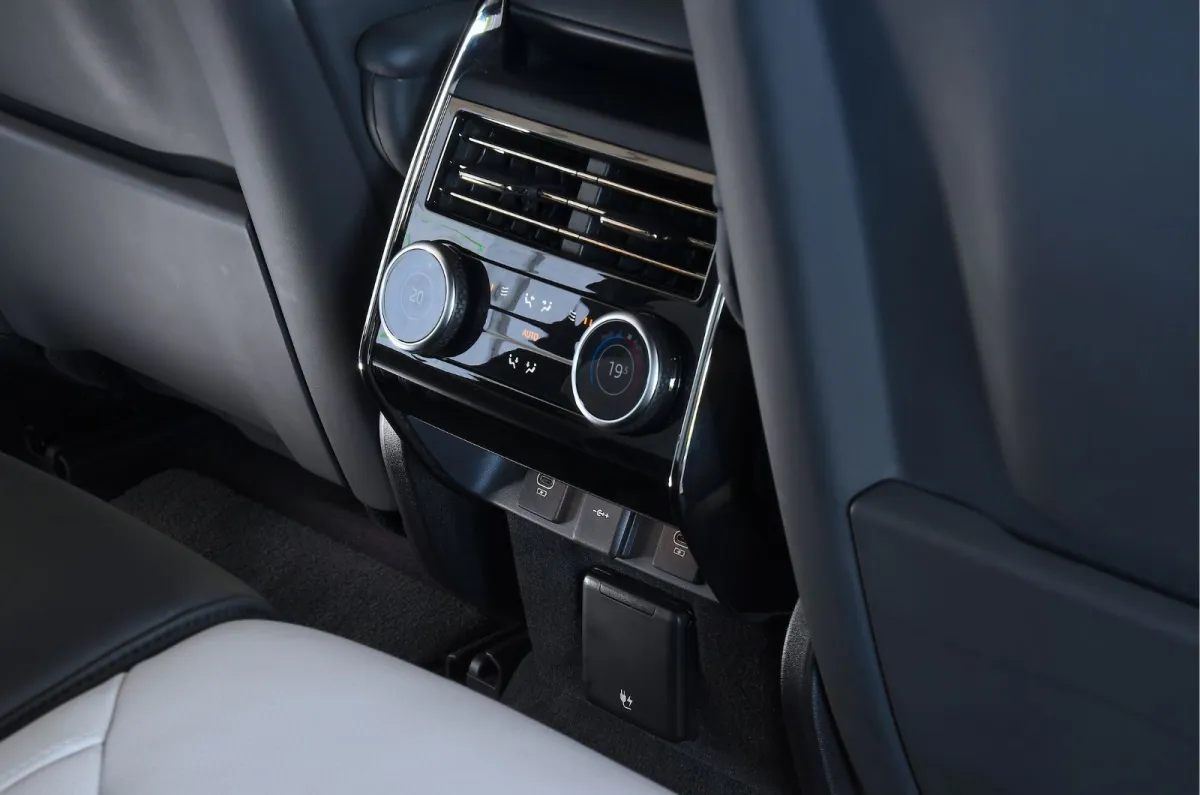
Aside from some bespoke on-screen menus, the interior of the Sport Electric is just like that of any other Range Rover Sport, which means it’s modern and minimalist (some might argue too minimalist, but we’ll come to that). Even the ‘S’ label by the gear selector is carried over, although here it stands for ‘Single pedal’ rather than ‘Sport’.
advertisment
scroll for more
As for quality, the Sport Electric feels both sturdily assembled and properly plush, so a worthy rival to the BMW iX and Porsche Cayenne Electric. Indeed, most of the materials match those in the more expensive Range Rover Electric.
Is the driving position comfortable and is it easy to see out?
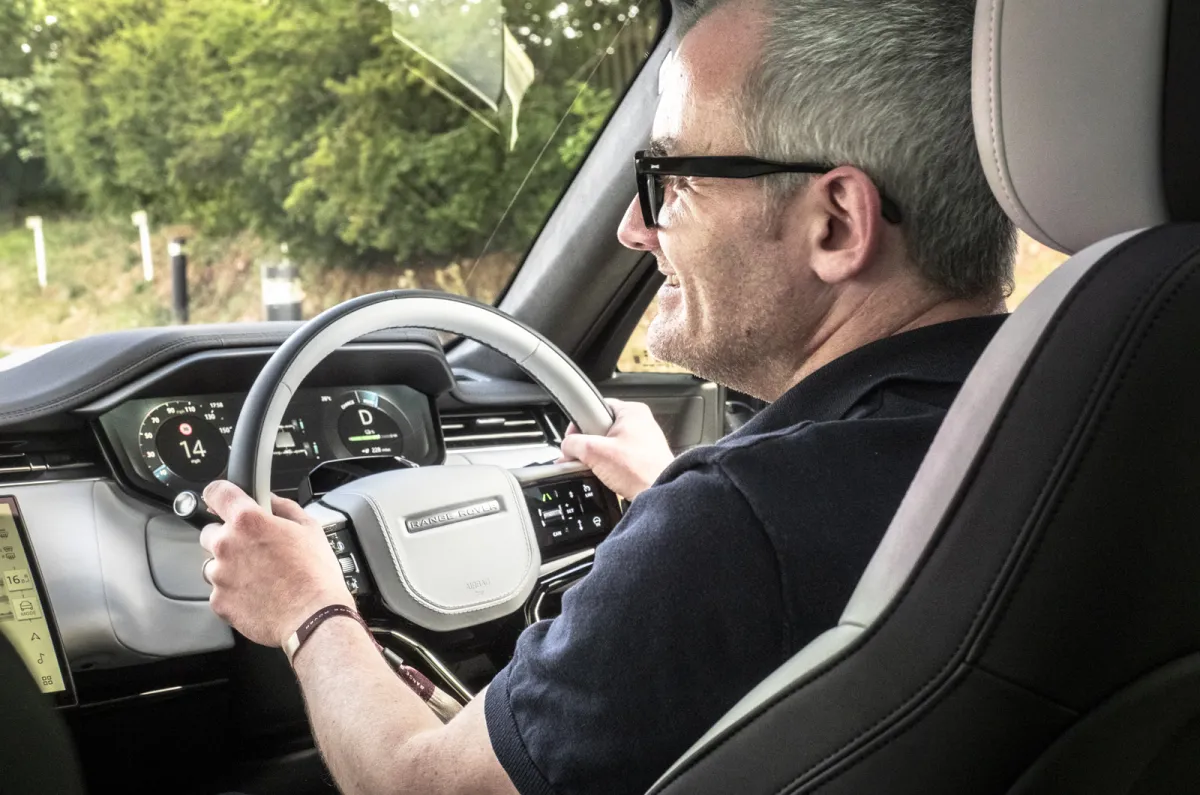
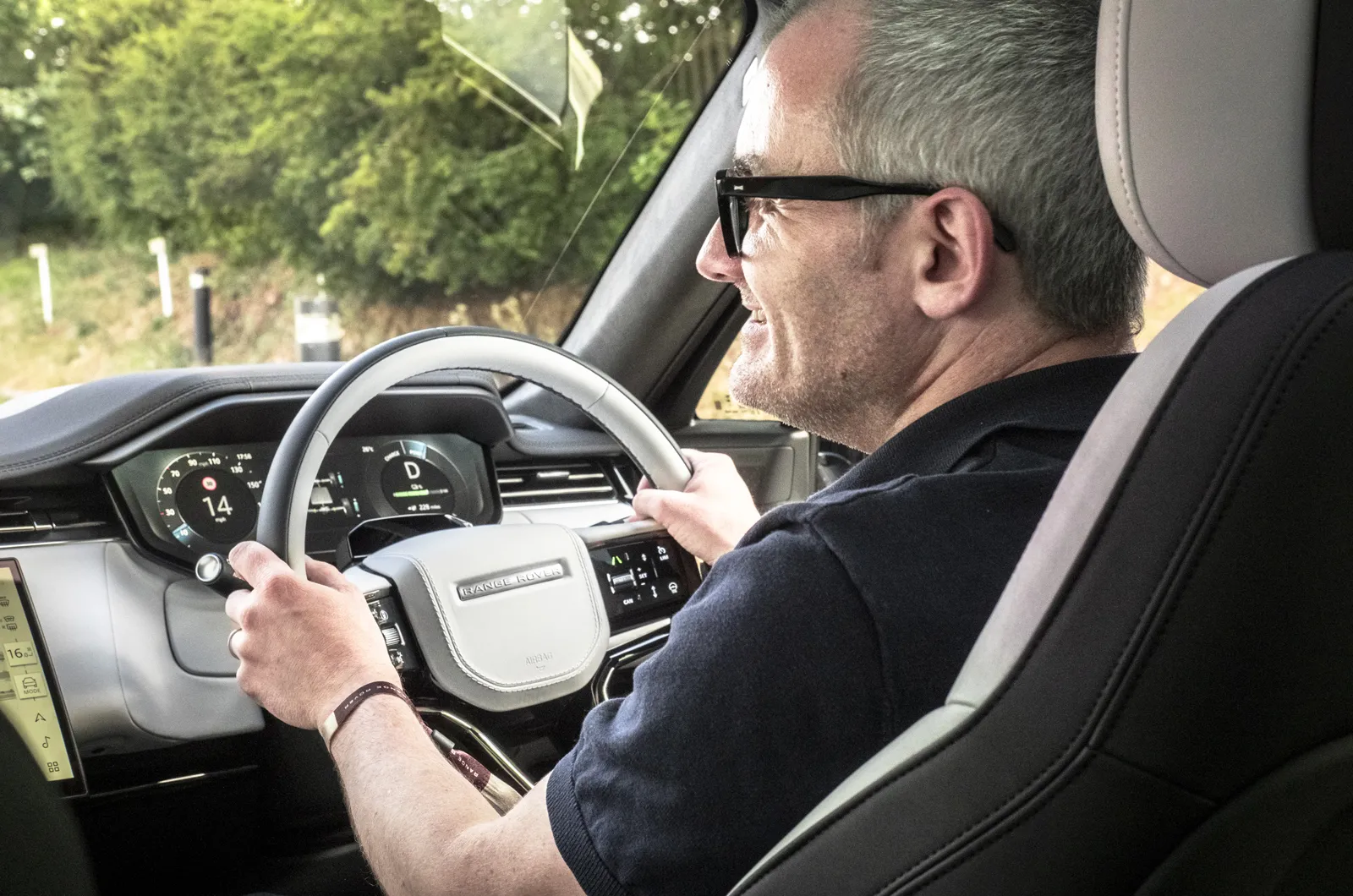
The Sport Electric rides slightly lower than the full-sized Range Rover, but you still look down on the majority of cars, which contributes to an excellent view of the road ahead.
Big door mirrors and large side windows further boost visibility. And while the rear windscreen is shallow, all Sport Electrics come with all-round parking sensors and a 360-degree camera. To this list, the Autobiography and First Edition versions add a rear-view mirror that can double as a camera feed of what’s behind.
As a bonus, those cars have ventilated seats with a massage function. But whichever Sport Electric you go for, the steering wheel, pedals and driver’s seat all line up well, plus there’s a huge range of electric adjustment.
advertisment
scroll for more
Are the dashboard and infotainment system easy to use?
As in the regular Range Rover Sport, physical buttons are limited mainly to window switches and the controls on the steering wheel, which – among other things – let you customise the layout of the 13.7in digital driver’s display.
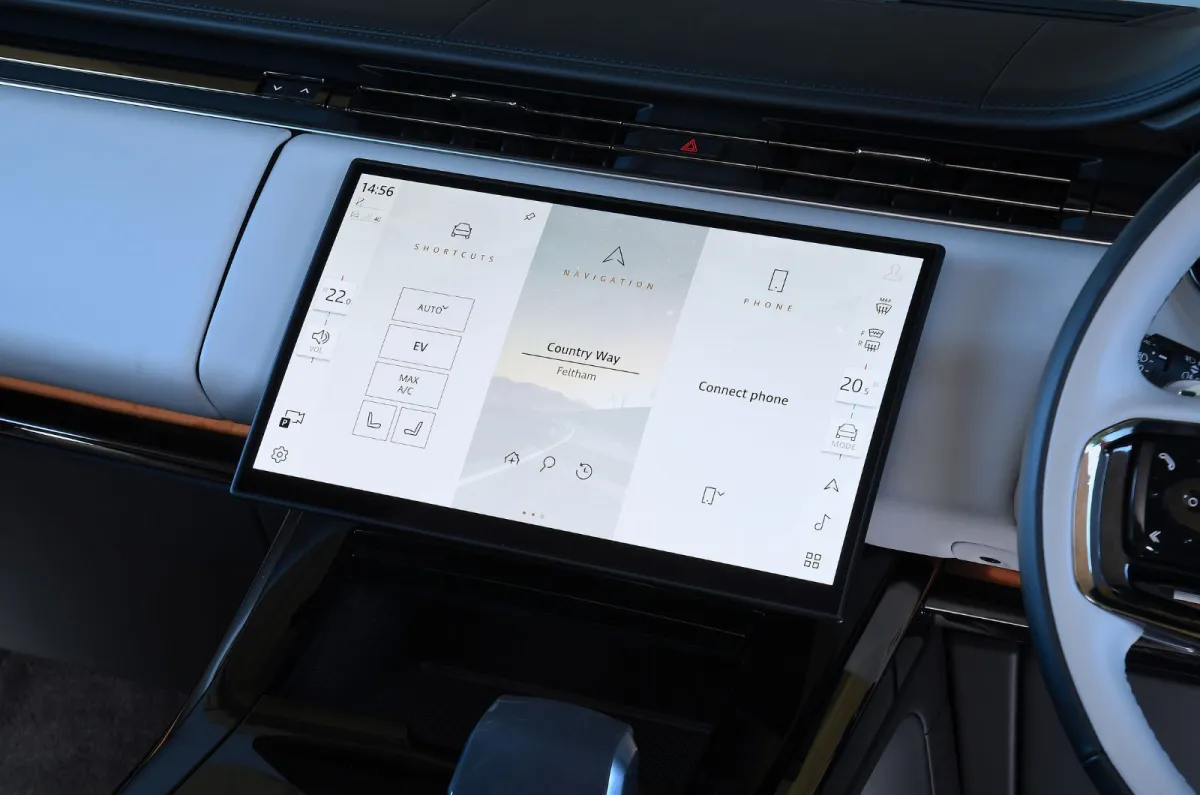
Next to that, in the middle of the dashboard, is a 13.1in infotainment touchscreen, through which you operate most other functions. This is positioned within easy reach, offers impressive resolution and responds quickly to prods.
That said, you do still have to look away from the road to see which area of the screen to hit. Driver distraction would be reduced if the screen were complemented by a physical rotary controller (like the iX has) or separate physical climate controls (as found in the Cayenne Electric).
Perhaps it's a cliche, but I felt like the king of the road driving the Sport Electric, because you sit so high, and the driver's seat is quite throne-like.
Oliver Young, Senior Reviewer
Tips & Advice
Which smartphone integration should I have?
Apple CarPlay and Android Auto are fantastic – and free – technologies. Here we show you the benefits, drawbacks and best apps
Passenger & boot space
How it copes with people and clutter
Strengths
- Loads of space for four
- Electrically reclining rear seats aid comfort
- Large boot
Weaknesses
- No under-bonnet storage
- Not great for a central rear passenger
How much space does it have for people?
The Sport Electric is the same size as the regular Range Rover Sport, which means there’s loads of space for four inside. Okay, there’s fractionally less head room than you get in the Range Rover Electric, but you’d have to be wielding a tape measure or sporting a substantial mohawk to notice.
The one slight disappointment is that there’s a lump in the floor that gets in the way of a central rear passenger’s feet. This is also the case in the Porsche Cayenne Electric, whereas the BMW iX has a completely flat floor and a more comfortable central seat than the Sport or the Cayenne.
More positively, the Sport’s rear seats recline electrically, to allow two people in the back to relax on long trips. Plus, there’s lots of useful in-car storage, including two large cupholders in the centre console, two gloveboxes and a large bin beneath the front centre armrest, which is refrigerated if you tick the box for the optional Comfort Pack.
While the previous-generation Range Rover Sport (2013-2022) was available with seven seats, the latest version (including the Sport Electric) is capped at five. If you need more, take a look at the Range Rover LWB, or see our guide to the best seven-seaters.
advertisment
scroll for more
How much room does it have for luggage?
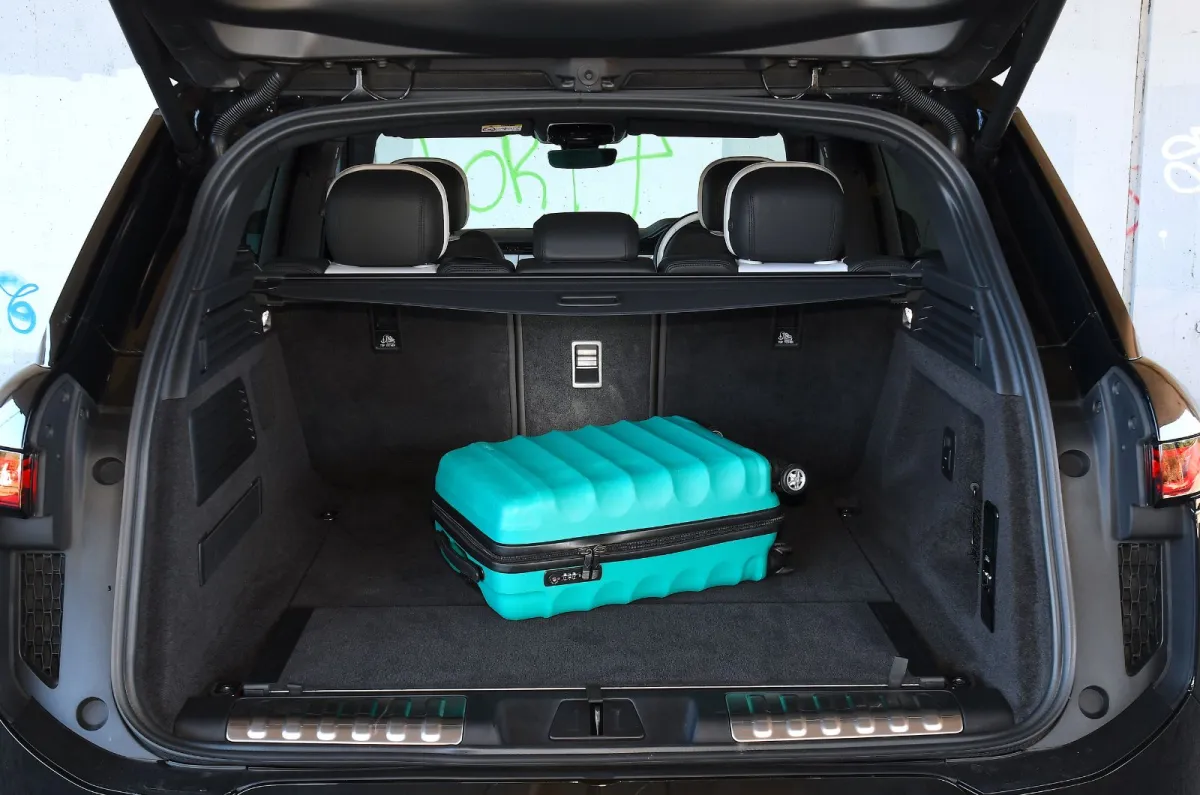
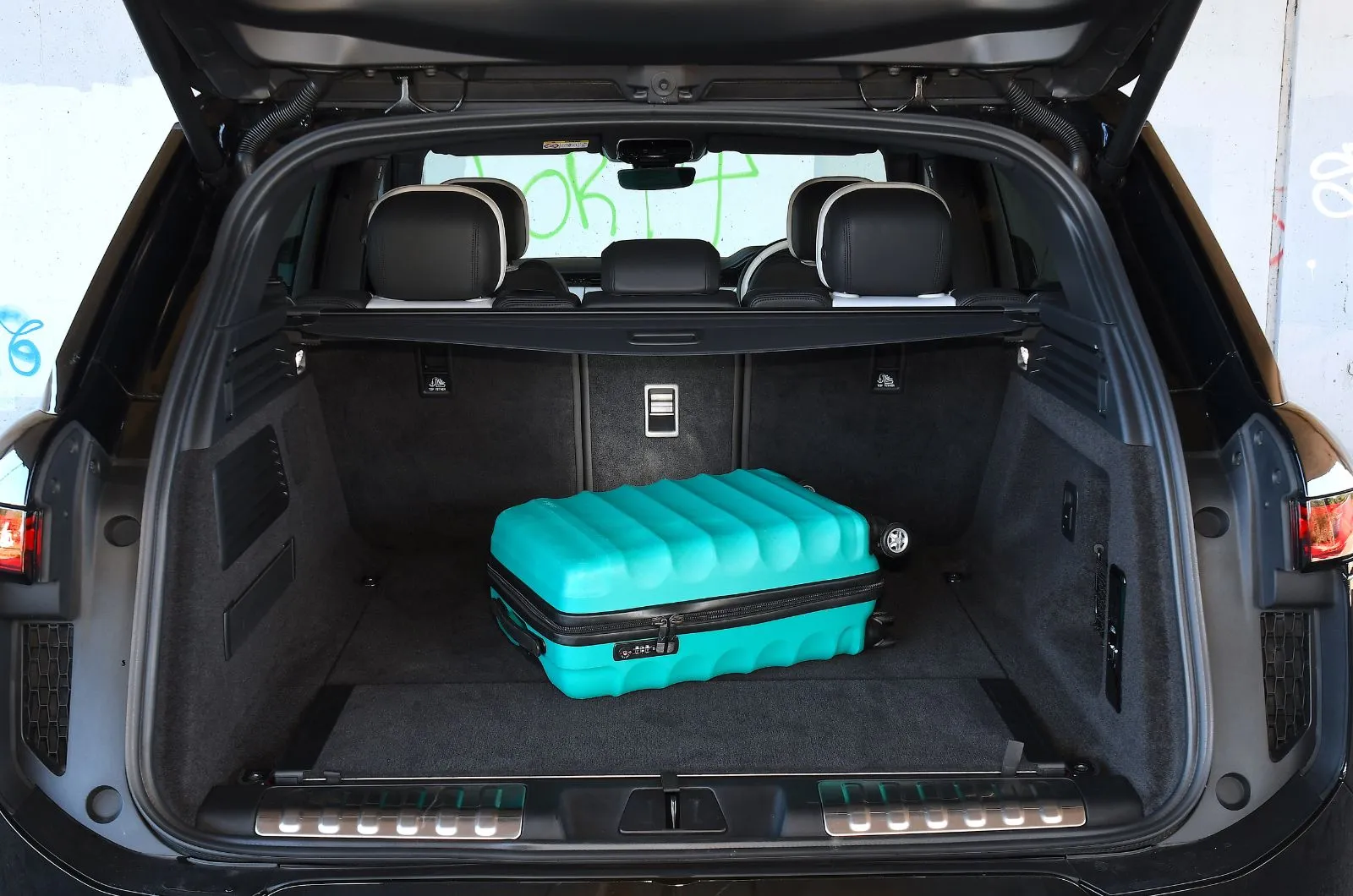
The Sport Electric is no worse (or better) off for boot space than the regular Sport, which means you’ll be able to fit nine carry-on suitcases beneath its parcel shelf – one more than the iX can manage.
Handily, you can change the height of the car's air suspension using two buttons at the side of the boot, making it easier to load hefty items. Plus, the electrically adjustable rear seatbacks split and lower in a 60/40 configuration, with a ski hatch in the middle for long, thin loads like... well, skis.
A powered tailgate is standard, and you can flip up part of the boot floor; this creates a backrest for a ‘picnic seat’ when the tailgate is open, or a divider to stop items sliding around while you’re driving.
Main boot capacityFront boot capacityRange Rover Sport Electric647 litresnaBMW iX M70 xDrive500 litresnaPorsche Cayenne S Electric506 litres90 litres
A front boot would be a bonus, although personally I rarely end up using these – especially when the main boot is as big as the Sport’s.
Oliver Young, Senior Reviewer
Tips & Advice
Need ultimate practicality?
We’ve run the rule over the most spacious models on sale to deliver the definitive rundown of the cars with the biggest boots
Will the car fit your needs?
As part of the test drive, fill the car with regularly-carried luggage, and make sure the family can get comfy before you buy
Buying & owning
Everyday costs, plus how reliable and safe it is
Strengths
- Likely to have strong resale values
- Cheaper to buy than a Range Rover Electric
Weaknesses
- Still an expensive choice
- Land Rover’s reliability record
How much does it cost and what equipment do you get?
The Range Rover Sport Electric is priced from about £109,810 (the starting price at the top of this review is for the Range Rover line-up as a whole), which is slightly less than you’ll pay for a BMW iX in range-topping M70 xDrive form.
advertisment
scroll for more
On the other hand, you can have a Porsche Cayenne S Electric, which is faster and has a longer official range, for around £10k less, while the entry-level Cayenne Electric (which can still go farther between charges) undercuts the Sport Electric by around £26k.
Ways to buy
Cash from £73,169 Own the car outright. No monthly payments.
Lease from £877pm Drive a new car every few years. Lower upfront costs.
£10,523 initial payment , 48 month contract , 5000 miles p/a . Subject to status and conditions.
Available Now from £73,169 Choose a car from stock. Drive away today!
More positively, Range Rovers tend to hold their value well (although so do Porsches), and even the base Dynamic SE trim feels anything but entry-level – probably because it represents the mid-point in the line-up of the combustion-engined Range Rover Sport.
Matrix LED Headlights, 21in alloy wheels, a panoramic glass roof, a heated steering wheel, and heated front and rear seats trimmed in super-soft Windsor leather are all included.
Is it reliable, and how long is the warranty?
Given that deliveries haven’t even started yet, it’s obviously too early to determine how dependable the Sport Electric will be. However, while Land Rover generally performs poorly in the annual What Car? Reliability Survey (it was the least reliable brand in the 2026 edition), the combustion-engined Sport finished in mid-table in the luxury car class, ahead of the equivalent Porsche Cayenne and the BMW iX.
advertisment
scroll for more
Like BMW and Porsche, Land Rover offers a three-year, unlimited-mileage warranty on most components, but covers the drive battery of electric models for eight years or 100,000, whichever comes first.
How safe is it, and is it easy to steal?
Again, we don’t know the full picture yet, but the regular Range Rover Sport was awarded the full five stars for overall safety by Euro NCAP (albeit back in 2022, when the tests weren’t as tough as they are today).
The long list of standard safety equipment with the Sport Electric includes automatic emergency braking (AEB), lane-keeping assist, rear cross-traffic alert, Hill Descent Control, blind spot monitoring and rear-seat Isofix child seat mounts.
Following a wave of high-profile thefts of Range Rovers, Land Rover has massively improved security, to the extent that its cars are now amongst the hardest to steal.
Buy it if...
– You value a good balance of comfort and handling, instead of prioritising one of these things over the other
– You want a big luxury SUV that still feels manoeuvrable enough in the city
– You like a super-high driving position
advertisment
scroll for more
Don't it if...
– You want the fastest electric SUV available, or the one with the longest range
– You regularly use your car’s central rear seat
For all the latest reviews, advice and new car deals, sign up to the What Car? newsletter here
Even if I could afford a Range Rover Electric, I’d choose this Sport Electric instead, because I prefer its more controlled and nimble feel, and it’s still very comfortable.
Steve Huntingford, Editor
Tips & Advice
How much does it cost to charge an EV
A dual-rate tariff can slash your home-charging bills by up to 70% if you charge overnight. There are environmental benefits, too
Organise your motoring life
Whether you need to keep tabs on your insurance renewal, sort breakdown cover, or book a service, My What Car? has you covered
Never miss a motoring date
Remembering to arrange insurance, book a service or buy breakdown cover can be a pain. Fortunately, My What Car? is here to help
Can I buy a car with cash?
Paying cash isn’t always an easy way to a new car – and you may not be able to get the big discounts you might expect
How to lease a car
Car leasing is like long-term rental, and can be an affordable route to a new car. When the deal ends, you hand the car back
Protect your investment
GAP insurance allows you to get the full price for your car if it’s stolen or written off, but only a quarter of Brits buy it
Reduce your car finance bills
Refinancing your car effectively means taking out one loan to pay off another, which could help reduce your monthly payments, or reduce your finance term
What is hire purchase?
Hire purchase allows you to make monthly payments to buy your next car – although these will be higher than with a PCP
What is PCP finance?
Low monthly payments are key to the appeal of Personal Contract Purchase (PCP) agreements. But are there downsides?
Land Rover Range Rover Sport alternatives
Similarly priced cars
Polestar 3
Audi Q8 Sportback e-tron
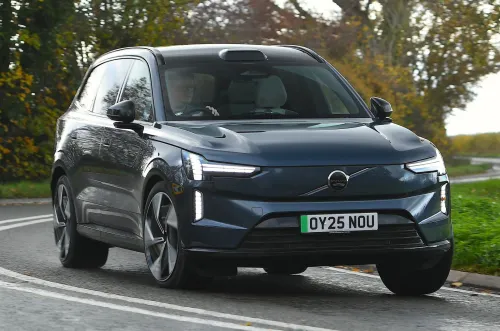
Volvo EX90
If you're interested in finding a land-rover Range Rover Sport, or any of the other large electric cars mentioned here, head over to our Cars available now pages to find new cars listed for sale at great prices.
Land Rover Range Rover Sport specifications
Best buy
3.0 D300 MHEV Dynamic SE SUV 5dr Diesel Auto 4WD Euro 6 (s/s) (300 ps) review
RRP £90,060
RRP price range
£77,620 - £146,195
MPG range across all versions
23.4 - 389.7
Available fuel types (which is best for you? )
Diesel, Petrol, Petrol Plug-in Hybrid, Electric
Available colours
Number of engines (see all)
3
Number of trims (see all)
17
Warranty
3 years / 60,000 miles
Company car tax at 20% (min/max)
£794 - £10,393
Company car tax at 40% (min/max)
£1,588 - £20,787
FAQs
Are there fully electric Range Rovers?
The Range Rover Sport Electric is currently one of two fully electric Range Rovers, although a third model – the Range Rover GT – will follow in 2027
What is the price of the Range Rover Sport Electric?
The Sport Electric costs from about £110,000. While that’s obviously far from cheap, it’s still around £44k less than you’ll pay for a Range Rover Electric.
How far can the Range Rover Sport Electric go on a charge?
The official range between top-ups (based on the Government lab test) is 378 miles, but Land Rover says 333 miles is more realistic out on the road.
New car deals
Best price from £73,169
What is What Car? best price?
The What Car? best price shows you the cheapest way to buy your new car, whether it's by choosing an in-stock car through our partner Autotrader or placing a factory order.
Available now from: £73,169
RRP from: £77,620
Available now
From £73,169
Leasing deals
From £877
About our price indicator
What Car? indicative Personal lease example (subject to status)
Range Rover Sport Electric
Expected annual mileage 5000 Term months 48 Deposit months 12 Monthly payment £876.90 Initial payment £10,522.80
Step-by-step
Leasing works a bit like a long-term rental. You drive it, but you don’t own it.
- Choose your car, pick your terms and apply for lease credit online
- Pay monthly rental payments for your chosen term length
- Drive it, enjoy it, then give it back at the end
What you get
When you lease with Autotrader you get all of this:
- Full manufacturer’s warranty
- Road tax and roadside assistance included
- Free returns within 30 days*
Excess mileage charges and return conditions apply. Subject to availability and credit status. 18+ T&Cs apply.
In partnership with
£10,768 total upfront (£10,523 initial rental plus £245 processing fee) | 5000 miles | 48 months
- Lower total monthly cost than PCP/HP
- No balloon payments
- Road tax included
Land Rover Range Rover Sports available to buy
In partnership with
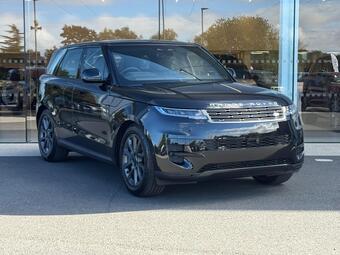
Land Rover Range Rover Sport
3.0 D250 MHEV S Auto 4WD Euro 6 (s/s) 5dr
RRP £80,720
£76,950
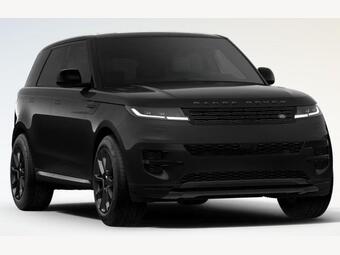
Land Rover Range Rover Sport
3.0 D250 MHEV S Auto 4WD Euro 6 (s/s) 5dr
RRP £83,860
£78,360
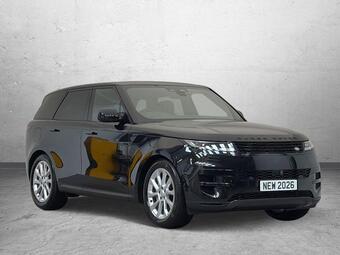
Land Rover RANGE ROVER SPORT
3.0 D300 MHEV SE Auto 4WD Euro 6 (s/s) 5dr
RRP £88,530
£78,952
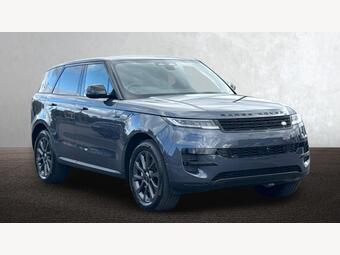
Land Rover Range Rover Sport
3.0 D300 MHEV SE Auto 4WD Euro 6 (s/s) 5dr
RRP £87,954
£79,000
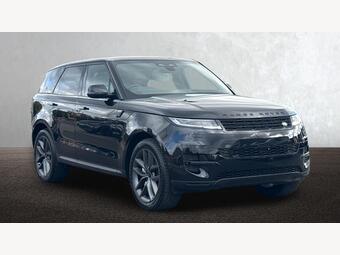
Land Rover Range Rover Sport
3.0 D300 MHEV SE Auto 4WD Euro 6 (s/s) 5dr
RRP £89,829
£79,500
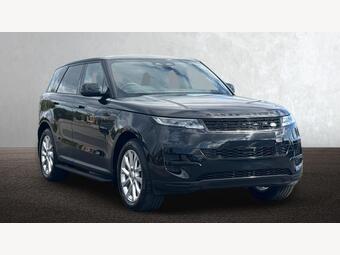
Land Rover Range Rover Sport
3.0 D300 MHEV SE Auto 4WD Euro 6 (s/s) 5dr
RRP £92,254
£79,900
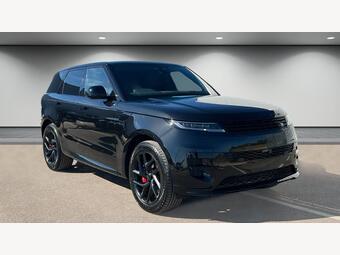
Land Rover Range Rover Sport
3.0 D250 MHEV Dynamic SE Auto 4WD Euro 6 (s/s) 5dr
RRP £87,165
£80,990
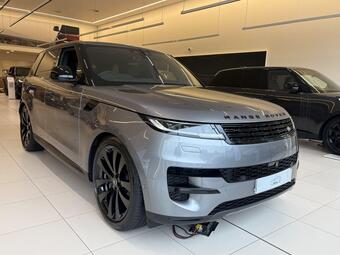
Land Rover Range Rover Sport
3.0 D250 MHEV S Auto 4WD Euro 6 (s/s) 5dr
RRP £85,295
£81,883
Land Rover Range Rover Sport
3.0 D300 MHEV Dynamic SE Auto 4WD Euro 6 (s/s) 5dr
RRP £93,665
£81,990
See all available cars
About the writer

Name: Steve Huntingford
Title: Editor
Follow Steve Huntingford on
Steve Huntingford is a motoring journalist with more than 20 years’ experience, and has been editor of What Car? since 2016.
This means Steve oversees all of What Car?'s editorial output, both online and in print.
More Land Rover Range Rover Sport
Used reviews
- Used Range Rover Sport 2013-2022
- Used Range Rover Sport 2022-present
- Used Land Rover Range Rover Sport 4x4 2005 - 2013
New reviews
- Range Rover Sport
Longterm reviews
- Range Rover Sport long-term test
Reliability
- What Car? Reliability Survey: Most and least reliable car brands
- Most reliable Land Rovers - and the unreliable ones to avoid
- What Car? Reliability Survey: Most and least reliable luxury cars
- Most and least reliable used cars: luxury SUVs
- 25 most unreliable SUVs: continued
Category rankings
- Best company cars under 10% BIK
- Best cars for towing caravans
- Best luxury cars
- Best plug-in hybrid cars
Comparison tests
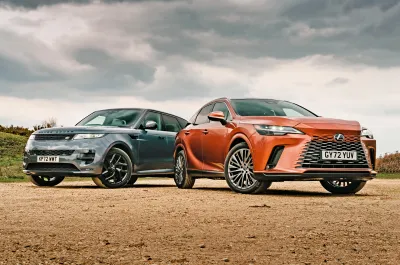
New Lexus RX vs Range Rover Sport
These plug-in hybrid SUVs both combine great luxury with the potential for low running costs. But which of them does it better?
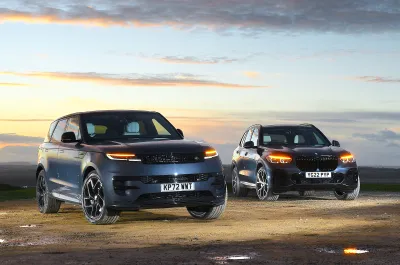
New Range Rover Sport vs BMW X5
The new Range Rover Sport steps up to the plate to face its luxury SUV rival from BMW. Let’s see if it can knock the ball out of the park
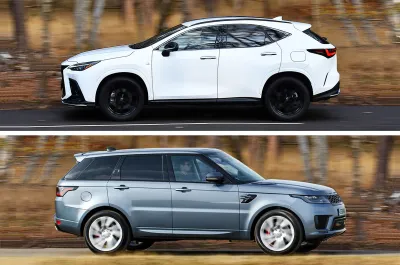
New Lexus NX vs used Range Rover Sport
Two plug-in hybrid SUVs battle it out: the brand new Lexus NX and the hugely prestigious Range Rover Sport, which is available for similar money if you buy used
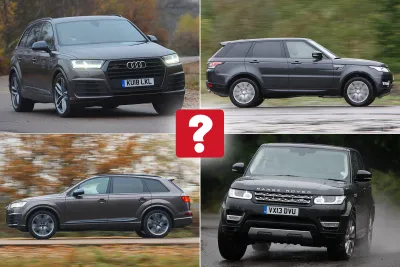
New Audi Q7 vs used Range Rover Sport: which is best?
Big SUVs don’t come more luxurious than the latest Audi Q7, but is it still a desirable buy against a posh used Range Rover Sport?
See all comparisons
News and advice
Sponsored
What Car? Reliability Survey: Most and least reliable car brands
Revealed: the car manufacturers most and least likely to keep you out of trouble, according to the experiences of readers who took part in our latest Reliability Survey
Sun Oct 11 2026
Sponsored
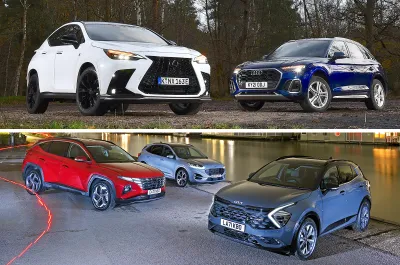
Best used SUVs
You want an SUV? From cheap and cheerful to lavish seven-seater ones, the used car market has them all. Here are our top 10 used SUV recommendations
Mon Oct 5 2026
Best of
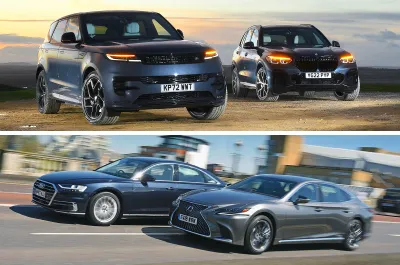
Best luxury cars 2026 – tested, rated and the ones to avoid
A luxury car should have sumptuous materials, ride comfort worthy of a magic carpet, and a super-smooth engine. Here's our run-down of the top 10, and the one we'd avoid
Thu Sep 17 2026
News
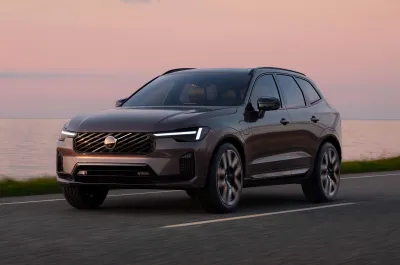
Volvo XC60 and XC90 gain new plug-in hybrid engines with up to 124 miles of range
Volvo’s plug-in hybrid SUVs will have class-leading all-electric range
Tue Sep 15 2026
See all latest advice
All Electric SUV reviews
Changan Deepal S05
Kia EV5
Mercedes GLC Electric
Range Rover Sport Electric
Skoda Peaq
Volkswagen ID Tiguan
Volvo EX60
Show more