
Used Range Rover Sport 2022-present review
It’s an expensive used buy, but the Range Rover Sport is comfortable, luxurious and very practical



Luxury SUV
Jump to:
What's the used Land Rover Range Rover Sport like?
Ownership cost
Our recommendations
Alternatives
Reliability

George Hill
Updated: 26 June 2026
How we test cars
What's the used Land Rover Range Rover Sport like?
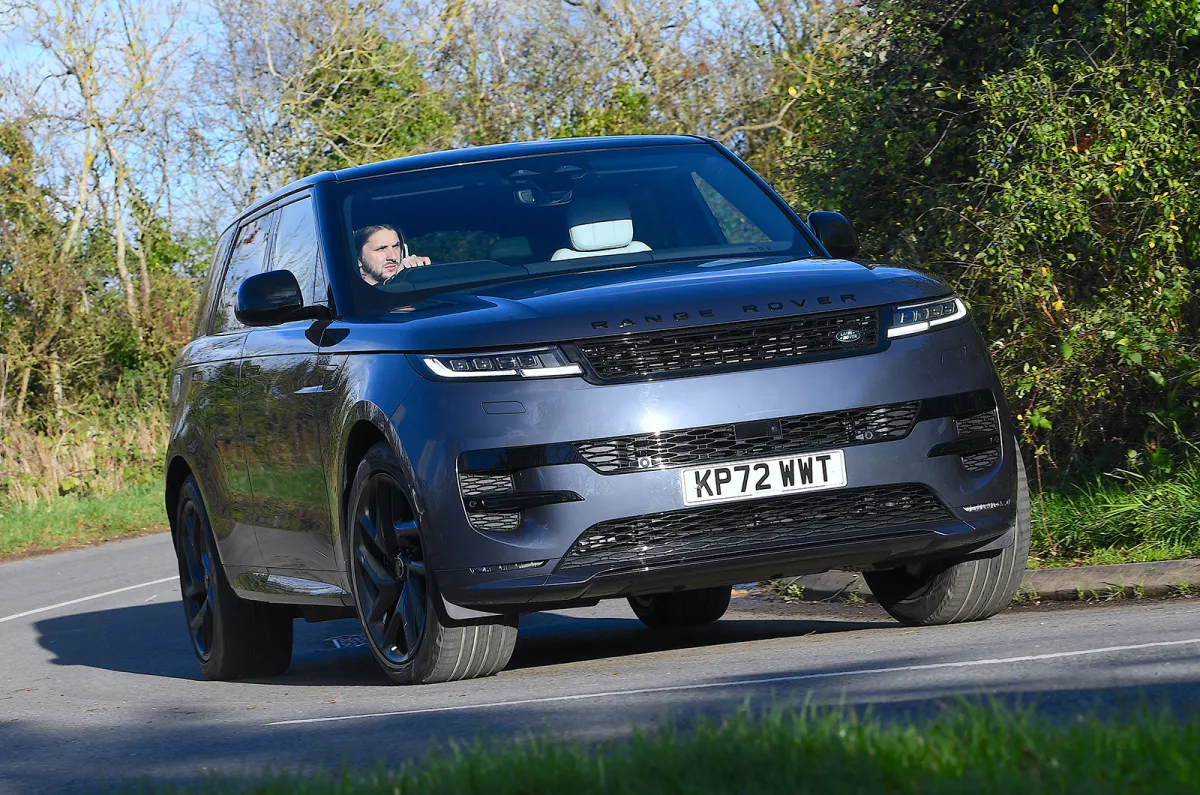
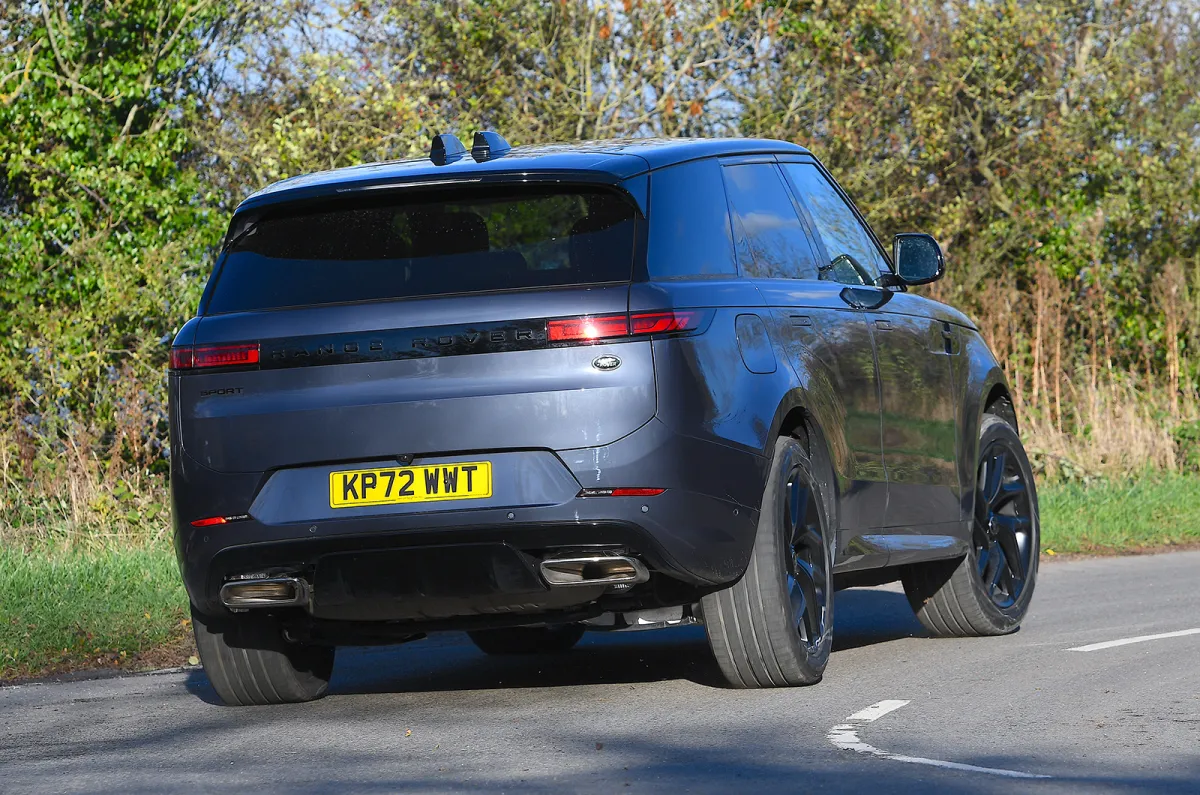
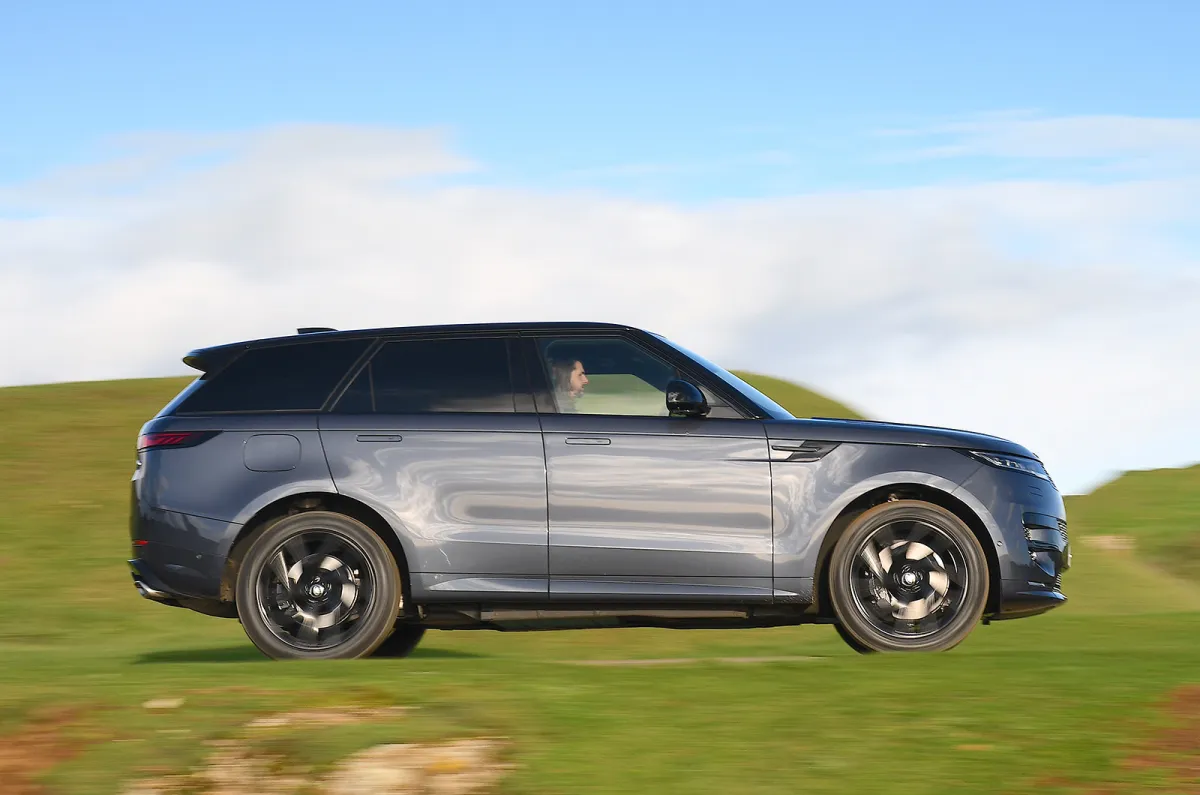
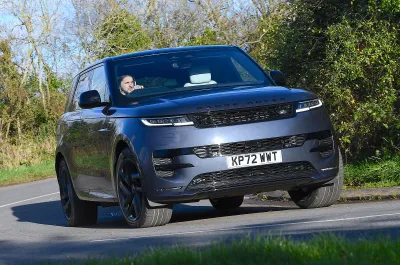
The Range Rover Sport is like a first-class airline suite as opposed to a private jet. It delivers exceptional comfort and luxury, but with a slightly more focused and accessible take on the same experience.
The relationship between the Range Rover Sport and the full-size Range Rover is much the same, with the Sport retaining much of its larger sibling's appeal in a sleeker, but slightly more affordable package – even when buying used.
Overview
It may be an expensive choice on the used market, but the Range Rover Sport is a very capable and luxurious SUV. It has a comfortable ride, impressive refinement, punchy engines and a spacious interior. Amazingly, for a Land Rover, it’s proving dependable, too, according to the What Car? Reliability Survey.
Pros
- Luxurious interior
- Impressive both on and off-road
- PHEV has a long electric-only range
Cons
- Expensive to buy – even used
- Minimal physical controls
- No seven-seat option
Launched in 2022, the third-generation Range Rover Sport borrows heavily from its full-size sibling, from its underpinnings to its mild-hybrid and plug-in hybrid (PHEV) power options. As with its predecessors, it’s a close rival for the Audi Q7, BMW X5 and Porsche Cayenne.
Engines and performance: Let's start with the diesels, because there are three of these to choose from, all with a 3.0-litre straight-six mild-hybrid engine. The first is the D250, which produces 247bhp and delivers 0-62mph in 7.7sec. That’s pretty good, but the D300 boosts power to 296bhp and drops that time down to 6.4sec. The quickest diesel is the D350, which goes from 0-62mph in 5.8sec.
advertisment
scroll for more
If you want a petrol engine, there are five of these. The first is the P380, which has a 3.0-litre straight-six mild-hybrid petrol engine, which produces 375bhp and delivers 0-62mph in 6.0sec. The P400 version, meanwhile, produces 395bhp and drops this down to 5.5sec.
Want a bit more firepower? How about the P530 or SV, which both feature 4.4-litre V8 mild-hybrid engines. These can go from 0-62mph in 4.5sec and 3.8sec respectively, which are crazy-fast acceleration times for an SUV of this size.
Lastly, there are the PHEVs: the P440e and P510e, but these were later updated to P460e and P550e. All come with a 3.0-litre six-cylinder petrol engine, an electric motor and a 31.8kWh (usable capacity) battery. All have an official range of 72 miles, which is farther than the X5 xDrive50e can manage (62 miles).
Ride and handling: The Range Rover Sport is a very comfortable and quiet car to waft around in. All cars come with air suspension as standard, which cushions you from bumps better than a Cayenne or X5. If you can, avoid the largest 23in wheels with low-profile tyres, because these cause the car to thump over bumps and imperfections.
advertisment
scroll for more
In the bends, the Range Rover Sport isn’t as sporty as its name suggests. An X5 and Cayenne offer more grip and tighter body control, but it’s still tidy enough for a big luxury SUV. It’s slightly more agile than the full-size Range Rover.
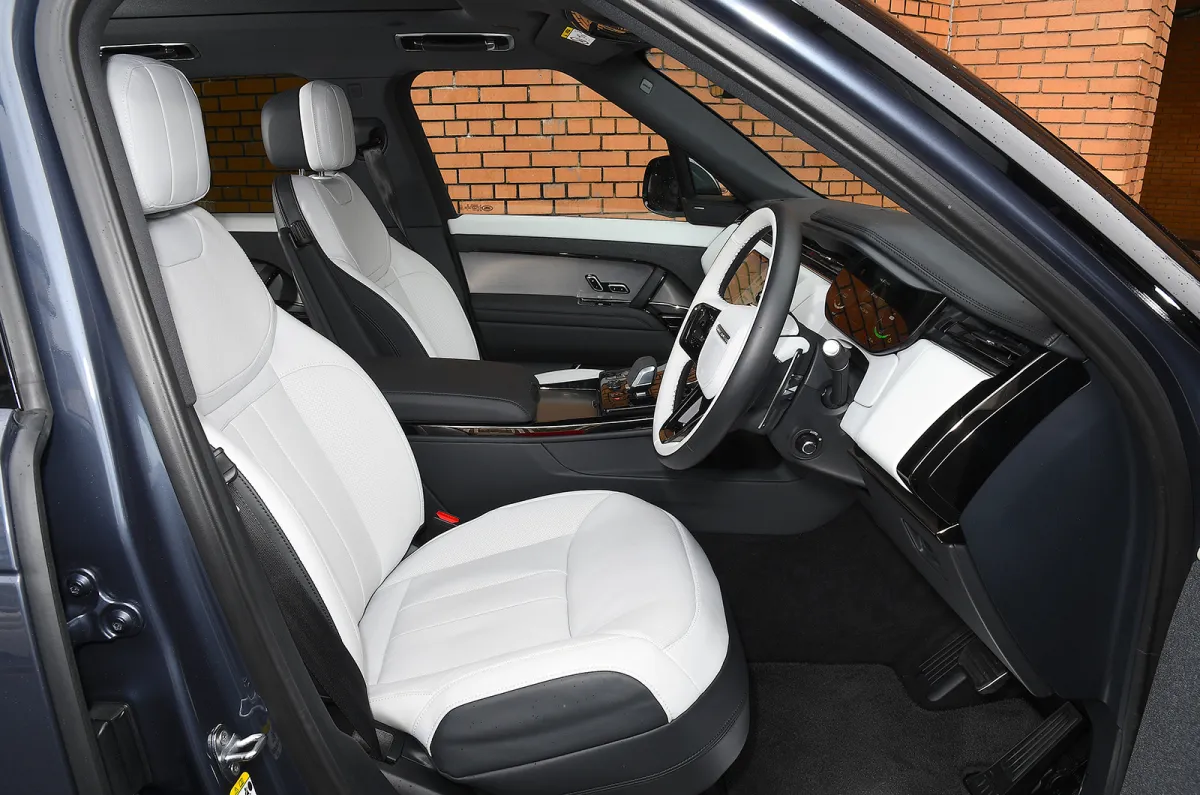
Interior and practicality: The Range Rover Sport has a brilliantly high driving position, placing you above most other road users, including those in family SUVs. As such, all-round visibility is excellent, a matter which is helped by the big door mirrors, all-round parking sensors and high-resolution 360-degree camera.
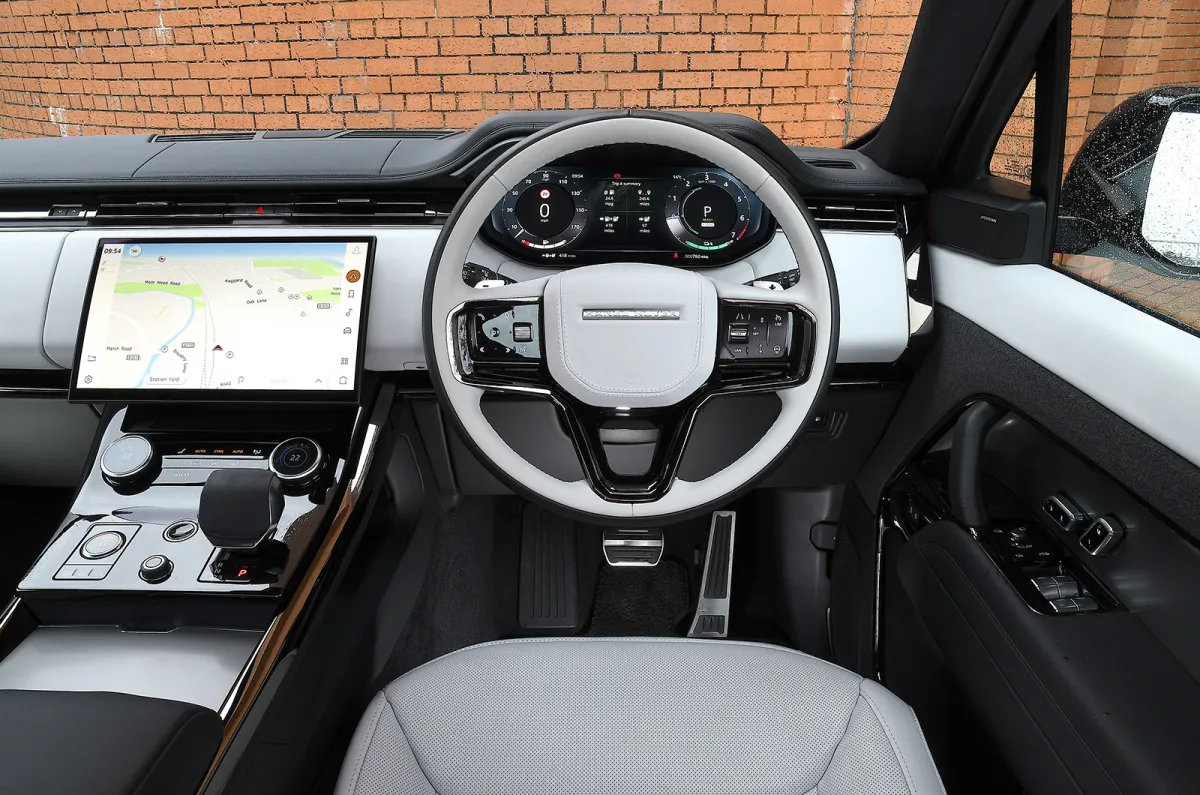
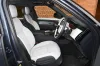
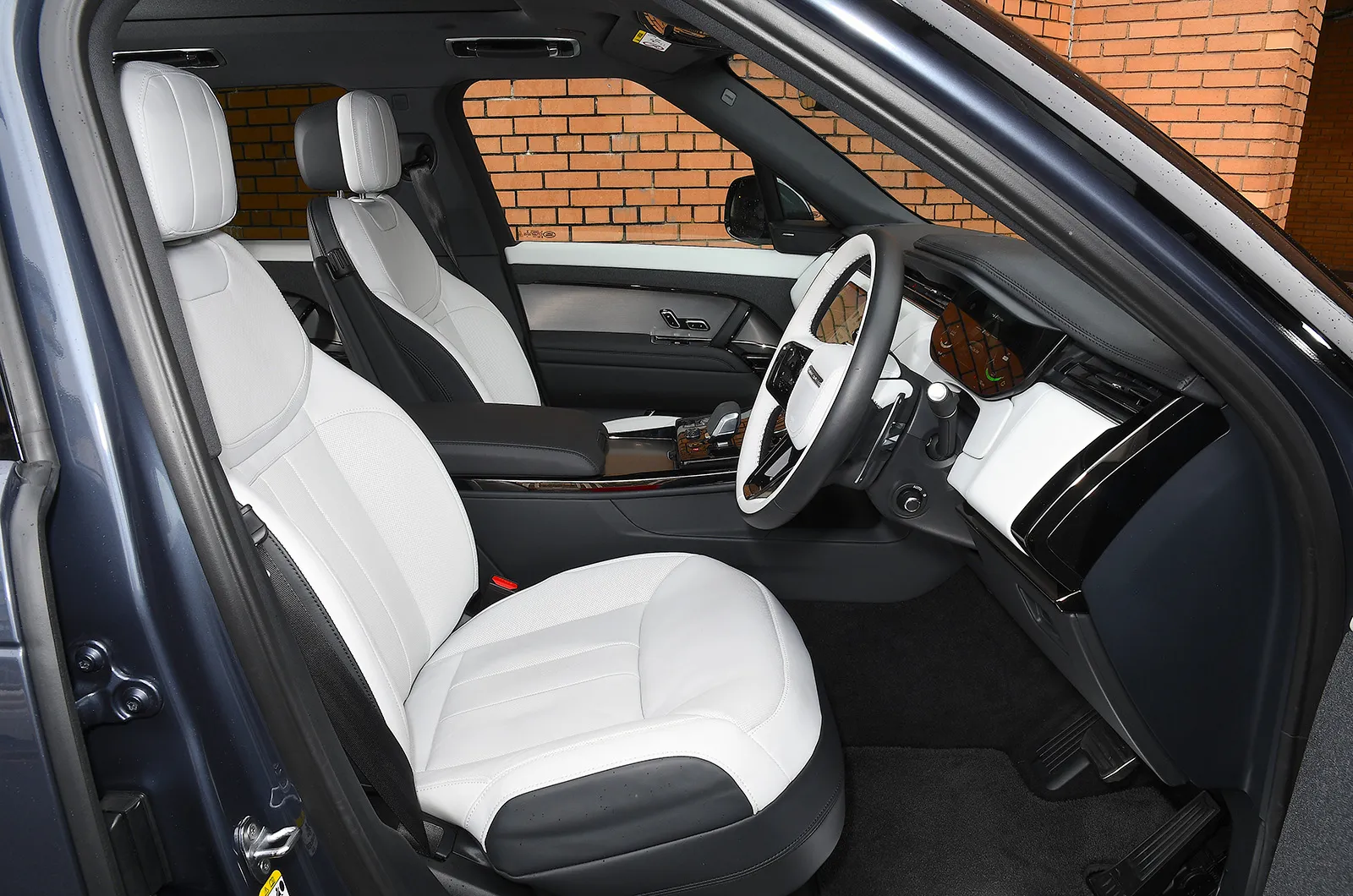
The driving position itself is superb. The steering wheel adjusts electrically for rake and reach, while the front seats offer 12-way power adjustment on S trim and 20-way adjustment with SE. Overall, the position is similar to the full-size Range Rover, although the Sport has a raised central console and a three-spoke steering wheel to help give it a sportier feel.
The quality of the interior is excellent. You get swathes of leather and metal trim on most surfaces, including the dashboard, doors and centre console. It’s a lovely place to spend time, but if we’re to nit-pick, the steering wheel buttons and scroll wheels feel a bit flimsy. It’s a bit of a shame, considering they’re main touchpoints, but otherwise the Sport is on par with the X5 for quality.
advertisment
scroll for more
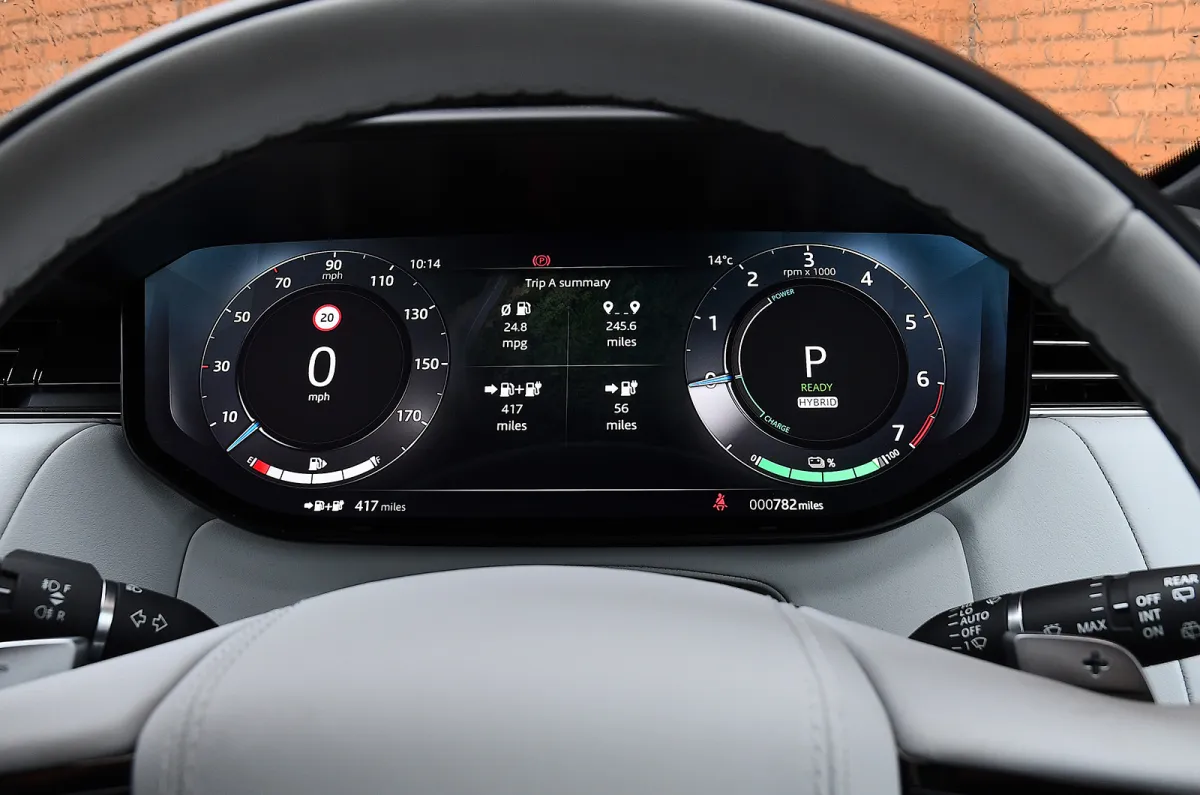
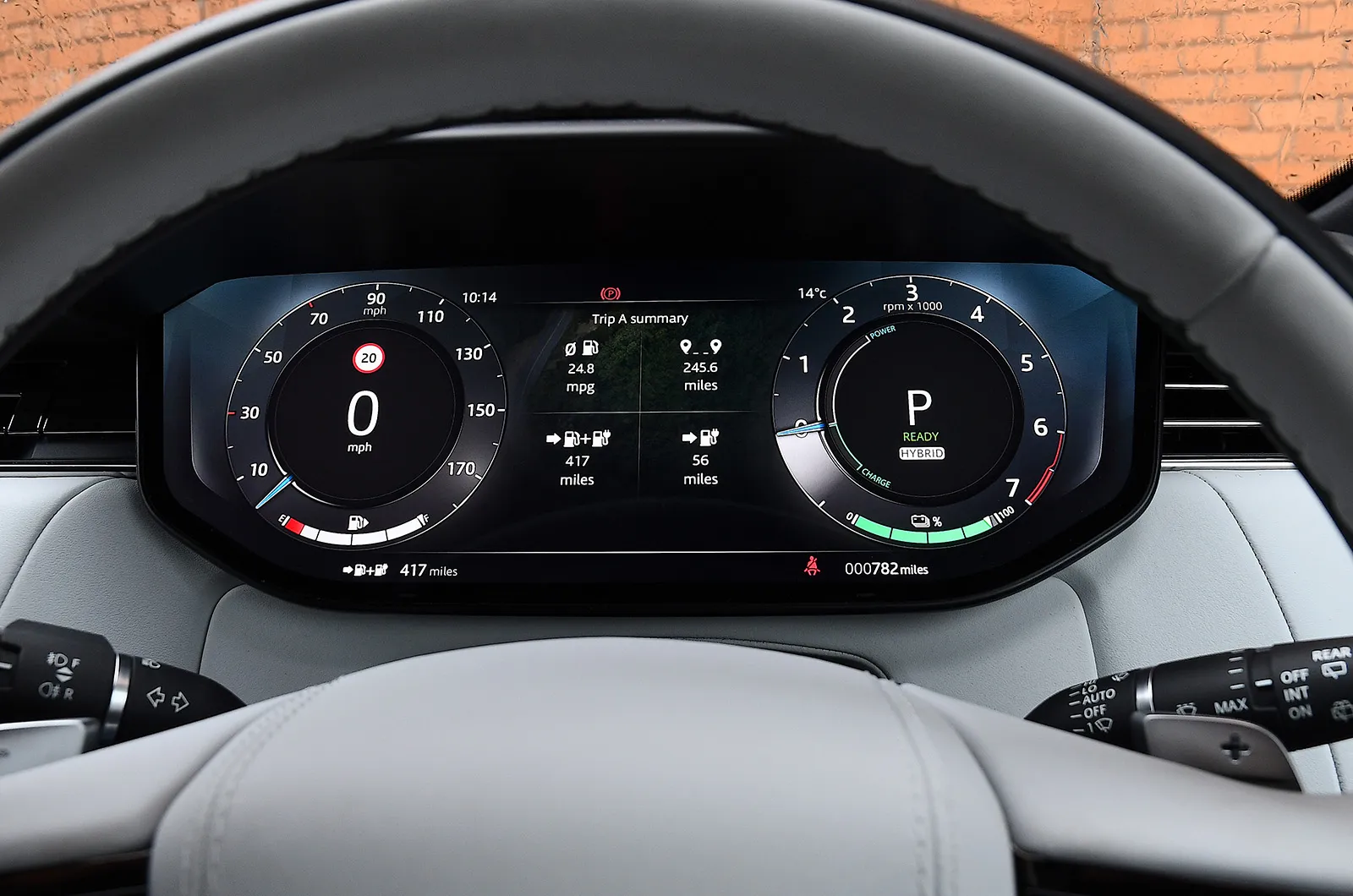
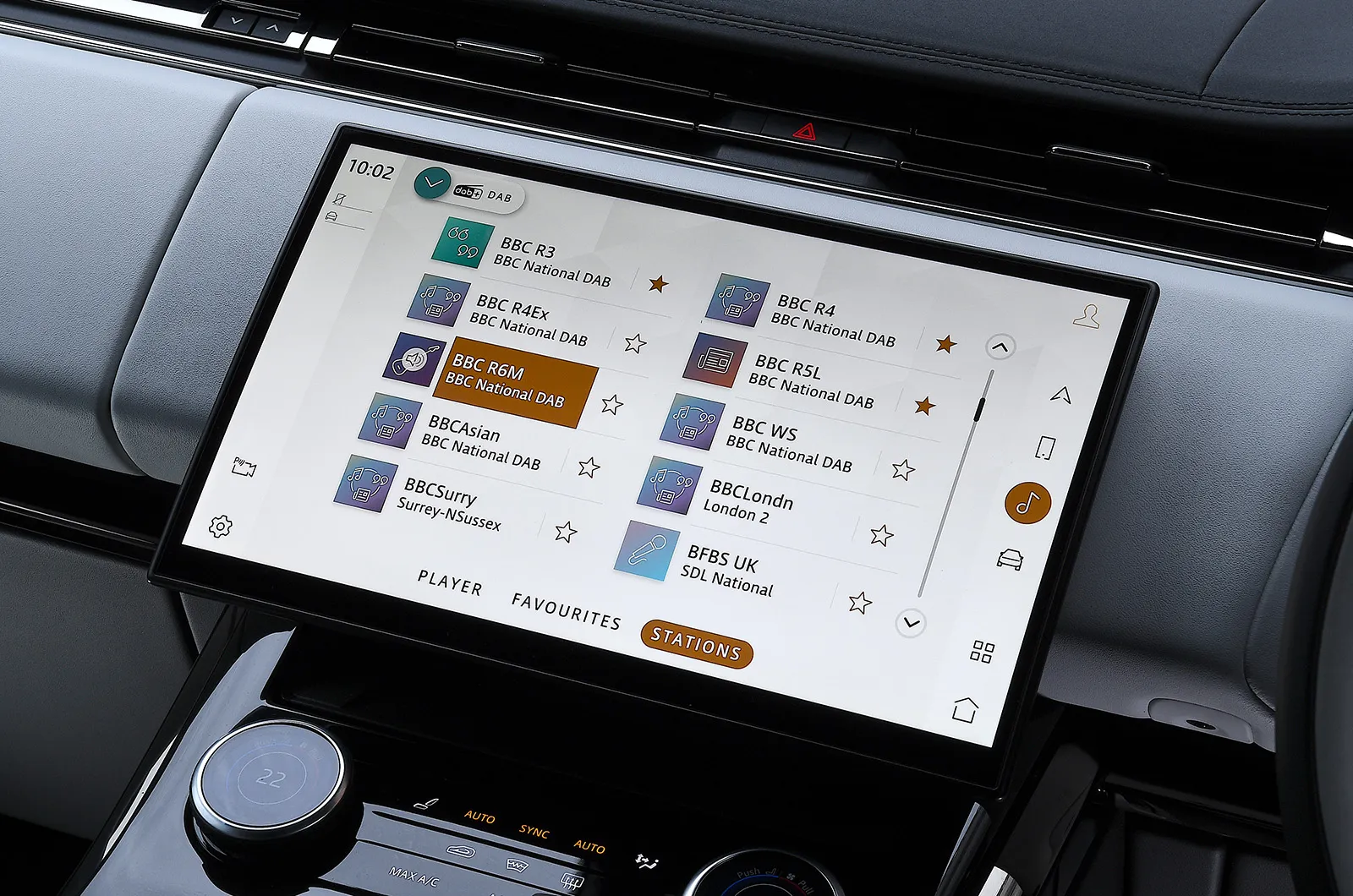
Behind the steering wheel, there’s a 13.7in digital driver's display. The screen has clear graphics and a good level of customisation. It can even show the map from the Apple CarPlay display, which is a rare feature on most modern cars.
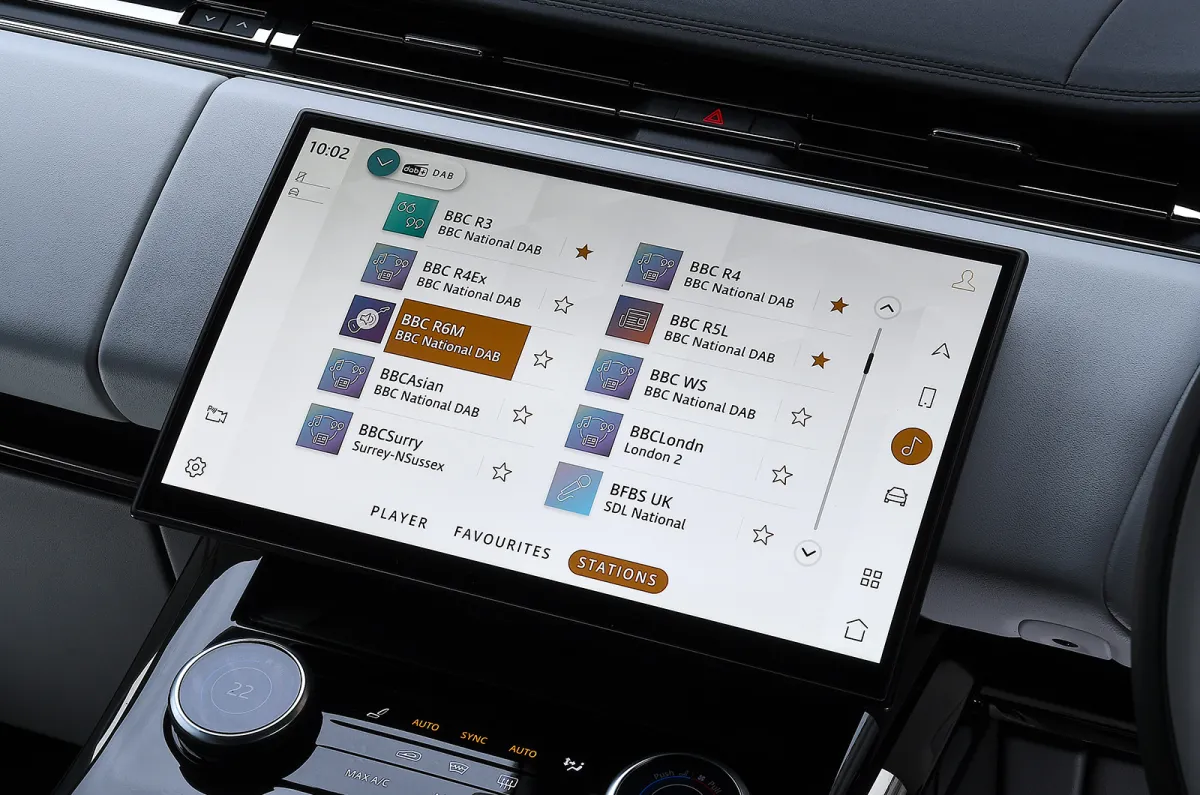
In the middle of the dashboard, there’s a 13.1in infotainment touchscreen, called Pivi Pro. Unfortunately, it houses most of the car’s functions, including the climate controls, since Land Rover removed most physical buttons with an update in 2023. This was a backwards step for interior usability because there are too many functions buried within the screen, but otherwise, the infotainment system is crisp, responsive and easy to get along with. It’s not a tricky set-up to navigate once you know your way around. If you want to bypass the system, wireless Android Auto and Apple CarPlay are standard.
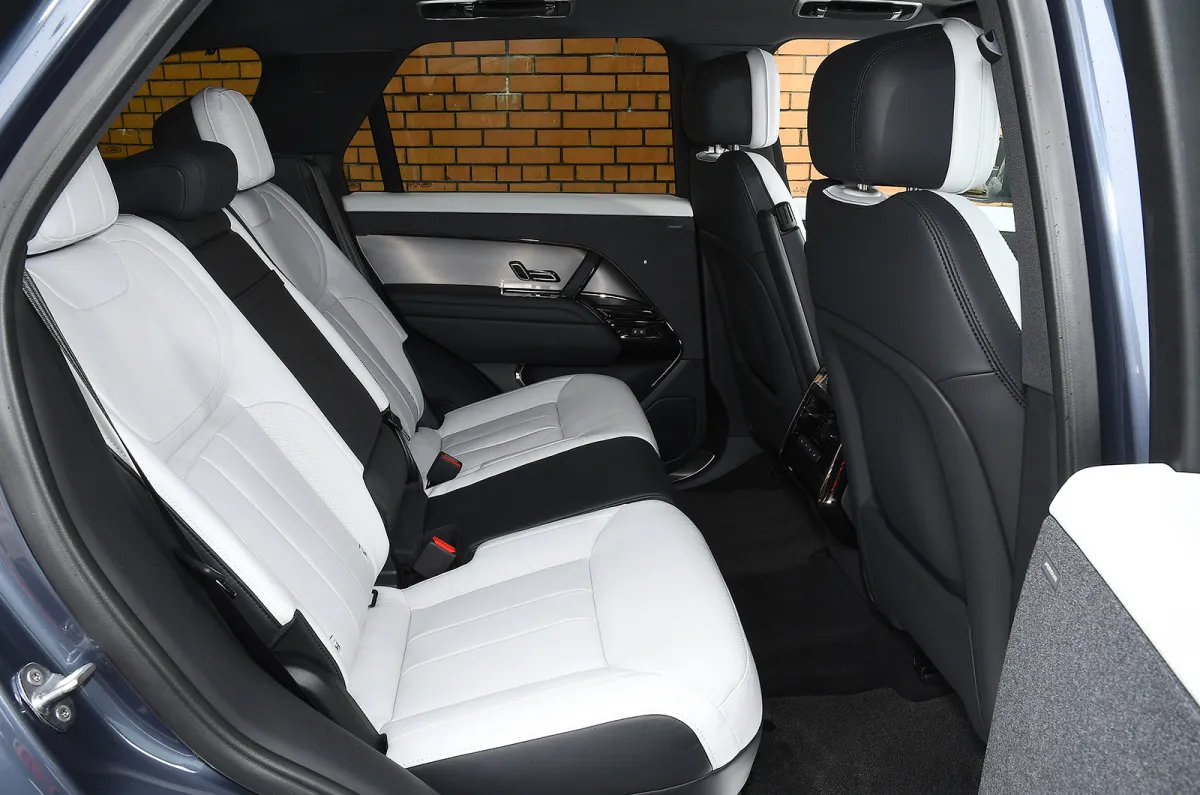
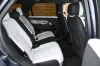
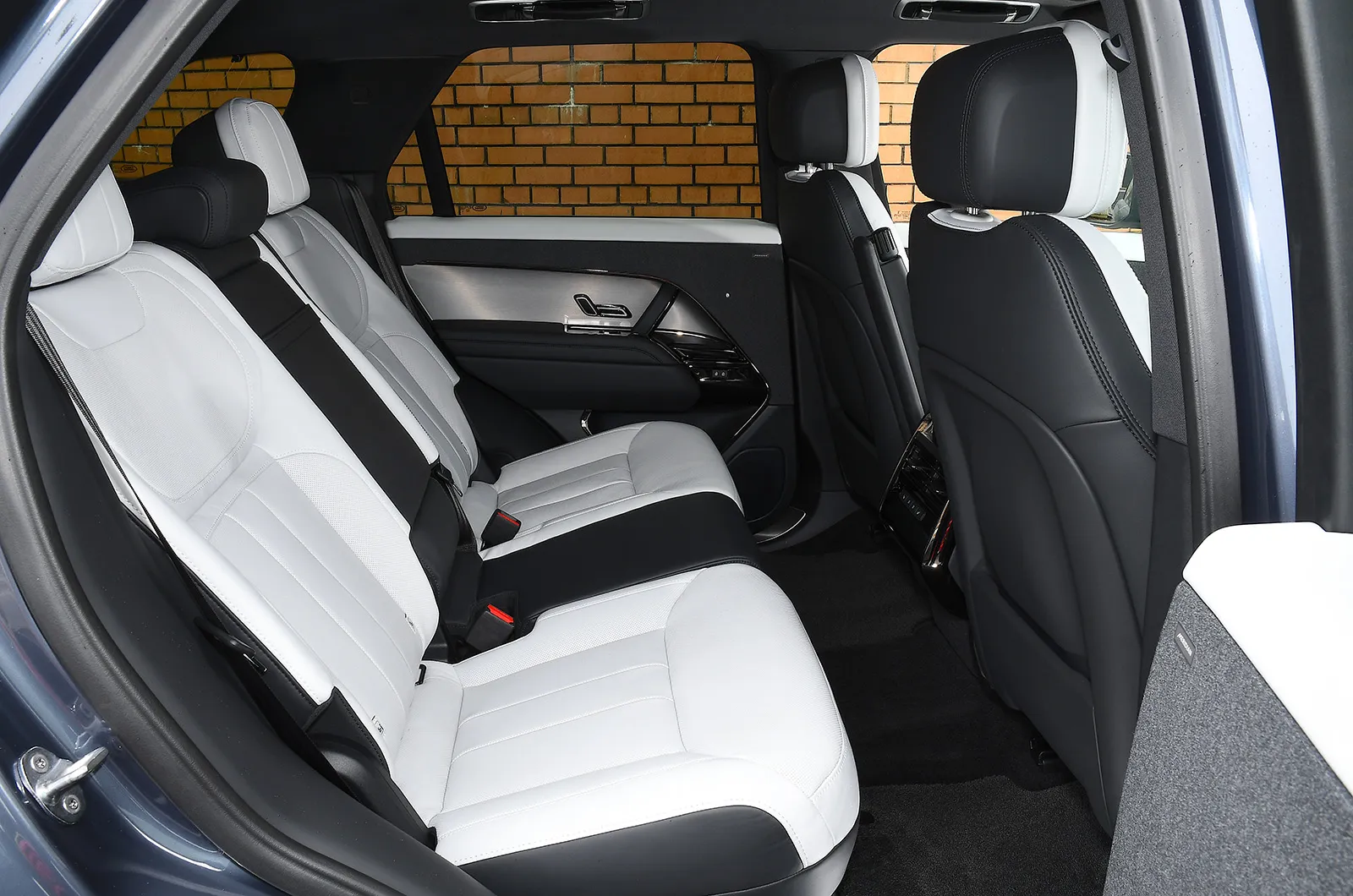
Up front, the Range Rover Sport provides generous space for taller occupants. Storage space is good, too. While in the back, six-footers will have no trouble with head or leg room. If you want limo-like space in the back, though, the BMW X7 and Volvo XC90 offer even more space to stretch your legs.
advertisment
scroll for more
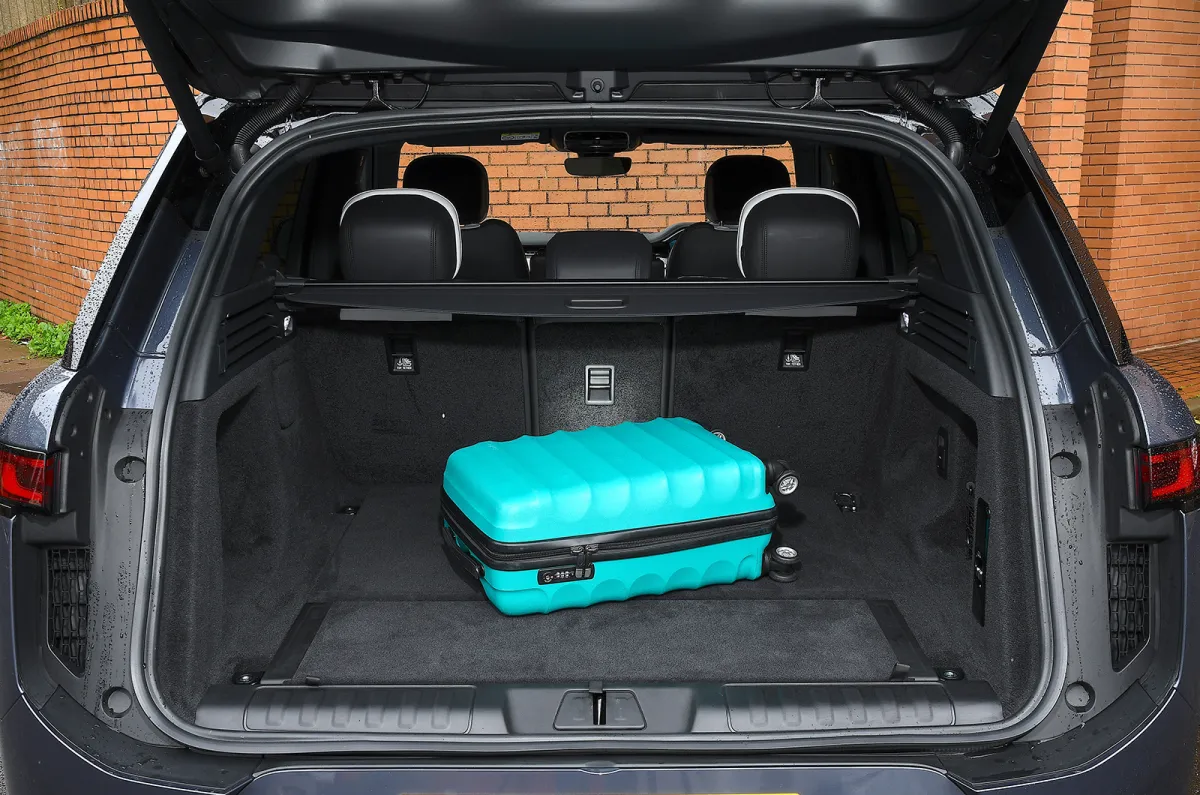
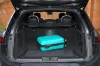
The boot is a really good size, with no reduction in space if you opt for the PHEV (as you’ll find in the Q7 or X5), due to the battery being located beneath the passenger area as opposed to the boot floor.
In terms of capacity, we managed to fit nine carry-on suitcases below the parcel shelf, which is the same number as the X5 and Lexus RX. That said, the Q7 and Volvo XC90 managed 10 cases. If you want to carry long items, the rear-seat backrests split and lower in a 40/20/40 configuration, which is the same as most rivals in this class, including the Cayenne, Q7 and X5.
Trims and equipment: The main trim levels in the Range Rover Sport include S, SE, Dynamic SE, Autobiography and SV. There are also a few top-spec limited edition models.
Entry-level S is only available with the D250 engine, but it’s really well equipped. It offers 20in wheels, keyless entry, two-zone climate control, leather interior, 12-way electrically adjustable front seats, adaptive cruise control, a powered tailgate, a panoramic roof, power-folding door mirrors, keyless entry, a heated steering wheel and a heated windscreen as standard. It also gets a Meridian sound system.
advertisment
scroll for more
SE adds a few more features, including 21in wheels, 20-way electrically operated front seats and heated rear seats, while Dynamic SE adds mostly black styling touches to the SE package.
Above that, Autobiography comes with 22in wheels, heated and ventilated rear seats, four-zone climate control, soft-close doors, 22-way electrically operated massaging front seats and an upgraded Meridian sound system.
The flagship SV sits at the top of the range. It offers 23in wheels, more aggressive exterior styling, bespoke suspension and sports front seats. Carbon-ceramic brakes and carbon-fibre wheels could be had as options from new.
All the latest deals, offers and much more from the What Car? team. Don't miss out.
See our full privacy notice for more details.
CAPTCHA
This question is for testing whether or not you are a human visitor and to prevent automated spam submissions.
"I’m a big fan of the Range Rover Sport’s interior, but I’d go for a pre-2023 model. These versions have physical buttons and dials for the volume, climate controls and drive modes, which are really user-friendly." – Mark Pearson, Used Cars Editor
If you're interested in buying a used Range Rover Sport or any of the cars we've mentioned, head over to our Used Cars For Sale pages to find lots of cars listed at a great price.
Ownership cost
What used Land Rover Range Rover Sport will I get for my budget?
Used prices for the third-generation Range Rover Sport start from around £50,000, which gets you a 2022 or 2023 car in SE or Dynamic SE trim, typically with less than 60,000 miles on the clock. There’s a choice of D300 and PHEV variants available at this price point.
advertisment
scroll for more
If you want an Autobiography model, look to spend at least £55,000, while early low-mileage examples and 2024 cars typically start from around £58,000. Have a minimum budget of £65,000 for a 2025 model.
The V8 versions are the most expensive in the line-up, with P530 models starting from around £70,000. At the top of the range sits the SV, with prices for these exceeding £100,000.
Check the value of a used Range Rover Sport with What Car? Valuations
Find used Land Rover cars for sale
How much does cost to run a Land Rover Range Rover Sport?
MPG
The D300 diesel can officially average 38.8mpg, which isn’t bad for a big SUV such as this, but expect to see figures closer to 30mpg in real-world use. By comparison, the X5 can average 38.2mpg officially, so expect similar figures with that car in normal driving.
For the PHEVs, these can average up to 381.8mpg on paper, but don’t expect to get anywhere near this in the real world. We averaged 23.6mpg in the P460e using mainly the petrol engine, so you’ll have to plug the car in regularly to maximise efficiency. The V8 models are thirsty beasts, with the P540 officially averaging 24.1mpg.
advertisment
scroll for more
Road tax
All Range Rover Sports are subject to the current £200 annual road tax fee, plus the £440 luxury car tax surcharge. The latter applies for five years, starting from the second year after the vehicle is first registered.
Servicing
Servicing costs won’t be cheap, but that’s not unusual for a car of this type. We were quoted £1035.18 from Land Rover for one service of a Range Rover Sport D300 with 40,000 miles on the clock. By comparison, BMW will charge £1295.64 for two services of an X5 xDrive40d with similar mileage across three years, while Audi will charge £887.76 for a single service (with two MOTs) for a Q7 50 TDI in similar condition.
Insurance
The Range Rover Sport spans insurance groups 44 to 50 (out of 50), which means it won’t be cheap to insure. While that’s similar to the Cayenne, Q7 and X5, an XC90 will cost slightly less.
Warranty
Every new Range Rover Sport is covered by a three-year, unlimited-mileage warranty. While this is broadly in line with most rivals, it falls well short of RX’s 10-year, 100,000-mile warranty, provided the vehicle is serviced annually at an authorised Lexus dealer.
advertisment
scroll for more
For vehicles outside the standard warranty period, Land Rover offers a one-year, unlimited-mileage Approved Used warranty on cars purchased through its official dealer network. This package also includes 12 months of roadside assistance, a Land Rover Experience day to explore the vehicle’s off-road capabilities, and MOT repair cover. If the vehicle fails its first or next MOT due to a covered component, Land Rover will pay for repairs, replacements and/or adjustments up to a maximum value of £750, subject to a £50 customer excess.
Safety
The Range Rover Sport was awarded a full five-star safety rating by Euro NCAP in 2022. All models come with plenty of safety kit, too, with automatic emergency braking (AEB), lane-departure warning, rear cross-traffic alert, Hill Descent Control and blind-spot monitoring offered as standard.
Reliability
Land Rover is often associated with poor reliability, but the third-generation Range Rover Sport is showing some signs of dependability. In the 2025 What Car? Reliability Survey, it placed fifth among 16 luxury cars, with a strong score of 94.2%. However, Land Rover’s overall brand performance was a more familiar affair, finishing 26th in the manufacturer rankings.
advertisment
scroll for more
To find out more about used Range Rover Sport reliability, visit our dedicated reliability page.
Our recommendations
Which used Land Rover Range Rover Sport should I buy?
Engine
The smooth, torquey nature of the six-cylinder diesels suits the Range Rover Sport better than the PHEVs, making them our preferred choice. Out of the three power options, the D300 is our favourite. It’s cheaper, more powerful and more popular than the D250 (which was added to the range in 2024 with S trim), while the D350 is too expensive. The petrols like a drink, so we’d avoid those if you’re worried about fuel costs.
Specification
SE is really well equipped for the money, but since Dynamic SE offers a similar level of equipment at a similar price point, it’s our preferred choice. There are also more Dynamic SE models available on the used market, but if you can, avoid going for the larger 23in wheels, because the smaller options provide a more comfortable ride. That said, if you can find a good deal on an Autobiography model, which doesn't cost significantly more than Dynamic SE on the used market, we'd recommend considering it for the additional features it offers.
advertisment
scroll for more
Our favourite Range Rover Sport: 3.0 D300 MHEV Dynamic SE
Alternatives
What alternatives should I consider to a used Land Rover Range Rover Sport?
The BMW X5 is a close competitor to the Range Rover Sport. It really impresses with its enjoyable handling, smooth, punchy engines and user-friendly interior. Since it’s been around for a bit longer than the third-gen Range Rover Sport, used prices are more reasonable. Reliability for the petrol version is pretty good, too.
The Porsche Cayenne is one of the sharpest luxury SUVs to drive, with surprisingly agile handling and blistering performance. It’s also a practical SUV that's remarkably easy-going when you want it to be, but reliability isn’t as good as the Range Rover Sport or X5. Like the X5, it’s been around for longer than the Range Rover Sport, so used prices are a bit less for older examples.
The Audi Q7 is a seriously comfortable seven-seater with a high-quality interior, but it has suffered from a poor reliability record in recent years. Alternatively, take a look at the Volvo XC90, which has a better reliability record, impressive practicality and an equally plush interior.
advertisment
scroll for more
For all the latest reviews, advice and new car deals, sign up to the What Car? newsletter here
If you're interested in buying a used Range Rover Sport or any of the cars we've mentioned, head over to our Used Cars For Sale pages to find lots of cars listed at a great price.
How reliable is the land-rover Range Rover Sport ?
land-rover Range Rover Sport
Read reliability
About the writer

Name: George Hill
Title: Used car writer
Follow George Hill on
George Hill first joined the What Car? team as a staff writer in 2021, before becoming a used car writer in 2024 and a reviewer in 2026. In his current role he writes new car reviews for What Car? magazine and whatcar.com.
If you follow What Car? on social media, you might see him presenting the odd video on new cars too.
News and advice
Sponsored
What Car? Reliability Survey: Most and least reliable car brands
Revealed: the car manufacturers most and least likely to keep you out of trouble, according to the experiences of readers who took part in our latest Reliability Survey
Sun Oct 11 2026
Sponsored
Best used SUVs
You want an SUV? From cheap and cheerful to lavish seven-seater ones, the used car market has them all. Here are our top 10 used SUV recommendations
Mon Oct 5 2026
Best of
Best luxury cars 2026 – tested, rated and the ones to avoid
A luxury car should have sumptuous materials, ride comfort worthy of a magic carpet, and a super-smooth engine. Here's our run-down of the top 10, and the one we'd avoid
Thu Sep 17 2026
News
Volvo XC60 and XC90 gain new plug-in hybrid engines with up to 124 miles of range
Volvo’s plug-in hybrid SUVs will have class-leading all-electric range
Tue Sep 15 2026
See all latest advice