
Renault Twingo review
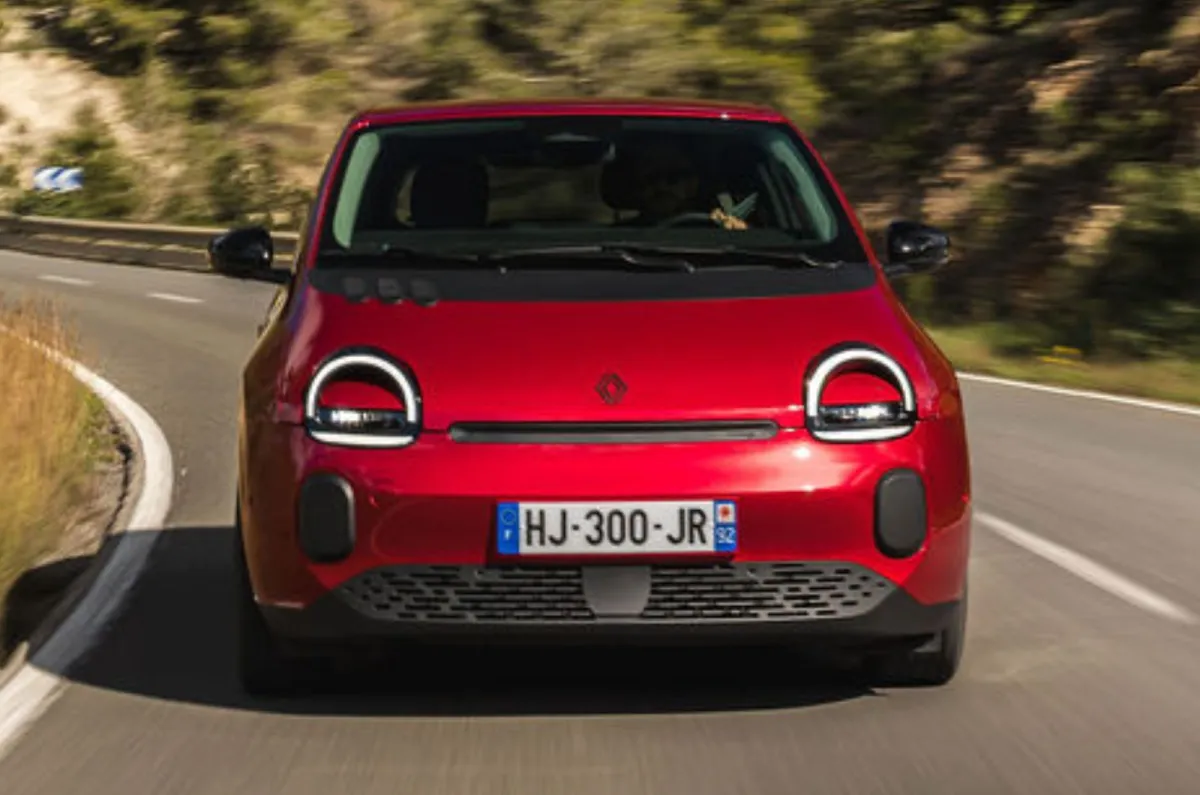
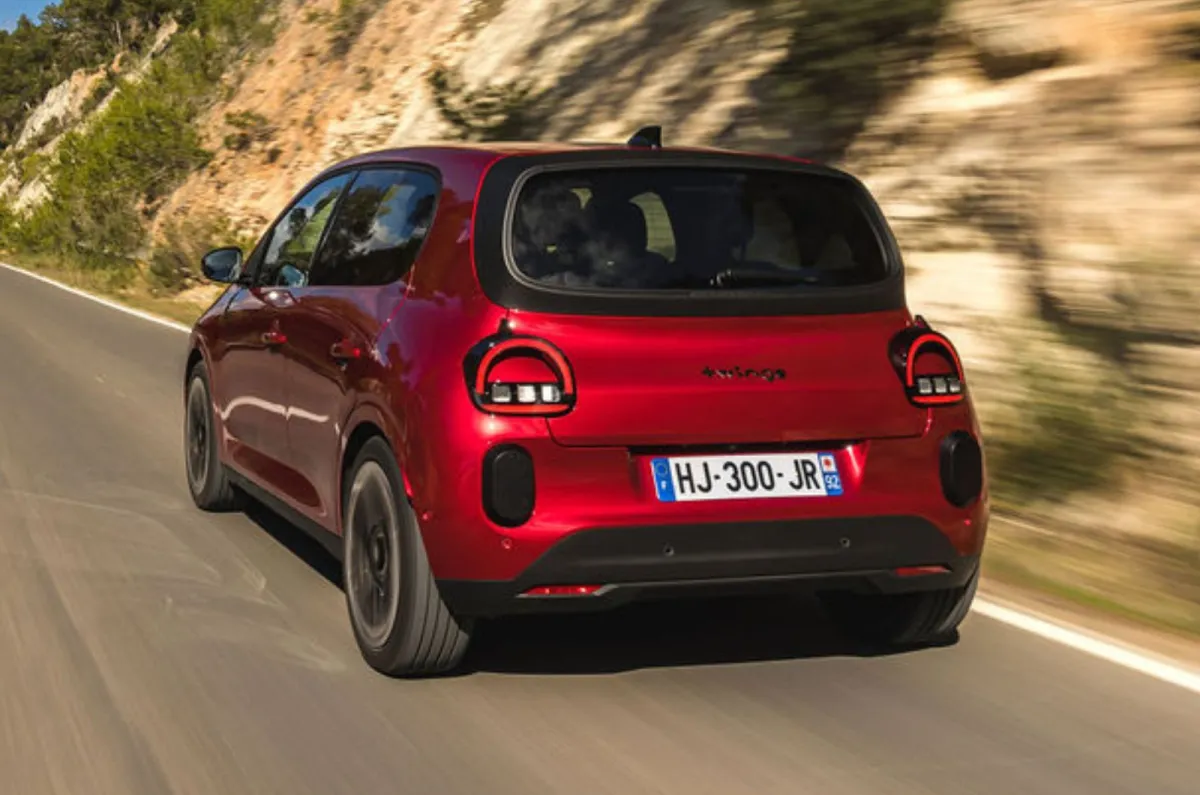
The new Renault Twingo looks great and should be priced very competitively, so the early signs are positive
- New
- Used
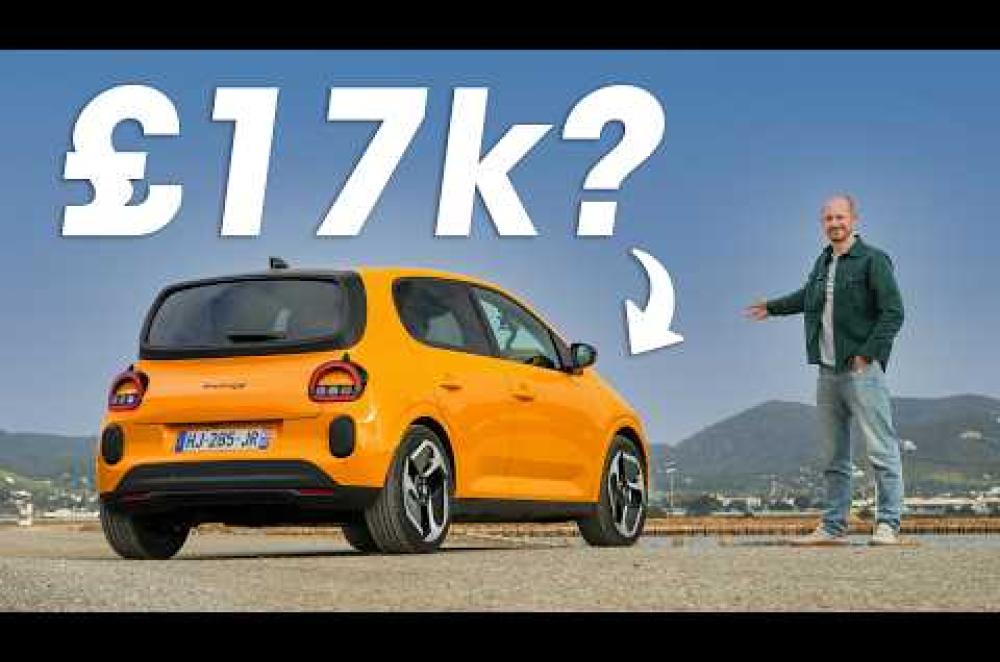
NEW Renault Twingo review











New car deals
Electric
Hatchback
Small Electric
Jump to:
Introduction
Performance & drive
Interior
Passenger & boot space
Buying & owning

Will Nightingale
Updated: 31 March 2026
How we test cars
Not so long ago, buying a small electric car meant stomaching a shockingly big price tag – but the new Renault Twingo is actually expected to be cheaper than most petrol-powered alternatives.
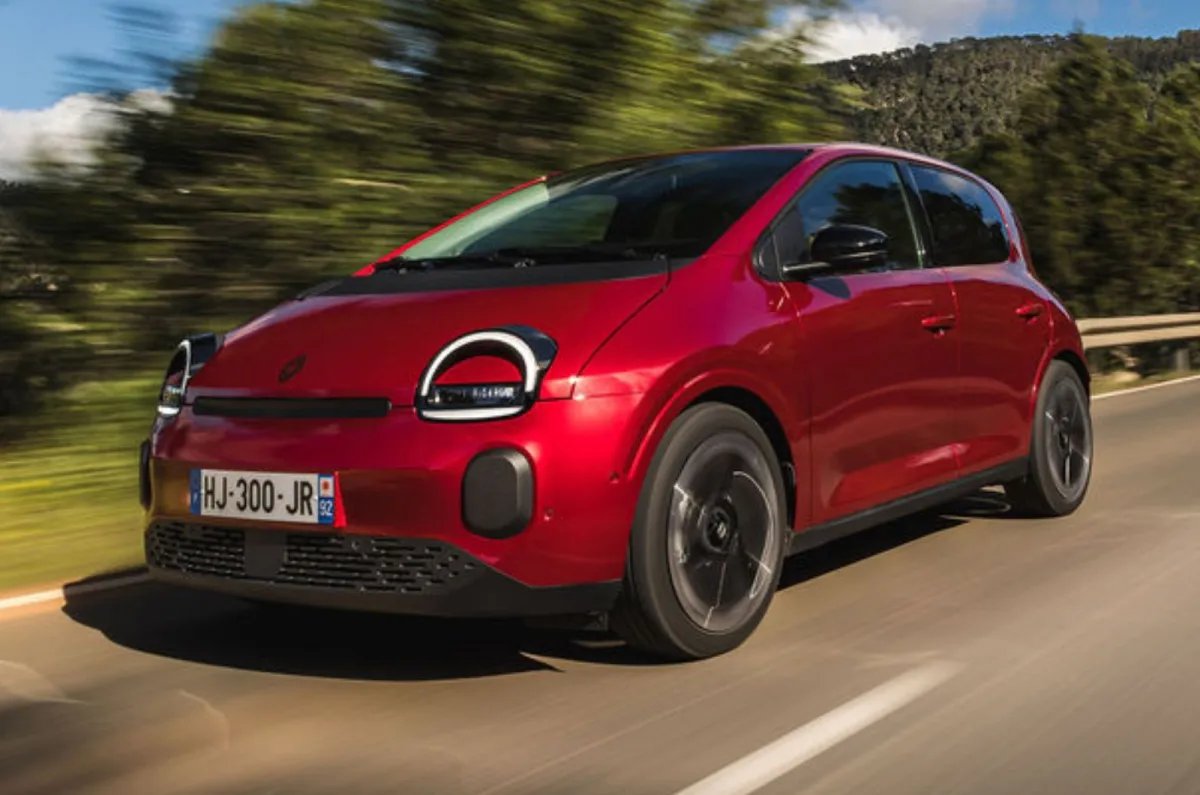
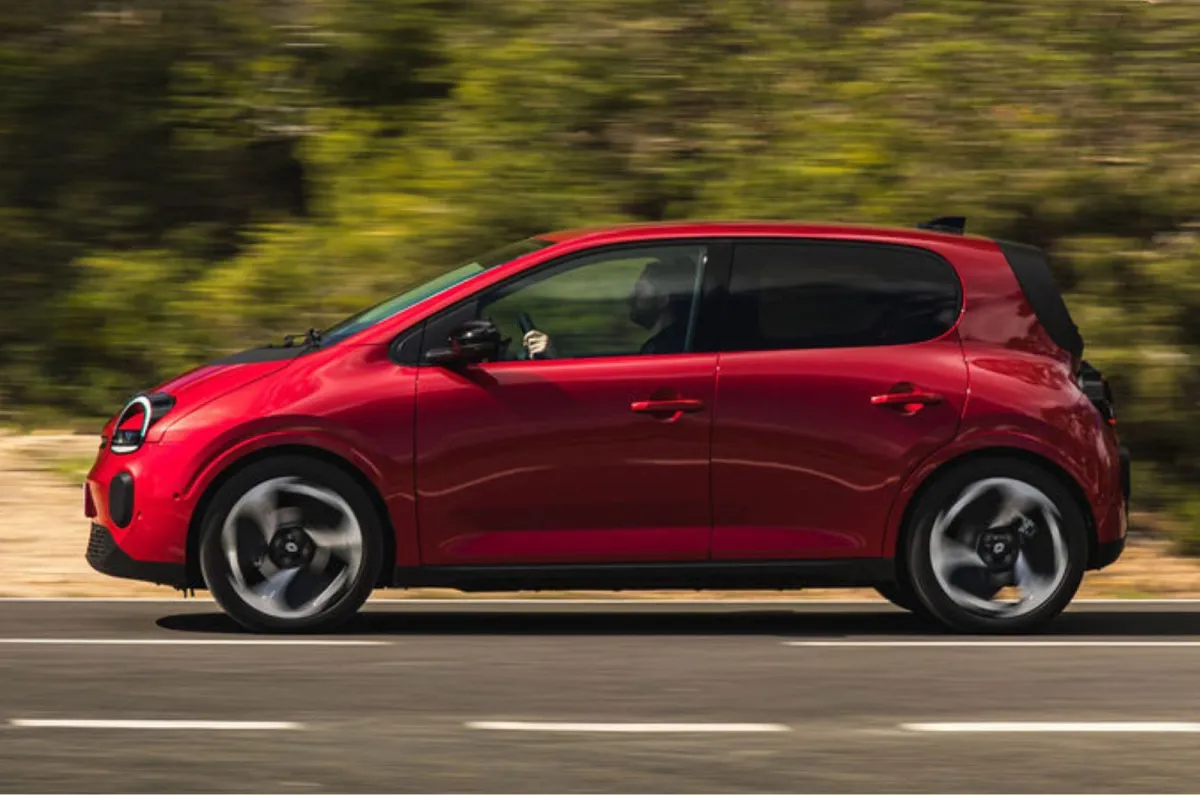
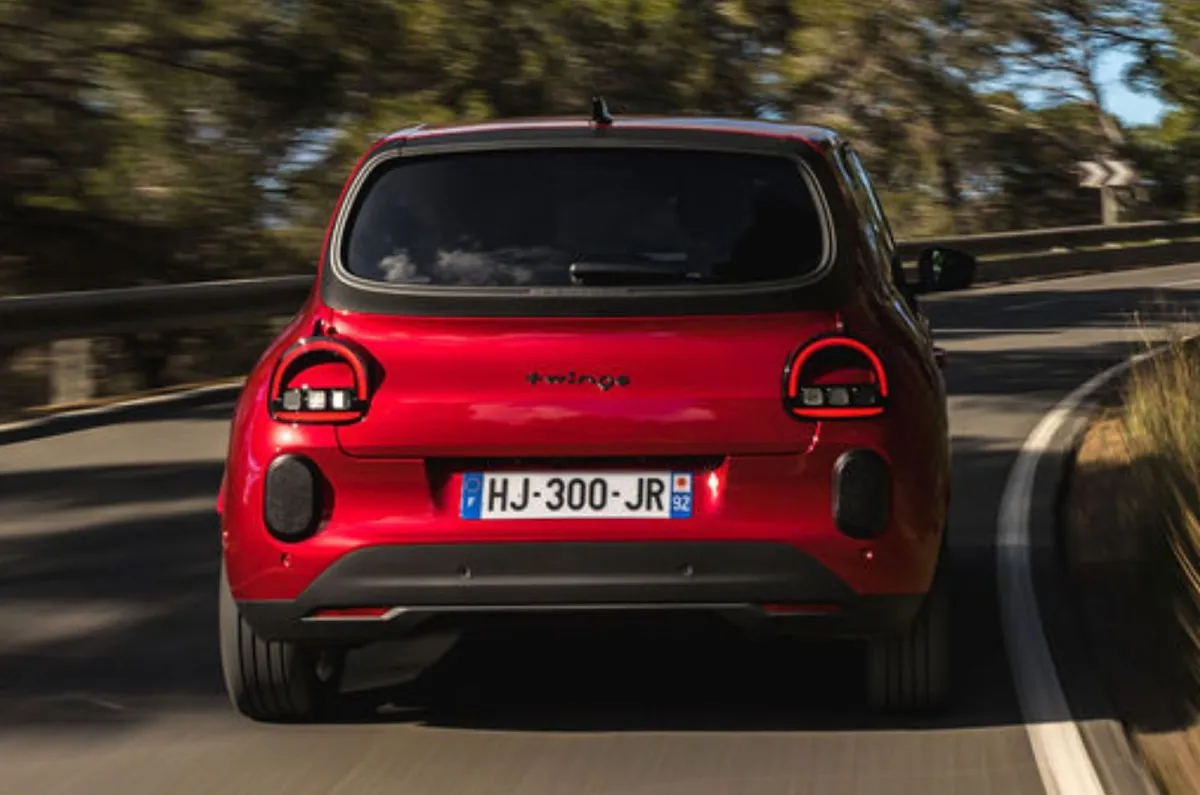
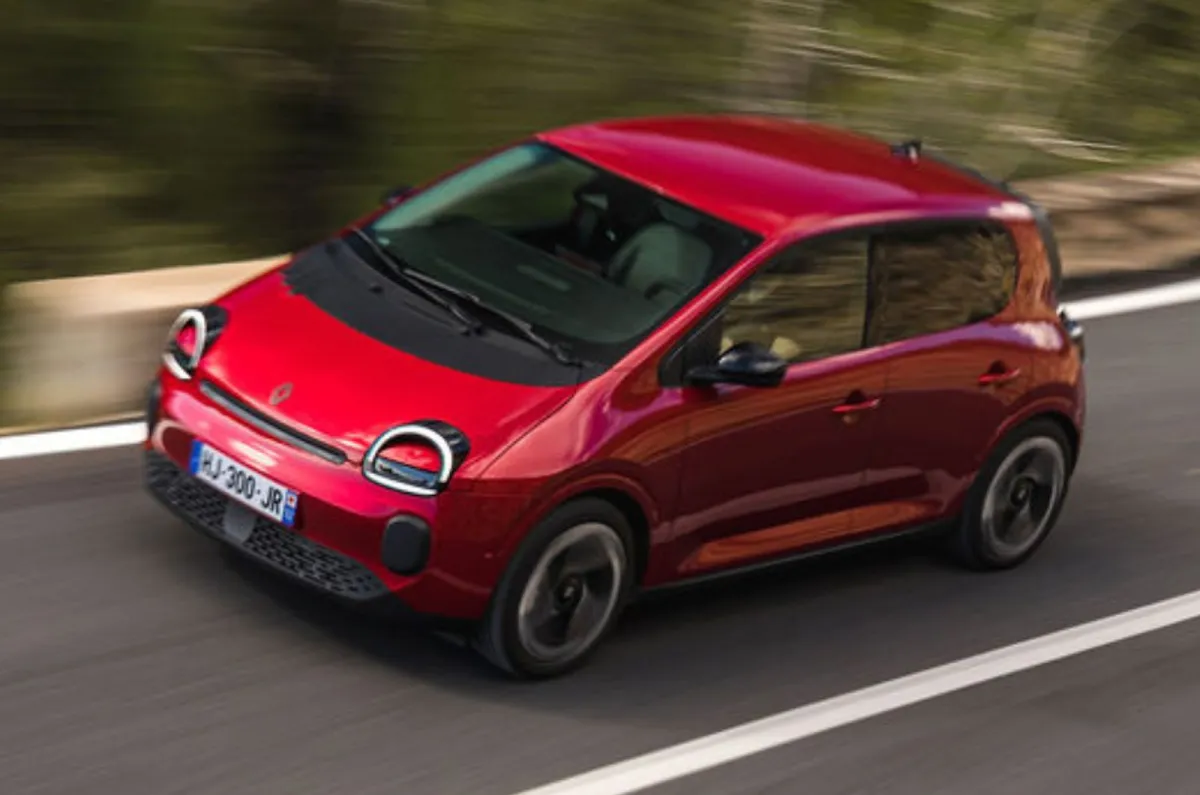
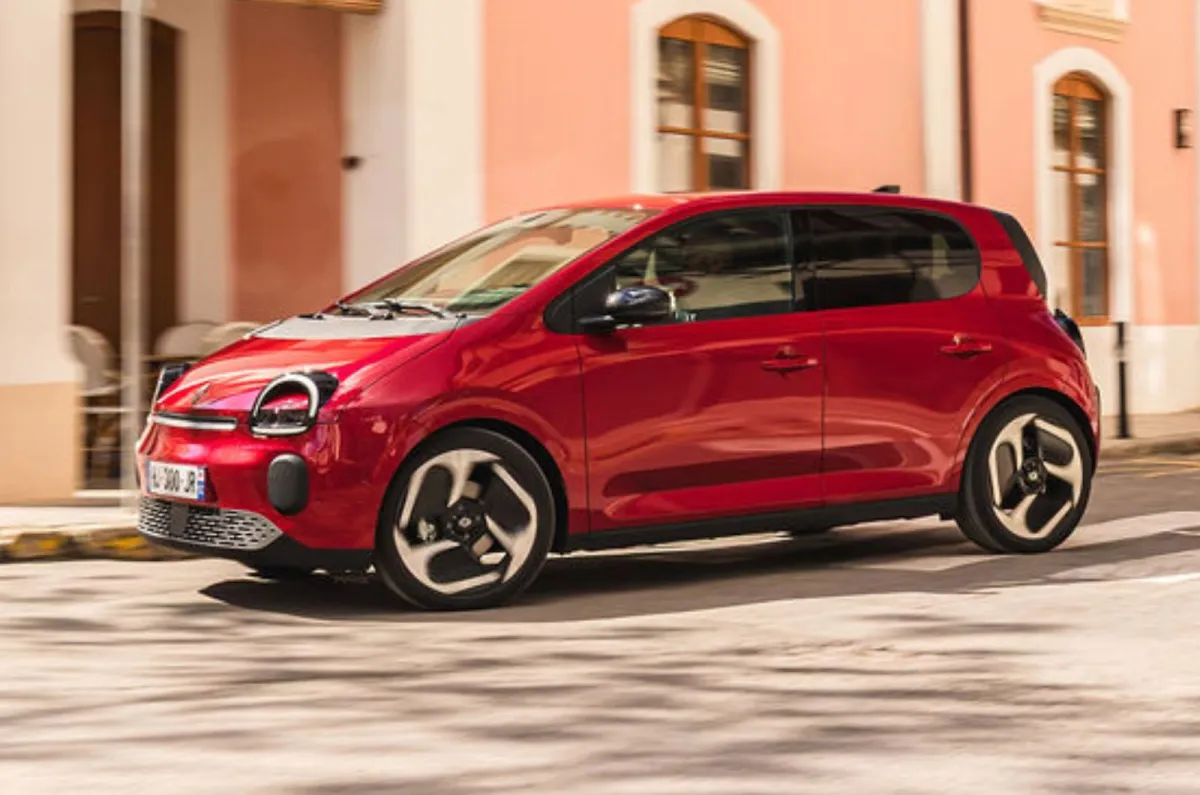
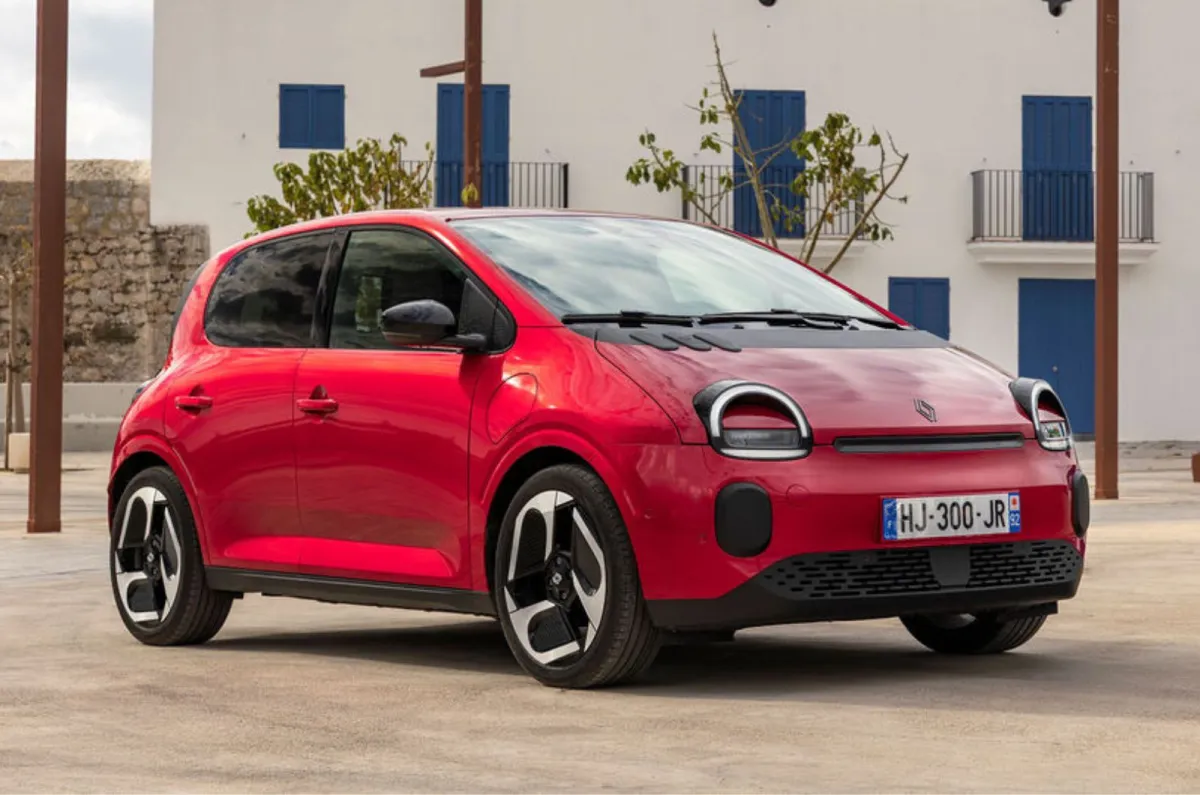
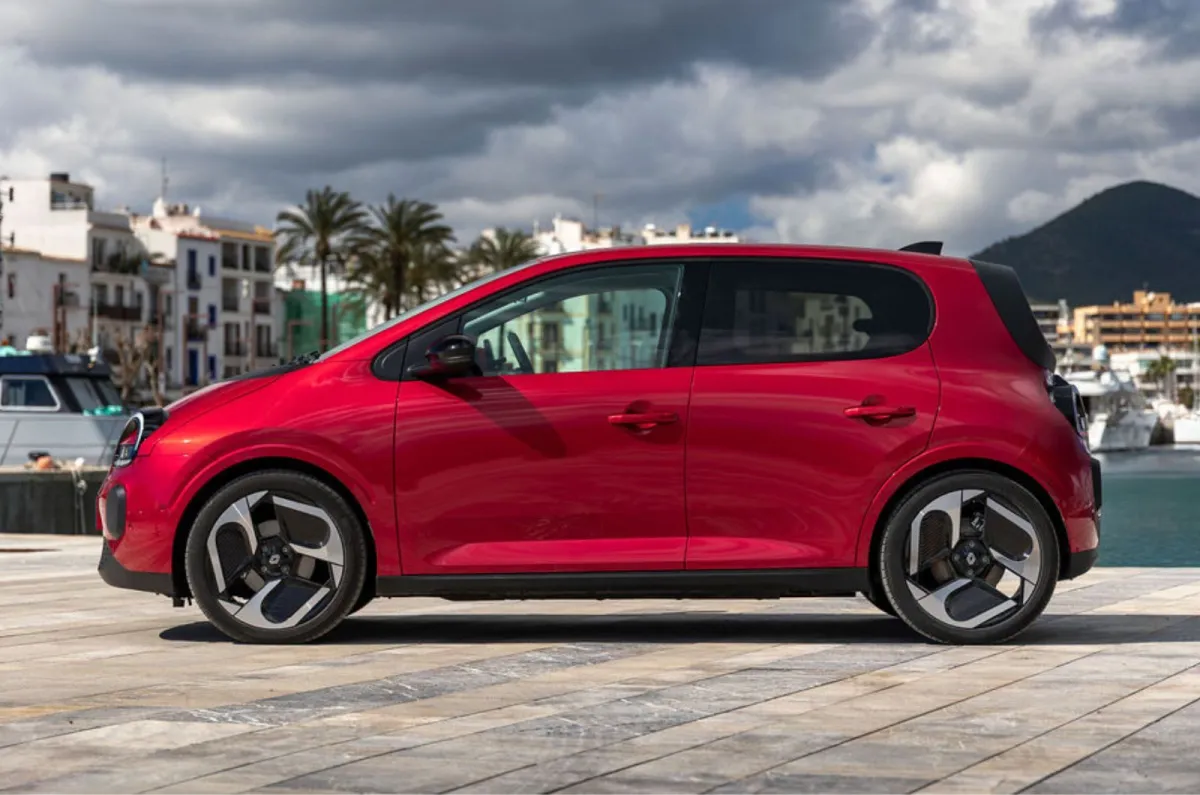
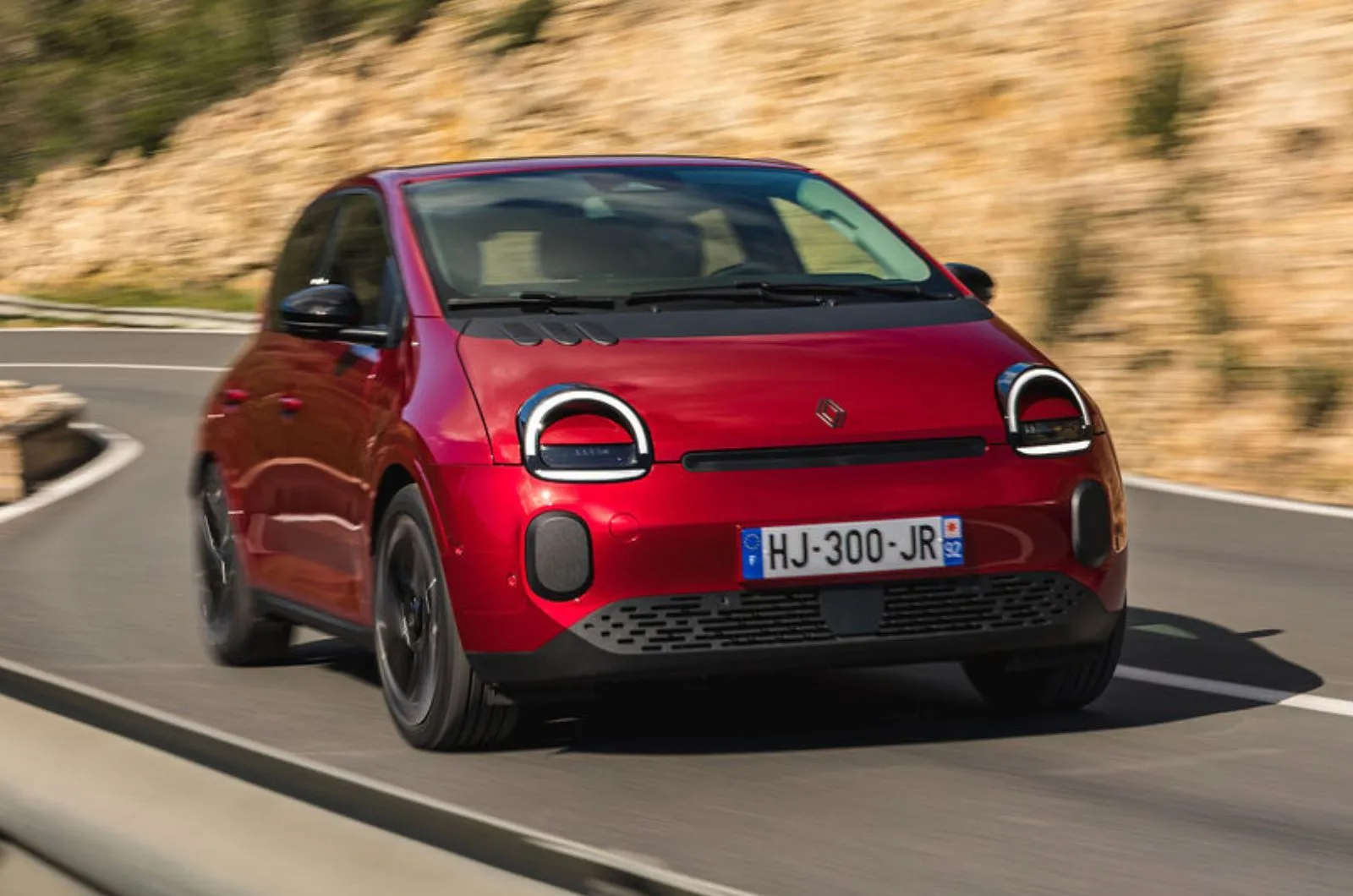
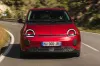
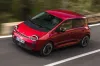
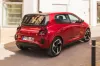
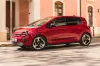
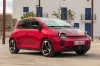
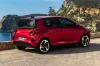
Channelling the cheeky, ‘90s retro styling of its iconic first-generation namesake, the new electric Twingo isn't just a design exercise; it should be a genuine game-changer. Indeed, with a price tag expected to dip below £17,000 (assuming it qualifies for the £3750 Government EV grant), it should cost about the same as a Kia Picanto.
New car deals
New Renault Twingo video review
That means it will comfortably undercut its equally retro sibling, the Renault 5. And while it won’t be as cheap as a Dacia Spring or Leapmotor T03, those cars are severely compromised urban runarounds that feel out of their depth on faster roads.
advertisment
scroll for more
Read more: Complete the What Car? Reliability Survey now and you could win a prize
Verdict
With prices still tbc, it’s impossible to give a conclusive verdict on a car that’s raison d'être is to offer better value than the competition. Nevertheless, the new Twingo has a competitive range between charges and a great infotainment system. It’s also decent to drive and (let’s face it) heaps more desirable than a Dacia Spring or Leapmotor T03.
Pros
- Seriously tempting expected price
- Clever rear seats
- Great infotainment system
Cons
- No Euro NCAP safety rating
- Fairly noisy at faster speeds
- Not especially quick
New car deals
Performance & drive
What it's like to drive, and how quiet it is
Strengths
- Comfy around town
- Tight turning circle
- Smooth brakes
Weaknesses
- Road and suspension noise at faster speeds
- Not particularly nippy
How fast is it and which motor is best?
The Renault Twingo has an 80bhp motor driving its front wheels, so acceleration is roughly on a par with the cheaper Dacia Spring 70 and Leapmotor T03.
This isn’t an issue around town where the Twingo is nippy enough from 0-30mph. However, at faster speeds it feels noticeably tardier than the more powerful Renault 5. In fact, even the entry-level BYD Dolphin Surf has the edge from 0-62mph.
advertisment
scroll for more
Make Model
0-62mph
Max speed
Renault Twingo
12.1sec
81mph
BYD Dolphin Surf Active
11.1sec
93mph
Dacia Spring Electric 70
12.3sec
78mph
Is it agile and is the ride comfortable?
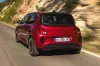
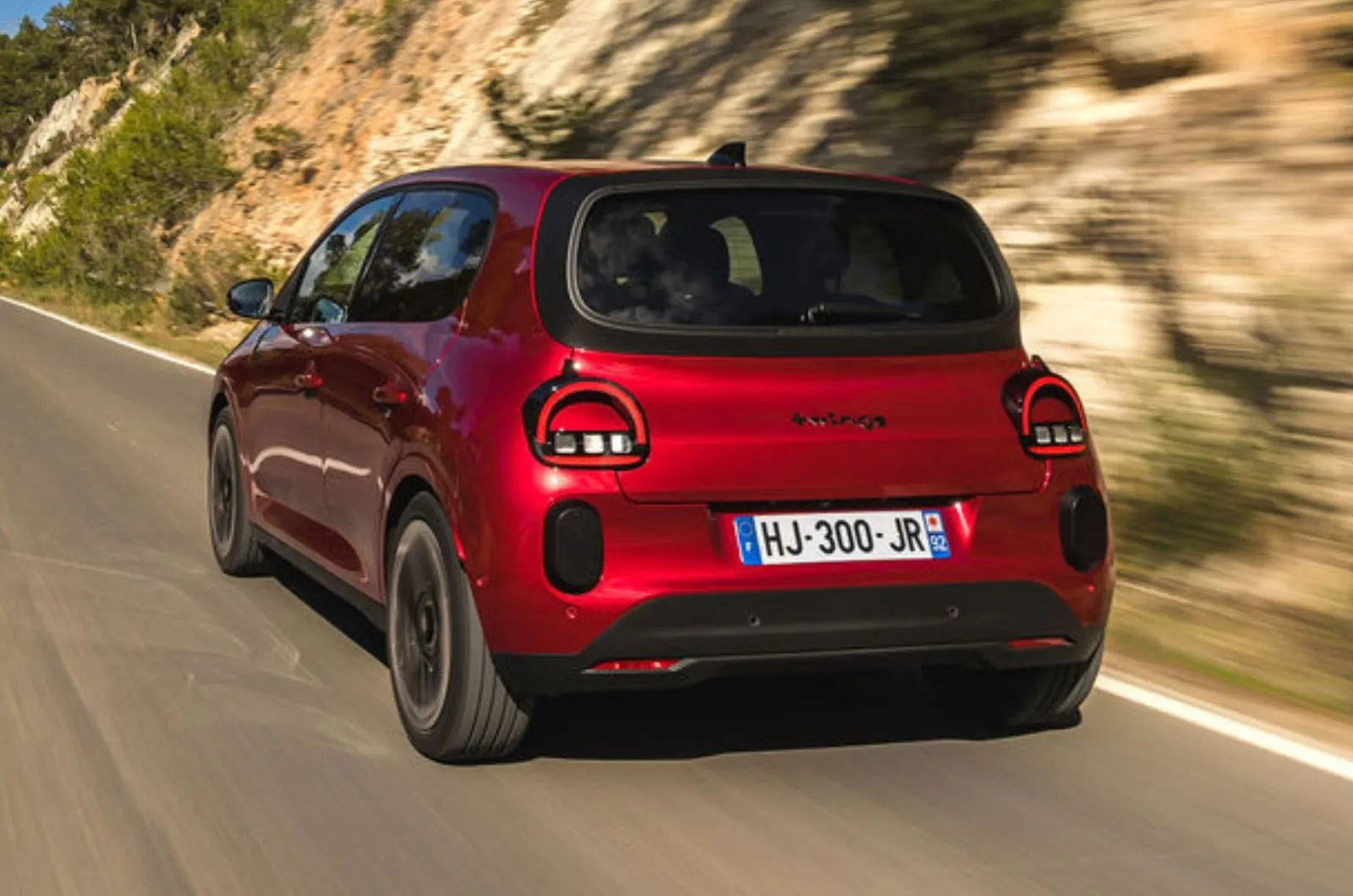
The Twingo is built on the same basic underpinnings as the pricier Renault 5, so there are similarities between how the two cars drive. However, the Twingo is better geared for town driving, where its light steering and tight turning circle (of just 9.9 metres) really impress.
Softer suspension means there’s more body lean when cornering quickly, but the Twingo still feels a lot more composed and confidence-inspiring along a twisting country than a Spring. And for the most part the ride is comfortable by class standards, only becoming unsettled along pockmarked sections of Tarmac.
Is it quiet and how easy is it to drive smoothly?
The Twingo is a significantly cheaper car than its bigger brother, the Renault 5, so it’s hardly surprising that there’s less sound-deadening material inside.
Put simply, this means more noise makes its way inside – particularly when you’re driving at faster speeds. You hear the tyres drumming away at the surface of the road and, along bumpier roads, booms from the suspension. There’s also a noticeable amount of wind noise at faster speeds.
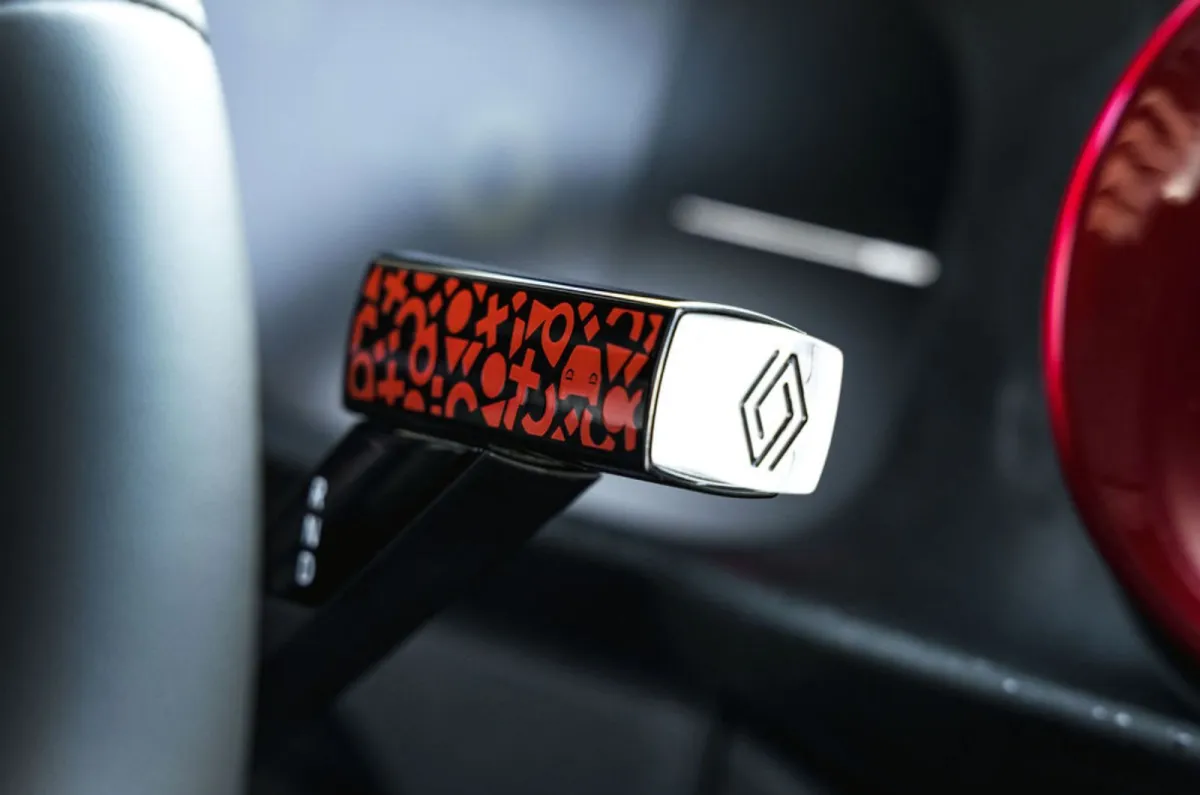
That said, the Twingo is still quieter on the move than a Dacia Spring or Leapmotor T03, and it’s really easy to drive smoothly. The accelerator and brake pedal give consistent and predictable responses when pressed and, on Techno trim, there are paddles behind the steering wheel to adjust the strength of the regenerative braking.
advertisment
scroll for more
What’s the range and efficiency like, and how quickly can it charge?
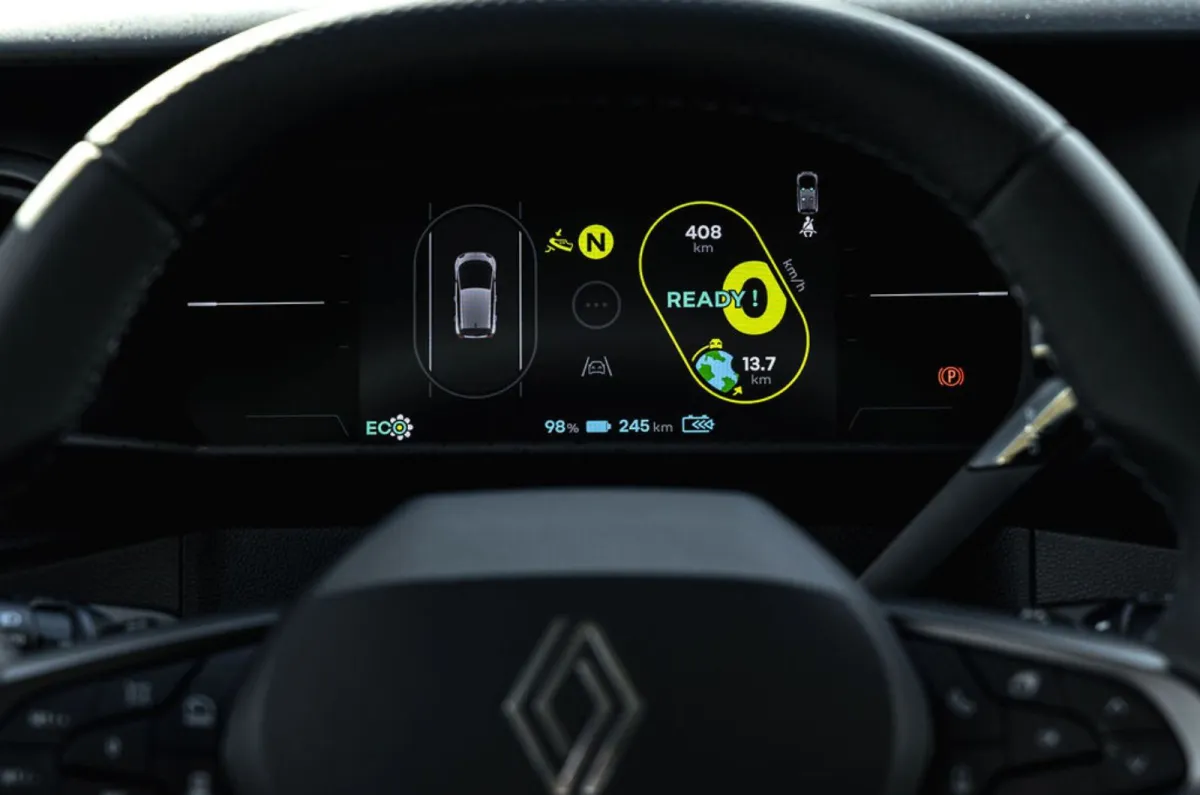
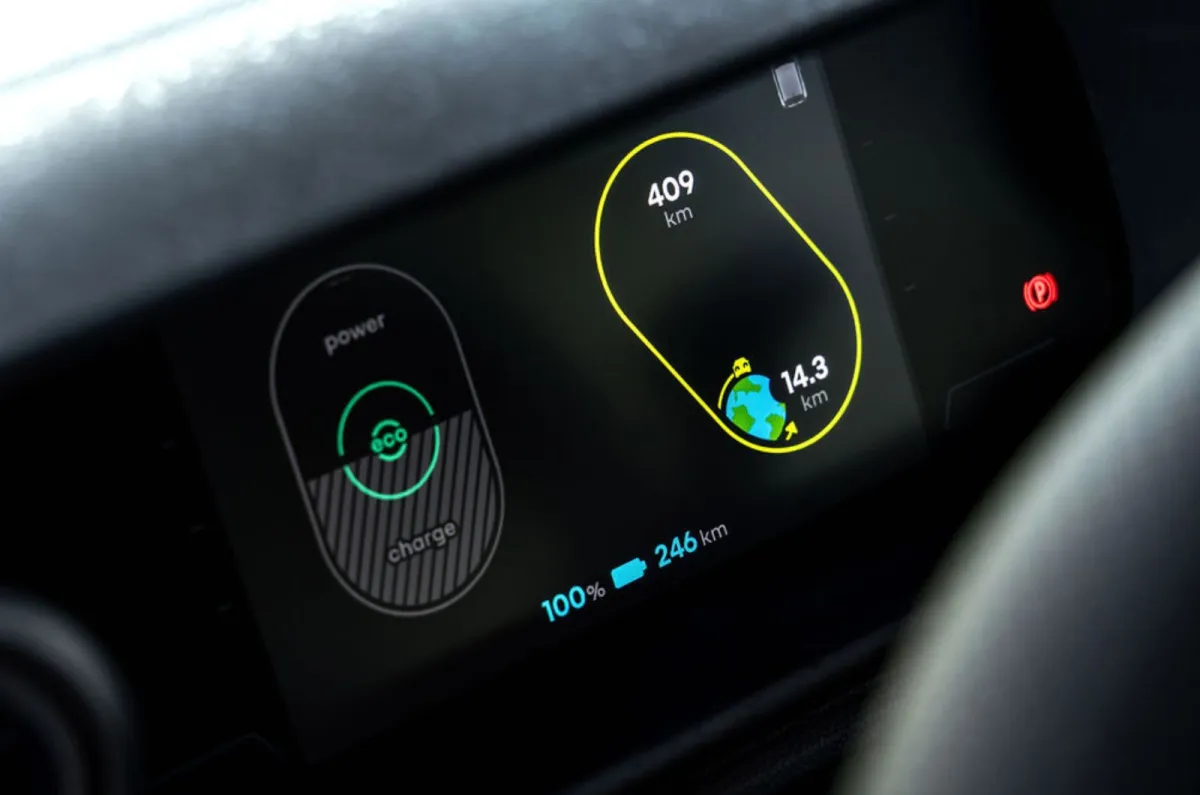
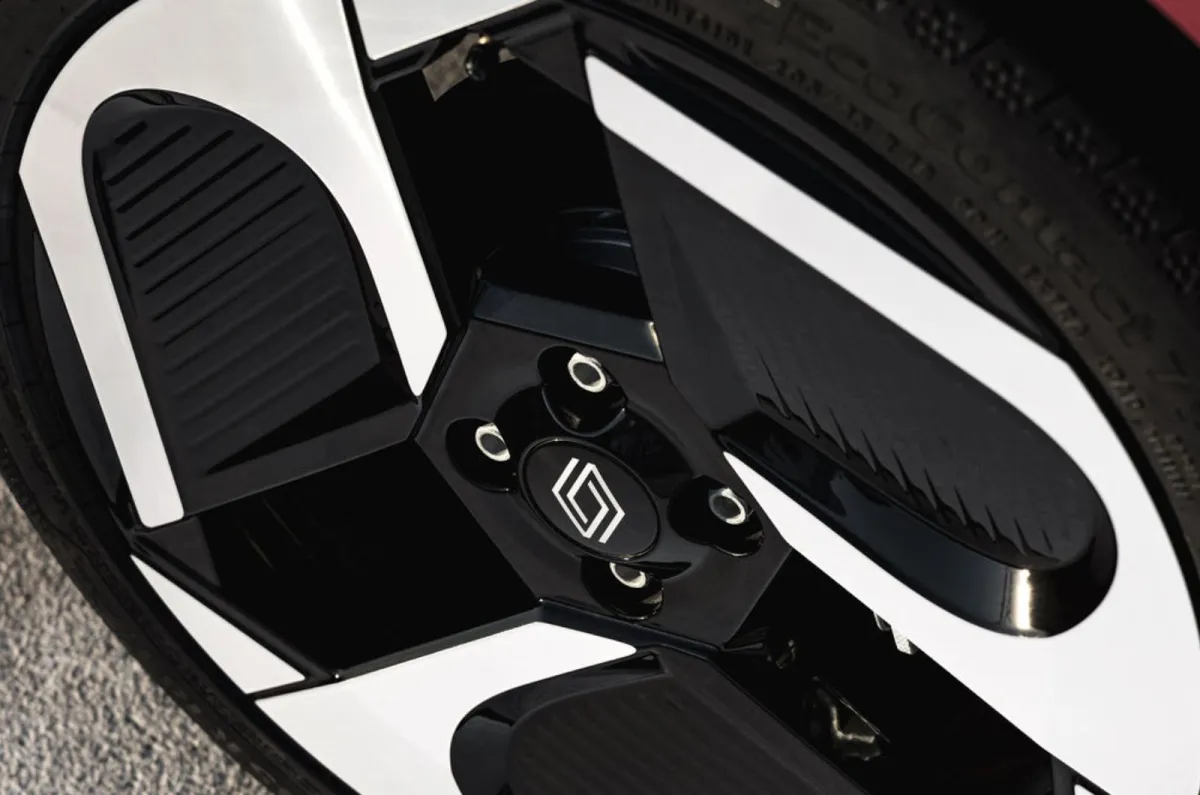
The Twingo has a 27.5kWh (usable capacity) battery and an official range of up to 163 miles. That figure drops to 156 miles if you go for range-topping Techno trim (more on that later) because of its bigger 18in alloys.
How does that stack up against rivals? Well, it’s farther than promised by any Dacia Spring or an entry-level BYD Dolphin Surf. However, the Leapmotor T03 can officially do 165 miles on a charge and the Renault 5 Urban Range can manage 193 miles.
Trim
Official (WLTP) range
Real-world range (est.)
Evolution
163 miles
90-135 miles
Techno
156 miles
85-130 miles
The Twingo’s battery chemistry is LFP (a first for Renault). That means it doesn’t contain cobalt, so less environment-harming mining in Africa is required. It can also be regularly charged to 100% and drained to a low charge level without affecting the lifespan of the battery.
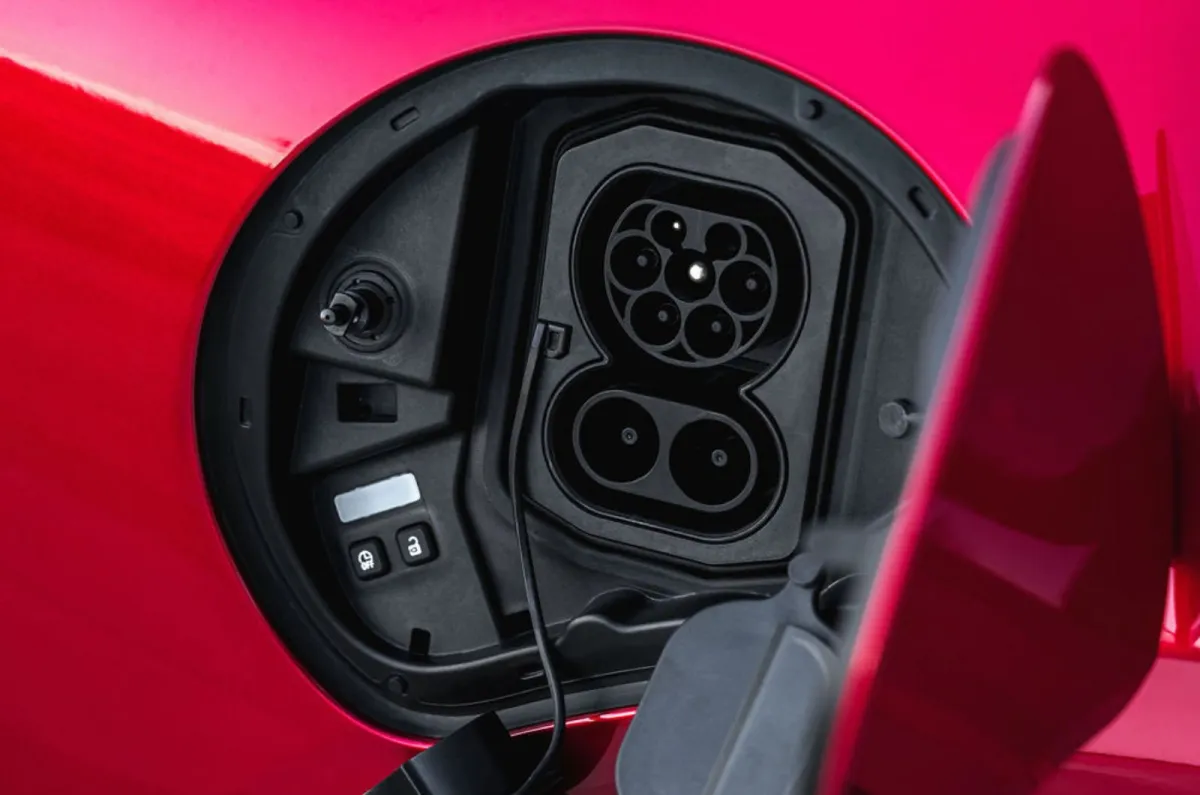
The Twingo can accept a maximum of 50kW from a public charging point, meaning a 10-80% charge will take around half an hour.
advertisment
scroll for more
Make Model
Peak charging rate
Min 10-80% charge time
Renault Twingo
50kW
30min
BYD Dolphin Surf Active
65kW
30min
Dacia Spring 100
35kW
32min
All the latest deals, offers and much more from the What Car? team. Don't miss out.
See our full privacy notice for more details.
CAPTCHA
This question is for testing whether or not you are a human visitor and to prevent automated spam submissions.
“For a small EV designed for the city and suburbs, I think the range is absolutely fine – especially considering you can regularly charge the battery to 100% without damaging the battery.” Will Nightingale, Reviews Editor
Tips & Advice
Charging an EV at home
You can charge your EV from a three-pin socket, but a home EV charger is faster and more convenient. Here are the best
Do I need to use public EV chargers?
Charging at home is almost always cheaper, but if you need a quick top-up, we have revealed the best charging networks
Interior
The interior layout, fit and finish
Strengths
- Great infotainment system
- Cheery interior design
- Physical air-con controls
Weaknesses
- Interior isn’t exactly plush
- Driver’s seat could do with more lower back suppor
- Visibility isn’t quite as good as in Renault 5
What does the interior look like and is it well made?
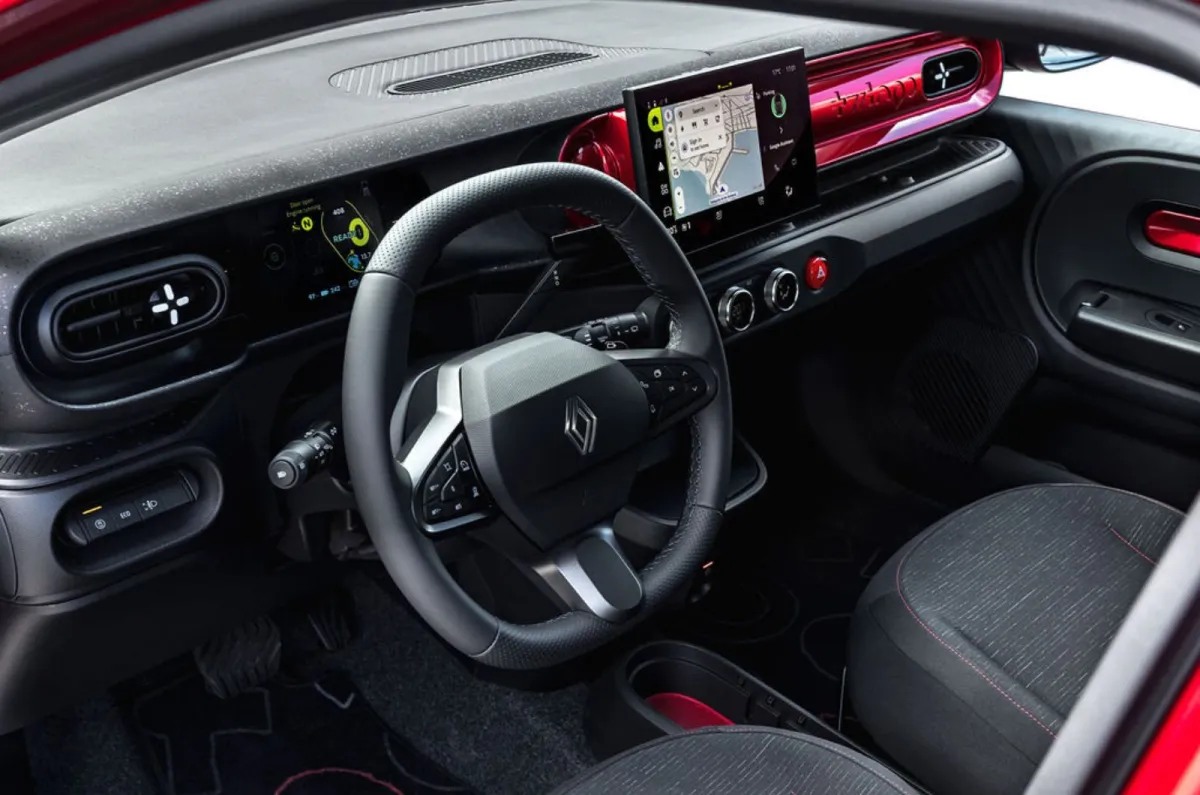
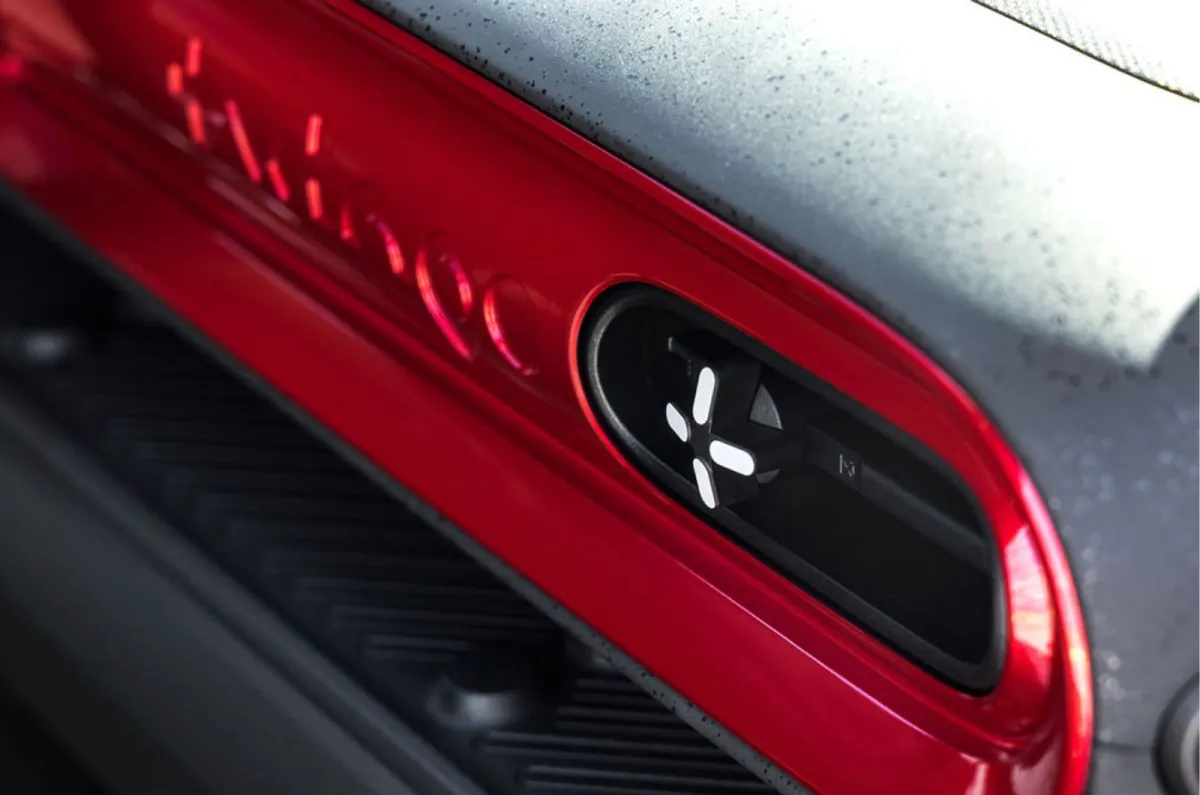
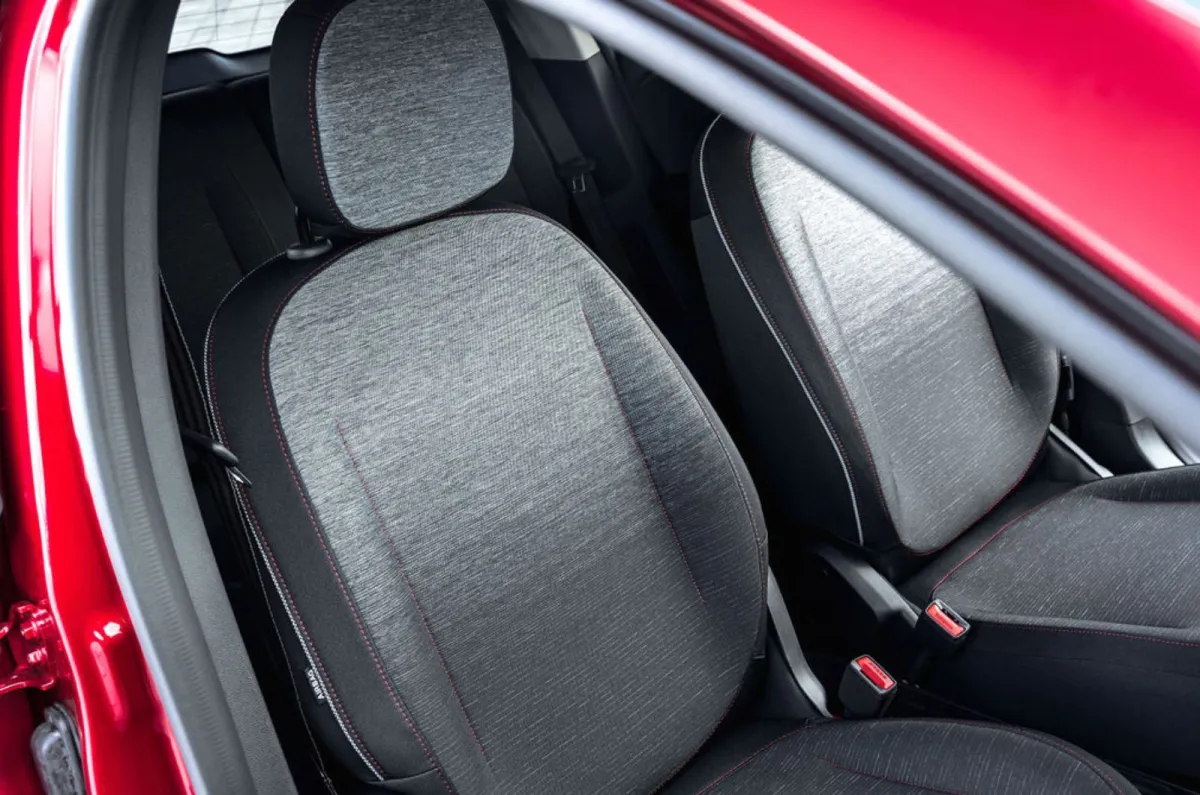
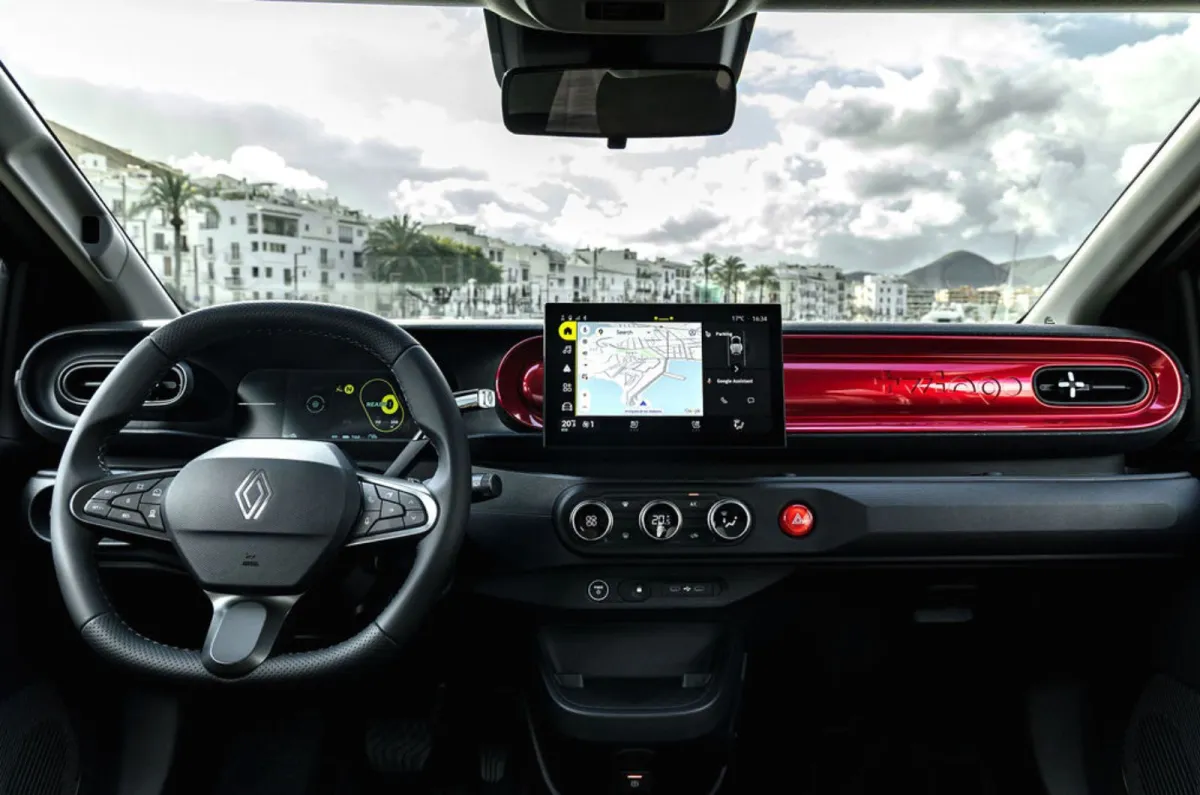
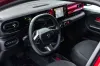
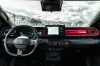
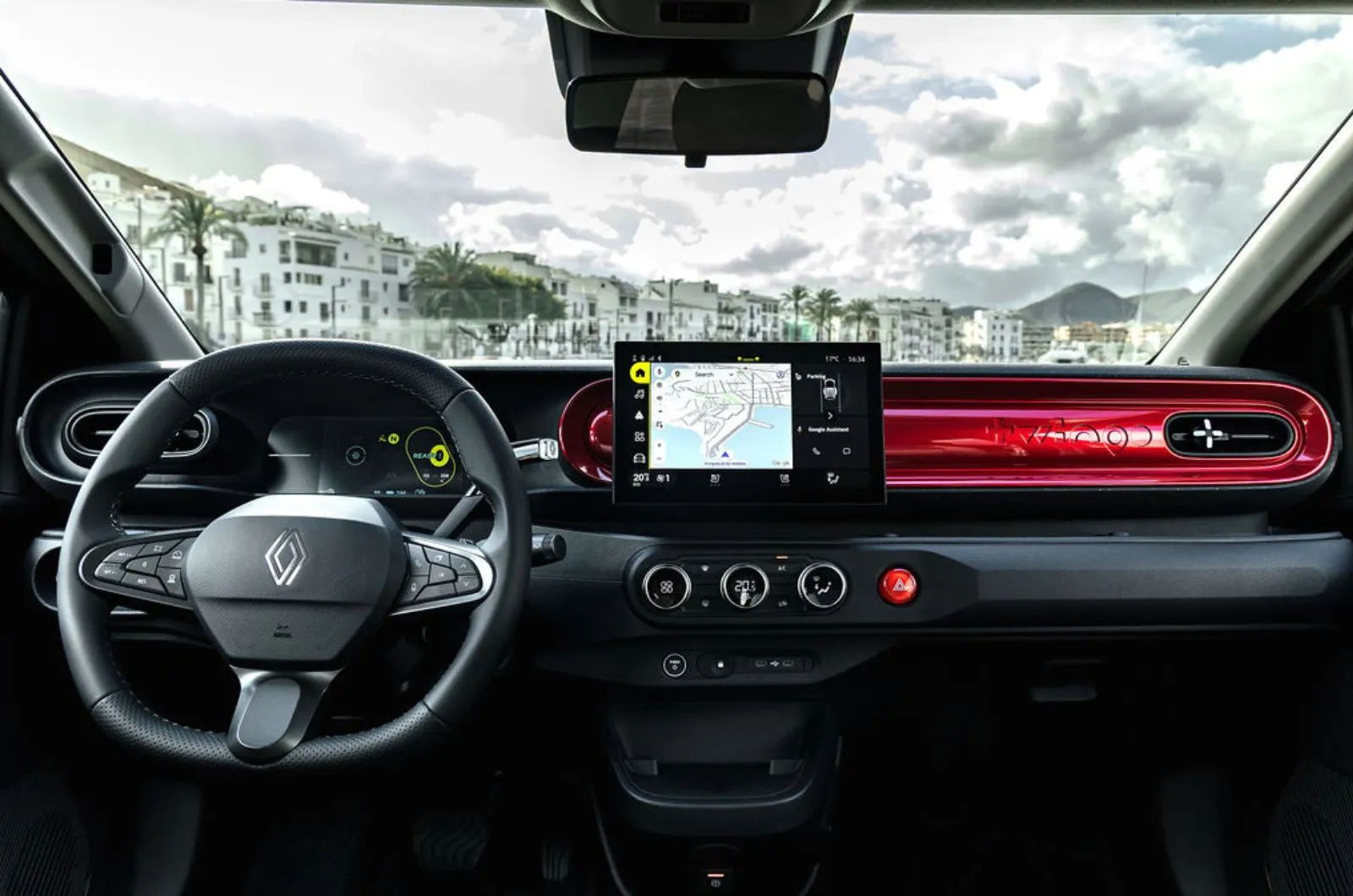
The Twingo’s interior is far more inviting and eye-catching than a Dacia Spring’s. That’s particularly true if you go for Techno trim because the passenger’s side of the dashboard is painted the same colour as the body of the car (it’s always white on cheaper Evolution trim).
advertisment
scroll for more
The interior isn’t particularly upmarket with hard plastics everywhere you look and touch, but at least it feels better screwed together than a Spring’s. The BYD Dolphin Surf and pricier Renault 5 have some more appealing materials in their interiors if that’s important to you.
Is the driving position comfortable and is it easy to see out?
The driving position is fundamentally good thanks to a steering wheel, seat and pedals that all line up neatly with one another – in the left-hand-drive version we’ve tested so far, at least.
The seat could do with a bit more lower back support on longer journeys (there’s no adjustable lumbar support to mitigate this) but otherwise there isn’t much to grumble about.
The steeply raked windscreen pillars don’t get in the way as much as you might imagine at junctions, although the Twingo isn’t as easy to see out of as a Renault 5. Going for Techno trim gets you a reversing camera to help with parking.
Is the dashboard and infotainment system easy to use?
advertisment
scroll for more
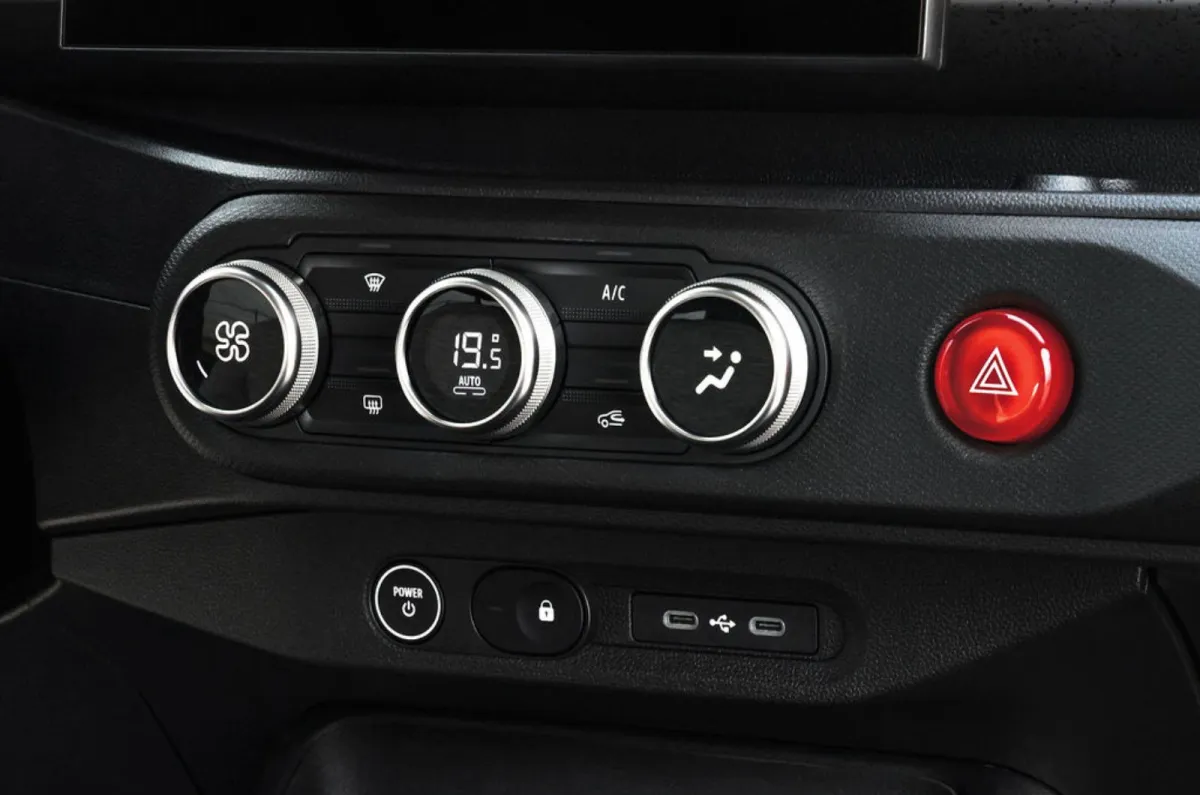
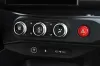
Fortunately, you don’t need to use the infotainment touchscreen to control the air-conditioning (you do in a Dolphin Surf). Instead, there are chunky dials and buttons just below the touchscreen, making it a doddle to tweak the temperature or adjust the fan speed while you’re driving.
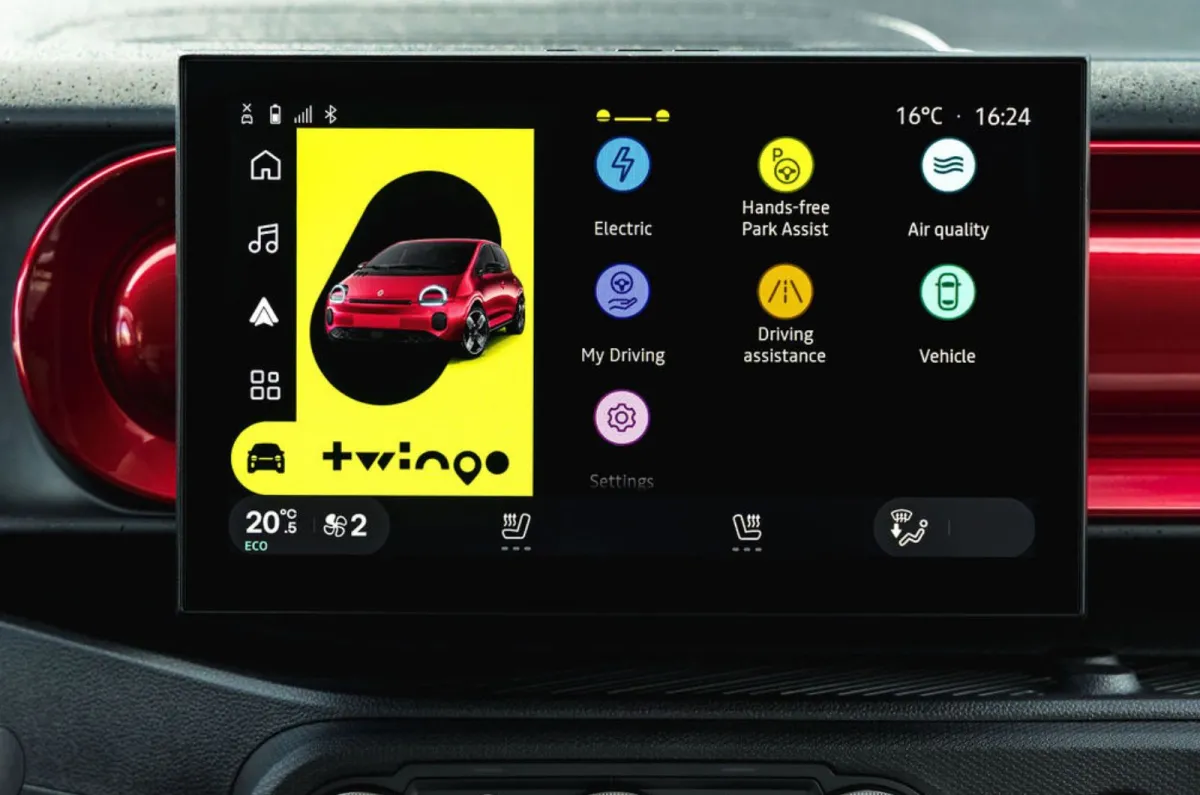
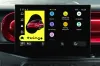
Talking of the infotainment system, this is controlled using a 10.1in touchscreen in the middle of the dashboard. Being a touchscreen, it's inevitably a bit distracting to use while you’re driving, but the operating system is more intuitive than the one in a Fiat 500e or Leapmotor T03.
All versions get Android Auto and Apple CarPlay, while the range-topping Techno has an in-built Google-based sat-nav app and a surprisingly handy voice-control assistant.
“The infotainment systems in the Dacia Spring and Leapmotor T03 aren’t much cop, so it’s great to see a cheap small EV with a user-friendly touchscreen.” – Will Nightingale, Reviews Editor
Passenger & boot space
How it copes with people and clutter
Strengths
- Roomy enough in the front
- Sliding rear seats
- Clever split false floor in boot
Weaknesses
- Rear space (particularly head room) is tight
- Boot is smaller than some rivals’
How much space does it have for people?
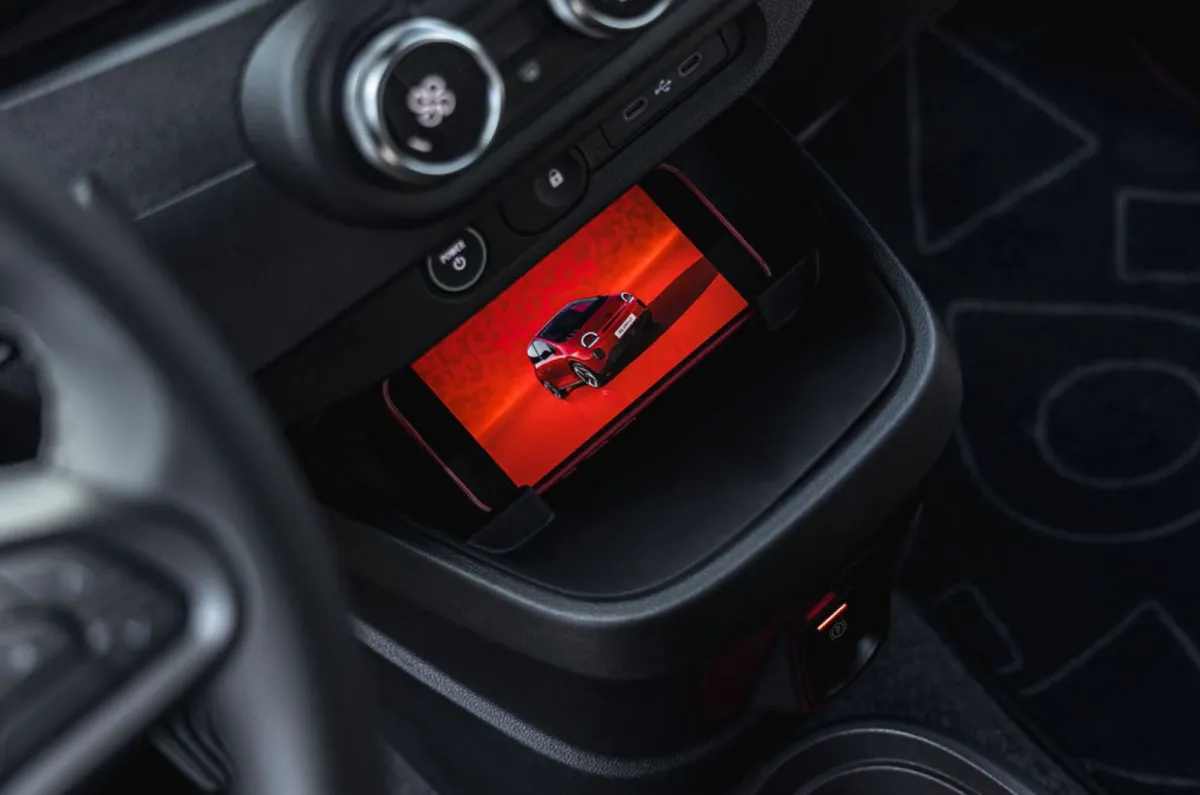
Six-footers will be comfortable in the front of the Twingo, thanks to generous head room and seats that slide back a long way on their runners. The door pockets are small (we couldn’t fit a 500ml bottle or water in them properly), but there’s 3.6 litres of storage space in an uncovered tray between the driver and front passenger, plus a couple of shelves on the dashboard.
advertisment
scroll for more
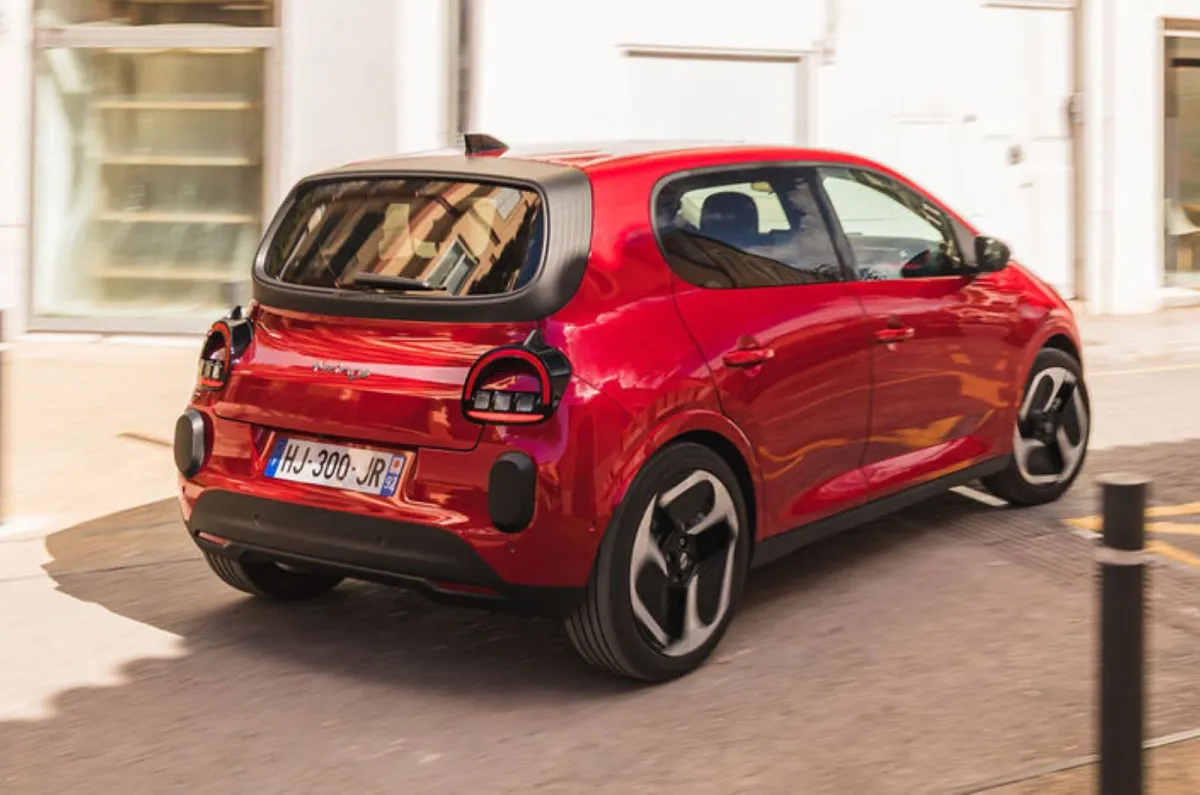
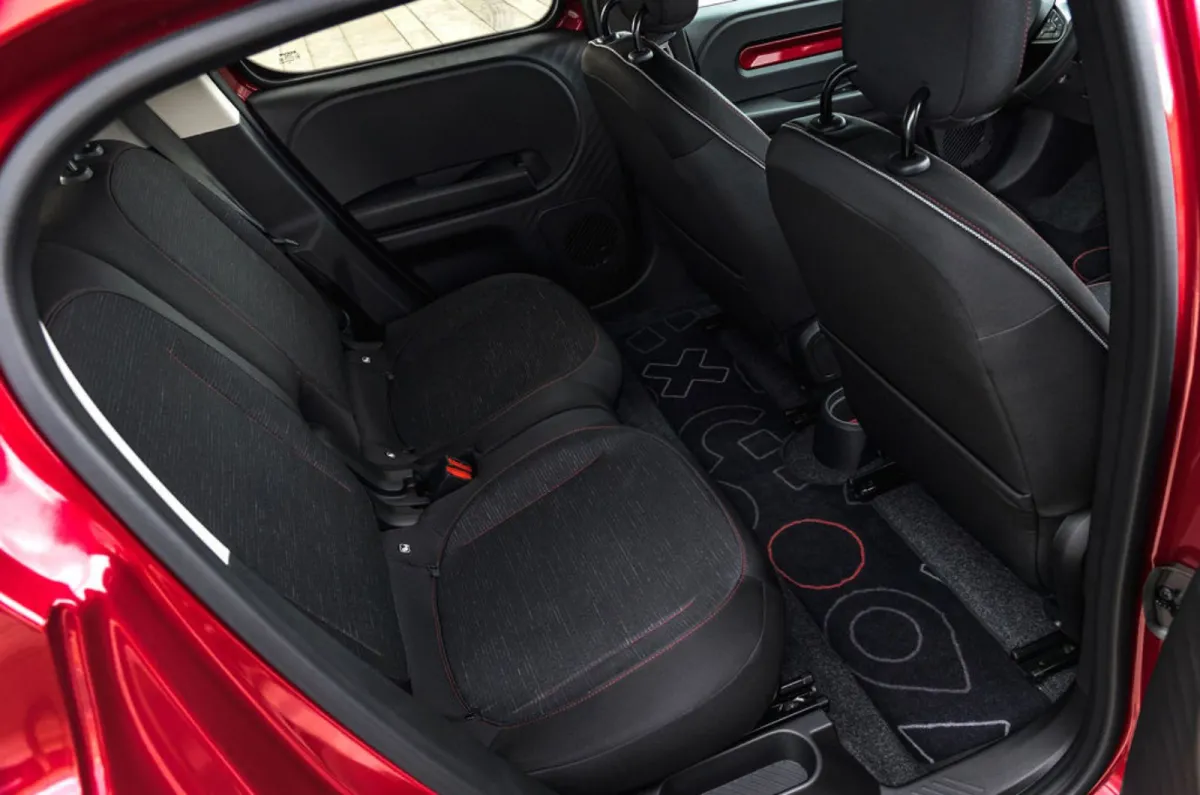
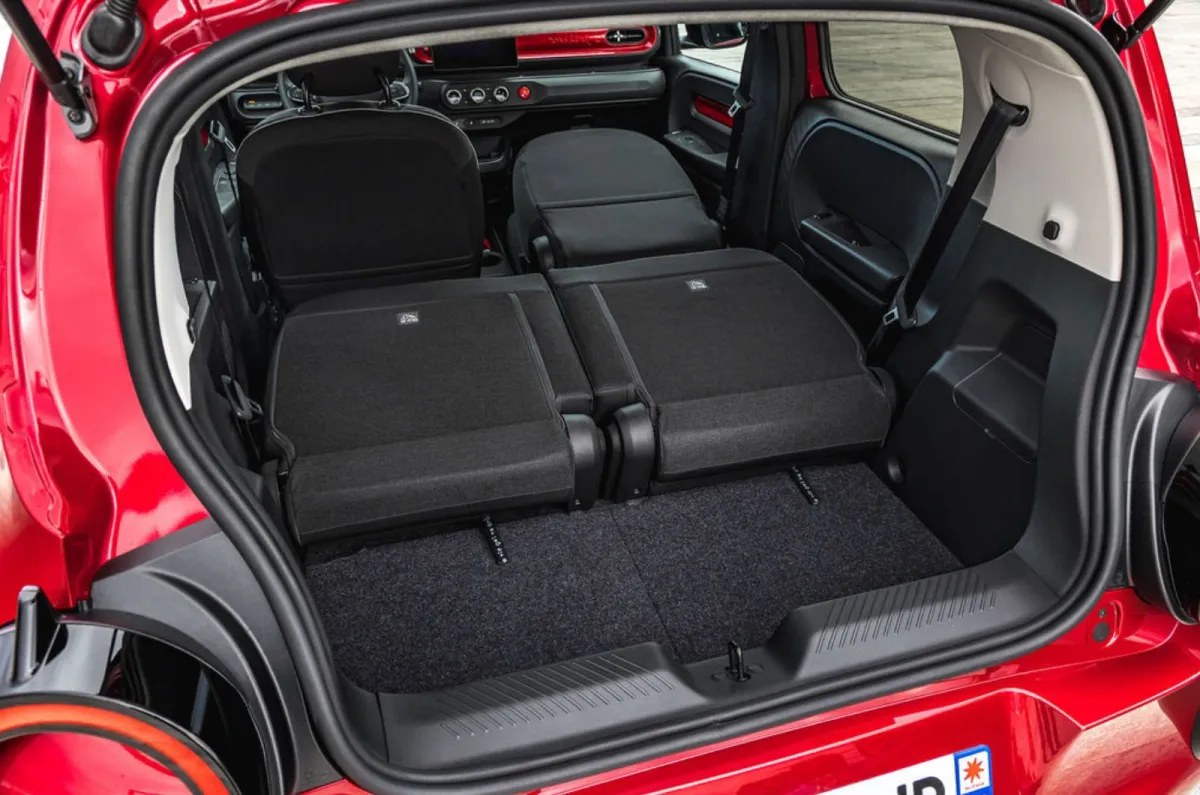
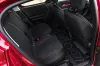
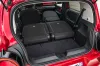
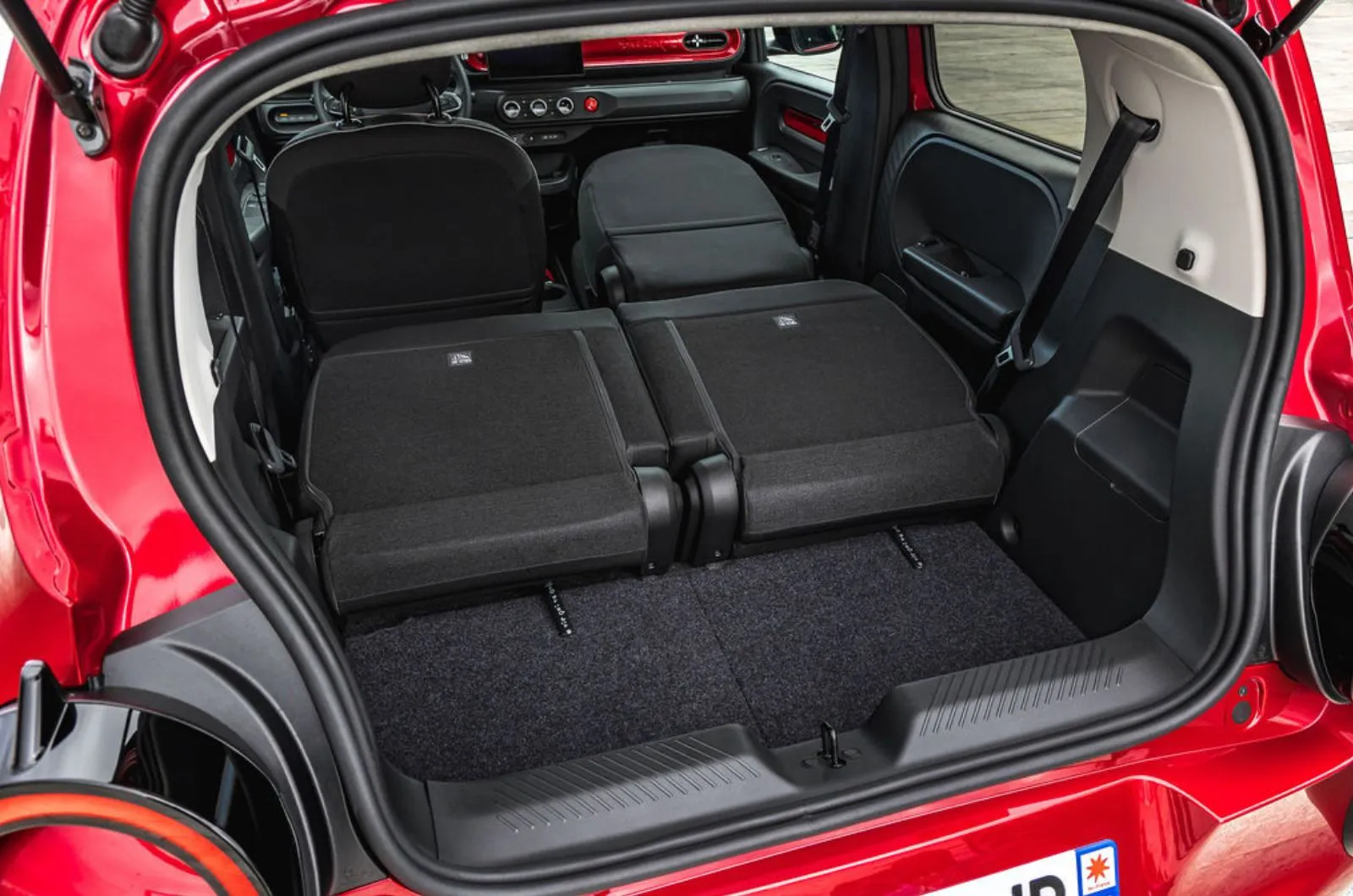
An unusual feature (for the class) is sliding rear seats. This allows you to prioritise either boot space or rear leg room depending on your needs. Admittedly, if you’re tall you won’t get into the back of the Twingo without sliding the rear seats a fair way forwards.
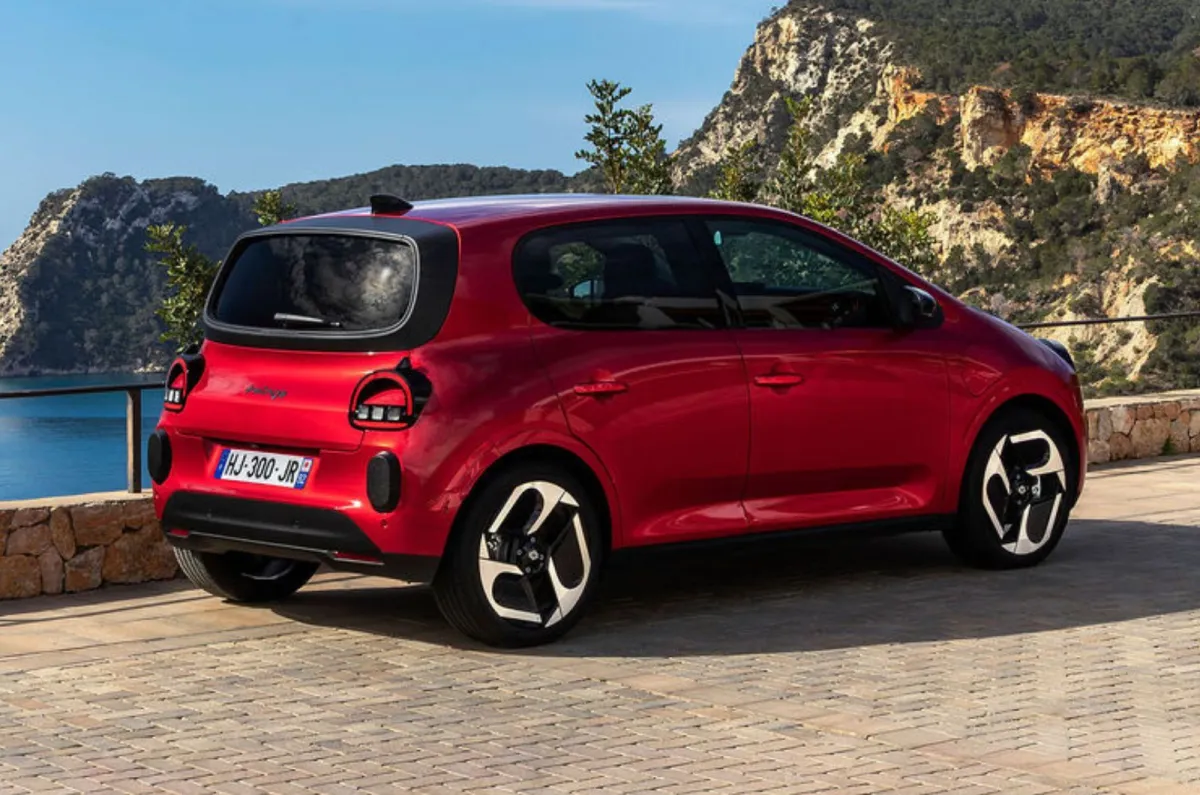
With the seats as far back as they go, a couple of six-footers will have enough knee room. Head room is tight, though, and the rear windows don’t wind down; they only pop open a few centimetres. Unlike the Renault 5, the Twingo is a strict four-seater.
How much room does it have for luggage?
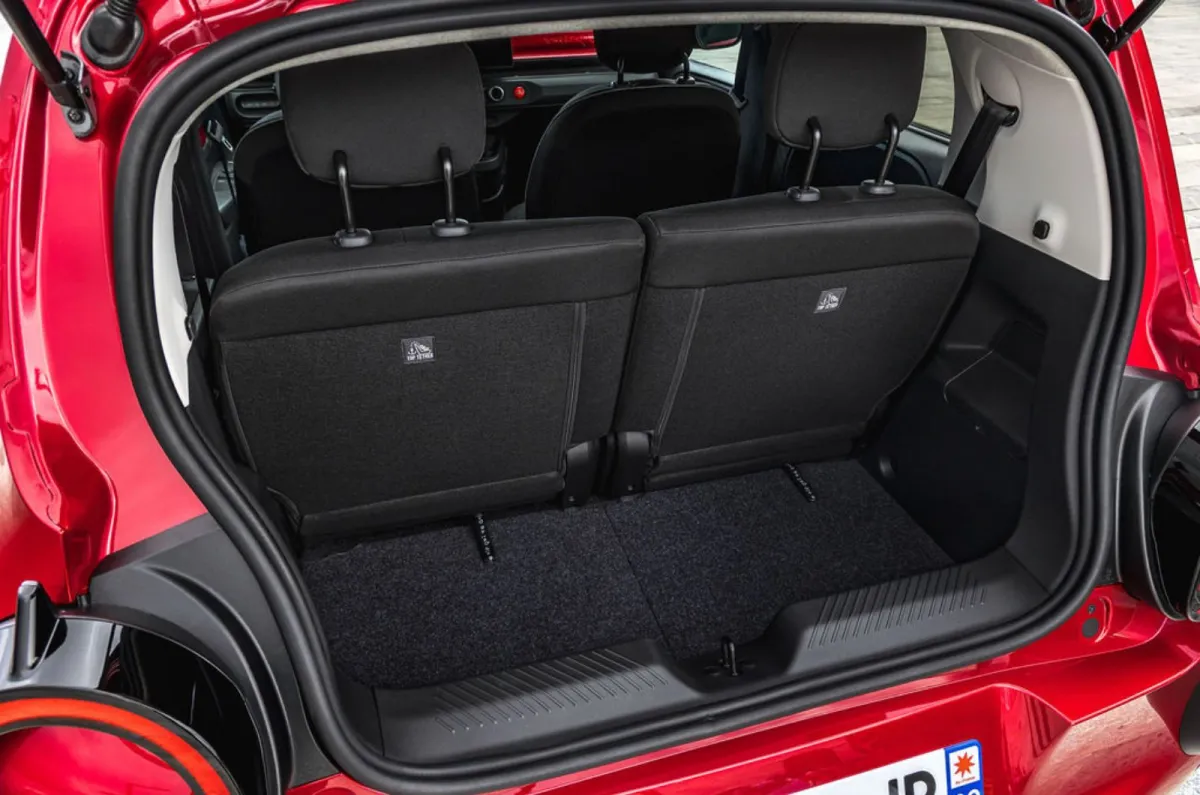
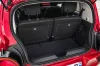
Again, this depends on the position of the rear seats, but with them slid fully back there’s only slightly more luggage space than in a Fiat 500e.
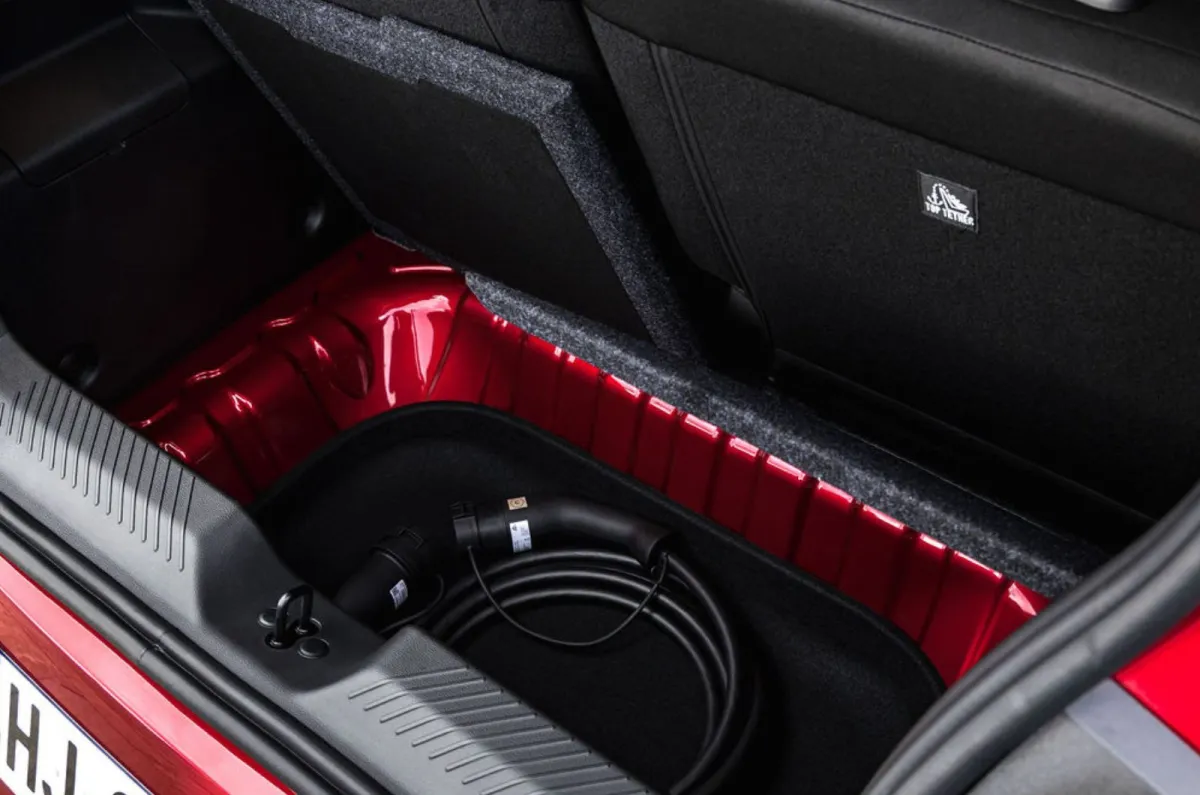
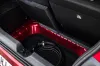
Slide them all the way forwards, though, and there’s actually more boot space than in a Renault 5. 50 litres of that is under a false floor, leaving a handy place to stash the charging cable.
There’s a big drop down from the boot entrance to the floor of the load bay, and step in the floor of the extended load area when the rear seats are folded down. The Twingo doesn’t have any storage under its bonnet, either.
advertisment
scroll for more
Make Model
Space (four-seat mode)
Space (rear seats folded)
Renault Twingo
205-305 litres
966 litres
“I think the Twingo’s split false floor is really useful. It means you can lift up one side to access the charging cable, rather than taking everything out of the boot.” Will Nightingale, Reviews Editor
Tips & Advice
Will the car fit your needs?
As part of the test drive, fill the car with regularly-carried luggage, and make sure the family can get comfy before you buy
Buying & owning
Everyday costs, plus how reliable and safe it is
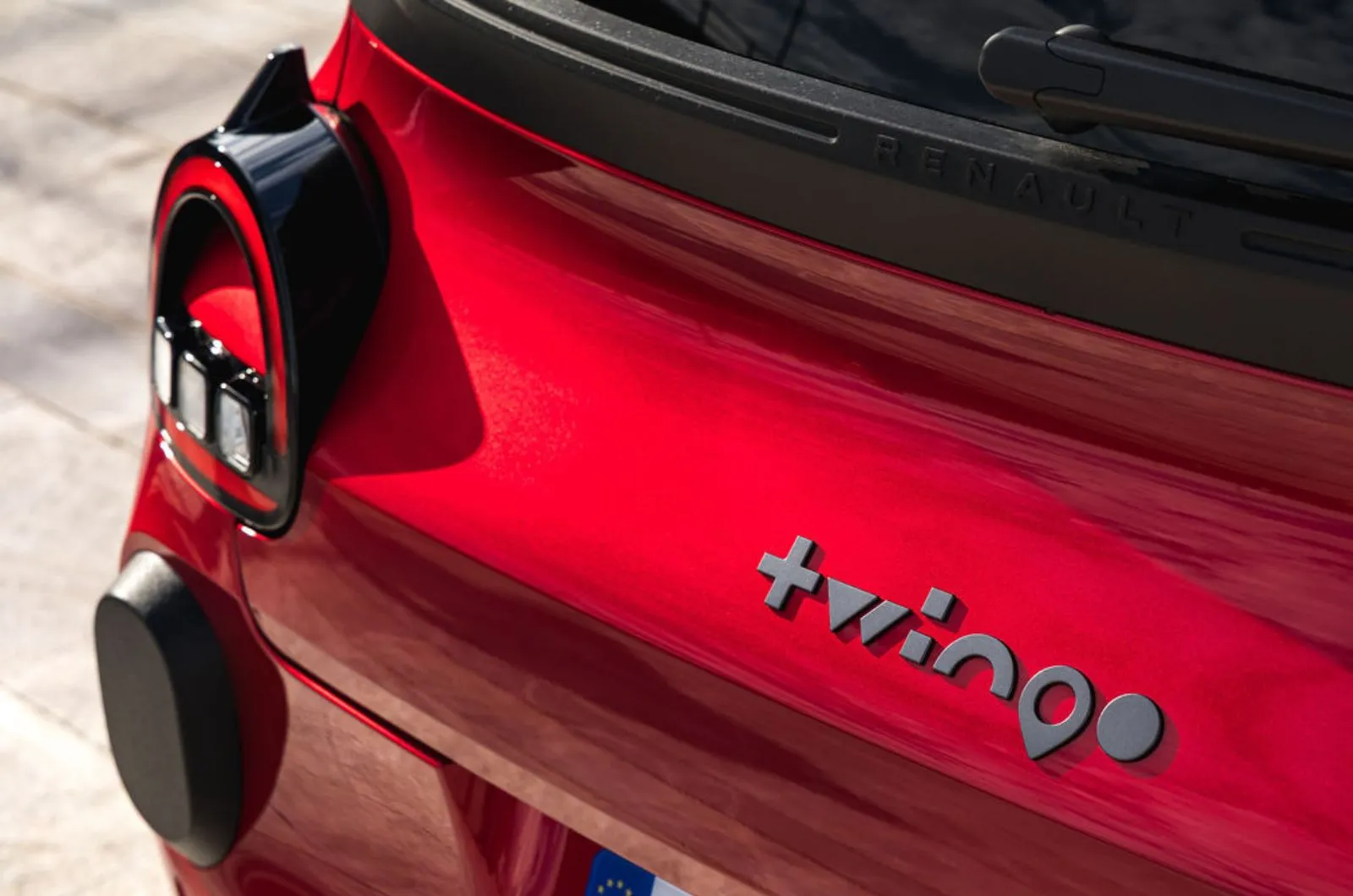
Strengths
- Promising signs for full £3750 Government EV grant
- Significantly cheaper than Renault 5
- Techno trim is well equipped
Weaknesses
- No Euro NCAP safety rating
How much does it cost and what equipment do you get?
Prices haven’t been confirmed but Renault told us the new Twingo will start at less than £20,000 – regardless of whether it qualifies for the Government EV grant. There’s a good chance it will get the full £3750 assistance, because it’s built in Slovenia and the battery is sourced from Hungary – both EU countries.
advertisment
scroll for more
If that happens, the Evolution could start at less than £17,000. That’s quite a bit more than the Dacia Spring or Leapmotor T03, but less than any BYD Dolphin Surf or Citroen e-C3.
Evolution trim will get the basics, including 16in steel wheels and manual air-conditioning, while Techno will add automatic climate control, keyless entry, 18in alloys and the Google-based infotainment system we mentioned earlier.
Is it reliable, and how long is the warranty?
We can’t give you much of a steer on reliability yet, other than to say that Renault finished in a fairly disappointing 20th position (out of 30 brands) in the 2025 What Car? Reliability Survey manufacturer league table.
You get a three-year/60,000-mile warranty on most components, with eight years’ cover on the battery. That’s par for the course – the Dolphin Surf gets the same eight-year warranty on the battery, but a six-year/93,750-mile warranty on the rest of the car.
How safe is it, and is it easy to steal?
Euro NCAP hadn’t completed its safety testing at the time of writing, so we can’t tell how well the Renault Twingo is likely to protect you and your family if an accident can’t be avoided.
All versions come with six airbags, though, along with a selection of active safety aids, including automatic emergency braking (AEB) and lane-keeping assistance. Extra safety kit will be offered as part of a pack on range-topping Techno trim.
advertisment
scroll for more
“If the Twingo qualifies for the full £3750 Government grant, I think it will represent incredible value for money compared with the competition.” Will Nightingale, Reviews Editor
Buy it if...
- You mostly drive in town
- You have off-street parking, so can charge your electric car at home cheaply
- You like products that blend style with substance
Don’t buy it if…
- You need to carry tall people in the back
- You make lots of long journeys
- You’re looking for the very cheapest electric car on sale
For all the latest reviews, advice and new car deals, sign up to the What Car? newsletter here
Tips & Advice
How much does it cost to charge an EV
A dual-rate tariff can slash your home-charging bills by up to 70% if you charge overnight. There are environmental benefits, too
Organise your motoring life
Whether you need to keep tabs on your insurance renewal, sort breakdown cover, or book a service, My What Car? has you covered
Never miss a motoring date
Remembering to arrange insurance, book a service or buy breakdown cover can be a pain. Fortunately, My What Car? is here to help
Avoid ULEZ and clean-air zone fines
If you regularly drive into a clean air zone, you’ll want to ensure your next car is compliant to avoid costly fines
Renault Twingo specifications
RRP price range
MPG range across all versions
45.6 - 48.7
Available fuel types (which is best for you? )
Petrol
Number of engines (see all)
2
Number of trims (see all)
7
Warranty
3 - 4 years / 60,000 - 100,000 miles
FAQs
How much does the Renault Twingo cost?
Prices haven’t been confirmed, neither has eligibility for the Government grant. However, the Twingo will start at less than £17,000 if it ends up qualifying for the full £3750 grant.
Is the Twingo left-hand drive?
The original ‘90s Twingo was sold exclusively in left-hand-drive form, but subsequent generations (including the current electric model) are offered in right-hand-drive too.
What is the range of the Renault Twingo?
The entry-level Evolution has an official range of 163 miles. This drops slightly to 156 miles on the range-topping Techno, courtesy of its bigger wheels.
New car deals
About the writer

Name: Will Nightingale
Title: Reviews editor
Follow Will Nightingale on
Will Nightingale has been a motoring journalist for more than 15 years. He is currently reviews editor at What Car?, and held the same role at Autocar (a sister Haymarket brand) between 2015 and 2018.
More Renault Twingo
Used reviews
- Used Renault Twingo 2014-2019
Category rankings
- Best used cars for learner drivers
- Best economical used cars for less than £5000
- Best used city cars for less than £
Comparison tests
New MG 4 Urban vs Hyundai Inster vs Renault 5
Compact dimensions make these electric cars a perfect fit for the city, but which is the best when you want to head farther afield?
New Renault 5 vs Mini Cooper
The Mini Cooper has seen many reinventions during the past seven decades, and now Renault’s much-loved small car of the 1970s is following suit. We test the two back to back
Mini Cooper S vs Mini Cooper SE – is petrol or electric best?
In electric form, the latest Mini is a big improvement on its predecessor – but is it better than the petrol model? We took both versions on a road trip to find out
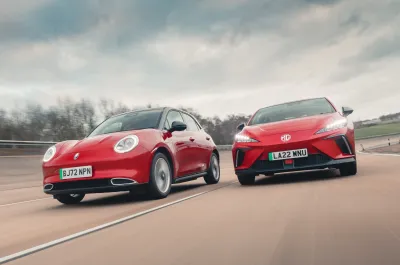
New Ora Funky Cat vs MG 4 EV
The MG 4 is currently our favourite small electric car, but is its position under threat from Chinese brand Ora’s new contender?
See all comparisons
News and advice
News
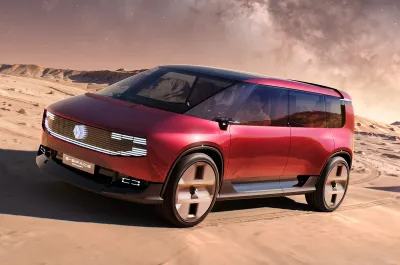
New Renault E-Space concept previews electric MPV revival of 1980s Espace
MPV concept brings electric power to the 1980s Espace - plus a radical interior
Mon Oct 12 2026
News
Specially designed tyre boosts EV range by 19 miles
Drivers of Renault's electric vehicles could gain up to 19 miles of extra range from a new tyre developed by Continental
Fri Oct 9 2026
News
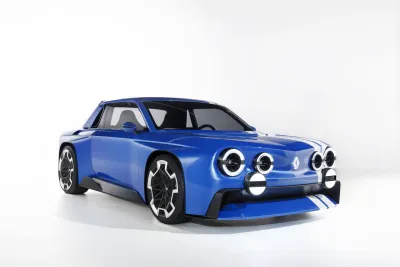
Renault 8 Gordini concept is sleek electric performance car
New electric concept oozes retro appeal – and offers more than 260bhp
Thu Oct 1 2026
News
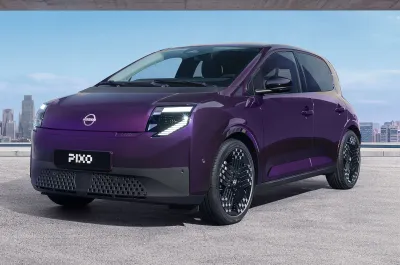
New Nissan Pixo revealed: small EV to start from £17,000
Nissan's smallest electric car offers 161 miles of range for a very tempting price
Wed Sep 23 2026
See all latest advice
All Small Electric reviews
Hyundai Ioniq 3
Renault Twingo
Volkswagen ID Polo