












What is What Car? best price?
The What Car? best price shows you the cheapest way to buy your new car, whether it's by choosing an in-stock car through our partner Autotrader or placing a factory order.
Available now from: £26,894
RRP from: £31,030
About our price indicator
What Car? indicative Personal lease example (subject to status)
Citroën C5 Aircross
| Expected annual mileage | 5000 |
| Term months | 60 |
| Deposit months | 12 |
| Monthly payment | £440.09 |
| Initial payment | £5,281.08 |
Step-by-step
Leasing works a bit like a long-term rental. You drive it, but you don’t own it.
- Choose your car, pick your terms and apply for lease credit online
- Pay monthly rental payments for your chosen term length
- Drive it, enjoy it, then give it back at the end
What you get
When you lease with Autotrader you get all of this:
- Full manufacturer’s warranty
- Road tax and roadside assistance included
- Free returns within 30 days*

- Lower total monthly cost than PCP/HP
- No balloon payments
- Road tax included
Figures for 1.2 YOU! e-DSC Euro 6 (s/s) 5dr
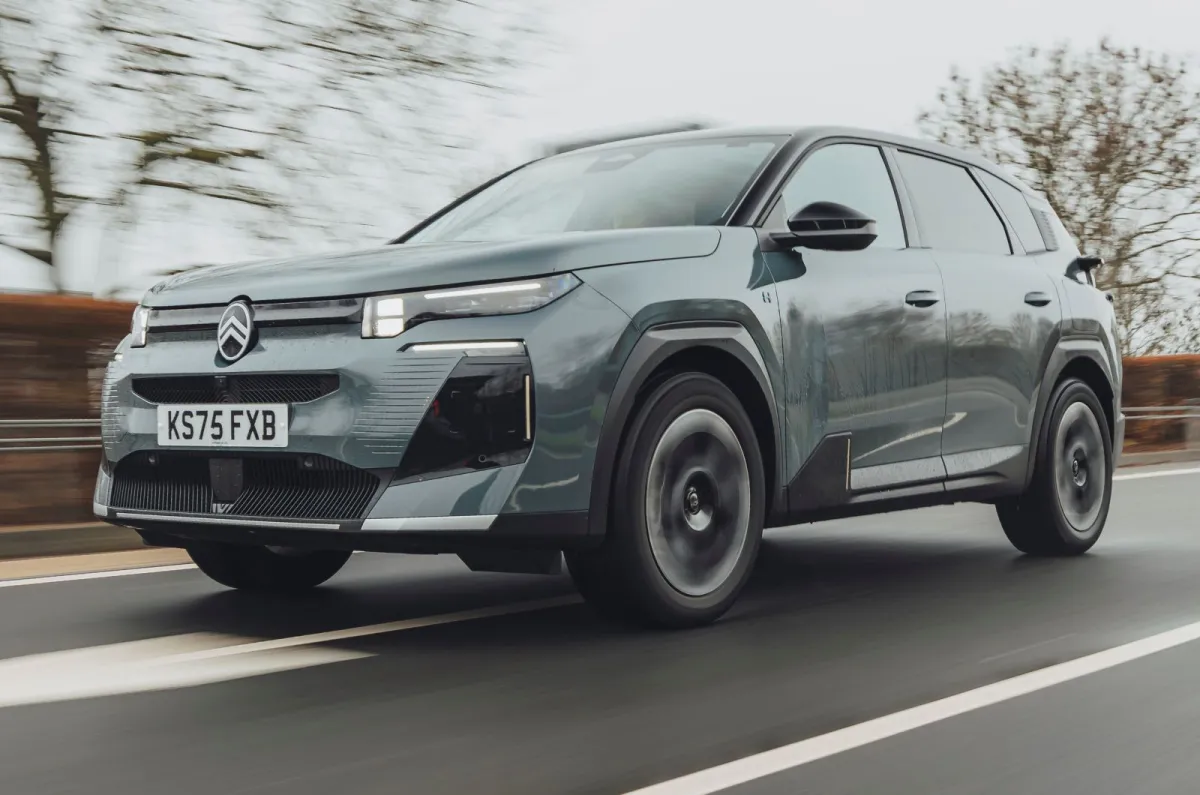
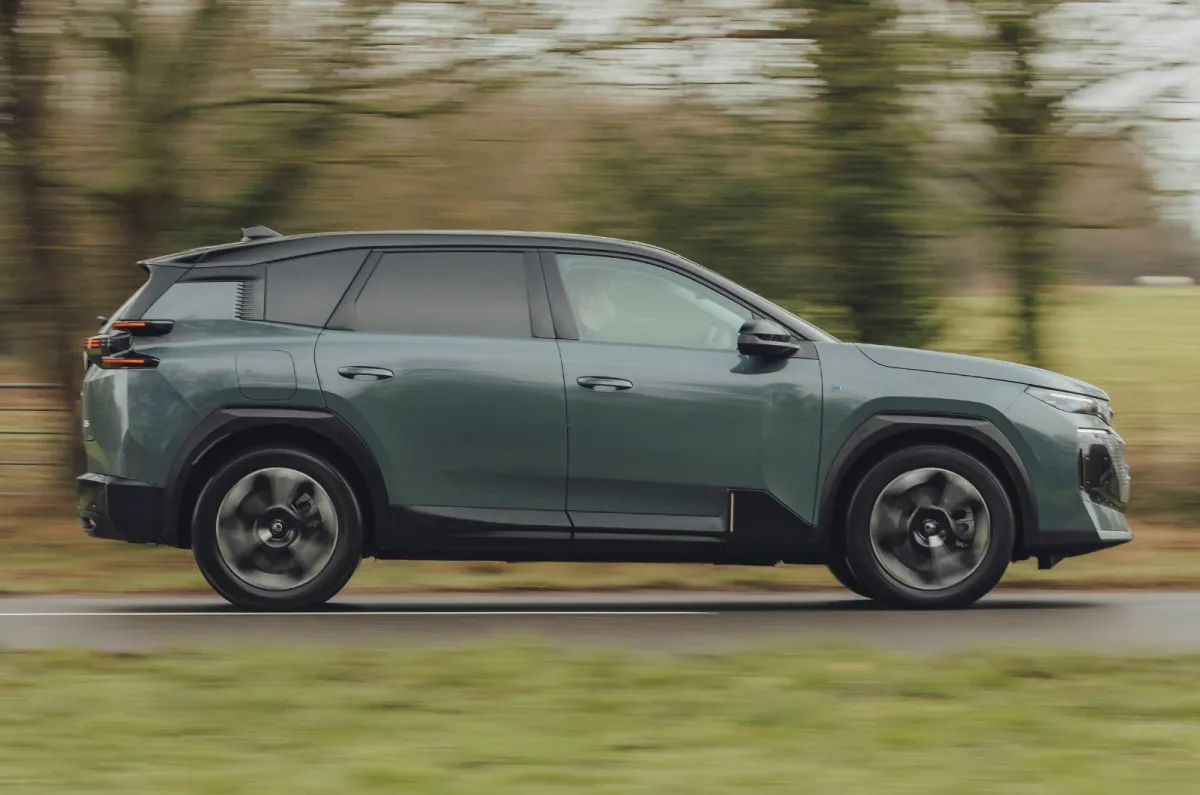
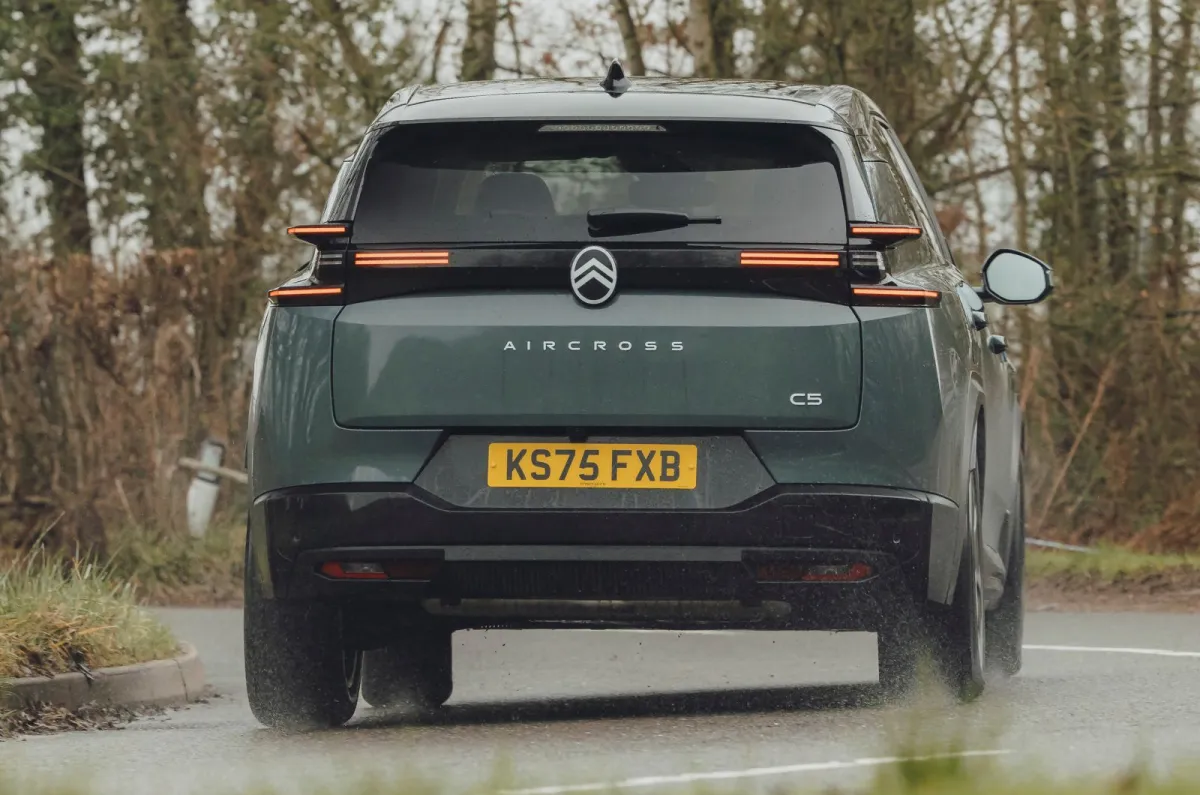
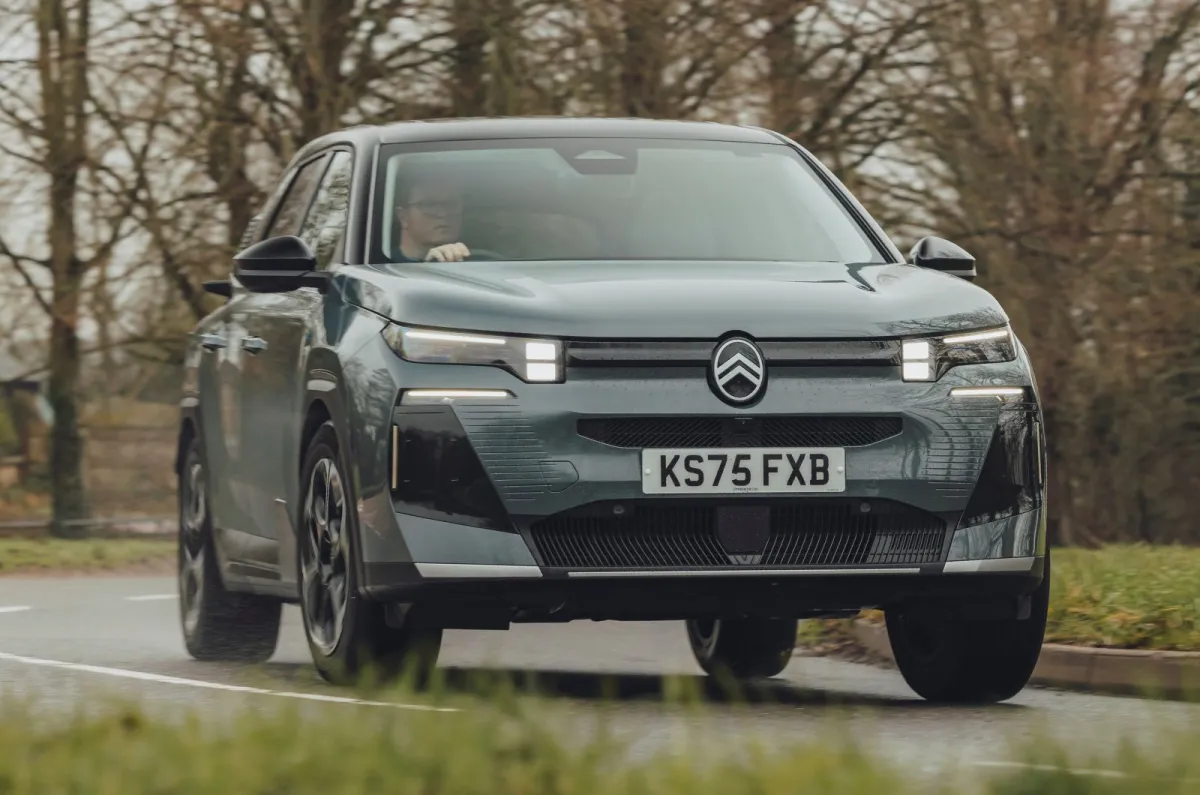
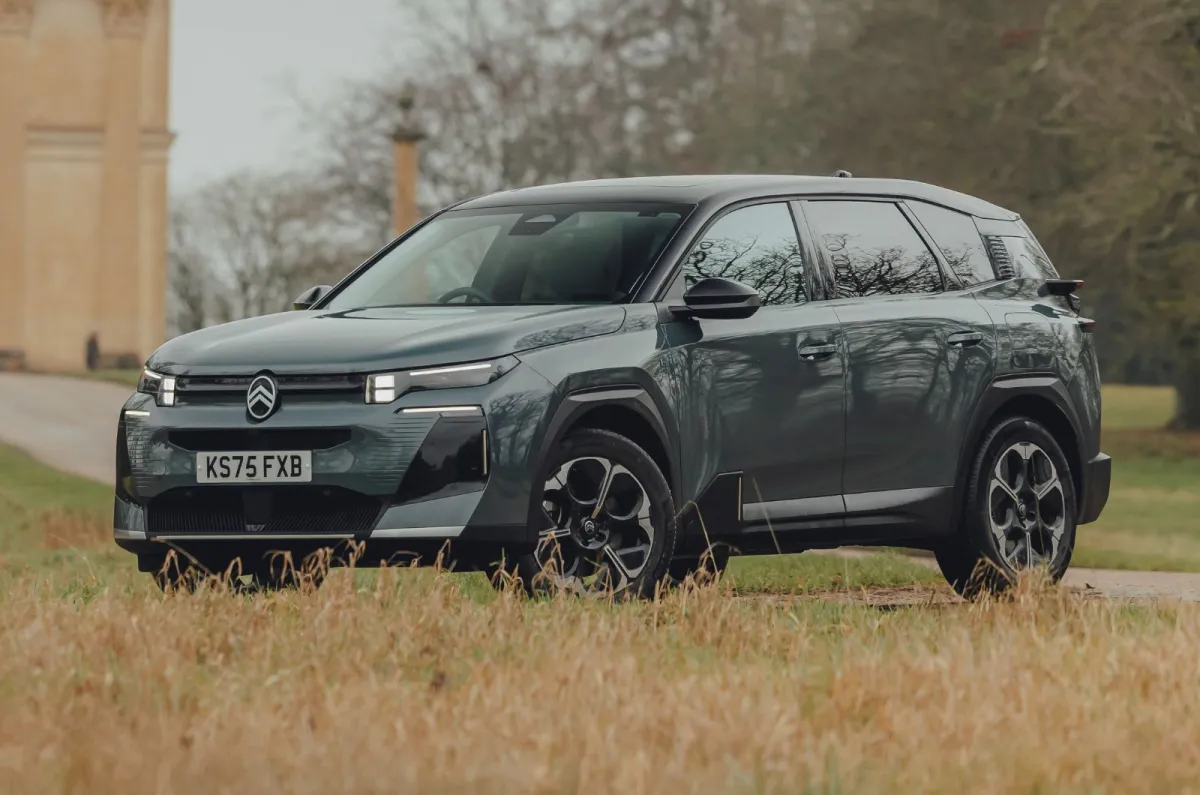
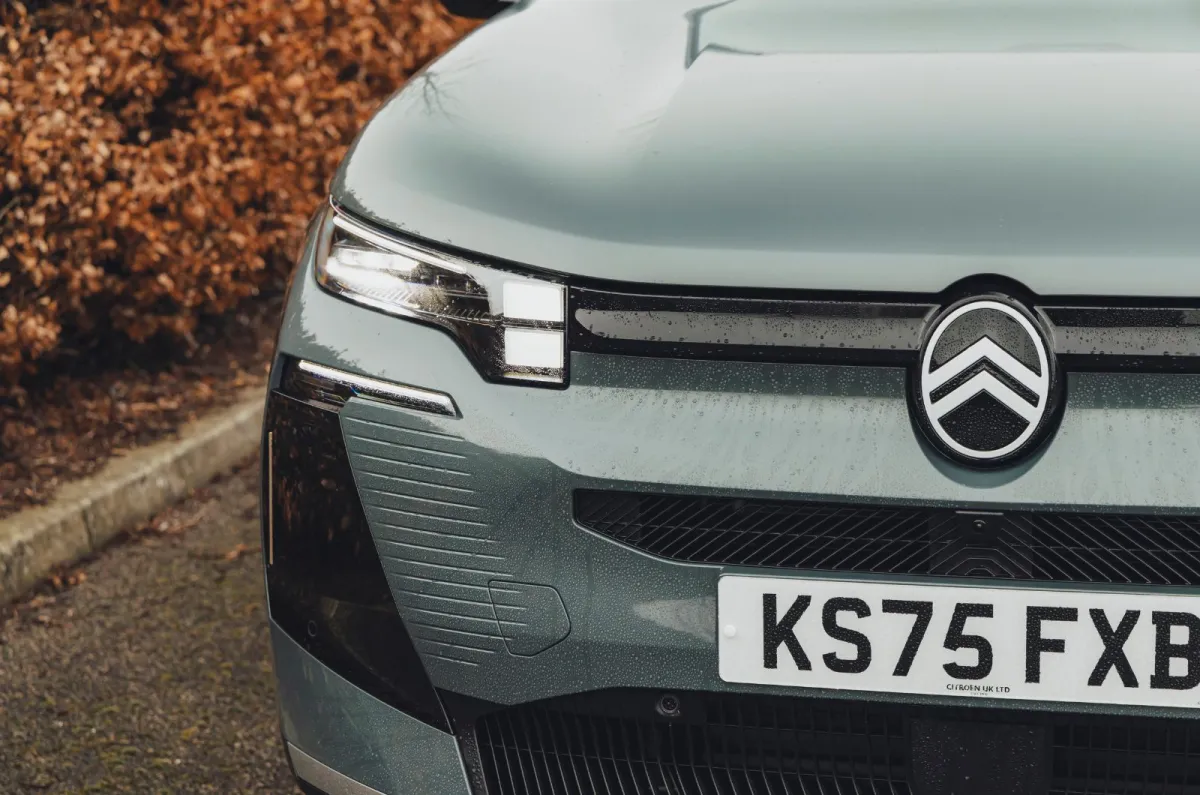
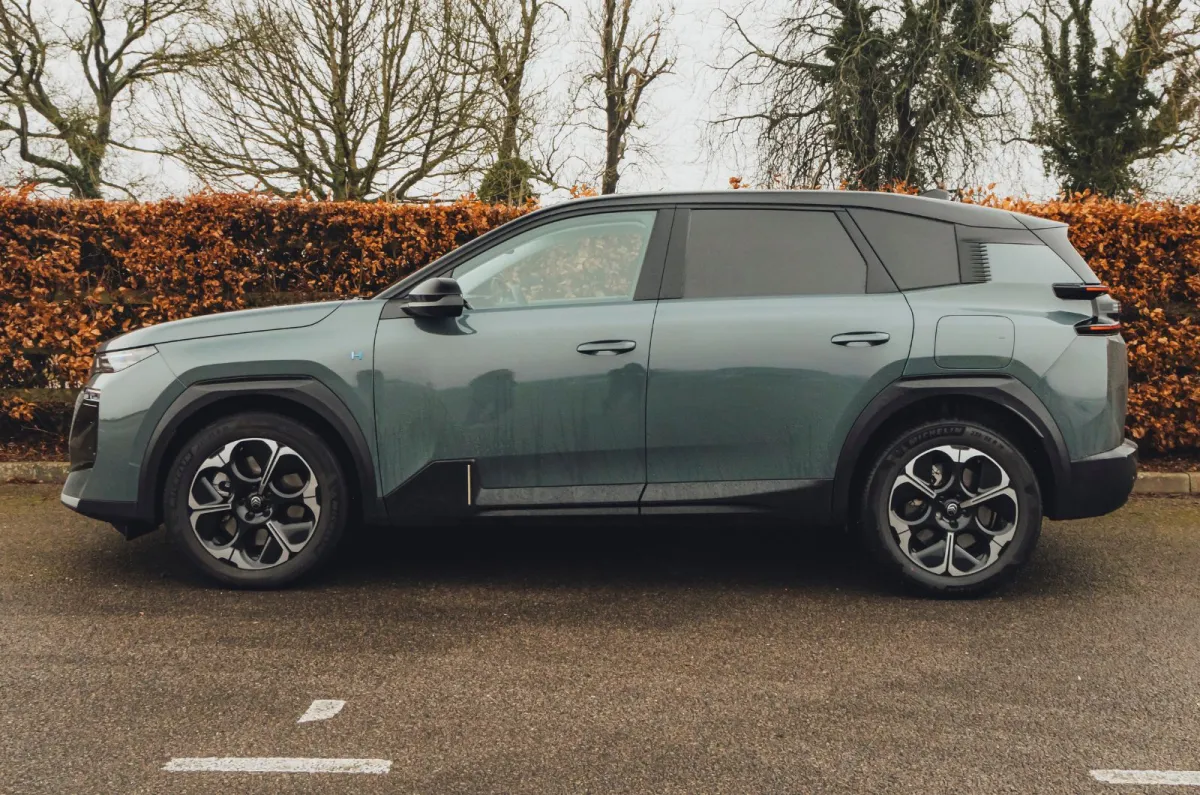
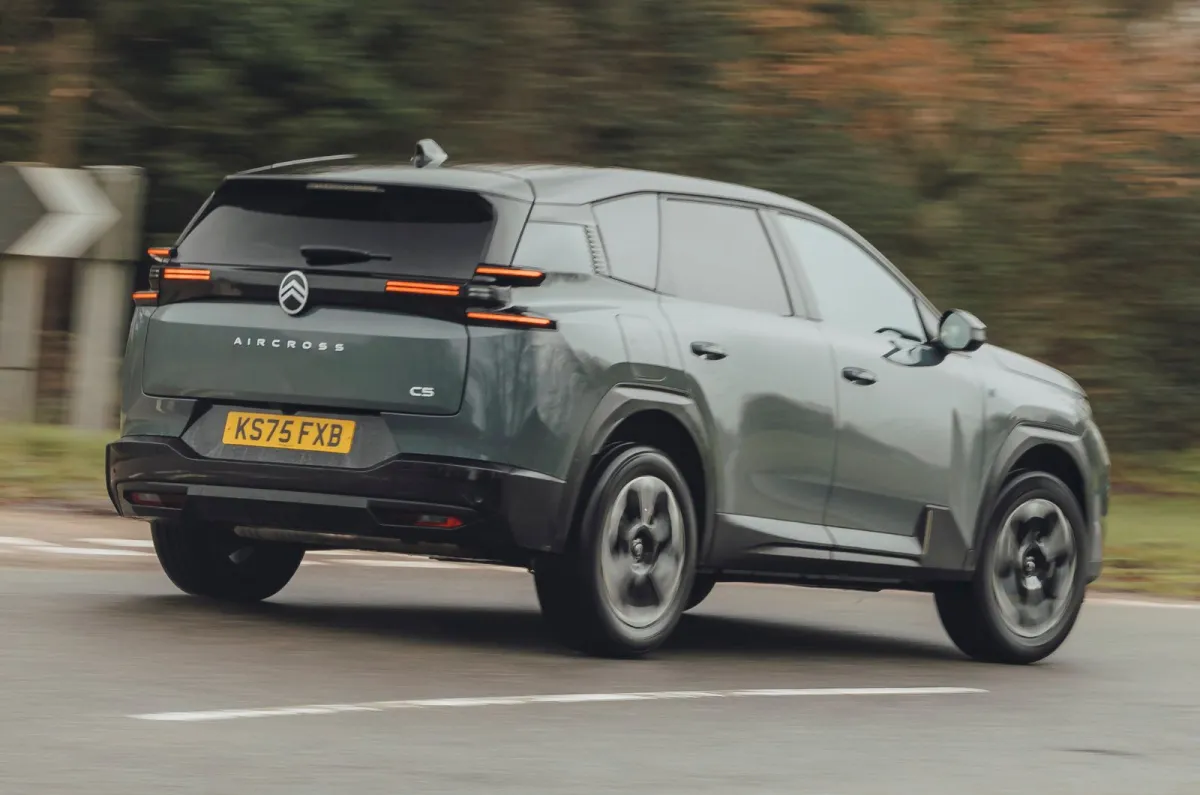
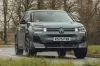
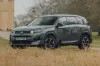
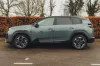
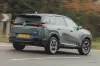
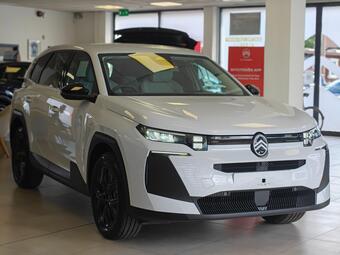
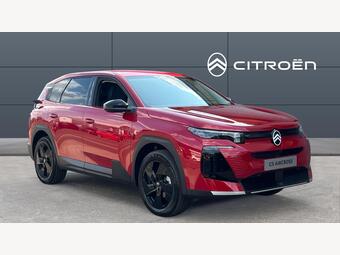
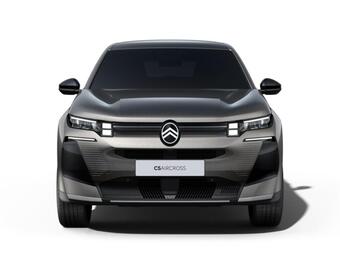
The Citroën C5 Aircross is your archetypical Citroën. Perhaps not in terms of shape, but the brochure calls it a "Comfort class SUV", and it certainly has the French brand’s famously supple ride.
There’s a lot of familiarity beneath the skin; you’ll find engines and mechanicals that are shared with other Stellantis models, including the Peugeot 3008, Peugeot 5008 (which is a seven-seater) and Vauxhall Grandland. The previous generation proved that was a winning recipe, but with this latest version, Citroen has added some extra special sauce.
What is What Car? best price?
The What Car? best price shows you the cheapest way to buy your new car, whether it's by choosing an in-stock car through our partner Autotrader or placing a factory order.
Available now from: £26,894
RRP from: £31,030
About our price indicator
What Car? indicative Personal lease example (subject to status)
Citroën C5 Aircross
| Expected annual mileage | 5000 |
| Term months | 60 |
| Deposit months | 12 |
| Monthly payment | £440.09 |
| Initial payment | £5,281.08 |
Step-by-step
Leasing works a bit like a long-term rental. You drive it, but you don’t own it.
- Choose your car, pick your terms and apply for lease credit online
- Pay monthly rental payments for your chosen term length
- Drive it, enjoy it, then give it back at the end
What you get
When you lease with Autotrader you get all of this:
- Full manufacturer’s warranty
- Road tax and roadside assistance included
- Free returns within 30 days*
- Lower total monthly cost than PCP/HP
- No balloon payments
- Road tax included
Indeed, not only does the C5 Aircross get a new look and more interior space, it also comes with a variety of engines, including a mild hybrid, a plug-in hybrid (PHEV) and, for the first time, you can have it as an all-electric car badged the Citroën ë-C5 Aircross, which we’ve reviewed separately.
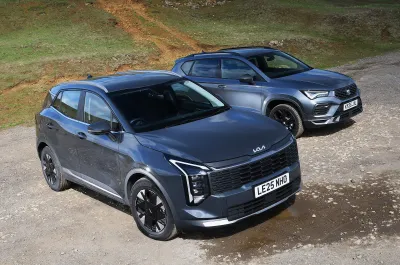
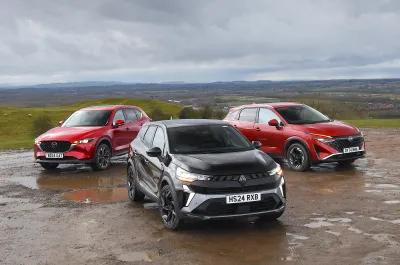
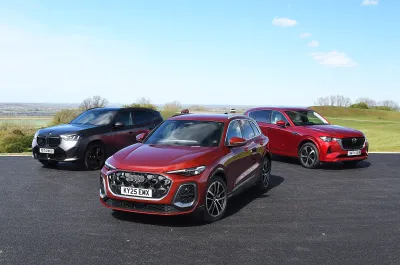
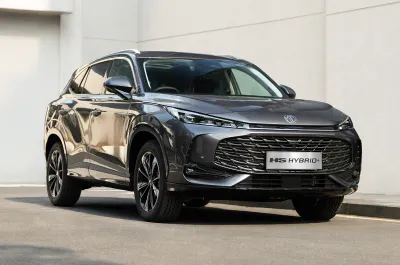
Do all these changes give it the tools it needs to beat the likes of the Dacia Bigster, Ford Kuga, Mazda CX-5 and MG HS? That’s what we’re going to find out in this review.


Stick to the Citroen C5 Aircross Hybrid (with the entry-level You! trim) and it looks like great value for money, with an affordable price tag and loads of standard equipment. The PHEV, meanwhile, is harder to recommend due to the more expensive price and higher CO2 emissions compared with key rivals.
What's new?
- August 2026: We drive the mild-hybrid C5 Aircross
- October 2025: First deliveries take place
- April 2025: Second-generation C5 Aircross debuts with 143bhp hybrid and 192bhp plug-in hybrid powertrains
Best buy
Pros
- Mostly comfortable ride
- Quiet inside at speed
- Good value for money
Cons
- Wallowy handling
- PHEV has high CO2 emissions
- Four star safety rating
What's new?
- August 2026: We drive the mild-hybrid C5 Aircross
- October 2025: First deliveries take place
- April 2025: Second-generation C5 Aircross debuts with 143bhp hybrid and 192bhp plug-in hybrid powertrains
Best buy
Trims available
Performance & drive
What it's like to drive, and how quiet it is
Strengths
- Comfortable ride
- PHEV has decent electric range
- Competent gearboxes
Weaknesses
- Rivals handle better
- Numb steering
How fast is it and which engine is best?
The Citroen C5 Aircross’s entry-level is badged Hybrid 145. It uses a 1.2-litre petrol engine with mild-hybrid assistance, and though it isn’t fast, there’s sufficient performance for everyday driving.
Power | 0-62mph | Top speed | |
Hybrid 145 | 143bhp | 11.2sec | 125mph |
Plug-in Hybrid 225 | 192bhp | 8.3sec | 137mph |
The Plug-In Hybrid 225 gets a more powerful 1.6-litre turbocharged engine and electric motor combo, so it’s much punchier. In fact, it’s even quicker than the Citroën ë-C5 Aircross electric car.
Is it agile and is the ride comfortable?
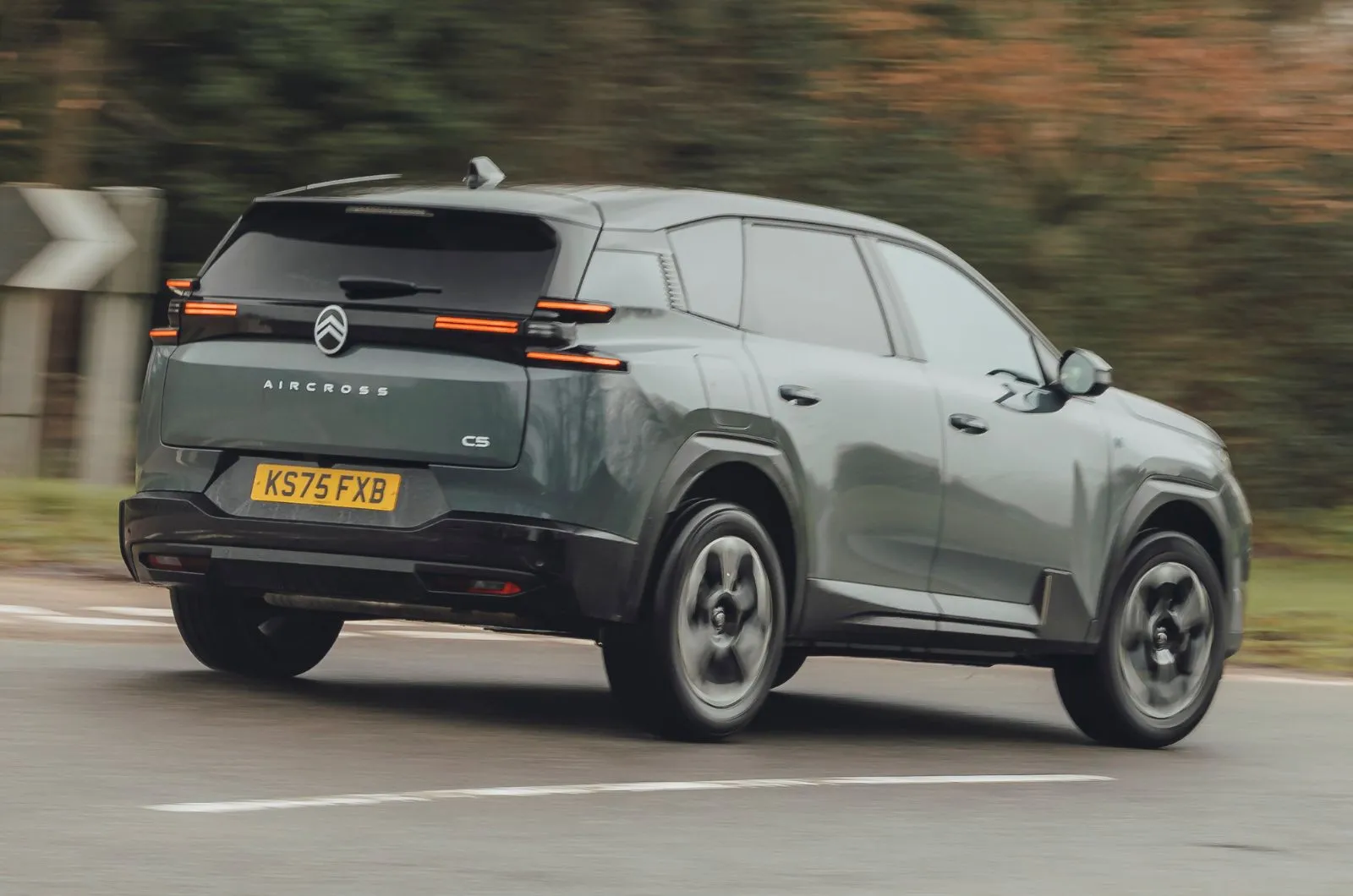
Citroën makes some bold claims about the comfort of the C5 Aircross, so are they justified? Well, yes, to a point. You see, while we suspect the mild hybrid version will be as pillowy soft as the previous version – which was one of the few family SUVs that could waft over most surfaces – the PHEV that we’ve tried so far isn’t as comfortable.
You see, it’s a heavier car and that requires a slightly firmer setup. As a result, there’s a slight fidget as you drive over potholes and imperfections. It’s similar to the Ford Kuga and Mazda CX-5 in that respect.
One good side effect of the extra firmness is that it limits the floatiness you feel as you drive along an undulating road – something that was prevalent in previous versions of the C5 Aircross.
As you might expect, soft suspension doesn’t really lend itself to driving quickly on a twisty road. There’s quite a lot of body lean, particularly with the Hybrid 145. The Plug-In Hybrid 225 feels a bit better tied down, but it’s still not a patch on the CX-5 and Kuga.
You can tell that the steering hasn’t been set up for sportiness, either. Indeed, the steering is light and there’s little in the way of weight build up as you turn the wheel. That’s fine when it comes to driving around town, but on a winding road, it gives you little idea of what the front wheels are up to.
Is it quiet and how easy is it to drive smoothly?
Unsurprisingly, the C5 Aircross is really quiet in electric mode – there’s only a small amount of electric motor whine. When the engine kicks in, it’s still not particularly noisy. However, there is some vibration that you can feel through the steering wheel and pedals.
No version of the new C5 Aircross gets a manual gearbox. Instead, you’ll find a six-speed dual-clutch automatic gearbox in the mild hybrid and a seven-speed dual-clutch automatic in the PHEV. The latter is pretty quick to kick down when you ask for a burst of power and flicks through the gears smoothly when you’re on the move.
When you need to slow down, the C5 Aircross’ brake pedal feels very natural, making it easy to come to a stop smoothly.
What’s the range and efficiency like and how quickly can it charge?
While the Hybrid 145 can drive on electric power alone for short, gentle stints, the Plug-In Hybrid 225 has an official electric-only range of up to 53 miles, courtesy of its 17.8kWh (usable capacity) battery. That’s further than the PHEV versions of the Ford Kuga and Peugeot 5008 but not as far as the Volkswagen Tiguan, which can cover 62 miles.
The C5 Aircross PHEV can charge up from empty in 2hr 55mins if you use a 7kW home wall box. Using the optional lead for a three-pin plug will take about eight hours.
With an estimated 44mpg return, the mild hybrid should keep running costs fairly low, although the Dacia Bigster Mild Hybrid 140 is more efficient. The PHEV, meanwhile, promises up to 87mpg, but you’ll only get close to that if you keep the battery topped up.
I found that the PHEV’s regenerative braking felt very natural, complimenting the well-weighted brake pedal and making stopping smoothly really easy.
Tips & Advice
Interior
The interior layout, fit and finish
Strengths
- Infotainment system is easy to use
- Good driving position
Weaknesses
- Fiddly infotainment system
- Quite a lot of hard plastics inside
What does the interior look like and is it well made?
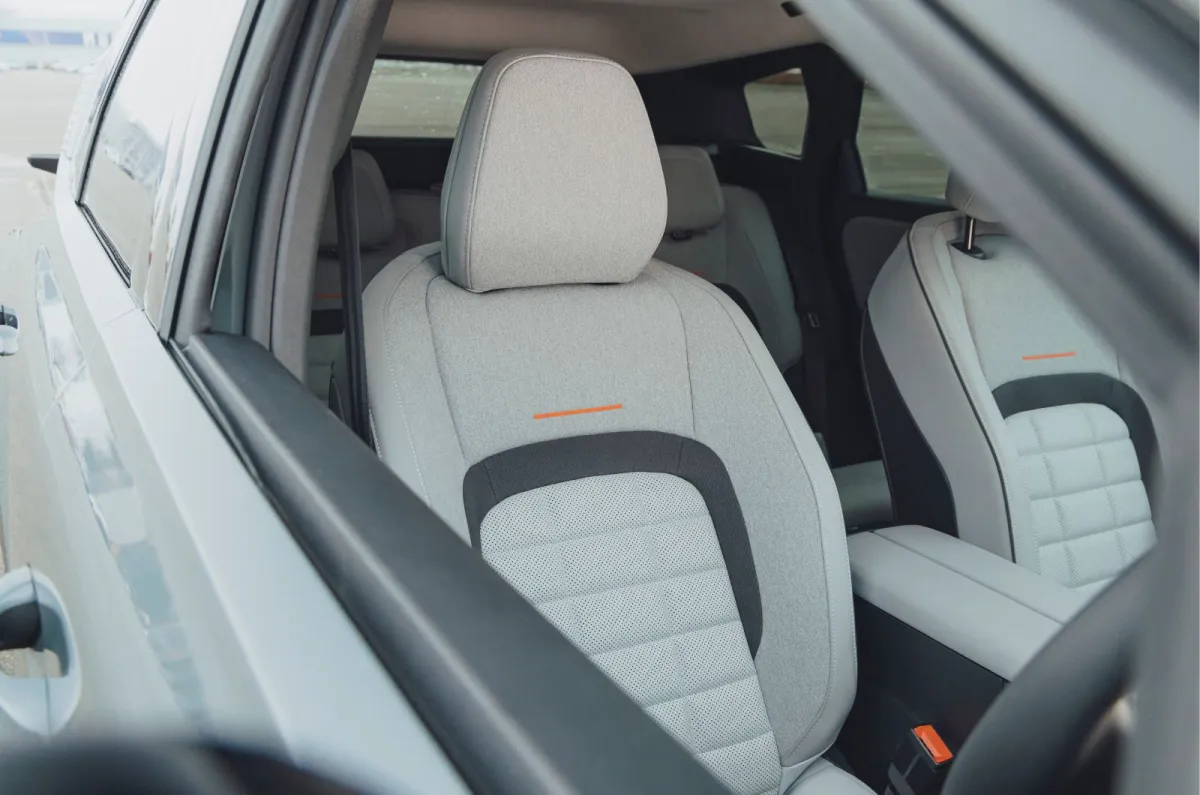
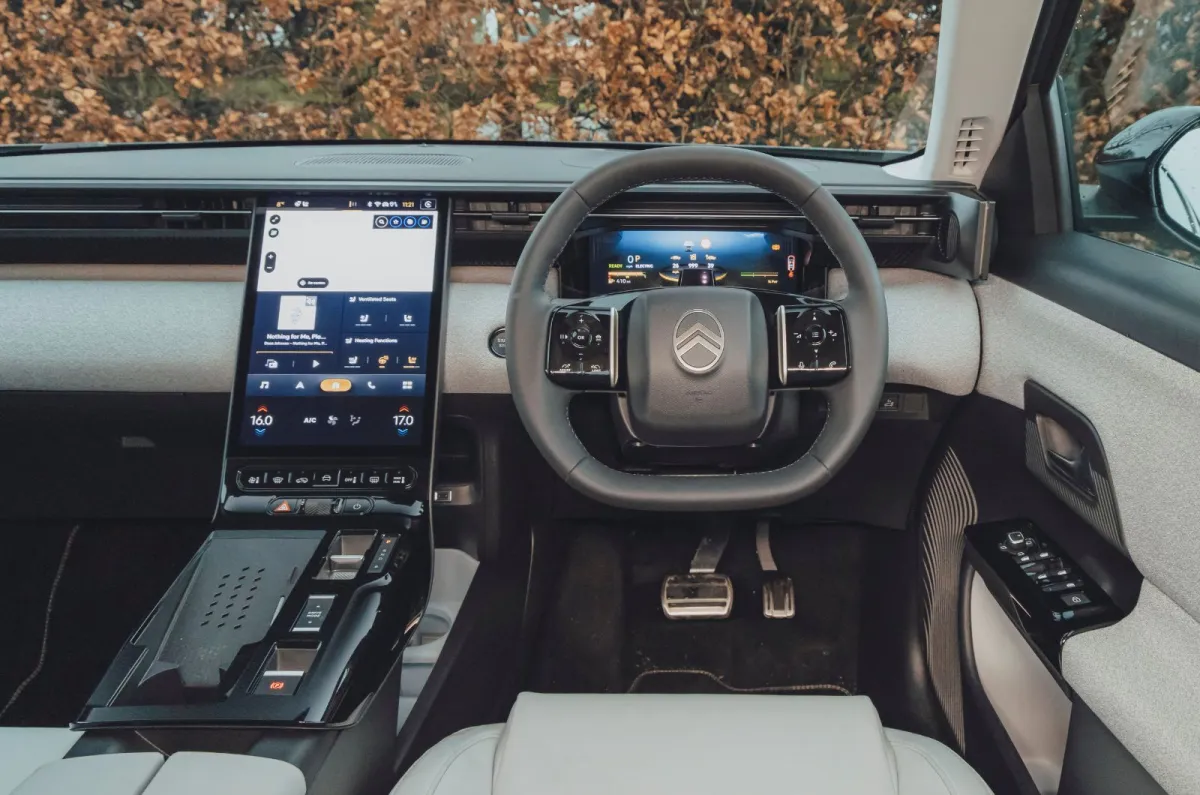
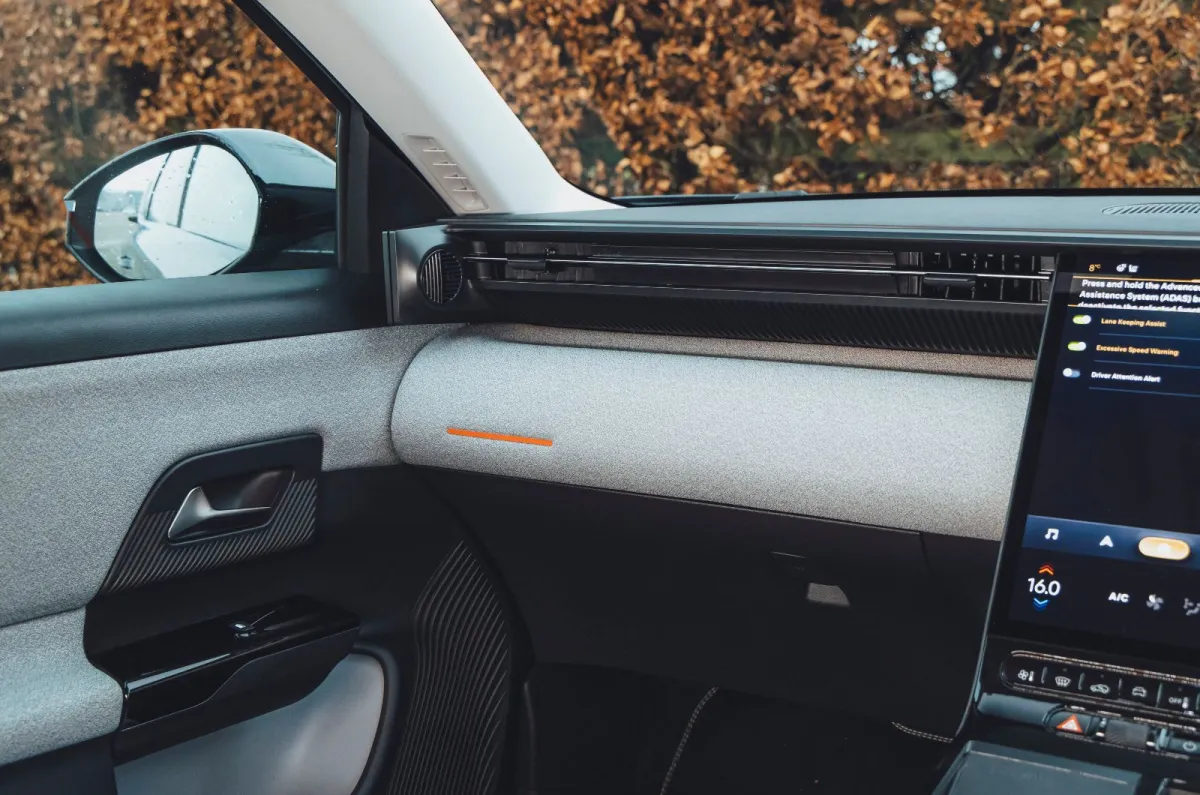
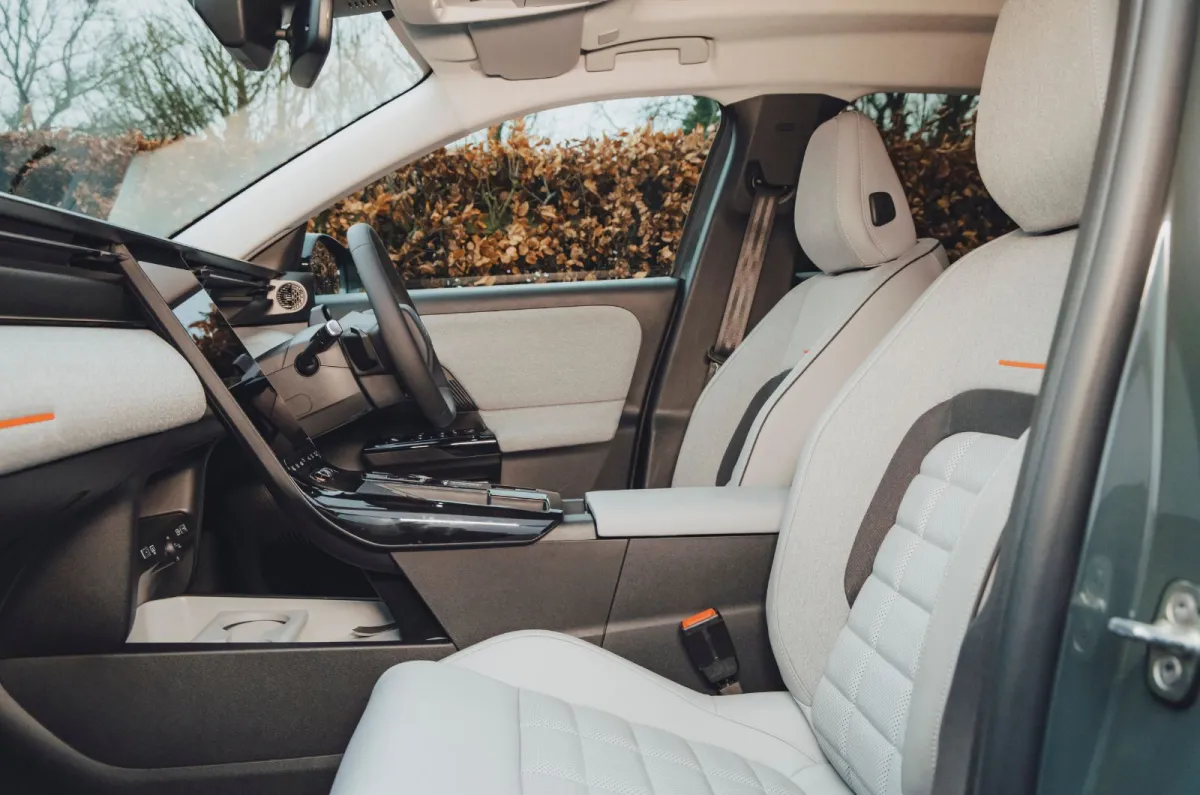
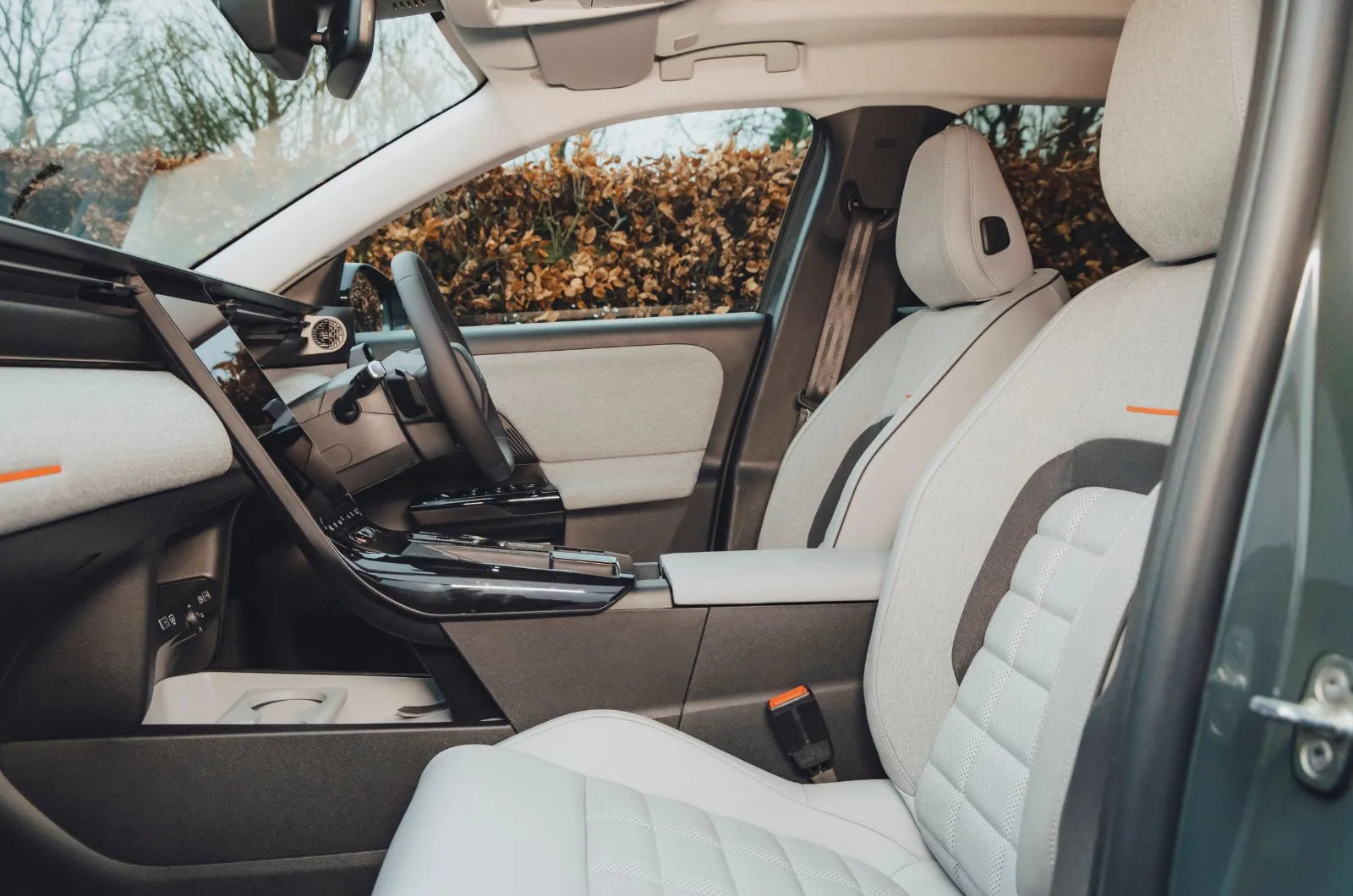
The Citroën C5 Aircross’ new interior has been designed to remind you of a living room. As a result, the high dashboard resembles a soundbar and you’ll find a couple of really soft-touch areas with sofa-like materials.
The thing is, while it gives the C5 Aircross plenty of showroom appeal, it doesn’t take long before you notice that every other surface is either piano black or really hard and scratchy plastic.
It feels sturdy enough and like it’ll stand the test of time, but it isn’t as impressive as the Peugeot 5008’s interior.
Is the driving position comfortable and is it easy to see out?
Chances are that most people will love the driving position in the C5 Aircross, with pedals, steering wheel and seat all lining up perfectly. You have plenty of steering wheel and seat adjustment too, letting you tailor the position to your liking, but it’s a bit of a shame that entry-level You! trim misses out on adjustable lumbar support. Both of the other trims get it, while top-spec Max adds an electrically-adjustable driver’s seat.
The driver's seat doesn't have a lot of bolstering to hold you through bends, but it's fabulous to sit on for a long motorway jaunt. It's soft, and reminiscent of an armchair, while still offering support in all the key places.
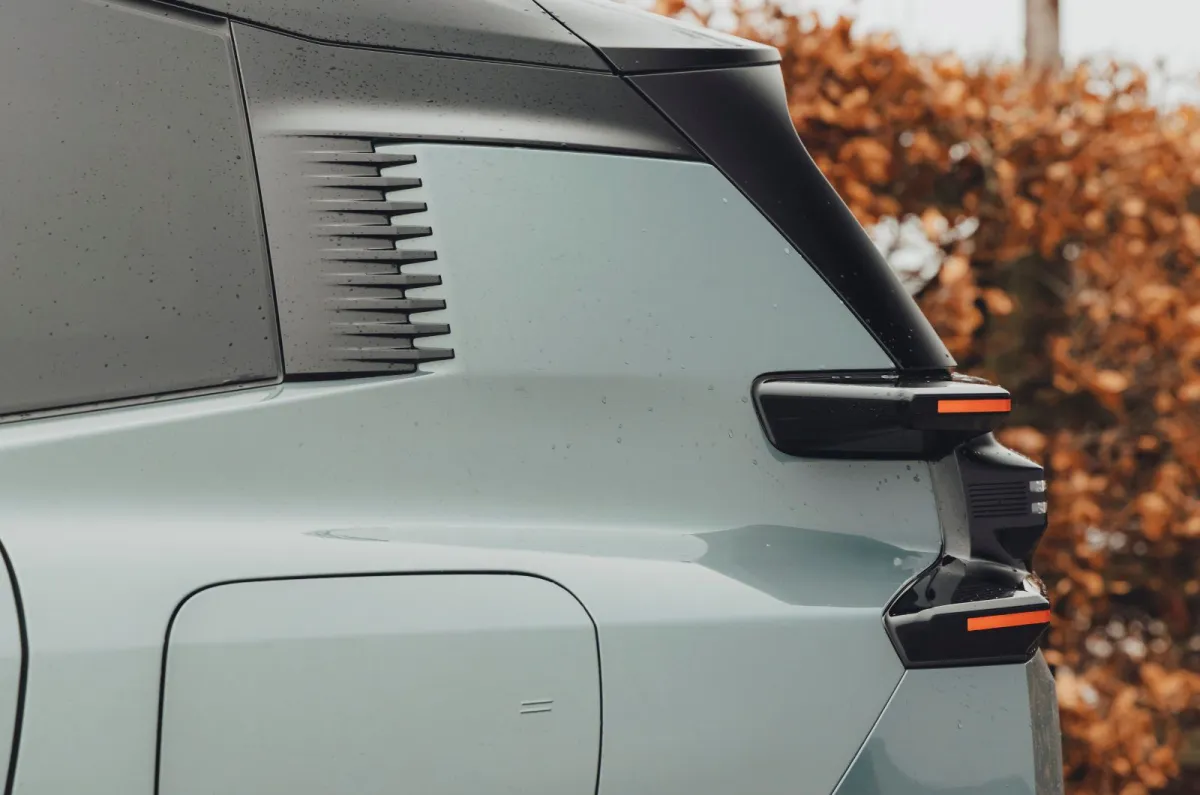
You sit high up in the C5 Aircross, which, combined with the narrow windscreen pillars, means you get a good view of the road ahead and at junctions. Likewise, the view over your shoulder is excellent, since there are large rear windows and big cut outs in the rear pillars. Our only demerit is that the new high dashboard design might make it difficult for shorter drivers to see out over the bonnet.
While the C5 Aircross has grown slightly compared with the last one, parking shouldn’t be an issue because every version has rear parking sensors as standard. Stepping up to Plus adds front sensors and a rear-view camera, while top-spec Max gets a 360-degree camera.
The good news continues at night time and in poor visibility, with all trim levels including bright automatic LED headlights and automatic front windscreen wipers on their standard equipment lists.
Are the dashboard and infotainment system easy to use?
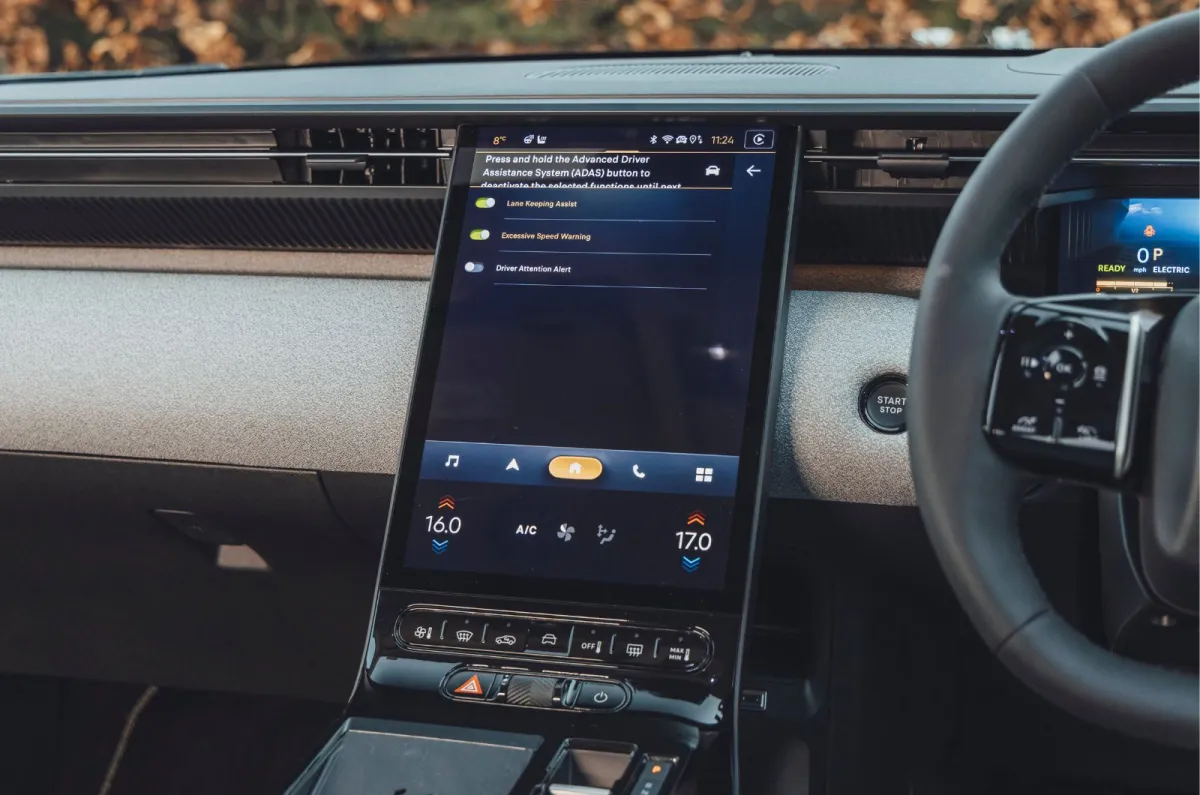
A 10in digital instrument panel is fitted as standard and, while some controls around the dashboard fall easily to hand, the C5 Aircross doesn’t have physical buttons or switches to adjust the climate control temperature. Instead, you get permanent controls on the bottom quarter of the infotainment touchscreen. They’re quite big, making them easy to hit, but the physical controls in the Dacia Bigster are even easier to use.
Regardless of which trim level you go for, the C5 Aircross spoils you when it comes to infotainment. All versions have a new 13in infotainment system that cascades from the dashboard and onto the centre console (hence why it’s called the Waterfall Touchscreen).
While you have to control the entire system through touch, the icons are nice and large, so they’re easy to see at a glance and press on the move. Better still, the system is quick to react to your prods, the menus are simple and the graphics are sharp.
There are plenty of standard features, too, including wireless Android Auto and Apple CarPlay smartphone mirroring, and built-in sat nav (with a one-year subscription to live traffic and speed camera services).
The top-spec Max’s head-up display is really big and puts all the relevant information right in your eyeline. I found it really useful, but wouldn’t say it’s worth stepping up to Max just for that.
Passenger & boot space
How it copes with people and clutter
Strengths
- Big boot
- Versatile rear seats
- Lots of interior space
Weaknesses
- No seven-seat version
How much space does it have for people?
Up front, the Citroën C5 Aircross has plenty of space, even if you’re taller than six-foot. What’s more, the wide interior means that even a pair of rugby players sitting in the front won’t be rubbing shoulders.
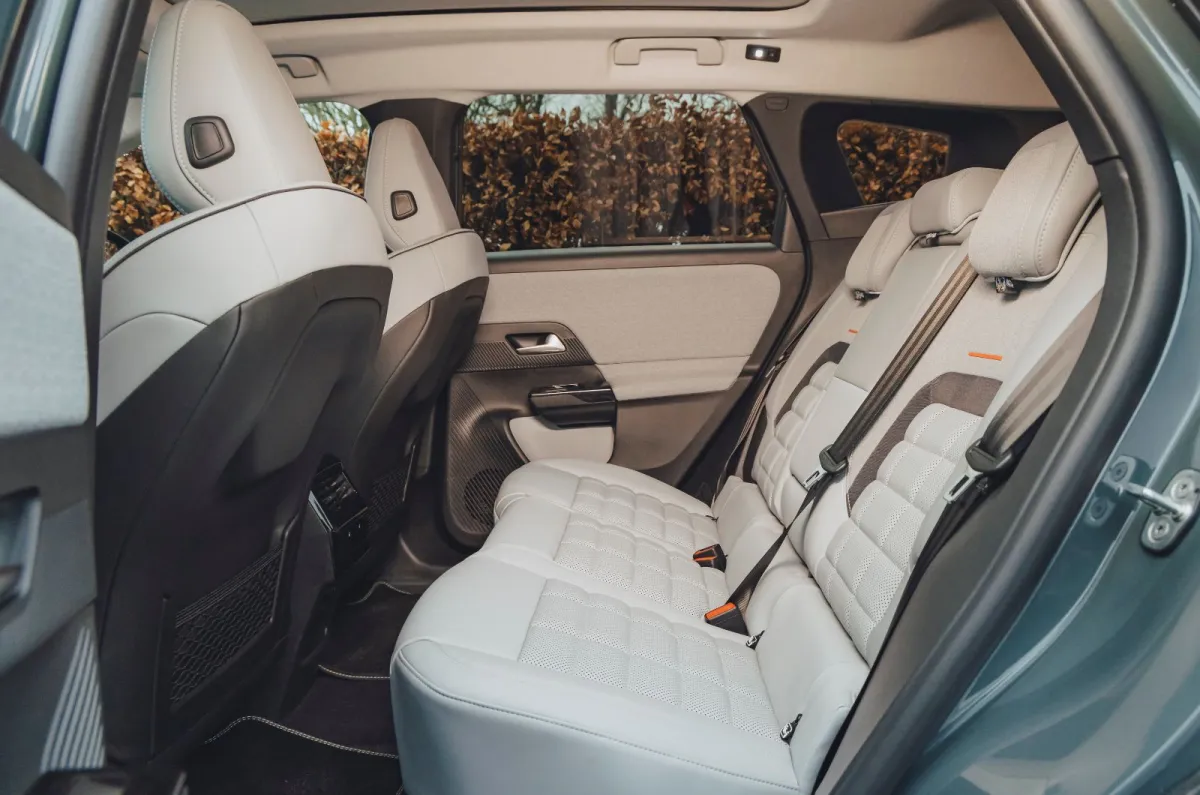
While the previous C5 Aircross fell a bit short when it came to rear space, that isn’t the case with this latest version. Indeed, even six-footers in the rear will have plenty of head room and leg room.
Three people sitting in the rear should have enough shoulder room to get comfortable. Meanwhile, the middle seat occupant will be happy that the seat isn’t raised much, making for almost equal head room to the outer seats, and there’s only a small central tunnel to straddle.
Buyers who want a bigger car should look at the Dacia Jogger or the closely-related (but more expensive) Peugeot 5008. Those two rivals offer more interior space in general and also come as seven seaters.
How much room does it have for luggage?
There’s plenty of space for items within the interior, with large door bins, a generous cubby and two cupholders beneath the floating centre console. You even get a deep compartment in the central armrest that’s chilled.
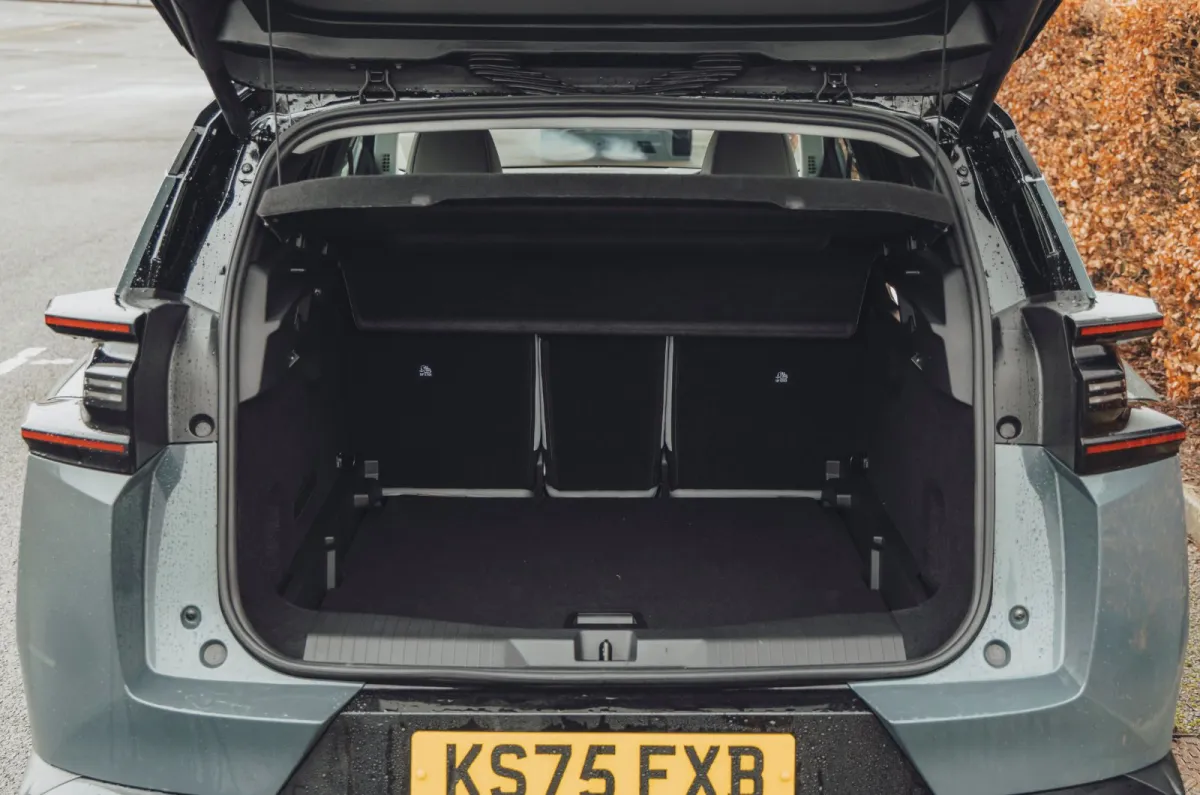
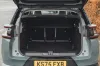
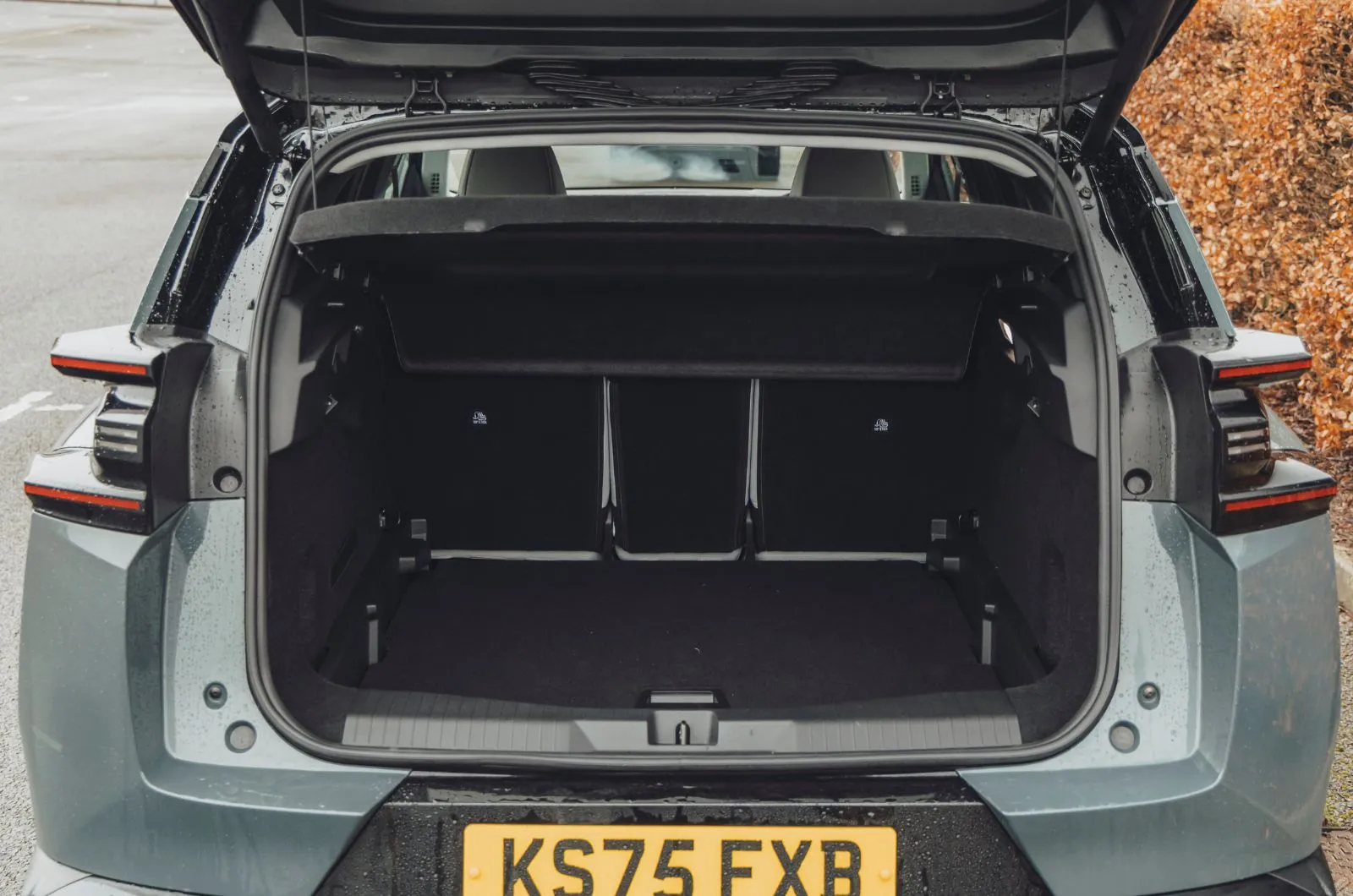
All versions of the C5 Aircross get a 565-litre boot. That’s bigger than pretty much every rival, including the Ford Kuga, Peugeot 3008 and Vauxhall Grandland. The Dacia Bigster, Kia Sportage and Peugeot 5008, meanwhile, offer even more space.
For reference, we managed to fit six carry-on sized suitcases into the Kuga’s smaller boot, so the C5 Aircross should have more than enough space for your family’s holiday luggage or a large food shop. If you’re after class-leading space, the 5008 can swallow up to ten suitcases in five-seat mode.
The C5 Aircross’ large tailgate means you also get a large boot aperture and low loading height, which makes getting bulky items in and out easy. There's also a height-adjustable boot floor – if you raise it when the rear seats are folded down, you're left with a flat space that you can slide items along easily.
What’s more, every C5 Aircross comes with 40/20/40 split-folding rear seats that are identical in size. The seats can also be individually reclined, giving those in the rear a little extra head room, when all the way back.
That makes it really versatile, allowing you to choose from several set-up combinations that prioritise either boot space or rear passenger space. It gives you far more flexibility than the 60/40 split seats in a Ford Kuga or Skoda Kodiaq.
No matter which trim you go for, the front passenger seat has basic manual adjustments, while the Plus trim and above get height adjustment and lumbar support (Plus trim and above).
It’s curious that Citroën doesn’t offer a seven-seat version of the C5 Aircross, but it does with the C3 Aircross. With all that boot space, it seems like a bit of a missed opportunity.
Tips & Advice
Buying & owning
Everyday costs, plus how reliable and safe it is
Strengths
- Reasonable pricing
- Lots of standard equipment
- Stronger resale value than rivals
Weaknesses
- Four star safety rating
- PHEV has high CO2 emissions
How much does it cost and what equipment do you get?
In our preferred entry-level Plus trim, the Citroën C5 Aircross will cost you more than the entry-level Dacia Bigster, around the same as the Mazda CX-5 and less than most other rivals – including the closely related Peugeot 3008 and Vauxhall Grandland.
The PHEV version of any car would usually be the one we'd recommend for company car drivers, but the C5 PHEV's high CO2 emissions mean it'll cost you far more in benefit-in-kind (BIK) tax payments than any of its rivals. Instead, if you're set on a C5 Aircross, you'll want to look at the all-electric e-C5 Aircross.
Ways to buy
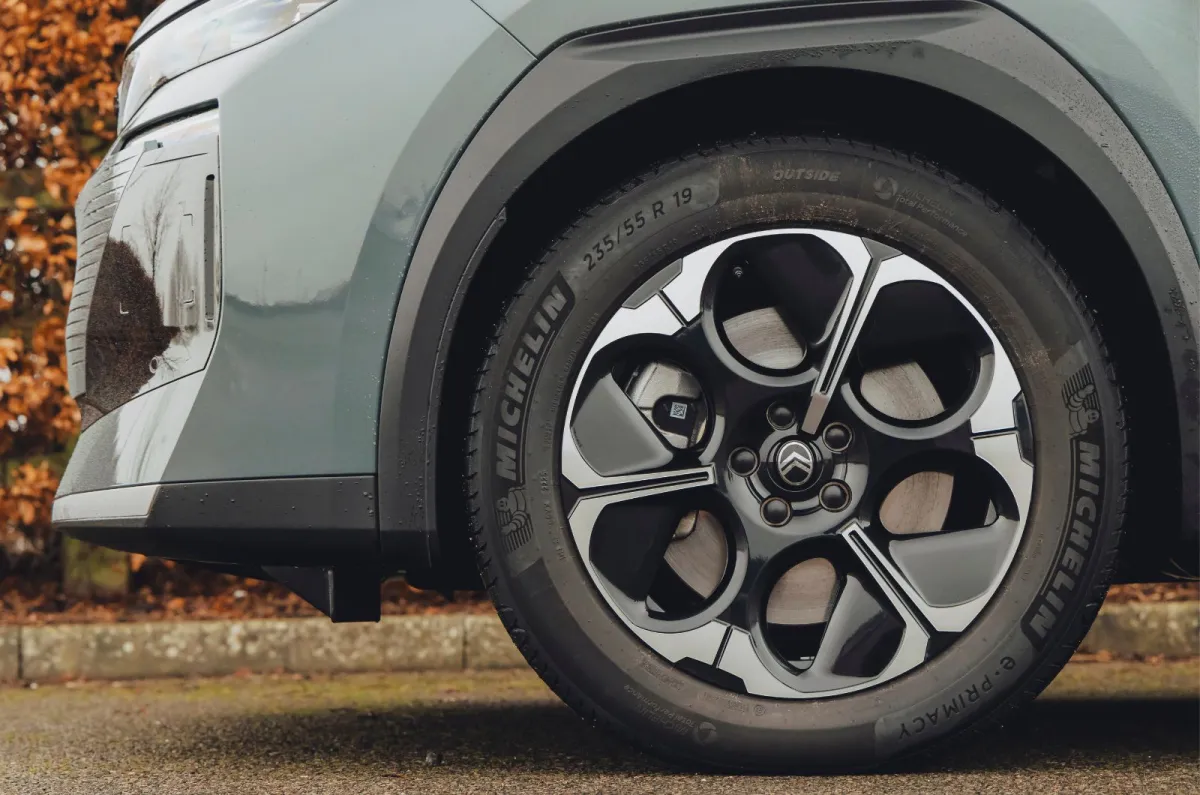
Unless you want the plug-in hybrid (PHEV) engine, entry-level You! trim is probably all you need. You see, it keeps the price down but still has an equipment list that includes 18in alloy wheels, electric heated wing mirrors, wireless phone charging, adaptive cruise control, automatic dual-zone air conditioning and keyless start.
Stepping up to mid-spec Plus trim only really adds the additional parking aids that we’ve already mentioned, along with 19in alloys, adjustable lumbar support and some interior colour changes. It doesn’t cost all that much more, though, so we can see why it’d be tempting to make the leap.
The range-topping Max is loaded with goodies, including matrix LED headlights, a head-up display, keyless entry, heated front seats, a heated steering wheel, an electric tailgate, massage front seats and an auto-dimming rear-view mirror.
Is it reliable and how long is the warranty?
The latest C5 Aircross is too new to have featured in the 2025 What Car? Reliability Survey, but Citroën as a brand finished in a respectable 10th place out of 30 manufacturers.
A three-year/60,000-mile warranty comes as standard with the C5 Aircross, but that can be extended to eight-years/100,000-miles providing you regularly service it at a Citroën-approved centre.
That’s quite generous, beating Hyundai and MG’s five-year warranty, and Kia’s seven-year cover, though Toyota still edges it with a 10-year, service activated package.
How safe is it and is it easy to steal?
The C5 Aircross was awarded four stars out five by the safety experts at Euro NCAP. Even so, it scored well when it came to protecting adults in the front and children in the rear – mainly losing points when it came to internal safety aids like rear-seat occupant detection.
No matter which trim you go for, you get a good amount of standard safety equipment, including automatic emergency braking (AEB), driver attention monitoring, lane departure warning and speed sign monitoring.
Upgrading to Max trim adds even more equipment, including lane-position assist, blind spot monitoring, rear-cross traffic alert and semi-automatic lane changing assist.
Buy it if…
- You like a soft ride
- You need a big boot
- You appreciate the choice of mild-hybrid petrol, plug-in hybrid and fully electric power
Don’t buy it if…
- You’re after sharp handling
- You need a class-leading electric-only range from the PHEV
- You want five-star safety rating
For all the latest reviews, advice and new car deals, sign up to the What Car? newsletter here
Like most other Stellantis family SUVs, you only get two Isofix points in the C5 Aircross – located on the outer rear seats. That’s a shame when some rivals offer three.
Tips & Advice
Similarly priced cars


If you're interested in finding a Citroën C5 Aircross, or any of the other large suv cars mentioned here, head over to our Cars available now pages to find new cars listed for sale at great prices.
Citroen C5 Aircross specifications
Best buy
RRP price range
MPG range across all versions
Available fuel types (which is best for you? )
Available colours
Number of engines (see all)
Number of trims (see all)
Warranty
Company car tax at 20% (min/max)
Company car tax at 40% (min/max)
FAQs
What is What Car? best price?
The What Car? best price shows you the cheapest way to buy your new car, whether it's by choosing an in-stock car through our partner Autotrader or placing a factory order.
Available now from: £26,894
RRP from: £31,030
About our price indicator
What Car? indicative Personal lease example (subject to status)
Citroën C5 Aircross
| Expected annual mileage | 5000 |
| Term months | 60 |
| Deposit months | 12 |
| Monthly payment | £440.09 |
| Initial payment | £5,281.08 |
Step-by-step
Leasing works a bit like a long-term rental. You drive it, but you don’t own it.
- Choose your car, pick your terms and apply for lease credit online
- Pay monthly rental payments for your chosen term length
- Drive it, enjoy it, then give it back at the end
What you get
When you lease with Autotrader you get all of this:
- Full manufacturer’s warranty
- Road tax and roadside assistance included
- Free returns within 30 days*
- Lower total monthly cost than PCP/HP
- No balloon payments
- Road tax included
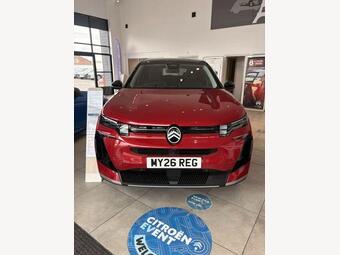
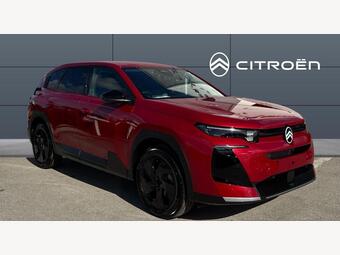
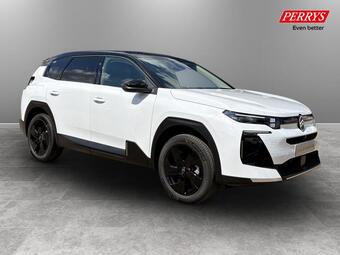
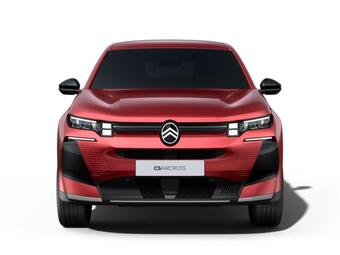
Citroen C5 Aircrosss available to buy
About the writer