Slideshow
What Car? Reliability Survey: Most and least reliable executive cars
In our annual Reliability Survey, we ask readers to rate the dependability of cars aged up to five years old. Here we list the most and least reliable executive saloons and estates

Claire Evans
Updated: 5 November 2024
What Car? Reliability Survey: Most and least reliable executive cars

Executive cars are status symbols that tell the world you've reached a certain standard in your working life. They're usually medium or large saloons or estates with premium badges and lots of electrical gadgetry.
While they're good-looking and generally great to drive, they have a lot of kit that could go wrong, and being stuck at the roadside waiting for a breakdown truck isn't going to do your image any good – so you need to pick your executive express with care.
And our Reliability Survey data shows that some executive cars fall well short of the standard you might expect. While this is not the most problematic car class, the average score of 89.4% signals that some executive cars can be rather flaky. The class average has dropped a little on 2023, when it was 91.1%, demonstrating the need to choose your executive car wisely.
How the research was carried out
The latest survey, compiled in association with MotorEasy, contains data from 29,967 car owners, and reveals the reliability ratings for 199 models from 31 different brands. Each rating is based on two crucial factors relating to every car that suffered a fault: how much each fault cost the car owner in repair bills, and how long the car was stuck in the workshop getting fixed.
To add extra depth to our ratings, we also asked car owners to tell us which component on their vehicle went wrong, asking them to choose from 14 different areas: air-con, battery, bodywork, brakes, engine or motor, engine or motor electrics, exhaust, fuel system, gearbox/clutch, interior trim, non-engine or motor electrics, sat-nav/infotainment, steering, suspension systems. This year we also added two specific categories for electric cars: charging and drive battery issues, to help us to build a better picture of EV ownership.
The car reliability data reported on here covers cars aged up to five years old.
The 2025 What Car? Reliability Survey is live, tell us about your car now
Slideshow story: please click the right-hand arrow above to continue, or simply scroll down if you’re reading on your mobile
advertisement
scroll for more
Most reliable executive cars: 10. BMW 3 Series PHEV (2016-2020)
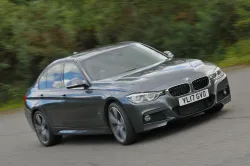
Reliability rating 92.0%
Plug-in hybrid versions of the 3 Series have a higher fault rate than conventional petrols: 16% went wrong, compared with 9% of petrol models. The engine's electrical systems were the most common cause for upset. Issues were pretty slow to fix, too, with 54% of cars in the workshop for more than a week. While 69% of repair work was done for free, some bills topped £1500.
9. Mazda 6 (2013-2022)
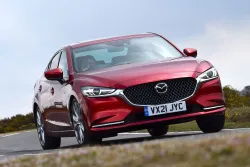
Reliability rating 92.4%
Bodywork issues were the main bugbear of the 35% of Mazda 6 owners who reported a fault with their car. There were also complaints about the air-con, brakes and various electrical systems. Two-thirds of issues were resolved in a day or less, though, and most were sorted in less than a week. While Mazda paid for 83% of remedial work, the remaining owners had to pay between £501 and £750.
8. Mercedes E-Class (2016-2024)
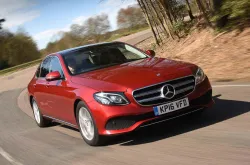
Reliability rating 92.7%
A quarter of the E-Classes in our survey had a problem, most with non-engine electrical issues. While most cars could still be driven, 43% were in the workshop for more than seven days. Although Mercedes covered the cost of 86% of repairs, some owners paid up to £300 to get their cars put right, and some paid more than £1500.
7. Skoda Superb diesel (2015-2024)
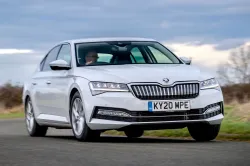
Reliability rating 92.9%
Unusually, diesel versions of the Skoda Superb rate higher than petrols for reliability: only 13% of diesel models went wrong, compared with 35% of petrols. The main gripes were with the engine, exhaust system and suspension. Remedial work was slow in many cases: 47% of cars were in the garage for more than a week, but 67% of work was done for free and all repair bills were less than £300 per fault.
6. Jaguar XF (2015-present)
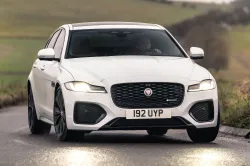
Reliability rating 94.7%
If you're after a Jaguar, the XF is your best bet because it's the firm's most reliable model aged up to five years old. Owners told us 14% of their XFs had a fault, with the bodywork, interior trim engine and electrics all giving cause for concern. Two-thirds of problems were fixed in a day or less and the rest were resolved in less than a week. While Jaguar footed the bill for 83% of faulty cars, that left 17% of owners having to pay between £301 and £500.
5. BMW 3 Series diesel (2019-present)
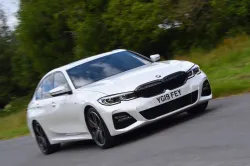
Reliability rating 96.0%
Issues with the engine's electrical systems were the main headache for owners of the latest BMW 3 Series diesel; 17% of them told us their car had suffered a problem. Although 80% of cars were fixed for free, and no repair bills topped £100, nearly two-thirds of cars were out of action for more than a week.
4. BMW 3 Series diesel (2012-2019)
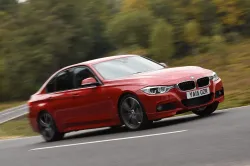
Reliability rating 96.5%
We only have enough data to rate diesel versions of the previous 3 Series, but the good news is that they're a pretty dependable bunch. Fifteen percent of the cars reported on went wrong, with issues split evenly between the 12-volt battery, bodywork, non-engine electrics and suspension. All problems were put right in a day or less; half of the work was done for free and none of the other repair bills cost more than £200.
3. BMW 5 Series petrol (2017-2023)
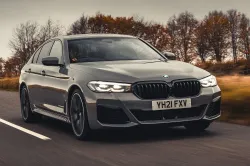
Reliability rating 96.7%
If you’re after a previous-generation 5 Series, petrol versions have far fewer faults than diesels (14% versus 43%), with most issues concerning the electrical systems. BMW also fully covered the cost of repairing 75% of petrol models but repaired only 46% of diesels gratis. Petrol models were fixed quicker, too.
2. BMW 3 Series petrol (2019-present)
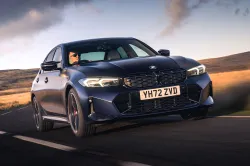
Reliability rating 97.5%
Petrol 3 Series models go wrong less often than diesels, with a fault rate of 9% (versus 17%). The most common issues were with the engine and electrical systems. Owners told us that 89% of work was done for free; the only frustration was that in 44% of cases they had to wait for more than a week for repairs.
1. Lexus ES (2018-present)
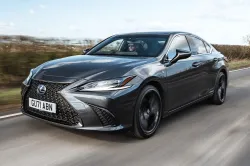
Reliability rating 99.3%
What went wrong? Sat-nav/infotainment 4%
The Lexus ES outclasses all its premium German rivals when it comes to dependability. Only 4% of ES owners reported issues, and only with the sat-nav/infotainment systems. Lexus covered the cost of all remedial work, and the only real inconvenience was that owners had to wait between one and seven days to get their cars back.
Owner’s view: “My ES has been totally fault-free so far over five years.”
So that's the most reliable, what about the least? Keep reading to find out...
Least reliable executive cars - 3. Audi A6 (2018-present)
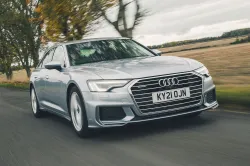
Reliability rating 82.5%
The A6 was not only plagued by problems (50% of cars went wrong) but was also costly to fix in many instances. Audi covered the cost of 77% of repairs, but that left 17% of owners with bills of up to £200 and 6% paying more than £1500. Two-thirds of cars were back on the road in less than a week, though.
2. Volkswagen Passat (2015-2022)
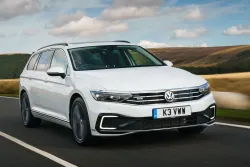
Reliability rating 82.2%
Eye-watering repair bills were reported by some Passat owners, with only 60% getting their cars fixed for free; 27% paid up to £750 and 13% paid more than £1500. All cars could still be driven, but 67% took more than a week to be put right. Overall, 32% went wrong, mainly with bodywork and electrical issues.
1. BMW 5 Series diesel (2017-2023)
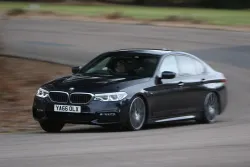
Reliability rating 79.8%
What went wrong? Exhaust 15%, engine electrics 9%, 12-volt battery 6%, non-engine electrics 6%, air-con 4%, bodywork 4%, brakes 4%, sat-nav/ infotainment 2%, gearbox/clutch 2%
Diesel versions of the previous-generation 5 Series not only have a high fault rate (43%) but are also costly and slow to put right. A third of owners had to pay between £201 and £750; some paid more than £1500. Most of the afflicted cars could still be driven, but 45% took more than a week to fix.
Owner's view: "My 2019 5 Series has suffered a constant stream of faults, and they’ve proven costly to fix."
advertisement
scroll for more
News and advice
Best of
Best-selling cars 2026: new car market grows in October
News
Renault Trafic E-Tech van to offer 292-mile range for £38k
Feature
Best tyres 2026: the safest tyres reviewed and rated
Feature
BMW iX3 long-term test
News
Dacia Sandero and Sandero Stepway gain new full hybrid power
News