Used Jaguar XJ 2010-2019 review
The Jaguar XJ is a lot of car for the money and will appeal to keen drivers, but running costs will be high.


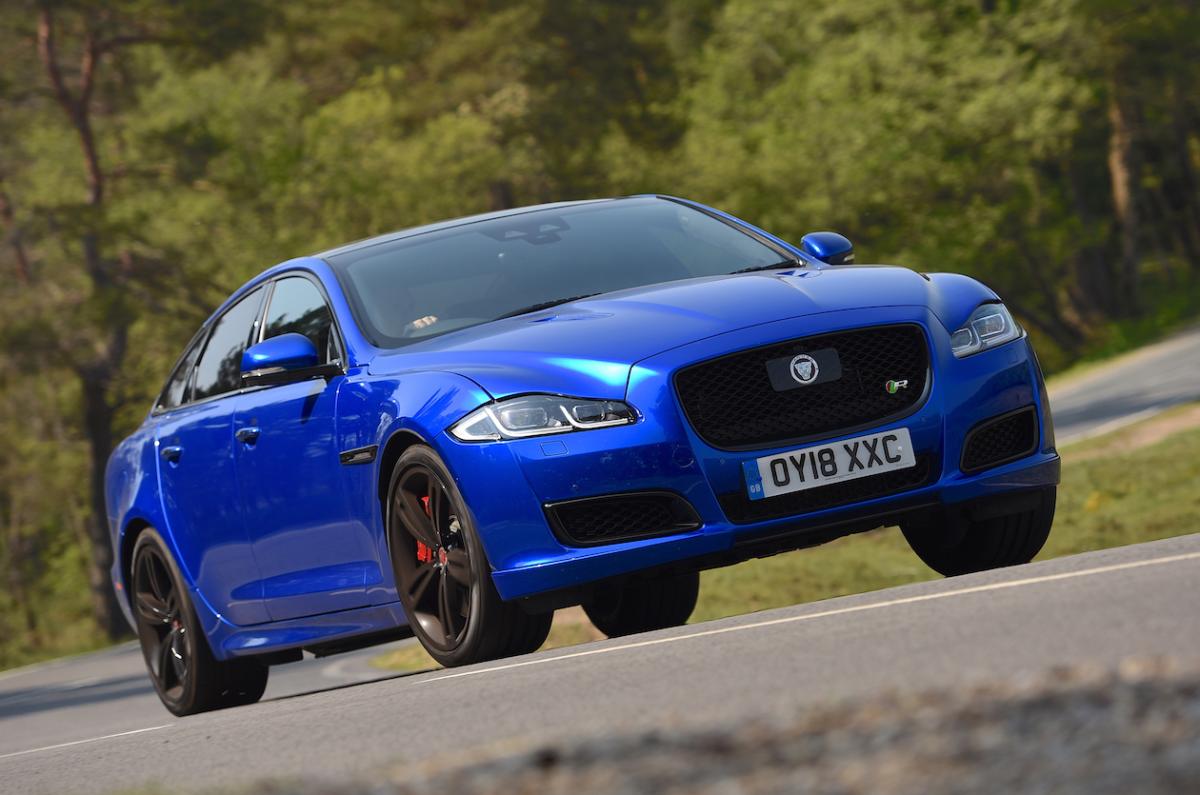
- Used Jaguar XJ 2011-2019 front driving
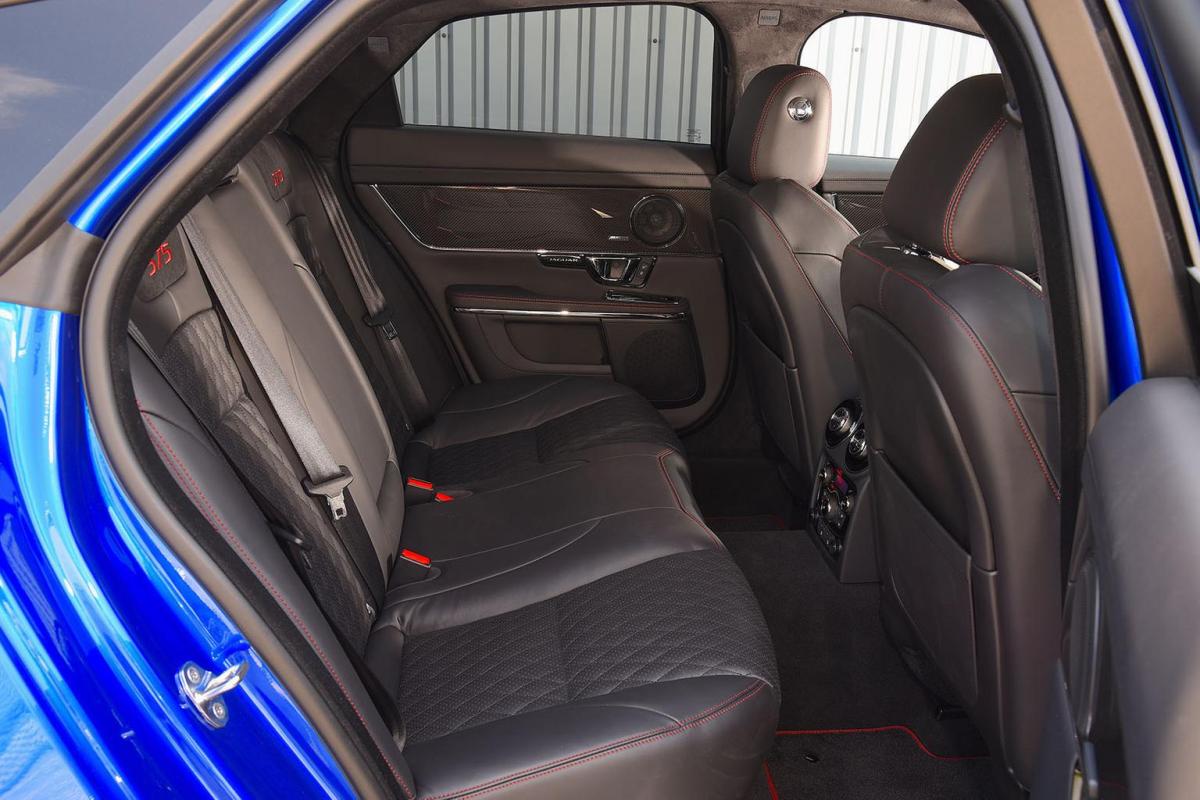
- Used Jaguar XJ 2011-2019 rear seats
- Used Jaguar XJ 2011-2019 badge
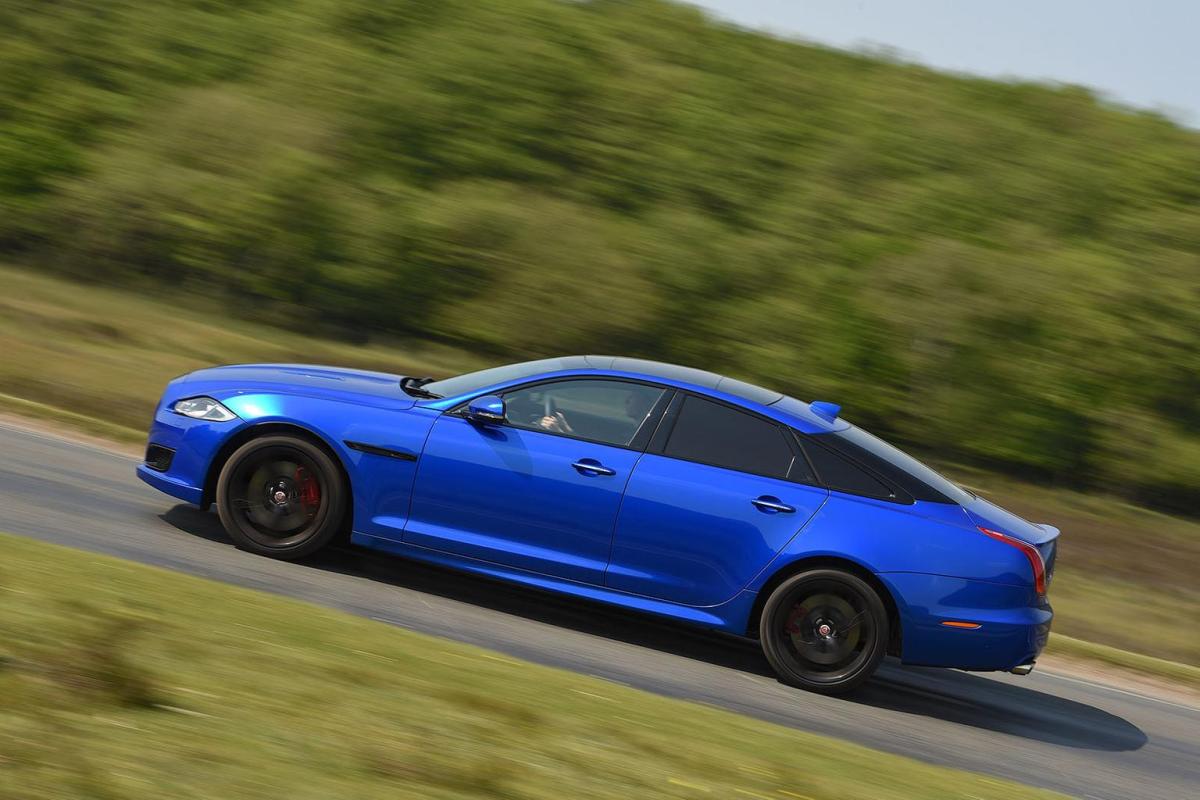
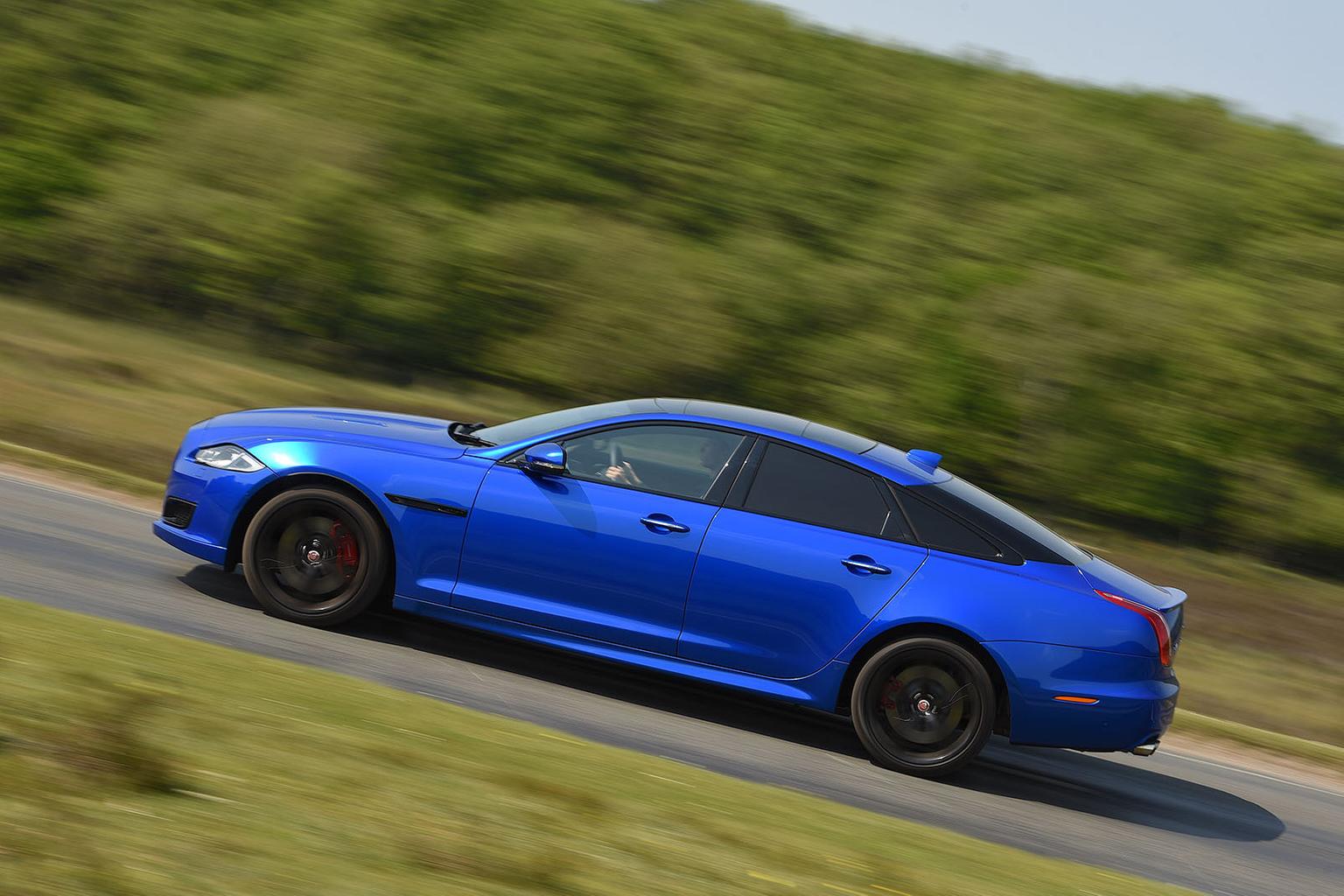
- Used Jaguar XJ 2011-2019 side
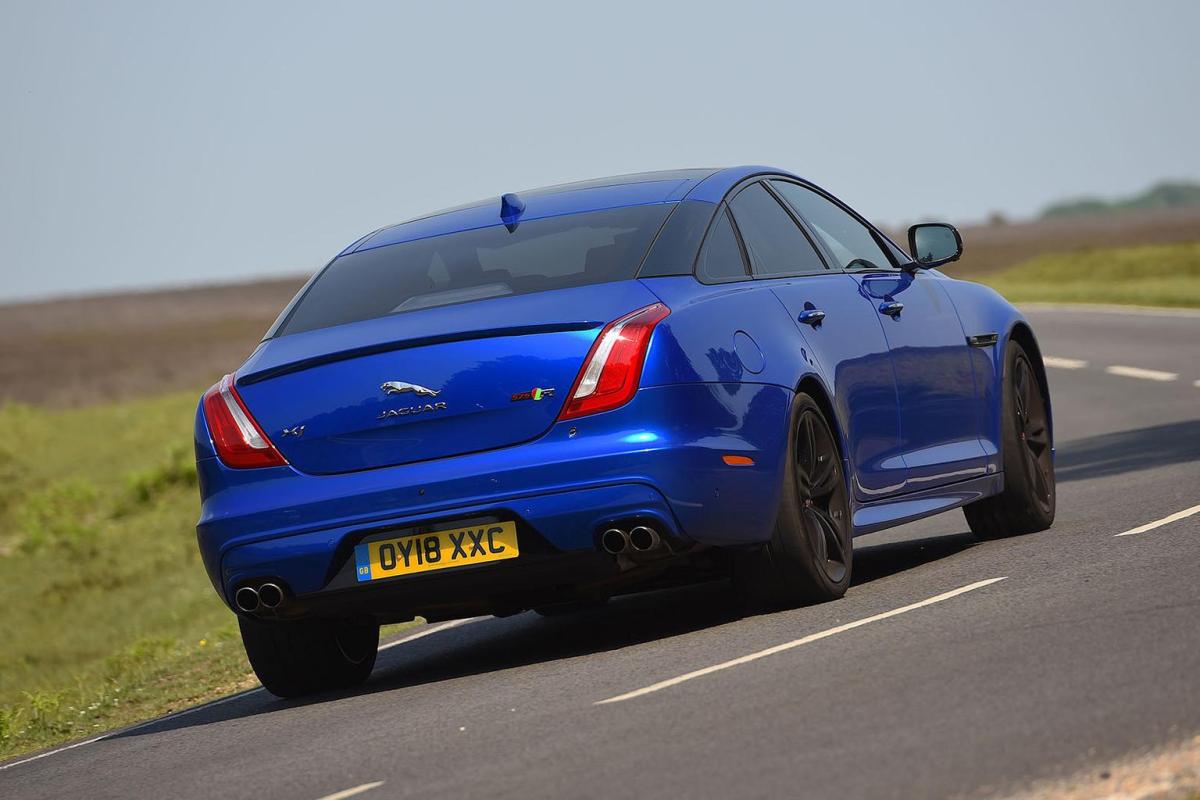
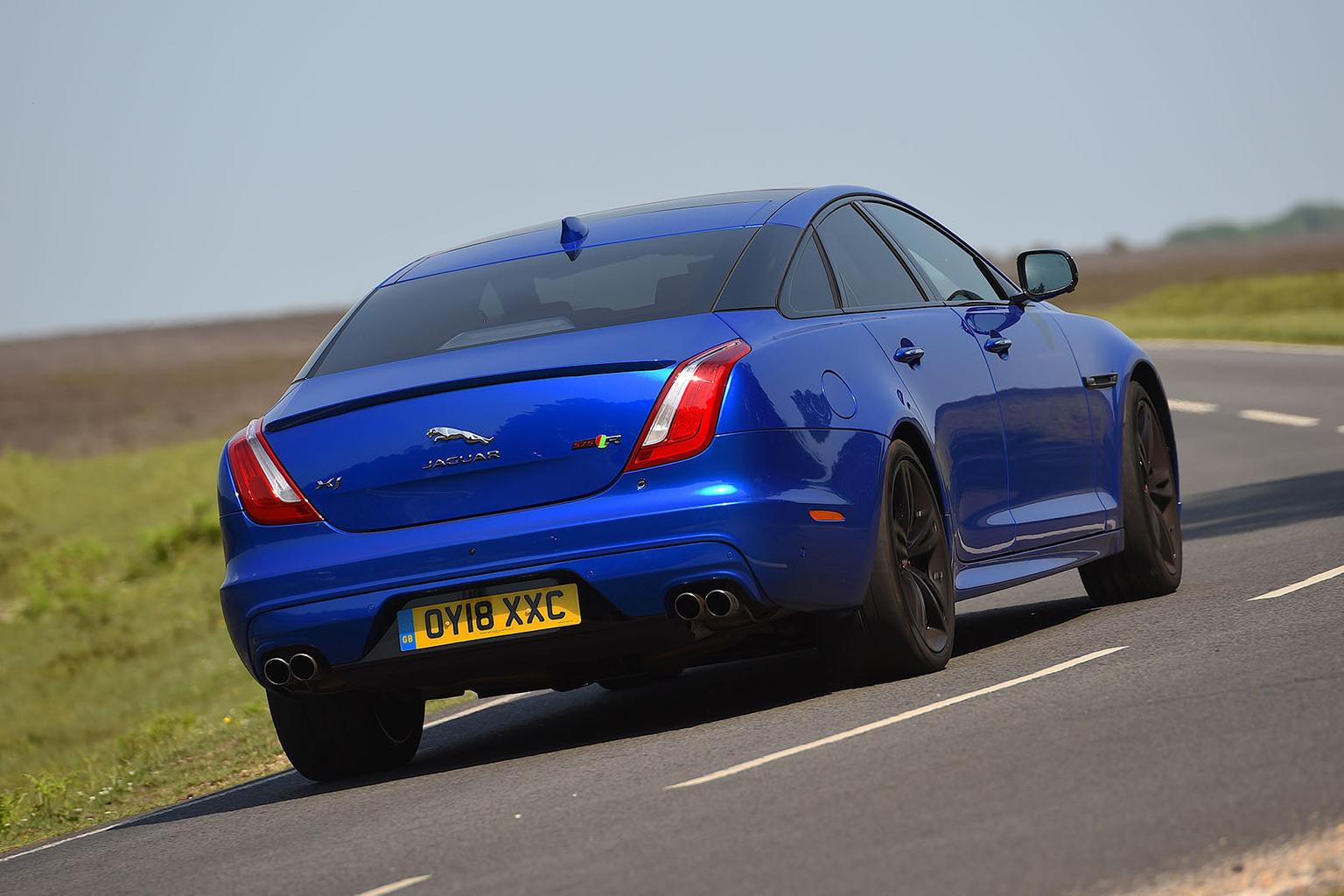
- Used Jaguar XJ 2011-2019 rear cornering
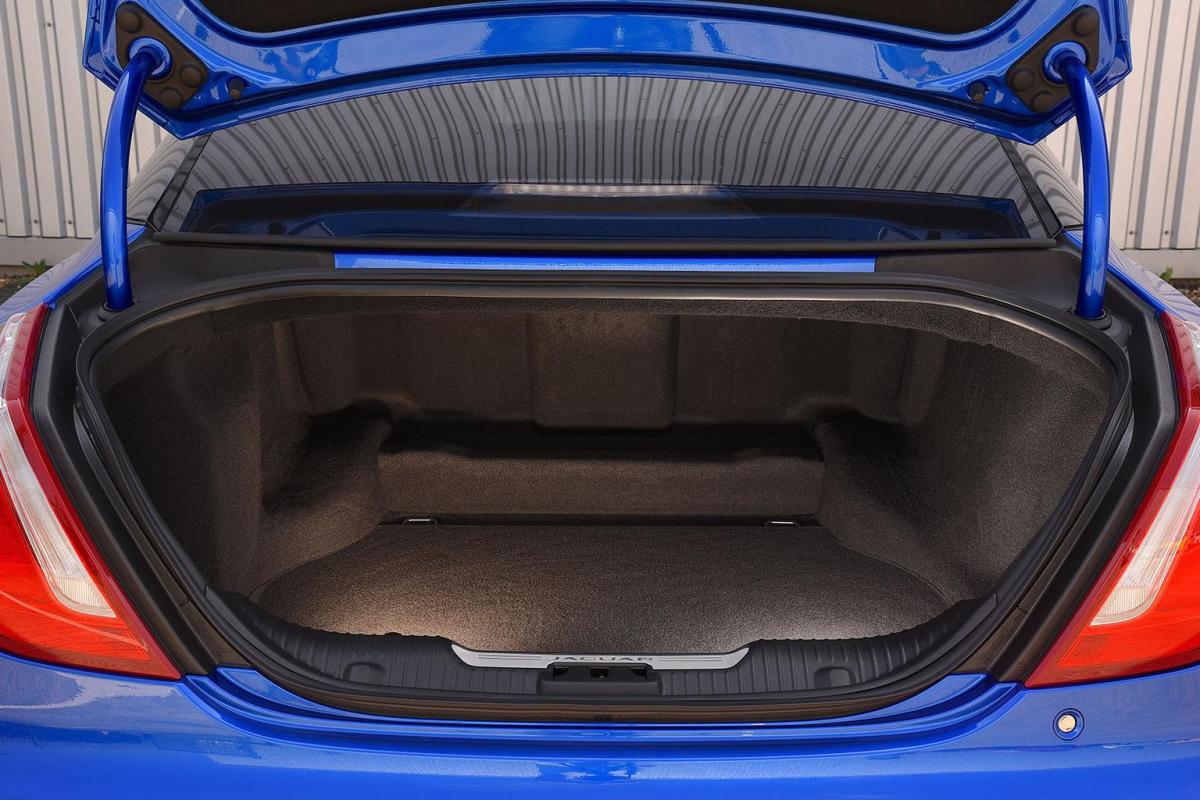
- Used Jaguar XJ 2011-2019 boot
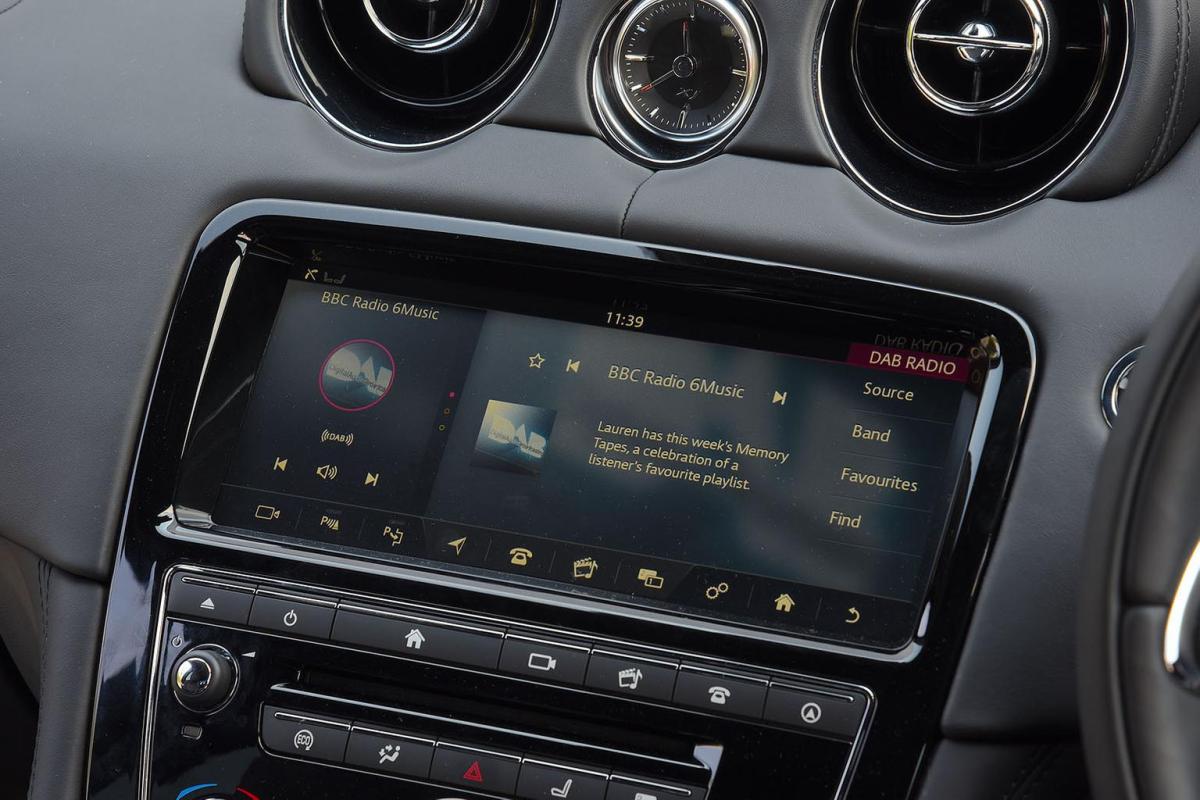
- Used Jaguar XJ 2011-2019 infotainment

What's the used Jaguar XJ like?
After years of steady styling evolution based on its original 1960s design, the Jaguar XJ catapulted like a rocket into the 21st Century with this 2010-2019 version. To some, it was a step too far, but most agreed that at last, the XJ seemed to have the modern bodyshell it needed to promote the very up-to-date technology that lay underneath its skin.
Despite such sleek and sporting lines and such confident modernity, the XJ had two minor facelifts, one in 2014 and another in 2015, in an effort to keep pace with its rivals, cars such as the BMW 7 Series, the Mercedes-Benz S-Class and even the all-electric Tesla Model S.


Pros
- Great handling
- Punchy engines
- Well equipped
Cons
- Poor rear head room
- So-so quality
- Reliability of diesel-engined models
Used cars available now

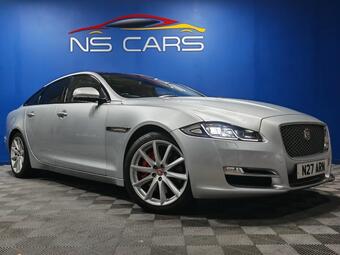
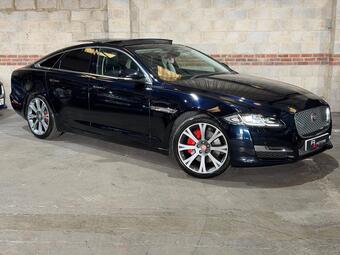
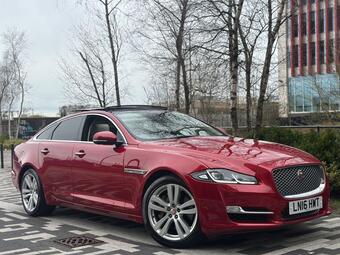
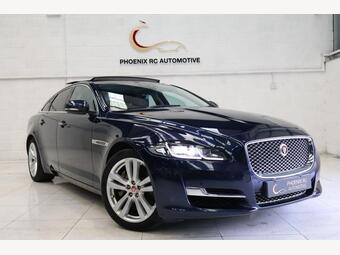
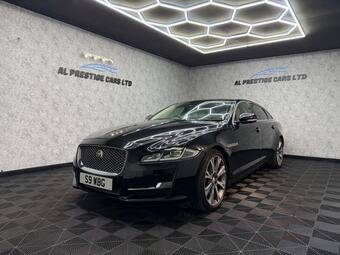
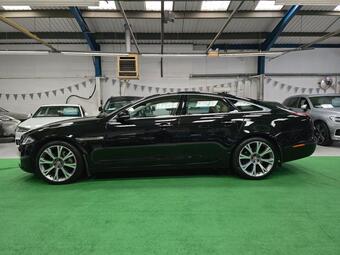
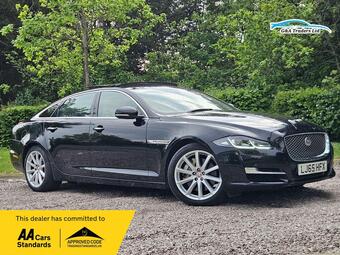
Engines & Performance: The mainstay of the range has always been the V6-powered 3.0-litre diesel, which has taken the vast majority of sales. It’s now, as the XJ approaches the end of its life, the only engine on sale. Prior to this, you had more choice. The petrol range started with a supercharged 3.0-litre V6, which replaced an older 5.0-litre V8, and ended with the XJR, which was powered by a supercharged 5.0-litre V8.
Ride & Handling: On the road, the 3.0 diesel V6 offers decent performance and a lot of overtaking power, thanks to masses of low-down torque. Acceleration is brisk rather than scintillating, although the XJ offers all the pace you’d need in everyday commuting and easily manages motorway journeys.
You’d expect a big Jag to ride well, too, and to a certain degree it does. You’d never call the ride uncomfortable, but you do feel the road’s surface much more than in its rivals, even in the adaptive suspension’s softest setting.
The payback for this is truly sharp handling. The XJ is smaller and lighter than many of its rivals, and it feels remarkably agile, even in long-wheelbase guise. It changes direction effortlessly with little body roll, giving the impression of being a much smaller car. The steering is precise and very sharp, weights up naturally as you start to corner harder, and also offers comparatively good feedback for this class. You soon forget that this is a car that’s well over five metres long; you can have some genuine fun in the XJ. Indeed very few cars in this class manage to be both big and fun, but the XJ is just that.
Interior & Practicality: The driving position’s great, too, with 14-way electrically adjustable seats, and visibility forwards and to the sides is good, even if it is a little limited to the rear, thanks to the car’s swooping profile. A rear-view camera is available in every XJ, luckily.
It all looks very modern inside, too, and the XJ has a 10.0in touchscreen infotainment system as standard, complete with sat-nav, Bluetooth connectivity and a DAB radio. The system is not as polished or sophisticated as those fitted to some of its rivals, though, as some of the graphics look a little dated, especially on the 12.3in fully digital instrument panel. Some of the icons are too small to hit on the move, too, and the system can be slow to respond.
Quality-wise, although the entry-level models get plenty of leather, wood veneer and chrome trim, there’s far too much hard, rather cheap-looking plastic elsewhere. Look at the lower parts of the dash, or around the centre console, and you’ll find materials that you wouldn’t get in an Audi or BMW. The controls feel a little low-rent, too; the buttons never work in quite the same, well-oiled fashion as those on German rivals.
Space up front is excellent, but although there’s plenty of leg room in the rear actual head room is a little limited by the swoopy rear end. At 479 litres the XJ’s boot is smaller than most rivals’. It is a little on the shallow side, too, but at least it has a wide opening that makes loading bulky items simple enough.
Trims & Equipment: Over the years there have been numerous trim levels too, in both short (SWB) and long-wheelbase (LWB) models, with Luxury, Premium Luxury and Portfolio to choose from, while R-Sport and the R trims are only available in the SWB and Autobiography in the LWB car. Even the entry-level Luxury models are well equipped. Heated, leather seats front and rear, parking sensors, four-zone climate control and a touchscreen infotainment system with sat-nav are all standard. Higher-spec versions simply pile on the equipment by varying degrees, with leather seats and trim, larger alloy wheels, park assist and different body kits all featuring at some point.
Interested in buying a used Jaguar XJ? Visit our Used Cars For Sale pages to find lots of cars listed at great prices.
Ownership cost
What used Jaguar XJ will I get for my budget?
You can buy a used Jaguar XJ for around £7000 and, for the money, expect a mileage of 100,000-plus. It'll likely be a diesel Premium Luxury version.
Spend between £8000 and £12,000 on a 2011 and early 2012 model, with a similar mileage, and between £13,000 and £15,000 on a 2013/2014 car, with either diesel or petrol options.
Up this to between £16,000 and £20,000 and you’ll have your pick of cars from either 2015 or 2016, and even have access to the supercharged 5.0-litre V8 humdinger. Around £20,000 should secure a 2017 car, and between £20,000 and £25,000 for a 2018 or 2019 model.
Our recommendations
Which used Jaguar XJ should I buy?
We'd stick with the long-running 3.0 V6 diesel-engined car, and, in an effort not to overinflate the money you spend on a used example, we'd stick with the handsomely equipped Luxury version.
Our favourite Jaguar XJ: 3.0d V6 Luxury
Alternatives
What alternatives should I consider to a used Jaguar XJ?
The Mercedes-Benz S-Class is almost the go-to luxury car, whether bought new or used. It offers excellent performance, sharp handling, a good ride and almost unequalled refinement. The quality is top drawer, too, and used prices are low enough to make this a truly tempting proposition if you’re in the market for such a car. The diesel-engined versions are relatively economical, too.
The Audi A8 is even quieter than the S-Class and if anything rides more comfortably. It also has a high-quality interior. However, it doesn’t handle as well as the Merc or the Jag, and its infotainment system isn’t as good as the German car’s. There are comparatively few of the latest model on the used market, but there are still savings to be made on the price of a new car.
For all the latest reviews, advice and new car deals, sign up to the What Car? Newsletter here
Page 5 of 5
How reliable is the Jaguar XJ ?
Used cars available now
About the writer