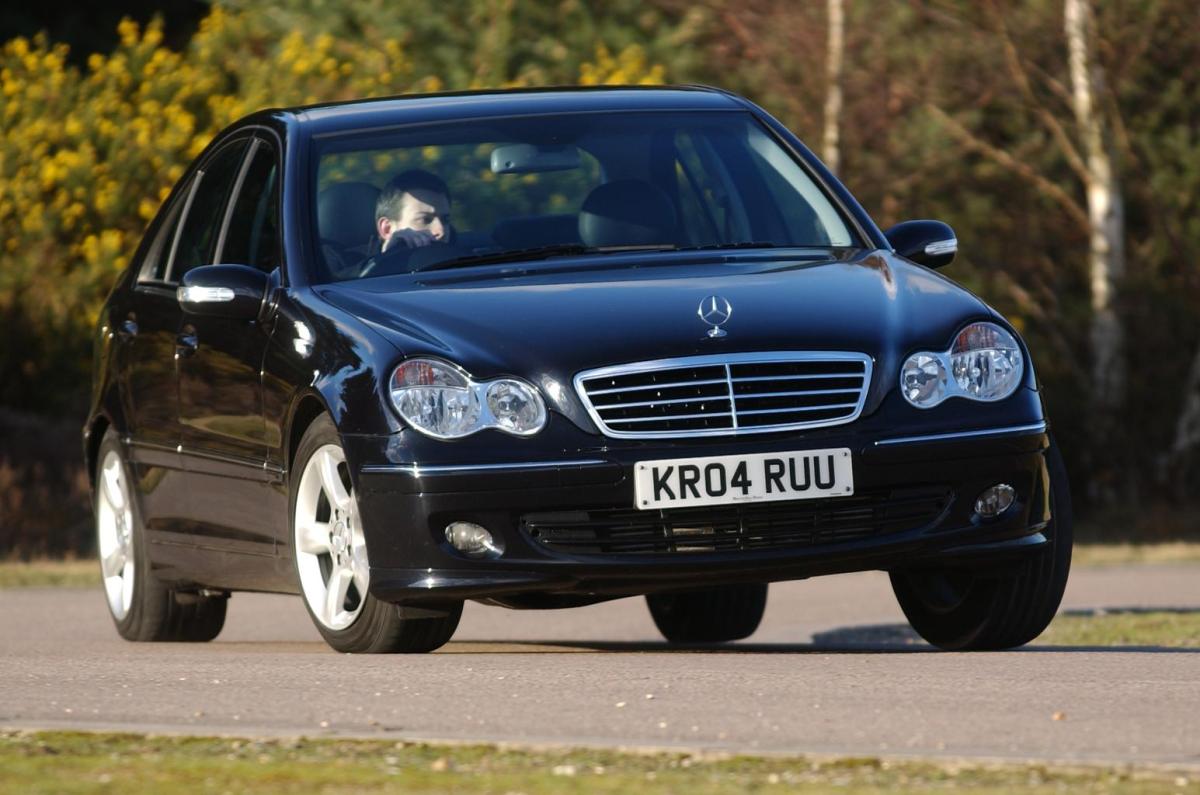
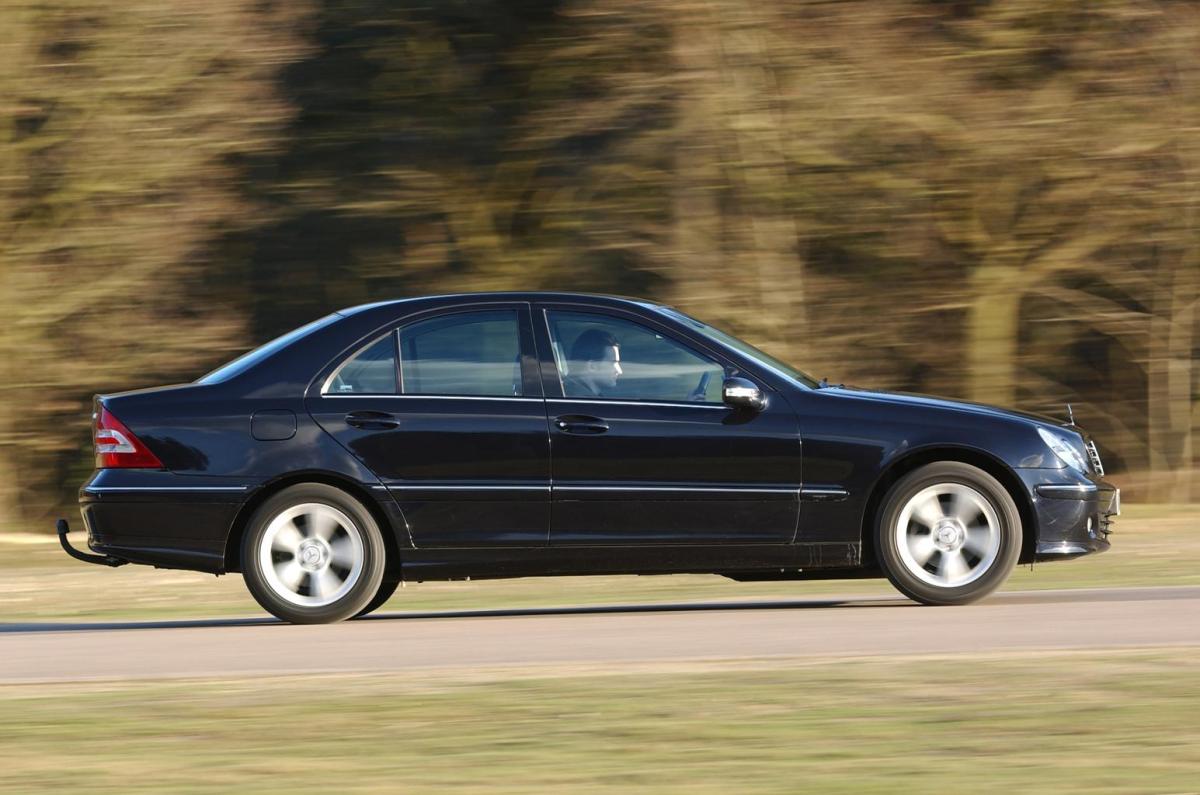
- Mercedes C-Class (00 - 07)
- Mercedes C-Class (00 - 07)
- Mercedes C-Class (00 - 07)
- Mercedes C-Class (00 - 07)
- Mercedes C-Class (00 - 07)
- Mercedes C-Class (00 - 07)
- Mercedes C-Class (00 - 07)
- Mercedes C-Class (00 - 07)
- Mercedes C-Class (00 - 07)
- Mercedes C-Class (00 - 07)

What should I look for in a used Mercedes-Benz C Class?
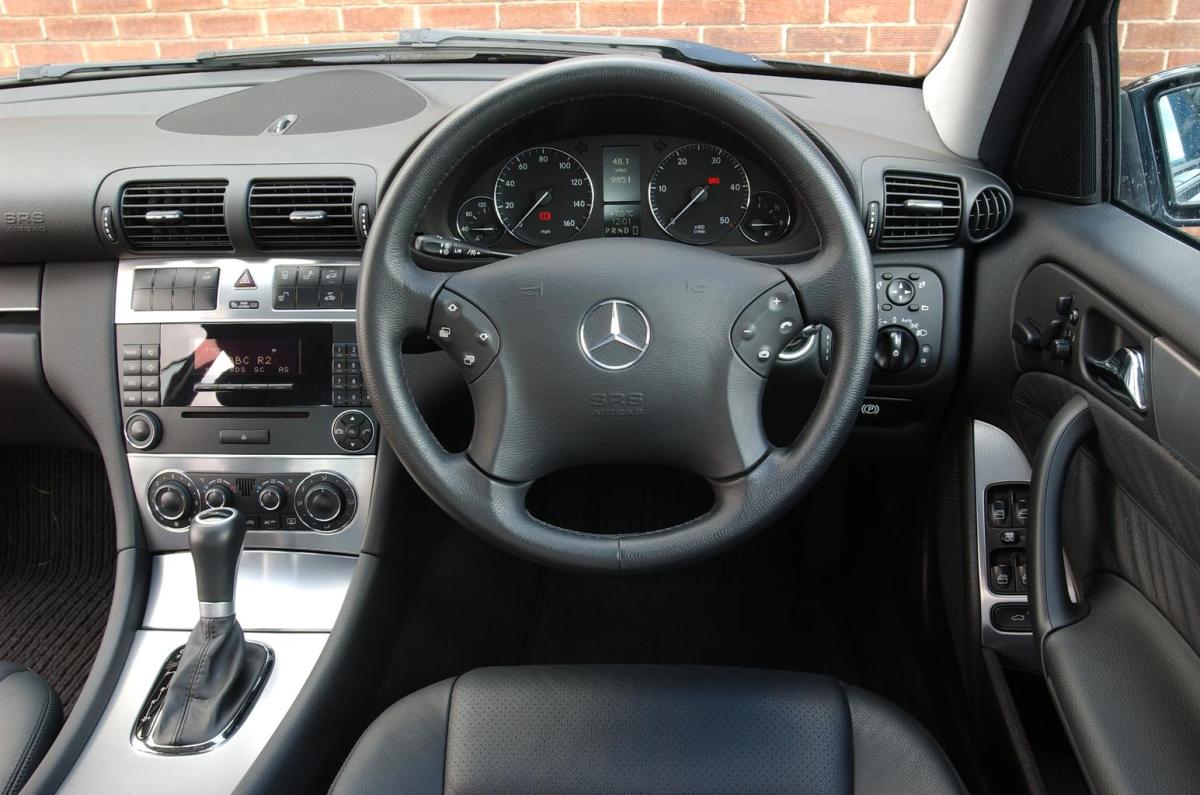
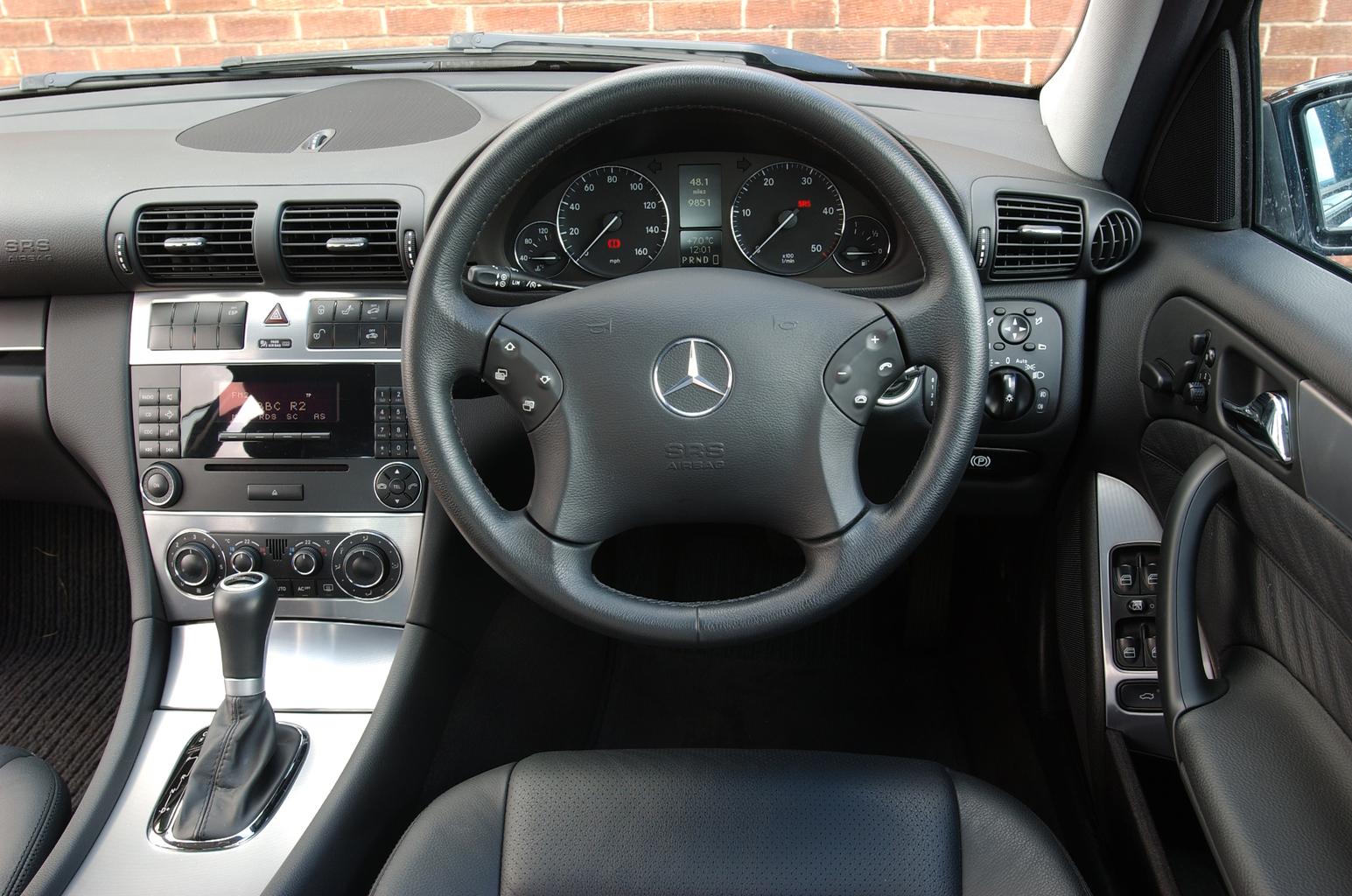
The interior trim of the Mercedes C-Class was notably fragile, and it’s not unusual to find a car full of rattles. Check to make sure that all of the panels are still in place and that the seats, gearshift and steering wheel are not overly worn.
The complex single-arm windscreen wiper can also be problematic, because it has to adjust its height and sweep to hit the right areas of the glass. It’s expensive to get original Mercedes replacement parts, but cheaper pattern parts can be sourced.
Older Mercedes are popular as taxis, so look into the history of the car very carefully and be wary of examples with worn interiors and very high mileages.
You also need to check that recall repairs for broken exhaust pipes, corroded airbag electrics, steering coupling breakages and faulty bonnet catches have been carried out.
Is a used Mercedes-Benz C Class reliable?
In short, no. Quite apart from the common electrical niggles, there are some serious and regular mechanical defects.
Engine head gaskets can blow (and are given away by a trickle of oil down the side of the engine), exhaust manifolds crack, timing chains snap if not regularly serviced, the automatic gearbox can fail (check that its oil is clear and red, not dark and black), radiators fail and need rebuilding and faulty catalytic convertors can cause the engine to drop into ‘limp home’ mode.
In addition, diesel injectors can go, the front shock absorbers leak, the parking brake can snap its cable and the starter motors can be weak.
To its credit, however, Mercedes did put a lot of effort into rectifying problems and often dealt with customers out of warranty to deal with major issues, so a car with a full service history may well have gotten over many of these issues already.
Used cars available now


About the writer