Slideshow
The most reliable family SUVs - and the least
In our annual Reliability Survey, we ask readers to rate the dependability of cars aged up to five years old. Here we list the most and least reliable family SUVs in the UK

Claire Evans
Updated: 9 August 2024
Most and least reliable family SUVs
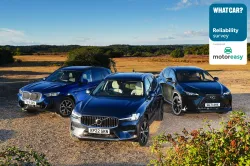
Family SUVs provide practicality with class and a lofty driving position, making them a hit with parents and other drivers.
They're generally a reliable bunch, scoring an average of 93.7% last year in our Reliability Survey and 92.6% this year, but you'll want to make sure that yours is one of the good ones.
To compile the annual What Car? Reliability Survey, conducted in association with MotorEasy, we ask thousands of car owners to tell us how dependable their cars have been over the previous 24 months.
For every car that has suffered a fault, we ask in what area the issue occurred, plus how much it cost to repair and how long it spent in the workshop. This information is used to create a reliability rating for each model and brand where we have a large enough response rate.
This year, the survey had 21,732 responses and that enabled us to report on 178 models (up to five years old) from 32 brands. Here are the most (and least) reliable family SUVs you can buy.
Slideshow story: please click the right-hand arrow above to continue, or simply scroll down if you’re reading on your mobile
advertisement
scroll for more
Most reliable family SUVs – 10: BMW X1 petrol (2015-2022)
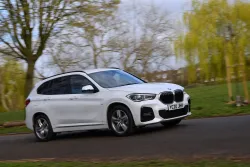
Reliability rating 95.0%
What went wrong? Battery 4%, brakes 4%, engine 4%, interior trim 4%, non-engine electrics 4%
It’s the petrol versions of the 2015-2022 BMW X1 family SUV that are proving more robust than the diesel models. Owners told us that 12% of petrol X1s suffered a glitch, compared with 26% of diesels. The faults proved fairly inconvenient, with 40% of cars undriveable and out of action for more than a week, but BMW covered the cost of all repair work softening the blow for owners.
9: Skoda Karoq petrol (2017-present)
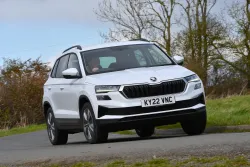
Reliability rating 96.0%
What went wrong? Non-engine electrics 8%, bodywork 4%, engine electrics 4%, sat-nav/infotainment 4%, brakes 2%, interior trim 2%, battery 1%
Petrol versions of the Skoda Karoq suffered nearly as many faults as the diesel-engined models – they have a fault rate of 22% compared with 23% for diesels – but far more of them were fixed for free. While Skoda paid for the remedial work on 93% of petrol Karoqs, it only did the same for 56% of diesels. The small percentage of petrol Karoq owners who had to pay to get their cars fixed were all charged less than £200 each, too. Repairs were mostly swift, but 10% of cars were in the workshop for more than a week.
8: Toyota C-HR (2016-2023)
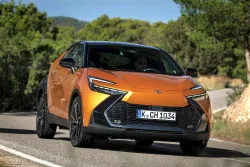
Reliability rating 97.4%
What went wrong? Battery 7%, non-engine electrics 4%, bodywork 2%, brakes 2%
The 2016-2023 Toyota C-HR may not be the most exciting family SUV to drive, but it is one of the most dependable. Issues with the 12-volt battery were the most common complaint of the 15% of owners who said their car had gone wrong. Four out of five cars remained driveable, and were fixed in less than a week. Toyota covered the cost of 90% of repairs, leaving 10% of owners with bills of less than £100 per fault.
7: Volvo XC40 diesel (2017-present)
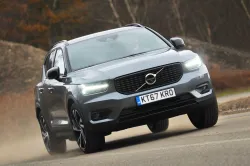
Reliability rating 98.5%
What went wrong? Brakes 4%, engine electrics 4%, sat-nav/infotainment 4%
Although 11% of the diesel Volvo XC40s in our survey had a problem, they were all fixed for free by Volvo and its dealers. All issues were resolved quickly and efficiently, too; two-thirds of cars were repaired in a day or less and all were sorted in less than a week.
=5: Kia Niro PHEV (2016-2022)
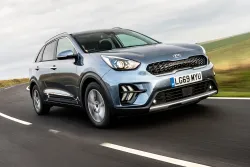
Reliability rating 98.8%
What went wrong? Air-con 2%, engine 2%, interior trim 2%
Faults were very few and far between on the Kia Niro – just 5% of the cars reported on went wrong. Although Kia only covered the cost of 33% of repairs, owners who had to pay were not asked for more than £200 per fault. They weren’t left without their cars for too long, either; two-thirds of cars were back out of the garage in less than seven days.
=5: Hyundai Tucson (2015-2020)
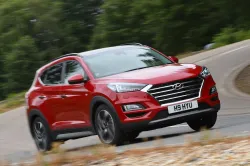
Reliability rating 98.8%
What went wrong? Exhaust 7%
Issues with the exhaust system were the only faults 2015-2020 Hyundai Tucson owners told us about, and only 7% of the cars reported on were affected by these issues. All cars were fixed for free, being covered by Hyundai’s five-year warranty, and two-thirds of vehicles were back on the road in less than a week.
4: Volvo XC40 PHEV (2017-present)
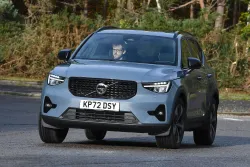
Reliability rating 99.1%
What went wrong? Interior trim 2%, non-engine electrics 2% suspension 2%
The plug-in hybrid version of the Volvo XC40 has been slightly less troublesome than its diesel sibling, according to owners. They told us just 7% of their cars had any issues. The faults didn’t render any cars undriveable, and two-thirds of problems were sorted out in a day or less. All remedial work was done for free.
3: Lexus UX (2019-present)
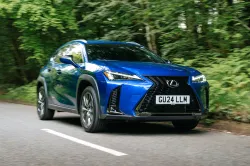
Reliability rating 99.3%
What went wrong? Sat-nav/infotainment 3%
The Lexus UX is smaller than the Lexus NX, but it’s similarly dependable. A mere 3% of owners told us their cars had suffered any problems. All remedial work was carried out for free, but all cars were out of action for more than a week while being fixed.
2: Lexus NX (2021-present)
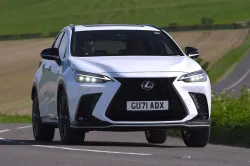
Reliability rating 99.4%
What went wrong? Non-engine electrics 5%
The latest Lexus NX holds five What Car? stars, and rock-solid reliability is a string to its bow. Minor electrical issues were the only complaint from 5% of the owners who completed our survey. They told us their cars remained driveable and were fixed in a day or less, and no one was landed with a repair bill.
1: Lexus NX (2014-2021)
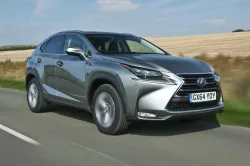
Reliability rating 99.8%
What went wrong? Non-engine electrics 2%
If you want a dependable family SUV, there’s one brand that should be at the top of your shopping list: Lexus. The hybrid 2014-2021 Lexus NX takes the top places here, with almost perfect reliability credentials, and the latest version of the NX is in second place. Just 2% of the previous-generation NXs reported on suffered any hiccups, and all issues were resolved in a day or less by dealerships at no cost to owners.
Owner’s view: “It’s so dependable, I wouldn’t consider another brand.”
Least reliable family SUVs - 10: Kia Sportage diesel (2016-2021)
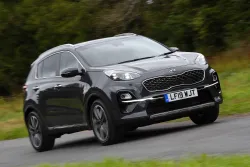
Reliability rating 90.6%
What went wrong? Brakes 10%, engine 10%, air-con 5%, gearbox/clutch 5%, sat-nav/infotainment 5%
Diesel versions of the previous-generation 2016-2021 Kia Sportage are almost twice a prone to problems as their petrol counterparts: 30% of diesels went wrong, compared with 16% of petrols. All repairs were done for free, but 57% of cars spent more than a week in the garage.
9: BMW X1 diesel (2015-2022)
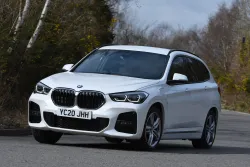
Reliability rating 89.2%
What went wrong? Battery 11%, non-engine electrics 11%, engine electrics 7%, gearbox/clutch 7%, interior trim 4%
Costly repairs were the main gripe of the 26% of 2015-2022 BMW X1 diesel owners who reported a fault with their car. Nearly one in five vehicles cost between £501 and £1000 to repair, and BMW only covered the cost of 64% of work. At least most cars remained driveable, and two-thirds were back on the road in less than a week.
8: Audi Q3 (2018-present)
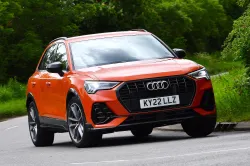
Reliability rating 86.8%
What went wrong? Sat-nav/infotainment 11%, bodywork 7%, brakes 7%, engine electrics 7%, fuel system 7%, non-engine electrics 7%, exhaust 2%,
Lengthy stints in the workshop are the main complaint of Audi Q3 owners, who told us that half of their faulty cars took more than a week to repair. Overall, 44% of the Q3s in our survey had a problem and the sat-nav/infotainment system was the most frequently cited area. Although Audi paid for 82% of remedial work, 9% of owners had to find up to £1000 for fault fixing.
7: Peugeot 3008 (2017-present)
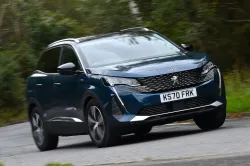
Reliability rating 86.1%
What went wrong? Engine electrics 7%, engine 5%, exhaust 5%, non-engine electrics 5%, suspension 5%, bodywork 3%, fuel system 3%, interior trim 3%, battery 2%, brakes 2%, steering 2%
Faults that stopped cars from being driven and took a long time to fix were the bugbear of Peugeot 3008 owners. They told us 24% of their cars went wrong, and the problems spanned a wide range of components. Peugeot covered the cost of 73% of repairs, but 8% of owners had to pay up to £1500 to get their cars fixed. Forty percent of faulty cars were undriveable, and 52% took more than a week to put right.
6: Jaguar E-Pace (2017-present)
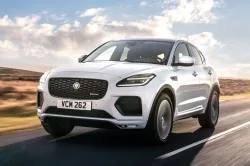
Reliability rating 83.8%
What went wrong? Sat-nav/infotainment 18%, bodywork 7%, non-engine electrics 7%, engine 5%, gearbox/clutch 5%, battery 2%, brakes 2%, engine electrics 2%, interior trim 2%
It's the slowness to fix faults and the cost of some repairs that let the Jaguar E-Pace down. Although most cars remained driveable, 43% spent more than a week in the workshop, and 13% of owners were landed with bills of £1500 or more. The good news is that Jaguar covered the cost of 78% of repairs. However, 38% of cars went wrong, so a high proportion of owners had to go back to their dealers to get issues fixed.
5: Range Rover Evoque (2011-2019)
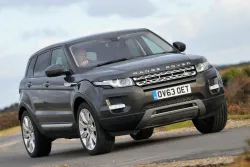
Reliability rating 83.6%
What went wrong? Engine electrics 19%, exhaust 12%, suspension 8%, bodywork 4%, engine 4%, interior trim 4%, sat-nav/infotainment system 4%, steering 4%
While some Land Rover models have upped their reliability, the 2011-2019 Range Rover Evoque is not one of them. Owners reported that 23% of their cars went wrong, with engine electrics the main culprit. Problems weren’t costly to fix in most instances, but they were slow. Land Rover paid for 81% of work, and no bills topped £300, but two-thirds of cars were in the workshop for more than a week.
4: Nissan Qashqai diesel (2014-2021)
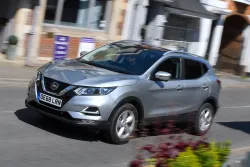
Reliability rating 83.2%
What went wrong? Non-engine electrics 20%, brakes 15%, battery 10%, engine 5%, fuel system 5%, gearbox/clutch 5%
Owners of diesel versions of the 2014-2021 Nissan Qashqai are far more likely to be acquainted with their local dealer than petrol Qashqai owners because 35% of diesel models went wrong, compared with 18% of petrols. A third of cars were out of action for more than a week, and although Nissan covered the cost of 72% of repairs, that left some owners with bills of up to £500.
3: Range Rover Evoque (2019-present)
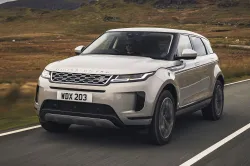
Reliability rating 82.7%
What went wrong? Non-engine electrics 16%, bodywork 7%, engine electrics 7%, sat-nav/infotainment 5%, engine 4%, interior trim 4%, suspension 4%, air-con 2%, battery 2%, brakes 2%, exhaust 2%, fuel system 2%, gearbox/clutch 2%
The latest Range Rover Evoque is proving less reliable than its predecessor, with 40% of owners reporting a problem (compared with 23% for the older model). Nearly half of the afflicted cars took more than a week to fix, and while 86% of fixes were free, 6% of owners shelled out more than £1500.
2: Cupra Formentor (2020-present)
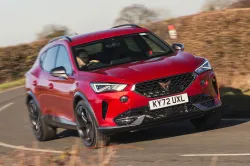
Reliability rating 81.5%
What went wrong? Sat-nav/infotainment 49%, non-engine electrics 23%, battery 3%, brakes 3%, engine 3%, interior trim 3%, steering 3%
While only 6% of examples of the Cupra Formentor were rendered undriveable by faults, the car’s score was hurt by the fact that 69% took more than a week to fix. Overall, 54% went wrong, with a range of issues blighting the model. One saving grace is that all repairs were free.
1: Skoda Karoq diesel (2017-present)
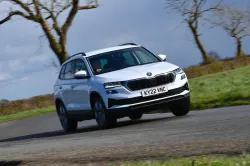
Reliability rating 80.8%
What went wrong? Non-engine electrics 15%, bodywork 8%, engine electrics 5%, engine 3%, gearbox/clutch 3%, interior trim 3%, sat-nav/infotainment 3%
Skoda Karoq diesels have a similar fault rate to petrol ones, but the former are more costly and slower to fix. Only 56% of diesels were fixed for free (93% of petrols were), with 31% costing owners more than £1500. Half of the faulty diesel Karoqs were in for repair for more than a week, compared with 10% of petrols.
Owner’s view “My Karoq was in for 35 days with a water leak that cost £4000 to fix – not good enough for a car with just 15,000 miles on it.”
advertisement
scroll for more
News and advice
News
New 329bhp Volkswagen T-Roc R can hit 62mph in five seconds
Best of
The best new car PCP deals
News
Complete the What Car? EV charging survey
News
New Geely Monjaro plug-in hybrid SUV to arrive in 2027 with 105-mile EV range
Best of
Best GT cars: the grand tourers to buy in 2026 - plus the one to avoid
News