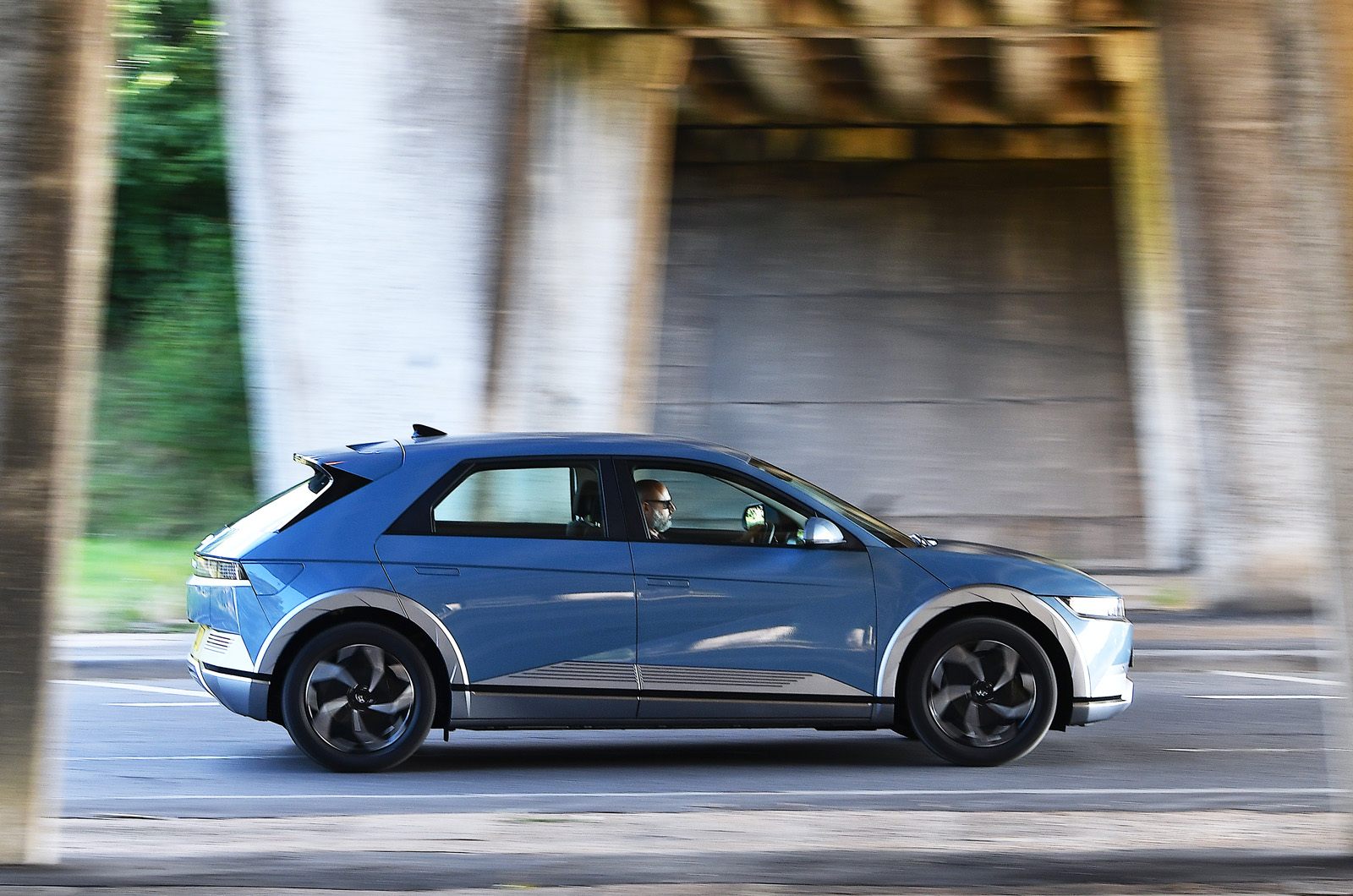
New Hyundai Ioniq 5 vs Tesla Model 3 vs Volkswagen ID 4: costs
Buying and owning
Costs, equipment, reliability, safety and security
If you’re a company car driver, you’ll pay benefit-in-kind tax on just 1% of any pure electric car’s list price until April next year, rising to 2% from then until at least April 2024. If that doesn’t mean much to you, consider this: as a 40% taxpayer, you’ll currently sacrifice just £14 per month to run any of our contenders. Compare that with the circa-£370 you’ll have to pay to run a similar-priced diesel BMW 3 Series and the appeal is obvious.
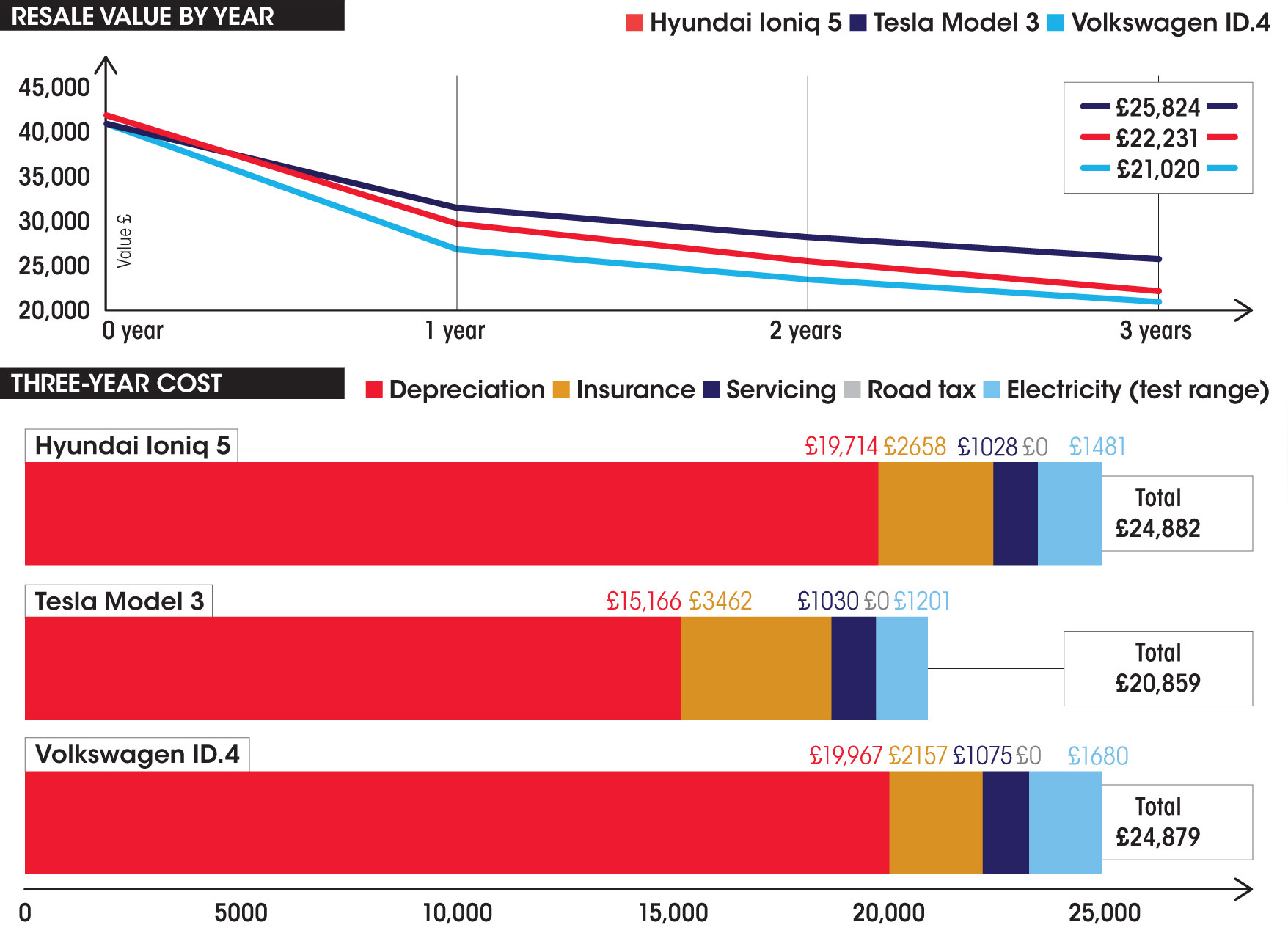
Incredibly slow predicted depreciation means the Tesla Model 3 will work out cheapest overall for cash buyers selling after three years, with relatively heavy depreciation making the Volkswagen ID 4 the priciest long-term option.
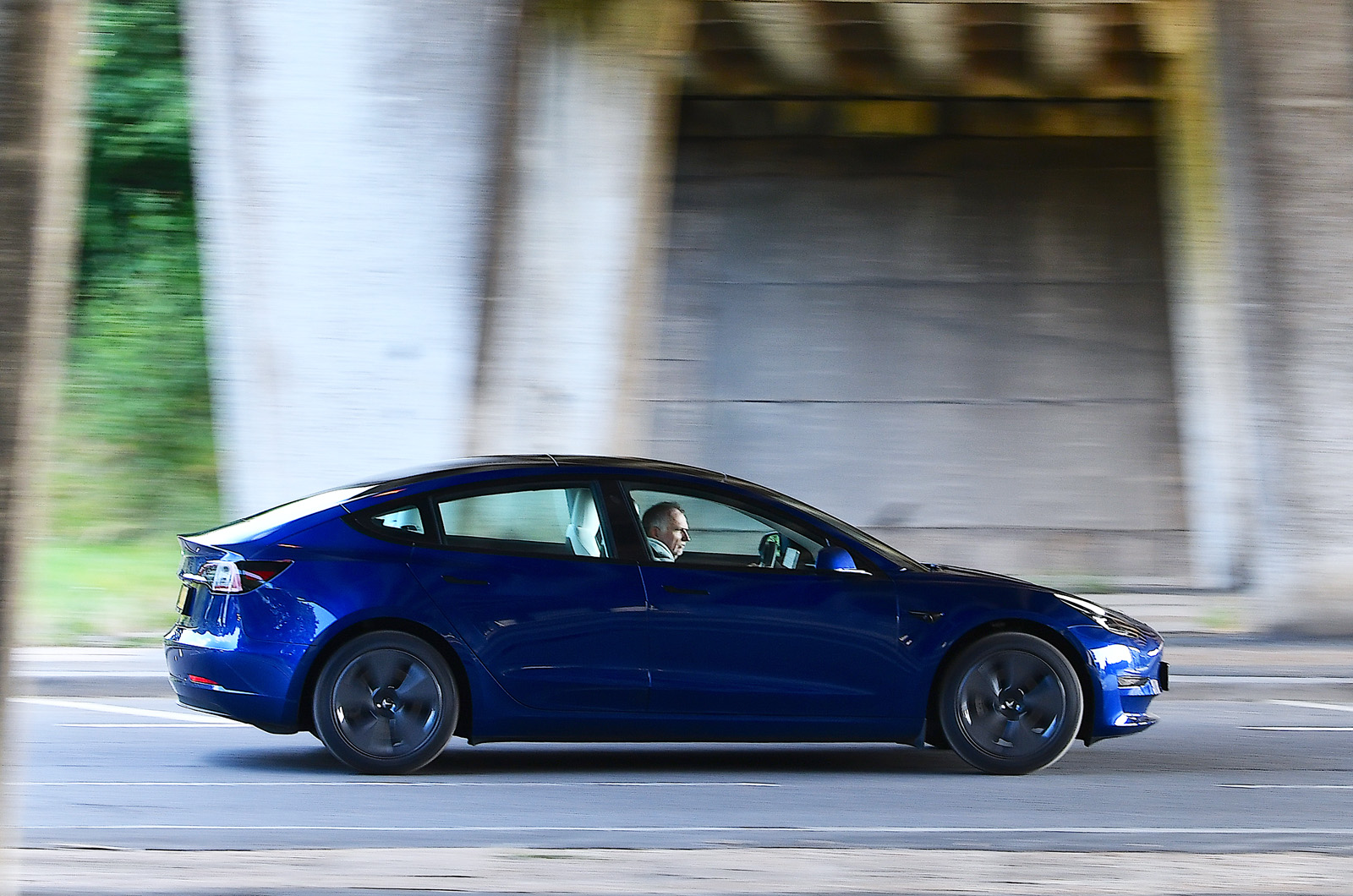
The ID 4 is the most affordable if you’re buying on PCP finance, though. On a four-year deal with a £4000 deposit and a limit of 10,000 miles per year, you’ll pay £538 per month, compared with £545 for the Hyundai Ioniq 5 and £561 for the Model 3.


All three have lots of standard kit, including adaptive cruise control with steering assistance, keyless entry, heated front seats and, in the Ioniq 5 and ID 4, a heated steering wheel as well. Meanwhile, the Ioniq 5 and Model 3 have electric bootlids. You get plenty of safety kit, too, with all three performing really well in their Euro NCAP tests.
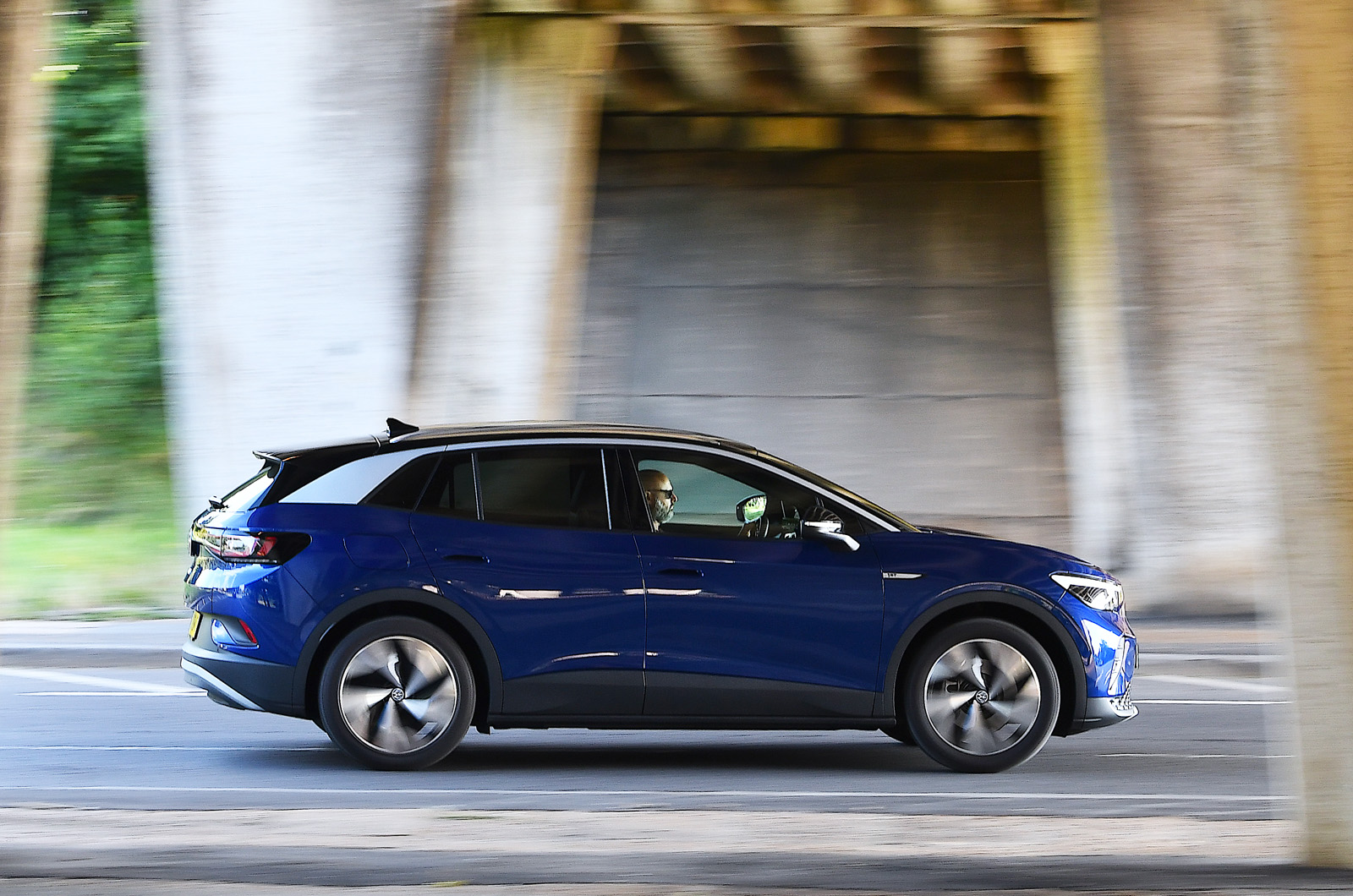
One advantage of buying a Tesla is access to the company’s proprietary Supercharger network. From one of these, you can get a 10-80% top-up in around 21 minutes. The Ioniq 5 can accept much more power, so you can theoretically charge its much larger battery from 10-80% in 18 minutes in ideal conditions, if you can find a powerful enough outlet.
The ID 4 can’t charge anywhere near as quickly as its rivals, but you can still expect a 10-80% top-up of its battery in around 35 minutes. Charging from 0-100% at home using a regular 7kW wallbox will take around 12 hours in the ID 4 and Ioniq 5, compared with eight hours in the Model 3.
By EV standards, the Model 3 performed averagely well in our 2021 Reliability Survey. The Ioniq 5 and ID.4 were too new to feature, but Hyundai finished joint third (out of 30) in the brand league table, compared with Volkswagen’s disappointing 20th.
Hyundai also provides a five-year, unlimited-mileage warranty on most of the car, with the battery covered for up to eight years (with a 100,000-mile cap). The Model 3 and ID 4 have the same level of cover on their batteries but only four years or 50,000 miles of cover on most other components.
Used alternative
2018 Jaguar I-Pace
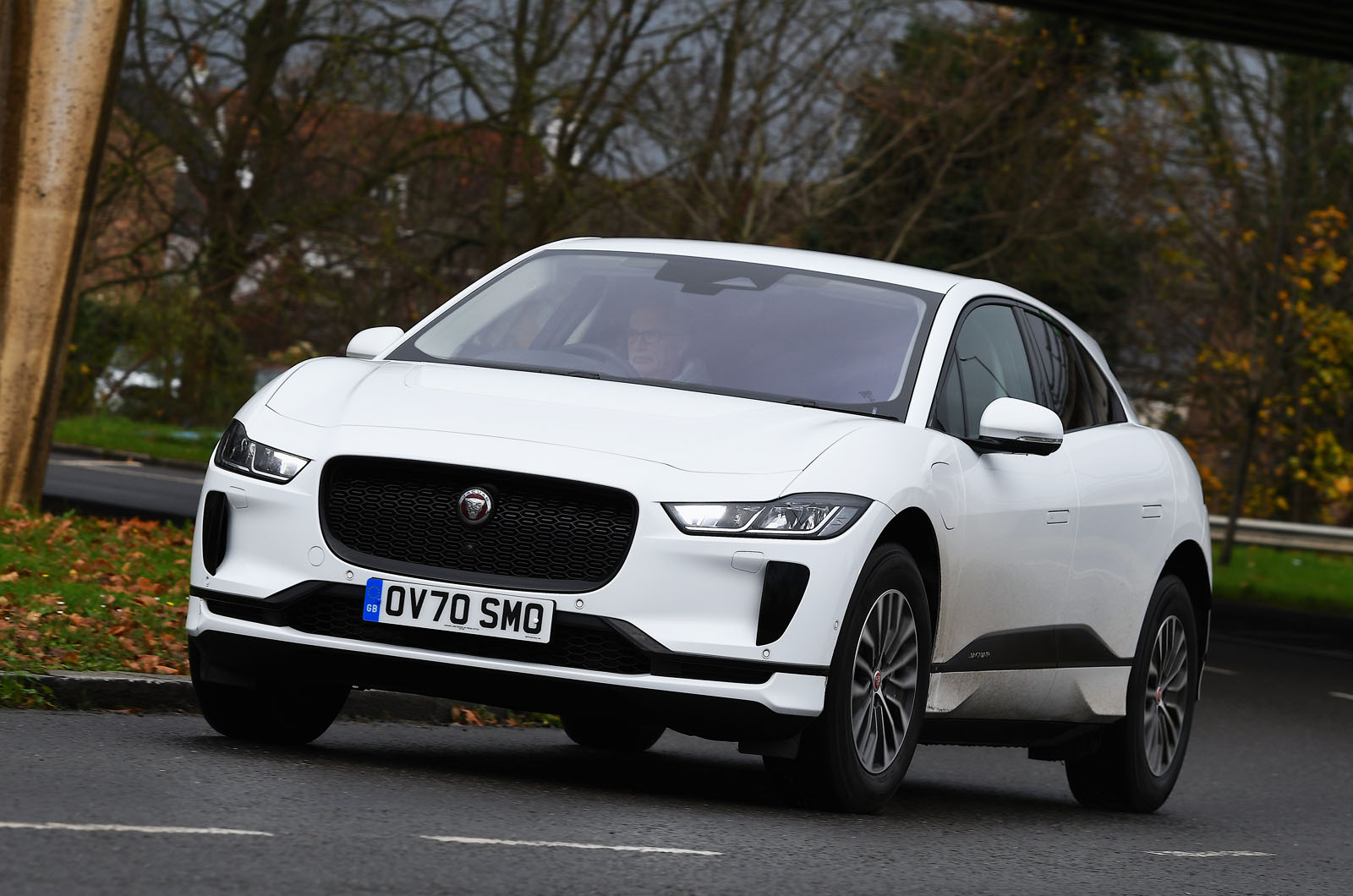
For similar money to any of the others here, you could put a three-year-old example of the luxurious Jaguar I-Pace SUV on your driveway. As well as having an opulent and spacious interior, the futuristic-looking I-Pace is great to drive, very refined and super-quick, with the 0-62mph dash seen off in less than 5.0sec. Its official range of 292 miles is pretty respectable, too.
<< Previous | Next: Our verdict >>
Page 4 of 5