PCP or HP: should I still consider HP?
Nine in 10 new cars sold in the UK are financed, with many drivers choosing a personal contract purchase (PCP) deal. Compared with the many other forms of financing, PCP offers lower monthly payments, with many popular models being available for just a few hundred pounds per month.
However, just because it’s popular doesn’t mean PCP is the best way to obtain a new car. Many alternatives to PCP, such as hire purchase (HP) let you keep the car after the financing period without a hefty final payment.
So, how do you choose whether a PCP or HP agreement is the right way to finance your next new vehicle?
What is a PCP?
Let’s start with the basics. A PCP is a form of hire purchase, but a substantial portion of the amount borrowed is left until the end of the loan.
In a conventional hire purchase deal, the total amount borrowed is split into equal monthly payments, typically over three or four years, and once you’ve paid these you’re the legal owner of the car.


While PCP also involves a series of monthly payments, they are lower than they would be on an HP deal, and then there’s a far larger payment at the end of the agreement. This end payment is sometimes referred to as a balloon payment, or the minimum guaranteed future value (MGFV).
On the face of it, leaving a big lump sum until the end of the agreement seems like putting off the painful moment when you have to find several thousand pounds. But the point is you don’t have to; paying the MGFV is one of three options open to PCP customers at the end of the loan.
If you don’t want to pay, you can just hand the car back and call it quits. Or, if the car is worth more than the MGFV (which is often the case), you can use the difference between the final payment and the car's true market value as a deposit for another new car. Leasing through PCP could also let you drive away in a new car you might otherwise be unable to afford.
Choose a PCP if…
- Low monthly payments are all-important
- You’re not sure what you will do at the end of the agreement
- There’s a big manufacturer deposit contribution and a lower interest rate than for HP
Advantages of a PCP
The most obvious attraction of a PCP is the size of the monthly payment. PCP deals let drivers finance the depreciation of a car rather than the whole retail price, meaning they pay notably less.
It’s not just that it’s cheaper, though. The idea of being charged a monthly fee for a car is similar to the payments many people make on electronic devices, such as smartphones, or subscription services. This allows you to upgrade to the latest model more frequently and without having to shell out a large sum of money in the process.

Flexibility is another key advantage of PCPs, both compared with HP and forms of leasing, such as personal contract hire. Many people who finance a car via PCP initially aren’t certain whether they will make the balloon payment to own it outright at the end of the contract, trade it in for a new model or hand it back. Nevertheless, entering a PCP contract gives drivers the reassurance that they can choose from all three options.
What is an HP deal?
As the name suggests, a hire purchase deal is a method of buying a car rather than paying to use it. The big difference between an HP deal and a PCP is that once you make all the HP payments the car is yours to do with as you wish. This gives you the option to sell the car, trade it in for a new one or keep it. When secondhand car prices are strong, this could be an advantage because you may get a higher price when selling.
Get tips for selling your car in our comprehensive guide.
Choose an HP deal if…
- You’re sure you want to keep the car beyond the end of the finance term
- Higher monthly payments don’t put you off
- You’ve compared PCP and HP deals and HP offers a lower total cost
Advantages of an HP deal
The main benefit over a PCP deal is that you don't have to stump up a large balloon payment to buy the car at the end of the deal.
HP can also work out cheaper than a PCP over the lifetime of a loan because with HP you’re paying off the amount borrowed more quickly. With a PCP, if you decide to buy at the end of the agreement, you have to settle the big balloon payment.
HP isn’t saddled with one of the drawbacks of a PCP deal, either: mileage limits. A PCP agreement is drawn up on the assumption you will cover a certain number of miles each year and no more, and the final mileage of the car is used to calculate the MGFV.
The farther you drive, the less the car will be worth, so it’s important that the finance company has some sense of how far you drive each year in order to set the MGFV fairly and accurately. However, with HP, the finance company doesn’t give two hoots how far you drive.
If you exceed the mileage limit specified in a PCP agreement there will be penalty charges to pay. If you’re only talking about a few miles you won’t be seriously out of pocket. However, if you change jobs during the finance period and face a much longer commute, then you could be hit hard.
If you do find you are covering a lot more miles than planned, don’t wait to be clobbered with a big bill at the end of the agreement. Instead, talk to the loan provider about your change in circumstances so the terms of the agreement can be revised.
Differences between PCP and HP
Whether a PCP or HP deal will suit you best depends on a number of factors, including how important it is to lower your monthly costs, if you know you want to own the car at the end of the finance agreement and if you’ll be able to stick to mileage limits.
Below we list the main pros and cons of each type of finance to make it easier for you to see which option will suit you best.
| PCP finance | HP finance |
| Cheaper monthly payments | Higher monthly payments |
| May get bigger car maker deposit contribution | More equity towards a new car than PCP |
| May get lower interest rate | May work out cheaper overall to buy car |
| Three options at end of deal | Own car at end of agreement |
| Can hand car back at end of deal | Have to sell car if you want to get rid of it |
| Lump sum required to buy car | No lump sum to buy car |
| Overall and annual mileage limits | No mileage limits |
| Excess mileage fees | No excess mileage fees |
How to compare PCP and HP finance deals
When comparing the PCP and HP deals on a vehicle, ensure that they both run for the same number of months. The most common finance agreement length is 36 months, but many lenders also offer deals for 24 and 48 months.
Whether or not you want to keep the car at the end of the deal, it’s important to check the overall cost of the finance package because car maker incentives can sometimes make a PCP deal a cheaper way to buy a car than an HP deal. On PCP deals you need to ensure you include any deposit contribution offered by the car maker and the MGFV payment that’s required to buy the vehicle. HP deals are simpler, but ensure you include the deposit and any small additional final payments that are required.
How much does a car cost on PCP vs HP?
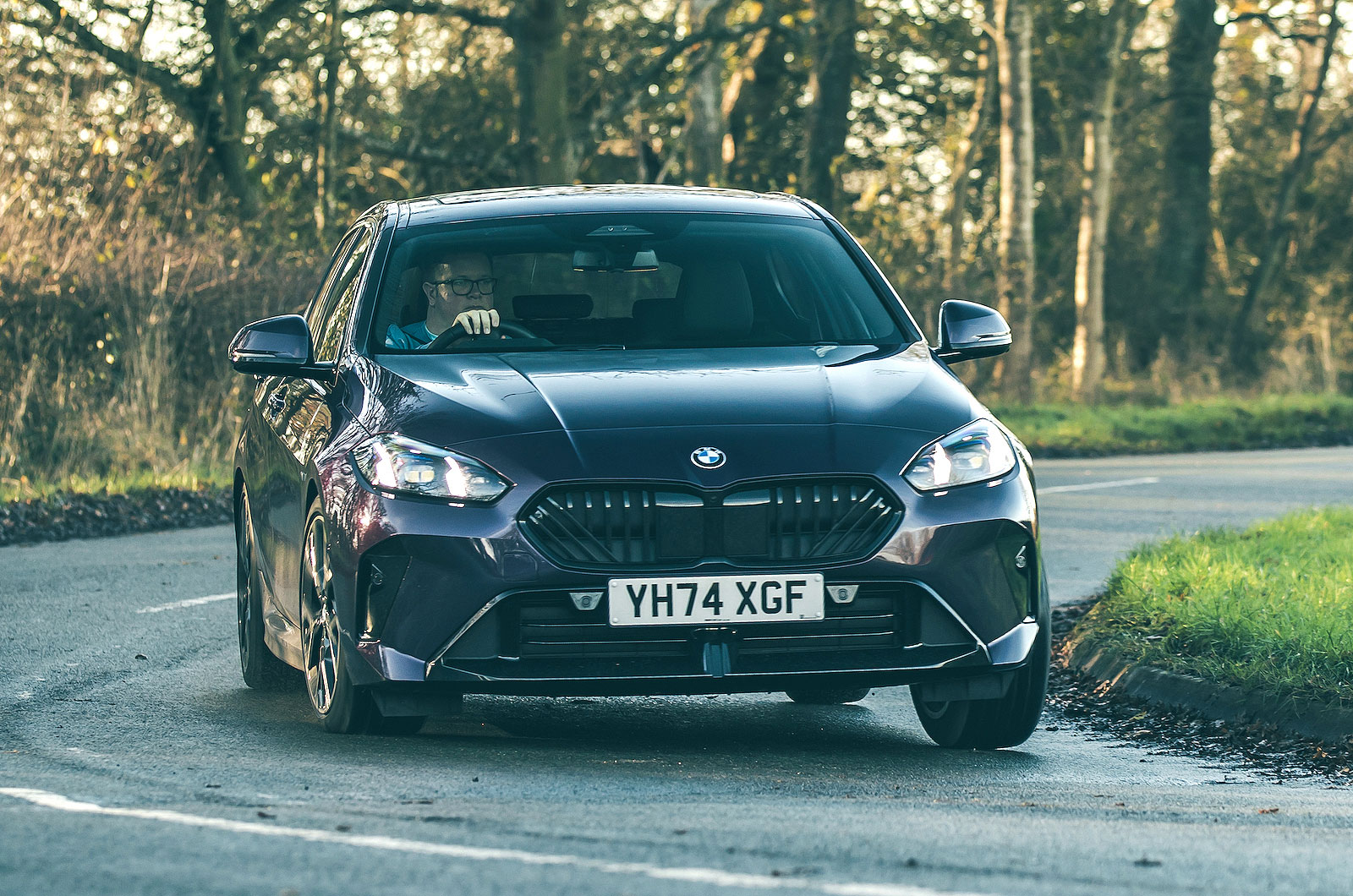
There are many variables in finance deals, such as the rate of interest and if a car maker is offering a discount or deposit contribution, but in general PCP deals offer cheaper monthly payments than HP. Below we’ve looked at the cost of buying a BMW 1 Series on PCP and HP. The difference between the monthly payments in this instance is very large, but this may not be the case with all PCP and HP deals.
BMW 120 Sport
On-the-road price: £32,290
Annual mileage 10,000 miles
| BMW PCP deal | |
| Deposit | £4500 |
| 36 monthly payments | £380 |
| Optional final payment | £16,599 |
| Interest rate | 4.9% |
| Total payable | £35,495 |
| Excess mileage fee | 9.8p per mile |
| BMW HP deal | |
| Deposit | £4500 |
| 36 monthly payments | £830 |
| Interest rate | 4.9% |
| Total payable | £34,391 |
If you want the lowest monthly payments possible, it may be worth taking out a personal lease for your car. There are drawbacks to this type of finance, which we highlight in our leasing guide.
Additionally, the My What Car? platform is now live; it's a free-to-use personal assistant designed to help cut costs, set reminders for essential services, and better organise your motoring life.
For all the latest reviews, advice and new car deals, sign up to the What Car? newsletter here