KGM Korando review
The Ssangyong Korando is good value, spacious and reasonably powerful, but it can’t match its rivals for all-round appeal.


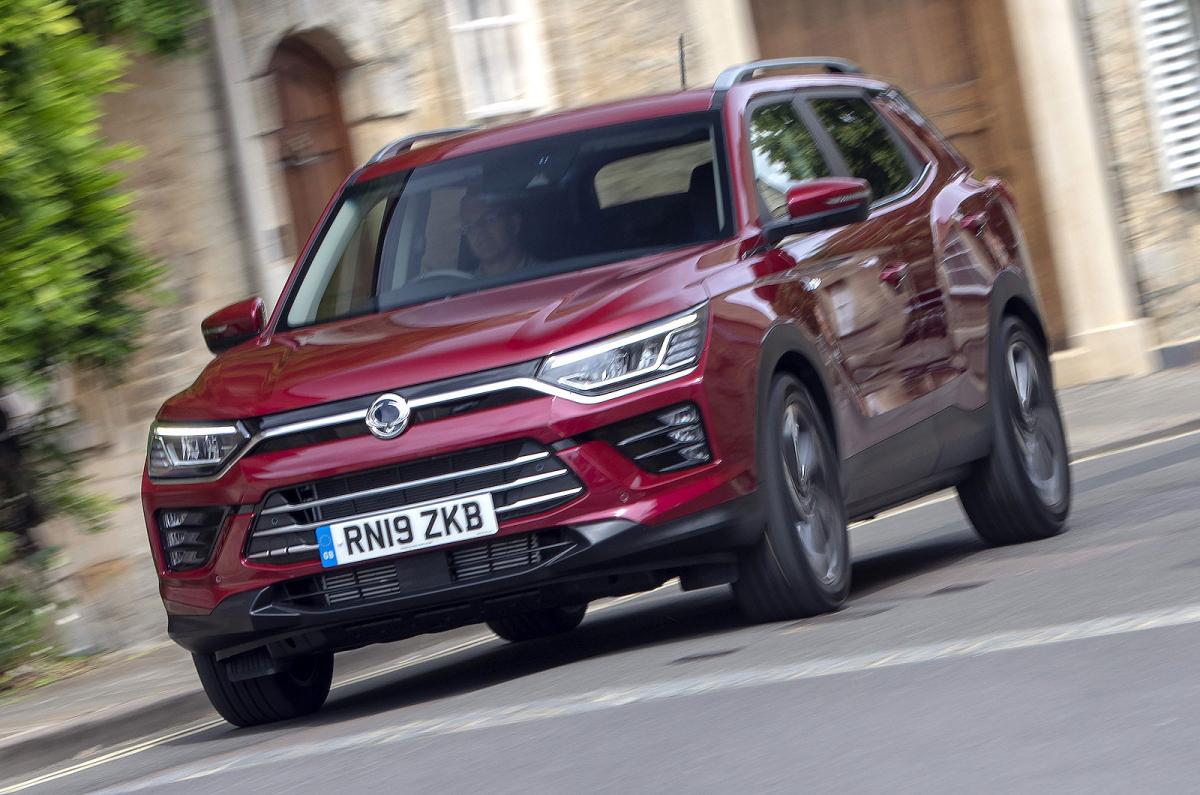
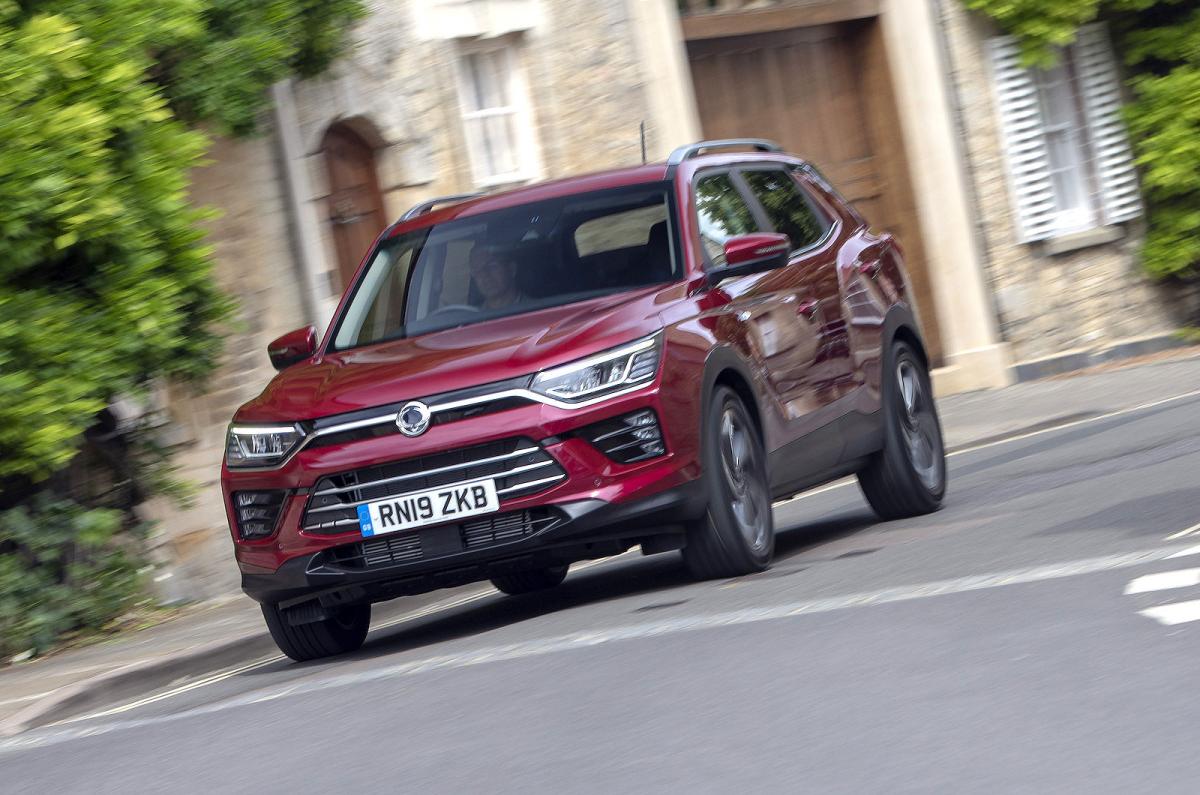
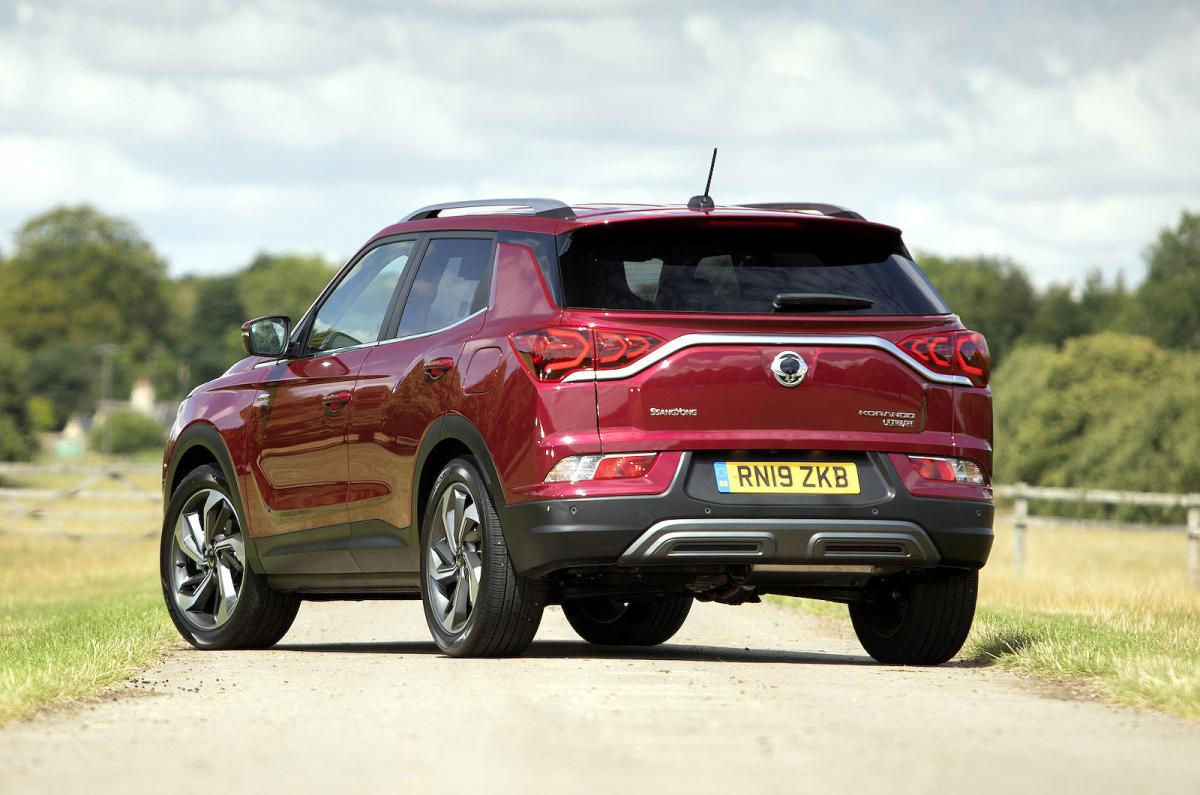
- Ssangyong Korando front cornering
- Ssangyong Korando front cornering
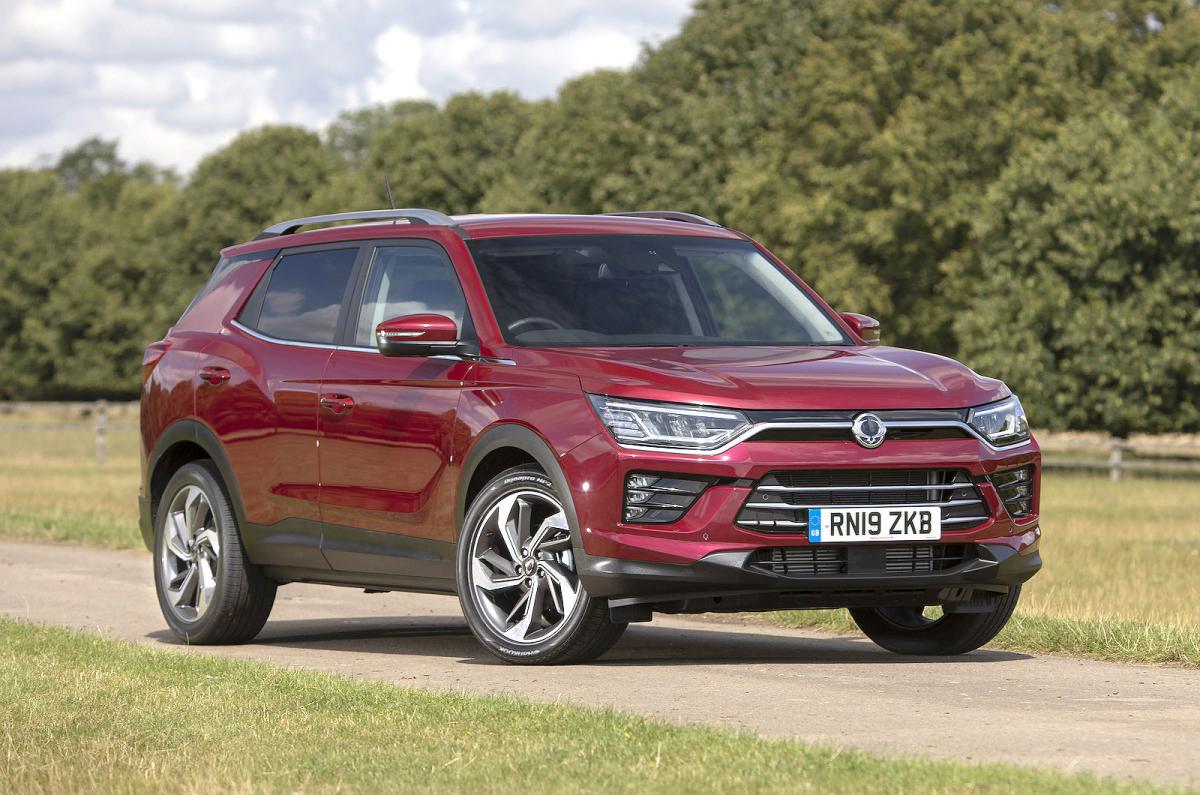
- Ssangyong Korando front right static
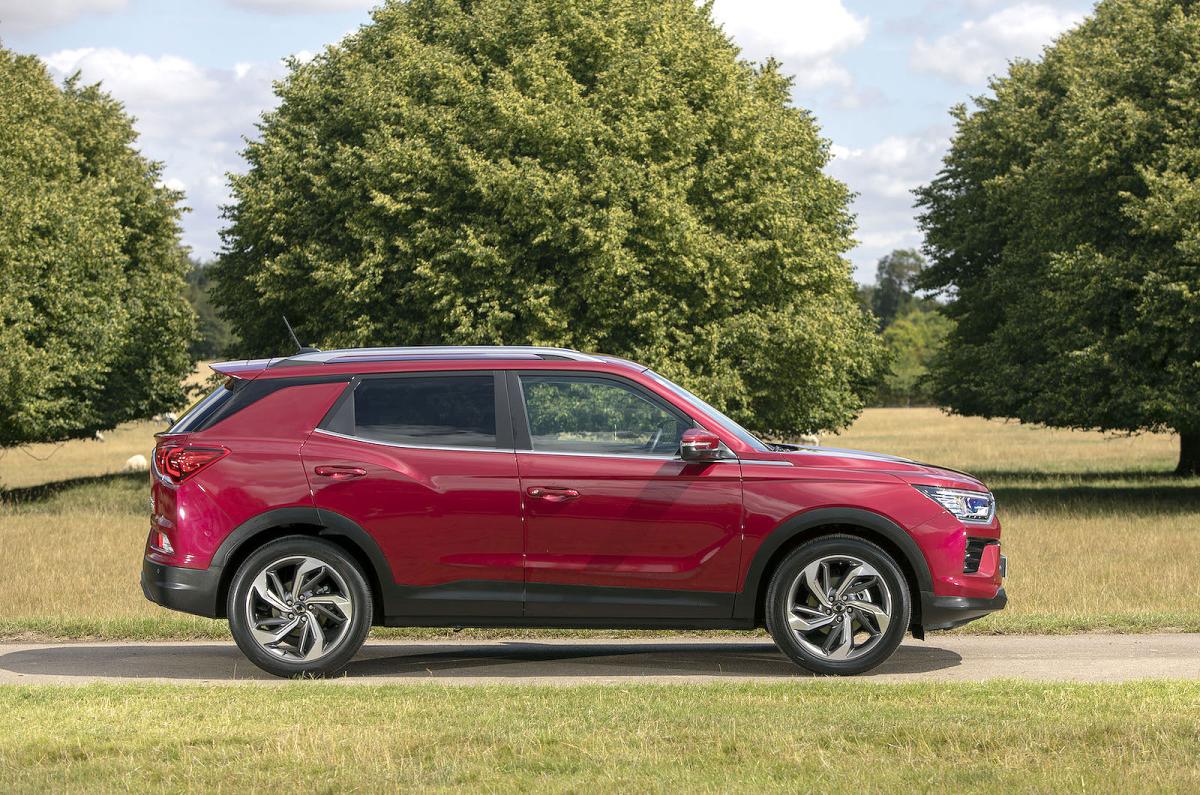
- Ssangyong Korando right static
- Ssangyong Korando rear right static
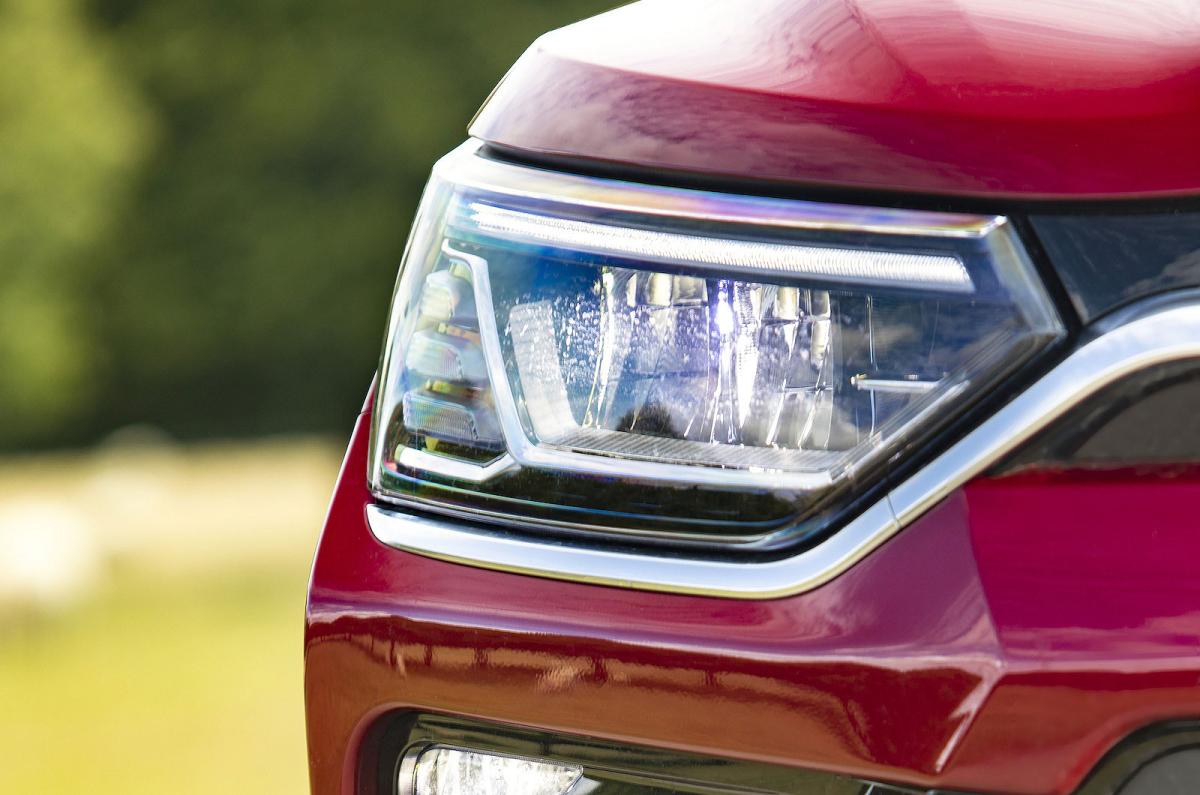
- Ssangyong Korando headlights detail
- Ssangyong Korando badge detail
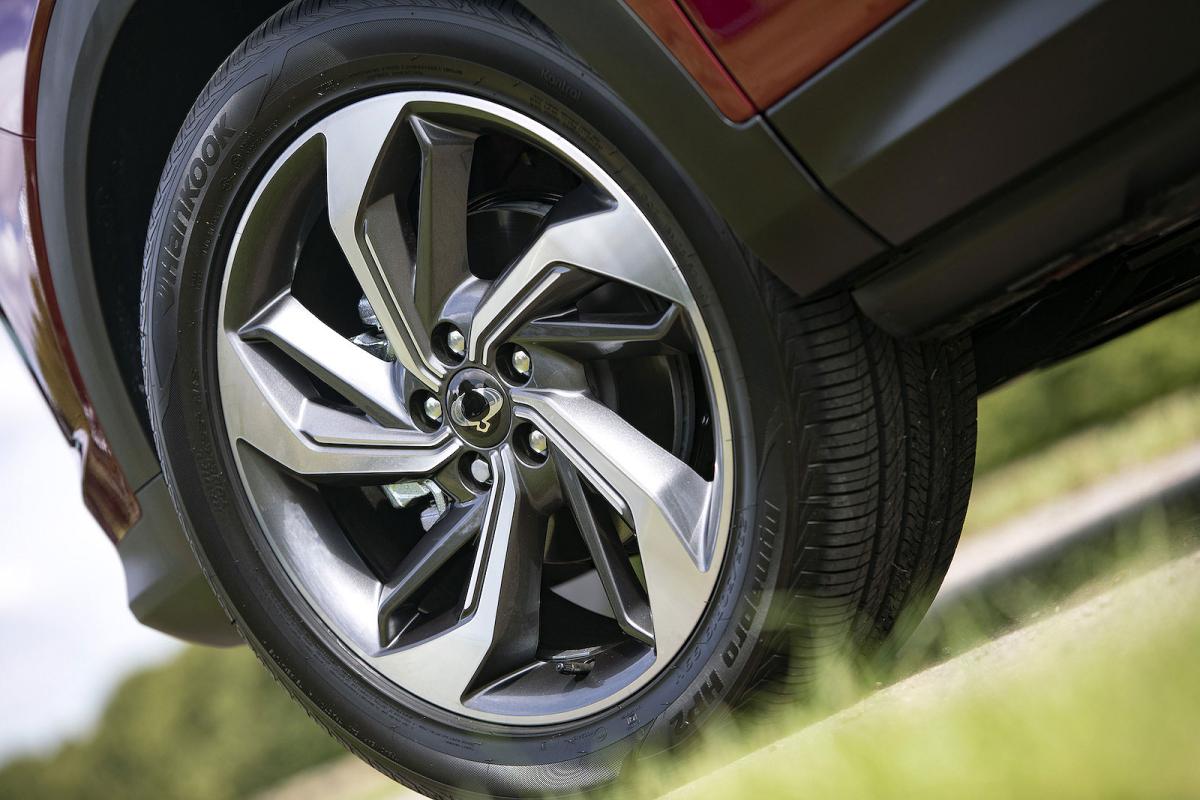
- Ssangyong Korando alloy wheel detail
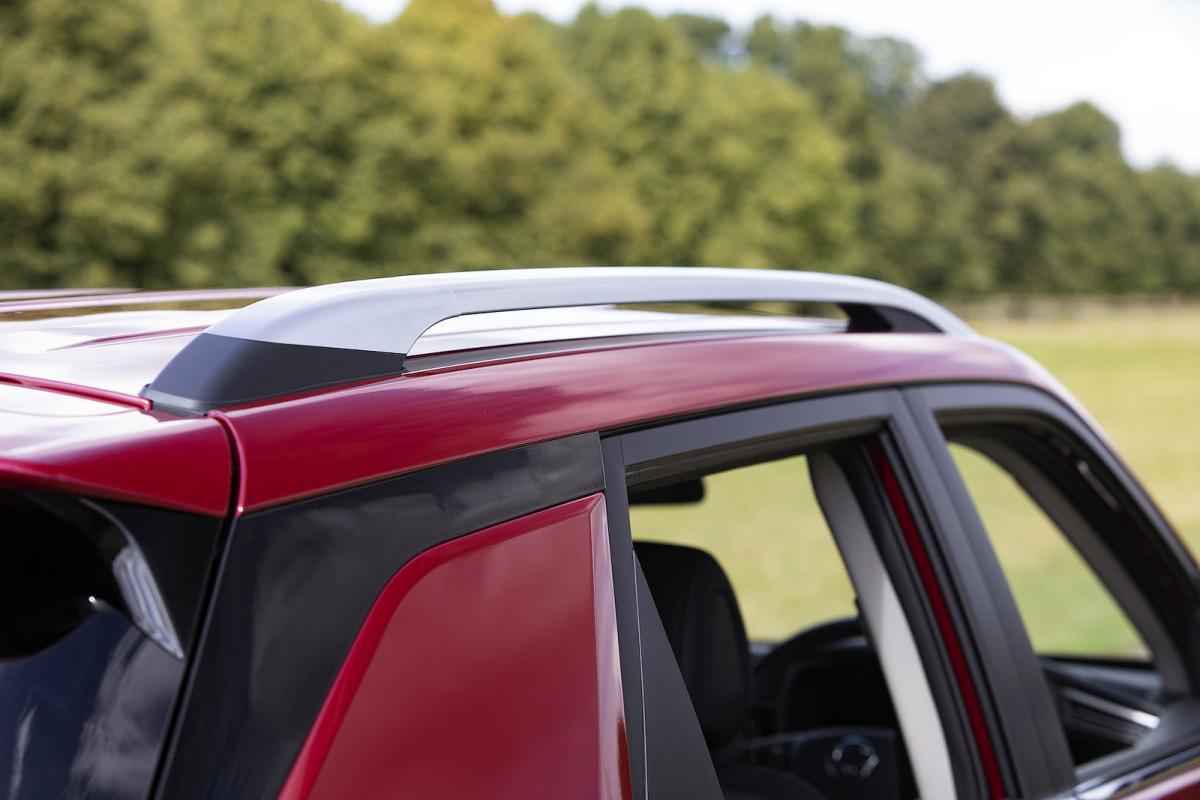
- Ssangyong Korando roof bars detail
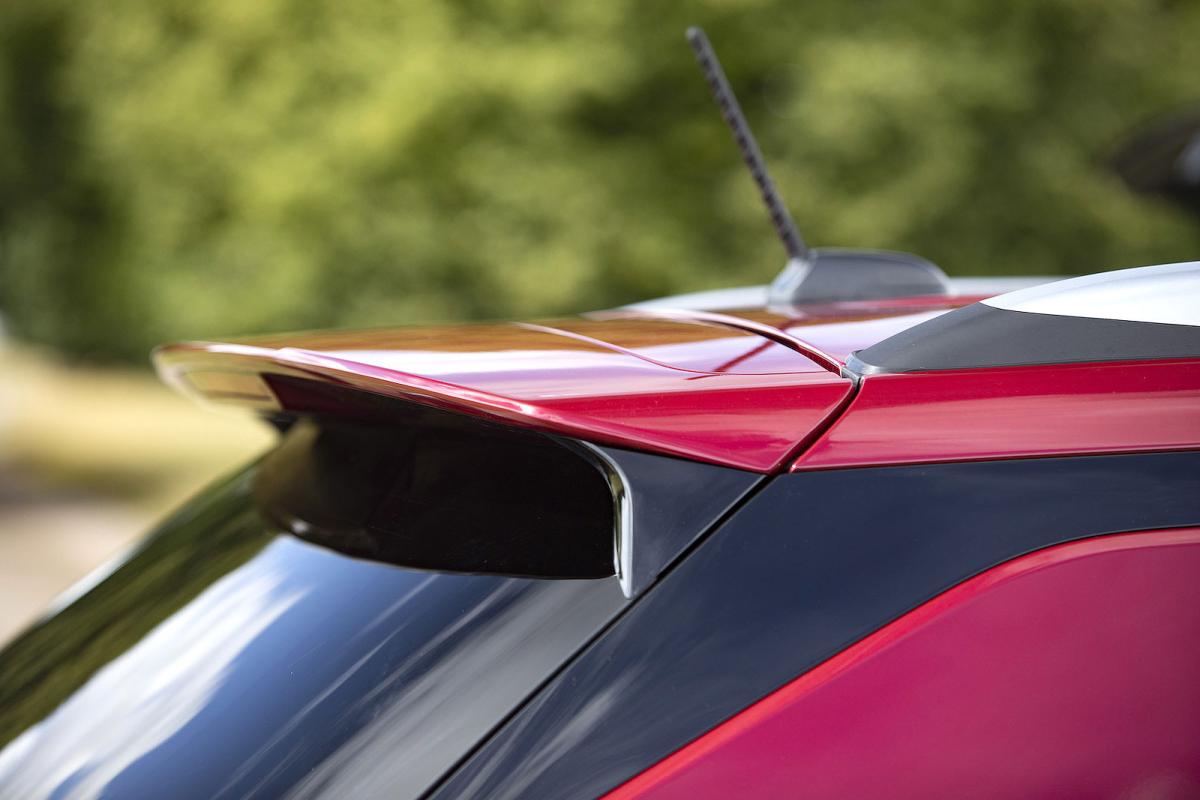
- Ssangyong Korando rear roof detail
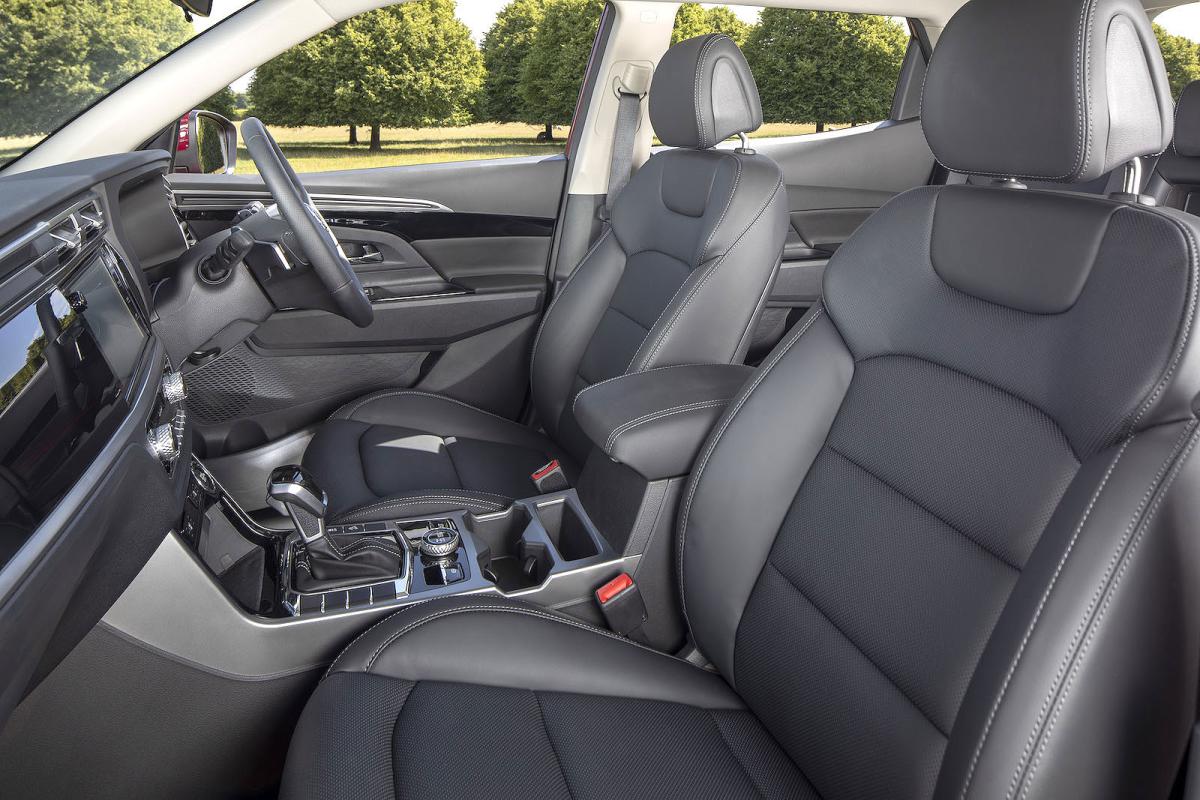
- Ssangyong Korando interior front seats
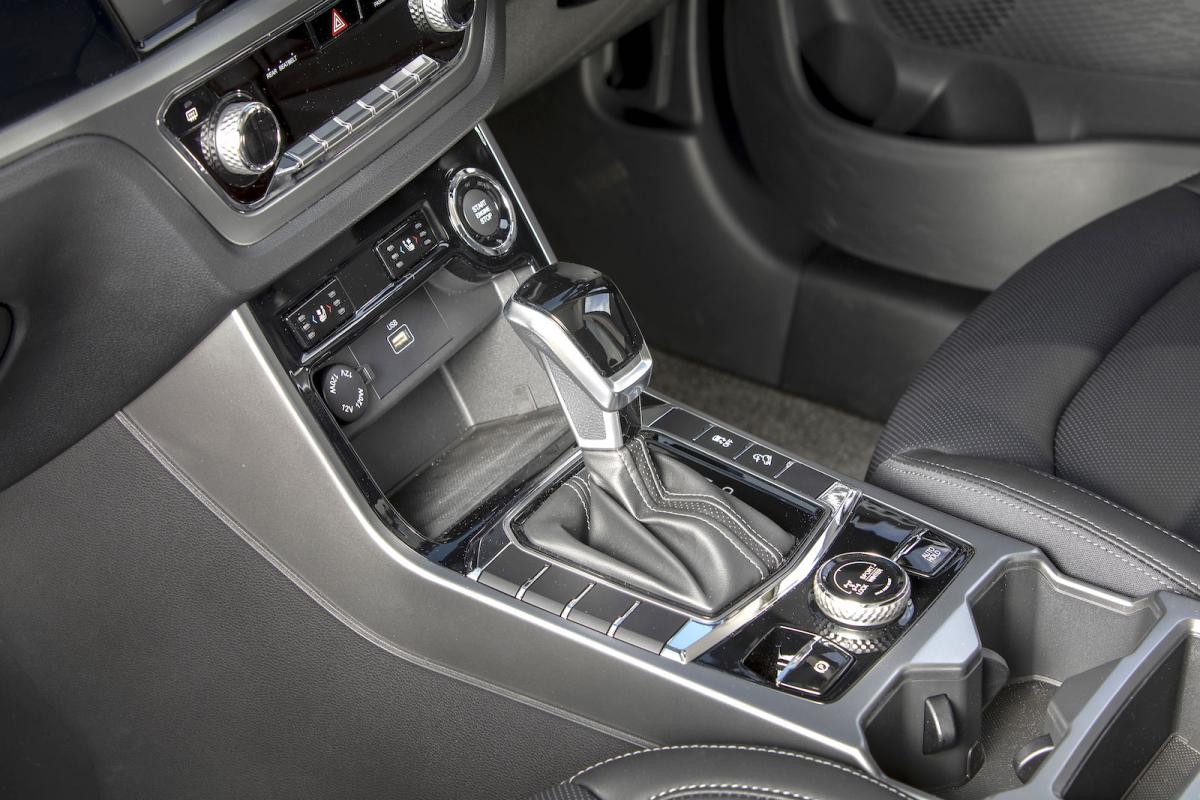
- Ssangyong Korando interior detail
- Ssangyong Korando interior detail
- Ssangyong Korando boot open
- Ssangyong Korando rear right driving
- Ssangyong Korando interior dashboard
- Ssangyong Korando interior back seats
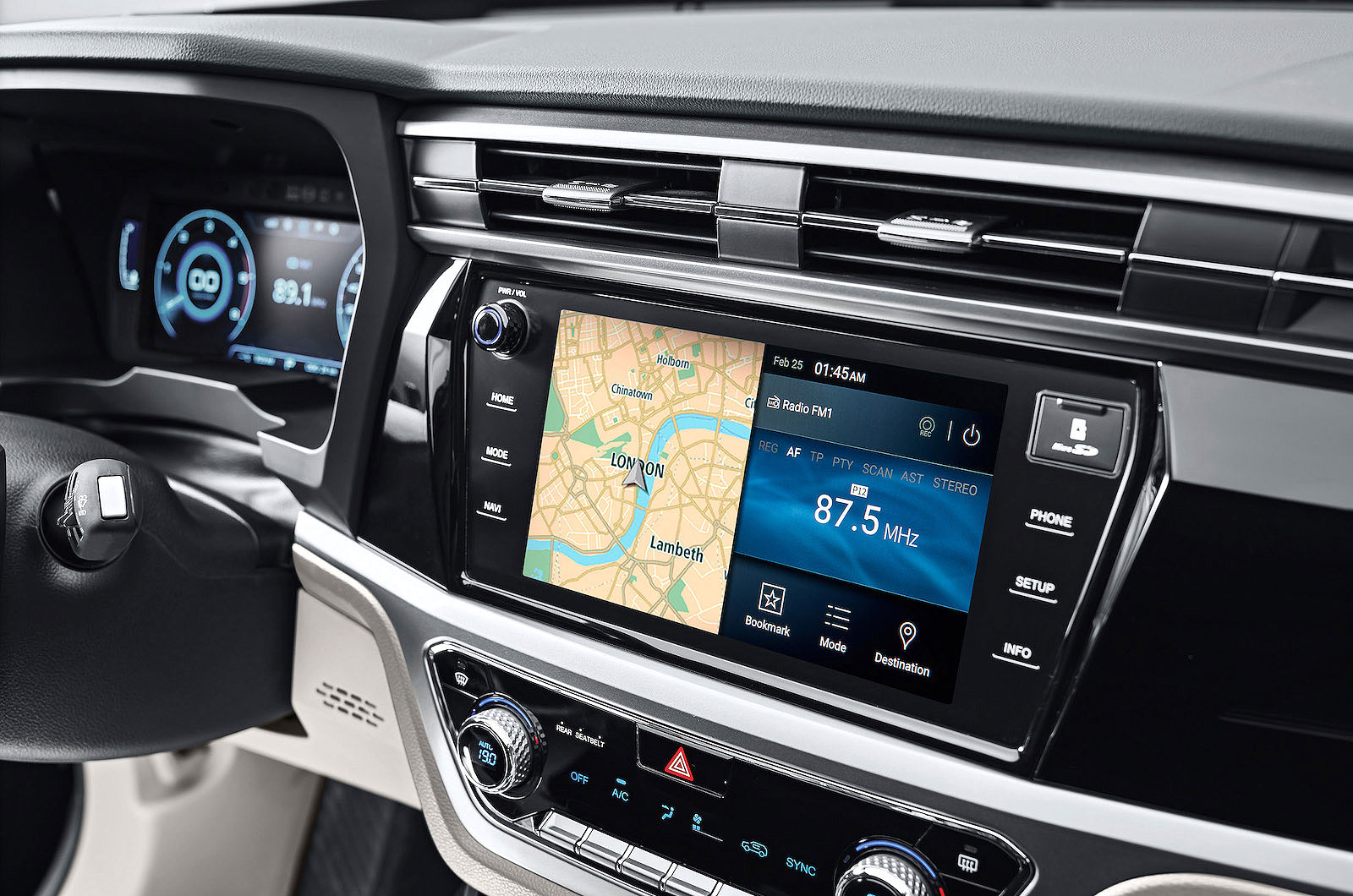
- Ssangyong Korando interior infotainment

Introduction
The Ssanyong Korando – now officially called the KGM Korando – isn’t the best-known car in the family SUV class, but that doesn’t mean you should ignore it when shopping around. Why? Well, for a start, it's competitively priced and comes with a five-year warranty.
The Korando's chief rival is arguably the similarly priced MG HS but it also competes with the slightly more expensive – and very popular – Nissan Qashqai. Potential buyers will probably be considering the sporty Seat Ateca and the practical Skoda Karoq too.
Ssangyong gives you a choice of four trim levels for your Korando and it's available with a petrol or diesel engine (although if you go for a diesel you can only have the range-topping trim). The petrol is available with a manual or automatic gearbox while the diesel is automatic-only.
So, the Ssangyong Korando is an appealing package on paper, but can it match the blend of comfort, versatility and economy that its best rivals offer? That's what we'll tell you over the next few pages of this review.
We've driven all these family SUVs and can tell you how we rate their performance, handing, practicality and more. We'll also tell you which Korando engine and trim combination we recommend if you do buy one.


Pros
- Impressive standard safety equipment
- Very practical
- Cheap starting price
Cons
- Offset driving position
- Higher running costs than rivals
- Lacklustre engine line-up
Performance & drive
What it's like to drive, and how quiet it is
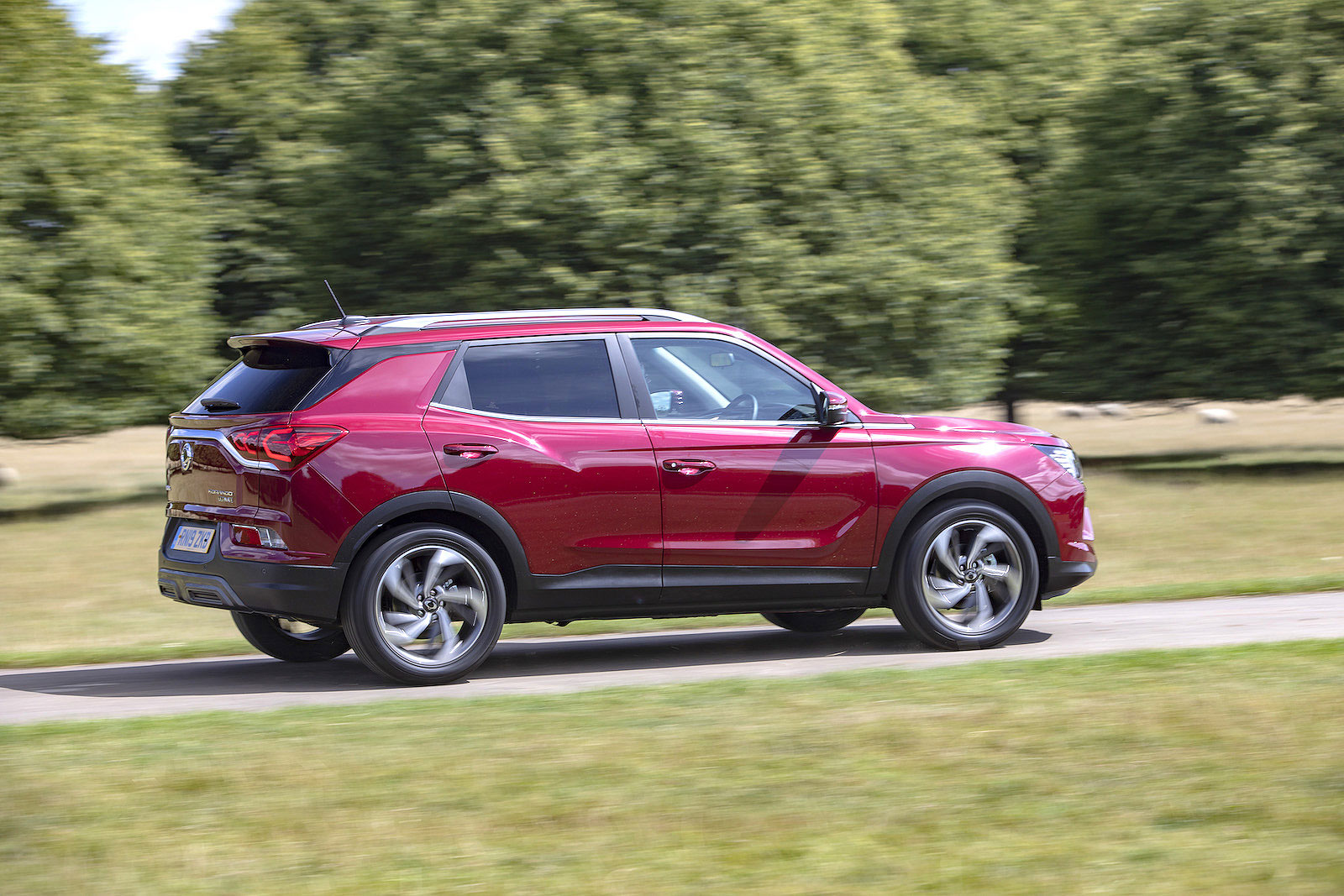
If you opt for the 134bhp 1.6 diesel and six-speed automatic gearbox the KGM/Ssangyong Korando feels reasonably eager and responsive at first, but that impression doesn't last. The 12.0sec 0-60mph time is testament to the fact that it’s not actually that quick flat out compared with a lot of family SUVs. The Skoda Karoq 1.6 TDI 115 is quite a bit punchier, for example.
While straight-line pace leaves you wanting, it’s gutsy, with enough muscle to tow up to two tonnes as long as you’re not in a hurry. It’s also impressively smooth for a diesel and keeps you largely free from intrusive vibrations inside, making it the most useful engine in the range.
The 161bhp 1.5 GDI-Turbo petrol engine is similarly lethargic. Yes, it will get you up to motorway speeds, but doing so takes a little while and you have to plant your foot firmly on the accelerator before it really comes to life. The engine generates a fair bit of noise when you do so as well.
The Seat Ateca and the Karoq offer a wider range of significantly more impressive petrol engines, most of which are much quicker than the Korando’s offering. The automatic gearbox makes it slower still.
Steering is light and a bit numb but it's fairly responsive and accurate. The relatively firm suspension gives it decent poise and control through corners. It’s still some way off delivering the kind of driver enjoyment you’ll find in the Ateca, which is one of the sharpest family SUVs to drive.
Most rivals – including the MG HS and even the sporty Ateca – ride better than the Korando. It's not uncomfortable, but on patchy surfaces, small bumps cause it to pitch and fidget, and all the jostling gets tiresome after a while. Adding bigger 19in wheels makes matters worse. It does settle down at a motorway cruise, but the Karoq is more more pleasant.
Tips & Advice
Interior
The interior layout, fit and finish
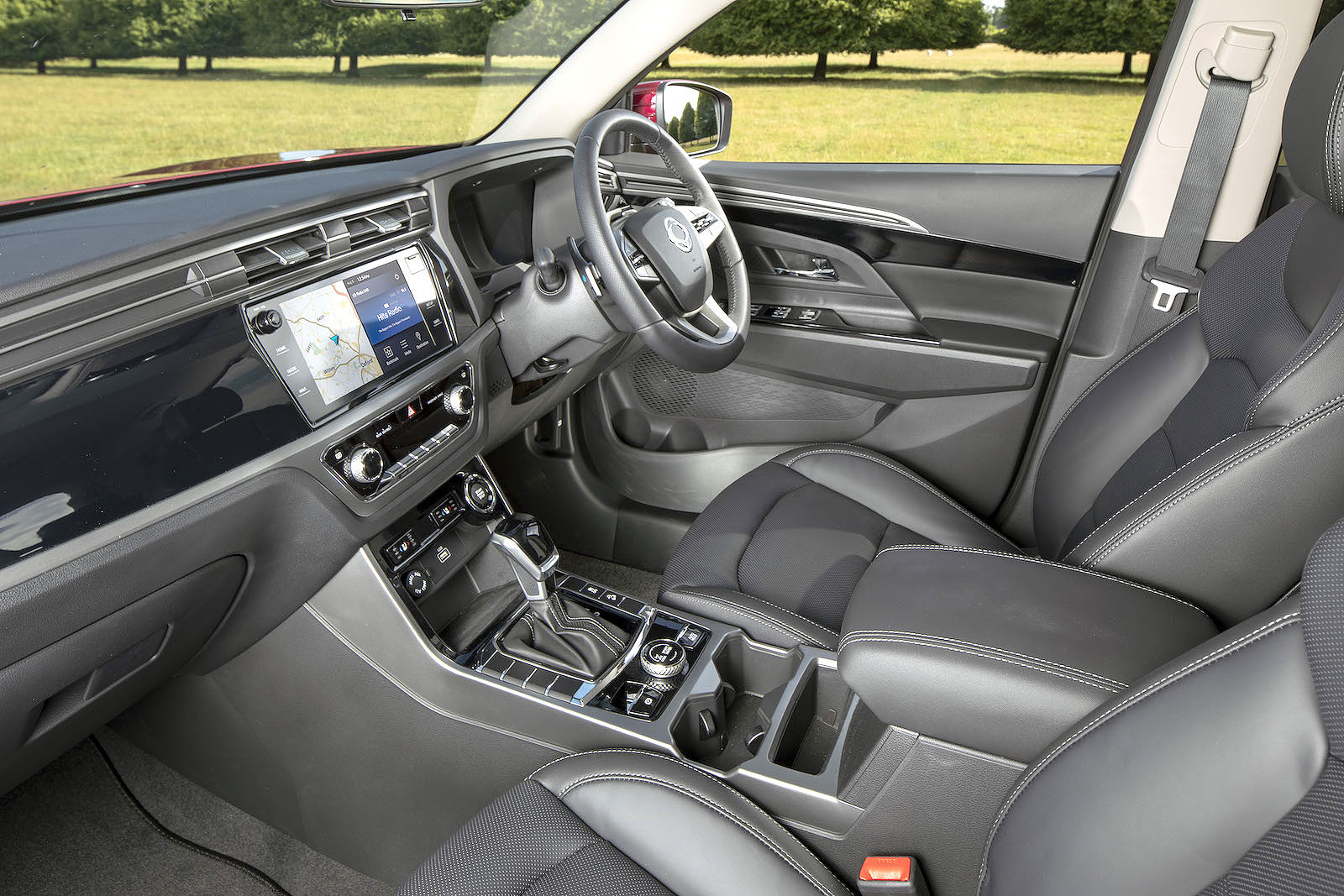
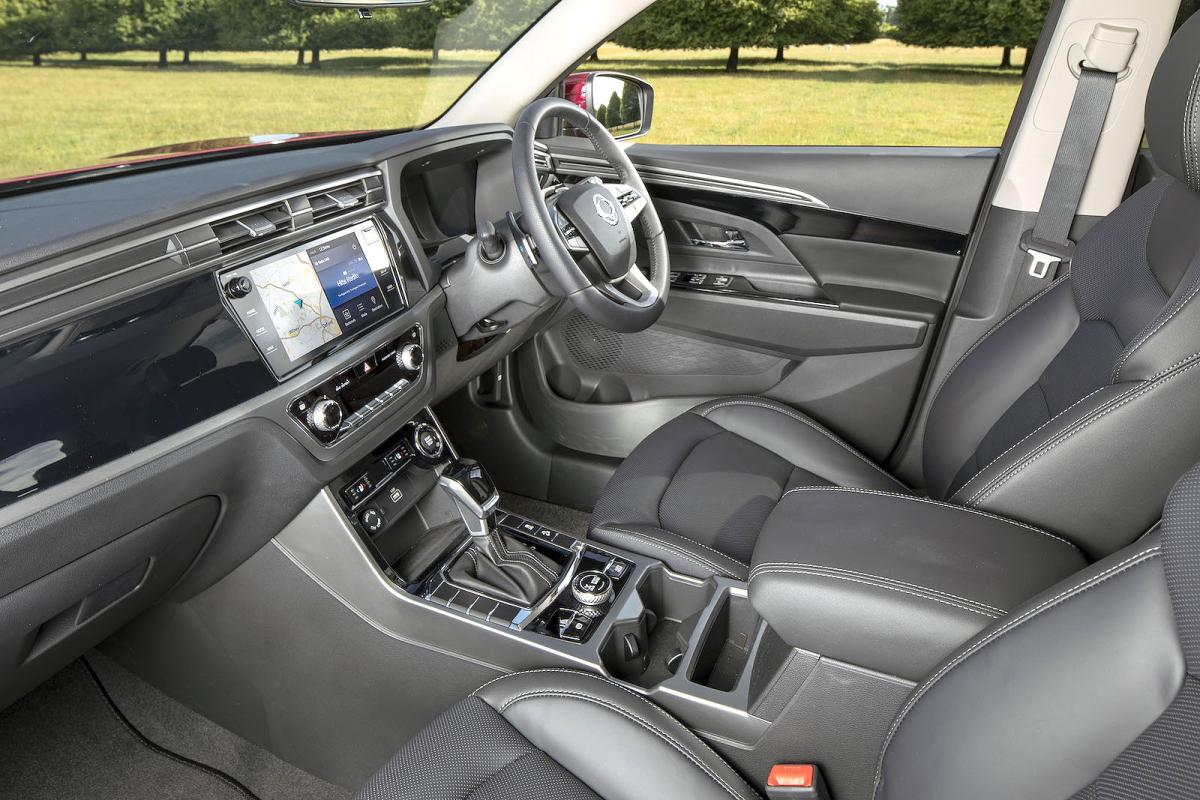
The driving position in the KGM/Ssangyong Korando is a bit of a mixed bag. The steering wheel is noticeably offset to the left and only adjusts for height, while adjustable lumbar support for the driver's seat is reserved for the top trim level. The Nissan Qashqai, the Seat Ateca and the Skoda Karoq are all more comfy.
You sit fairly high up and the bonnet line is fairly low so you have a good forward view, but your vision to the rear is obstructed because of large blind-spots on either side. It’s worth opting for the mid-range Ventura trim level or above to get rear parking sensors and a rear-view camera, which make manoeuvring easier.
Ventura and Ultimate trims get a 10.3in customisable digital instrument cluster behind the steering wheel. You can set it to display information such as navigation instructions or music track listings, as well as the usual driving info.
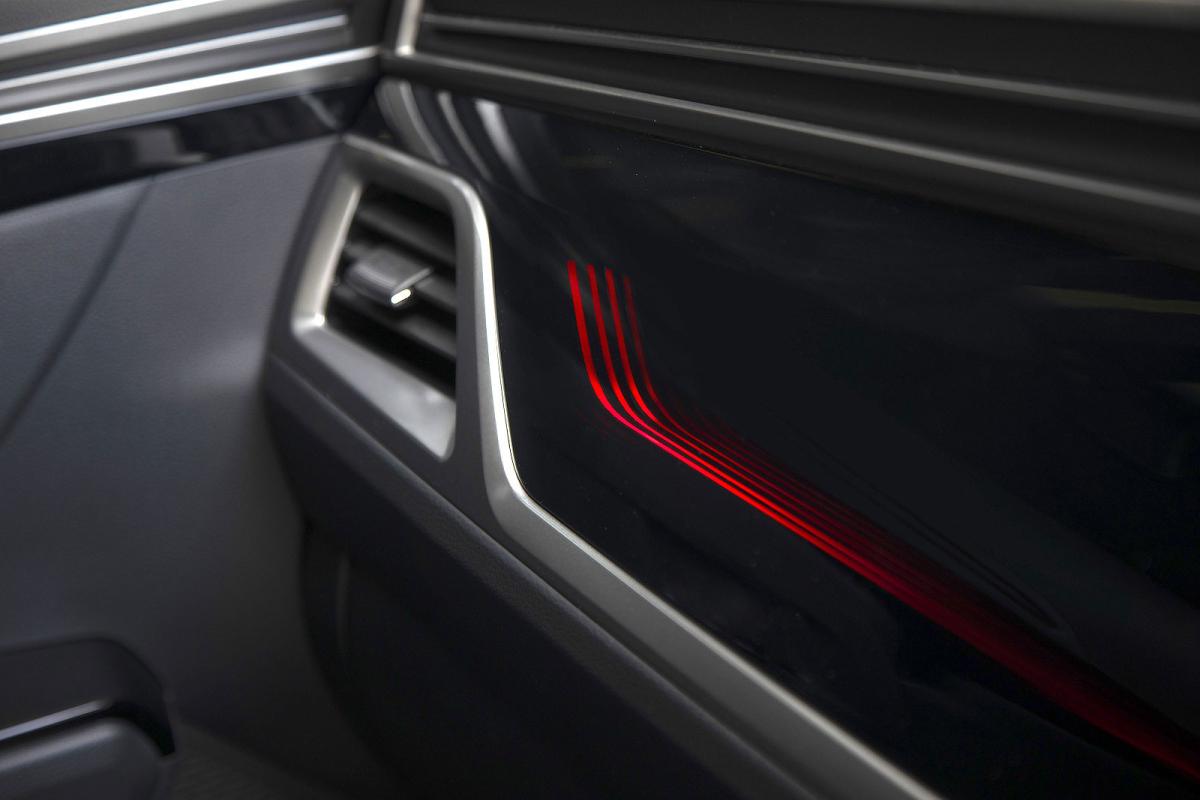
Interior build quality is generally good but doesn’t match the best in the class, with some harder plastics to be found if you look for them. The leather seats of top-of-the-range Ultimate do add a classy ambience though, and prominent areas are finished with soft-touch surfaces. For example, the centrepiece of the dashboard is a large gloss-black plastic panel with chrome-coloured accents.
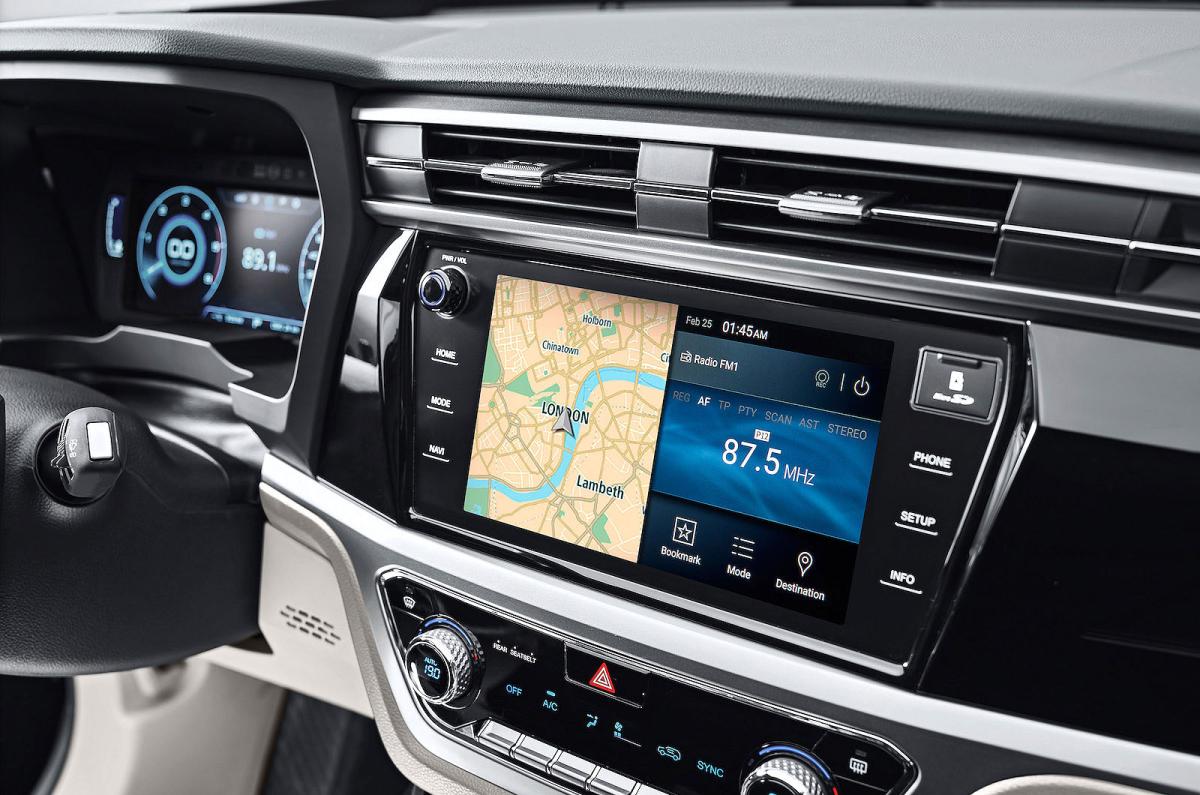
The infotainment controls are mounted high up so you don’t have to take your eyes too far from the road to use them. There’s also a USB-equipped cubby for your phone below the climate controls.
Entry-level ELX trim gives you a measly 4.0in LCD infotainment display for the DAB radio and Bluetooth functions, while Ventura and Pioneer trims get a 8.0in touchscreen system. The 8.0in screen has slick graphics and the software is quick to respond, with Android Auto and Apple CarPlay smartphone mirroring included as standard. Top-spec Ultimate models get a 9.0in screen with sat-nav.
Passenger & boot space
How it copes with people and clutter
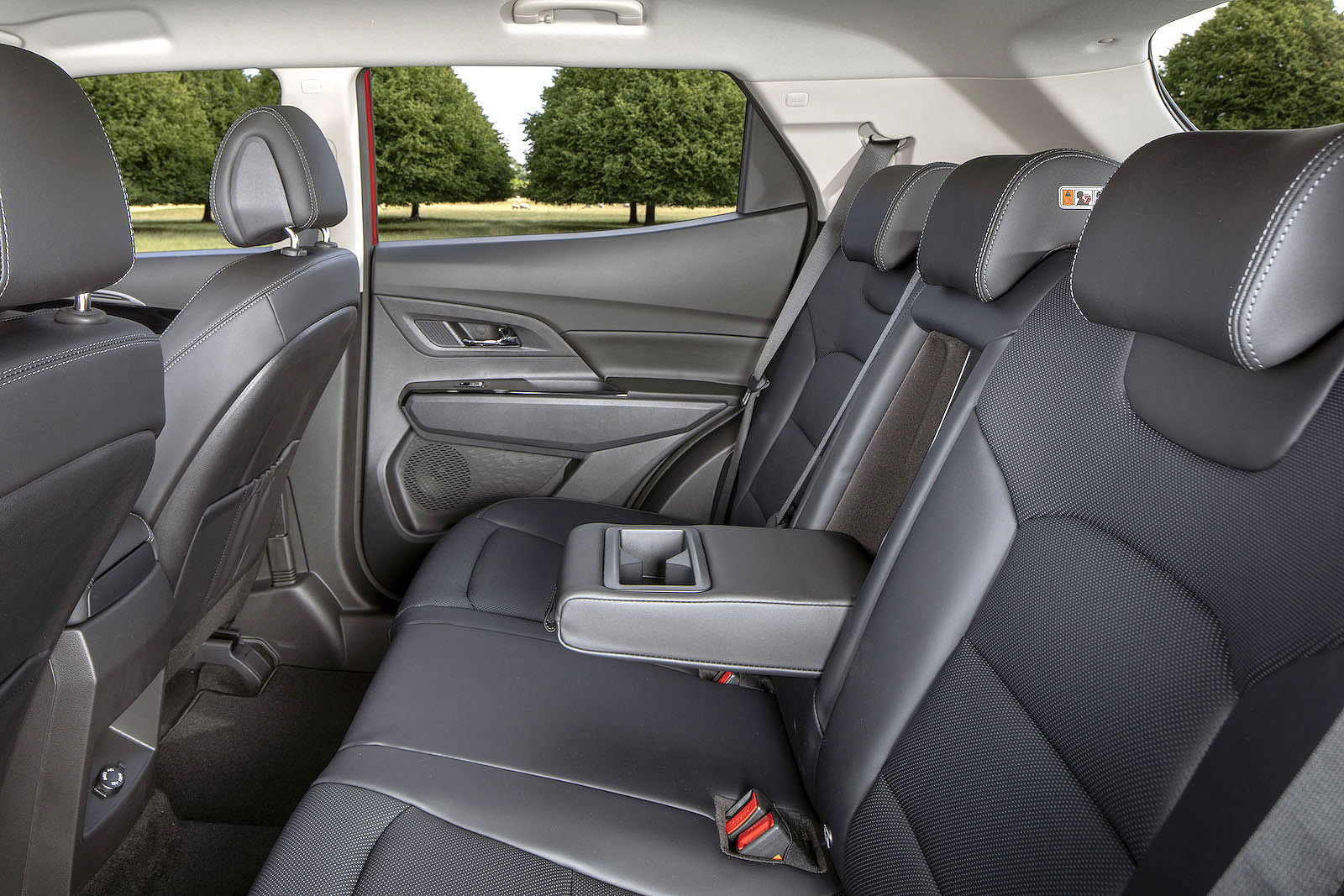
The dimensions of the KGM/Ssangyong Korando make it bigger than the Skoda Karoq and it does impress in the practicality stakes. Up front there’s plenty of room all round to fit in tall adults easily.
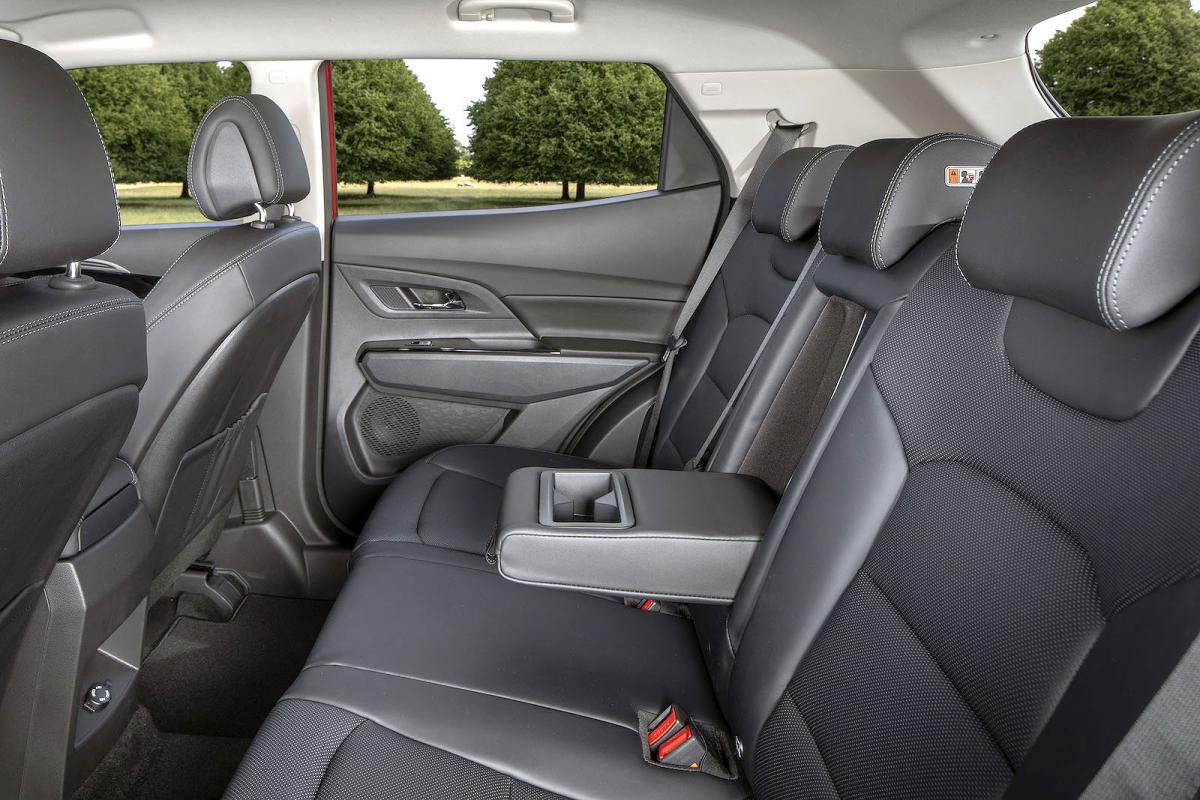
Head and leg room are impressive for passengers in the back too, and there’s enough room for three adults to sit side by side without much clashing of elbows. There’s also a flat floor, which means the middle passenger isn’t forced to straddle a hump as they do in some family SUVs.
A smattering of useful storage areas add to the Korando’s practicality, with a deep storage area under the armrest between the front seats and a pair of cupholders behind the gear selector. The door pockets are a reasonable size and there are cupholders in the rear armrest too.
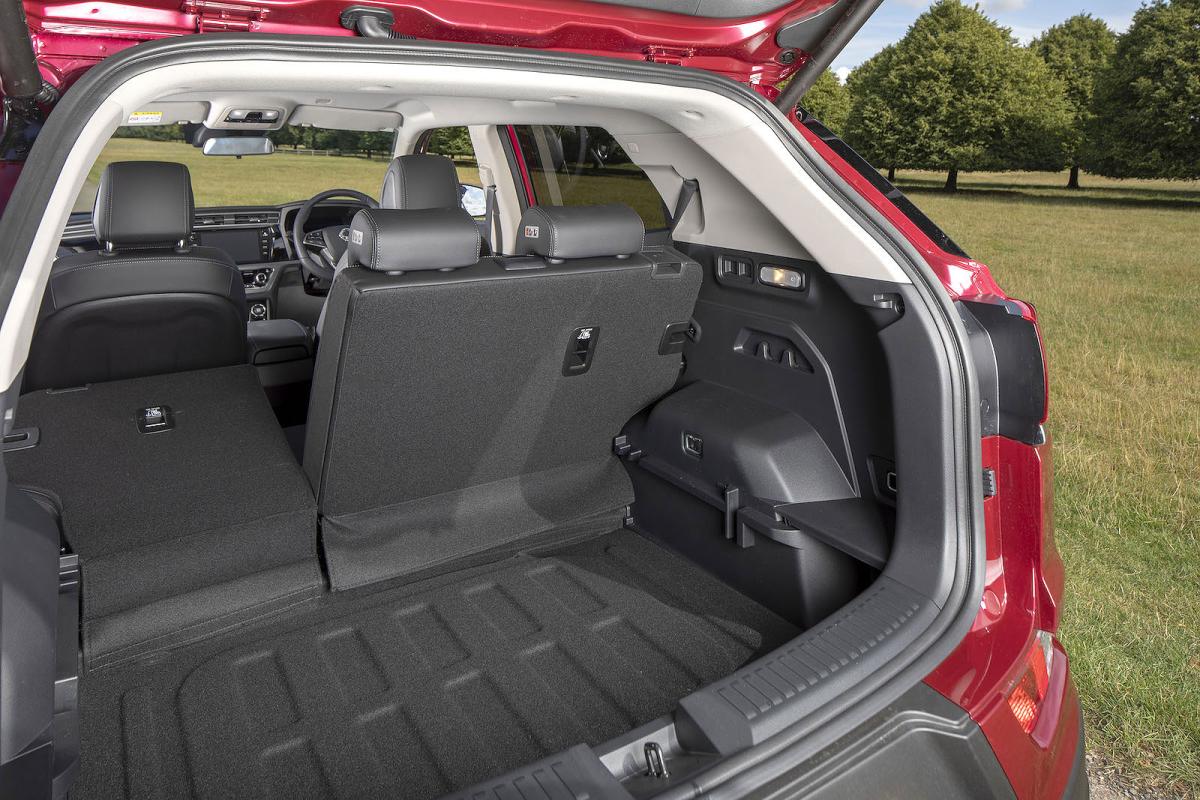
The Korando's boot size – at 551 litres – trounces the MG HS and Nissan Qashqai. It even pips the Skoda Karoq for official luggage space. There's a height-adjustable boot floor that eliminates any load lip, which is helpful when you’re lugging heavier items in or out.
The back seats can be folded flat to create an even bigger area that should accommodate any flatpack furniture. They split in a 60/40 configuration, so they're not as versatile as the 40/20/40 split of the rear seats in the Karoq, which can even be removed altogether.
Tips & Advice
Buying & owning
Everyday costs, plus how reliable and safe it is
The entry-level pricing for the Ssangyong Korando starts off low, but rises through the trim levels and the price quickly ramps up. You can check the latest prices and compare them with rivals' on our New Car Deals pages.
While some versions of the Korando are cheap to buy, it’s not an especially thrifty car to run. When paired with the manual gearbox, the petrol engine’s 172g/km CO2 emissions and combined 37mpg (WLTP) are not as good as many of its rivals’ equivalent engines, leading to a higher benefit-in-kind (BIK) tax bracket for company car users and worse fuel economy.
Ways to buy
Entry-level ELX models come with air-con, 17in alloy wheels, automatic lights and wipers, power-folding door mirrors, front and rear electric windows and cruise control. That’s a decent tally for the money.
Ventura trim adds 18in alloys wheels, part-faux leather upholstery, touchscreen infotainment and parking sensor upgrades. It makes the most sense when balancing costs and kit.
The top-spec Ultimate gets all the bells and whistles, including leather upholstery, keyless entry and start, a heated steering wheel, heated front seats, privacy glass and climate control. It’s expensive, though.
Ssangyong wasn’t included in the 2022 What Car? Reliability Survey but every Korando comes with a five-year warranty. That’s more than the three years you get with the Seat Ateca, the Skoda Karoq and the Nissan Qashqai but you get seven years with the Kia Sportage and the MG HS.
A raft of safety systems come as standard, including auto emergency braking (AEB), lane-departure warning and lane-keeping assistance. They helped the Korando achieve the full five-star safety rating from experts Euro NCAP (the rival family SUVs scored five stars too).
For all the latest reviews, advice and new car deals, sign up to the What Car? newsletter here
Tips & Advice
FAQs
KGM Korando specifications
RRP price range
MPG range across all versions
Available fuel types (which is best for you? )
Available colours
Number of engines (see all)
Number of trims (see all)

About the writer