How Nissan transformed its Sunderland factory
With the number of brands selling cars in the UK growing all the time, and many of them hailing from overseas, it’s easy to forget just how many cars are still built on our shores. Actually, the list of UK- built cars is a long one, and one that includes many that belong to foreign brands.
In fact, car production remains very important to the UK economy, accounting for one million jobs. Although production figures have dropped for the past three years, 717,371 cars rolled off UK production lines in 2025, and that figure could rise significantly for 2026 with the arrival of some significant new models.
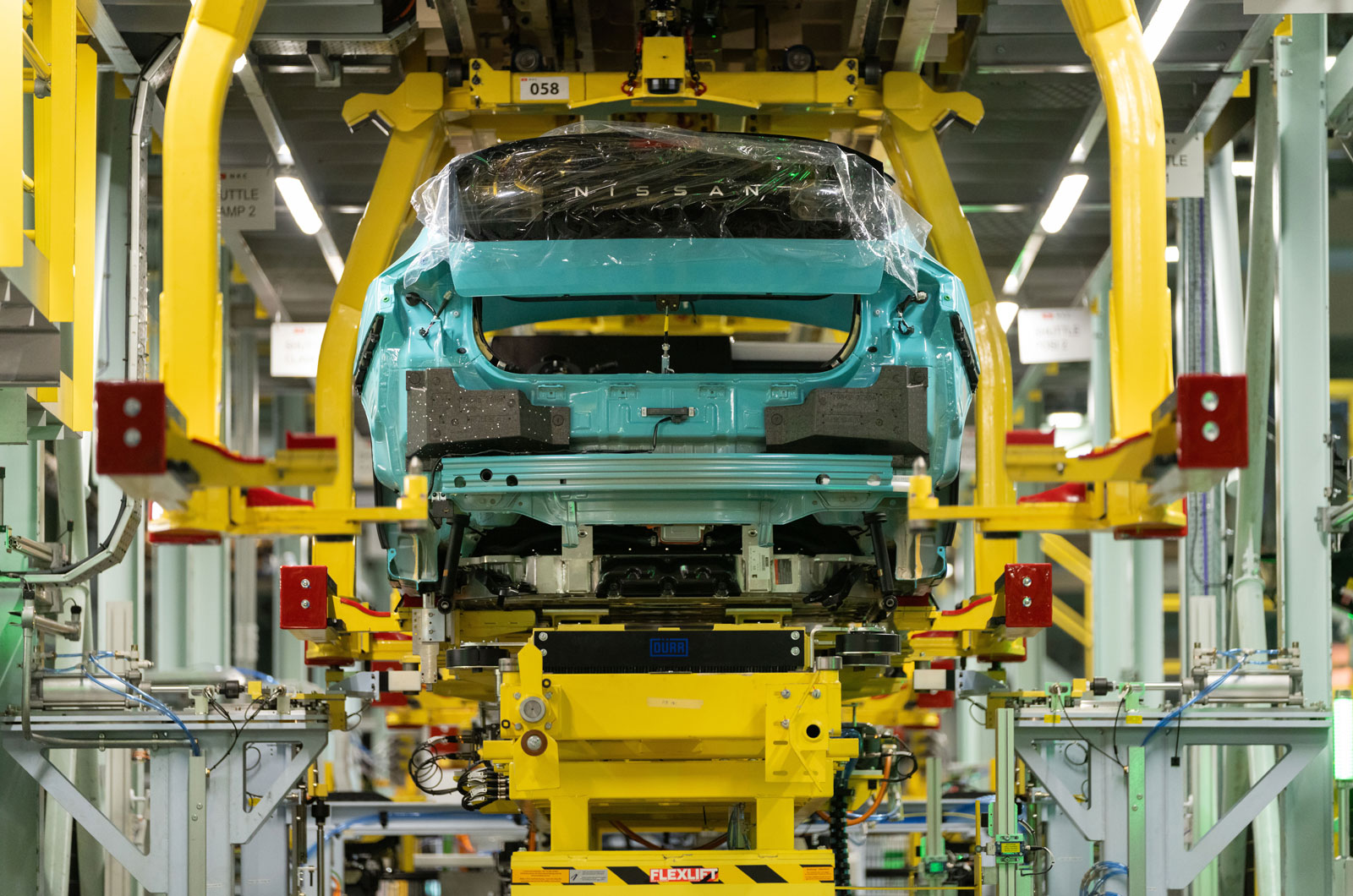
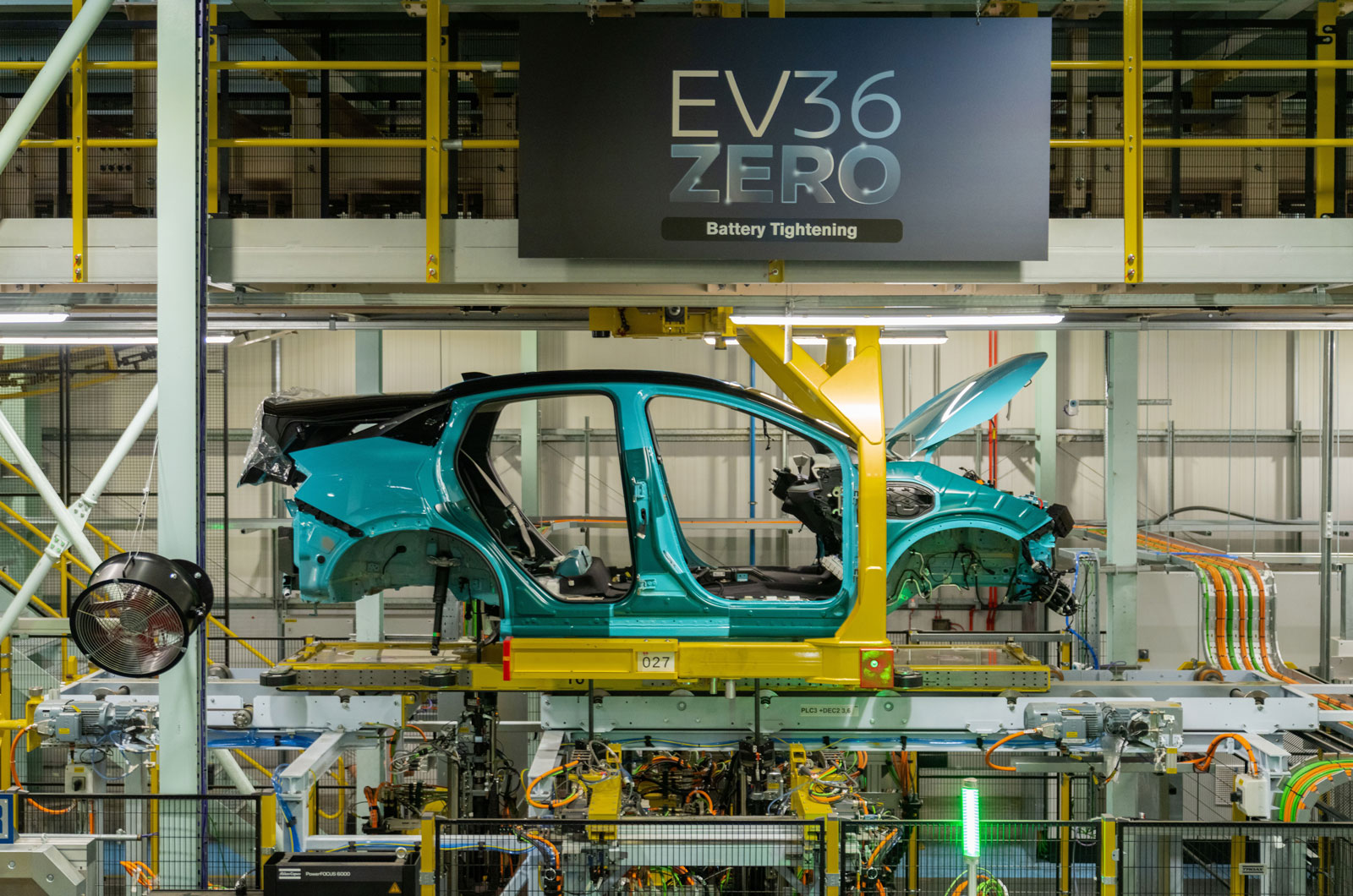
For example, at the end of last year, Nissan’s Sunderland factory began production of the third generation of its Leaf electric vehicle (EV), which is now a small SUV rather than a hatchback. That model will be joined by a new electric version of the smaller Juke SUV later this year.
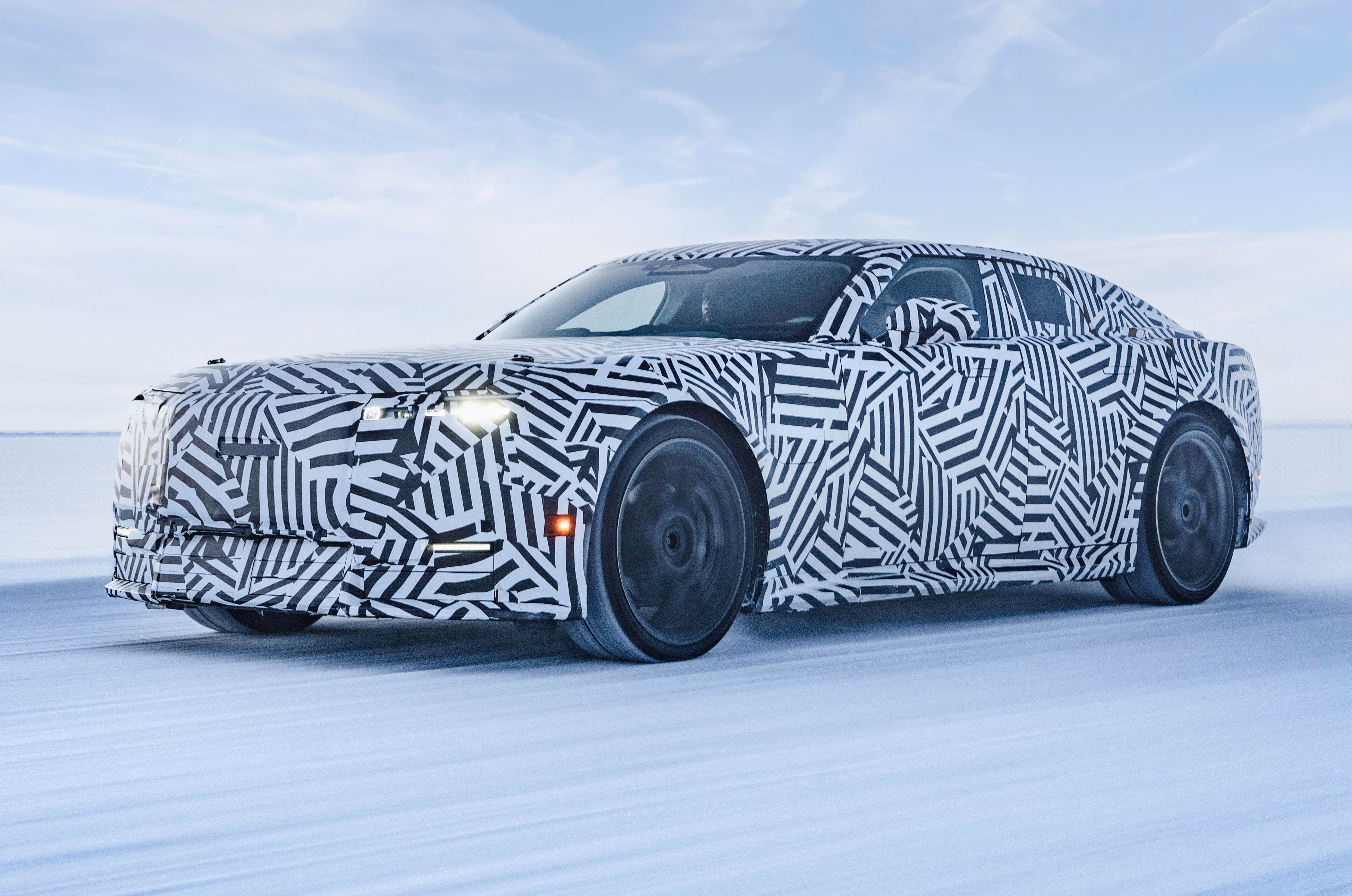
Jaguar Land Rover (JLR) is another big investor. An electric version of the full-sized Range Rover will be built in the UK from this summer, with an electric Velar rumoured to be coming before the end of 2026. Meanwhile, the relaunch of Jaguar will kick off with its GT luxury coupé entering production.


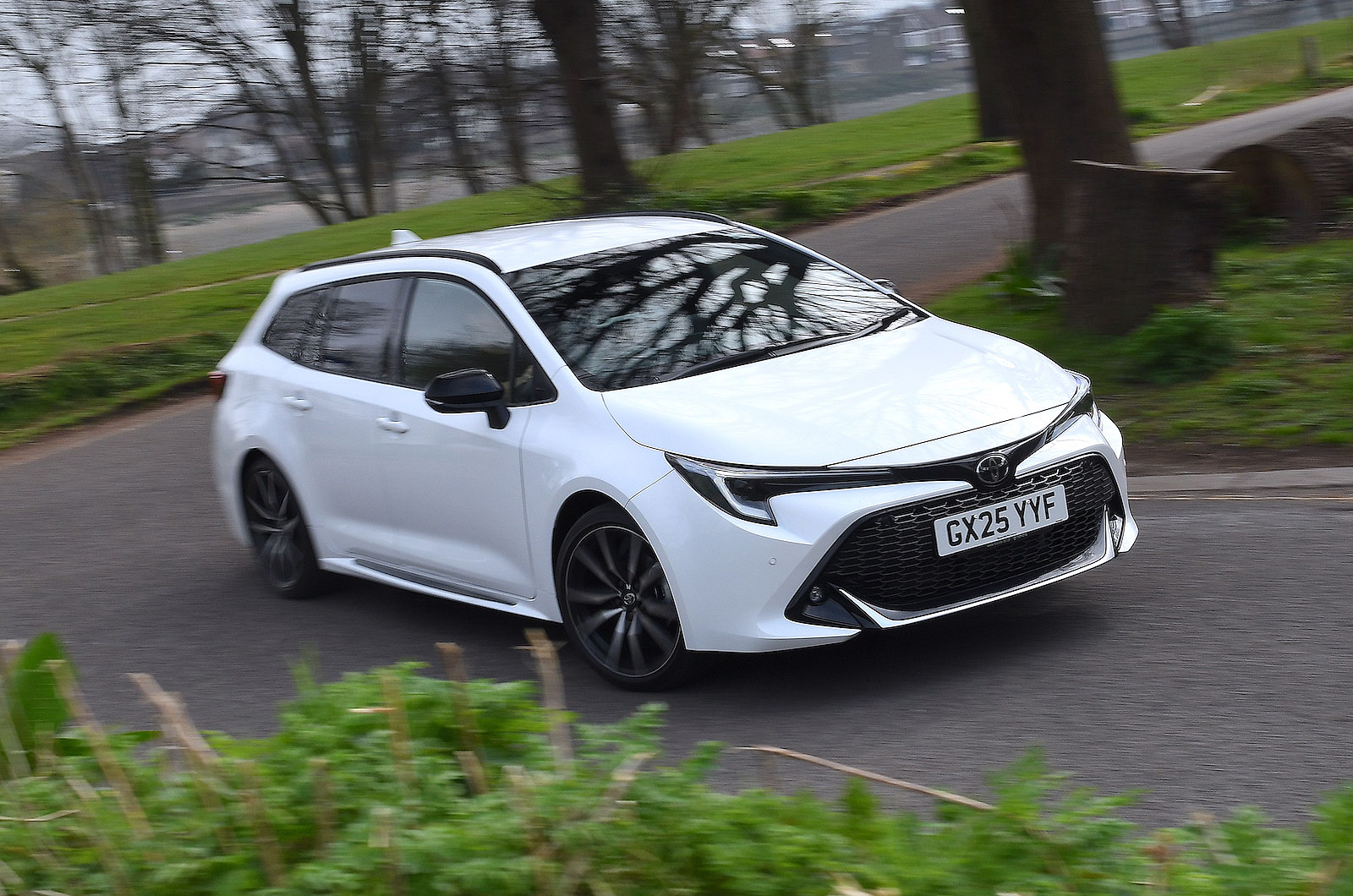
Other household names that are still produced in the UK include three out of the four Mini Cooper variants and the hatchback and estate versions of the Toyota Corolla.
Nissan, though, tops the list when it comes to sheer UK production volume. It built 273,087 cars in 2025, of which 172,641 were Qashqai family SUVs and 100,5446 were Jukes. Its factory in Sunderland is the UK’s largest car-making facility, employing 6000 people in-house, with 30,000 more when
you take supply chains into account.
The importance of the 39-year-old factory was emphasised by its trim and production manager, Andy Robinson, who said: “From the first Bluebird in 1986, to the Qashqai, Juke and now the all-new Leaf, the Sunderland factory has been the beating heart of Nissan’s European operations for almost four decades.”
In that time, nearly 12 million cars have been built at the site. On average, that means one car drives off the production line every two minutes, 24 hours a day.
The Japanese car maker has invested £500 million in a comprehensive upgrade of this factory so it can produce the new Leaf and Juke EV on the same production line as the Qashqai and petrol versions of the Juke. Doing so is a first for Nissan, and its UK factory serves as a proof of concept for other sites around the world.
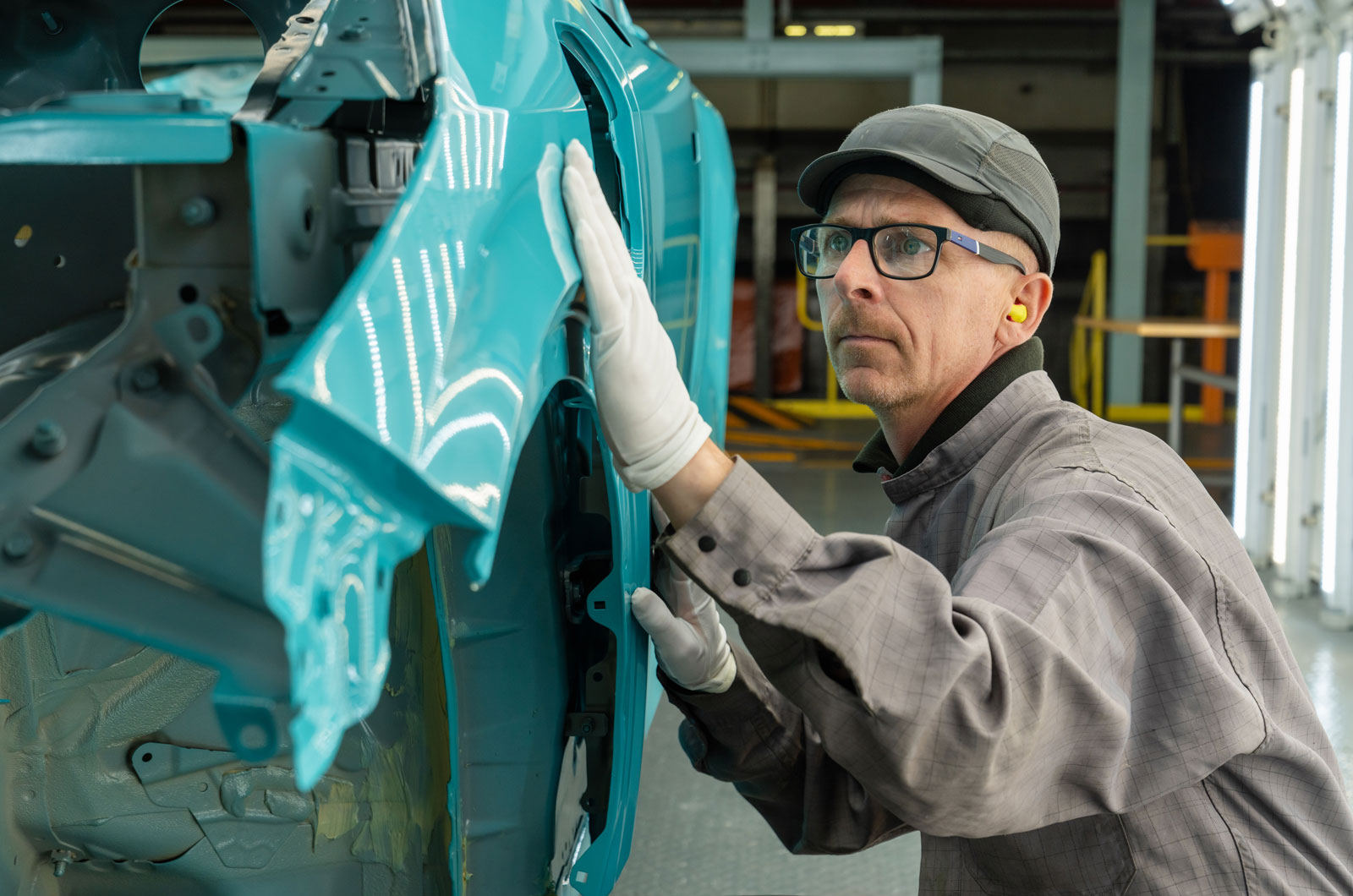
The transformation includes 141 new press dies in the body shop to produce body and bumper panels for the new models, along with the installation of 78 new robots and an automated battery marriage system that fits high-voltage batteries into EVs on the production line.
A digital transformation has also taken place to underpin all the new technology. Hundreds of new automated vehicles scuttle around the factory floor as they deliver parts to the various points along the production line. Computers monitor the exact specifications of every vehicle on every part of the line at any time and arrange for their parts to be delivered to the correct locations as they pass.
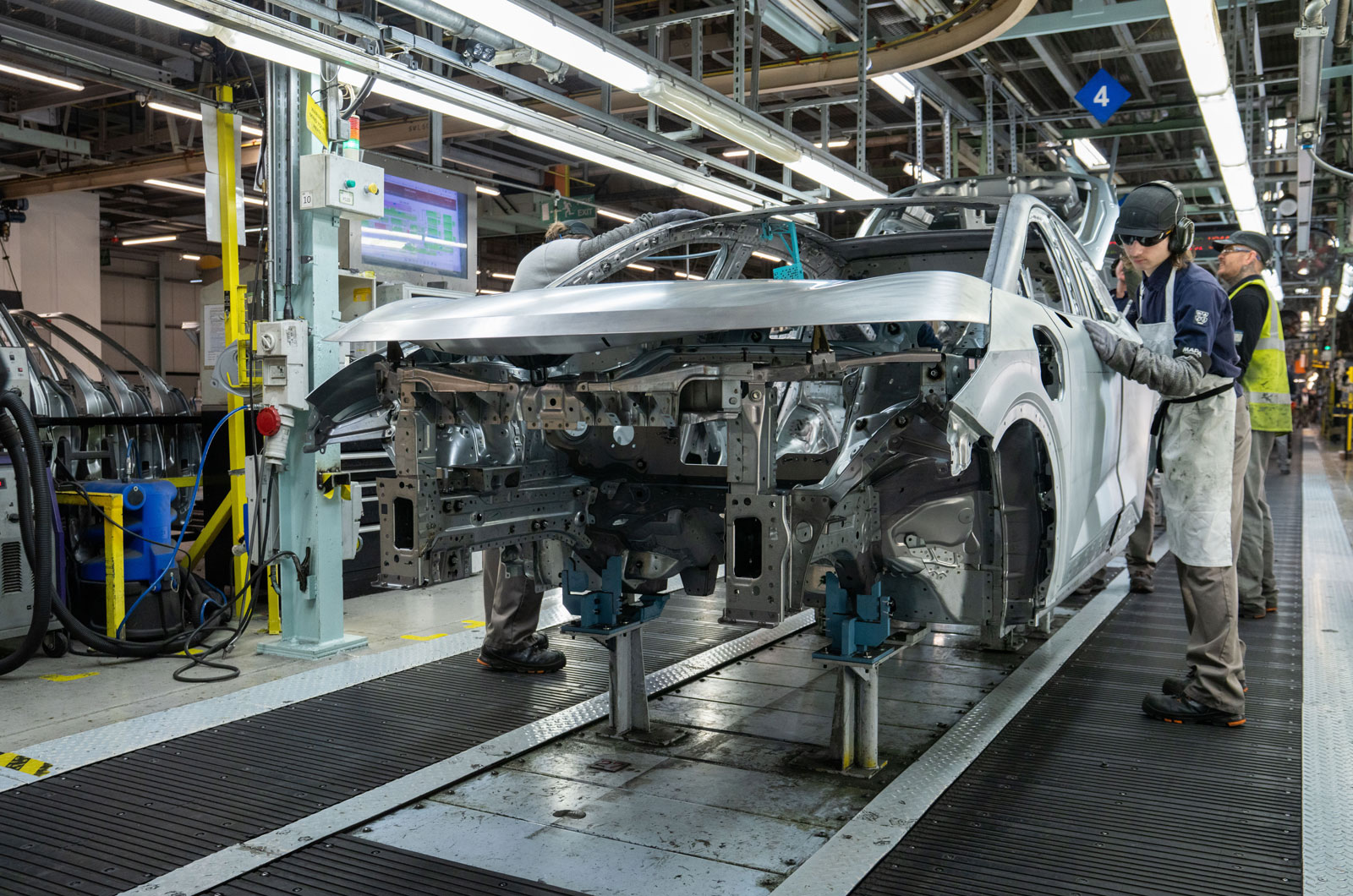
Employees can use digital maps of the entire factory to plan routes for vehicles and parts, and they can even test out tools virtually to ensure
they are correctly calibrated before sending cars down the production lines. There are also Big Data control panels at key locations; these help staff to cut waste, manage energy and boost efficiency. For example, the panels provide alerts if high-energy equipment is no longer being used but hasn’t been powered down.
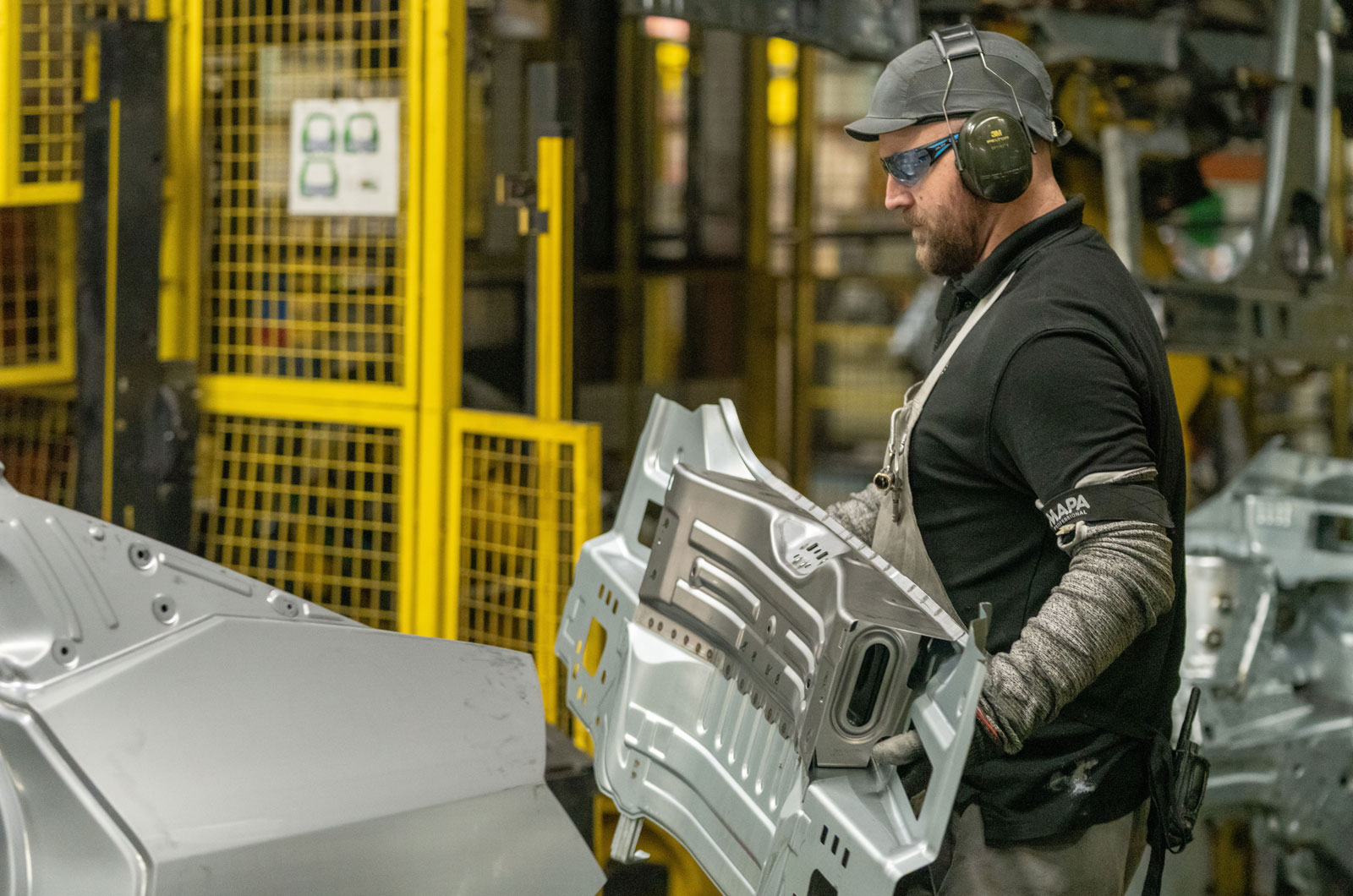
In spite of the digitalisation and new technology at the factory, Nissan has managed to maintain virtually the same number of employees by retraining existing staff. Instead of doing more manual jobs, staff now check the quality of the cars at various stages, as well as checking the calibration of the many new complex electronic systems that are fitted to the latest models. Every member of staff on the factory floor is trained to do three different jobs so they can be flexible in their work.
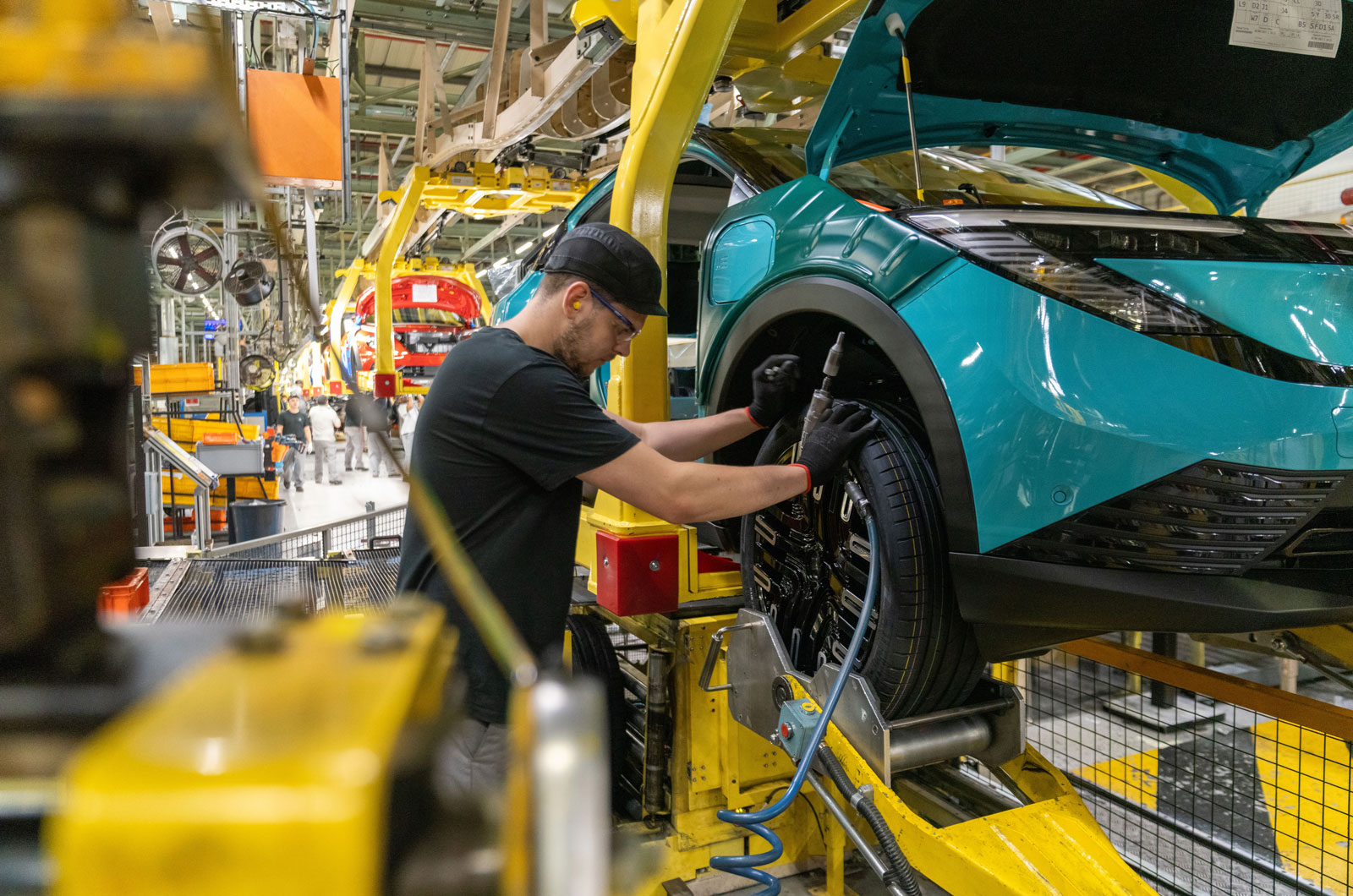
It takes around 24 hours to build a car at Sunderland. This consists of three eight-hour shifts, one in each of the site’s three areas: body shop, paint and trim, and chassis. Post-upgrade, the factory has the capacity to build up to 500,000 cars per year, but Nissan is keeping tight-lipped about how many cars it aims to produce in 2026.
Sunderland is the figurehead for Nissan’s EV36Zero global sustainability programme, spearheading the company’s move to net zero car production by 2035. To that end, the plant generates 20% of its own electricity on site using wind turbines and solar panels. It also uses a fleet of 27 electric trucks to bring in parts and take completed vehicles for distribution.
Nissan’s biggest step towards net zero, though, comes from having an EV battery gigafactory on its doorstep, virtually eliminating the potentially high monetary and energy cost of transporting batteries from abroad. The 15.8GWh gigafactory has been built by EV battery maker AESC as an upgrade from a smaller site that has been making batteries in Sunderland for previous Leafs since 2012.
It takes around nine days to produce each battery at the site, which is the size of 23 football pitches. When it’s fully operational, it will employ up to 1000 staff and be able to supply 210,000 Leafs with that model’s 75kWh battery each year.
In fact, battery production is an important growth area for UK car manufacturing. The AESC site is only the first of four planned gigafactories in the UK; Jaguar Land Rover owner Tata is building
a gigafactory in Somerset to supply batteries for its EVs, and facilities in Coventry and Northumberland are also on the horizon.
How the Government is supporting UK EV production
The importance of automotive manufacturing to the UK economy can’t be overstated; it contributes in the order of £25 billion to the economy each year.That’s according to figures supplied by the Minister for Industry, Chris McDonald.
He claimed that the Government is working hard to support the car industry, stating that it has pledged a total capital investment of £4bn by 2035. Part of this is made up of the £1.5bn pledged for the Drive 35 programme, which is ploughing money into the electrification of factories and channelling investment into batteries, electric motors and other electronic systems for EVs.
A further £50 million of the fund is to be invested in the EV supply chain in the North West and West Midlands. Money is also going to the British Industrial Competitiveness Scheme, which aims to shave 25% off electricity costs for manufacturers by 2027.
Another boost for the UK car industry comes from the Electric Car Grant, which provides buyers with discounts for sustainably produced cars. The Nissan Leaf is one of a small number of models that qualifies for the full £3750 grant off the purchase price.
For all the latest reviews, advice and new car deals, sign up to the What Car? newsletter here