New Nissan Leaf review
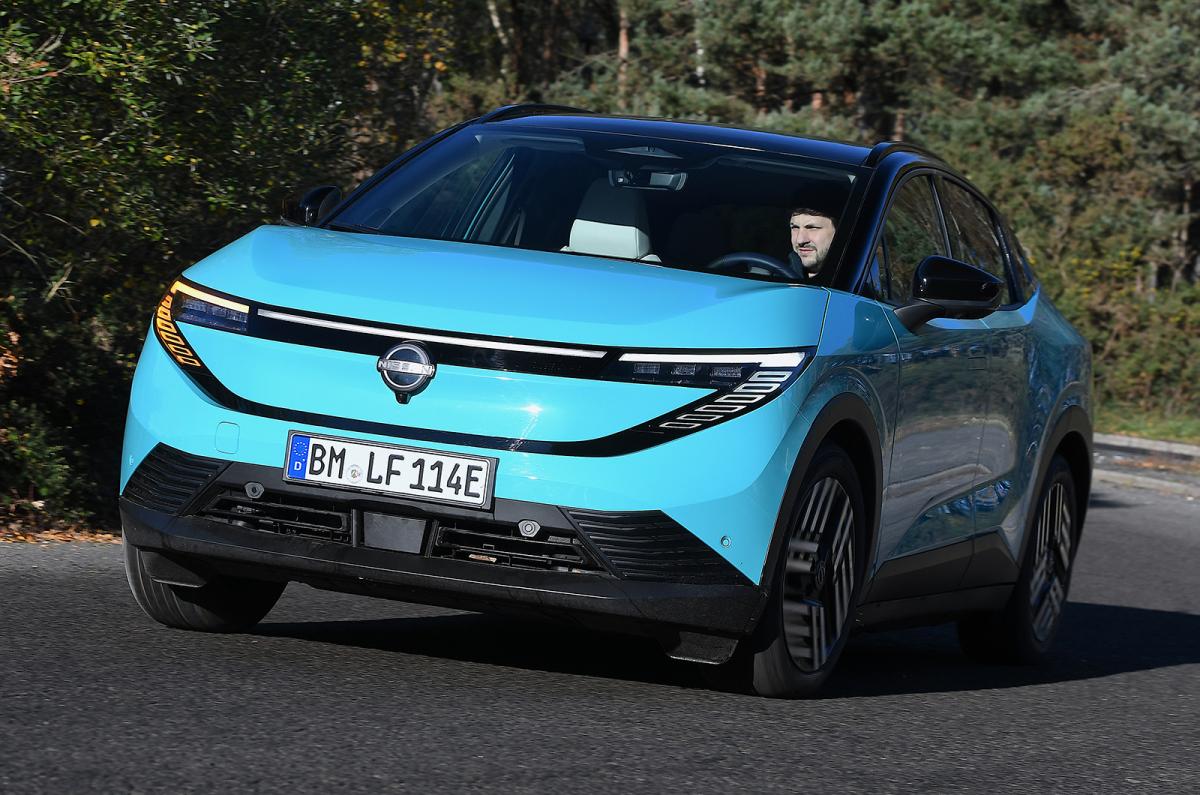
The Nissan Leaf is good to drive, well equipped, safe and easy to live with. It's one of the very best electric cars


- NEW Nissan Leaf revealed! – will this be the BEST-SELLING EV in the world? | What Car?
- Nissan Leaf driving front left
- Nissan Leaf front cornering
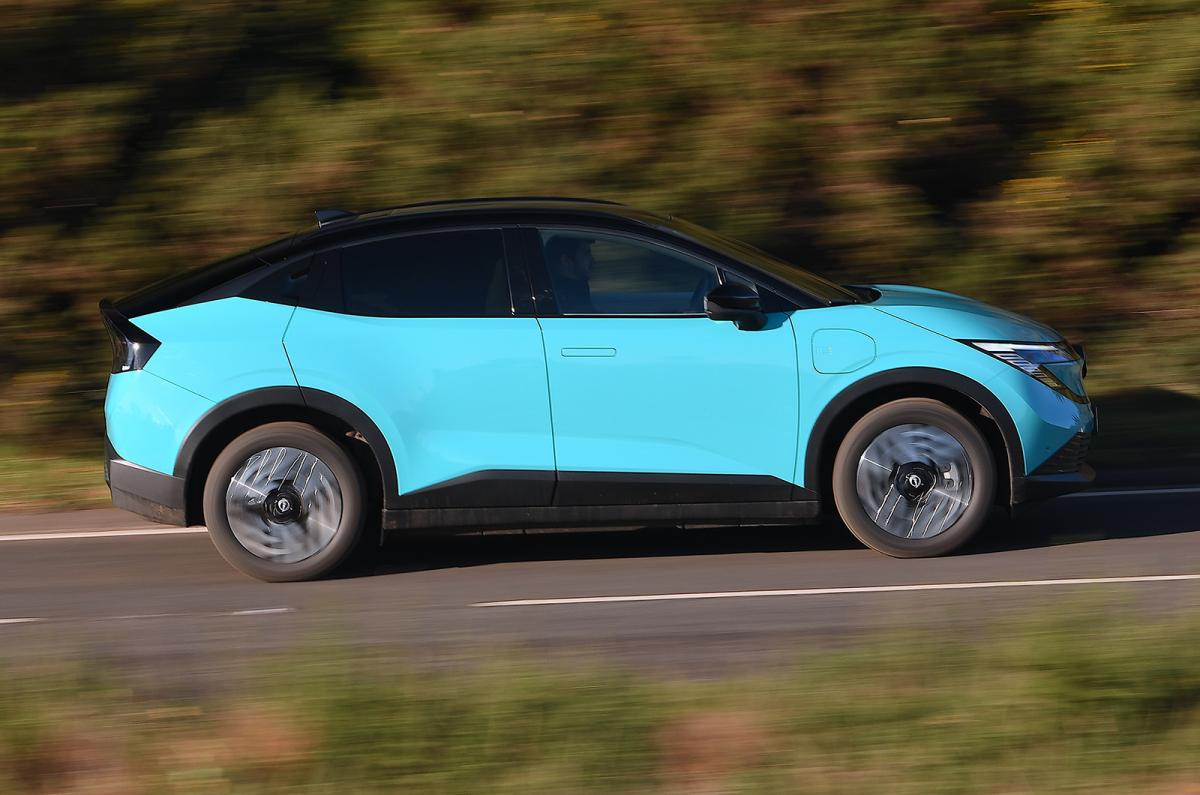
- Nissan Leaf driving side
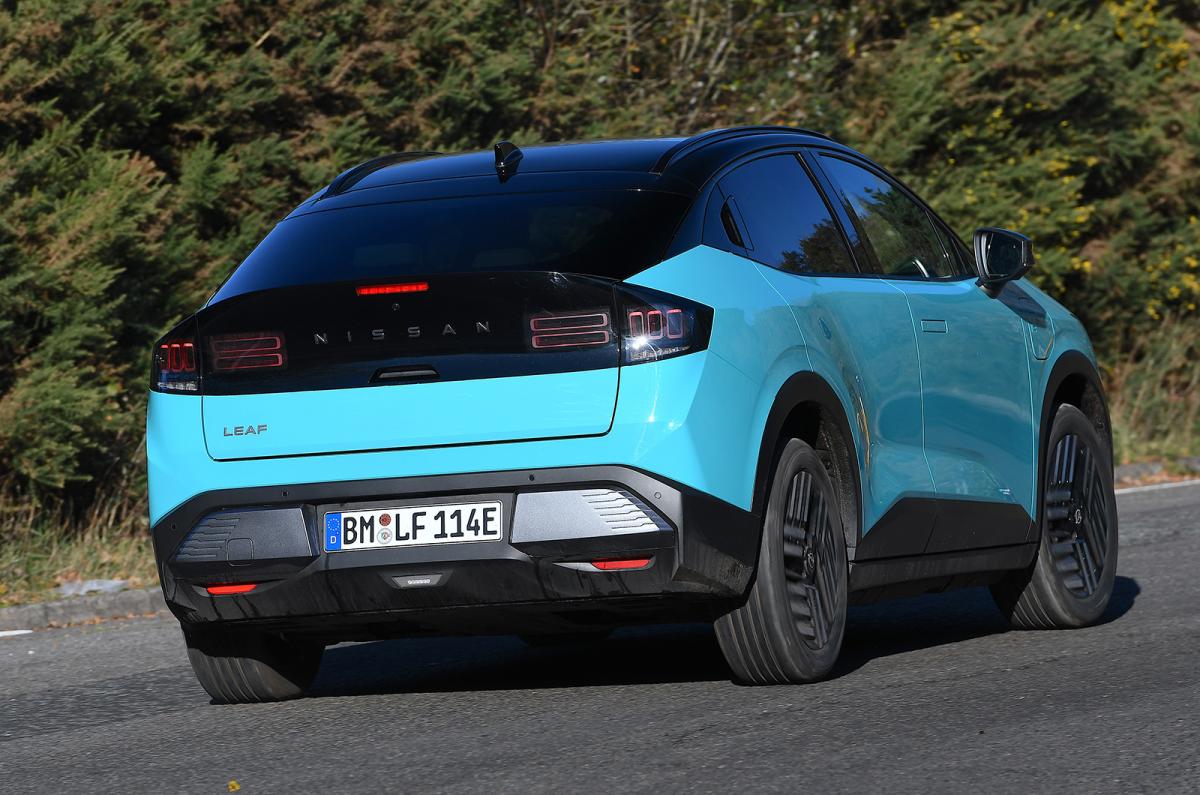
- Nissan Leaf driving rear right
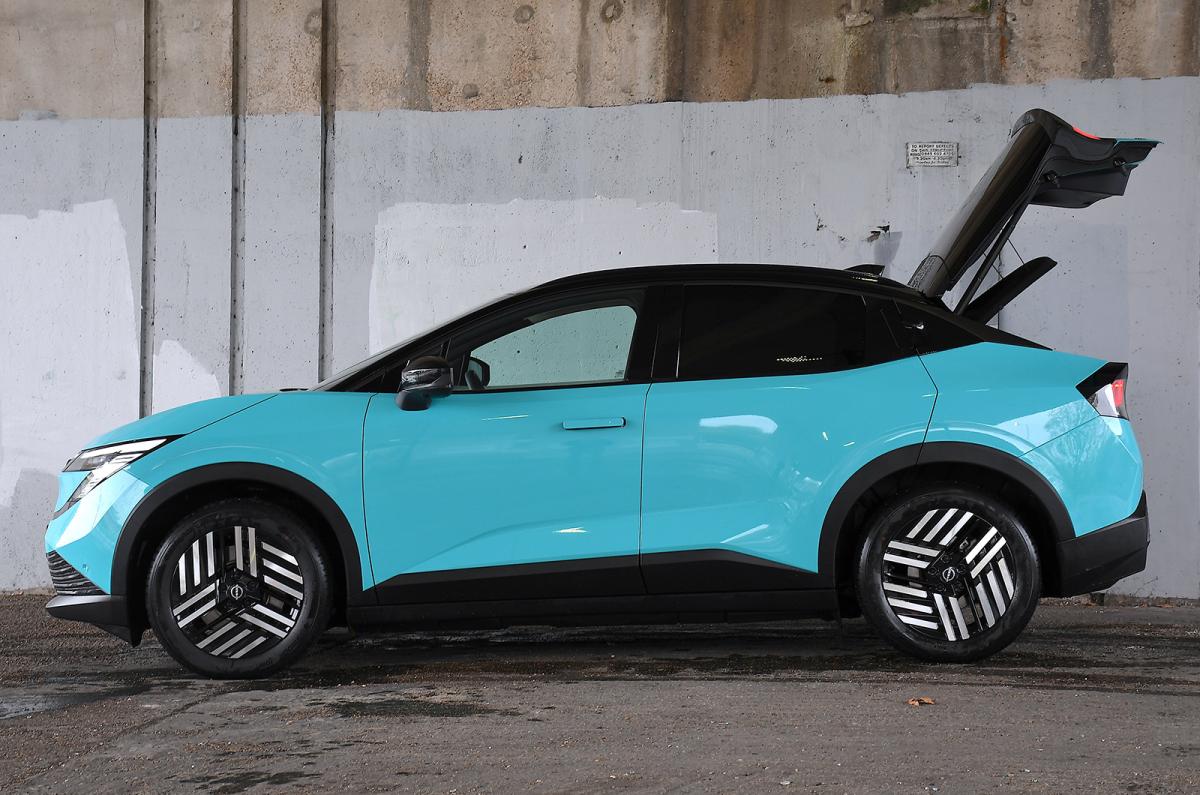
- Nissan Leaf static side boot open
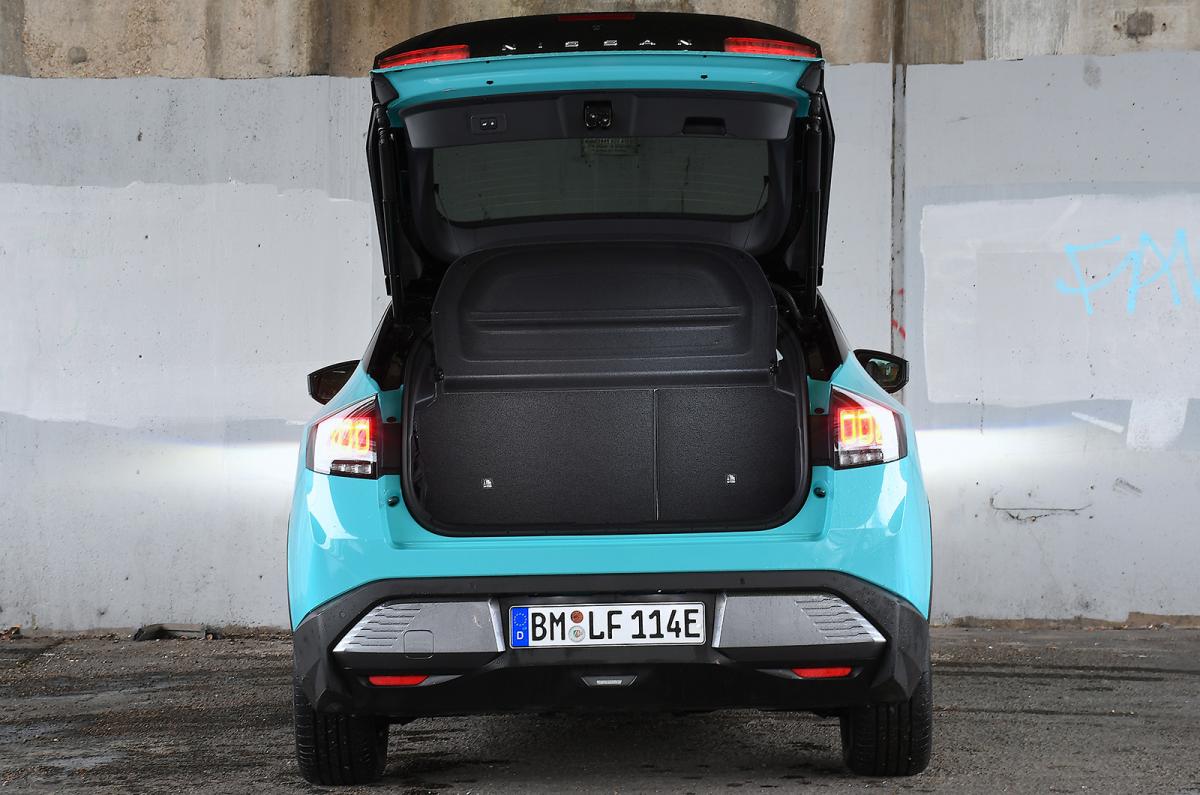
- Nissan Leaf static rear boot open
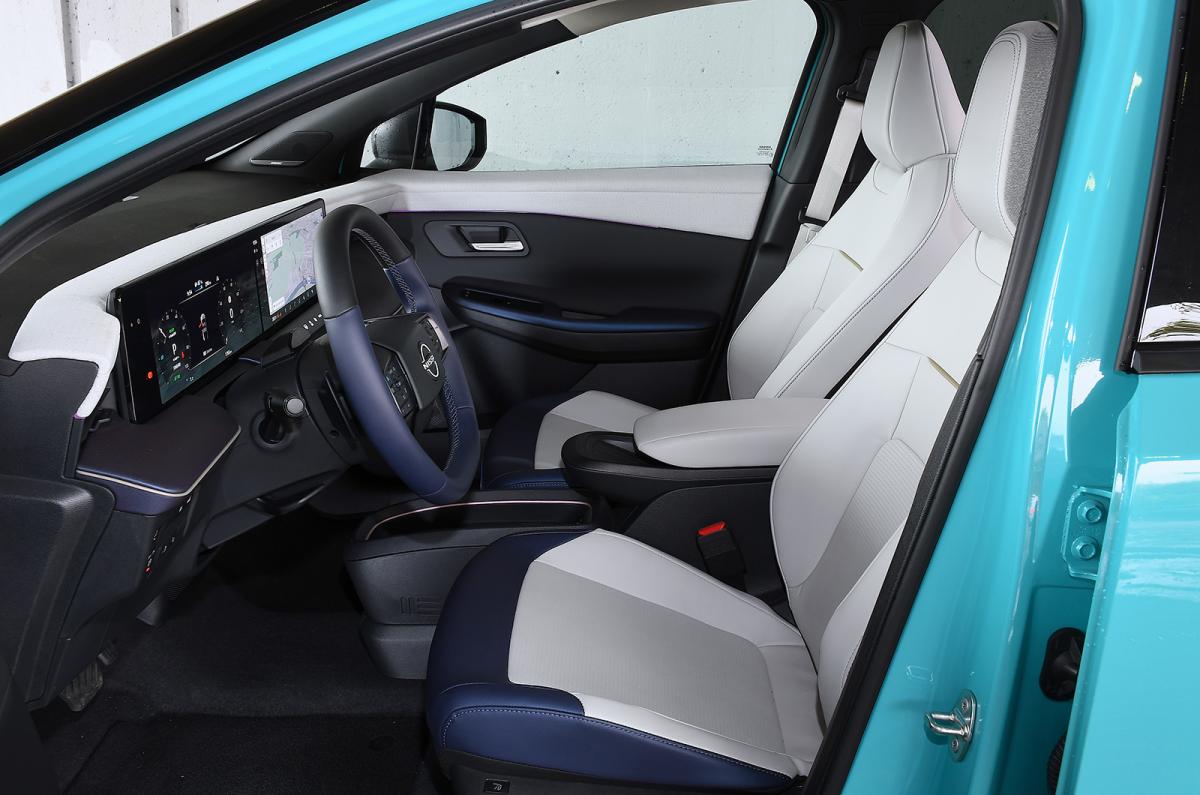
- Nissan Leaf front seats
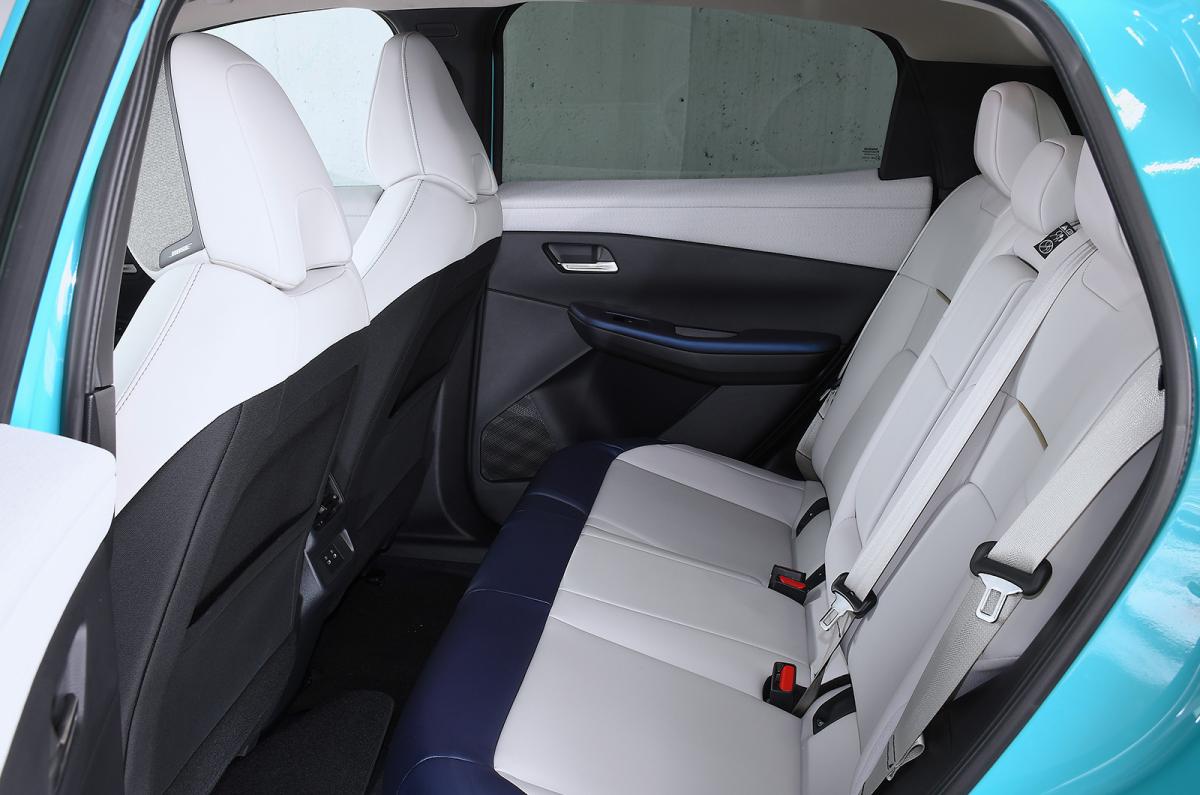
- Nissan Leaf rear seats
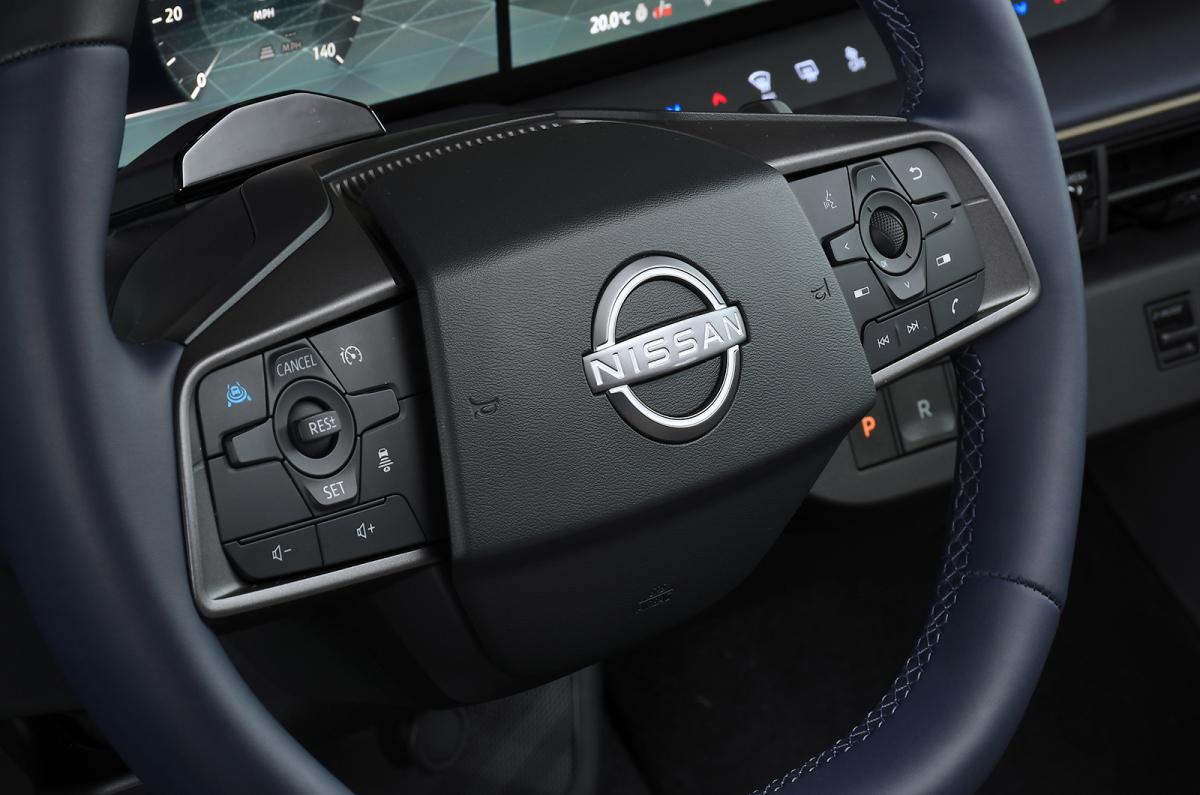
- Nissan Leaf steering wheel detail
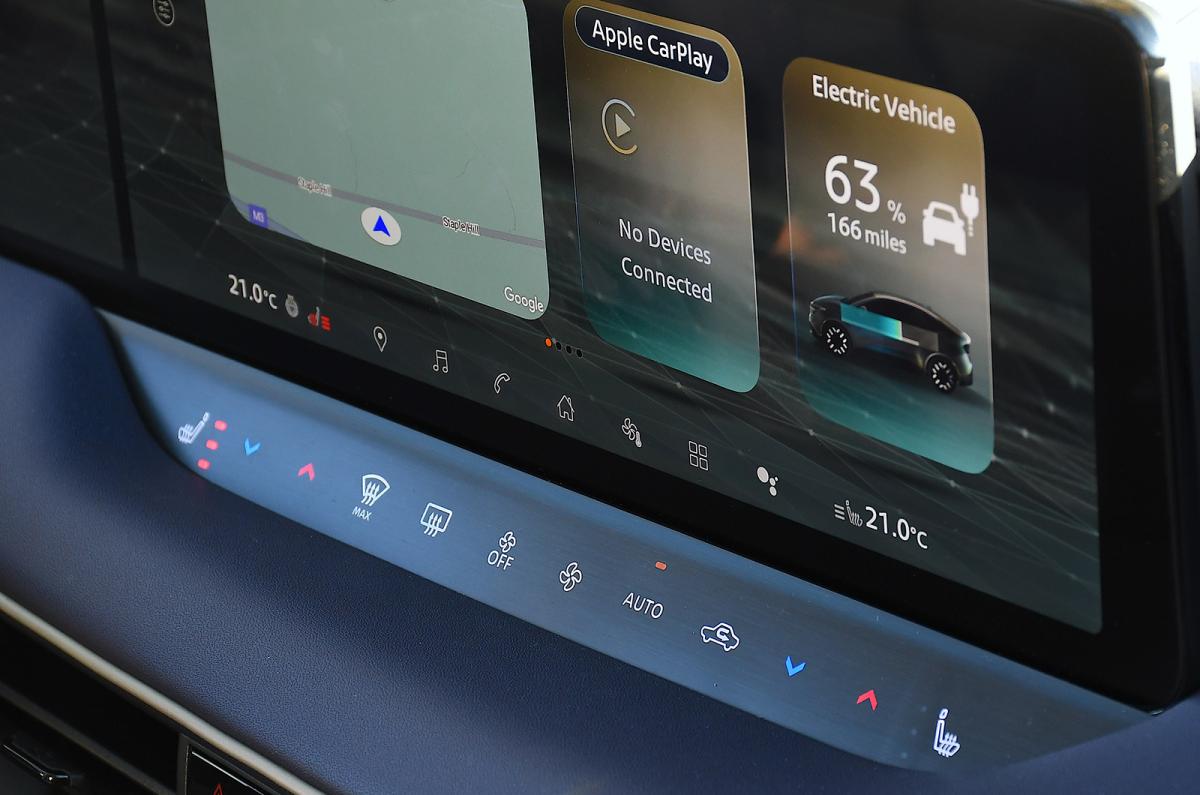
- Nissan Leaf interior detail
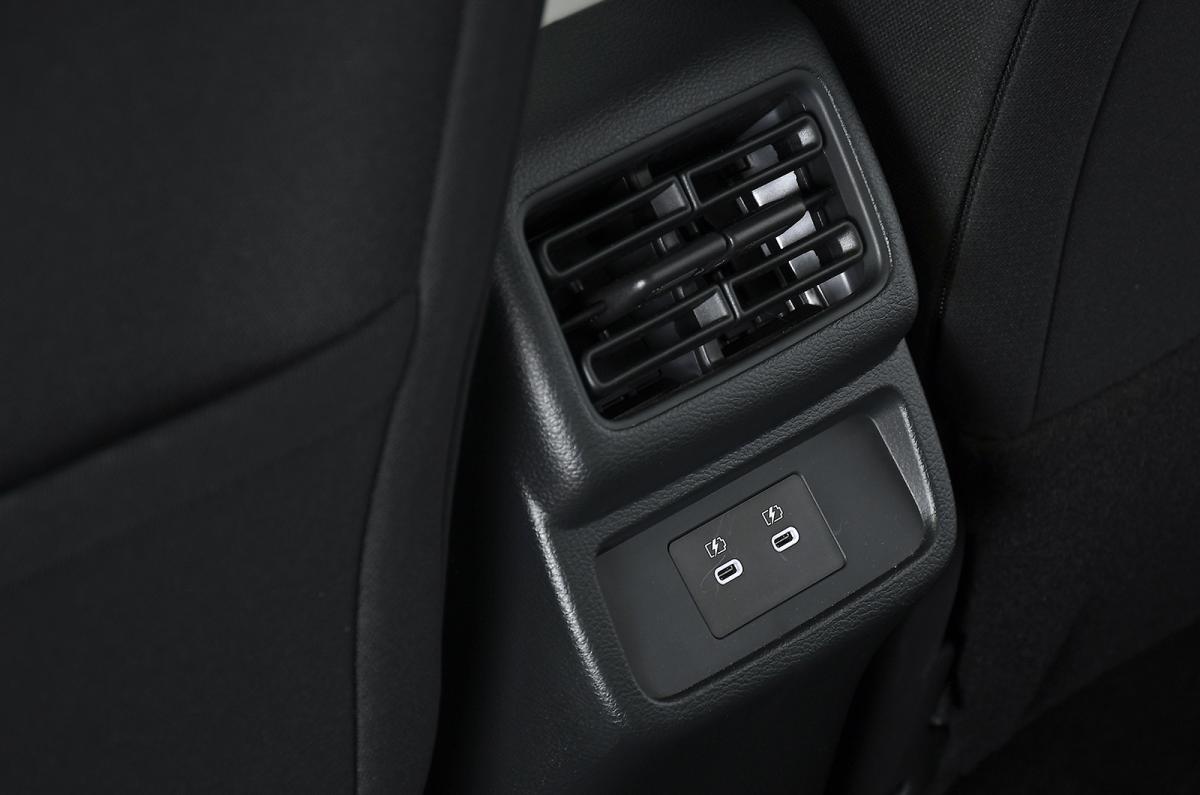
- Nissan Leaf air vent detail
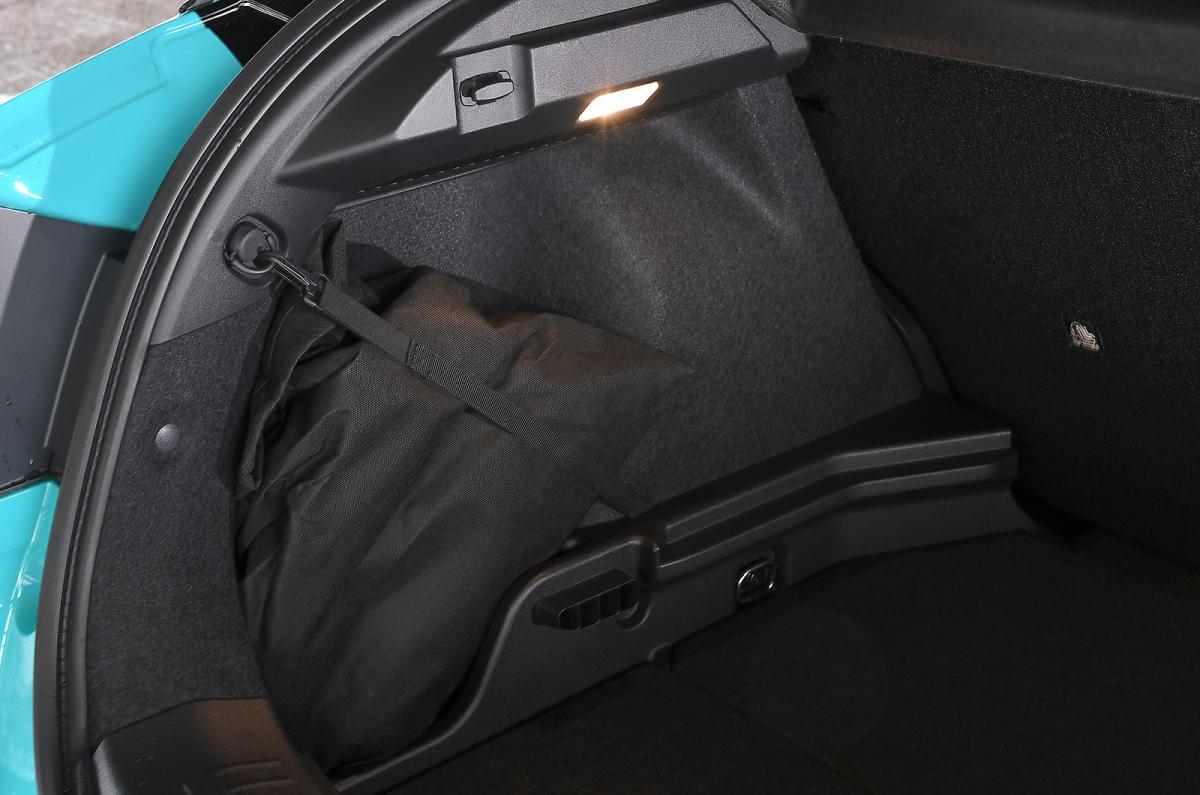
- Nissan Leaf boot detail
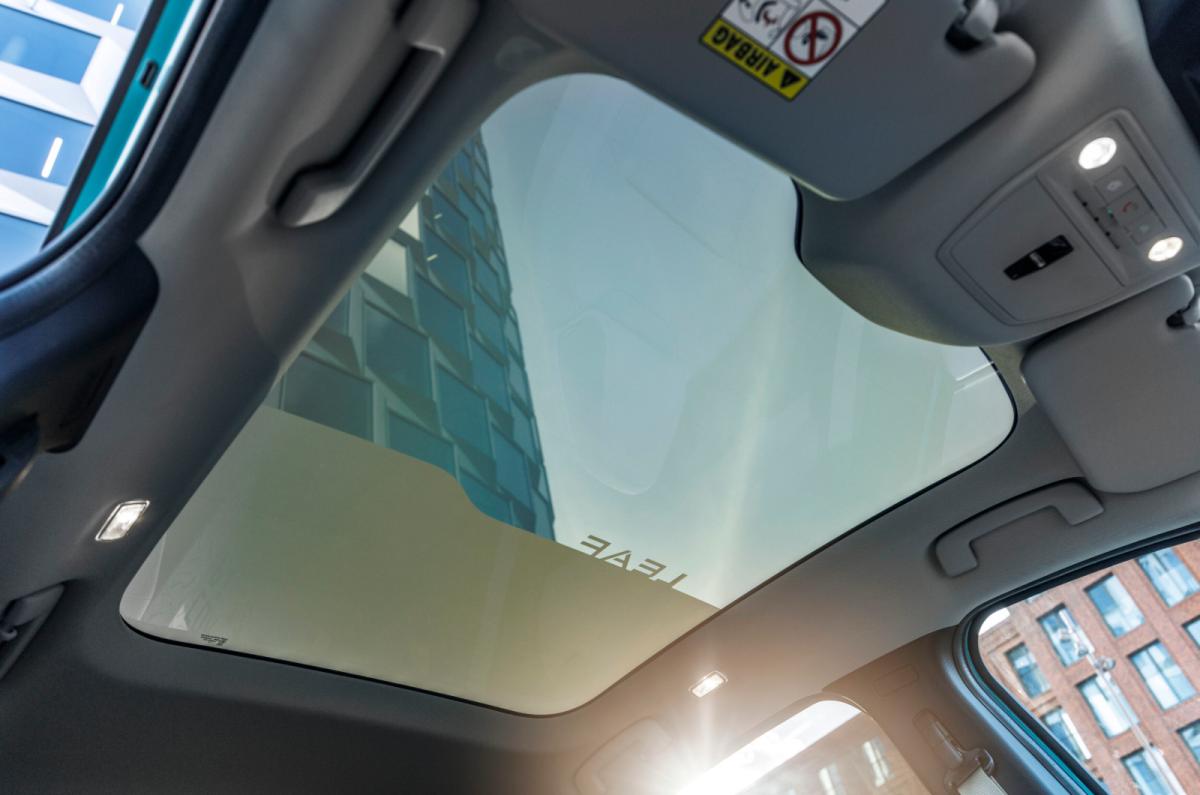
- nissan-leaf-sunroof
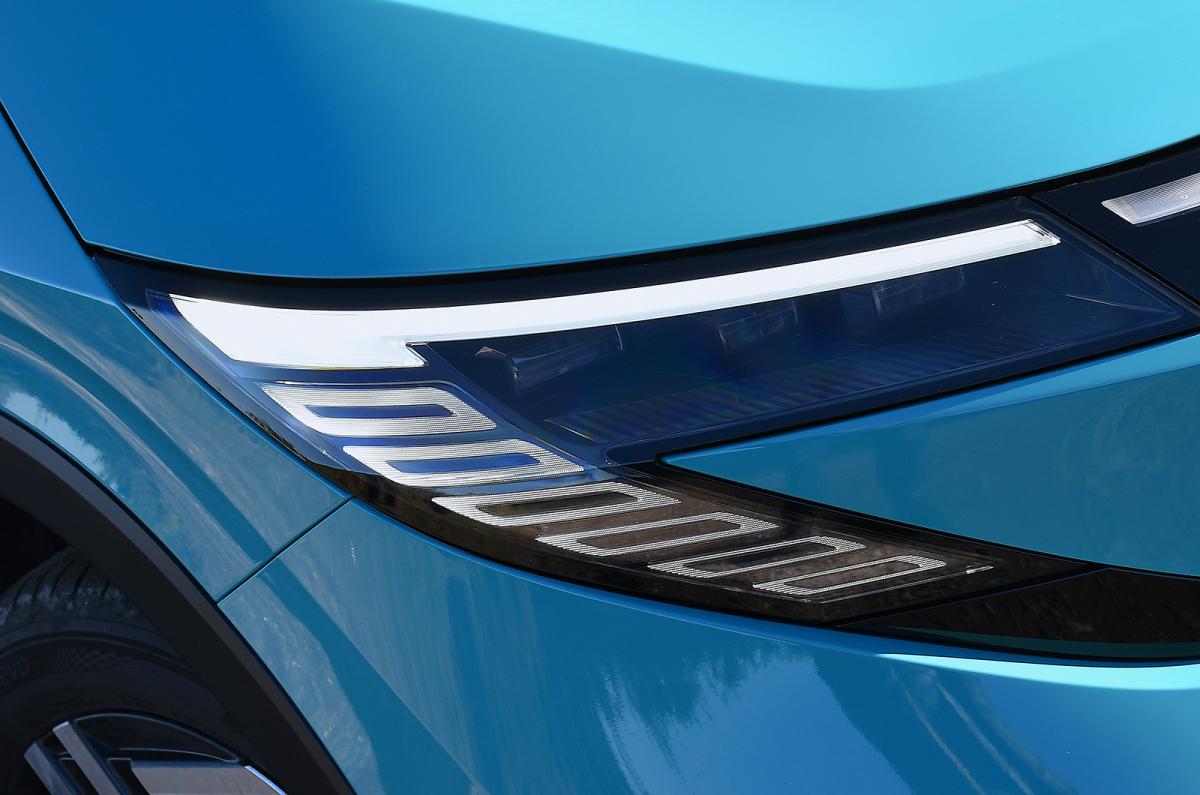
- Nissan Leaf headlight detail
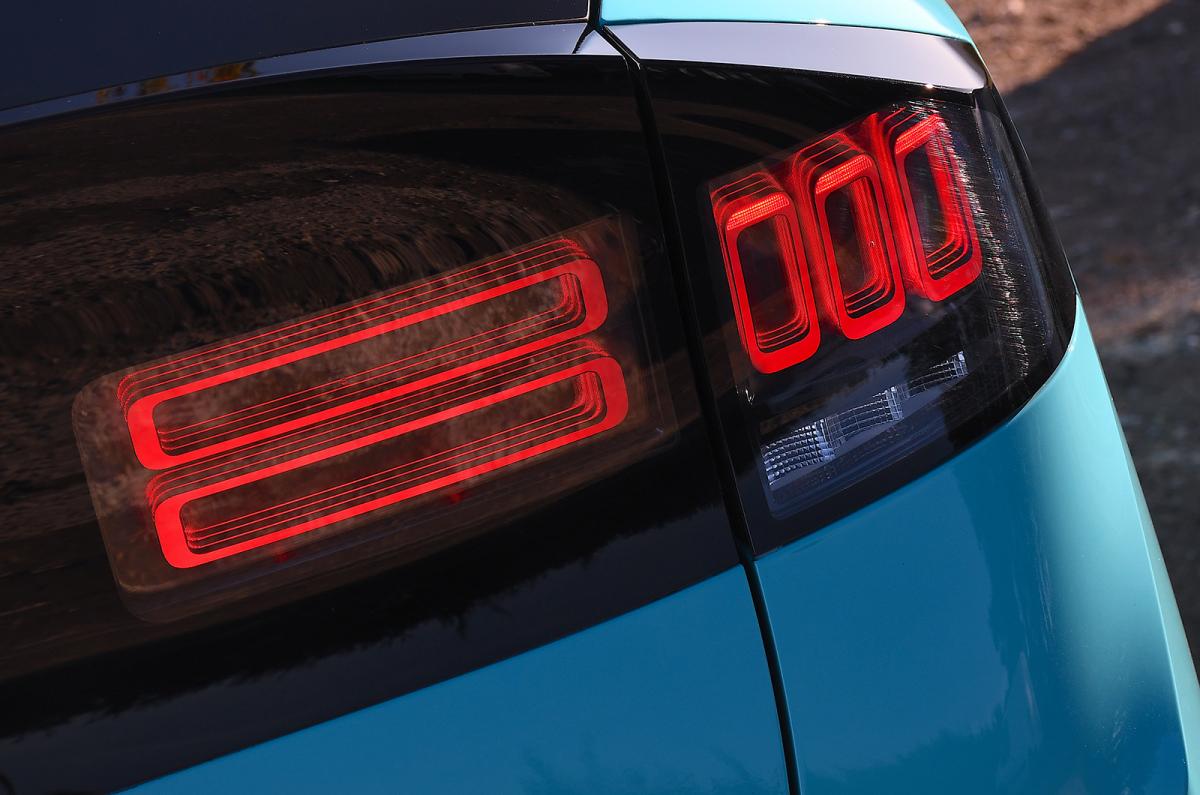
- Nissan Leaf rear light detail
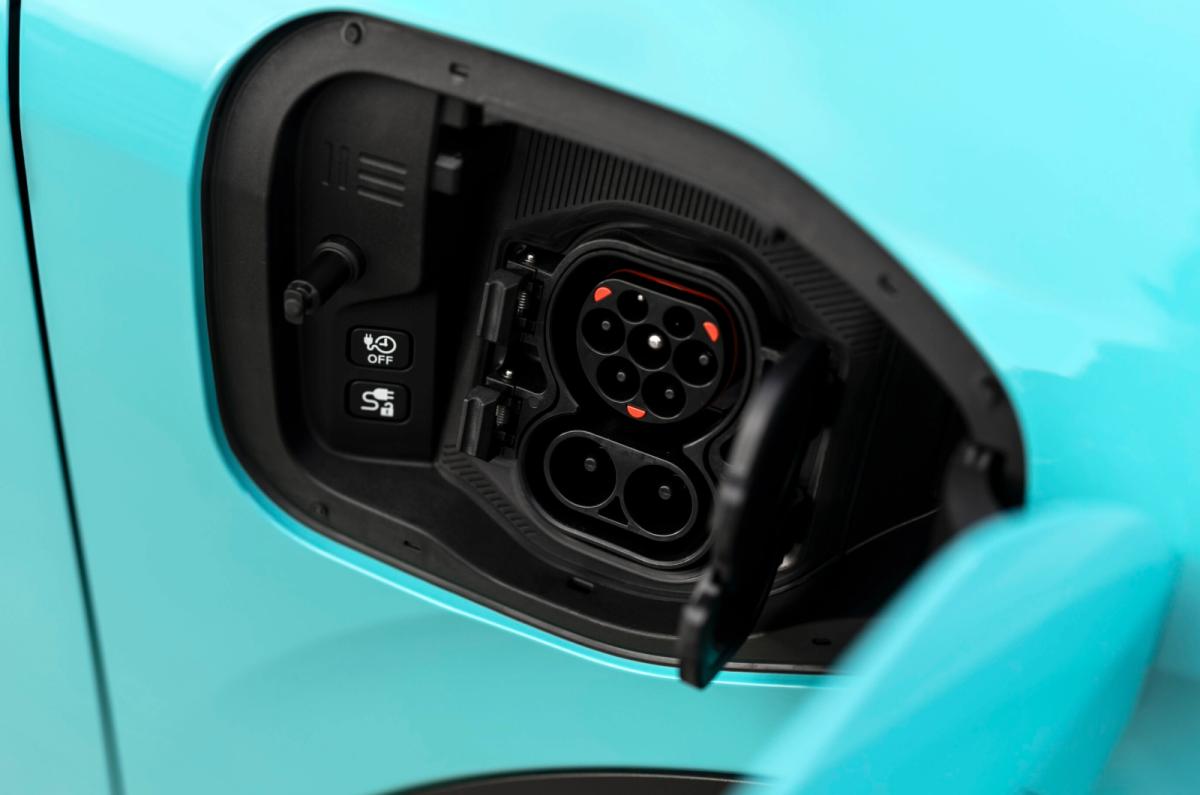
- nissan-leaf-charging-port
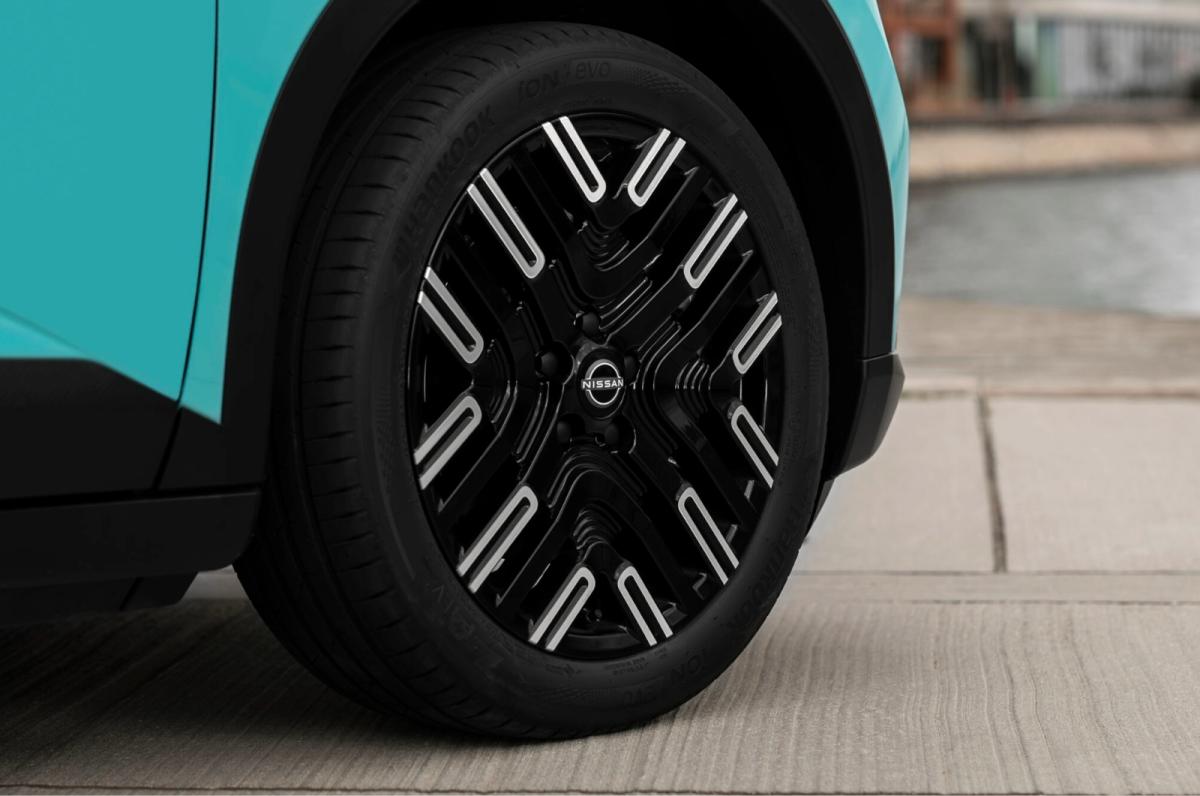
- nissan-leaf-wheel-detail
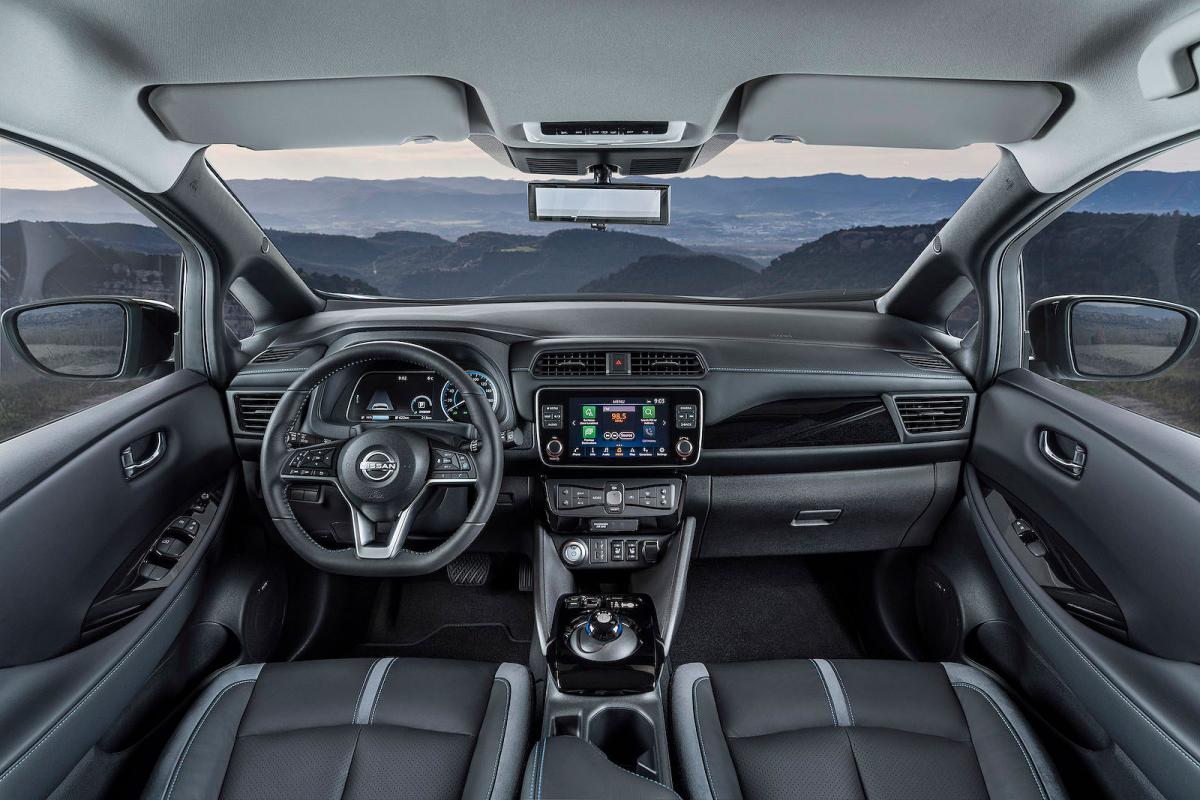
- Nissan Leaf interior dashboard
- Nissan Leaf interior front seats
- Nissan Leaf rear cornering
- Nissan Leaf driving rear left
- nissan-leaf-dashboard
- Nissan Leaf boot
- Nissan Leaf badge



What is What Car? best price?
The What Car? best price shows you the cheapest way to buy your new car, whether it's by choosing an in-stock car through our partner Autotrader or placing a factory order.
Available now from: £33,149
RRP from: £35,999
About our price indicator
What Car? indicative Personal lease example (subject to status)
75kWh Advance SUV 5dr Electric Auto (218 ps)
| Expected annual mileage | 5000 |
| Term months | 36 |
| Deposit months | 12 |
| Monthly payment | £272.71 |
| Initial payment | £3,272.52 |
Step-by-step
Leasing works a bit like a long-term rental. You drive it, but you don’t own it.
- Choose your car, pick your terms and apply for lease credit online
- Pay monthly rental payments for your chosen term length
- Drive it, enjoy it, then give it back at the end
What you get
When you lease with Autotrader you get all of this:
- Full manufacturer’s warranty
- Road tax and roadside assistance included
- No admin fees
- Free returns within 30 days*

- Lower total monthly cost than PCP/HP
- No balloon payments
- Road tax included
Introduction
Clint Eastwood got his big break in his 30s, but he won his first Oscar in his 70s. Similarly, the Nissan Leaf found success early on, with the original often considered the first mass-market electric car. However, some 14 years later, Nissan believes the Leaf is now destined for new heights.
What’s the basis for this belief? Well, out of the previous 2018-2024 Nissan Leaf and original 2011-2018 Nissan Leaf, the furthest official range it ever came out with was 239 miles. This means that, for many buyers, it was unable to work as an only car.
What is What Car? best price?
The What Car? best price shows you the cheapest way to buy your new car, whether it's by choosing an in-stock car through our partner Autotrader or placing a factory order.
Available now from: £33,149
RRP from: £35,999
About our price indicator
What Car? indicative Personal lease example (subject to status)
75kWh Advance SUV 5dr Electric Auto (218 ps)
| Expected annual mileage | 5000 |
| Term months | 36 |
| Deposit months | 12 |
| Monthly payment | £272.71 |
| Initial payment | £3,272.52 |
Step-by-step
Leasing works a bit like a long-term rental. You drive it, but you don’t own it.
- Choose your car, pick your terms and apply for lease credit online
- Pay monthly rental payments for your chosen term length
- Drive it, enjoy it, then give it back at the end
What you get
When you lease with Autotrader you get all of this:
- Full manufacturer’s warranty
- Road tax and roadside assistance included
- No admin fees
- Free returns within 30 days*
- Lower total monthly cost than PCP/HP
- No balloon payments
- Road tax included
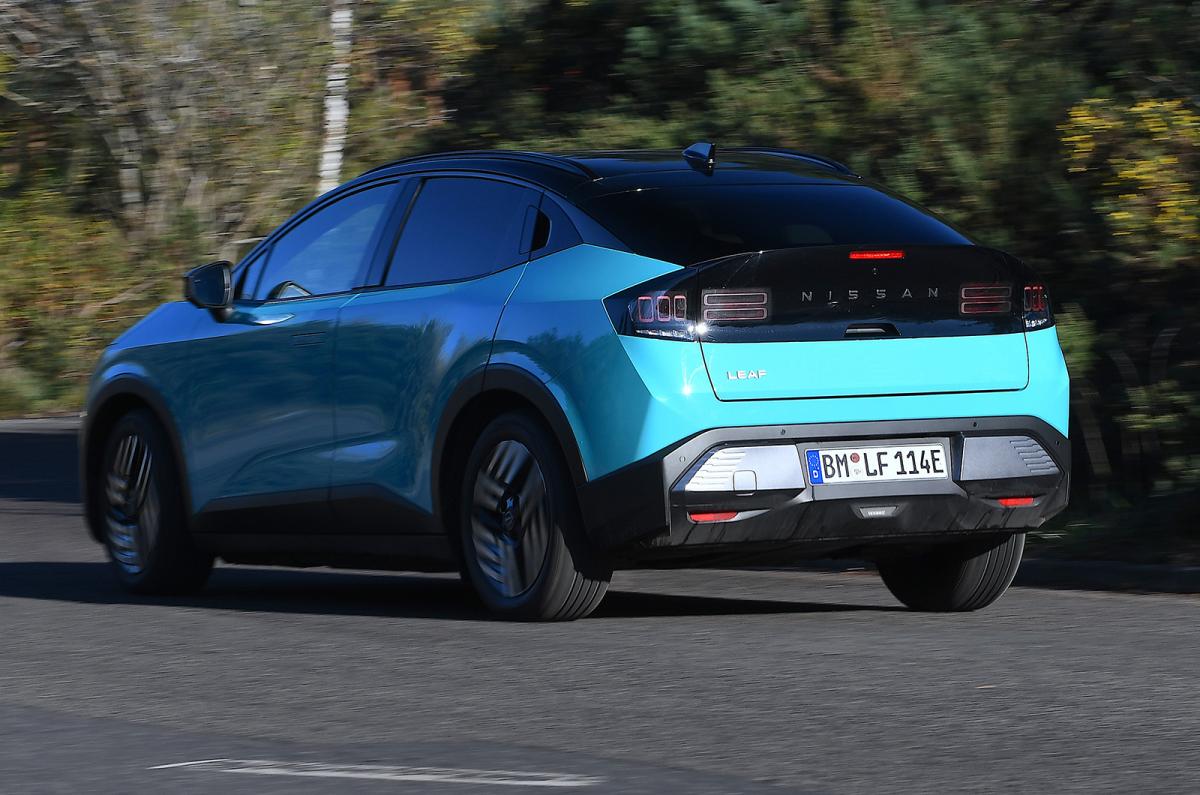
This new, third-generation Leaf electric car is aiming for a much wider appeal and it certainly looks promising on paper, with the largest battery option offering around 377 miles of range: that’s yet to be made official, we should specify.
Still, even if the official figure ends up being a few miles off, it’ll be a huge increase and a number that’ll scare the rival Kia EV3 and Skoda Elroq.
Do those five-star cars have anything else to worry about? Well, ahead of the model going on sale later this year (with an unofficial, estimated starting list price of around £32,000), we were given special access to a prototype Leaf at Millbrook Proving Ground in Bedford – and our verdict is in.


Pros
- Long expected ranges
- Competitive starting price
- Decent interior with Google-enhanced infotainment
Cons
- Rear-seat headroom tight for adults
- Other rivals have a more polished ride and handling balance
- Poor brake pedal feel
Performance & drive
What it's like to drive, and how quiet it is
Strengths
- Quiet and fairly comfortable
- Decent acceleration
- Big battery has long electric range
Weaknesses
- Unsettled ride
- Poor brake pedal feel
- Charging speeds nothing special
How fast is it and which motor is best?
Every Nissan Leaf comes with a 75kWh battery and sends 215bhp to the front wheels. That meant the Leaf managed to sprint from 0-60mph in 7.2sec during our testing, which was slightly faster than a Kia EV3 Long Range on the same day (7.5sec).
Acceleration is certainly strong enough for everyday use on any road, making sudden bursts of power and getting up to motorway speeds easy, but there are even quicker versions of the Skoda Elroq available.
A 52kWh version will arrive in the future, giving you 174bhp and an official 0-62mph sprint time of 8.3sec.
Is it agile and is the ride comfortable?
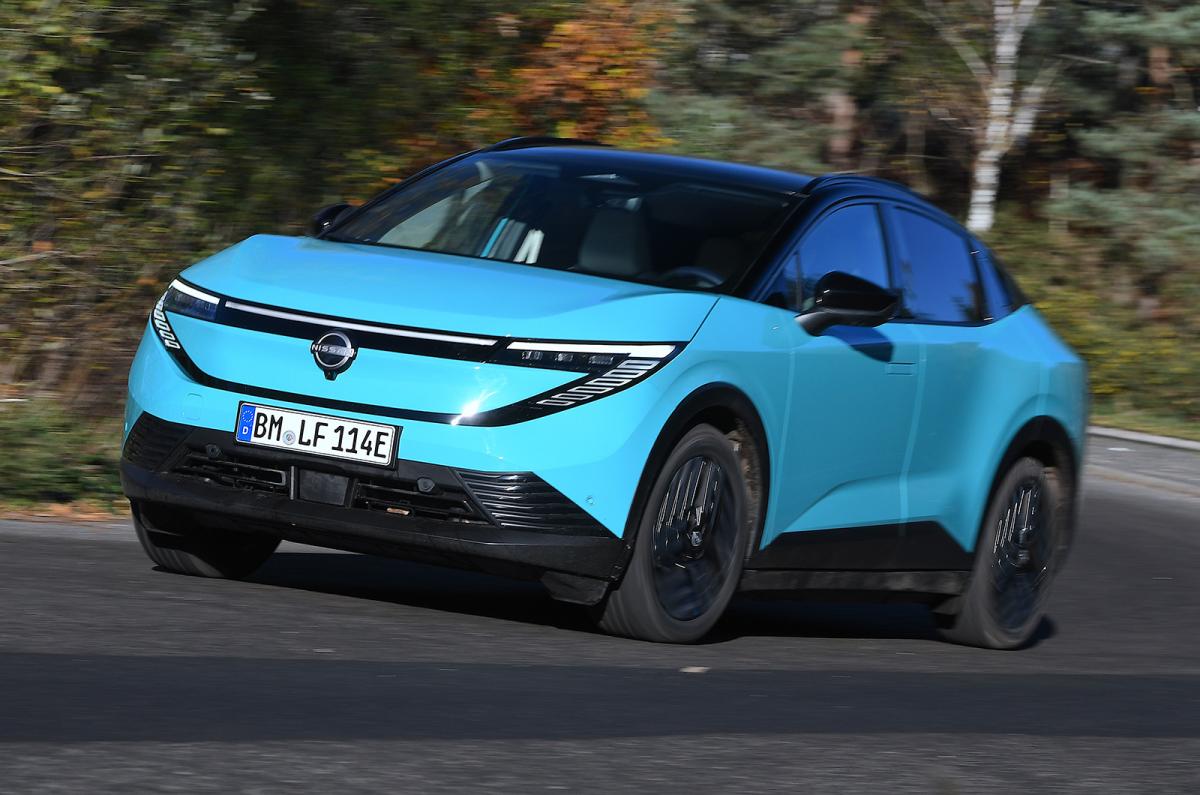
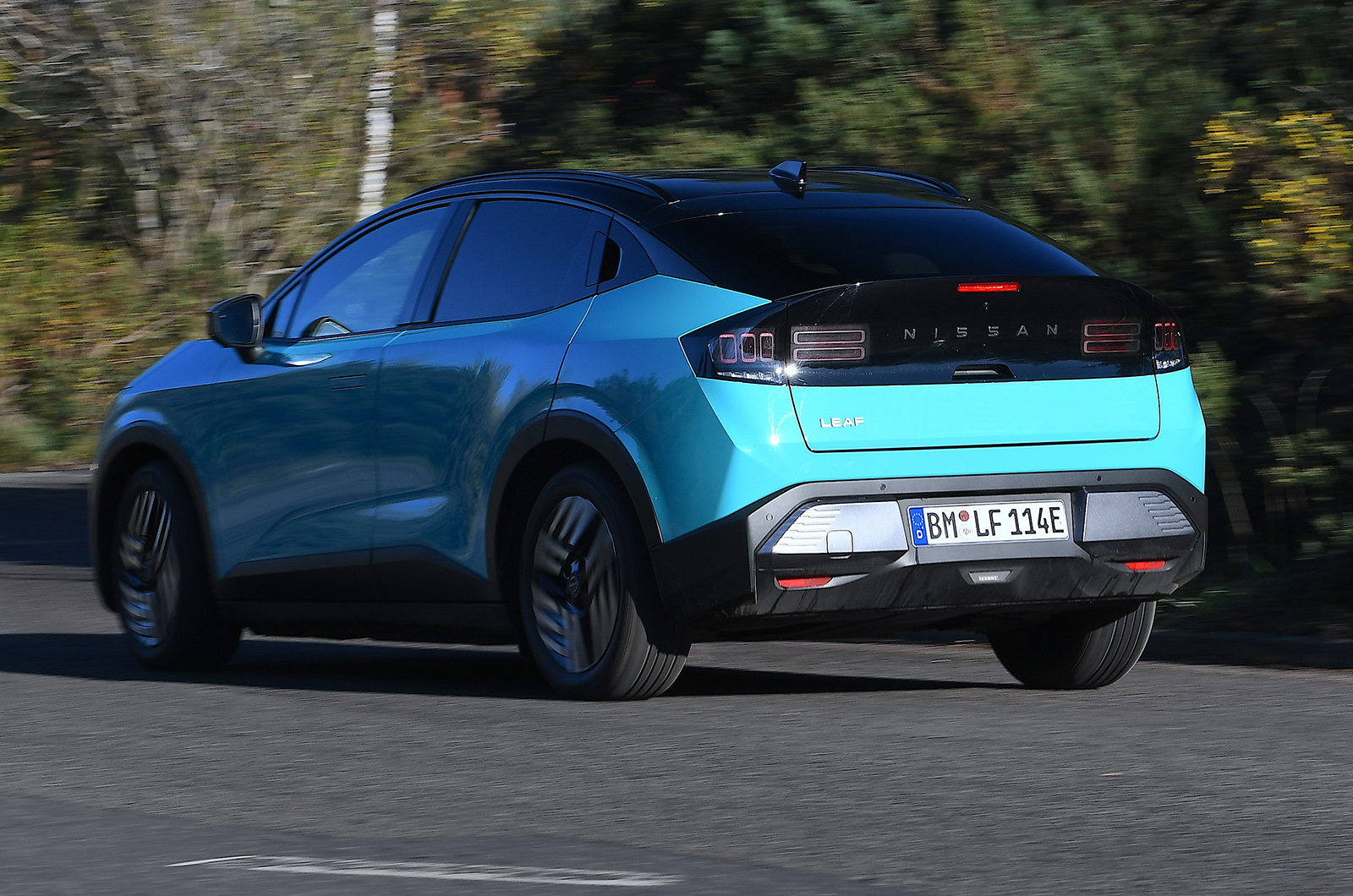
Overall, the new Leaf is average in the ride and handling departments.
The ride is well cushioned – you aren’t subjected to harsh or uncomfortable jolts up through the suspension – but it’s also rather unsettled. That means that, while it’s still comfortable overall, you can feel the car jiggling around beneath you more than the EV3, even on a flat bit of road at slow speeds.
When it comes to handling, the Leaf’s firm ride allows it to lean less than the softer EV3. Better still, there’s plenty of grip on offer and accurate steering, making it a better handling car than the Kia. A Renault 4 still feels more agile and, despite its flaws when it comes to outright handling, an EV3 ultimately offers an altogether better balance between everyday ride and handling for a car like this.
Is it quiet and how easy is it to drive smoothly?
The Leaf is as quiet inside as impressively hushed rivals such as the Kia EV3, but there is still some wind noise whipped up around the door mirrors at motorway speeds and suspension thumps every now and then.
What’s less impressive is the car’s brake pedal feel. It’s spongy and light, and feels inconsistent in the way it responds to your inputs – lots of other rivals offer a more natural brake pedal feel which makes it easier to stop smoothly.
What’s the range and efficiency like, and how quickly can it charge?
Range is an area where the Leaf stands out from its rivals. The 75kWh Leaf has an official range of 386 miles, which is very impressive and, yet again, more range than you get with any version of the Kia EV3, Renault 4 or Skoda Elroq.
Meanwhile, the smaller battery is expected to manage around 270 miles which is the same amount you get with an entry-level EV3 but more than what you see with the R4 (247 miles) and entry-level Elroq (232 miles).
In terms of charging, both of the Leaf’s batteries can charge at a rate of up to 150kW, giving it a 20-80% charging time of around 30 minutes. That’s slightly faster than the equivalent EV3, but nothing special.
“Activating 'e-pedal' gives you a one-pedal driving mode, so when you lift off the accelerator the car comes to a complete stop – I found this useful around town, meaning I hardly had to touch the brakes myself.” – Dan Jones, Senior Reviewer
Tips & Advice
Interior
The interior layout, fit and finish
Strengths
- Interior looks and feels upmarket
- Google-enhanced infotainment on most versions
- Dedicated climate controls
Weaknesses
- Driver’s seat won’t suit all people’s preferences
- Not very high driving position for an SUV
What does the interior look like and is it well made?
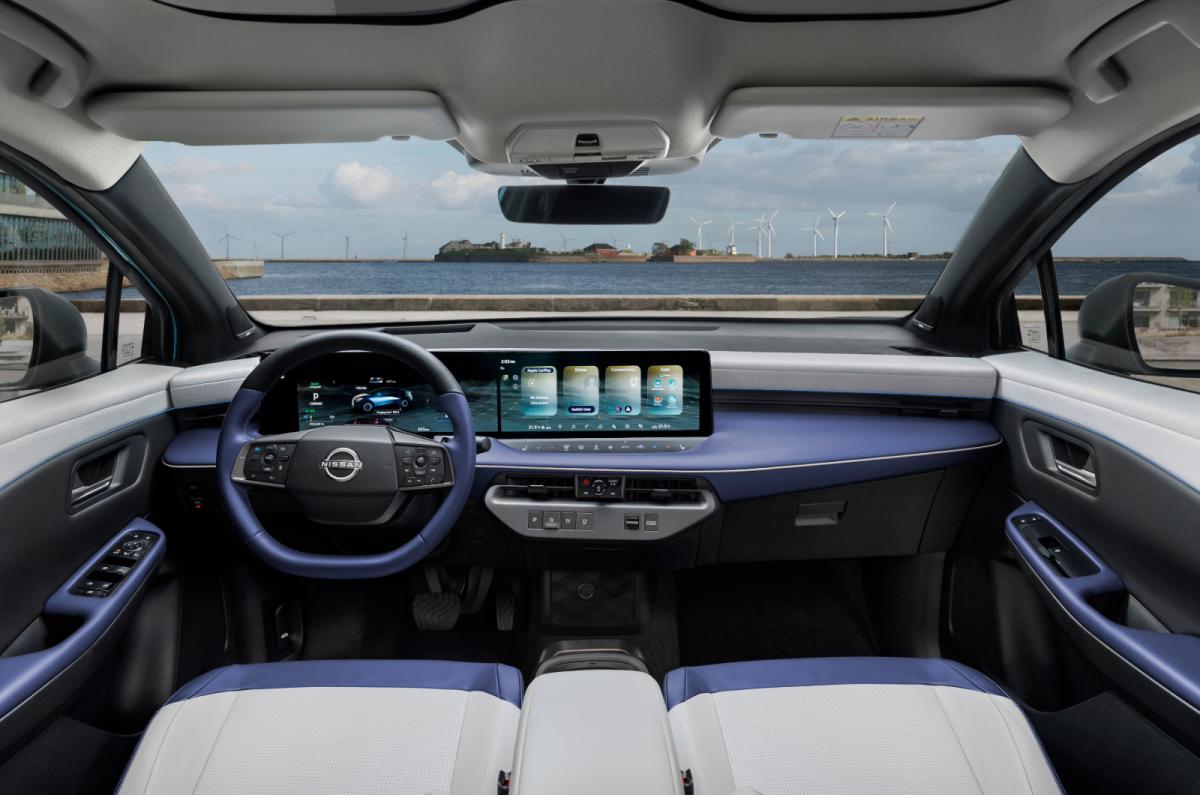
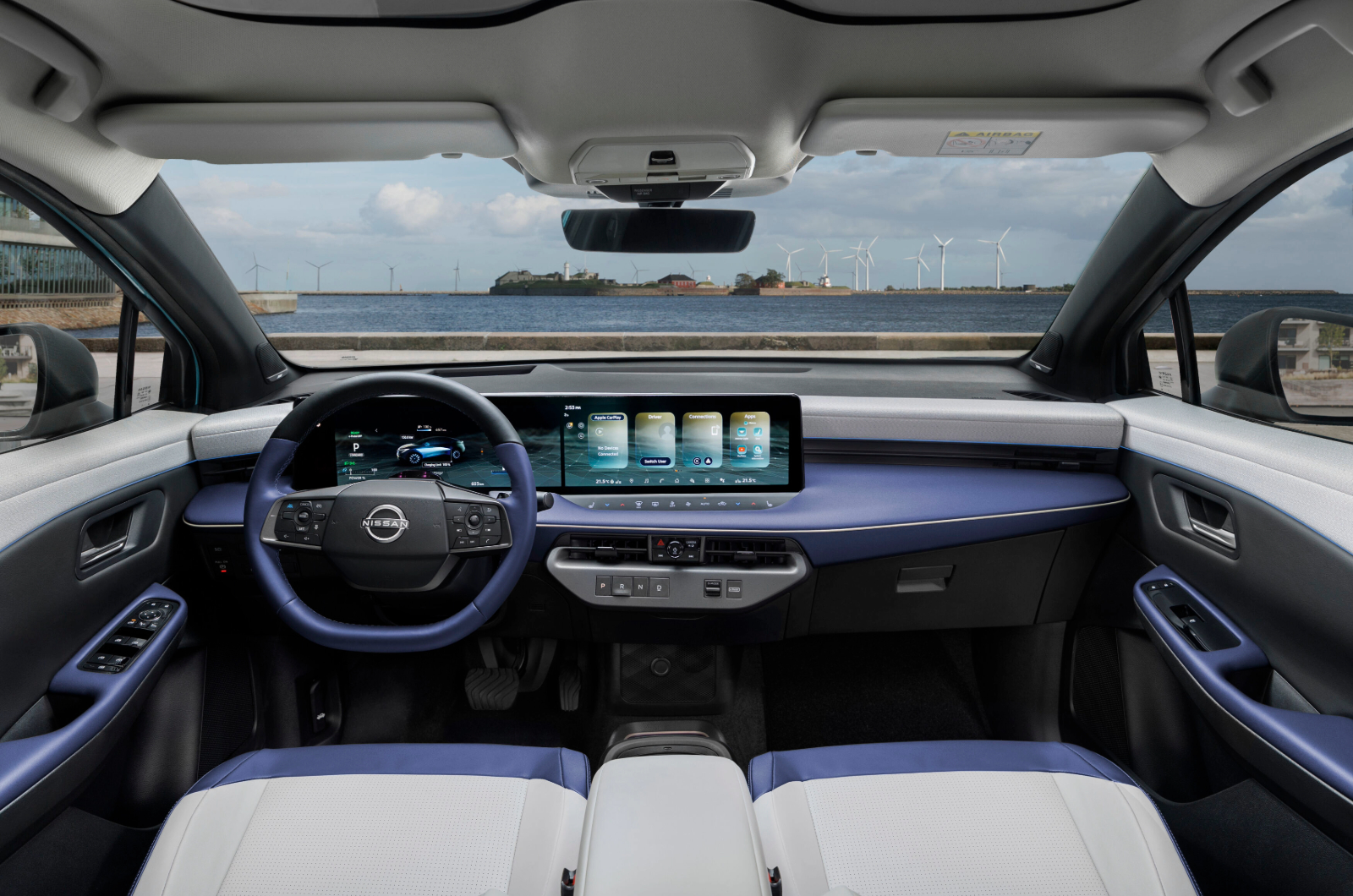
The Leaf’s interior has a layout similar to that of the larger Nissan Ariya, featuring two 14.3in screens on the dashboard (or 12.3in screens on the entry-level trim); one is for the digital driver display and the other is the infotainment system. There’s a choice of light or dark interior colour schemes, too.
Things feel pretty premium inside – more so than the Ford Puma Gen-E and just about beating the Kia EV3 for outright quality. Indeed, you'll find a good amount of soft-touch materials on the dashboard, doors and armrests, and things feel solidly put together.
Is the driving position comfortable and is it easy to see out?
The driving position isn’t particularly SUV-like, being only slightly loftier than that of a regular electric car. And any sense of being raised up comes only from the seat itself feeling perched quite high up in the car.
The driver’s seatbase seems a little short, and therefore lacking in underthigh support. In our left-hand-drive test car, the pedals and steering wheel lined up well, though.
The front pillars are a little chunky, but there are no real visibility issues even with the narrow rear window resulting from the sloping rear roofline. Better still, parking is made easier by a 360-degree parking camera coming as standard on every Leaf.
Is the dashboard and infotainment system easy to use?
Both the driver display and infotainment screens feature sharp graphics, but the touchscreen could be a bit more responsive to inputs.
Every Leaf trim except the entry-level one has Google enhancement, meaning the Google Maps sat-nav app and Google Assistant are included (Apple CarPlay and Android Auto smartphone mirroring are still standard).
Below the touchscreen, on the dashboard, are touch-sensitive buttons for your climate controls. We’re glad they have their own panel – unlike in the Skoda Elroq where they’re shoved into the touchscreen – and are permanently visible but physical buttons and switches (the like you find in the Renault 4) would still be easier to use while driving.
“I was surprised to see that the top two trims get an electrochromic sunroof (a glass roof that can switch between transparent and opaque). That’s something you often see on more expensive cars.” – Oliver Young, Reviewer
Tips & Advice
Passenger & boot space
How it copes with people and clutter
Strengths
- Good space up front
- Plenty of rear leg space
- Handy boot dividers
Weaknesses
- Skoda Elroq has bigger boot
- Rear head room isn’t great for adults
- Not much versatility to the seating
How much space does it have for people?
Up front in the new Nissan Leaf, taller individuals have plenty of room to get comfy, but it’s a slightly different story in the back.
Starting with good stuff – there’s enough leg room for a six-footer to sit behind another with decent room to spare and, while there isn’t much foot space under the seat in front, it at least has a flat floor to help with middle-seat foot space. If no one is sitting in the middle seat, it can be folded down to make use of an armrest with a couple of cupholders.
But rear head room is a bit tight. The same six-footer will find their head very close to (or pressed up against) the rooflining while sitting up straight, which isn’t great. What’s more, the seats themselves don’t do anything clever, such as slide or recline.
So while the Leaf’s good leg room helps make it feel more spacious than the Jeep Avenger Electric and Renault 4, the Kia EV3 is far roomier overall thanks to its superior headroom.
How much room does it have for luggage?
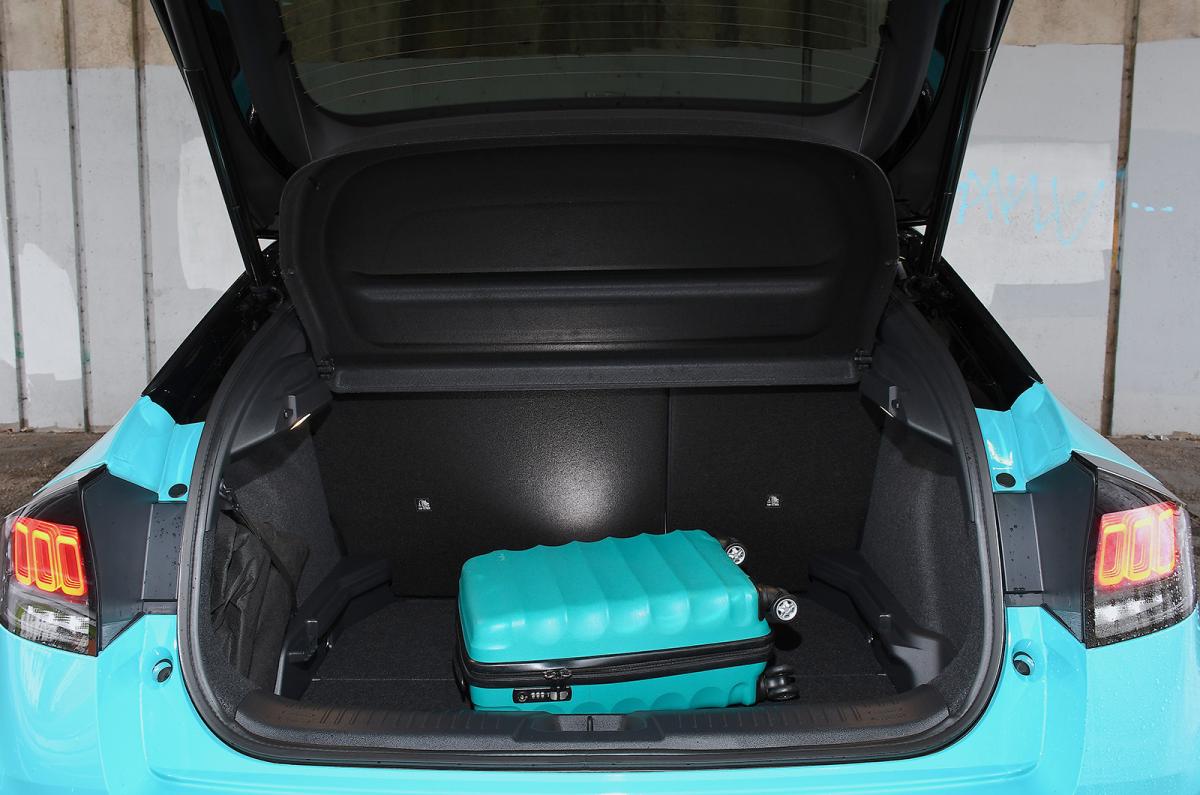
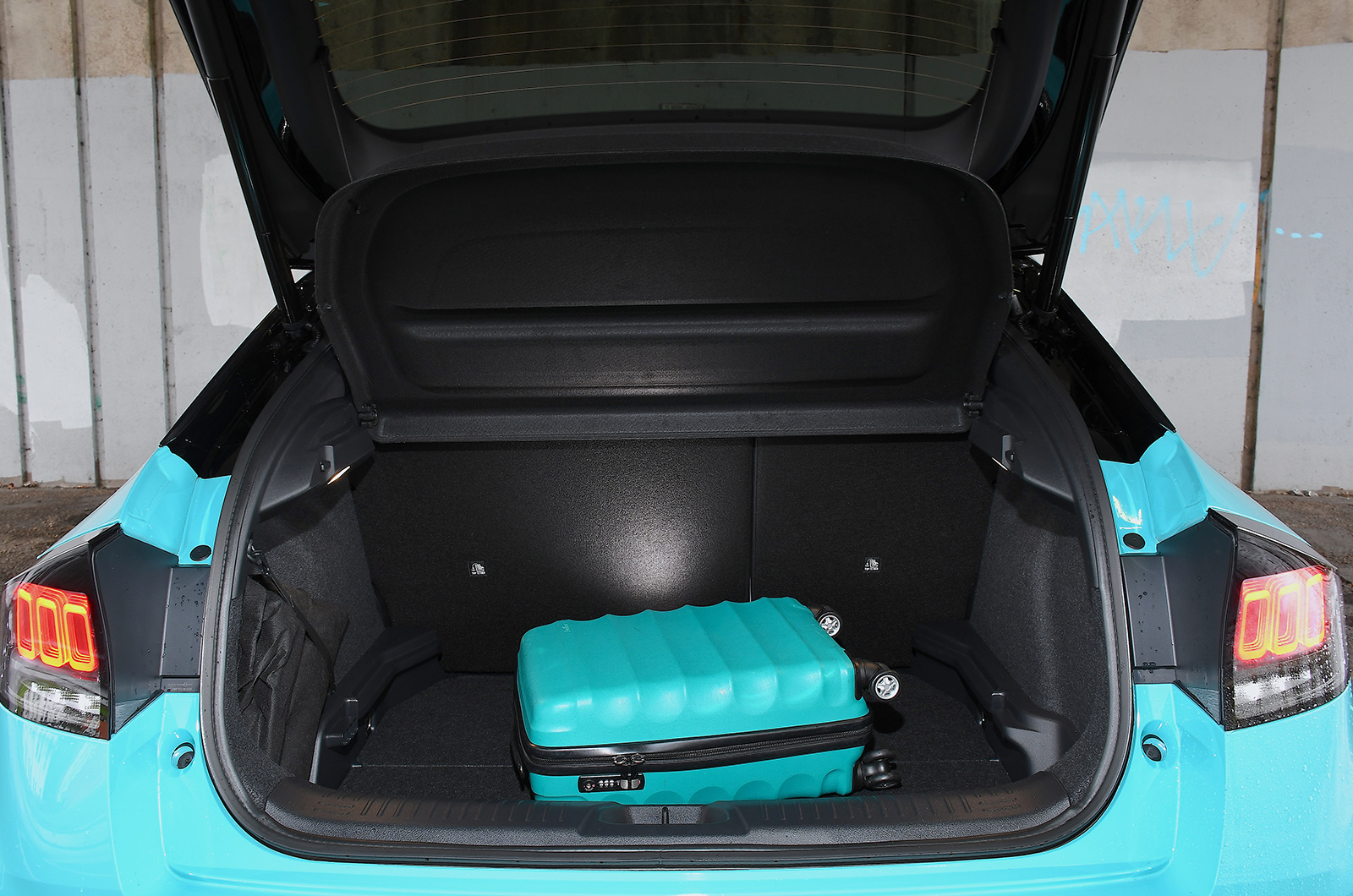
The Leaf gives you 437 litres of boot space – down on the Skoda Elroq (470 litres) and EV3 (460 litres) but up on the Avenger Electric (355 litres) and Renault 4 (375 litres). Despite its boot, we managed to fit six carry-on sized suitcases in, matching the EV3 but two less than in the Elroq.
The Leaf’s sloping roofline reduces space above the parcel shelf, but if you really want to maximise overall storage space, you can fold down the rear seats, which split-fold 60/40 (there’s no ski hatch, like there is in an Elroq).
The boot is a usefully boxy space, and has a big opening which makes access very simple. With the standard height-adjustable boot floor in its highest setting there’s not much of a loading lip at the front, either.
Like the Nissan Qashqai, the Leaf has a false floor split into two sections. That's handy if you want to divide up your items and/or stop them from rolling around in the boot.
“I understand a sloping roof helps aerodynamics and gives the car a somewhat sporty look but it does cut into your rear head room.” – Oliver Young, Reviewer
Buying & owning
Everyday costs, plus how reliable and safe it is
Strengths
- Competitive starting price
- Expected to be eligible for full Government grant
Weaknesses
- Warranty is nothing special
- No Euro NCAP rating yet
How much does it cost and what equipment do you get?
As a cash purchase, the big battery Nissan Leaf will cost you quite a bit more than the entry-level Renault 4, but less than the equivalent versions of the Kia EV3 and Skoda Elroq. Better still, the Leaf is eligible for the full Government electric car grant of £3750, which drops its price even further. The 52kWh version is yet to have a confirmed price.
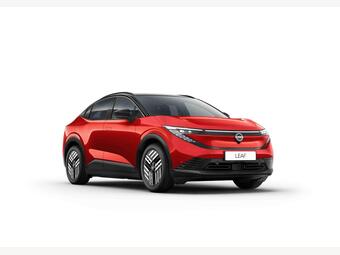
There are four trim levels to choose from: Engage, Engage+, Advance and Evolve. All give you generous levels of equipment, with even the entry-level version getting 18in alloy wheels, LED headlights, adaptive cruise control, a heat pump and the other bits we mentioned earlier.
Ways to buy
Stepping up through the ranks, Engage+ adds heated front seats, a heated steering wheel and the upgraded infotainment system, while Advance adds extras including synthetic leather, an electric tailgate and a head-up display.
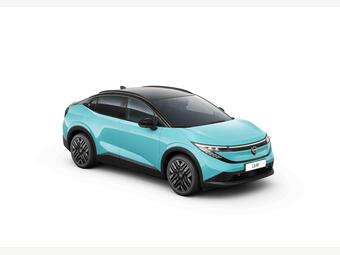
Top-spec Evolve gets everything that you could ever need, including 19in alloys, two-tone metallic paint, eight-way electrically adjustable seats with massage, Vehicle-to-load (V2L) and a premium Bose stereo upgrade.
Is it reliable, and how long is the warranty?
Nissan finished near the bottom of the brand table in the 2025 What Car? Reliability Survey, but this was mainly due to the poor performance of the Juke.
More encouragingly, while we don’t have any reliability data for the new Leaf yet, its predecessor was the third best performing electric car, behind only the BMW i3 and i4.
Like every Nissan, the Leaf will be covered under the brand’s three-year, 60,000-mile warranty – you then have an eight-year, 100,000-mile warranty on the battery. That's similar to most rivals, but Hyundai, Kia and Toyota all offer longer overall warranties.
How safe is it, and is it easy to steal?
The Leaf is yet to be tested by the safety experts at EuroNCAP but it comes with plenty of standard safety kit. That includes automatic emergency braking (AEB), rear automatic emergency braking, blind-spot monitoring, rear-cross traffic alert, lane-keeping assist and a driver monitoring system.
Every Leaf comes with a Thatcham alarm system, making it harder for would-be thieves to get their hands on it.
“I think the length of Nissan’s warranty is nothing special – it’s a shame it isn’t more competitive against other manufacturers.” –Dan Jones, Senior Reviewer
Buy it if
- You want a long range between charges
- You want a competitively-priced electric SUV
Don’t buy it if
- You want the most practical electric SUV
- You want the most agile electric SUV
For all the latest reviews, advice and new car deals, sign up to the What Car? newsletter here
Tips & Advice
Similarly priced cars


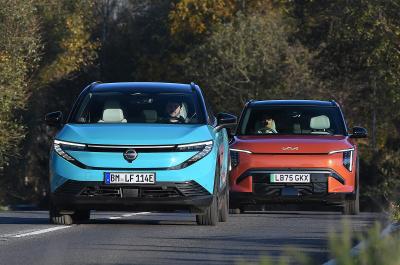
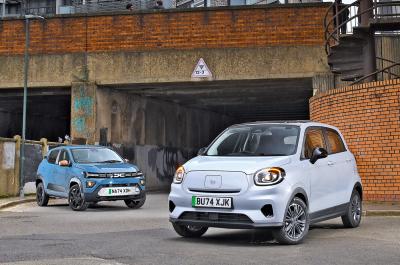
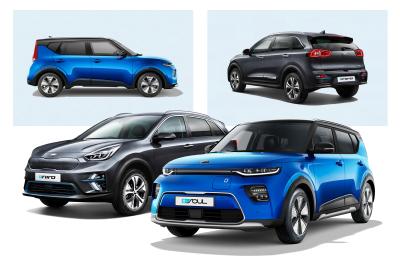
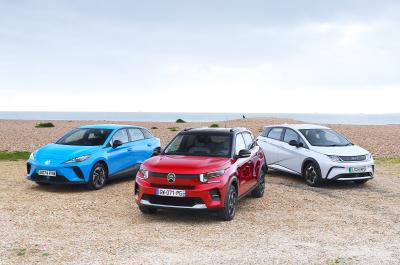
If you're interested in finding a Nissan Leaf, or any of the other electric cars mentioned here, head over to our Cars available now pages to find new cars listed for sale at great prices.
FAQs
Nissan Leaf specifications
RRP price range
Battery range (miles)
Available fuel types (which is best for you? )
Available colours
Number of engines (see all)
Number of trims (see all)
Company car tax at 20% (min/max)
Company car tax at 40% (min/max)
What is What Car? best price?
The What Car? best price shows you the cheapest way to buy your new car, whether it's by choosing an in-stock car through our partner Autotrader or placing a factory order.
Available now from: £33,149
RRP from: £35,999
About our price indicator
What Car? indicative Personal lease example (subject to status)
75kWh Advance SUV 5dr Electric Auto (218 ps)
| Expected annual mileage | 5000 |
| Term months | 36 |
| Deposit months | 12 |
| Monthly payment | £272.71 |
| Initial payment | £3,272.52 |
Step-by-step
Leasing works a bit like a long-term rental. You drive it, but you don’t own it.
- Choose your car, pick your terms and apply for lease credit online
- Pay monthly rental payments for your chosen term length
- Drive it, enjoy it, then give it back at the end
What you get
When you lease with Autotrader you get all of this:
- Full manufacturer’s warranty
- Road tax and roadside assistance included
- No admin fees
- Free returns within 30 days*
- Lower total monthly cost than PCP/HP
- No balloon payments
- Road tax included
Cars available now
About the writer