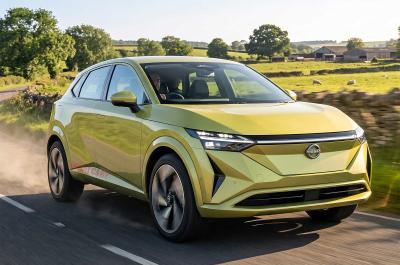
Nissan Qashqai e-Power long-term test
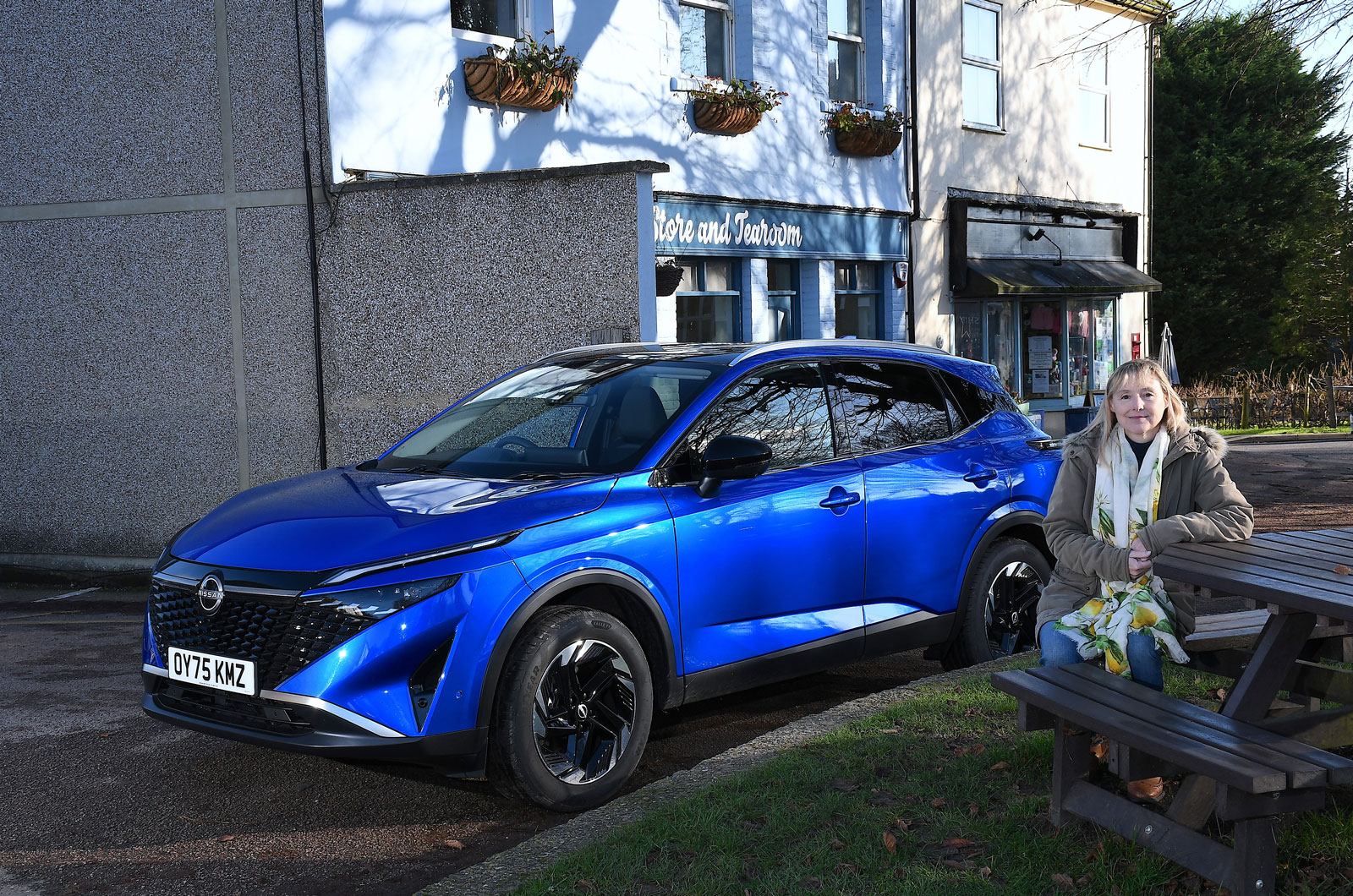
The car Nissan Qashqai e-POWER N-Connecta| Run by Claire Evans, consumer editor
Why it's here To see if a clever new hybrid family SUV can be a viable alternative to a pure electric model
Needs to Combine the performance and ease of use of an EV with the versatility of a hybrid
Mileage 8965 List price new £37,330 Best Price £29,699 Price as tested £38,825 Official mpg 62.8mpg Test mpg 53.7mpg Private price now £22,882 Dealer price now £25,580 Running costs (excluding depreciation) £410.58 (fuel)
24 March 2026 – Familiar friend with a twist
“It’s a Qashqai, Jim, but not as we know it.” Excuse the mis-quote of this hugely famous mis-quote, which was never actually uttered by Spock in Star Trek. However, I’ve borrowed and slightly adapted it because it’s extremely apt for my Nissan Qashqai.
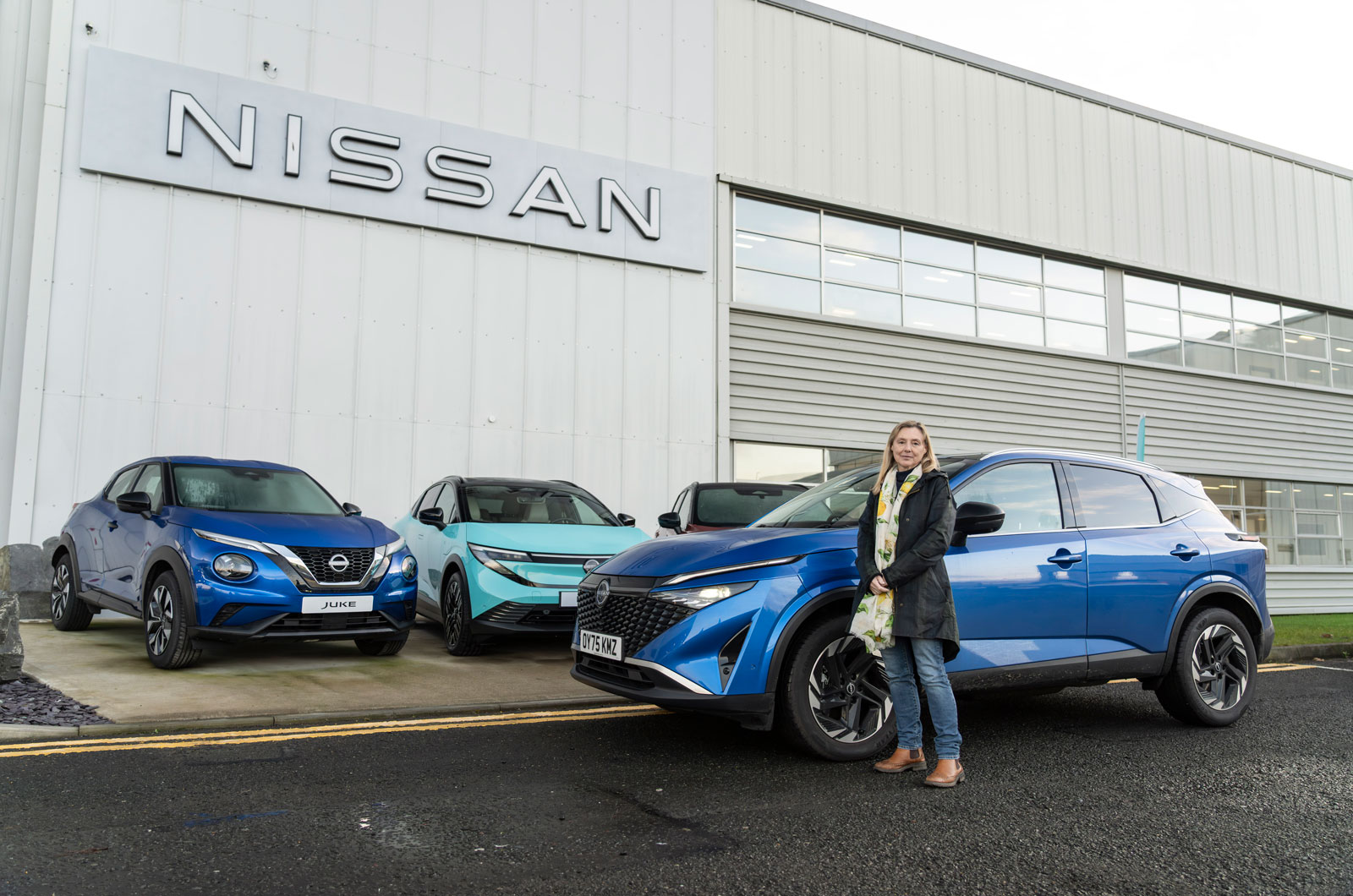
This is something that struck me when I took my car back to its birthplace in Sunderland. Unlike the majority of the 4.5 million Qashqais that have been produced at this factory since 2006. Most of them have been petrol, diesel or conventional hybrids, yet the e-Power is far more akin to an electric vehicle (EV). This is important because it makes the e-Power an interesting alternative for anyone who’s tempted to go down the EV route, but not sure they’re quite ready yet.


A range-extender hybrid, the e-Power is powered by a 1.5-litre petrol engine and an electric motor that give it punchy acceleration and the economy of a small petrol powered hatchback. Other benefits include the lack of a conventional gearbox, so it doesn’t struggle to pick the right gear if you accelerate hard, and a one-pedal driving mode, which takes the stress out of crawling along in urban traffic.
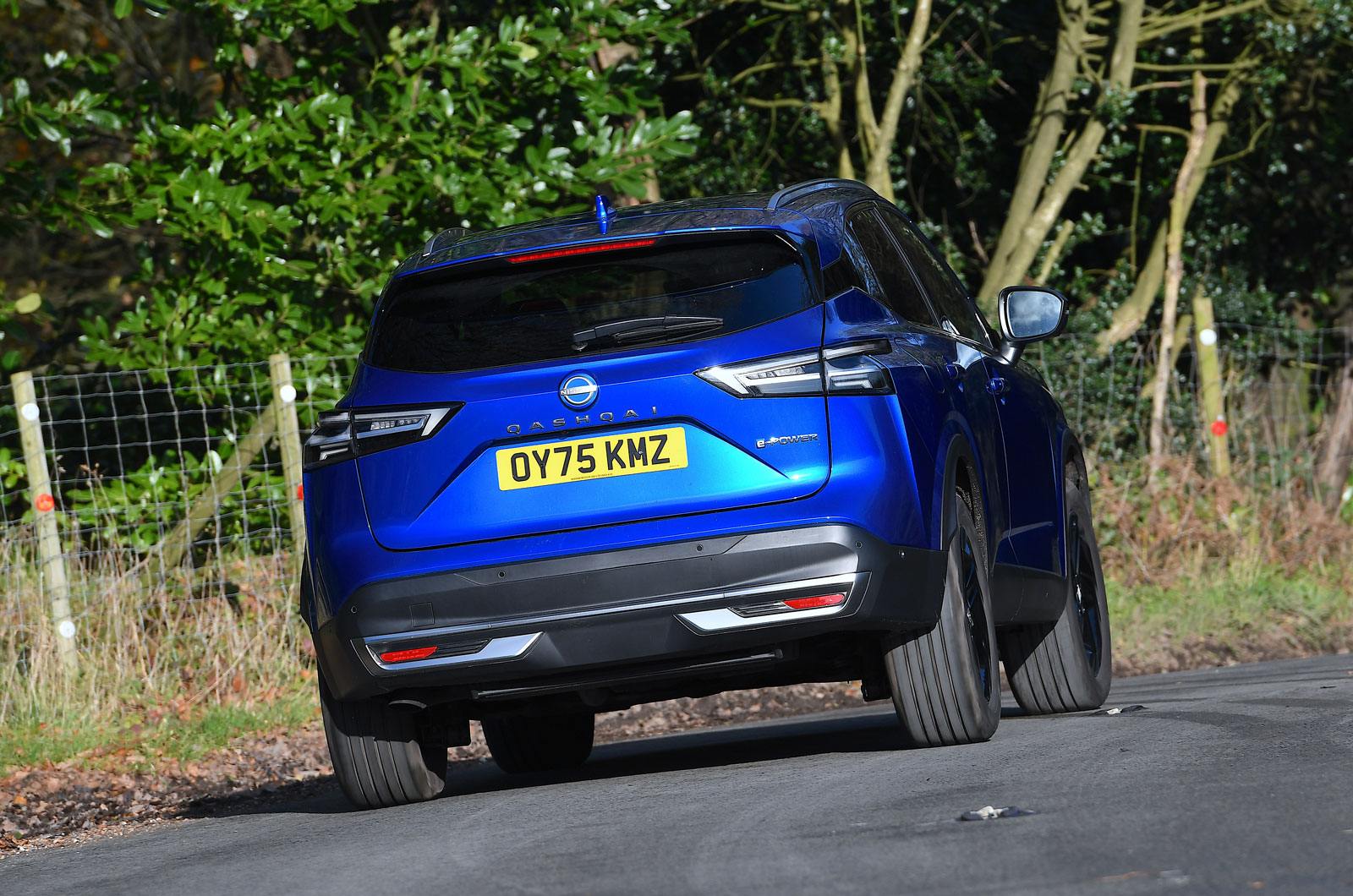
Its vital statistics are pretty impressive: 0-62mph takes 7.6 seconds, yet in my hands it’s achieved an average of almost 55mpg. And for drivers who enjoy the challenge of optimising fuel economy, the company’s clever engineers have come up with lots of different options to suit different driving situations.
As well as the usual Eco, Standard and Sport driving modes, there are three other settings: e-Pedal, EV and B modes. The e-Pedal function puts the car in its one–pedal driving mode and enhances the regenerative braking to put more energy back into the batteries. B mode provides even more energy regeneration and is useful for improving economy in urban driving, and EV mode takes this further by making the car drive without using the petrol engine until the batteries run down, enabling emission-free city driving.
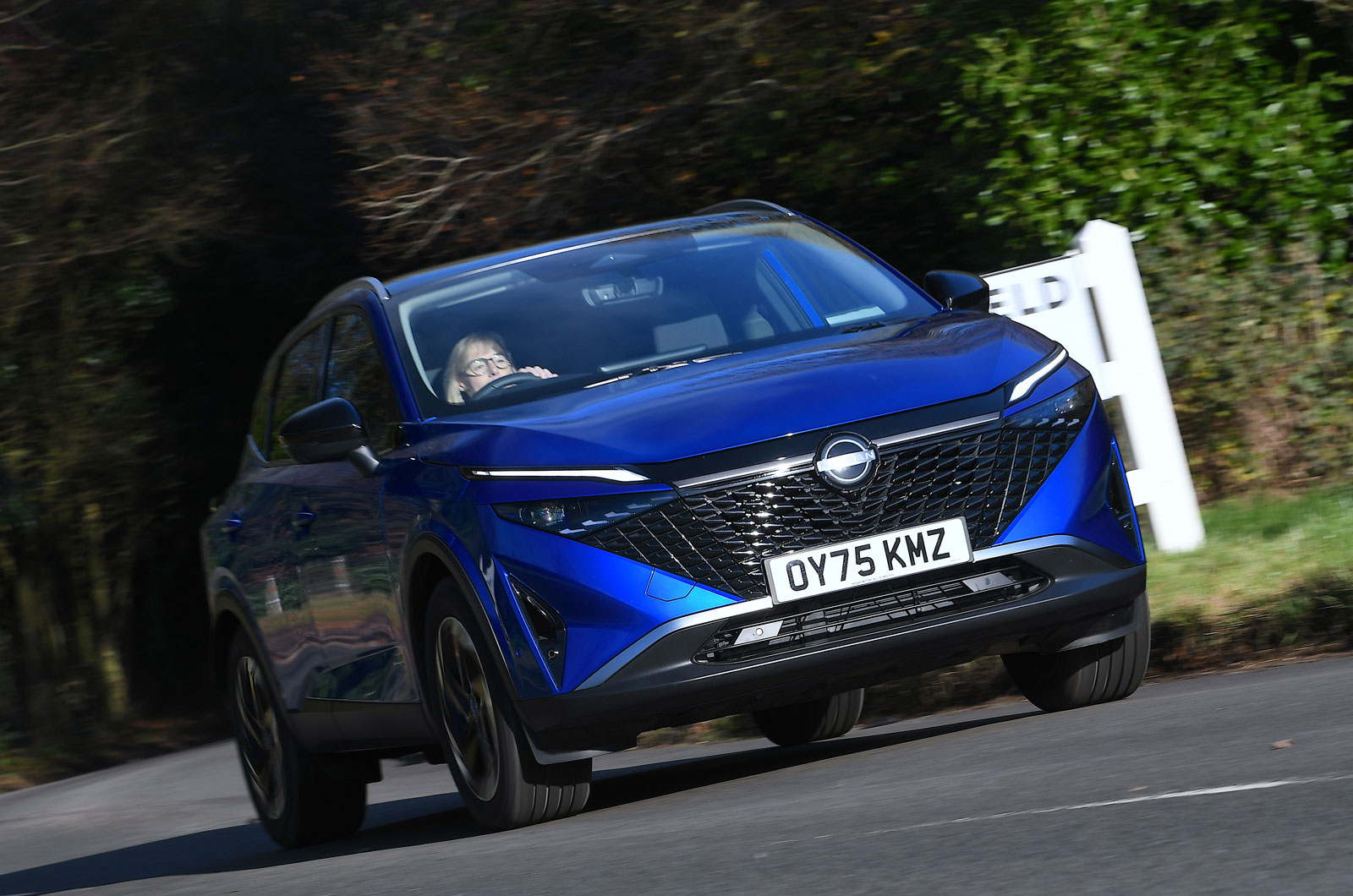
Of these options, I found the e-Pedal the most effective in town, upping economy to 58-60mpg even with the car in Standard driving mode, which I prefer as it doesn’t have overly strong regenerative braking.
My Qashqai isn’t a total departure from its siblings, though. Like them, it’s immensely practical and designed with families in mind. As I found out from talking to the engineer in charge of what Nissan calls marketability, many hours of work went into ensuring every feature from the luggage compartment to the phone charging options are as easy as possible for the driver and passengers to use.
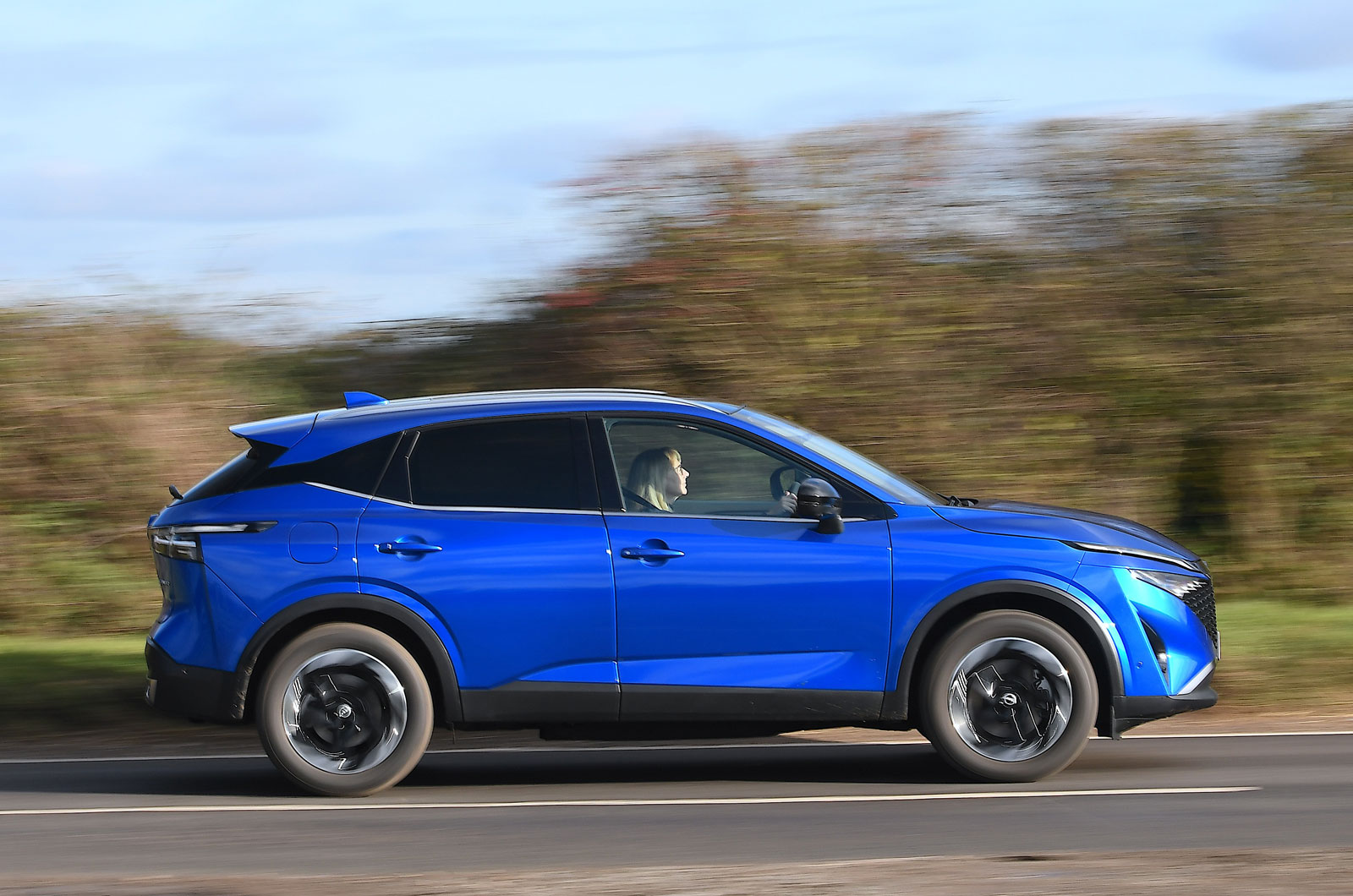
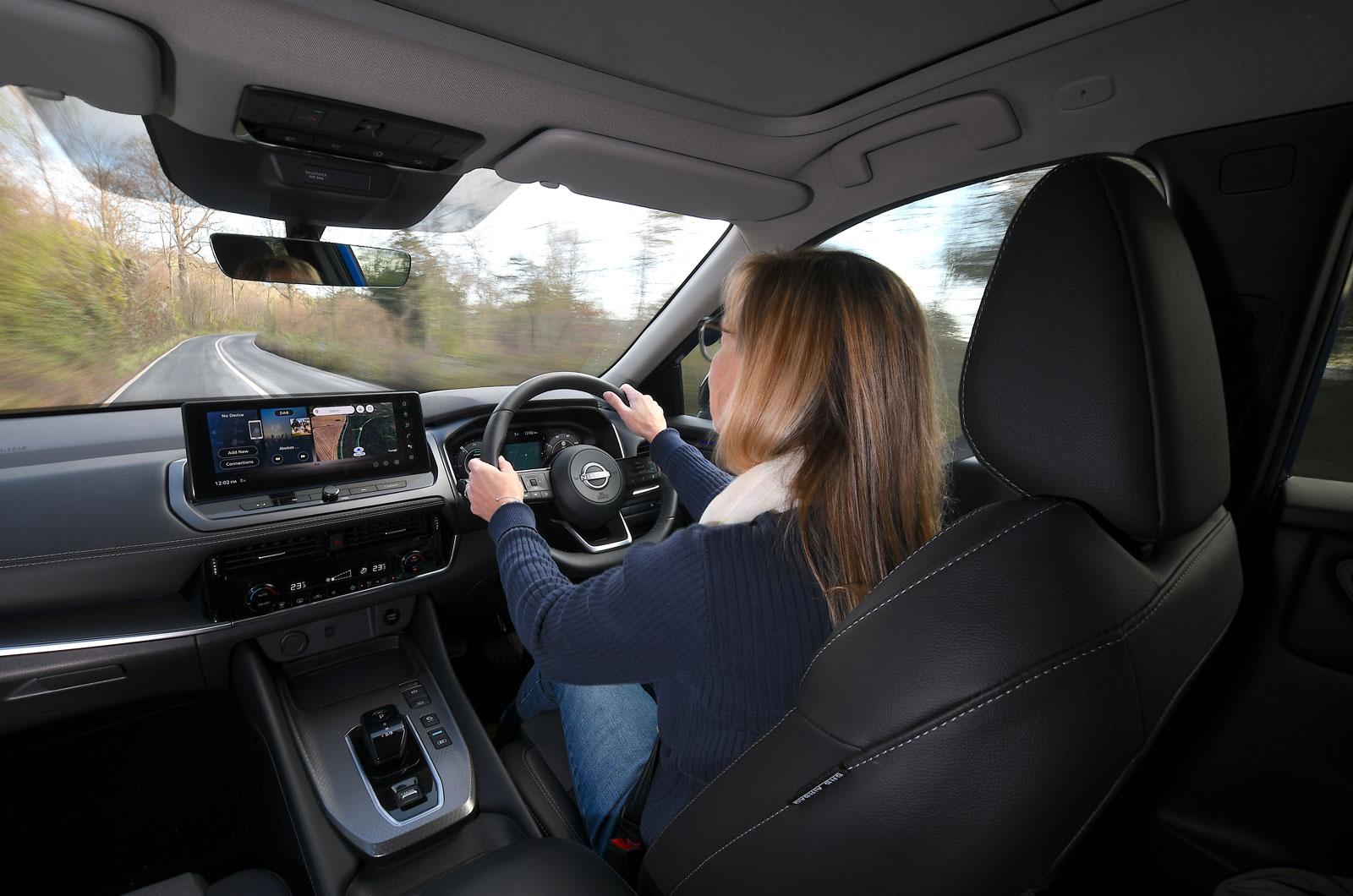
As a frequent long-distance driver who has spent many hours in the Qashqai and other family SUVs, it’s the little things that are important, such as having enough room in the centre console for all my oddments, and having various drinks compartments that are big enough for my water bottle and takeaway cups.
It’s also great that there’s no compromise in boot space with the e-Power. It has the same 504 litres of room as other versions, unlike many other hybrids in which the batteries eat up some of the space. I also appreciate the boot floor, which doubles as a divider that can be used to keep mucky boots away from other luggage.
The Qashqai does have some shortcomings, though, in particular, the speed assist system, which has proved annoying. Its speed limit alerts aren’t always accurate - it bongs at me to tell me sections of the road I live on have a 20mph limit, even though they don’t, and there’s a 40mph sign on the grass verge next to our house. Although Nissan has provided a shortcut button on the steering wheel to turn the audible speeding warnings off, this only works for a short time rather than the entire journey.
I was also surprised to find that some features that I’d expect to be on a mid-range version, such as my N-Connecta, were not included. This trim level doesn’t come with heated seats or a heated steering wheel, and there’s no option to add them, so you have to opt for a pricier trim level if you want them.
These niggles aside, the Qashqai e-Power has shown itself to be a more modern take on Nissan’s family SUV that is a good halfway house for anyone wanting to gain some of the benefits of electric power without opting for a pure electric model.
For all the latest reviews, advice and new car deals, sign up to the What Car? newsletter here
Read more about our long-term Nissan Qashqai >>
Read about more long-term test cars >>
Buy a new car with What Car?
Like the sound of the Nissan Qashqai?
If so, check our New Car Deals page to see how much you could save on the Qashqai.
We’ve got the biggest selection of discounted new cars available in the UK.