Used Nissan Qashqai 2007 - 2013 reliability review
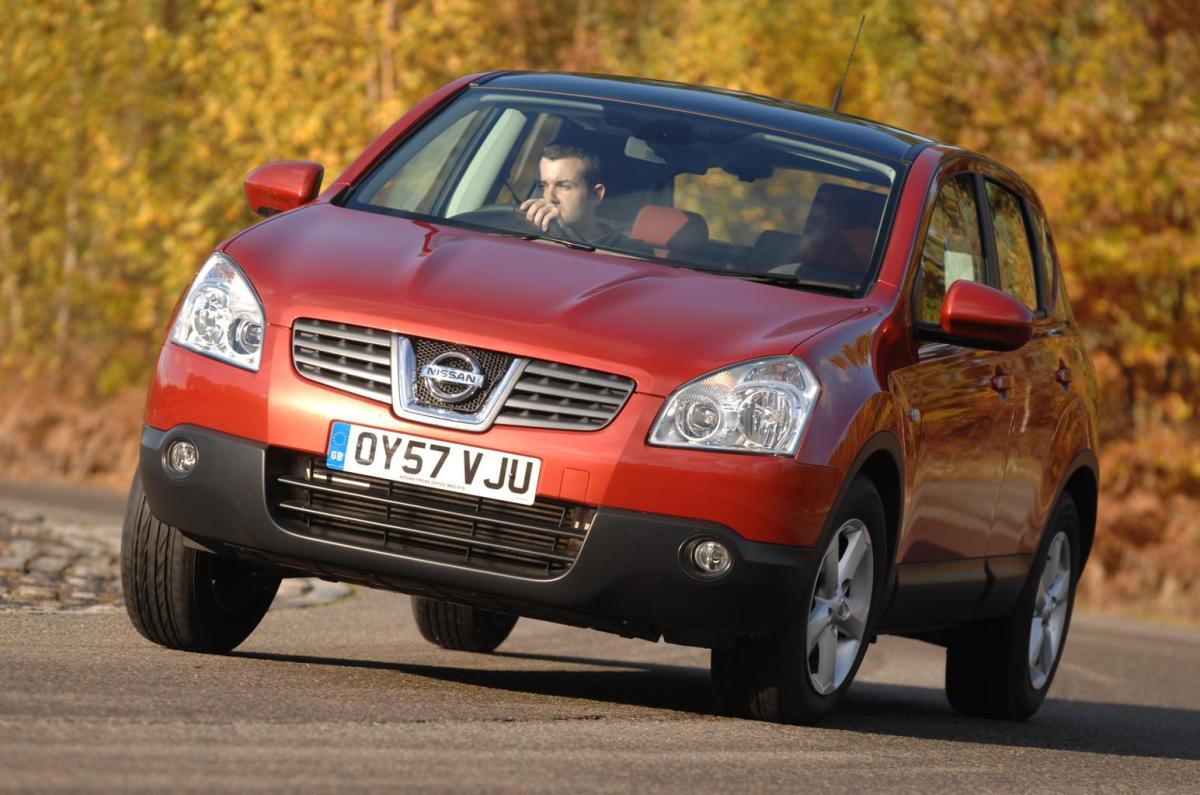
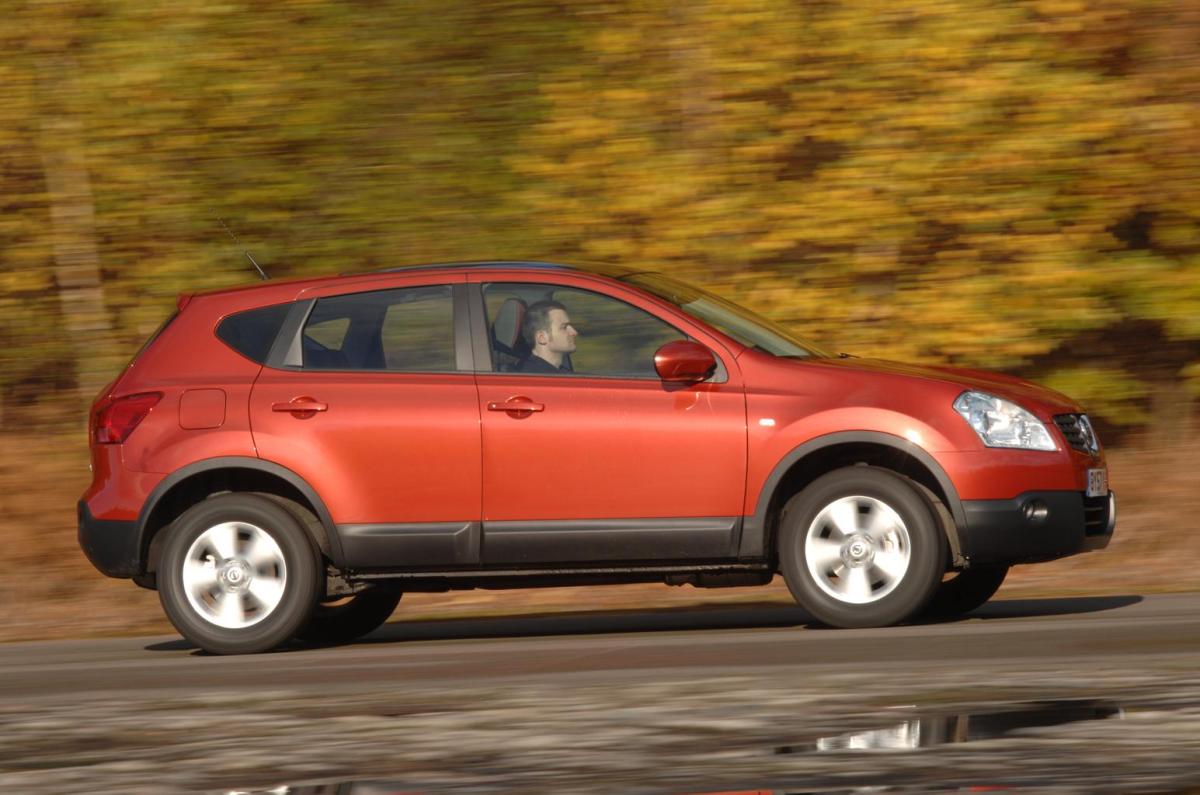
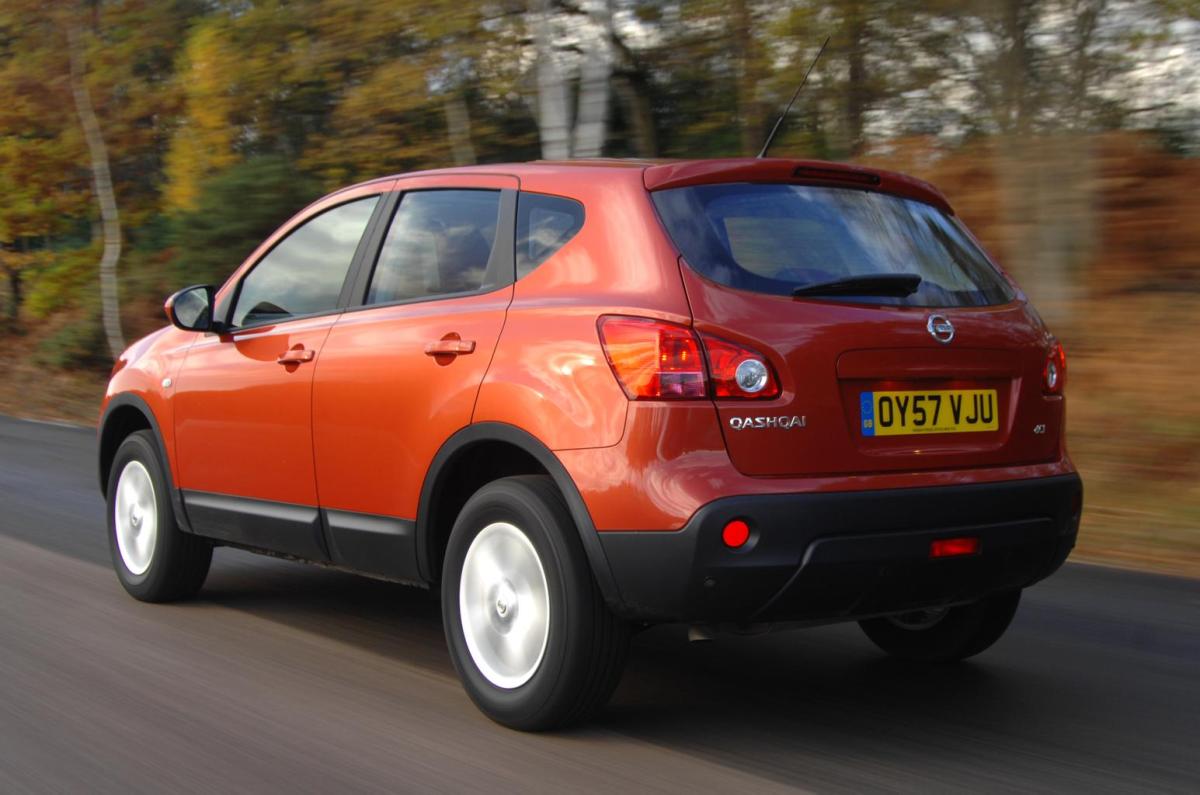
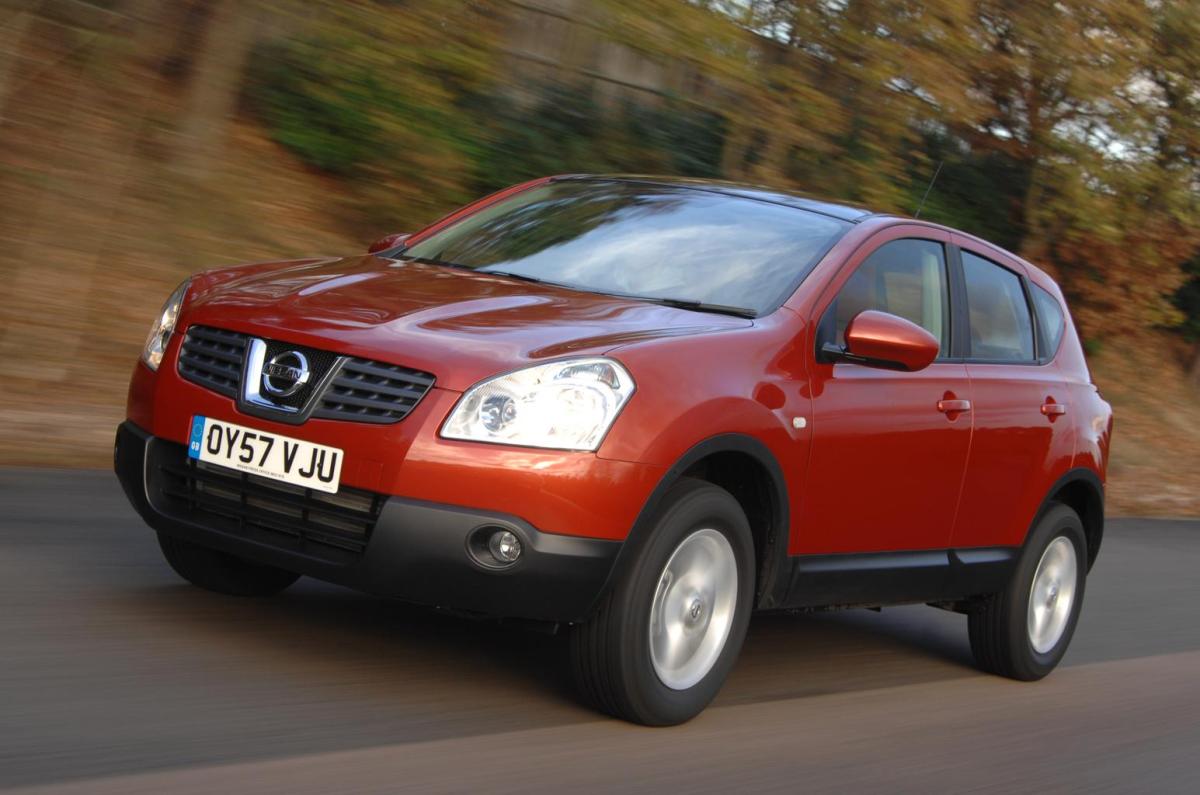
The first-generation Nissan Qashqai set the family SUV ball rolling, and it's still a very worthy used buy.


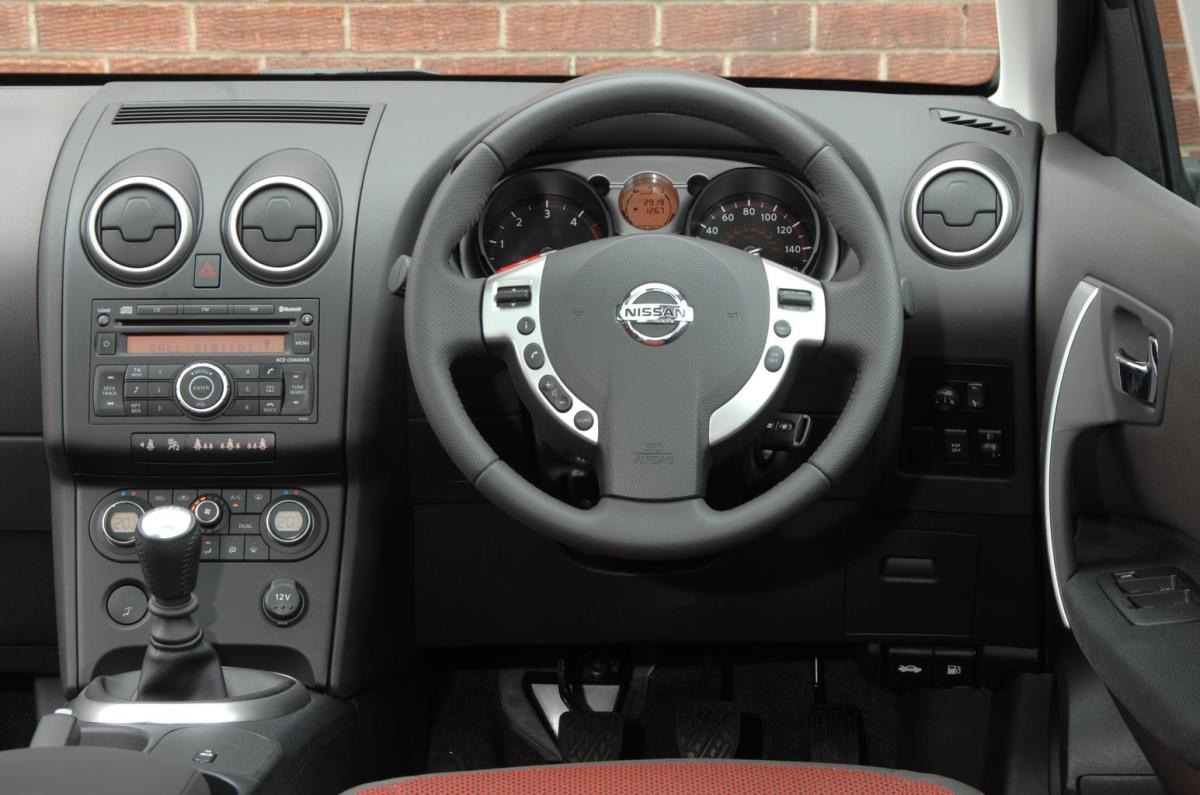
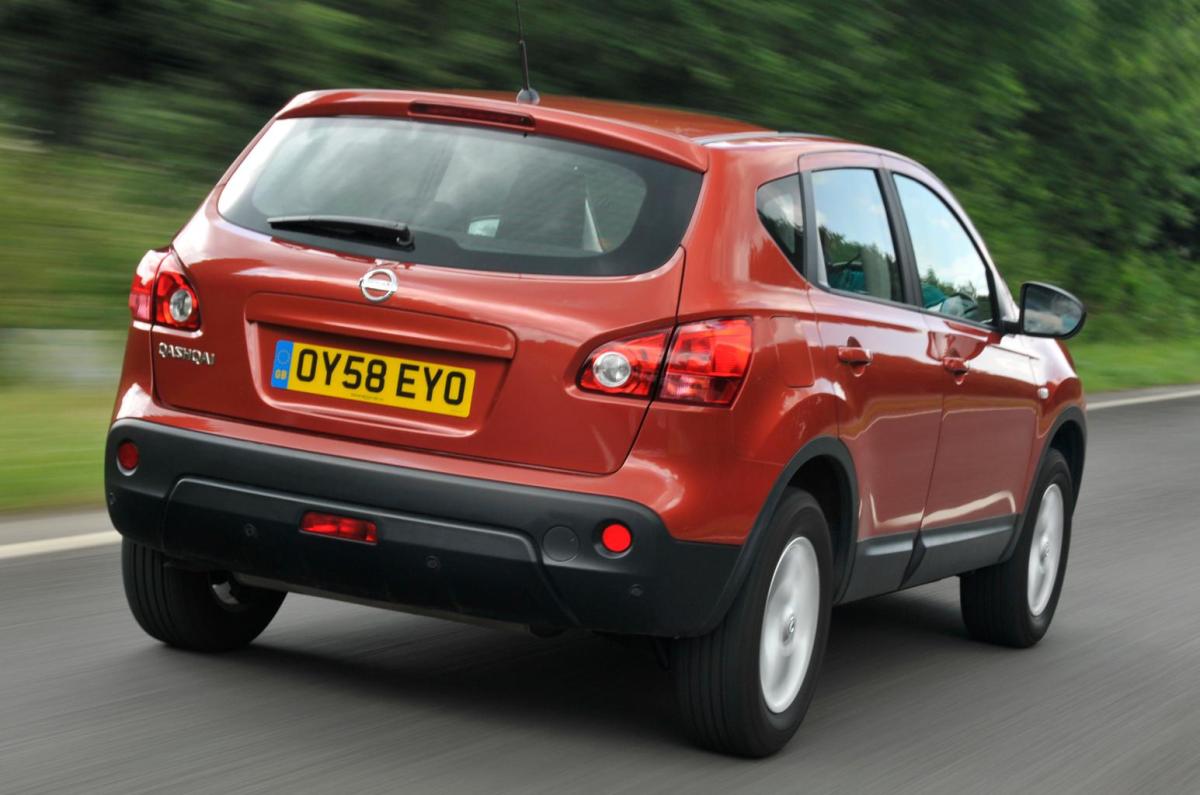
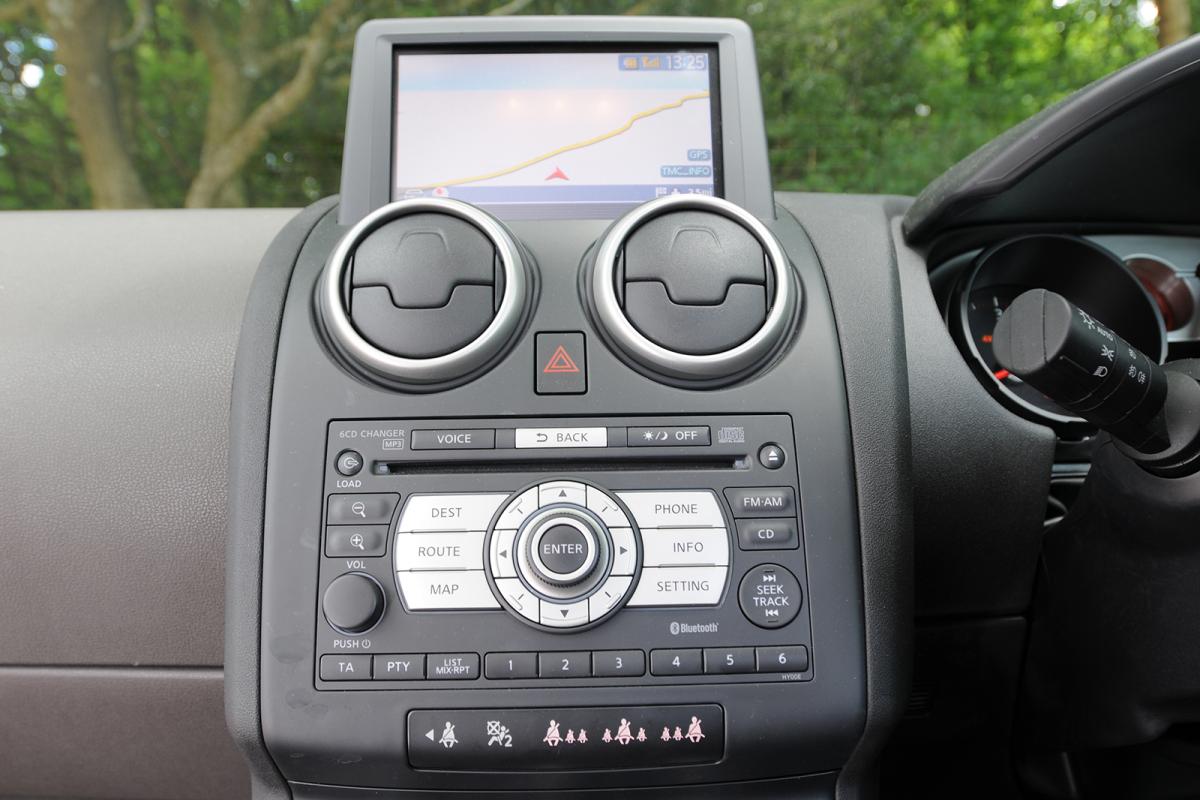
- Nissan Qashqai (07 - 13)
- Nissan Qashqai (07 - 13)
- Nissan Qashqai (07 - 13)
- Nissan Qashqai (07 - 13)
- Nissan Qashqai (07 - 13)
- Nissan Qashqai (07 - 13)
- Used test: Peugeot 3008 vs Nissan Qashqai
- Nissan Qashqai (07 - 13)
- Nissan Qashqai (07 - 13)
- Nissan Qashqai (07 - 13)
- Nissan Qashqai (07 - 13)
- Nissan Qashqai 2007-2013

What should I look for in a used Nissan Qashqai?
Be wary of diesel Qashqais, because the diesel particulate filter (DPFs) can clog up under such conditions, and is expensive to replace. Make sure the DPF warning light is working and that it goes off once the car is running.
DPF problems seems to affect the 2.0-litre diesel more than the 1.5. However, the 1.5-litre engine can suffers from sticking valves if used on mainly low-speed or short journeys. This can lead to turbocharger failure and lack of lubrication elsewhere in the engine, so look out for uneven idling or stuttering when accelerating. Check the oil level, too, and ensure there's a full service history detailing regular oil changes.
Also, inspect the service history for timing belt changes. The 1.5 dCi diesel engine's timing belt (and tensioners and water pump) must be changed at least every four years or 60,000 miles. If the belt fails (and there have been many failures) it can completely wreck the engine leading to a large repair bill.
Listen for rattles from the rear suspension, especially on early, pre-facelift versions of the Qashqai, because there's a known issue with the dampers. Most would have been changed on the original warranty, but it's possible that some used examples will still exhibit this.
Is a used Nissan Qashqai reliable?
According to data from CAP Derwent, the first-gen Nissan Qashqai is better than class average for most serviceable items, including brake pads, wiper blades, fuel filters, pollen filters and brake fluid.
The Qashqai's air-conditioning system requires attention less often than rival cars’, too, and the timing belt change interval on some versions is 95,000 miles, as opposed to the segment average of 37,000 miles.
Brake discs and light bulbs are on par with the rest of the class, but it's safe to say that the first-gen Qashqai has a good reputation for durability.
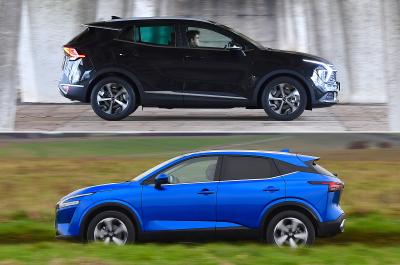
Alas, the later second-generation Qashqai has always had a poor reliability record, by contrast. In the most recent What Car? reliability survey it appeared in, it came fourth from bottom in the family SUV class.
Reliability rating 87.0%
Few of the cars we were told about had a higher proportion of faults than the Nissan Qashqai, with 40% of them going wrong. The battery and non-engine electrical systems caused the most problems, followed by the brakes, exhaust and interior trim. Most of the stricken cars could still be driven, but more than a quarter spent a week or longer in the garage. On the bright side, four out of five of them were fixed for free and no repair bills topped £300.
The diesel-engined cars from 2014-2021 were no better in our most recent survey.
Reliability rating 83.2%
What went wrong? Non-engine electrics 20%, brakes 15%, battery 10%, engine 5%, fuel system 5%, gearbox/clutch 5%
Owners of diesel versions of the 2014-2021 Nissan Qashqai are far more likely to be acquainted with their local dealer than petrol Qashqai owners because 35% of diesel models went wrong, compared with 18% of petrols. A third of cars were out of action for more than a week, and although Nissan covered the cost of 72% of repairs, that left some owners with bills of up to £500.
Nissan as a brand finished in 19th place out of 32 manufacturers in the same survey. This was a better result than in previous years, and the firm's score of 90.7% was respectable. It placed above Audi, Mercedes, Peugeot and Volkswagen but below BMW, Ford and Honda.
Page 3 of 5
Tips & Advice
Used cars available now

About the writer