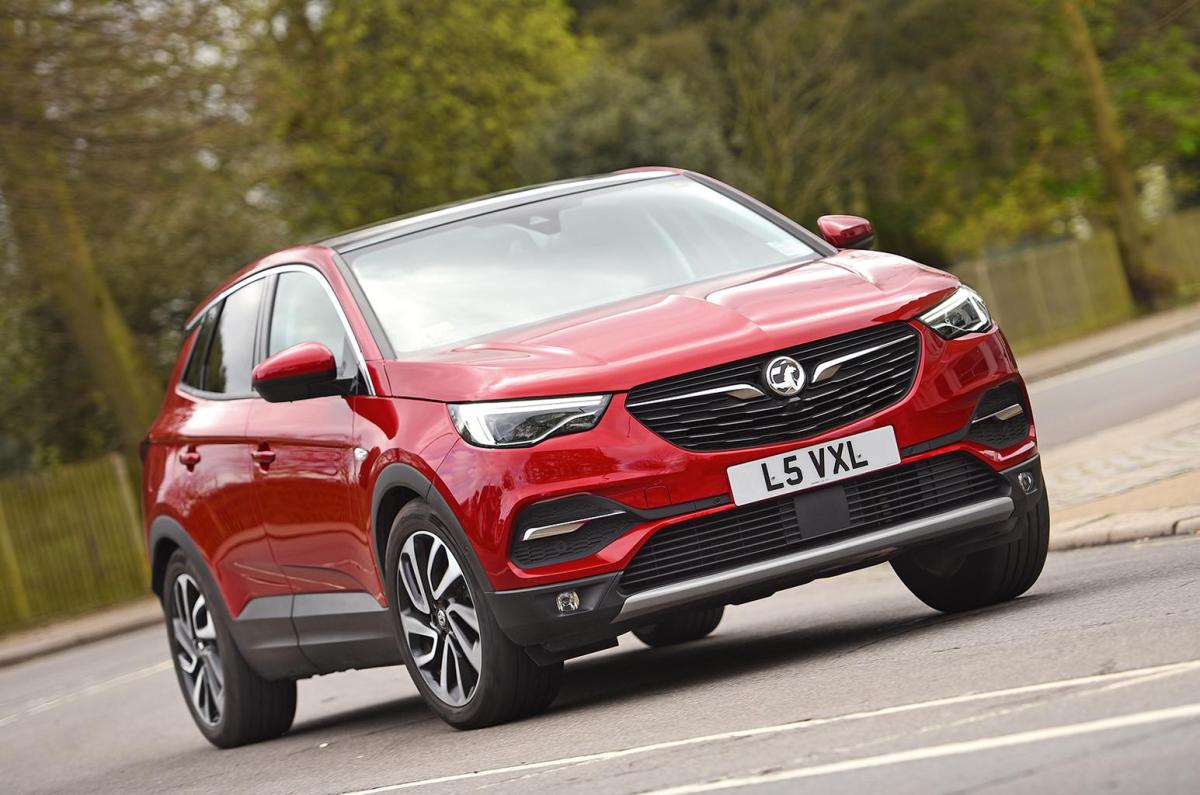
- Used Vauxhall Grandland 2018-2024 front cornering red
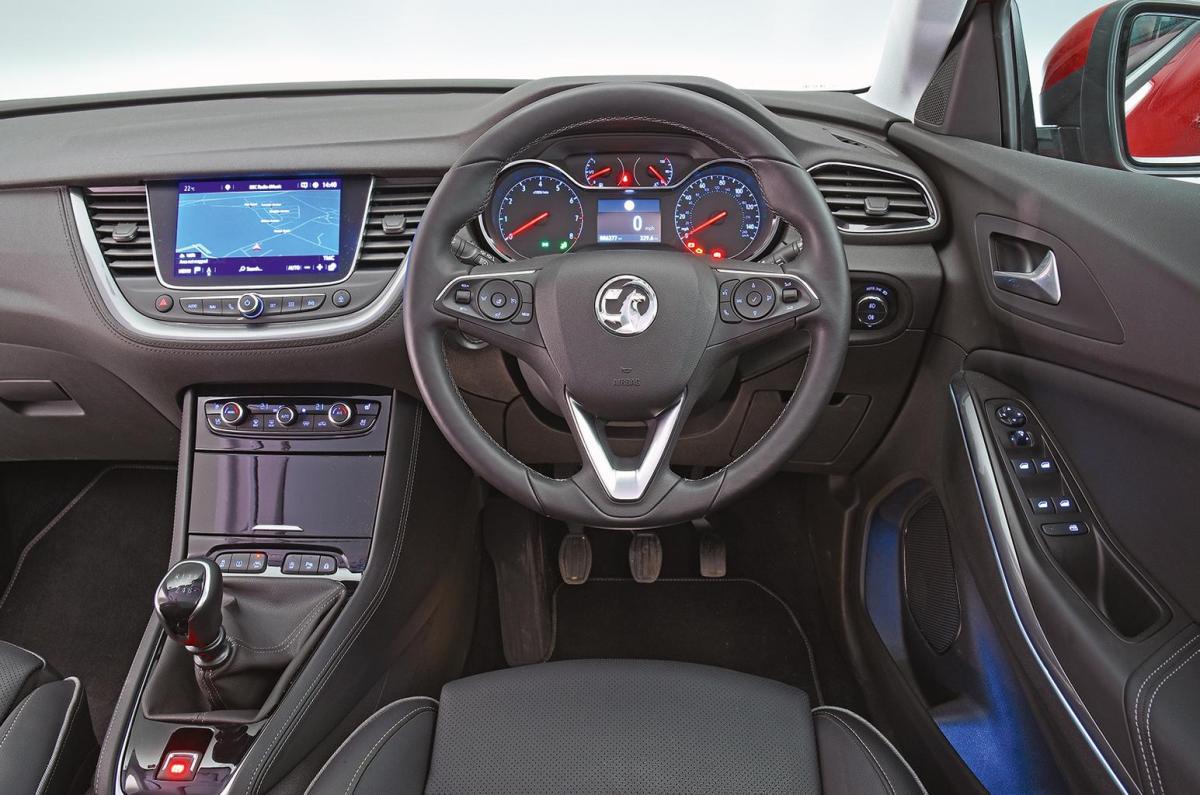
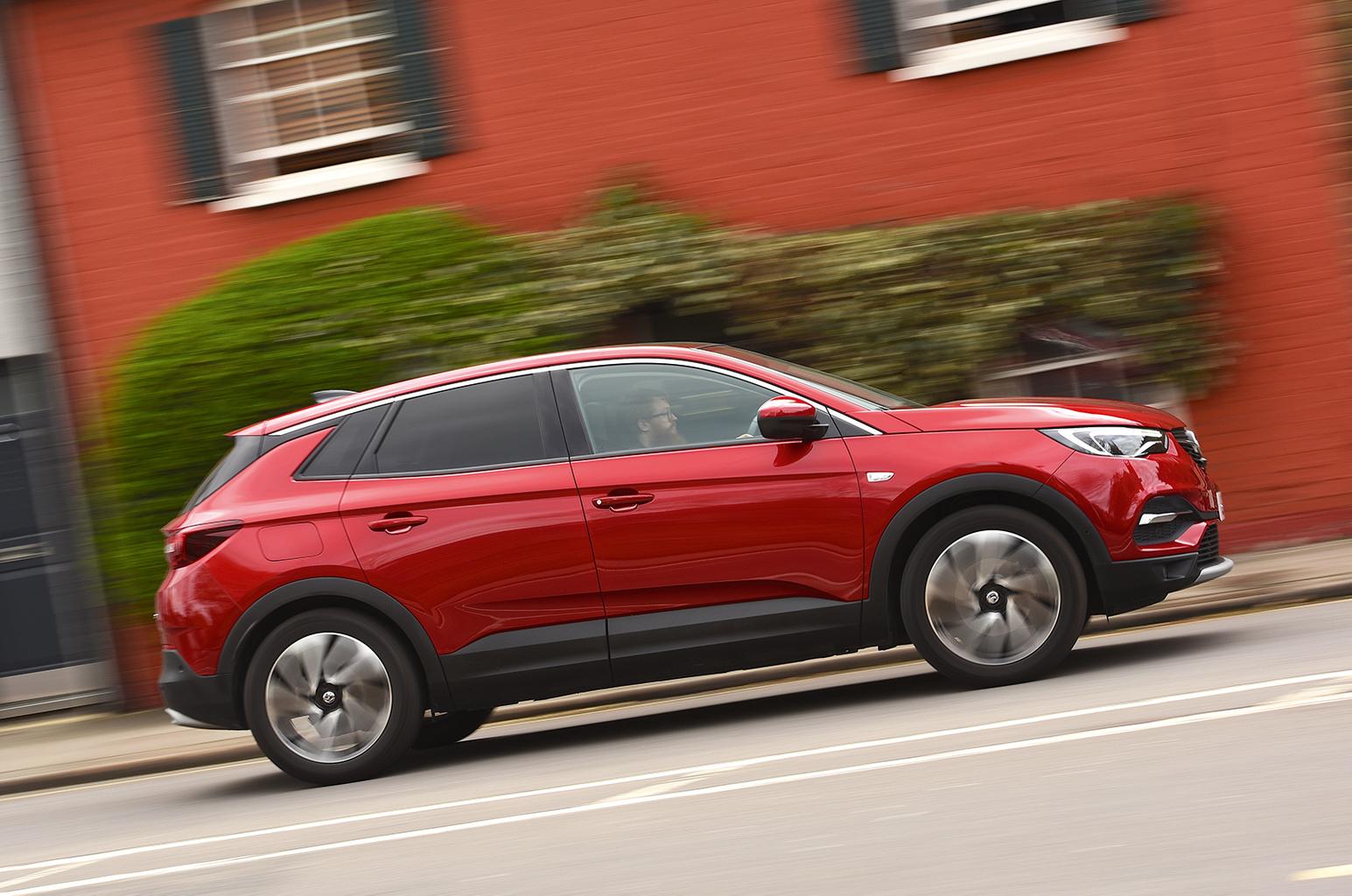
- Used Vauxhall Grandland 2018-2024 interior dashboard
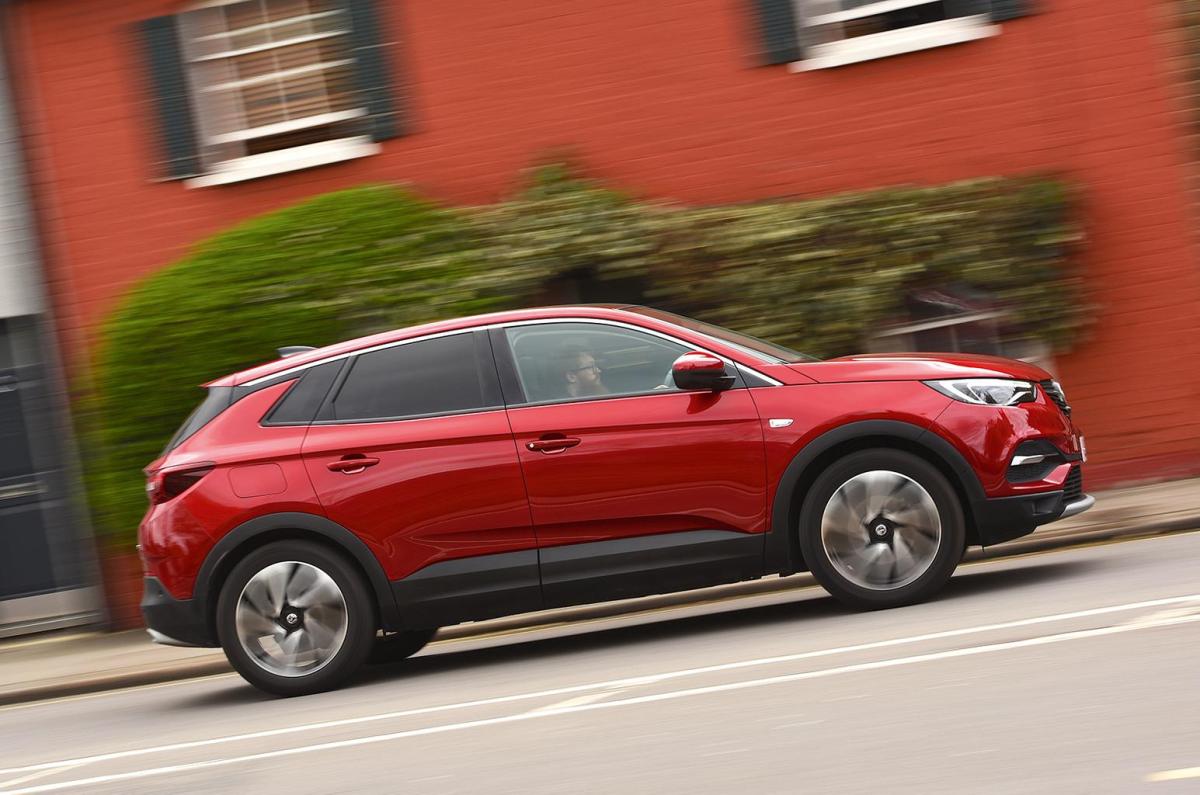
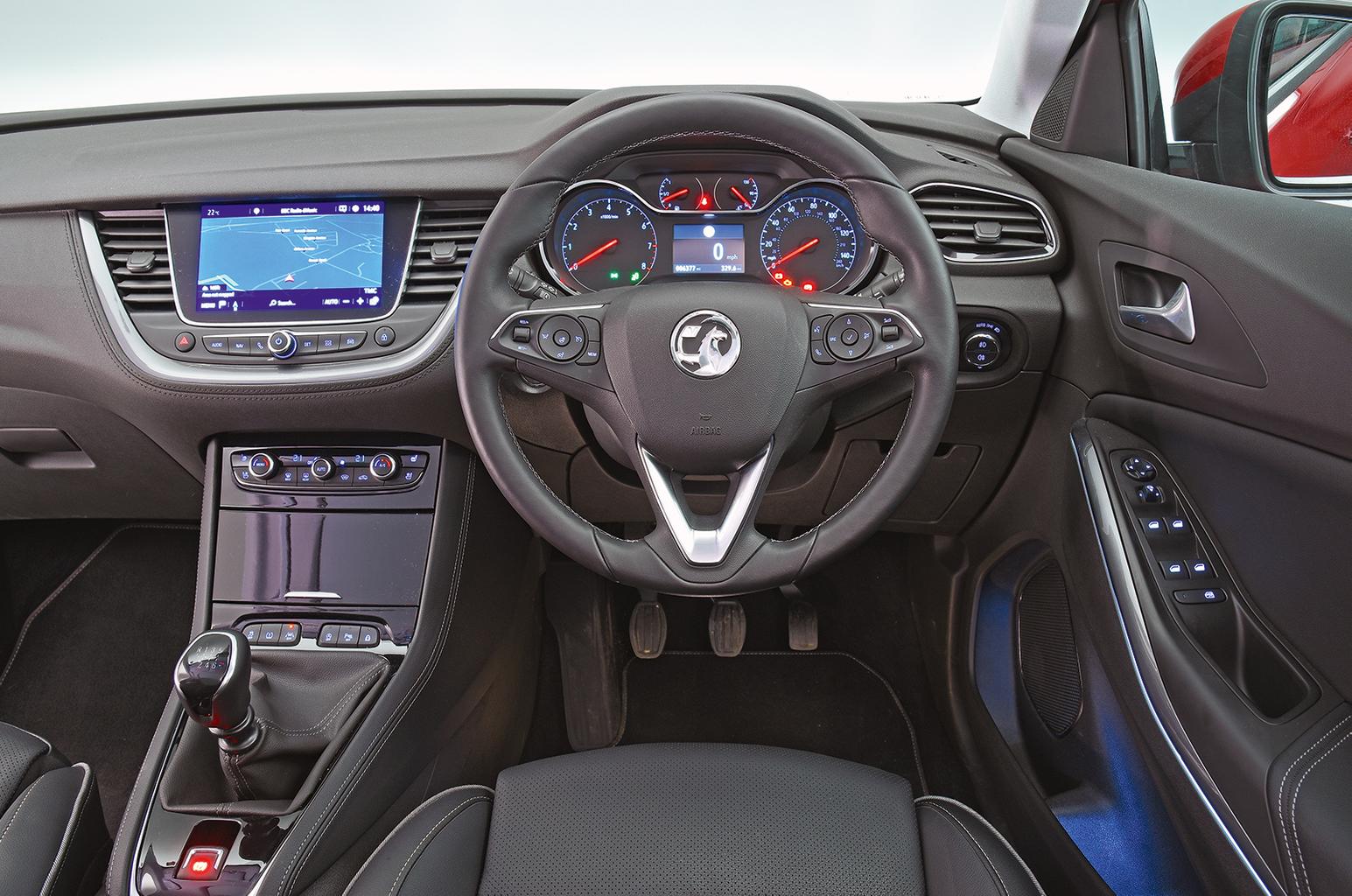
- Used Vauxhall Grandland 2018-2024 side driving red
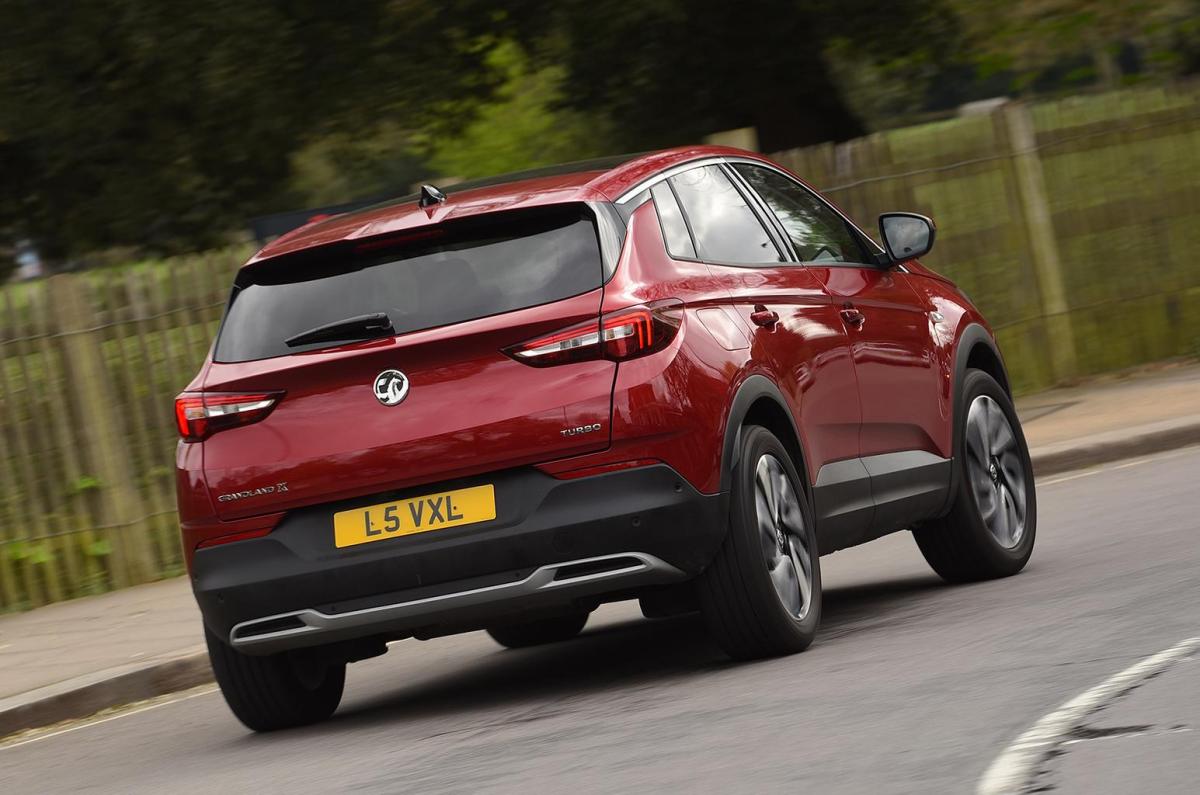
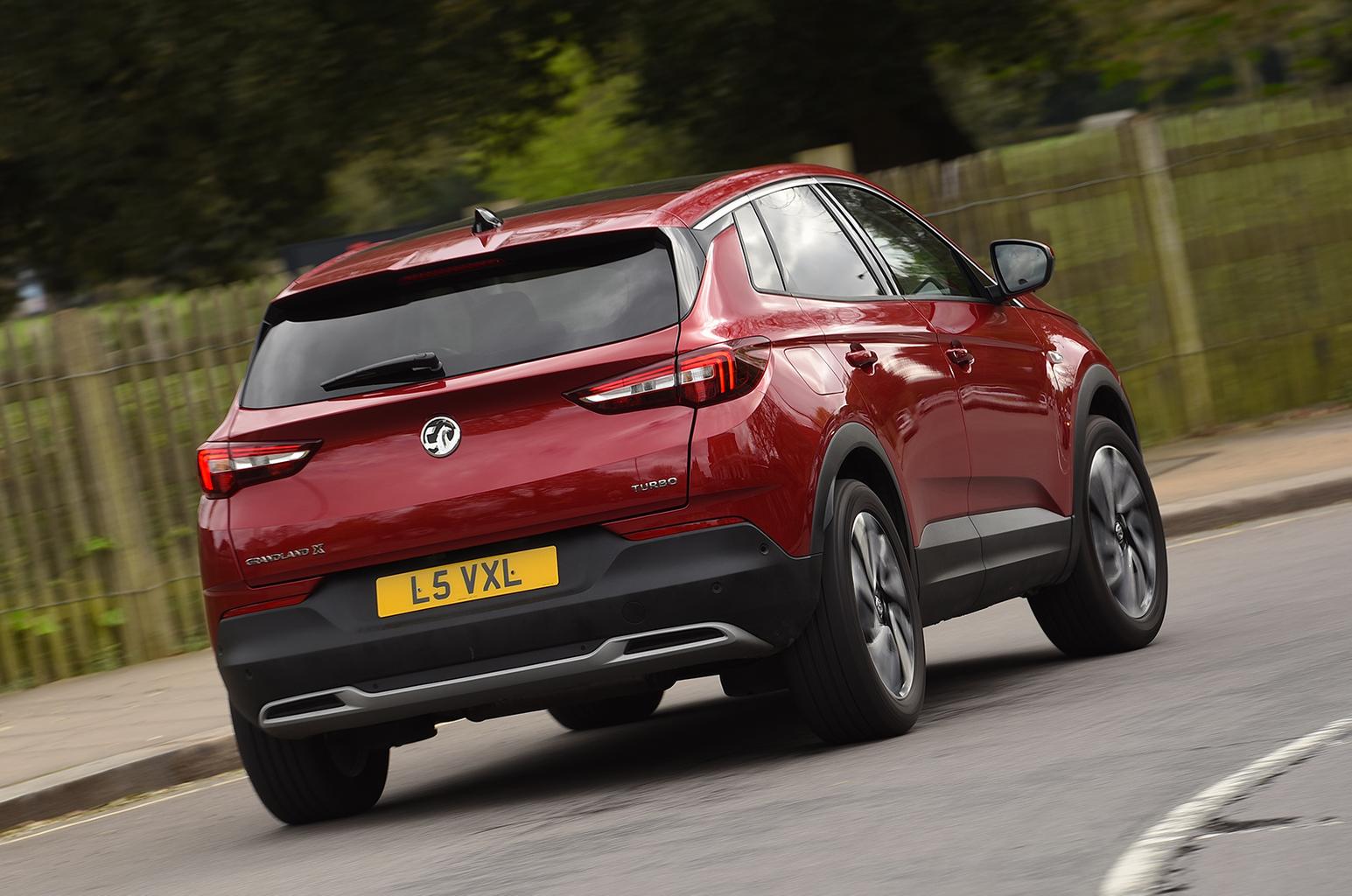
- Used Vauxhall Grandland 2018-2024 rear cornering red
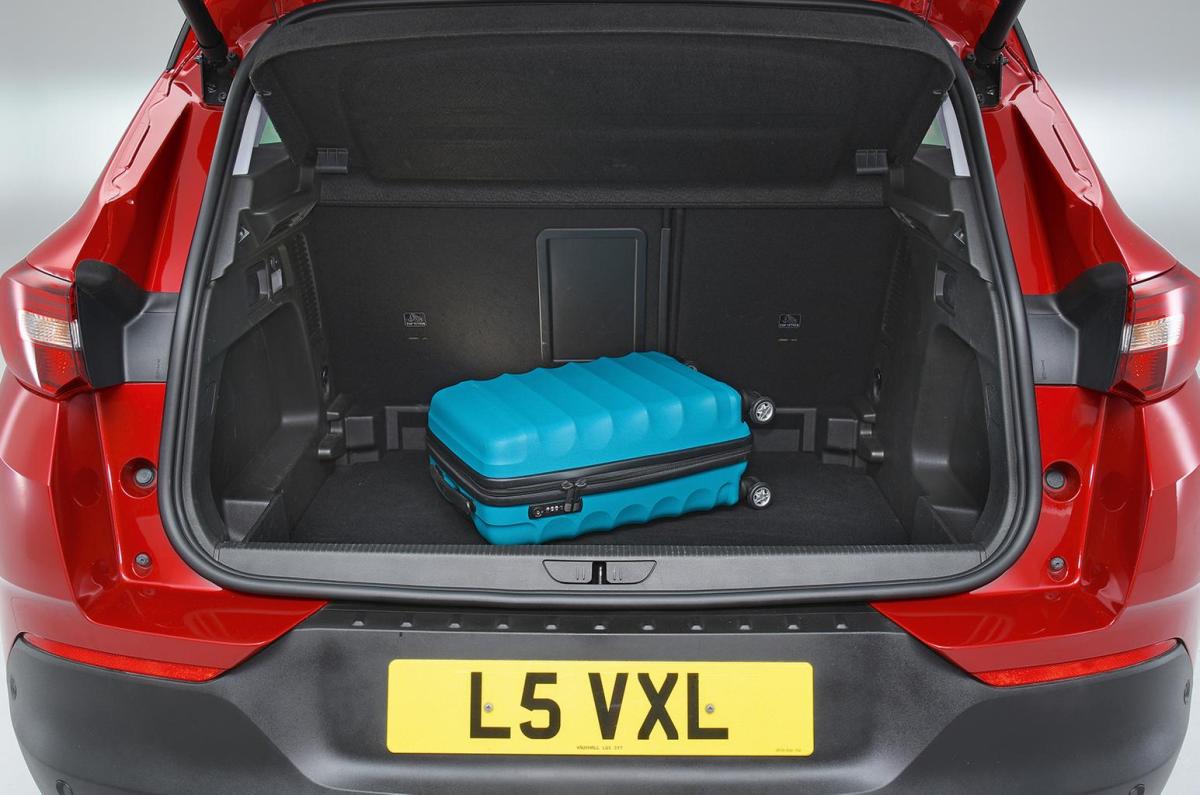
- Used Vauxhall Grandland 2018-2024 boot

What's the used Vauxhall Grandland like?
Family cars have moved on from the humble hatchbacks of old; increasingly, buyers are turning towards SUVs for domestic duty, whether that's taking the children to school, picking up the weekly shop from the supermarket and taking the grandparents out at the weekend. Perhaps that's why the Vauxhall Grandland has been so popular over the years.
The Grandland competes with the likes of the Seat Ateca and the equally popular Nissan Qashqai. Just like the smaller Vauxhall Crossland, the Grandland is based on Peugeot underpinnings, in this case the Peugeot 3008.


Pros
- Generous standard equipment
- Good fuel economy
- Practical boot
Cons
- Sluggish infotainment system
- Tricky to drive smoothly
- Endless trim options can be confusing
Used cars available now

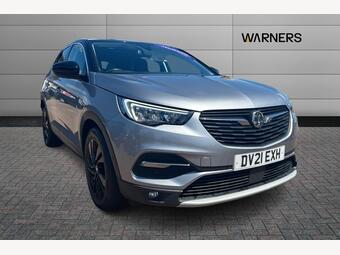
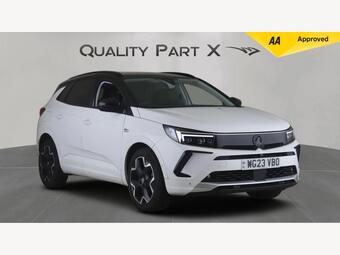
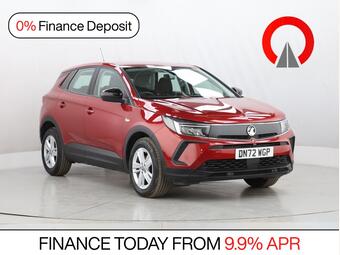
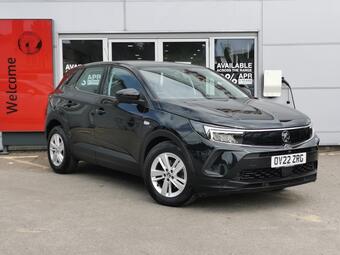
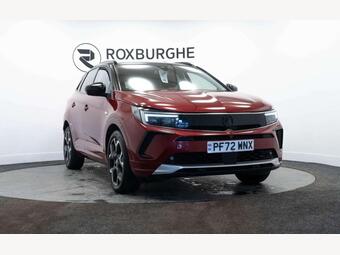
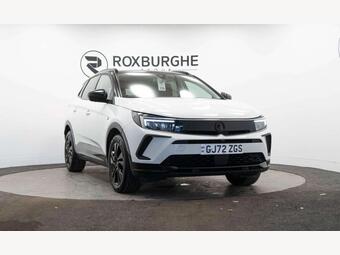
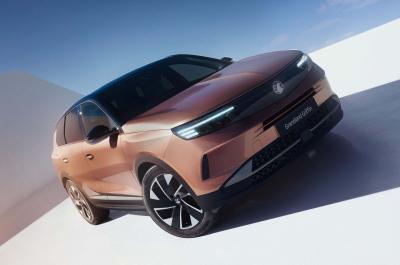
When it was first launched in 2018, the Grandland was originally called the Grandland X, but it dropped the X nomenclature in 2022 when the car was facelifted. At the same time, it received a new front end design with Vauxhall's 'visor' grille and revised trims.
Engines and performance: The engine range opens with a turbocharged 1.2-litre petrol and a 1.6-litre diesel. If you want a bit more power, there are 1.5-litre and 2.0-litre diesels. The petrol engine copes surprisingly well with this heavy SUV, but if you are carrying passengers regularly, you may need one of the more powerful diesel engines. All non-hybrid engines are available with an eight-speed automatic or a six-speed manual gearbox (other than the 2.0-litre diesel, which is auto-only).
The Grandland is available with a plug-in hybrid (PHEV) power option, which offers an official electric-only range of 34 miles (it's only available with top-spec trims). In 2023, a mild hybrid version of the 1.2-litre petrol engine was added to the range. It uses a tiny electric motor to boost the engine when accelerating, plus it can run on electric-only power at low speeds or when coasting.
Ride and handling: Comfort is what the Grandland aims to deliver and, for the most part, it succeeds. If you avoid the bigger wheels, its soft suspension deals with bigger bumps better than that of the sportier Ateca, although this means the Grandland rolls more in corners and has noticeably more squat under acceleration and dive under braking. The steering is slightly vague to begin with, then becomes much quicker after you apply a few more degrees of turning force. This can take a bit of getting used to and doesn't feel as natural as the steering of some rivals. You may also find it takes a little while to learn to be smooth with the clutch; there isn’t a great deal of feel at its biting point, particularly in the petrol.
Interior and practicality: The Grandland's interior is a little bland and the infotainment system is quite basic. It's also not as plush inside as the 3008, but that said, the controls are all logically laid out and it's very easy to get comfortable behind the wheel. Space inside is decent; there's plenty of shoulder room in the front, ample leg space in the back and a big boot for shopping and a child’s pushchair. Much like its 3008 sibling, the Grandland's glove box is tiny due to space taken up by the fuse box. Unfortunately, there isn't much oddments storage in the rest of the interior to make up for this.
Trims and equipment: Equipment levels are generous, but the trim levels are complicated. In pre-facelift models, you have the entry-level SE (later SE Premium), which includes a 17in alloy wheels, a 7.0in infotainment touchscreen, dual-zone climate control, automatic LED headlights and rear parking sensors.
Above that there's Business Edition Nav, which adds an 8.0in touchscreen, sat nav, wireless phone-charging, sport front seats, front parking sensors and a reversing camera. It also comes with more safety kit, including automatic emergency braking (AEB), blind spot monitoring and lane-keep assist. SRi Nav is similarly equipped to Business Edition, but gets 18 alloys and sportier styling (but does without the wireless charging pad).
Elite Nav gives you 19in alloys, heated front seats, a heated steering wheel, a heated windscreen, an electrically adjustable driver's seat and a panoramic glass roof on top of the kit you get with SRi Nav. At the top of the range there's Ultimate, which gives you a wireless charging pad, blind spot monitoring, a wide-view reversing camera, keyless entry and start and a powered tailgate on top of equipment you get with Elite Nav.
Thankfully, Vauxhall simplified the trim levels to Design, GS Line and Ultimate when the car was updated in 2021. Design includes 17in alloys, a 7.0in touchscreen, automatic LED headlights, rain-sensing wipers, front and rear parking sensors and dual-zone climate control. It also received a lot more safety kit than the old entry-level SE Premium trim.
GS Line gives you 18 alloys, a 10.0in touchscreen, a 12.0in digital driver's display, sat nav, a reversing camera, sport front seats, tinted rear windows and sportier exterior styling. Range-topping Ultimate trim comes with loads of kit, with 19in alloys, keyless entry, a wireless phone charger, heated front seats, a heated steering wheel, a powered tailgate, blind spot monitoring and adaptive cruise control offered as standard.
"I always recommend taking everything the official figures say with a pinch of salt. In our real-world driving test, the Grandland PHEV managed a real-world range of 23 miles on electric-only power, which is 11 miles short of its official WLTP figure. Even so, that should still be enough for the average commute." – George Hill, Used Cars Writer
If you're interested in finding a used Grandland, or any of the other cars mentioned here, head over to the Used Car Buying pages to find lots of cars listed for sale at a great price.
Tips & Advice
Ownership cost
What used Vauxhall Grandland will I get for my budget?
Prices for the Grandland start from around £6000, but that will get you a high mileage pre-facelift 2018 car in 1.2-litre SE form. Low mileage examples start from around £9000, with prices moving up to £11,000 for newer 2021 cars in mid-spec trims.
If you want the range-topping Ultimate trim or a plug-in hybrid, expect to pay between £13,000 and £19,000. Facelift models start from around £14,000, with GS models being particularly popular. Newer 2023 and 2024 cars start from £17,000 and rise up to £26,000.
Check the value of a used Vauxhall Grandland with What Car? Valuations
Tips & Advice
Our recommendations
Which used Vauxhall Grandland should I buy?
Engine
Avoid the 2.0-litre diesel if costs are a concern: it can be expensive to buy and is not that cheap to run. If you regularly make long journeys, the 1.5-litre diesel is a better bet. Alternatively, the plug-in hybrid could be worthwhile if you have a relatively short commute and access to charging both at home and at work. However, we’d suggest sticking with the base 1.2-litre petrol because it’s a relatively quiet engine (apart from some low-rev thrumminess) and should still return respectable fuel economy.
Specification
SE and SE Premium cars are good value, but we reckon it's worth going for the mid-spec Elite Nav trim if you can. There are plenty of them available on the used market and they're good value. You also get plenty of luxuries for the money, with heated front seats, a heated steering wheel, a heated windscreen, an electrically adjustable driver's seat and a panoramic glass roof.
Our favourite Vauxhall Grandland: 1.2 Turbo Elite Nav
Tips & Advice
Alternatives
What alternatives should I consider to a used Vauxhall Grandland?
The Nissan Qashqai is the car that started the whole family SUV craze and it’s still a good option if you need a comfortable car with a nice interior. You also get plenty of equipment, too.
The Peugeot 3008 is perhaps the closest rival to the Grandland – particularly because it is basically the same car under the skin. The biggest difference between the two is on the inside; the 3008 has a much more daring design than the Grandland, yet it retains all of the practicality of the Vauxhall.
However, if you want one of the best used family SUVs, you’ll have to look towards the Seat Ateca. Not only does it feel much more car-like to drive, but it has a broader range of engines and is well equipped, particularly SE Technology models.
The Skoda Karoq is based on the same underpinnings as the Ateca, but instead focuses more on comfort than sporty driving. It's also very practical with an interior that feels built to last. Used prices are competitive, too.
For all the latest reviews, advice and new car deals, sign up to the What Car? newsletter here
How reliable is the Vauxhall Grandland ?
Used cars available now
About the writer