Electric van grant: every model eligible for zero emission van grant

Just like the Electric Car Grant, which was reintroduced earlier last year, the UK Government is running a scheme to cut the cost of new vans with low carbon footprints. The Plug-in Van Grant — now called the zero emission van and truck grant — can cut between £2500 and £5000 off the list price of a new electric van, depending on their size.
First introduced in 2012, the scheme has now been extended to run until "at least 2027" — but while the grant used to cover plug-in hybrid vans, it is now only open to those buying fully-electric models. Both private customers and businesses can benefit from the scheme, and with more electric vans being introduced, it’s possible to save a fortune on the right model for you.
Here, we share which mainstream vans are eligible for the grant and how you can apply for it. We’ll also examine a separate grant which can help you cover the cost of installing a charging point at your home or place of business.


Small and medium electric vans
Under the Plug-in Van Grant, small and medium-sized vans are eligible for a saving of £2500. Your company can claim up to 1000 of these grants each year, with the limit re-setting on 1 April. That means, if you’re ordering multiple vans for your business, you’re able to claim a grant for each of them.
To qualify for the grant, a small van must have a gross weight of under 2500kg, produce zero CO2 emissions and be capable of travelling for at least 60 miles on electric power alone.
The following small and medium-sized vans all qualify for the grant:
Citroën e-Berlingo
Citroën ë-C3 Van
Dacia Spring Cargo
Fiat e-Doblo
Ford e-Transit Courier (Trend and Limited)
Maxus eDeliver 3 (short wheelbase versions)
Mercedes eCitan
Nextem Orca
Nissan Townstar
Peugeot e-Partner
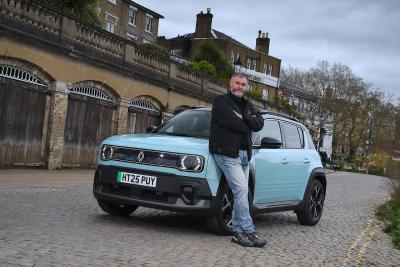
Renault Kangoo E-Tech (standard and medium wheelbase versions)
Toyota Proace City Electric
Vauxhall Combo-e

Large electric vans
You can get a grant of up to £5000 on an eligible large van under the Plug-in Van Grant. Much like you can with small and medium-sized vans, you can claim as many as 1000 grants per year.
To qualify for the grant, a large van must have a gross weight of between 2500-4250kg, produce zero CO2 emissions and have an electric-only range of at least 60 miles.
The following large vans qualify for the grant:
Citroën e-Dispatch
Citroën e-Relay
DFSK EC31
DFSK EC35
Farizon SV
Farizon V7E L1H1
Fiat e-Ducato
Fiat e-Scudo
Ford E-Transit (Leader and Trend)
Ford E-Transit Custom (Limited, MS-RT, Sport and Trend)
Ford Explorer van
KGM Musso EV
Kia PV5 Cargo
Iveco eDaily
Iveco eSuperJolly
Isuzu D-Max EV
MAN eTGE
Maxus eDeliver 3
Maxus eDeliver 5
Maxus eDeliver 7
Maxus eDeliver 9
Maxus E Terron 9 (Luxury and Premium)
Maxus T90
Mercedes eVito
Mercedes eSprinter
Nissan Interstar-e
Nissan Townstar (Crew Van and L2)
Peugeot e-Boxer
Peugeot e-Expert
Promod L City
Renault Kangoo E-Tech (long wheel base and crew van versions)
Renault Master E-Tech (panel and conversions)
Renault Trafic E-Tech
Toyota Hilux Electric (Icon and Invincible)
Toyota Proace Electric
Vauxhall Movano Electric
Vauxhall Vivaro Electric
Volkswagen E-Transporter (Commerce Pro D, Sportline, Kombi and panel van)
Volkswagen ID Buzz Cargo (Commerce and Commerce Plus)

How do I claim the grant?
Just like the Electric Car Grant, the discount is automatically applied to the price of any eligible van you purchase – meaning you won’t have to do anything extra to claim it. The grant is paid directly to the vehicle manufacturer or dealer, who will deal with any paperwork involved on your behalf.
Can I get a grant to cover a charging point?
The Office for Zero-Emission Vehicles (OZEV) is running another grant to help reduce the cost of buying and fitting an electric car charger. Under the OZEV scheme, the Government will cover 75% of the cost of a new workplace or home charger, up to a maximum of £350.
However, not all drivers are eligible. If you’re planning to install a home chargepoint under the scheme, you’ll need to live in a flat or rented property and have off-street parking.
The EV chargepoint grant also applies to owners of small and medium-sized businesses (with less than 250 employees). The scheme can also provide as much as £15,000 to go towards preparing the property for chargepoints and any related infrastructure.
Nevertheless, unlike the grants on new electric cars and vans, the OZEV grant isn’t applied automatically. Instead, you’ll need to ask an OZEV-qualified chargepoint installer to make an application for you and fill out an eligibility survey. If this is approved, the installer will deduct the fee from your invoice.
For all the latest reviews, advice and new car deals, sign up to the What Car? newsletter here