Pay per mile eVED for company car drivers: what the 2028 proposals mean today
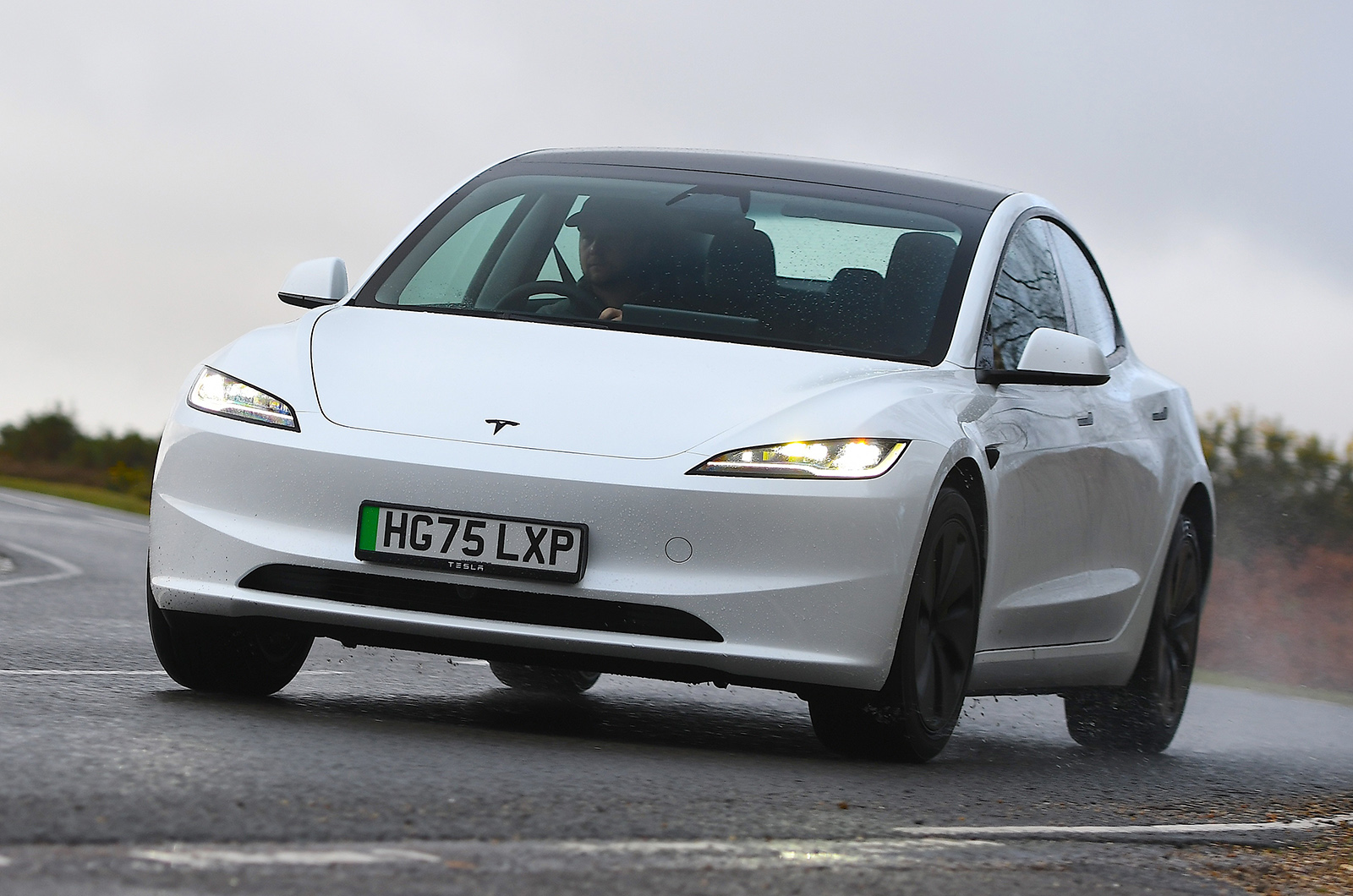
The rise of electric cars has been good for the environment, but not so good for Government coffers, because there’s no fuel duty on electricity, and also electric vehicles have hitherto been subject to minimal annual Vehicle Excise Duty (road tax) charges. The Treasury is feeling the pinch, which is why it has announced that from April 2028, EVs will be subject to a 3p-per-mile electric vehicle excise duty (eVED) charge.
The Government’s plan for the mileage-based road-charging scheme is that it will, in effect, replace the fuel duty of traditional fossil fuels, but still be low enough to make EVs an attractive choice for motorists, and that it will also help to balance the books.
Read more: Company cars glossary
The eVED rate structure: how much will you pay?
Under the new eVED rules, fully electric vehicles will be charged three pence for every mile they travel. Meanwhile, plug-in hybrid vehicles will be charged 1.5p per mile. It is important to note that the eVED charge will apply in addition to the £200-per-year VED charge imposed in the 2026/27 tax year.


This sounds expensive, but in reality running an EV at 3p per mile will be roughly half of the cost of the equivalent petrol or diesel-powered option.
There will be a couple of ways to pay the charge: either up front or monthly through direct debit.
How will eVED be enforced?
The system is not yet set in stone, but the Treasury has already ruled out fitting a ‘Black Box’ telematics tracker to each EV due to concerns over driver privacy.
Therefore, indications are that EV and PHEV drivers will be required to submit an estimated mileage for the year ahead when the time comes to renew their annual VED, and pay an upfront charge. Then, when the times comes to renew the car’s VED, the mileage would be checked (perhaps through a Government-funded mileage check) and a reconciliation applied, whether that be an extra charge for a greater number of miles covered or a refund if fewer miles have been travelled. If you pay through direct debit, your monthly payments will be altered accordingly.
In EVs more than three years old, the mileage would be checked via the annual MoT test.
Read more: The cheapest company cars for BIK tax
Why this matters for your 2026 leasing decisions
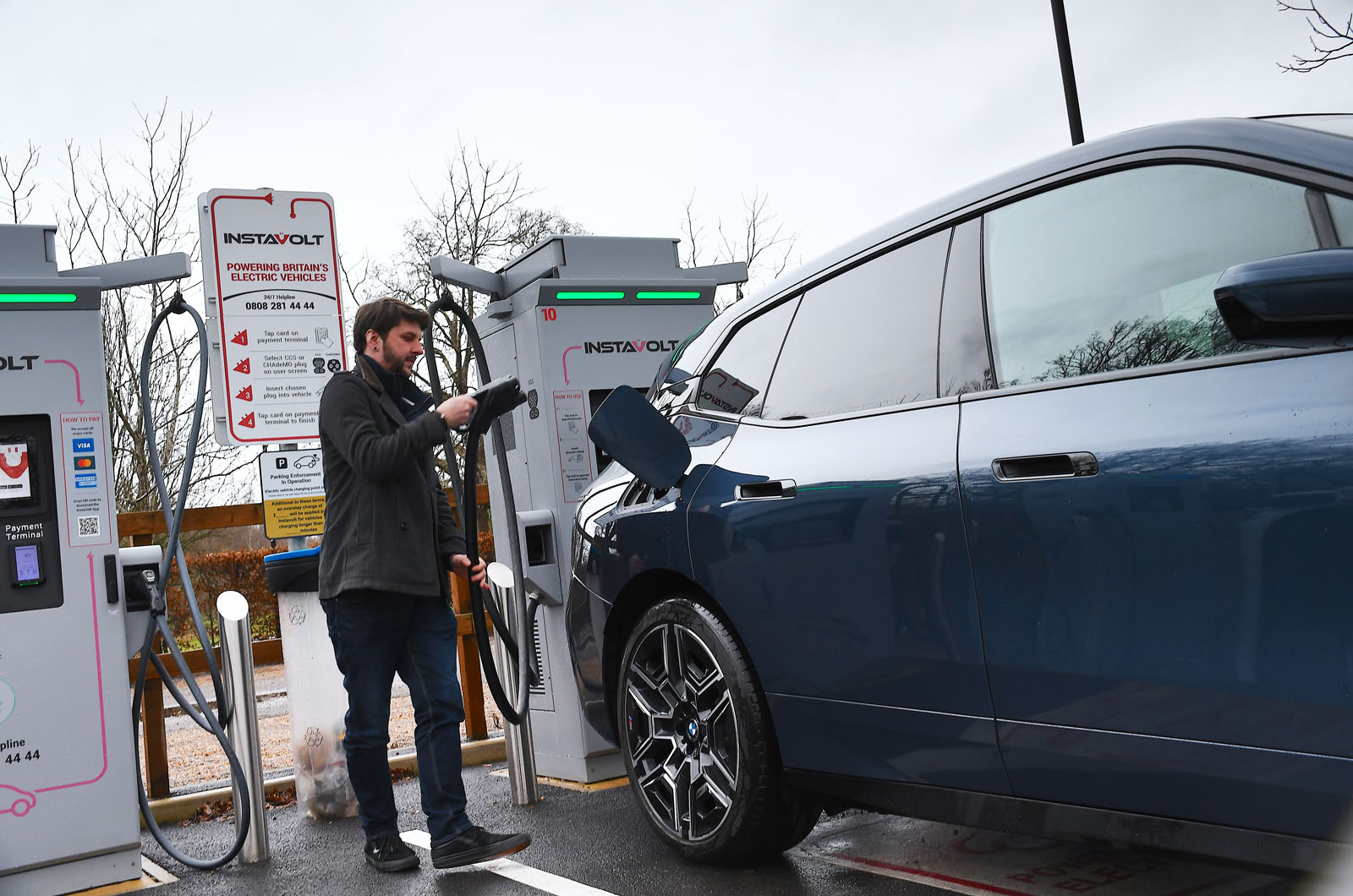
If you’re in the market for a lease vehicle, the typical lease agreement lasts three or four years, in which case an EV or PHEV you invest in today will end up subject to the then-new eVED charge.
If you’re a company car driver, your annual mileage will affect how much extra will need to be paid in eVED, although you’ll need to work out with your fleet manager if your company will pay the lot, as it will with the basic VED charge, or if you’ll need to separate out your personal mileage and pay that yourself. Either way, the cost will need to be factored into the car’s Total Cost of Ownership figure before you even take up a lease on it.
And this arrives at a time when Benefit-in-Kind (BiK) taxation rates are increasing on electric vehicles. These rates will go up from 4% in 2026/27 to 5% in 2027/28, and will reach 7% when eVED launches in 2028.
The luxury car silver lining
The Government moved to mitigate the greater initial cost of electric vehicles by increasing the threshold of the Expensive Car Supplement (ECS) threshold for EVs from £40,000 to £50,000 in April 2026.
So, while an EV driver will face an extra cost of 3p per mile under the eVED regime from April 2028, they will already have saved £440 per year under the revised luxury car tax threshold. The ECS will still apply for the first five years of the car’s life.
Read more fleet and company car advice
For all the latest reviews, advice and new car deals, sign up to the What Car? newsletter here