Citroën ë-C3 Van review
The Citroën ë-C3 Van is affordable, easy to drive and has a long official range, but its tiny payload limits its appeal


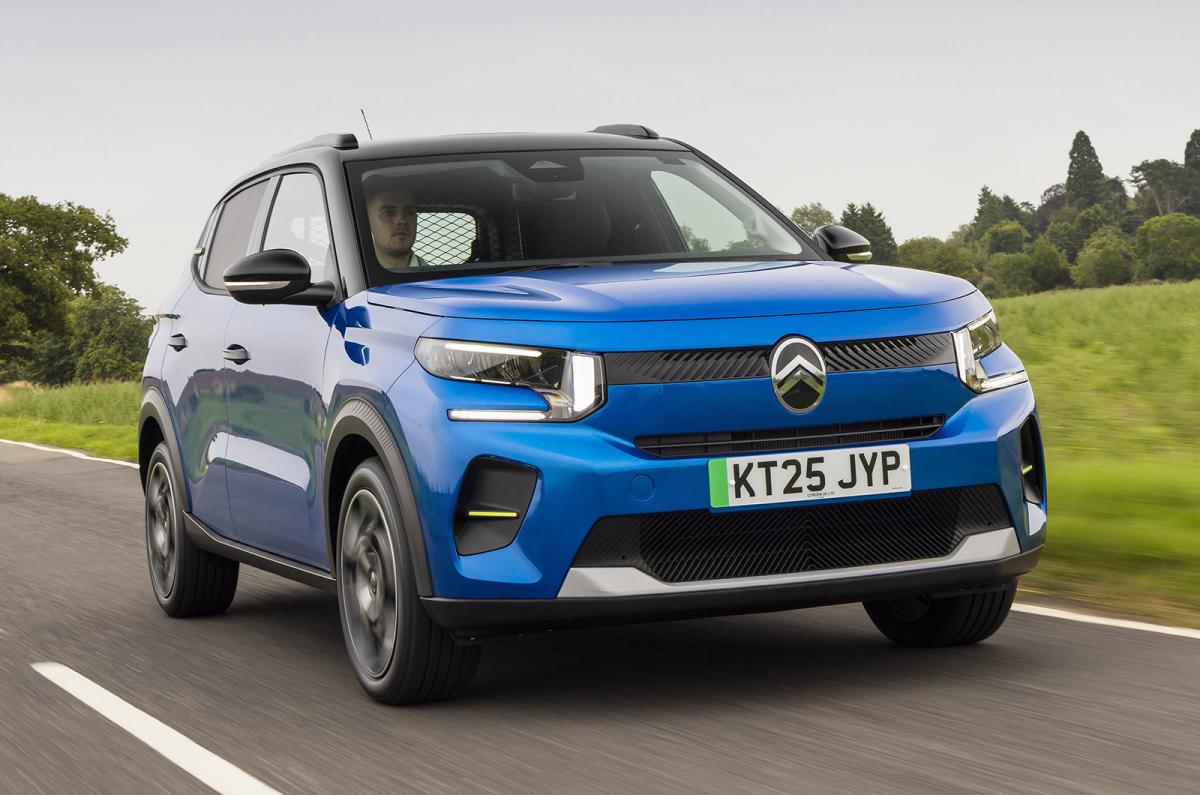
- citroen-e-c3-van-driving-front-right.jpg
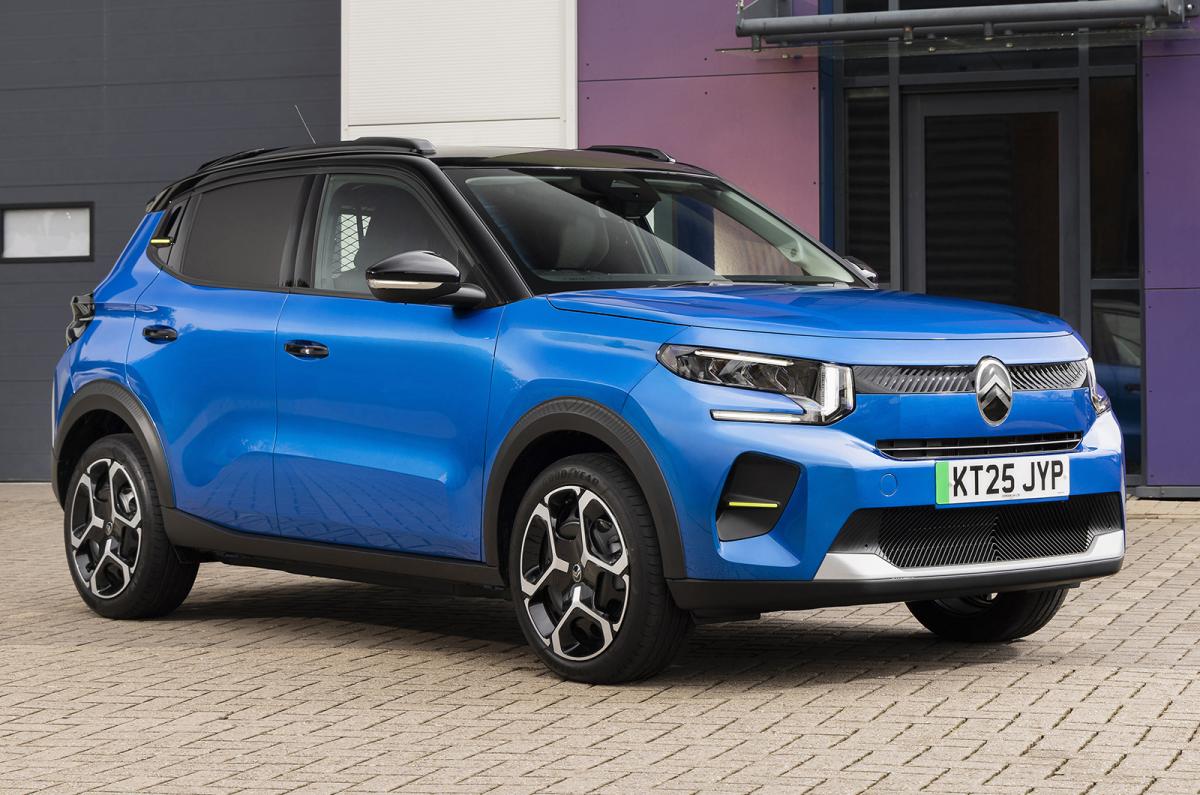
- citroen-e-c3-van-static-front-right.jpg
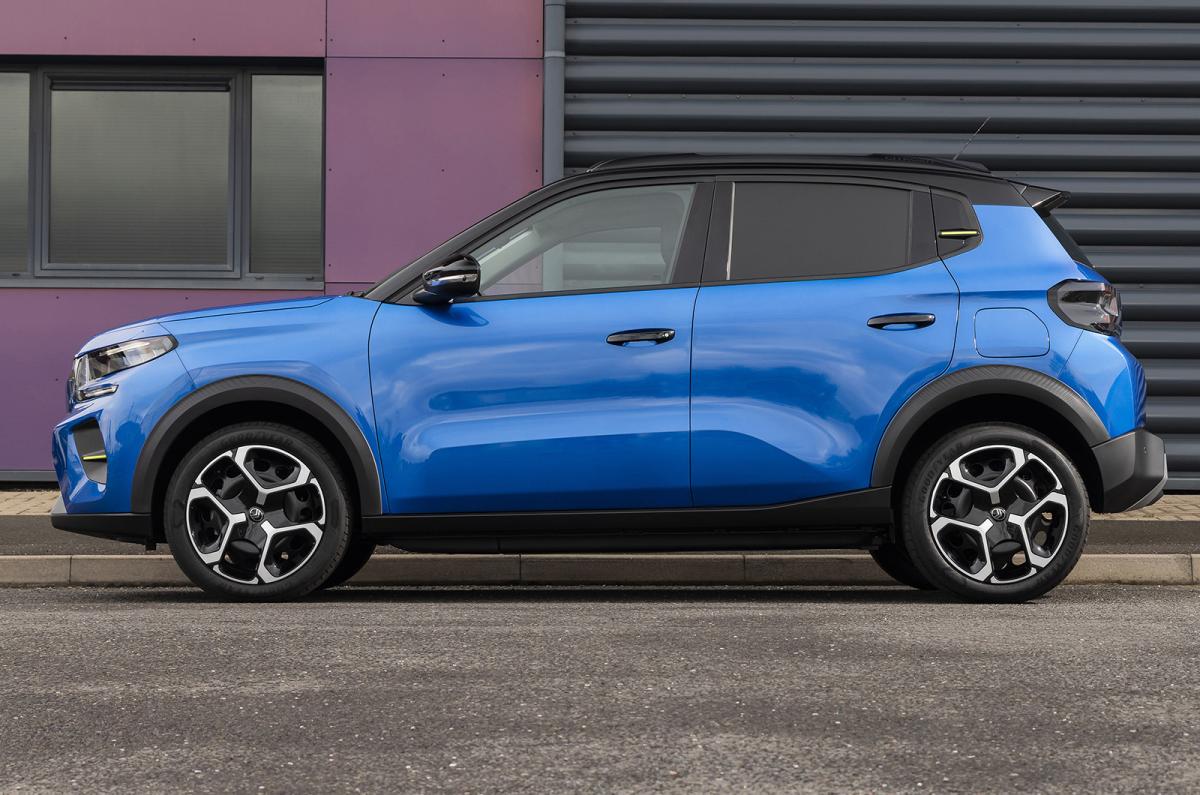
- citroen-e-c3-van-static-side.jpg
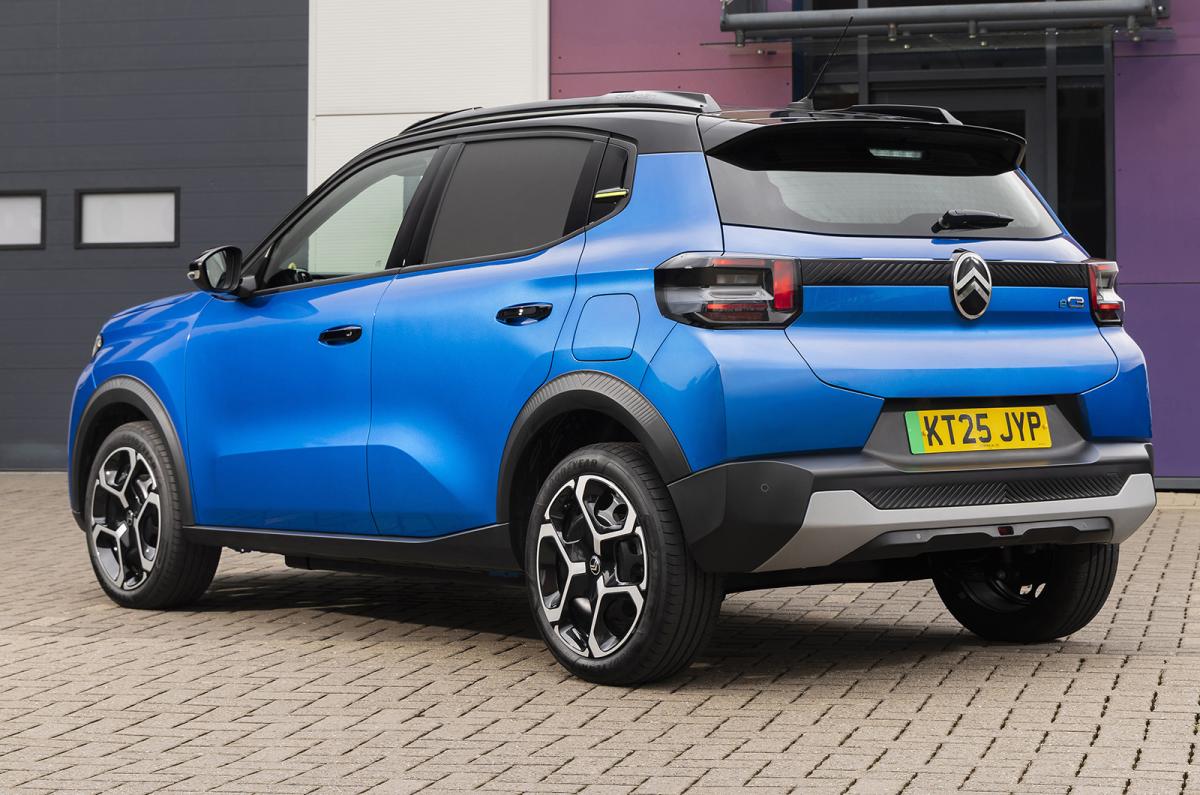
- citroen-e-c3-van-static-rear-left.jpg
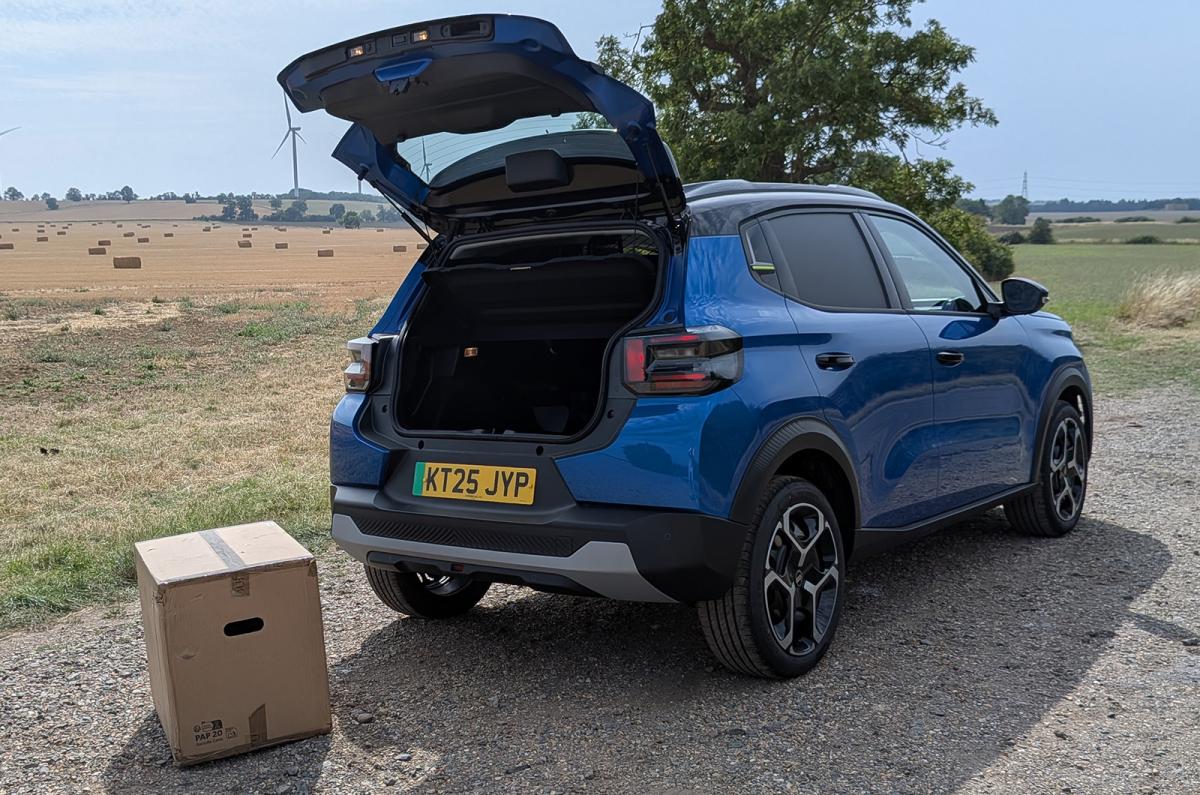
- citroen-e-c3-van-static-rear-right-tailgate-open.jpg
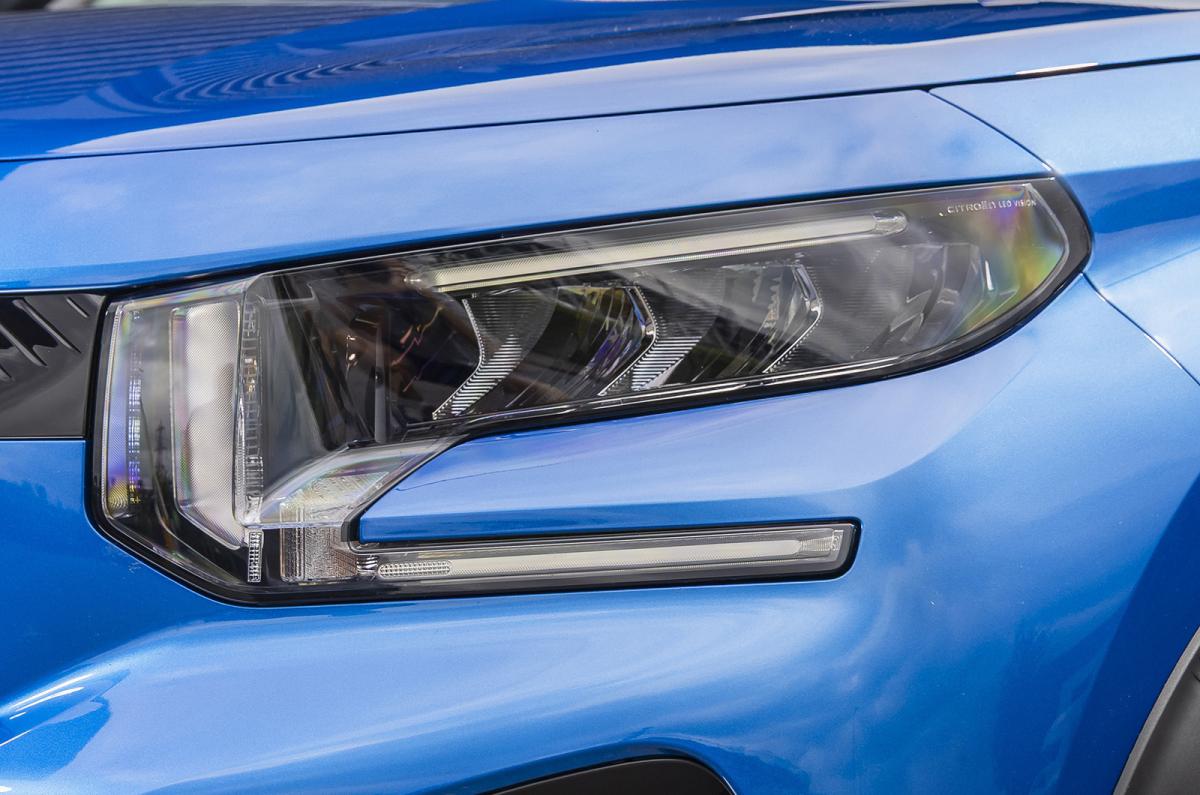
- citroen-e-c3-van-headlight-detail.jpg
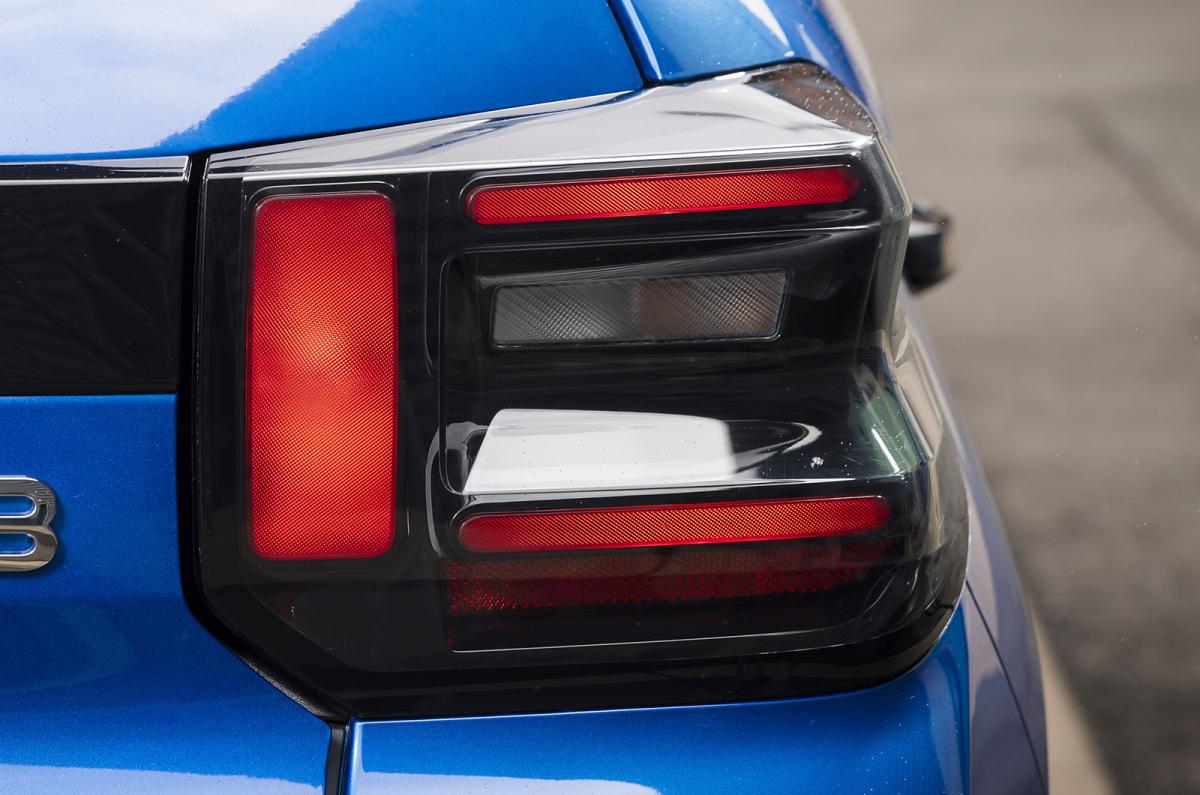
- citroen-e-c3-van-rear-light-detail.jpg
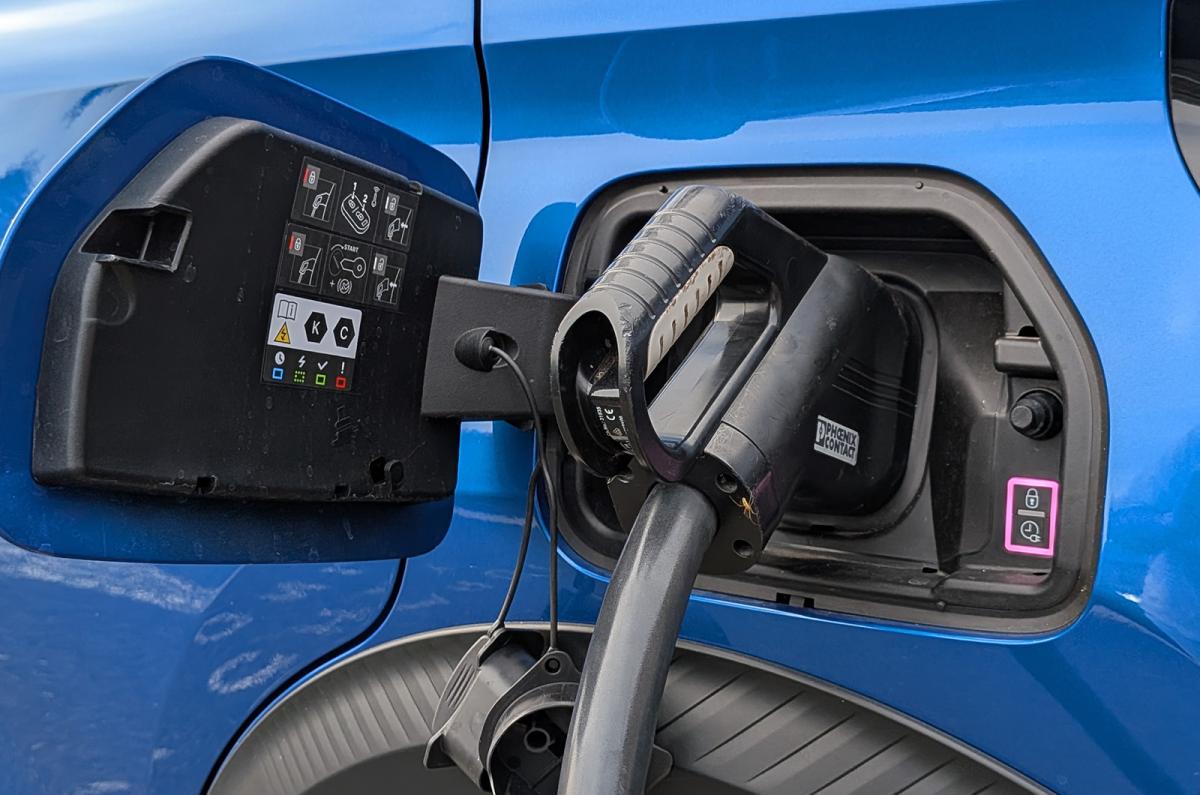
- citroen-e-c3-van-charging-port-detail.jpg
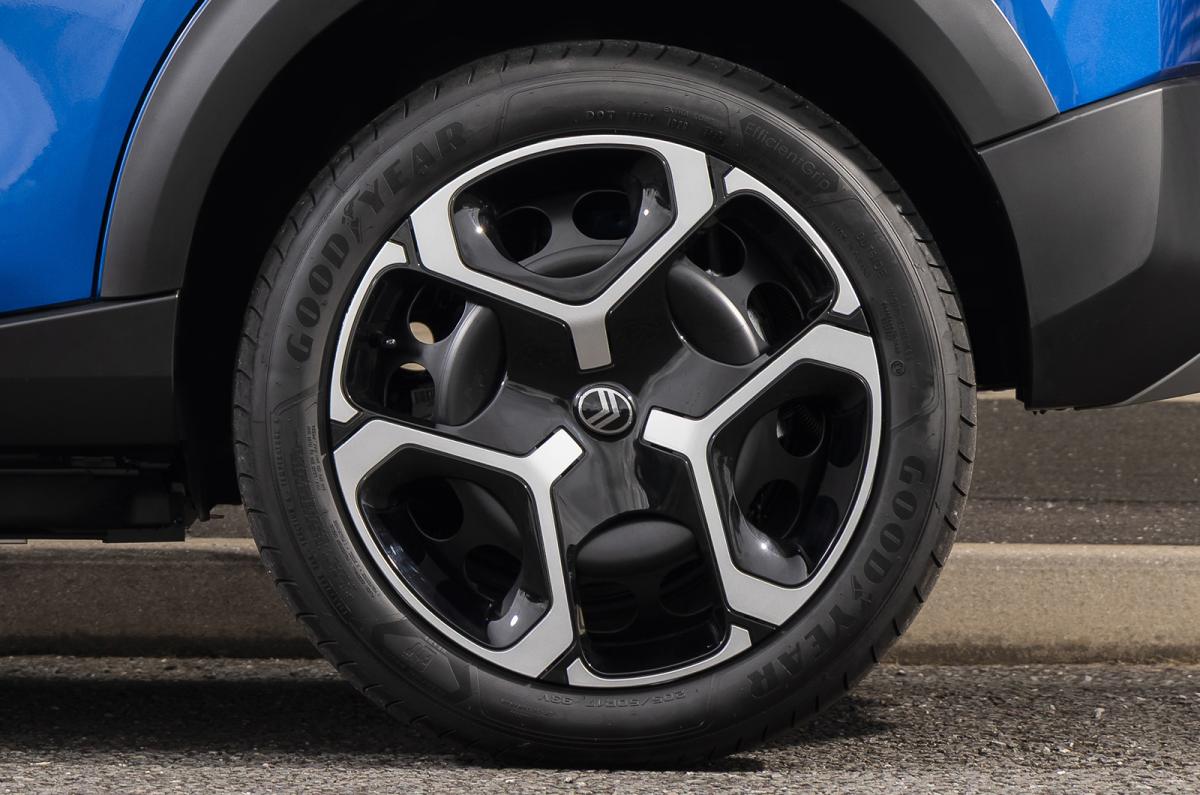
- citroen-e-c3-van-wheel-detail.jpg
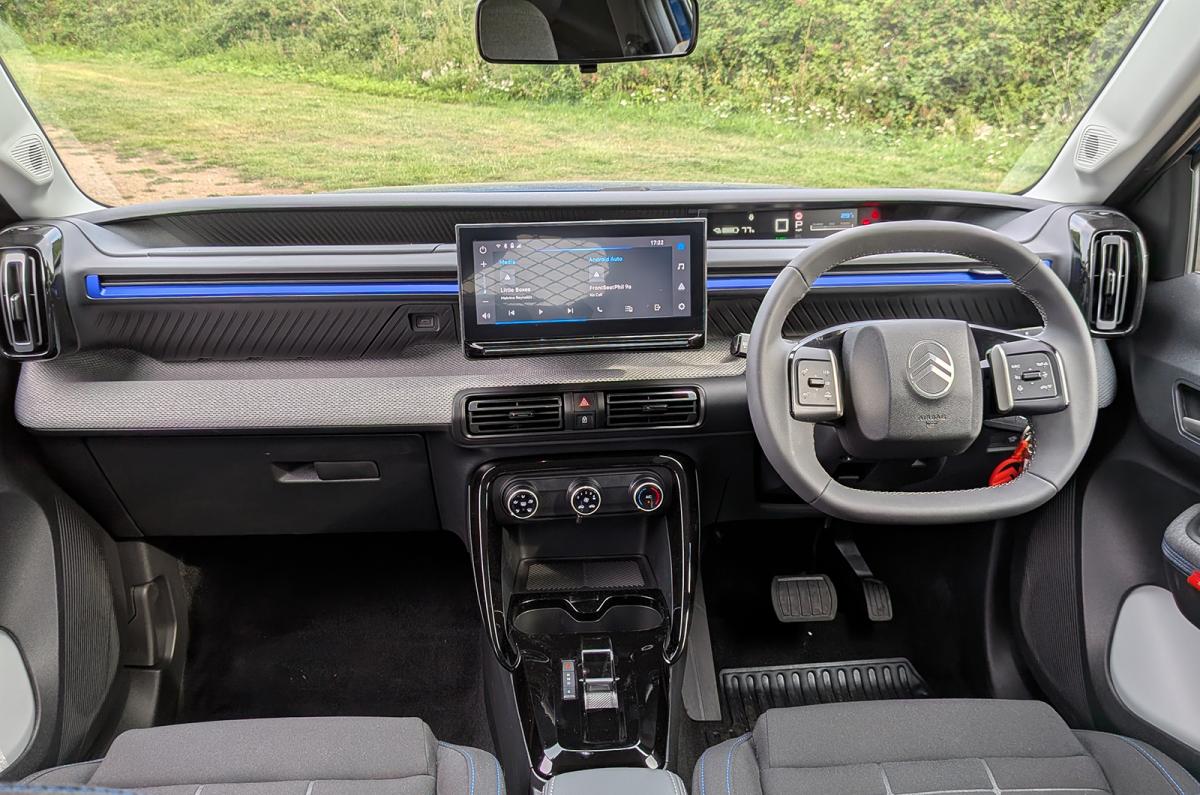
- citroen-e-c3-van-dashboard.jpg
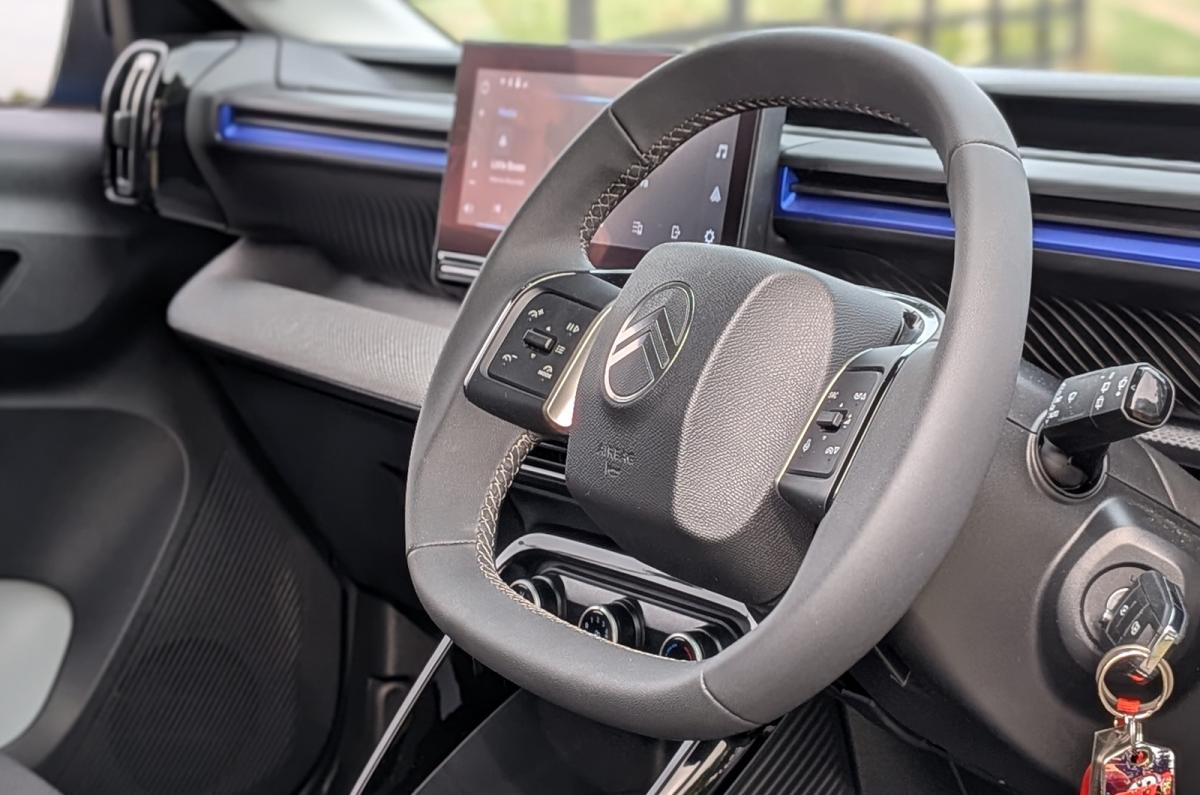
- citroen-e-c3-van-steering-wheel-detail.jpg
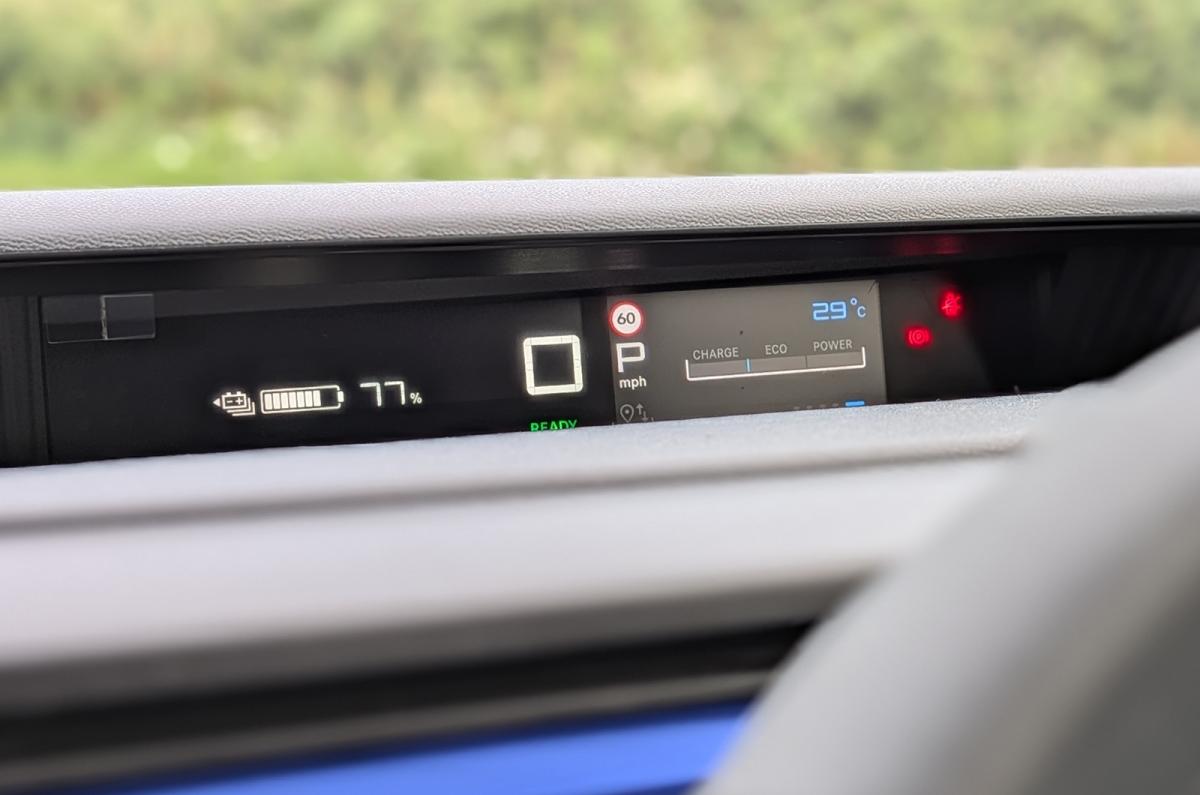
- citroen-e-c3-van-drivers-display.jpg
- citroen-e-c3-van-touchscreen.jpg
- citroen-e-c3-van-front-seats.jpg
- citroen-e-c3-van-door-detail.jpg
- citroen-e-c3-van-load-bay-side.jpg
- citroen-e-c3-van-driving-rear-right.jpg
- citroen-e-c3-van-interior.jpg
- citroen-e-c3-van-load-bay.jpg
- citroen-e-c3-van-badge-detail.jpg


What is What Car? best price?
The What Car? best price shows you the cheapest way to buy your new car, whether it's by choosing an in-stock car through our partner Autotrader or placing a factory order.
Available now from: £17,995
RRP from: £19,995
About our price indicator
What Car? indicative Personal lease example (subject to status)
Standard Range 44kWh MAX Hatchback 5dr Electric Auto (7.4kW Charger) (113 ps)
| Expected annual mileage | 5000 |
| Term months | 48 |
| Deposit months | 12 |
| Monthly payment | £209.94 |
| Initial payment | £2,519.28 |
Step-by-step
Leasing works a bit like a long-term rental. You drive it, but you don’t own it.
- Choose your car, pick your terms and apply for lease credit online
- Pay monthly rental payments for your chosen term length
- Drive it, enjoy it, then give it back at the end
What you get
When you lease with Autotrader you get all of this:
- Full manufacturer’s warranty
- Road tax and roadside assistance included
- No admin fees
- Free returns within 30 days*

- Lower total monthly cost than PCP/HP
- No balloon payments
- Road tax included
Figures for 44kWh PLUS Auto 5dr (7.4kW Charger)
Introduction
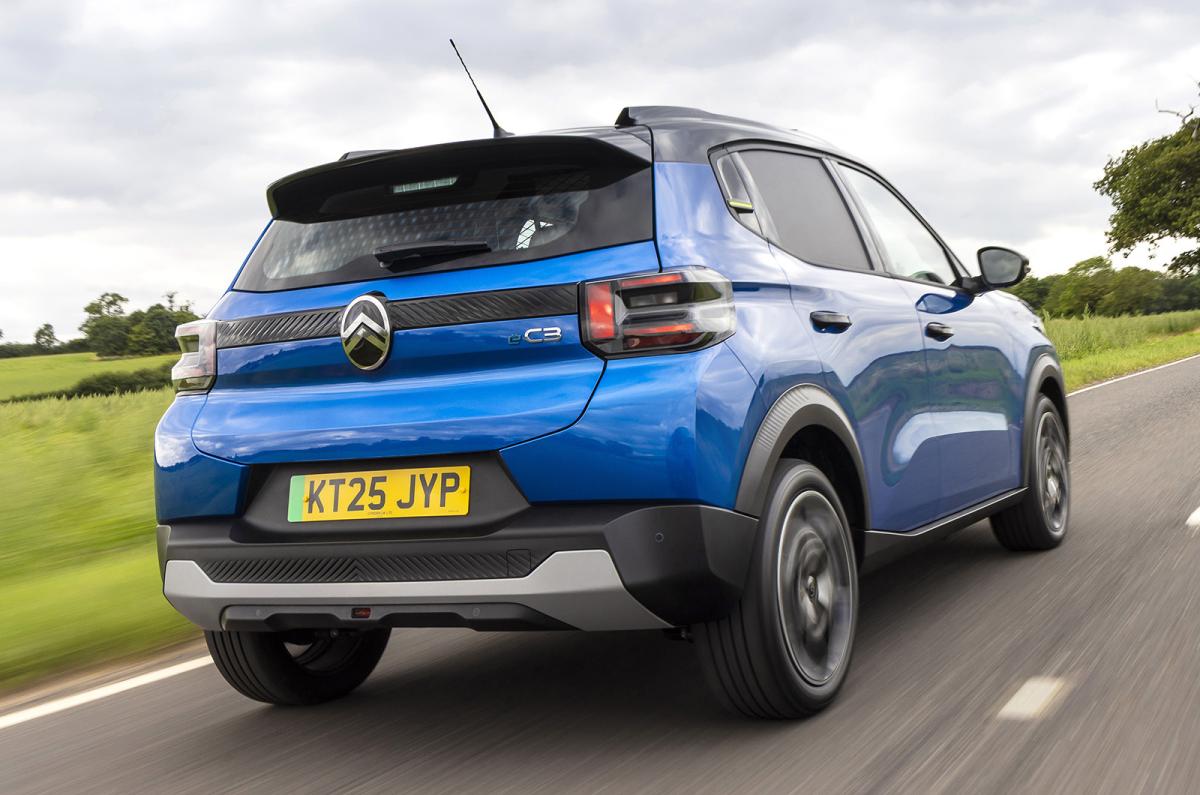
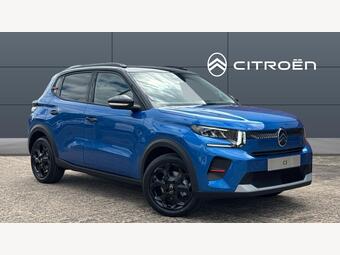
The Citroën ë-C3 Van is one of the smallest and cheapest electric vans on sale. Underneath, it’s the same as the regular Citroën ë-C3 small car, but the company has removed the rear seats, fitted a flat load floor and added a bulkhead behind the front seats, and the rear windows have been blanked out to create an electric car-derived van.
Car-derived vans were once a familiar sight on UK roads, with models such as the Ford Fiesta Van and Vauxhall Corsavan offering low running costs and an easy driving experience. Most disappeared as buyers moved towards larger and more versatile small vans, but electric power could give the idea a new lease of life.
What is What Car? best price?
The What Car? best price shows you the cheapest way to buy your new car, whether it's by choosing an in-stock car through our partner Autotrader or placing a factory order.
Available now from: £17,995
RRP from: £19,995
About our price indicator
What Car? indicative Personal lease example (subject to status)
Standard Range 44kWh MAX Hatchback 5dr Electric Auto (7.4kW Charger) (113 ps)
| Expected annual mileage | 5000 |
| Term months | 48 |
| Deposit months | 12 |
| Monthly payment | £209.94 |
| Initial payment | £2,519.28 |
Step-by-step
Leasing works a bit like a long-term rental. You drive it, but you don’t own it.
- Choose your car, pick your terms and apply for lease credit online
- Pay monthly rental payments for your chosen term length
- Drive it, enjoy it, then give it back at the end
What you get
When you lease with Autotrader you get all of this:
- Full manufacturer’s warranty
- Road tax and roadside assistance included
- No admin fees
- Free returns within 30 days*
- Lower total monthly cost than PCP/HP
- No balloon payments
- Road tax included
For those working mainly in towns and cities, a full-sized van can be unnecessary, with the likes of florists, mobile technicians and service engineers needing a secure load space, but not the size, weight or cost of a conventional small van.
That is where the ë-C3 Van comes in. It combines the compact dimensions and comfort of a passenger car with commercial vehicle classification, an official electric range of around 200 miles and a price significantly below most electric vans.
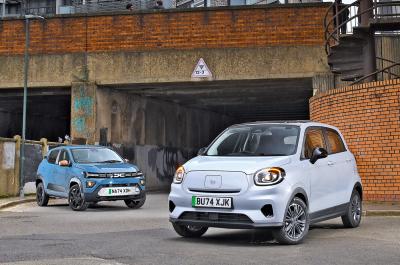
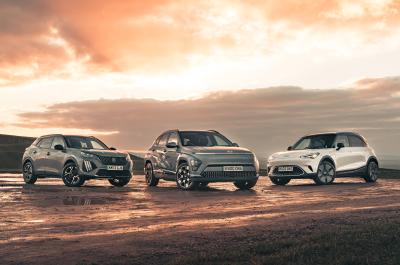
Its closest rival is the Dacia Spring Cargo, another converted electric car aimed at light-duty urban work. The Citroën is more expensive, but it promises greater range, superior performance, a better-equipped interior and a more substantial driving experience.
It also sits well below conventional small electric vans such as the Citroën ë-Berlingo, Renault Kangoo E-Tech, and our Van of the Year, the Kia PV5 Cargo. Those are far more capable load carriers, but they are larger and considerably more expensive.
The ë-C3 Van therefore occupies a narrow but potentially useful position. We find out whether it’s a genuinely useful addition to the market, or if its passenger-car origins create too many compromises.


The Citroën ë-C3 Van has a smooth, car-like driving experience, useful 201-mile official range and generous equipment; however, a 302kg payload is significantly less than what you’d expect from a more conventional small electric van. As a result, it won’t appeal to everyone, but for couriers, florists or technicians carrying lightweight goods, it could make plenty of sense.

Pros
- Comfortable and easy to drive
- Low price
- Useful range
Cons
- Very low payload
- Basic conversion
- Doesn’t attract attention for all the wrong reasons
Trims available
Performance & drive
What it's like to drive, and how quiet it is
Strengths
- Excellent ride comfort
- Lively performance around town
- Compact and easy to manoeuvre
Weaknesses
- Wind and tyre noise increase at motorway speeds
- Body leans through faster corners
- Not very engaging
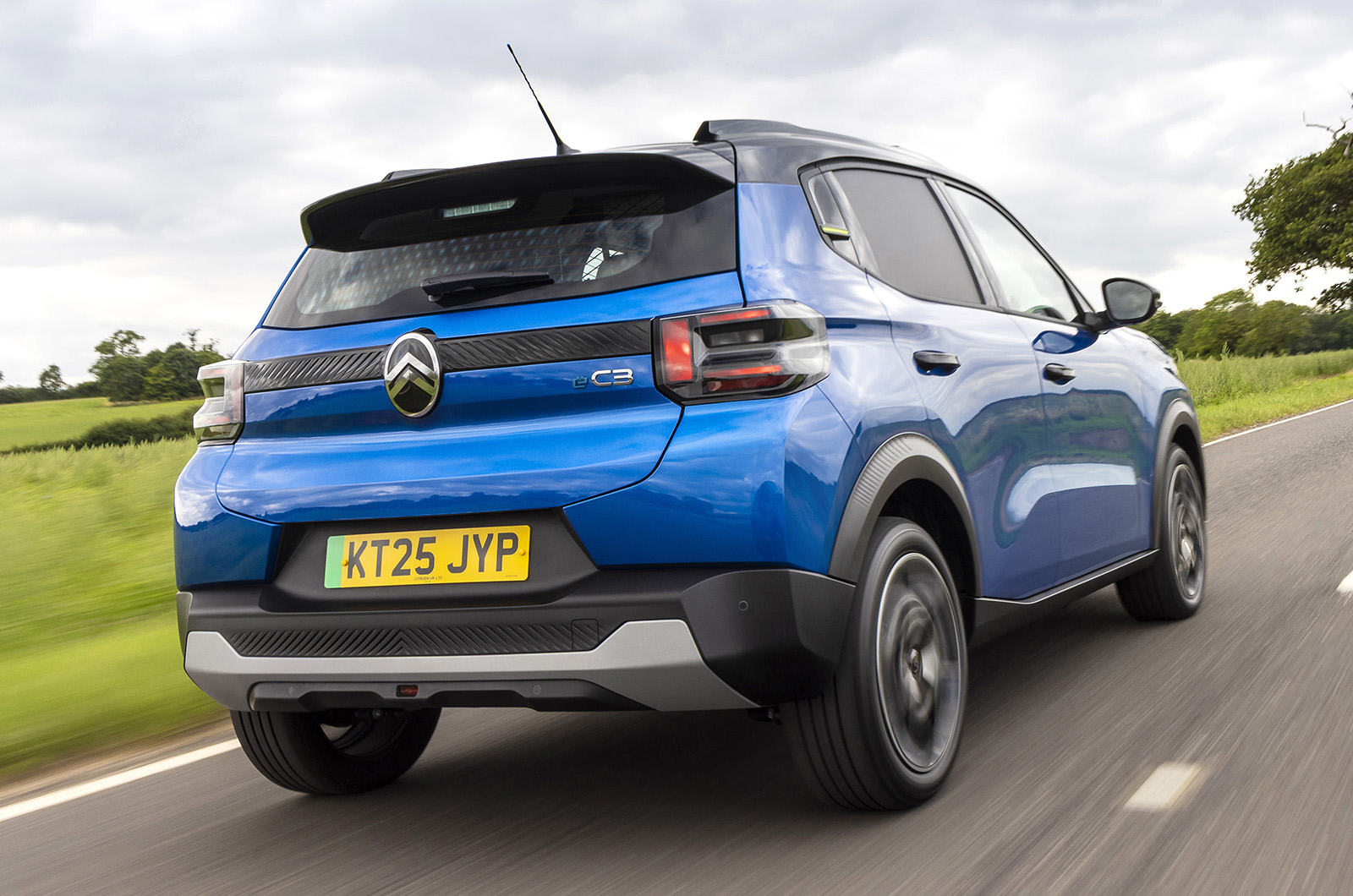
The Citroën ë-C3 Van uses a single electric motor producing 111bhp, driving the front wheels through the usual single-speed automatic transmission.
That doesn’t sound especially powerful, but it’s enough for a van of this size. Acceleration is smooth and immediate, as you would expect from an electric motor, and the Citroën feels particularly lively away from junctions and up to around 40mph. After that, it gets a little pedestrian.
Despite that, it hits 0-62mph in 10.4sec, while the top speed is limited to 84mph, so there’s enough pace for motorway use. It’s notably quicker than the Dacia Spring Cargo, which topped out at 68mph, and took a lot longer to get there.
The 43.7kWh (usable capacity) battery gives an official WLTP range of 202 miles, which is useful for a vehicle intended primarily for local and regional work. During our test with around 150kg on board and in fine weather, the ë-C3 Van returned 4.3mi/kWh, equivalent to around 188 miles from a full charge.
The Dacia Spring Cargo was more efficient in our hands, at 4.8mi/kWh, but the smaller 24kWh (estimated usable capacity) battery means that’s only good for around 129 miles.
Its compact dimensions make it exceptionally easy to use in urban areas. The steering is very light, and the tight turning circle helps when squeezing into loading bays or navigating narrow residential streets. It’s as if you’re driving a car…
Ride comfort is the ë-C3 Van’s strongest dynamic quality, especially for a commercial vehicle. Citroën’s ‘Advanced Comfort’ suspension uses hydraulic bump stops to soften the impact of potholes, speed bumps and broken road surfaces, and it works impressively well.
The ride is noticeably more forgiving than you’ll find in other small vans, particularly at low speeds, absorbing rough roads without crashing or bouncing around. And because it was developed from a passenger car and not to carry a tonne of cargo, it doesn’t suffer from the unsettled rear ride that can make an empty conventional van uncomfortable.
There is a trade-off, though. The suspension allows a lot of body lean through faster bends, and the light steering offers little feedback, so this isn’t an electric successor to the old Ford Fiesta Van for drivers looking to have fun. Even so, it feels predictable and secure, if not exciting or engaging.
Refinement is generally good around town, where the electric motor is quiet, and there’s little vibration through the cabin. Wind and tyre noise become more noticeable on faster roads, particularly above 60mph, but not enough to make longer journeys unpleasant.
Rapid charging is available at up to 100kW, allowing a 20–80% charge in as little as 26 minutes in ideal conditions. The standard onboard charger can fully replenish the battery in roughly six hours from a suitable wallbox, while the optional 11kW unit reduces that further where compatible three-phase charging is available. Unless you’ve got some really unusual usage patterns, upgrading probably isn’t necessary.
“The ë-C3 Van isn’t fast or exciting, but it’s smooth, easy to drive and more comfortable than any other commercial vehicle of this size. When we use the phrase ‘car-like’, we really mean it.” – Phil Huff, Van reviewer
Tips & Advice
Interior
The interior layout, fit and finish
Strengths
- Very comfortable front seats
- Clear and simple controls
- Physical climate buttons
Weaknesses
- Plenty of hard plastic
- Unusual high-set instrument layout won’t suit all
- Limited rear visibility
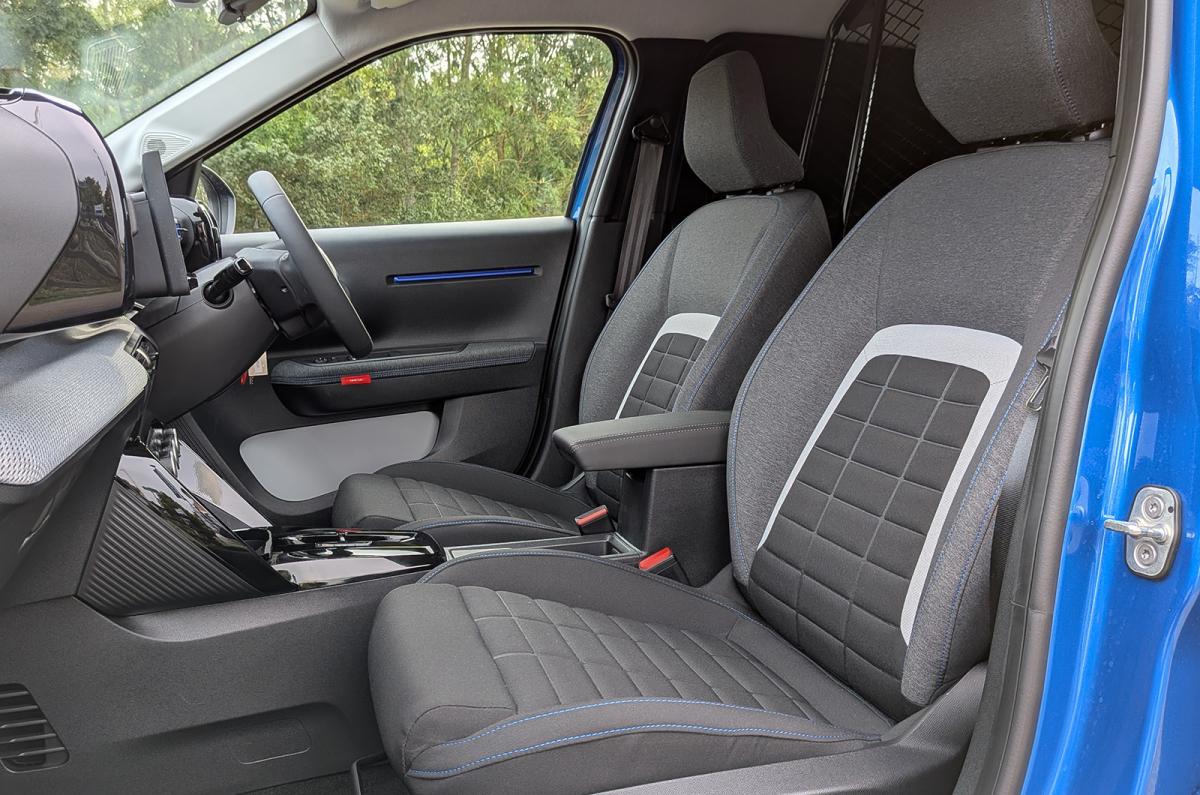
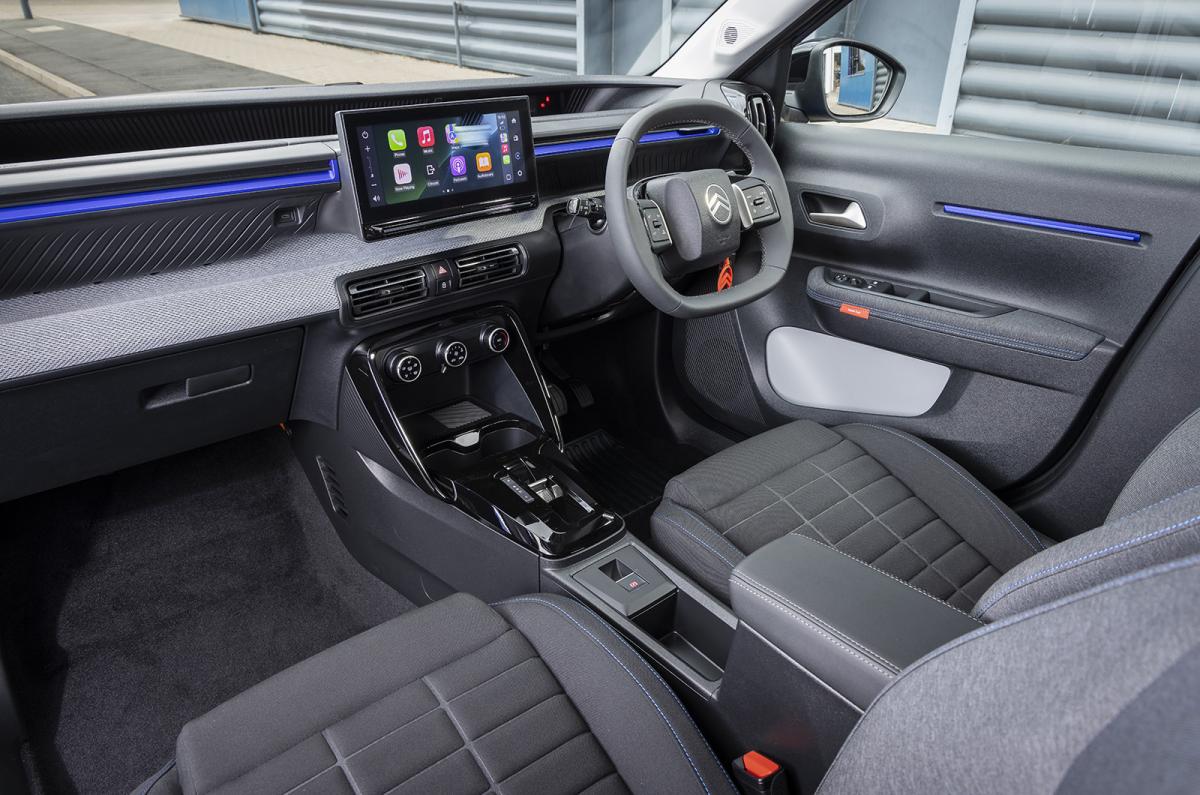
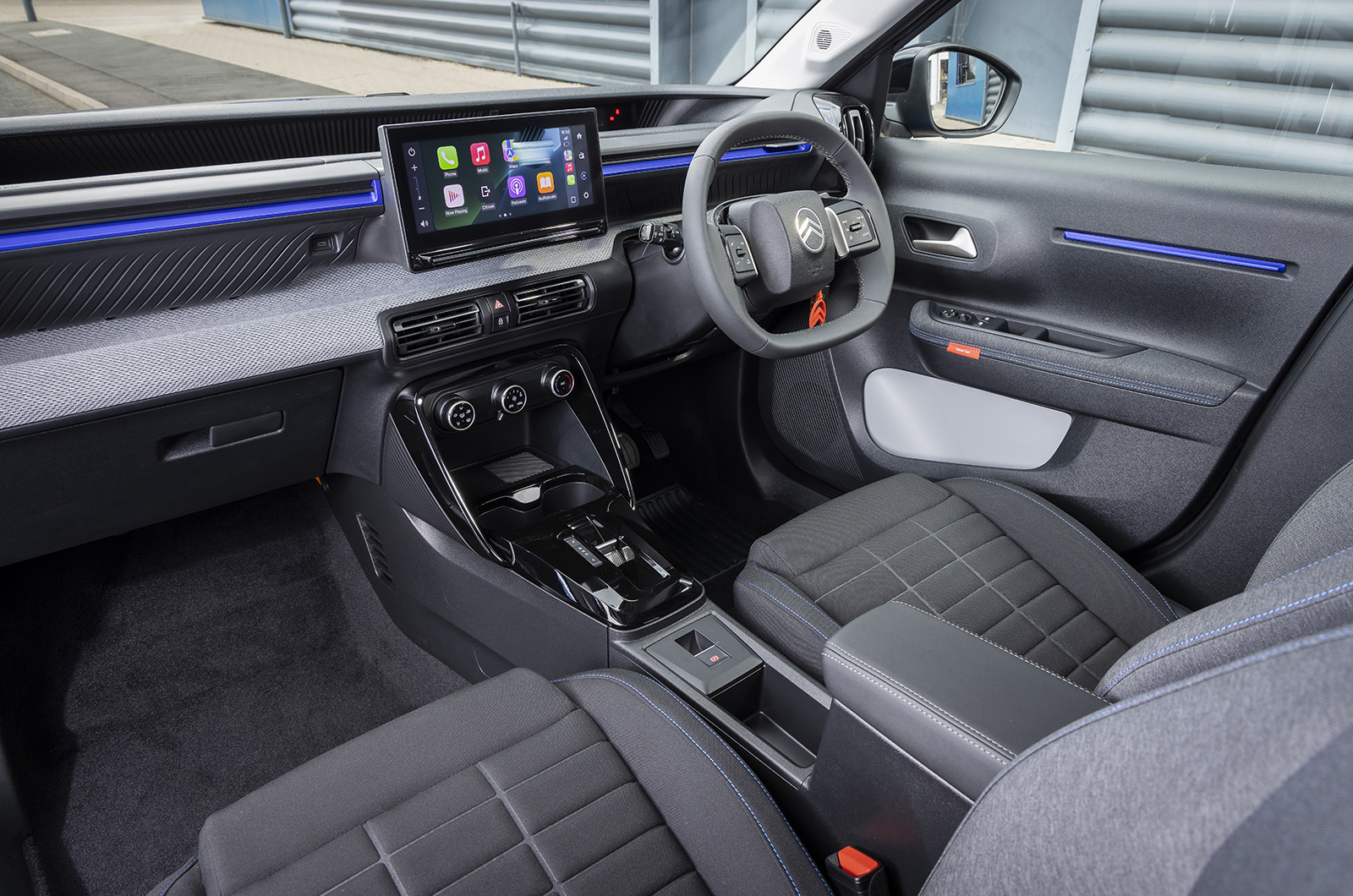
Up front, the Citroën ë-C3 Van is almost identical to the Citroën ë-C3 passenger car, which means its interior feels more like a small car than a commercial vehicle. That brings several advantages. The dashboard is modern without being overly complicated, the driving position is comfortable, and the compact steering wheel gives the cabin a slightly more interesting feel than you’ll find in most vans.
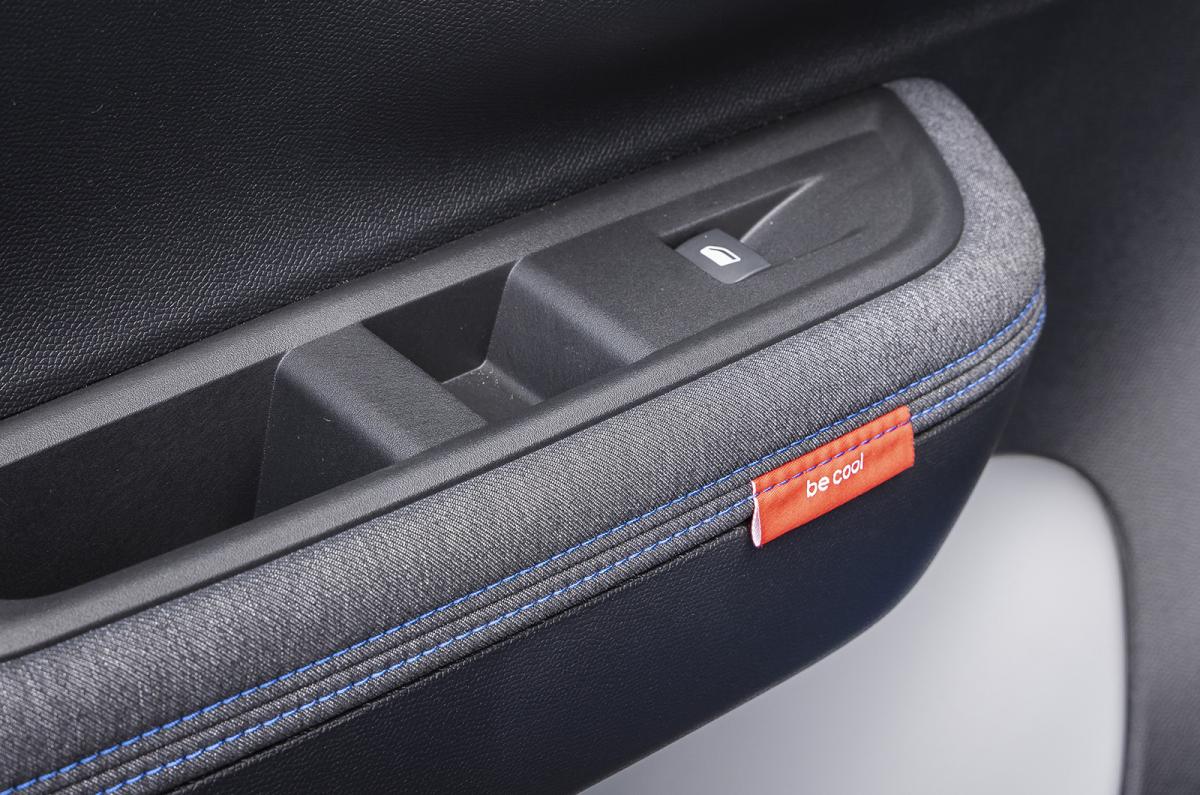
Material quality is just fine, with plenty of hard plastic across the dashboard and doors, but it doesn’t feel especially cheap. Citroën has used different textures and a few colourful details add some visual interest.
The ‘Advanced Comfort’ seats are soft, supportive and noticeably more comfortable than the seats fitted to the Dacia Spring Cargo, making the ë-C3 Van well suited to drivers spending most of the day making short deliveries.
The driving position won’t suit everyone, though. Instead of conventional instruments viewed through the steering wheel, the Citroën uses a narrow digital display positioned high on the dashboard. It works rather like a basic head-up display, but some experimentation with the steering wheel height is needed to find a clear view. If you’re of average height, you’ll be fine, but unusually short or tall drivers might struggle a little.
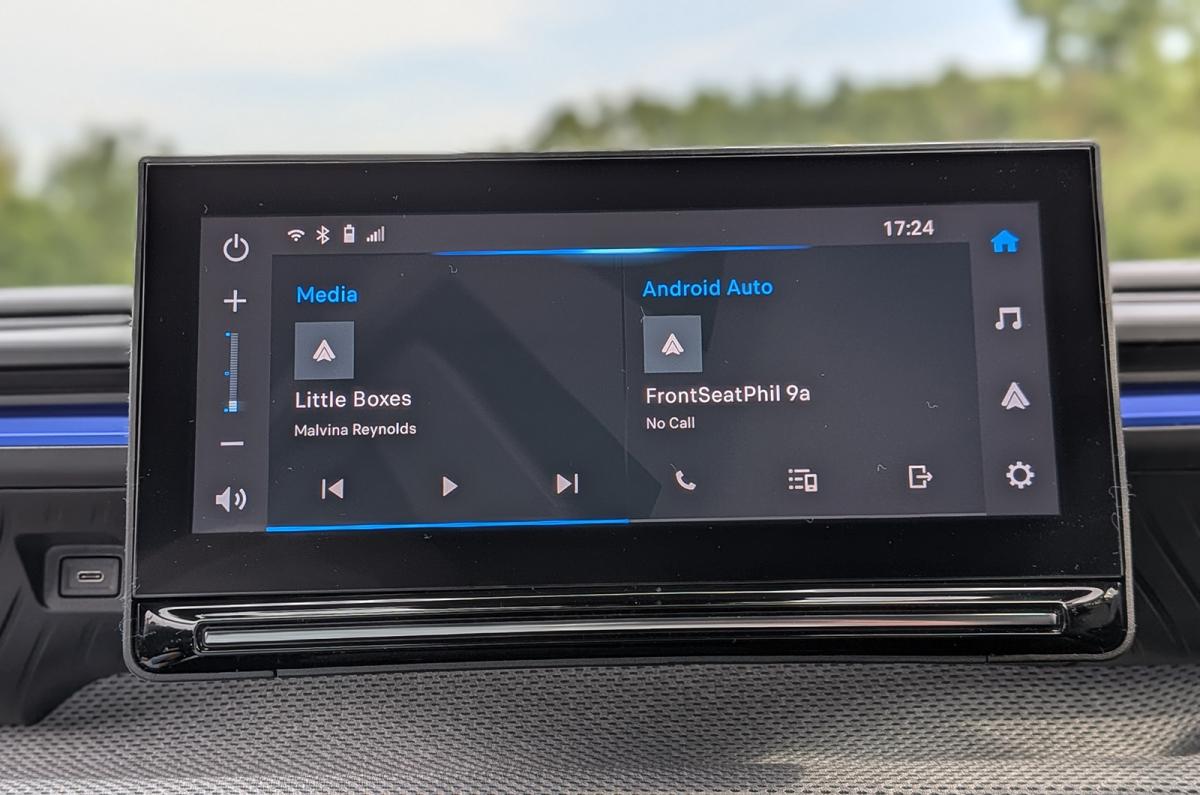
Every ë-C3 Van gets a 10.3-inch central touchscreen mounted in the middle of the dashboard. It’s reasonably straightforward to use, but there’s not much on there beyond some settings and a radio. Navigation is an optional extra, but with wireless Apple CarPlay and Android Auto, there’s little need to rely on the system at all. USB-C charging ports are handy, but there’s no wireless phone charger.
Happily, Citroën hasn’t moved every function into the screen. The heating and ventilation controls remain physical, while a dedicated button near the driver can quickly deactivate some of the more irritating safety warnings.
Rearward visibility is more limited than in the passenger car due to the blanked-out rear side windows, but rear parking sensors are fitted as standard. The lack of a reversing camera is noticeable when manoeuvring in tighter spaces, though.
The bulkhead also makes the cabin feel slightly more enclosed, but there’s enough room for two adults, and the ë-C3 Van never feels cramped. It may be basic in places, but it’s comfortable, logical and much more car-like than most commercial vehicles.
“The ë-C3 Van’s cabin isn’t luxurious, but its comfortable seats, physical controls and simple technology make it an easy place to spend a working day.” – Phil Huff, Van reviewer
Tips & Advice
Passenger & boot space
How it copes with people and clutter
Strengths
- Useful load volume for a vehicle of this size
- Easy access through side and rear doors
- Discreet and secure load area
Weaknesses
- Very low 302kg payload
- Bulky load cover is awkward to remove
- Lacks the finish of a purpose-built van
The Citroën ë-C3 Van’s interior storage is reasonable rather than exceptional. There are useful trays around the dashboard and centre console, along with door pockets and a couple of cupholders, but nothing that stands out as being exceptional.
What’s more, there’s a useful amount of space for such a small vehicle, but the ë-C3 Van’s carrying capacity is limited enough to rule it out for many businesses.
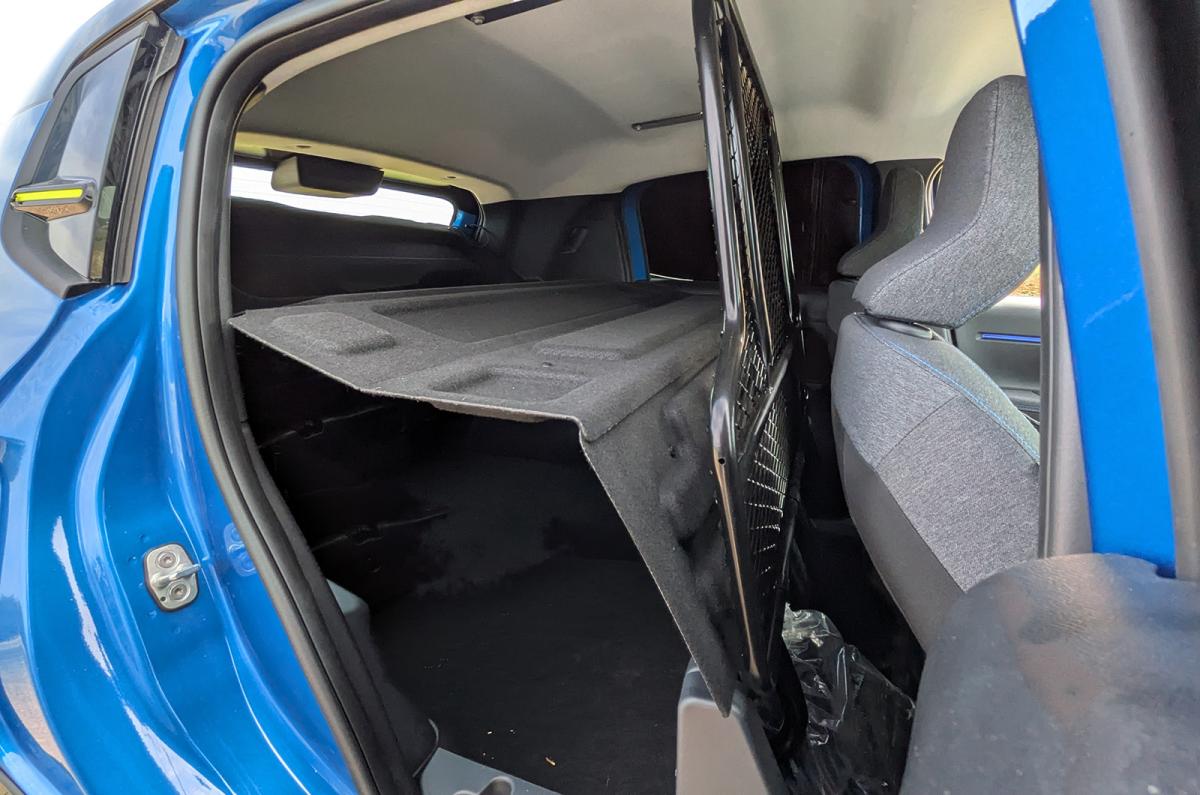
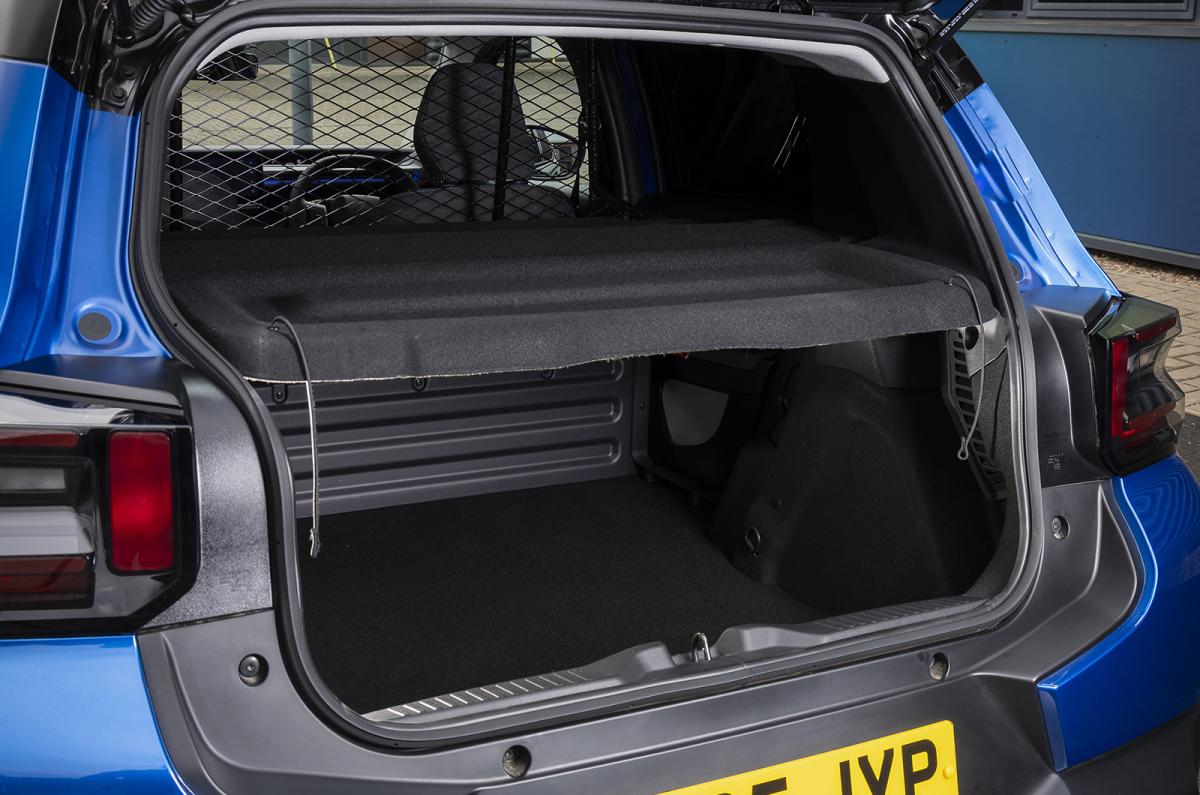
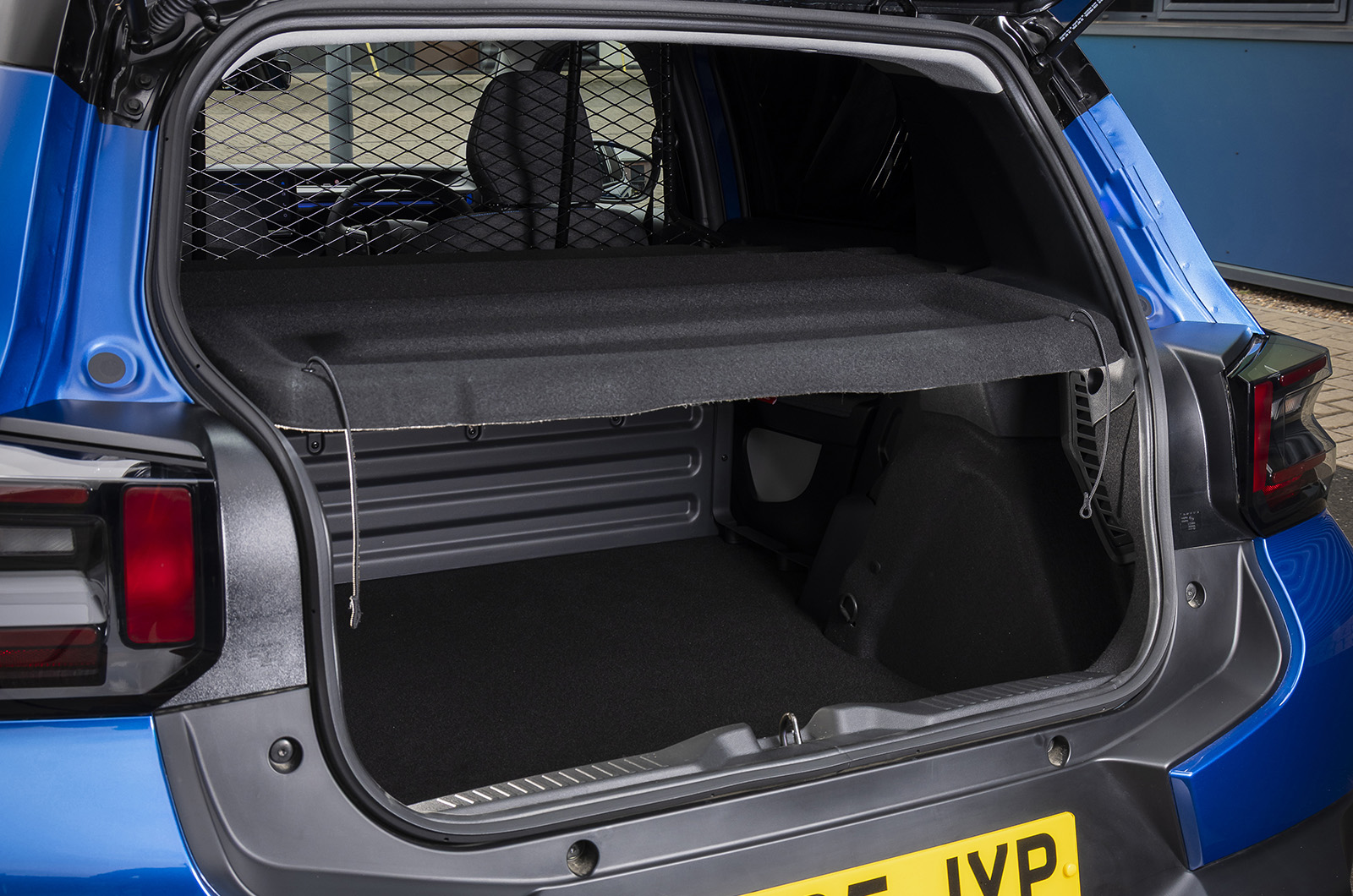
Removing the rear seats creates a load area measuring around 1.2 metres long and 1 metre wide, which gives a total load volume of 730 litres beneath the rigid parcel shelf-style cover, increasing to 1220 litres if the cover is removed and goods are stacked towards the roof.
That parcel shelf irritates, though, as it limits usability when it’s in place. Remove the shelf and a rigid metal frame remains, making access through the side doors awkward.
Removing or replacing the shelf is a pain, too, and it’s bulky to store. Most operators will end up leaving it in place or removing it permanently. You’ll soon figure out which is best for your needs.
There’s a solid lower bulkhead and mesh upper section separating the cab from the load area, while the floor has been reinforced to cope with commercial use.
The conversion from car to van isn’t as polished as a purpose-built van, with window winders in the rear doors removed but with the spindle still visible. The rear side windows are also just covered with vinyl rather than replaced with proper metal panels, which keeps prying eyes out but won’t protect the glass from cargo that’s moving around. There are tie-down points though, so any load should remain secure with some straps.
The biggest problem is payload. The ë-C3 Van can officially carry just 302kg — and that’s got to include the driver, a passenger and anything stored in the cab.
That figure disappears remarkably quickly. Add two larger adults, and there may be less than 100kg left for tools or goods, while even a lone driver will need to keep a close eye on the weight of their load. Even the tiny Dacia Spring Cargo can carry around 68kg more. That makes the already niche model even more limiting.
Towing capacity is also modest, at 550kg, although that is unlikely to matter to the urban operators the ë-C3 Van is designed for.
There’s enough room here for the right kind of business, but the low payload means buyers will need to understand exactly what they intend to carry before picking the ë-C3 Van.
“The ë-C3 Van has more space than its tiny exterior suggests, but its 302kg payload means you’ll need to weigh passengers before worrying about parcels.” – Phil Huff, Van reviewer
Buying & owning
Everyday costs, plus how reliable and safe it is
Strengths
- Very low purchase price
- Useful standard equipment
- Strong efficiency
Weaknesses
- Basic items cost extra
- No heat pump
The Citroën ë-C3 Van is one of the cheapest electric commercial vehicles on sale, with a list price less than £18,000 before VAT and on-the-road charges.
Like all of its electric rivals, the ë-C3 Van qualifies for the Government’s Zero Emission Van Grant, which currently reduces the effective purchase price by £2500.
Ways to buy
That puts it more than £10,000 below conventional small electric vans such as the Citroën ë-Berlingo, our Van of the Year, the Kia PV5 Cargo, and the Renault Kangoo E-Tech. Granted, they’re all significantly more practical, but businesses that don’t need their greater payload or load volume could save a substantial amount by choosing the ë-C3 Van.
The Citroën is more expensive than the Dacia Spring Cargo, but it feels like the more complete vehicle, with a longer range, stronger performance, a more comfortable cabin and considerably more standard equipment. The Dacia wins the payload race, though.
There’s only one trim level, based broadly on the Plus version of the ë-C3 passenger car. Standard equipment includes a 10.25-inch touchscreen, wireless Apple CarPlay and Android Auto, manual air conditioning, rear parking sensors, cruise control, LED headlights and Citroën’s Advanced Comfort seats.
What shouldn’t be an option is a puncture repair kit. It might only add £15 plus VAT to the price, but charging separately for such a basic item feels unnecessarily stingy.
Like most electric vehicles, maintenance costs should also be lower than for a petrol or diesel van, thanks to the simpler electric drivetrain and reduced number of service items. Brake wear may be lower, too, because regenerative braking handles some of the deceleration.
“The ë-C3 Van isn’t simply cheap for an electric van. It’s cheap enough to make some petrol and diesel alternatives look unnecessarily expensive.” – Phil Huff, Van reviewer
Tips & Advice
Similarly priced cars


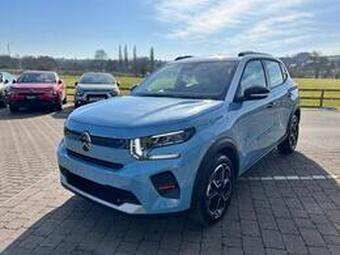
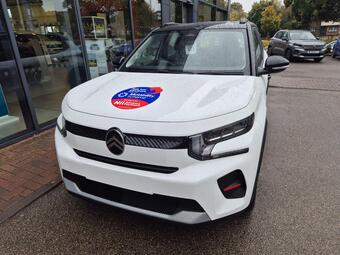
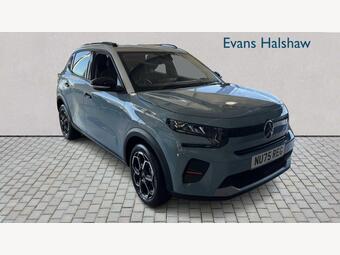
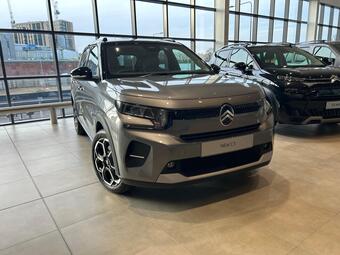
If you're interested in finding a Citroën e-C3, or any of the other electric van cars mentioned here, head over to our Cars available now pages to find new cars listed for sale at great prices.
FAQs
Citroen e-C3 specifications
Our pick
RRP price range
Battery range (miles)
Available fuel types (which is best for you? )
Available colours
Number of engines (see all)
Number of trims (see all)
Company car tax at 20% (min/max)
Company car tax at 40% (min/max)
What is What Car? best price?
The What Car? best price shows you the cheapest way to buy your new car, whether it's by choosing an in-stock car through our partner Autotrader or placing a factory order.
Available now from: £17,995
RRP from: £19,995
About our price indicator
What Car? indicative Personal lease example (subject to status)
Standard Range 44kWh MAX Hatchback 5dr Electric Auto (7.4kW Charger) (113 ps)
| Expected annual mileage | 5000 |
| Term months | 48 |
| Deposit months | 12 |
| Monthly payment | £209.94 |
| Initial payment | £2,519.28 |
Step-by-step
Leasing works a bit like a long-term rental. You drive it, but you don’t own it.
- Choose your car, pick your terms and apply for lease credit online
- Pay monthly rental payments for your chosen term length
- Drive it, enjoy it, then give it back at the end
What you get
When you lease with Autotrader you get all of this:
- Full manufacturer’s warranty
- Road tax and roadside assistance included
- No admin fees
- Free returns within 30 days*
- Lower total monthly cost than PCP/HP
- No balloon payments
- Road tax included
Cars available now
About the writer