Used Ford Focus 2018-2026 review
Great to drive, practical and affordable to buy, the Ford Focus is a tempting choice, but it does suffer from poor reliability.


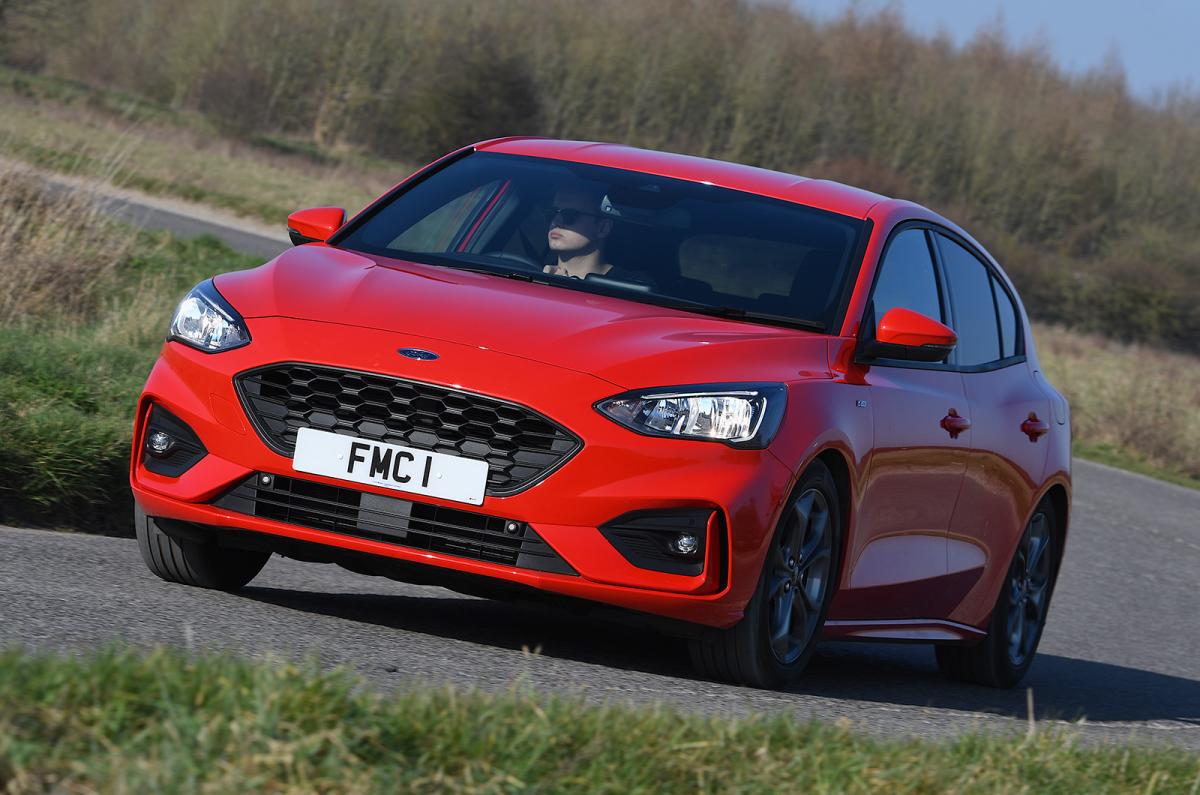
- Used Ford Focus 2018-2026 front cornering red
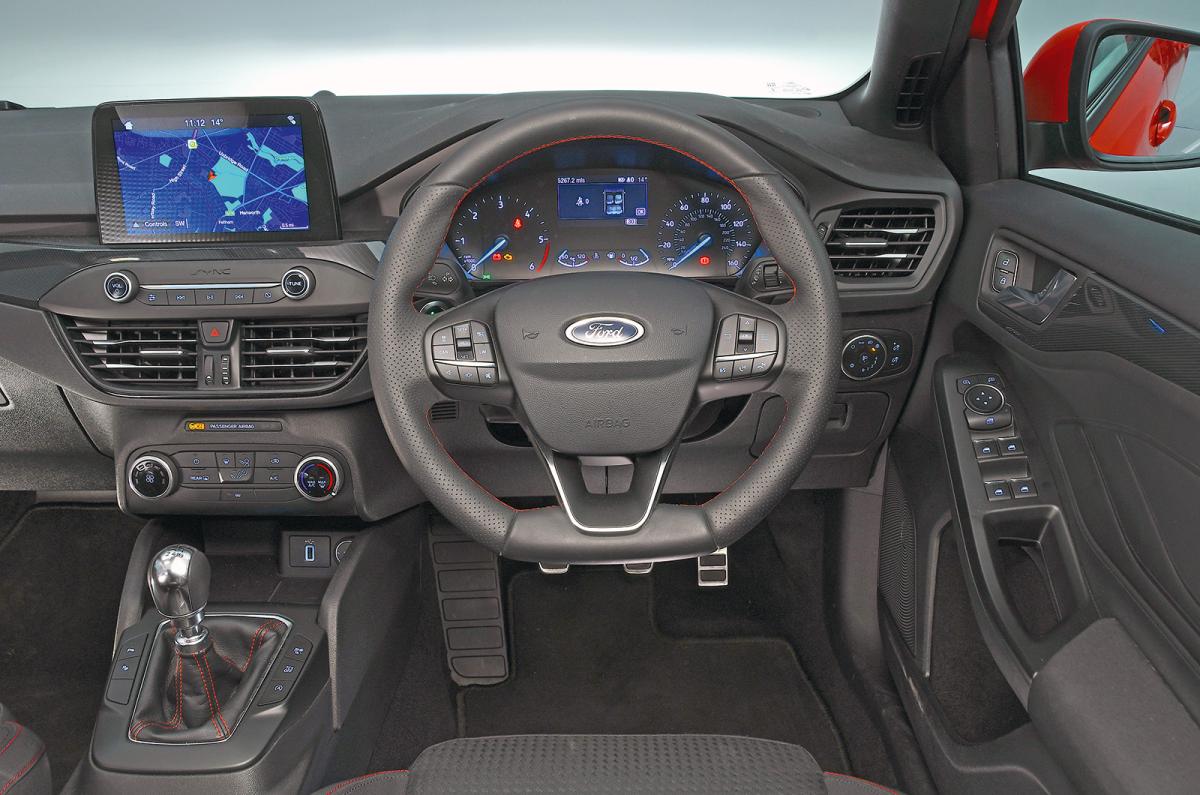
- Used Ford Focus 2018-2026 interior dashboard
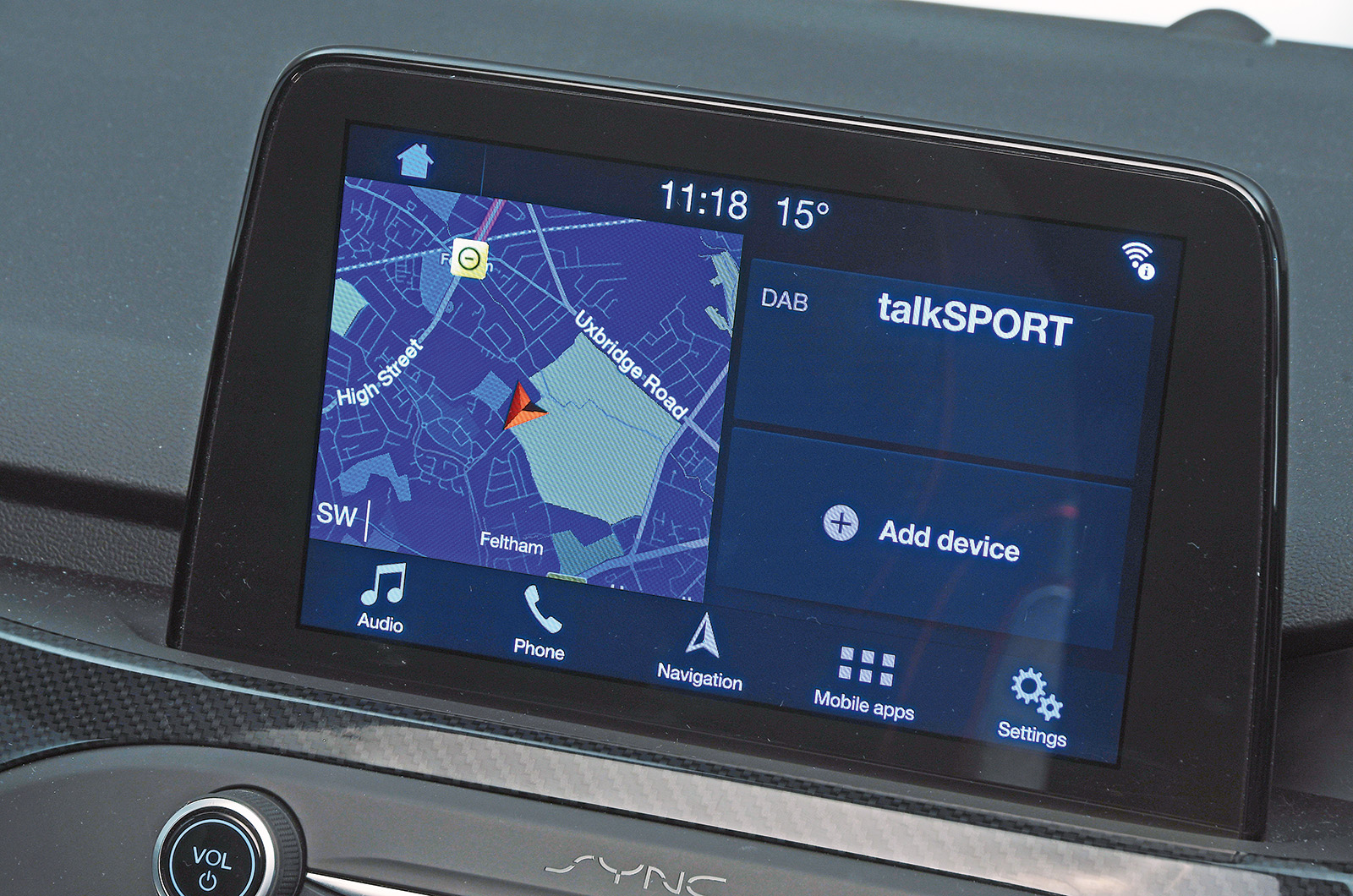
- Used Ford Focus 2018-2026 touchscreen infotainment
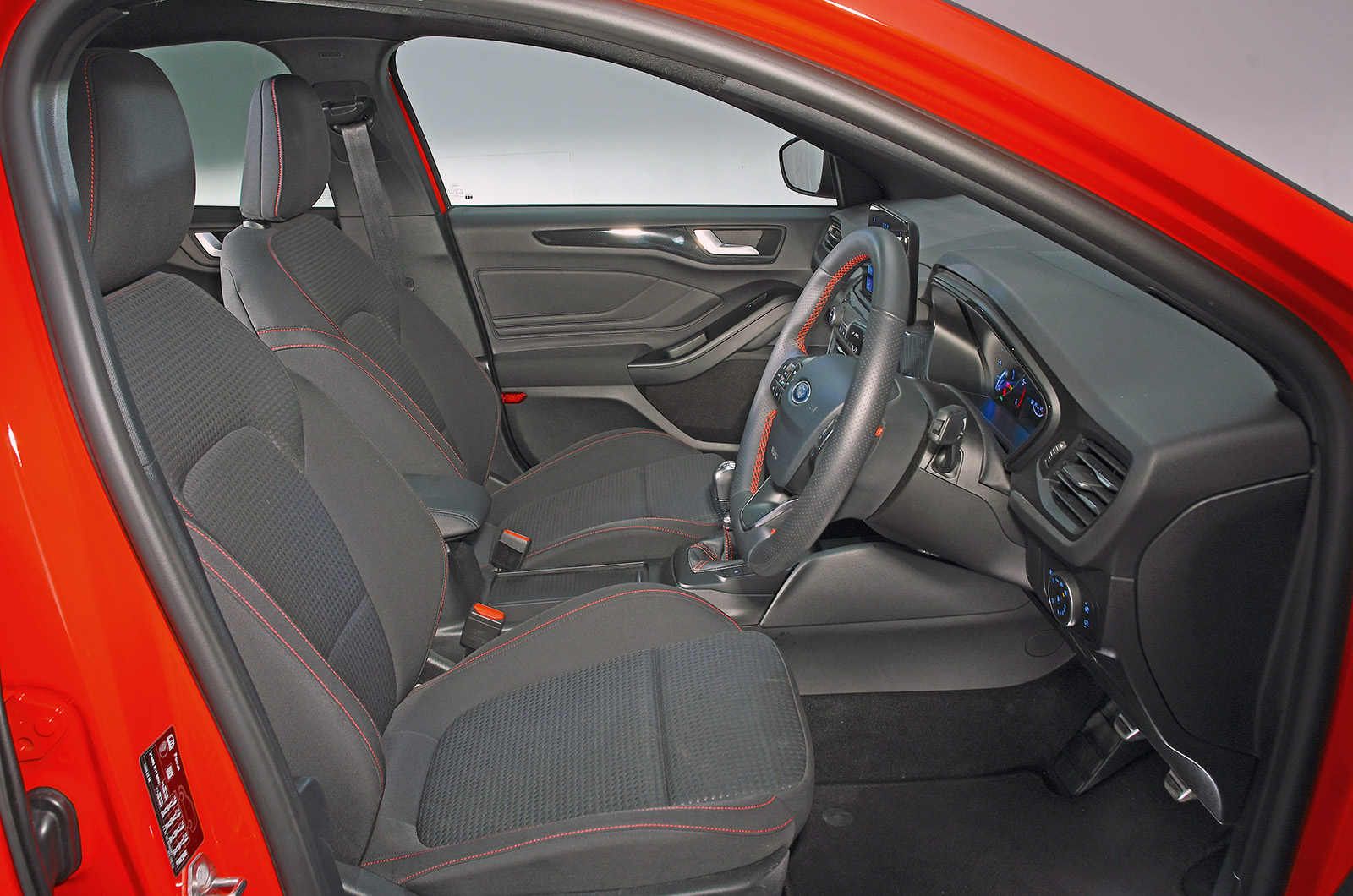
- Used Ford Focus 2018-2026 front seats
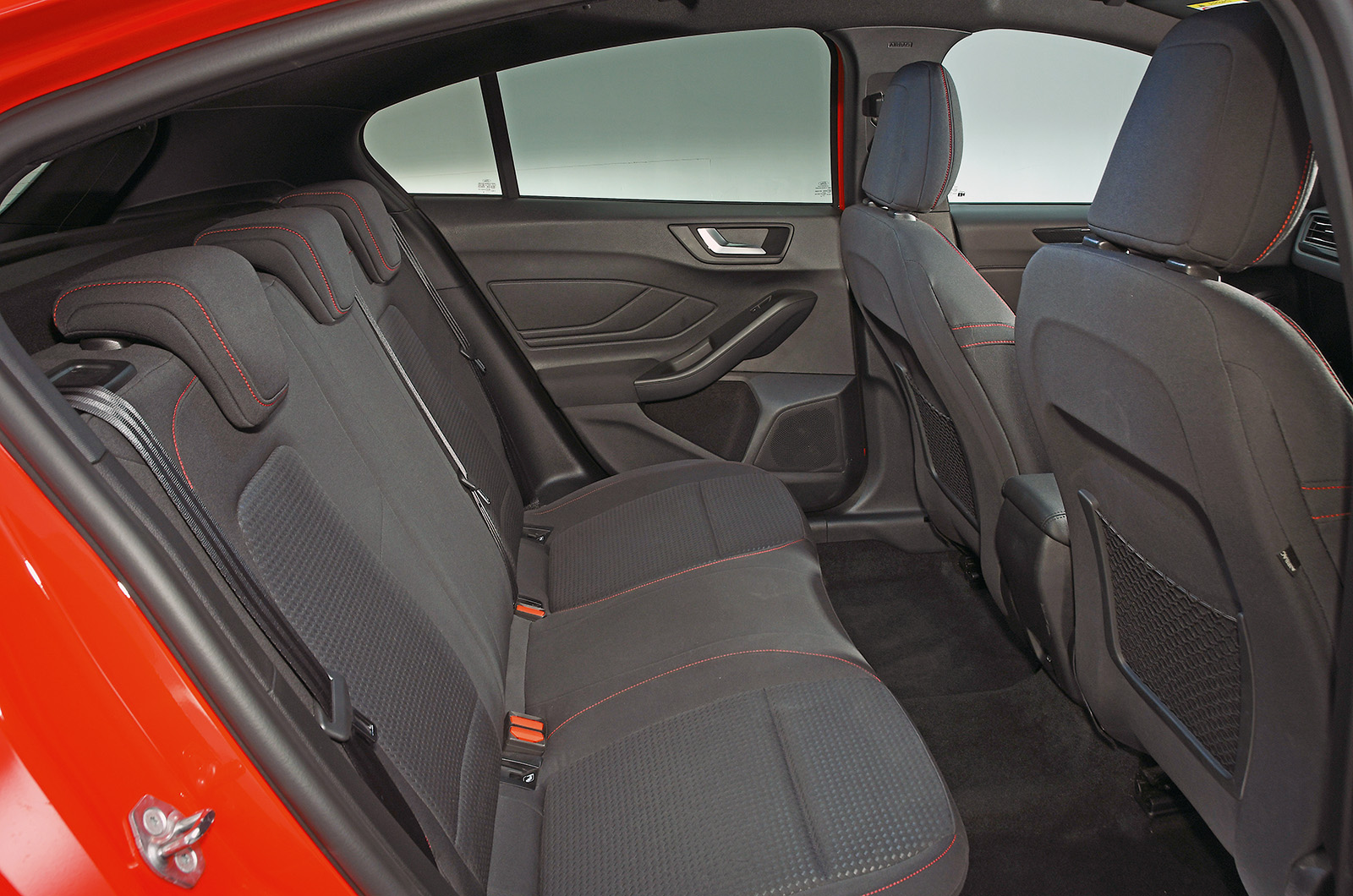
- Used Ford Focus 2018-2026 back seats
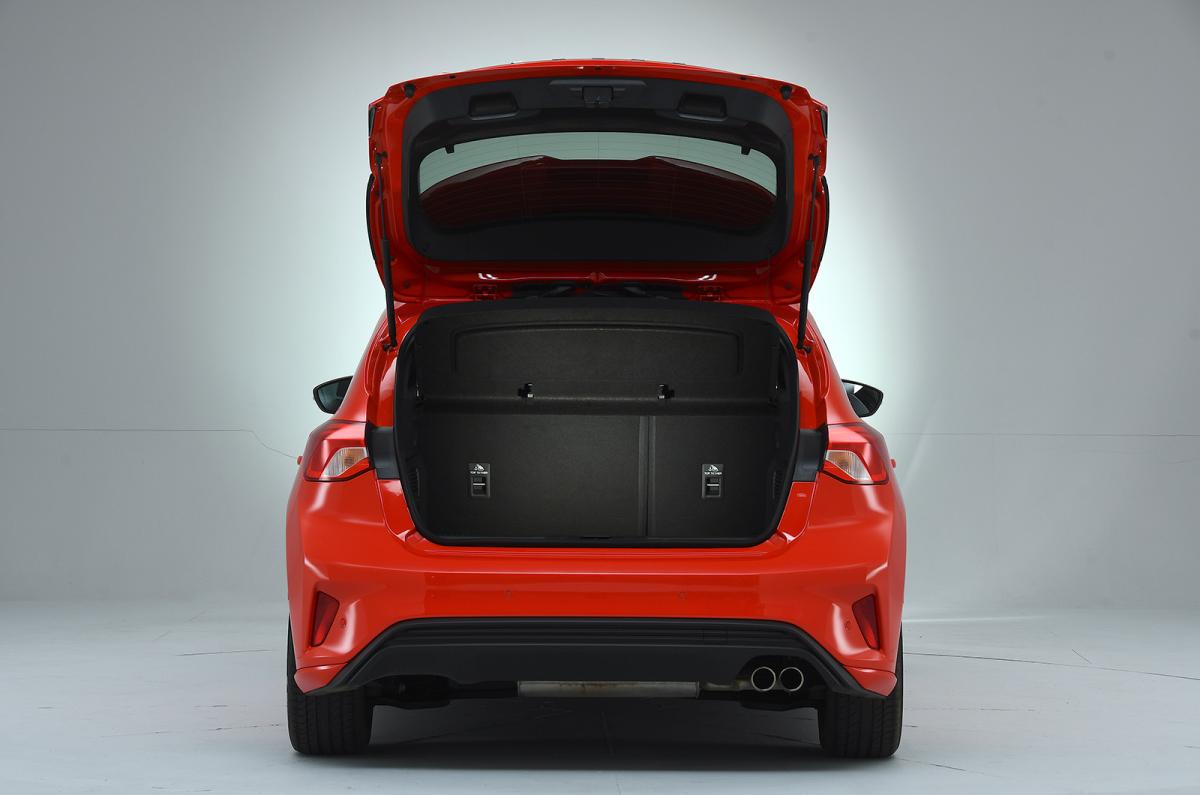
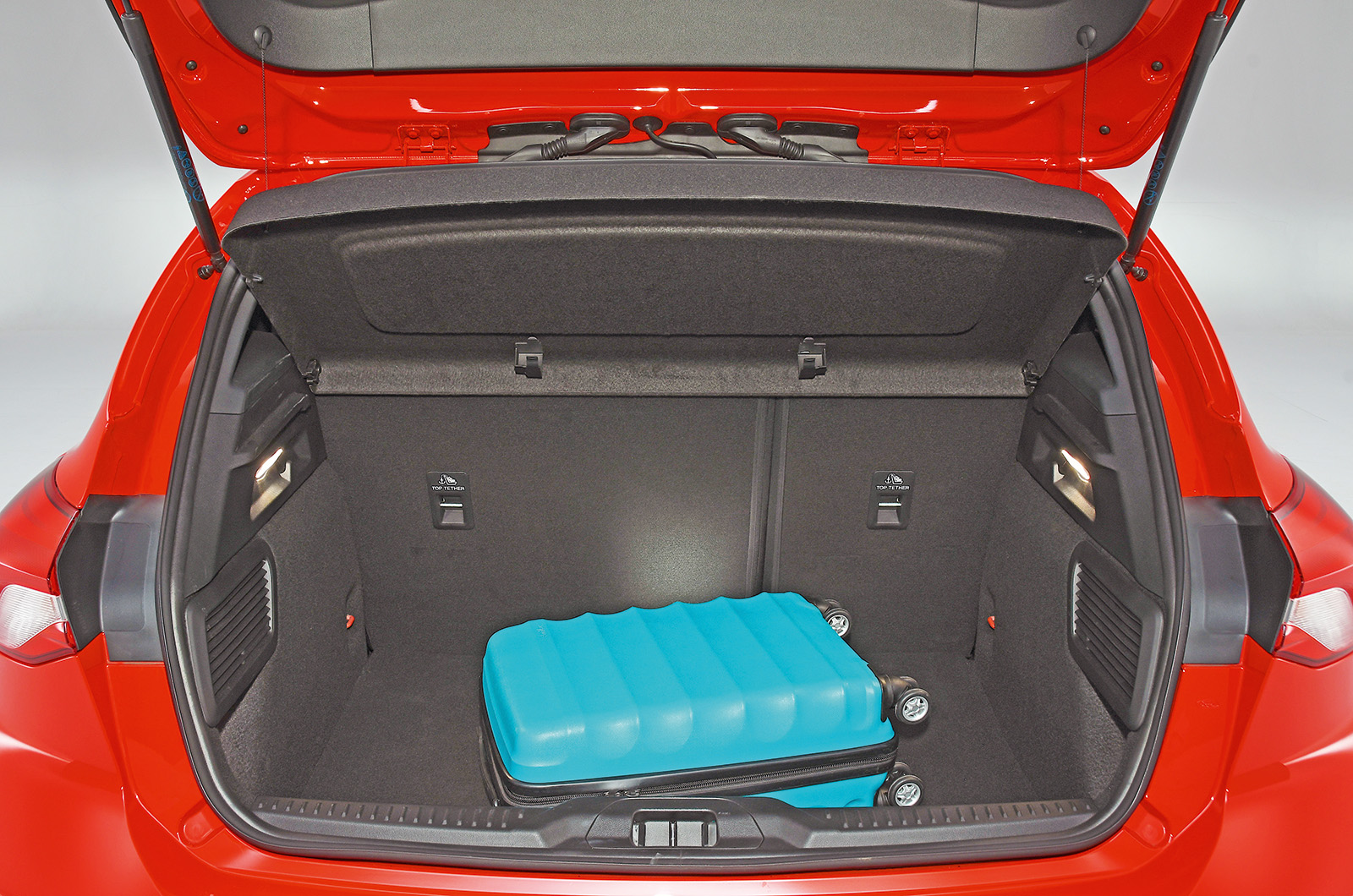
- Used Ford Focus 2018-2026 boot
- Used Ford Focus 2018-2026 boot open
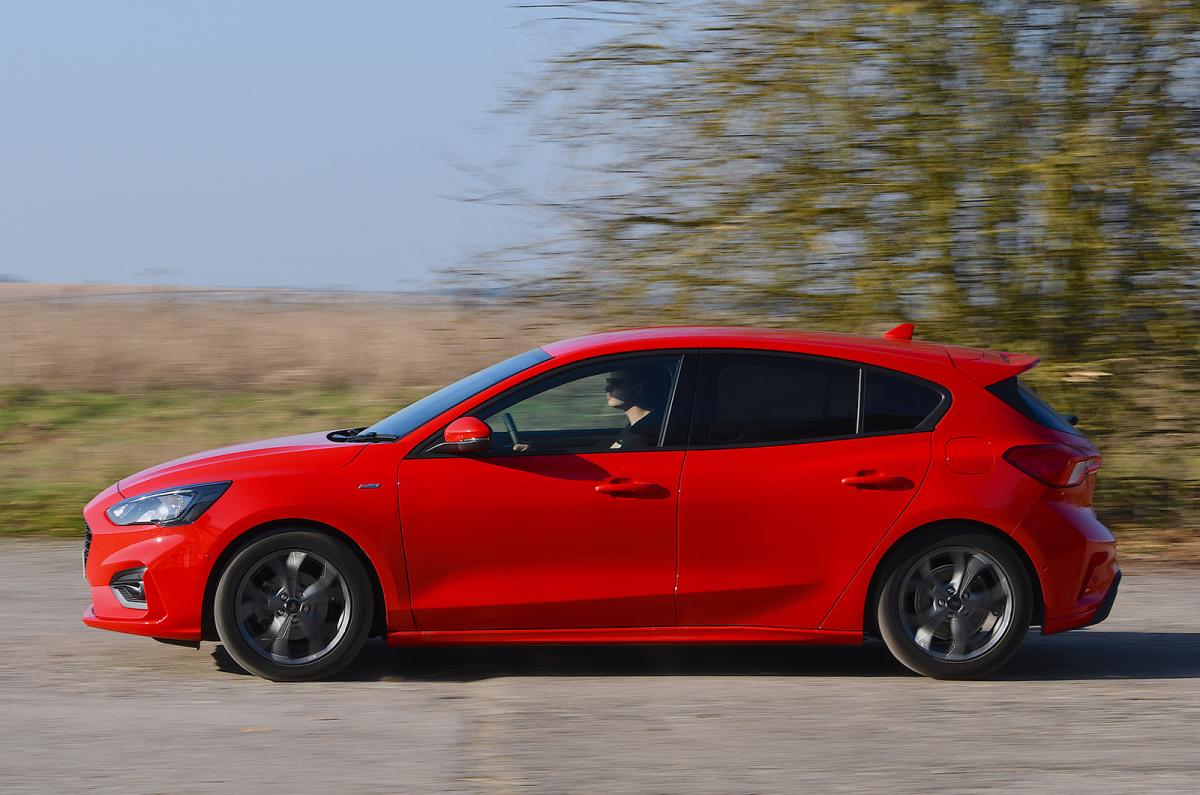
- Used Ford Focus 2018-2026 panning shot red

What's the used Ford Focus like?
The Ford Focus is one of the true heavy weights of the family car class. It has a name that's as recognisable as Toyota Corolla and Volkswagen Golf, but the Focus has always had a character all of its own. More than most, it’s a driver’s car, with agile, engaging handling that can easily raise a smile.
While the traditional family hatchback has taken a battering from the family SUV in recent years, the Focus continues to be a perennial favourite in the used car sales charts. We mention used car sales here because, in November 2025, Ford ended production of the Focus after 27 years on sale. It marks the end of an era, but the upside is that there are still plenty of examples on dealer forecourts at tempting prices – including some registered after it was pulled from sale.


Pros
- Fun to drive
- Punchy yet economical petrol engines
- Roomy interior
Cons
- Poor reliability
- Sub-par interior quality
- Ride firmer than those of rivals (more so ST-Line)
Engines and performance: There are plenty of punchy (yet fuel efficient) engines to choose from, with the entry-level 99bhp 1.0-litre EcoBoost petrol potent enough to cope with most situations. Mind you, the 123bhp version is even more capable, while in 2020 Ford introduced mild-hybrid technology to the engine alongside a more powerful 153bhp option, capable of sprinting from 0-62mph in 9.0sec with the manual gearbox.
Before the latter engine was introduced in 2020, you had a 148bhp and 180bhp 1.5-litre petrol to choose from, the 180bhp option quick enough to border on hot hatch territory.
Speaking of which, there's the full-fat Ford Focus ST hot hatch as well, with its 276bhp 2.3-litre petrol engine – a diesel version is also available, although few people opt for it.
Also on the diesel Focus front is a 118bhp 1.5-litre and a 148bhp 2.0-litre option. These are good options but are better off with owners that do lots and lots of motorway miles, because that's really where you'll see the diesel's beefier low-end performance and better fuel economy pay off.
All models get a six-speed manual as standard, and everything other than the 99bhp 1.0 petrol can be had as an automatic.
Ride and handling: The Seat Leon is ahead of the pack, being better to drive than most rivals, such as the Toyota Corolla and VW Golf. It doesn't best the Focus, though: it's the class leader when it comes to the driving experience, namely handling.
The Focus is sharp and light on its feet, coming alive on a twisty road (where some rivals can feel inert). The Focus doesn't play it safe – although there's good grip, composure and safety systems to lean on – instead, it's playful and engaging, proving truly fun to drive.
The six-speed manual is slick – the auto' is capable, albeit not the smoothest one out there – and the steering is quick and direct. We wish it weighted up a little bit more at higher speeds, but it's otherwise confidence inspiring.
When you've had a long day and want to relax, the ride of the Focus caters fairly well, being firm but well cushioned. You'll want to avoid ST-Line trims if comfort is a priority, because its sports suspension doesn't smother bumps as well as, for instance, Titanium trim's standard suspension. The trade off, of course, is that ST-Line cars are the sharpest handlers of the lot.
Overall, the Corolla is more comfortable, as are a fair few rivals, but the ride is compliant enough to keep the vast majority of buyers happy.
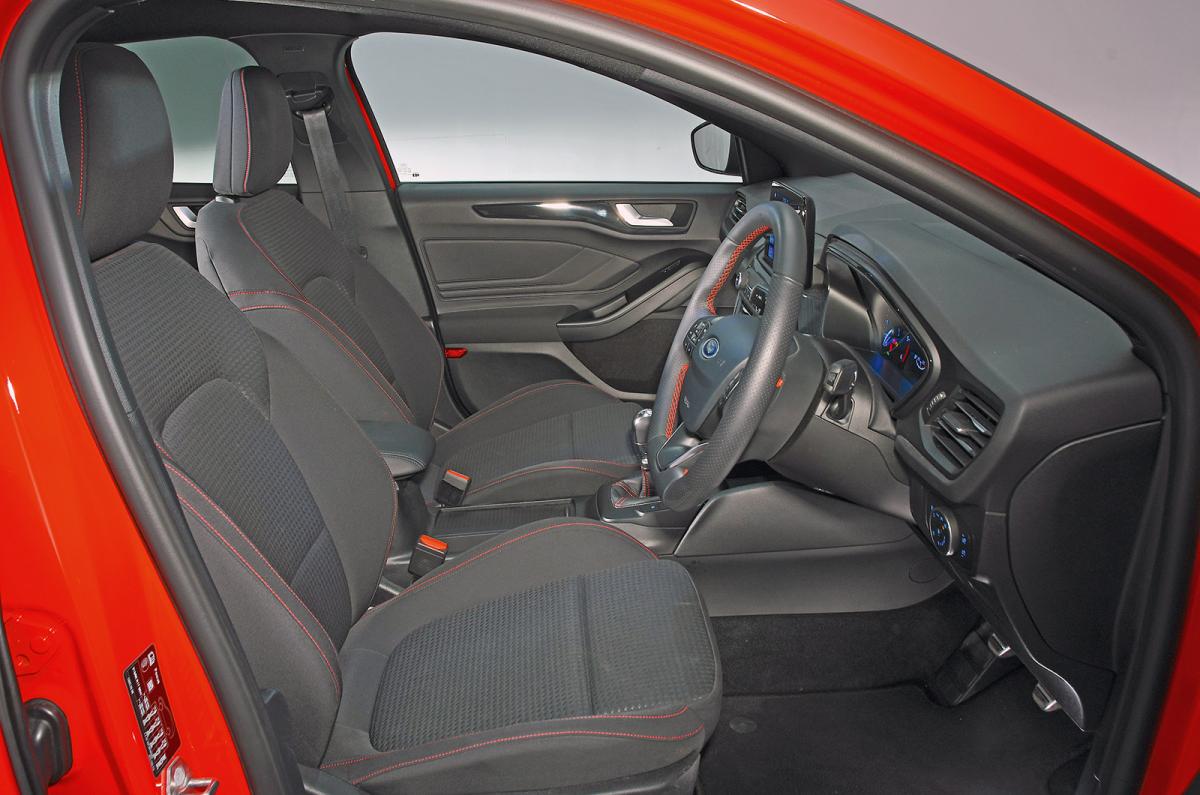
Interior and practicality: The Focus fails to match most rivals for interior quality, with some plush materials used on the places you touch most but a lot of drab plastics surrounding them. If you're hopping into this Focus from a last-gen model (the 2011-2018 Ford Focus), you'll likely be pleased with the improvement. If you've previously owned, say, a Skoda Octavia, you might be disappointed.
ST-Line cars improve matters with sportier touches such as red stitching, metal pedals and a different gearknob, while Vignale models have wood grain trim. Build quality in the Focus feels generally solid.
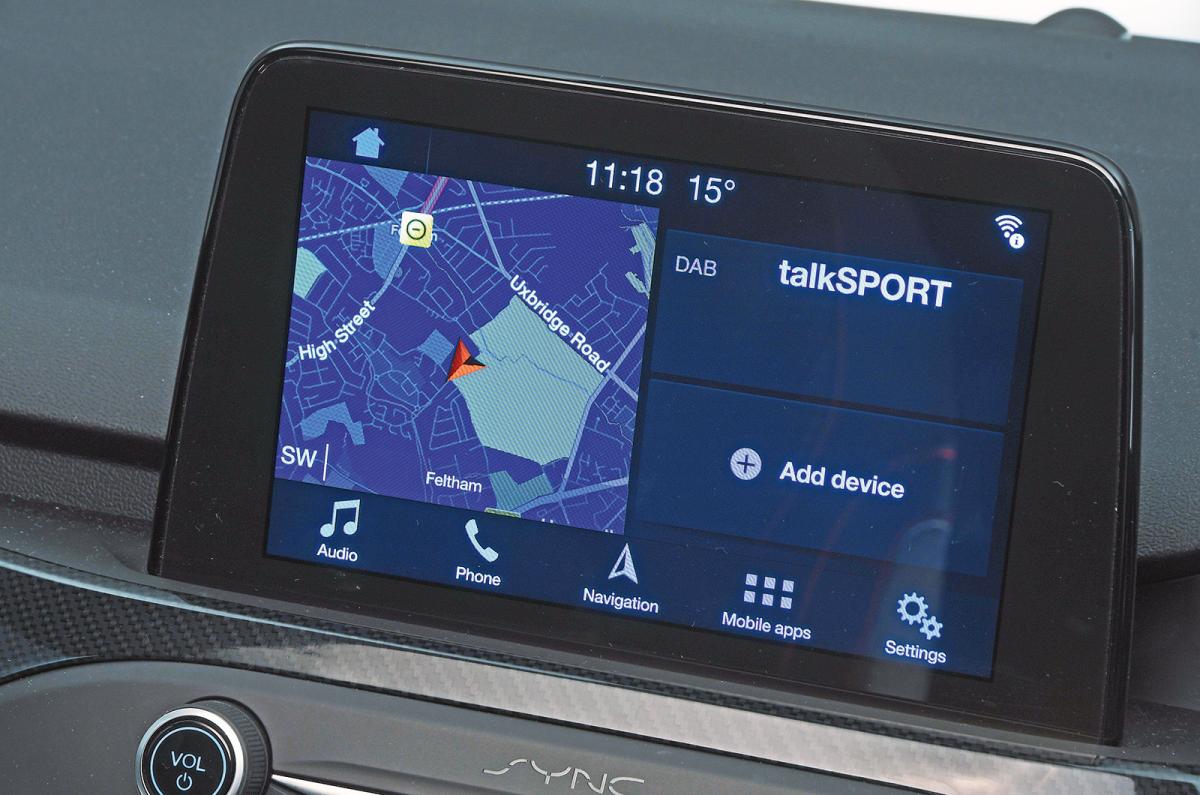
On pre-facelift cars, all models – other than the entry-level Studio trim – come with an 8.0in infotainment system. It's not the slickest set-up, but it's reasonably straightforward to use. It also comes with two rows of physical buttons and dials for shortcuts and climate controls, which helps with usability,
On facelift cars, all Focuses come with a 13.2in touchscreen infotainment system. This is more responsive and sharper to look at than the previous set-up, but unfortunately Ford removed most of the physical buttons and dials – including for the climate controls. These were moved onto a small portion of the touchscreen, which makes small adjustments tricky – and distracting – to do while driving.
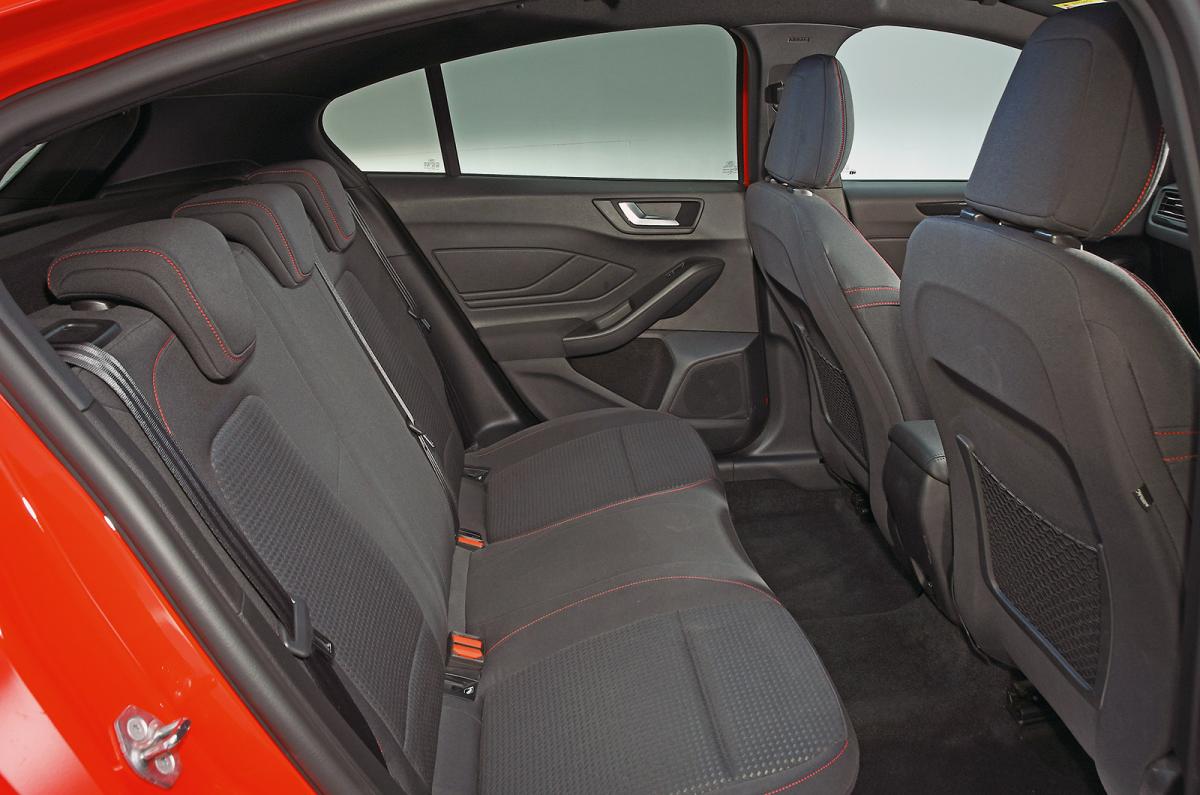
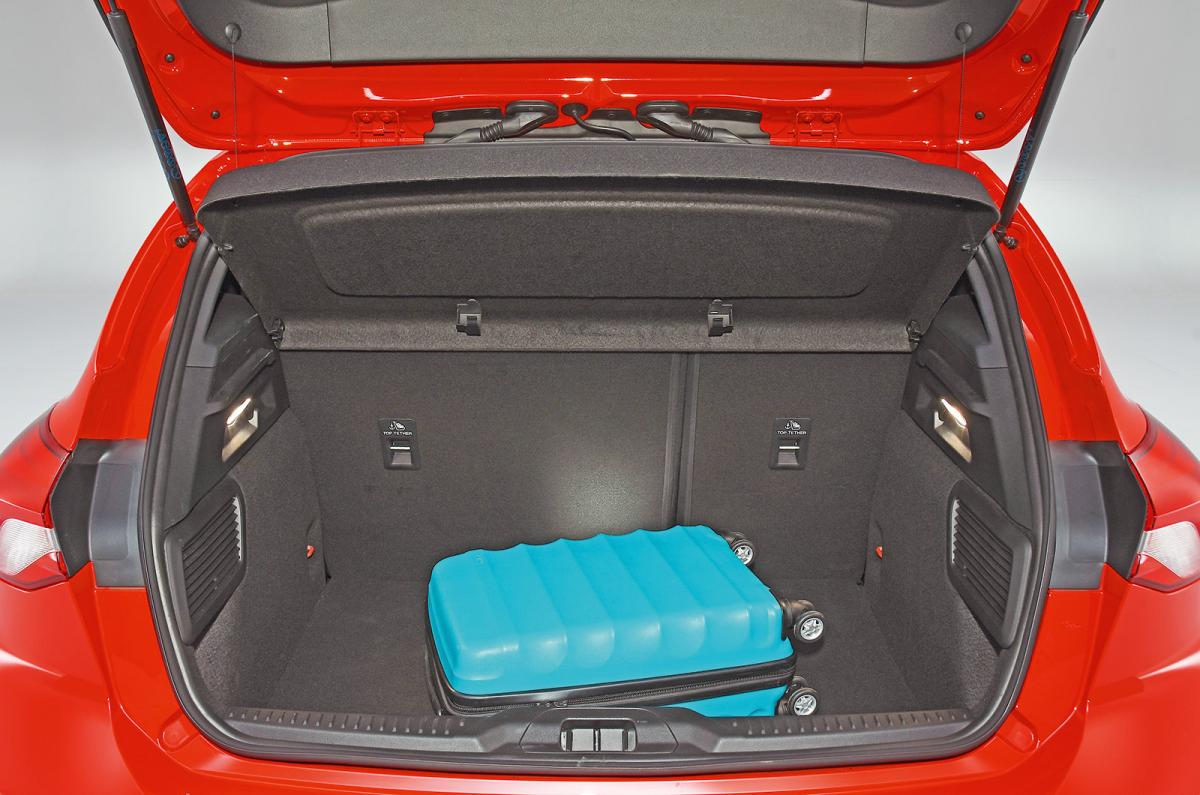
As we touched upon, passenger space is plentiful, front and rear – you'll only start to run out of room if you're a family of six-footers. The Focus's 358-litre boot matches the Leon's for size but falls short of the non-PHEV Astra’s 422-litre capacity. Regardless, fitting in a large pushchair shouldn't be a problem. We also managed to fit six carry-on suitcases below the parcel shelf, which is one more than we could get in the Golf.
Trims and equipment: Studio cars come without an infotainment touchscreen, but the others, such as Style, get an 8.0in system with Apple CarPlay and Android Auto. Titanium adds automatic wipers, power-folding mirrors, sat-nav, front and rear parking sensors, heated front seats, dual-zone climate control and passenger seat lumbar support.
ST-Line models get sports-inspired trim pieces and sports suspension, but it's the bigger wheels on ST-Line X that contribute to the fidgety ride. Titanium X versions come with a heated steering wheel and an electric driver’s seat, while Vignale cars are loaded up with leather seats, adaptive LED headlights, a Bang & Olufsen stereo and a head-up display.
Facelift: In 2022, the Focus received a facelift with a major tech upgrade, which included a new 13.2in infotainment system with wireless Android Auto and Apple CarPlay, plus integrated climate controls. Externally, the Ford badge was relocated from the bonnet to a new, more assertive grille, while standard LED headlights and refreshed alloy wheel designs were also added.
"I find touchscreen-based climate controls deeply irritating, so I'd be tempted to go for a pre-facelift Focus, which has proper buttons and dials for these." – George Hill, Used Cars Writer
Interested in buying a used Ford Focus? Visit our Used Cars For Sale pages to find lots of cars listed at great prices.
Tips & Advice
Ownership cost
What used Ford Focus will I get for my budget?
You can buy a used Ford Focus for £7000 and that'll get you a respectable 2018/2019 model with reasonable mileage. It'll likely be in Zetec trim, too. Have around £9000 if you fancy a 2020 Titanium model. Generally, ST-Line cars go for roughly a grand more.
For a 2022 facelift, you'll need around £11,000 if you like the sound of that. Up your budget to around £17,000 if you want a later 2025 example. For a pre-facelift ST hot hatch, have a minimum of £15,000 to spend, while £22,000 will bag you a facelift from 2022.
Check the value of a used Ford Focus with What Car? Valuations
How much does cost to run a Ford Focus?
MPG
The 99bhp 1.0-litre is the most efficient petrol engine, with an official figure of 50.4mpg, under the WLTP tests. The 99bhp and 123bhp versions both return 49.6mpg, while the 1.5-litre unit returns 46.3mpg and 44.1mpg in 148bhp and 180bhp forms. The 277bhp Focus ST hot hatch gets 34.4mpg.
The 94bhp 1.5-litre diesel offers the highest economy of the range, at 64.2mpg. The more flexible 118bhp version of the same engine is only a little down on this, at 62.8mpg. The 148bhp 2.0-litre diesel should manage to get somewhere near the 57.9mpg claimed figure, but the 187bhp version of this engine offered in the Focus ST drops to 50.4mpg.
Road tax (VED)
Yearly car tax for any Ford Focus model of this generation will be the same flat rate fee for all cars that cost less than £40,000 when new – only some fresh-faced ST models have exceeded this amount. This is currently £195 per year.
Insurance and servicing
The entry-level 1.0-litre EcoBoost Zetec sits in insurance group 11, rising to 15 for the 123bhp version. Both 1.5-litre petrols are between groups 16-19, while the hot ST bumps this up to 34. Diesel insurance groups start at 14 for the 1.5-litre, going all the way up to 23 for the 2.0-litre diesel ST and Vignale versions.
You can spread the cost of servicing your Focus with a service plan you pay for in instalments, or can look into a Ford Essential servicing once your car is four years old. This includes an oil and filter change, pollen filter change and a wash and vacuum-clean for £169.
Reliability
Owner reviews from our annual What Car? Reliability Survey show that the Focus is a mixed bag for dependability. While it’s a popular choice for a daily driver, owners reported frequent electrical issues, jerky automatic gearboxes and "wet belt" issues with the 1.0-litre EcoBoost engine. Dealership experiences also vary, making a full service history essential for peace of mind.
To find out more about used Ford Focus reliability, head to our dedicated reliability page.
Tips & Advice
Our recommendations
Which used Ford Focus should I buy?
Engine
Unless you need a diesel for long-distance fuel economy, the 123bhp 1.0-litre petrol will suit all your needs in terms of performance and running costs, but make sure to check the service history for any welt belt issues. Alternatively, go for a post-2019 car with a chain. The 118bhp 1.5-litre is the best diesel option and is reasonably flexible once you’ve got past some turbo lag.
Specification
Studio trim is rare and too basic by most modern buyers' standards. Titanium doesn’t cost much more than Zetec yet is better equipped, so that's the one we'd suggest going for, overall.
ST-Line is worth it if you want sportier handling, but ST-Line X is a touch uncomfortable due to its bigger wheels. Titanium X and Vignale come loaded with luxury features but don't address the rather low-rent interior and therefore don't make the Ford Focus feel a premium as the Audi A3. In our opinion, they aren't worth the extra outlay.
Our favourite Ford Focus: 1.0 125 EcoBoost Titanium
Tips & Advice
Alternatives
What alternatives should I consider to a used Ford Focus?
The Toyota Corolla is a brilliant all-rounder. It's good value, efficient and comfortable to drive, while practicality impresses. It regularly scores well in our reliability survey, too.
For keen drivers, the 2013-2020 Seat Leon is a good option. It's can't quite match the Focus for outright fun, but it's not far behind, with sharp handling and punchy engines. It's also a more reliable choice, doing well in our most recent reliability survey.
You might think that the Audi A3 would be completely out of your price range, but a used example is surprisingly affordable. Not only does it have a vastly superior interior than the Focus, but it also handles well and offers an efficient range of petrol and diesel engines. Rear passenger space is good, too.
If maximum practicality is what you’re after, go for the 2013-2020 Skoda Octavia. Rivals can’t touch it for boot volume and it puts even some larger executive saloon to shame when it comes to rear leg room.
For all the latest reviews, advice and new car deals, sign up to the What Car? Newsletter here
Interested in buying a used Ford Focus? Visit our Used Cars For Sale pages to find lots of cars listed at great prices.
How reliable is the Ford Focus ?
About the writer