Leapmotor B10 Hybrid review
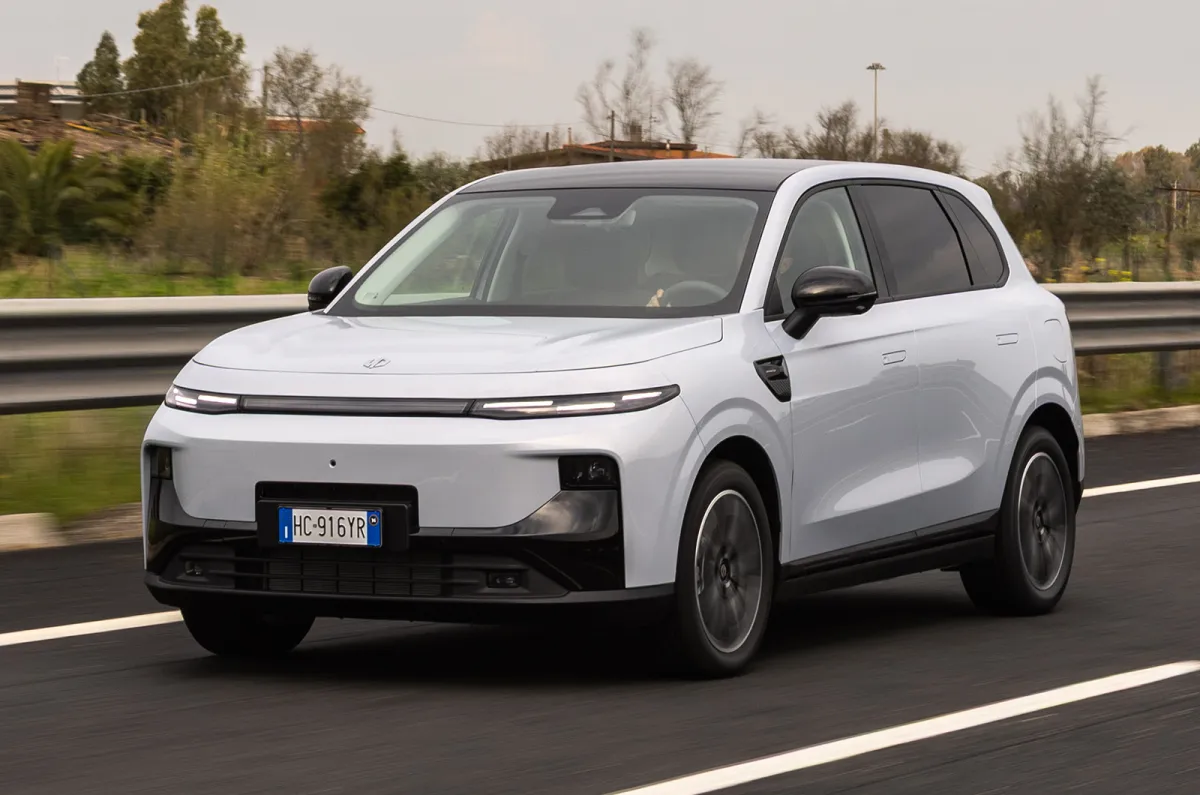
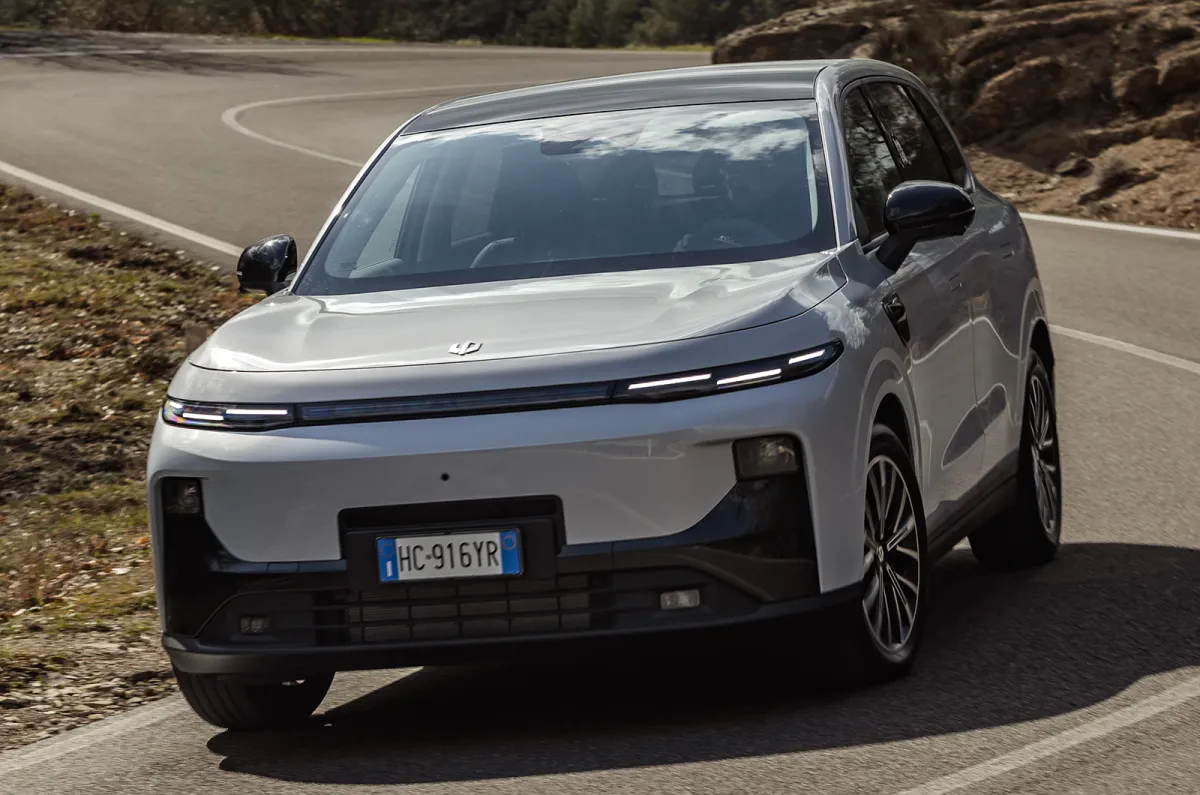
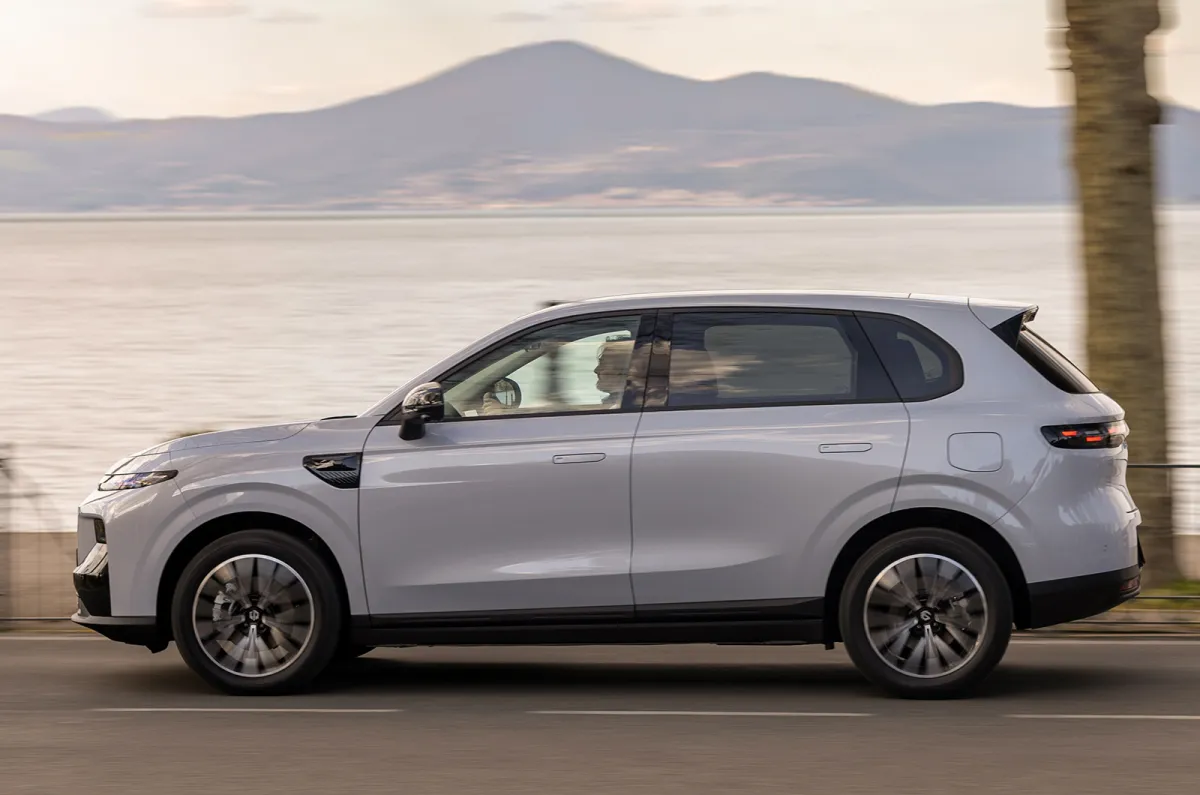
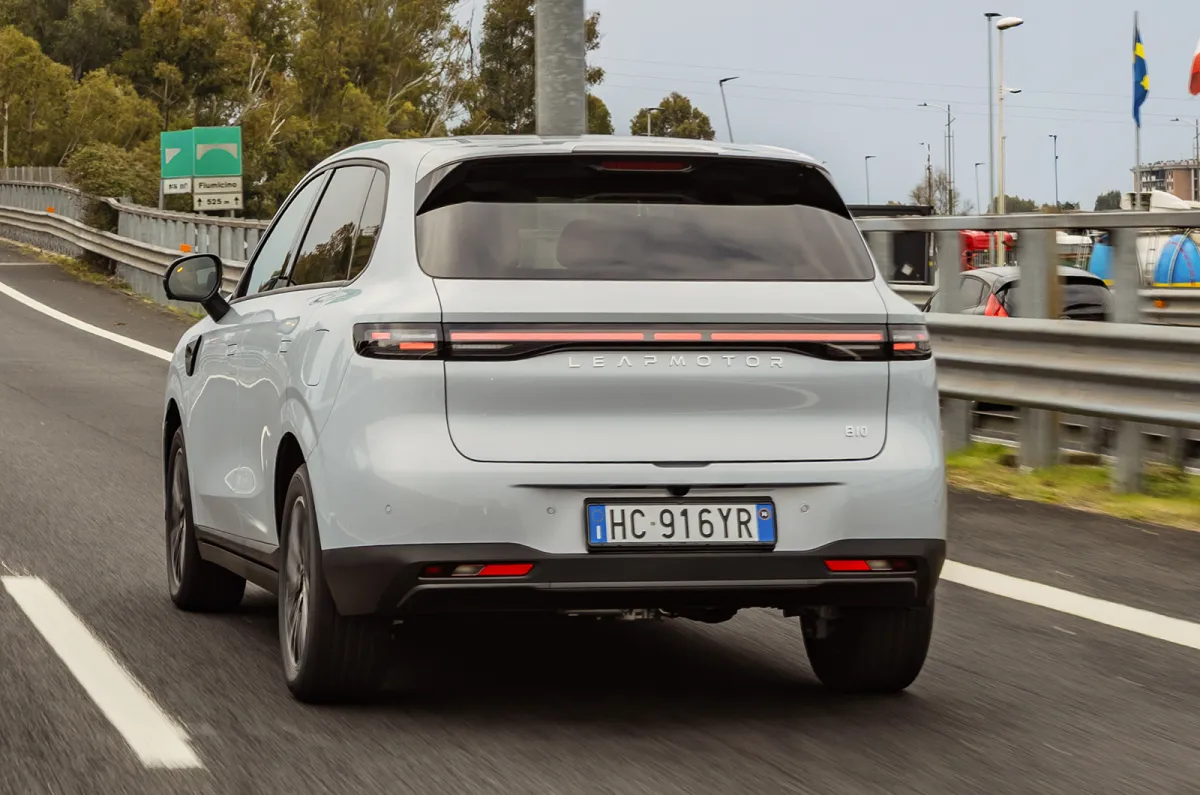
The Leapmotor B10 Hybrid has plenty of room and tech, but it's disappointing to drive
RRP £31,990














New car deals
Best price from £28,497
What is What Car? best price?
The What Car? best price shows you the cheapest way to buy your new car, whether it's by choosing an in-stock car through our partner Autotrader or placing a factory order.
Available now from: £28,497
RRP from: £31,990
Available now
From £28,497
Leasing deals
From £313
About our price indicator
What Car? indicative Personal lease example (subject to status)
Leapmotor B10 Hybrid
Expected annual mileage 6000 Term months 48 Deposit months 12 Monthly payment £313.00 Initial payment £3,756.00
Step-by-step
Leasing works a bit like a long-term rental. You drive it, but you don’t own it.
- Choose your car, pick your terms and apply for lease credit online
- Pay monthly rental payments for your chosen term length
- Drive it, enjoy it, then give it back at the end
What you get
When you lease with Autotrader you get all of this:
- Full manufacturer’s warranty
- Road tax and roadside assistance included
- No admin fees
- Free returns within 30 days*
In partnership with
£3,756 initial payment, 48 month contract, 6000 miles p/a. Subject to status and conditions.
- Lower total monthly cost than PCP/HP
- No balloon payments
- Road tax included
Power
215 bhp
0-62 mph
7.5 s
Range
54 miles
Figures for Hybrid EV 18.8kWh Auto 5dr
Family SUV
Plug-in hybrid
Jump to:
Introduction
Performance & drive
Interior
Passenger & boot space
Buying & owning

George Hill
Published 31 March 2026
How we test cars
Think of the Leapmotor B10 Hybrid as a smartphone with a built-in charger that quietly kicks in when you need it. Most of the time, you’re running purely on the main battery, but when things run low, a hidden power source steps in and keeps everything going without you needing to change plans.
In other words, the B10 Hybrid is what’s called a range-extender hybrid. It operates much like the fully electric Leapmotor B10, with the motor and battery as the primary source of power, but a petrol engine generator tops up the battery when it gets low on juice.
New car deals
Best price from £28,497
What is What Car? best price?
The What Car? best price shows you the cheapest way to buy your new car, whether it's by choosing an in-stock car through our partner Autotrader or placing a factory order.
Available now from: £28,497
RRP from: £31,990
Available now
From £28,497
Leasing deals
From £313
About our price indicator
What Car? indicative Personal lease example (subject to status)
Leapmotor B10 Hybrid
Expected annual mileage 6000 Term months 48 Deposit months 12 Monthly payment £313.00 Initial payment £3,756.00
Step-by-step
Leasing works a bit like a long-term rental. You drive it, but you don’t own it.
- Choose your car, pick your terms and apply for lease credit online
- Pay monthly rental payments for your chosen term length
- Drive it, enjoy it, then give it back at the end
What you get
When you lease with Autotrader you get all of this:
- Full manufacturer’s warranty
- Road tax and roadside assistance included
- No admin fees
- Free returns within 30 days*
In partnership with
£3,756 initial payment, 48 month contract, 6000 miles p/a. Subject to status and conditions.
- Lower total monthly cost than PCP/HP
- No balloon payments
- Road tax included
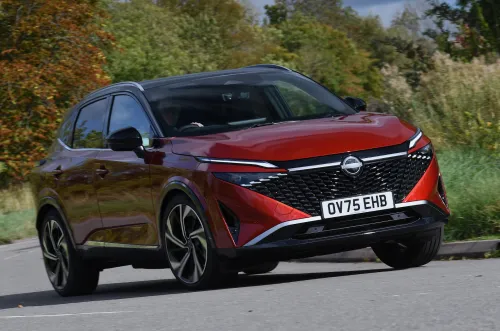
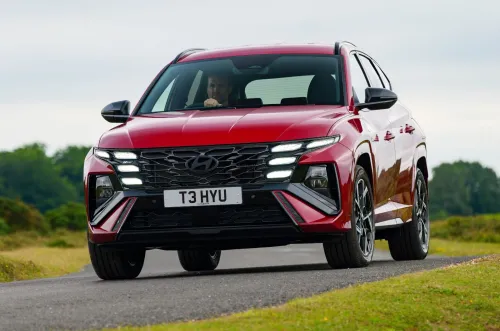
It’s similar to what you’ll find in the Nissan Qashqai e-Power, except in the B10 Hybrid you can also plug it in to charge it up, making it a plug-in hybrid (PHEV). This means it rivals both hybrids and PHEVs, including the Hyundai Tucson, MG HS and Volkswagen Tiguan. There’s also the fellow Chinese BYD Sealion 5 to contend with.
So, does the B10 Hybrid redefine convenience in the same way a perfectly optimised smartphone does – or is it simply another contender trying to keep up in an already crowded market space?
advertisment
scroll for more
What’s new?
- June 2026: Expected first deliveries of B10 Hybrids to UK customers
- March 2026: Leapmotor B10 Hybrid goes on sale in the UK
- September 2025: Official European launch of Leapmotor B10
- August 2025: First consignment of Leapmotor B10 models sets sail for Europe ahead of launch at Munich motor show
- April 2025: Leapmotor B10 SUV officially launched at Shanghai motor show
Verdict
If you’re after a budget-friendly plug-in hybrid family SUV, the Leapmotor B10 Hybrid makes a strong first impression with its competitive pricing and generous equipment. However, key rivals offer better electric-only range, superior ride comfort and bigger boots. While the interior feels impressively plush for the price, it falls short on usability. Overall, the MG HS PHEV stands out as a more compelling value-focused alternative.
Best buy

Hybrid EV 18.8kWh SUV 5dr Electric Auto (218 ps) review
RRP £31,990
Pros
- Good value
- Spacious in the back
- Smooth hybrid system
Cons
- Lacks dynamic polish
- Minimal physical controls
- Small boot
Best buy
Hybrid EV 18.8kWh SUV 5dr Electric Auto (218 ps) review
RRP £31,990
New car deals
Available now
Leasing deals
Performance & drive
What it's like to drive, and how quiet it is
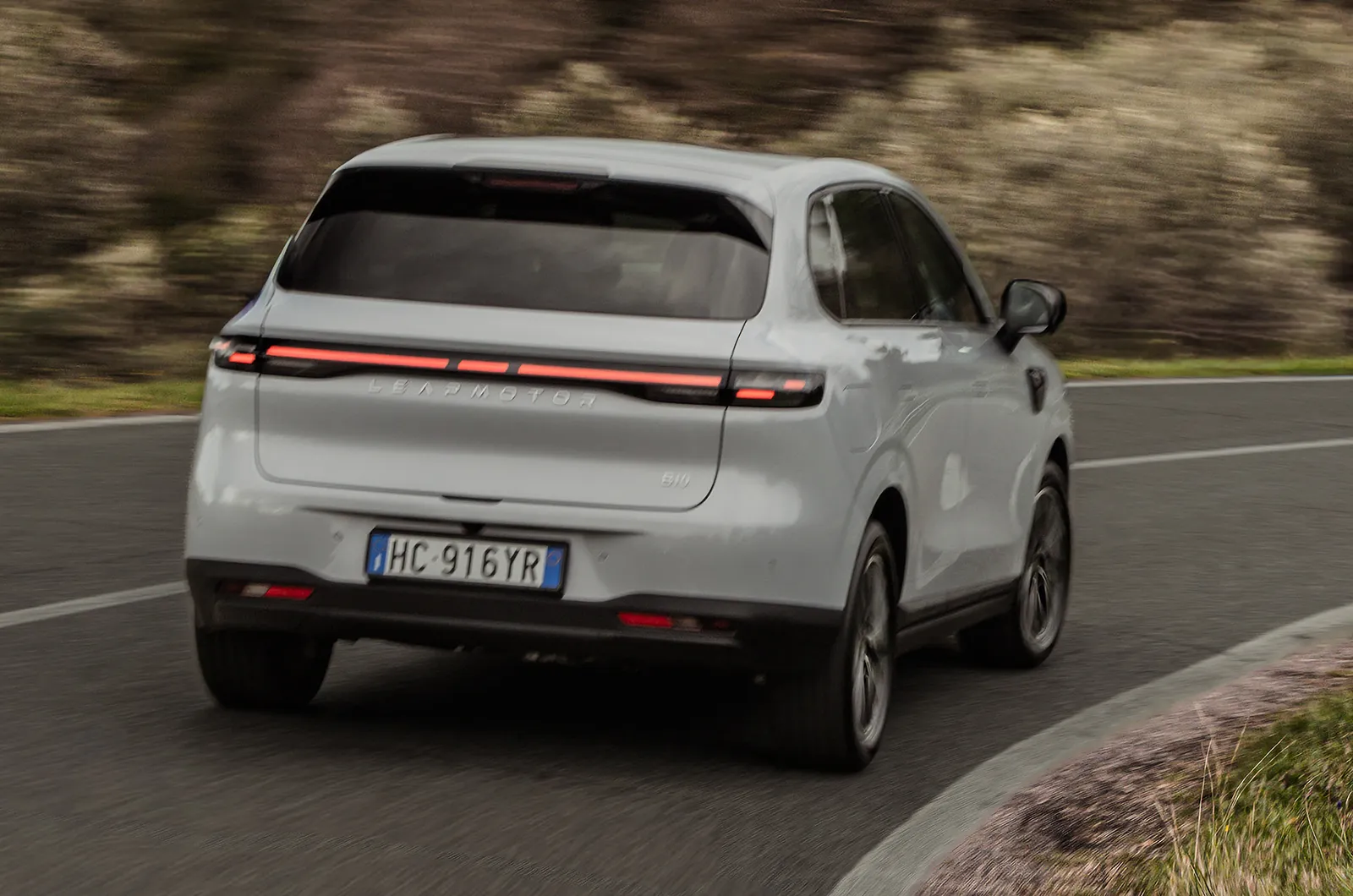
Strengths
- Smooth, quiet hybrid system
- Minimal tyre noise
- DC charging is useful
Weaknesses
- Wallowy handling
- Fidgety ride at speed
- Light, unnatural steering feel
How fast is it and which engine is best?
The B10 Hybrid is only available with one power option. It consists of a 215bhp electric motor that drives the rear wheels, with a 1.5-litre four-cylinder petrol acting solely as a generator to charge the battery. The latter never drives the wheels directly.
advertisment
scroll for more
While the motor responds instantaneously to your inputs, much like an electric car, it’s not particularly fast, delivering 0-62mph in 8.5sec. That’s slower than the PHEV versions of the BYD Sealion 5 (8.1sec), Hyundai Tucson (7.9sec), MG HS (6.8sec) and Volkswagen Tiguan (8.2sec).
Nevertheless, when accelerating swiftly out of junctions, the rear motor can break traction. This happened a couple of times on our test drive in damp conditions.
Is it agile and is the ride comfortable?
Agility is not a strong suit of the B10 Hybrid. There’s considerable body lean in corners, making it quite a cumbersome car to drive on a twisty rural road. There’s not a huge amount of grip on offer, either, which doesn’t help matters.
The B10 Hybrid’s steering is super light, which makes manoeuvring in town incredibly easy. When driving at speed, however, it doesn’t have much weight, so you’ll find yourself making constant adjustments to place the car where you want it, particularly in Comfort and Standard modes. While you can set it to a heavier Sport mode, it still has a light, elastic feel to it.
advertisment
scroll for more
Ride comfort isn’t great, either. While the suspension does a reasonable job of absorbing bumps at low speeds, it does fidget around at higher speeds. On the motorway, the suspension picks up even light imperfections, so you’ll feel yourself moving around in your seat as you drive along. Overall, the Tucson, HS and Tiguan are all more polished to drive.
Is it quiet and how easy is it to drive smoothly?
The B10 Hybrid is really quiet to travel in. The petrol engine generator is super hushed when it’s running, so much so you can hardly hear it. It’s very smooth when it chimes in and out to charge the battery, too. While there is a bit of wind noise from the windscreen pillars when driving on the motorway, there’s hardly any tyre roar.
Along with the steering modes, there’s Comfort, Standard and Sport settings for the accelerator response. In Sport, it can be a bit jerky, but otherwise the B10 Hybrid is very smooth to drive.
With the regenerative braking, there are three levels to choose from, but even in the strongest setting it won’t bring you to a complete stop. A progressive brake pedal makes smooth stopping super easy, though.
advertisment
scroll for more
What’s the range and efficiency like and how quickly can it charge?
The B10 Hybrid has an 18.8kWh (total capacity) battery that delivers an official electric-only range of 50 miles. That’s more than the Hyundai Tucson (44 miles) and similar to the BYD Sealion 5 (53 miles), but a lot less than the MG HS and Volkswagen Tiguan (both 75 miles).
All the latest deals, offers and much more from the What Car? team. Don't miss out.
See our full privacy notice for more details.
CAPTCHA
This question is for testing whether or not you are a human visitor and to prevent automated spam submissions.
Interestingly, you can tailor the energy consumption via four driving modes: EV+, EV, Fuel and Power+. In EV+, the hybrid system prioritises the electric motor, with the generator only kicking in when charge is below 9%. In EV, the electric motor is again prioritised, although the generator kicks in from 25%. In Fuel, the engine kicks in below 80%, while in Power+, the engine will always be on, delivering maximum power for the hybrid system.
The B10 Hybrid has a maximum DC charging speed of 46kW, which allows for a 30-80% charge in around 30 minutes from a public charger. That’s better than the HS, Sealion 5 and Tucson, which don’t have DC charging capability, but the Tiguan can do a 5-80% charge in a similar time. When charging from a 7kW AC home charger, the B10 can do a 30-80% charge in 1hr45mins.
advertisment
scroll for more
“While the level of adjustability with the hybrid system is impressive, it is quite complicated. Personally, I’d rather have just two modes: full EV or hybrid.” – George Hill, Used Cars Writer
Tips & Advice
How to test drive a car
There’s no substitute for a test drive in a new car. Take it on a variety of roads and surfaces to ensure it measures up.
Interior
The interior layout, fit and finish
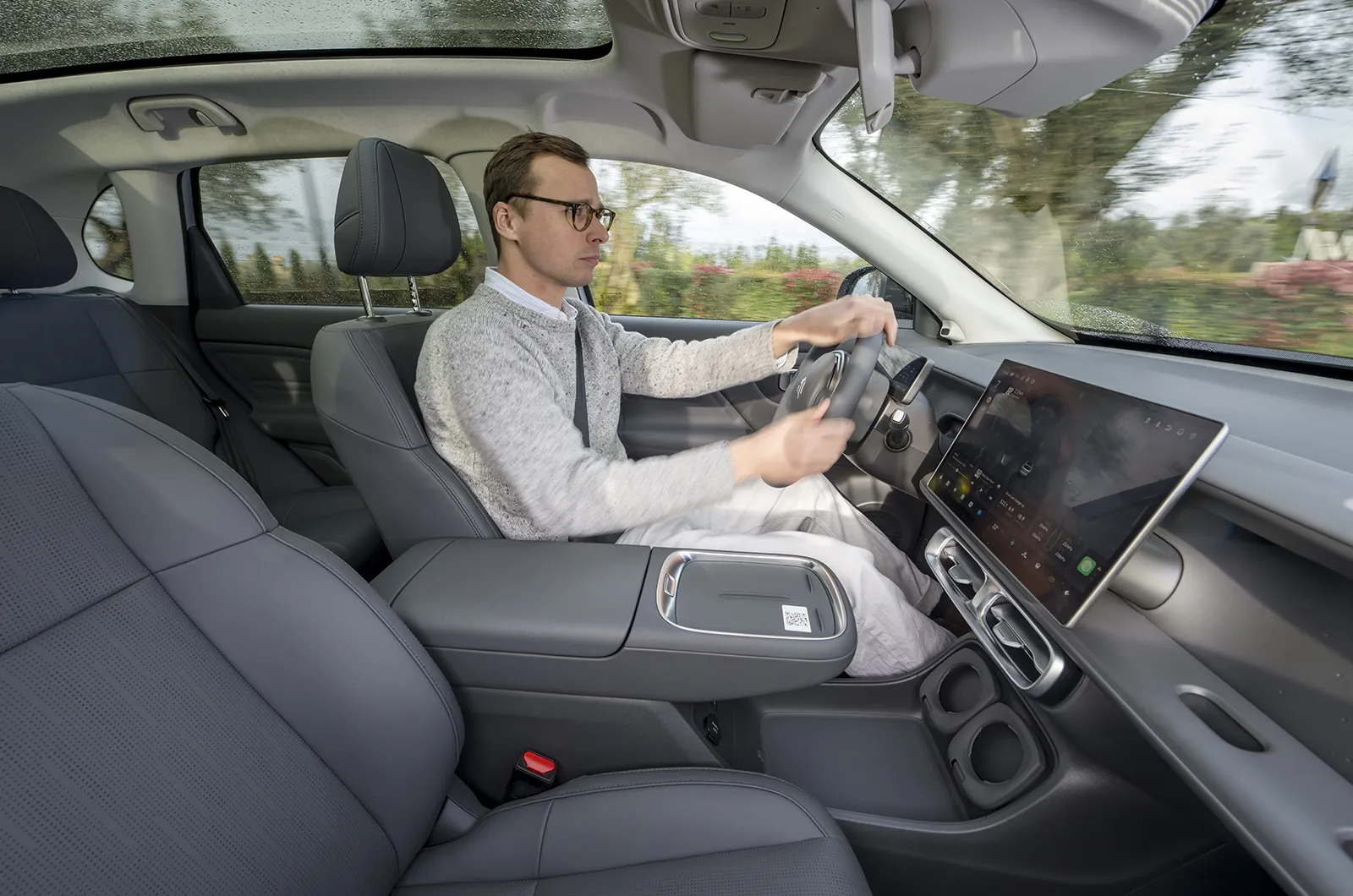
Strengths
- Comfortable driving position
- Good forward visibility
- Sharp and responsive displays
Weaknesses
- No adjustable lumbar support
- Minimal physical climate controls
- No rear wiper
What does the interior look like and is it well made?
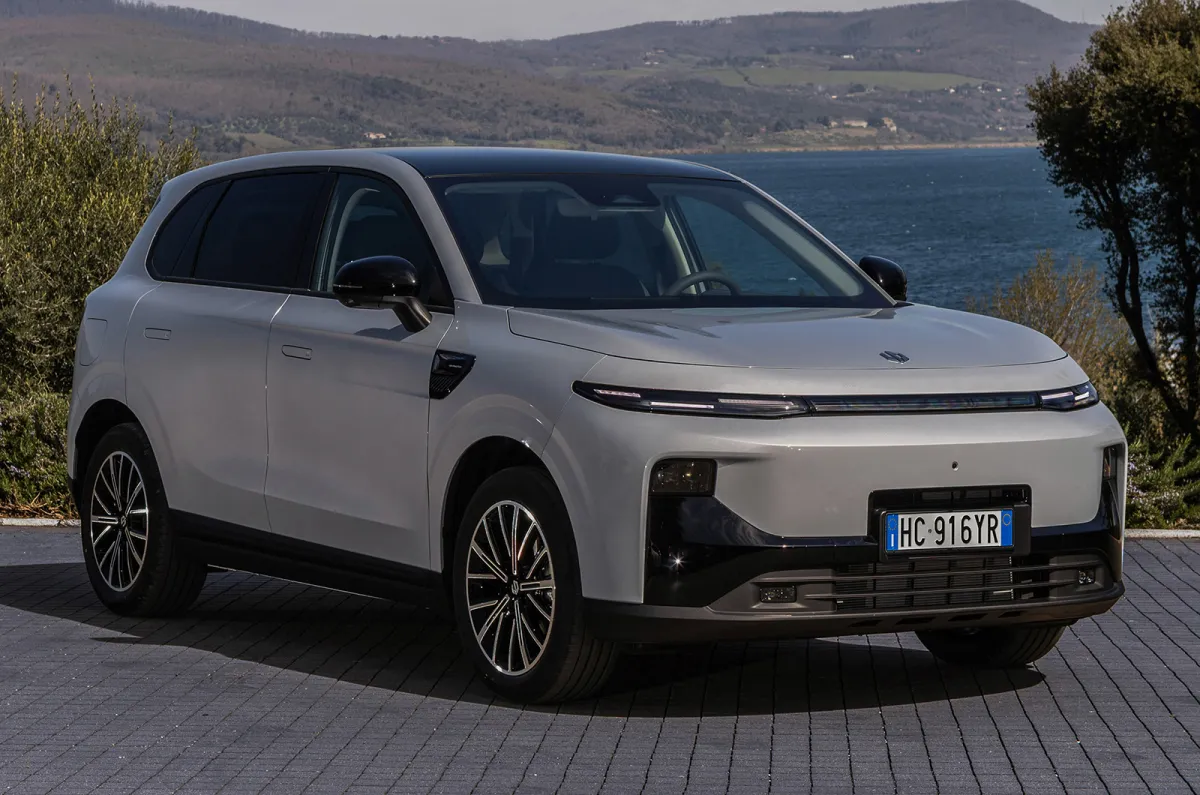
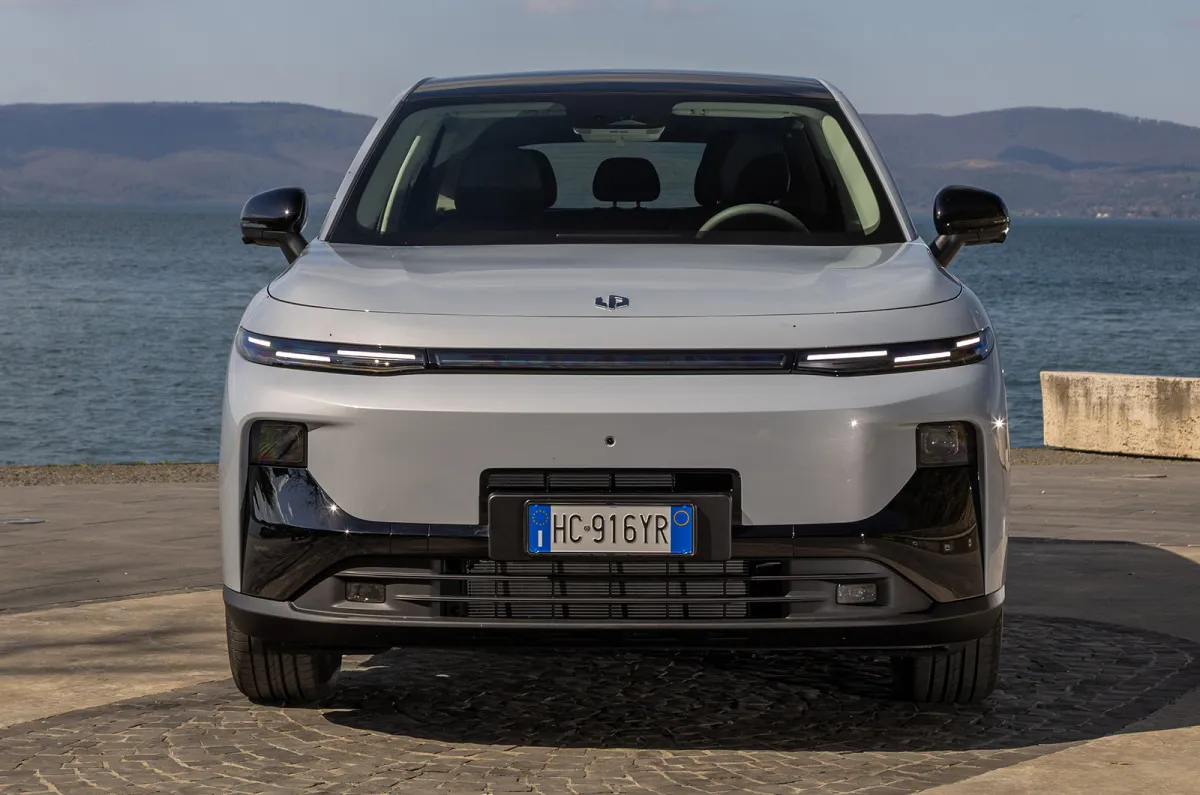
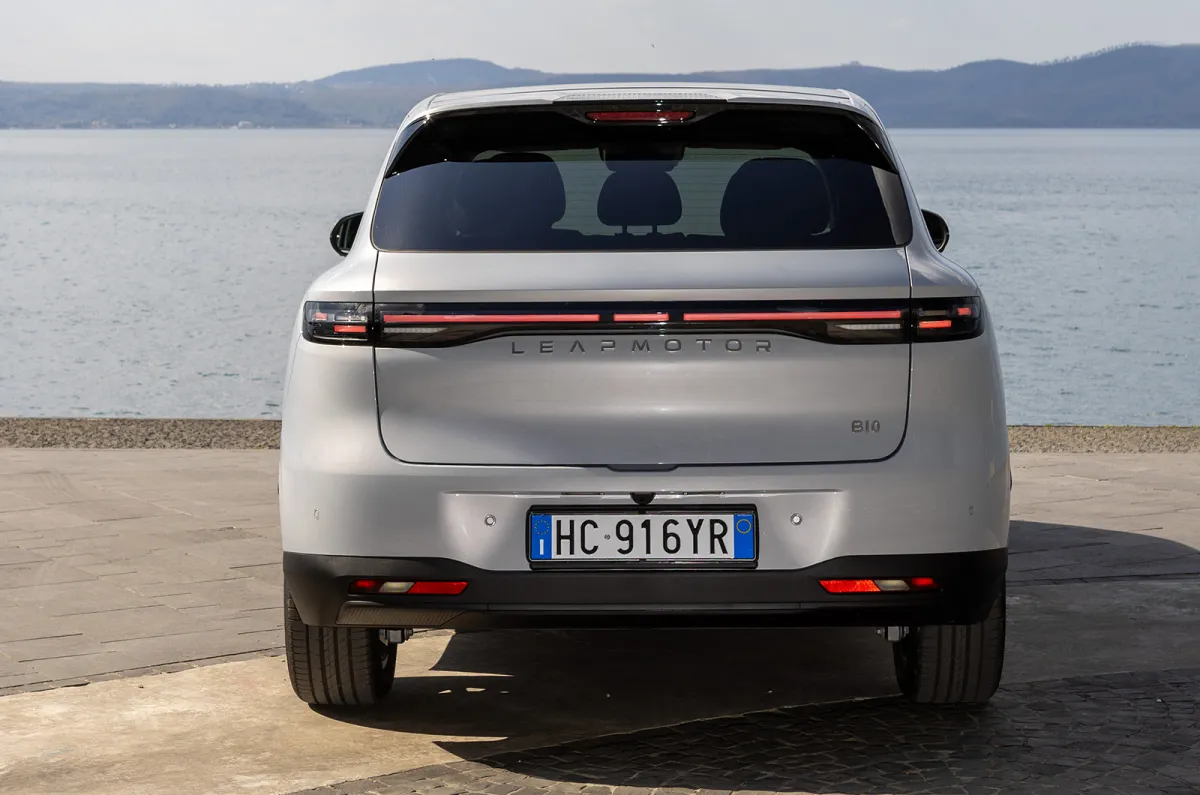
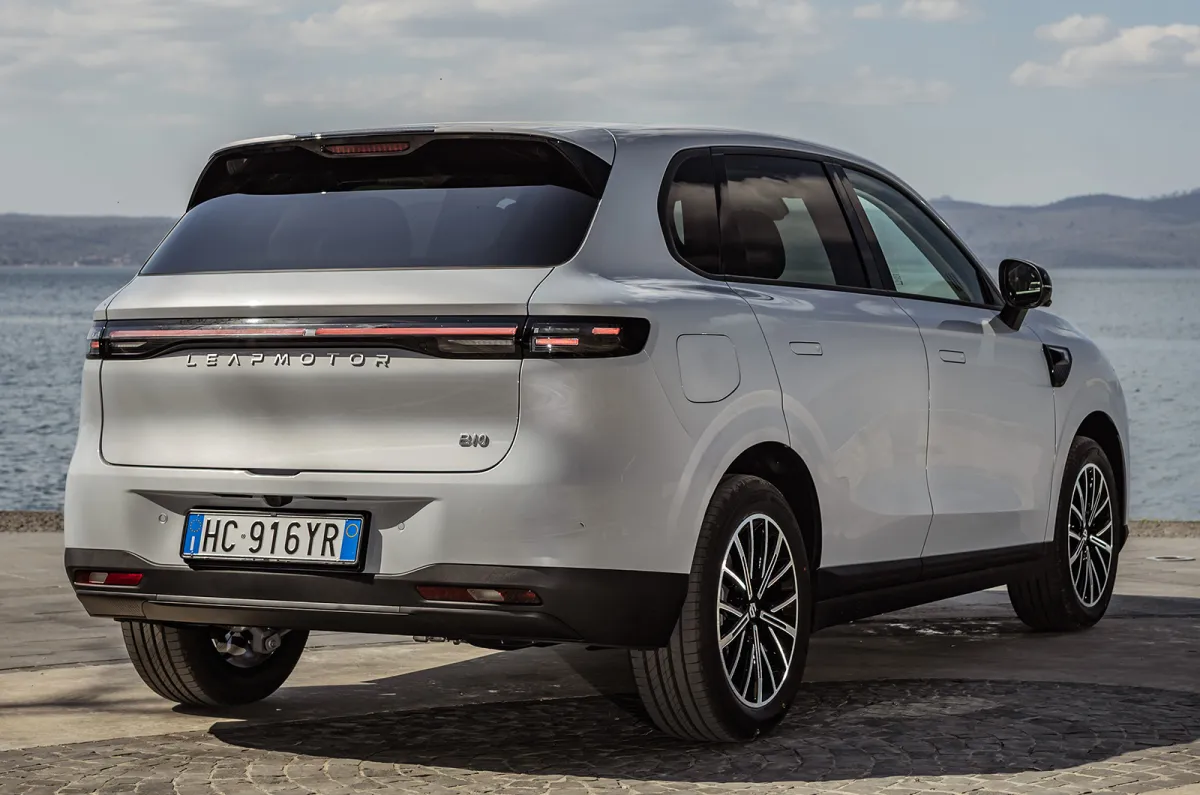
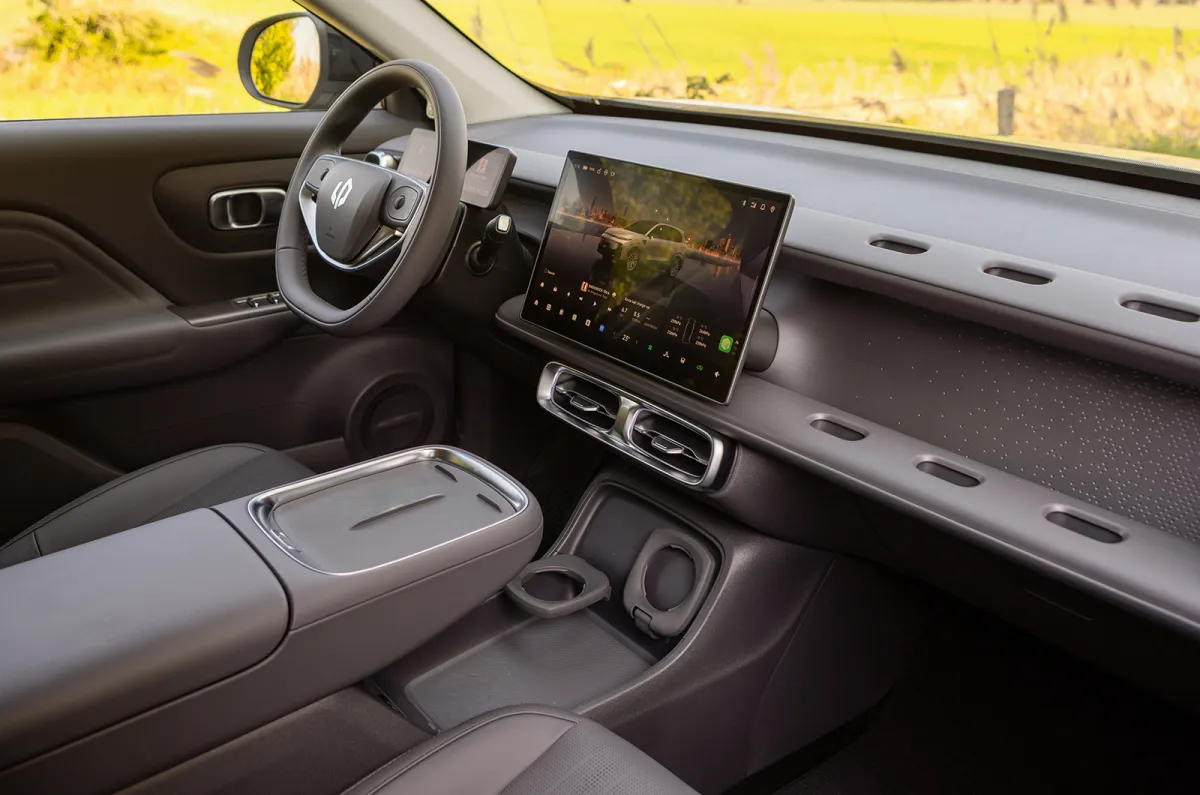
The B10 Hybrid has an identical interior to the Leapmotor B10 electric SUV. This means it has a smart, minimalist design, while big windows and standard panoramic sunroof give it a light, airy feel.
advertisment
scroll for more
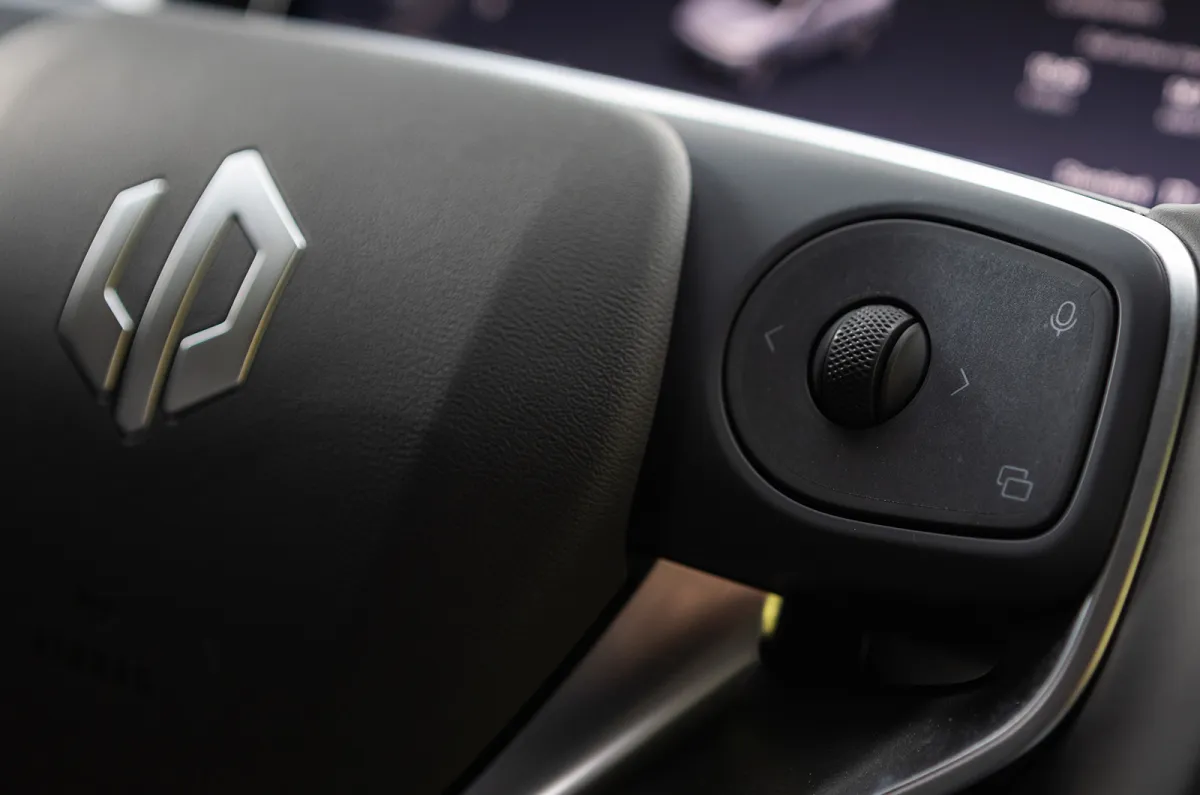
Interior quality is mostly very good. There’s a generous helping of faux-leather on the doors, steering wheel and centre console. It feels solidly put together, too, but some of the hard plastics low down the dashboard feel harsh and cheap.
Is the driving position comfortable and is it easy to see out?
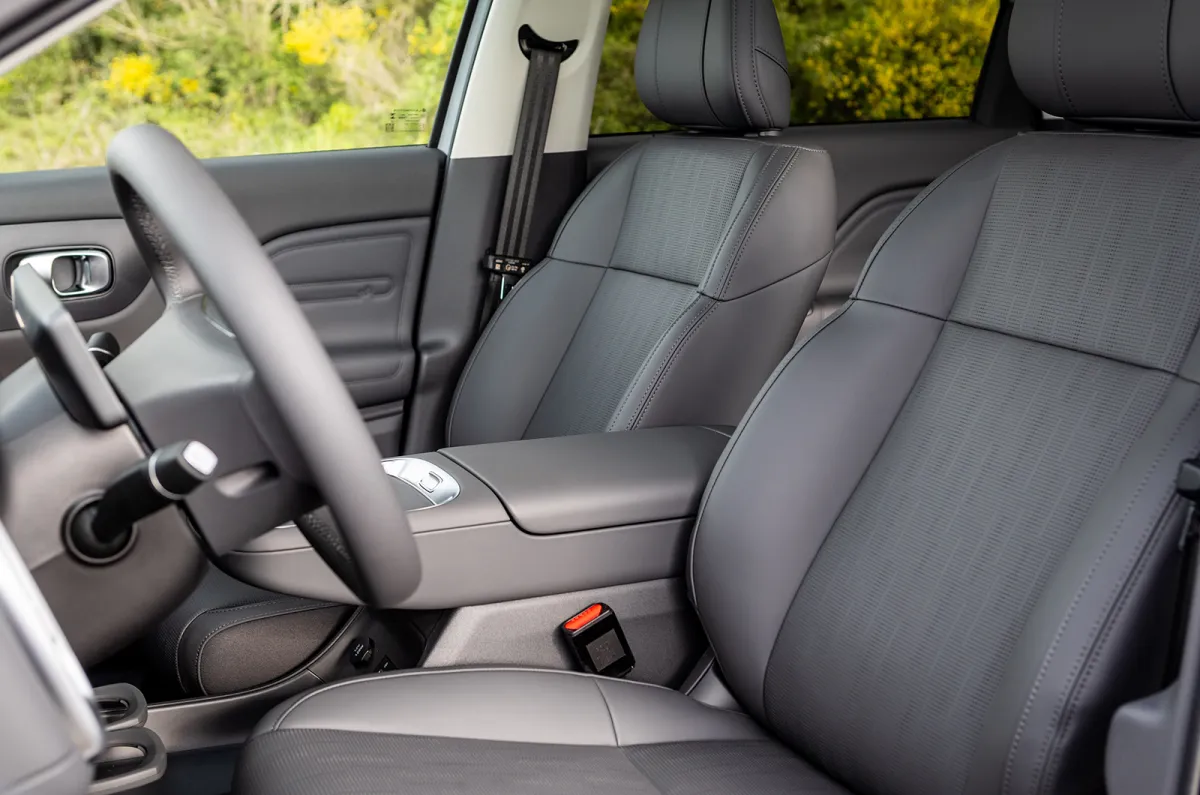
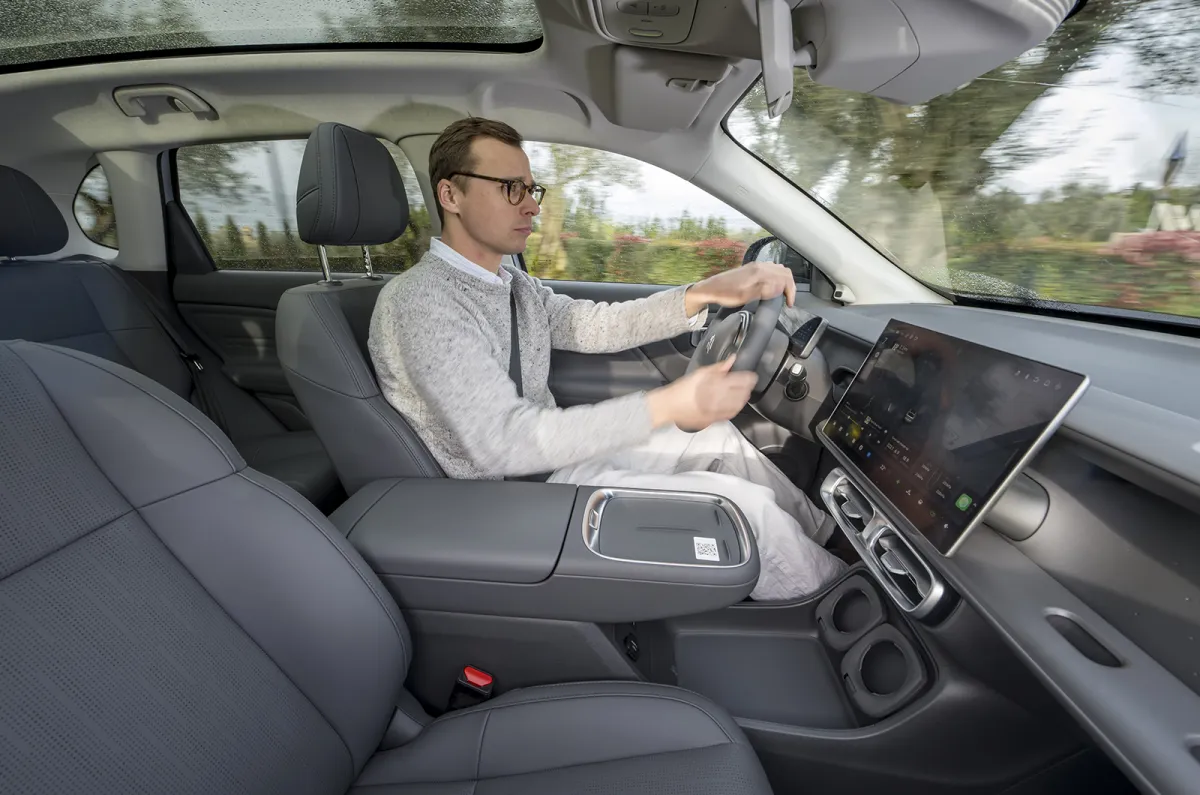
The driving position in the B10 Hybrid is pretty comfortable. The driver’s seat gets six-way electric adjustment as standard, but it does miss out on adjustable lumbar support, which comes as standard on the Hyundai Tucson and Volkswagen Tiguan. What’s more, taller drivers might find the steering wheel doesn’t adjust for reach or rake as much as they would like.
For the front passenger, the seat gets four-way electric adjustment, although some may find the lack of height adjustment means they’re perched quite high up.
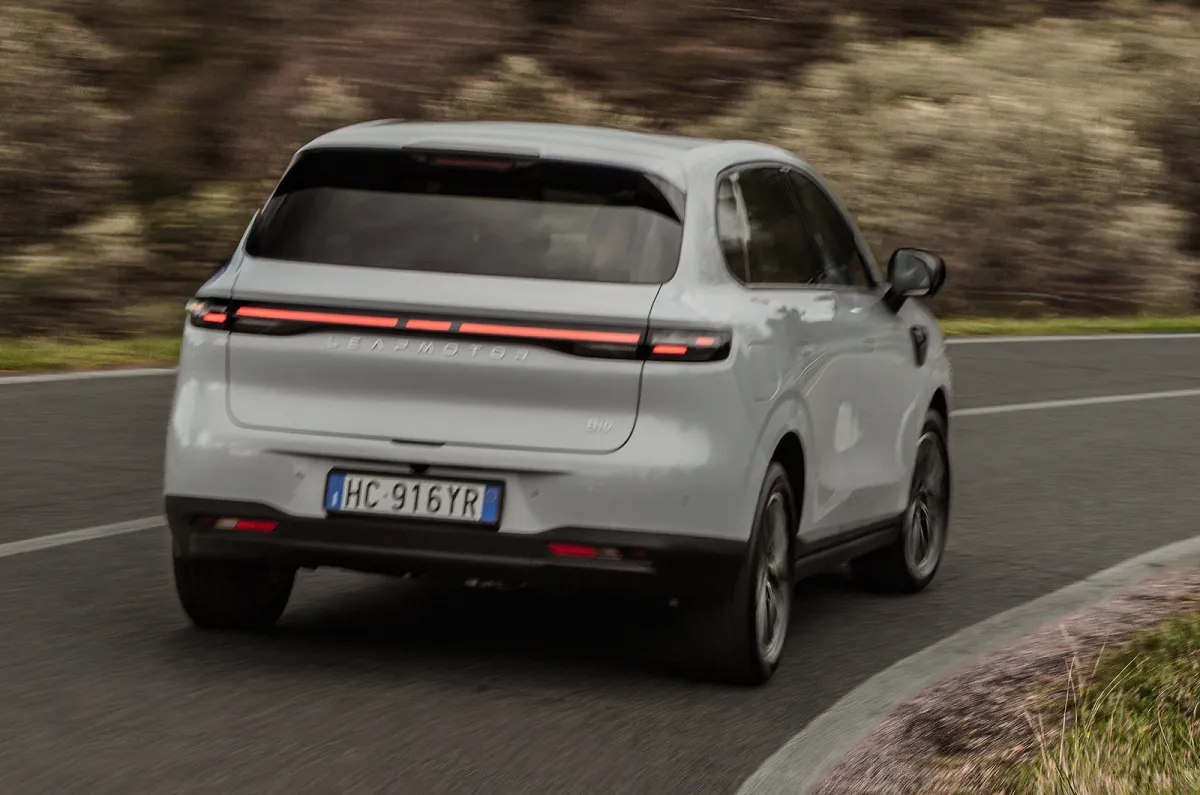
Forward visibility is good, thanks to a low dashboard and raised seating position. The front pillars aren’t very chunky, either. Rear visibility is mostly hampered by thick rear pillars and a lack of a rear wiper.
advertisment
scroll for more
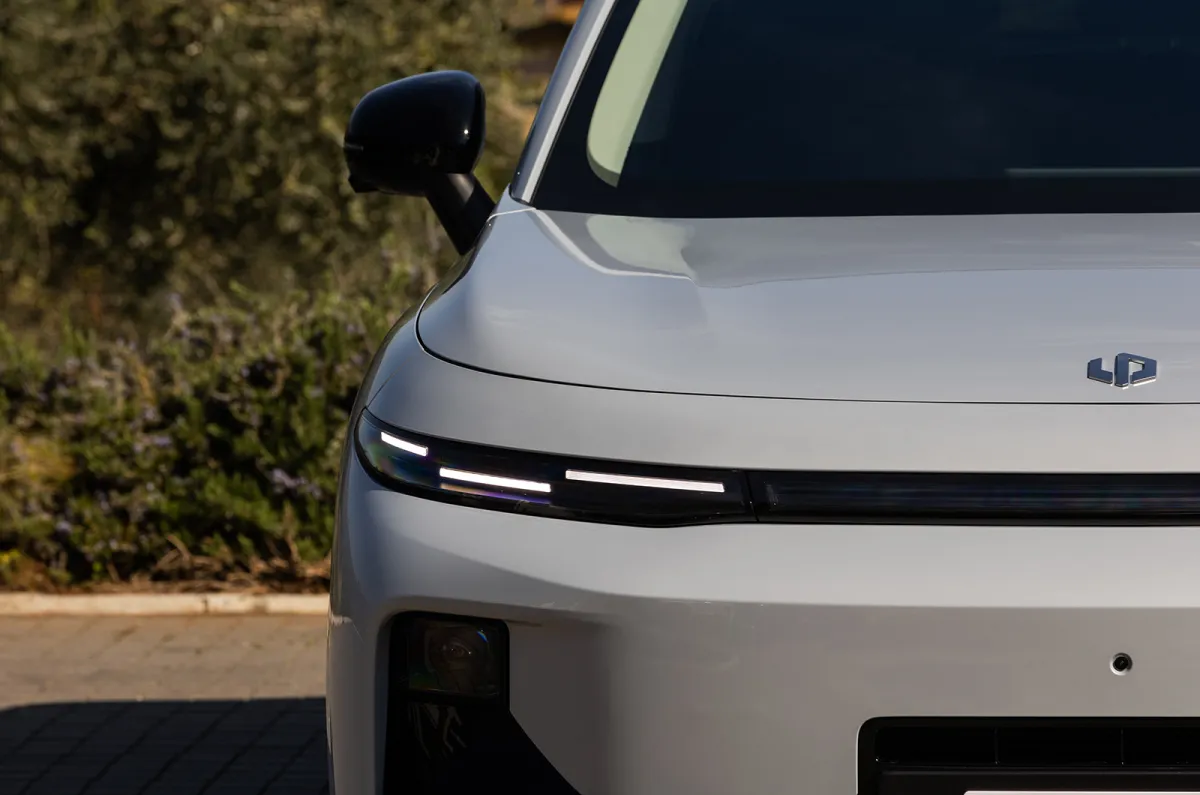
To help when parking, the B10 Hybrid comes with rear parking sensors and a 360-degree reversing camera as standard. Automatic LED headlights with automatic high beam also help maximise visibility at night.
Is the dashboard and infotainment system easy to use?
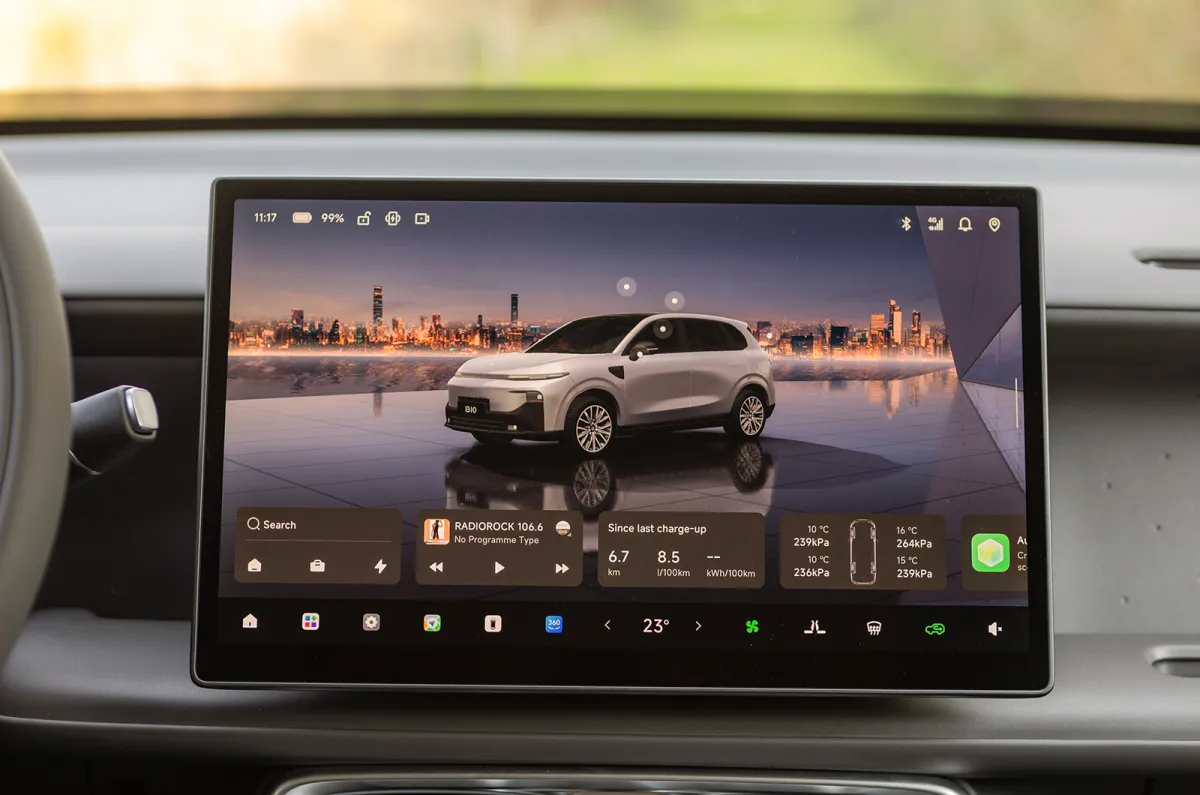
The minimalist design of the B10 Hybrid’s interior means that most of the controls, including the side mirror adjustment, are housed within the 14.6in central touchscreen. It has sharp graphics, a quick response and a simple menu layout, with Android Auto and Apple CarPlay smartphone mirroring offered as standard.
While the system is fine to use while stationary, it’s very fiddly to operate while driving. This is because most of the icons – including the bar of shortcut buttons on the lower half of the screen – are tiny and difficult to tap on the move.
Unfortunately, you have to tap one of these icons to bring up the full climate menu. This is more distracting to use than the setup in the Tucson, which has a touch-sensitive panel below the touchscreen on permanent display with physical dials for the fan speed and temperature.
advertisment
scroll for more
As a solution, Leapmotor has created a physical dial and button accessory for the B10 Hybrid that sticks onto the dashboard. It connects to the infotainment system wirelessly via Bluetooth and you can make it control certain functions, such as the volume or climate controls. It’s expected to be available to buy later in 2026, so we’ll report back once we’ve tried it.
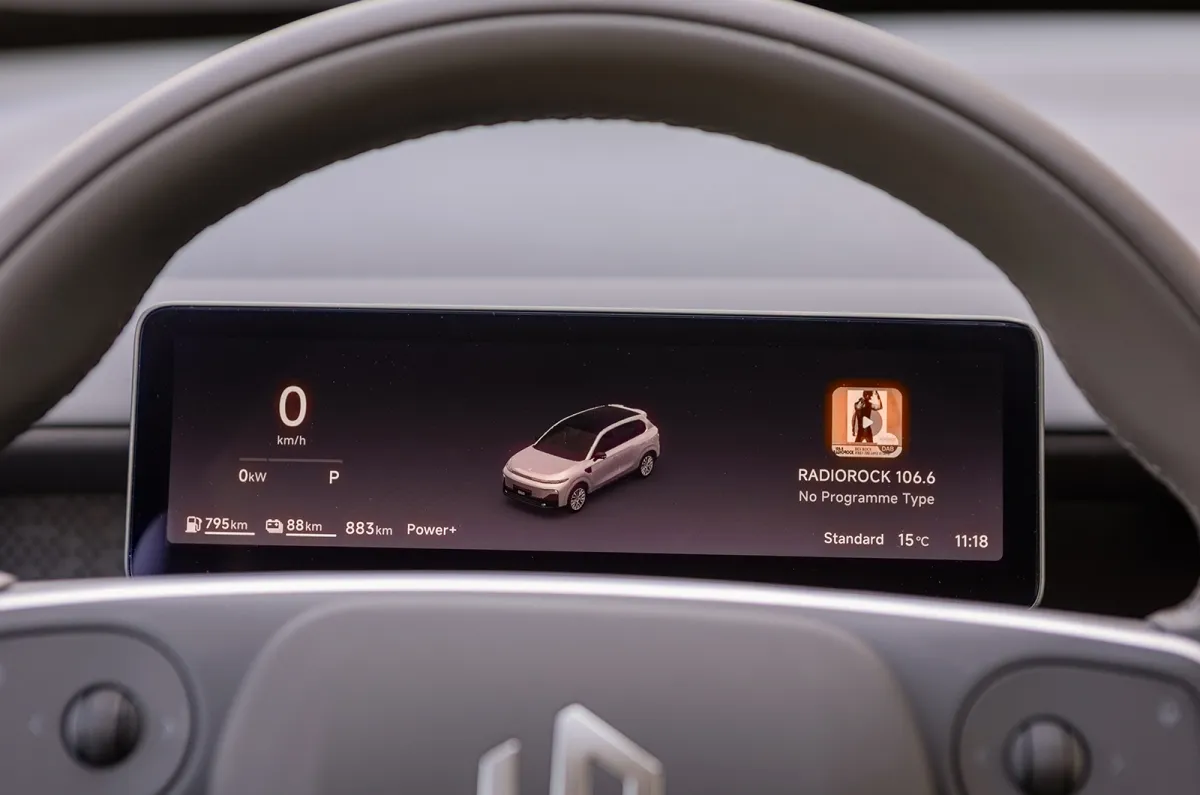
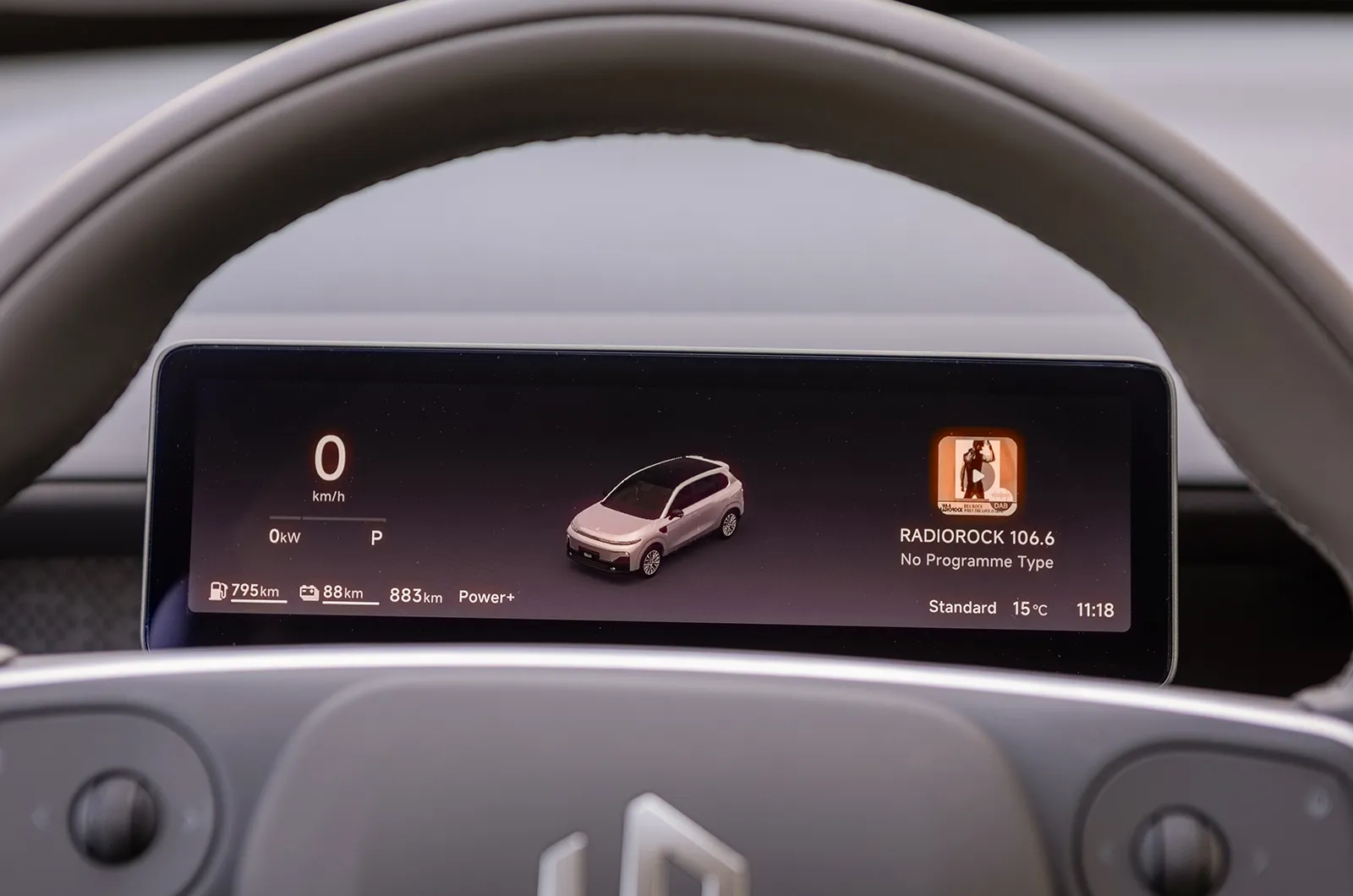
Behind the steering wheel, there’s an 8.8in digital instrument display that shows your speed on the left, driver assistance information in the middle and trip info on the right. It’s nice and easy to use, with trip data and a map you can scroll through on the right-hand side, but we’d prefer it if the speed was located in the centre in your direct line of sight.
“The button and dial accessory is a clever solution, but I wish the car had physical controls from the factory. They would make the interior so much easier to use.” – George Hill, Used Cars Writer
Passenger & boot space
How it copes with people and clutter
Strengths
- Spacious in the front and back
- Lots of storage space
Weaknesses
- Rear seats could be more versatile
- Small boot
How much space does it have for people?
Passenger space is really impressive in the B10 Hybrid. There’s a generous amount of leg and elbow room up front, while six-footers will have no trouble with head room – even with the panoramic sunroof.
advertisment
scroll for more
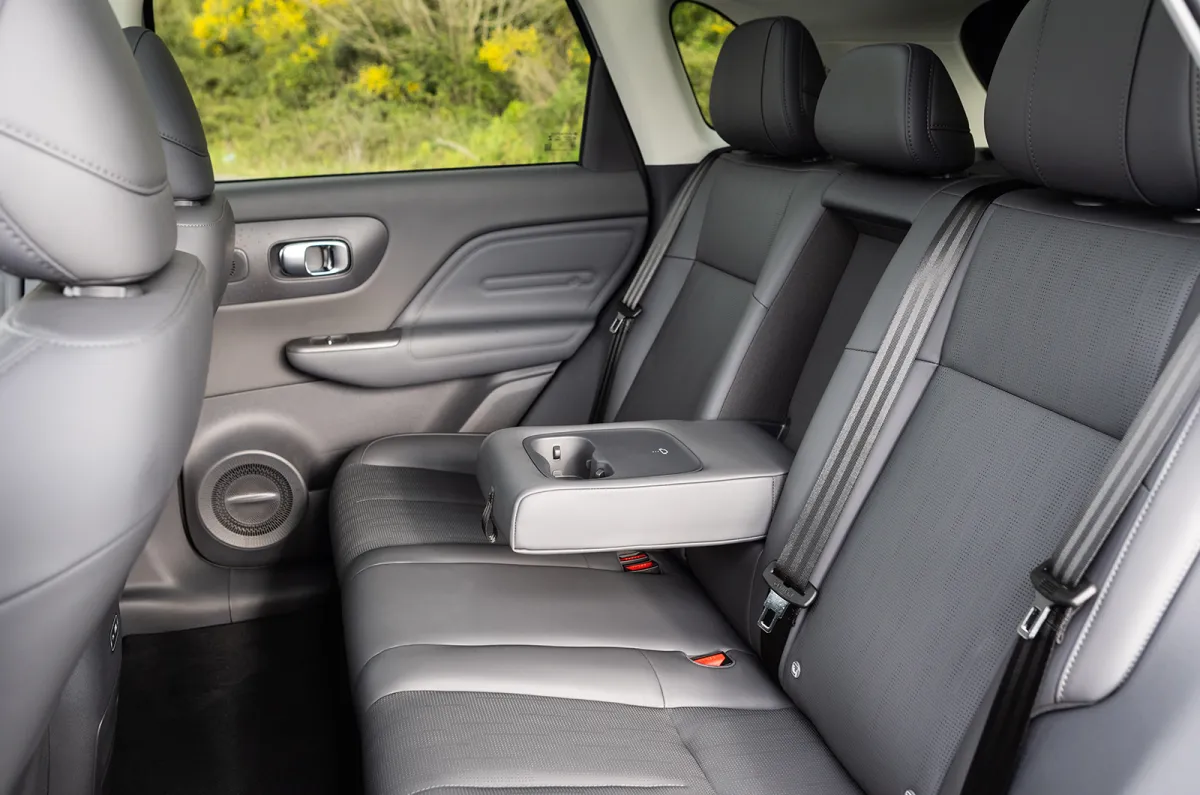
In the back seats, leg room is generous when sitting behind someone of equal size. While you can’t stretch out as much as you can in a Hyundai Tucson and Volkswagen Tiguan, it’s still very good. There’s plenty of head room on offer, too.
For middle seat passengers, the flat floor means there’s space for their feet and enough clearance between their head and the panoramic sunroof. It’s a little bit tight when sitting three abreast, though.
How much room does it have for luggage?
The B10 Hybrid’s interior has plenty of storage space for your various odds and ends, including a deep centre cubby under the armrest and a tray for two phones (one has wireless charging). The door bins are deep and long and there’s a lower storage tray below the air vents with two fold-down cupholders.
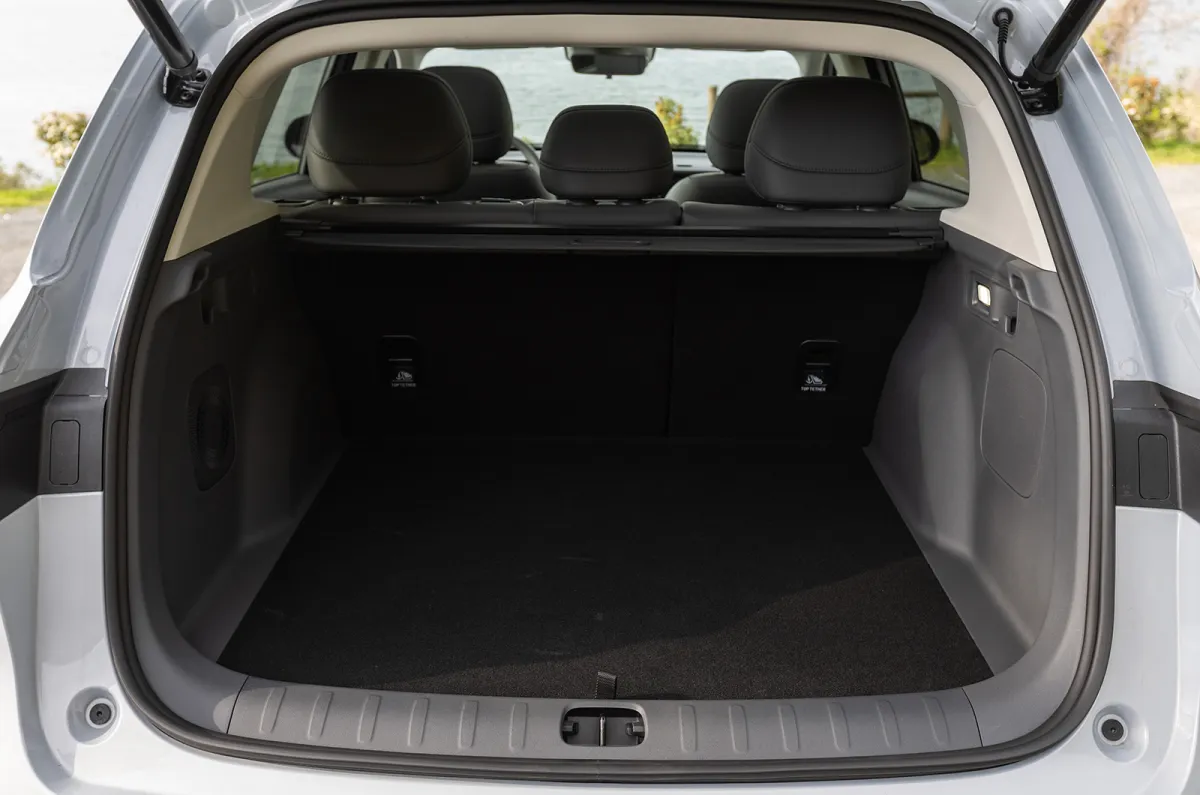
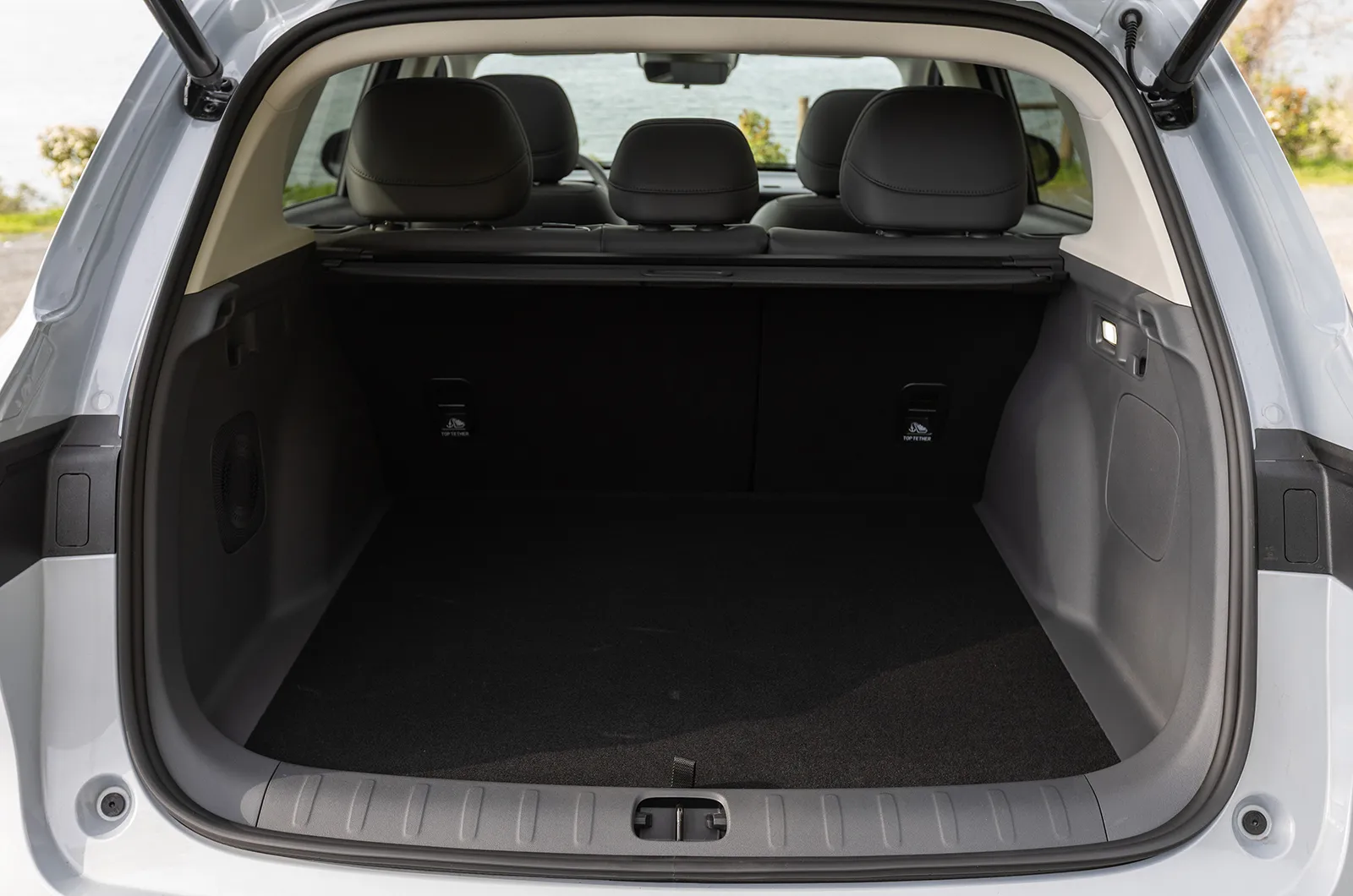
At 330 litres, the B10 Hybrid’s boot is disappointingly small. While it has enough room for a weekly shop or a weekend’s worth of holiday luggage, it’s well short of the PHEV versions of the Tucson (558 litres), MG HS (507 litres) and Tiguan (490 litres) on paper.
advertisment
scroll for more
If you need to carry long items, the seats split in a 60/40 configuration. That’s fairly standard for the class, but the Tiguan and Tucson have more flexible 40/20/40 seating. All cars come with a powered tailgate as standard.
“As a six-footer, I was really impressed by the amount of space in the back of the B10 Hybrid, but the seating position isn’t the most comfortable. With the battery located under the floor, I did find my knees perched up quite high.” – George Hill, Used Cars Writer
Tips & Advice
Will the car fit your needs?
As part of the test drive, fill the car with regularly-carried luggage, and make sure the family can get comfy before you buy
Buying & owning
Everyday costs, plus how reliable and safe it is
Strengths
- Competitive pricing
- Very well equipped
- Good safety rating
Weaknesses
- No reliability data yet
- Safety systems are very sensitive
How much does it cost and what equipment do you get?
The B10 Hybrid is very competitively priced against PHEV rivals. It’s a touch more than the BYD Sealion 5 Comfort, but less than the MG HS, Hyundai Tucson and Volkswagen Tiguan.
advertisment
scroll for more
To keep things simple, every B10 Hybrid comes with 18in alloy wheels, automatic air conditioning, a panoramic sunroof, heated and ventilated front seats, front and rear parking sensors, rear privacy glass and adaptive cruise control as standard. It’s really well equipped.
Ways to buy
Cash from £28,497 Own the car outright. No monthly payments.
Lease from £313pm Drive a new car every few years. Lower upfront costs.
£3,756 initial payment , 48 month contract , 6000 miles p/a . Subject to status and conditions.
Available Now from £28,497 Choose a car from stock. Drive away today!
Is it reliable, and how long is the warranty?
Leapmotor is a new brand to the UK, so it’s yet to feature in the What Car? Reliability Survey. To give some peace of mind, the B10 Hybrid comes with a four-year, 60,000 mile warranty, while the battery has its own eight year, 100,000 mile cover. The brand is also backed by Stellantis so you’ll have easy access to servicing and parts.
How safe is it?
The B10 earned a top five-star rating when safety tested by Euro NCAP. It achieved an impressive 93% score for both adult and child occupant protection, along with 84% for safeguarding vulnerable road users in the event of a collision.
Equipped with 17 active driver assistance systems as standard, the B10 also performed strongly in the safety assist category. These features include adaptive cruise control, lane centering, lane-keeping assistance, and both front and rear collision warnings. Additionally, the vehicle can automatically apply the brakes when reversing if it detects an approaching vehicle, helping to prevent minor accidents in car parks.
advertisment
scroll for more
From our experience, we did find some of the safety systems to be very sensitive. For instance, the driver drowsiness and attention warning system flashed up several times on our test drive, with the first showing up only a few minutes into the journey.
“I like how there’s only one trim level available, but three interior and six exterior colours to choose from. It makes the buying process simple, but with a good level of customisation.” – George Hill, Used Cars Writer
Buy it if
-You want a quiet and refined plug-in hybrid
-You regularly carry people in the back
-You want a lot of standard equipment for not a lot of cash
Don’t buy it if
-You want a car with a comfortable ride
-You prefer physical controls inside
-You need a big boot
For all the latest reviews, advice and new car deals, sign up to the What Car? newsletter here
Tips & Advice
Never miss a motoring date
Remembering to arrange insurance, book a service or buy breakdown cover can be a pain. Fortunately, My What Car? is here to help
Avoid ULEZ and clean-air zone fines
If you regularly drive into a clean air zone, you’ll want to ensure your next car is compliant to avoid costly fines
How to lease a car
Car leasing is like long-term rental, and can be an affordable route to a new car. When the deal ends, you hand the car back
Protect your investment
GAP insurance allows you to get the full price for your car if it’s stolen or written off, but only a quarter of Brits buy it
Reduce your car finance bills
Refinancing your car effectively means taking out one loan to pay off another, which could help reduce your monthly payments, or reduce your finance term
What is hire purchase?
Hire purchase allows you to make monthly payments to buy your next car – although these will be higher than with a PCP
What is PCP finance?
Low monthly payments are key to the appeal of Personal Contract Purchase (PCP) agreements. But are there downsides?
Similarly priced cars
Kia Sportage
Kia Niro
Nissan Qashqai
Hyundai Tucson
Citroën ë-C5 Aircross
MG S9
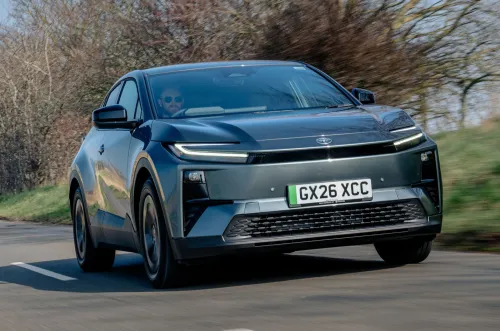
Toyota C-HR+
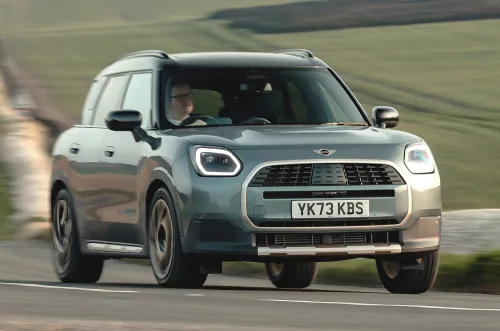
Mini Countryman
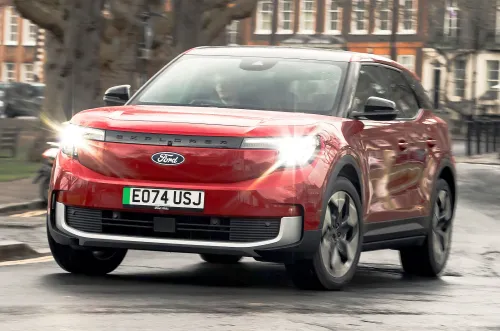
Ford Explorer
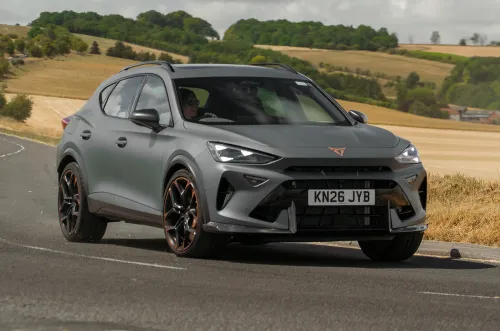
Cupra Formentor
If you're interested in finding a Leapmotor B10, or any of the other family suv cars mentioned here, head over to our Cars available now pages to find new cars listed for sale at great prices.
Leapmotor B10 specifications
Best buy
Hybrid EV 18.8kWh SUV 5dr Electric Auto (218 ps) review
RRP £31,990
RRP price range
£31,990 - £31,995
Battery range (miles)
54 - 269
Available fuel types (which is best for you? )
Electric
Available colours
Number of engines (see all)
2
Number of trims (see all)
1
Warranty
4 years / 100,000 miles
Company car tax at 20% (min/max)
£255 - £637
Company car tax at 40% (min/max)
£511 - £1,273
FAQs
Who makes the Leapmotor B10?
The B10 is made by Leapmotor, a Chinese electric vehicle company founded in 2015 and headquartered in Hangzhou. The company focuses on developing affordable electric cars and much of its technology, including batteries and software, is developed in-house. In 2023, global automotive group Stellantis – which owns brands such as Citroën, Fiat, Peugeot, and Vauxhall – acquired a 20% stake in the company.
How much is the Leapmotor B10 Hybrid?
The Leapmotor B10 Hybrid costs from £31,495, which is the same as the fully electric version. That makes it very competitively priced against plug-in hybrid rivals, being a touch more than the BYD Sealion 5 Comfort, but less than the Hyundai Tucson, MG HS and Volkswagen Tiguan.
Are Leapmotor cars good?
Leapmotor cars, particularly the B10 and C10, are good-value and spacious, with high-quality, well-equipped interiors and solid safety scores. However, they often fall short of rivals when it comes to range, charging speeds and driving dynamics.
New car deals
Best price from £28,497
What is What Car? best price?
The What Car? best price shows you the cheapest way to buy your new car, whether it's by choosing an in-stock car through our partner Autotrader or placing a factory order.
Available now from: £28,497
RRP from: £31,990
Available now
From £28,497
Leasing deals
From £313
About our price indicator
What Car? indicative Personal lease example (subject to status)
Leapmotor B10 Hybrid
Expected annual mileage 6000 Term months 48 Deposit months 12 Monthly payment £313.00 Initial payment £3,756.00
Step-by-step
Leasing works a bit like a long-term rental. You drive it, but you don’t own it.
- Choose your car, pick your terms and apply for lease credit online
- Pay monthly rental payments for your chosen term length
- Drive it, enjoy it, then give it back at the end
What you get
When you lease with Autotrader you get all of this:
- Full manufacturer’s warranty
- Road tax and roadside assistance included
- No admin fees
- Free returns within 30 days*
In partnership with
£3,756 initial payment, 48 month contract, 6000 miles p/a. Subject to status and conditions.
- Lower total monthly cost than PCP/HP
- No balloon payments
- Road tax included
Leapmotor B10s available to buy
In partnership with
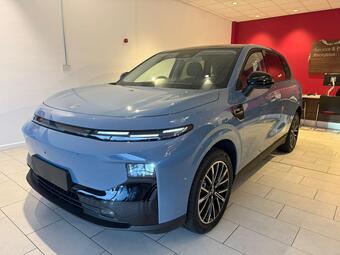
Leapmotor B10
67.1kWh Auto 5dr
RRP £31,525
£28,513
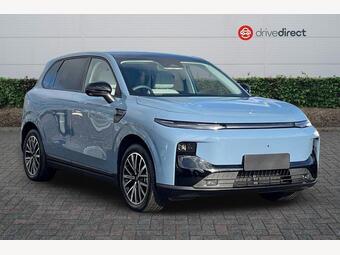
Leapmotor B10
67.1kWh Auto 5dr
RRP £29,395
£28,626
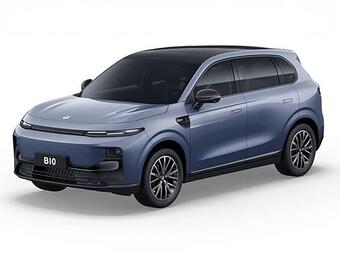
Leapmotor B10
67.1kWh Auto 5dr
RRP £31,995
£28,795
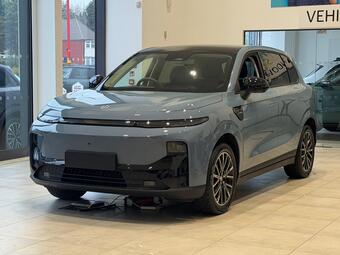
Leapmotor B10
67.1kWh Auto 5dr
RRP £31,495
£28,995
Leapmotor B10
67.1kWh Auto 5dr
RRP £32,495
£29,262
Leapmotor B10
67.1kWh Auto 5dr
RRP £31,995
£29,495
Leapmotor B10
67.1kWh Auto 5dr
RRP £32,495
£29,495
Leapmotor B10
67.1kWh Auto 5dr
RRP £31,495
£29,495
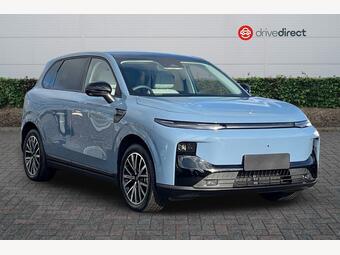
Leapmotor B10
67.1kWh Auto 5dr
RRP £31,995
£29,495
See all available cars
About the writer

Name: George Hill
Title: Used car writer
Follow George Hill on
George Hill first joined the What Car? team as a staff writer in 2021, before becoming a used car writer in 2024 and a reviewer in 2026. In his current role he writes new car reviews for What Car? magazine and whatcar.com.
If you follow What Car? on social media, you might see him presenting the odd video on new cars too.
More Leapmotor B10
New reviews
- Leapmotor B10
Similar car reviews
- Cupra Formentor
- Hyundai Tucson
- Kia Niro
- Citroën ë-C5 Aircross
Comparison tests
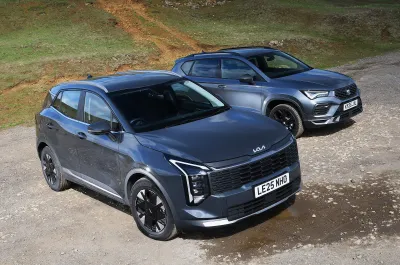
New Kia Sportage vs Seat Ateca
The Kia Sportage is a four-time winner of our Family SUV of the Year award, but can the updated version fend off a tough rival from Seat?
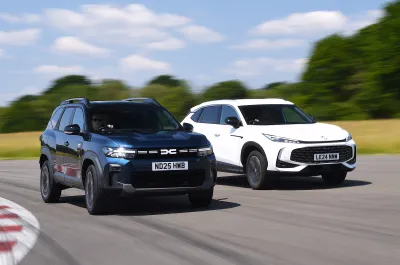
New Dacia Bigster vs MG HS
The promise of a lot of metal for a modest amount of money is hard to resist, and these family SUVs deliver just that. But are they genuine bargain or simply an economy too far?
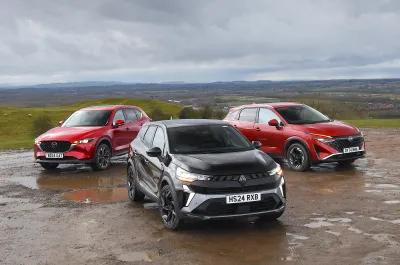
New Renault Symbioz vs Nissan Qashqai vs Mazda CX-5
Renault's new Symbioz family SUV is very keenly priced, but do you get what you pay for? To find out, we pitted it against the hugely popular Nissan Qashqai and the plush yet affordable Mazda CX-5
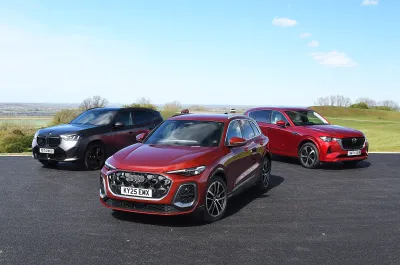
New Audi Q5 vs BMW X3 vs Mazda CX-60
The Audi Q5 has long been among the best upmarket family SUVs you can buy – but is the latest iteration good enough to beat rivals from BMW and Mazda?
See all comparisons
News and advice
News

Leapmotor unveils next-generation electric car technology
New tech should bring improved interior space and energy efficiency
Fri Oct 2 2026
News
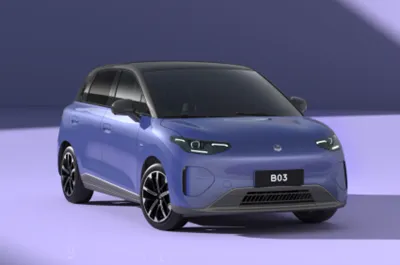
Leapmotor B03 to be unveiled in October as all-electric VW ID 3 rival
Electric family hatchback should be keenly priced and offer a competitive range
Wed Aug 19 2026
All Family SUV reviews
Alfa Romeo Stelvio
Alfa Romeo Tonale
Audi Q3
Audi Q3 Sportback
Audi Q5
BMW X1
BMW X2
BMW X3
BYD Seal U
BYD Sealion 5
Changan Deepal S07
Chery Tiggo 7
Citroën C5 Aircross
Citroën ë-C5 Aircross
Cupra Formentor
Cupra Terramar
Dacia Bigster
DS 7
Ford Kuga
Geely Starray
Genesis GV70
Honda CR-V
Honda ZR-V
Hyundai Tucson
Jaecoo 7
Jeep Wrangler
KGM Actyon
KGM Korando
KGM Torres
Kia Niro
Kia Seltos
Kia Sportage
Land Rover Defender
Land Rover Discovery Sport
Leapmotor B10 Hybrid
Leapmotor C10 Hybrid
Lepas L8
Lexus NX
Lexus RX
Lexus UX
Mazda CX-5
Mazda CX-60
Mercedes GLA
Mercedes GLC
MG HS
MG ZS
Mini Countryman
Mitsubishi Outlander
New Renault Austral
New Subaru Forester
Nissan Qashqai
Omoda 5
Omoda 7
Range Rover Velar
Renault Rafale
Renault Symbioz
Subaru Crosstrek
Subaru XV
Suzuki Across
Toyota RAV4
Vauxhall Grandland
Volkswagen Tiguan
Volkswagen Touareg
Volvo XC60
Show more