Company car telematics: Is your company “spying” on your driving?
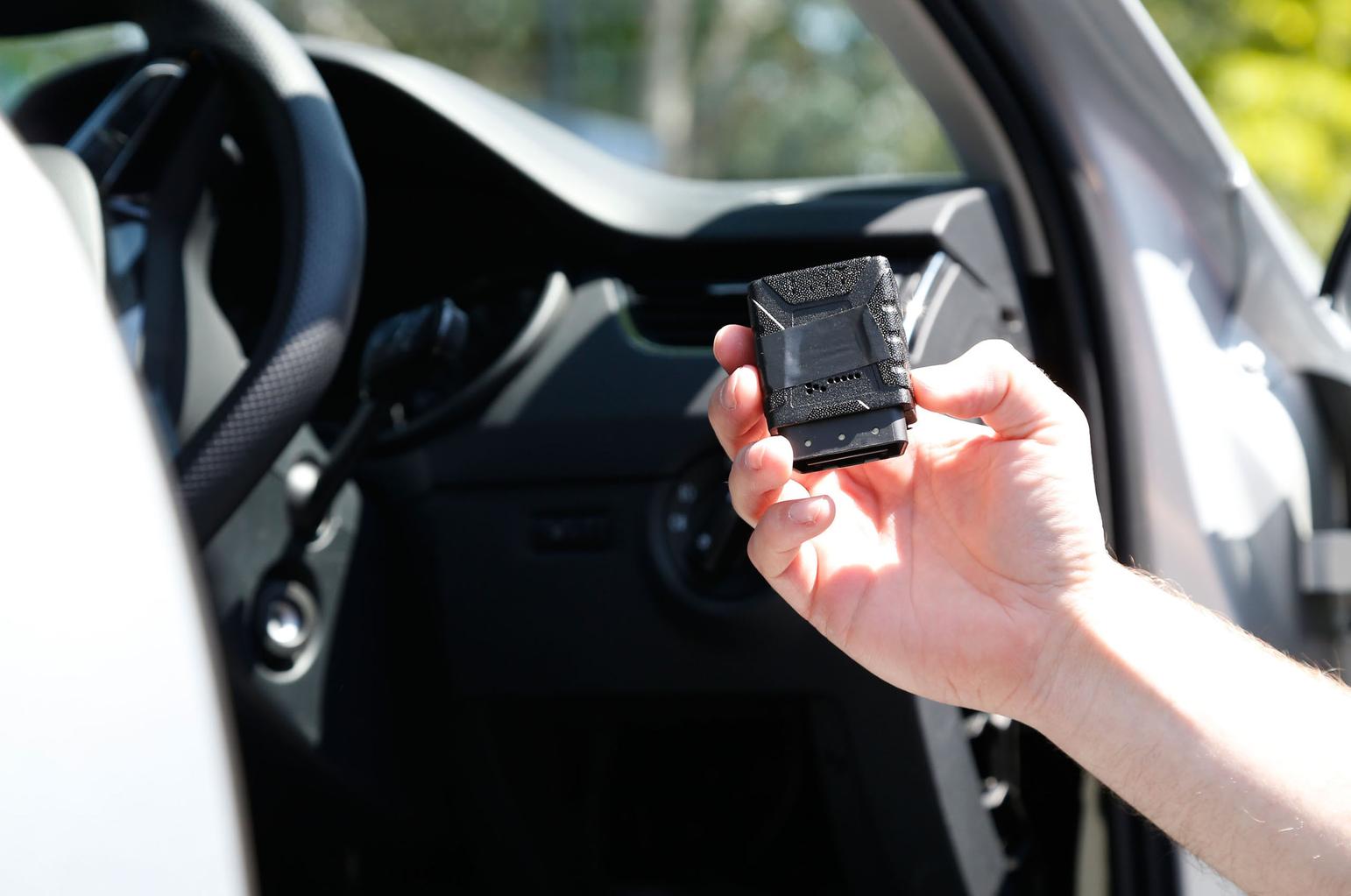
The word telematics strikes fear into the hearts of company car drivers. They don’t hear “telematics”, and instead only hear “Big Brother” – getting a telematics-equipped company car can feel almost like a punishment, and a stern one at that given such systems are now present in around 85% of commercial vehicles.
But that actually isn’t the case, and telematics data collection simply has a bit of a PR problem. A telematics system isn’t there to watch where you drive, it just keeps an eye on how you drive, and sits in the background like a digital guardian angel to back you up if something goes wrong, rather than keep you under surveillance.
What data is your company actually collecting?
A telematics system collects a vast array of data, which can be used to not only help you lower running costs but also lets your fleet manager keep an eye on how a vehicle is performing, as well as helping you in the event of an incident on the road.


So, yes, a telematics system will monitor your driving habits, including how aggressively you accelerate and brake, how fast you negotiate corners, and how fast you drive overall. But don’t think of this as a way for your fleet manager to get you into trouble. Instead, it should be used as a way for you to slow down and smooth out your driving. And that way you’ll save money in both fuel and wear and tear on your company car.
A telematics system also lets you and your fleet boss keep an eye on the health of the vehicle, including tyre pressures, battery status (critical for electric cars), and engine fault codes.
And finally, the GPS set-up in a telematics system can help you travel in the most efficient way, namely helping you choose the easiest, quickest route to minimise idle time and maximise your fuel efficiency.
Read more: The most reliable used cars
Your rights: The legal line between “monitoring” and “spying”
There is a clear difference between monitoring and spying when it comes to GDPR, and the GDPR & Data Protection Act 2018 explains it clearly.
However, staying within the guidelines and keeping your staff onside is pretty simple. For a start, be completely clear that you have a telematics system in place. That way your driver won’t feel like they’re being spied on. And under transparency rules, you should put in writing details of what data is collected, why it's needed, and who can access it.
You must also explain clearly that the accumulated data will be used fairly, transparently, and only for legitimate business purposes such as safety or theft prevention.
‘Only for business purposes’ is key, because your telematics system must not track your driver during their personal mileage.
Read more: What is fair wear and tear for a fleet car?
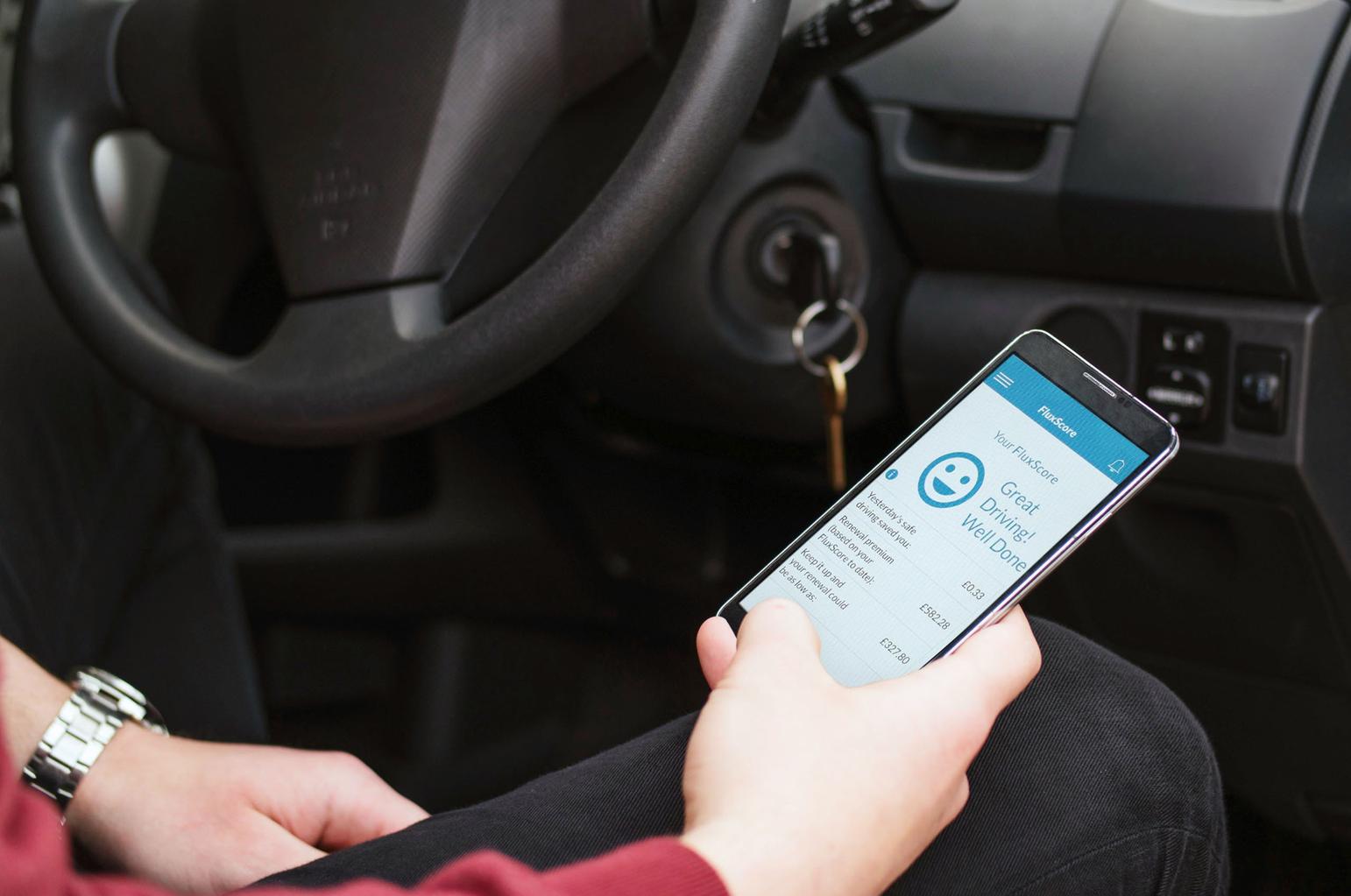
Telematics during personal time and weekends
Monitoring weekend trips without a clear business need is a likely breach of privacy laws. So while you can track drivers during a daily commute, doing so at the weekend will be a no-no.
The way to get around any difficulties with your employee’s privacy is to fit a system with a “Privacy Mode”. This will allow your fleet drivers to switch off the tracking and location data when they’re on their personal time.
The benefits for the driver (and it’s not all bad)
The initial reaction of most company car drivers to the installation of a telematics system is that it’s just there to keep you under surveillance and get you into trouble with your fleet manager.
That really isn’t so. Telematics can provide a whole load of benefits to business drivers. For instance, such a system can help you provide proof of innocence following an incident. High-quality dashcam and telematics sensor data can be essential when you need to prove you were not at fault in an accident.
A telematics system can also keep you safe. AI-powered “nudges” (real-time in-cab alerts) can point out dangerous situations such as being fatigued or distracted before an incident occurs.
And finally, a telematics system can distinguish between business and private miles, which will greatly simplify your BIK tax reporting.
Read more: Is it worth having a company car?
Read more fleet and company car advice
For all the latest reviews, advice and new car deals, sign up to the What Car? newsletter here