Used Land Rover Freelander 1997 - 2006 review
While it’s not the reliability quagmire that some tales would have you believe, the Land Rover Freelander does require some careful purchasing. Nonetheless, it’s still handsome, capable and desirable.


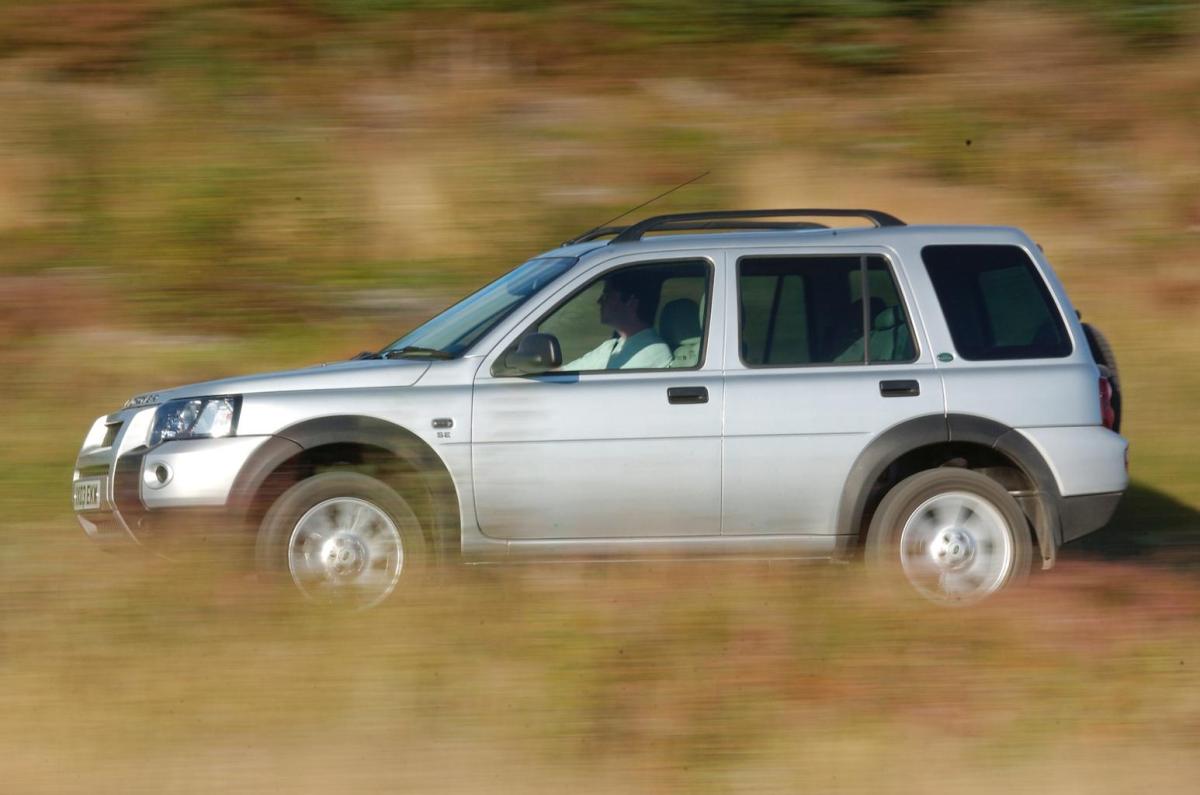
- Land Rover Freelander (97 - 06)
- Land Rover Freelander (97 - 06)
- Land Rover Freelander (97 - 06)
- Land Rover Freelander (97 - 06)
- Land Rover Freelander (97 - 06)
- Land Rover Freelander (97 - 06)
- Land Rover Freelander (97 - 06)
- Land Rover Freelander (97 - 06)
- Land Rover Freelander (97 - 06)
- Land Rover Freelander (97 - 06)

What's the used Land Rover Freelander like?
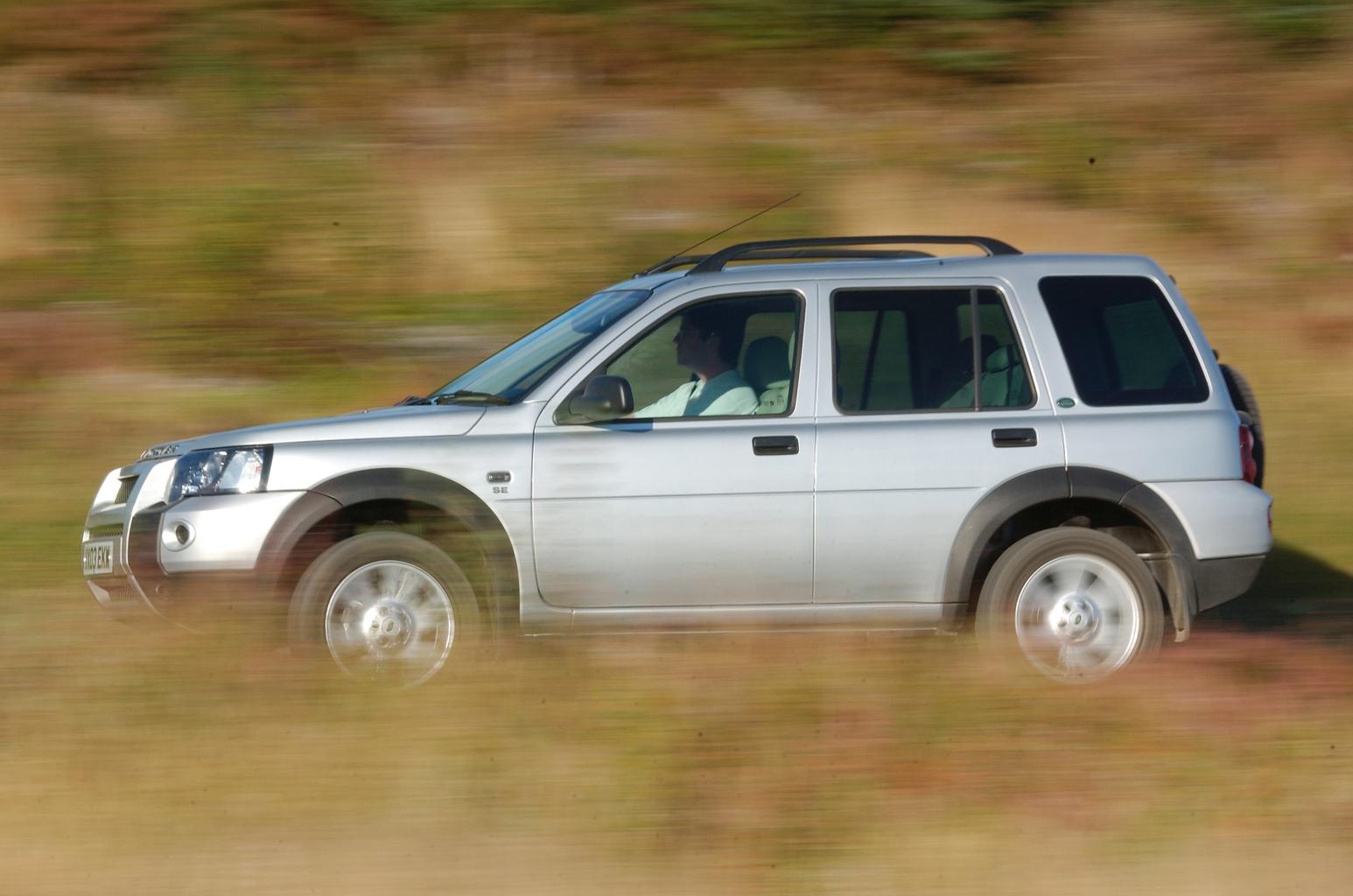
SUVs were already growing in popularity by the time the first-generation Land Rover Freelander went on sale in 1999. However, it was this Solihull-built product that pushed the idea of a ‘soft-roader’ to the front and centre of many people’s minds.
Effortlessly stylish, it swiftly became the best-selling SUV or 4x4 across Europe, and held that position for several years, despite concerns over build quality and reliability.


Pros
- Stylish looks
- Roomy interior
- Decent off-road ability
Cons
- Reliability and build quality issues
- Thirsty compared with a modern SUV
- Getting harder to find a good one now
Used cars available now

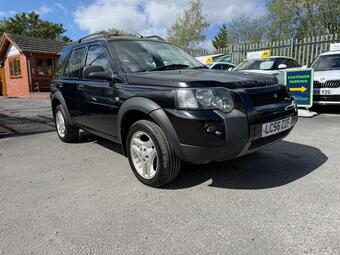
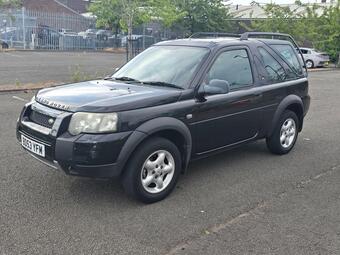
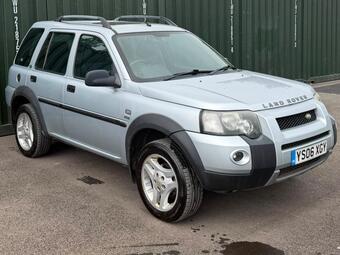
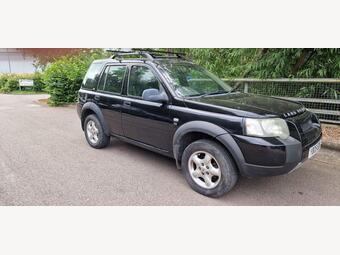
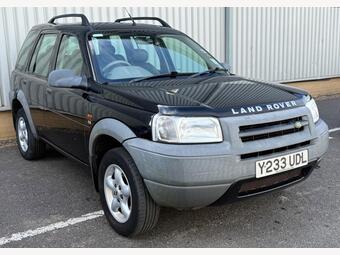
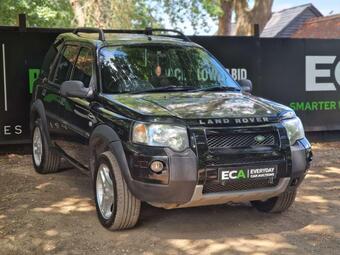
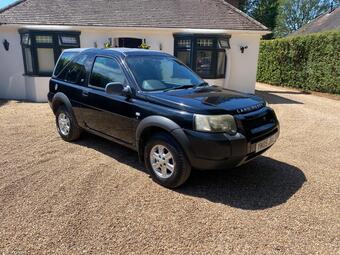
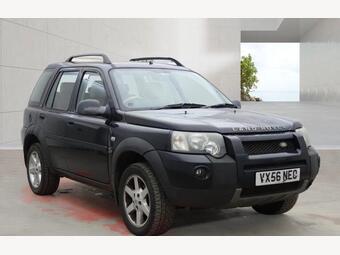
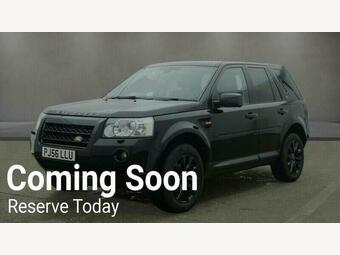
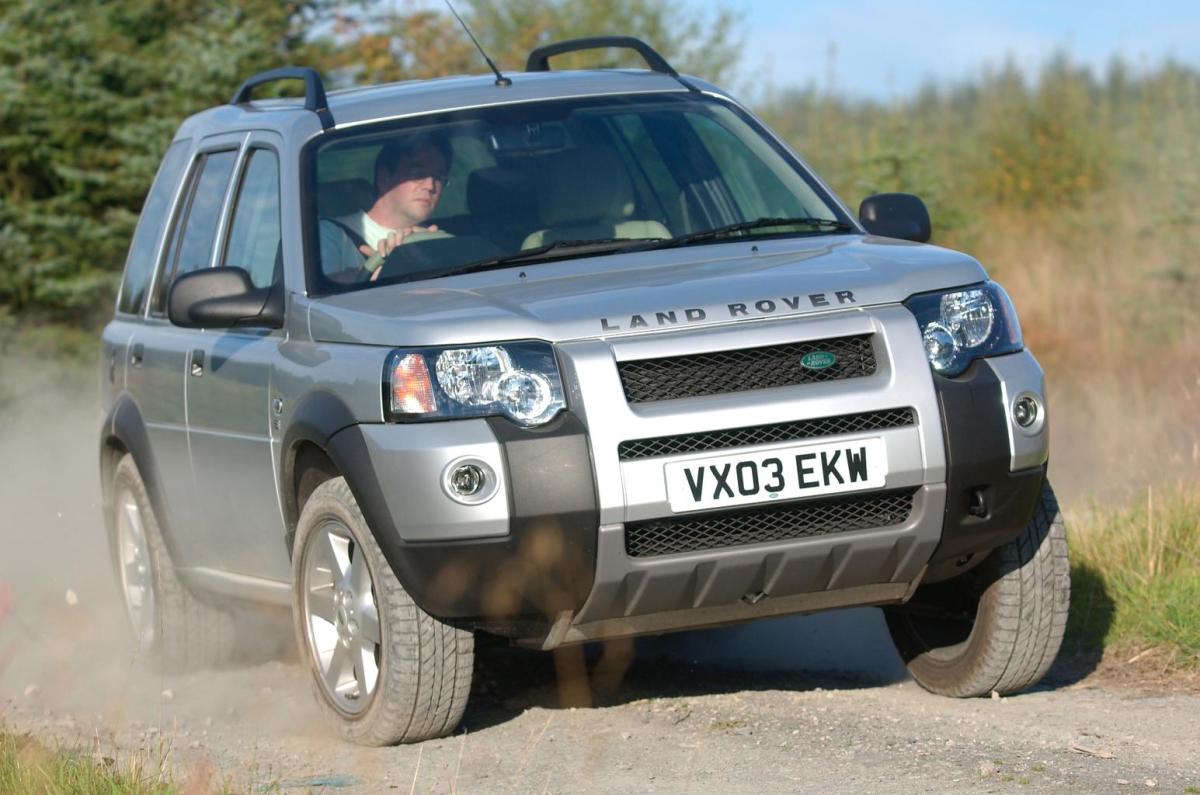
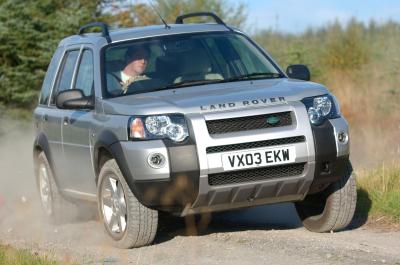
In 2003, the Freelander was given a significant facelift and a number of detail improvements that boosted quality levels, plus it brought new options, colours and equipment.
These post-2003 cars are distinguished by their Range Rover-style projector headlights, as opposed to the plain, square lamps of the original car, and their body-coloured rather than unpainted bumpers.
Tips & Advice
Ownership cost
What used Land Rover Freelander will I get for my budget?
There are plenty of early build Freelanders around for well under £1,000, but unsurprisingly we recommend exercising a great deal of caution in buying one.
A 2006 HSE diesel, with a long standard equipment list and a full main dealer service history, could run to around £6,500. However, for circa £5,000 you should get the pick of the litter from around 2004 to 2005.
With the Freelander always a strong seller, there are plenty out there to choose from, so be especially picky and choosy when it comes to finding the one you want.
Tips & Advice
Our recommendations
Which used Land Rover Freelander should I buy?
Early Freelanders came with a choice of a 1.8-litre petrol or a 2.0-litre diesel engine, shared with the old Rover 600.
In 2000, the diesel was replaced by BMW’s much more modern 2.0-litre engine, which has 108bhp. That’s the engine to go for: it’s more powerful, quieter, and it’s far more reliable than the petrol alternative, which is prone to head gasket failure.
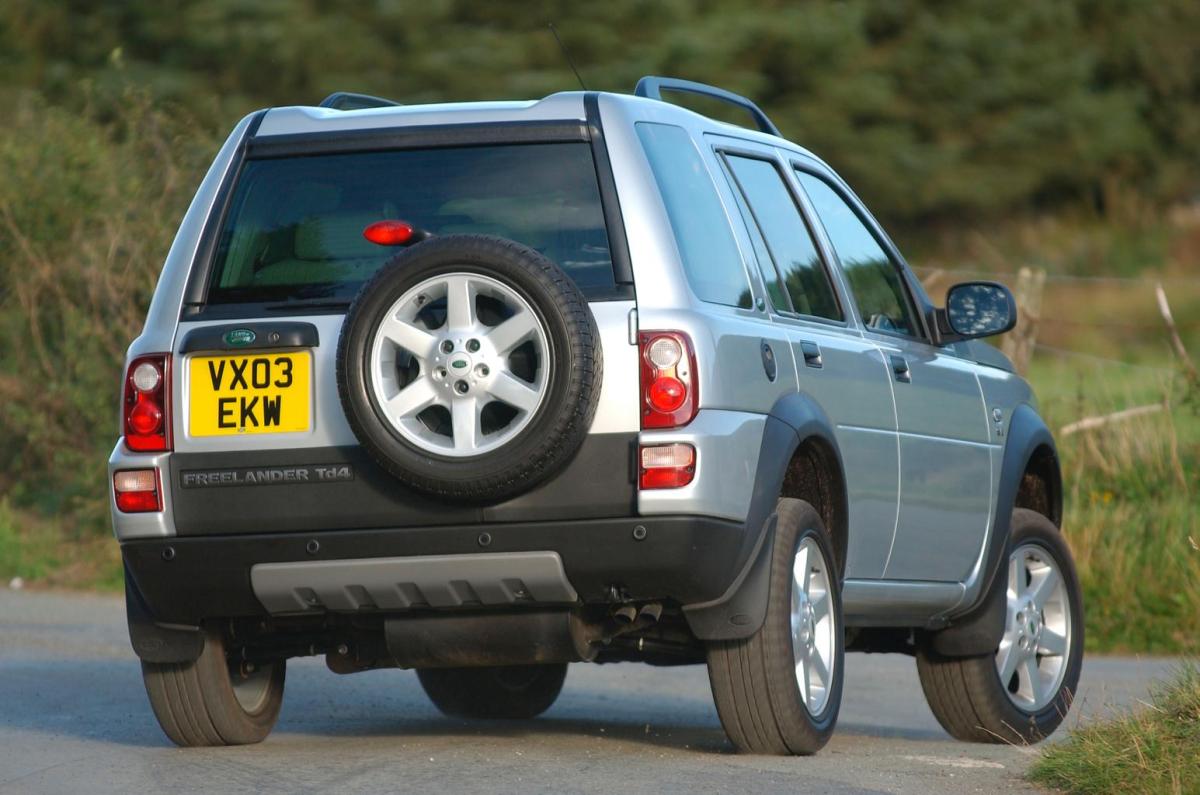
Bodies came in a choice of three or five doors. The three-door version had a removable plastic roof section at the back (augmented by a folding soft-top and lift-out panels over the front seats), which allows for partially open-top motoring.
Although interior space is not much different, the five-door Freelander is definitely the better option, because it’s more practical and less prone to leaks.
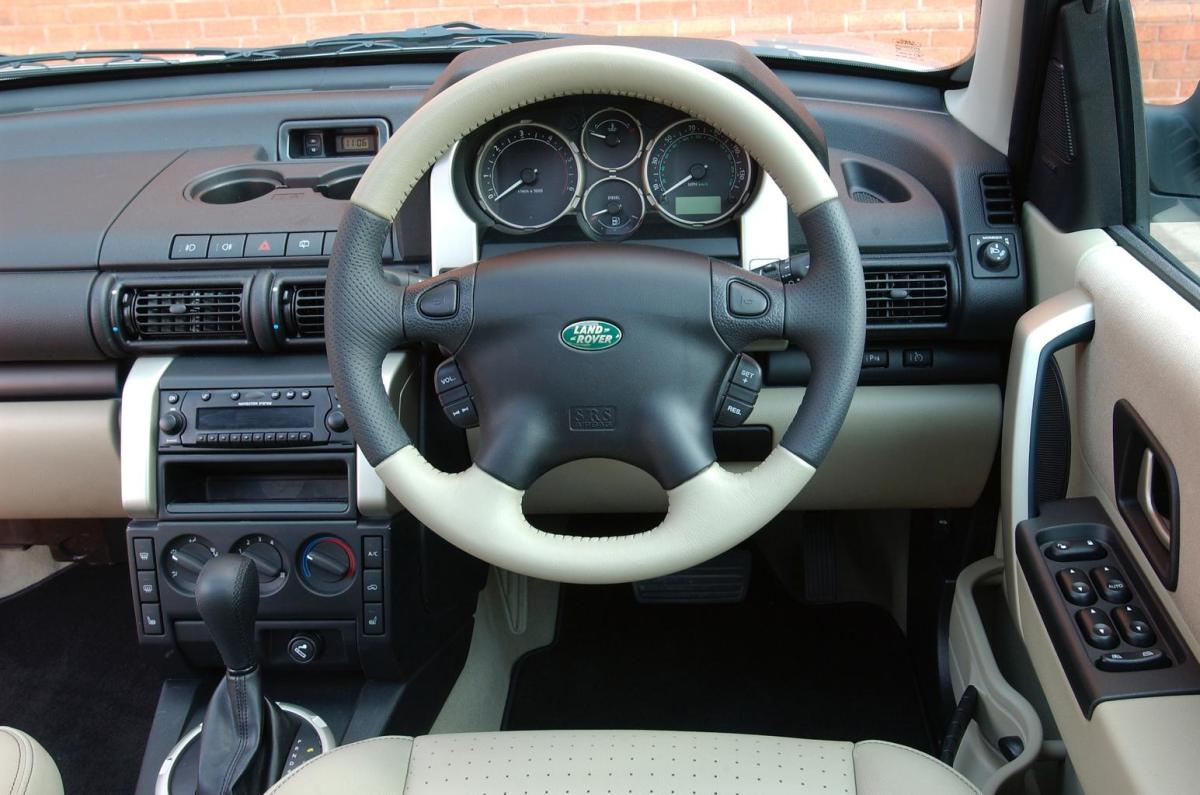
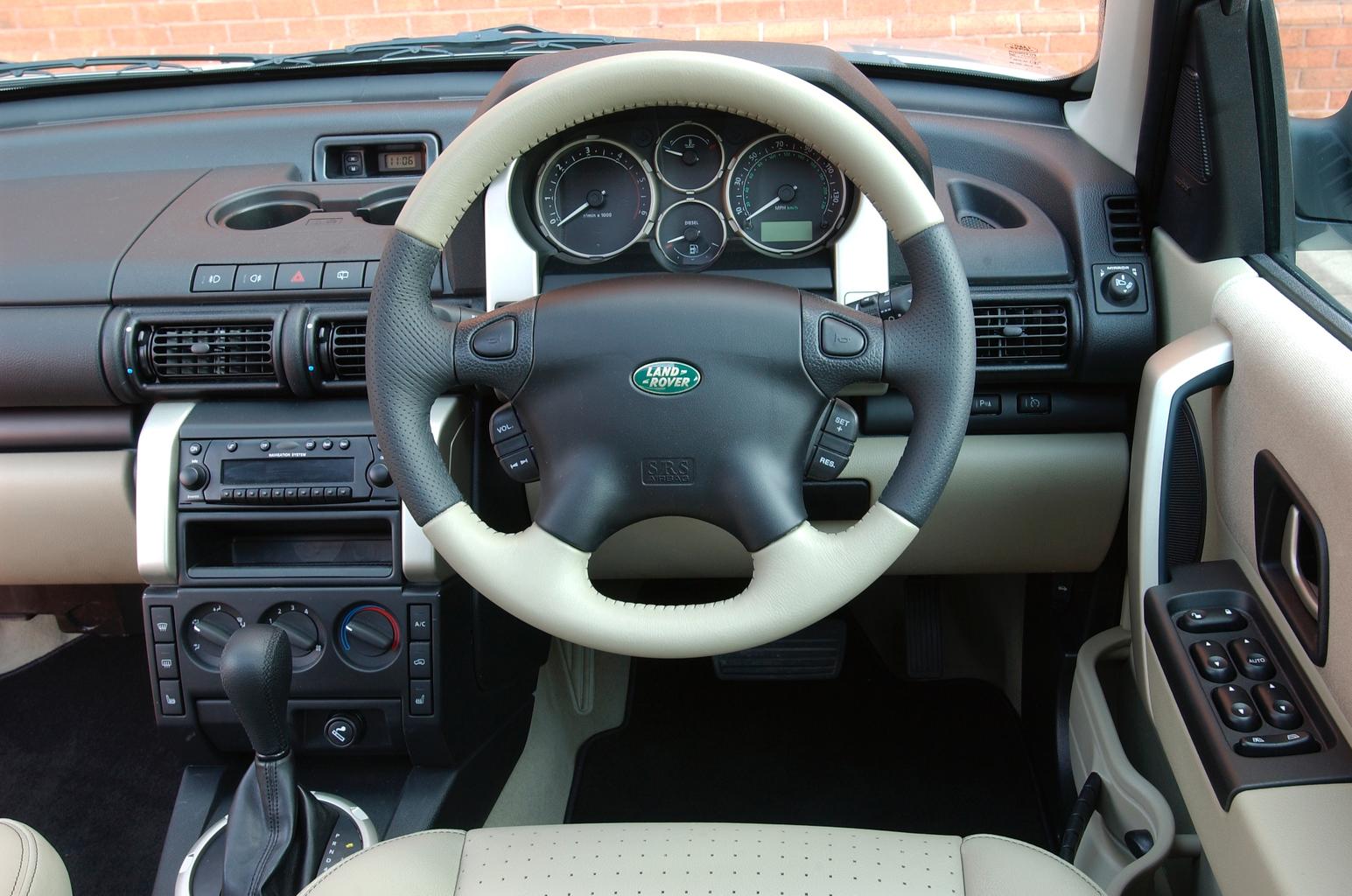
Freelanders were reasonably equipped in their day, but now seem basic; the cheapest E models didn’t even get air-conditioning or electric door mirrors. You really need to track down a range-topping HSE version to get anything like contemporary levels of equipment, such as air-conditioning, a CD-multichanger, fog lights and leather upholstery.
The rare 2.5-litre six-cylinder petrol model is best avoided – it’s smooth and quiet, but reliability is suspect and it’s very thirsty.
Our favourite used Land Rover Freelander: 2.0 TD4 HSE 5dr
Tips & Advice
Alternatives
What alternatives should I consider to a used Land Rover Freelander?
The Honda CR-V was a constant thorn in the Freelander’s side, and continues to be so today. The first two generations of the CR-V (similar in looks but actually quite different vehicles) are both solid Freelander rivals with much better potential reliability, although you need to remember that there was no diesel option until well into the life of the second-generation CR-V.
The Nissan X-Trail and Toyota RAV4 are also very capable alternatives, and again would generally be much more reliable than the Freelander, while the Suzuki Grand Vitara, although less refined on road, is able almost to match the Freelander’s abilities in the rough.
For all the latest reviews, advice and new car deals, sign up to the What Car? newsletter here
How reliable is the land-rover Freelander ?
Used cars available now
About the writer