Public EV charging VAT cut could save drivers £389 a year
Electric vehicle (EV) drivers could save enough money to pay for a one-year subscription to a mobile phone network if the Government reduces VAT on public EV charging in the 2026 Spring Statement, according to exclusive research from What Car?, Britain’s leading consumer champion and new car buying platform.
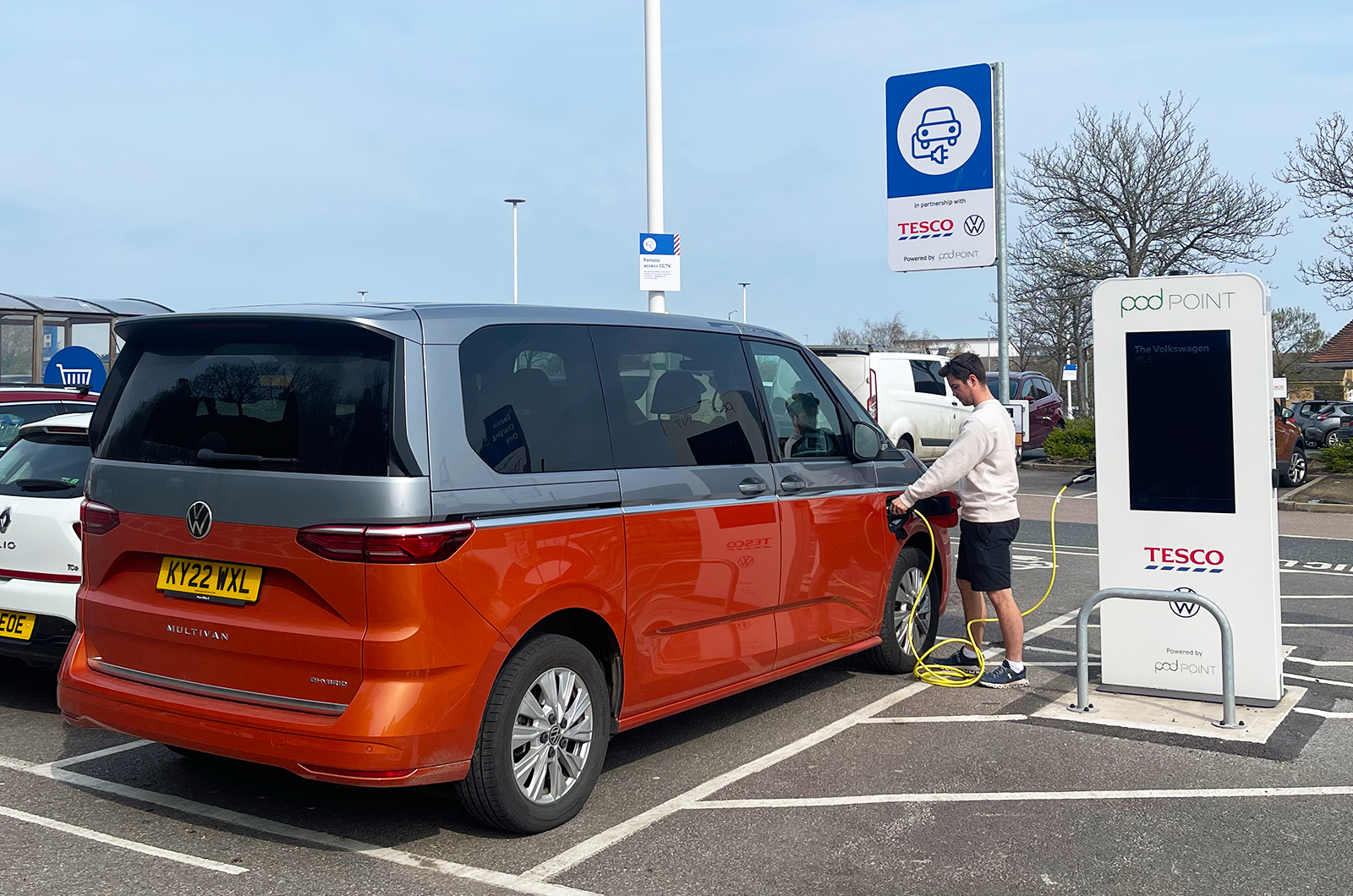
Currently, there’s a mismatch between the VAT charged on home electricity usage and the power consumed to charge up an EV at a public charging station: the domestic VAT rate for electricity is 5%, but it’s 20% on the public EV network. That means there is an unfair difference in the cost of charging for EV drivers who can’t charge up at home and have to use the public network.
The RAC estimates that there are currently around 1.4 million EVs on UK roads, a figure which is set to rise in accordance with the Government’s ZEV Mandate, which states that electric car sales must account for 80% of the new car market by 2030. According to research by the RAC Foundation, around 35% of British households don’t have access to off-street parking, leaving them to rely on the public charging network, which is much more expensive. According to Zap-Map, EV drivers pay, on average, 54p/kWh (for slow/fast chargers) or 77p/kWh (for rapid/ultra-rapid chargers) when public charging their vehicle, while those who charge at home typically pay around 9p/kWh during off-peak times.


What Car? has been calling on the Government to cut the VAT rate of public EV charging for the past year as part of our EV Manifesto, which outlines a number of changes that could be made to make it easier for people to switch to electric cars.
The good news is that on 27 February a UK tax tribunal ruled that VAT on public vehicle EV charging should be cut from 20% to 5%, and we expect the Government to abide by this and reduce the tax in the Spring Statement on 3 March.
Doing so will save EV drivers up to £389 a year (based on the cost saving on 52 weekly 10-80% charges in a Hyundai Ioniq 5 84kWh RWD at a public charging station with a fee of 89p per kWh). This is the same as the annual cost of a subscription to a mobile phone network, so drivers could get a year’s free phone use. The saving equates to a saving of £7.48 on a charge costing £49.84.
However, in the short term, this benefit depends on the public charging networks passing on the full savings to motorists. It’s only a temporary saving, though, because it will be wiped out from April 2028 when eVED, the new pay-per-mile rate of car tax for EVs, arrives. Set at a rate of 3p per mile, this will cost our Ioniq 5 owner £388 a year. This is the annual cost of eVED for a car covering 12,948 miles a year, which is the mileage gained from doing a 10-80% charge in an Ioniq 5 84kWh 52 weeks of the year.
The Office for Budget Responsibility (OBR) estimates that 440,000 fewer EVs will be sold between November 2025 and March 2031 as drivers are disincentivised from making the switch. The Government initially tried to offset the effects of the new pay-per-mile tax by raising the threshold at which EV owners pay the expensive car supplement, or “luxury car tax”, from £40,000 to £50,000. The OBR estimated this would stimulate EV sales by 130,000 – some way off the projected 440,000 losses from the eVED. So, cutting VAT on public EV charging is seen as one way to stop people turning away from EVs.
What Car? consumer editor, Claire Evans, said: “It’s great news that the Government has finally listened to calls to make the cost of public EV charging fairer. EV drivers should make the most of the savings while they can, as it’s a shame they will only be temporary.”
It does seem that the VAT cut savings will be passed on to consumers, unlike when fuel duty rates were changed in the past. What Car? asked a number of public charging network operators, and all confirmed that they would work swiftly to bring prices down to reflect the lower tax rate if it is introduced.
However, Daniel Kunkel, CEO of Gridserve, pointed out the need to tackle other cost obstacles. “Designing and developing ultra-rapid EV charging hubs is… more complex and expensive than home charging, and… the rapidly rising standing charges continue to place significant strain on our model, increasing by as much as 462% in the last five years. Tackling VAT and standing charges together would deliver a clear and lasting benefit for drivers looking to switch to electric vehicles.”
Tom Hurst, UK Country Director at Fastned, added: “[While] VAT is a cost directly borne by the customer, charge point operators like Fastned continue to manage ongoing input cost pressures, particularly from grid fees. Even with a VAT cut, there is still scope to take further steps to make public charging more affordable."
For all the latest reviews, advice and new car deals, sign up to the What Car? newsletter here