Electric car charging networks rated: the best and worst public chargers
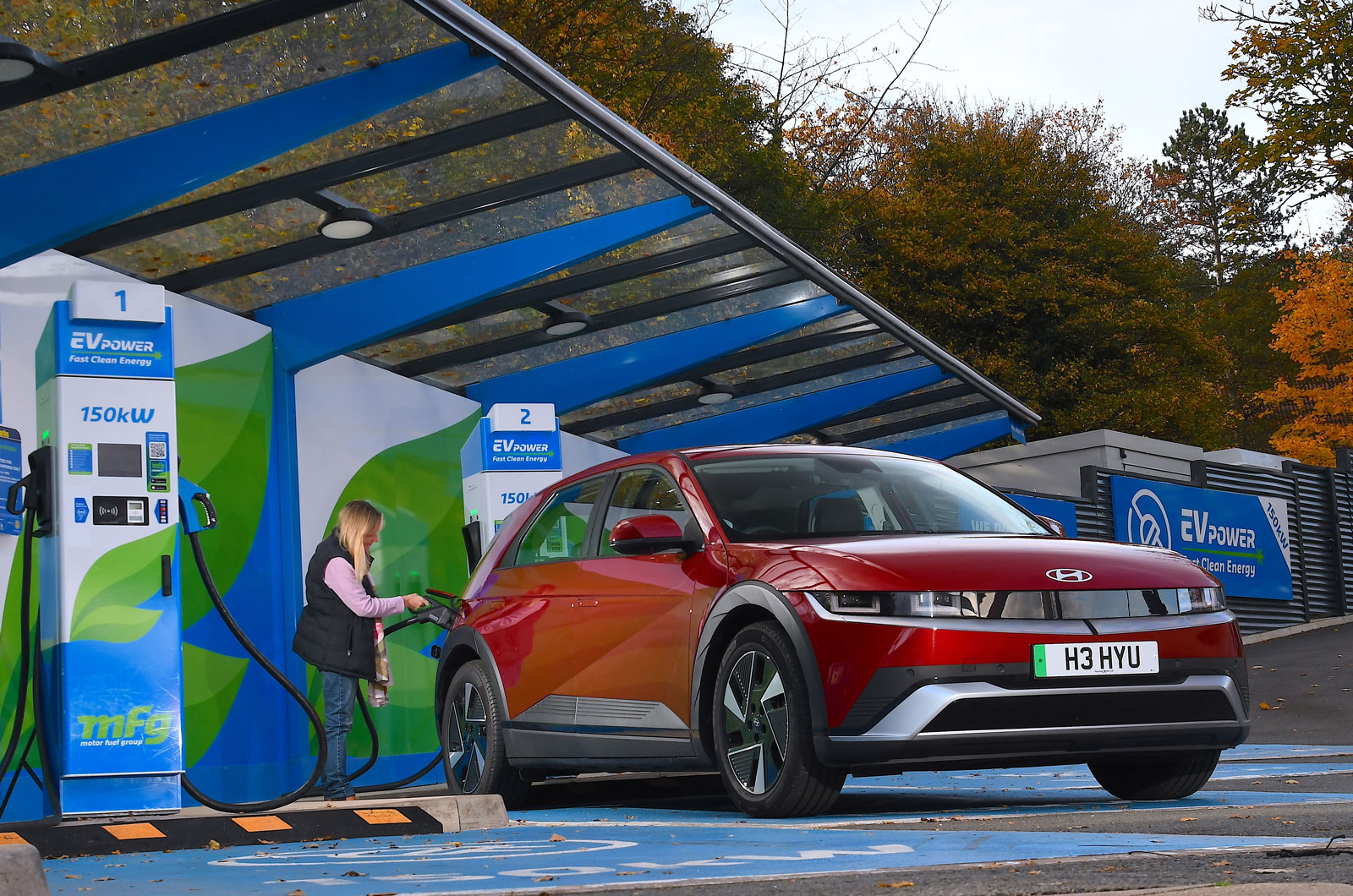
The chances are that if you drive a petrol or diesel car and find that you need more fuel part-way through a long journey, you don’t give it much thought, because you know you’ll be able to locate a service station before it’s too late. But if you drive an electric vehicle (EV) that’s in need of a top-up, some forward-planning might be necessary.
Assuming your goal is to replenish the battery as quickly as possible so you can be on your way without delay, you’ll want to use an ultra-rapid charger at a public EV charging site – one that’s capable of delivering rates of 150kW or even more for the fastest-charging electric cars. These can generally provide a 10-80% top-up in 20 to 30 minutes. But first you’ll need to identify a site that isn’t too much of a detour off your route, and which gives you a chance to grab a drink and a comfort break.
Doing so is easier than it used to be, because the number of ultra-rapid chargers available has increased significantly in the past year. As of the end of September 2025, there were 8728* of these charging connectors in the UK, operated by 18 different networks.


There’s also the issue of cost. In contrast to the cheapest home EV charging electricity rates, public EV chargers can be expensive, and the difference between the cheapest and priciest can be as much as £20 for a 10-80% top-up of the same car. Tesla is usually the cheapest, while BP Pulse, InstaVolt and some Shell Recharge sites will bill you the most.
You’ll also have to consider whether you need a phone app or RFID card to be able to use certain locations, although most networks now offer contactless payment, so this is less of a barrier than it once was.
To make it easier for you to choose the best networks to use, we surveyed the experiences of 2118 EV drivers, asking them to rate the public devices they’ve used in the past year. We also visited one location each from 15 national network providers and charged (or attempted to charge) our test cars – an Audi E-tron GT and a Hyundai Ioniq 5 – to gauge the real-world experience.
What Car? readers can also access our dedicated car ownership platform, My What Car?, for free. It provides access to a number of useful tools, from insurance comparison to vehicle maintenance, so you may be missing a trick by not signing up.
Best public EV charging networks
1. MFG EV Power
Test location MFG Southall, Uxbridge Road, Middlesex
Charging speed Up to 400kW
Cost per kWh 79p
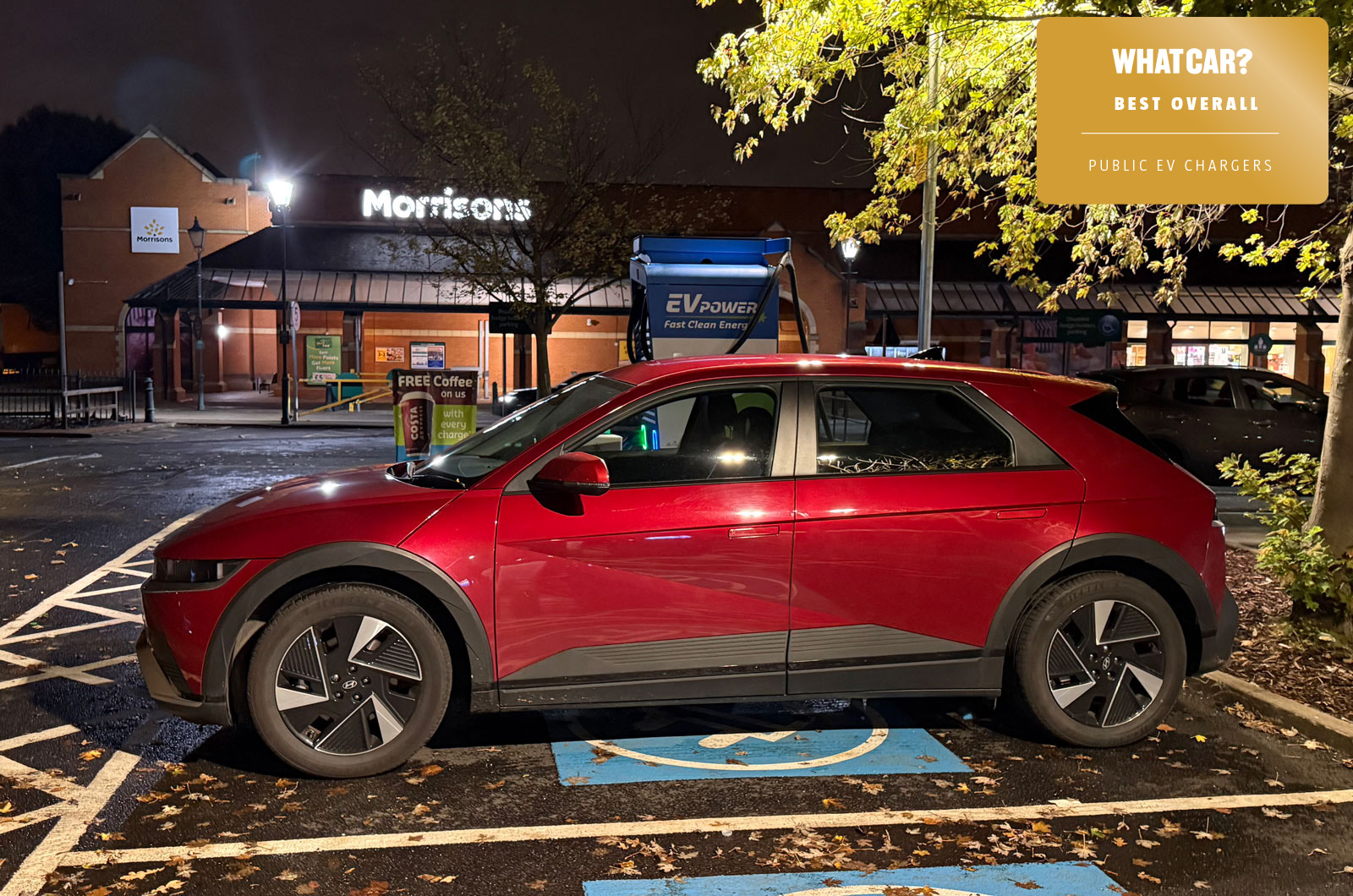
This rapidly expanding network now has 1300 ultra-rapid chargers at more than 170 hubs across the UK. ‘MFG’ stands for ‘Motor Fuel Group’, so it should come as no surprise that its hubs are at fuel stations. However, instead of shoehorning them in alongside petrol pumps, the EV chargers at many sites are in a separate area, giving users plenty of space and lessening the chances of non-EV drivers parking in those bays.
Users told us MFG’s chargers were very reliable (albeit not quite as bulletproof as Tesla’s), and it trumps the latter overall because its tap and pay system is quick and efficient and it offers higher charging speeds.
We found the Southall site easy to find, thanks to the brand’s bright blue and yellow branding, and it was a doddle to plug in, tap a card and get the session going. The maximum charging rate we saw (79kW) was pretty close to the most our Ioniq 5 could take with its battery at 73%.
2. Tesla Public Supercharger
Test location Spectrum Leisure Centre, Guildford, Surrey
Charging speed Up to 250kW
Cost per kWh 55p
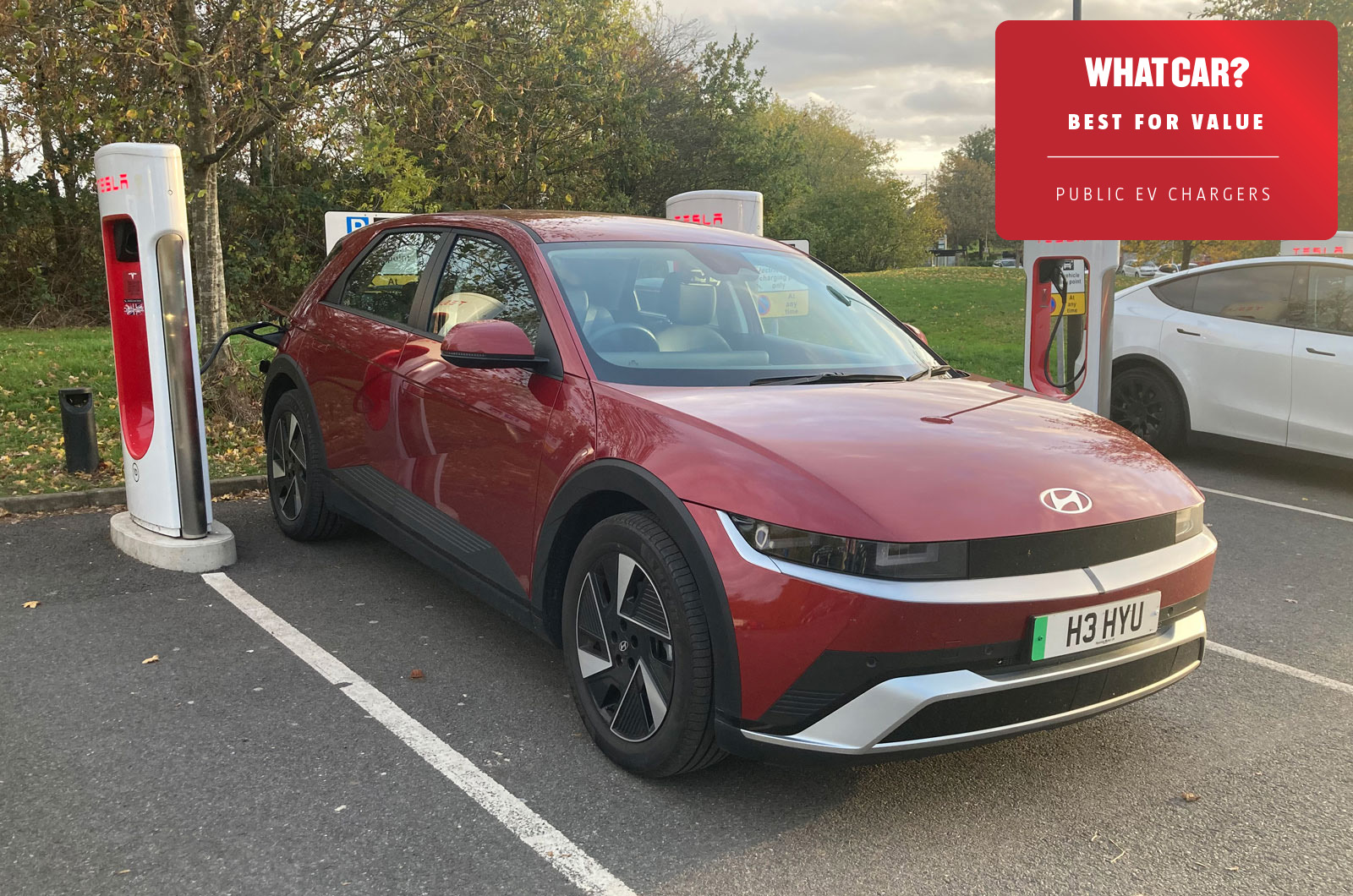
Tesla’s charging network has long been the envy of drivers of other EV brands, because it offers fast charging and its network is well maintained.
If you drive a Tesla, you can just plug in on arrival and your account will automatically be charged. But non-Tesla owners – who can use more than 100 Supercharger sites – need to use the brand’s app to control charging. Fortunately, this is easy to use and isn’t glitchy like many other apps.
Nine out of 10 EV owners gave this network the thumbs-up for ease of access and dependability, but usability was rated lower, partly because of the need to use the app, and also because the charging leads are short.
The site we went to in Surrey was busy, but we reversed into a bay without any issues. Charging was reasonable at 130kW with the car's battery at 52%.
Tesla scores top marks for value for money (55p/kWh for us and even less for Tesla owners).
3. Fastned
Test location Griffiths Retail Park, St Albans, Hertfordshire
Charging speed Up to 350kW
Cost per kWh 74p
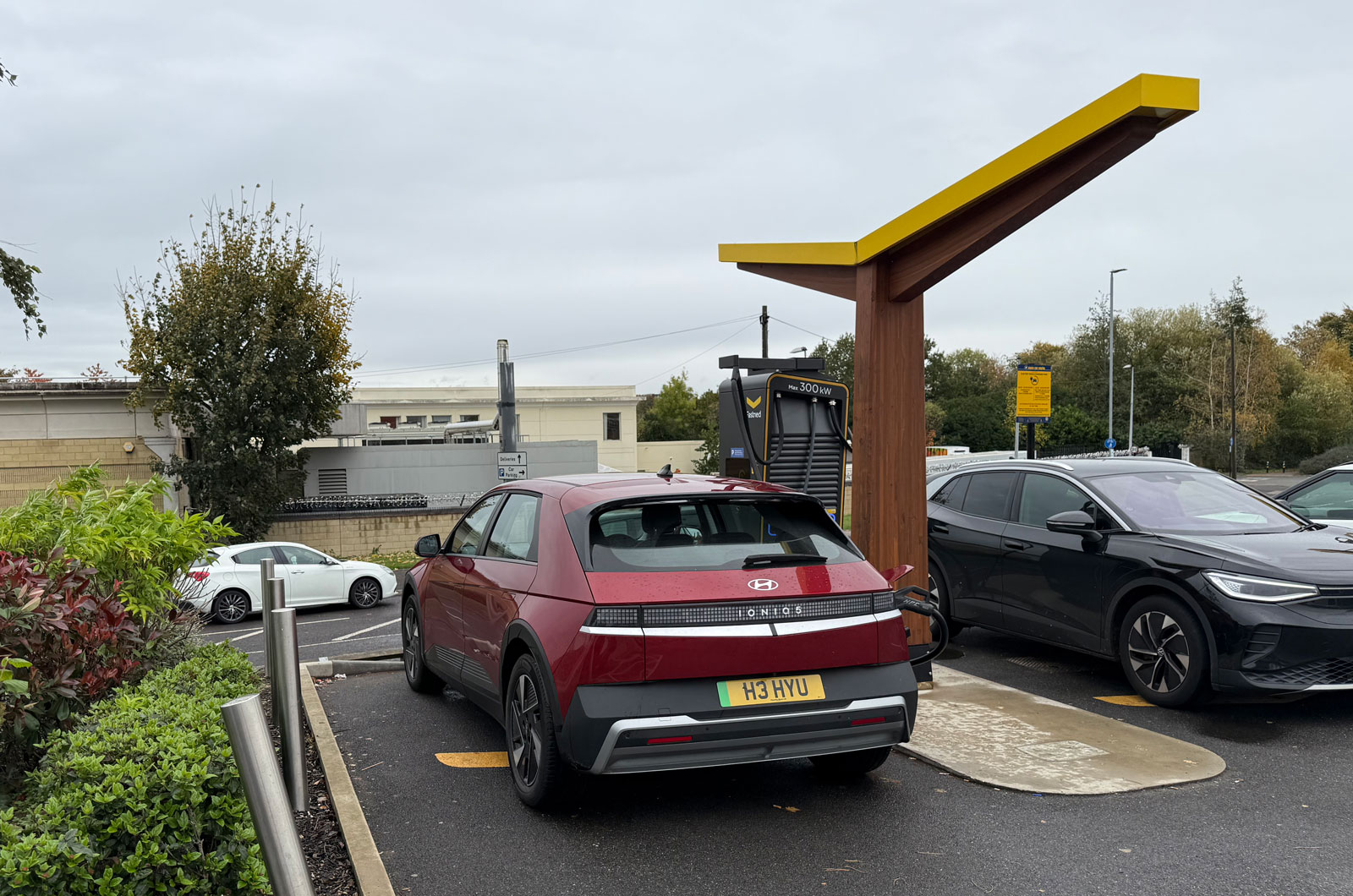
This Dutch-owned network has just 35 UK charging hubs, but all provide some cover to protect users from the elements and there are either cafes and toilets on site or nearby. Contactless payment options are standard, and there are discounted rates for subscribers.
The small size of the Fastned network is all the more disappointing given that it scores well for access, ease of use and reliability, and its price per kWh is the lowest of all the networks that offer contactless payment. Tesla is cheaper but doesn’t offer contactless payment for non-Tesla drivers.
The bright yellow branding made the St Albans hub easy to find. It was busy, but we had to wait for only a couple of minutes for one of the spacious bays to become free, and we found it easy to initiate a charging session.
The best charging speed we saw – 84kW with our Ioniq 5’s battery level at 69% – was a little down on the expected rate.
4. Ionity
Test location South Mimms Services, M25 Jct 23-24, Potters Bar, Hertfordshire
Charging speed Up to 400kW
Cost per kWh 79p
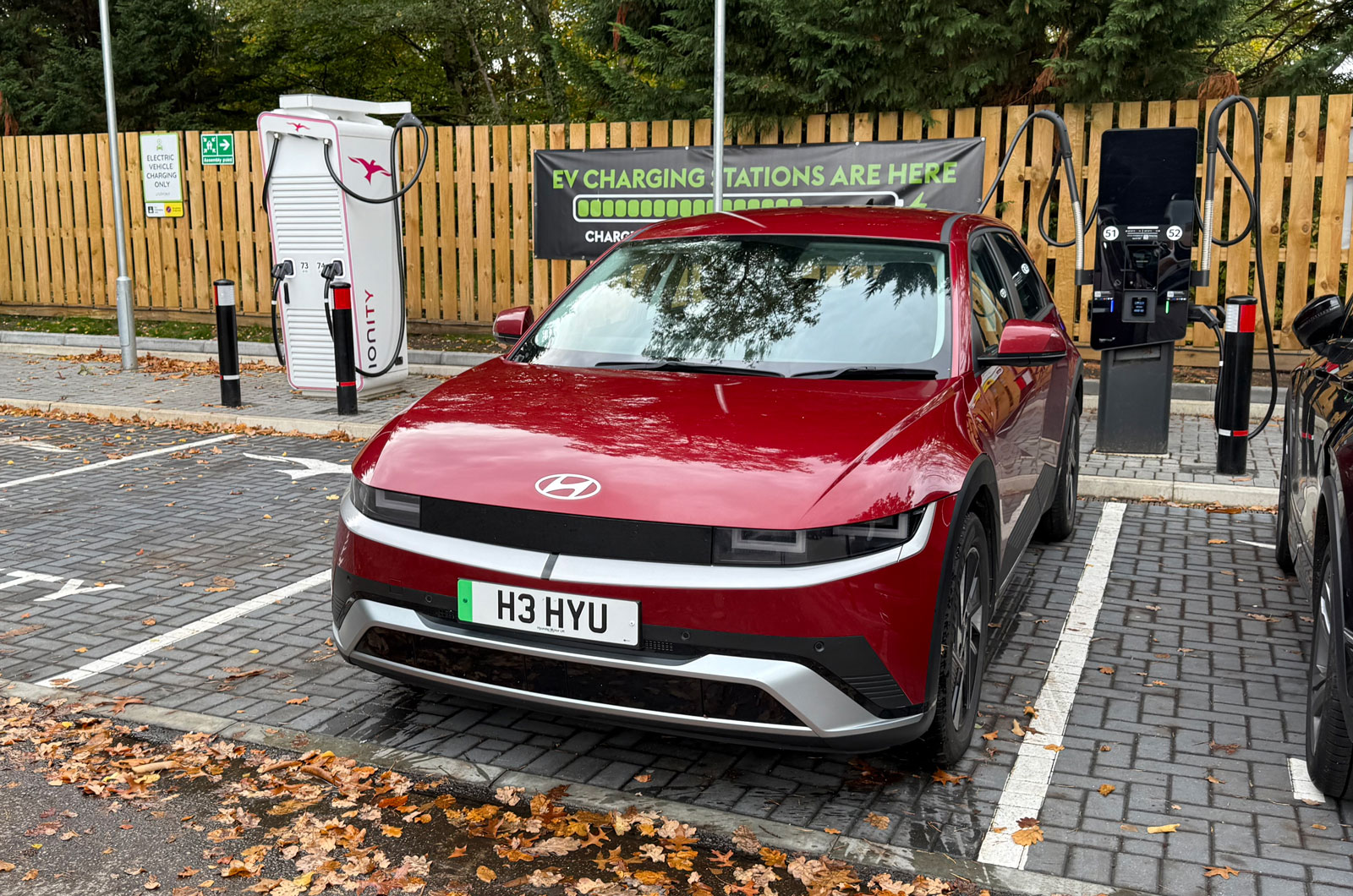
With a pan-European ultra-rapid charging network, Ionity has been rapidly growing its UK infrastructure with the aim of having 300 sites by the end of 2025. Its 400kW-capable sites are the joint fastest in the UK.
Four out of five survey respondents rated Ionity as good for access, usability and dependability, giving it slightly higher scores than Applegreen across all three areas. Some users found it hard to connect via the app, but for others, it’s their go-to option. On price, it’s mid-table, and there’s the option of cheaper rates for subscribers.
We weren’t able to access the contactless payment option at the site we visited, so we downloaded the Ionity app and managed to charge using this. It was easy to monitor progress and stop the session via the app.
We achieved a maximum charging speed of 121kW with our Ioniq 5 at 52% – 80kW slower than the car was capable of accepting at this state of charge.
5. Applegreen Electric
Test location Village Hotel, Bagshot Road, Bracknell, Berkshire
Charging speed Up to 400kW
Cost per kWh 79p
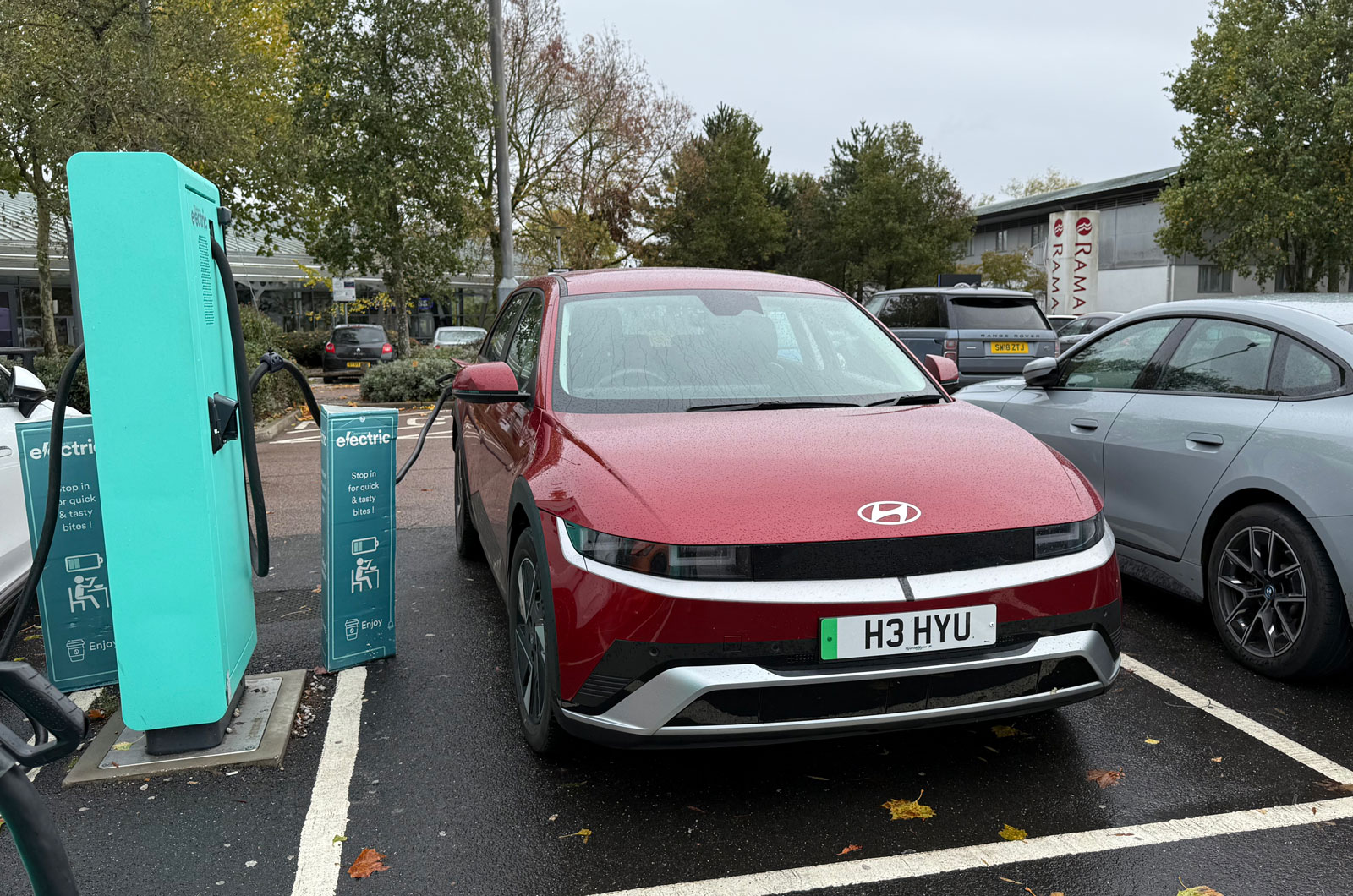
Applegreen already has a big presence in Europe and the US, and it now has a network of more than 250 ultra-rapid chargers in the UK, most of which are situated at motorway service stations. This offers the advantage of 24-hour amenities in many charging locations.
It scored fairly well with EV owners for accessibility, ease of use and reliability, but its scores in these areas were a little behind Osprey’s. Survey comments ranged from ‘often out of order’ to ‘my preferred network’. It gains kudos for being 10p/kWh cheaper than the priciest alternatives, and it offers the joint-fastest charging speed of 400kW.
Although the site we visited was busy, we found a free bay and there was plenty of room to manoeuvre the car into position. It took a couple of attempts to get contactless payment to work so that we could start charging. Charging was slower than expected; we averaged 101kW with the Ioniq 5’s battery at 48%.
6. Osprey
Test location The Market Cross, Dunstable, Bedfordshire
Charging speed Up to 300kW
Cost per kWh 82p
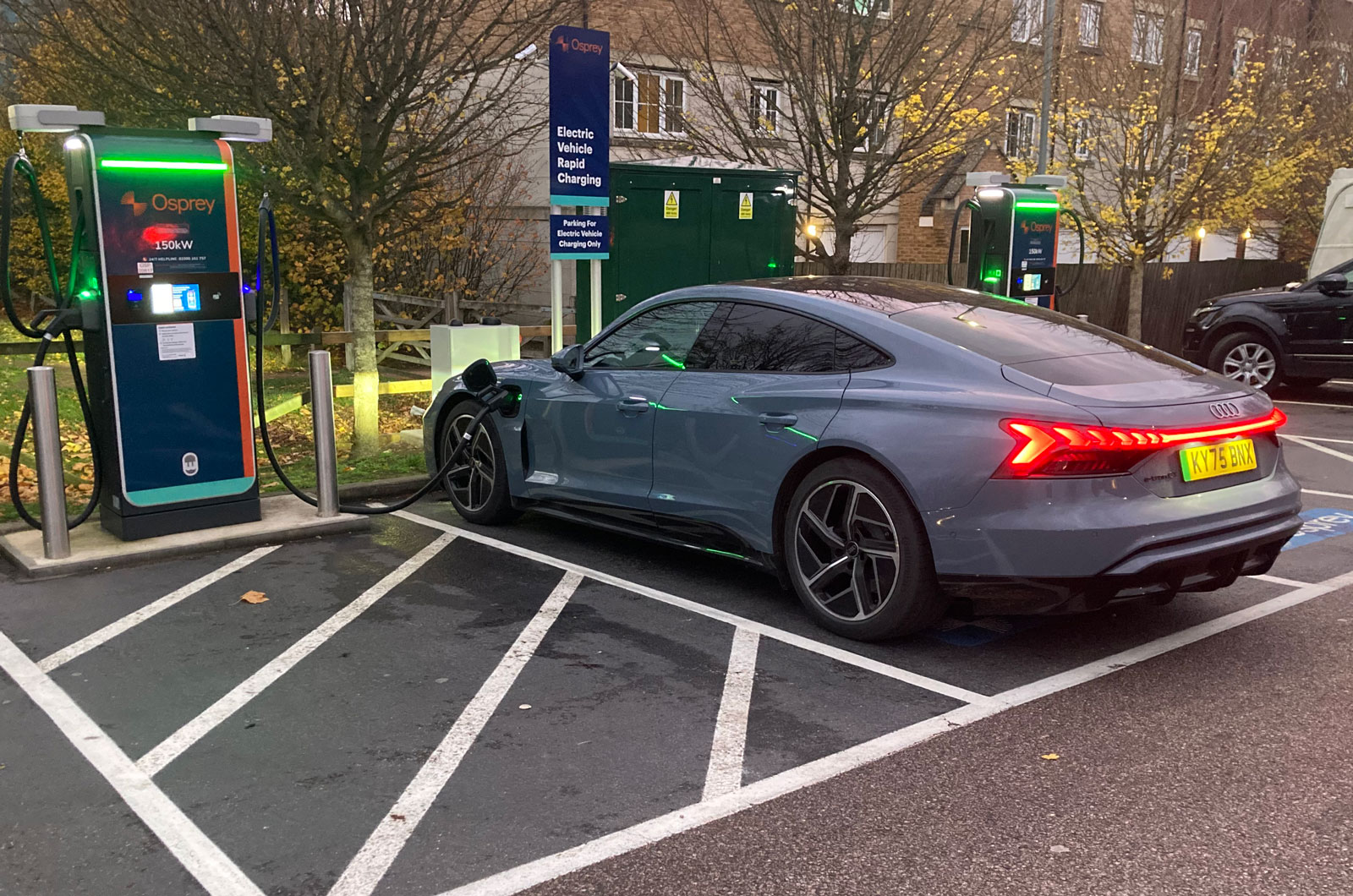
Osprey has been swiftly expanding its network of ultra-rapid chargers; at the time of writing, it had 1377 charge points on major transport routes across the country. The chargers offer good access and plenty of space for parking, while some have two connectors on each side of the unit for added convenience.
Some EV drivers experienced charge points that were out of action, but most found the network reliable. Likewise, most found the contactless payment process easy, but a few users had issues with card readers. Pricing was considered high by some users, though.
We went to a four-charger, 150kW Osprey site in a pub car park in Dunstable. The instructions on the charger were clear. It was easy to get charging started and there was a button to press to end the session. With 62% in our Audi E-tron GT’s battery, we saw a peak output of 51kW – much slower than the 200kW expected at that state of charge.
7. Gridserve
Test location Chieveley Services, M4, Jct 13, Berkshire
Charging speed Up to 350kW
Cost per kWh 85p
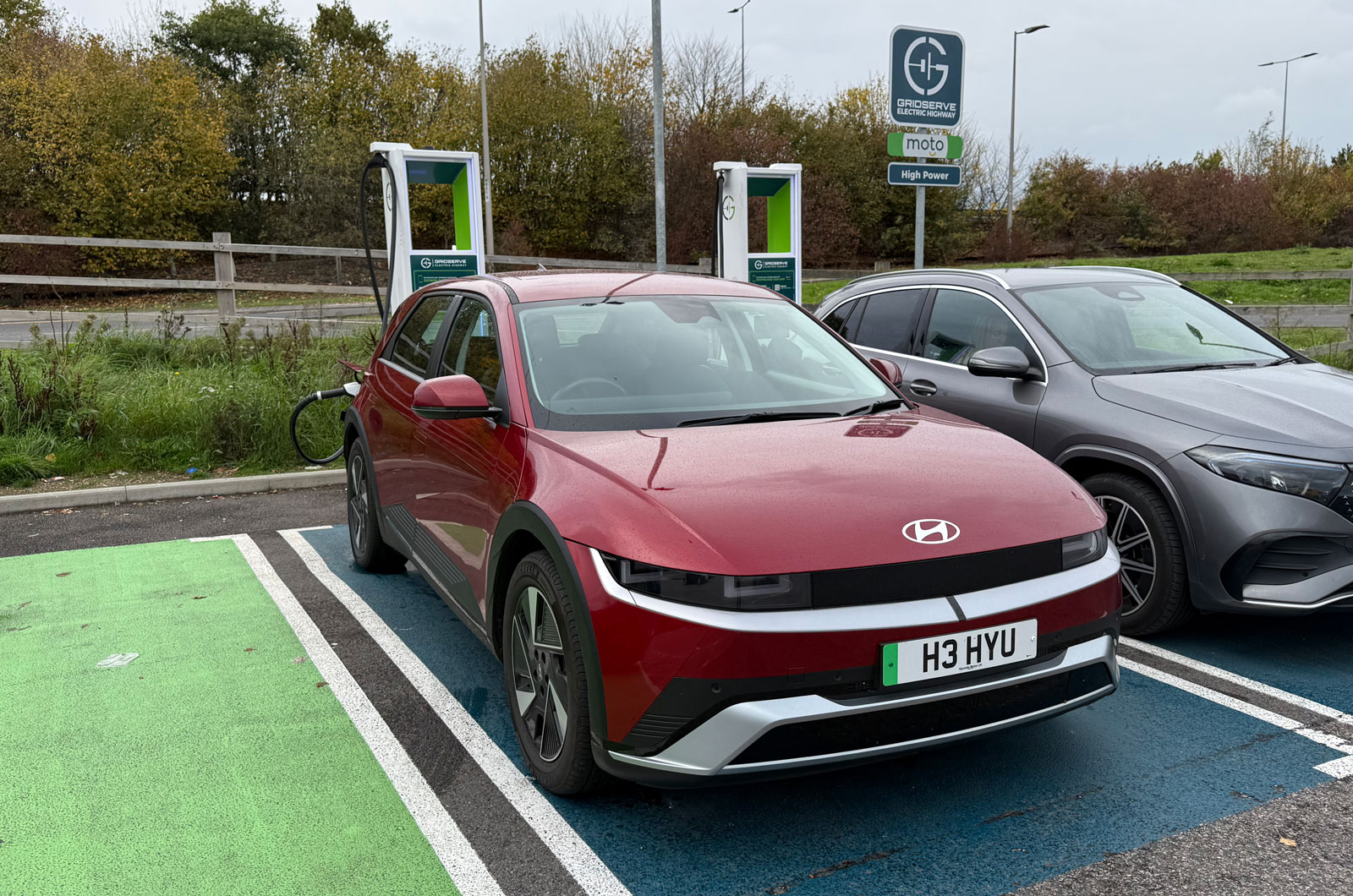
Many of Gridserve’s 1500 charge points are at motorway services, but it also has some at retail parks and a number of Electric Forecourt EV-only service areas. The dedicated hubs are rated as excellent by users, and most respondents thought the motorway service areas were good, but some pointed out that there could be queues to use chargers at busy times.
Most users found the chargers easy to use, and there were few complaints about contactless payment or the app. Gridserve was rated lower than InstaVolt for reliability, though, with some mentions of units not working.
The main downside is the cost, which isn’t far from the priciest here. There were also some complaints about slow charging speeds, and this tallied with our experience at Chieveley Services, where we got a top rate of 57kW with our Ioniq 5 at 60%. That’s well below the 190kW the car was capable of accepting with this battery level.
8. InstaVolt
Test location Winchester Superhub, Andover Road, Winchester, Hampshire
Charging speed Up to 160kW
Cost per kWh 89p
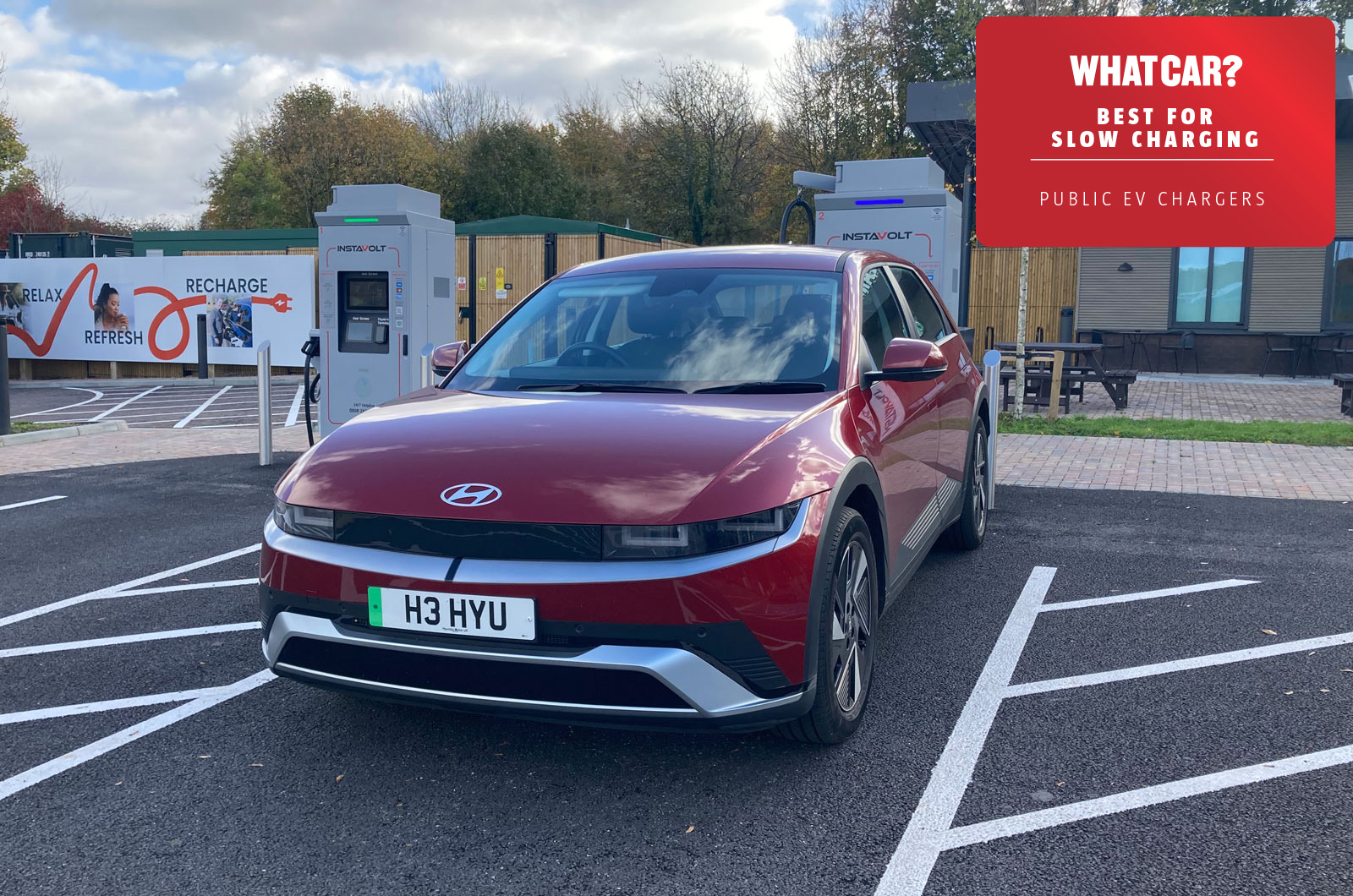
With 2125 rapid or ultra-rapid units, InstaVolt has the UK’s largest network of high-speed chargers. While some are in car parks, it has also built a number of dedicated charging hubs that EV users find impressive.
InstaVolt is rated as good for accessibility. Users said the network was generally reliable and well maintained, and that the contactless payment system was easy to use. They were less impressed with the cost, which is the joint highest, although some appreciated the cheaper off-peak rate that’s now available.
We visited InstaVolt’s flagship 44-unit site in Winchester. All of the bays were large and the units had large screens with easy-to-read icons and large buttons for stopping a session and displaying a VAT receipt.
While the advertised peak rate of 160kW is well down on the best available, we saw that figure with our Ioniq 5’s battery at 36%, making this the only site we visited to reach its full potential.
9. Shell Recharge
Test location Shell Budgens, Addlestone, Surrey
Charging speed Up to 350kW
Cost per kWh Up to 89p
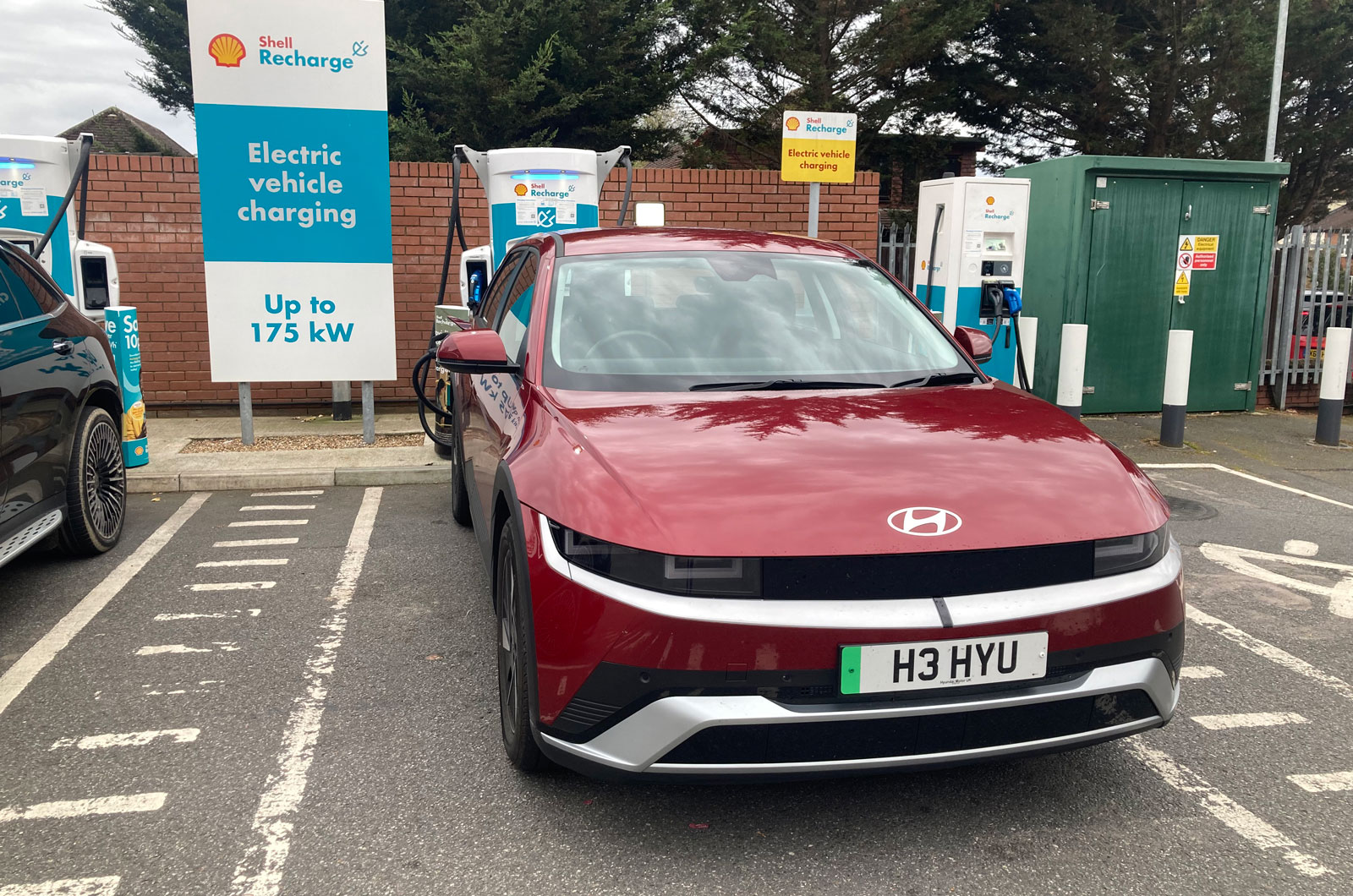
Shell is one of the largest national EV charging networks, with more than 8000 charge points, but many are slower on-street options or in supermarket car parks. As of September, it had 700 rapid and ultra-rapid devices.
Like BP Pulse, some of its chargers are in fuel stations, where access can be trickier than at dedicated sites. It’s no surprise, then, that our survey respondents gave it the second-lowest score for accessibility. Reliability is average, with some users reporting broken units but others finding them dependable.
A good contactless payment system helps Shell to score better than Be.EV, BP Pulse and Mer for ease of use. This chimed with our experience in Surrey, where we found it quick and simple to start and stop a charging session.
The cost of charging is the main drain on its overall score; prices of up to 89p/kWh are the joint highest. It’s also a shame that you have to download an app to get a receipt.
10. Be.EV
Test location Priory Shopping Centre, Dartford, Kent
Charging speed Up to 150kW
Cost per kWh Up to 79p
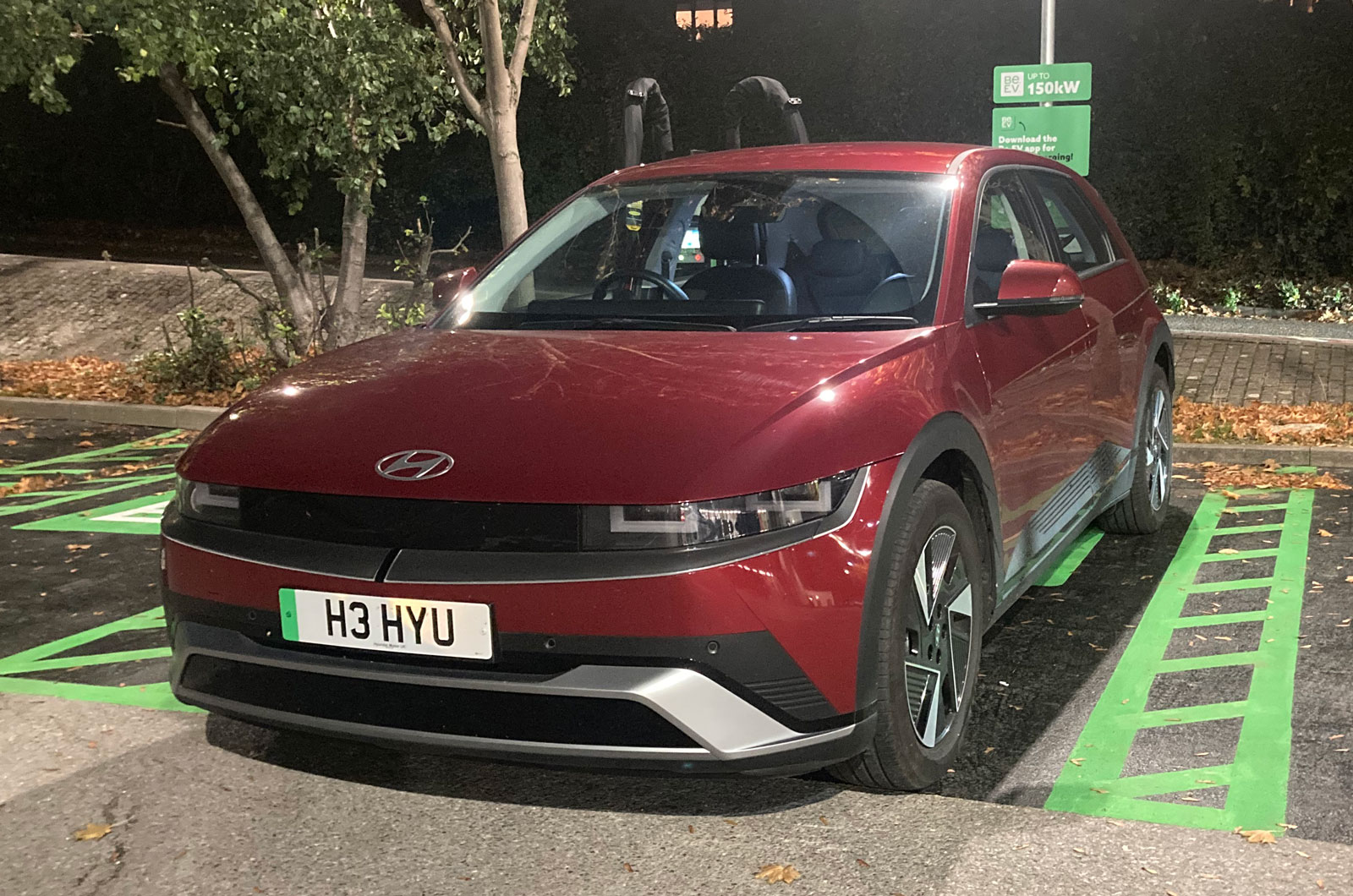
Octopus Energy’s EV charging network was launched in 2019 and now has more than 800 charge points, the majority of which are in northern England.
It is rated slightly better than Mer for accessibility, with respondents saying it has good-sized bays that are easy to park in. Reliability is average, but ease of use is rated as poor. Some users said they had problems with contactless payment and an unreliable phone app, so starting the process could be slow.
When we tested this network, it took two attempts to make a contactless payment. Prices vary, but the location we visited in Kent was good value at 59p/kWh.
We liked the physical buttons under the screen that allow you to start and stop charging, but we felt it should state more clearly that you have to tap your bank card to end the charging session. (Be.EV has since told us that it has removed the need for customers to tap to end a session when using its chargers via contactless or its app.)
The peak claimed charging rate is only average, and the speed we achieved was a little short of that: 135kW with a 44% state of charge.
11. Mer
Test location Channon Retail Park, Eastleigh, Hampshire
Charging speed 150kW
Cost per kWh 78p
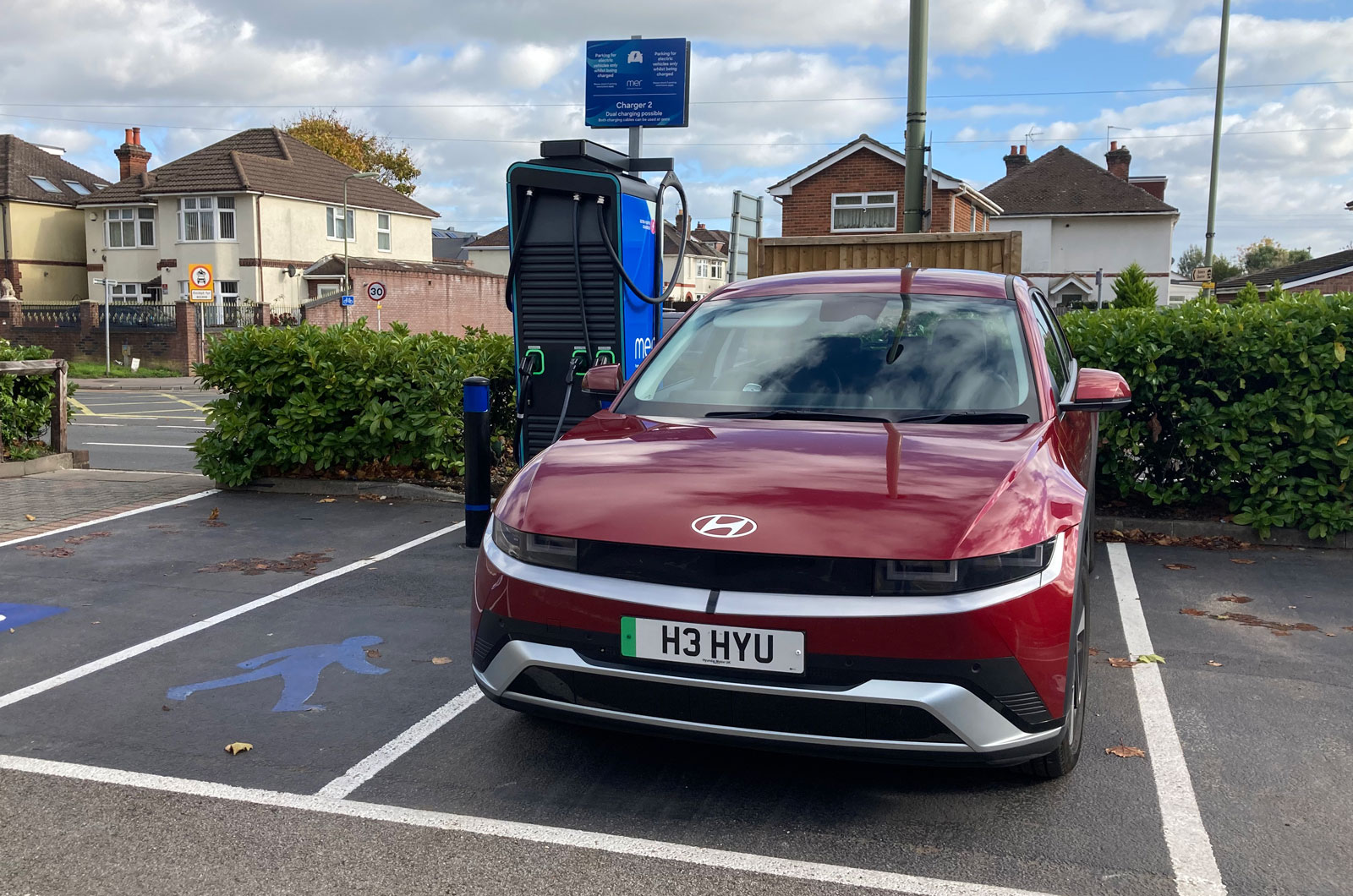
Operating in the UK since 2021, Mer now has more than 2400 charge points with a variety of power outputs, including a small number of ultra-rapid units at retail parks and garden centres.
The car park spaces aren’t always as accessible as those in dedicated charging hubs, hence its average score for accessibility. Reliability is mid-table too, with some reports of devices being out of order.
What really drags Mer’s overall rating down, though, is a low score for ease of use. This is due to difficulties getting contactless payment to work and a phone app that can be painfully slow and clunky to use.
We visited an eight-charger Mer site in a retail car park. It wasn’t obvious that you had to plug the car in before tapping the contactless pad to pay. We tried to use two units but couldn’t get the contactless payment pad to accept our card, so we weren’t able to charge.
12. BP Pulse
Test location Cranford SF Connect fuel station, Hounslow, Middlesex
Charging speed Up to 300kW
Cost per kWh 89p
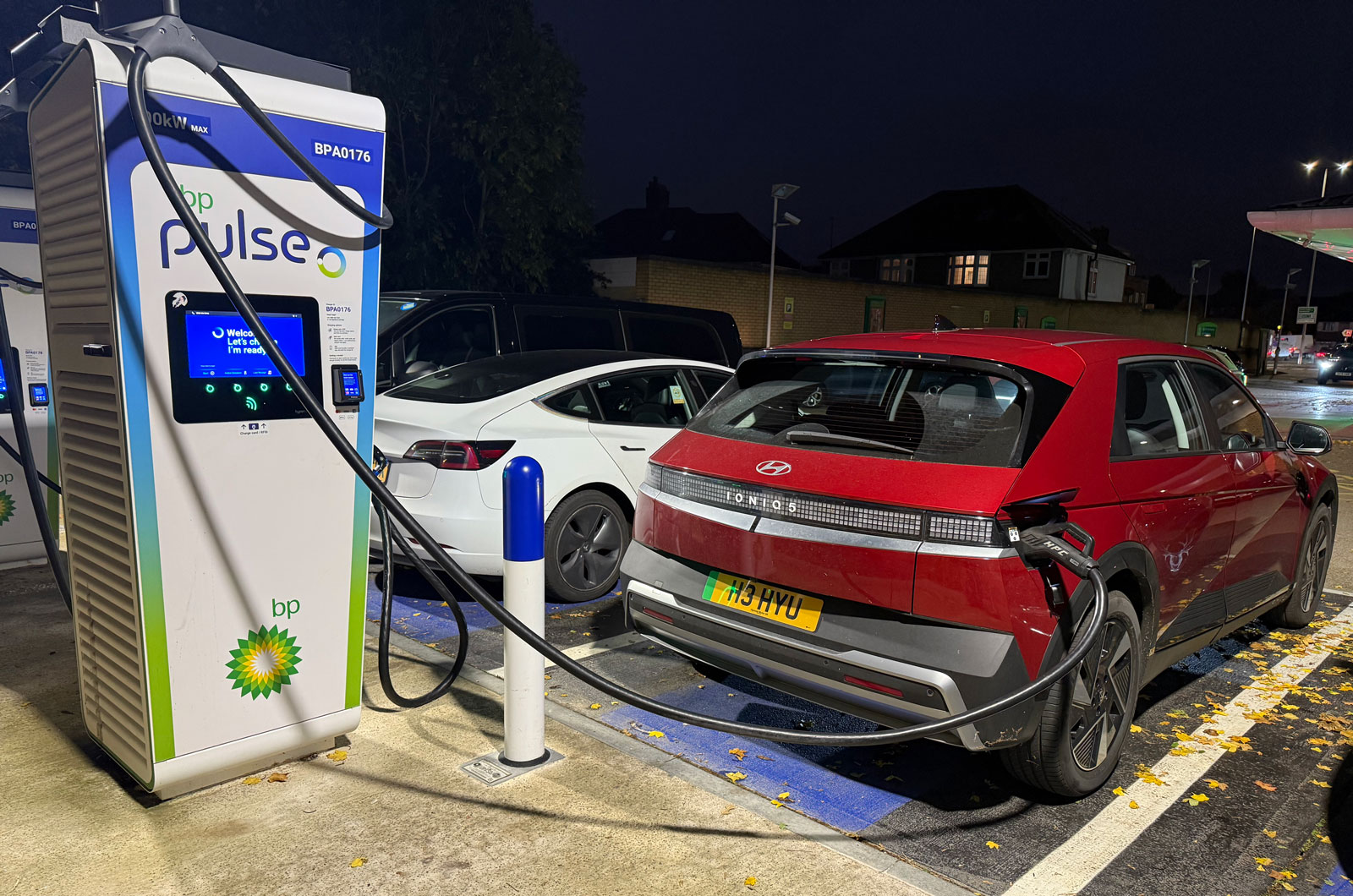
With more than 8000 charging points, including 1383 rapid and ultra-rapid connectors, BP Pulse has one of the UK’s largest public EV charging networks. While it has upgraded some of its fastest chargers and installed charging hubs in retail centre car parks, many of its chargers are on fuel station forecourts. These can be cramped and overcrowded, and this is one reason why it receives the lowest score for accessibility.
BP Pulse was also rated worst for ease of use and reliability, with some users reporting difficulties paying and a high frequency of broken units.
Our experience at a BP Pulse forecourt wasn’t great. The site was busy, we couldn’t pay via contactless, and when we tried the phone app, it was glitchy and slow to get started.
The only area in which BP Pulse scores well is charging speed, because many of its units offer up to 300kW. However, the best rate we saw was 83kW when our Ioniq 5 was 68% charged.
Other sites we visited, but weren’t in the survey
E.On Drive
Location Brockhurst Gate Retail Park, Gosport, Hampshire
Charging speed Up to 300kW
Cost per kWh 67p
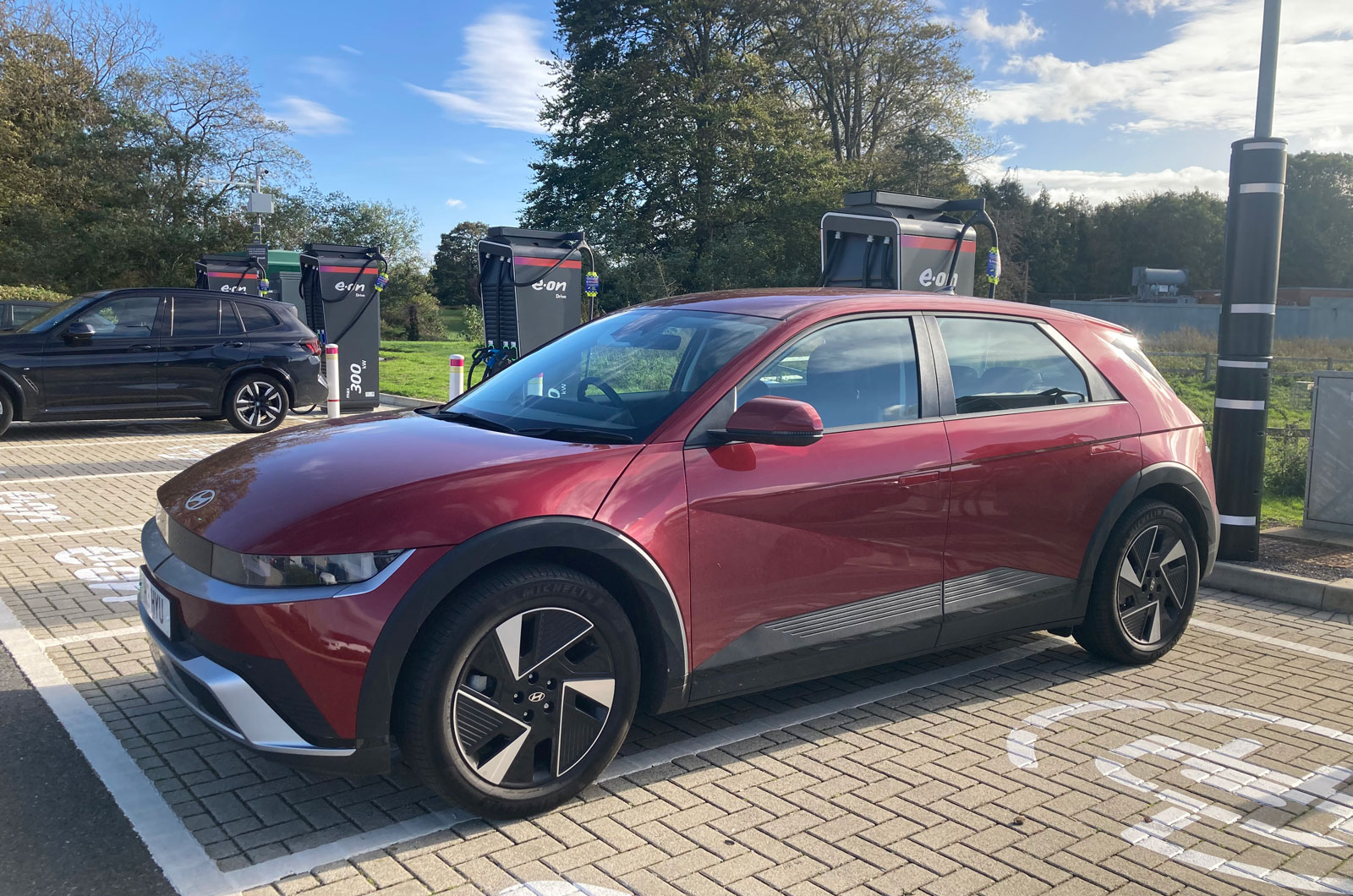
One of Europe’s largest energy companies, E.On expanded into public EV chargers in 2020. It doesn’t have many locations yet, but it plans to open up 13,000 ultra-rapid charging sites in the coming years.
For now, if you have a charger near you, it’s an affordable, easy-to-use option. We tried an 18-charger site in a shopping centre car park. The charging speed on a 300kW unit with our car’s battery at 55% was spot on what we expected (240kW).
The chargers have big screens and easy-to-follow instructions, although ending a session can be a bit confusing; the two-connector screen reverts back to an overview page showing both plugs, and you need to reselect the charger you’re using before the ‘stop’ button will work.
The option to get an on-screen receipt will be really helpful to business users.
Smart Charge
Location Sainsbury’s, Broadcut, Fareham, Hampshire
Charging speed Up to 150kW
Cost per kWh 72p
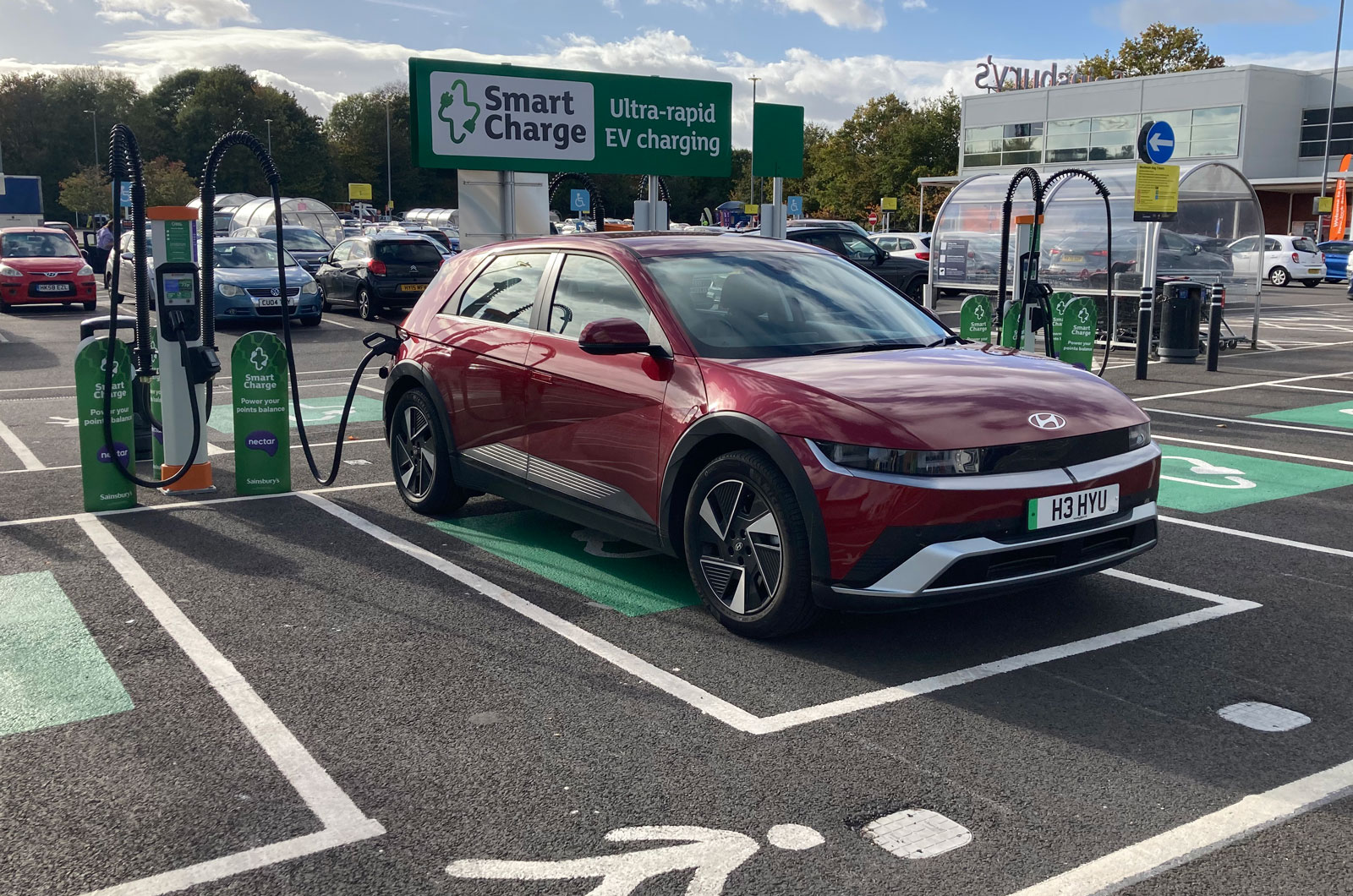
Sainsbury’s Smart Charge is the only EV charging network owned and operated by a supermarket. The site we visited was well signposted from the main road and the bays were wide and well marked out.
There was no protection from the elements above the chargers, but it was only a short walk to the supermarket and a cafe. The charger had large physical buttons, and the contactless payment worked on the second attempt.
Although it didn’t provide an on-screen receipt (you need to scan a QR code and download a phone app to get one), the charger’s display clearly showed the cost and how much electricity we’d drawn at the end of the session. We got a charging speed of 135kW – not far short of the device’s maximum output – with our car’s battery on a 25% state of charge.
Source EV
Location Pompey Centre, Portsmouth, Hampshire
Charging speed Up to 150kW
Cost per kWh 78p
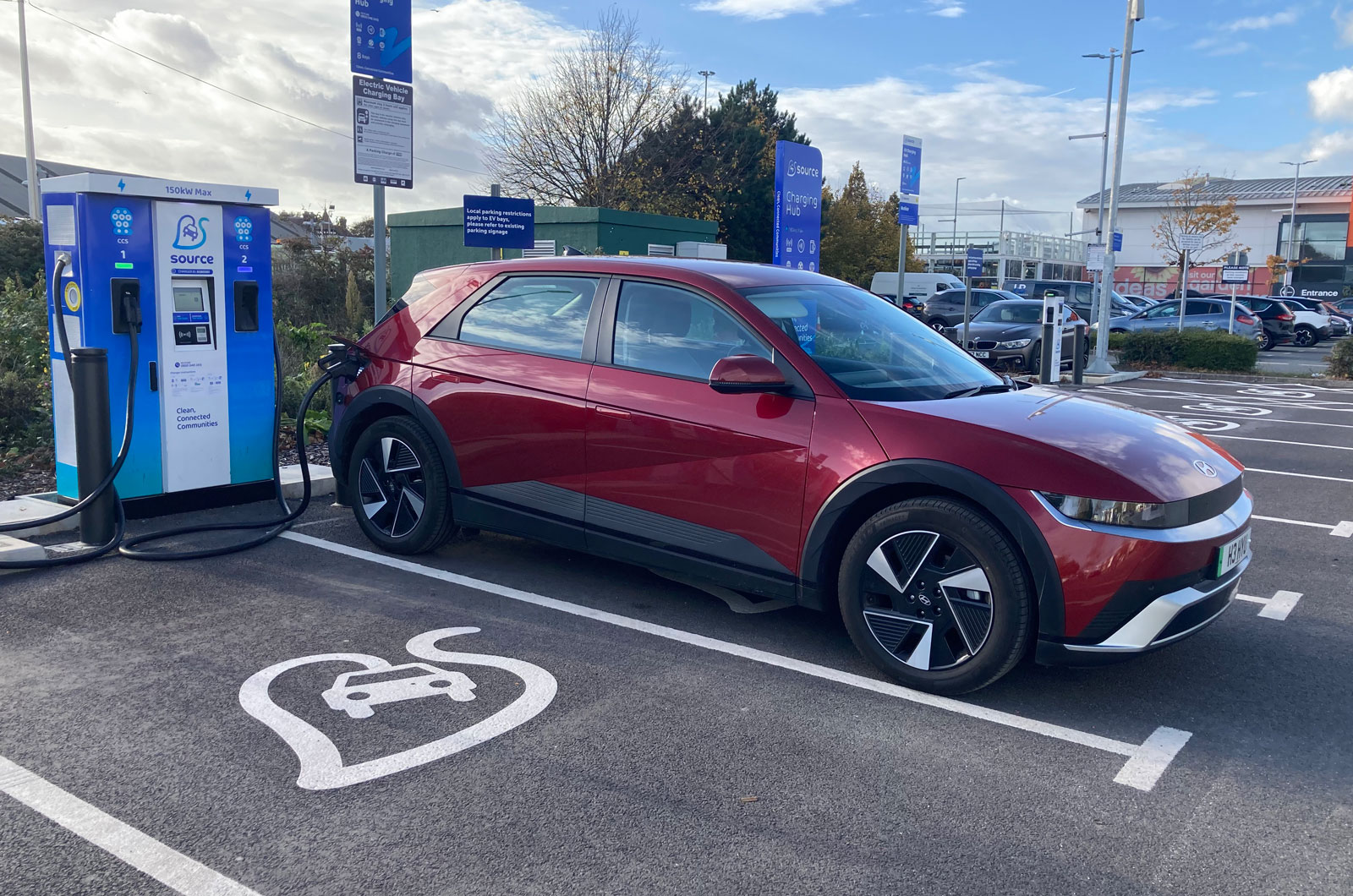
A newcomer to the EV charging sector, Source EV was created in 2024 by Total Energies and SSE. It doesn’t have many locations yet, but the company intends to build a network of up to 3000 high-power charge points across the UK and Ireland within the next five years.
The bank of eight chargers we visited in Portsmouth was at the far end of a large shopping mall car park. The spaces were reasonably big, but not as roomy as some. The screen was readable, but the icons weren’t as big as some others.
Although we found it easy to initiate a charge, the instructions didn’t clearly state that you have to tap your bank card on the contactless payment reader to stop a session.
Although there was no cover over the chargers, there were shops and cafes nearby. We achieved a maximum charging speed of 125kW with the car’s battery level at 63%; that was a little below the expected performance of the Smart Charge unit.
How we review public EV charging networks
Accessibility
To score well here, a provider must have a wide-reaching network, so you don’t have to drive too far to find one of its locations. But we also asked EV drivers who responded to our survey whether the charging bays were easy to park in, and whether they were well-lit and protected from the elements.
Marks are lost if bays are frequently blocked, either by non-electric vehicles or by EVs that have finished charging. Overstay fees are a good incentive for EV owners to move their cars after charging.
Other accessibility issues include restricted opening hours and chargers being in restaurant or hotel car parks that can be used only by patrons.
Charging speed
The latest EVs can be charged up extremely quickly, and the newest 400kW devices can theoretically add up to 100 miles to a compatible car’s range in just five minutes, although very few EVs can currently accept such high rates.
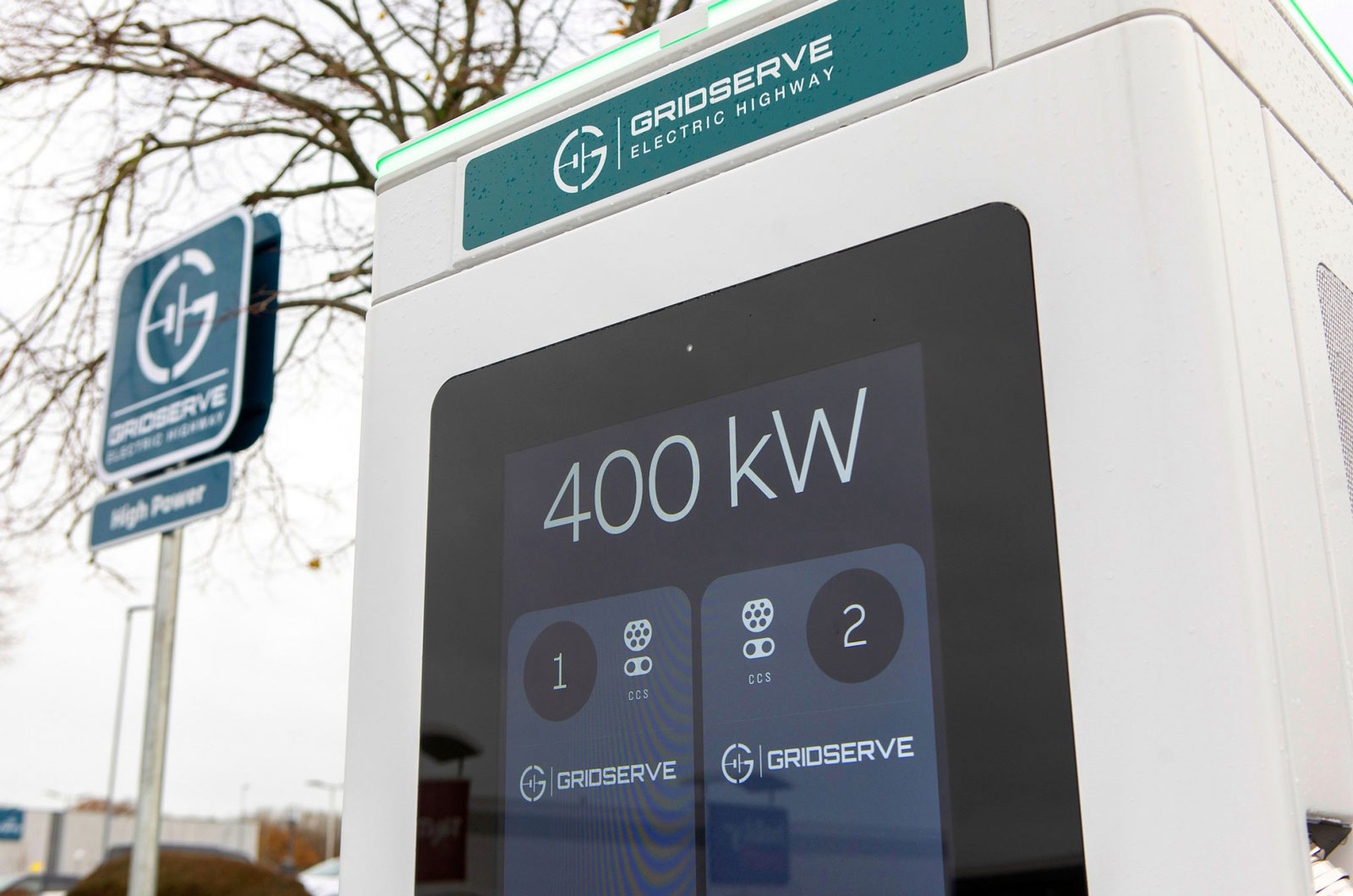
These chargers are the cream of the crop, so they gain the highest score here, while those that charge batteries up slower receive a lower rating.
Ease of operation
In the early days, users of public chargers often had to register to receive a radio frequency identification (RFID) card to access them. This is less common now, but some still require you to register online or via an app, and these don’t score as highly as chargers that offer contactless credit card, pay-by-phone or other quick-pay options, because we’re looking for the quickest, most convenient options.
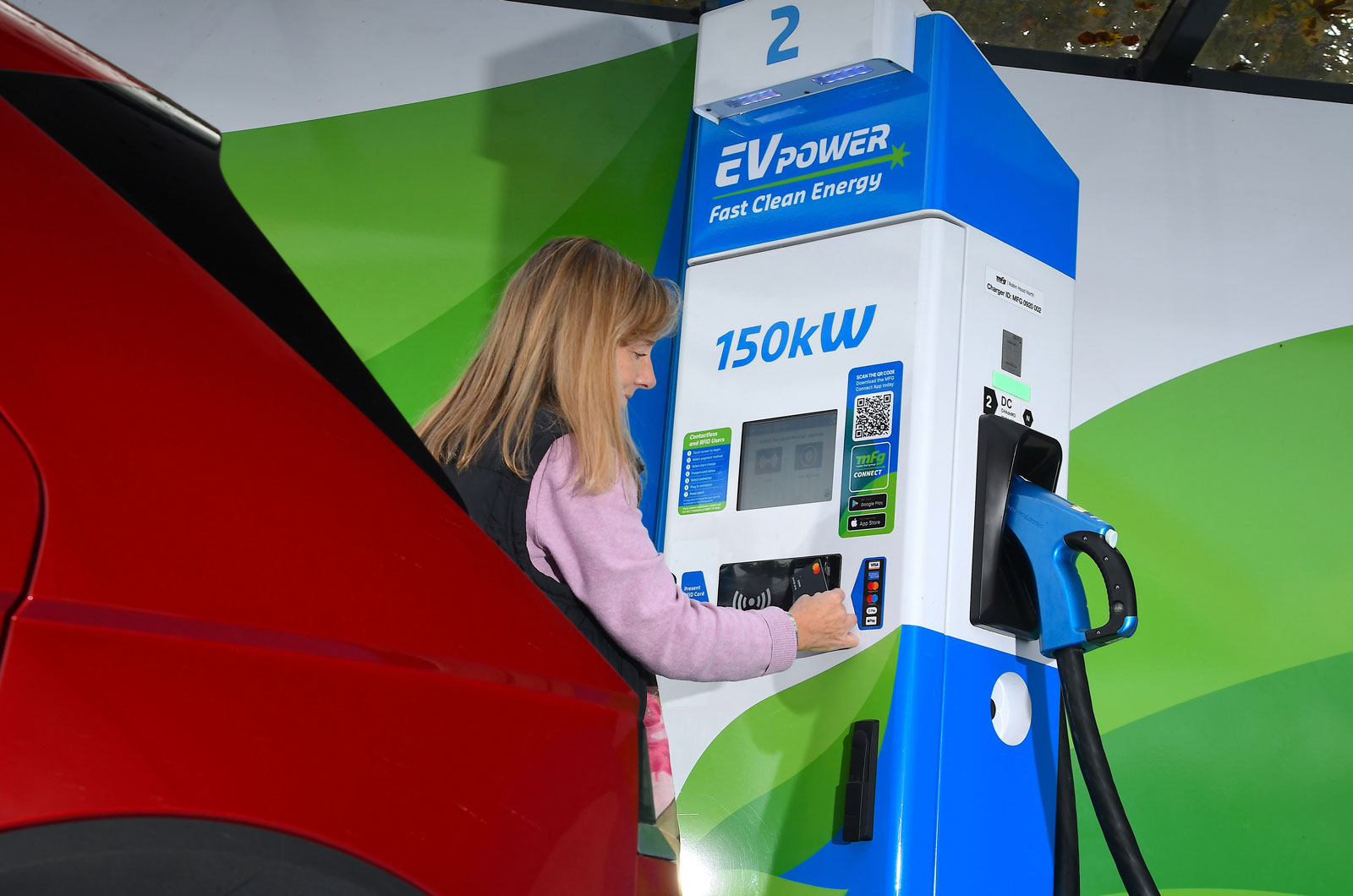
Networks also score higher if their chargers have clear instructions, large on-screen icons or buttons, and a process for starting and ending charging that is simple and logical. Our survey respondents helped in this category.
Reliability
It’s frustrating to turn up at a charger and find it broken, so maintenance is an important factor. If a network’s chargers are frequently out of order and not fixed quickly, the network will lose marks. A responsive and helpful customer assistance service will help that provider to redeem itself. Scores in this category are based on the experiences of our survey respondents.
Value for money
Many of the quickest chargers are the priciest to use, but the tariffs shouldn’t be prohibitively high. Offering a reduced rate to subscribers is useful for anyone wanting to use the network regularly, so this is taken into account, too.
Public EV charging networks: breakdown of the scores
| Rank | Network | Accessibility and location | Ease of operation | Reliability |
| 1 | MFG EV Power | 5 | 5 | 5 |
| 2 | Tesla | 4 | 3 | 5 |
| 3 | Fastned | 4 | 4 | 5 |
| 4 | Ionity | 4 | 4 | 4 |
| 5 | Applegreen Electric | 4 | 4 | 4 |
| 6 | Osprey | 4 | 4 | 4 |
| 7 | Gridserve | 4 | 4 | 4 |
| 8 | InstaVolt | 4 | 4 | 4 |
| 9 | Shell Recharge | 3 | 3 | 3 |
| 10 | Be.EV | 4 | 2 | 3 |
| 11 | Mer | 3 | 2 | 3 |
| 12 | BP Pulse | 2 | 2 | 2 |
| Rank | Network | Charging speed | Value for money | Overall rating |
| 1 | MFG EV Power | 5 | 3 | 5 |
| 2 | Tesla | 3 | 5 | 4 |
| 3 | Fastned | 4 | 3 | 4 |
| 4 | Ionity | 5 | 3 | 4 |
| 5 | Applegreen Electric | 5 | 3 | 4 |
| 6 | Osprey | 4 | 2 | 3 |
| 7 | Gridserve | 4 | 2 | 3 |
| 8 | InstaVolt | 2 | 2 | 3 |
| 9 | Shell Recharge | 4 | 2 | 3 |
| 10 | Be.EV | 2 | 3 | 2 |
| 11 | Mer | 2 | 3 | 2 |
| 12 | BP Pulse | 4 | 2 | 2 |
What Car? verdict
Claire Evans, consumer editor with What Car? said: “There have been some big improvements in the ultra-rapid charging network during the past year. In our latest round of research, we were able to use quick and easy contactless payment methods at 87% of the sites we visited – up from 73% last year. More users (93% versus 87%) said they had no trouble initiating charges, too.
“Responses were generally more upbeat than in previous years, with fewer EV owners telling us that they’d found broken chargers and a larger proportion reporting that the units they’d used worked well and were easy to operate.
“It’s also great to see a noticeable increase in the number of ultra-rapid units and a number of networks now enabling users to view an on-screen VAT receipt at the press of a button instead of via an app.
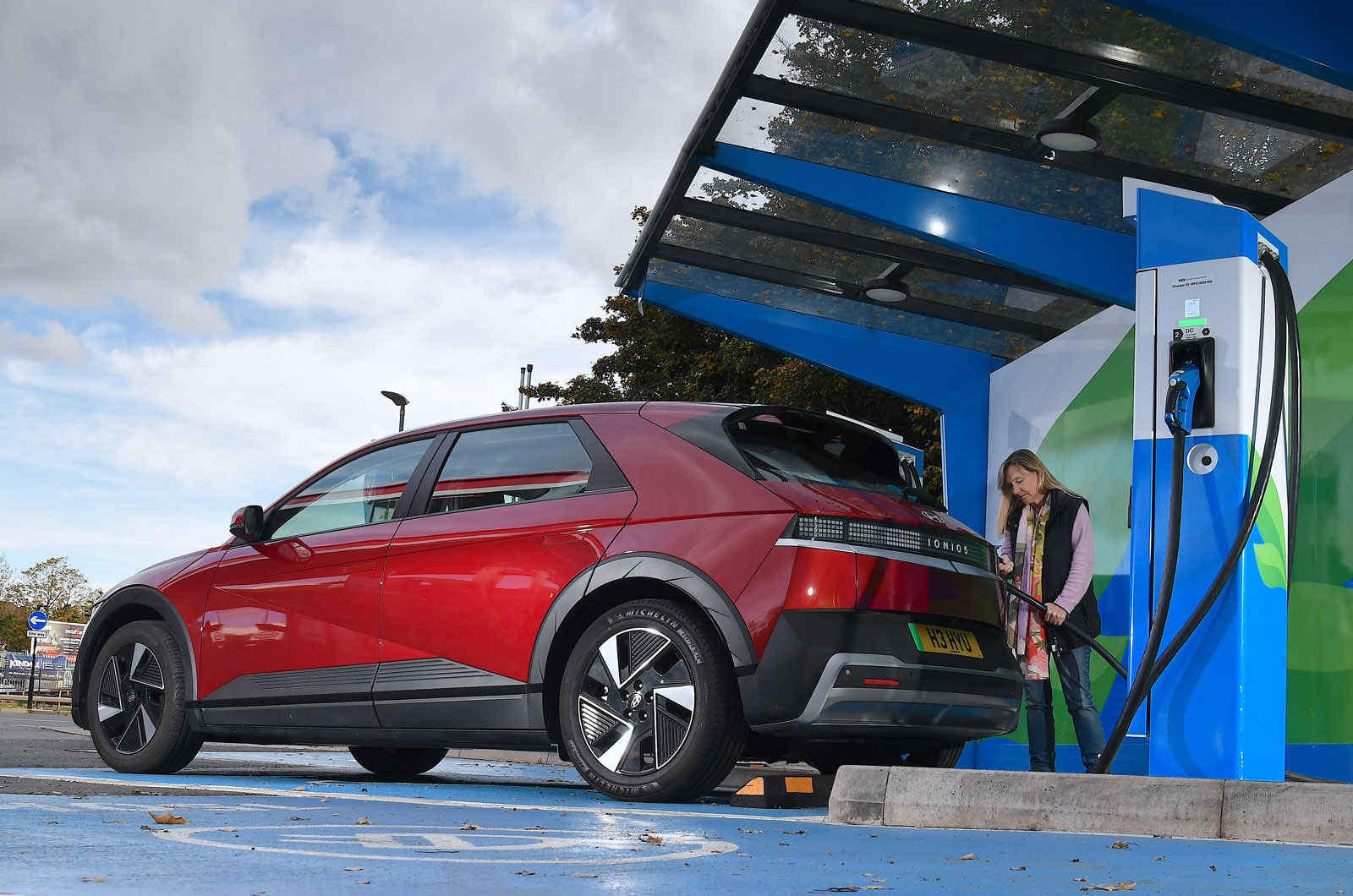
“With high scores in four out of our five areas of assessment and an average rating in the fifth (value for money), MFG EV Power is the best ultra-rapid public charging network this year. Not only does it have a large number
of sites (including many EV-only areas) that are spacious and conveniently located, but its chargers are also a breeze to use and reassuringly reliable.
“Tesla, in second place, offers by far the best value and outstanding reliability, but its overall rating is dented by the need for non-Tesla drivers to use its app to charge. Last year’s winner, Fastned, has been relegated into third place, mainly because the breadth of its network coverage hasn’t grown at anything like the rate of the best rivals’.
“Shell Recharge has climbed two places this year, buoyed by new forecourt sites that work well. In contrast, although BP Pulse has installed some new chargers, its forecourt sites are still proving an unsatisfactory experience for a high proportion of users.”
How charging speed constraints are being overcome
One of the reasons why you might not be able to get the maximum stated output from a public charger is that some locations don’t have the overall electrical capacity to cope with a whole bank of EV chargers being used at the same time. This problem is worst at busy motorway services, where the power grid’s capacity might be largely consumed by retail outlets at peak times, restricting the power that’s left for the chargers.
Some public rapid charger providers are working to combat this by building on-site battery storage units that overcome any grid constraints and ensure reliable, high-speed public charging.
Gridserve and InstaVolt have already employed battery storage in some of their purpose-built charging hubs, and Osprey and others are aiming to add battery storage to some of their existing sites.
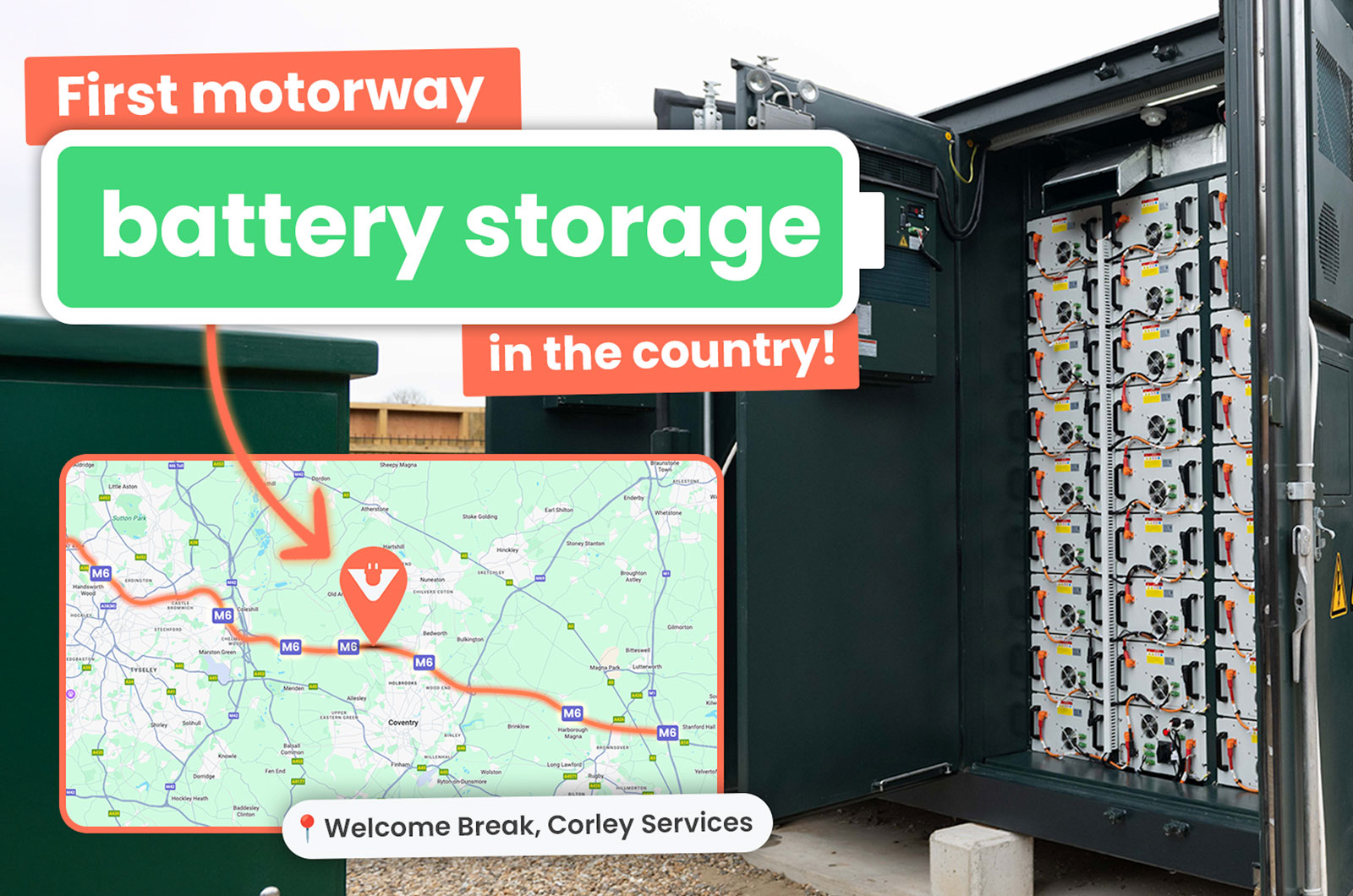
InstaVolt looks set to be the first to address the issue at motorway service areas, though, because it is currently installing a pair of battery storage units that are directly connected to its ultra-rapid chargers at Welcome Break Corley Services between Junctions 3 and 3A of the M6. This installation will be complete by early 2026, and the company plans to fit another 12 units across its network in the near future.
*Source: ZapMap
For all the latest reviews, advice and new car deals from What Car? sign up to our weekly newsletter here