Best cars for the snow 2026

The latest long-range weather predictions show that the UK could be bracing for an influx of wintry weather during the first few weeks of 2026, meaning more of us will be undertaking our journeys surrounded by snow, ice, and the kind of temperatures which will have you reaching for your thickest coat.
And if that's the case, you'll want to be driving something which is as sure-footed in the white stuff as it is on regular Tarmac. While most people associate tricky driving conditions with needing four-wheel drive, where power from a car's engine is sent to all four wheels to help aid traction on slippery surfaces, more modern setups are able to switch between two and four-wheel drive only when it's neccessary, meaning they shouldn't cost much more to run than a regular car.
While it's true that you're only likely to see prolonged snow and ice in high, rural areas, such as those found in Northern England and Scotland, it's becoming increasingly common to see such conditions in large parts of the UK. And that means more buyers will be thinking about how capable their vehicles will be when the temperature dips when they're shopping for a new car.

In this story, we're revealing the 10 best new cars to consider if you regularly find yourself surrounded by wintry conditions. And to find them, our expert team of road testers have spent thousands of hours driving every new model on the market, assessing them in all of the areas which matter to buyers – from performance to practicality, and from reliability to running costs. And as well as driving each car over hundreds of miles on public roads, we've also driven them back-to-back against key rivals at our private test track.
Remember that if any of the cars featured here take your fancy, you can learn more about them by reading our in-depth reviews. Or you can see the latest discounts available through our free New Car Deals service. We've also answered some of the most common questions about driving in wintry conditions at the bottom of this page, but if you'd like to know more about driving in winter, you can see our full winter driving guide.
The What Car? Reliability Survey is live, tell us about your car now
Our pick: 3.0 D250 MHEV S Auto 4WD Euro 6 (s/s) 5dr


Strengths
- Diesels are smooth and grunty
- Solid and quirky-looking interior
- Comfortable – if you add air suspension
Weaknesses
- Defender 90’s compromised practicality
- There are more agile SUVs
- P300e PHEV’s electric range isn’t great
Favourite version: 110 D350 xDynamic S
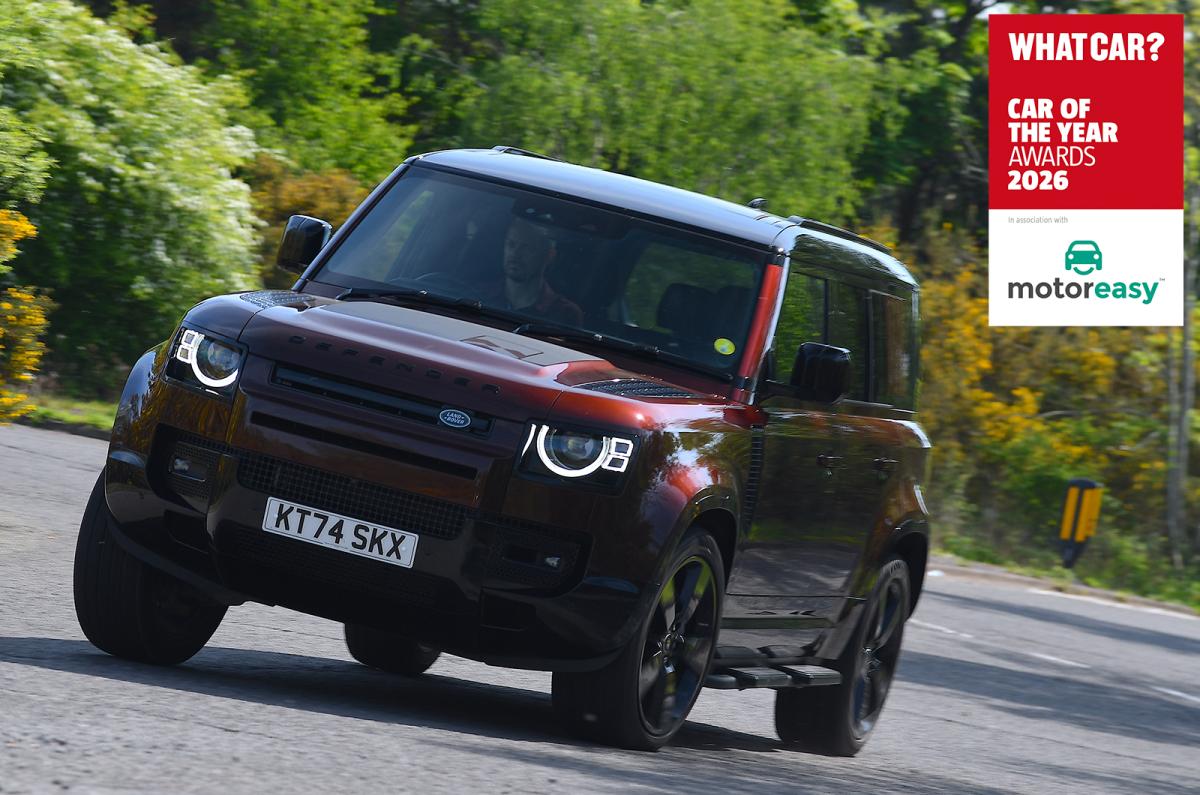
For many buyers, the Land Rover Defender is the definitive off-roader. Indeed, if you picture an SUV driving across a snow-covered landscape, the chances are that the car pictured in your mind's eye is the Defender.
There are cheaper versions than the D350-engined model we've chosen here, but with 345bhp it has more than enough pulling power for any situation. As a bonus, you can order the Defender 110 with special tyres designed to aid your grip on mud and snow.
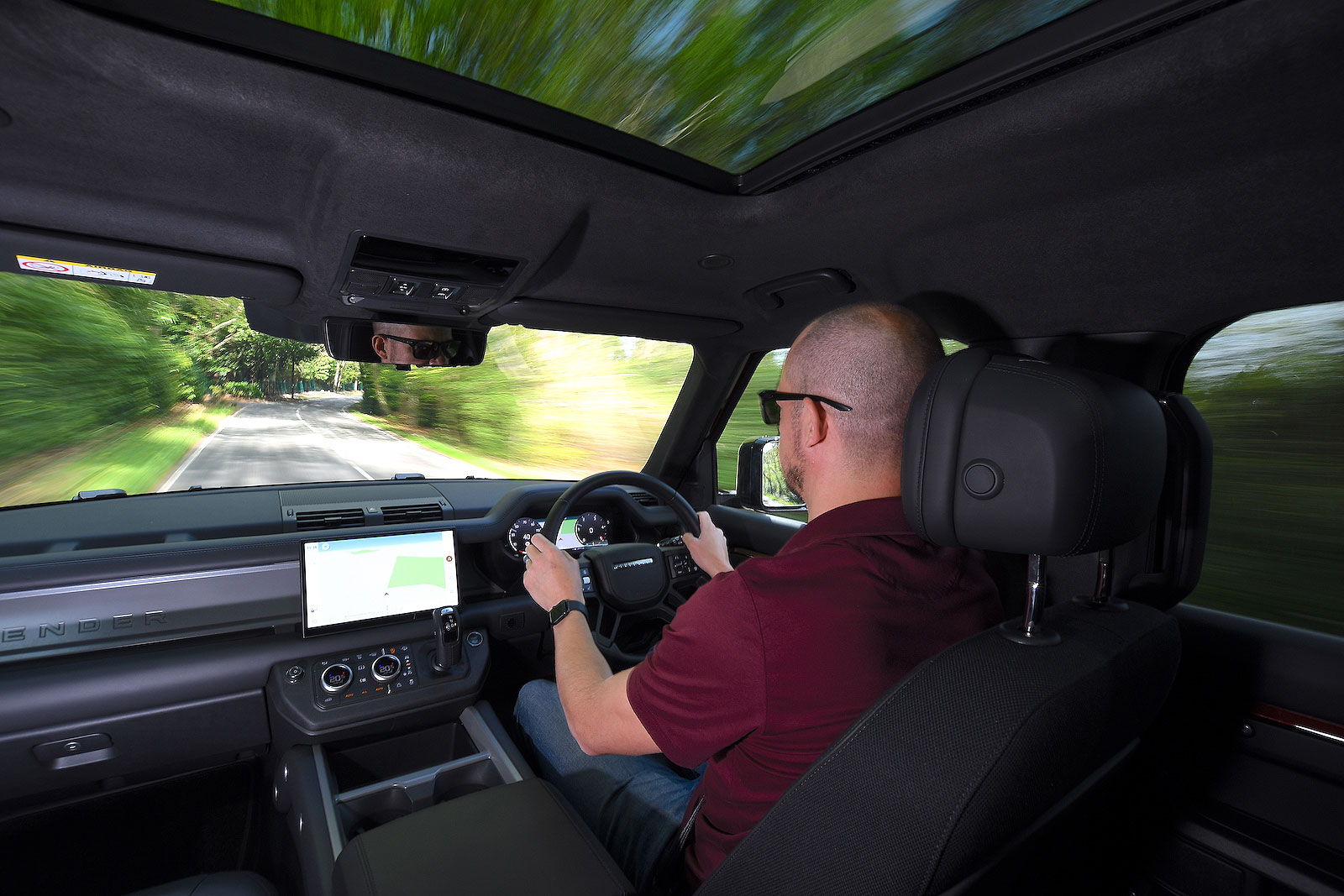
While the latest Defender is incredibly capable off-road, though, it's even better on it, and does a better job at absorbing lumps and bumps than rivals including the Mercedes G-Class. And even though other luxury SUVs, such as the Audi Q7 and BMW X5, might have a bit more comfort for your passengers, even taller folk will find they have room to stretch out inside the Defender. Plus, you can still carry seven people on board thanks to two 'jump' seats which pull up from the bot floor.
In addition, the Defender has no trouble carrying all of your luggage. Indeed, we managed to fit seven carry-on suitcases into its boot during our tests.
Read our full Land Rover Defender review >>


What is What Car? best price?
The What Car? best price shows you the cheapest way to buy your new car, whether it's by choosing an in-stock car through our partner Autotrader or placing a factory order.
Available now from: £63,655
RRP from: £62,915
About our price indicator
What Car? indicative Personal lease example (subject to status)
3.0 D350 MHEV S SUV 5dr Diesel Auto 4WD Euro 6 (s/s) (350 ps)
| Expected annual mileage | 5000 |
| Term months | 60 |
| Deposit months | 12 |
| Monthly payment | £800.73 |
| Initial payment | £9,608.76 |
Step-by-step
Leasing works a bit like a long-term rental. You drive it, but you don’t own it.
- Choose your car, pick your terms and apply for lease credit online
- Pay monthly rental payments for your chosen term length
- Drive it, enjoy it, then give it back at the end
What you get
When you lease with Autotrader you get all of this:
- Full manufacturer’s warranty
- Road tax and roadside assistance included
- No admin fees
- Free returns within 30 days*

- Lower total monthly cost than PCP/HP
- No balloon payments
- Road tax included
Our pick: 3.0 40i MHT M Sport Auto xDrive Euro 6 (s/s) 5dr
Strengths
- Supremely quiet and comfortable
- Incredibly spacious and practical
- Fabulous interior quality
Weaknesses
- There are cheaper alternatives
- Looks won’t be to all tastes
- No plug-in hybrid or electric option
Favourite version: xDrive40d M Sport
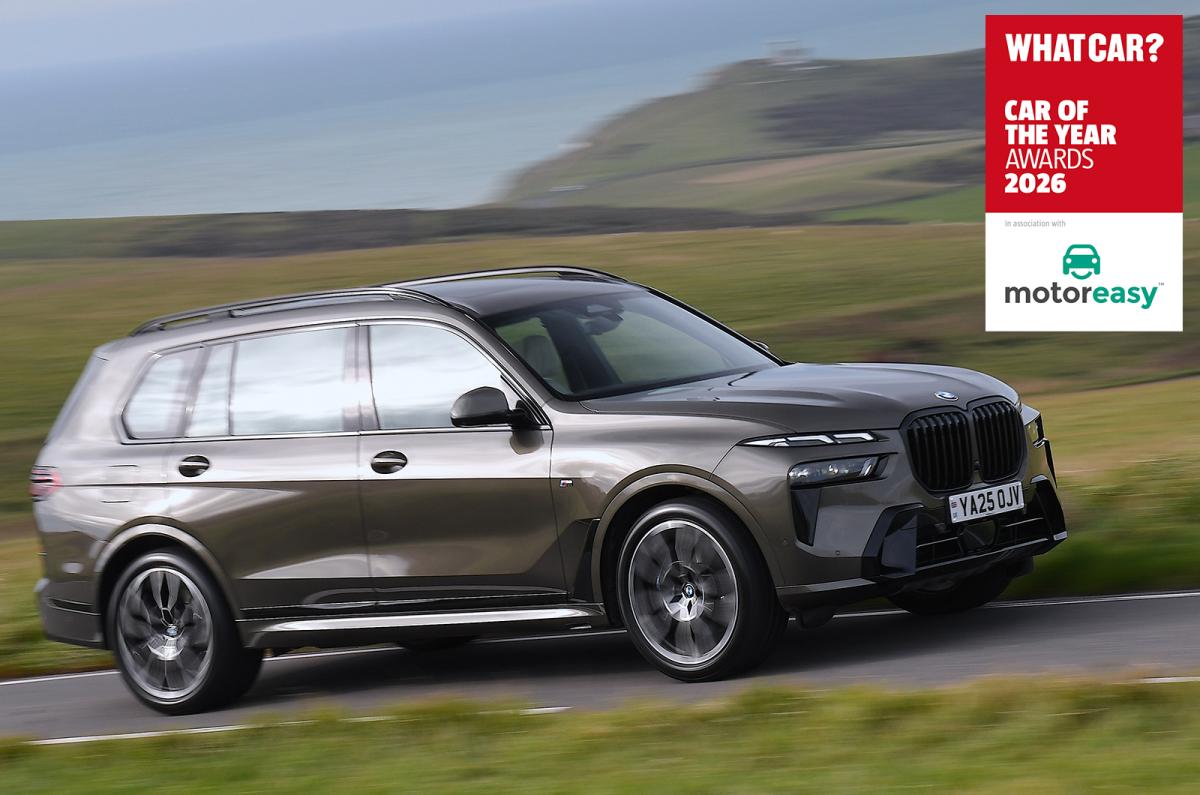
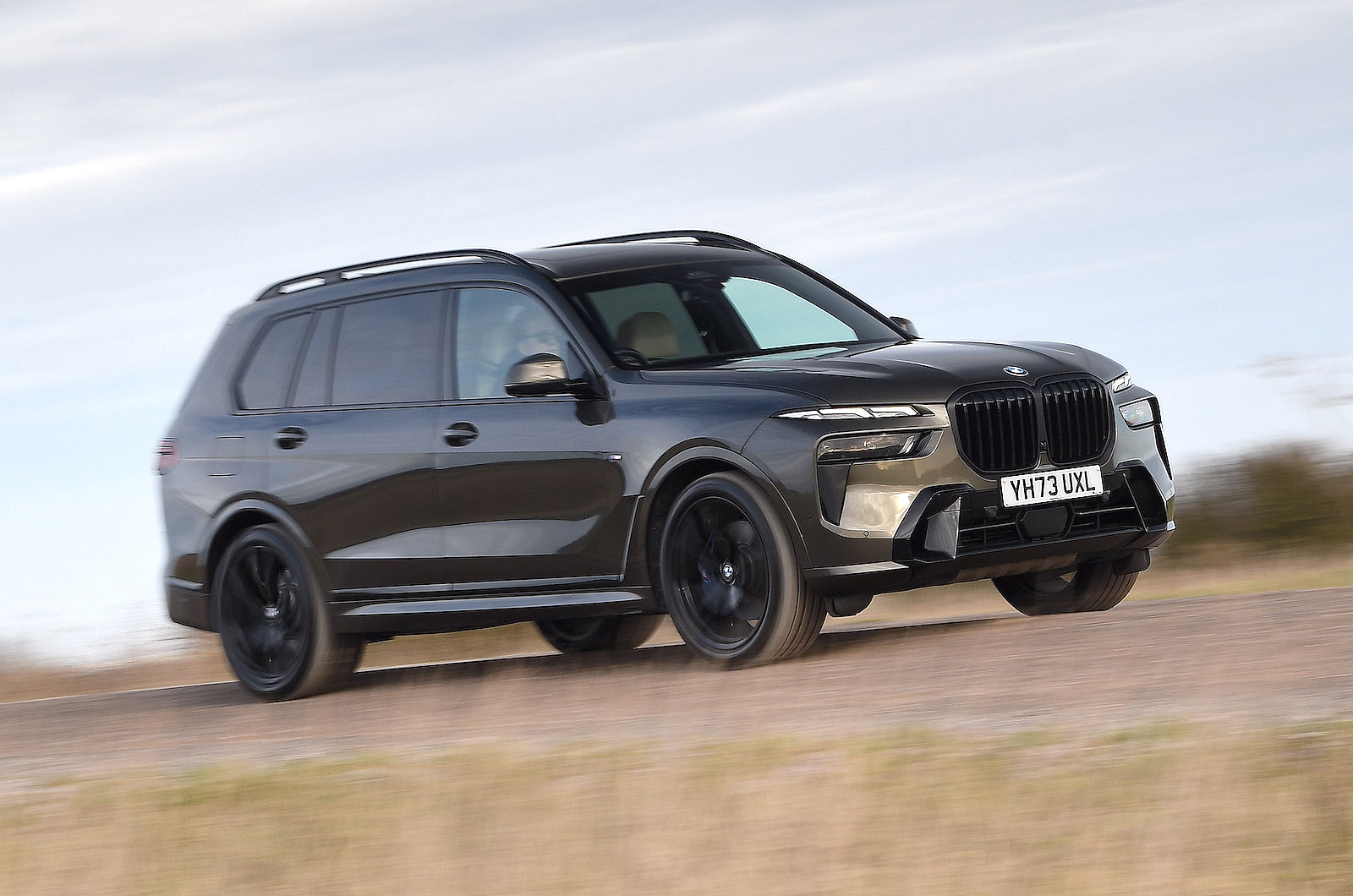
xDrive is BMW-speak for four-wheel drive, so no matter the weather conditions, your X7 should continue to gallop along. And we do mean gallop, because this 40d diesel-engined version has 347bhp to put down, and in clear conditions can reach 62mph in just 5.9sec – making it faster than a rival Mercedes GLS 450d or Range Rover D350.
In addition, the X7's standard-fit air suspension should keep the ride pillow-soft, even if the ground underneath is a rutted track or snowy path, and while this is a big, heavy car, it feels surprisingly agile thanks to accurage, smooth steering. It's quiet, too, letting very little wind or road noise inside when you're on the motorway.
Most BMW buyers will opt for M Sport trim, and it comes loaded with goodies, including upgraded brakes and a beefier look compared with standard models.
Read our full BMW X7 review >>
What is What Car? best price?
The What Car? best price shows you the cheapest way to buy your new car, whether it's by choosing an in-stock car through our partner Autotrader or placing a factory order.
Available now from: £77,490
RRP from: £93,280
About our price indicator
What Car? indicative Personal lease example (subject to status)
3.0 40d MHT Excellence SUV 5dr Diesel Hybrid Auto xDrive Euro 6 (s/s) (352 ps)
| Expected annual mileage | 5000 |
| Term months | 48 |
| Deposit months | 12 |
| Monthly payment | £1,118.30 |
| Initial payment | £13,419.60 |
Step-by-step
Leasing works a bit like a long-term rental. You drive it, but you don’t own it.
- Choose your car, pick your terms and apply for lease credit online
- Pay monthly rental payments for your chosen term length
- Drive it, enjoy it, then give it back at the end
What you get
When you lease with Autotrader you get all of this:
- Full manufacturer’s warranty
- Road tax and roadside assistance included
- No admin fees
- Free returns within 30 days*
- Lower total monthly cost than PCP/HP
- No balloon payments
- Road tax included
Strengths
- Comfortable ride and quiet on the motorway
- High-set driving position for a small SUV
- Good-size boot by class standards
Weaknesses
- Touch-sensitive interior controls can be fiddly
- Upper trims are costly
- Not as sharp to drive as some of its rivals
Favourite version: 2.0 TSI 4Motion Life
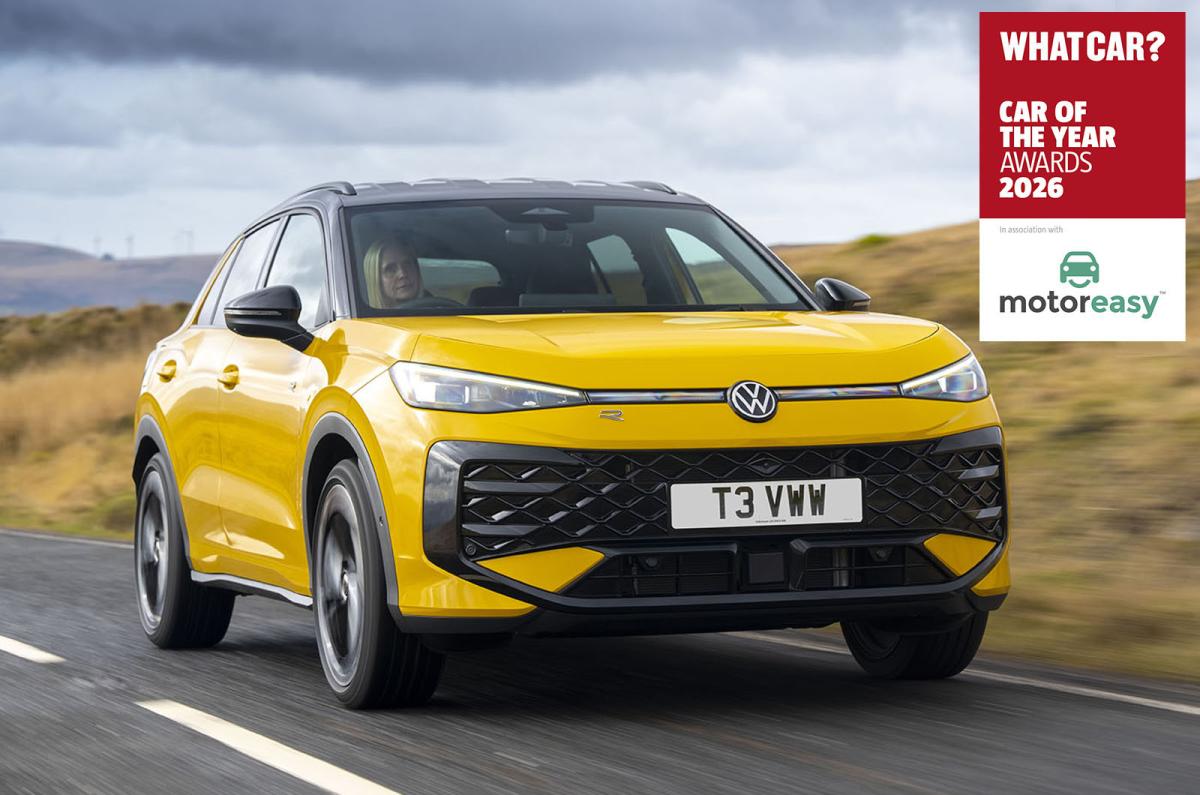
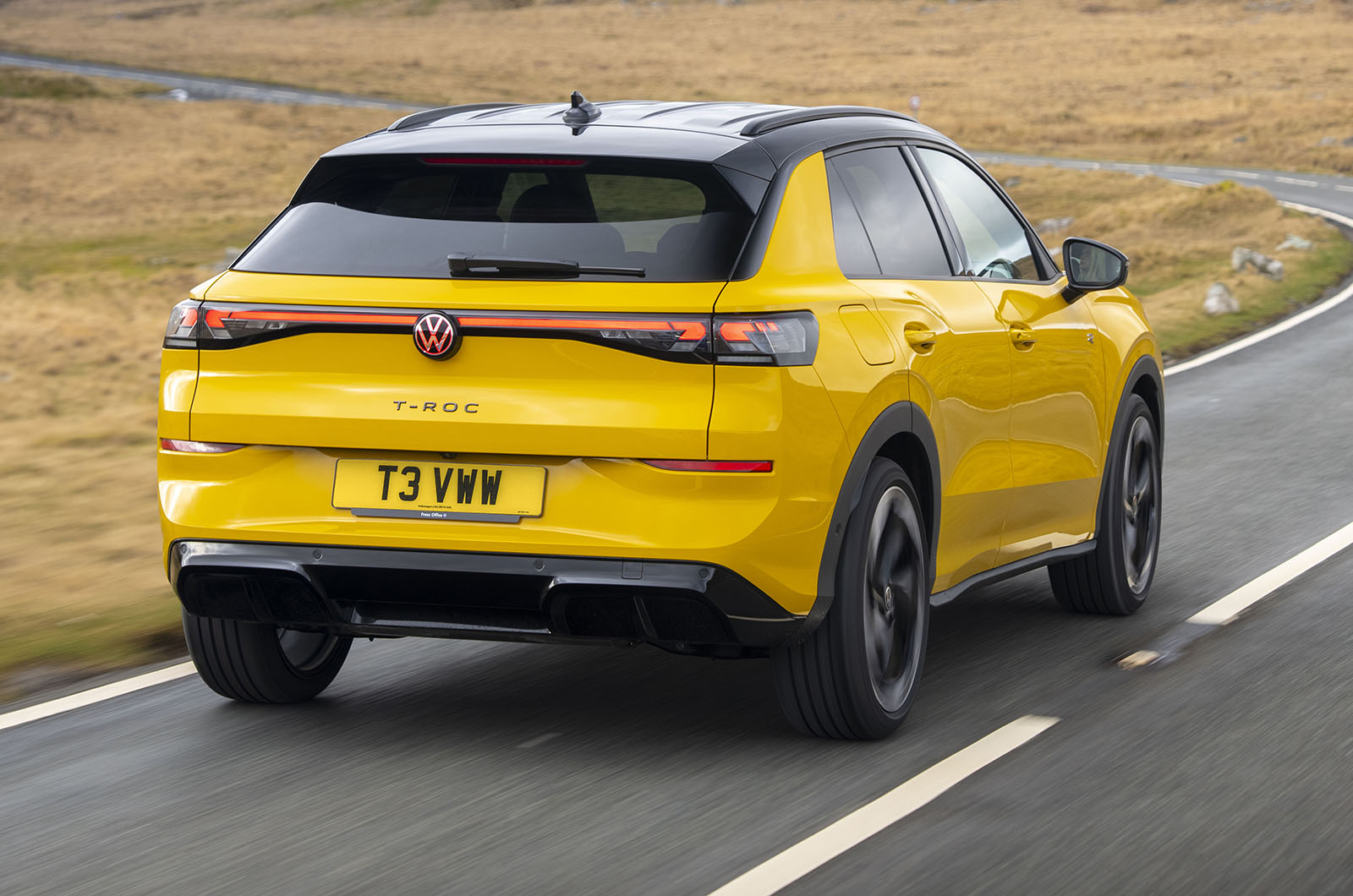
The latest Volkswagen T-Roc picks up right where the old car left off – and that car was among our favourite small SUVs. While it's the lesser petrols that we think will suit most drivers the best most of the time, the 2.0-litre petrol with 201bhp is the only option to come with the sure-footedness of four-wheel drive.
Life is our chosen trim level on the T-Roc, and comes with all of the kit you'll want including 16in alloy wheels, automatic wipers, adaptive cruise control and dual-zone climate control. Your passengers will appreciate the pleasing mix of materials used inside the T-Roc, and also space it offers. There's more leg room than you'd find in the rival Ford Puma, Lexus LBX and Nissan Juke.
The T-Roc's 475-litre boot is slightly larger than you'd find in most small SUV rivals, and we reckon this new T-Roc will at least match the seven carry-on suitcases we managed to fit into the boot of the old car.
Read our full Volkswagen T-Roc review >>
What is What Car? best price?
The What Car? best price shows you the cheapest way to buy your new car, whether it's by choosing an in-stock car through our partner Autotrader or placing a factory order.
Available now from: £26,954
RRP from: £31,635
About our price indicator
What Car? indicative Personal lease example (subject to status)
1.5 eTSI MHEV Life SUV 5dr Petrol Hybrid DSG Euro 6 (s/s) (116 ps)
| Expected annual mileage | 5000 |
| Term months | 36 |
| Deposit months | 12 |
| Monthly payment | £307.05 |
| Initial payment | £3,684.60 |
Step-by-step
Leasing works a bit like a long-term rental. You drive it, but you don’t own it.
- Choose your car, pick your terms and apply for lease credit online
- Pay monthly rental payments for your chosen term length
- Drive it, enjoy it, then give it back at the end
What you get
When you lease with Autotrader you get all of this:
- Full manufacturer’s warranty
- Road tax and roadside assistance included
- No admin fees
- Free returns within 30 days*
- Lower total monthly cost than PCP/HP
- No balloon payments
- Road tax included
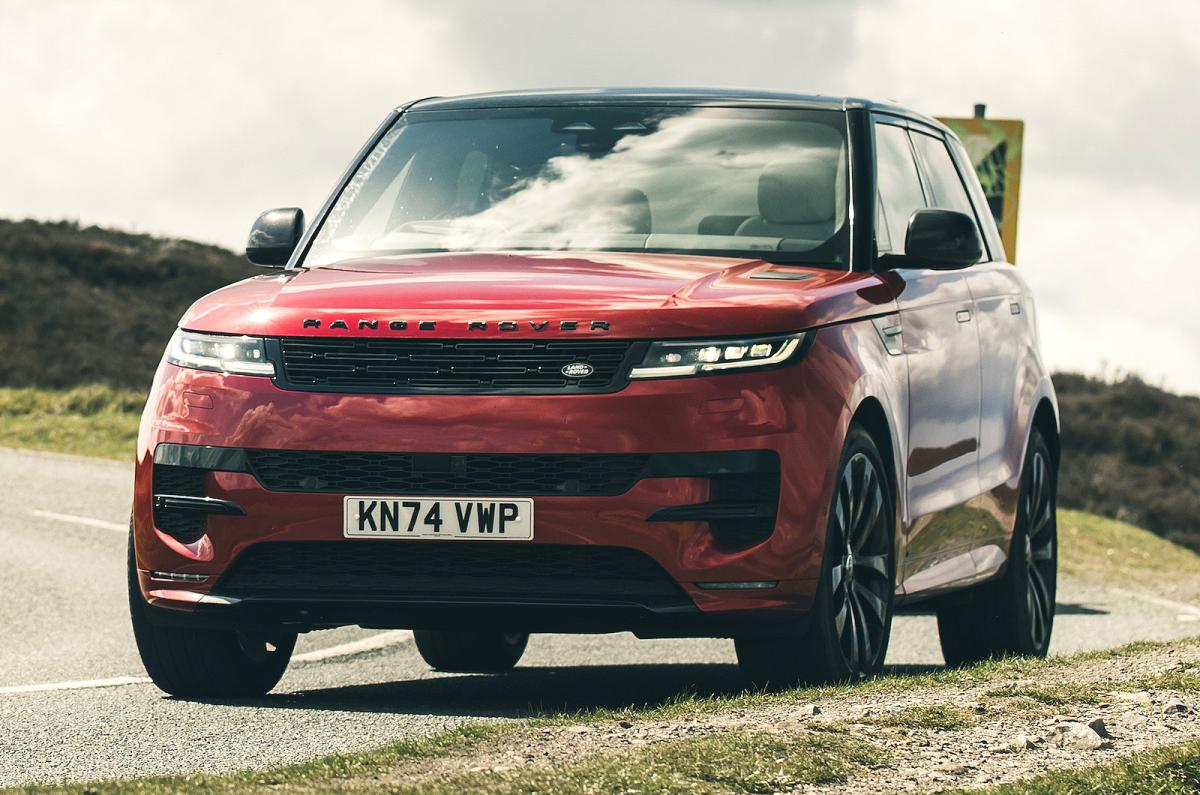
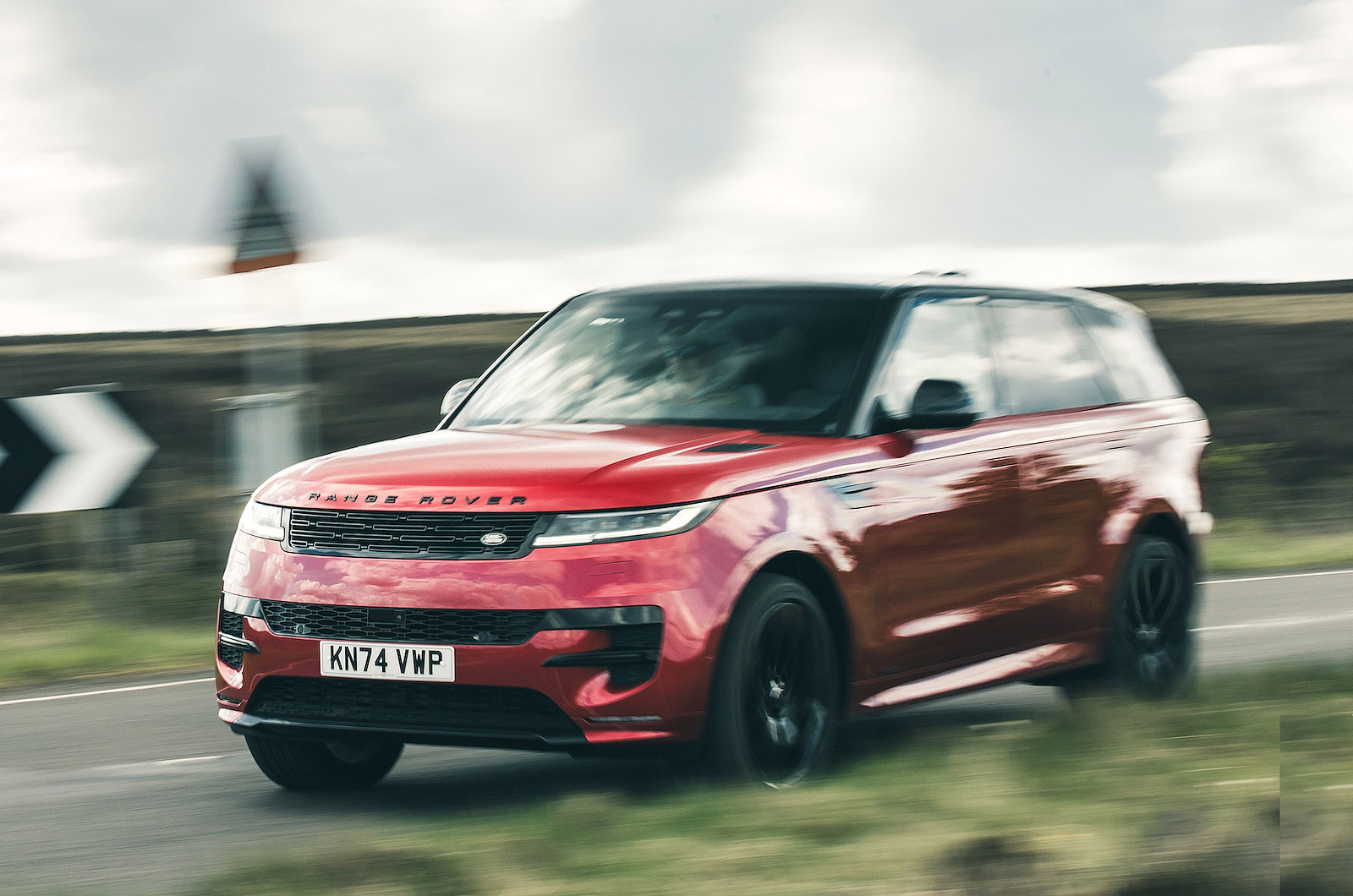
Our pick: 3.0 D300 MHEV Dynamic SE Auto 4WD Euro 6 (s/s) 5dr
Strengths
- Offers many ‘big’ Range Rover qualities for less
- Incredible off-road and comfy on-road
- PHEVs’ fantastic electric range
Weaknesses
- There are cheaper luxury SUVs
- Rivals are sharper to drive
- No seven-seat option
Favourite version: D300 Dynamic SE
If you want to mix the go-anywhere ability of a Land Rover with luxury and comfort, then the Range Rover Sport is a good place to look. It's very capable in its own right in the rough stuff, and the 3.0-litre six-cylinder diesel engine you get with this version has plenty of pulling power. Plus, as with most cars on this list, there's the benefit of four-wheel drive to help keep you moving even when the snow is falling.
No version of the Range Rover Sport comes poorly equipped, but we'd recommend opting for Dynamic SE because it adds darker interior trim finishes and black roof lining to the already impressive haul of standard kit.
Nobody will struggle for space inside, and the quality of the materials on display is a match for the more expensive – and even larger – Range Rover.
Read our full Range Rover Sport review >>
What is What Car? best price?
The What Car? best price shows you the cheapest way to buy your new car, whether it's by choosing an in-stock car through our partner Autotrader or placing a factory order.
Available now from: £74,469
RRP from: £77,620
About our price indicator
What Car? indicative Personal lease example (subject to status)
3.0 D250 MHEV S SUV 5dr Diesel Auto 4WD Euro 6 (s/s) (250 ps)
| Expected annual mileage | 5000 |
| Term months | 48 |
| Deposit months | 12 |
| Monthly payment | £901.22 |
| Initial payment | £10,814.64 |
Step-by-step
Leasing works a bit like a long-term rental. You drive it, but you don’t own it.
- Choose your car, pick your terms and apply for lease credit online
- Pay monthly rental payments for your chosen term length
- Drive it, enjoy it, then give it back at the end
What you get
When you lease with Autotrader you get all of this:
- Full manufacturer’s warranty
- Road tax and roadside assistance included
- No admin fees
- Free returns within 30 days*
- Lower total monthly cost than PCP/HP
- No balloon payments
- Road tax included

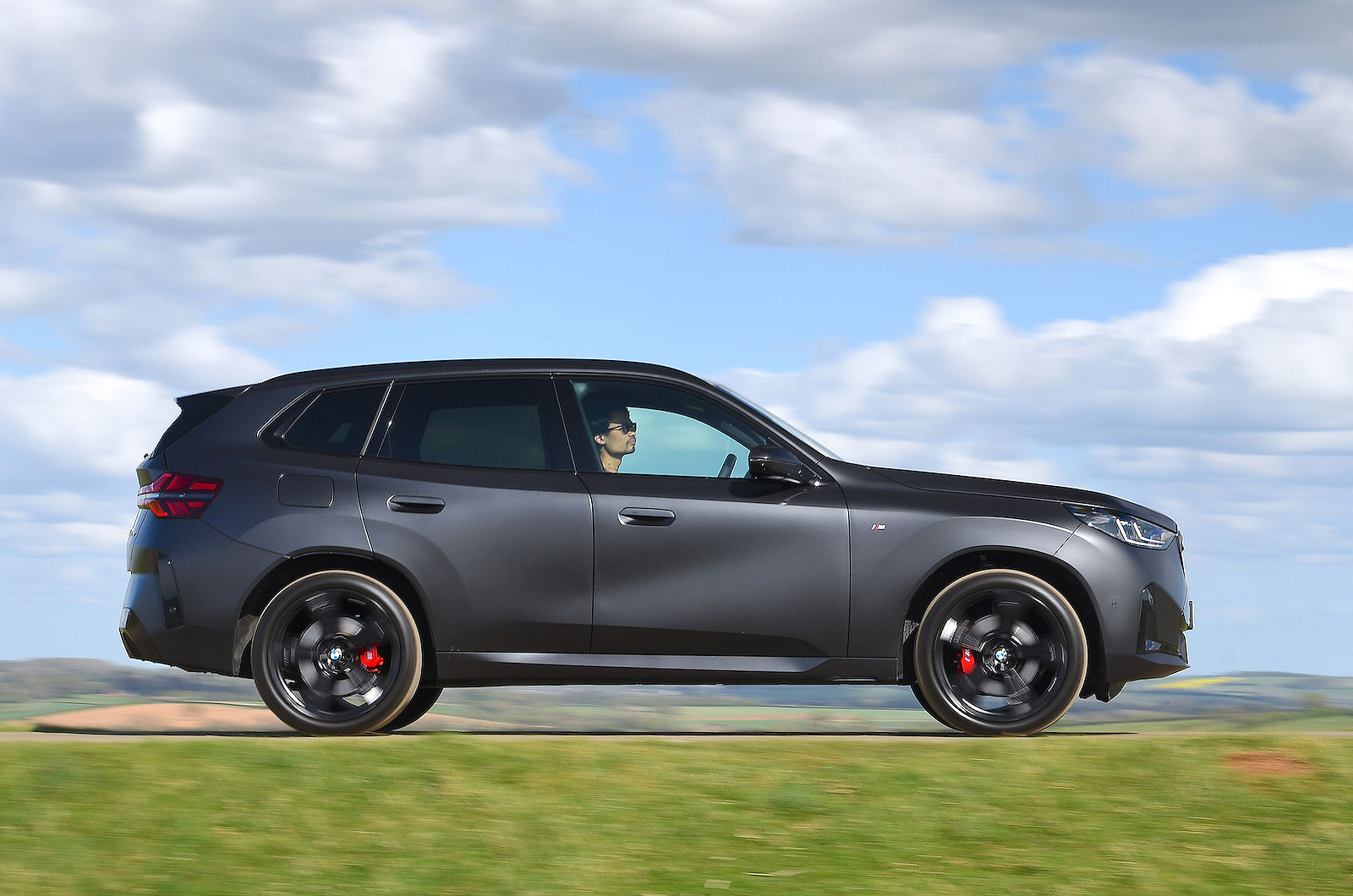
Our pick: 2.0 20d MHT M Sport Auto xDrive Euro 6 (s/s) 5dr
Strengths
- Blends decent performance with agile handling
- Generous rear-seat space
- Big boot
Weaknesses
- You’ll want to add some options
- Interior is less user-friendly than before
- Not the longest PHEV range in its class
Favourite version: xDrive20d M Sport
There's a lot to like about the BMW X3, from the fact that every version feels great to drive, to its infotainment system, which eschews more modern setups by offering physical controls – which is a bonus when you're wearing gloves due to the cold weather.
There isn't a weak link in the X3's engine line-up, but we think the entry-level xDrive20d 2.0-litre diesel has all the pulling power most drivers will need. With 187bhp, it feels much punchier than the comparable engine in the Land Rover Discovery Sport, and even comes with mild hybrid technology to help lower your fuel bills. Plus, as its name suggests, this version also comes with four-wheel drive.
As with the X7 we saw earlier on this list, it's worth going for M Sport trim, because you get a sportier look and, via the optional M Sport Pro pack, adaptive suspension for a plusher ride.
Read our full BMW X3 review >>
What is What Car? best price?
The What Car? best price shows you the cheapest way to buy your new car, whether it's by choosing an in-stock car through our partner Autotrader or placing a factory order.
Available now from: £49,999
RRP from: £53,620
About our price indicator
What Car? indicative Personal lease example (subject to status)
2.0 20i MHT xLine SUV 5dr Petrol Hybrid Auto xDrive Euro 6 (s/s) (208 ps)
| Expected annual mileage | 5000 |
| Term months | 48 |
| Deposit months | 12 |
| Monthly payment | £572.57 |
| Initial payment | £6,870.84 |
Step-by-step
Leasing works a bit like a long-term rental. You drive it, but you don’t own it.
- Choose your car, pick your terms and apply for lease credit online
- Pay monthly rental payments for your chosen term length
- Drive it, enjoy it, then give it back at the end
What you get
When you lease with Autotrader you get all of this:
- Full manufacturer’s warranty
- Road tax and roadside assistance included
- No admin fees
- Free returns within 30 days*
- Lower total monthly cost than PCP/HP
- No balloon payments
- Road tax included
Strengths
- Incredible point-to-point pace
- More spacious rear seats than in the coupé
- Wonderful interior quality
Weaknesses
- You'll want to add a fair few options
- Reliability could be better
- Rivals have bigger boots
Favourite version: 4S
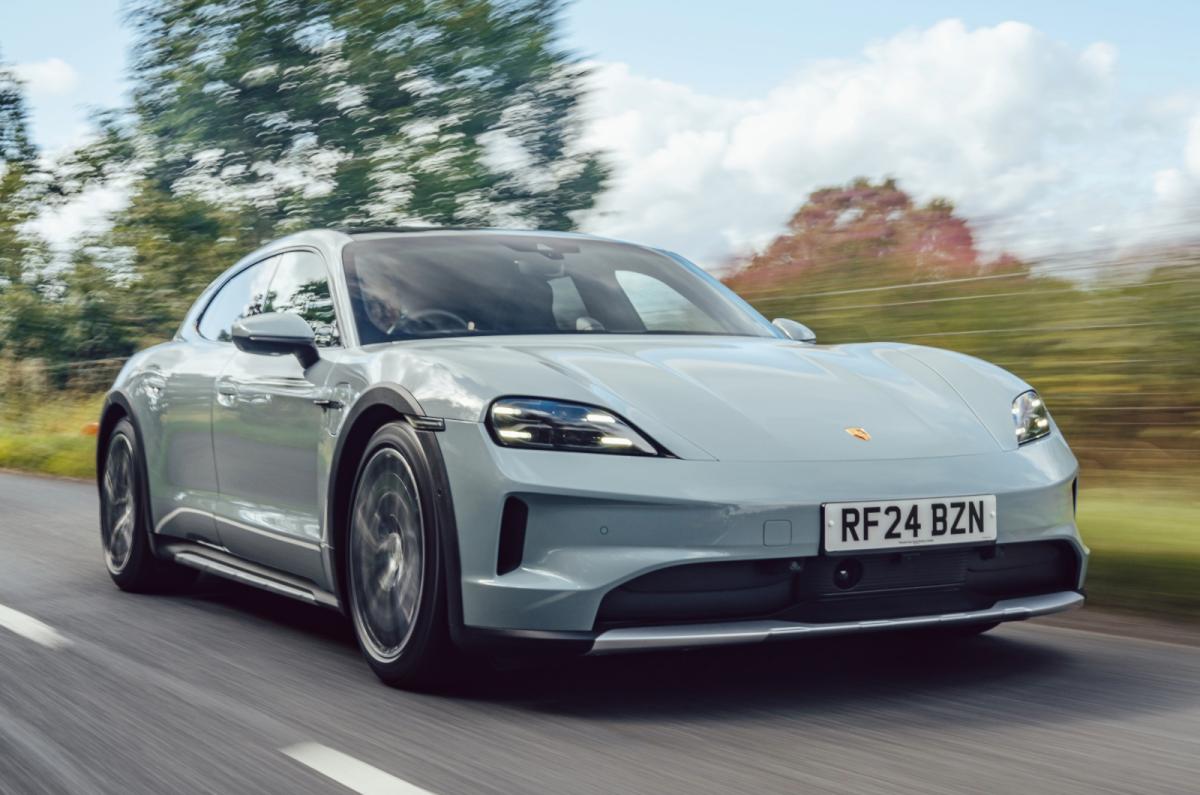
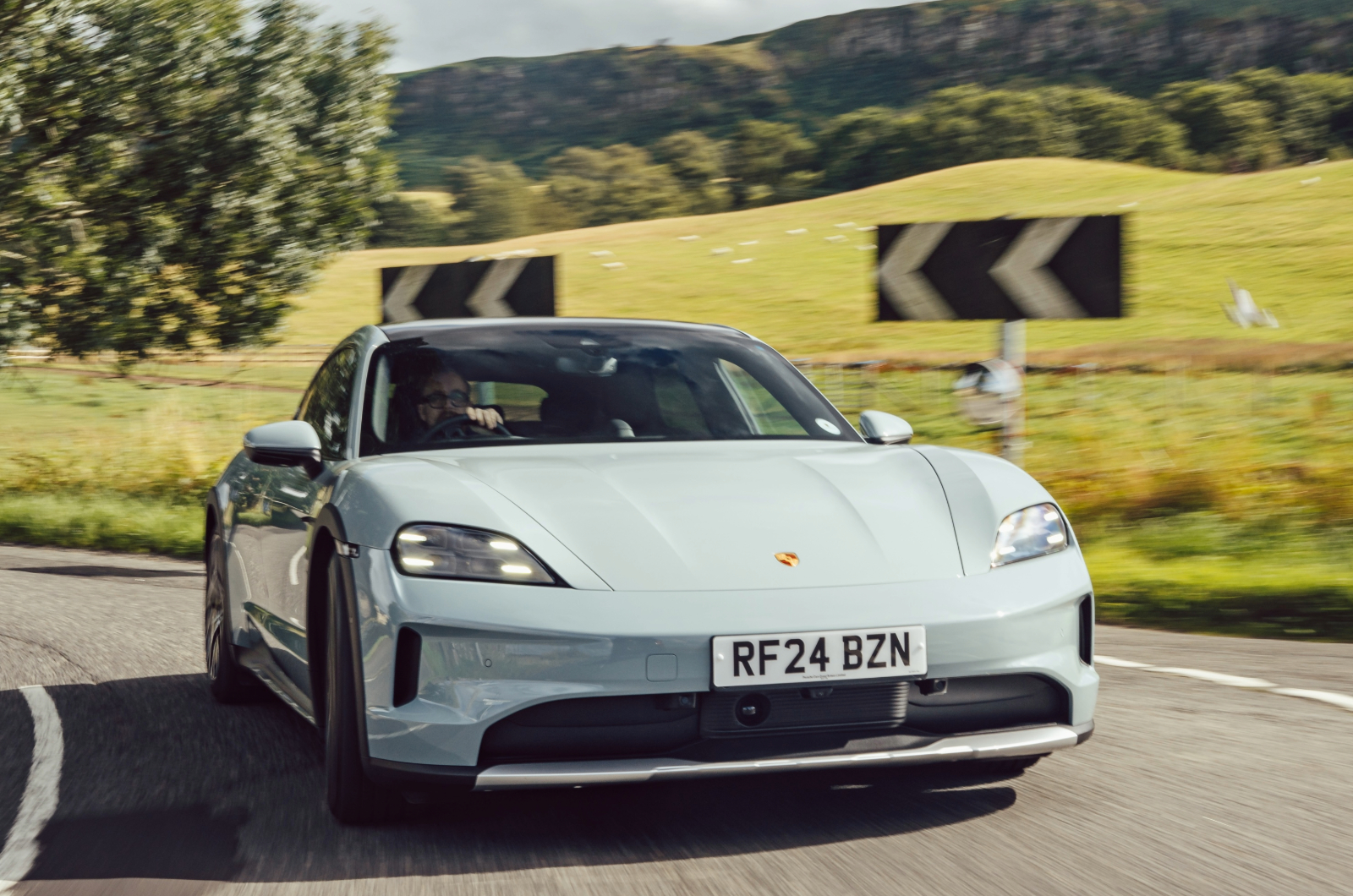
The Taycan Cross Turismo differs from all the cars we've seen so far on this list, because it's fully electric – however, don't think that makes it an unworthy tool when the snow starts to fall.
In fact, with four-wheel drive, this 4S version feels remarkably sure-footed over any surface, while the slightly raised ride height of Cross Turismo models should help you to glide over raised mounds of snow.
In 4S form, the Taycan Cross Turismo receives 563bhp and a 0-62mph sprint time of 4.1sec. And while you're unlikely to get close to the 4S' official range figure of 301 miles in cold weather, we'd suggest that at least 200 miles between charges should be easily acheivable.
Read our full Porsche Taycan Cross Turismo review >>
What is What Car? best price?
The What Car? best price shows you the cheapest way to buy your new car, whether it's by choosing an in-stock car through our partner Autotrader or placing a factory order.
Available now from: £89,990
RRP from: £89,265
About our price indicator
What Car? indicative Personal lease example (subject to status)
Performance Plus 105kWh Sport Turismo 5dr Electric Auto RWD (11kW Charger) (435 ps)
| Expected annual mileage | 5000 |
| Term months | 60 |
| Deposit months | 12 |
| Monthly payment | £1,100.84 |
| Initial payment | £13,210.08 |
Step-by-step
Leasing works a bit like a long-term rental. You drive it, but you don’t own it.
- Choose your car, pick your terms and apply for lease credit online
- Pay monthly rental payments for your chosen term length
- Drive it, enjoy it, then give it back at the end
What you get
When you lease with Autotrader you get all of this:
- Full manufacturer’s warranty
- Road tax and roadside assistance included
- No admin fees
- Free returns within 30 days*
- Lower total monthly cost than PCP/HP
- No balloon payments
- Road tax included
Strengths
- Great driving position
- Well-equipped
- Slow depreciation
Weaknesses
- Limited boot space
- So-so fuel economy and emissions
- Land Rover’s reliability record
Favourite version: P270e S
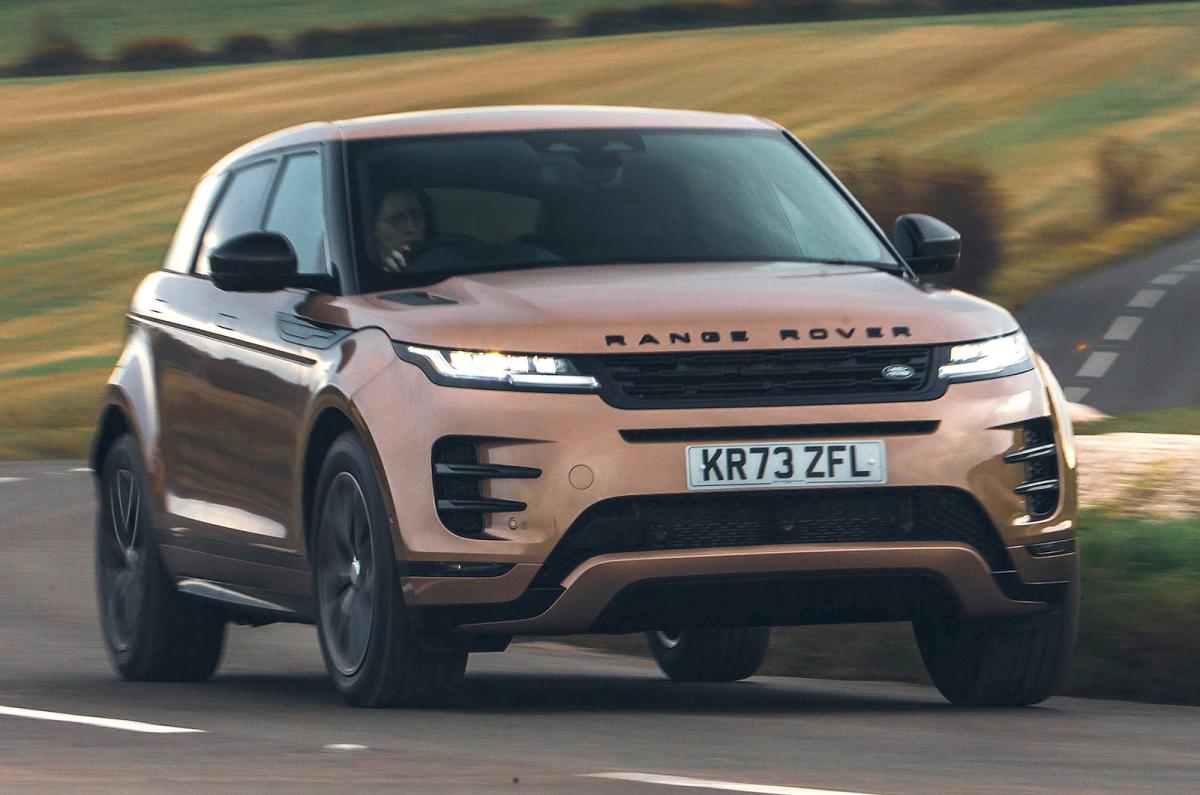
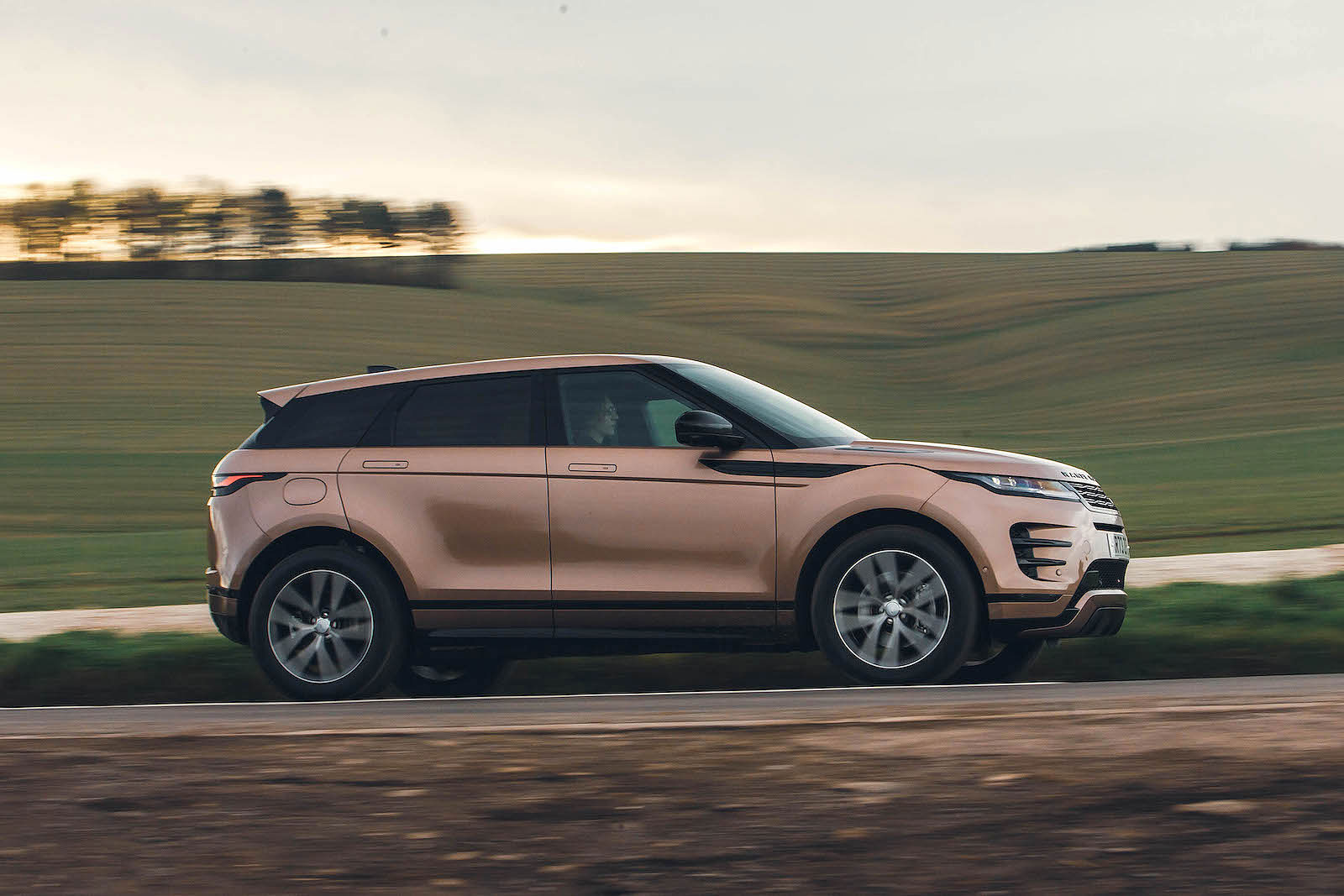
It should come as no surprise to see a third Land Rover model making this top 10 – after all, the brand's heritage is built on off-roading, and while the Evoque isn't quite as capable as its Defender or Range Rover Sport siblings, it can still carry you much further off the beaten track than rival family SUVs such as the BMW X1 or Volvo XC40.
Indeed, the Evoque has standard-fit four-wheel drive which can be tailored for different surfaces, as well as more ground clearance – and a greater wading depth, should the need arise – than any rival.
We'd opt for this P270e plug-in hybrid version, which mates a 1.5-litre petrol engine with an electric motor. Not only is it the fastest Evoque in the line-up, dropping the 0-62mph sprint time to 7.2sec, but it can also officially travel up to 38 miles on electric power.
Read our full Range Rover Evoque review >>
What is What Car? best price?
The What Car? best price shows you the cheapest way to buy your new car, whether it's by choosing an in-stock car through our partner Autotrader or placing a factory order.
Available now from: £40,284
RRP from: £44,430
About our price indicator
What Car? indicative Personal lease example (subject to status)
2.0 D165 MHEV S SUV 5dr Diesel Auto 4WD Euro 6 (s/s) (163 ps)
| Expected annual mileage | 5000 |
| Term months | 60 |
| Deposit months | 12 |
| Monthly payment | £606.31 |
| Initial payment | £7,275.72 |
Step-by-step
Leasing works a bit like a long-term rental. You drive it, but you don’t own it.
- Choose your car, pick your terms and apply for lease credit online
- Pay monthly rental payments for your chosen term length
- Drive it, enjoy it, then give it back at the end
What you get
When you lease with Autotrader you get all of this:
- Full manufacturer’s warranty
- Road tax and roadside assistance included
- No admin fees
- Free returns within 30 days*
- Lower total monthly cost than PCP/HP
- No balloon payments
- Road tax included
Strengths
- Good to drive
- Excellent interior space
- Smart and sturdy-feeling interior
Weaknesses
- Seat Ateca is more fun to drive
- VarioFlex seats no longer standard
- No hybrid options
Favourite version: 2.0 TDI 4x4 DSG SE L
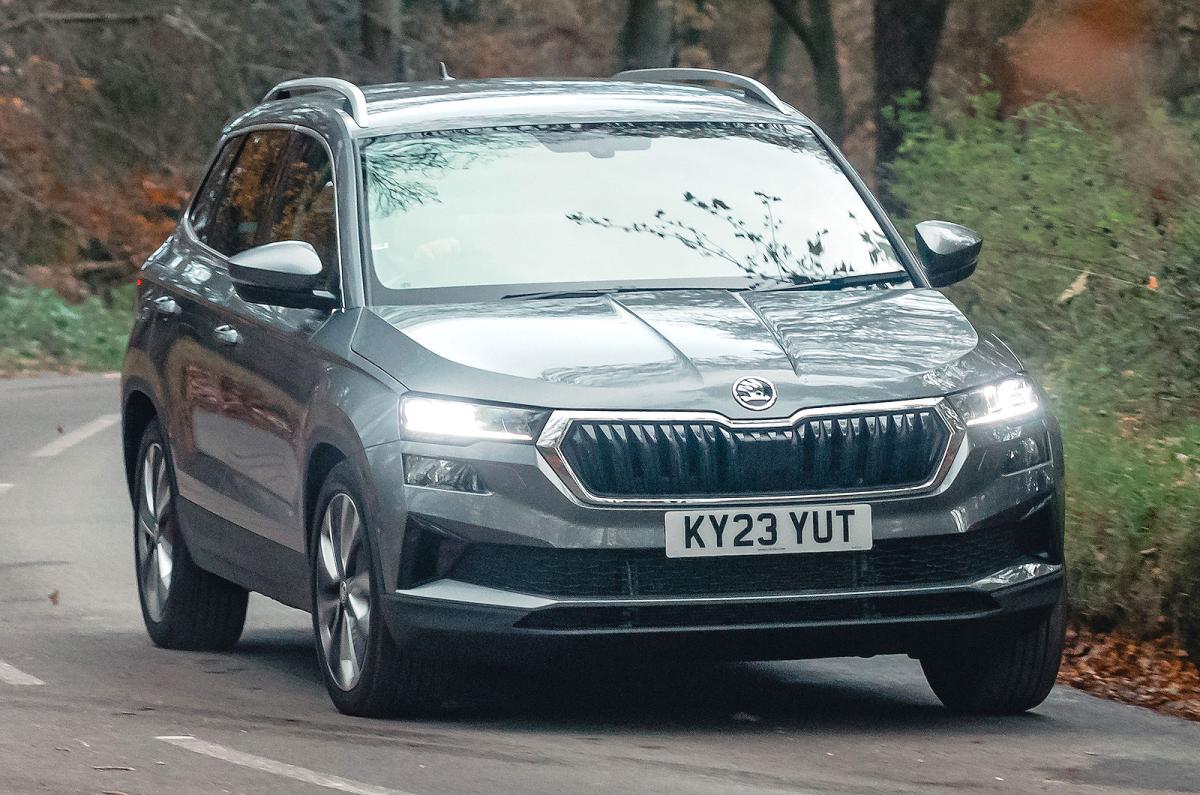
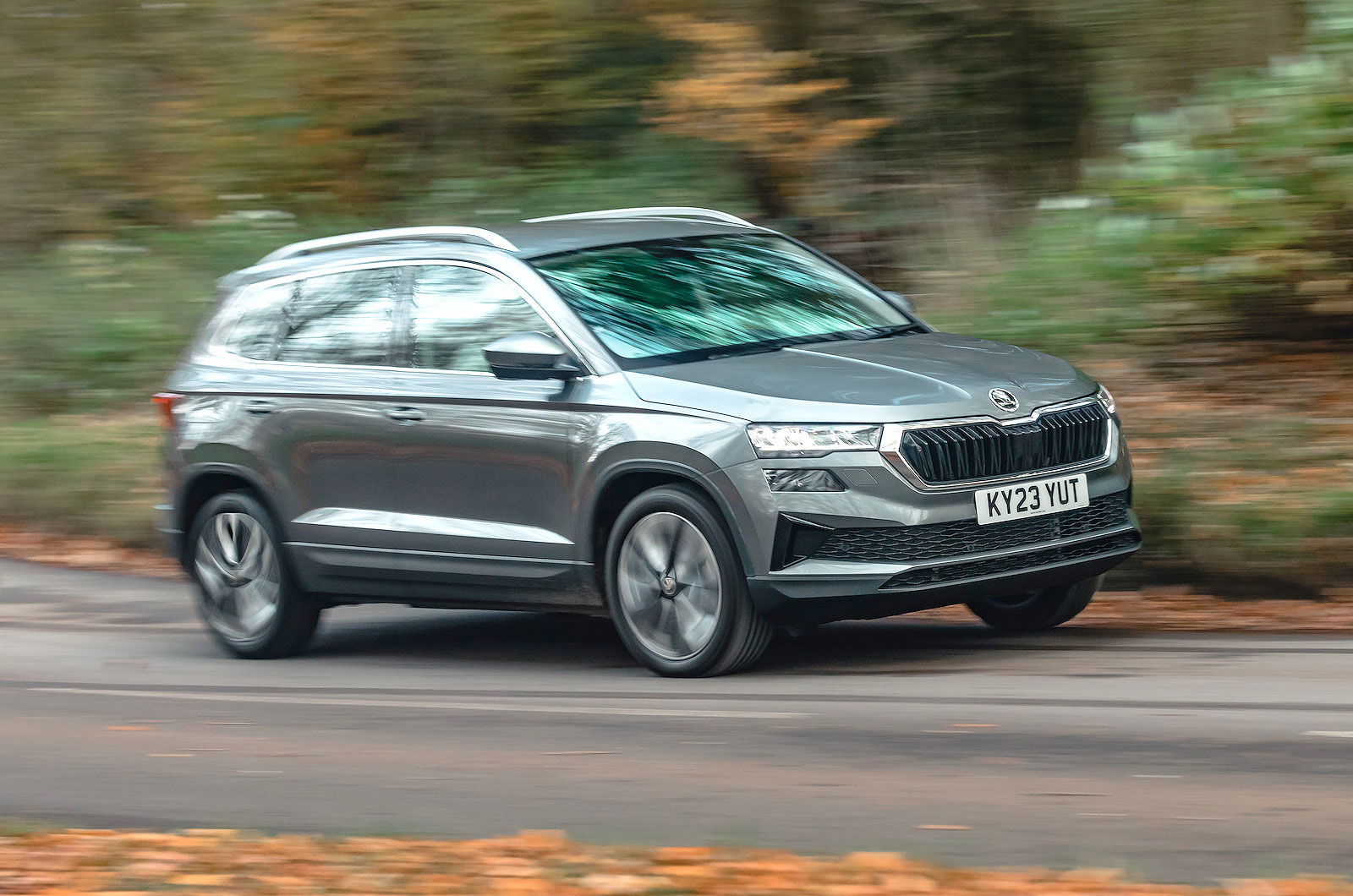
As the spiritual successor to the iconic Skoda Yeti, it should come as no surprise that the Karoq offers immense value, excellent space for your passengers and all of their luggage, and enough variety in its line-up to ensure that there's a version to suit most drivers.
If you live somewhere where deep snow and slippery ice are regular visitors, then we think the strong pulling power of this 2.0-litre diesel engine will suit you well – plus, it's one of the few engine options to be available with four-wheel drive. This version also comes with an automatic gearbox.
No version of the Karoq will leave you wanting for kit, but we'd recommend stepping up to mid-range SE L trim, because this comes with luxuries including 18in alloy wheels, flexible rear seats, keyless entry and start and all-round parking sensors.
Read our full Skoda Karoq review >>
What is What Car? best price?
The What Car? best price shows you the cheapest way to buy your new car, whether it's by choosing an in-stock car through our partner Autotrader or placing a factory order.
Available now from: £24,222
RRP from: £30,960
About our price indicator
What Car? indicative Personal lease example (subject to status)
1.5 TSI ACT SportLine Edition SUV 5dr Petrol DSG Euro 6 (s/s) (150 ps)
| Expected annual mileage | 5000 |
| Term months | 36 |
| Deposit months | 12 |
| Monthly payment | £251.51 |
| Initial payment | £3,018.12 |
Step-by-step
Leasing works a bit like a long-term rental. You drive it, but you don’t own it.
- Choose your car, pick your terms and apply for lease credit online
- Pay monthly rental payments for your chosen term length
- Drive it, enjoy it, then give it back at the end
What you get
When you lease with Autotrader you get all of this:
- Full manufacturer’s warranty
- Road tax and roadside assistance included
- No admin fees
- Free returns within 30 days*
- Lower total monthly cost than PCP/HP
- No balloon payments
- Road tax included
Our pick: 1.2 TCe MHEV Expression Euro 6 (s/s) 5dr
Strengths
- Cheap to buy and run
- Spacious boot
- 4x4 version is very capable off road
Weaknesses
- Some rivals are better to drive
- Lots of hard plastics inside
- Entry-level model is sparsely equipped
Favourite version: TCE 130 4x4 Extreme
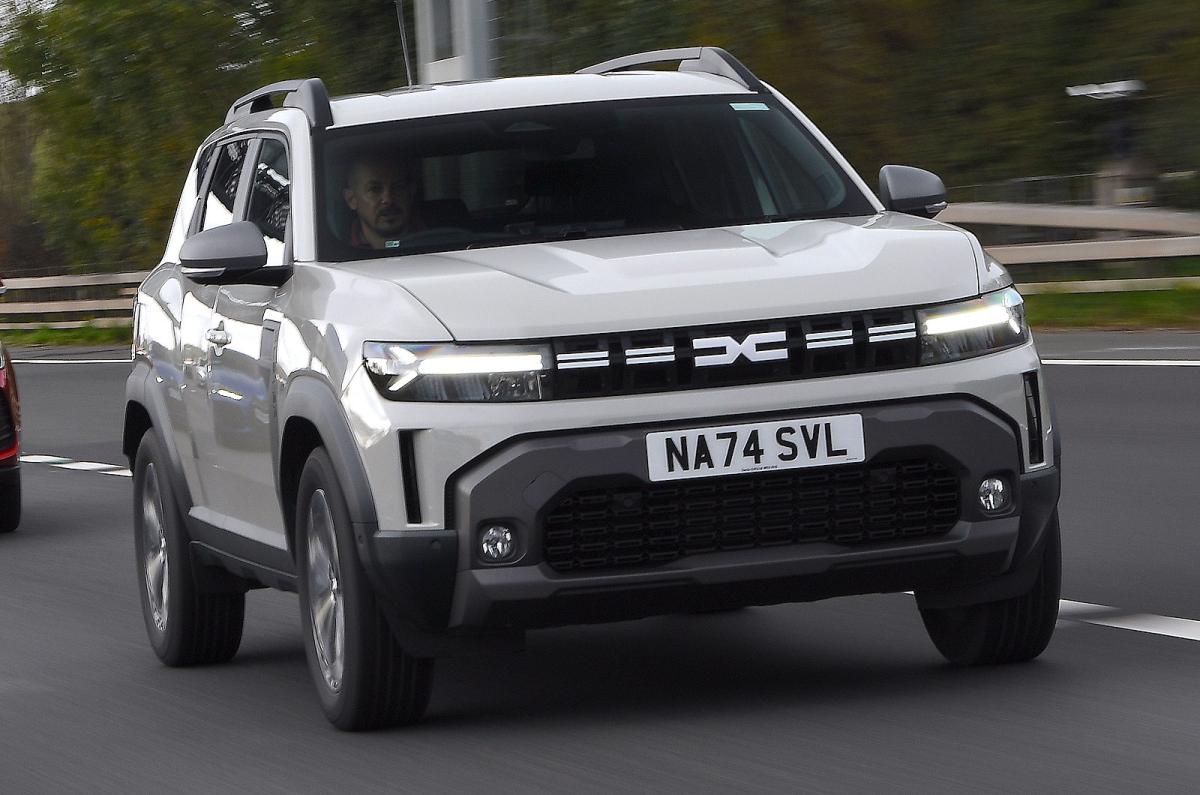
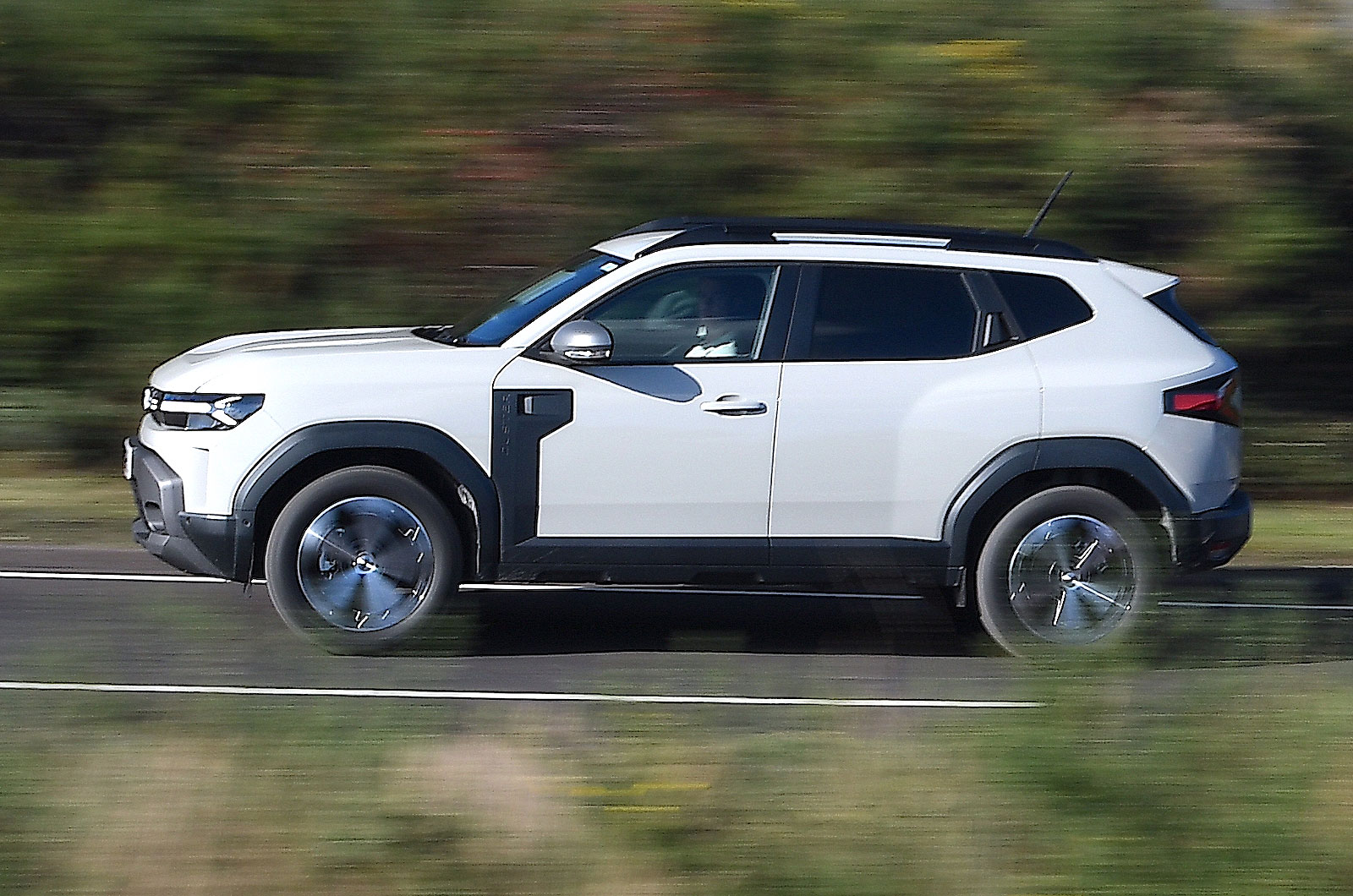
Proving that you don't need to spend a lot of money to get a car that's terrifically capable for snow and ice, this version of the Dacia Duster small SUV combines a punchy petrol engine with four-wheel drive – handy if you plan on towing, or on tackling rutted, muddy, snowy or sandy inclines.
Choosing a version of the Duster with four-wheel drive brings other benefits, including a more sophisticated rear suspension setup which helps to improve stability both on and off-road.
While Extreme may be the range-topping trim level, it's worth considering here for its standard-fit heated front seats and steering wheel, as well as its beefy look.
Read our full Dacia Duster review >>
What is What Car? best price?
The What Car? best price shows you the cheapest way to buy your new car, whether it's by choosing an in-stock car through our partner Autotrader or placing a factory order.
Available now from: £21,335
RRP from: £21,845
About our price indicator
What Car? indicative Personal lease example (subject to status)
1.2 TCe MHEV Expression SUV 5dr Petrol Manual Euro 6 (s/s) (140 ps)
| Expected annual mileage | 5000 |
| Term months | 48 |
| Deposit months | 12 |
| Monthly payment | £260.62 |
| Initial payment | £3,127.44 |
Step-by-step
Leasing works a bit like a long-term rental. You drive it, but you don’t own it.
- Choose your car, pick your terms and apply for lease credit online
- Pay monthly rental payments for your chosen term length
- Drive it, enjoy it, then give it back at the end
What you get
When you lease with Autotrader you get all of this:
- Full manufacturer’s warranty
- Road tax and roadside assistance included
- No admin fees
- Free returns within 30 days*
- Lower total monthly cost than PCP/HP
- No balloon payments
- Road tax included
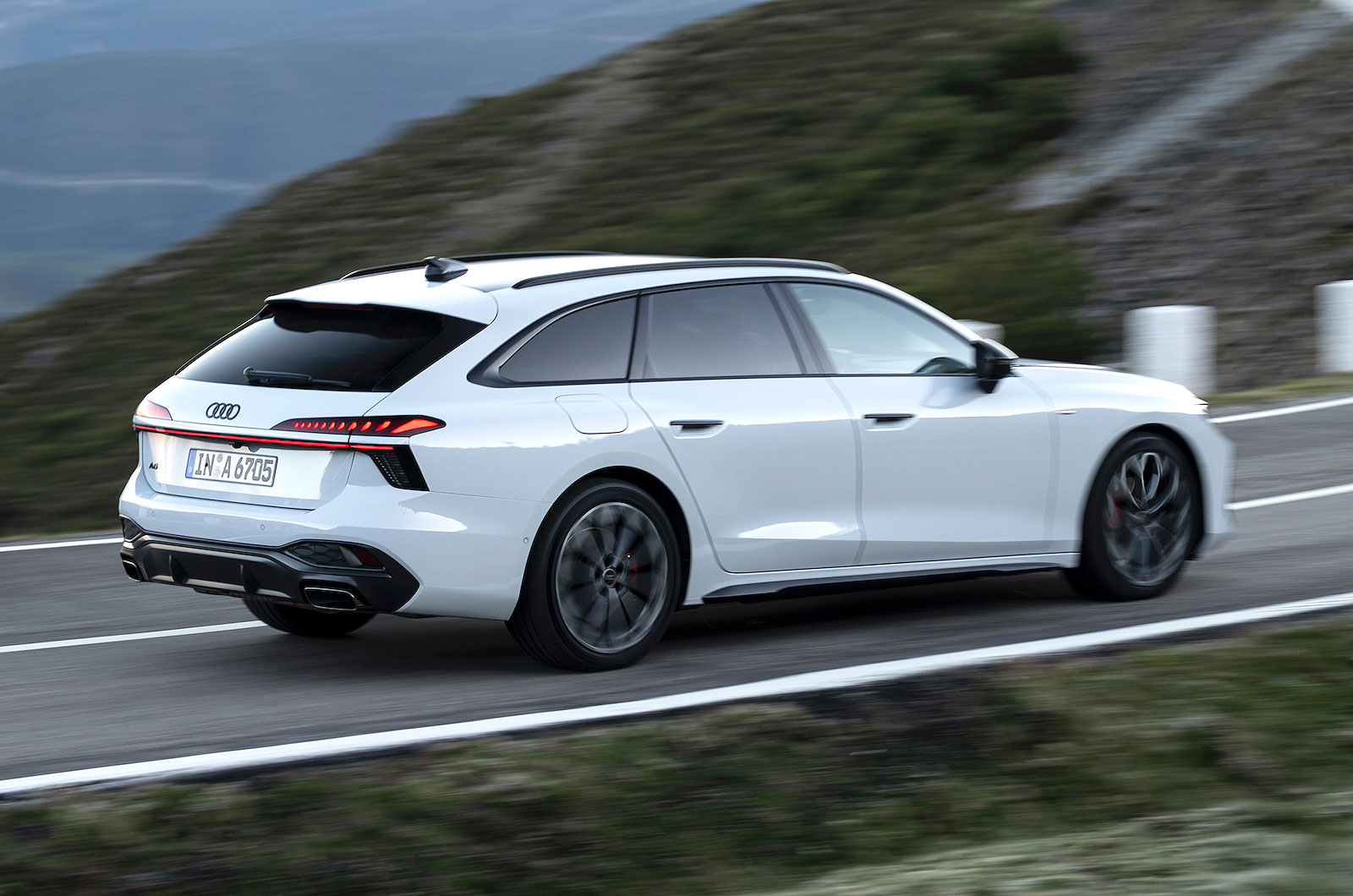
Our pick: 2.0 TFSI Sport S Tronic Euro 6 (s/s) 5dr
Strengths
- Smooth and comfortable ride
- Plenty of room in the back for two adults
- Strong and frugal diesel engine
Weaknesses
- Boot space isn’t class-leading
- Some cheap-feeling interior plastics
- Petrol engine needs working quite hard
Favourite version: 40 TDI quattro Sport
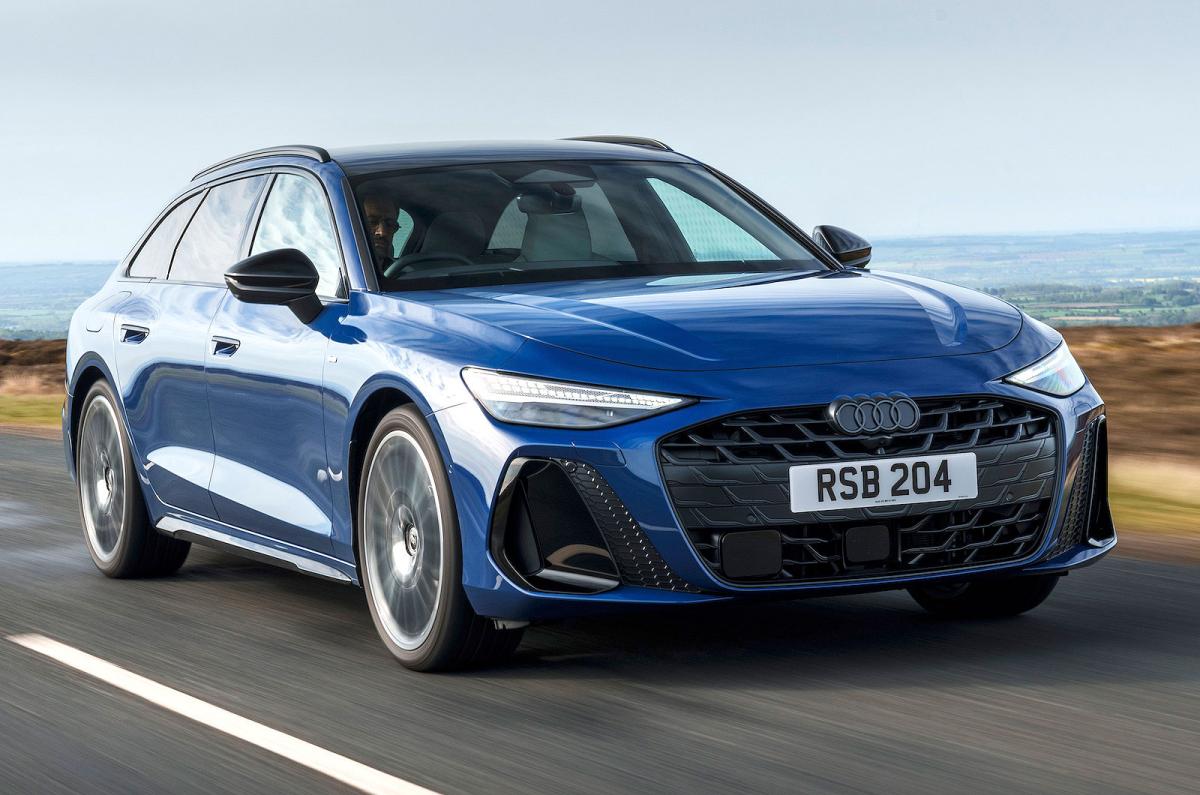
Everything on this list so far has been SUV-shaped, but what if you either don't fancy something so tall, or need to carry more than the average family SUV might have space for? If that's the case, then you'll need an estate car which can handle the rough stuff – and that's exactly where this version of the Audi A6 Avant aims to please.
In terms of space, you'll fit more into the boot of the rival BMW 5 Series Touring or Mercedes E-Class Estate, but the differences are small. Plus, the Audi fights back with a stunning interior filled with higher-quality materials.
This version mates the punchy 40 TDI diesel engine with Audi's quattro four-wheel drive system, which should help you stay planted whether the road is coated with snow or ice, with Sport trim, which gets you luxuries including four-zone climate control, adaptive cruise control, and 18in alloy wheels.
Read our full Audi A6 Avant review >>
What is What Car? best price?
The What Car? best price shows you the cheapest way to buy your new car, whether it's by choosing an in-stock car through our partner Autotrader or placing a factory order.
Available now from: £38,999
RRP from: £54,060
About our price indicator
What Car? indicative Personal lease example (subject to status)
2.0 TFSI S line Estate 5dr Petrol S Tronic Euro 6 (s/s) (204 ps)
| Expected annual mileage | 5000 |
| Term months | 60 |
| Deposit months | 12 |
| Monthly payment | £573.21 |
| Initial payment | £6,878.52 |
Step-by-step
Leasing works a bit like a long-term rental. You drive it, but you don’t own it.
- Choose your car, pick your terms and apply for lease credit online
- Pay monthly rental payments for your chosen term length
- Drive it, enjoy it, then give it back at the end
What you get
When you lease with Autotrader you get all of this:
- Full manufacturer’s warranty
- Road tax and roadside assistance included
- No admin fees
- Free returns within 30 days*
- Lower total monthly cost than PCP/HP
- No balloon payments
- Road tax included