Chevrolet Corvette review
The Corvette is a thrilling, V8-engined sports car that rivals the Porsche 911


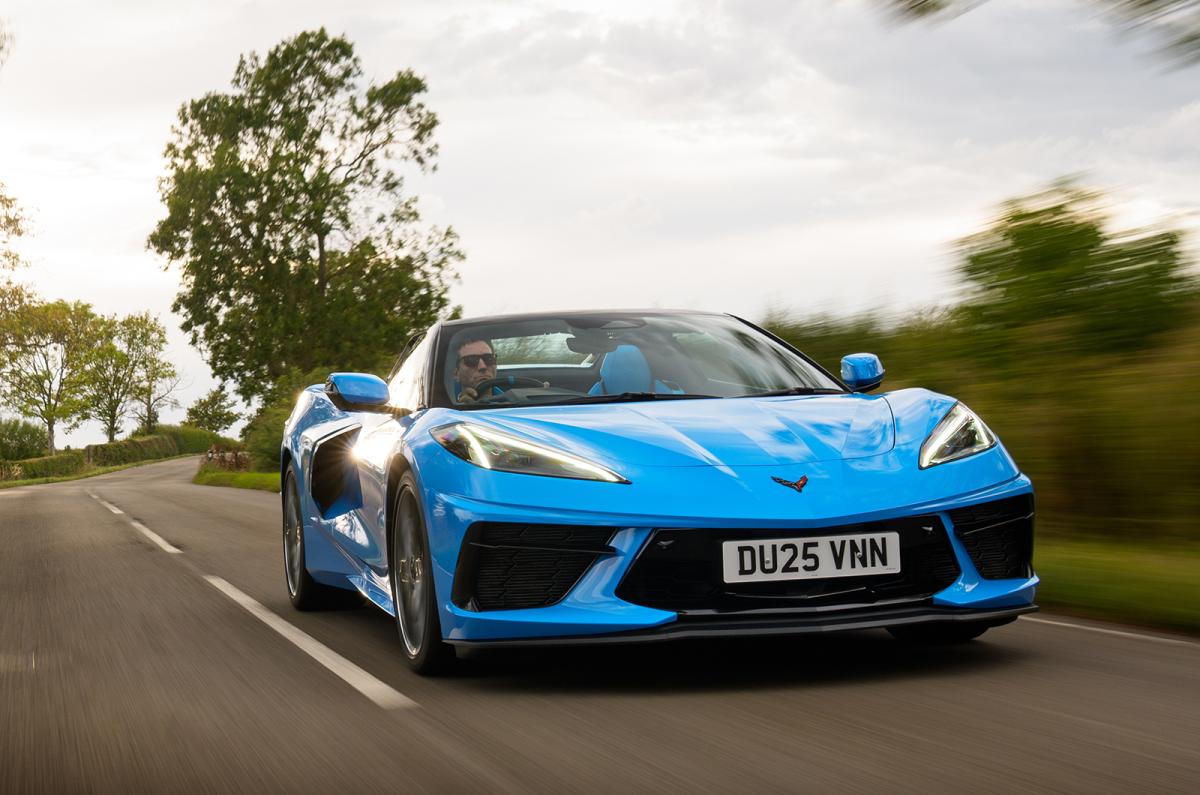
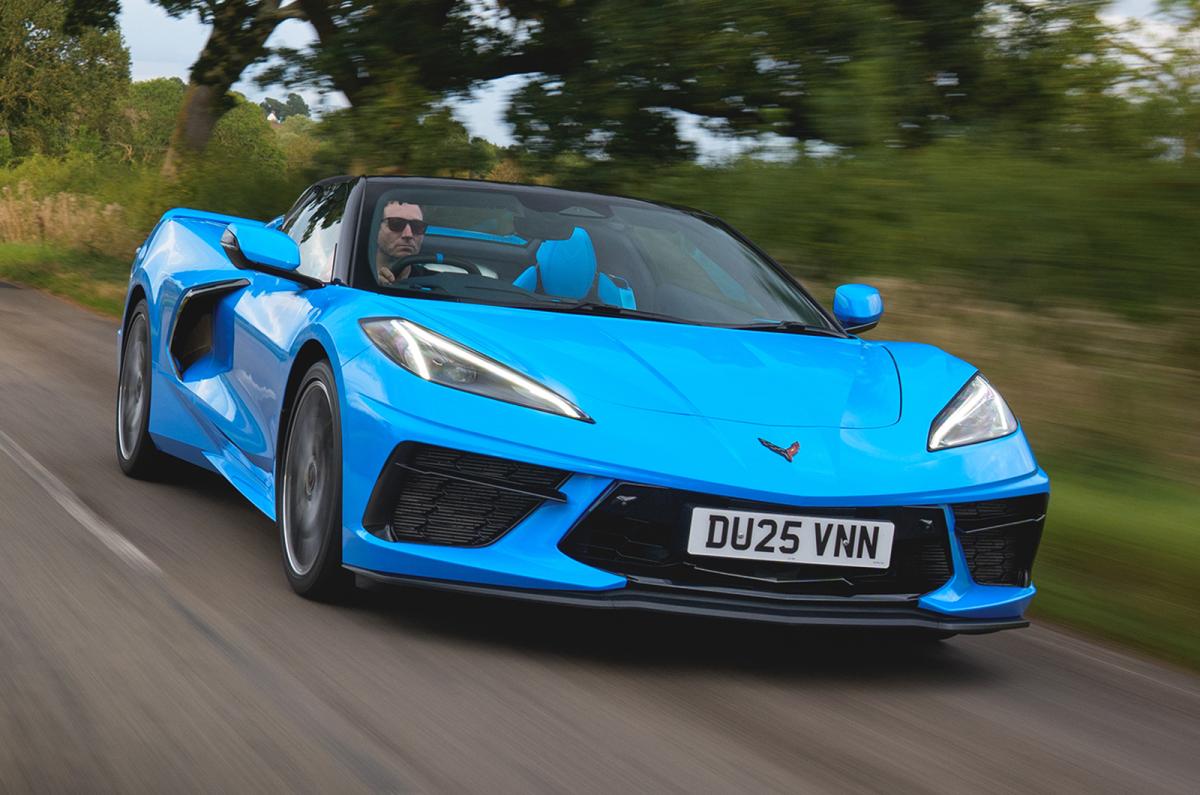
- Chevrolet Corvette driving
- Chevrolet Corvette driving front right
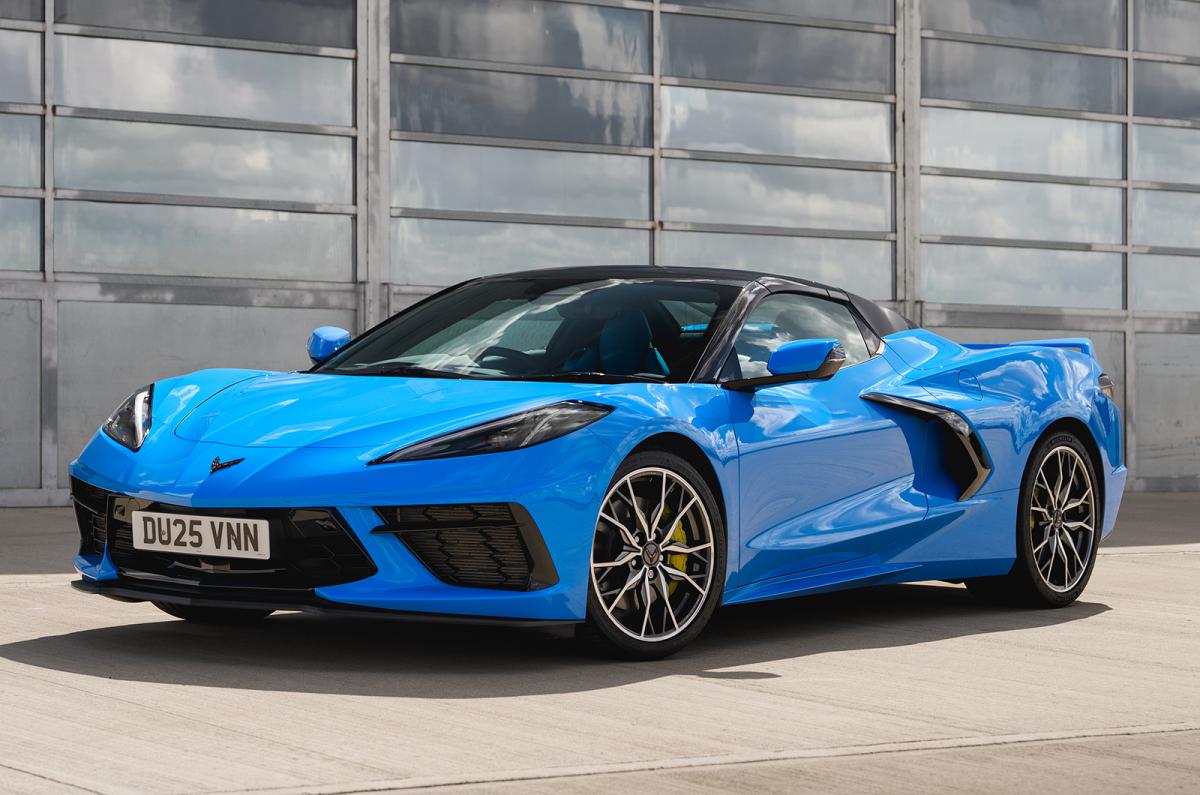
- Chevrolet Corvette static front left
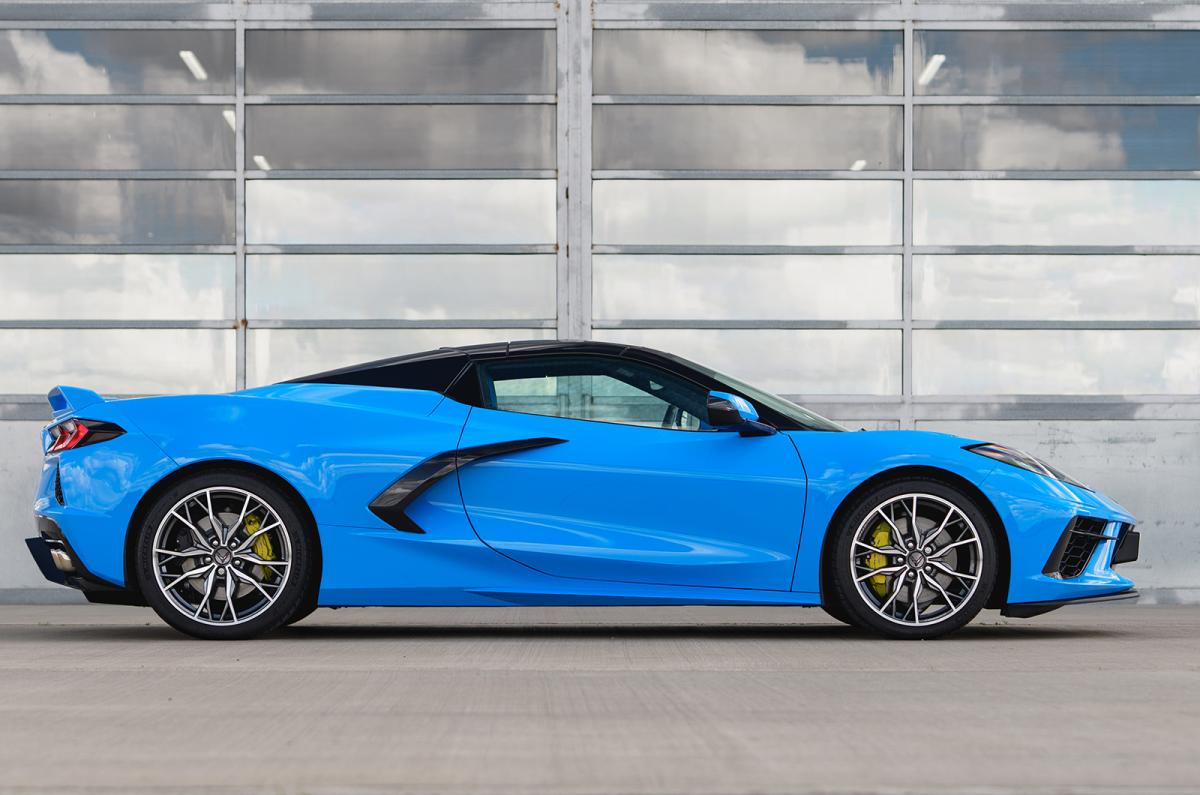
- Chevrolet Corvette static side
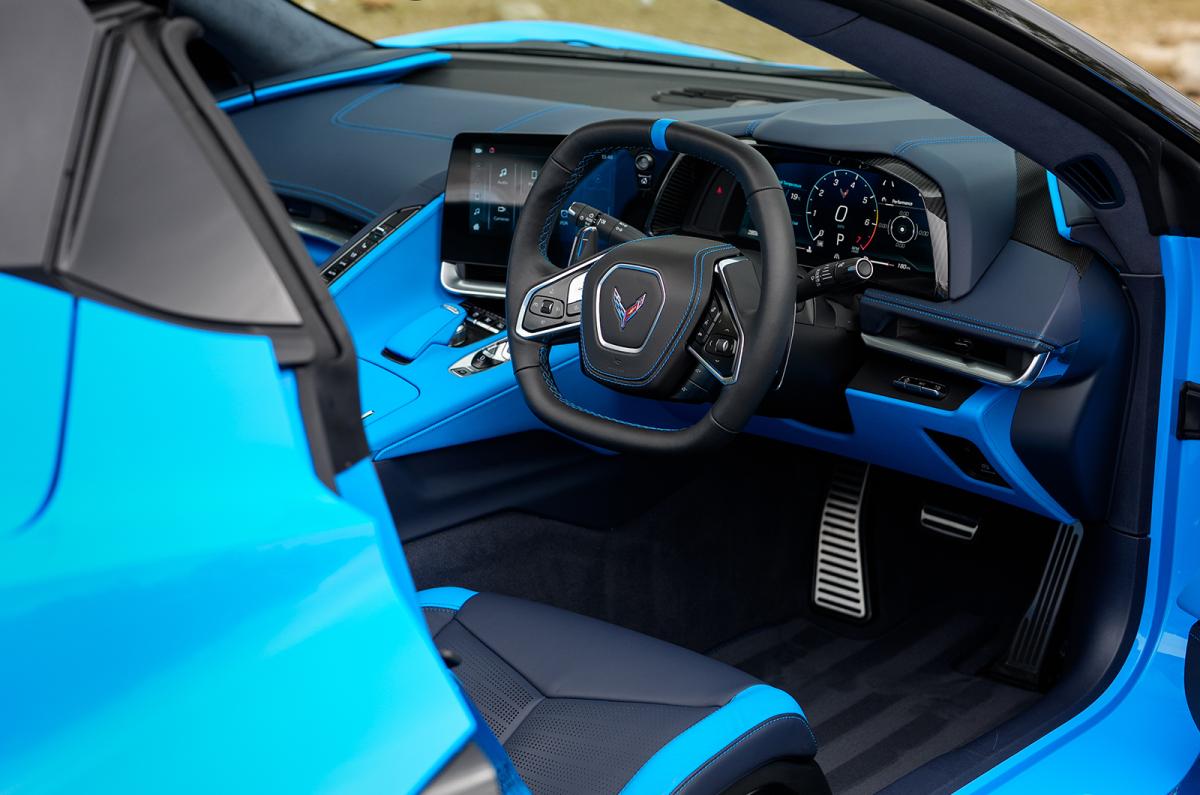
- Chevrolet Corvette interior
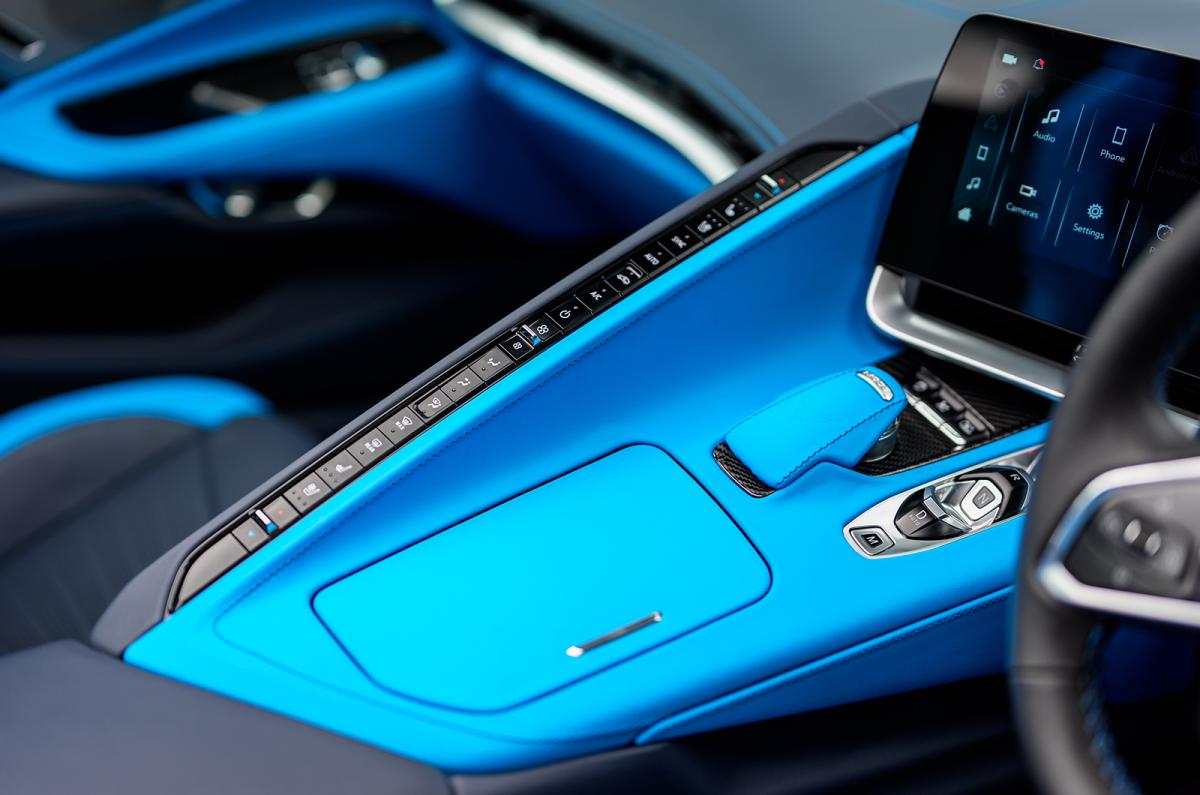
- Chevrolet Corvette centre console
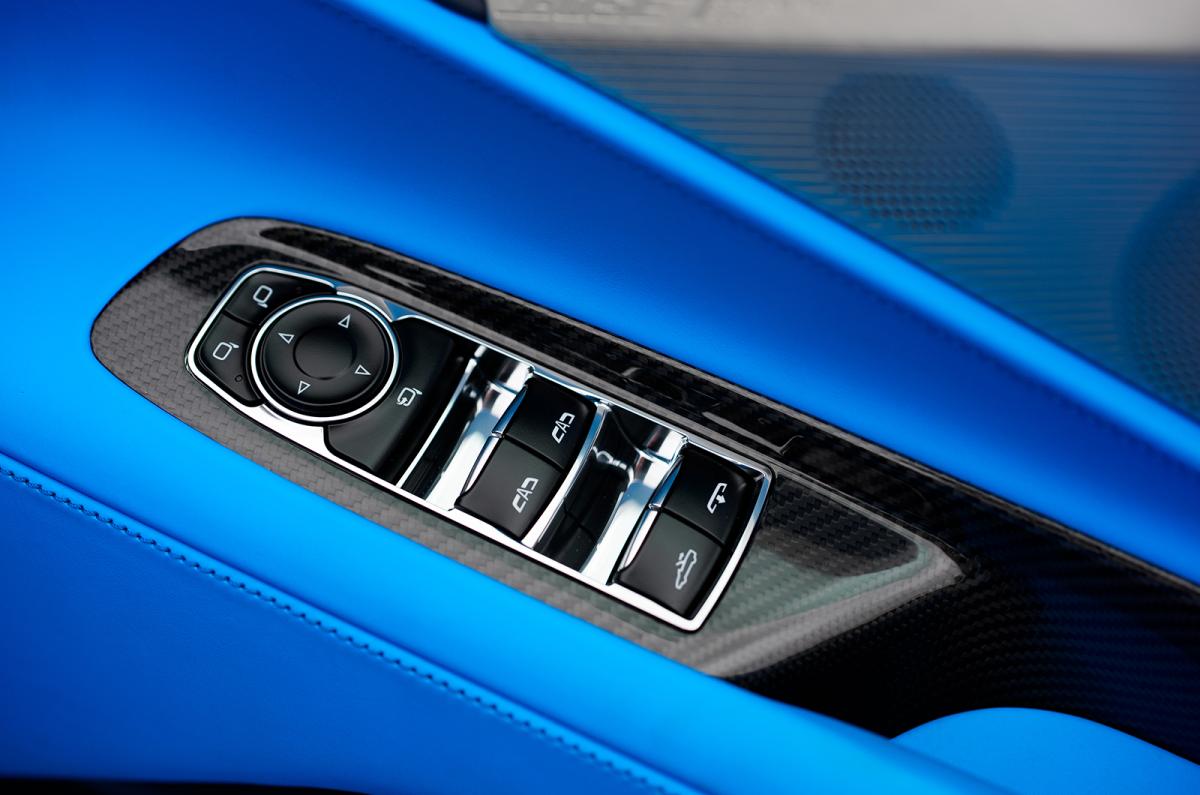
- Chevrolet Corvette door controls
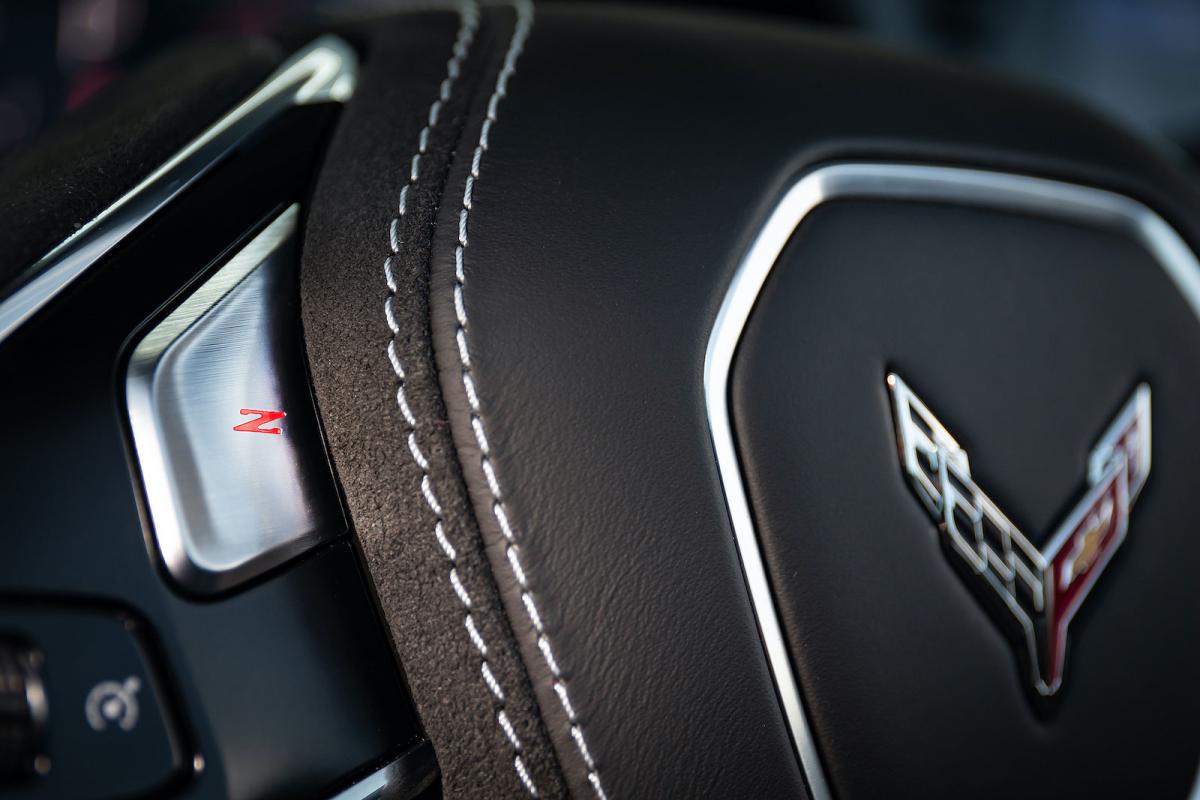
- Chevrolet Corvette interior steering wheel detail
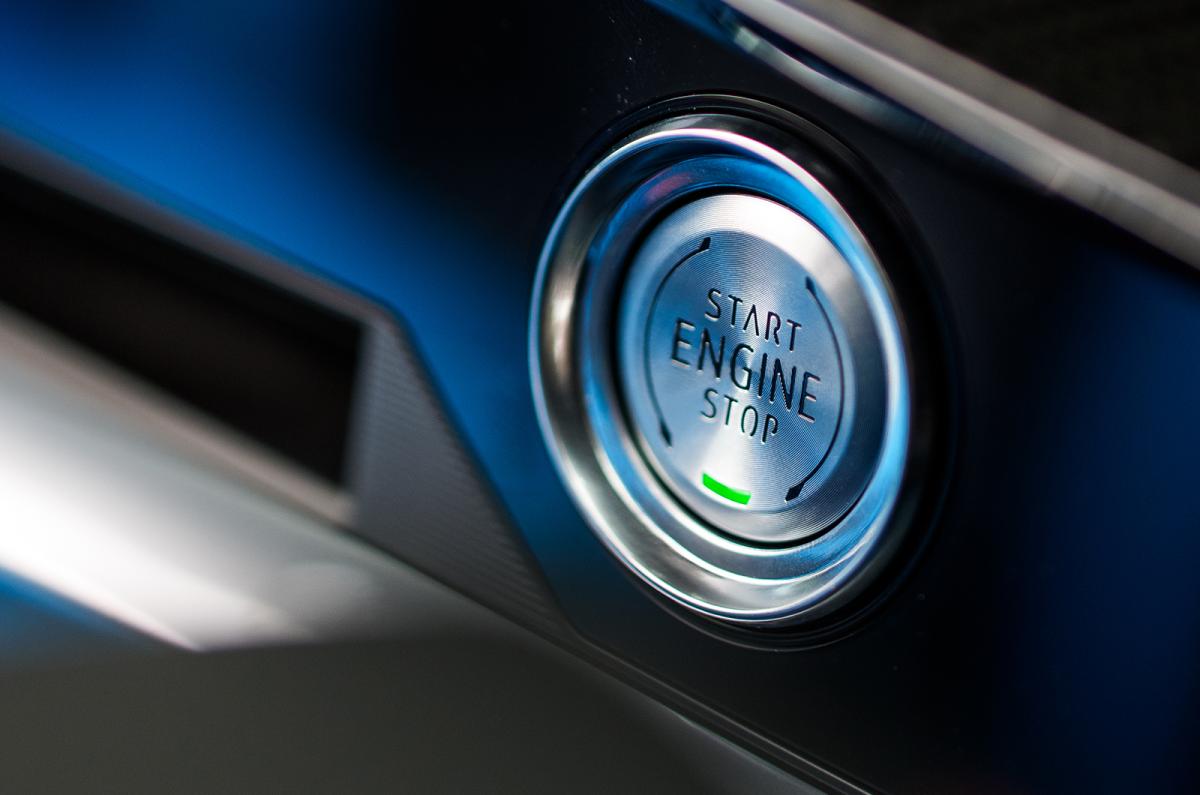
- Chevrolet Corvette start button
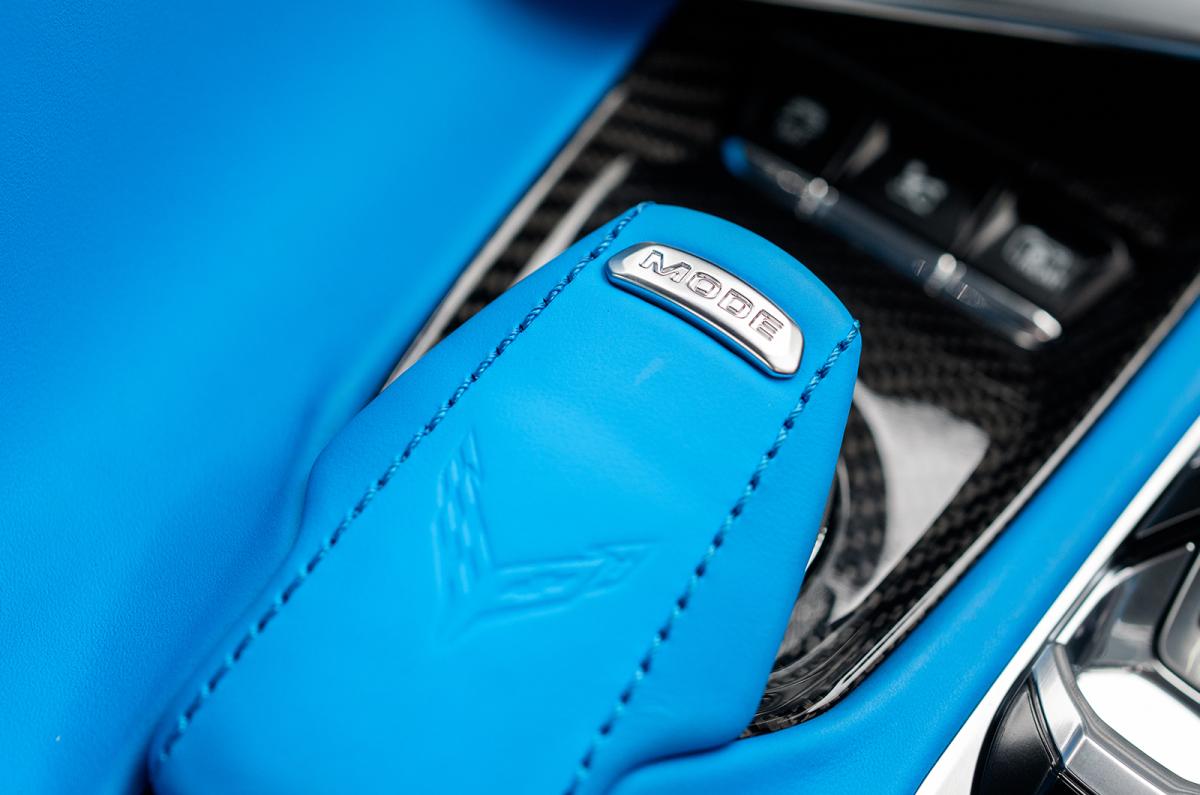
- Chevrolet Corvette interior detail
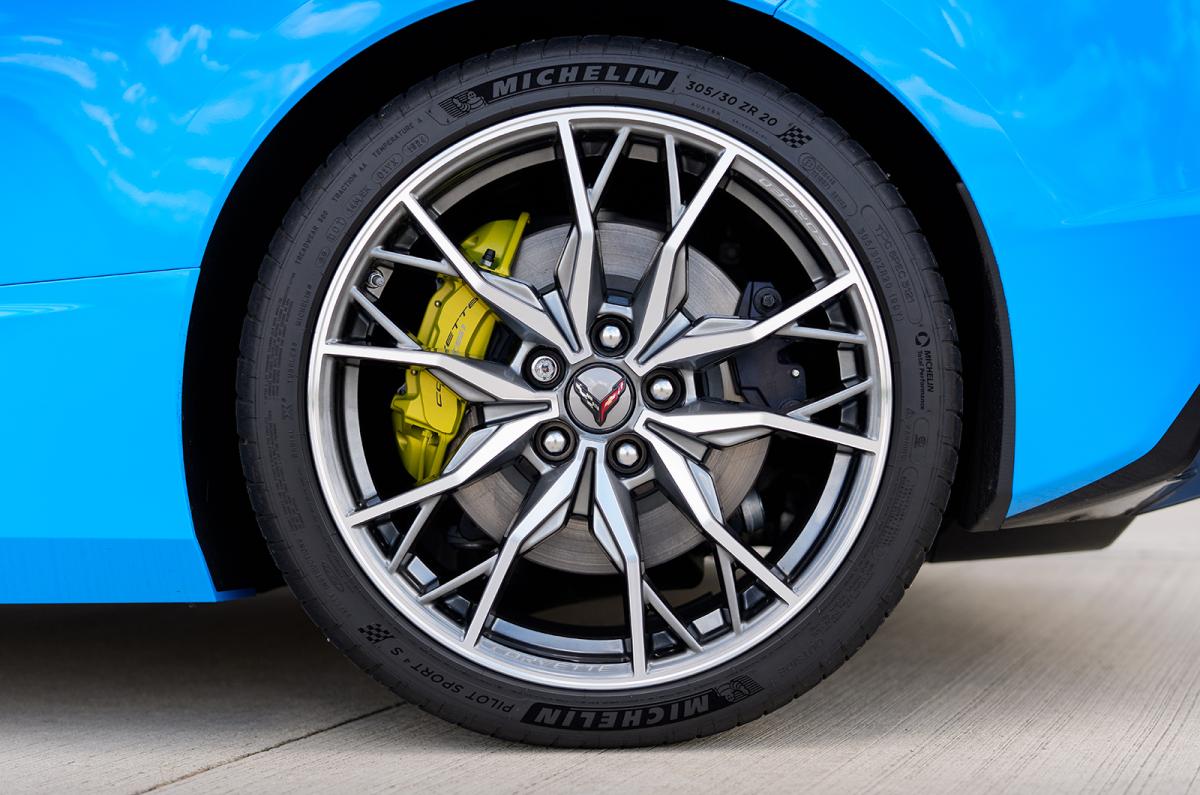
- Chevrolet Corvette wheel
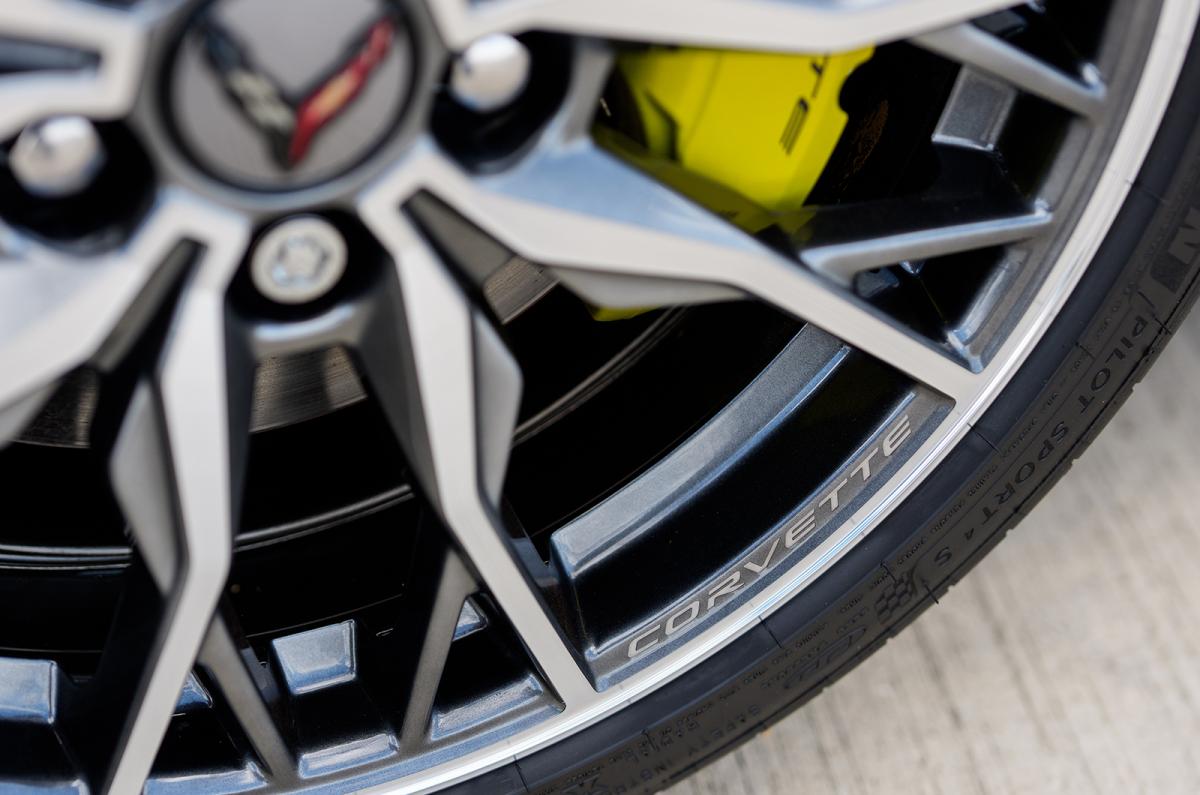
- Chevrolet Corvette wheel badge
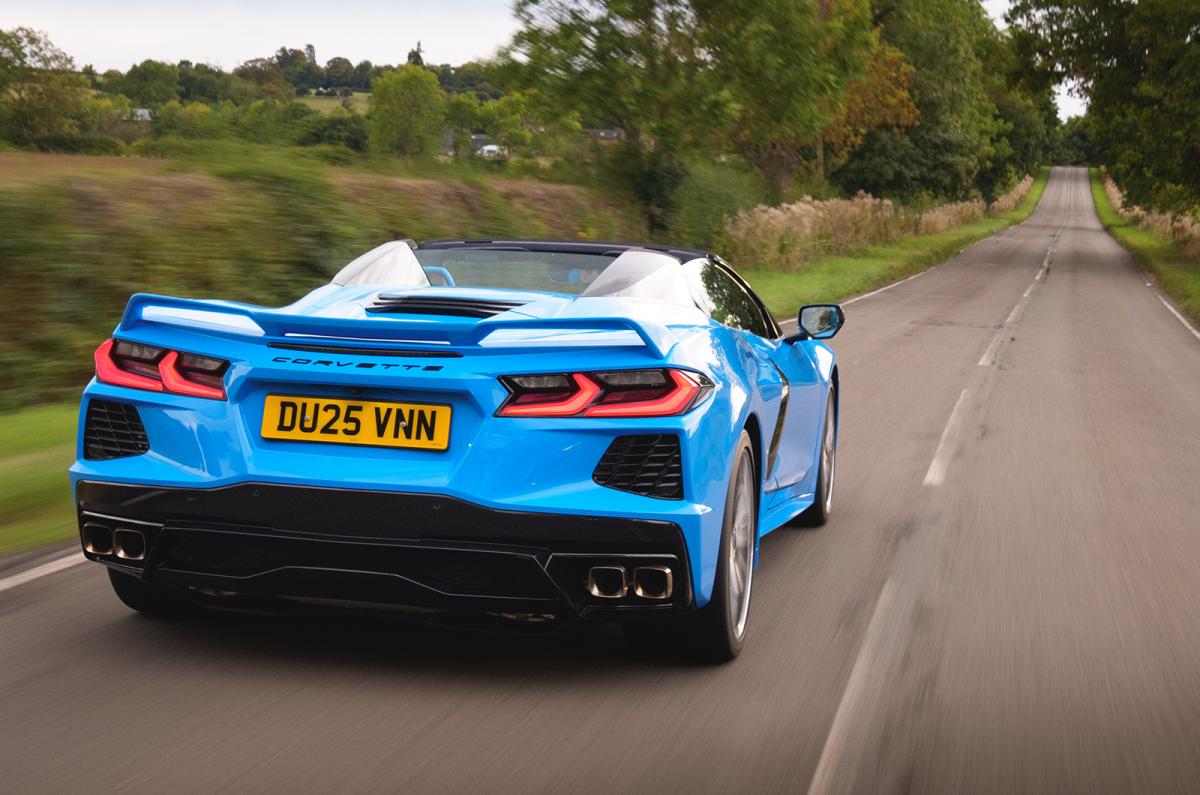
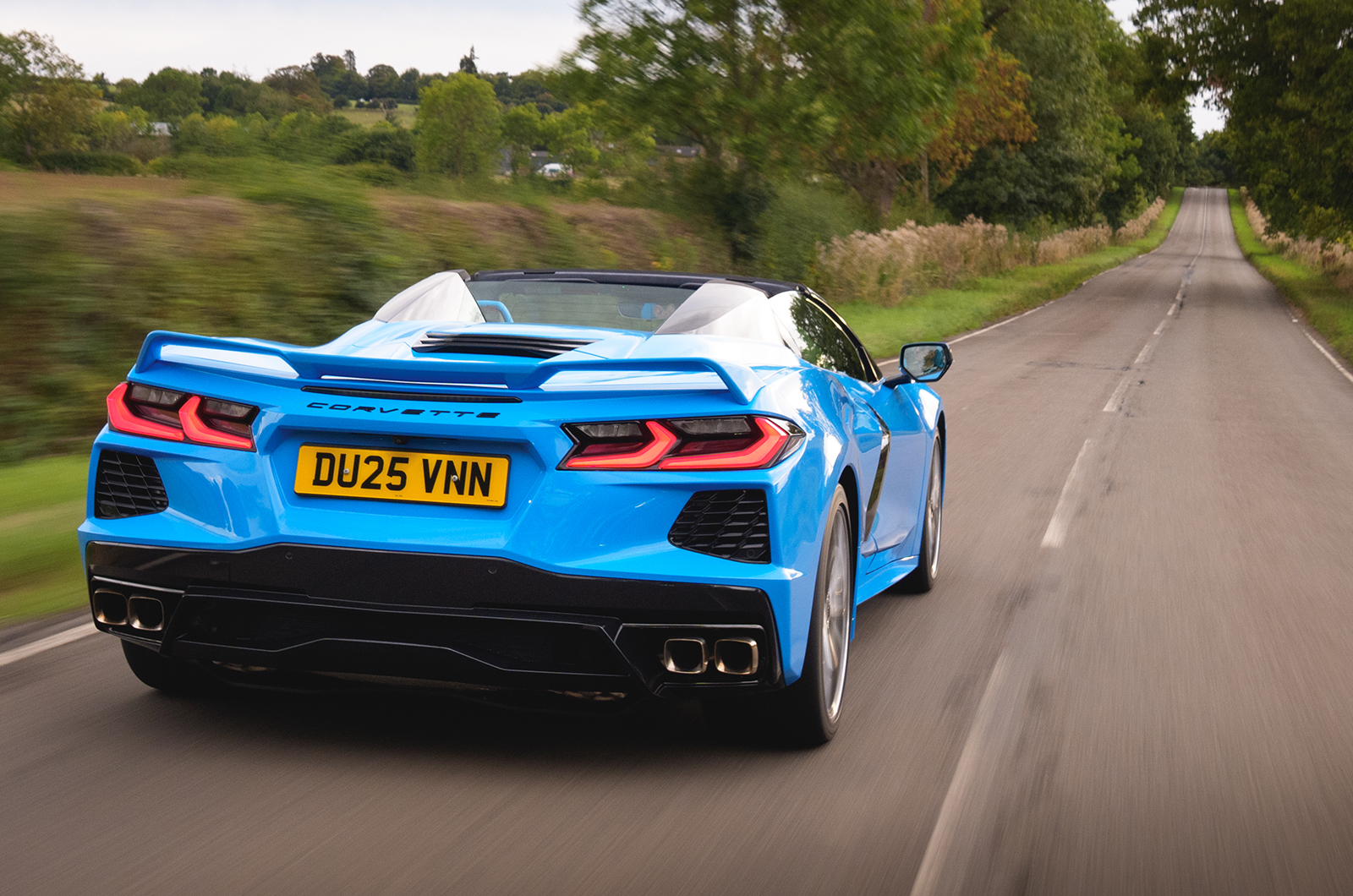
- Chevrolet Corvette driving rear right
- Chevrolet Corvette dashboard
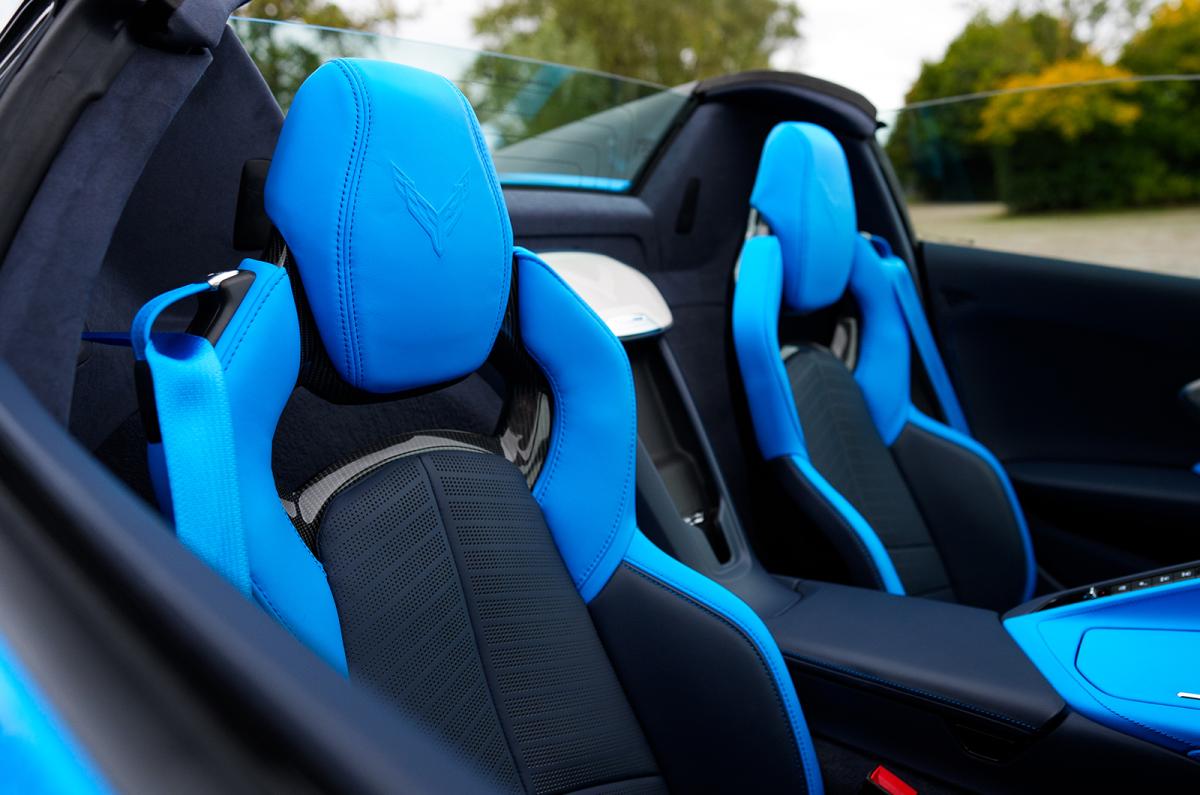
- Chevrolet Corvette seats
- Chevrolet Corvette lettering


What is What Car? best price?
The What Car? best price shows you the cheapest way to buy your new car, whether it's by choosing an in-stock car through our partner Autotrader or placing a factory order.
Available now from: £104,480
RRP from: £103,124
Introduction
Some cars are named after people, locations or animals, and a lot of the time, it’s simple letters and numbers. Then there’s the Chevrolet Corvette. It was named after a warship.
Believe it or not, the Corvette has been doing battle on UK soil since 1999 – that’s when Chevy began officially importing them. However, they’ve always been small sellers and only available in left-hand drive… until 2021.
What is What Car? best price?
The What Car? best price shows you the cheapest way to buy your new car, whether it's by choosing an in-stock car through our partner Autotrader or placing a factory order.
Available now from: £104,480
RRP from: £103,124
From the regular Stingray to the track-focused Z06 and hybrid E-Ray, you can now buy right-hand-drive Corvettes. That, combined with a supercar-like, mid-engined setup (something that previous generations have never known), makes the rootin’-tootin’ ‘Vette more competitive than ever before.
Is it finally a true match for the Porsche 911, as well as the best sports cars on sale?


Pros
- Competitive price
- Wild V8 performance
- Available in right-hand drive
Cons
- Keen drivers will prefer the Porsche 911
- There are more luxurious interiors in the class
- Only two seats
Trims available
Performance & drive
What it's like to drive, and how quiet it is
Strengths
- Thunderous V8 power
- Comfortable (for a sports car)
- Fun handling…
Weaknesses
- ...but the Porsche 911 is more rewarding
- The steering could be more confidence inspiring
- Slighty soft brake pedal
How fast is it and which engine is best?
The Chevrolet Corvette range kicks off with the Stingray and it’s fast, more so than the rival Porsche 911 Carrera. Its 6.2-litre V8 engine may only rev to 6600rpm – no match for the Carrera’s 7500rpm limit – but it does so keenly and it feels more muscular.
Every Corvette uses an eight-speed automatic gearbox, and in the Stingray we found it excellent. It shifts really quickly and it’s smooth, too.
In fact, we think the Stingray is all the Corvette most people could ever want or need, but they say that the US is all about excess, and if you want even more performance, there’s the Z06 and E-Ray.
|
Power |
0-62mph |
|
|
Stingray |
475bhp |
3.5sec |
|
Z06 |
637bhp |
3.1sec |
|
E-Ray |
634bhp (combined) |
2.9sec |
The Z06 gets a high-revving (8600rpm), 5.5-litre V8, along with bigger wheels, tyres and brakes for better on-track performance. The E-Ray gets the Stingray’s engine but adds a hybrid (HEV) system, which includes a 158bhp, front-mounted electric motor for four-wheel drive.
We’ll let you know what the Z06 and E-Ray are like, once we’ve tested them.
Is it agile and is the ride comfortable?
The days of American sports cars having the cornering ability of a canal boat are far behind us, and this latest Corvette is a great reminder of that. Aided by its mid-engined layout, the Stingray is well-balanced in the bends. It’s also remarkably playful and forgiving at the limit, too.
We do have two complaints, though. One is that the steering is a little inconsistent in its speed and weighting (no matter which mode it’s in). Placing the car in a corner is easy enough most of the time, but faster corners will have you wishing for that extra bit of reassuring precision – the kind the 911 has.
Our second complaint is that the brake pedal is a little soft and long in travel. A firmer brake pedal would give you more confidence when slowing down fast. Again, this is something the 911 does better.
And in general, as good as the Corvette’s handling is, we’re afraid the Porsche still remains supreme. It’s lighter, more agile and grippier. Keen drivers will find the 911 more rewarding, especially if you opt for our favourite variant, the Carrera T.
On the other hand, the Corvette rides more comfortably than the Carrera T. Actually, the Corvette makes a good grand tourer, with its adaptive suspension being firm but forgiving. The thing is we think ride comfort should take a back seat to handling in a sports car (to a certain extent), so overall we still prefer the 911 to drive.
Is it quiet and how easy is it to drive smoothly?
There’s a noticeable amount of road noise, but then again, that’s also a problem with the 911. Wind noise is kept to a reasonable minimum and the engine never drones away at motorway speeds. In fact, the Corvette will often switch to running on just four cylinders at a gentle cruise.
Putting aside our brake pedal niggle that can be experienced when driving spiritedly, the Corvette is easy to drive smoothly.
“It may not be the absolute sharpest tool in the shed, but I found the Corvette’s mix of V8 theatre and playful handling intoxicating.” – Oliver Young, Reviewer
Interior
The interior layout, fit and finish
Strengths
- Plenty of physical buttons
- Figure-hugging seats
Weaknesses
- Slightly perched driving position
- Infotainment system isn’t the best
What does the interior look like and is it well made?
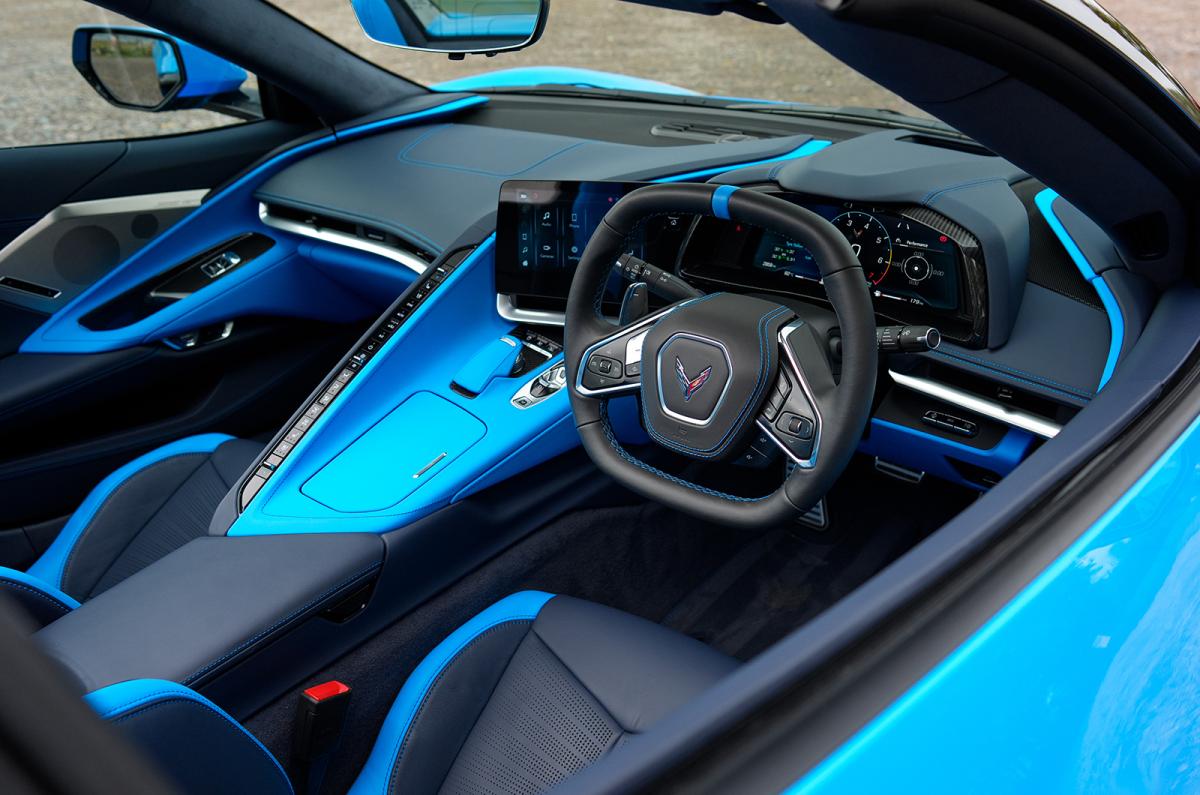
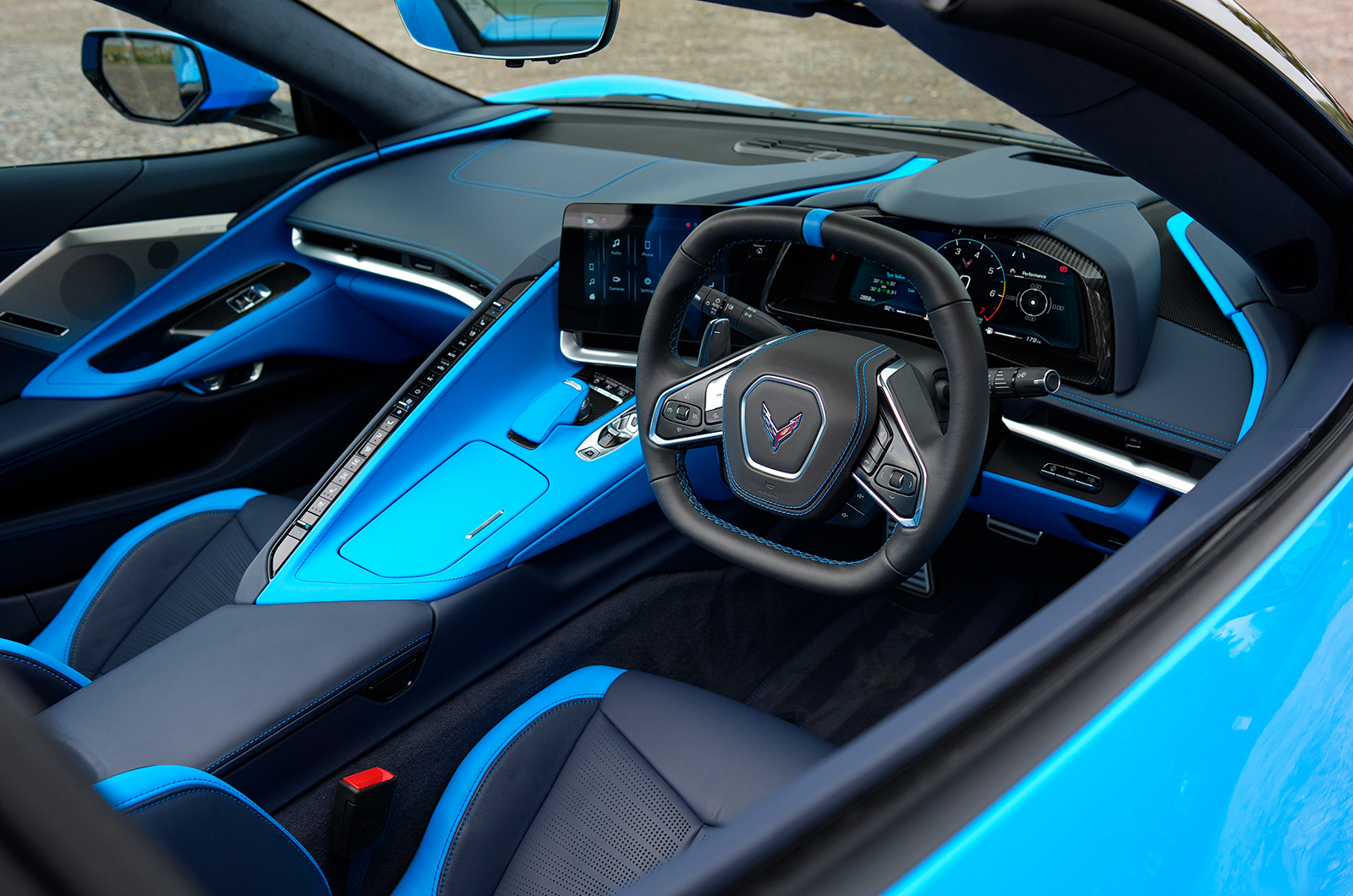
Saying the Chevrolet Corvette’s interior looks like the cockpit of a fighter jet would be a cliché, but then again, it does remind you of one in some ways. Everything is tilted towards the driver’s seat, and you’re quite cocooned. There’s also a long row of physical buttons down the left of the centre console – they’re for things like your climate controls and heated seats, but a ‘fire missile’ button wouldn’t look too out of place.
Build quality is a bit mixed. Nothing became loose or fell apart during our time with the car – far from it – but it just feels a little cheap and flimsy in places. Rivals like the Aston Martin Vantage and Porsche 911 feel more expensive inside (as you might expect, given they are indeed more expensive).
Is the driving position comfortable and is it easy to see out?
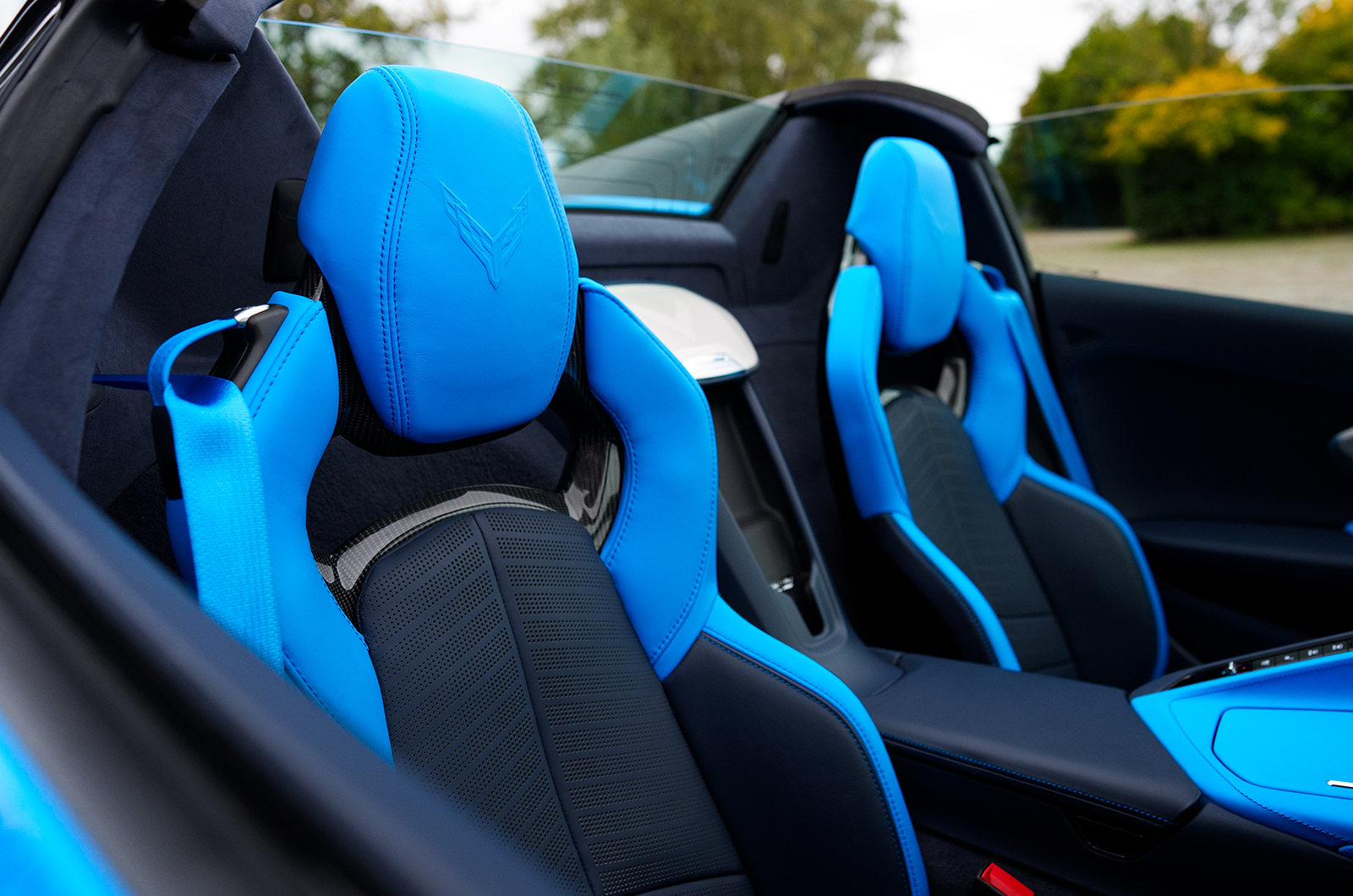
The reason we said ‘quite cocooned’ just now is because you do sit a little perched up in the Corvette. Taller drivers might want to position the seat lower than possible. That aside, however, the driving position feels natural and comfortable, and the driver’s seat itself is very supportive.
Visibility isn’t great, although that’s often a quirk of mid-engined supercars. The 'Vette has rather wide hips that can be hard to judge from behind the wheel, and the rear window is fairly small. Thankfully, as well as high-def front and rear cameras, it has a kerb-view camera and a digital rearview mirror.
Are the dashboard and infotainment system easy to use?
That long line of physical buttons can be a bit overwhelming at first, but you quickly get used to them. Plus, having those buttons is certainly better than having all the features buried in the touchscreen. They’re easy to use on the move, and generally the interior is more simple and user friendly than the Mercedes-AMG GT’s – it’s a closer call with the 911.
The Corvette’s infotainment touchscreen measures 8.0in. It has a straightforward user interface, but it’s fairly slow response times. Android Auto and Apple CarPlay smartphone mirroring come as standard.
Audiophiles will be pleased to learn a 14-speaker Bose sound system, with active noise cancellation, comes as standard.
“To be fair, I wasn’t expecting class-leading quality. After all, it’s in a class home to much more expensive metal, like Astons and Porsches.” – Oliver Young, Reviewer
Passenger & boot space
How it copes with people and clutter
Strengths
- Two boots
- Decent cubby spaces
Weaknesses
- Only two seats
- Not a lot of head room
How much space does it have for people?
The Chevrolet Corvette’s interior is wide enough that you never brush elbows with whoever's sitting next to you. Headroom could be a little better, though. Like we mentioned, the seats don’t drop very low.
There are, of course, just two seats. The Porsche 911 gives you the option of (admittedly cramped) rear seats, as does the Mercedes-AMG GT.
How much room does it have for luggage?
There is a reasonable amount of storage space (at least, by sports car standards), including a decent-sized glovebox, a couple of cupholders and a wireless phone charging pad located between the front seats. The door pockets could do with being a little deeper, but the 911 isn’t any better.
Being mid-engined, the Corvette has not one but two boots. While neither offers a massive amount of space, the front boot is deep and square, while the rear compartment is shallower but wider. We wouldn’t advise sticking your picnic in the back one, because it gets warm when the engine’s running for a long time. It is the perfect size for two sets of golf clubs or the Corvette Coupe’s removable hardtop roof, though.
“I can see the Corvette working well as a car to go away for a weekend in. More so than a fair few sports cars, it’ll cope with some luggage.” – Oliver Young, Reviewer
Buying & owning
Everyday costs, plus how reliable and safe it is
Strengths
- Competitive pricing
- Well equipped
Weaknesses
- No reliability data
- Drinks a lot of fuel if you’re not careful
How much does it cost and what equipment do you get?
As of writing, the Chevrolet Corvette costs a little less than £100,000 in its entry-level form. It undercuts the cheapest Mercedes-AMG GT and Porsche 911, let alone any Aston Martin Vantage or Ferrari 296 GTB.
You get a lot of standard kit for your money, too, including a heated steering wheel, electrically adjustable, heated and ventilated seats, a head-up display, performance data recorder, 14-speaker Bose stereo, digital rearview camera and keyless entry and start.
Ways to buy
Start it up and drive the Corvette regularly and you’ll become very familiar with your local petrol station – as you might expect, given the 6.2-litre V8. The E-Ray is no exception, because its hybrid tech goes towards improving performance, not fuel economy. Official figures for the Stingray suggest that you’ll get a combined fuel economy figure of just 23.3mpg. That said, we saw more than 30mpg during smooth motorway jaunts.
Is it reliable, and how long is the warranty?
The Corvette was absent from our 2025 What Car? Reliability Survey, and so was Chevrolet as a brand. Fortunately, if anything were to go wrong, every Corvette is covered by a three-year, 60,000-mile warranty.
How safe is it, and is it easy to steal?
The Corvette hasn't been assessed for safety by Euro NCAP but comes with blind-spot assistance and rear cross-traffic alert (to stop you reversing into the path of other vehicles behind you).
There are plenty of anti-theft deterrents fitted to the Corvette, including an interior movement sensor, a vehicle inclination sensor (anti-jacking/towing), and glass breakage sensors.
“The cheapest AMG GT has a four-cylinder engine. For less money, the Corvette gets you a stonking big V8. I know what I’d rather have.” – Oliver Young, Reviewer
Buy it if…
– You like wild V8 performance
– You want a supercar but don’t want to pay supercar money
– You don’t want a Porsche 911
Don’t buy it if…
– You want the absolute best handling sports car available
– You need more than two seats
– You want a really luxurious interior
For all the latest reviews, advice and new car deals, sign up to the What Car? newsletter here
Tips & Advice
Similarly priced cars

If you're interested in finding a Chevrolet Corvette, or any of the other sports cars mentioned here, head over to our Cars available now pages to find new cars listed for sale at great prices.
FAQs
Chevrolet Corvette specifications
RRP price range
MPG range across all versions
Available fuel types (which is best for you? )
Number of engines (see all)
Number of trims (see all)
Company car tax at 20% (min/max)
Company car tax at 40% (min/max)
What is What Car? best price?
The What Car? best price shows you the cheapest way to buy your new car, whether it's by choosing an in-stock car through our partner Autotrader or placing a factory order.
Available now from: £104,480
RRP from: £103,124
About the writer