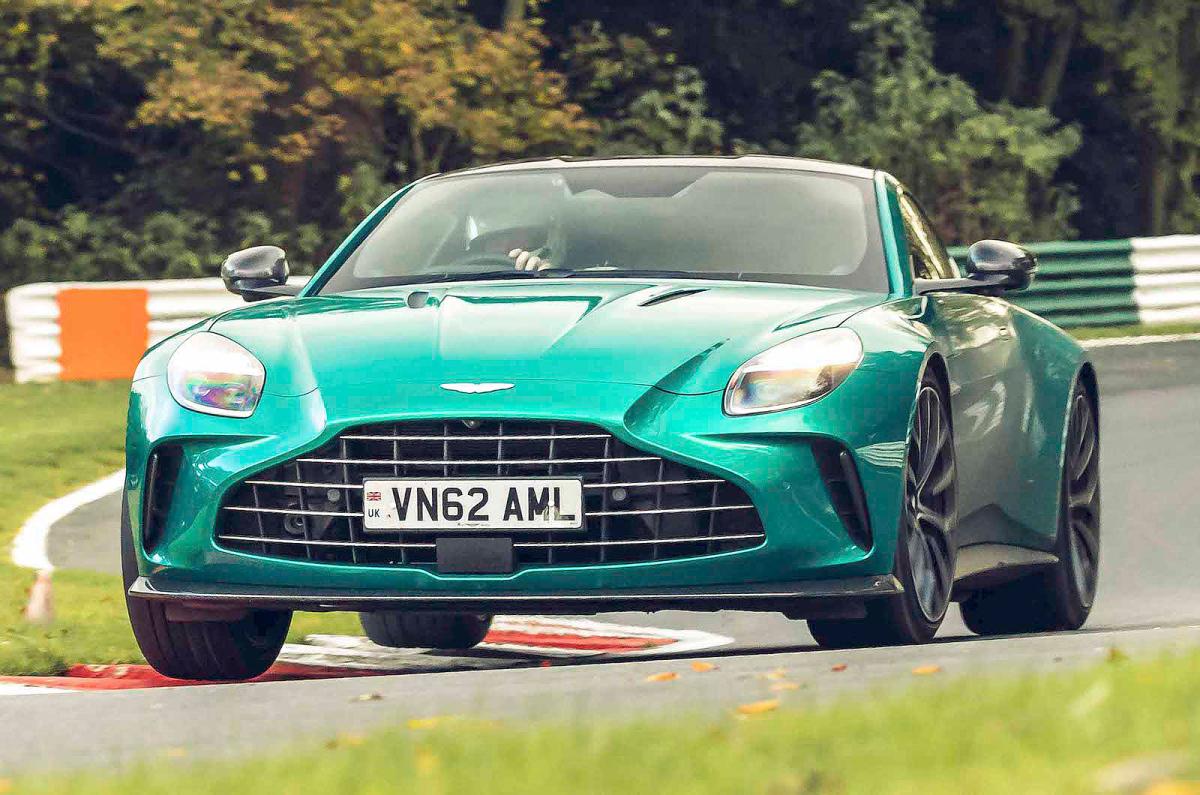
- Aston Martin Vantage front cornering
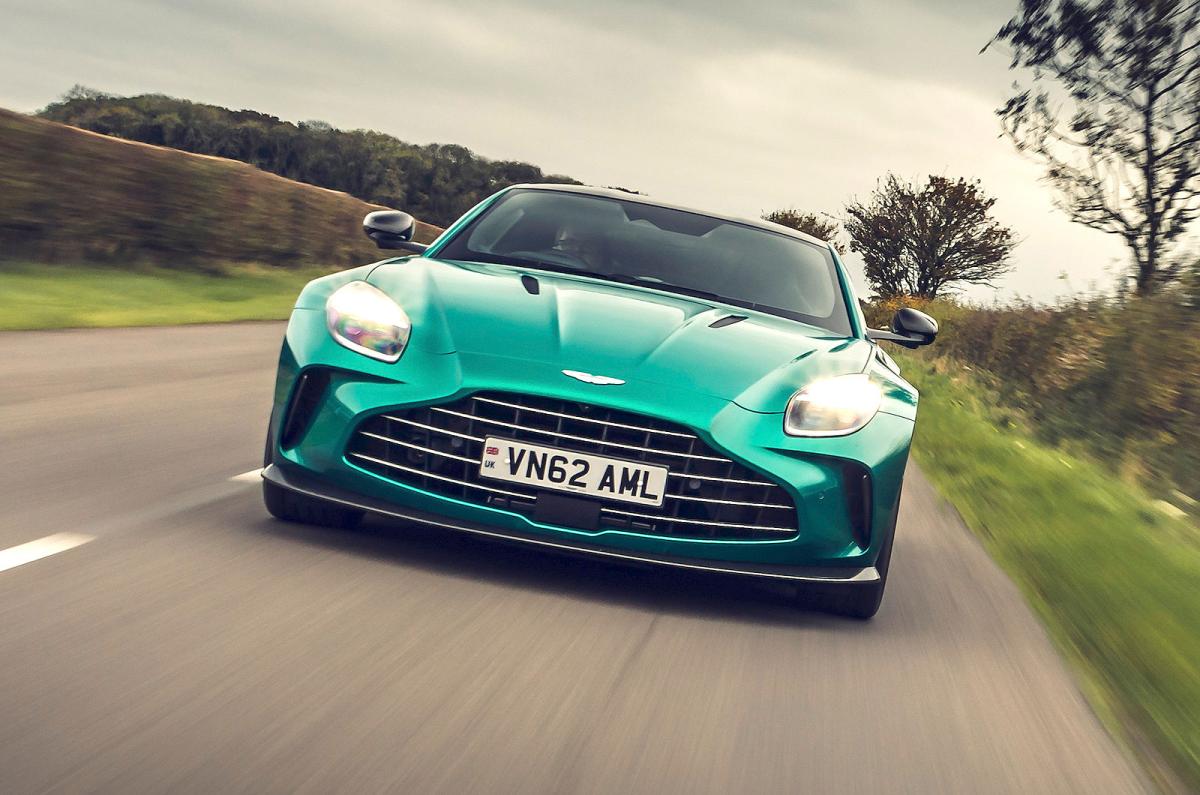
- Aston Martin Vantage front driving
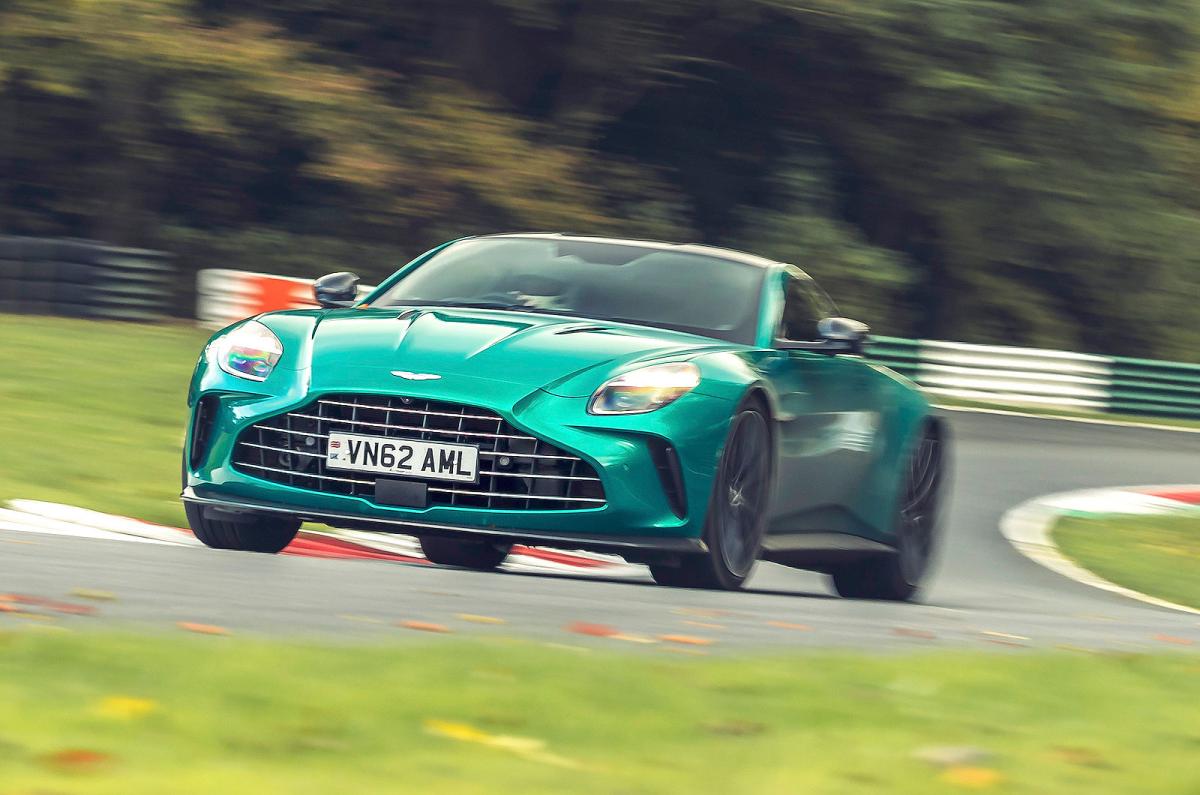
- Aston Martin Vantage front left driving
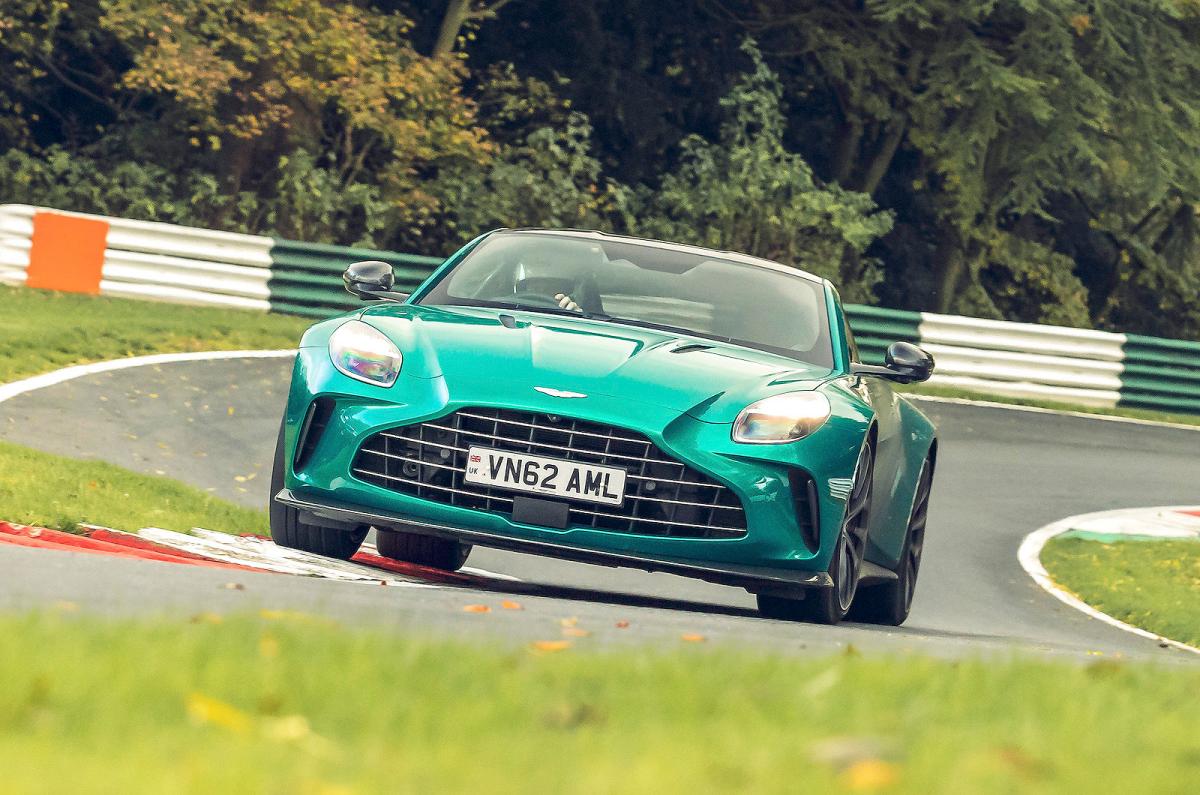
- Aston Martin Vantage front cornering
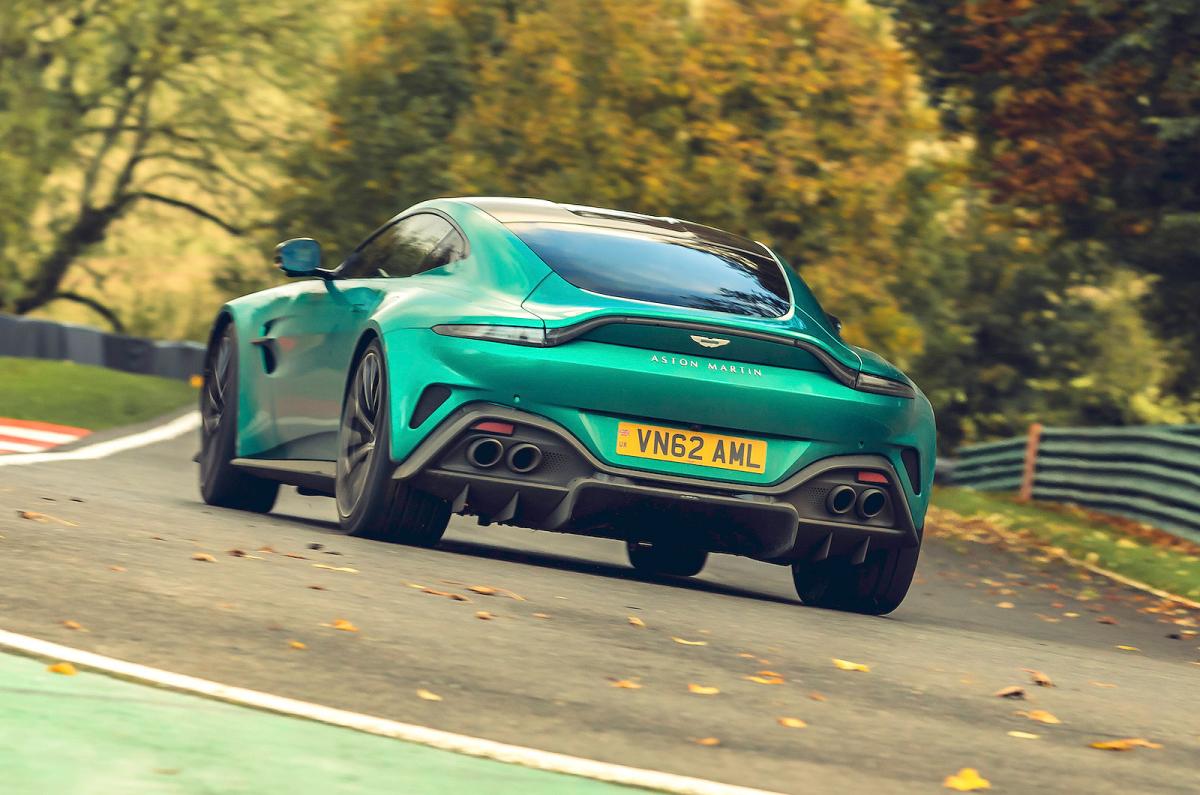
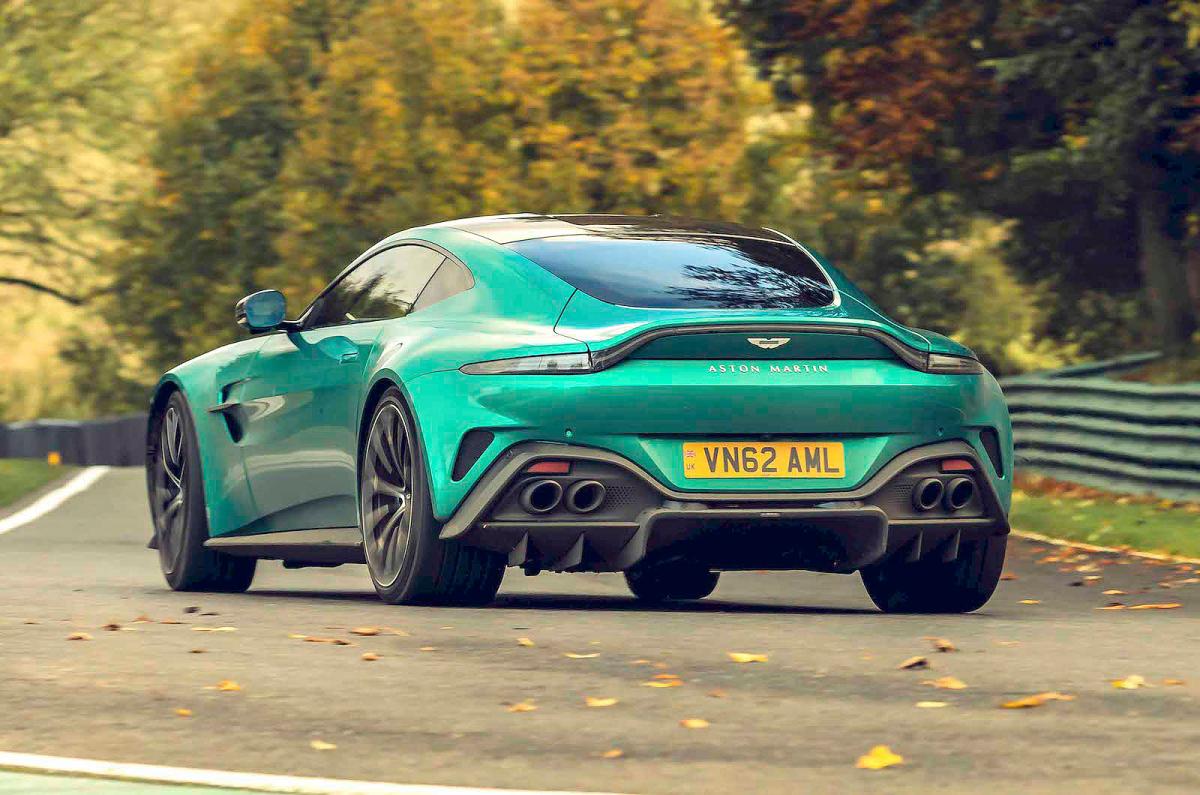
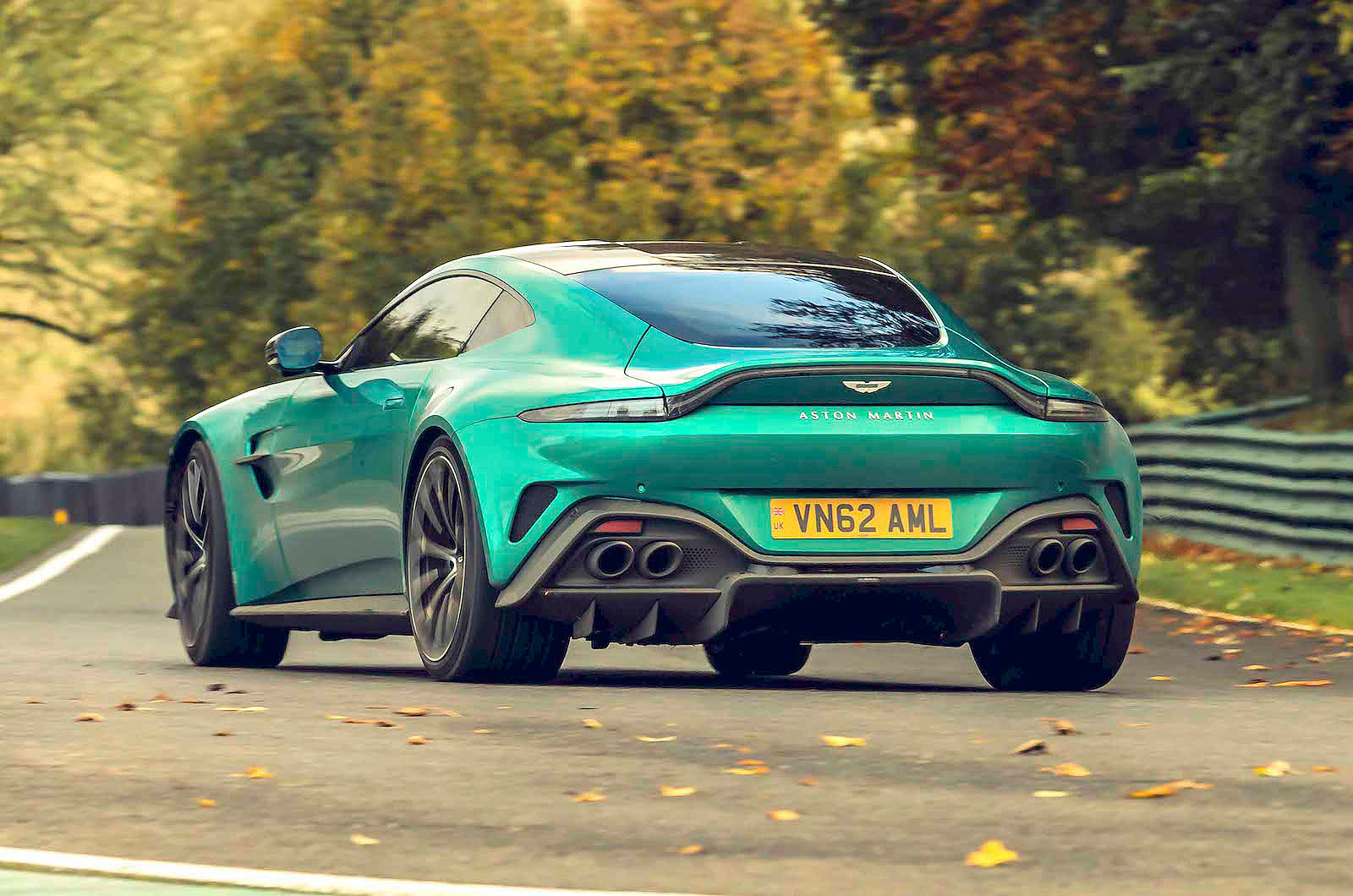
- Aston Martin Vantage rear cornering
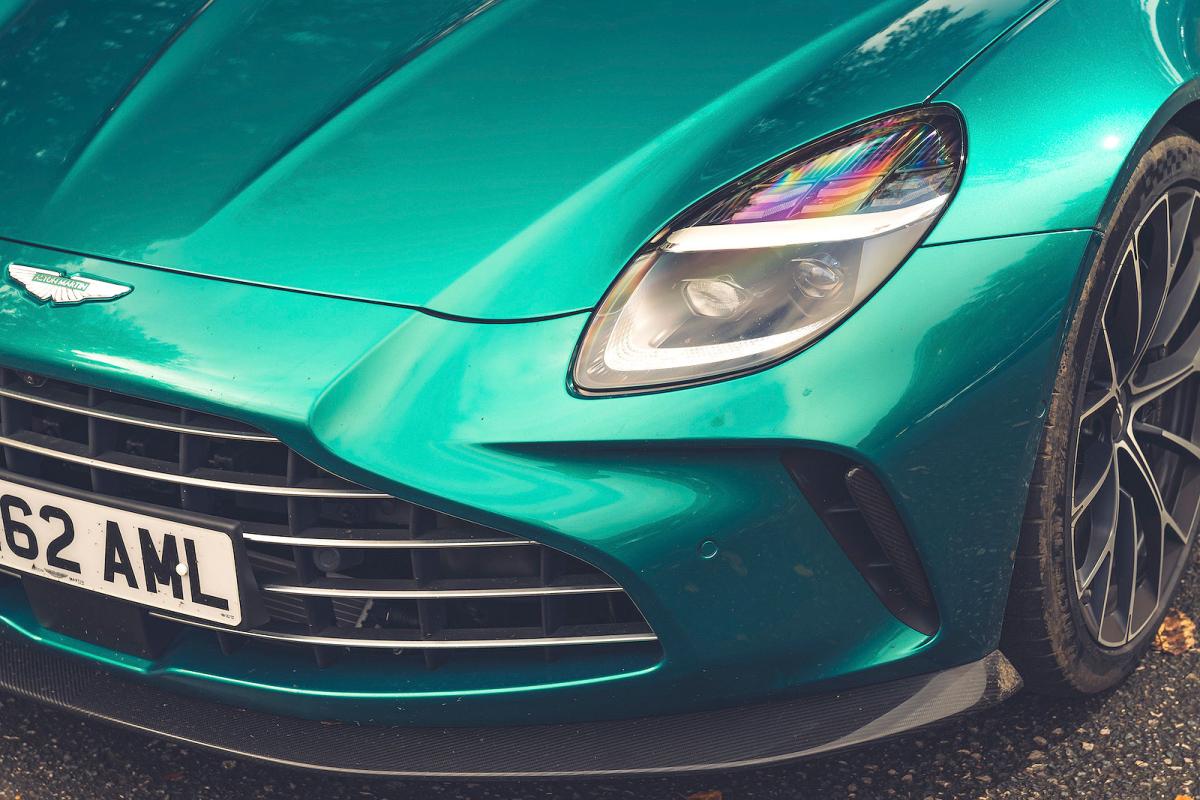
- Aston Martin Vantage headlights
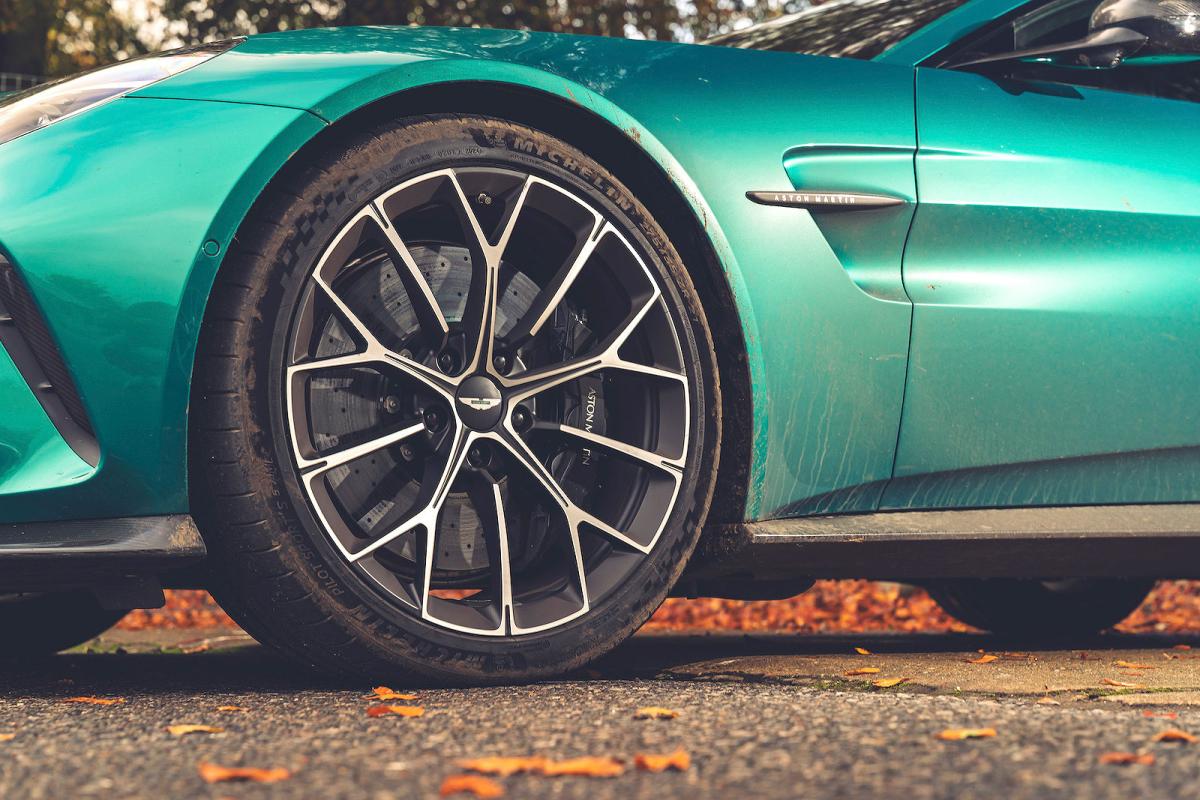
- Aston Martin Vantage alloy wheel
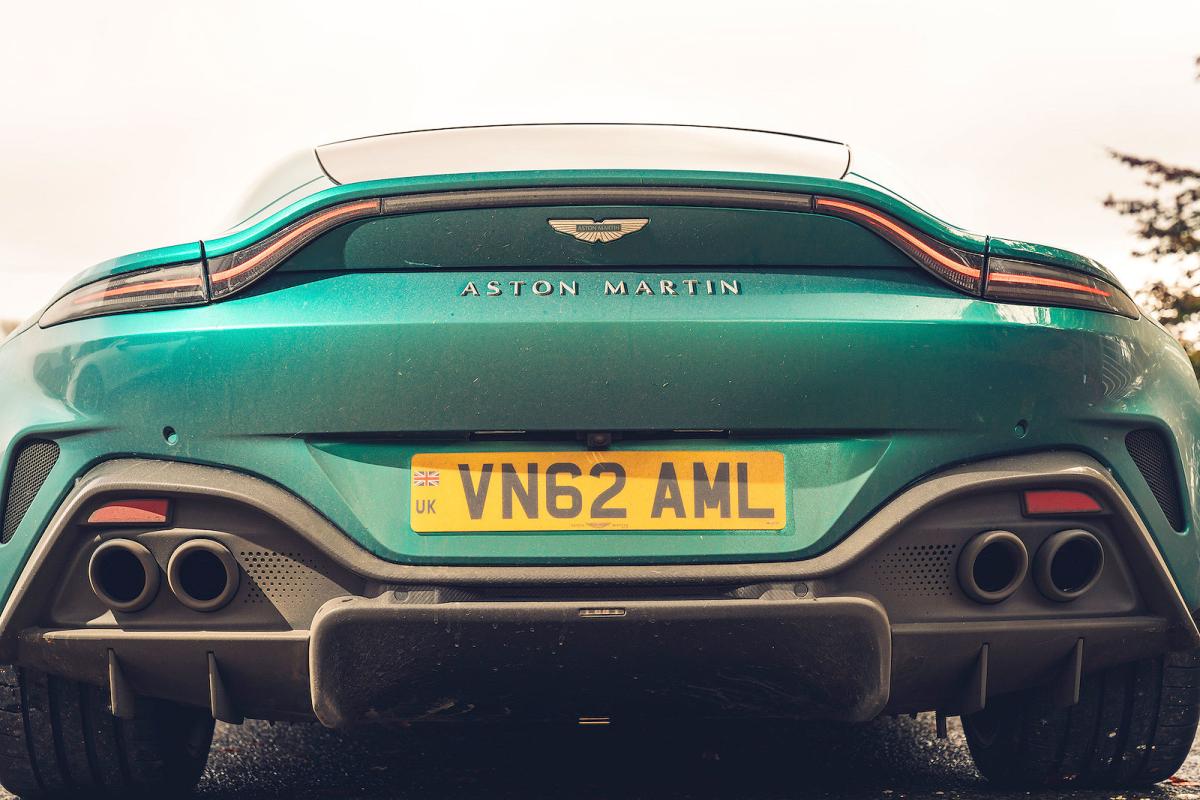
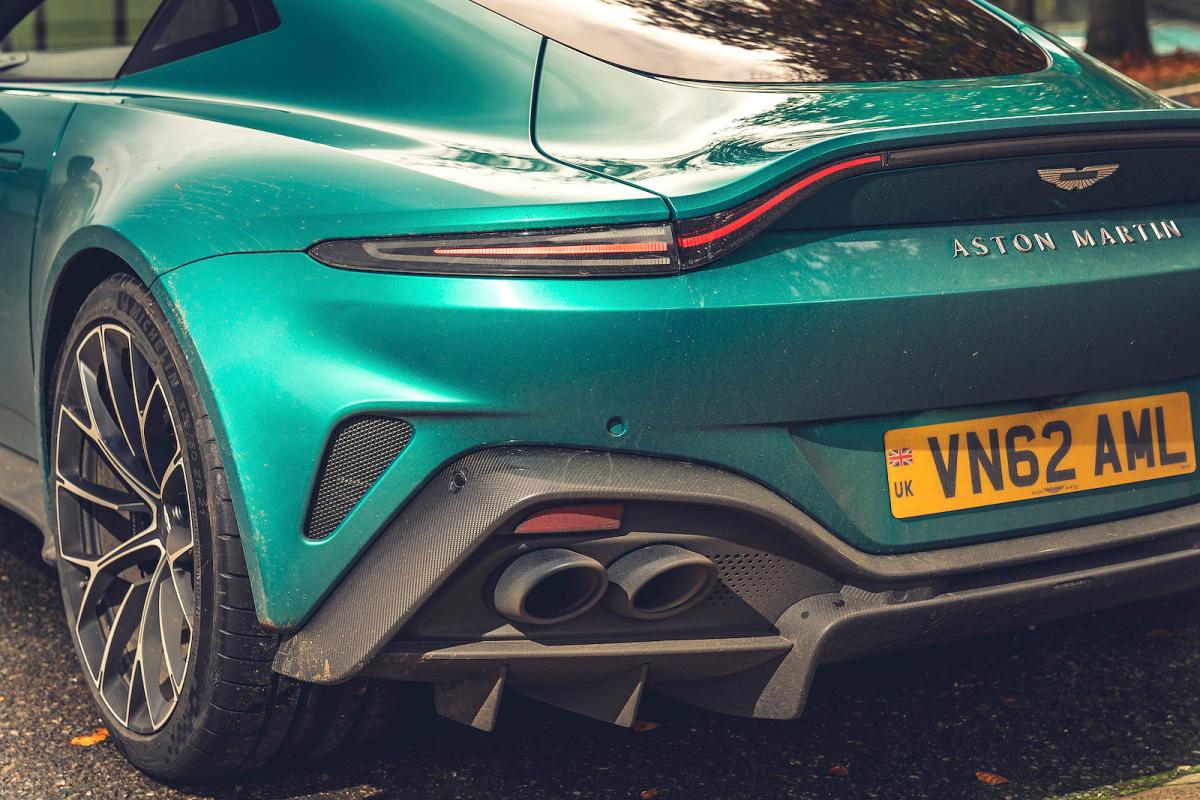
- Aston Martin Vantage rear detail
- Aston Martin Vantage rear lights
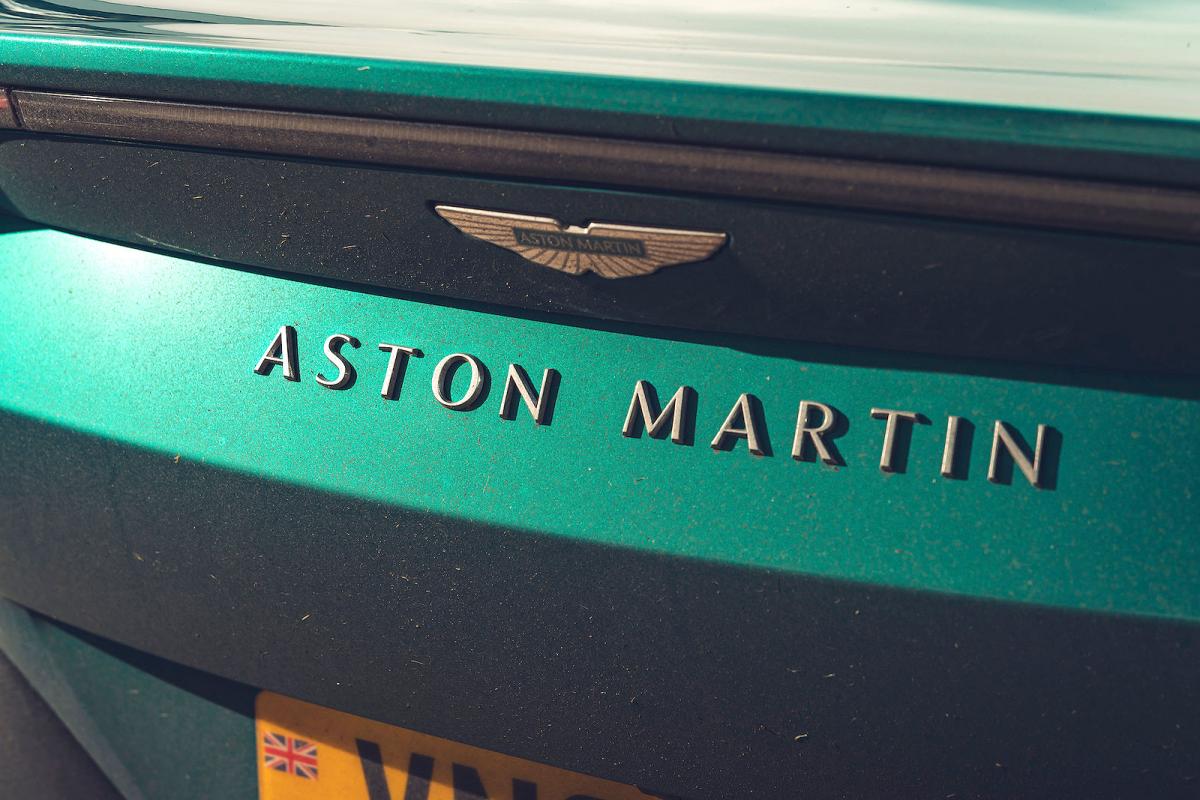
- Aston Martin Vantage rear badges
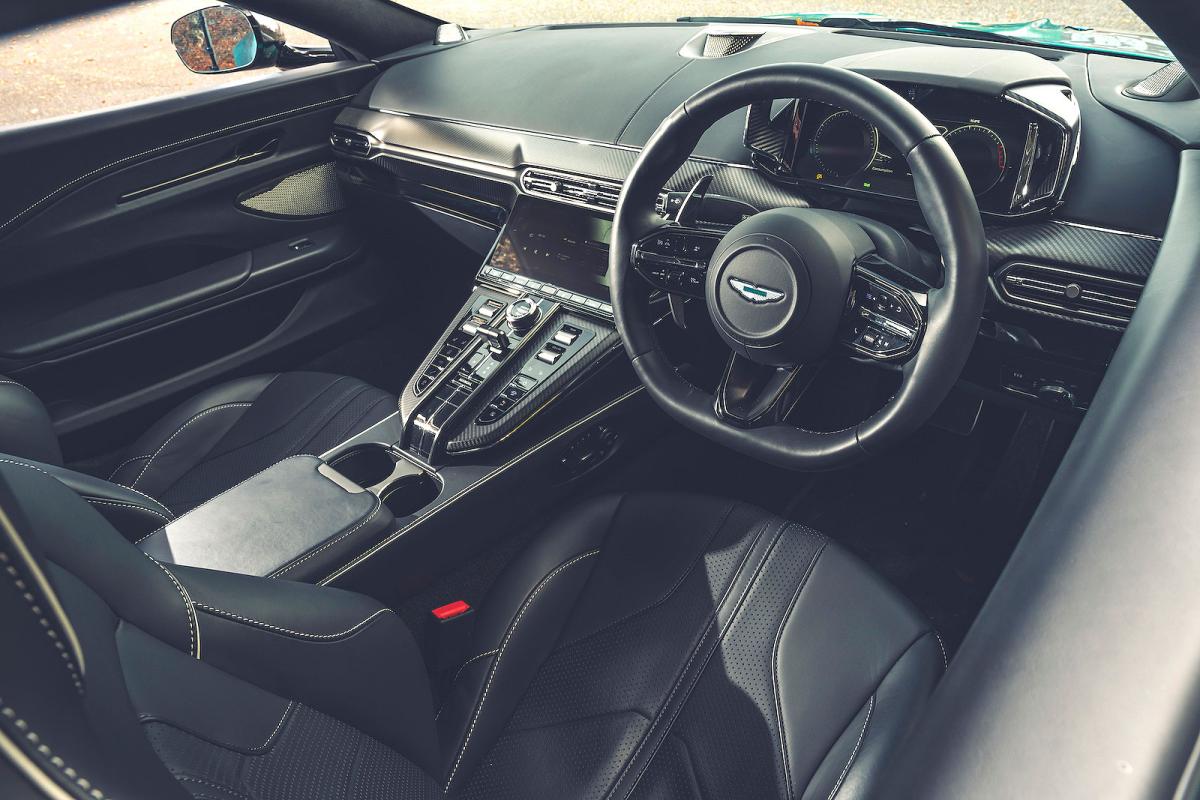
- Aston Martin Vantage front seats
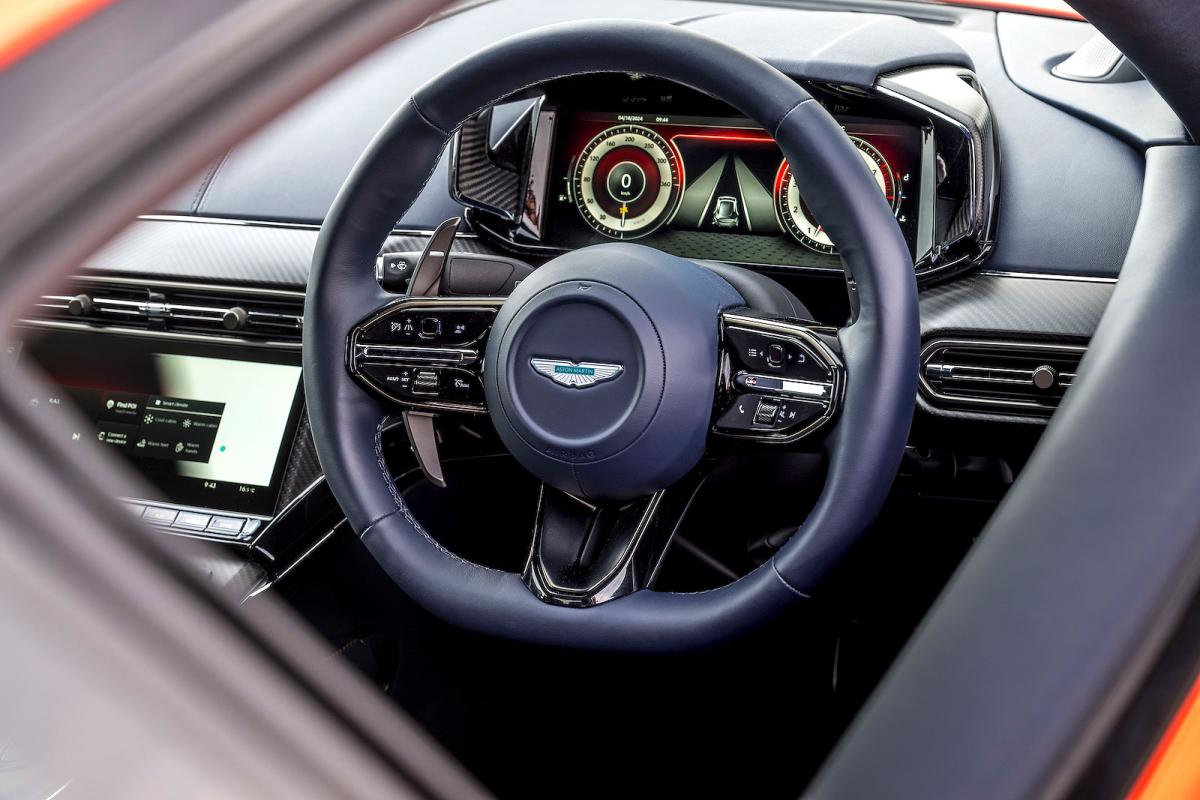
- Aston Martin Vantage steering wheel
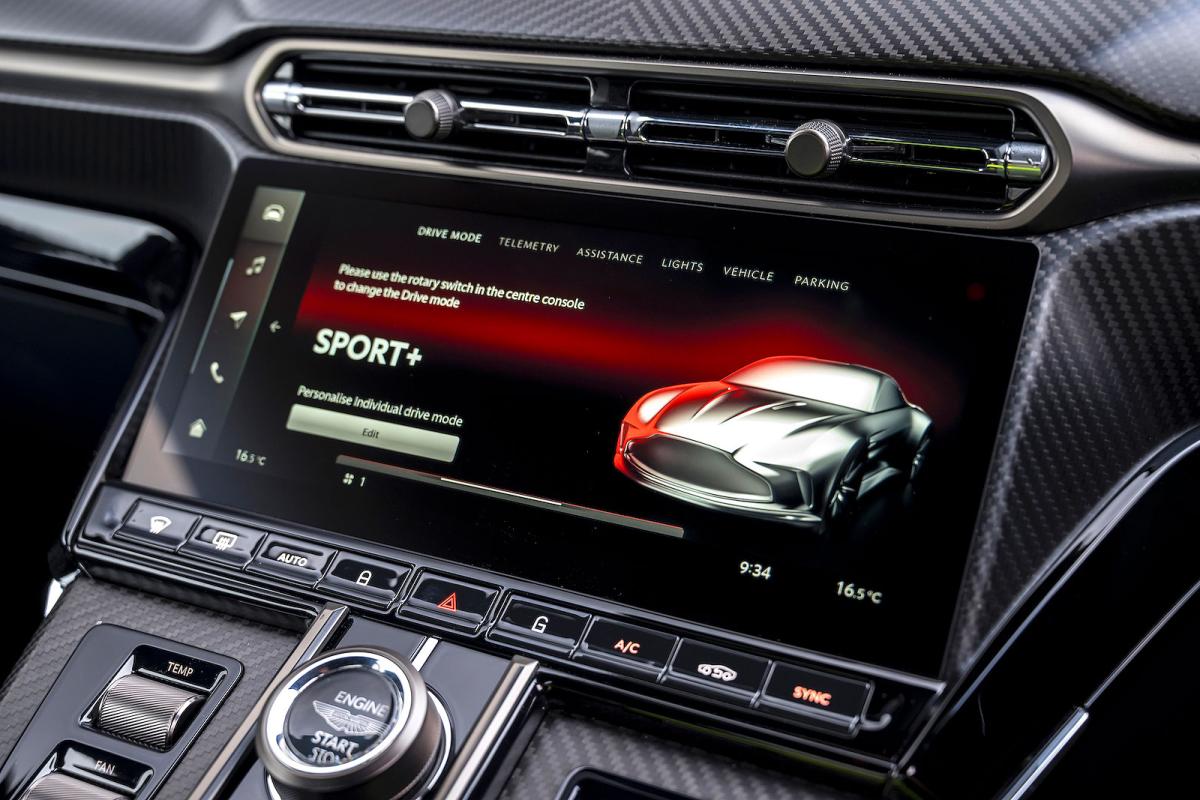
- Aston Martin Vantage infotainment touchscreen
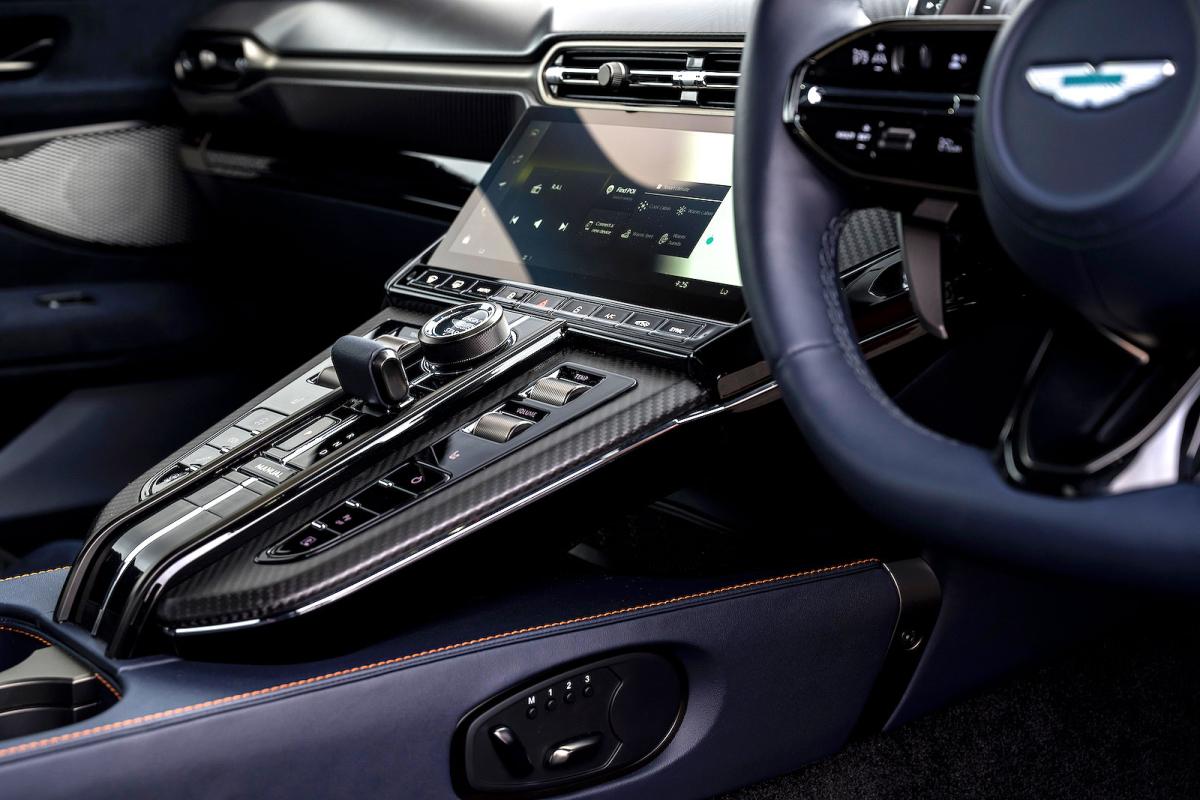
- Aston Martin Vantage interior detail
- Aston Martin Vantage interior detail
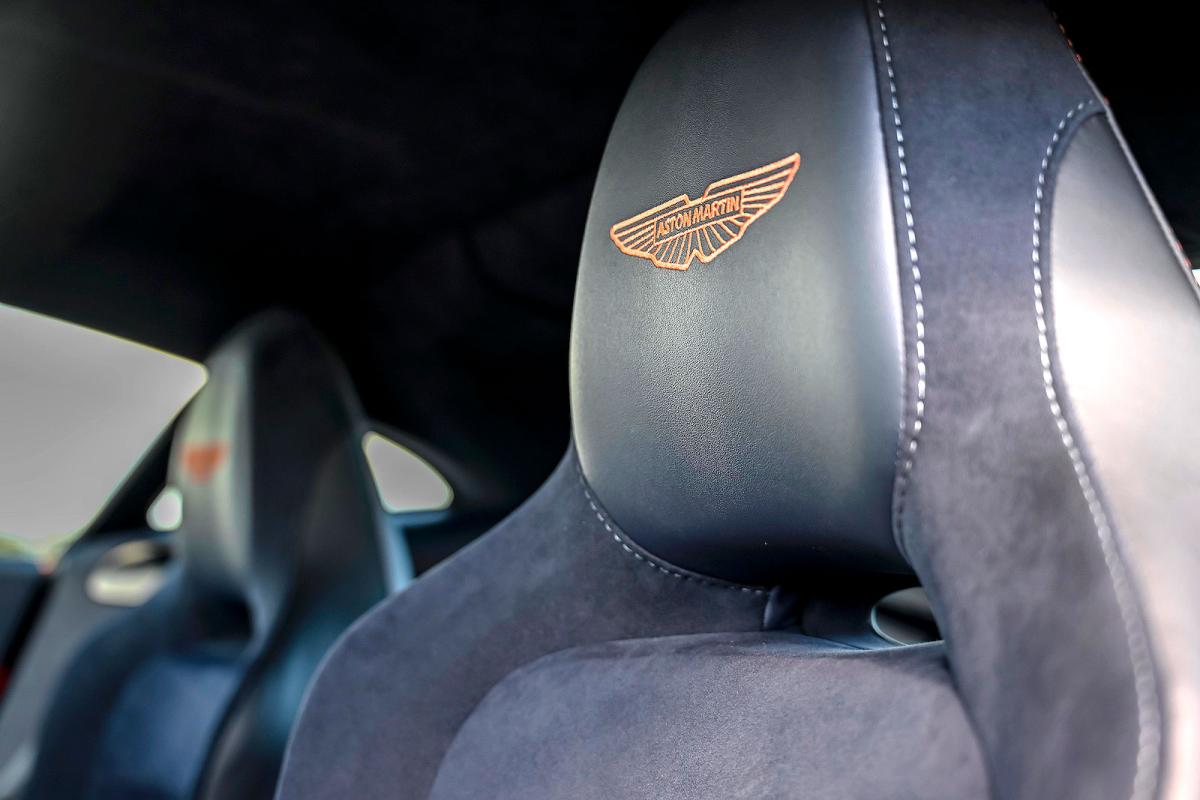
- Aston Martin Vantage seat detail
- Aston Martin Vantage rear cornering
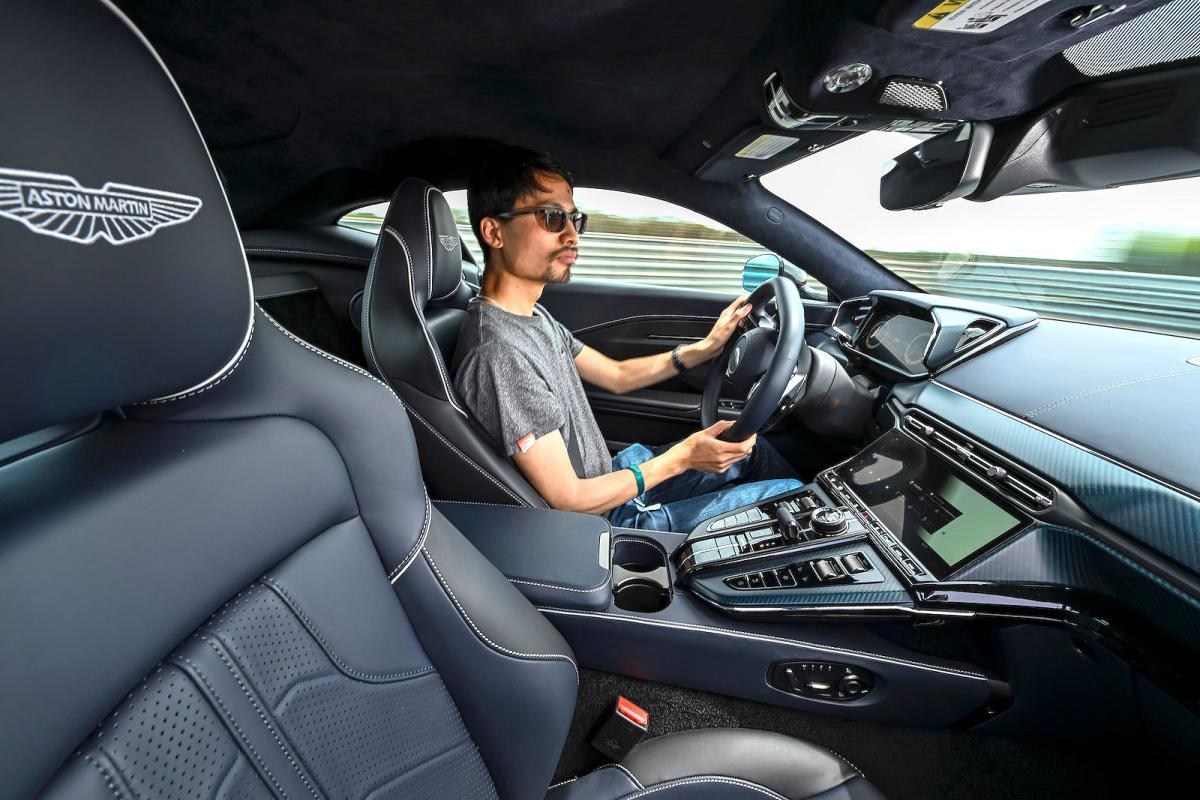
- Lawrence Cheung test driving Aston Martin Vantage
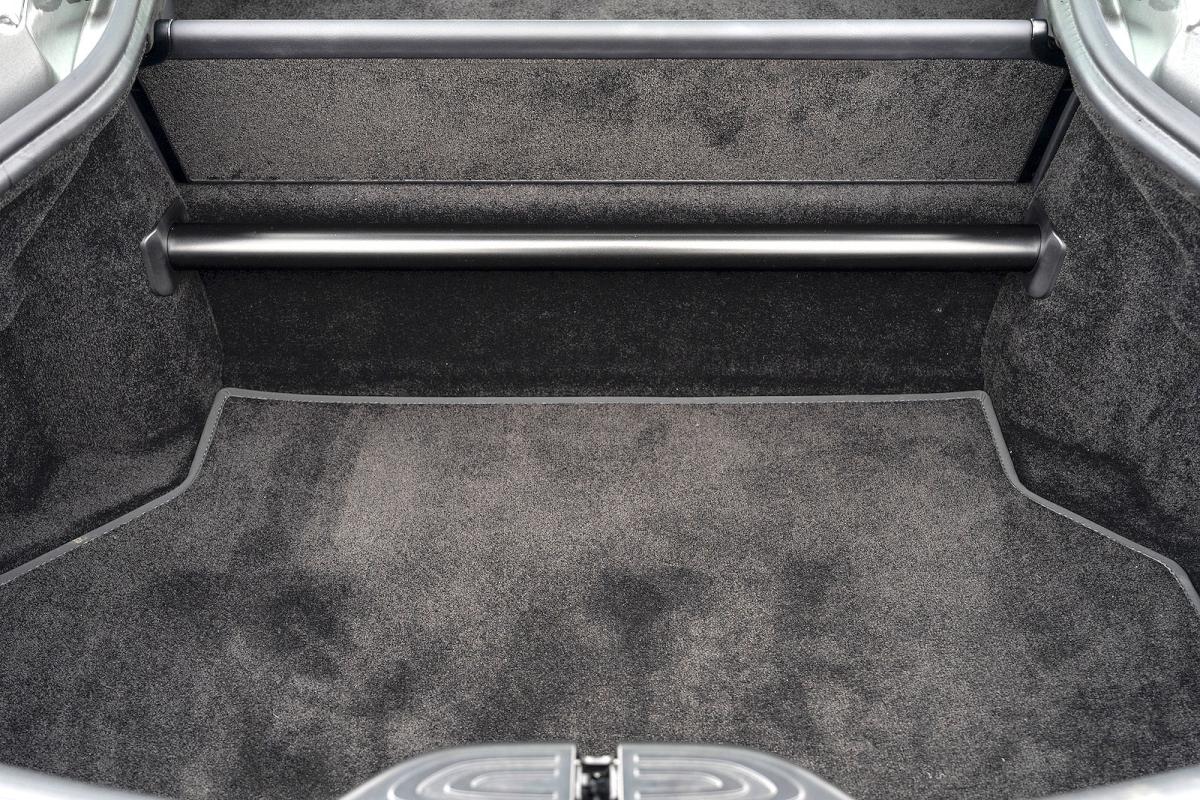
- Aston Martin Vantage boot
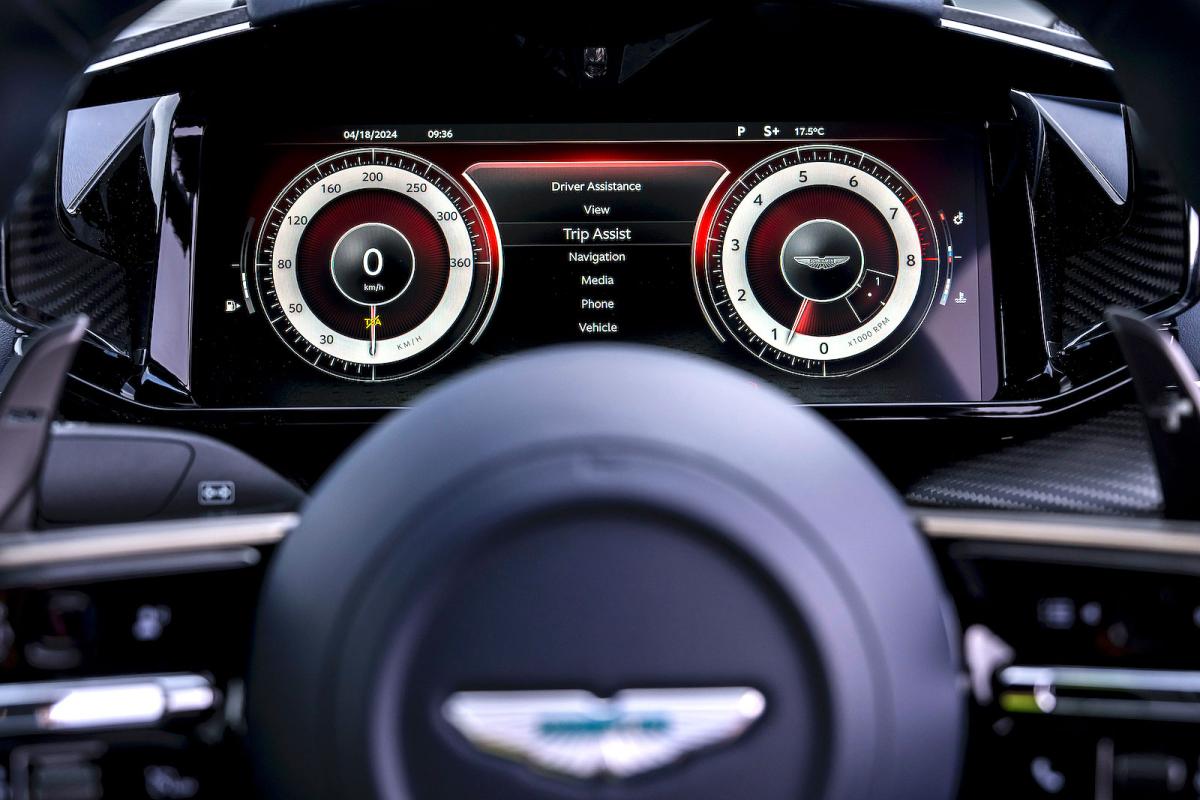
- Aston Martin Vantage driver display


What is What Car? best price?
The What Car? best price shows you the cheapest way to buy your new car, whether it's by choosing an in-stock car through our partner Autotrader or placing a factory order.
RRP from: £174,745
Introduction
The Aston Martin Vantage – like the latest mobile phones and laptops – packs huge amounts of power into a neat little package. And that's usually a combination that's enormously seductive.
While the Vantage is Aston Martin's smallest and least expensive model, it’s built with the same attention to detail as its larger stablemates and somehow manages to contain a similarly brawny engine under the bonnet. You could say it gives you the most fun for your buck – although that buck is still bigger than for some versions of the Porsche 911.
What is What Car? best price?
The What Car? best price shows you the cheapest way to buy your new car, whether it's by choosing an in-stock car through our partner Autotrader or placing a factory order.
RRP from: £174,745
A mid-life facelift to the Vantage looks to make it even more appealing, adding an extra 30mm to the width of the car, new pop-out door handles and styling cues from the Aston Martin One-77 supercar.
There's also a redesigned interior inspired by the one in the Aston Martin DB12 and the (already very powerful) engine has been reworked to produce an extra 153bhp.
Does that make the Aston Martin Vantage a better buy than the Porsche 911 and other sports car rivals including the Lamborghini Huracán and Mercedes-AMG GT? Read on to find out...
What’s new?
-
July 2025: Vantage S launched with an uprated V8 engine, more aggressive exterior styling and tweaked accelerator pedal calibration for greater precision
-
November 2024: AMV24 special edition launched to commemorate the Vantage’s success in GT3 racing. Key features include metallic green paint and yellow decorative accents
-
February 2024: All-new Vantage launched with a 656bhp twin-turbo V8; capable of 0-62mph in 3.4secs and a top speed of 202mph


Pros
- Fantastic engine
- Engaging handling
- Classy interior
Cons
- Porsche 911 has lower starting price
- Road noise
- Limited practicality
Performance & drive
What it's like to drive, and how quiet it is
Strengths
- Agile handling
- Boisterous engine
- Surprisingly easy to drive normally
Weaknesses
- Lots of road noise
- Firm ride
The Aston Martin Vantage uses a twin-turbo 4.0-litre V8 petrol engine borrowed from Mercedes-AMG, and as part of its 2024 update, power has jumped from 503bhp to 656bhp.
That's cut the 0-62mph time to 3.5 seconds – still slightly slower than the Mercedes-AMG GT 63 Pro – and if you can find a long enough stretch of private track, you'll find the top speed is now 202mph.
An engine is about more than just numbers, of course – in a sports car it needs to be a joy to use. Happily, that’s very much the case with the Vantage. With huge reserves of low-down pull, it will potter around town effortlessly at just about tickover then build speed ferociously the second you put your foot down.
Once in its stride, the Vantage's boisterous engine revs eagerly to the limiter from 4,000rpm, serving up a huge dollop of mid-range muscle to whisk you up to the motorway limit or sling you out of a corner exit.
Meanwhile, a clever rear electronic differential constantly assesses grip levels and sends power to the rear wheel that can best handle it. Adding to the sense of urgency is a responsive accelerator pedal and relatively short gearing from the eight-speed automatic gearbox.
The auto box flicks between gears intelligently in auto mode, while the large metal paddles either side of the steering wheel allow you to take full manual control. To stop the car taking over again, you get a handy manual mode button on the centre console. The gearbox isn’t quite as snappy as the dual-clutch automatic in the Porsche 911 but the gear shifts are more than quick enough.
Inside, the V8 engine roar that accompanies the experience is quite simply one of the best sounds in motoring. It’s suitably loud and brings a greater sense of theatre than any turbocharged variant of the 911. Meanwhile, the deep-sounding exhaust system gives the occasional (and glorious) crackle without being downright anti-social.
With the standard cast-iron brakes, the Vantage has plenty of stopping power and the brakes are easy to modulate thanks to the well-weighted brake pedal. You’ll never find them fading in everyday use, but the optional ceramic brakes will appeal if you intend to push your Vantage. We tried them on a track and found that they can tolerate repeated heavy use and feel hugely powerful.
What about the handling? Well, it doesn’t take long for it to draw a smile on the driver’s face. The quick steering makes the car feel alert, and you can effortlessly thread your way down a twisting country road without having to apply much lock.
The steering responds consistently and accurately at all speeds, but the fast response doesn’t translate into the car feeling twitchy or nervous. Ultimately, a Porsche 911 provides a stronger sense of connection to the front wheels, but the driver still builds up confidence very quickly in the Vantage.
There’s a huge amount of grip from the front tyres and the Vantage’s short wheelbase results in a real eagerness to turn in to bends. It controls body lean extremely well through those corners, although the suspension doesn’t quite manage to deal with mid-corner bumps as well as the 911 and doesn’t feel as composed on the limit. It is better than the sometimes cumbersome-feeling Mercedes-AMG GT though.
The Vantage has three drive modes of increasing aggressiveness (Sport, Sport+ and Track). They adjust the engine response, steering weight, suspension firmness and how loud the engine and exhaust are.
On a smooth road or track you’re best off picking the Track driving mode and Sport+ suspension setting. That combination gives you the sharpest accelerator and gearbox response and mid-level stiffness for the suspension.
On less agreeable roads (let's face it, that's most of them in the UK) it’s better to leave the suspension in the more supple Sport mode to allow the Vantage to take bumps and camber changes in its stride more effectively.
The car’s traction and stability controls allow more slip in the more aggressive drive modes, and if you’re feeling brave there’s a separate ESC Track mode that intervenes even later. The systems can be switched off completely, at which point the rotary dial used to scroll between drive modes becomes a way of adjusting the traction control, with eight levels of settings.
With its engine, gearbox and suspension dialled back to their most relaxed modes, the Vantage is a reasonably comfortable car. It has no problems dealing with speed bumps in its softest Sport setting, but the ride remains firm and rather busy, especially when dealing with sharp ridges and scarred surfaces.
The busy ride is accompanied by a thump from the tyres and suspension (you’ll experience the same in a Porsche 911). With its incredibly wide tyres following road contours, the Vantage subtly moves around. The Aston Martin DB12 and Mercedes-AMG GT are better options for a calmer ride and less road noise.
"Despite being a low-slung sports car, the Aston Martin Vantage deals with speed bumps and even my incredibly steep driveway with ease, with no scraping of the nose." – Dan Jones, Senior Reviewer
Interior
The interior layout, fit and finish
Strengths
- Plush interior
- Comfortable seats and driving position
- Easy-to-use dashboard
Weaknesses
- Some minor controls could be better damped
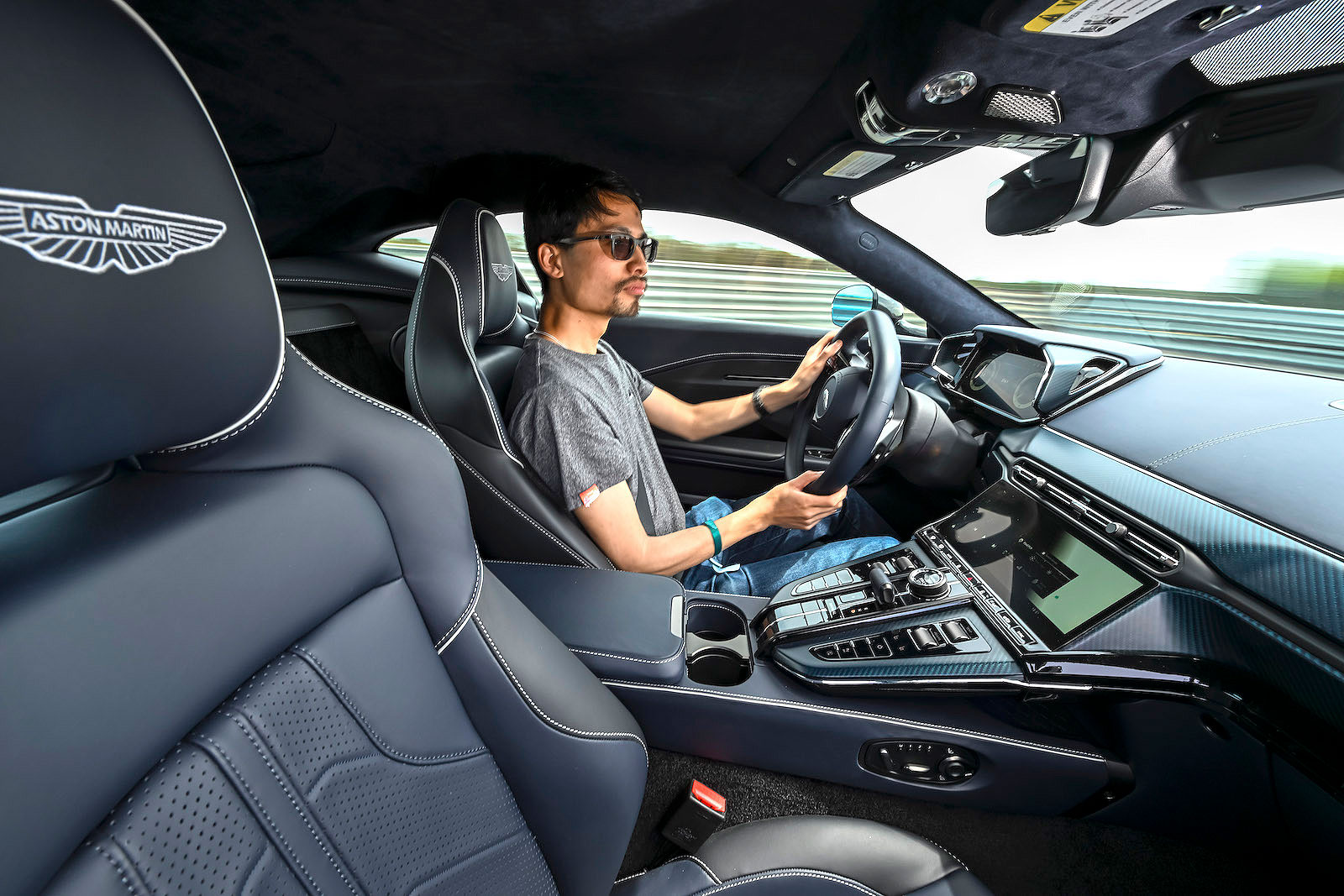
It’s all very well for a car to handle well, but if you're not sitting comfortably enough to enjoy it, it could ruin the experience. Fortunately, the Aston Martin Vantage has a very good driving position, with generous electric adjustment for both the driver’s seat and steering wheel.
Alternatively, you can opt for something a bit more performance-focused by choosing to have carbon-fibre performance seats, which hold you more securely in place and provide a huge amount of side support during cornering.
The Vantage features headlight switches and stalks on the steering column that will be familiar from some Mercedes car models but as part of the 2024 update, there's a new dashboard influenced by the Aston Martin DB12.
That's great news, because you now get a variety of user-friendly physical controls and buttons on the centre console for those commonly used functions. The lay-out is much tidier than on the pre-facelift Vantage, which was littered with small buttons that looked a bit messy.
Adjusting the temperature for the climate control or the audio volume can be done by rolling a control back and forth, while the gear selector is now a lever (rather than individual dash-mounted buttons).
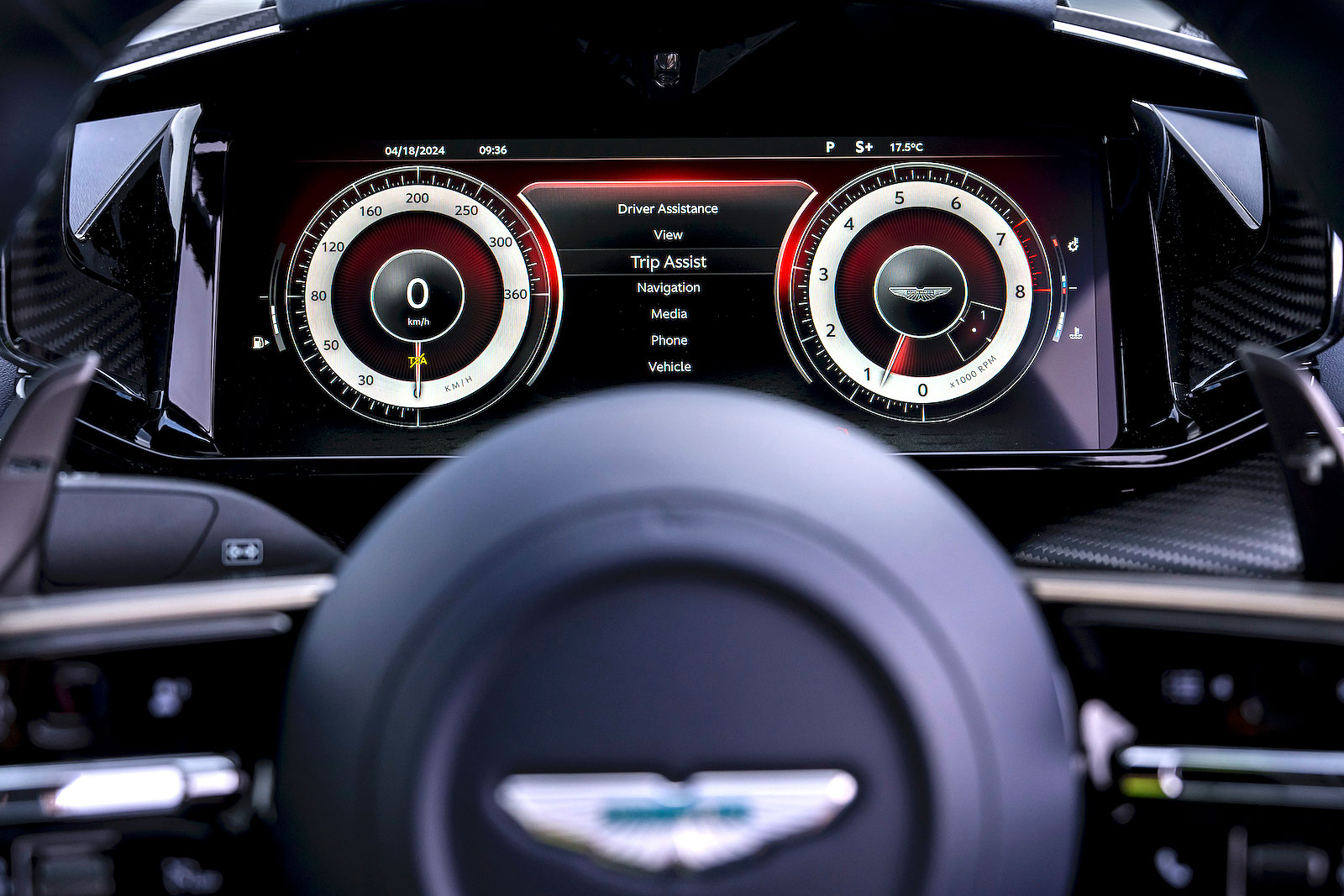
The digital driver’s display looks sharp and offers two lay-outs (switching from two dials to a single one). Thankfully, the steering wheel doesn’t obscure the top of the screen by much when set at its lowest position.
You can view the sat-nav map and customise what information to show on certain sections of the display – although that involves using touch-sensitive pads on the steering wheel, which can be fiddly due to the inconsistent levels of sensitivity.
The Vantage’s relatively compact dimensions and low windowline allow for reasonably good visibility at roundabouts and junctions, and of the road ahead when you're driving quickly.
Unsurprisingly, the chunky, sloping rear pillars mean the view over your shoulder isn’t as good. The large door mirrors help, as do the standard front and rear parking sensors, and 360-degree view parking camera. Matrix LED headlights are standard to maximise visibility at night.
Earlier versions of the Vantage used a Mercedes infotainment system but Aston Martin has now replaced it with its own touchscreen one. The 10.3in screen is slightly smaller than the DB12's but looks sharp and falls more easily to hand than the screen in a Porsche 911.
There’s a line of shortcut keys to help you hop between functions, although some of the icons are quite small and bunched closely together. That can make it tricky to aim for them while you're driving (especially when the firm ride causes your hand to move around). The response time is quick enough, and you get wired Android Auto and wireless Apple CarPlay as standard.
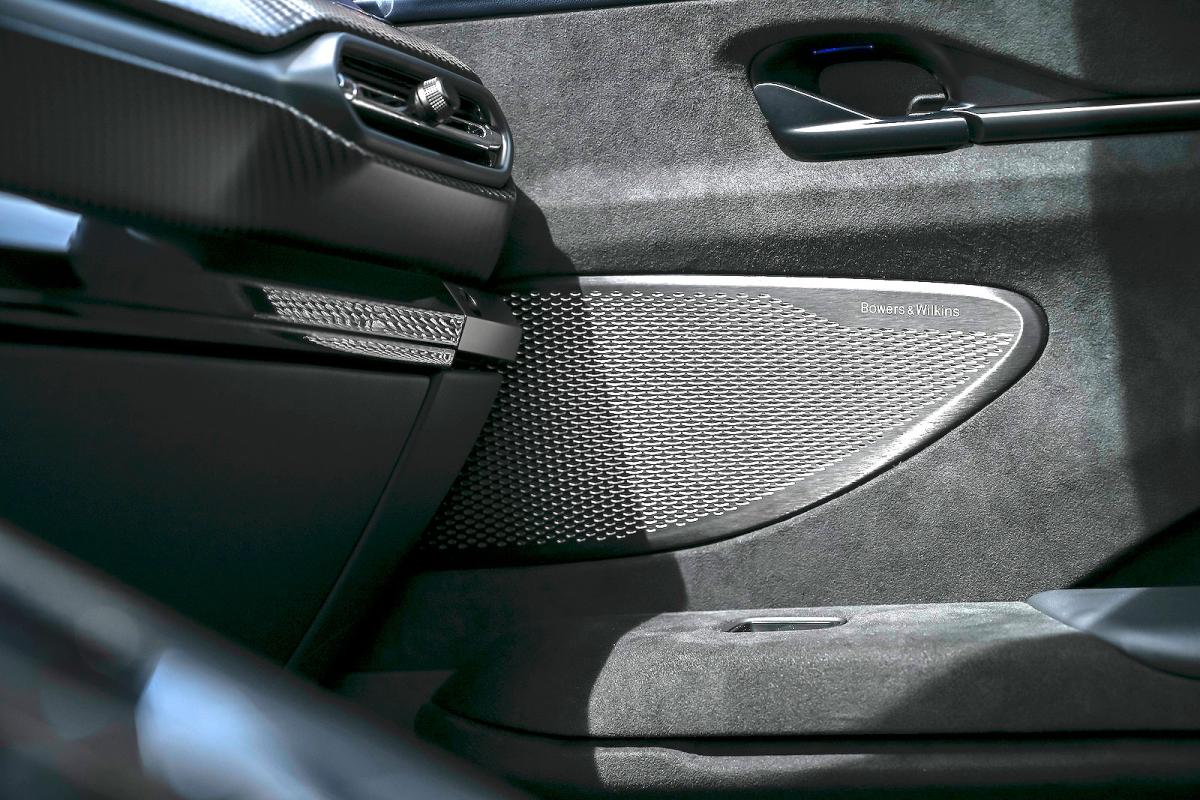
Soft, hand-stitched leather covers most surfaces of the dash and doors, accompanied by suede-like material and glossy (or optional carbon) trim finishers. While the fit and finish is up to a high standard, a few of the minor controls on the steering wheel could be better damped.
"The Vantage's standard 390-watt, 11-speaker sound system is good, but the optional 15-speaker 1,170-watt Bowers & Wilkins stereo is pretty special, giving a clear and punchy sound that easily drowns out the road noise." – Dan Jones, Senior Reviewer
Passenger & boot space
How it copes with people and clutter
Strengths
- Plenty of space for two occupants
- Usable boot space
Weaknesses
- No rear seats like in a Porsche 911
The Aston Martin Vantage is a two-seater with lots of space for two tall adults. They’ll have no complaints about the amount of head or leg room, and there’s no danger of even two burly occupants rubbing shoulders.
Elsewhere, storage is a little tight. The glovebox is a bit narrow and each door has only a fairly slim pocket that can hold a small drinks bottle horizontally. There’s a modest cubby beneath the central armrest large enough for a phone and a pair of cupholders ahead of it, plus a wireless charging tray for your phone on a lower tier hidden below the centre console.
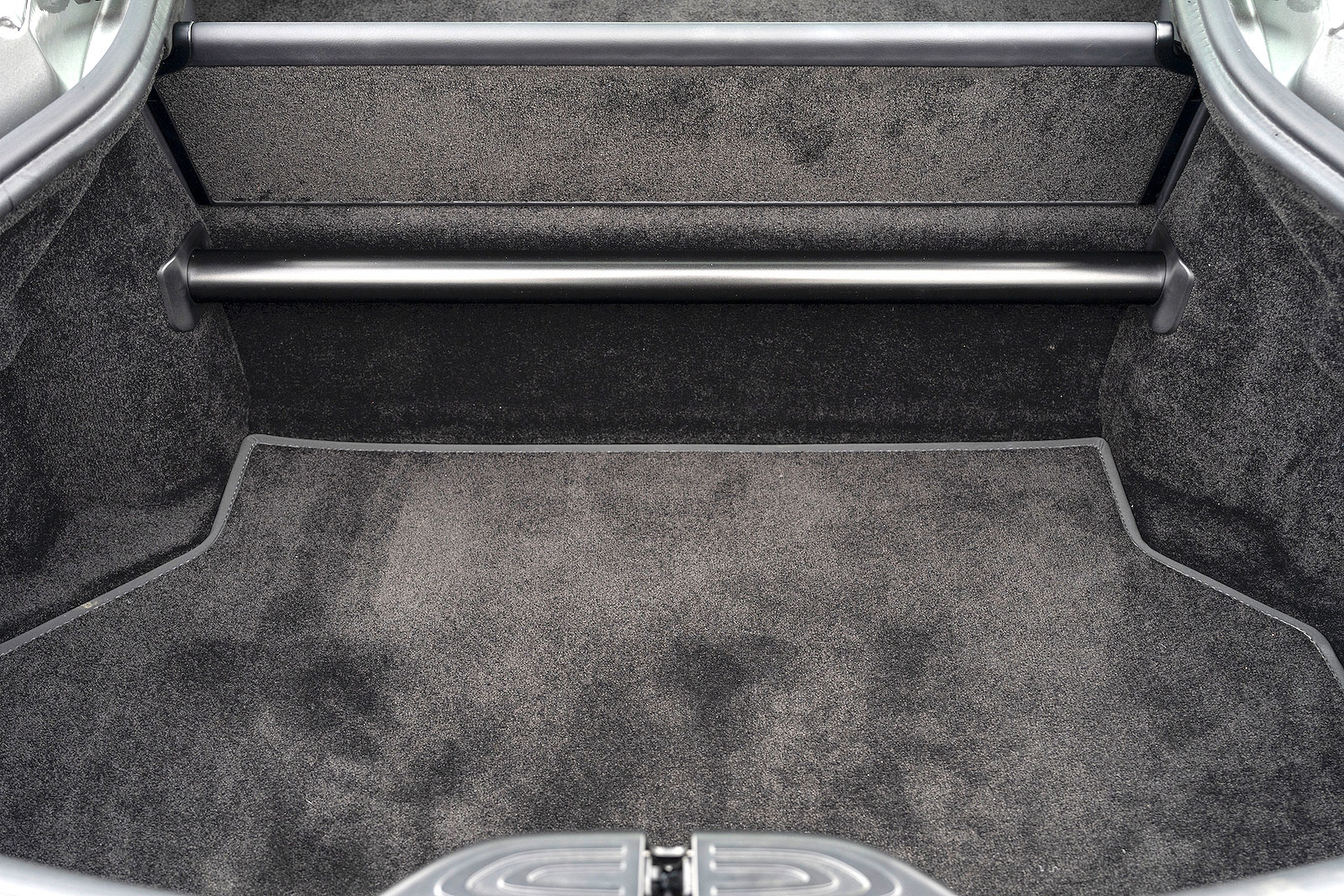
The Vantage has 346 litres of boot space with a large hatchback offering good access. Aston Martin reckons you can fit in two sets of golf clubs – although they'd have to be small sets. There’s enough space for a weekend away, but the main load area isn’t uniform in shape, so trying to fit in more than a couple of carry-on suitcases plus a soft bag will require some clever arranging.
There's a load area higher up for smaller items (such as coats) with a removable divider to keep them separate from the main boot area. Behind the front seats are a couple of small storage cubbies, but the two rear seats in a Porsche 911 offer more versatility because they can accommodate bags or children.
"I think it’s a nice touch that you get an umbrella strapped to the inside of the Vantage's tailgate, but it's not great that water pours into the load area when you open the boot in the wet." – Dan Jones, Senior Reviewer
Buying & owning
Everyday costs, plus how reliable and safe it is
Strengths
- Plenty of options to customise your Vantage
Weaknesses
- Porsche 911 GTS costs less
The Aston Martin Vantage’s starting price is way above that of most versions of the Porsche 911. In fact, it will set you back almost exactly the same as the cheapest Mercedes-AMG GT and a similar amount to the entry-level Lamborghini Huracán. All cost less than a Ferrari 296 GTB or Maserati MC20.
The 911 is slightly more frugal and has a cleaner engine, although both cars sit in the highest brackets for road and company car tax. The 21in Michelin tyres designed for the Vantage won’t be cheap to replace either – but that's true of any sports car at this level.
Ways to buy
At least the Vantage goes some way to making up for it with its standard equipment. Heated leather sports seats, dual-zone climate control, adaptive cruise control and keyless ignition are just a few of the features. Of course, there’s also a long options list to get carried away with, including special paint colours, privacy glass, ventilated seats and a heated steering wheel.
The Vantage hasn’t been crash-tested by Euro NCAP or security tested by Thatcham, but it comes with automatic emergency braking (AEB), blind-spot monitoring, lane-departure warning, lane-keep assist, traffic-sign recognition and rear cross-traffic alert.
We don't have enough data on Aston Martin models for them to feature in the What Car? Reliability Survey but we can tell you that the Vantage comes with a three-year, unlimited-mileage warranty.
"I didn't expect the Aston Martin Vantage's V8 engine to be efficient – and I was right not to, with official economy figures of around 23.3mpg." – Dan Jones, Senior Reviewer
For all the latest reviews, advice and new car deals, sign up to the What Car? newsletter here
Tips & Advice
Similarly priced cars


If you're interested in finding a aston-martin Vantage, or any of the other sports cars mentioned here, head over to our Cars available now pages to find new cars listed for sale at great prices.
FAQs
Aston Martin Vantage specifications
RRP price range
MPG range across all versions
Available fuel types (which is best for you? )
Number of engines (see all)
Number of trims (see all)
Company car tax at 20% (min/max)
Company car tax at 40% (min/max)
What is What Car? best price?
The What Car? best price shows you the cheapest way to buy your new car, whether it's by choosing an in-stock car through our partner Autotrader or placing a factory order.
RRP from: £174,745
About the writer