Used Range Rover Velar 2017-present reliability review
The Range Rover Velar is stylish, refined and good value used, but there are more practical and more reliable alternatives.
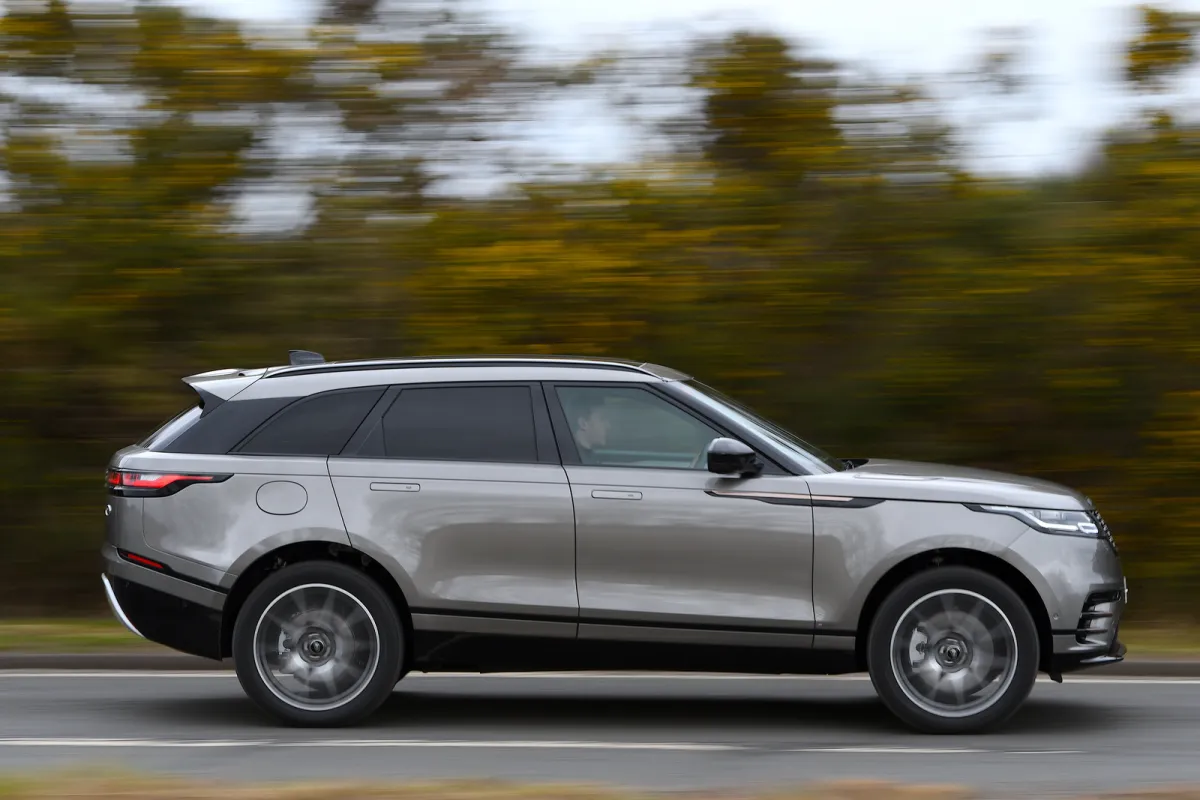



See used cars for sale
Luxury SUV
Jump to:
What's the used Land Rover Range Rover Velar like?
Ownership cost
Our recommendations
Alternatives
Reliability

George Hill
Updated: 29 May 2026
How we test cars
What should I look for in a used Land Rover Range Rover Velar?
When viewing a used car, always follow our used car buying checklist.
See used cars for sale
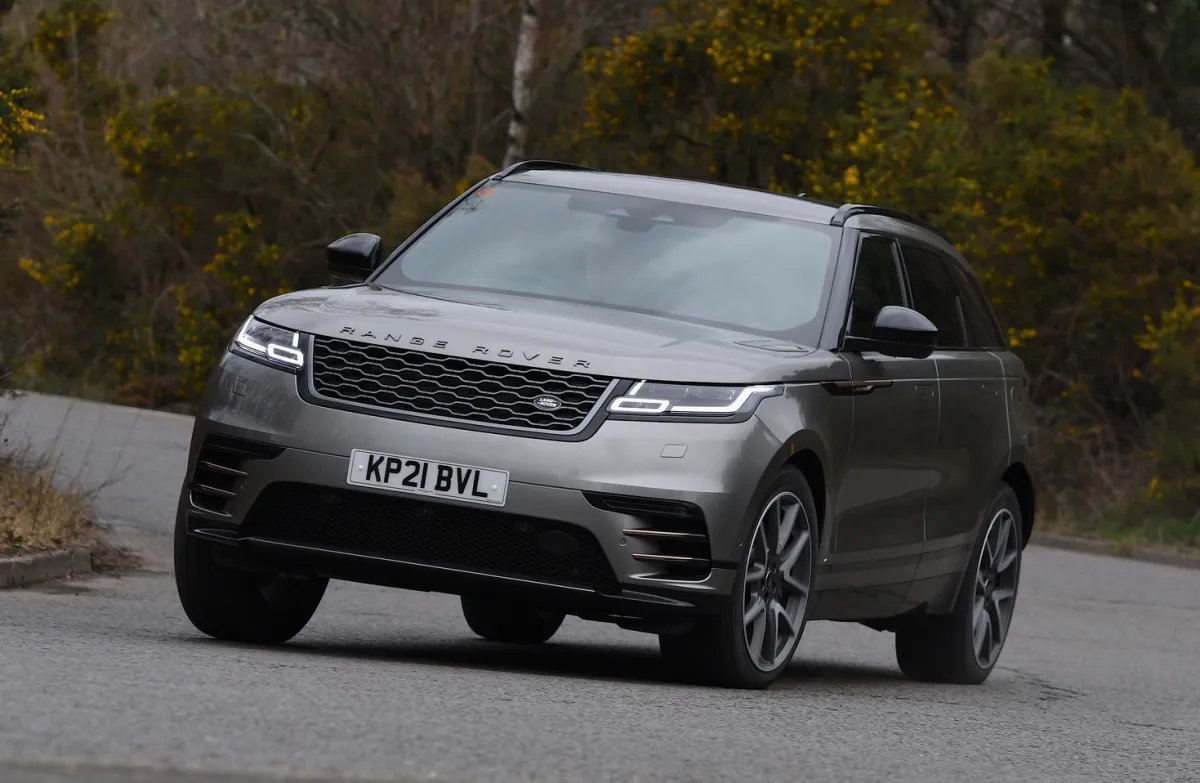
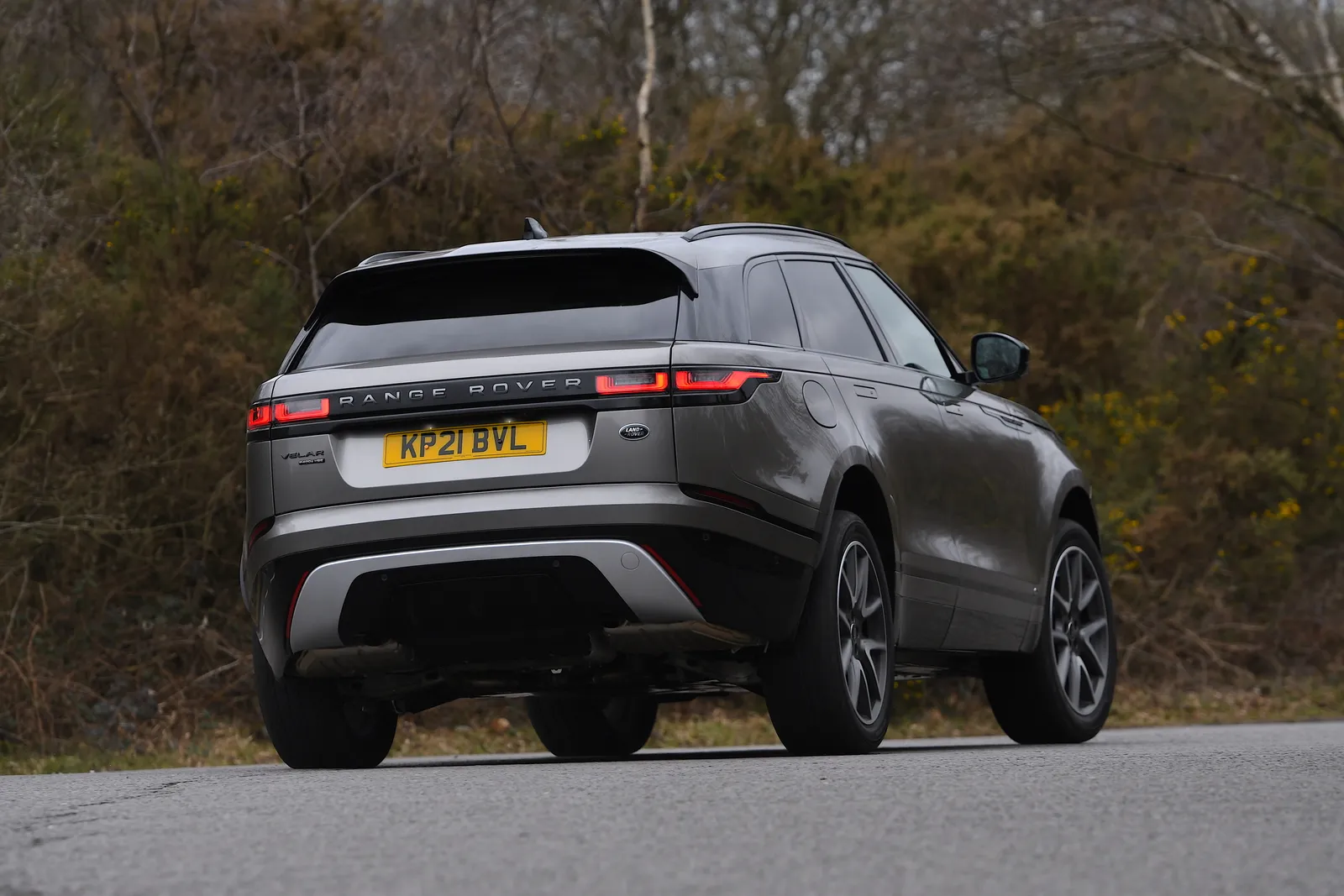
Despite its strong off-road ability, the Range Rover Velar is a popular car with urban dwellers, which leaves the large alloy wheels at risk of kerb damage. Check them carefully for scuffs, cracks or missing chunks, because repairs can be costly. If a car looks like it’s lived a life off-road, inspect the underside for any scrapes or impact damage.
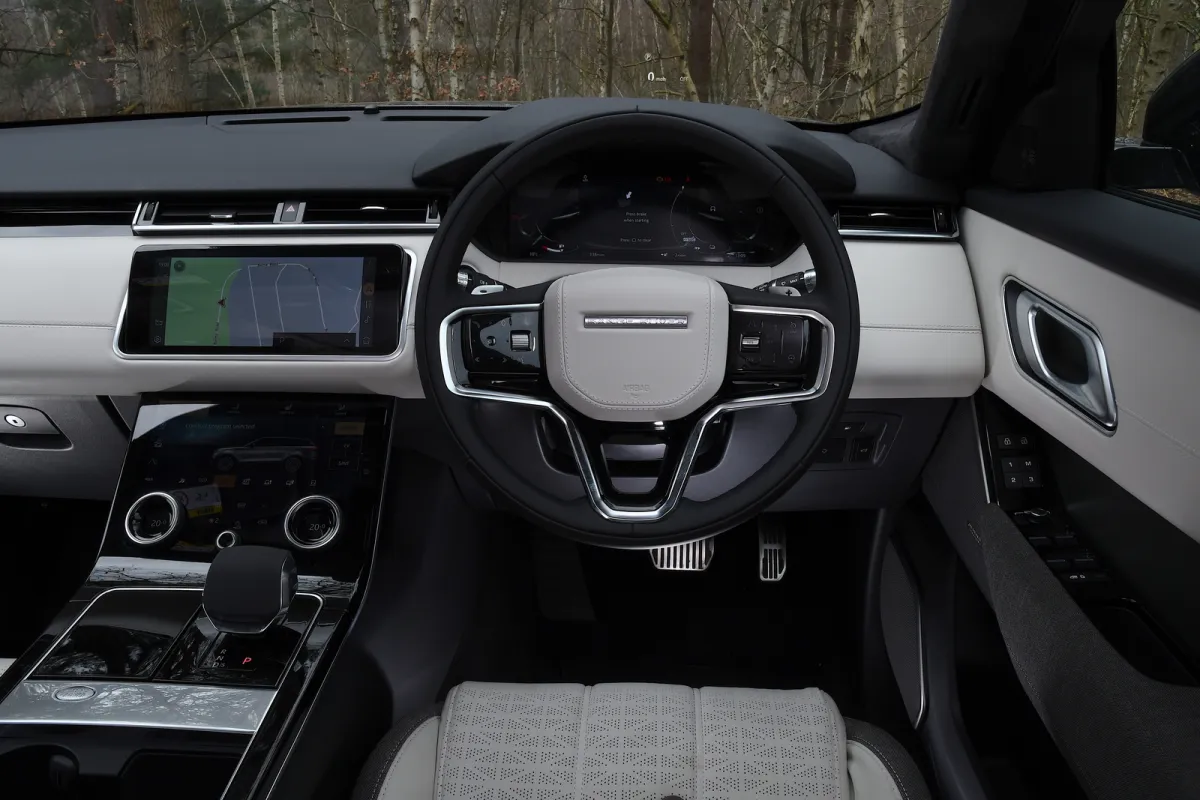
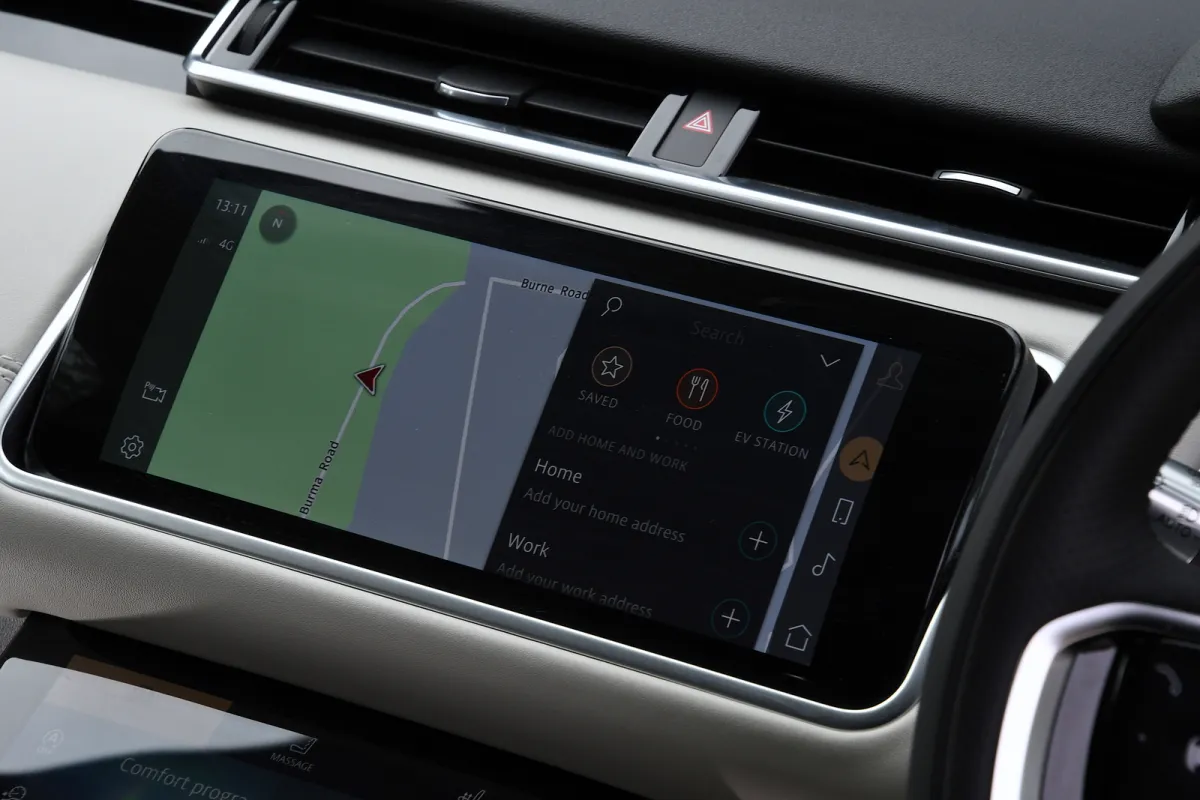
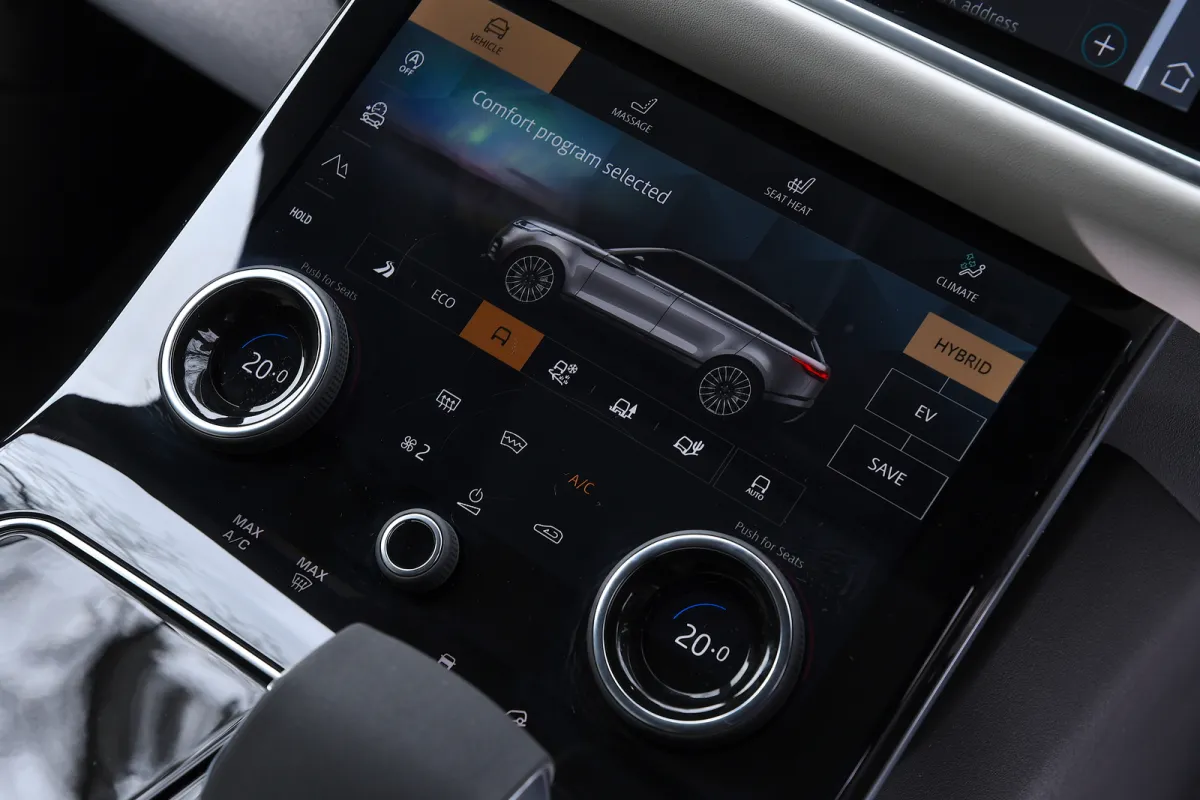
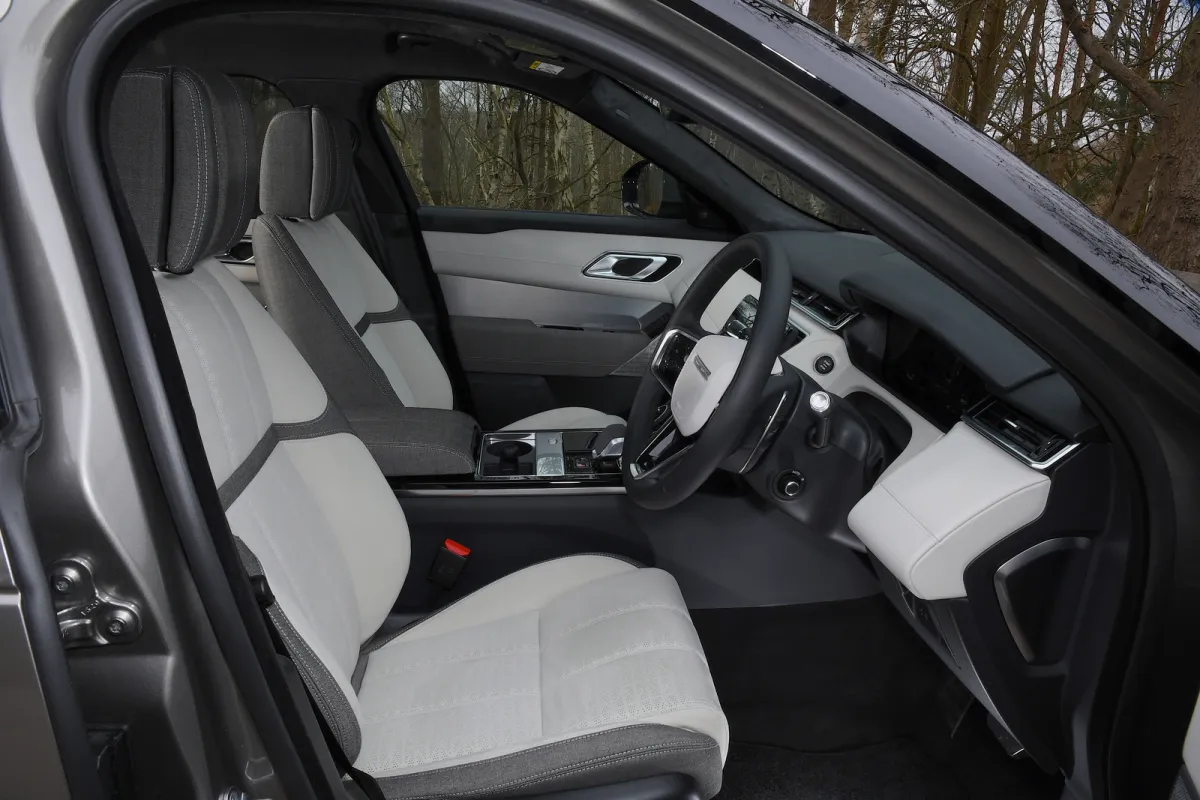
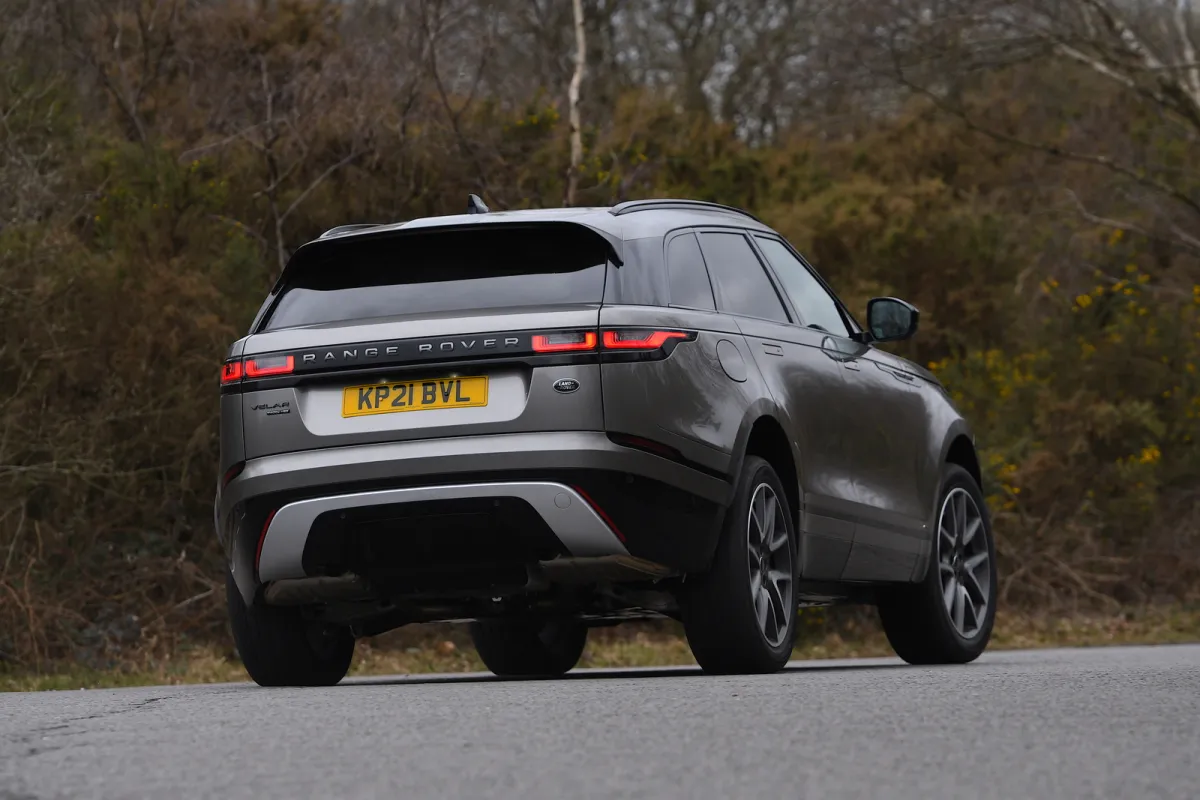
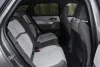
Although it has large mirrors and rear parking sensors, the Velar can be tricky to park, so look closely at the bumpers and bodywork for dents, scratches or poorly repaired paint. Inside, lighter-coloured interiors are worth checking carefully for wear. It’s also important to test the car's electrical features, including the infotainment system, cameras and pop-out door handles.
Check the tyres closely, since many Velars use expensive low-profile sets. Uneven wear can point to alignment or suspension issues, so ideally all four should be matching premium brands with good tread remaining. While driving, listen for suspension knocks or rattles and, when stationary, ensure the air suspension raises and lowers correctly (if a car has it fitted).
advertisment
scroll for more
If you’re considering a Velar with the 2.0-litre Ingenium diesel engine, pay particular attention to the service history. Early Ingenium diesel engines gained a reputation for timing chain wear, oil dilution and diesel particulate filter (DPF) problems, especially on cars used mainly for short urban journeys. Frequent stop-start driving can prevent the DPF from regenerating properly, potentially leading to warning lights and expensive repairs. Some owners have also reported excessive oil consumption, so check the oil level and make sure servicing has been carried out on time – ideally more frequently than the official intervals. On diesel models, a smooth cold start with no excessive rattling or smoke is a good sign.
What are the most common problems with a used Land Rover Range Rover Velar?
At the time of writing, the Range Rover Velar has 15 recalls listed. To check whether a car has been affected, you can contact your local Land Rover dealer. You will not need to pay for anything involving the recall.
advertisment
scroll for more
Reason for recall
The brazing of the fuel rail end caps is inconsistent and may not correctly seal the fuel rail ends. Fuel vapour and liquid fuel leaks can occur over time. This can lead to a liquid fuel leak into the engine bay.
How the manufacturer will repair: On affected vehicles replace the fuel rail with a correctly manufactured version.
Number of affected vehicles: 1537
Date of recall: 13/03/2018
Reason for recall
The air inlet door linkages to the Heating Ventilation and Air Conditioning may detach become detached and depending on operating mode position cause unexpected severe condensation/fogging of the interior windows. At temperatures below 0 degrees Celsius where the linkage detaches in recirculation mode it may not be able to clear condensation/fog from the inside of the front windscreen or other windows which can restrict the driver's field of vision and could lead to an increased risk of an accident.
How the manufacturer will repair: Recall the vehicles that are likely to be affected and download the latest software to the vehicle. Additionally the actuator arm will be replaced.
advertisment
scroll for more
Number of affected vehicles: 5958
Date of recall: 19/03/2018
Reason for recall
The crankshaft pulley retaining bolt may fracture due to a production specification error.
How the manufacturer will repair: Replace the crankshaft pulley centre retaining bolt with one that has been manufactured to the correct specification.
Number of affected vehicles: 219
Date of recall: 31/01/2019
Reason for recall
Vehicles failed to routinely achieve the required levels of CO2 emissions.
How the manufacturer will repair: Update the vehicle software to the latest version.
Number of affected vehicles: 4779
Date of recall: 10/04/2019
Reason for recall
Vehicles failed to routinely achieve the required levels of CO2 emissions.
How the manufacturer will repair: Update the vehicle software to the latest version.
Number of affected vehicles: 4779
Date of recall: 19/04/2019
Reason for recall
The rubberised fuel return hose assembly may have been incorrectly manufactured.
How the manufacturer will repair: Inspect the date code on the fuel return pipe and replace the part if necessary.
advertisment
scroll for more
Number of affected vehicles: 7502
Date of recall: 25/06/2021
Reason for recall
Damaged front seat belt pretensioner tube may have been installed on the seat belt retractor.
How the manufacturer will repair: Inspect the seat belt pretensioner tube for damage and if damage is identified the seat belt retractor will be replaced.
Number of affected vehicles: 2981
Date of recall: 19/08/2022
Reason for recall
On affected vehicles, there is a risk where the water pump pully drive belt can become damaged leading to detachment or destruction. Where water pump pully drive is lost this leads to a loss coolant flow in the engine.
How the manufacturer will repair: Affected vehicles will have the engine coolant elbow replaced. In addition a turbocharger feed coolant pipe will be replaced.
Number of affected vehicles: 18,151
Date of recall: 09/05/2023
Reason for recall
For certain 2023 Model Year 3.0L AJ20-P6 Land Rover Range Rover Range Rover Sport Range Rover Velar Discovery and Defender vehicles a small number of engines the cam carrier oil gallery hasn't been fully drilled. As a result the oil channel could be blocked leading to accumulation of oil against the pressure control valve rubber membrane and subsequently an external oil leak or increased oil carryover into the air intake system.
advertisment
scroll for more
How the manufacturer will repair: The engine cam carrier will be inspected and where an incorrectly machined cam carrier is found replace it with a correctly machined component. Depending on mileage and engine conditions further associated components may require replacement.
Number of affected vehicles: 499
Date of recall: 18/05/2023
Reason for recall
On affected Plug-in Hybrid Electric Vehicles (PHEV) it is possible that the internal combustion engine will not start when required. This may occur whilst the vehicle is in motion and the vehicle will operate in Electric Vehicle (EV) Mode only. When the EV system is no longer able to propel the vehicle the vehicle will unexpectedly slow down and no drive is possible.
How the manufacturer will repair: Software update to the powertrain control module.
Number of affected vehicles: 770
Date of recall: 30/10/2023
Reason for recall
For affected vehicles the manufacturer has developed a software enhancement to further increase vehicle security.
advertisment
scroll for more
How the manufacturer will repair
The software enhancement will deploy this update and reduce the theft risk.
Number of affected vehicles: 6248
Date of recall: 15/03/2024
Reason for recall
On affected vehicles, the incorrect specification of plastic was used to manufacture the oil filter housing. This housing may over time and with vehicle use crack. This could result in oil under pressure leaking and coming into contact with hot components of the engine which may result in a fire. Additionally oil may leak onto the road surface posing a skid hazard.
How the manufacturer will repair: Replace the oil filter housing complete with filter and associated O-rings.
Number of affected vehicles: 31
Date of recall: 14/06/2024
Reason for recall
Affected vehicles have a Turbocharger oil feed pipe that may over time loosen and lead to an oil leak
How the manufacturer will repair: Replace the turbocharger oil feed pipe O-rings and install an additional clamp.
Number of affected vehicles: 9259
advertisment
scroll for more
Date of recall: 26/06/2024
Reason for recall
Jaguar Land Rover in conjunction with law enforcement and insurance bodies is aware of the increase in thefts of vehicles in specific geographical locations within the United Kingdom. there is no fault with Jaguar Land Rover's security systems and they continue to meet stringent automotive legislation. Jaguar Land Rover is offering owners guidance on how to maximise vehicle security and protect against theft.
How the manufacturer will repair: Vehicle registered keepers will be sent a security guidance letter only - there is no repair action.
Number of affected vehicles: 32,752
Date of recall: 09/05/2025
Reason for recall
On affected vehicles the turbocharger oil feed pipe clamp may have been installed in the incorrect orientation. Incorrectly installed pipe clamp will not provide sufficient clamp load and therefore risk an oil leak.
How the manufacturer will repair
Replace oil feed pipe O-rings and fit replacement pipe clamp correctly.
advertisment
scroll for more
Number of affected vehicles: 21
Date of recall: 28/05/2025
Click here for more information. Contact your local Land Rover dealer if you believe your vehicle is involved in a recall.
Is a used Land Rover Range Rover Velar reliable?
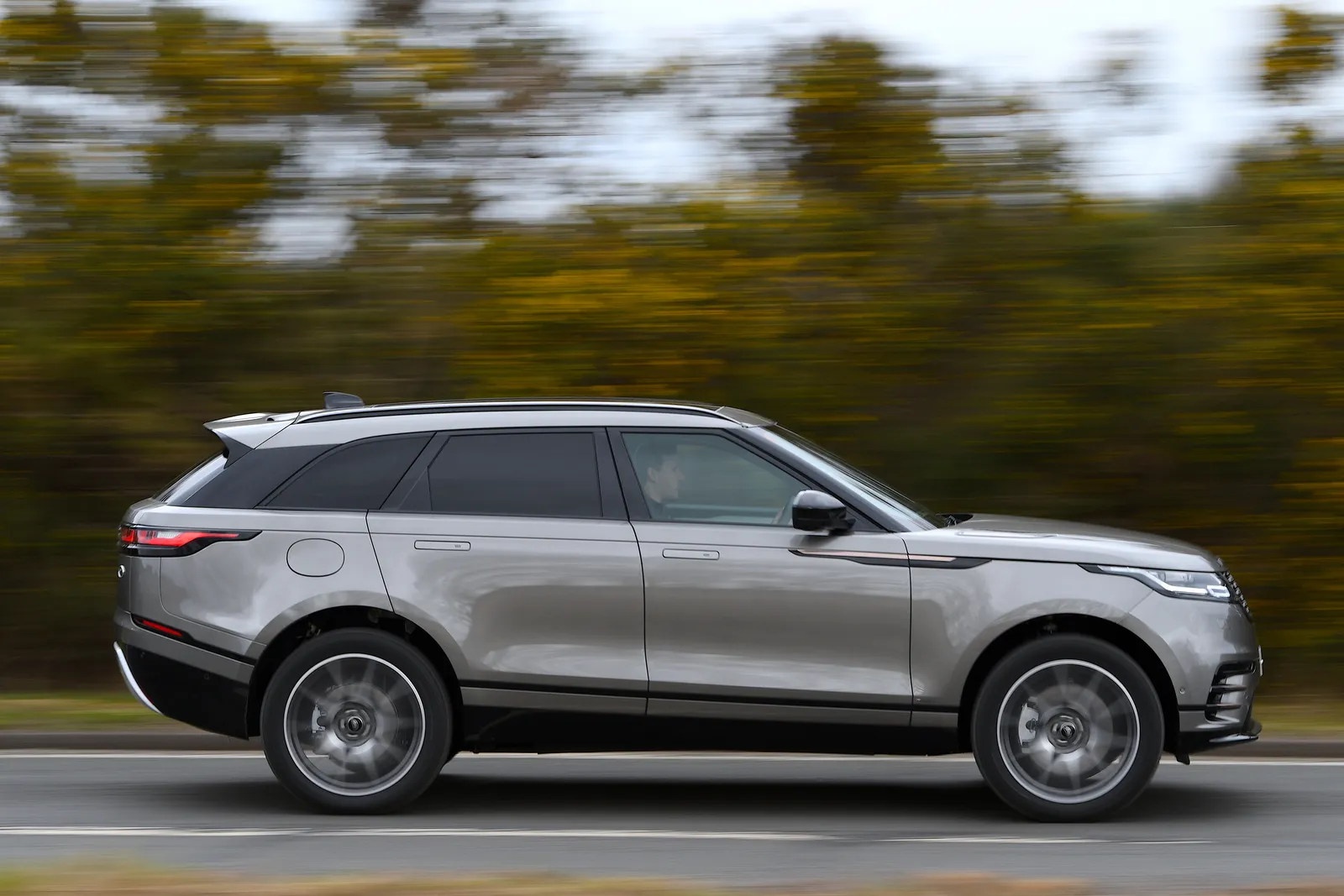
Unfortunately, the Range Rover Velar doesn't have a good reputation for reliability. Over the years, it's been a regular near the bottom of the large SUV rankings in the What Car? Reliability Survey.
However, it does appear that reliability has improved in recent years, since it ranked in 51st place out of 76 family SUVs in our latest survey, with a respectable score of 90.5%. That places it above the Alfa Romeo Stelvio and Audi Q5, but below the Lexus NX and Porsche Macan.
As a car brand, Land Rover continues to do poorly, placing 26th out of 30 manufacturers featured. Other premium manufacturers, such as BMW, Lexus and Porsche, did much better.
Used Range Rover Velar: owners' reliability data
In our most recent reliability survey, owners said the Range Rover Velar delivers a mixed ownership experience, with reliability being a significant talking point for both petrol and diesel owners.
advertisment
scroll for more
A worrying trend of electrical faults emerged, with multiple owners reporting issues ranging from glitchy infotainment screens to faulty reversing cameras and persistent warning lights. Mechanical gremlins, particularly noisy suspension components and minor engine sensor faults, were also highlighted as common headaches.
While some owners praised their cars for remaining completely trouble-free, those who did encounter issues frequently expressed frustration with Land Rover’s dealer network. Readers often faced long waiting times for diagnostic appointments and parts. While some dealerships resolved complex fixes under warranty efficiently, others were criticised for expensive out-of-warranty repair costs and sub-par communication, indicating that customer service consistency remains a gamble for Velar drivers.
Used cars available now
In partnership with
Land Rover Range Rover Velar
2.0 D180 S Auto 4WD Euro 6 (s/s) 5dr
£10,995
Land Rover Range Rover Velar
2.0 D180 Auto 4WD Euro 6 (s/s) 5dr
£10,995
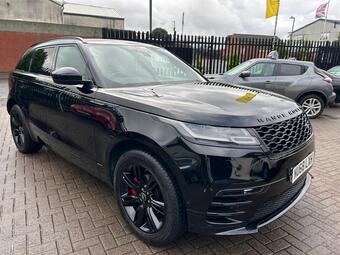
Land Rover Range Rover Velar
2.0 D180 R-Dynamic SE Auto 4WD Euro 6 (s/s) 5dr
£10,999
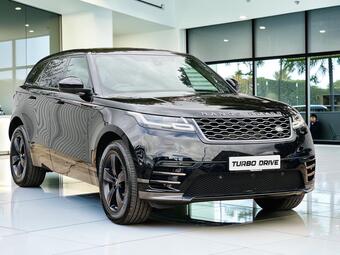
Land Rover Range Rover Velar
2.0 D180 R-Dynamic S Auto 4WD Euro 6 (s/s) 5dr
£11,945

Land Rover RANGE ROVER VELAR
2.0 D180 S Auto 4WD Euro 6 (s/s) 5dr
RRP £48,940
£11,990
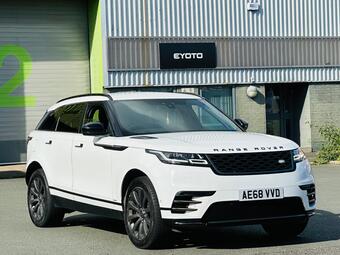
Land Rover Range Rover Velar
2.0 D180 R-Dynamic SE Auto 4WD Euro 6 (s/s) 5dr
£11,990

Land Rover Range Rover Velar
2.0 D180 Auto 4WD Euro 6 (s/s) 5dr
£11,995

Land Rover Range Rover Velar
2.0 D180 S Auto 4WD Euro 6 (s/s) 5dr
£12,000
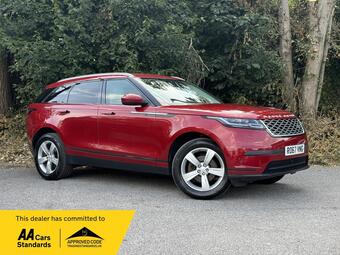
Land Rover Range Rover Velar
2.0 D180 S Auto 4WD Euro 6 (s/s) 5dr
£12,249
See all available cars
About the writer

Name: George Hill
Title: Used car writer
Follow George Hill on
George Hill first joined the What Car? team as a staff writer in 2021, before becoming a used car writer in 2024 and a reviewer in 2026. In his current role he writes new car reviews for What Car? magazine and whatcar.com.
If you follow What Car? on social media, you might see him presenting the odd video on new cars too.
News & Advice
Sponsored
Most reliable Land Rovers - and the unreliable ones to avoid
In our annual Reliability Survey, we ask readers to rate the dependability of cars aged up to five years old. Here are most and least reliable Land Rovers
Sun Jun 21 2026
Best of
Best coupé SUVs 2026 – tried, tested and rated
The best coupé SUVs are sleek yet practical, comfortable and enjoyable to drive. Here we count down the best - and the worst
Wed Jul 8 2026
Sponsored
What Car? Reliability Survey: Most and least reliable premium SUVs
In our annual Reliability Survey, we ask readers to rate the dependability of cars aged up to five years old. Here we list the most and least reliable premium SUVs in the UK
Mon Jun 1 2026
Feature
Every car made in the UK
The British car industry might be smaller than it was, but there are still 44 models from 18 brands manufactured on these shores. Here we take a look at them
Thu Feb 26 2026
See all latest advice