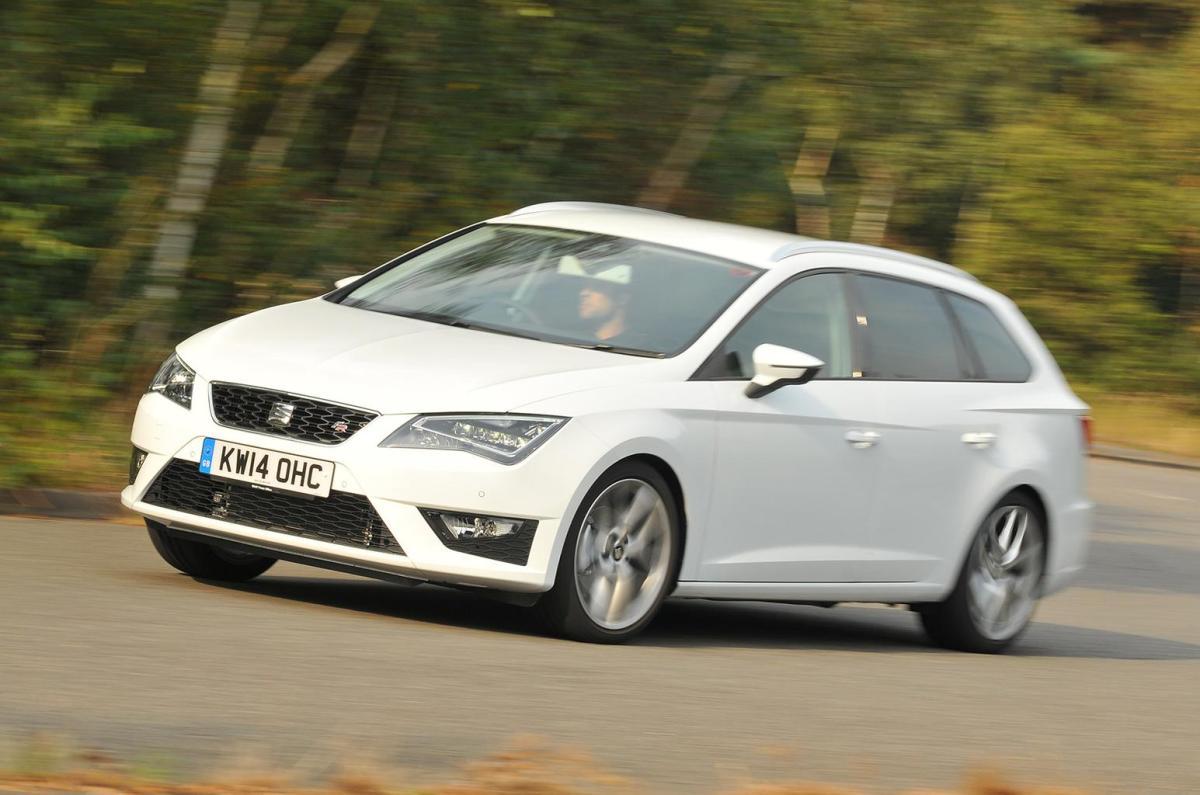
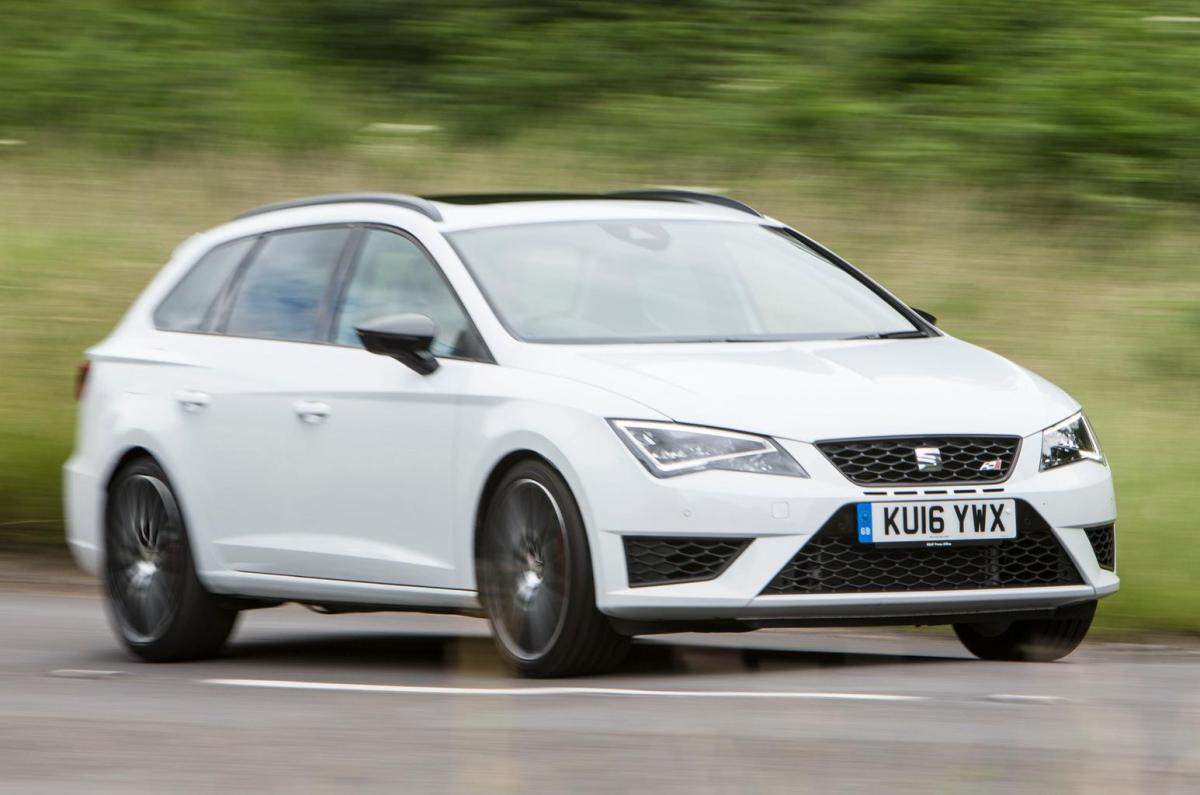
- Used Seat Leon Estate 2013-2020 front cornering
- Used Seat Leon Estate 2013-2020 front driving
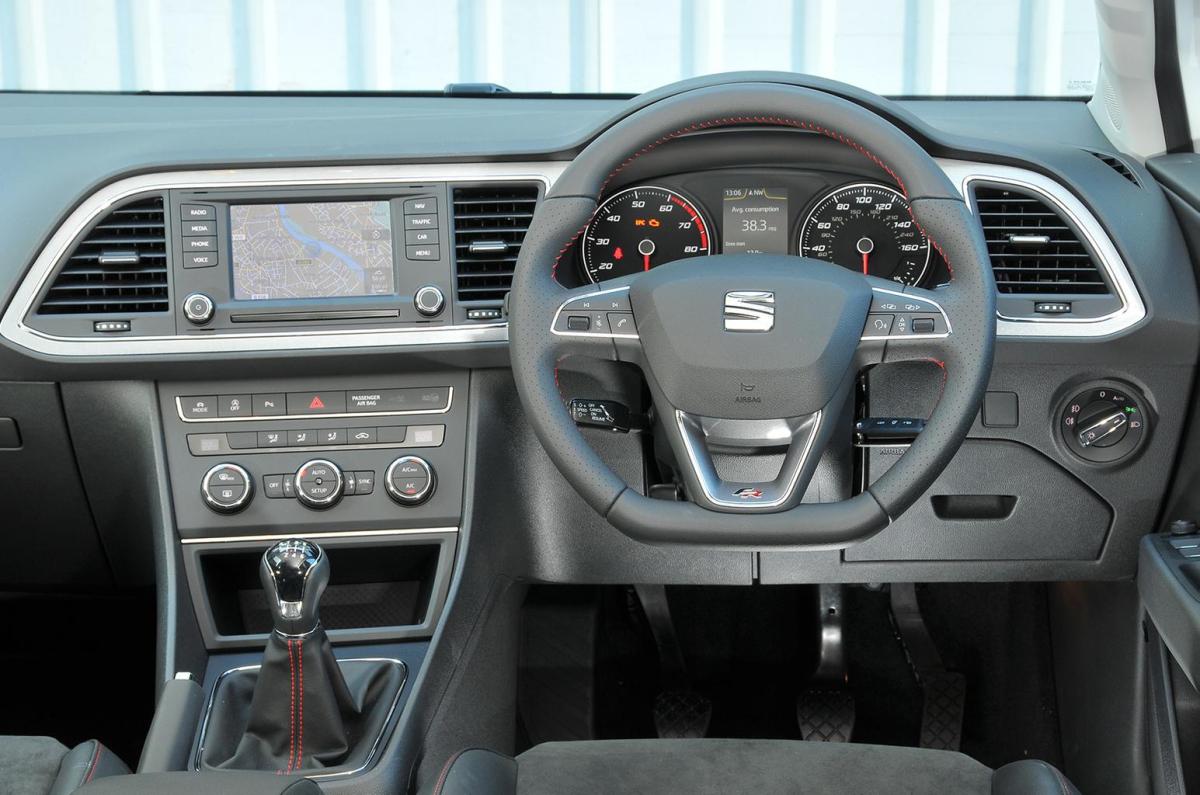
- Used Seat Leon Estate 2013-2020 interior dashboard
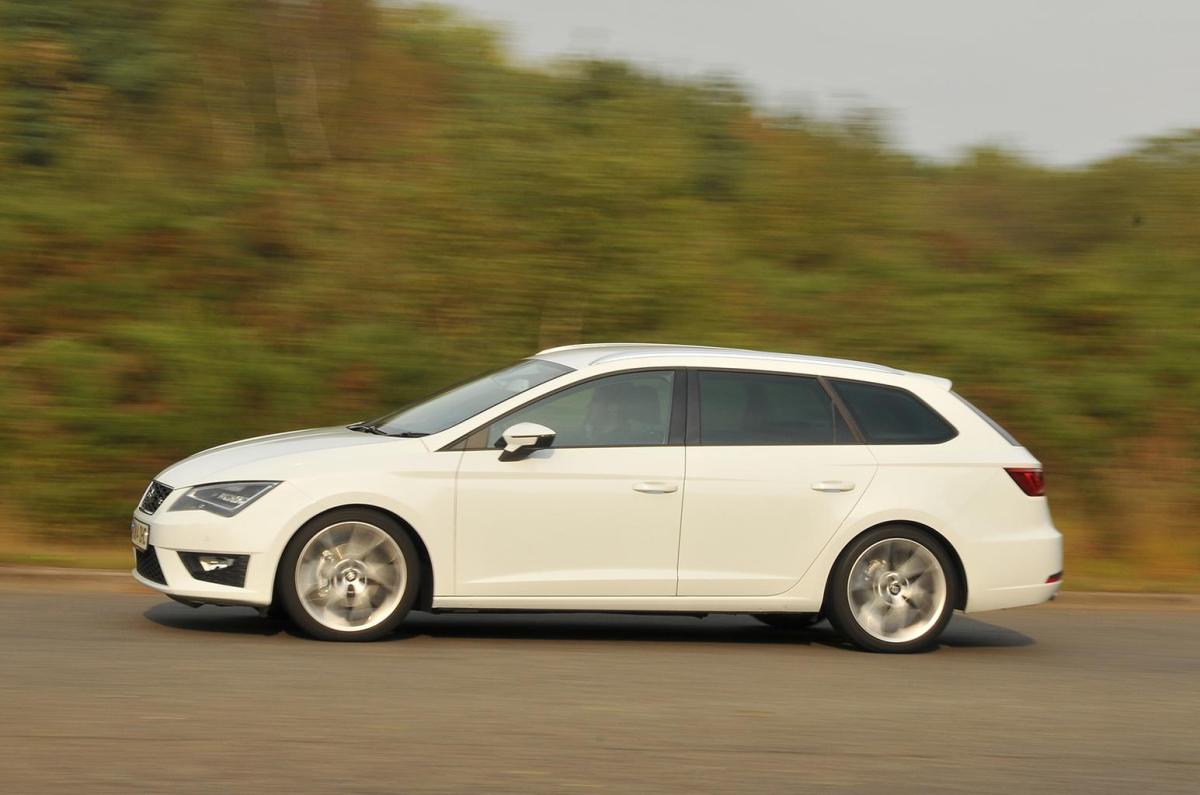
- Used Seat Leon Estate 2013-2020 side driving
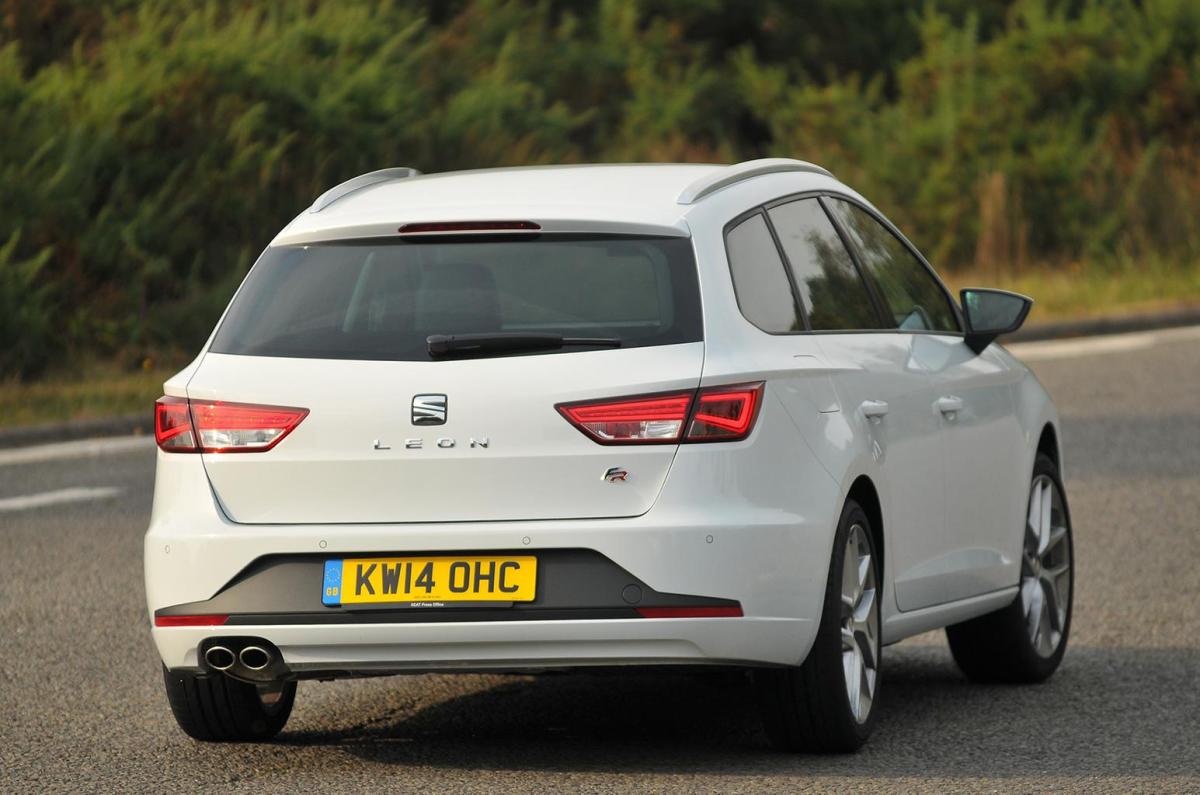
- Used Seat Leon Estate 2013-2020 rear cornering
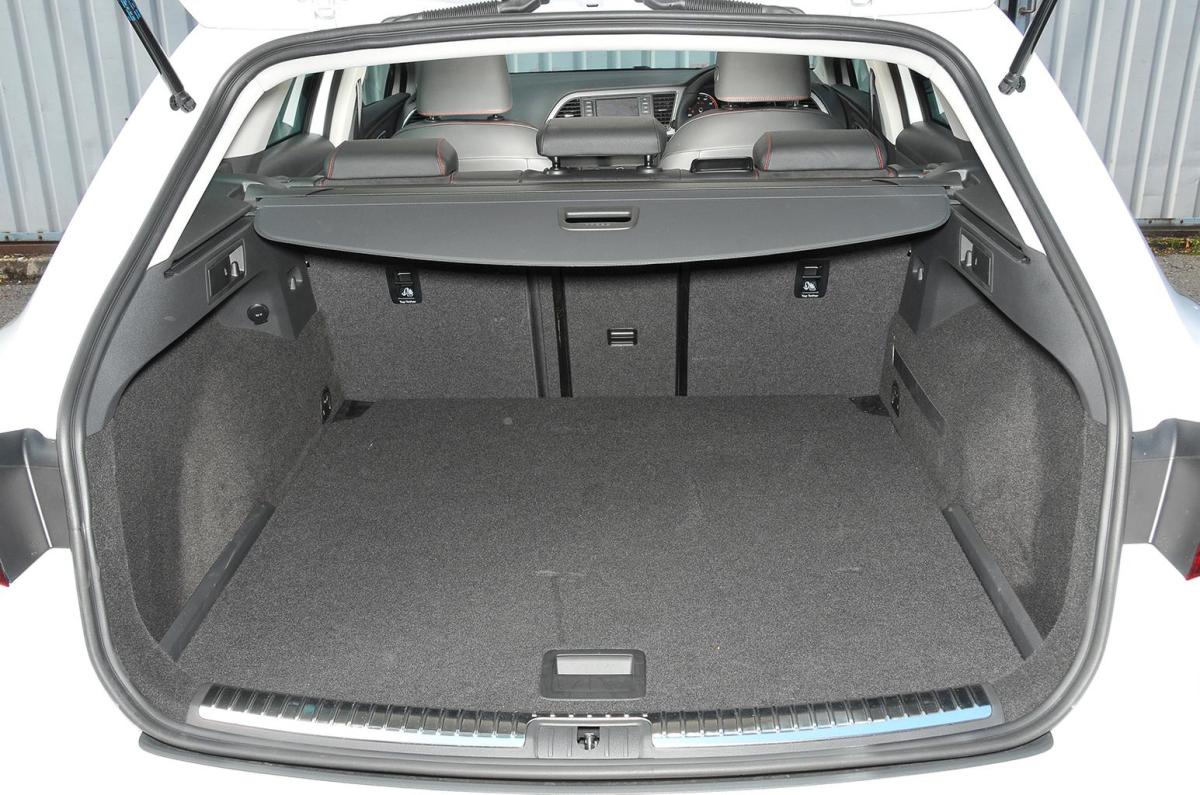
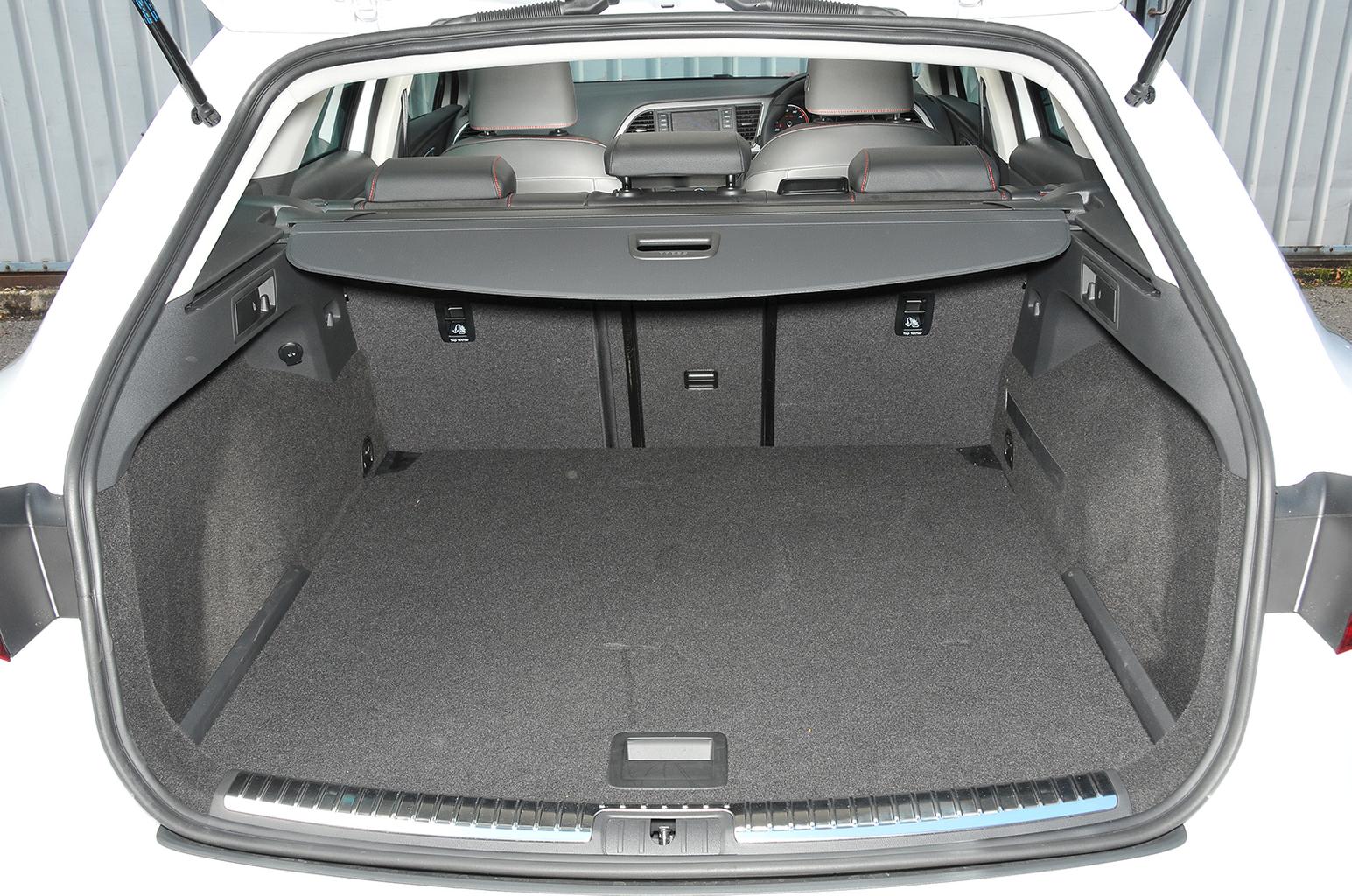
- Used Seat Leon Estate 2013-2020 boot
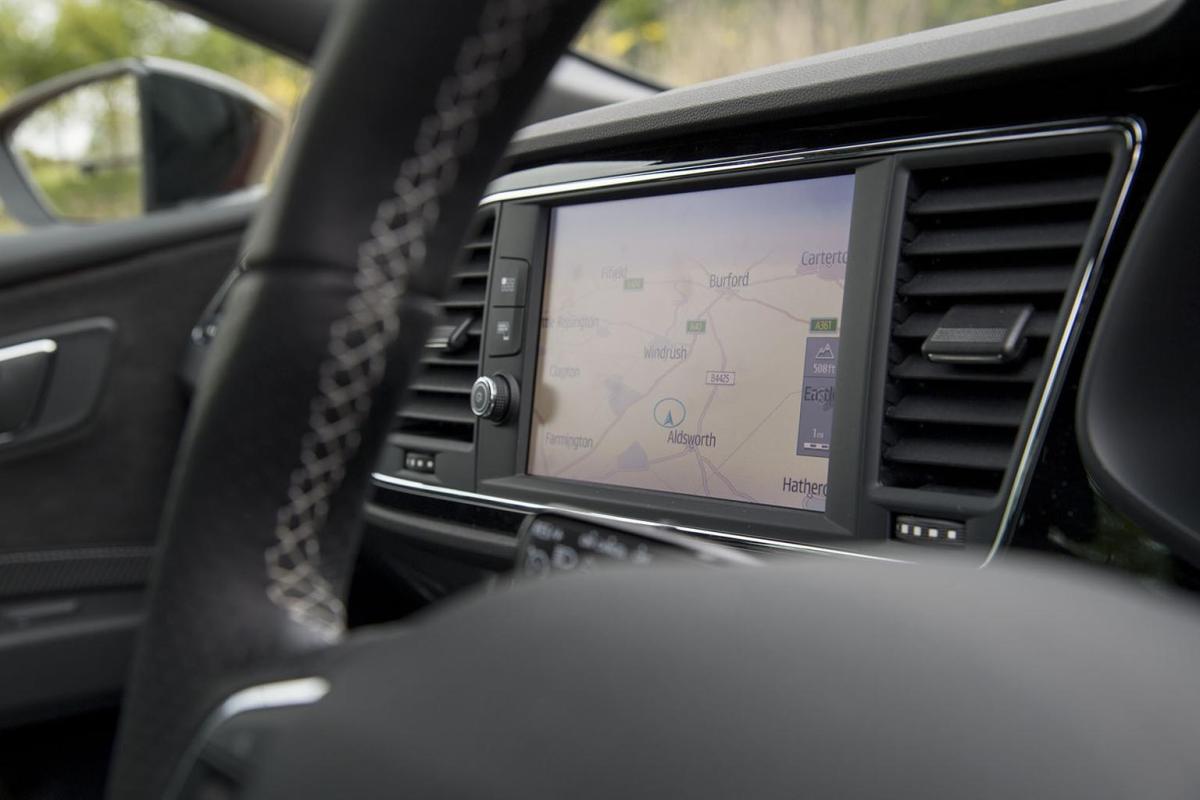
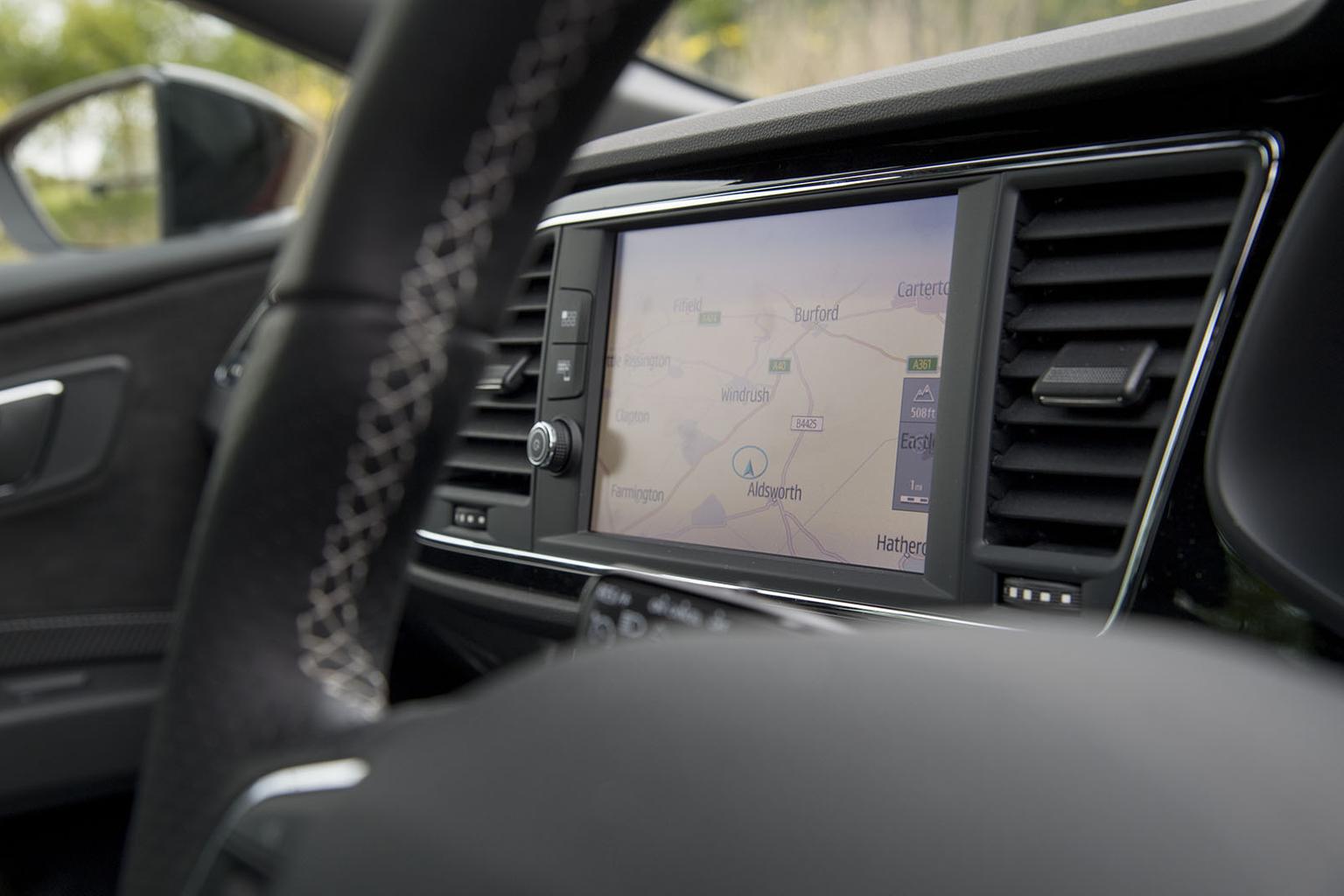
- Used Seat Leon Estate 2013-2020 infotainment

What should I look for in a used SEAT Leon?
You’d expect anybody who buys an estate car to make extensive use of the boot space. As a used car buyer it’s therefore important to check for dog hair or muddy carpets, as well as the general condition of the boot and rear bumper.
That aside the Leon ST is so far proving to be perfectly durable, and scores above average for wear rates on components such as brakes and wiper blades.
If you're looking at an FR or Cupra make sure you check the big alloy wheels carefully for damage, as well as looking out for signs the car has been driven hard. The suspension, for example, should feel taut and the steering track perfectly straight. If there's any sign of blue smoke coming from the exhaust walk away.
The only recall for the Leon ST concerns potentially fault child locks on cars built between November 2015 and April 2016.
Is a used SEAT Leon reliable?
The Leon of this generation finished in 18th place out of 25 cars in the family car section of our most recent Reliability Survey. That's not a good positioning, but it's overall score is still quite high at 95.9%. That places it above the current Leon, which finished in a very disappointing 24th place with a score of just 74%, but below rivals such as the VW Golf Mk8 (12th) and Skoda Octavia 2013-2020 (1st).
Seat as a brand performed poorly in our brand ranking too, finishing in 26th place out of 31 manufacturers with an overall score of 87.5%. This result placed the brand above Nissan (28th), Vauxhall (29th) and MG (31st), but below Peugeot (19th), Volkswagen (18th) and Toyota (5th).
Used Seat Leon reliability: the owners' view
In our latest Reliability Survey, owners said that the 2013-2020 Seat Leon range – covering both petrol and diesel models – showed a mixed record for dependability. Several owners reported issues with the infotainment system, dashboard warning lights and electrical faults, some of which required repeated trips to the dealership to resolve. A number of diesel owners mentioned problems with the emissions system and sensors, while a few petrol models suffered from turbocharger and engine management faults.
Feedback on dealer service was similarly varied. Some owners praised the helpfulness of their local Seat service centres, but others criticised long wait times and inconsistent communication when resolving faults. A few owners were frustrated by repairs being delayed due to parts availability. While many Leon owners experienced trouble-free motoring, there’s a clear pattern of minor but sometimes persistent issues, with the quality of aftercare depending heavily on the dealership involved.
If you would like to see the full reliability list, head to the What Car? Reliability Survey pages for more information.
Tips & Advice
Used cars available now


About the writer